


Ladakh: Indusvalleymonasteries – Losar La Tashi Delek
20. + 21. December 2025
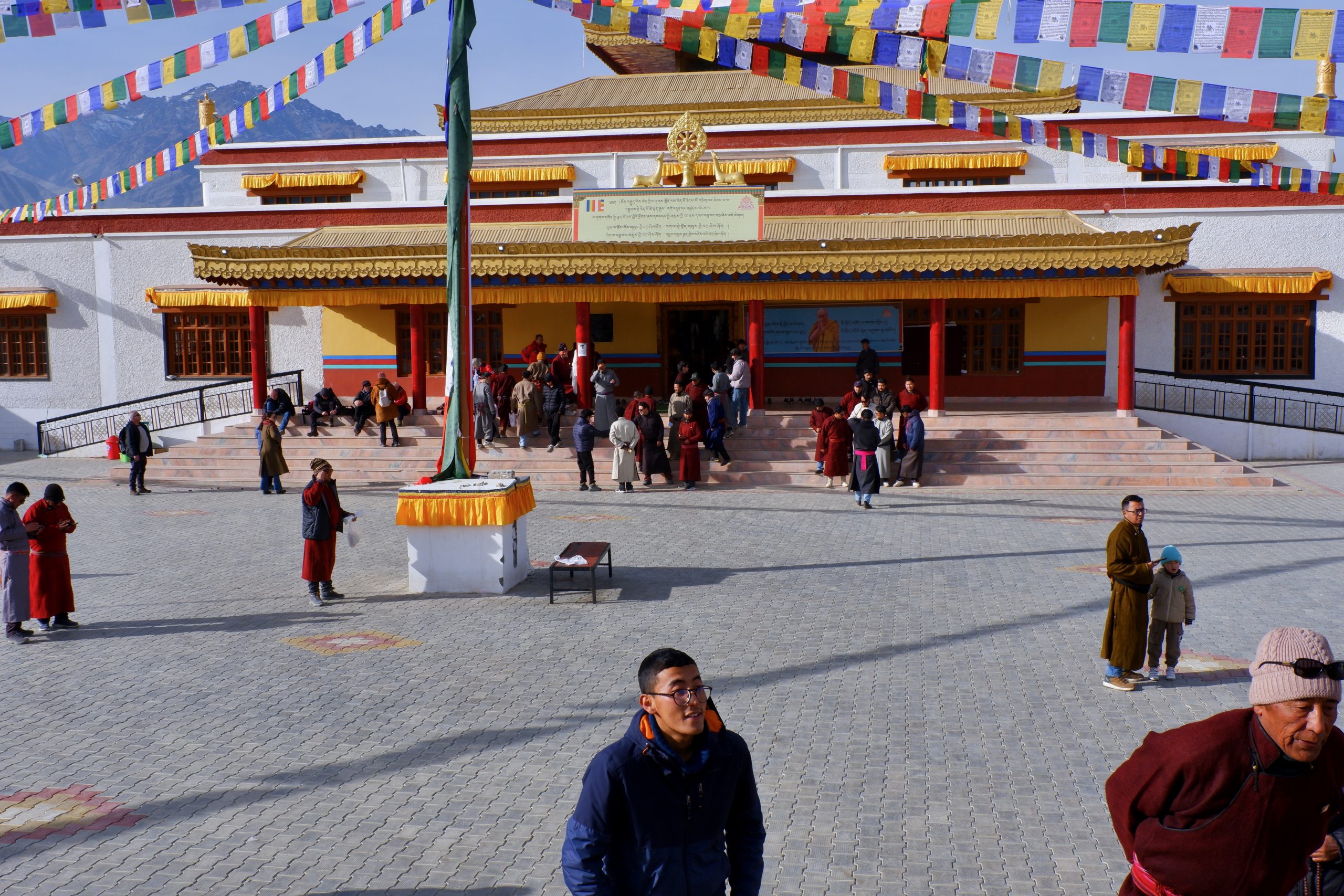
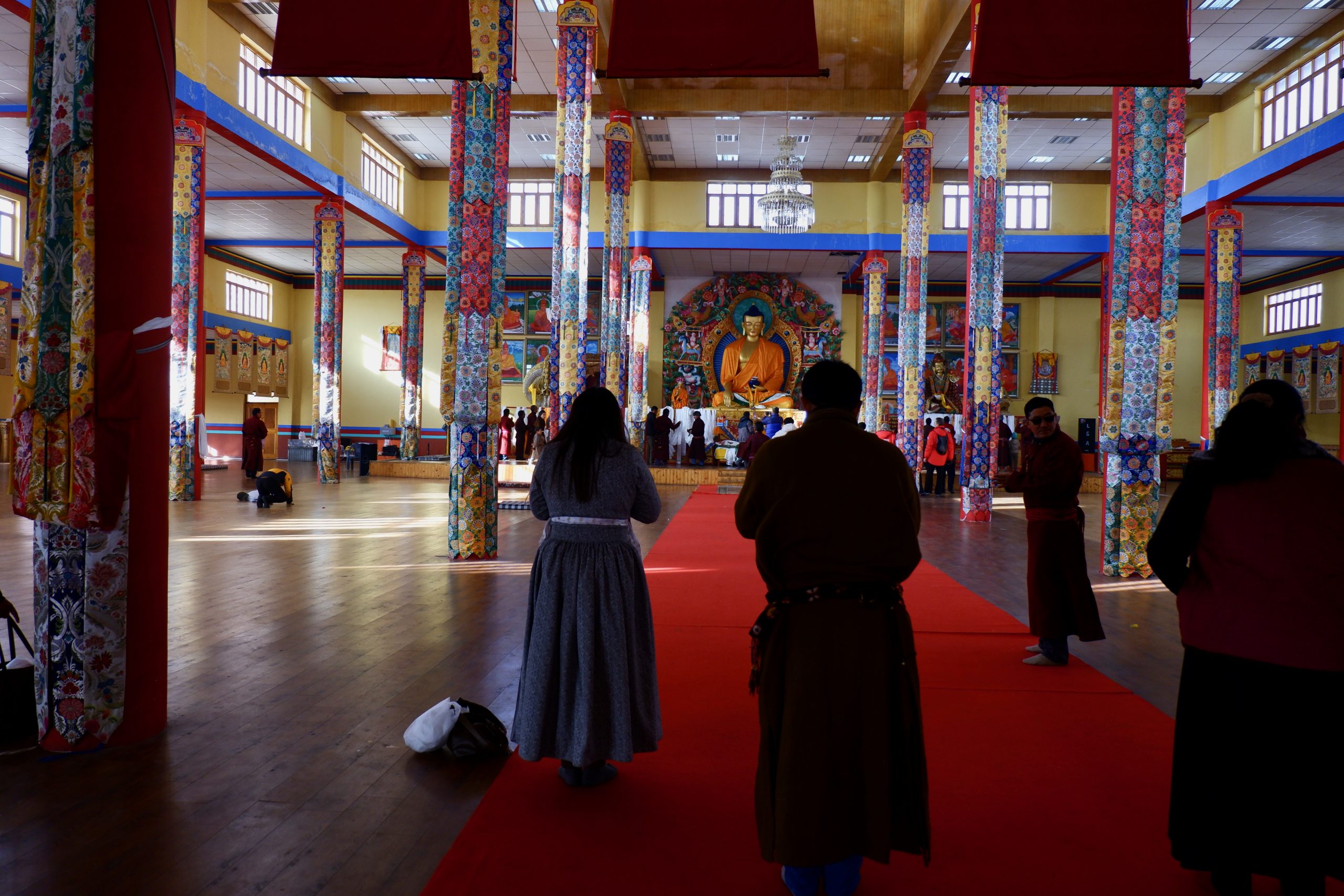
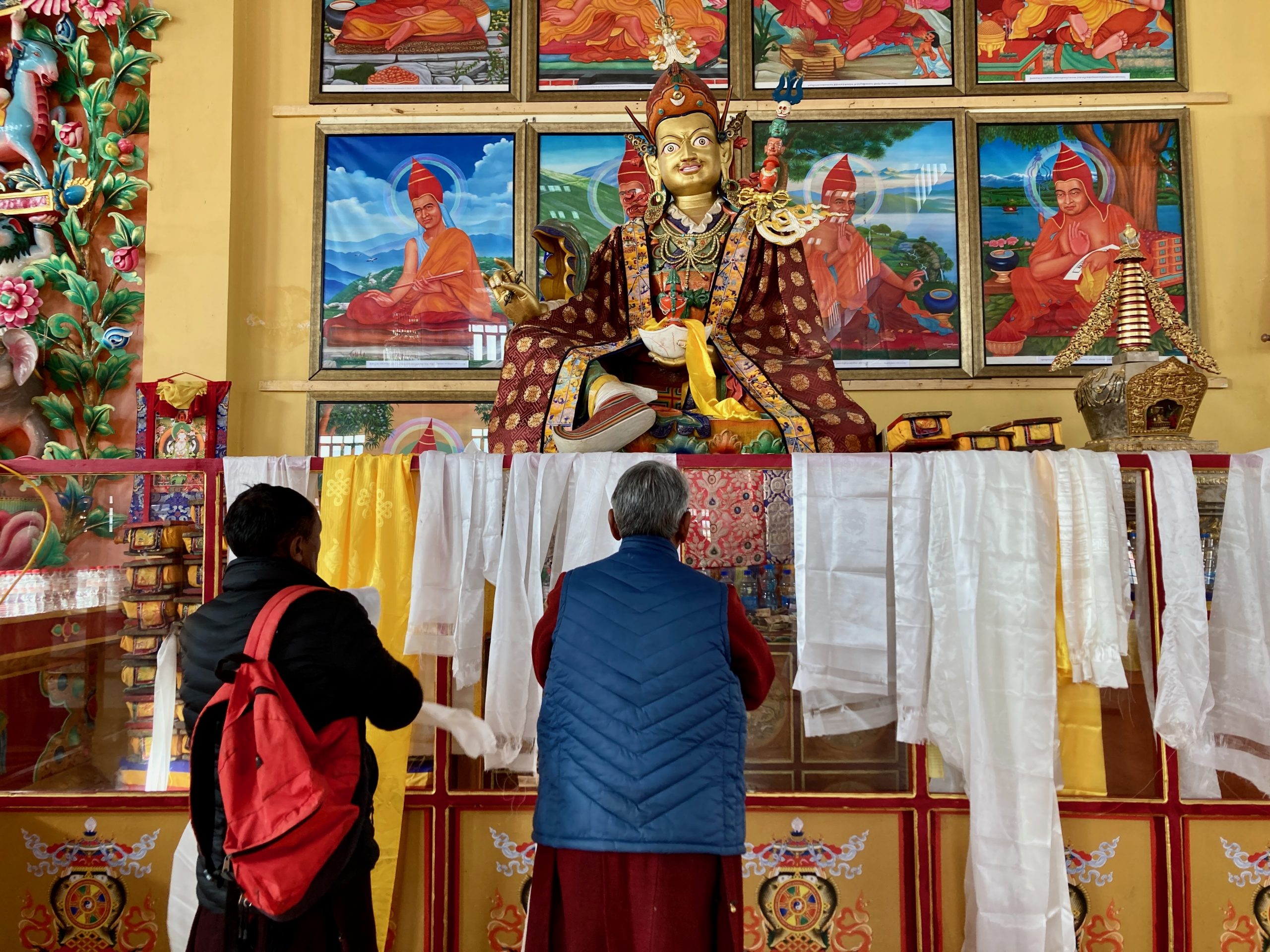
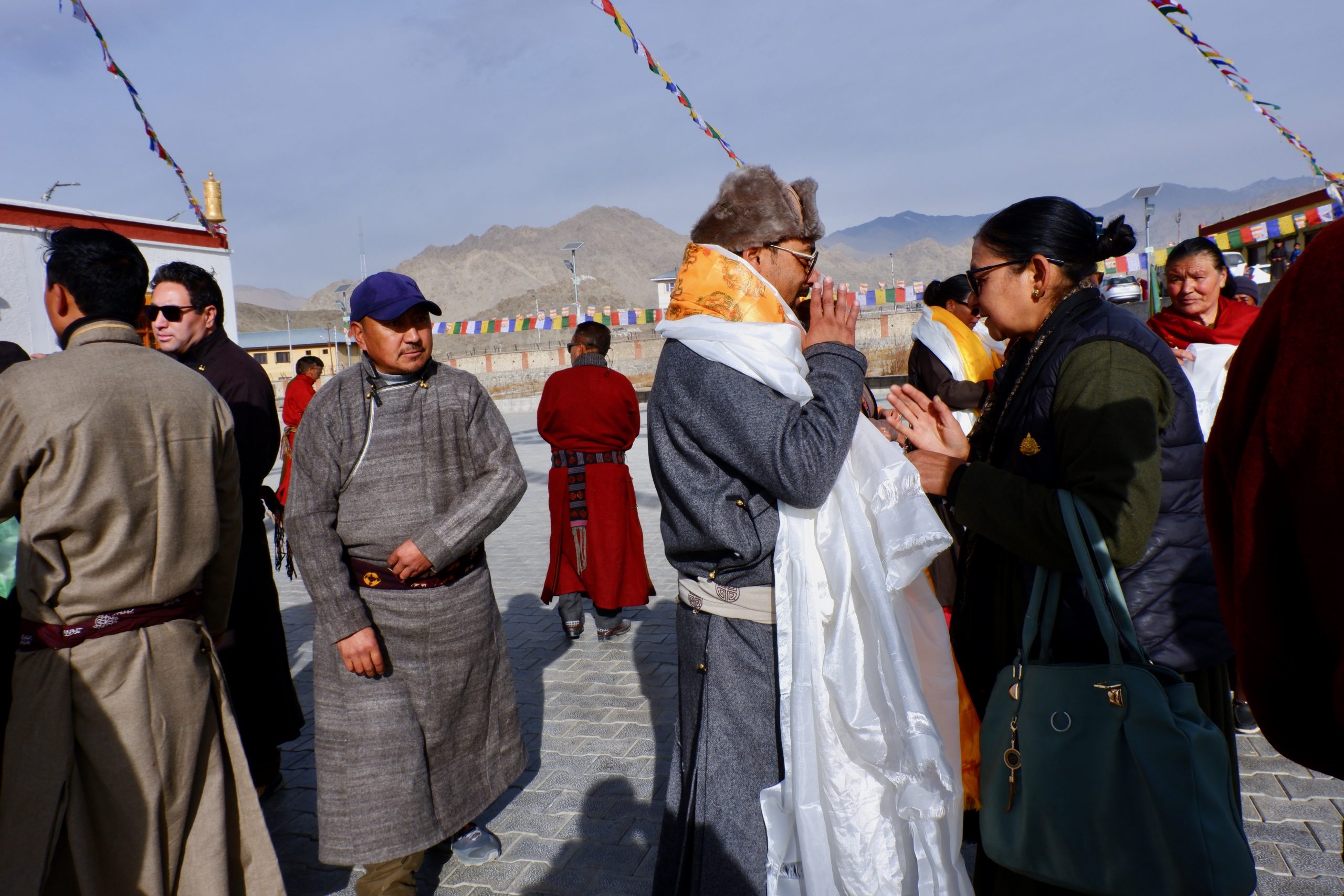
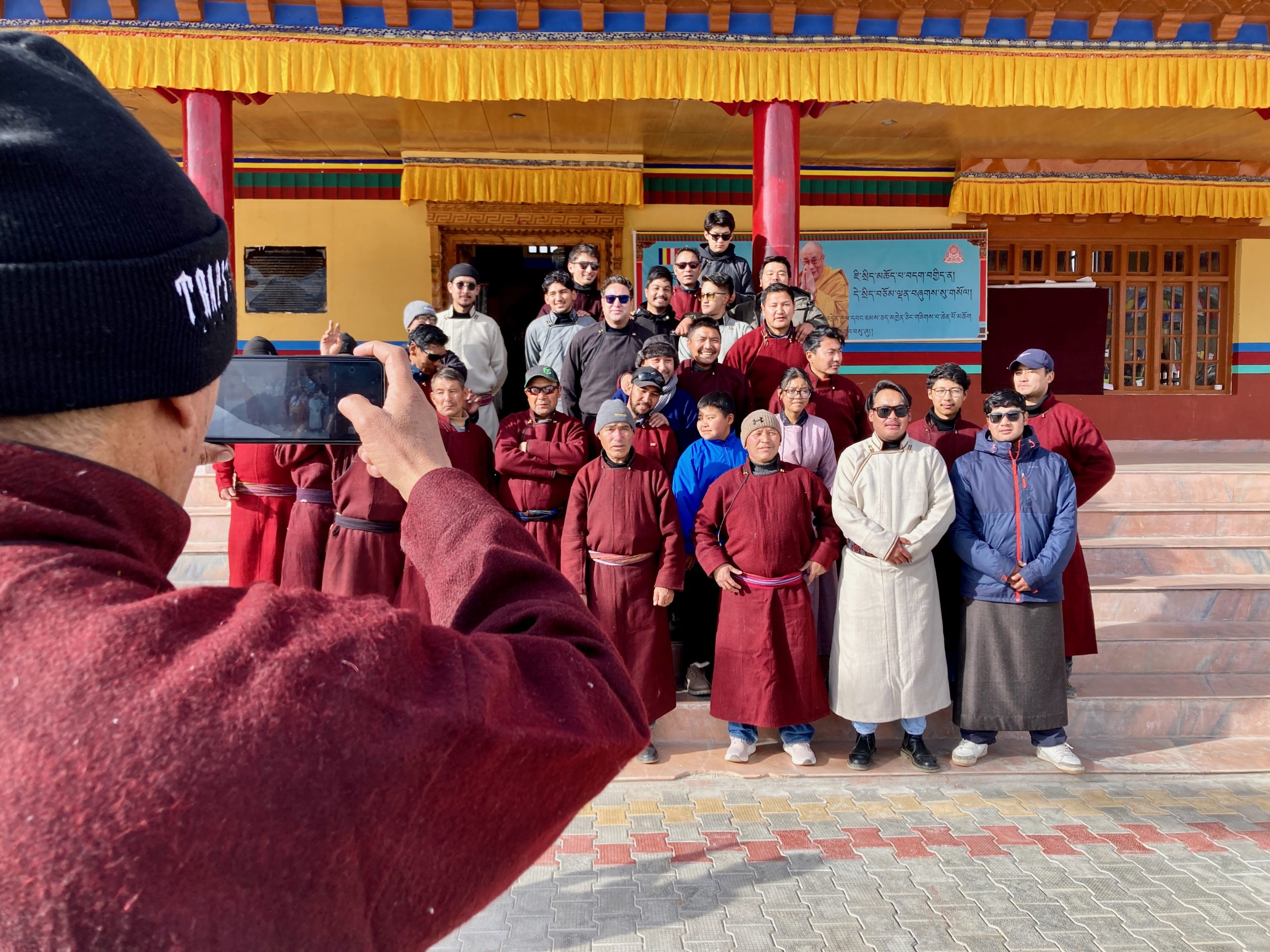
The day before had marked the start of Losar; the next day the head of the Ladakh Buddhist Association (LBA) was supposed to officially open Losar. This ceremony had always taken place at the Chowkang Vihara in Leh, but it had been demolished and was to be rebuilt. However, there is a Dharma Centre in Choglamsar, where all the statues and ritual objects had been moved, and it served as a substitute. Celebrations as usual with dancing and singing were not to be expected, and so only a few Ladakhis in festive dress came. And us.
 1
1
 2
2
 3
3
 4
4
The blessing itself I missed photographing — everything happened too quickly. Still, it was nice being among the people; everyone wished each other a happy New Year (“Losar La Tashi Delek”), and we were even invited for tea and fries.
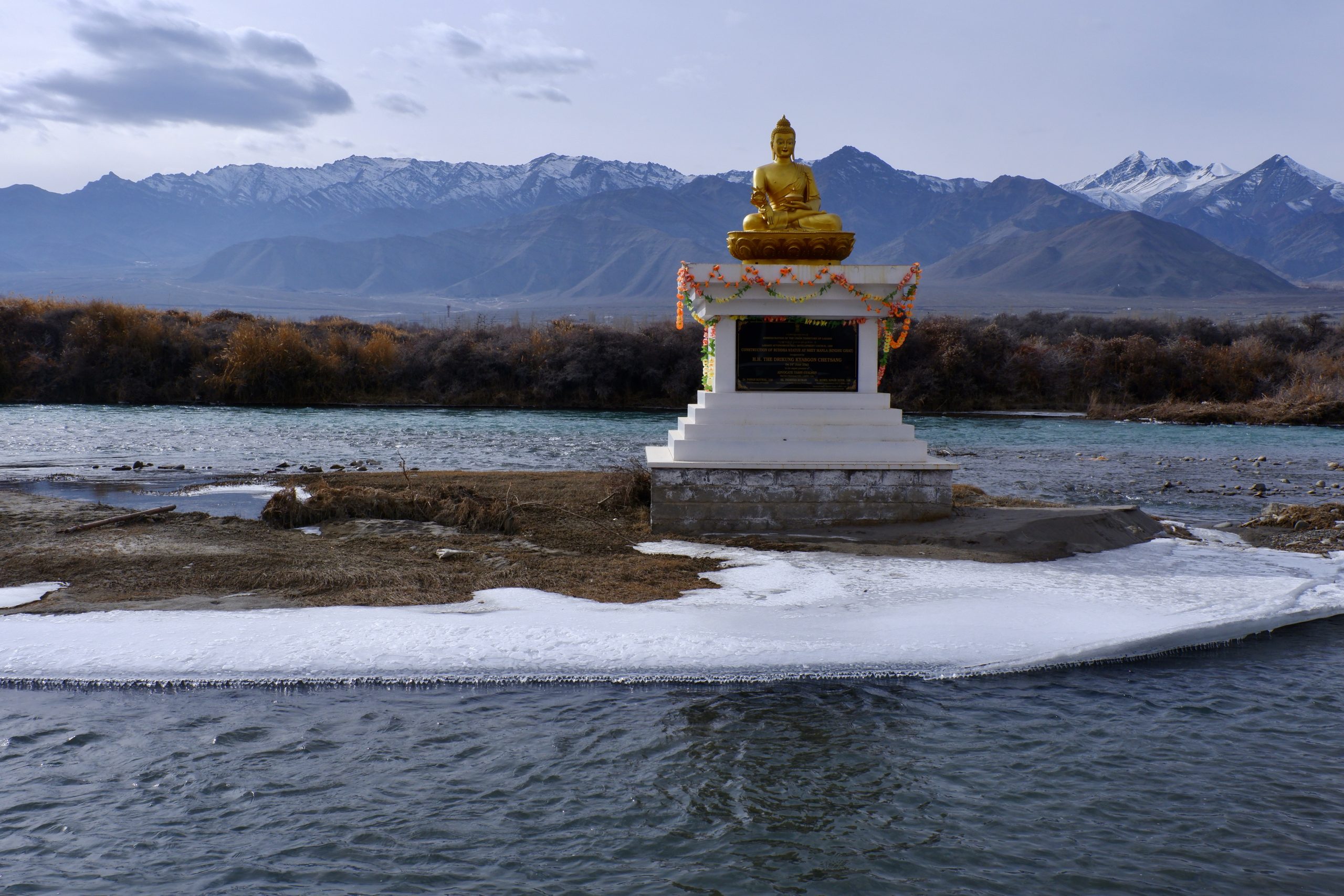
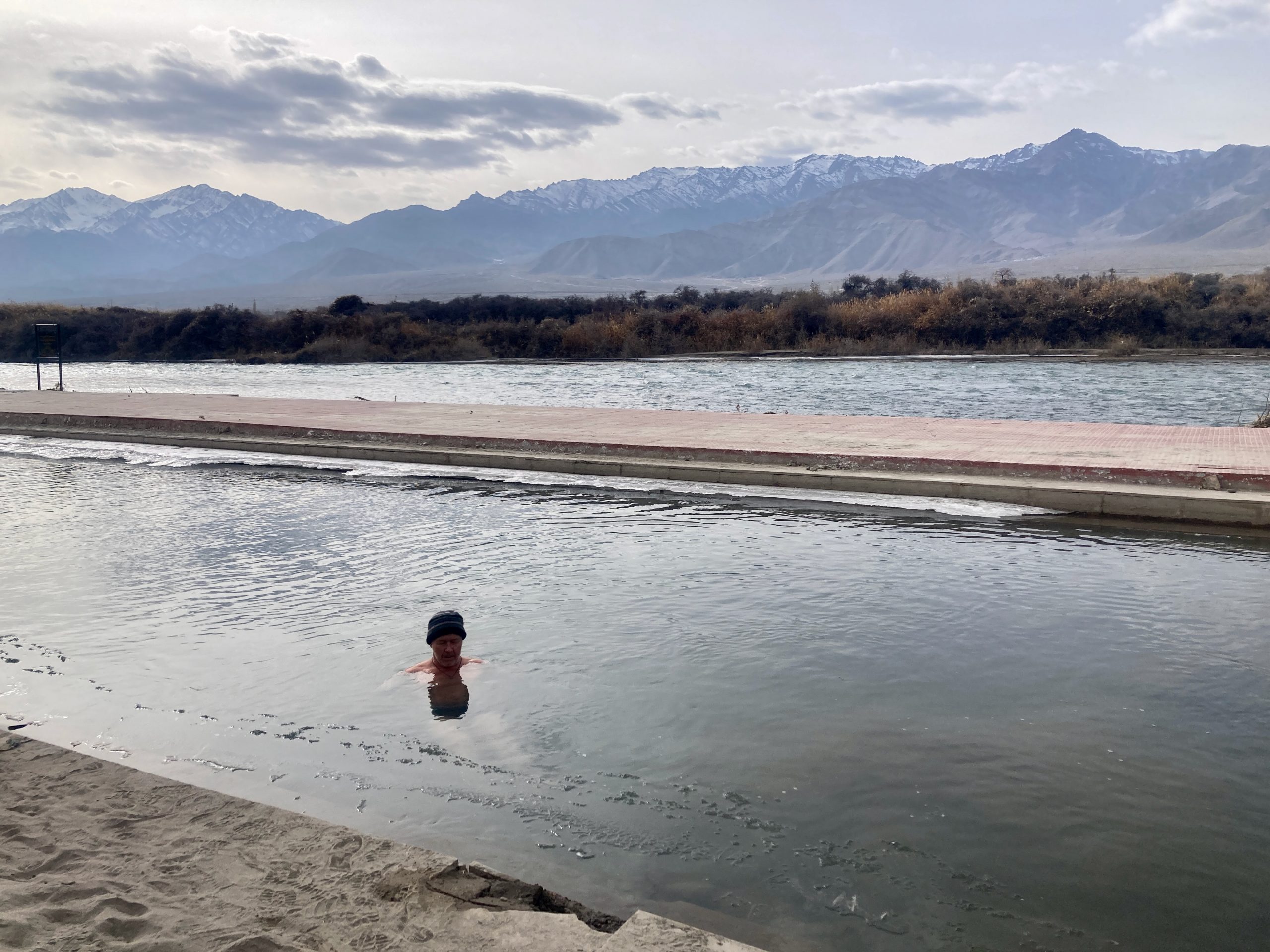
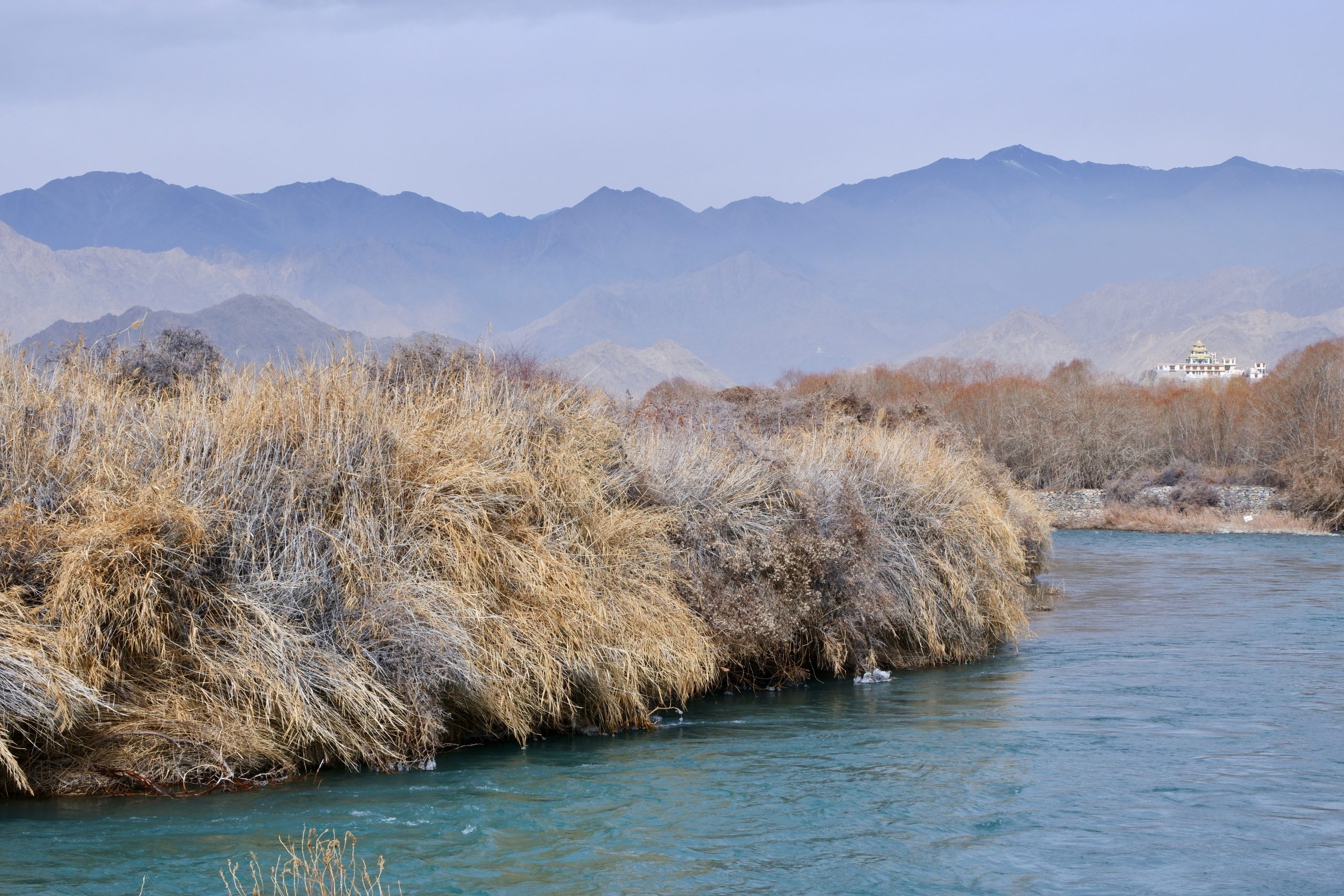
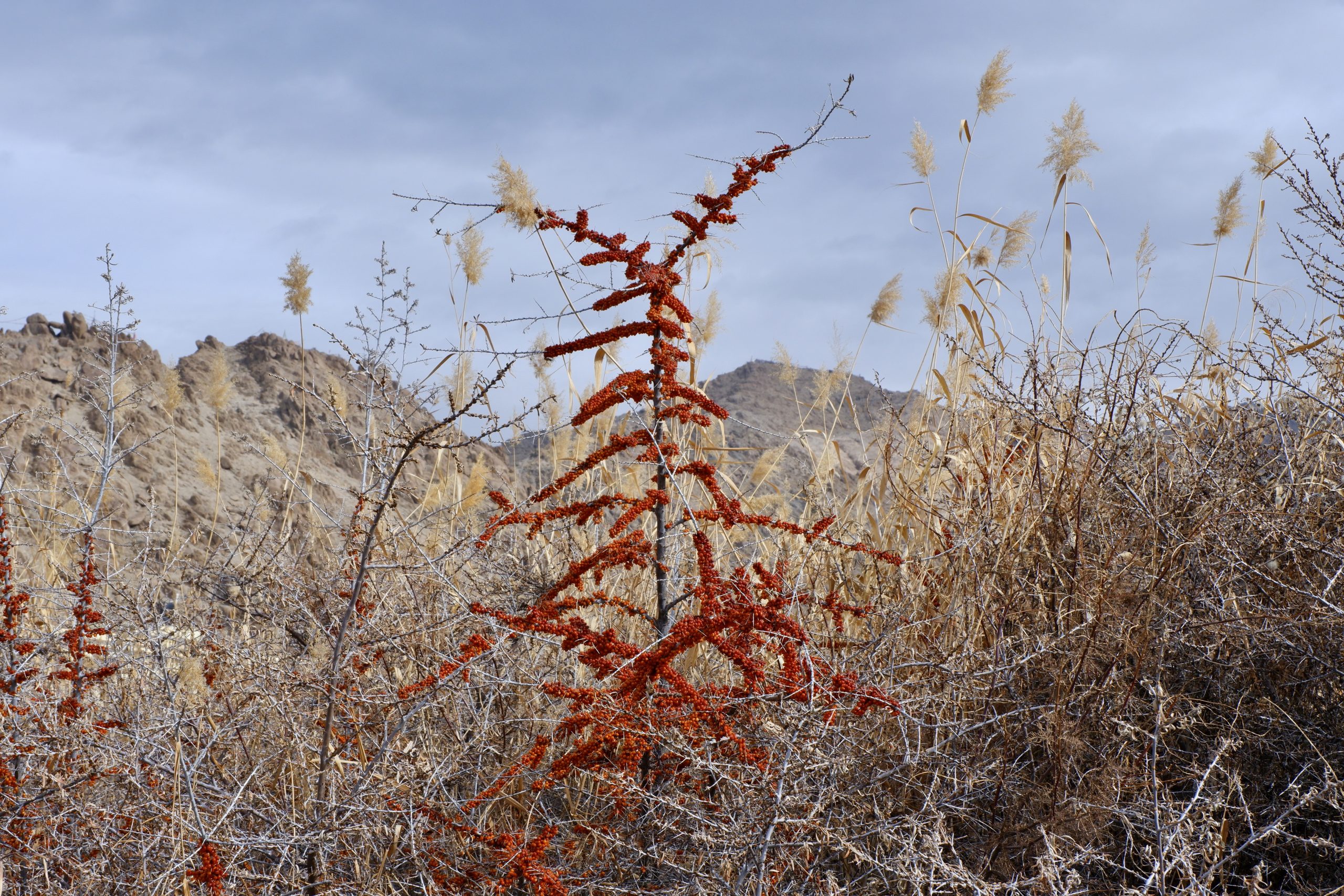
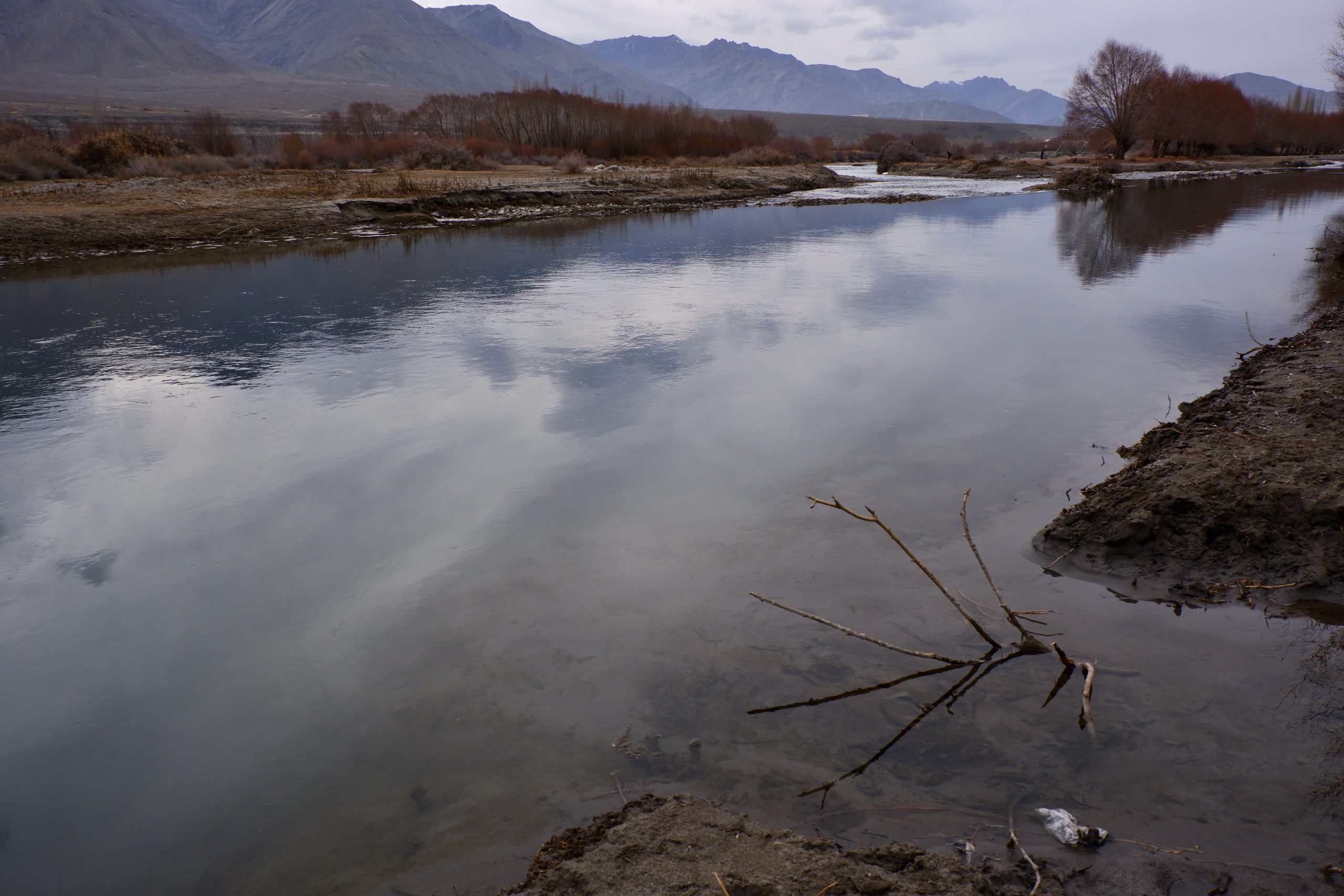
After that we drove to the Indus for a short walk and some birdwatching, and one participant took an ice bath, getting into the cold side arm of the Indus.
 5
5
 6
6
 7
7
 8
8
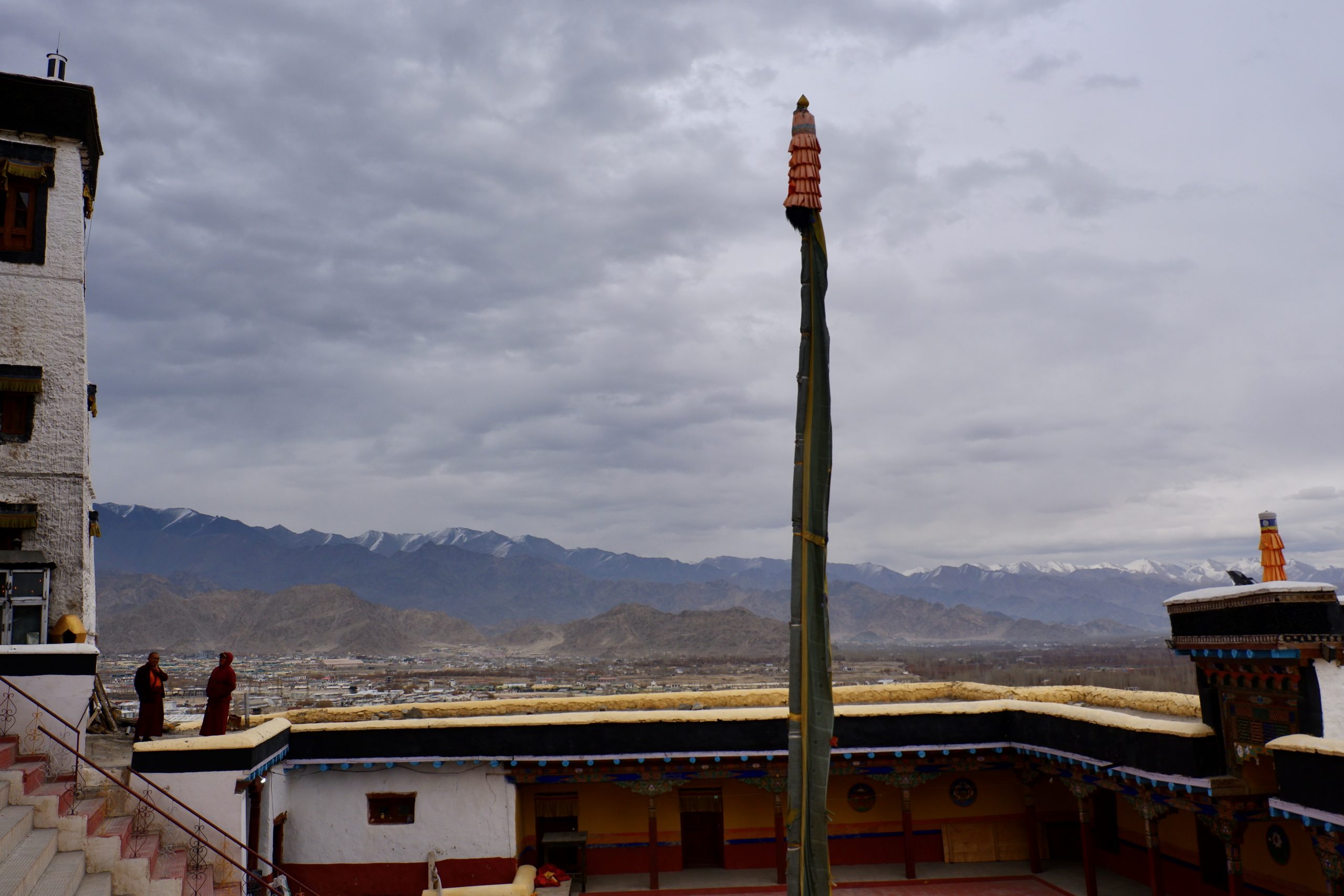
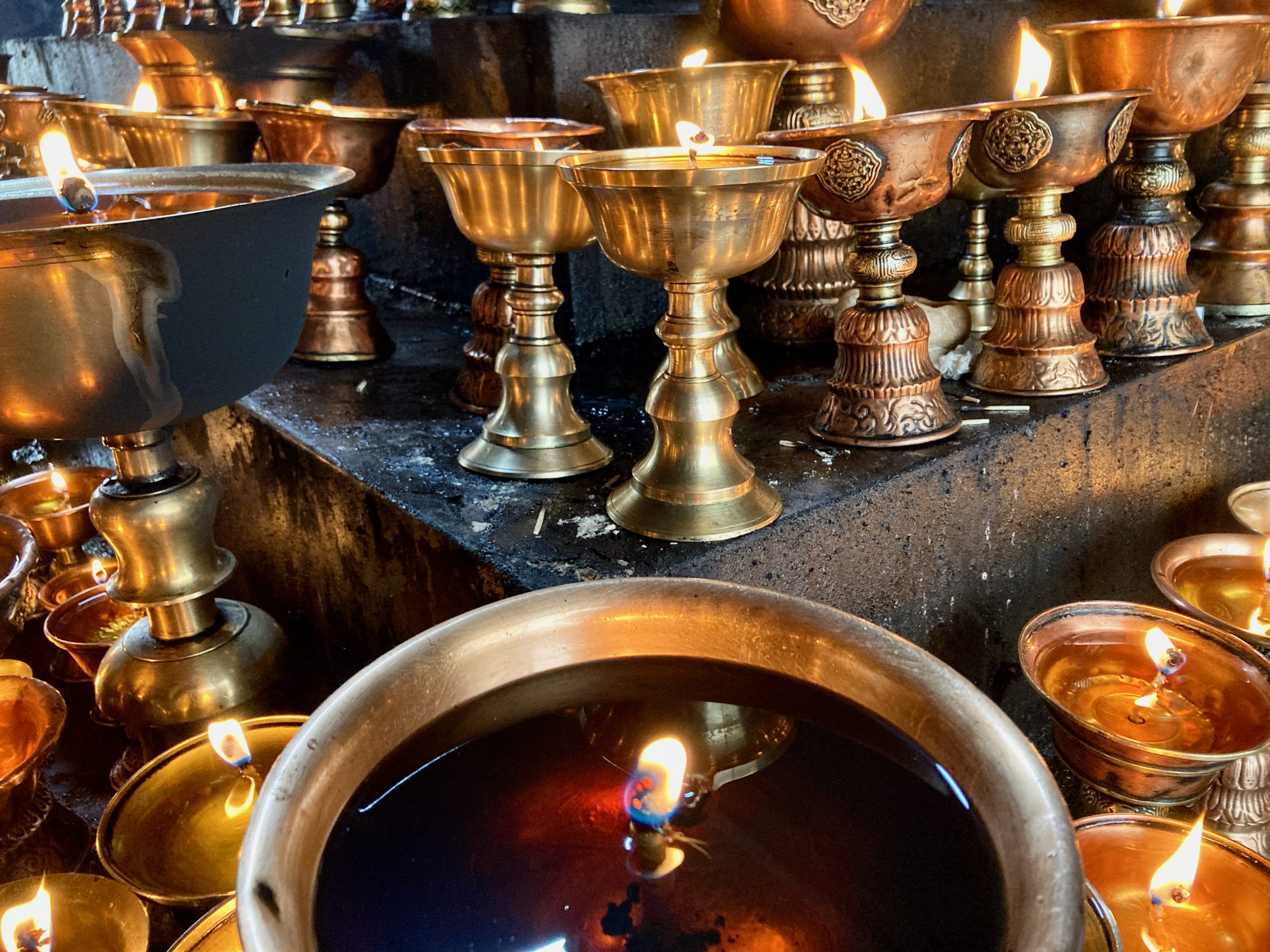
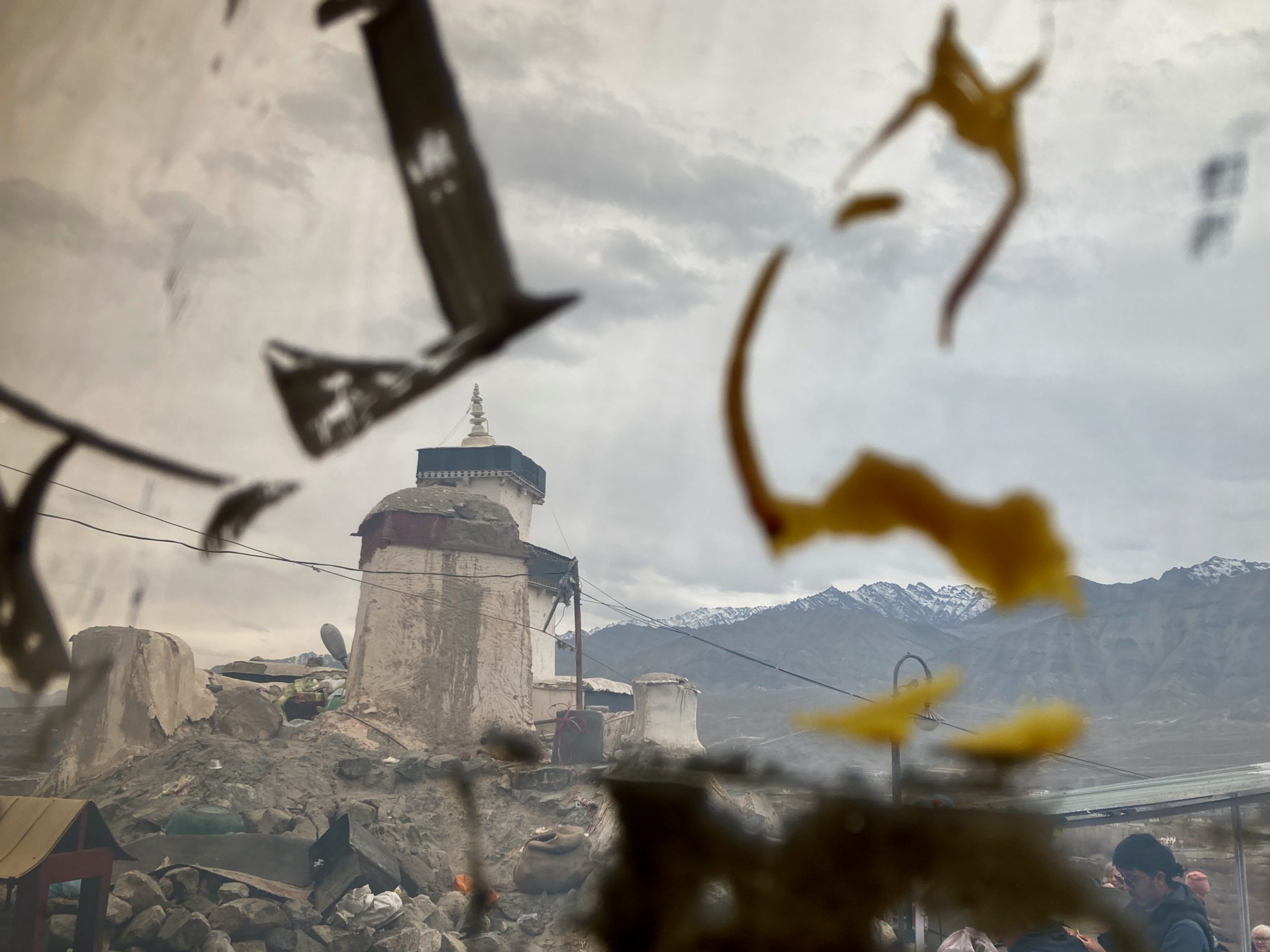
After lunch the weather became increasingly overcast, and we set off for Spituk Monastery. There was a lot going on there, with many visitors, but hardly any monks — a lack of young recruits. Otherwise it was more or less “as usual,” except that in the large assembly hall, “posed portrait photos” of the Dalai Lama and Bakula were enthroned on the seats of honor. We noticed this trend in other monasteries as well.
 9
9
 10
10
 11
11
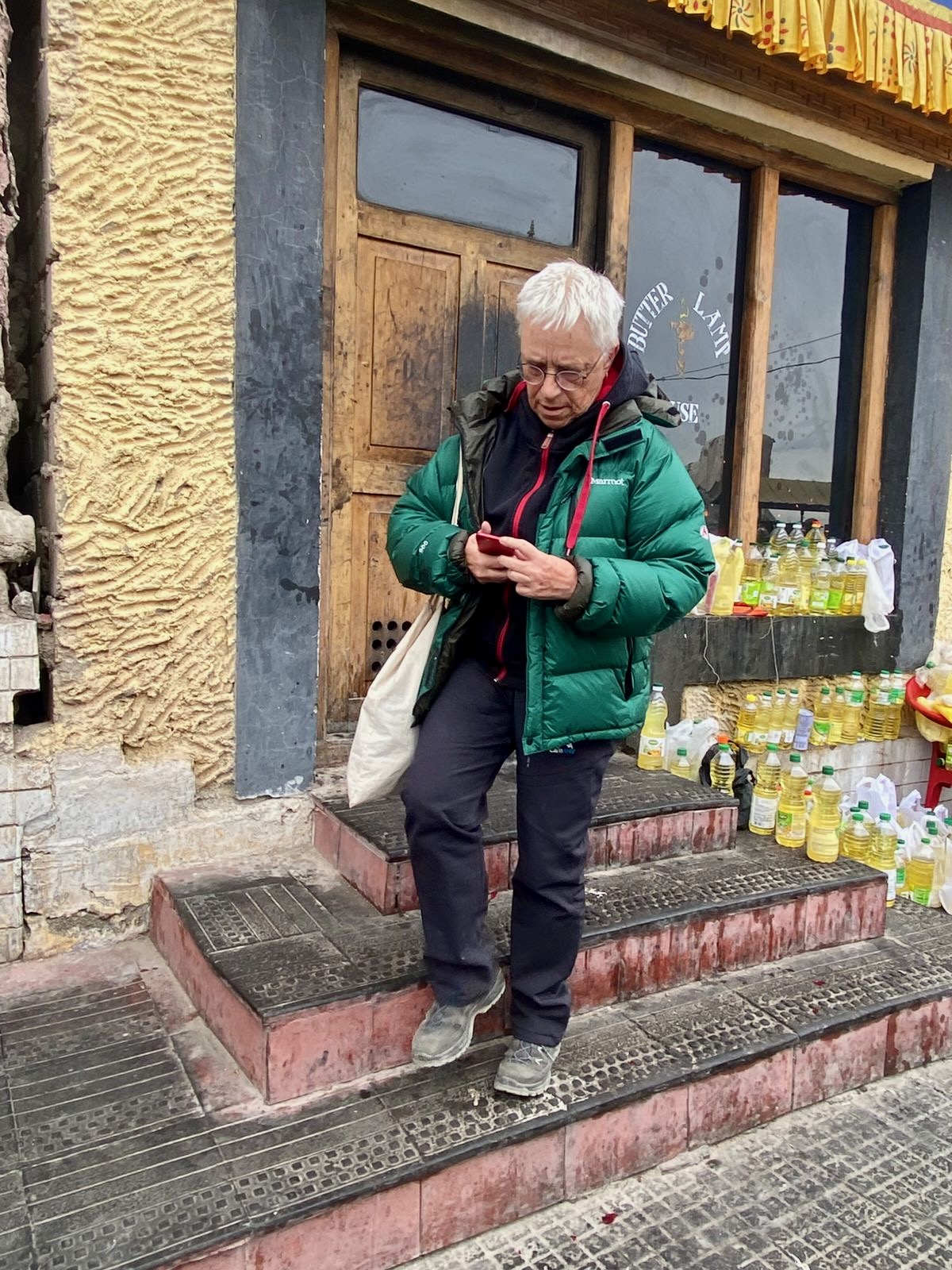 exit from the butter lamp room
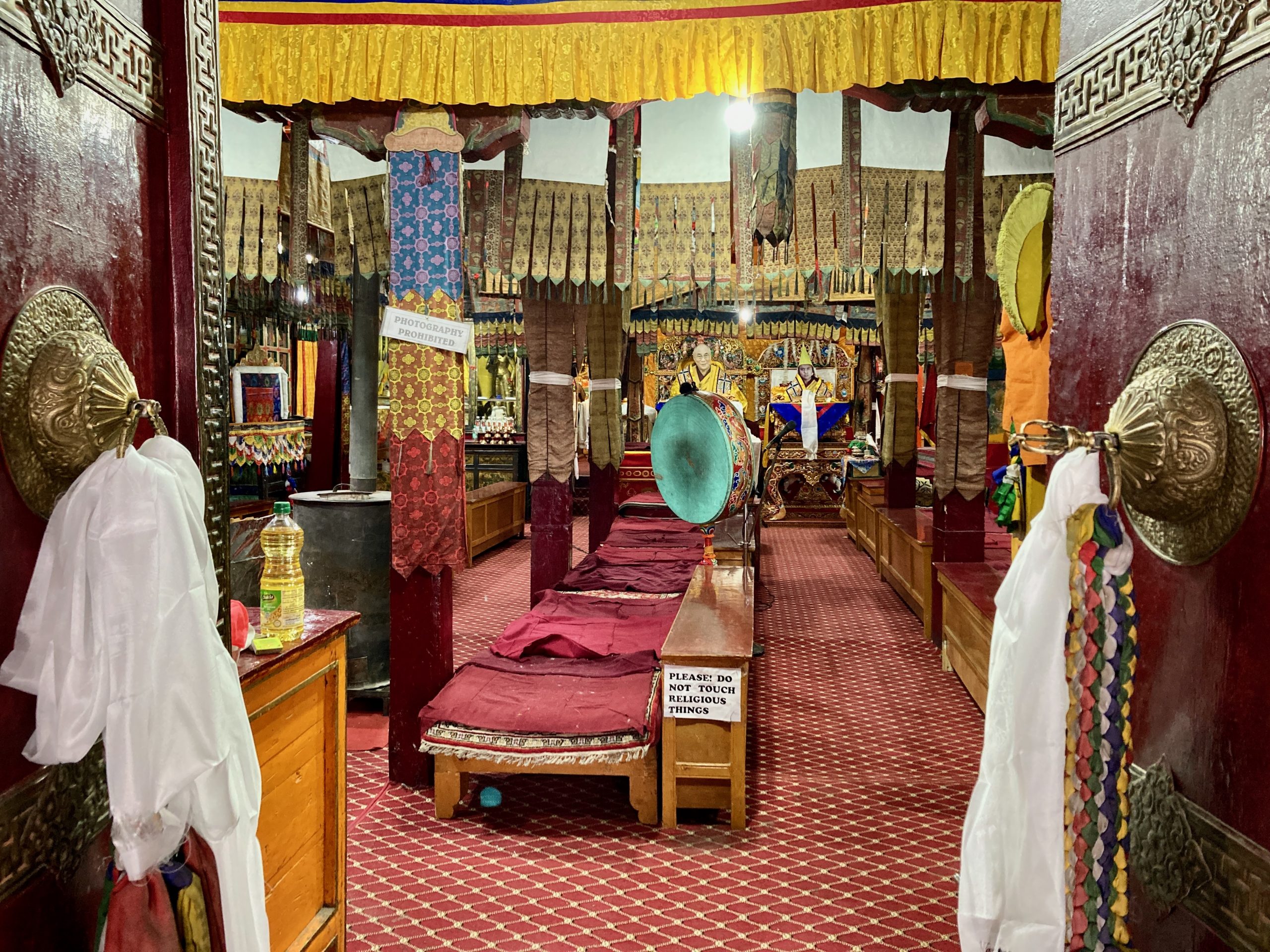 Assemblyhall with photos in the back
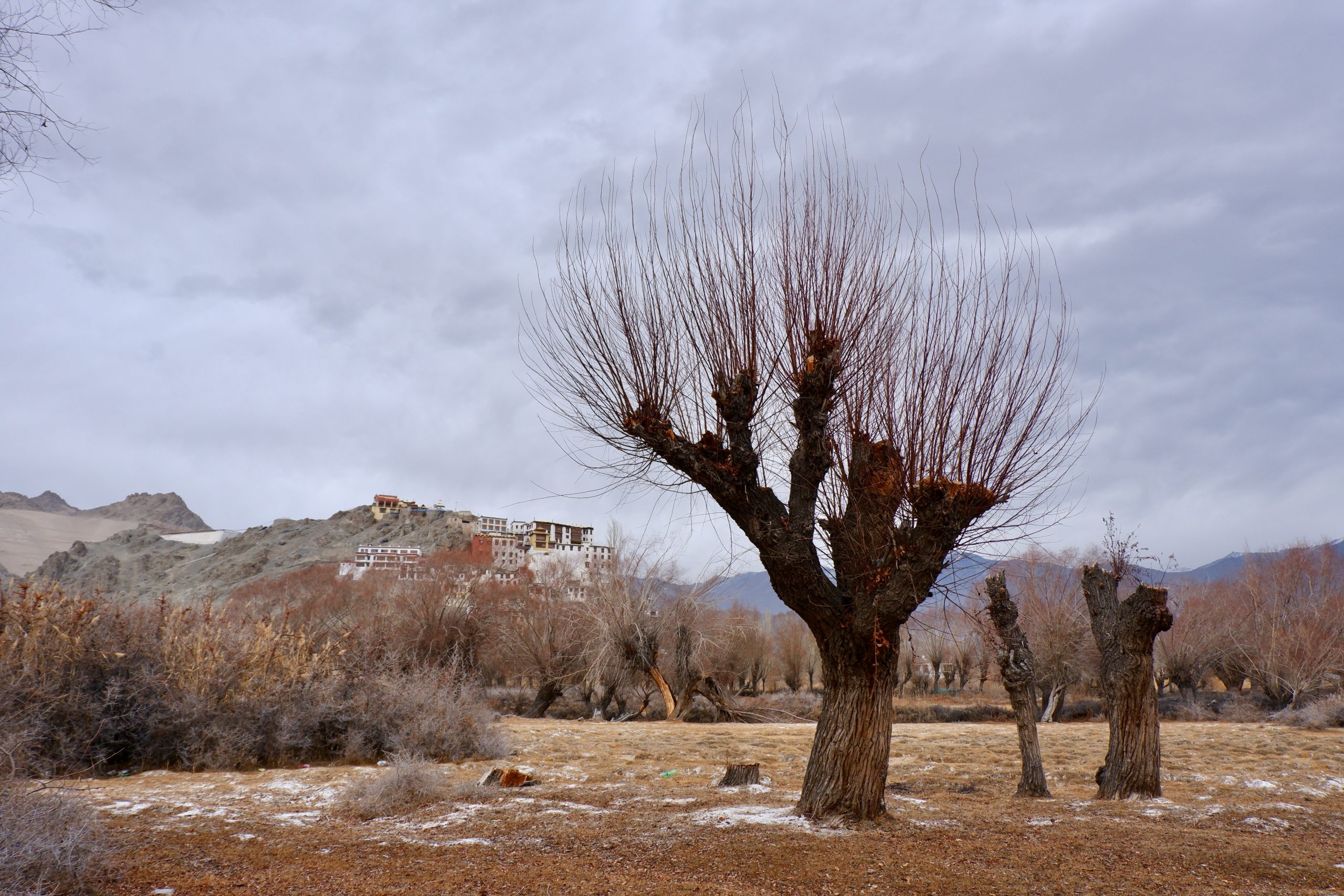
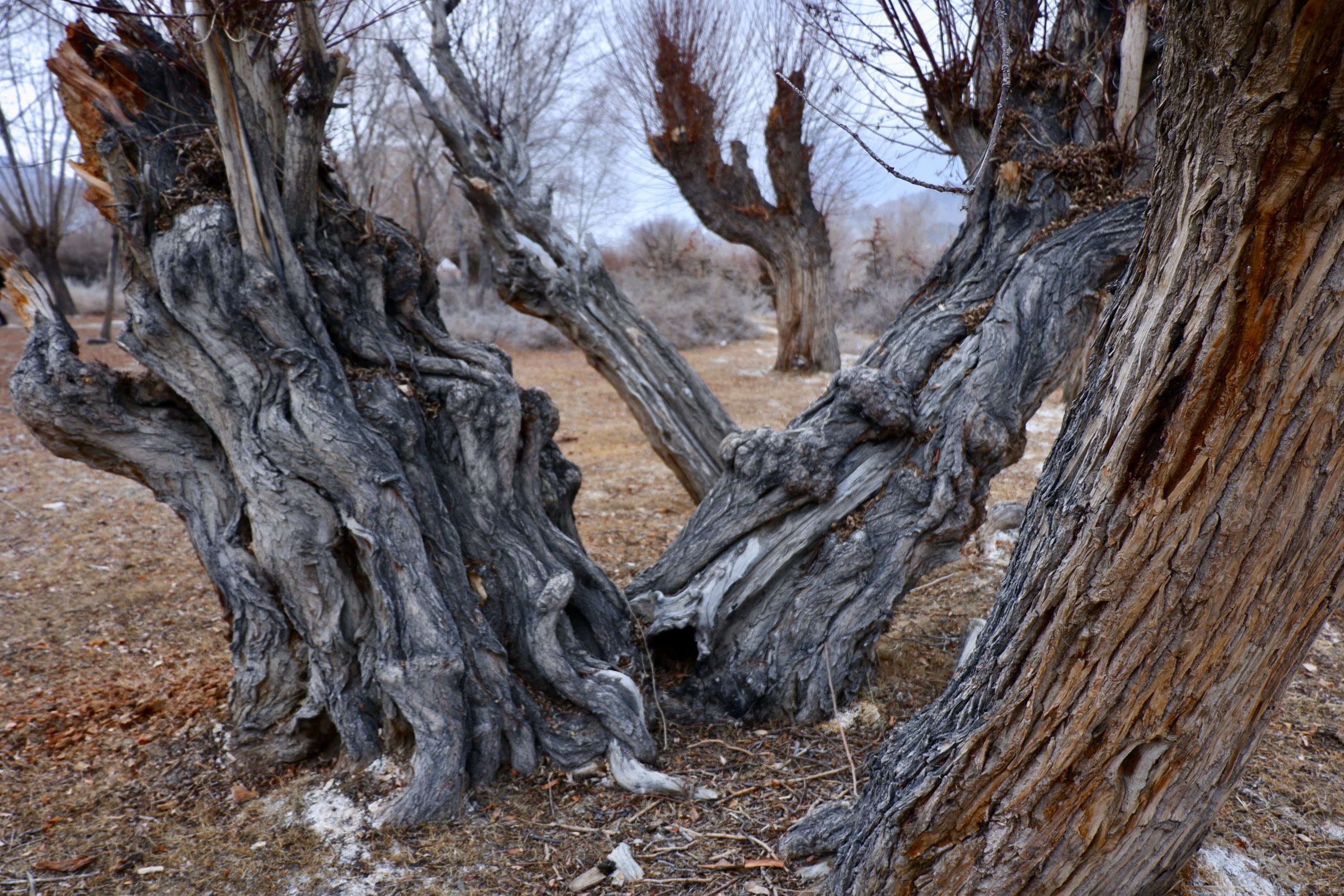
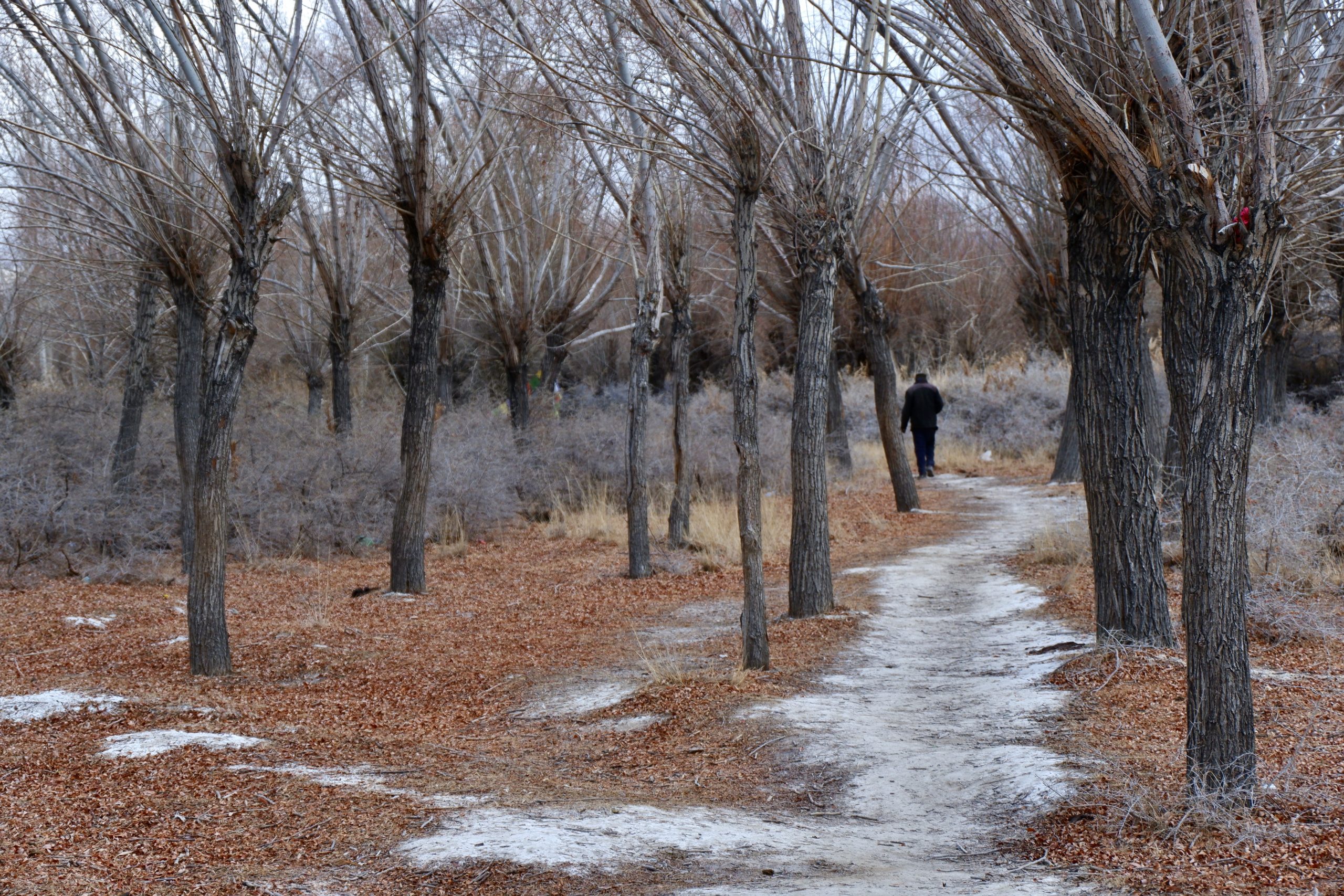
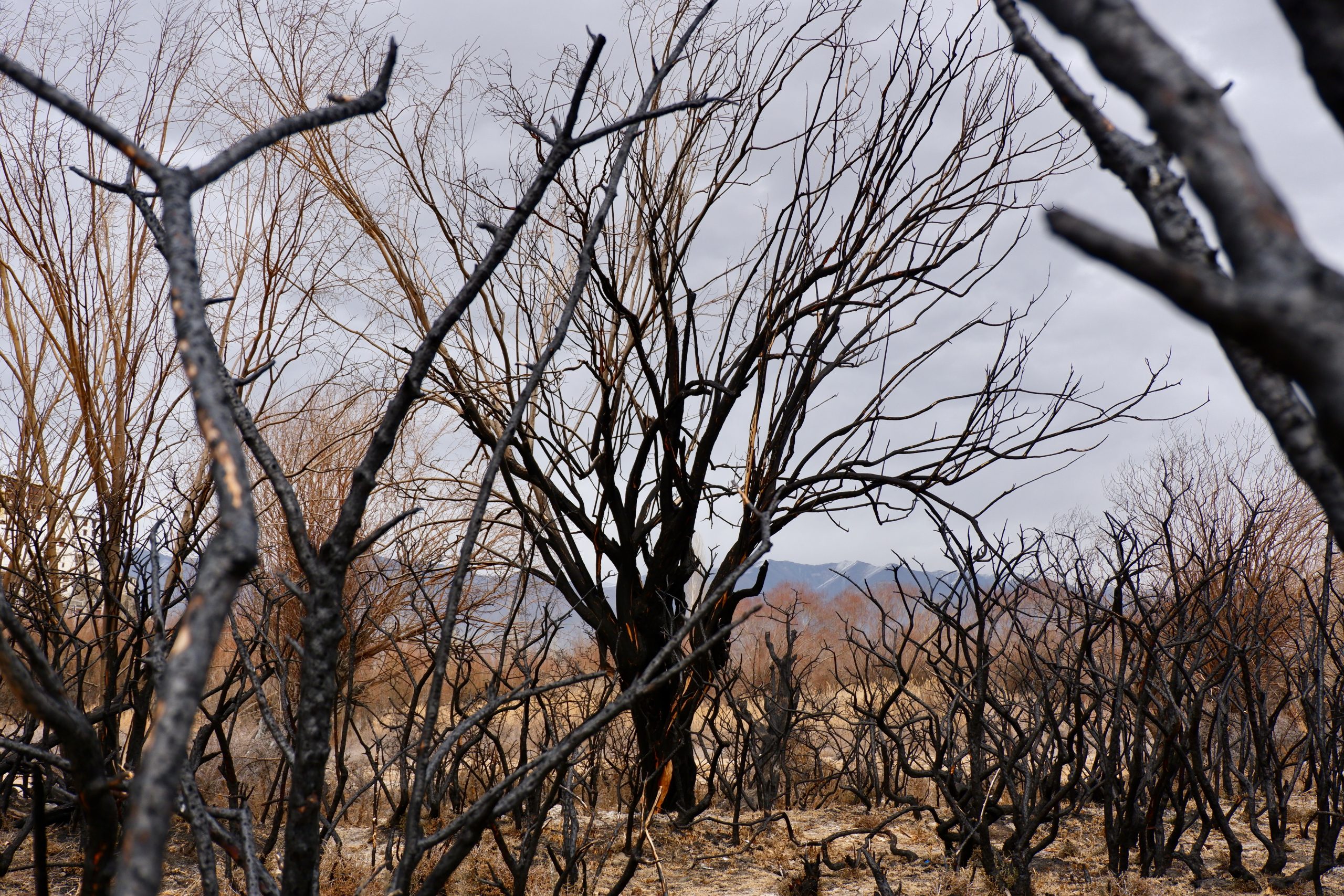
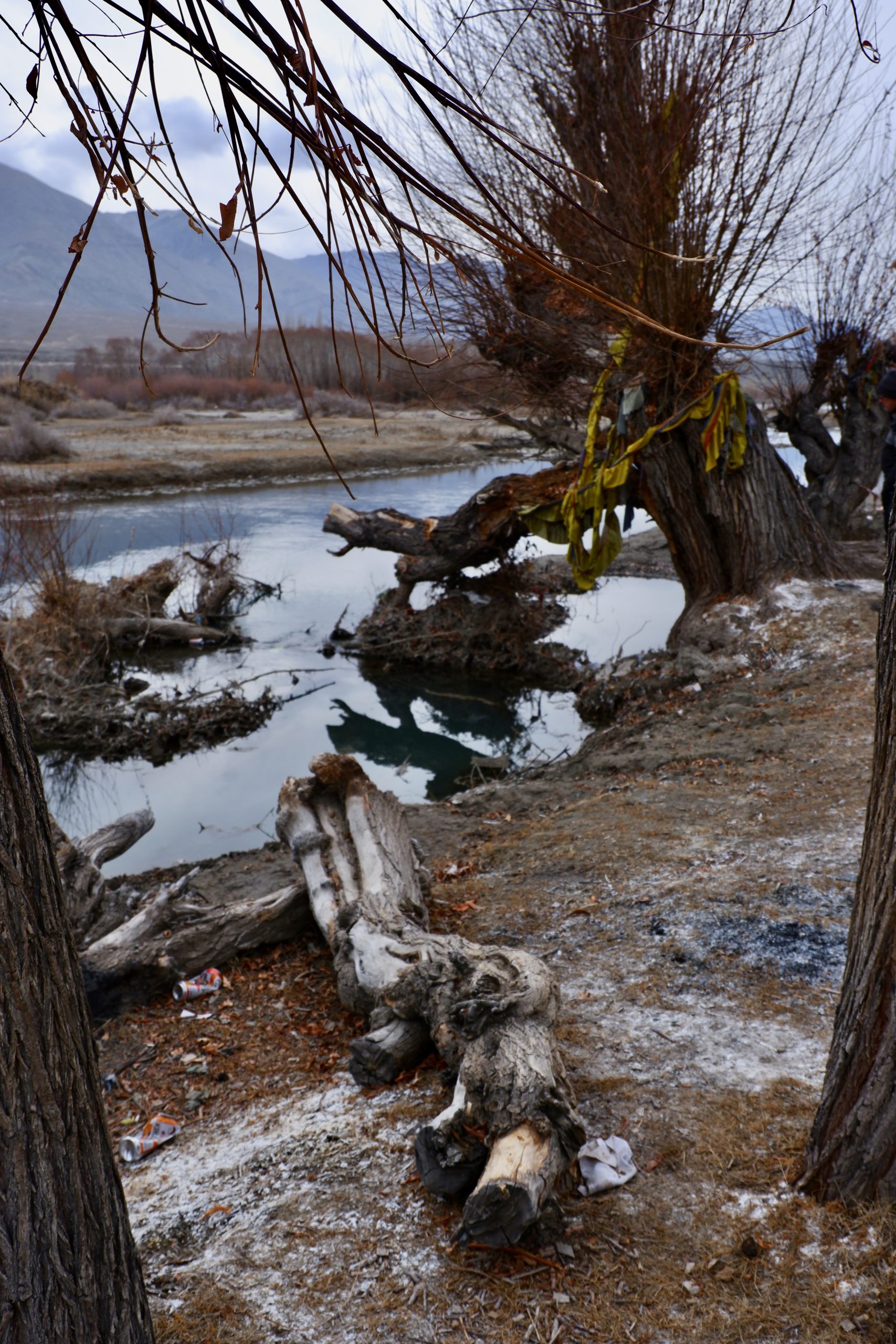
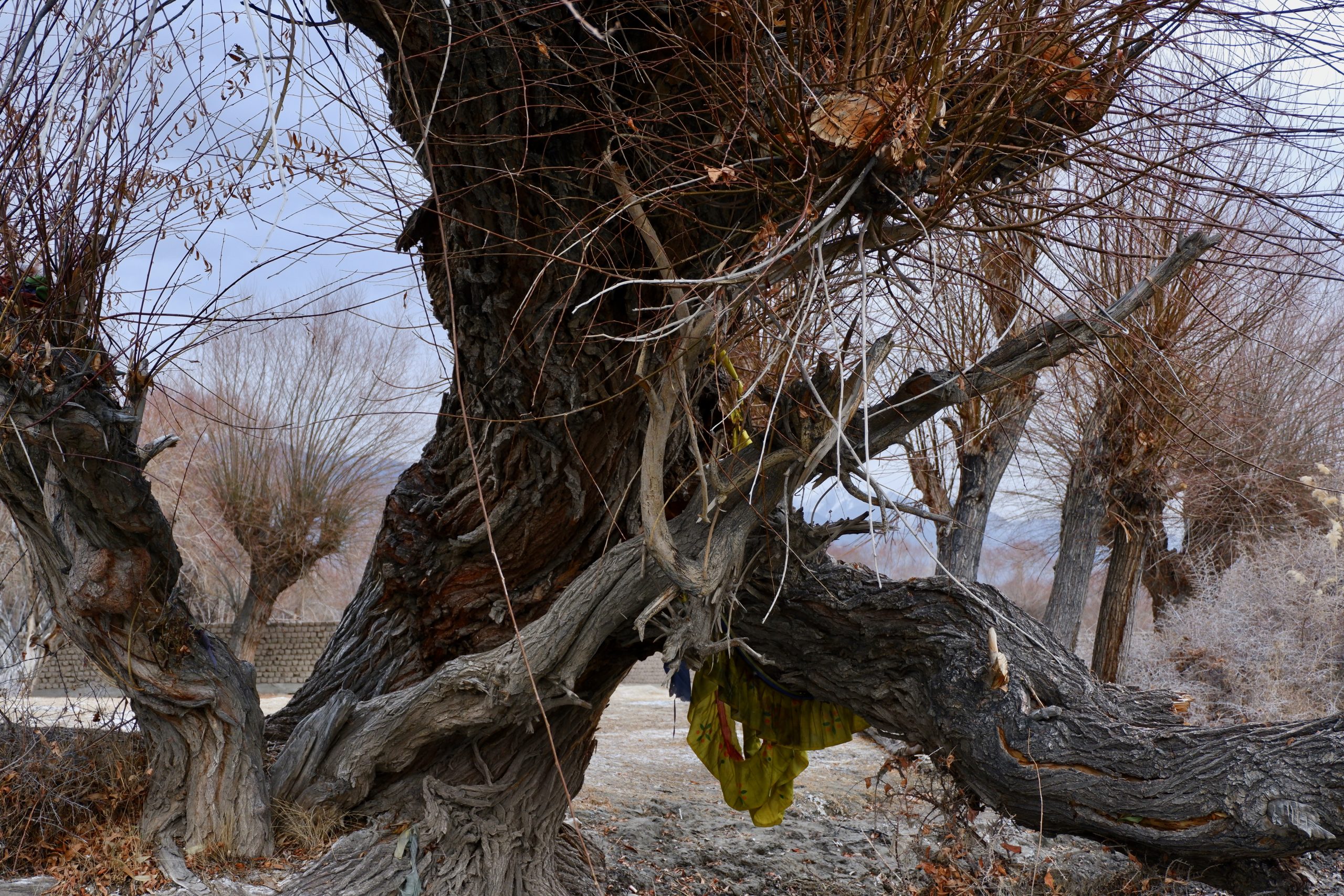
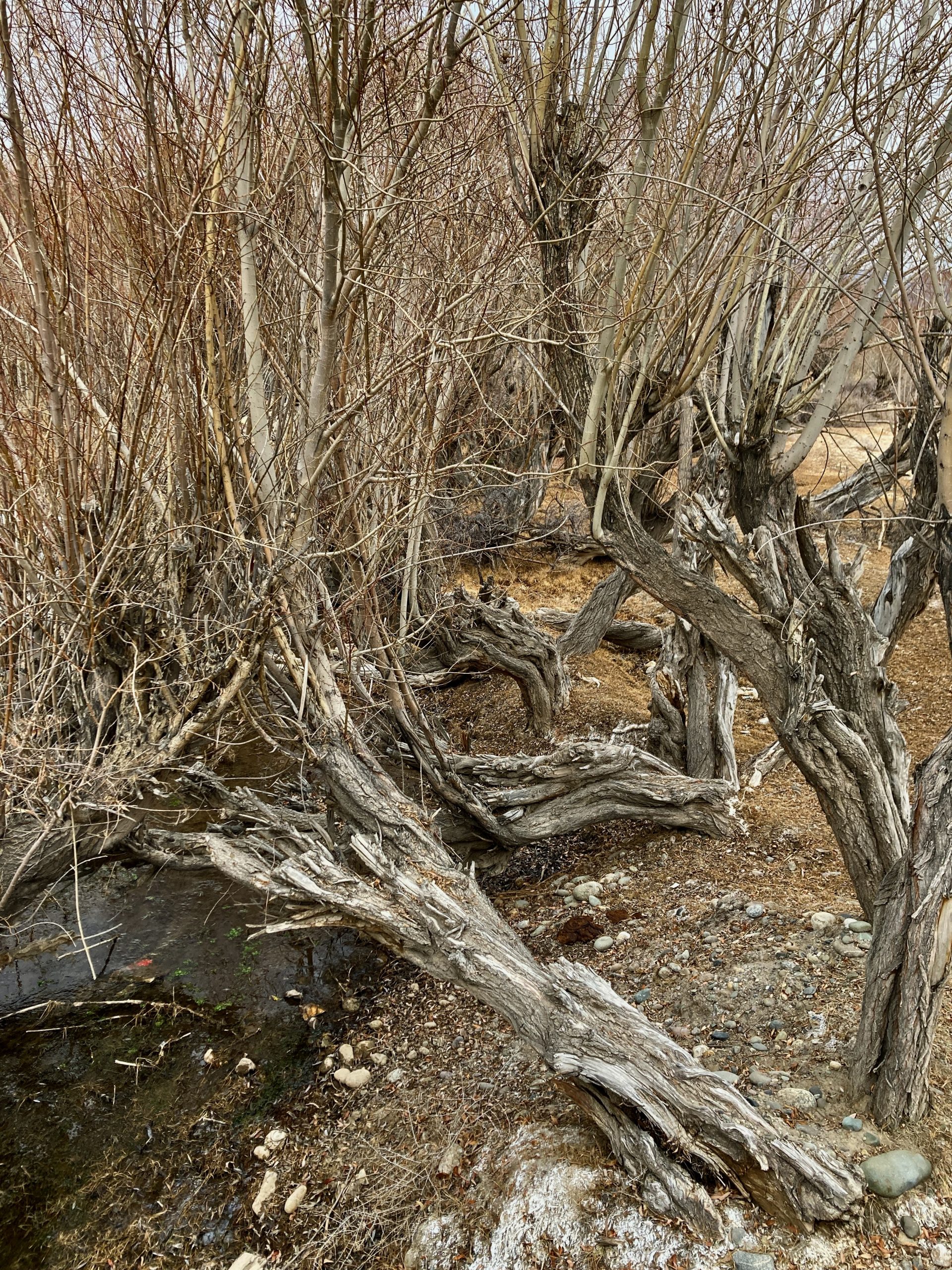
Then we went down to the Indus. The spot that used to be a beautiful picnic area is now quite built up, but all the old, gnarled trees are still there and create a special atmosphere, especially in the dull light.
 12
12
 13
13
 14
14
 15
15
 16
16
 17
17
 18
18
 19
19
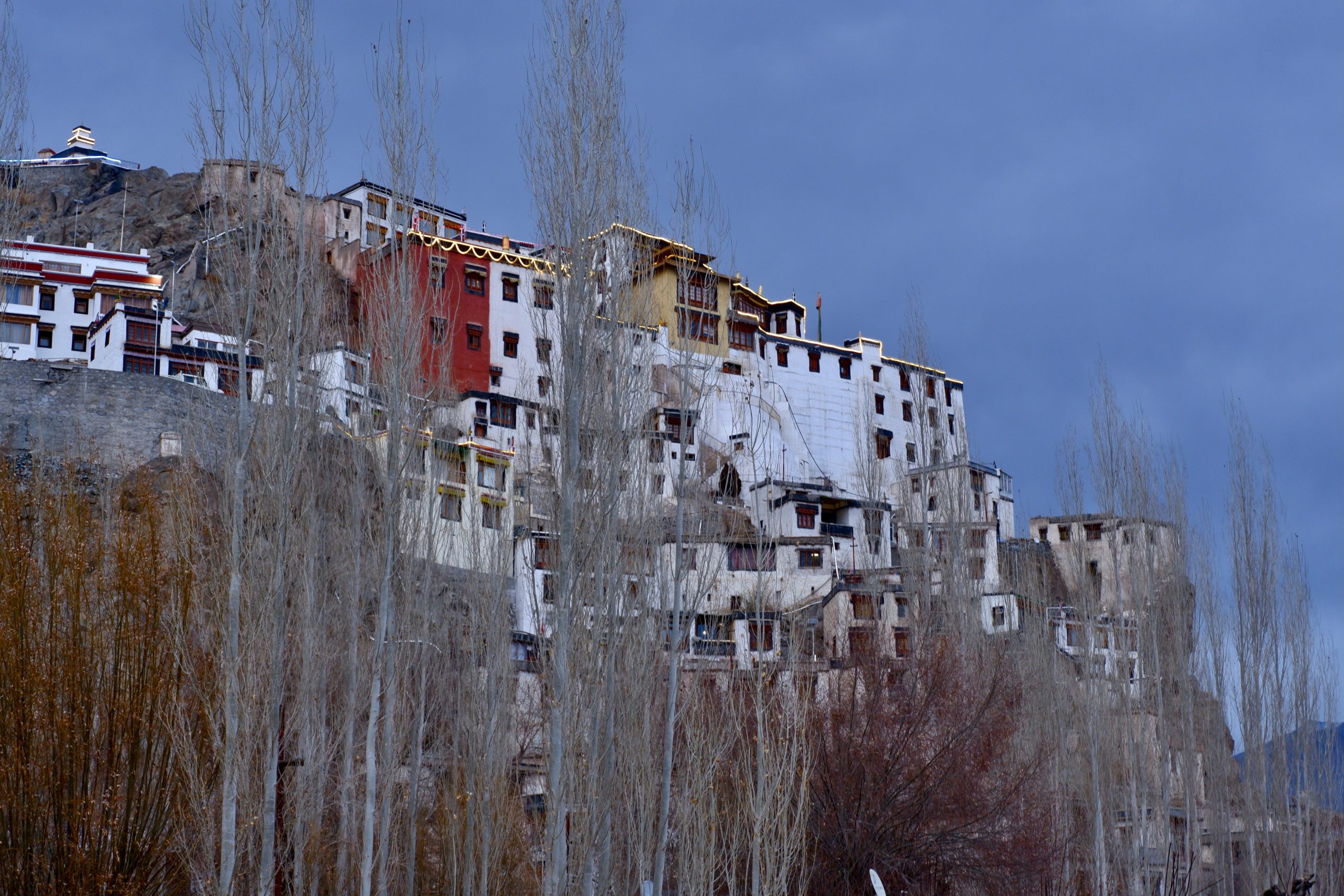 evening view to Spituk monastery
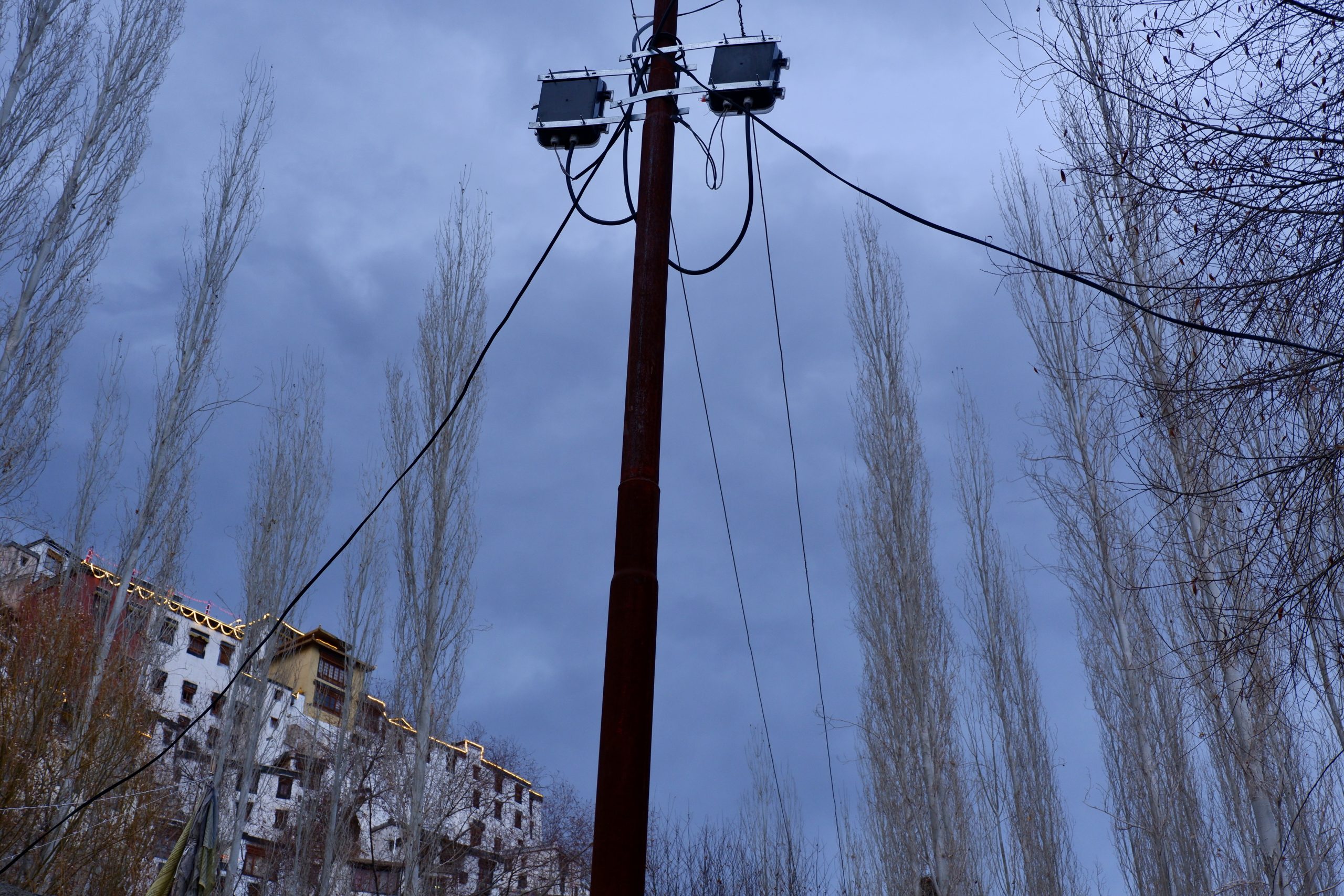 with light-chain
The next day, Nyerma, Thikse, and Shey were on the program. Unfortunately, there were no nuns at home in Nyerma, as they were all with their families. The walk to Thikse was no longer like it used to be — a road had been built along exactly this route, and new houses and long boundary walls had sprung up on both sides. While the view is still quite pretty, it’s no longer really a pleasant walk.
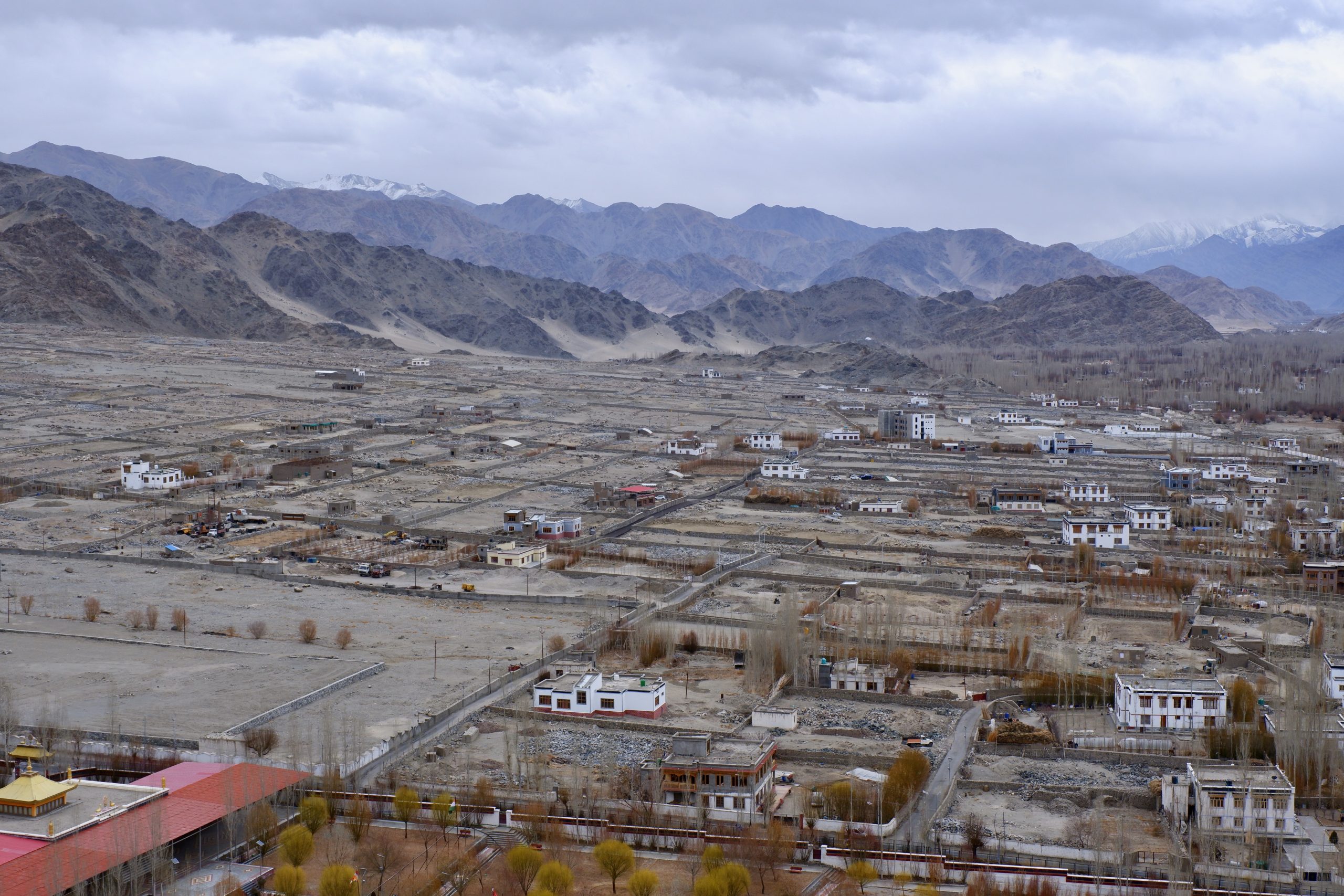 view from above down to the route
At Thikse there was only one monk who opened the rooms; the others were down in the village attending a funeral ritual. Here, too, we encountered modern tendencies — this time in thangka painting. In one room there were many like this one:
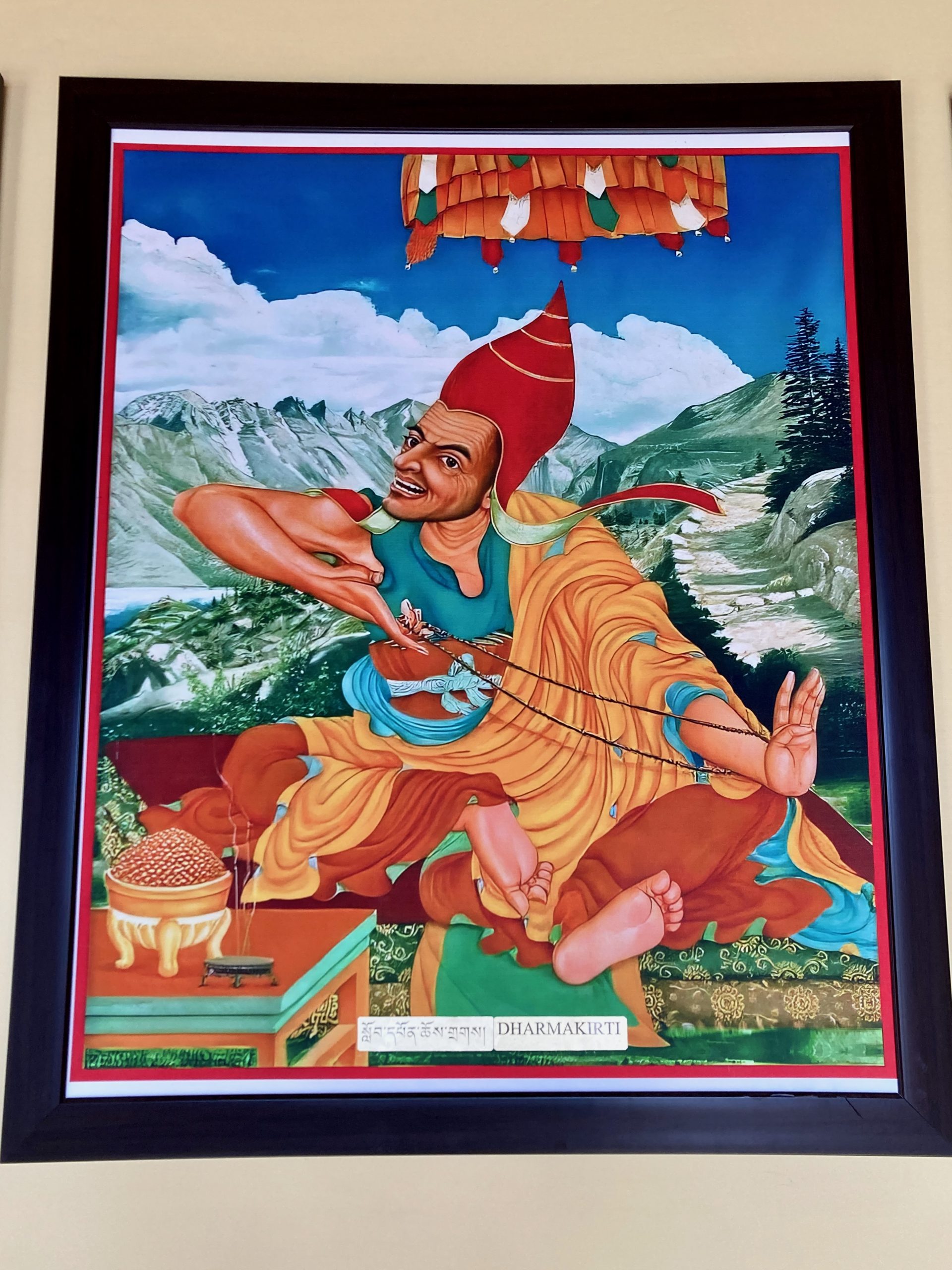 new Tangkha
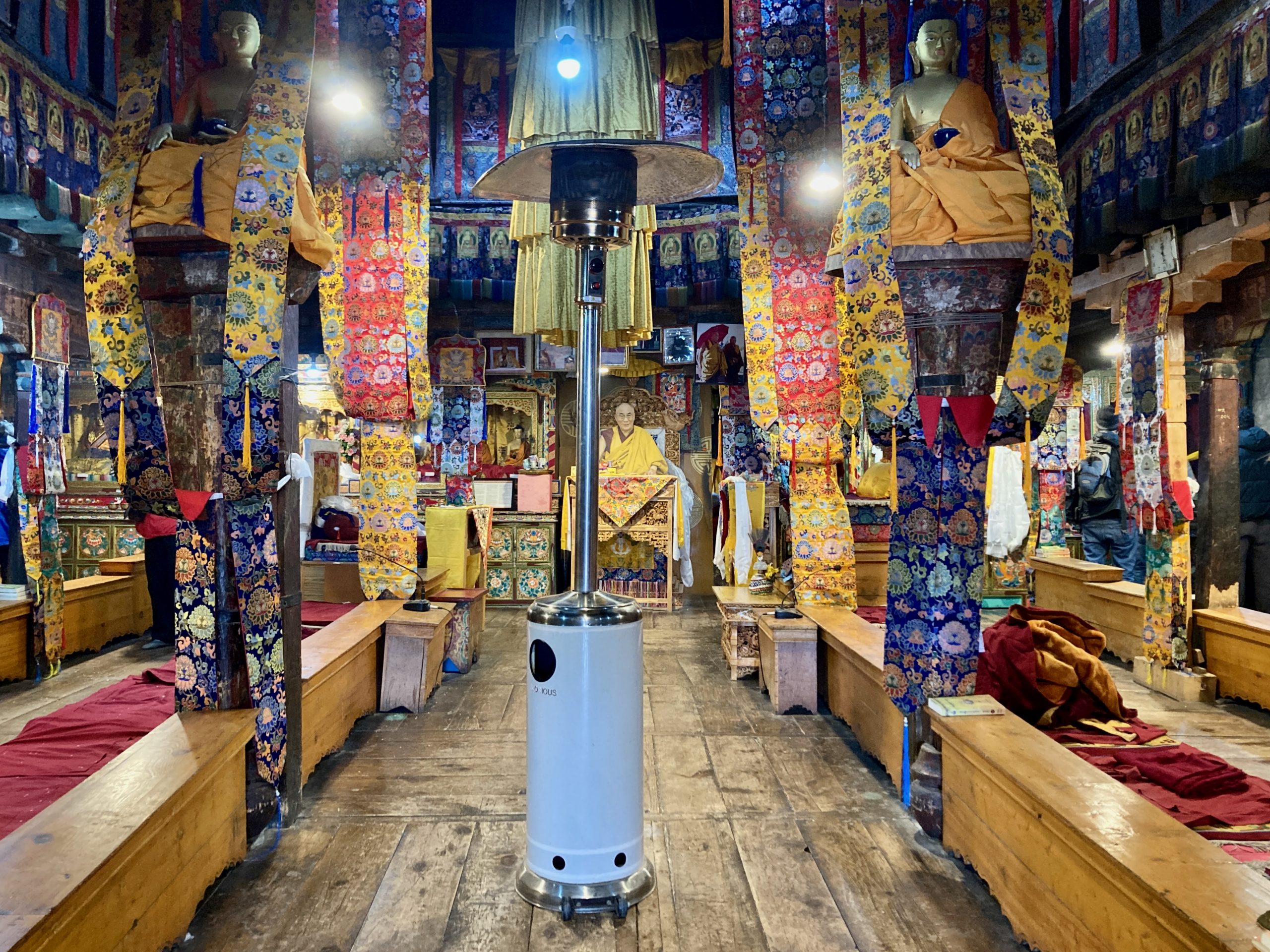 assemblyhall with heating mushroom and Photo
And then we drove on to Shey. There is a relatively new, huge standing statue of Guru Rinpoche there, next to the old palace. Money for it was collected all over Ladakh. The old palace itself has only had its outer walls repaired so that it doesn’t fall apart—nothing more. It largely belongs to the royal family in Stok. When an entrance fee is charged in summer, that money tends to be used for renovations and so on in Stok instead. Somehow a pity.
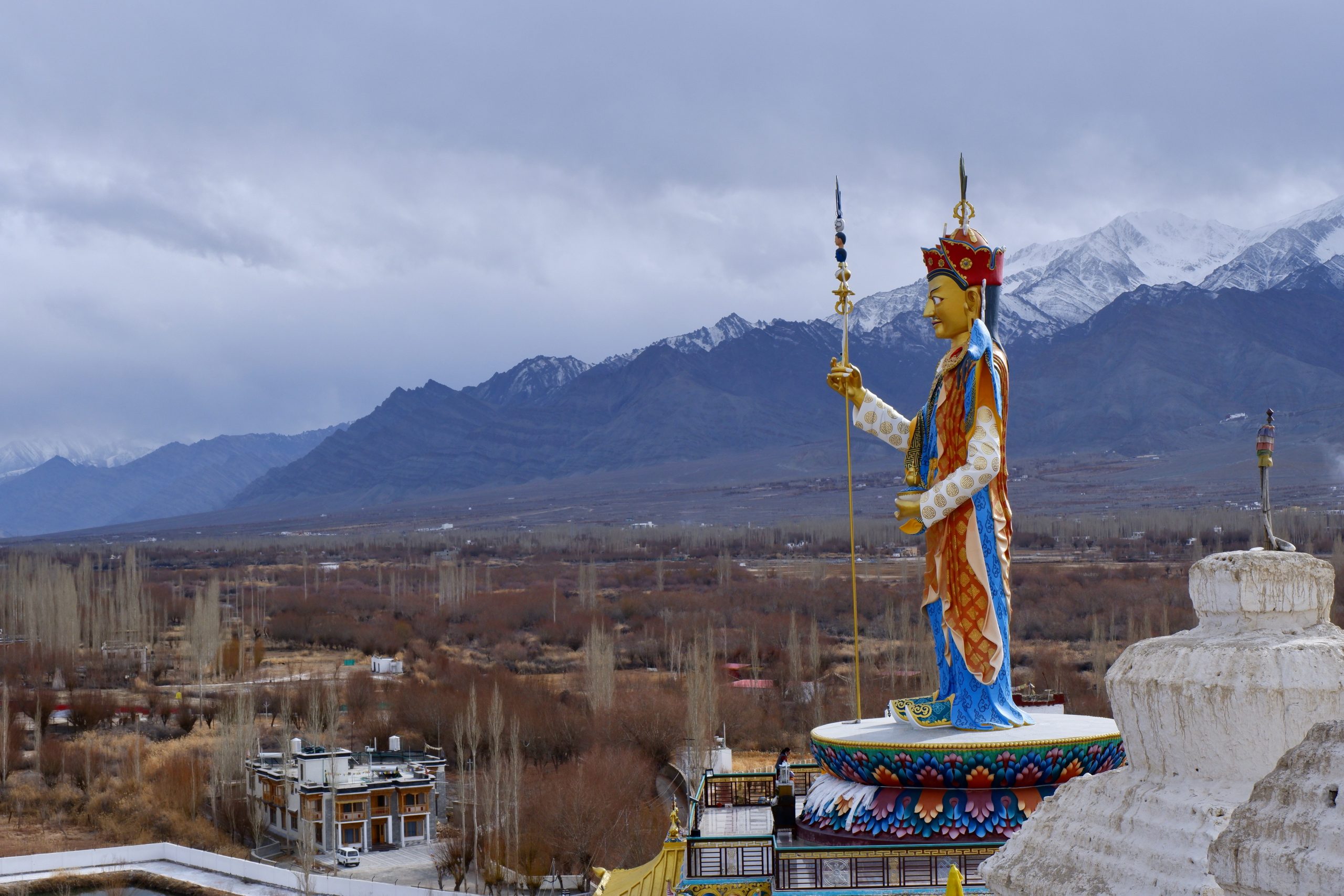 Guru Rinpoche
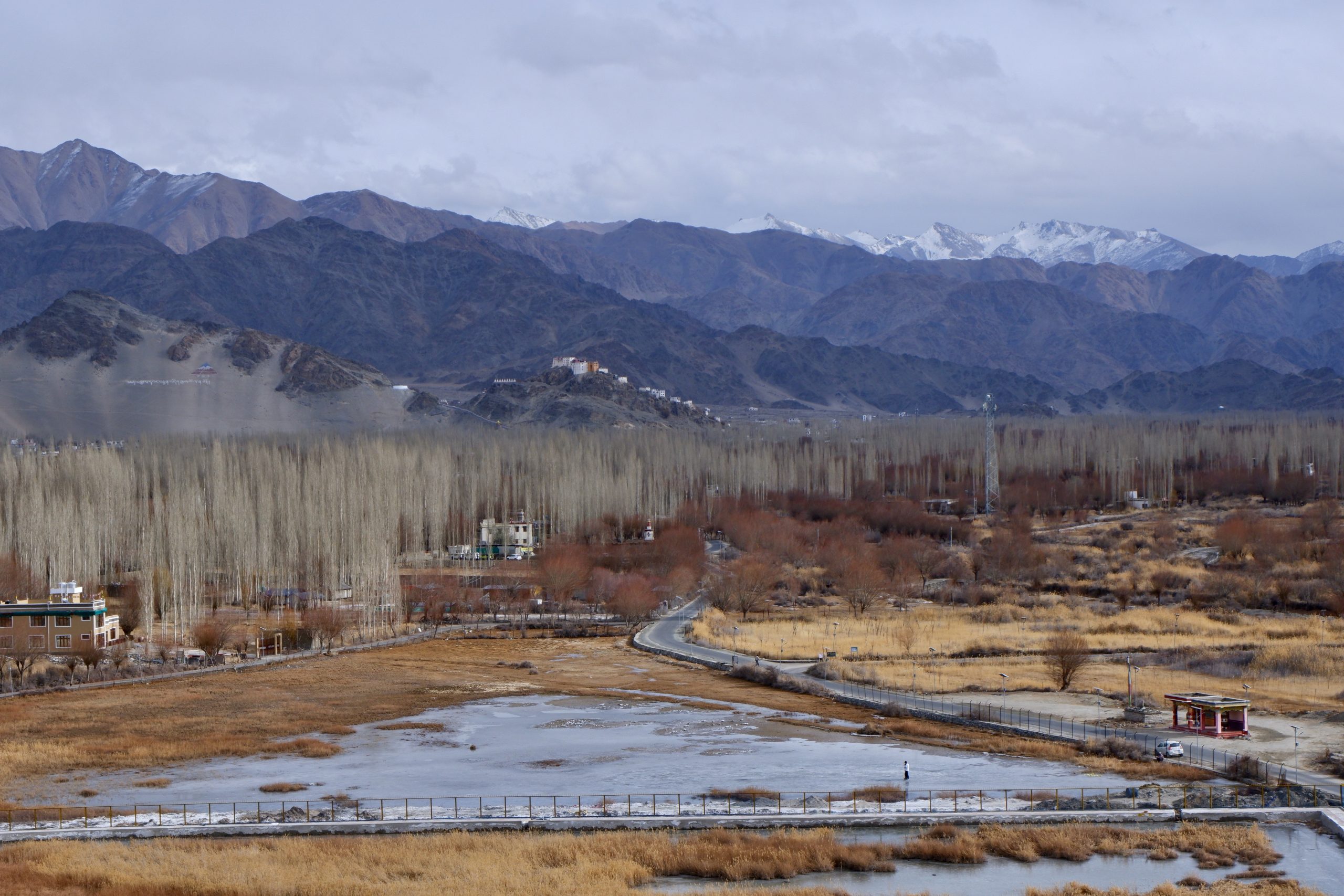 View with 1 ice-skater
The monastery room at the top of the palace was open, and a kind of ritual/ceremony was taking place there — the one with white and black stones. Private individuals can do this together with a monk, if they feel that there has been too much misfortune in their lives or if they want to “cleanse” themselves in general (which is why it is often done around Losar). There are two rows on the floor, one with white stones and one with black stones. The person steps on the black stones to symbolically press them down and neutralize the negative. The white stones symbolize the good and are picked up, in the hope of attracting more good fortune.
In the evening there was the first Appu Appi ceremony, but I will describe it together with the second one in another blog post. Instead, I’d like to briefly introduce my Ladakhi guide: Rigzin Dolma. A wonderful woman, with whom I share many mutual acquaintances. I couldn’t have wished for a better one!
 me and Rigzin Dolma
And what else we experienced after that — you’ll find in the next post!