


Delhi -> Manali – The gorilla trudges around, sweating
14. – 17. August 2026
After saying goodbye to Ute and Beate at the Kathmandu airport, I was on my own again for the time being. That’s always a bit strange at first, and I don’t feel entirely great about it either. Right off the bat, India welcomed me back with plenty of reason for some grumblings.
- The counter for existing visas was very understaffed, and one passenger took forever to get processed. Then the officer walked off with him, leaving us to wait and wait, especially since the other officer was also checking an awful lot (what is there even to check so thoroughly when they already have all the data on file?). As a result, I was the last to reach the luggage carousel, and everyone else had already left—but luckily, my bag was still sitting there.
- My SIM card had stopped working, even though it was paid for until after August 20th. So I had to head out to the Airtel shop in the afternoon. The young woman tried this and tweaked that, looking completely stumped—but in the end, she managed to fix the problem, and everything was working again.
- It was hot and humid, and then it rained like crazy, leaving the streets completely flooded, and I got soaked despite my umbrella. I really hate 30°C with high humidity.
- I was already looking forward to a really fine hotel room at half the agency price—35 instead of 70. Expensive enough. I imagined comfortably lounging around and getting some work done on my laptop. But the room turned out to be far from nice, looking into a lightwell instead of outside. For a room with an outdoor view, I would have had to pay a lot more. I didn’t want to do that and felt the price was way too high anyway.
And that gave me another chance to reflect on how this entire trip seems to be full of disappointed expectations. Frustrated, I went to a fancy café and had a salted caramel cheesecake with an espresso—it was delicious, but 8 euros is definitely quite a lot. No photos allowed inside.
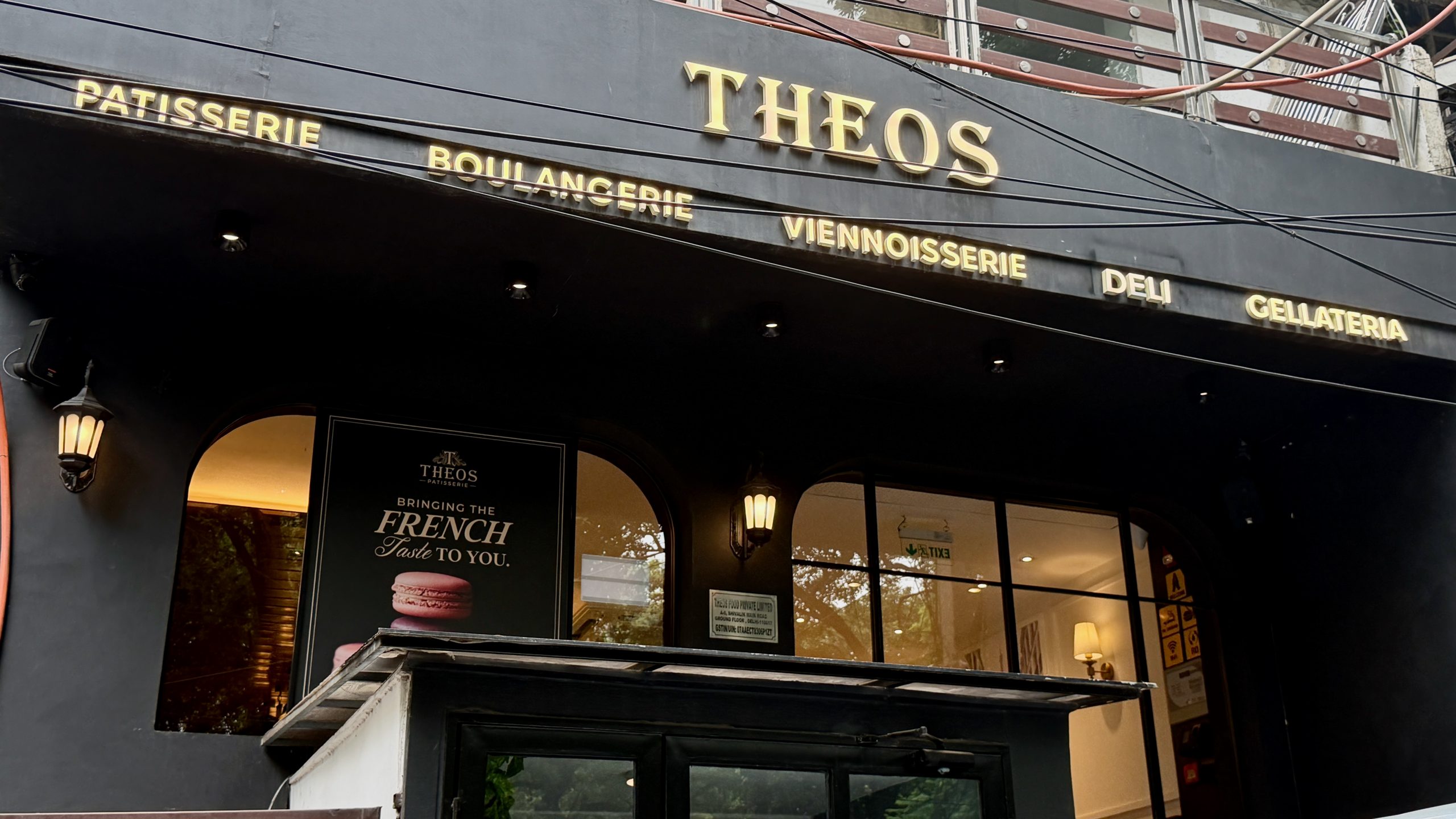
Should you have too much money and constantly give in to these delicacies, another establishment beckons right next door:
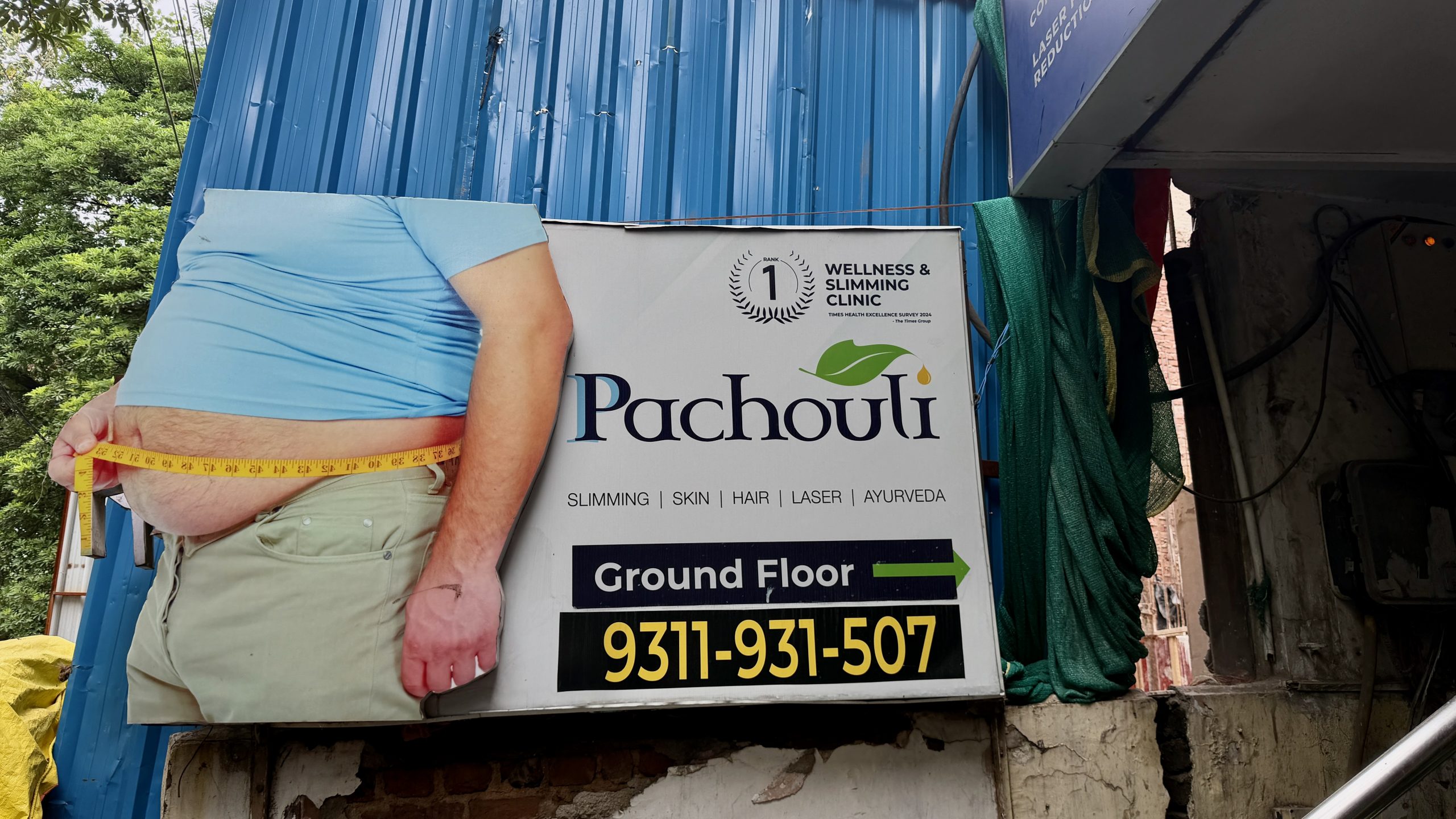
Health checks were off the table for me by then; I’m sticking with my asthma spray and nasal spray for now.
The next day, I met Ashfaq and Shahid from a partner agency. That was very nice, but there was another setback: I had actually planned to spend October trekking in Kashmir. What I hadn’t realized, though, is that it’s banned or requires hard-to-get permits. It’s likely still because of the attacks in Pahalgam the year before. Now I’m really not sure what to do in October.
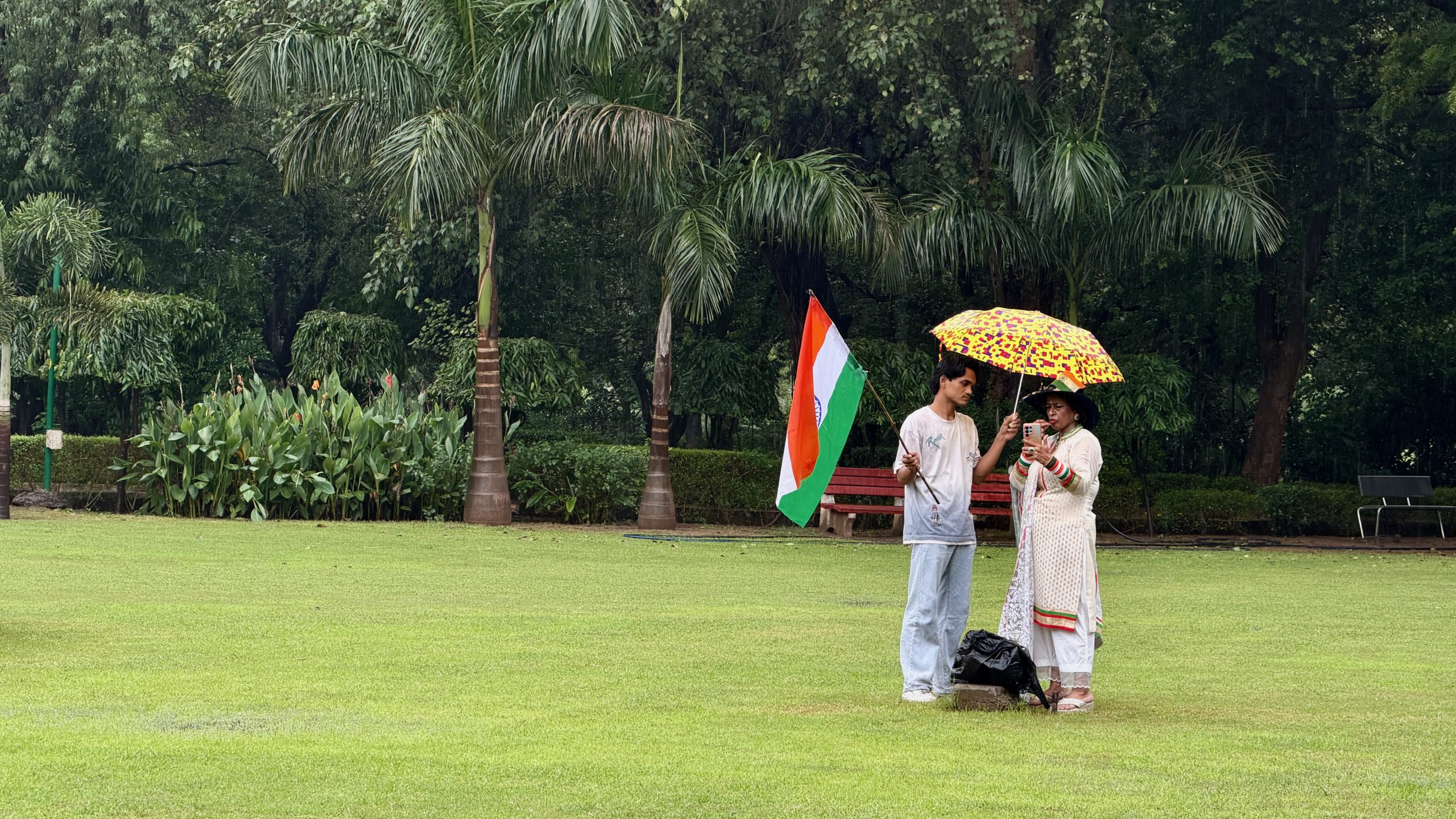
It was Independence Day in India, but I didn’t notice much of it other than a sudden surge of flags everywhere.
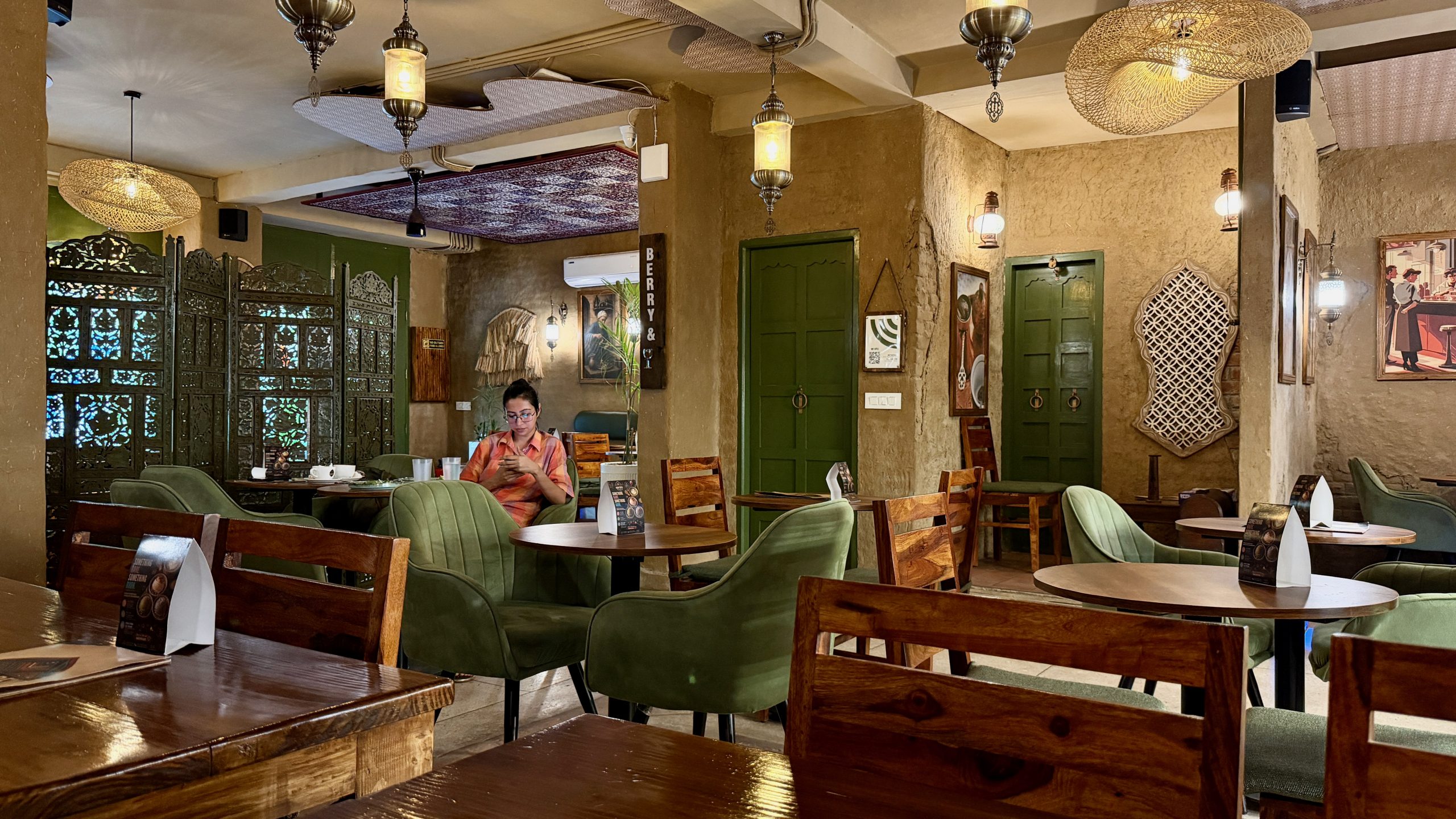
In any case, I cut my stay in Delhi short and booked a bus to Manali. It’s still the easiest route to Leh. But first, here is a photo of the place where I had lunch—India really doesn’t look so Indian anymore in various places.
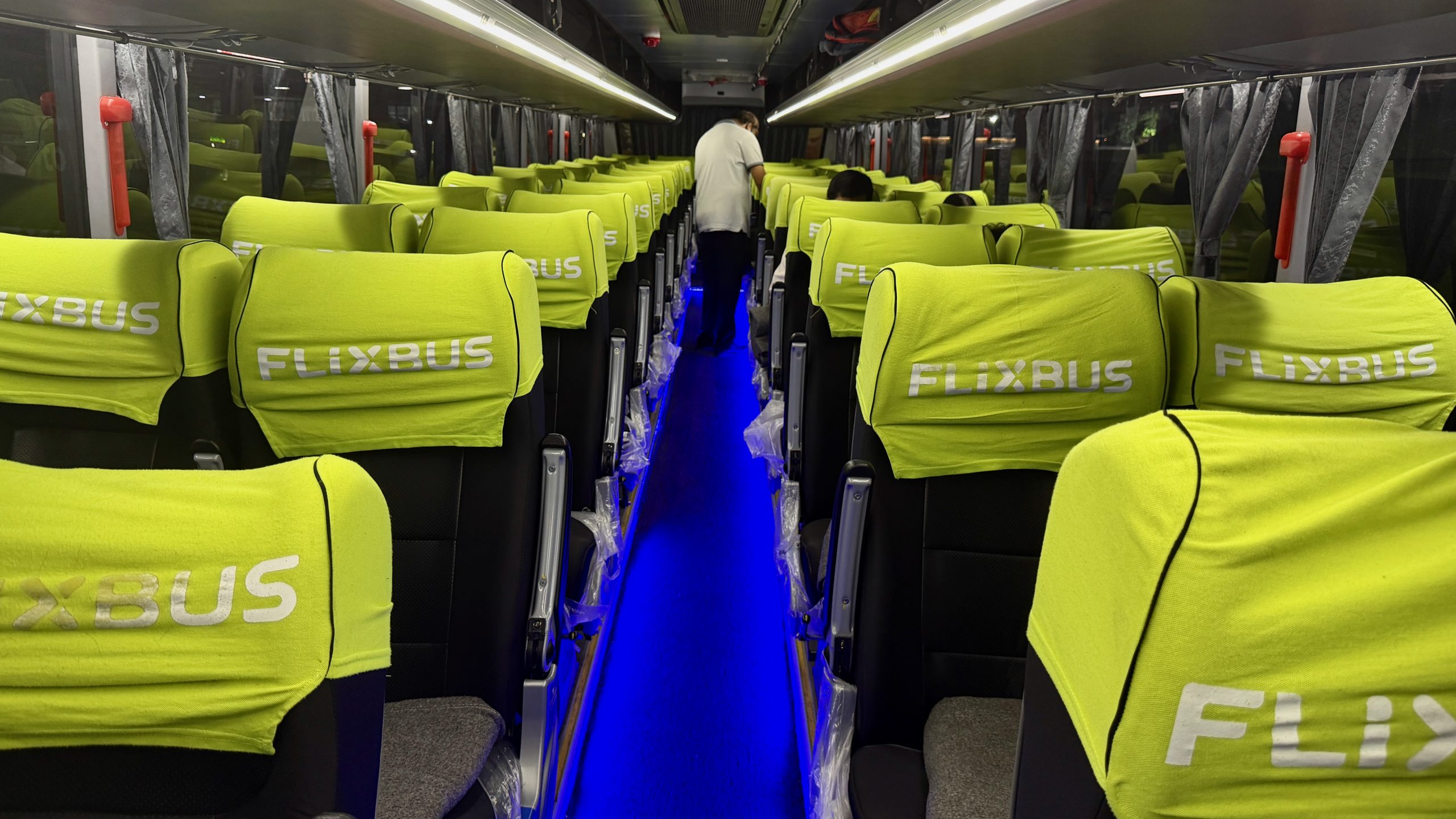
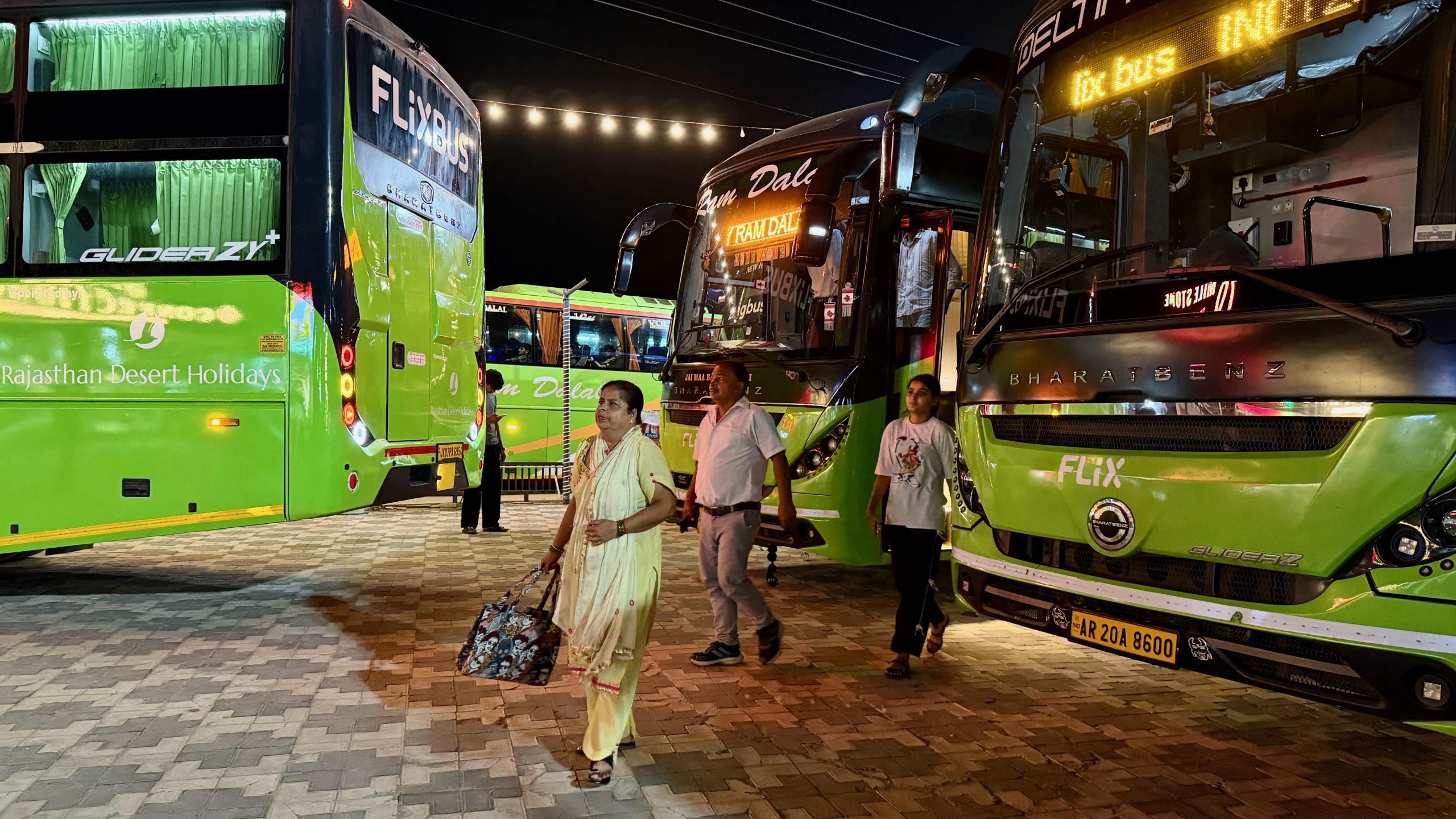
FlixBus took root in India a while ago—more specifically, launching in North India in February 2024. They rely on the “asset-light” model: the company runs its own digital booking platform, handling network planning, marketing, and customer service, while local Indian bus companies operate the actual rides. The buses have been painted in FlixBus livery, and the staff at the bus station all wear FlixBus shirts.
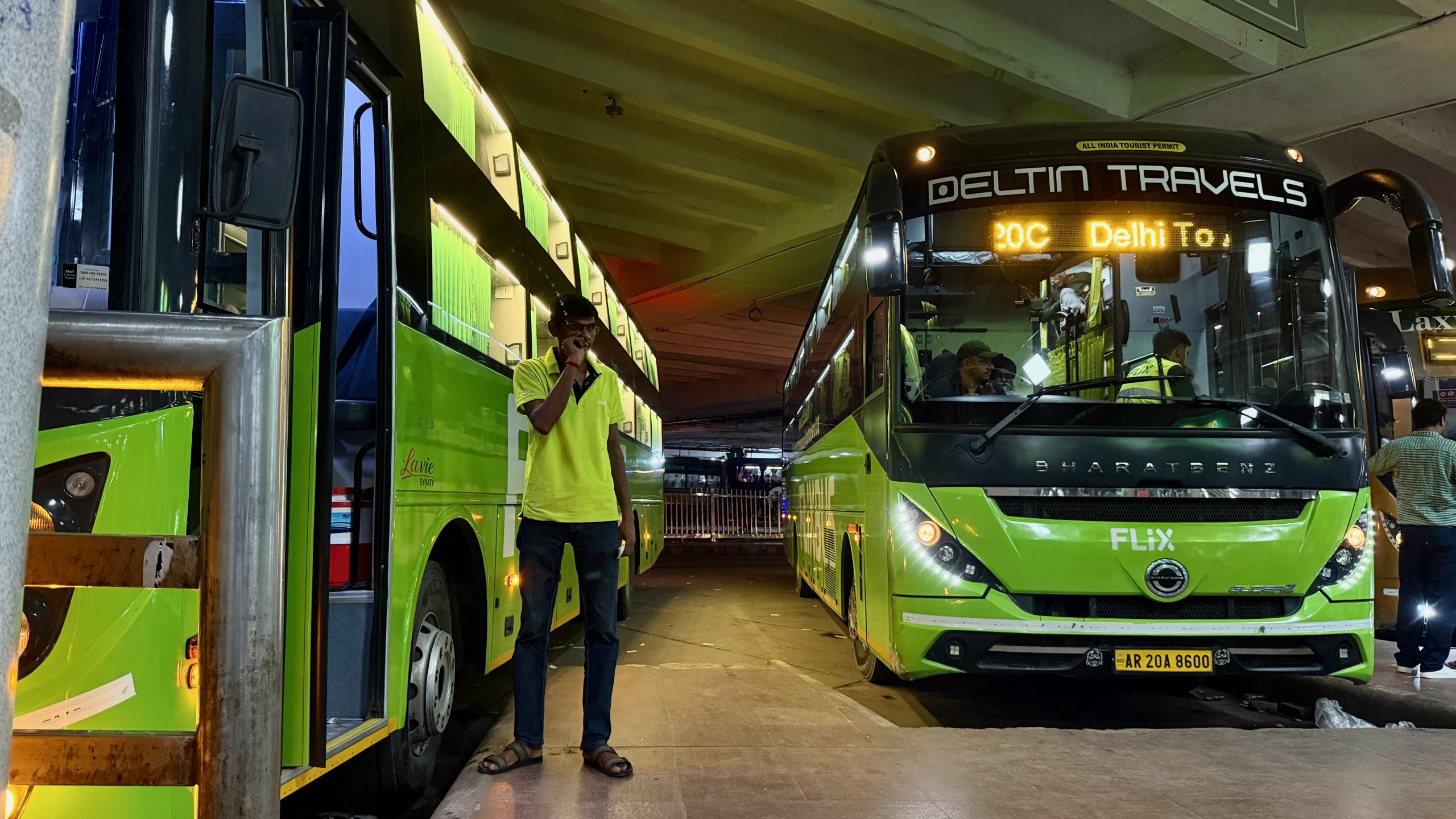
Only the cooperative partner’s logo is still visible at the top of the bus. It’s really quite fascinating. Back in May, I had booked through the booking platform redBus, but this time I used FlixBus. And organization-wise, FlixBus definitely takes the lead so far—the platform is very user-friendly, and I kept getting plenty of helpful updates via WhatsApp (and email). It used to be a bit more complicated before, and I had to spend a lot of time calling the bus driver to get updates. This time, my bus arrived right on time 15 minutes before departure and was immediately recognizable. By the way, when booking and picking your seat, you specify whether you are male or female so that you aren’t seated next to a stranger of a different gender. I find that very pleasant. Regarding FlixBus’s future plans, the AI notes: “Flix aims to expand India into the entire group’s largest market by passenger volume by 2030, overshadowing Europe.” Alongside easy booking, high standards for hygiene, punctuality, and similar factors are key priorities for them. In any case, I’m already leaning toward using them again.
The bus station was very crowded, chaotic, and hot again, and I was sweating quite a bit.
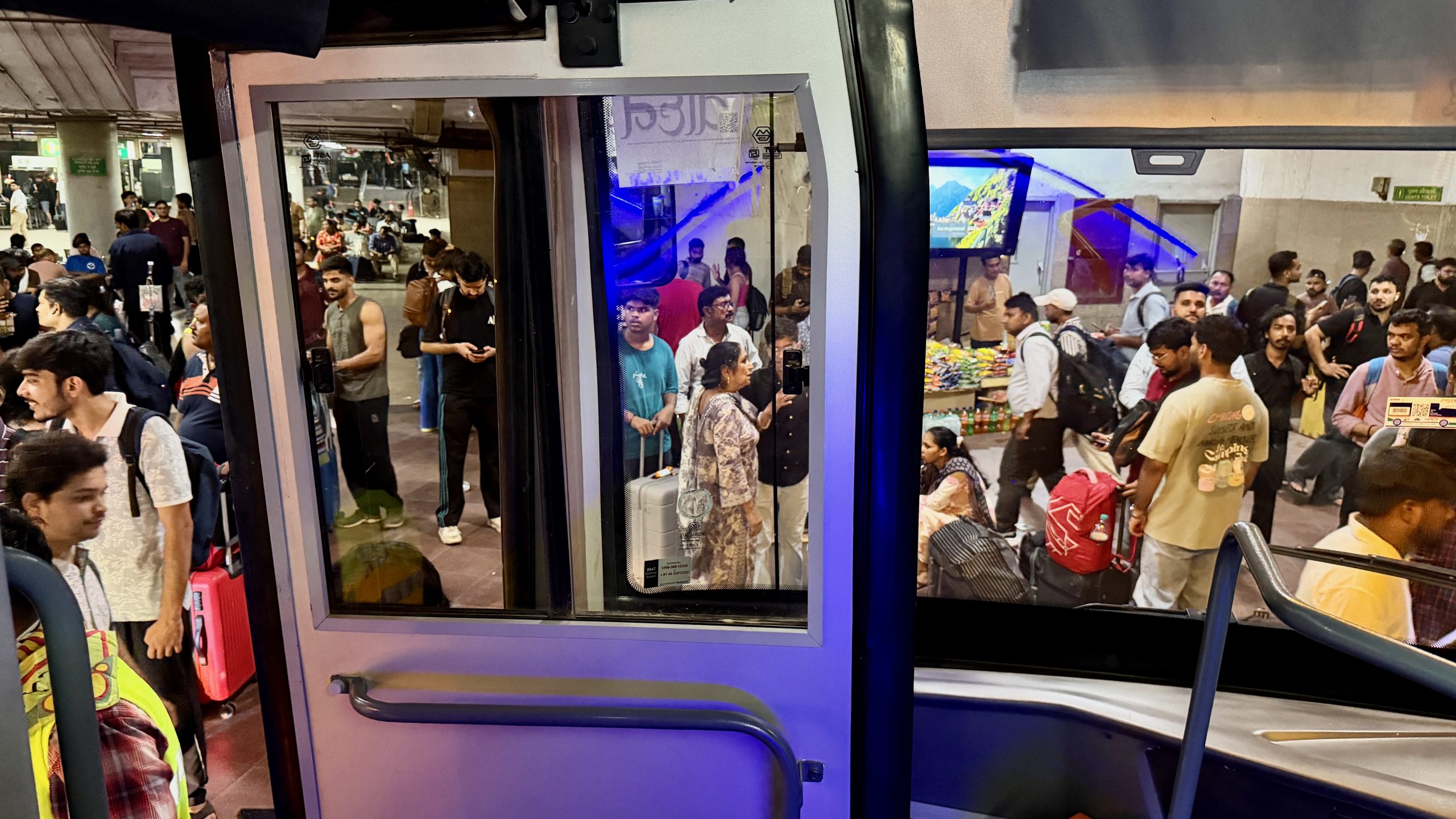
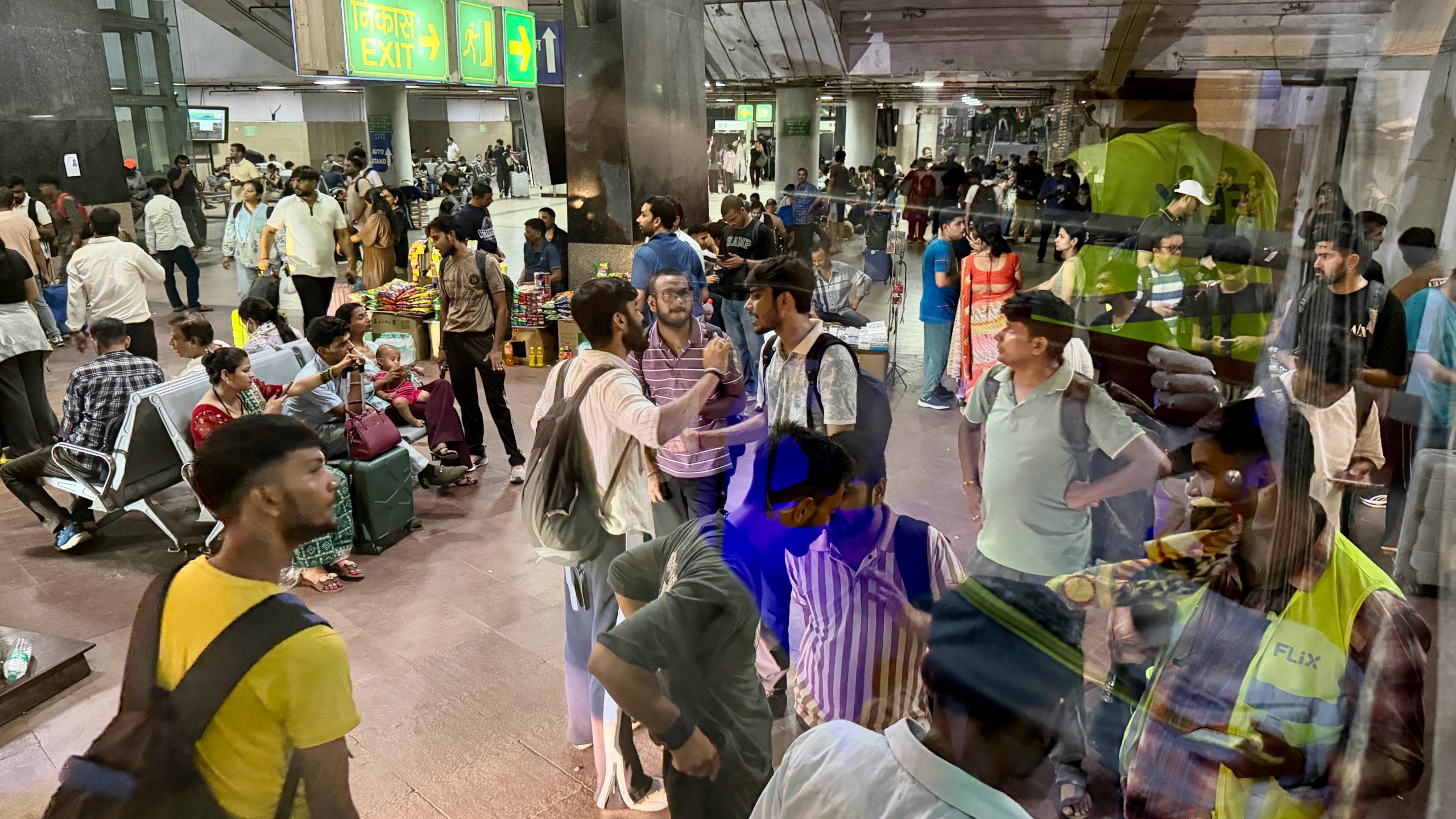
By contrast, my bus was cool, clean, brand new—and empty. People only got on and off very rarely, so there were only about 10 passengers of us. Plenty of room on the comfortable double seat, which reclined very far.
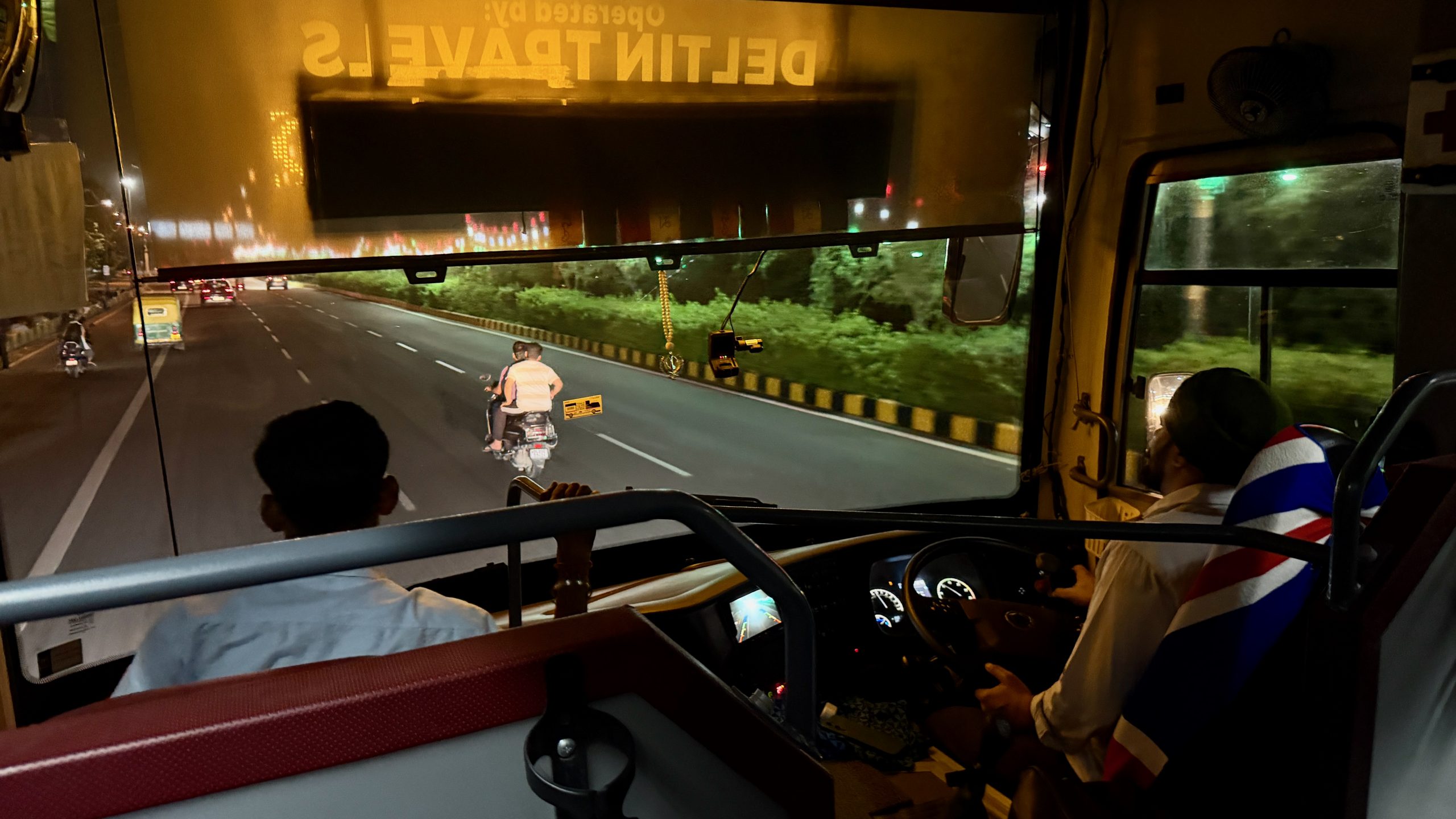
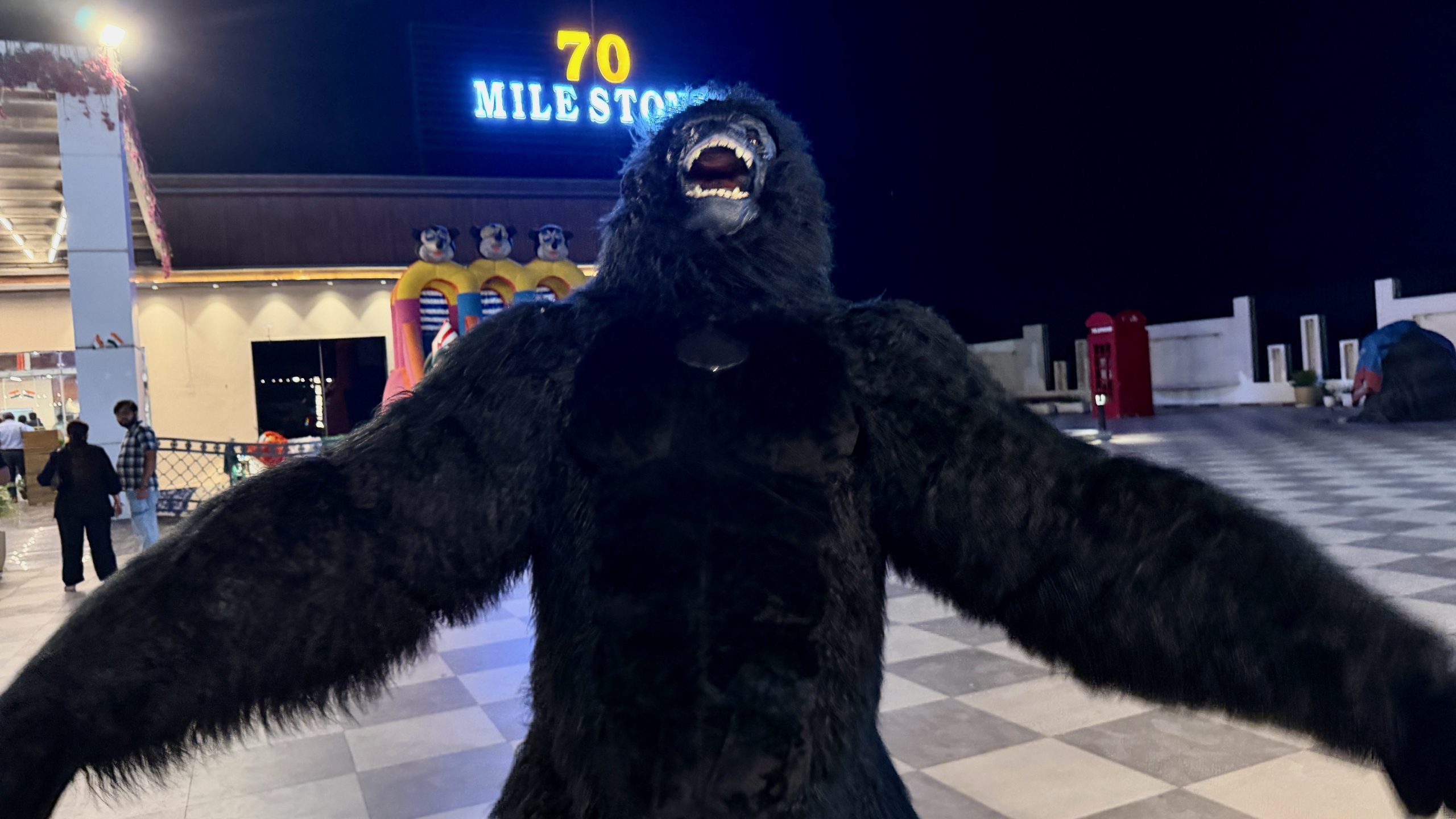
I had booked a very late bus (10:45 PM departure), which turned out to be a really smart move. The night went by much faster that way, and I even managed to get some sleep. At the rest stop, there were plenty of other FlixBuses—and a gorilla. What a terrible job in that heat! He had to trudge back and forth, serving as a photo opportunity for people.
I hadn’t taken this many photos since Mustang, but during the breakfast stop, that old Indian photography itch came over me all over again:
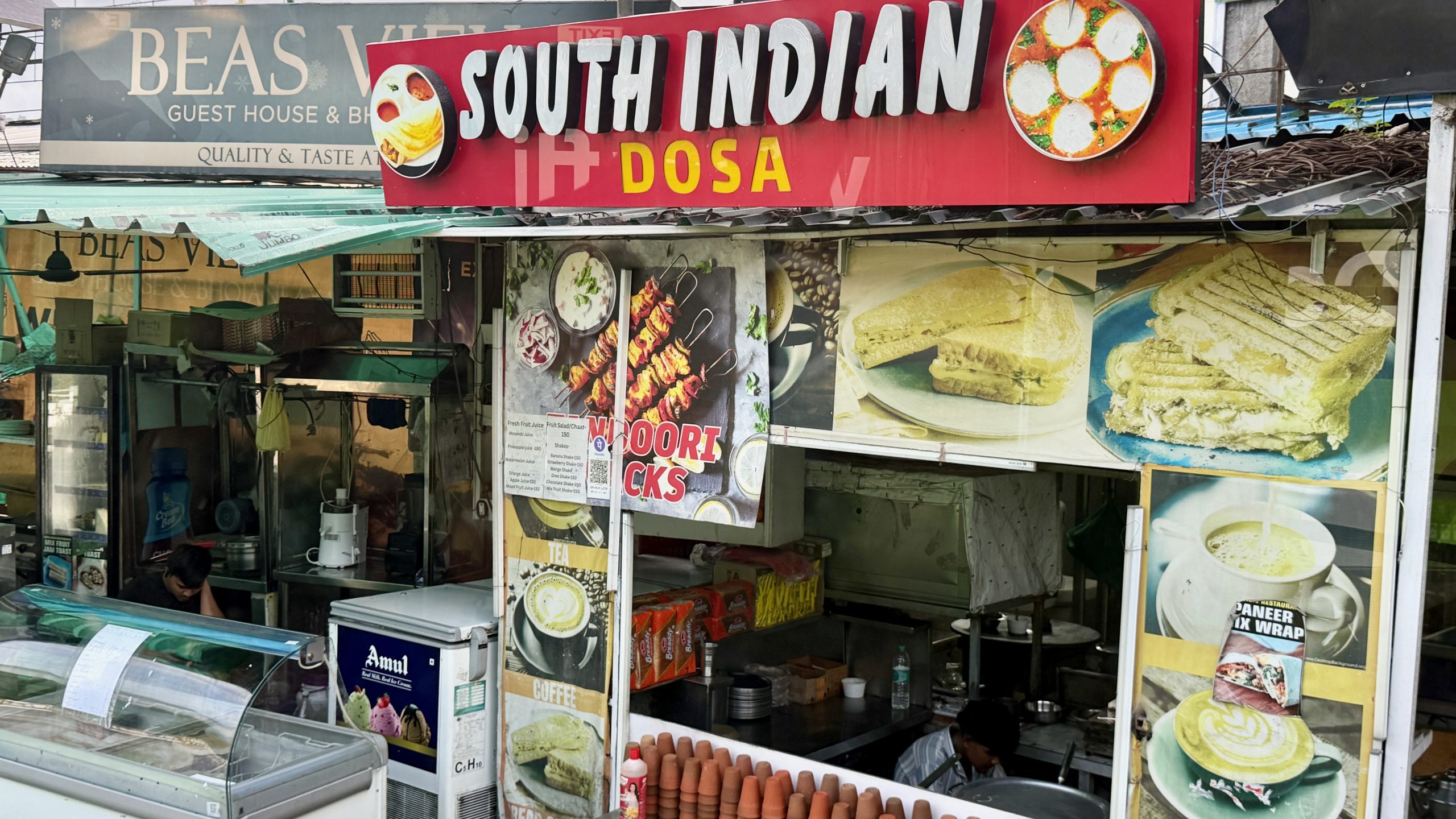
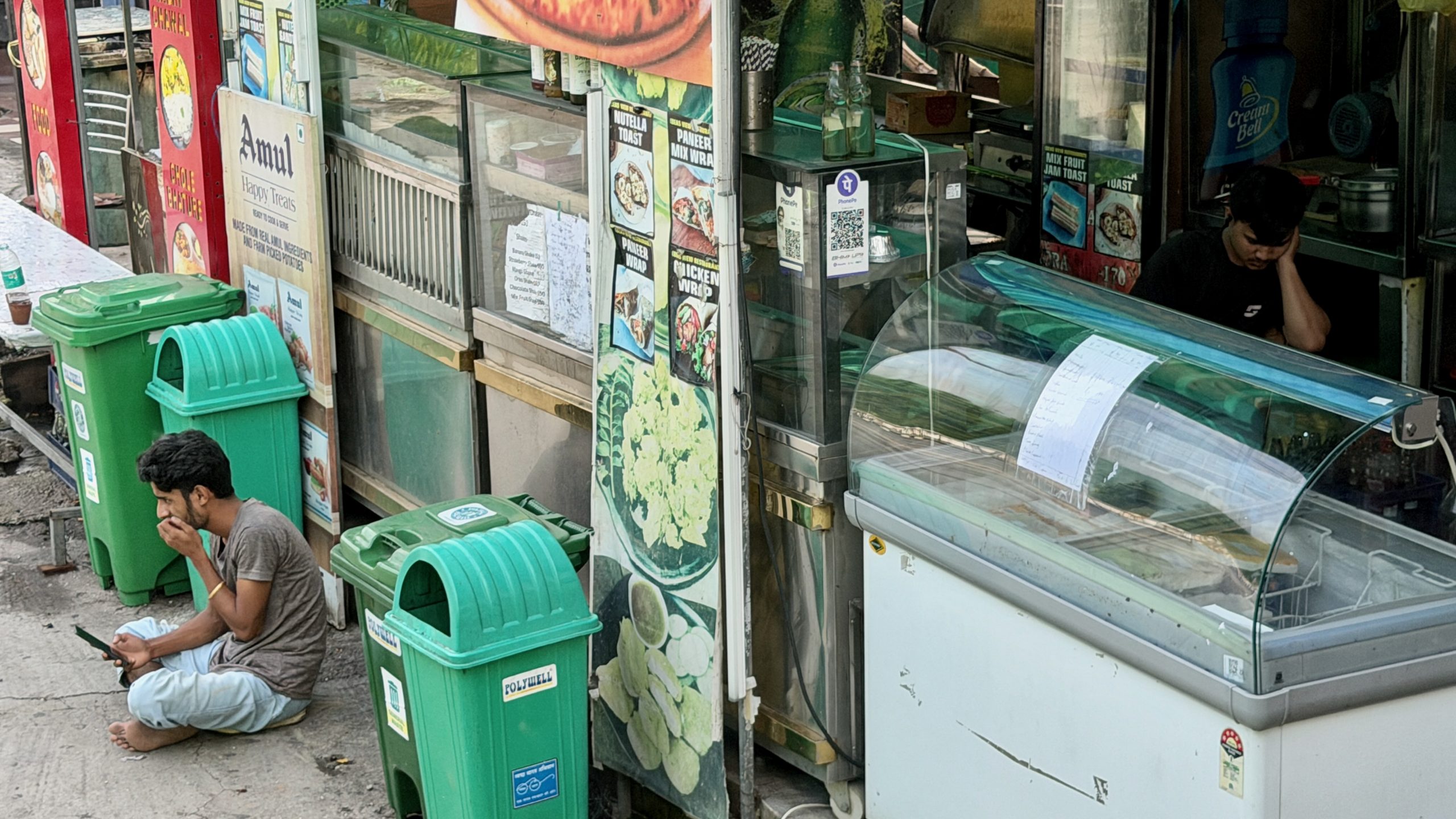
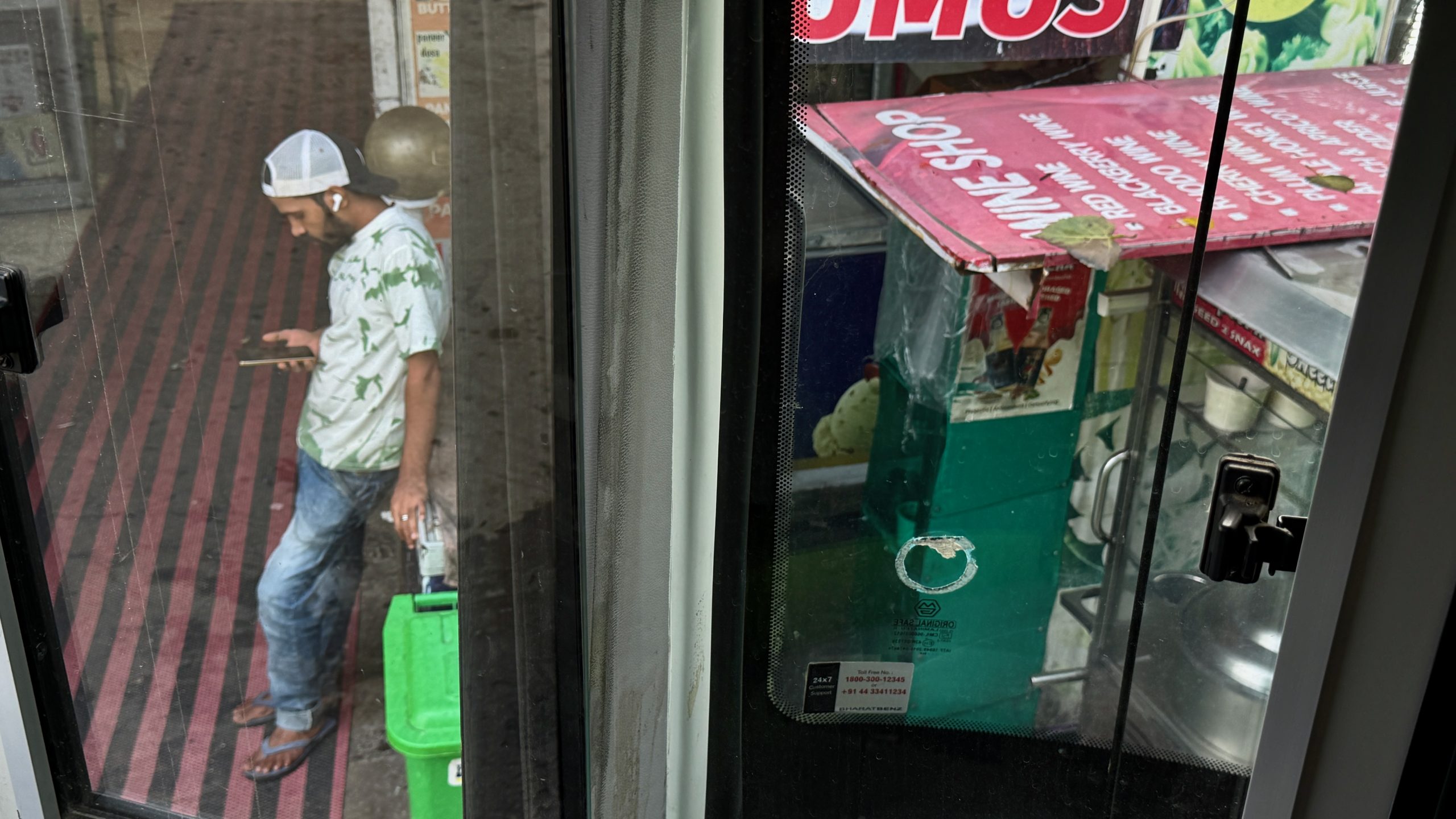
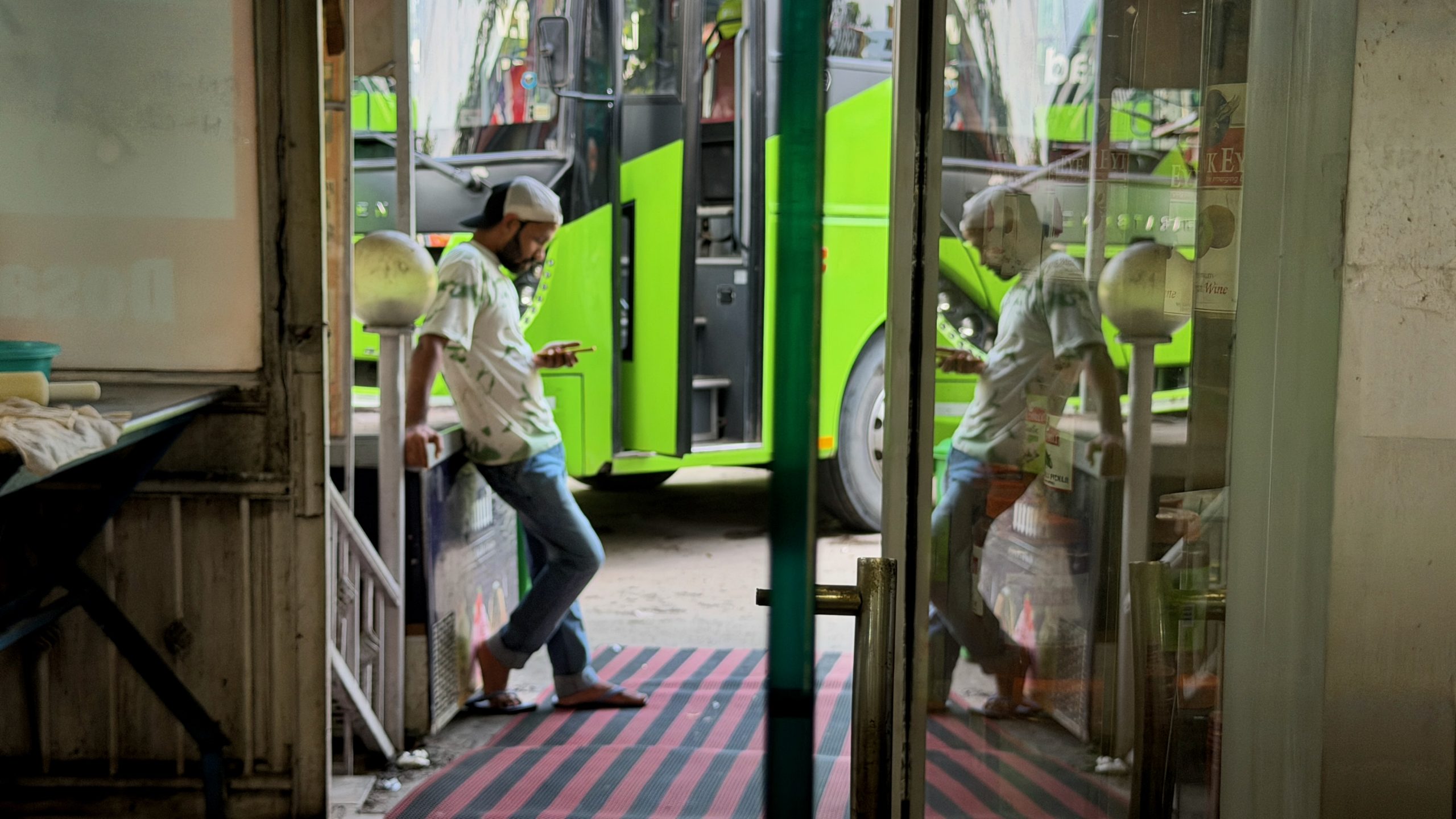
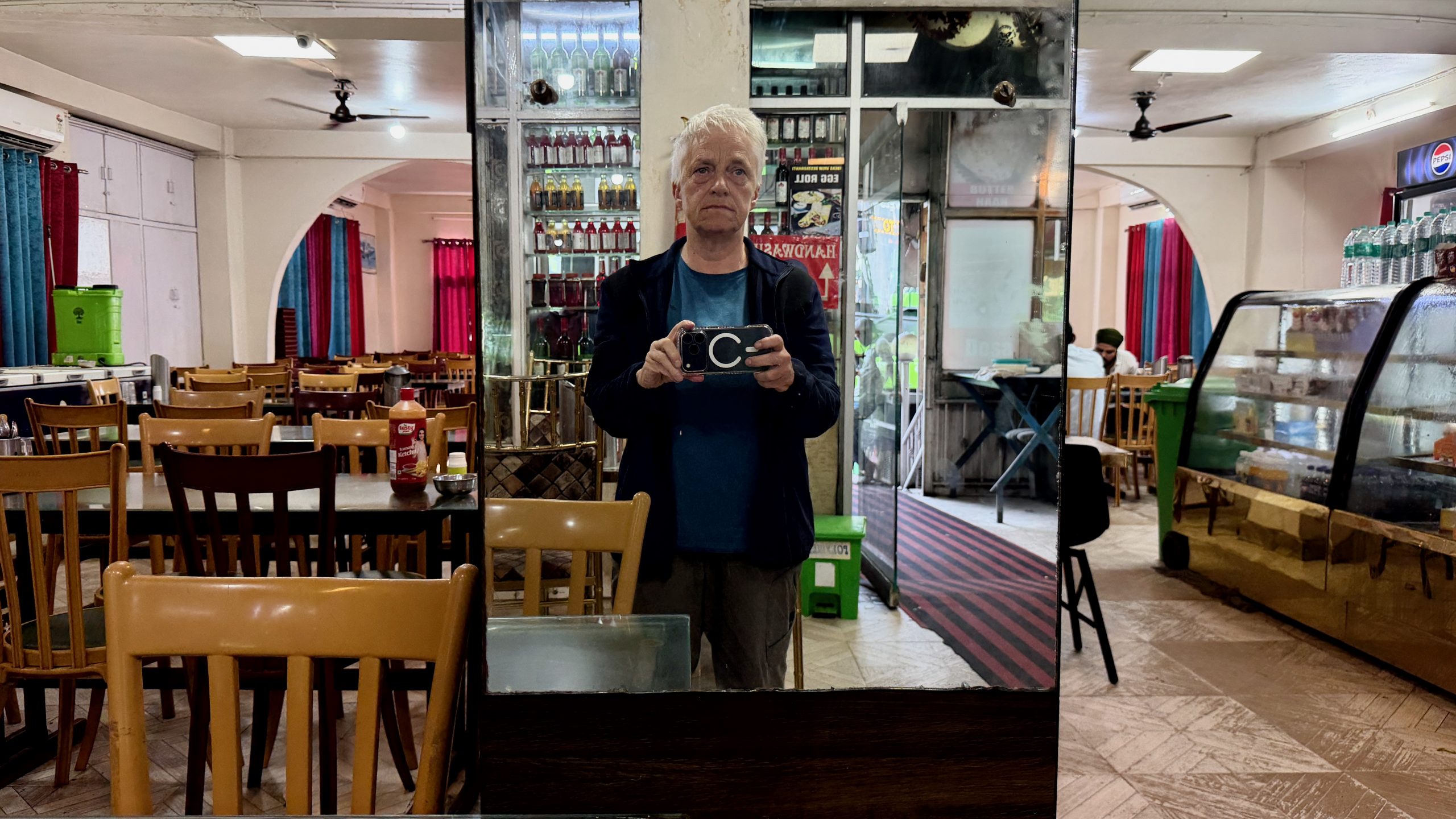
However, I was also suffering—for the first time in 4 years, I had a migraine attack again. And now I knew why I was still carrying migraine triptan pills with me. It wasn’t overly severe, but I was extremely relieved when the pill kicked in.
I was also reminded once again of what a miserable “dog country” India is—there were so many of them roaming around yet again.
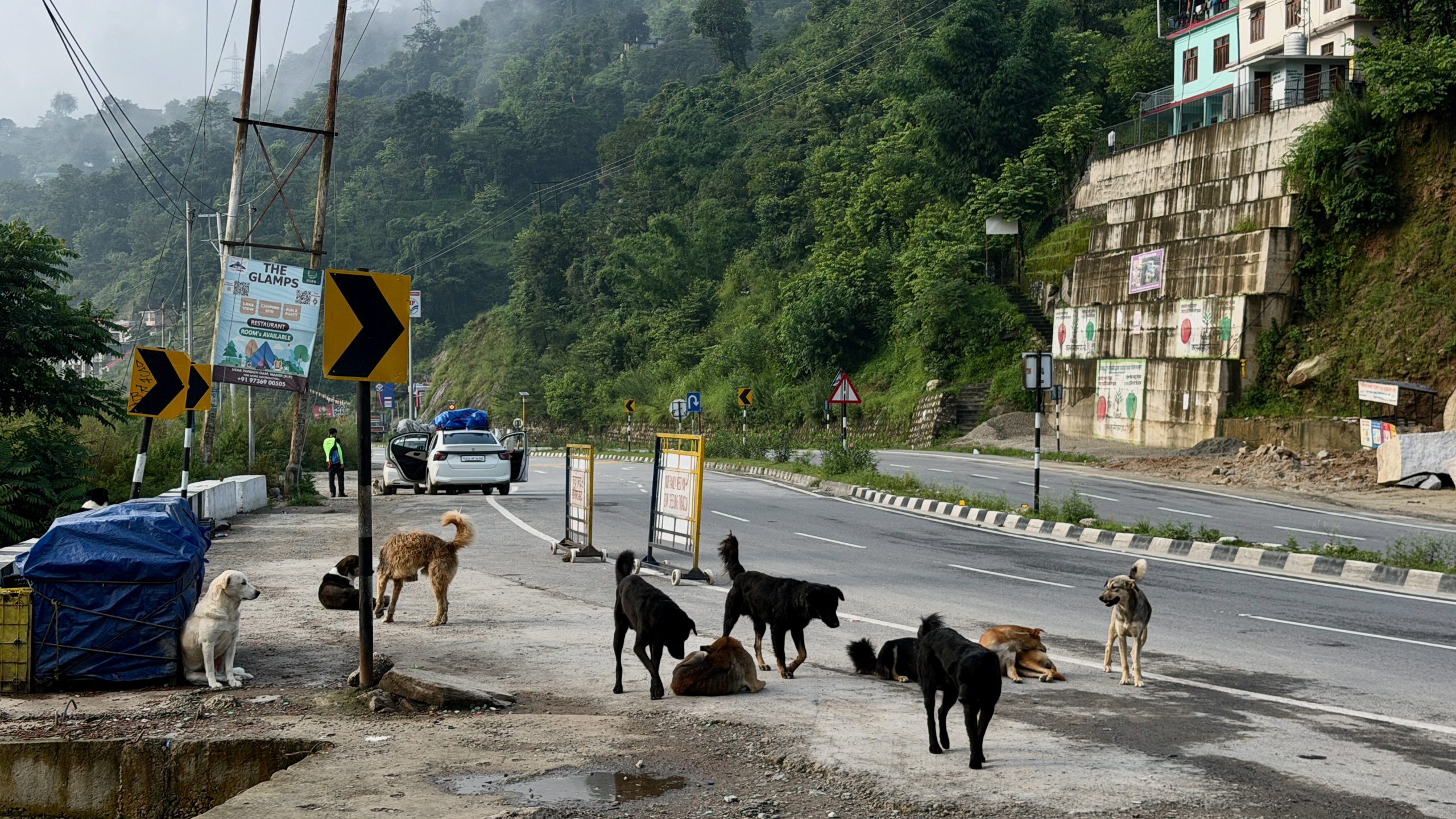
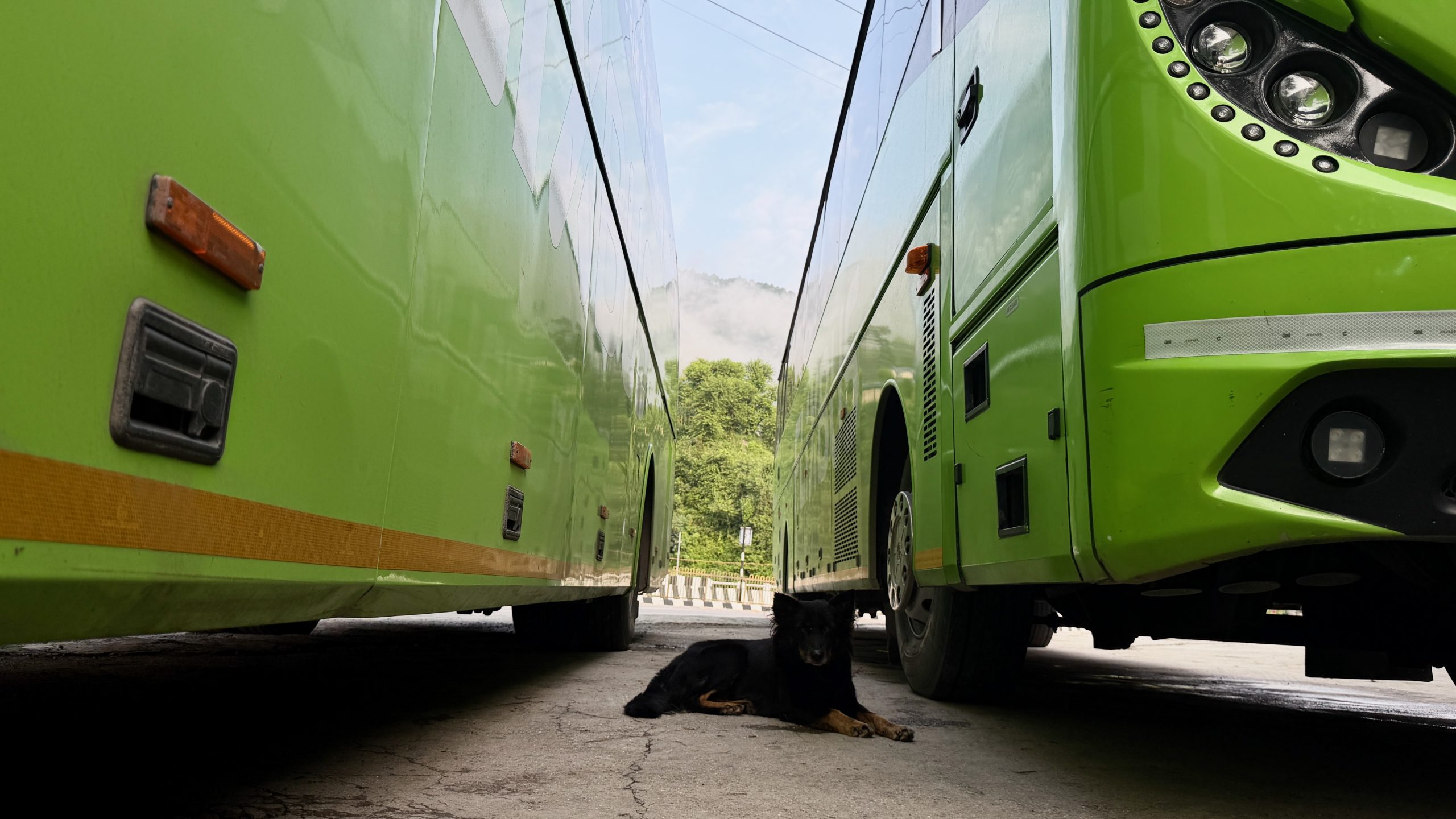
Other than that, the weather was surprisingly nice to look at, and as we drove through the mountains, my spirits lifted a bit.
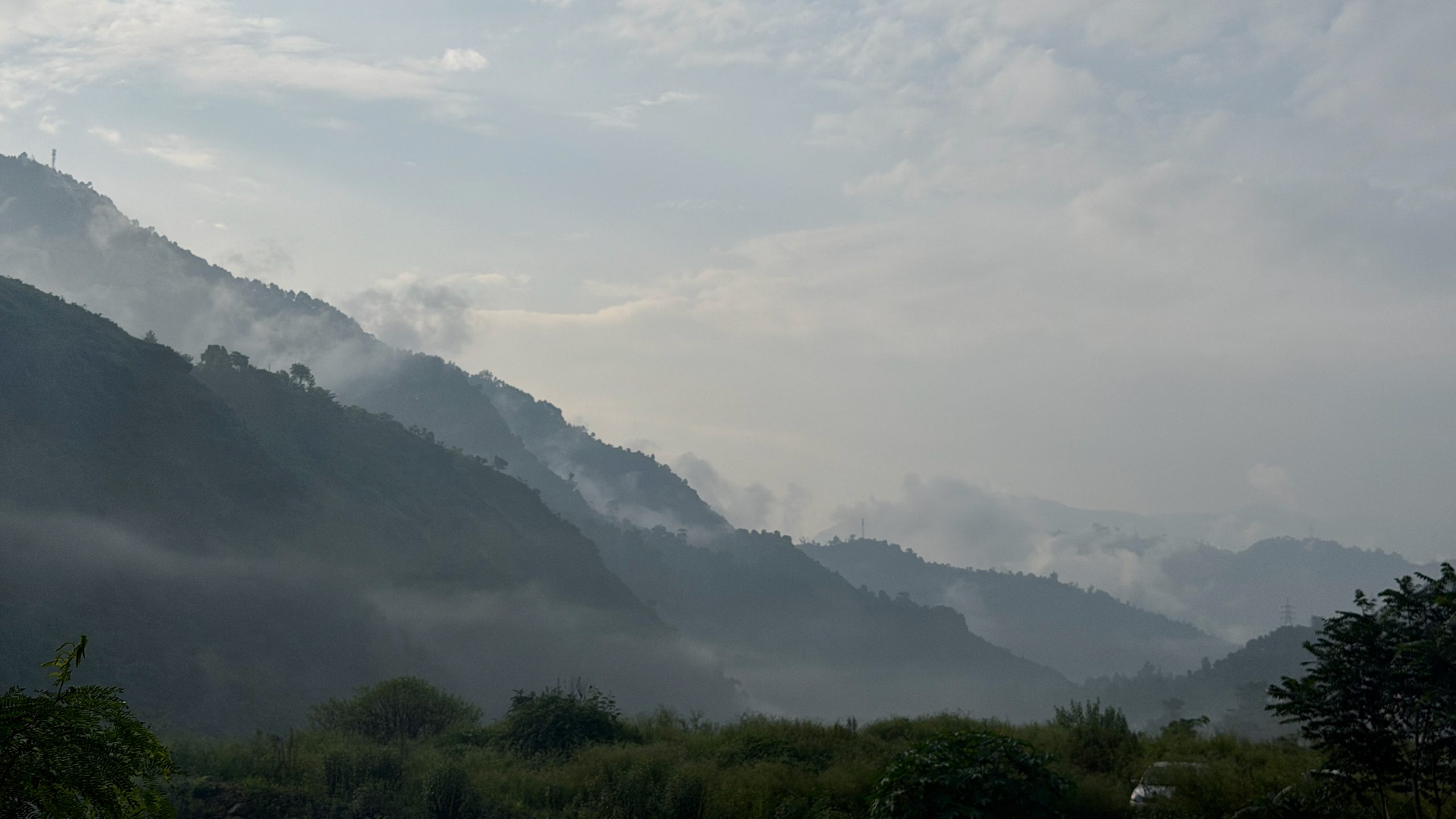
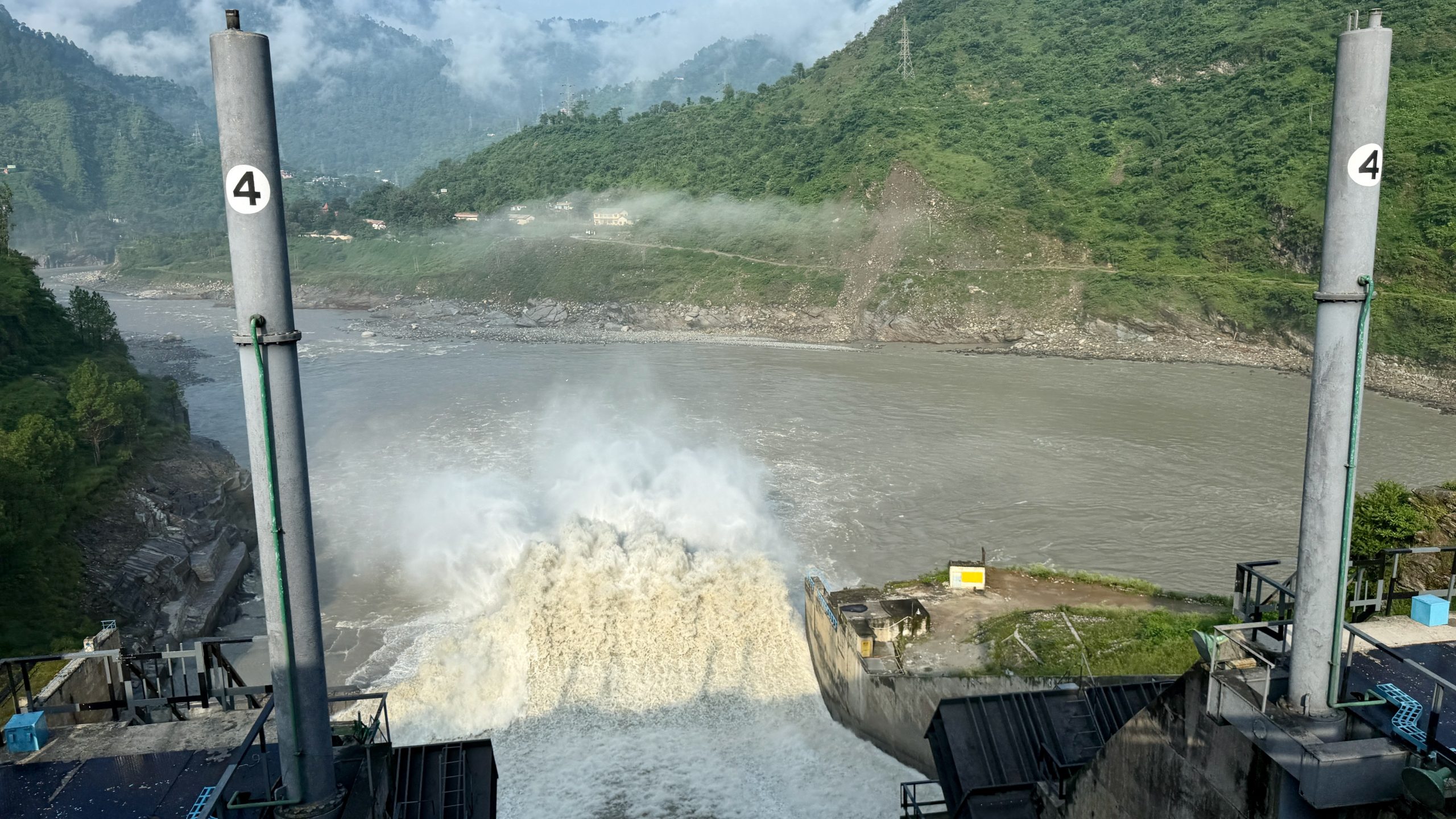
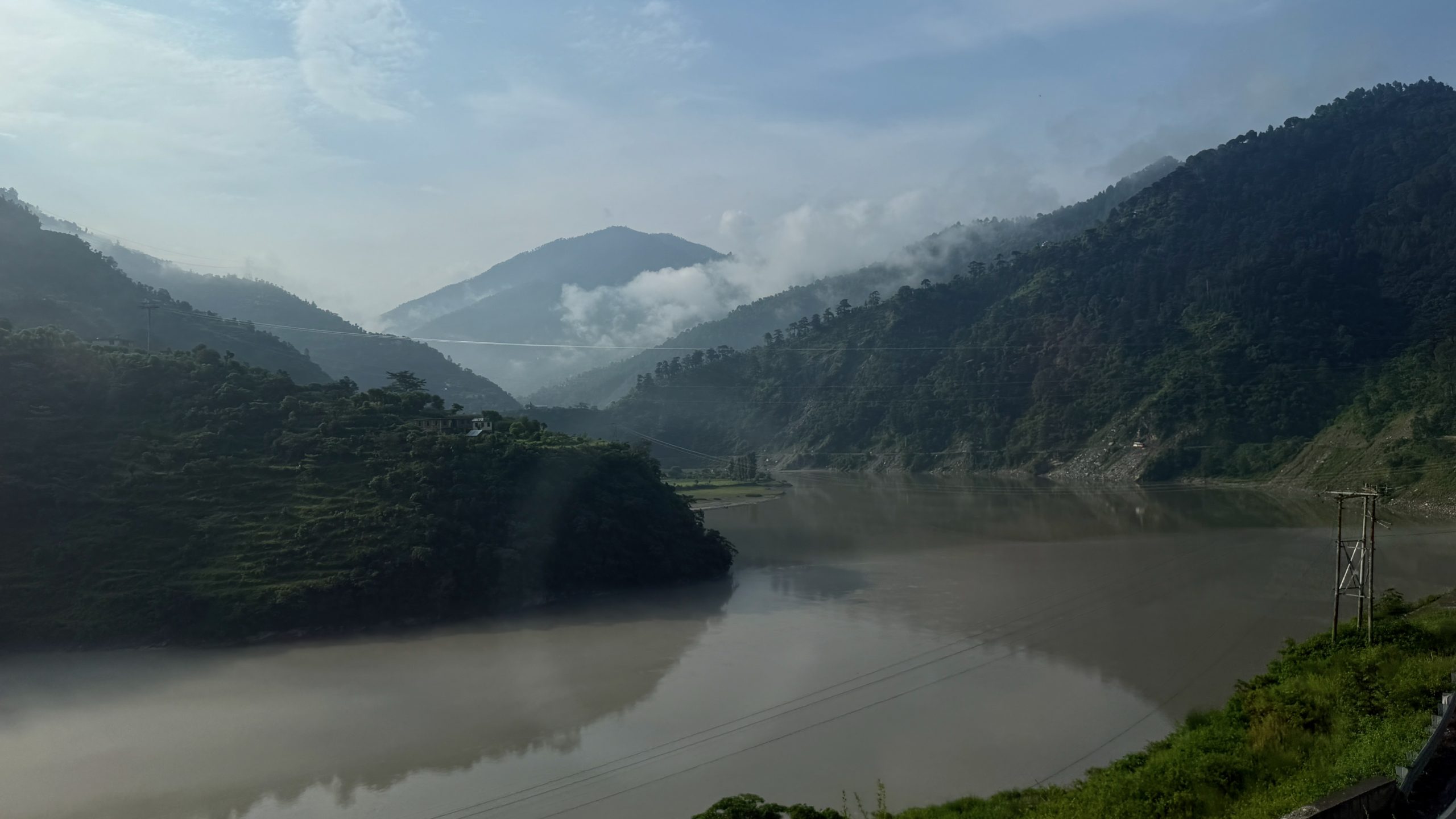
Upon arriving in Manali, I actually ended up being the only passenger left on board. It was Sunday going into Monday, so I suppose not as many people were traveling to holiday regions anyway. But maybe heading back? Because otherwise, it wouldn’t make any financial sense at all. In Manali, there was extremely less tourism than in May and also very much less traffic. You didn’t get stuck in a single traffic jam anywhere!
I headed for Old Manali—that’s where the infrastructure seems to be best even during the monsoon. And so far, I feel like I’m almost exclusively surrounded by Israelis. I found accommodation in a guesthouse where I used to stay often and for long periods in the past. Right in the heart of Old Manali and only accessible on foot. Though it’s currently being built up all around.
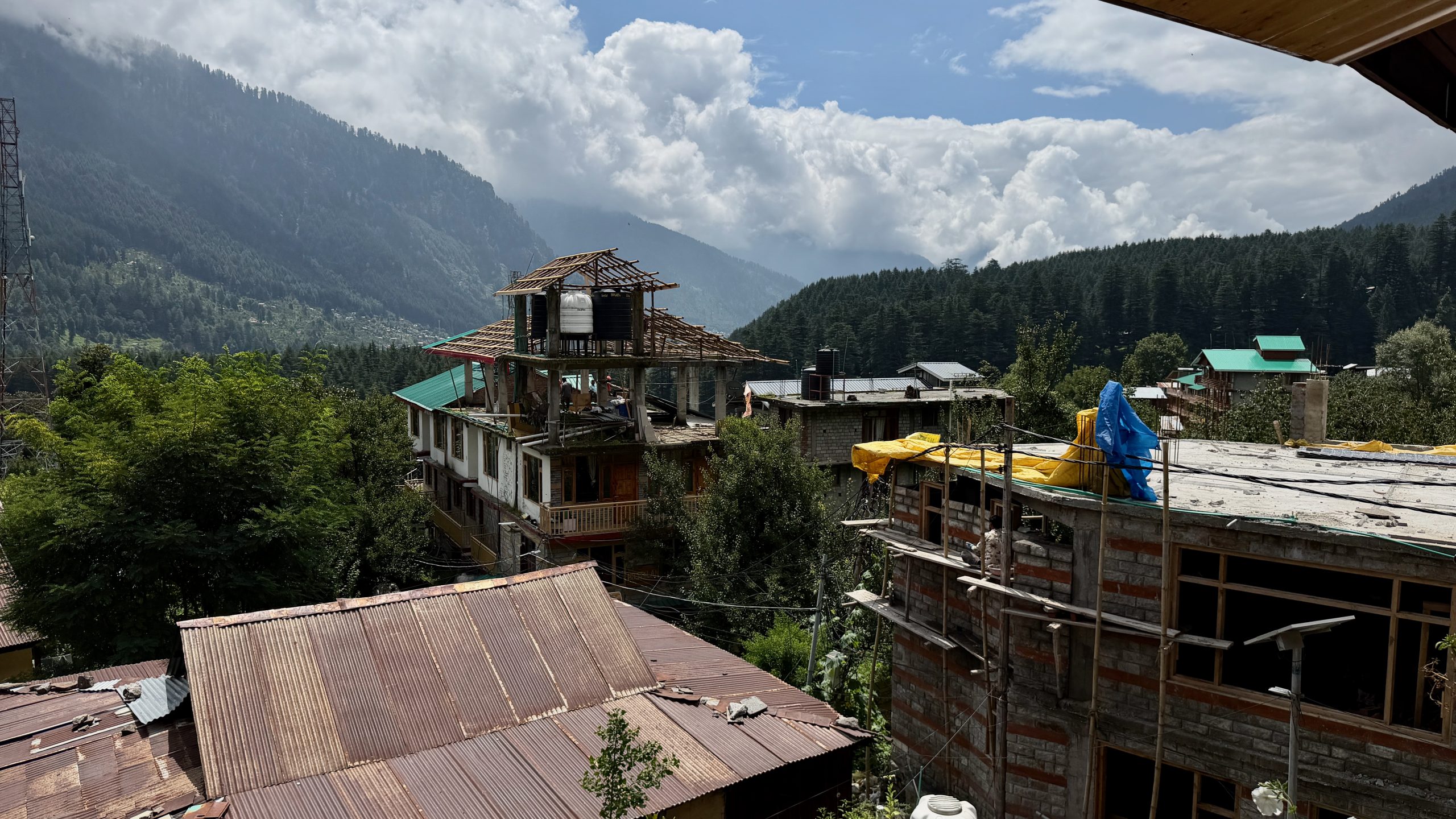
Up until now, the center of Old Manali was still dominated by families engaged in agriculture and livestock farming, with rather smaller guesthouses tucked in between. Nowadays, however, there is so much massive construction going on here that its character is undergoing a complete transformation. Right now, it feels to me as though I’m catching practically one last breath of the old Old Manali during the monsoon, dodging numerous cows on narrow paths while traditionally dressed women do laundry or go about their chores.
The heavy rain did show up eventually, though. And so did Raju, my guide from May. The plan: do smaller tours for 2 days each (and see how my body and the monsoon hold up), then Markus arrives from Ladakh for 1.5 days, during which we want to meet up with old acquaintances—and after that, we’ll see. Bit by bit, I’m starting to feel a little more optimistic again. In Delhi, I was actually already considering flying back home early and was looking up flight prices. Now I’m thinking: one step at a time.