


Arunachal Pradesh: Aalo – Happy Celebrations
1. December 2025
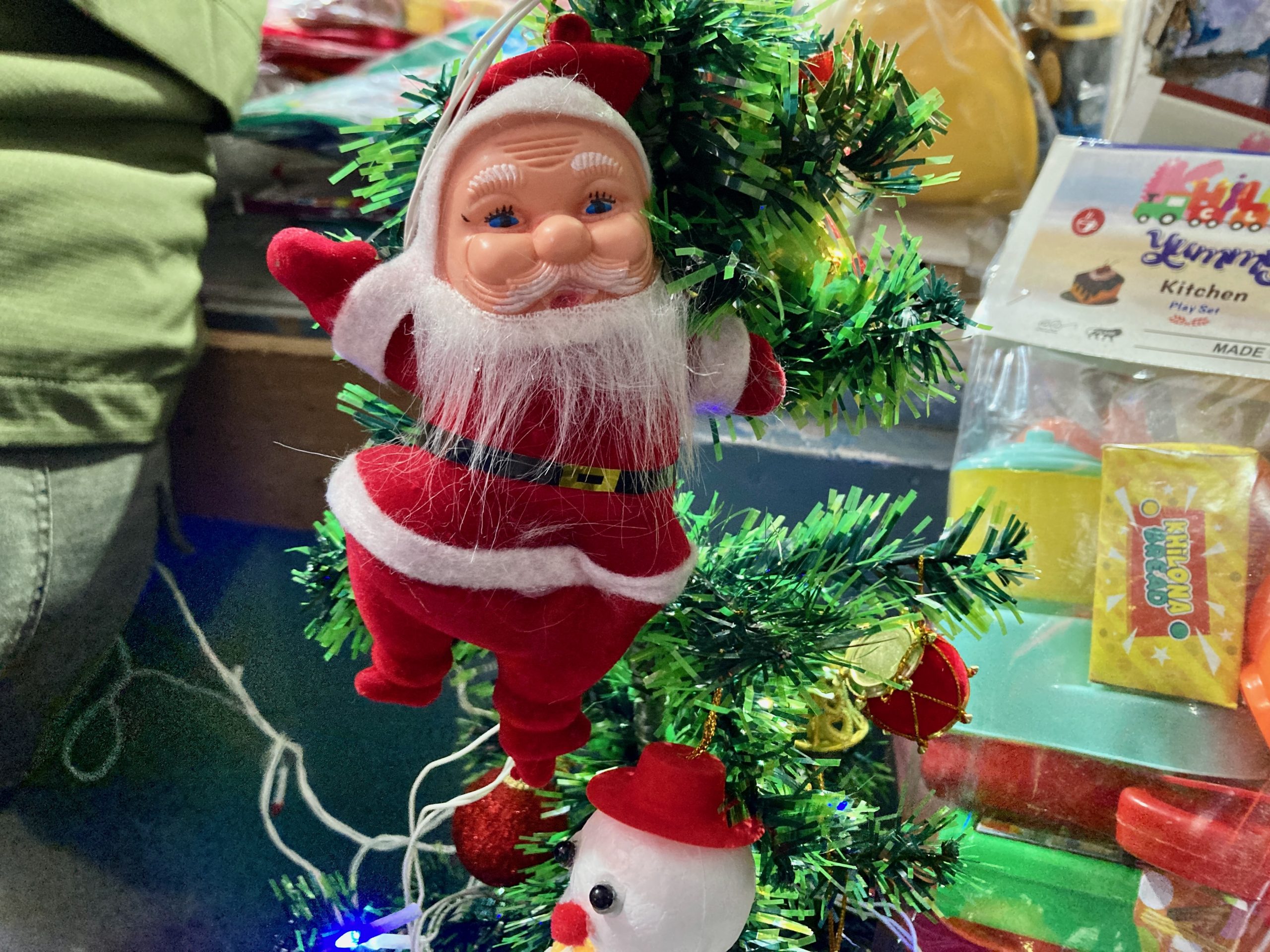
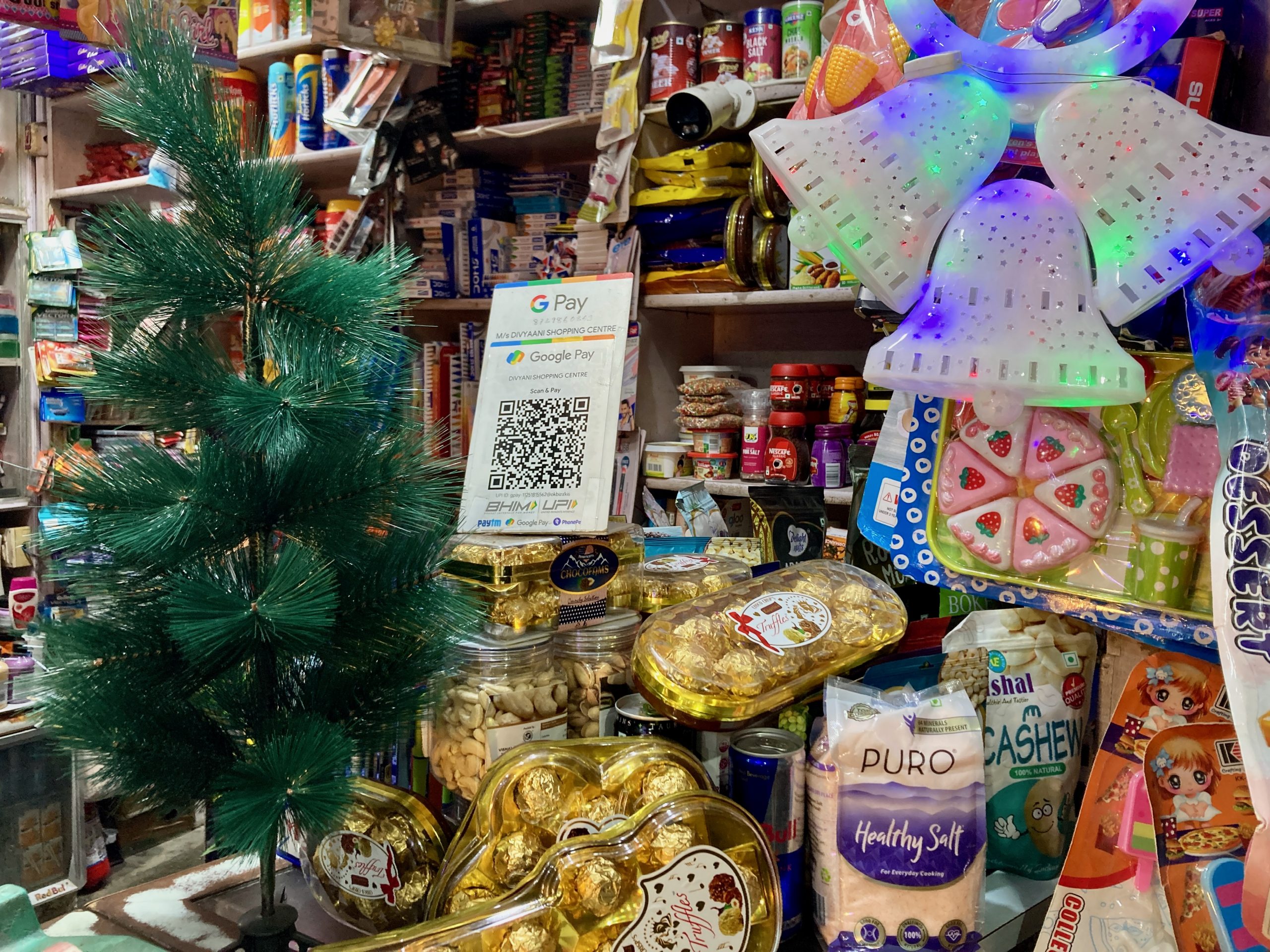
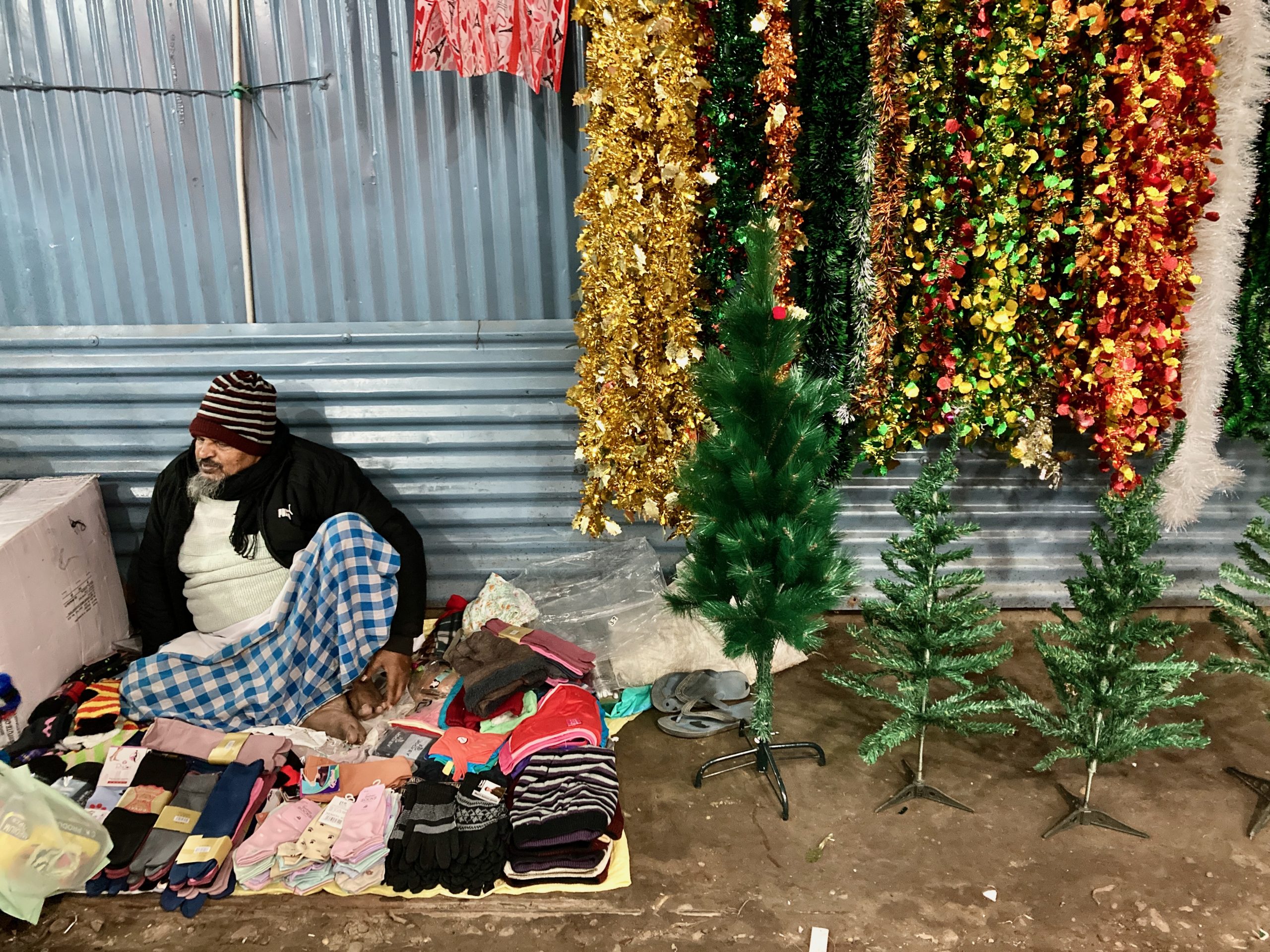
No, they don’t celebrate early Christmas here, but in Aalo the decorations were already being offered in the shops. There were even little trees:
 1
1
 2
2
We were now in Aalo, a small town and another homeland of the Galo. There’s a nice market district there, and besides the Christmas decorations, there were a few other things to see.
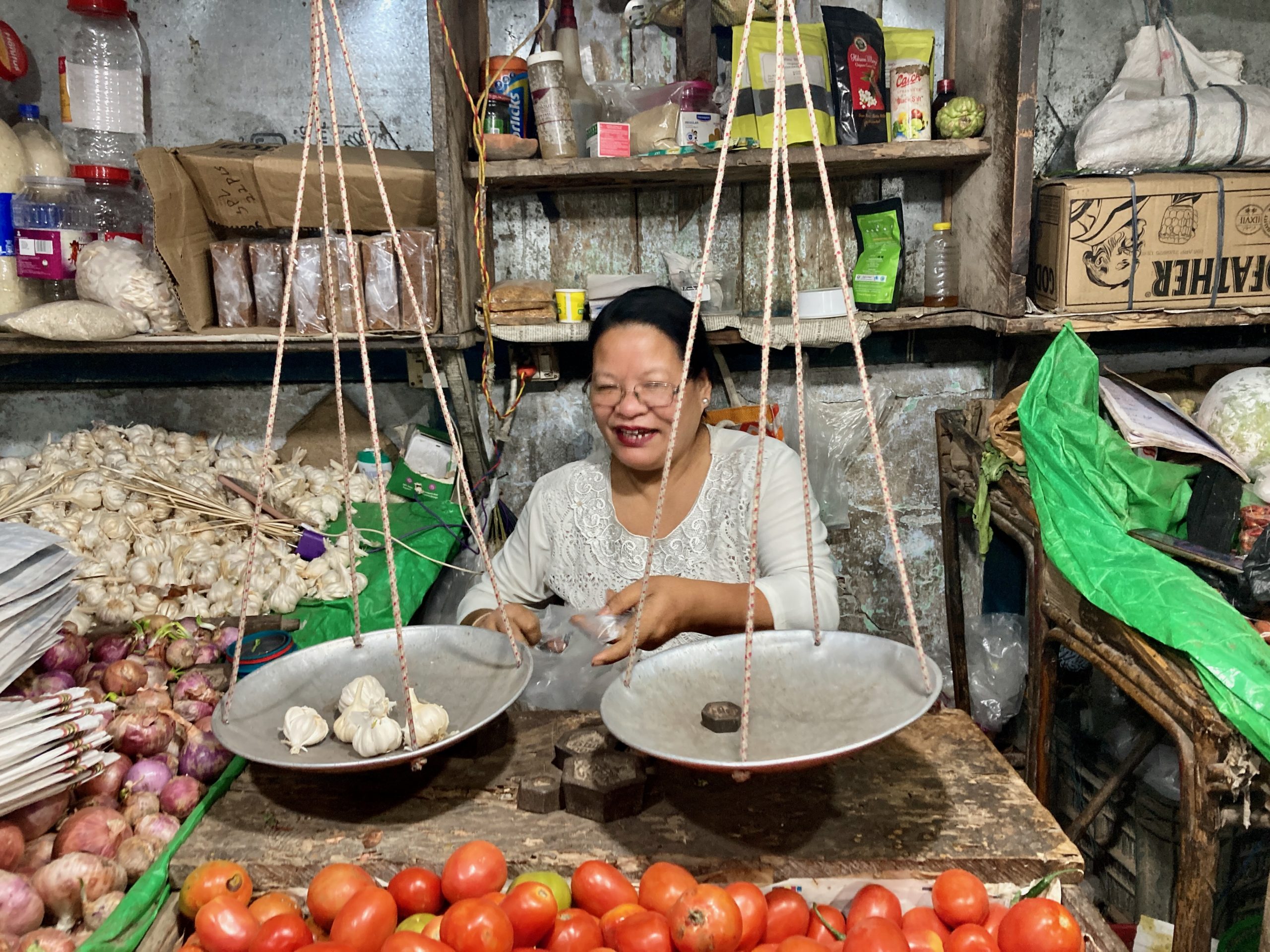 Marketwoman
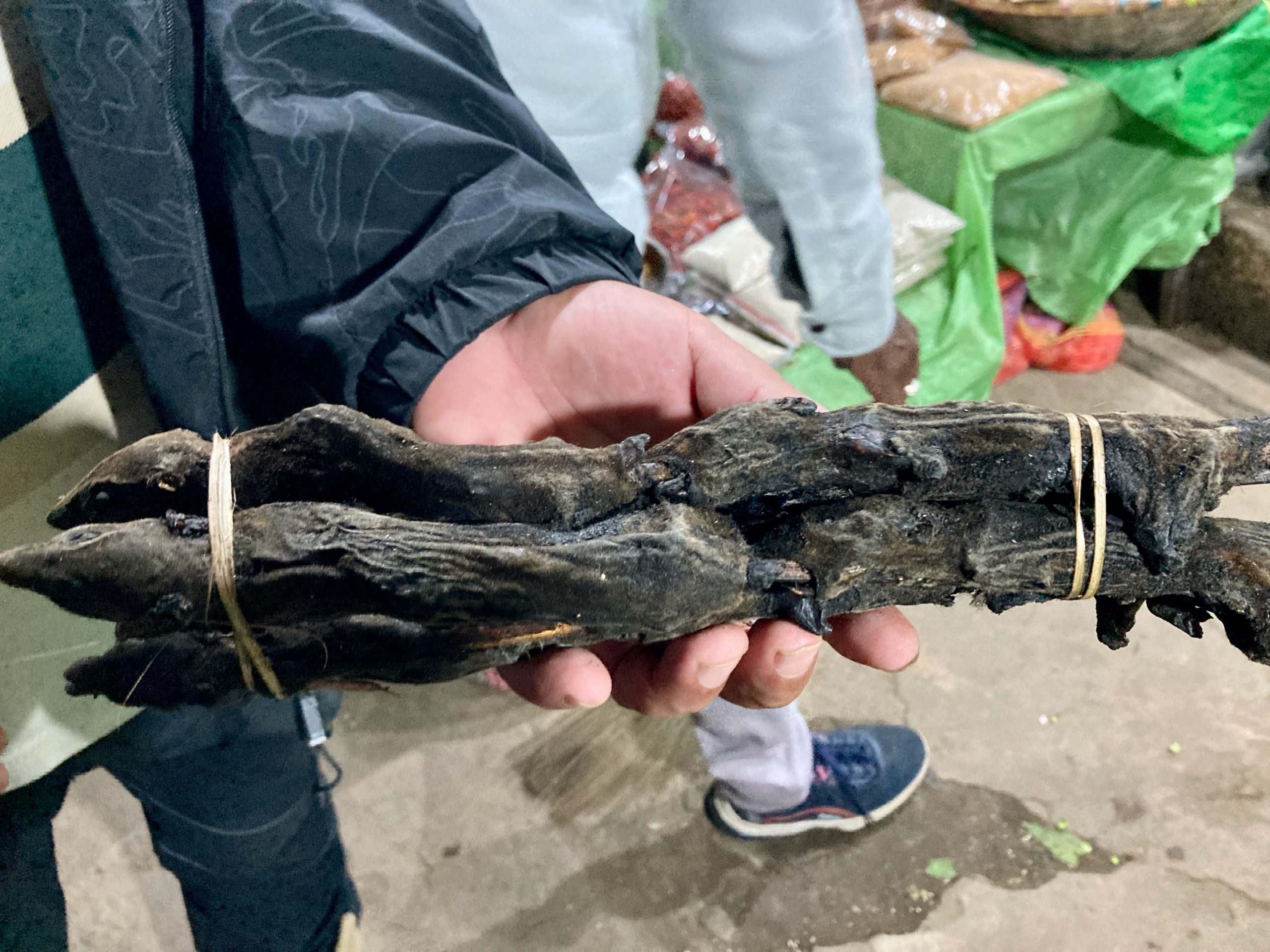 grilled rats
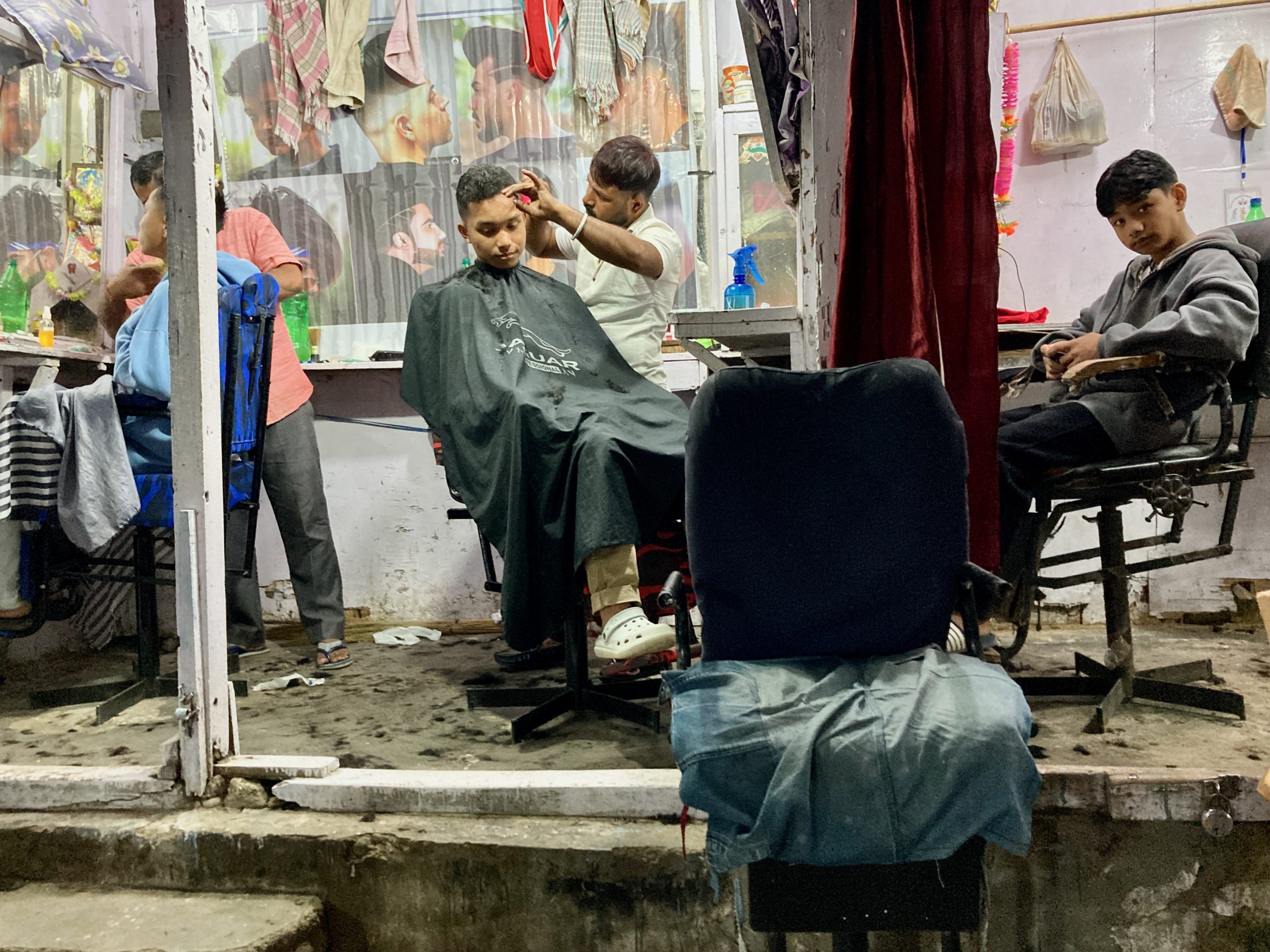 hairdresser-row
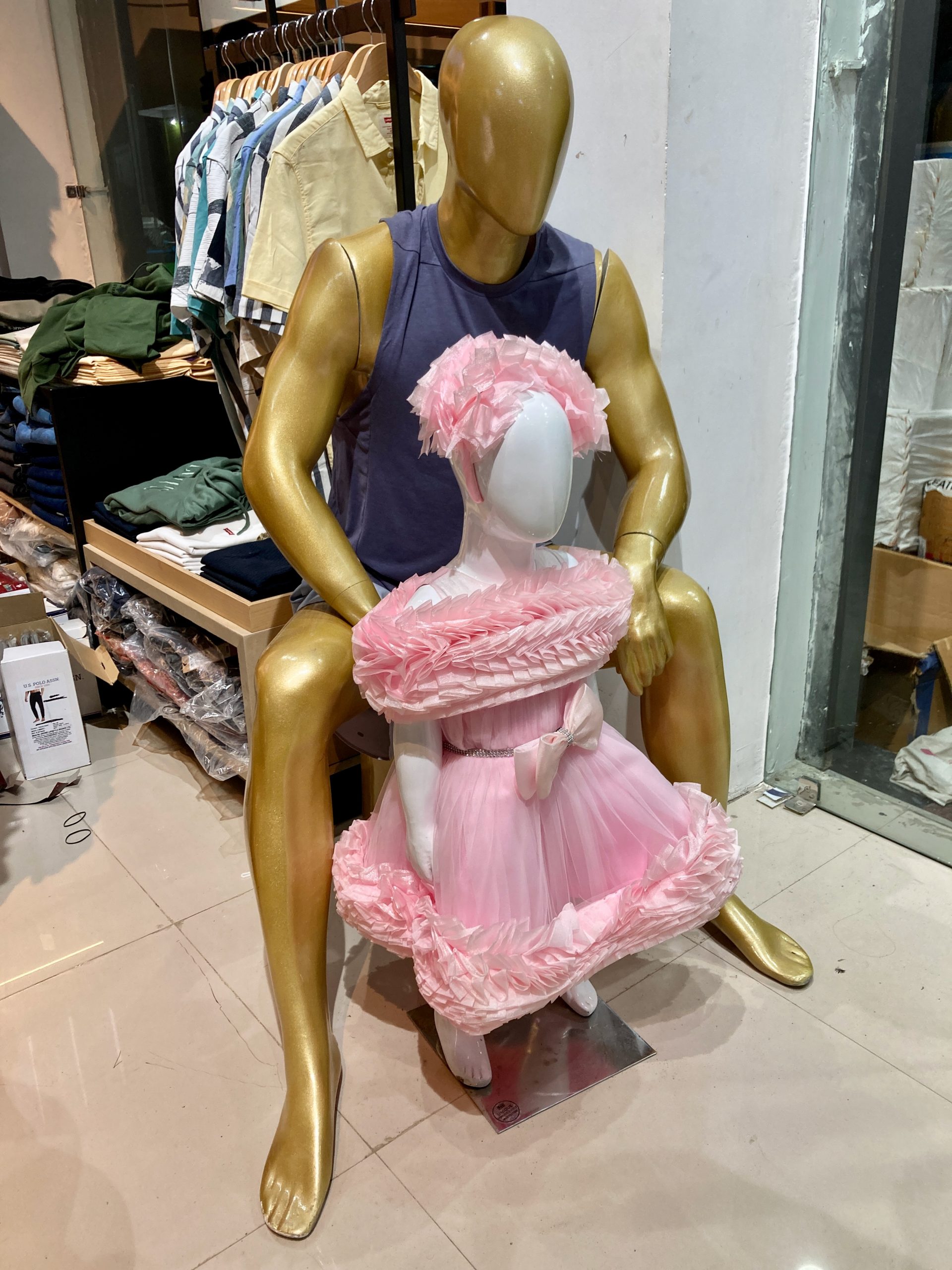 puppets
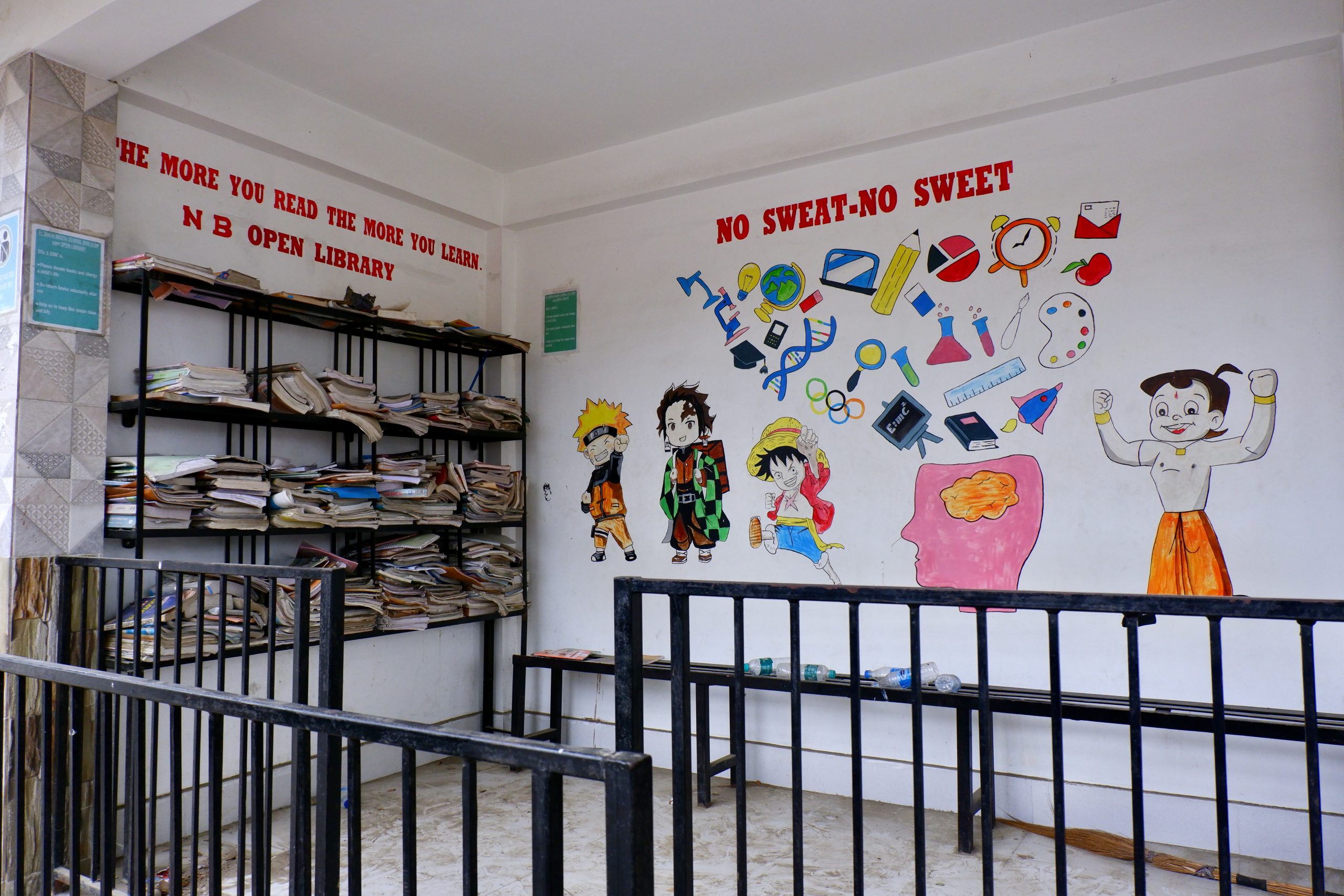 open library
The Northeast of India is characterized by a great many Indigenous communities. Special regulations often apply to them within India, as outlined for example in Article 371. This article created a comprehensive framework to address the very diverse regional needs and protection requirements within India — ranging from autonomy to land rights to special development measures. For Arunachal Pradesh, Article 371H applies. It mainly stipulates two points a) the Governor has special decision-making powers (he must consult his ministers, but in case of dispute he may decide on his own), although the President of India could revoke these powers (which has not happened so far), and b) the state legislature must consist of 30 members. That is already quite a bit. But what the people are missing is an extension concerning land rights, which other states do have included..
Land rights are extremely important, especially in minority communities. Who gets to decide where and how land can be affected — in terms of mineral resources, energy projects, roads, forests, agricultural areas, and so on? Who is allowed to intervene (and profit from it)? It is also important when it comes to investors, for example in tourism. If someone from outside invests in building a hotel, do they take the profits with them, or does the money stay within the state? Indigenous communities in particular cannot rely on financial resources that would allow them to invest themselves. And they also cannot easily control things like: How much tourism do we want? How much industry? What kind of development, exactly?
In the past, land was collectively owned and managed by clans or villages. At the latest after India’s founding, it belonged to the government, although Land Possession Certificates (LPCs) existed — meaning people had possession and usage rights but no formal ownership rights. In 2018, this was changed, and those holding LPCs were granted full ownership rights, meaning they can now inherit, lease, or sell their land. So it is no longer just traditional property but also an economic asset.
If you look deeper, you’ll find many points of debate, unresolved issues, corruption, inadequate land surveys, and very particular interpretations. That’s all a bit too much to unravel here. What matters most to me is to point out that land ownership and its accompanying regulations are immensely important for determining the direction in which a place, a region, or a state develops. In any case, nothing here is set in stone — everything is in flux.
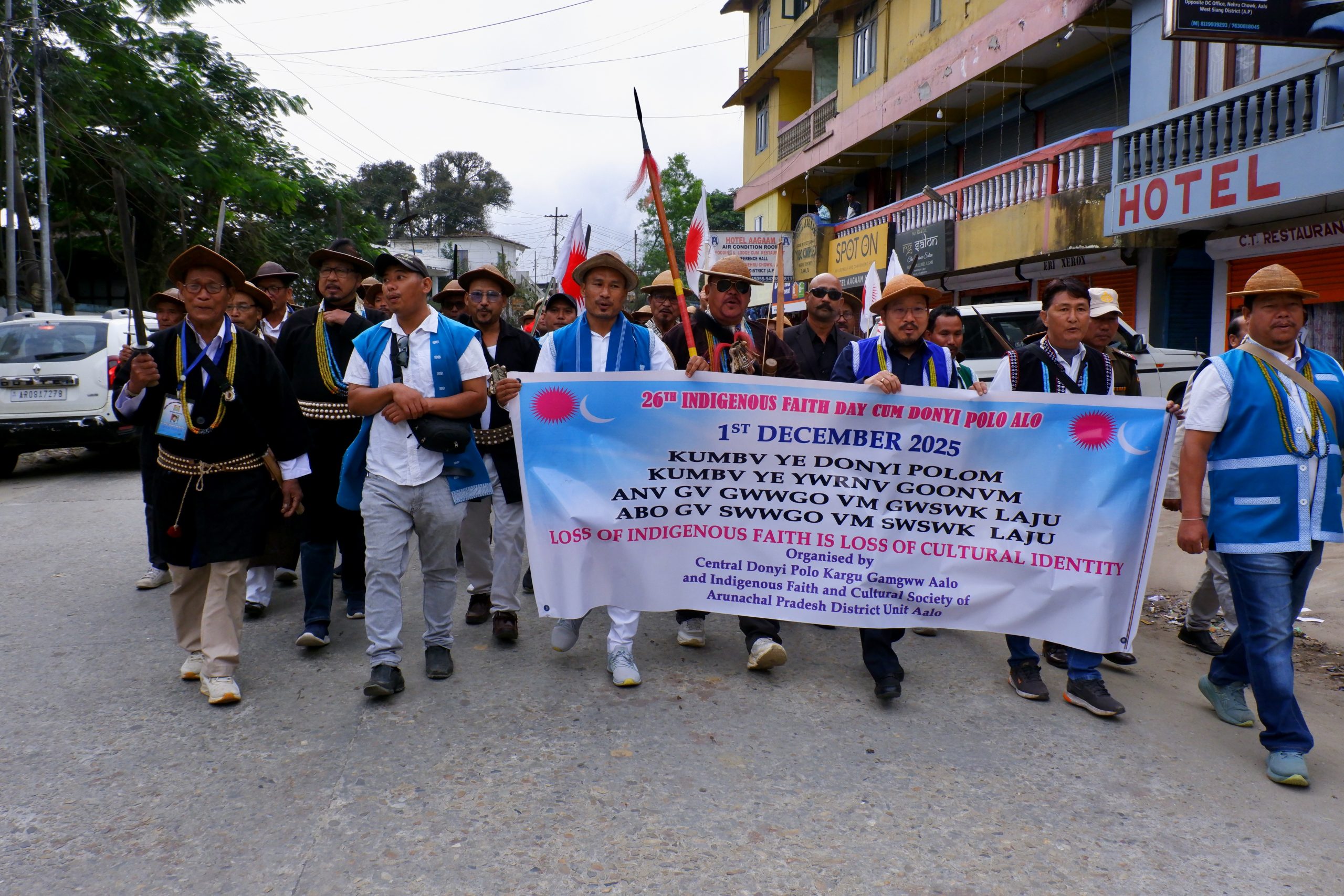 procession
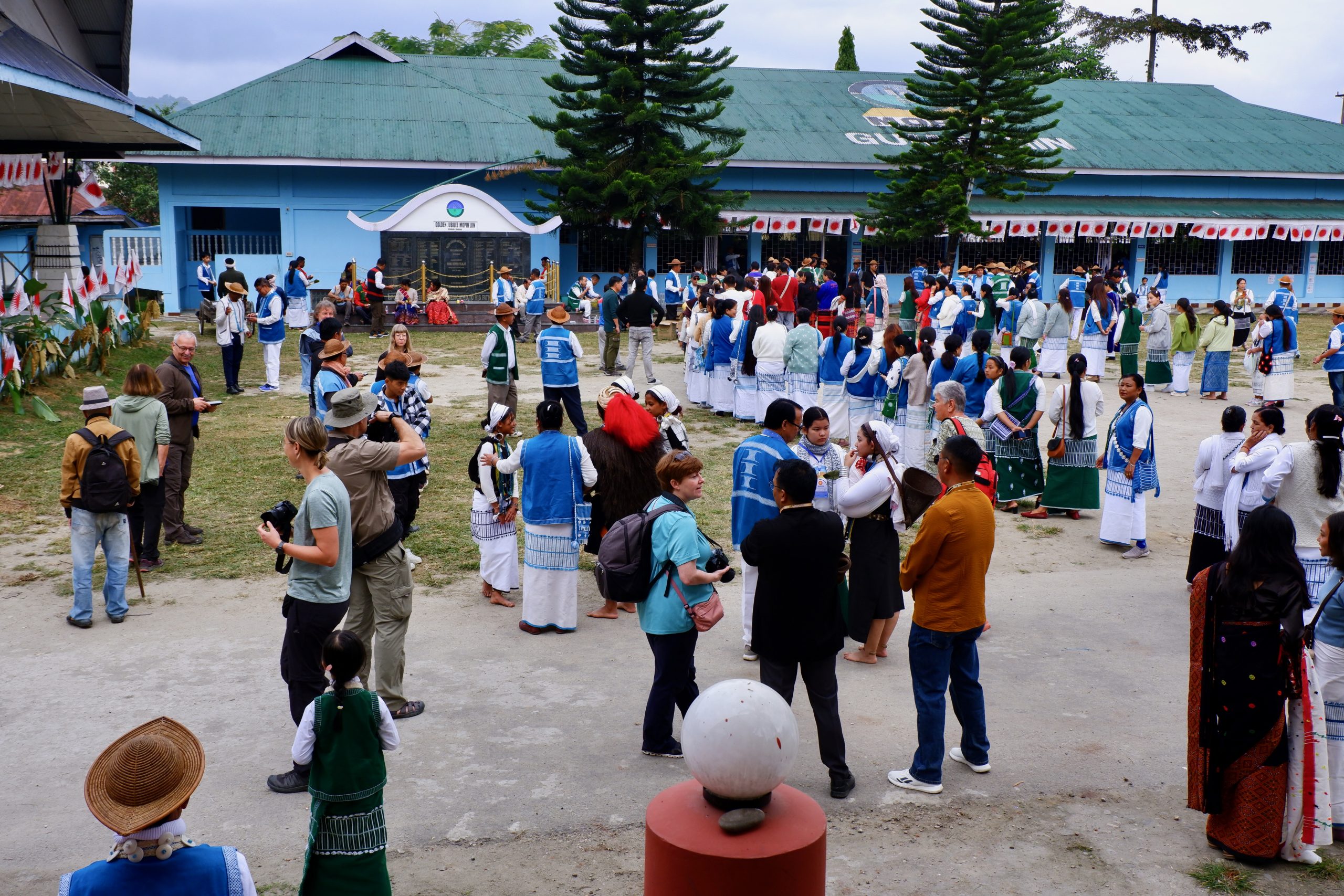
To better withstand outside influences and strengthen internal cohesion, Indigenous Faith Day was established; since 2013, it has been celebrated every year on December 1st. And yes, on that very day we were in Aalo and were able to witness the celebrations!
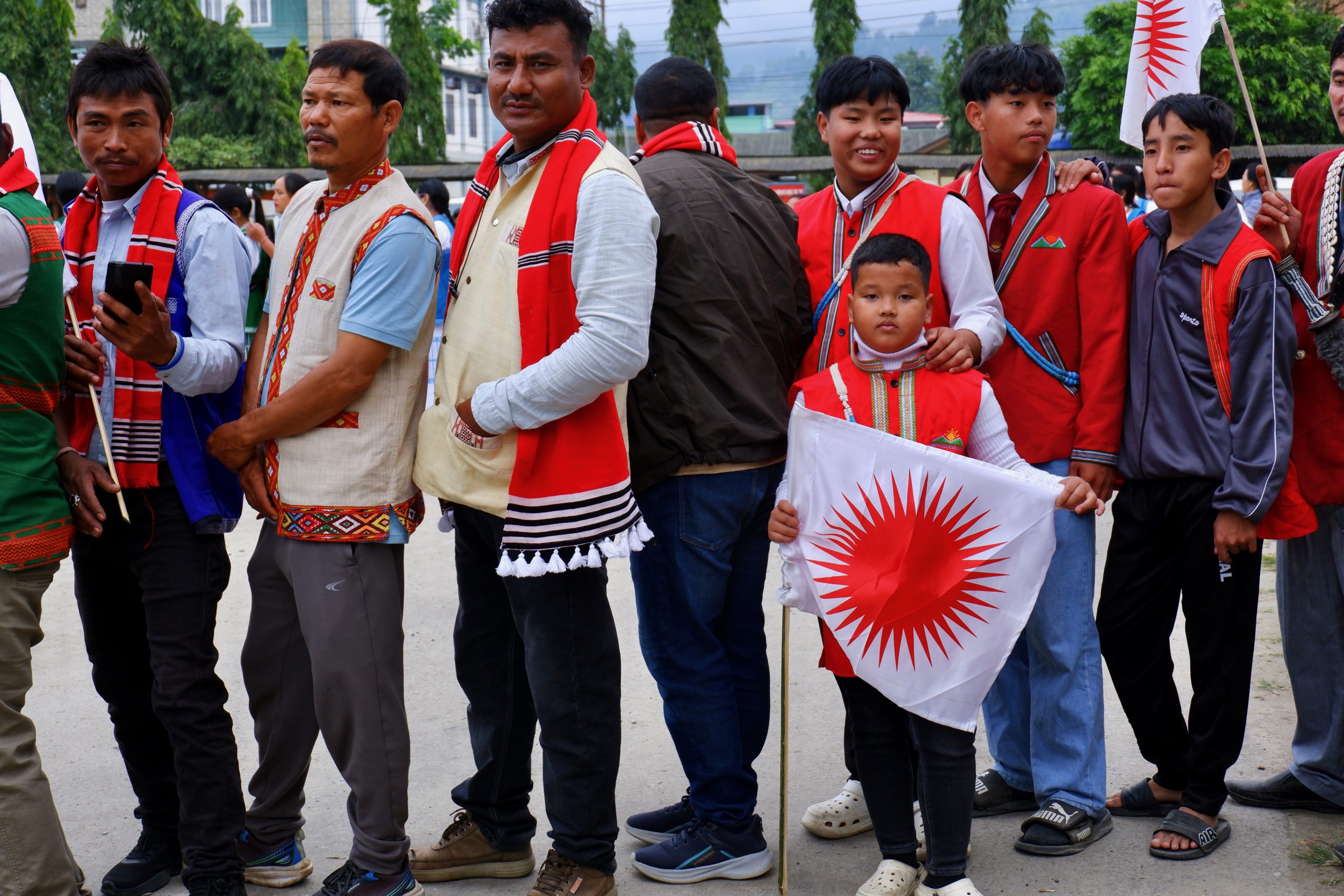
The Indigenous people have a flag — a red sun with many rays on a white background. You can also see it displayed on some houses. And so they moved through the streets, waving flags, singing songs, and there was even a sort of marching band taking part.
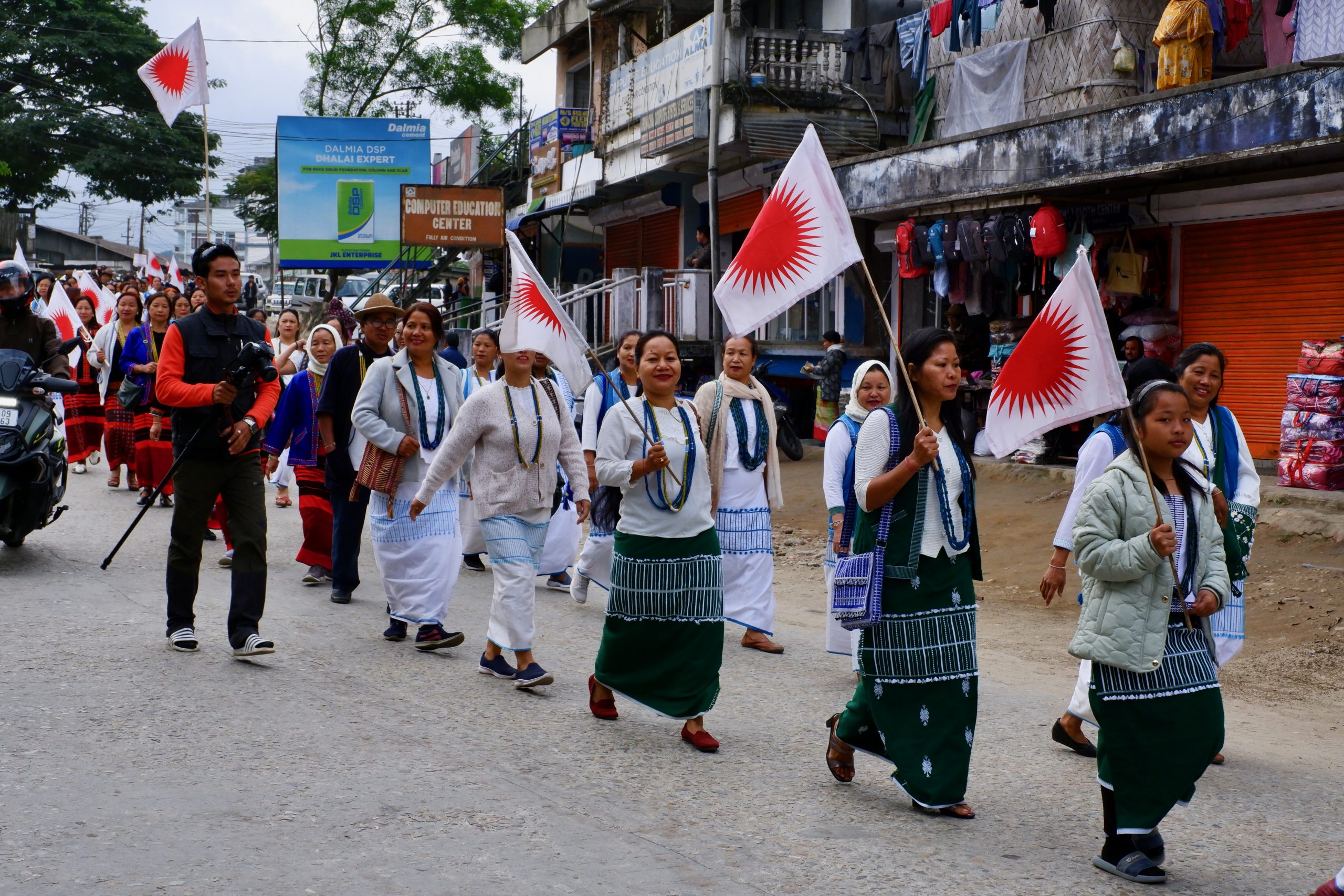 Parade
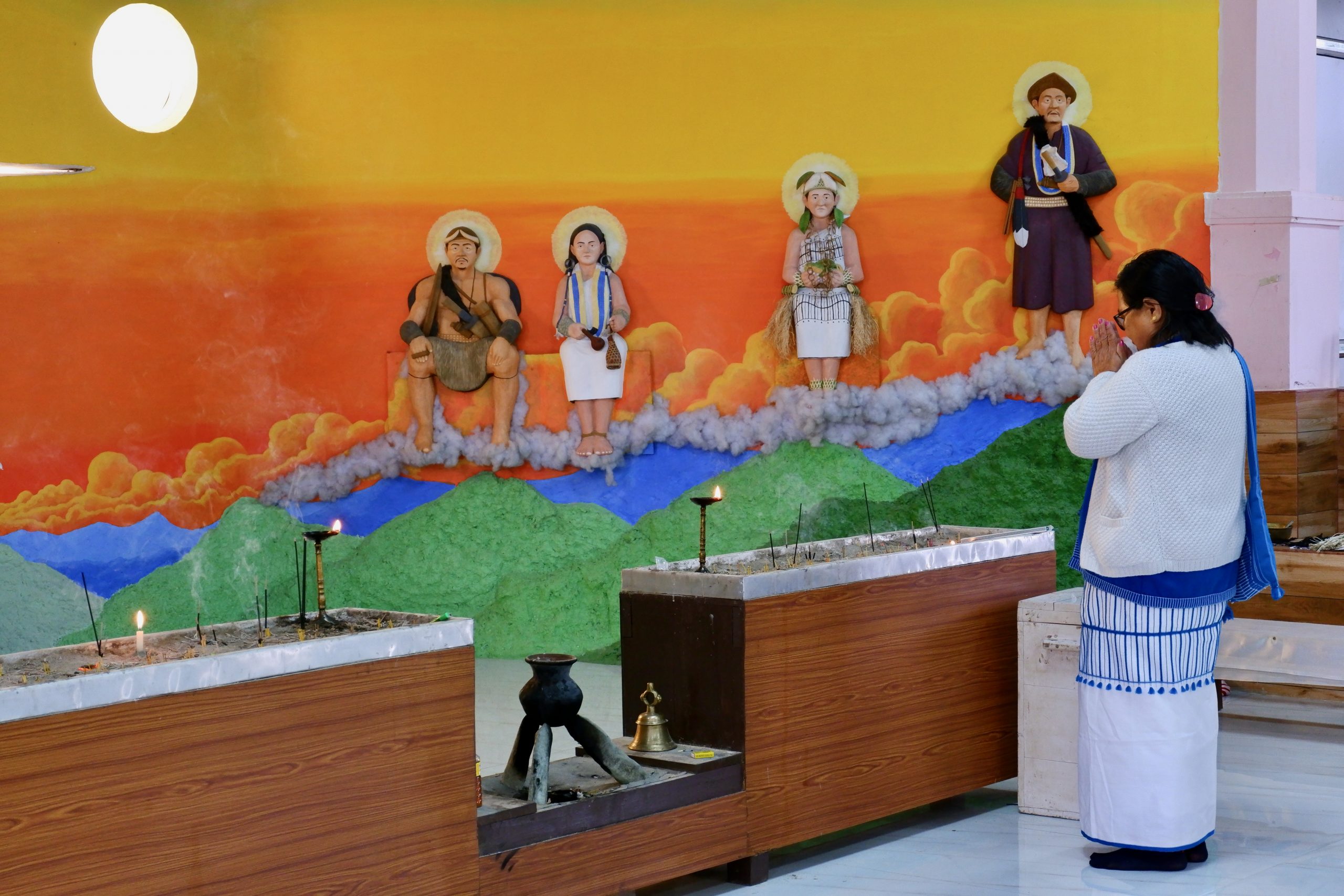
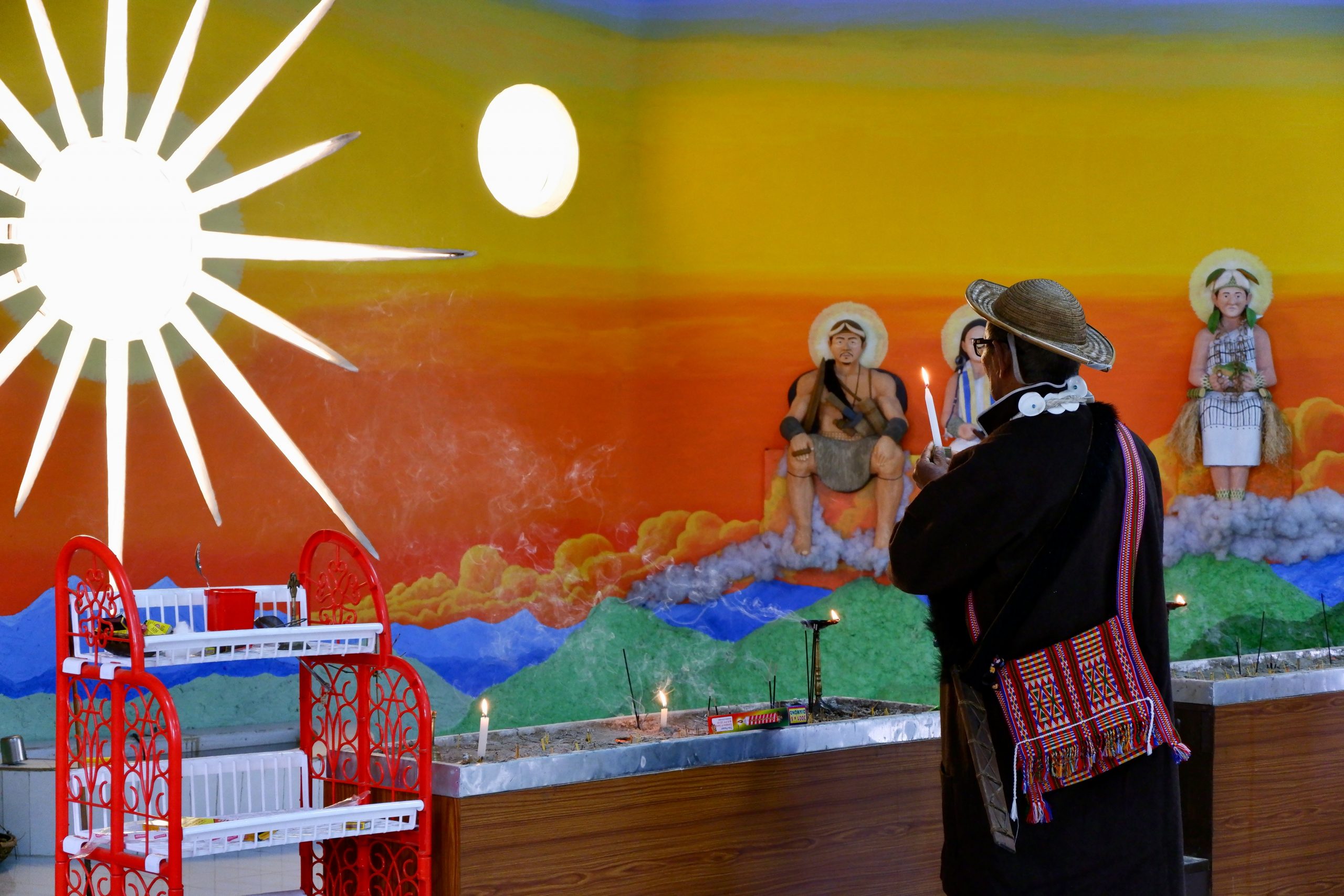
We went to the festival grounds, where there was a—well, what should one call it—a house of worship? Since they had no tradition of temples, churches, or anything of that sort, they liked the idea of having a communal place for their faith. And so this building existed, and its layout, the candles, and so on were each somewhat borrowed—or adopted—from different places.
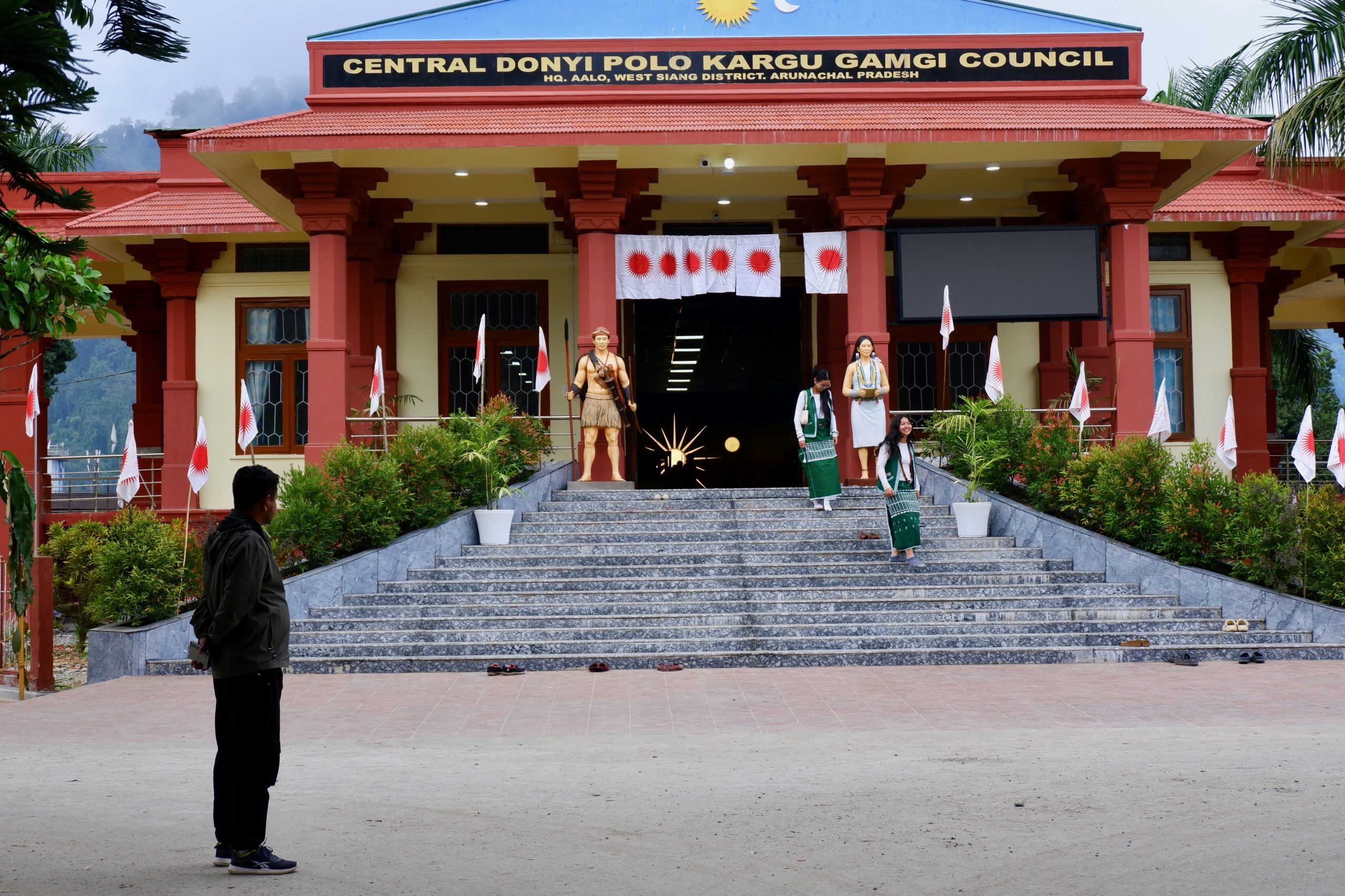 1
1
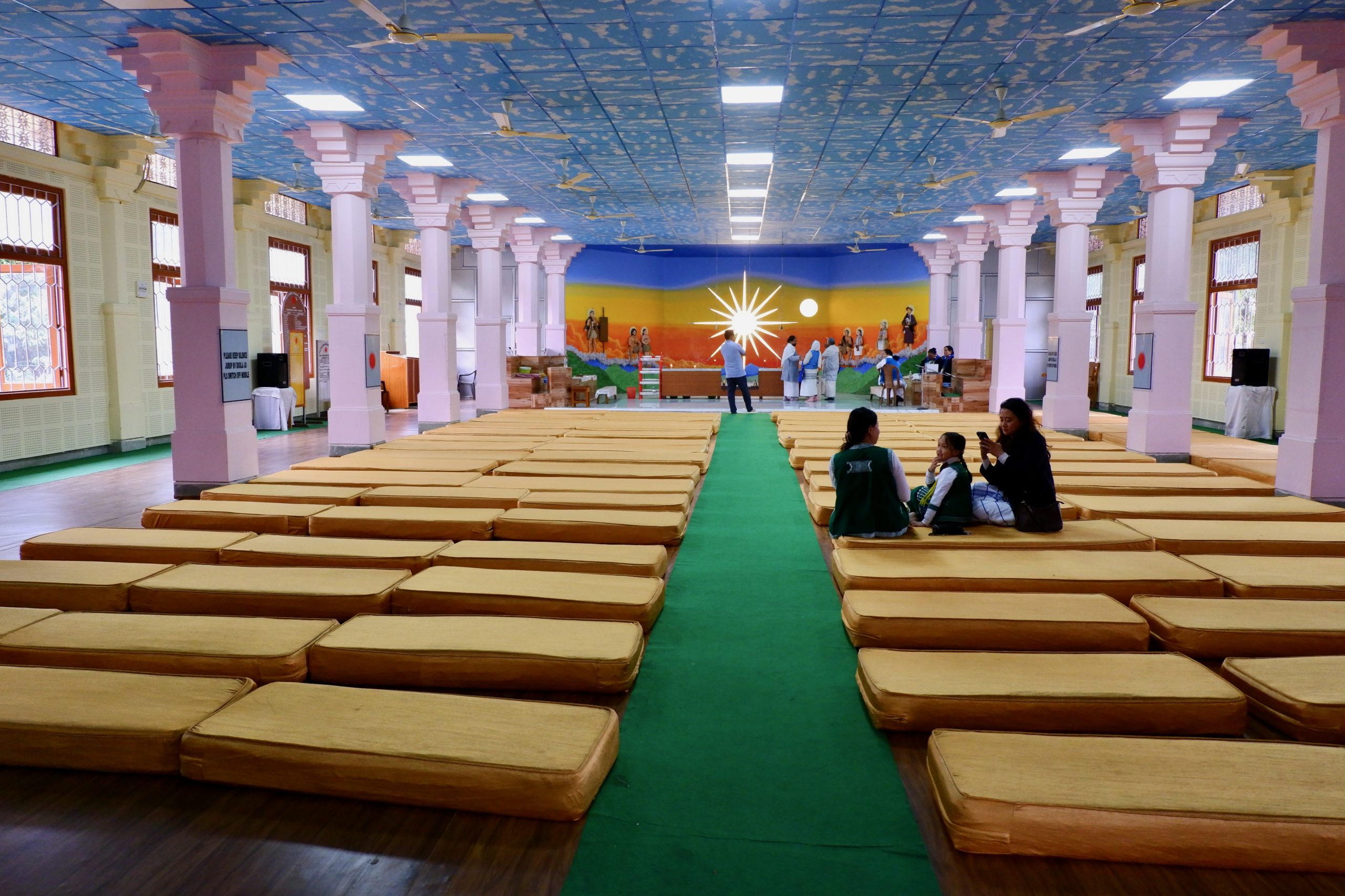 2
2
 3
3
 4
4
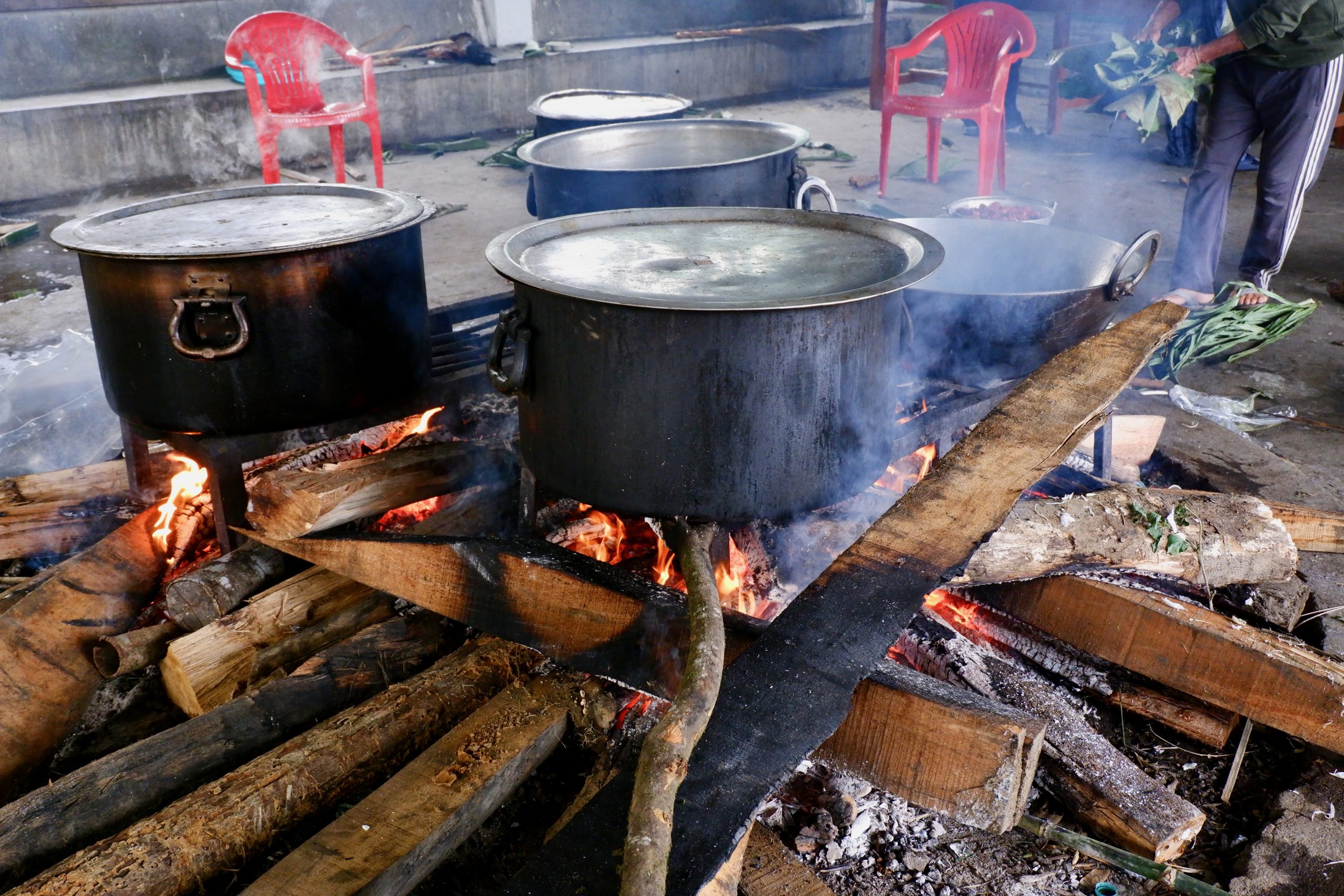
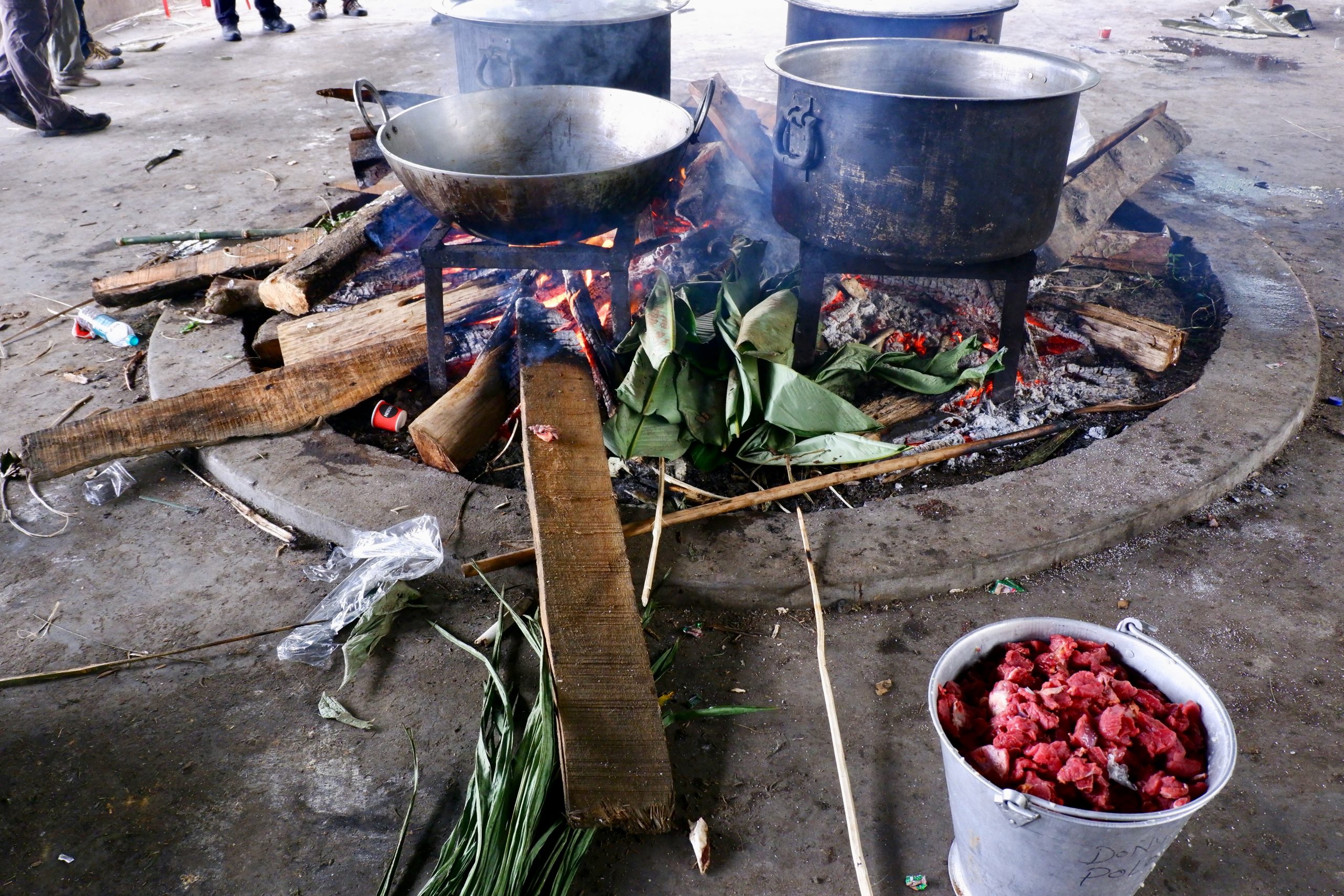
Elsewhere, people were already busy cooking — very meat-heavy dishes. I’m always fascinated by those huge cooking pots.
 5
5
 6
6
 7
7
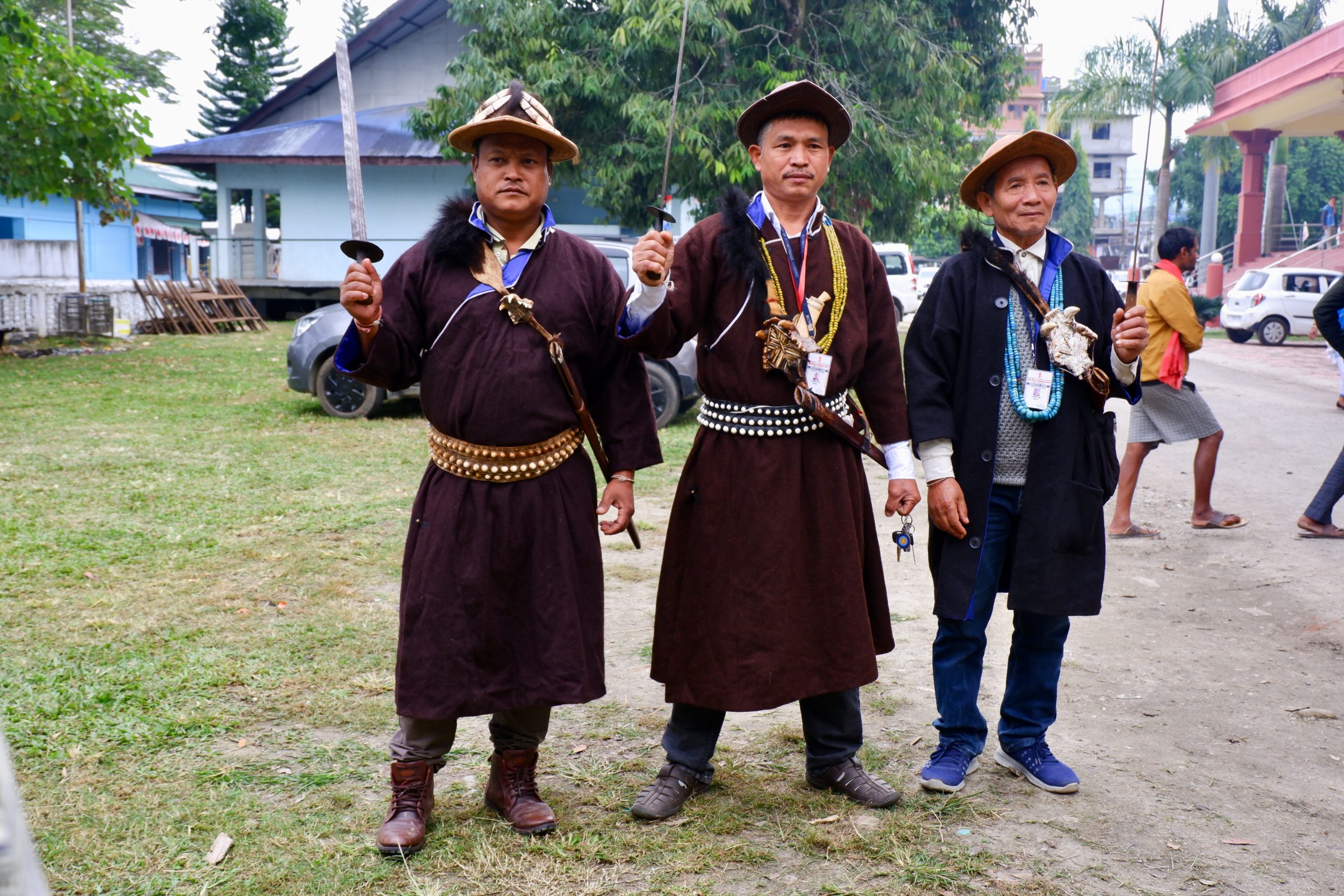
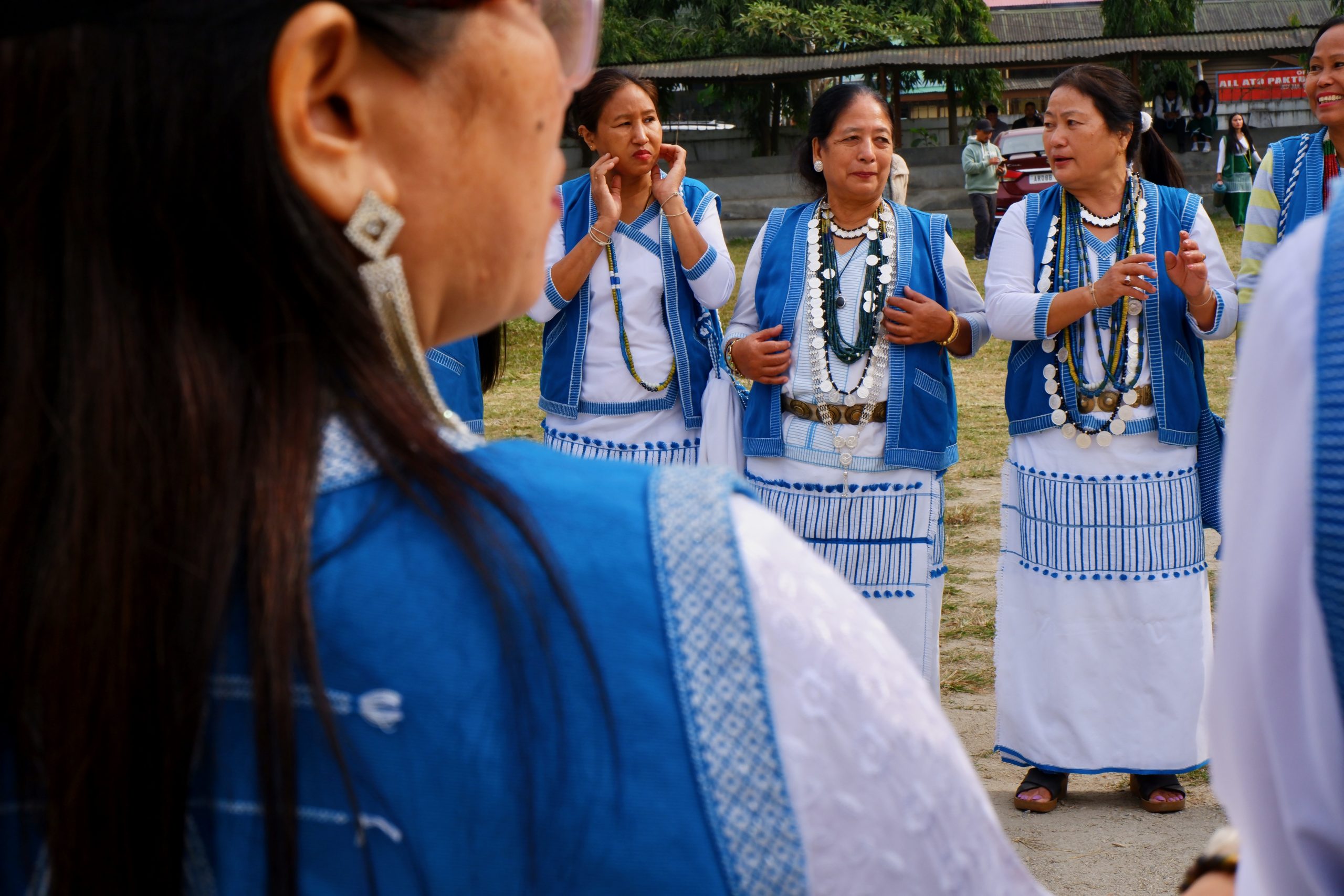
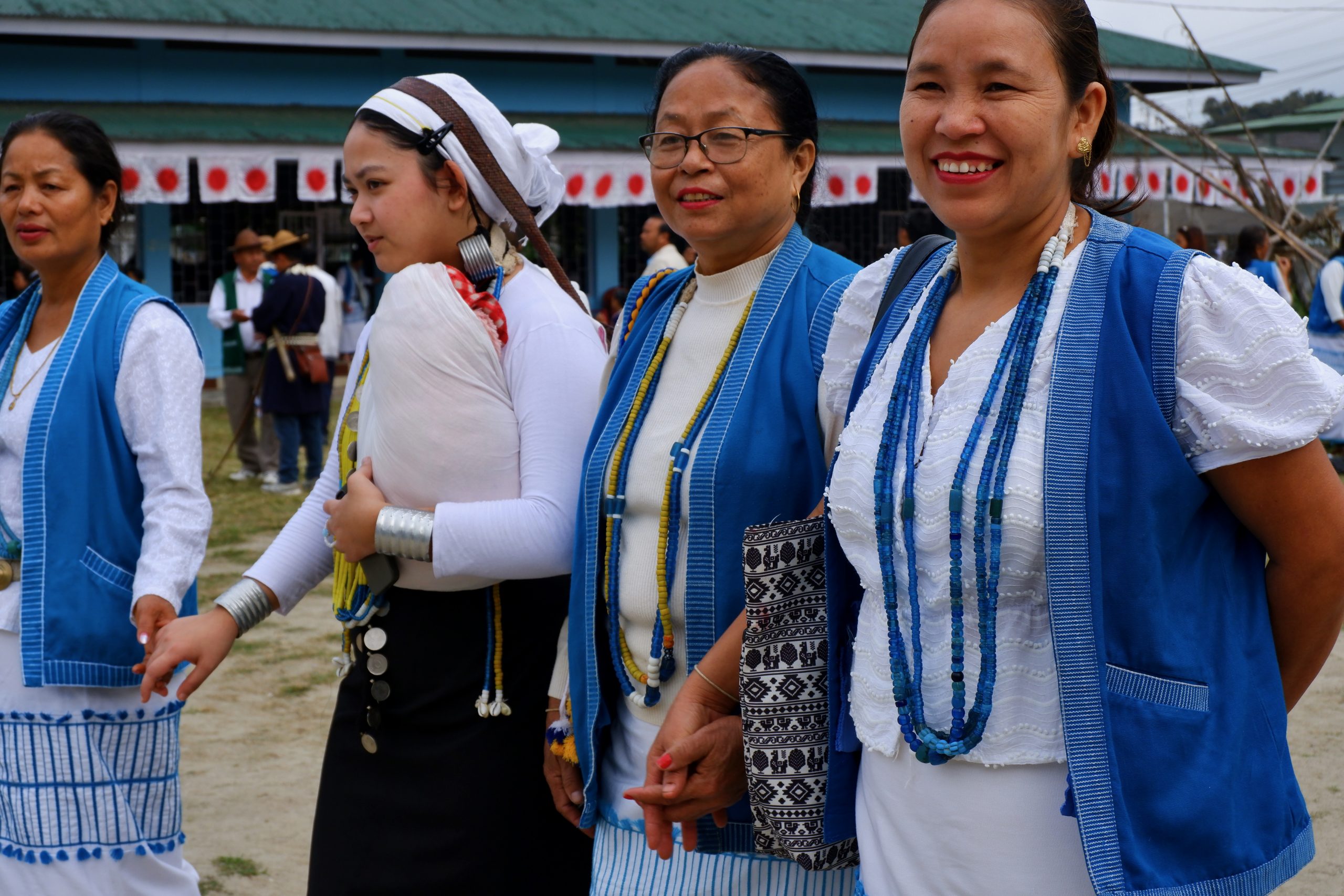
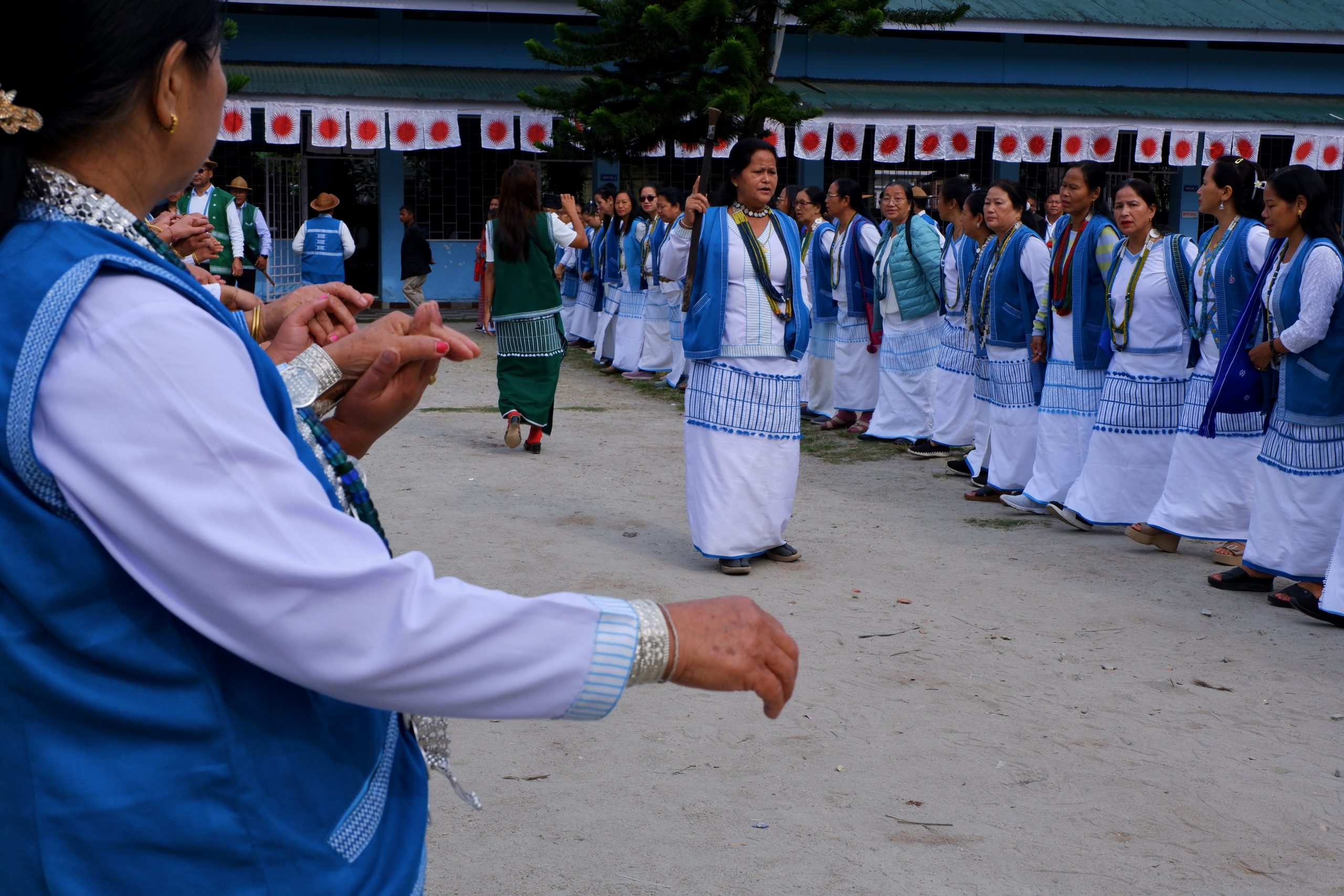
Then the procession arrived. There were many Galos, but also a few others. A whole line of shamans was there as well. When very important people arrived, they formed a kind of aisle, where someone in the middle set the rhythm and the others swayed together in a sort of chant while standing.
 8
8
 9
9
 10
10
 11
11
 12
12
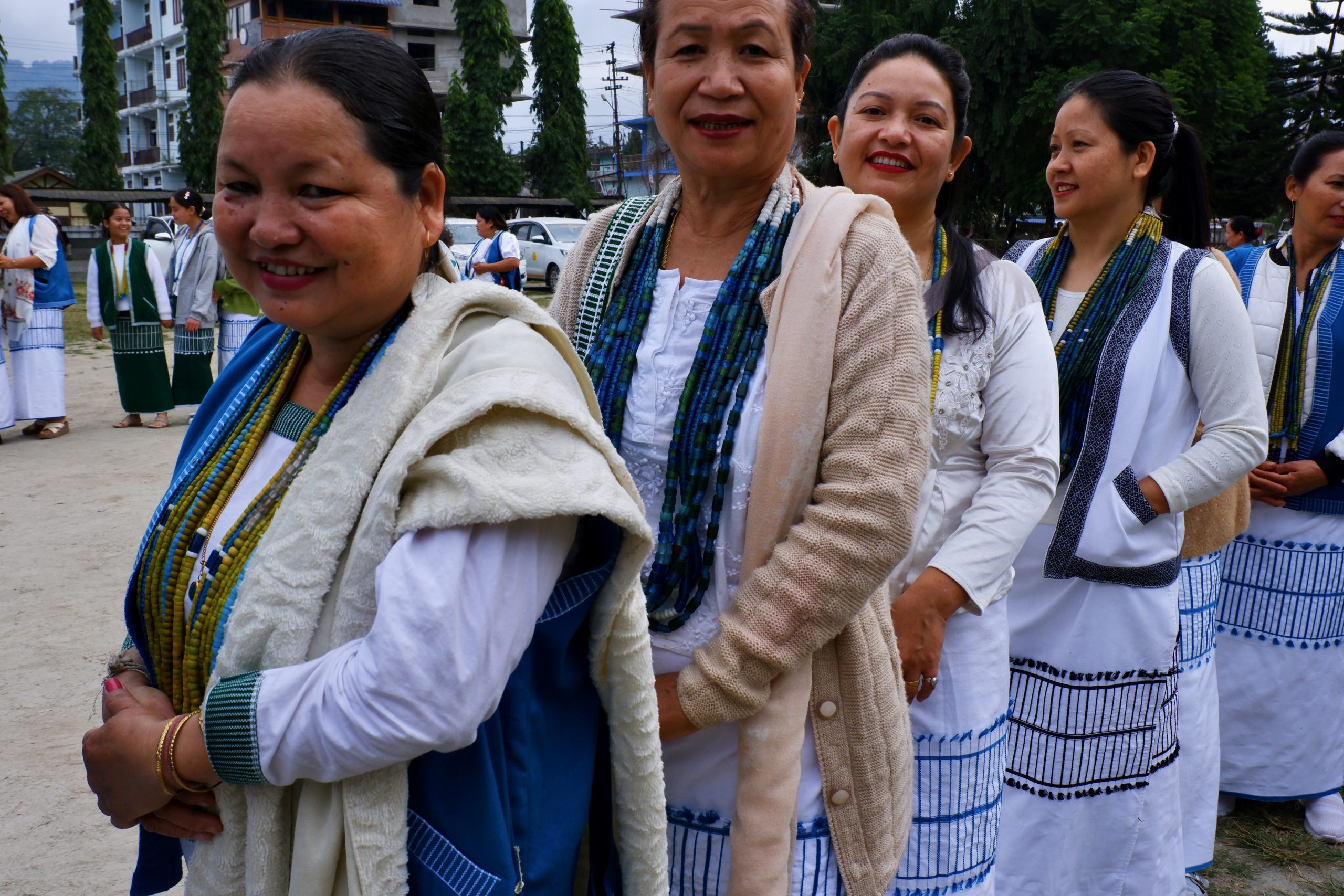
There was something to eat, and later even more food, a large hall with many speeches we couldn’t understand, and you could wander around the grounds. There was lots of photography going on, and we were the only foreign women. People were very friendly and seemed happy about our visit and interest. I didn’t take quite as many photos — here they are:
 13
13
 14
14
 15
15
 16
16
 17
17
I found it lovely to witness how they live and celebrate their community. The Indigenous Faith Day stands as a signal of solidarity and connectedness against conversion and cultural erasure — and of course it also creates visibility.
I think that it’s not only religious outreach that plays a role in the erosion of traditions, but also education received elsewhere, different influences through social media, and the “modern life” in general, which seems (or is) more attractive to young people.
In the next post, the journey continues — or rather, returns — to Assam.