


Arunachal Pradesh: Ziro -> Daporijo -> Aalo – the horror was in the middle
29. + 30. November 2025
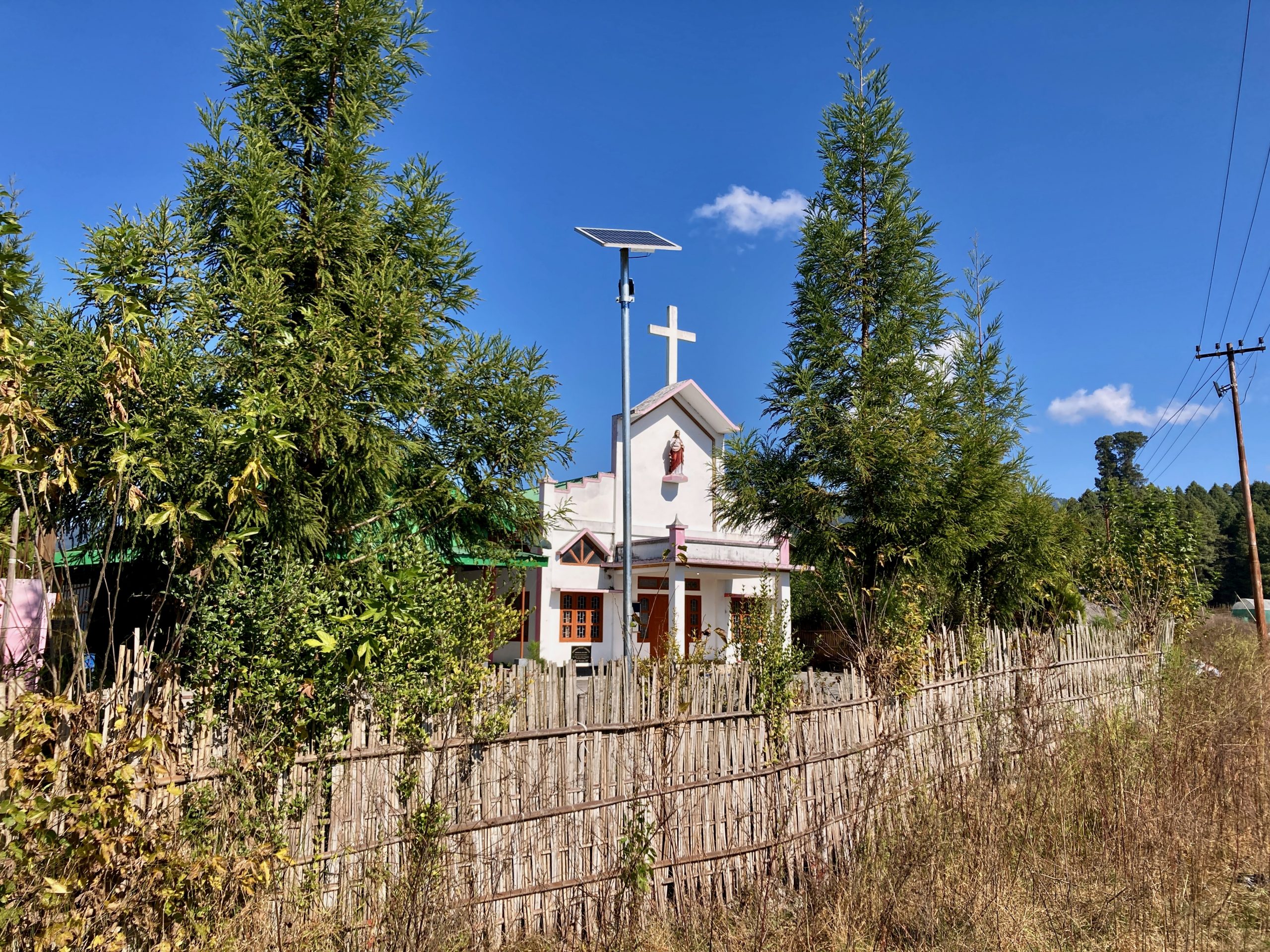
In Nagaland, poof—just like that, at least 90% of the population has converted to Christianity, and they are eagerly engaged in missionary work. In Arunachal Pradesh, things are a bit different. In 1971, there were not even 4,000 people who identified as Christian. By 2011, it was already 30%. In the same period, the share of “ORP” (tribal / indigenous religions) fell from about 63% (1971) to 26.20%. So what now?
In 1978, they already had an idea and passed the Arunachal Pradesh Freedom of Religion Act, 1978, known as APFRA for short. It states that no one may be religiously converted through force, fraud, or inducement. Every conversion must be reported. There was a strong mistrust toward Christian missionary activities. However, all of this is rather vague, and the act more or less “slept” quietly in the background and had mostly symbolic significance.
In 2022, things became more serious. Someone filed a lawsuit arguing that this law had never been implemented. By the end of 2024, concrete regulations were supposed to be established and enforced. However, it appears they are currently taking their time with it, and in October a large number of Indigenous people demonstrated, demanding that things finally move forward. Religion is not just a matter of faith but is closely tied to the cultural traditions of certain communities.
However, there are also opponents of this law — mainly, of course, Christians, who see India’s constitutional right to freedom of religion at risk. They are also concerned about the potential criminalisation of “peaceful” conversions.
The last census took place in 2011 (the following one was cancelled due to COVID and has not been carried out since), and it showed:
30% Christians
29% Hindus
26% indigenous beliefs such as Donyi Polo
12% Buddhists
Rest = others
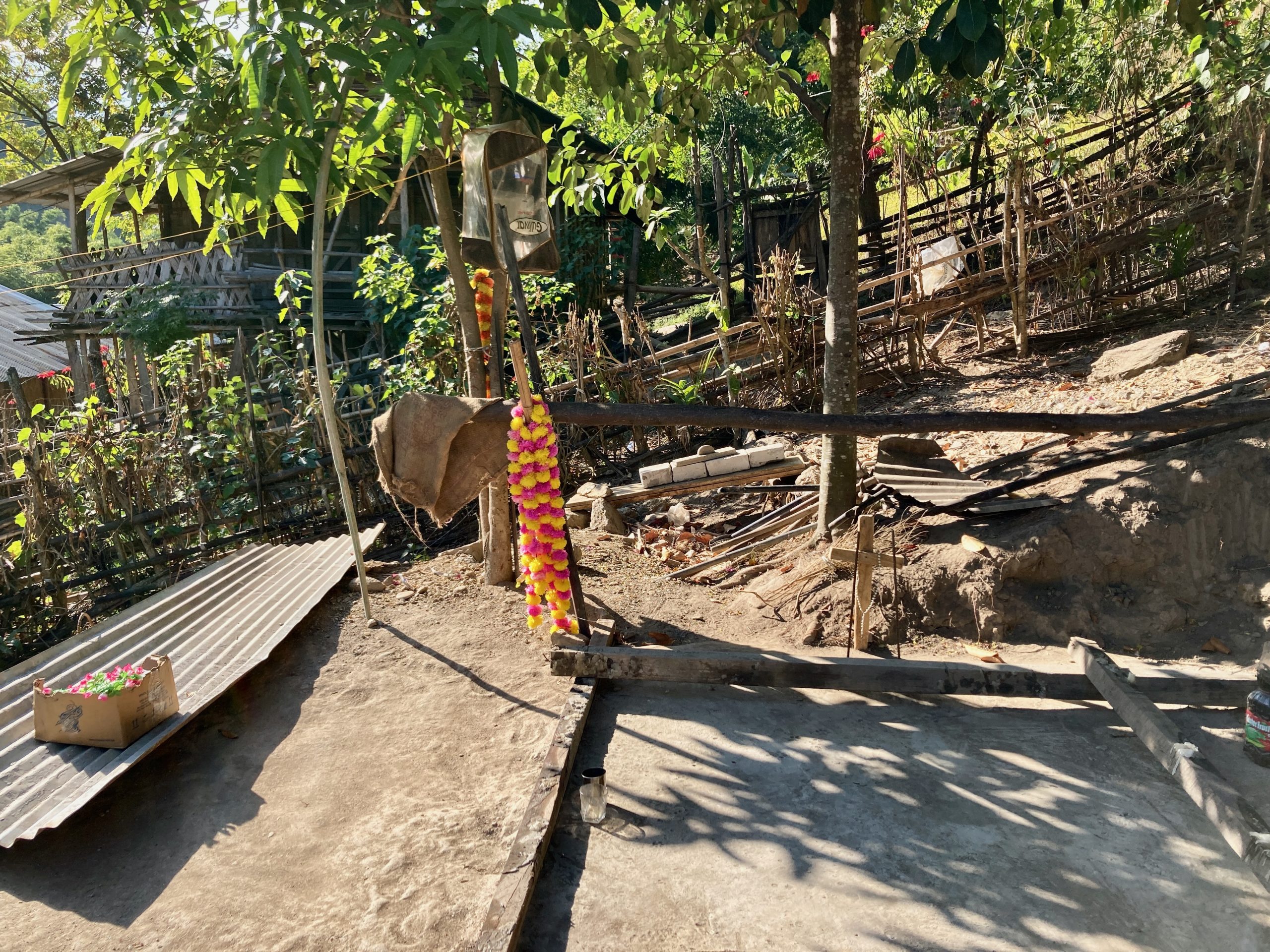
On our onward journey, we came to a small Indigenous village where all the families had converted. In one family, the daughter had just committed suicide. Very unusual and very sad. People talked about it, but not about the background
 1
1
 2
2
 3
3
 4
4
 5
5
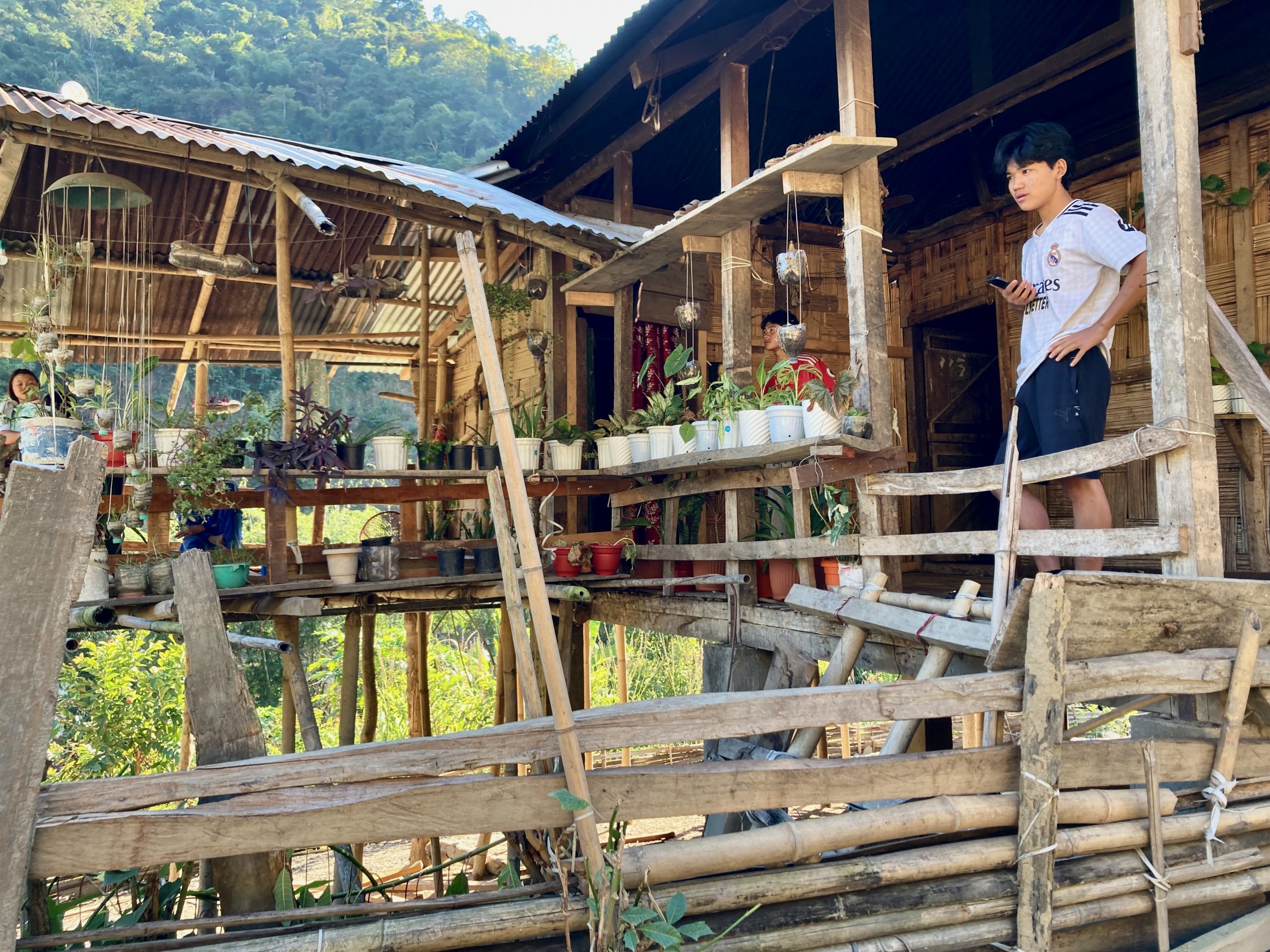
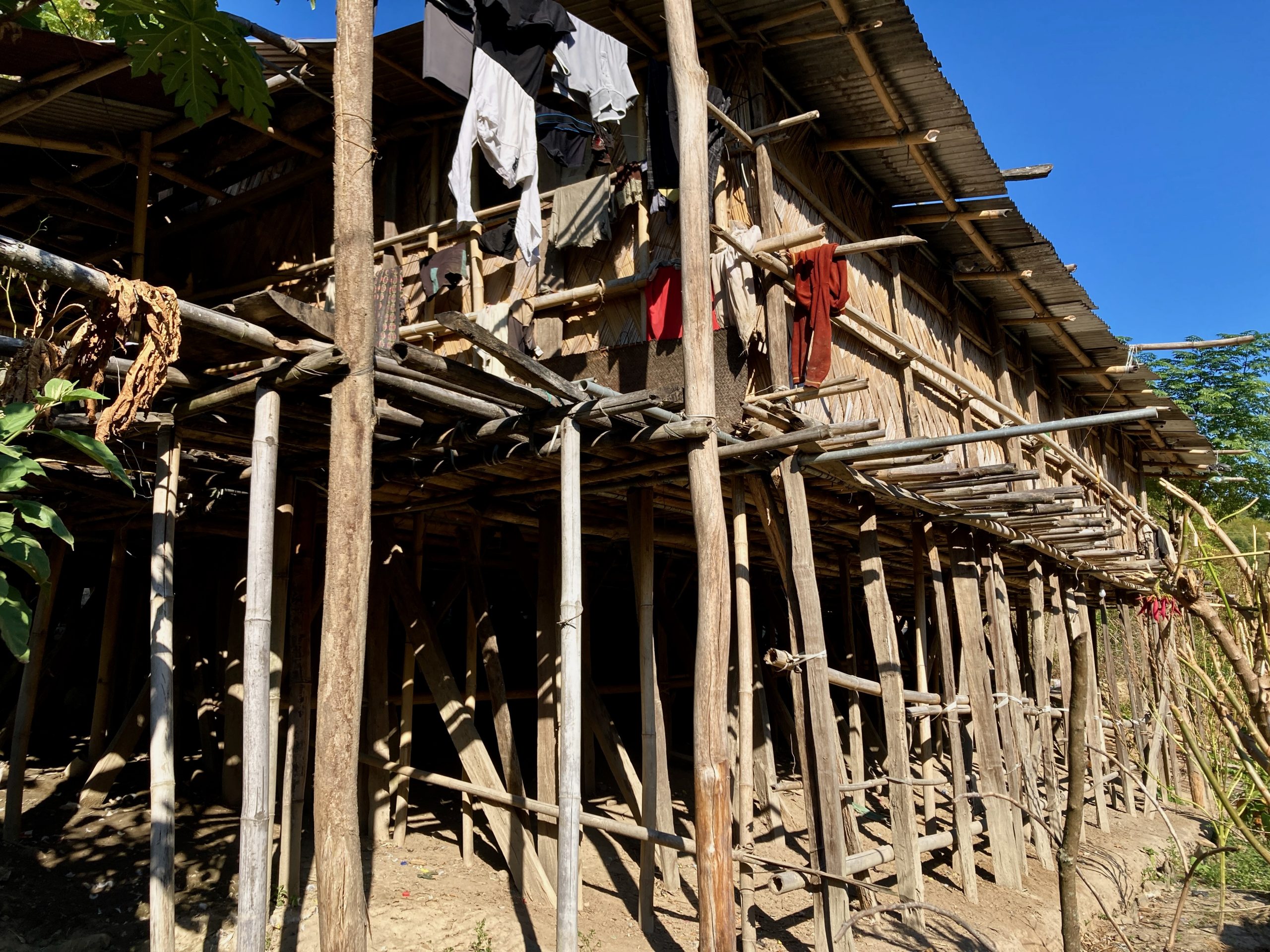
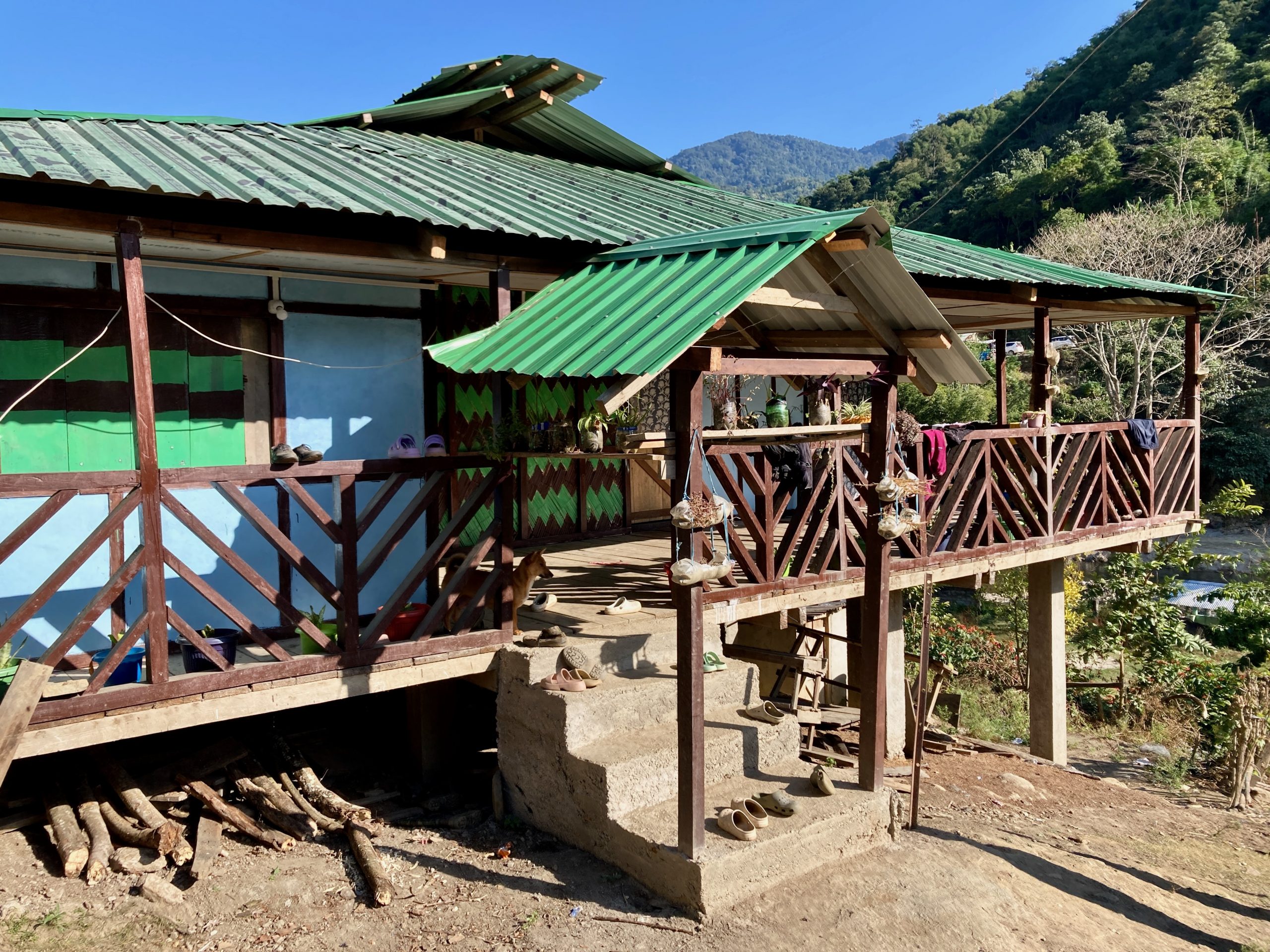
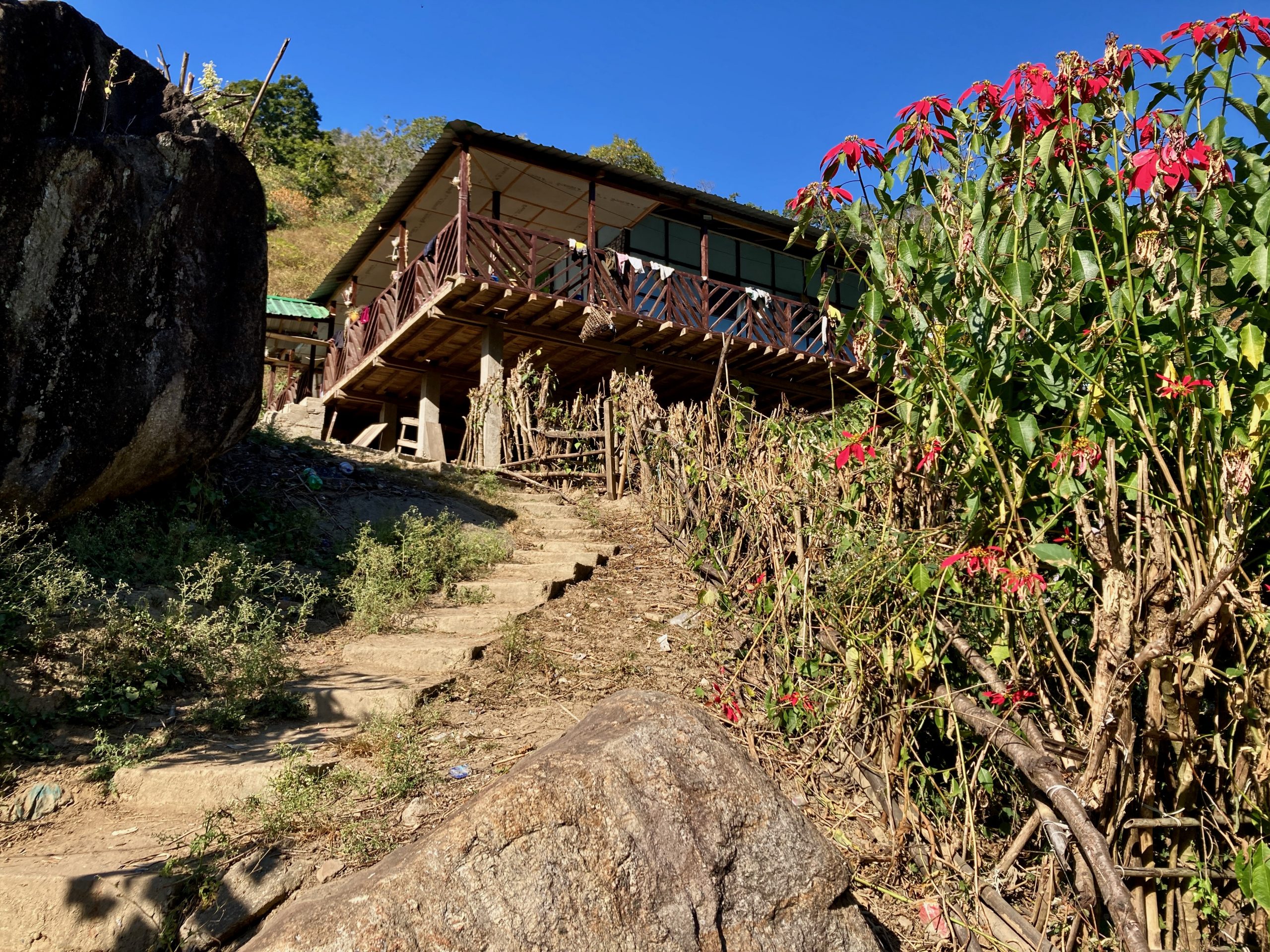
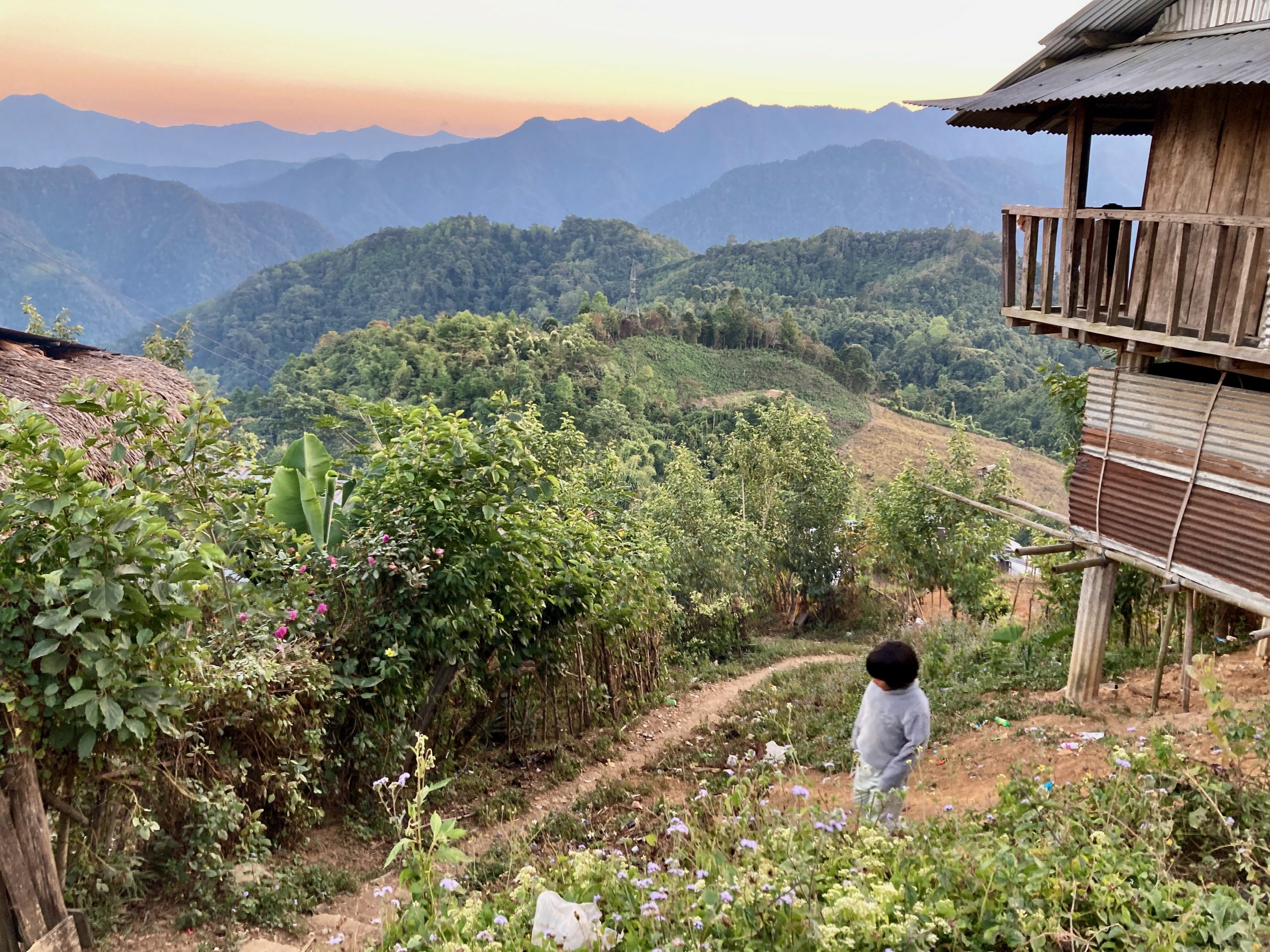
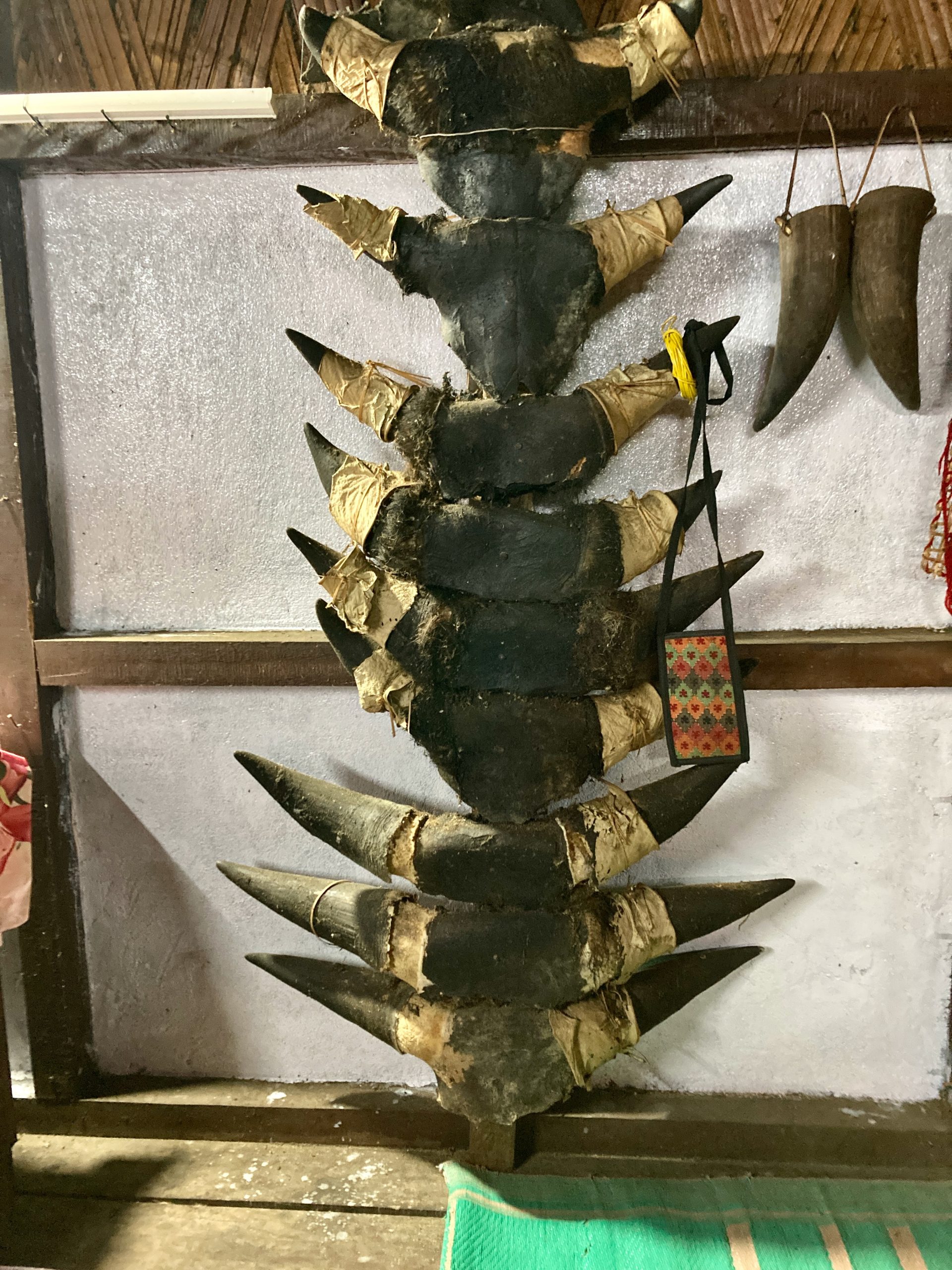
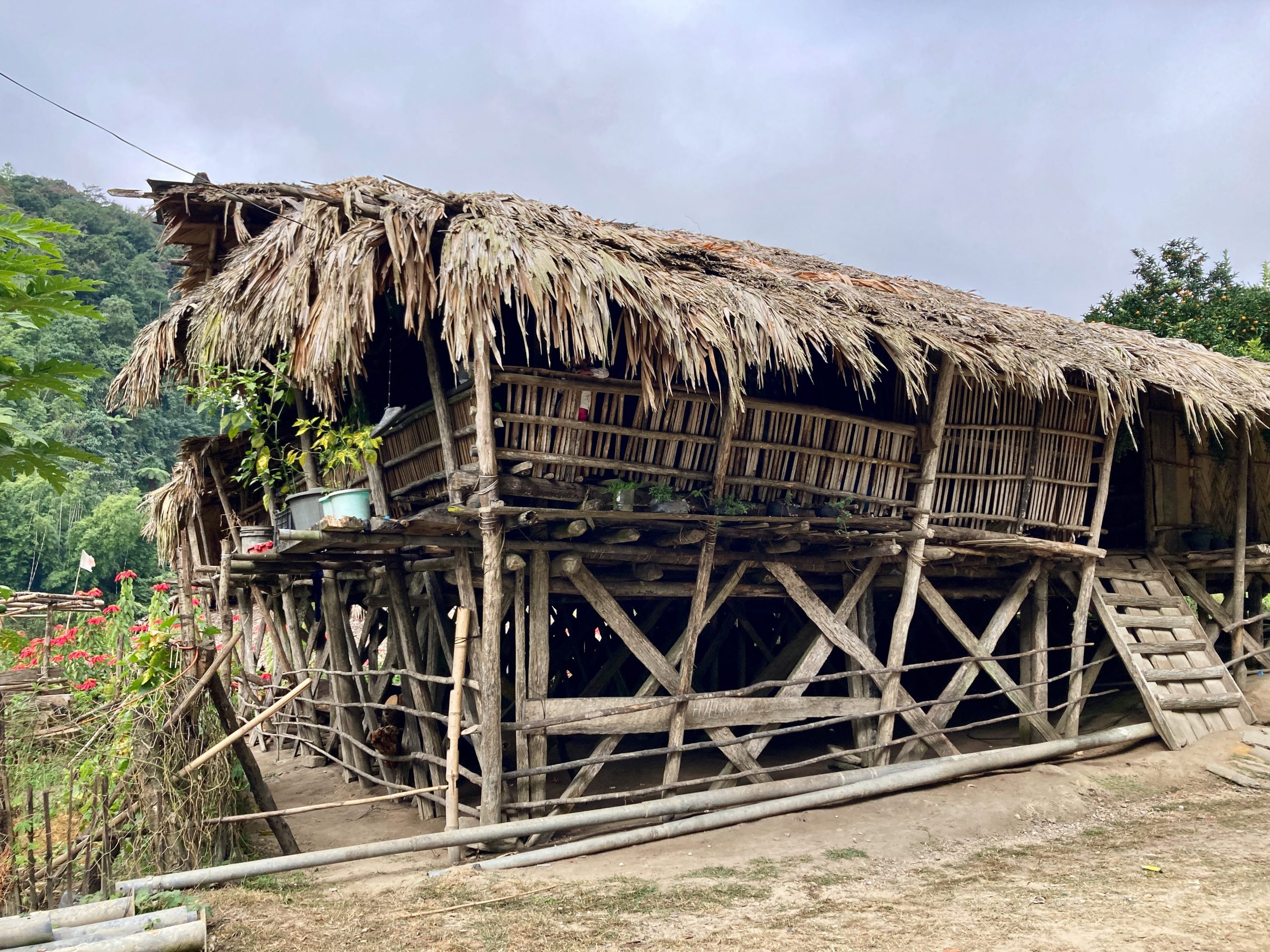
We were now among the Nishi, an ethnic group that has settled both west and east of Ziro. They are hill people who build their houses on stilts to compensate for the slope. They also keep mithuns, a special type of cattle. However, they tend to just wander around freely for days on end.
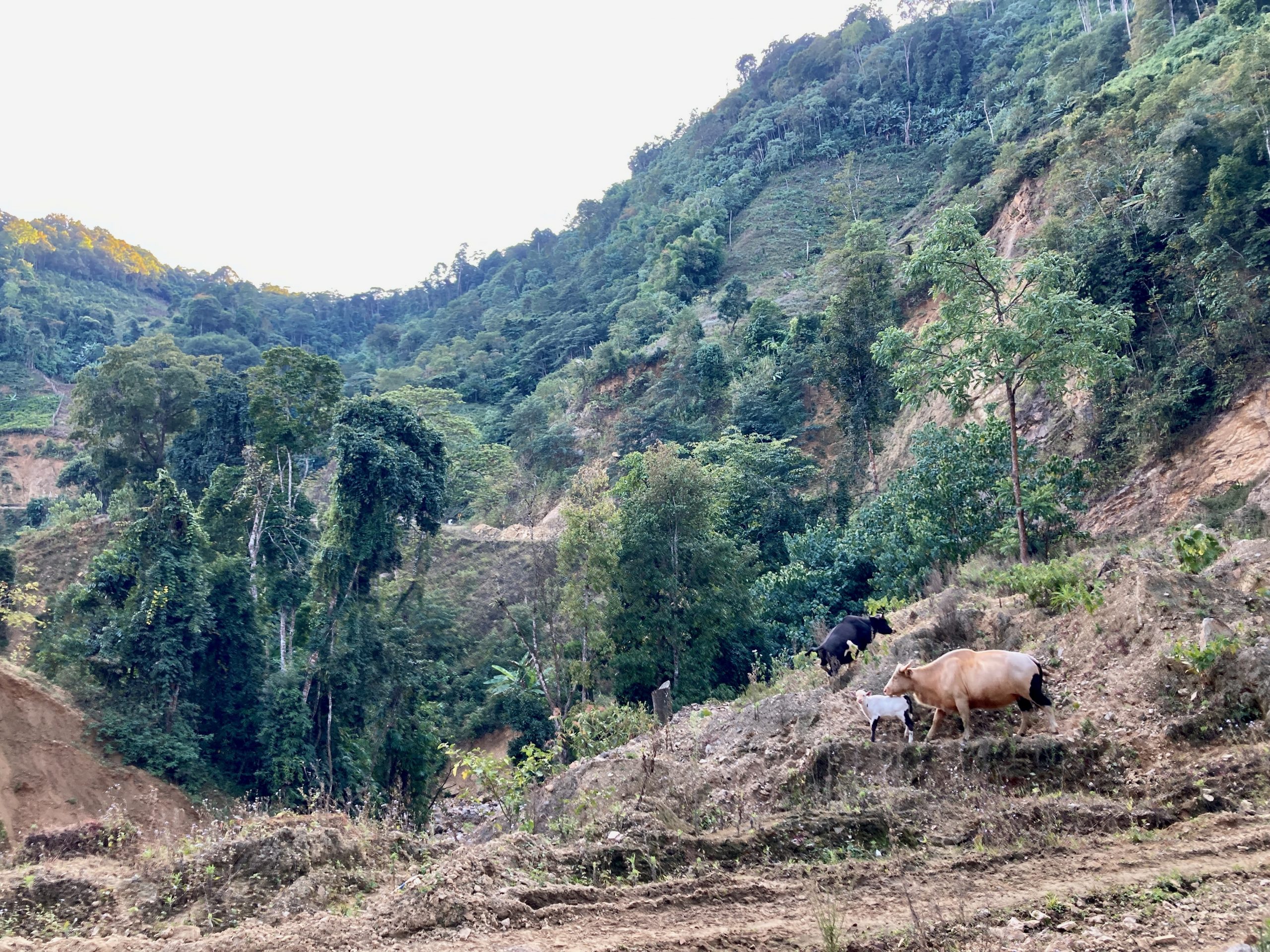 Mithuns
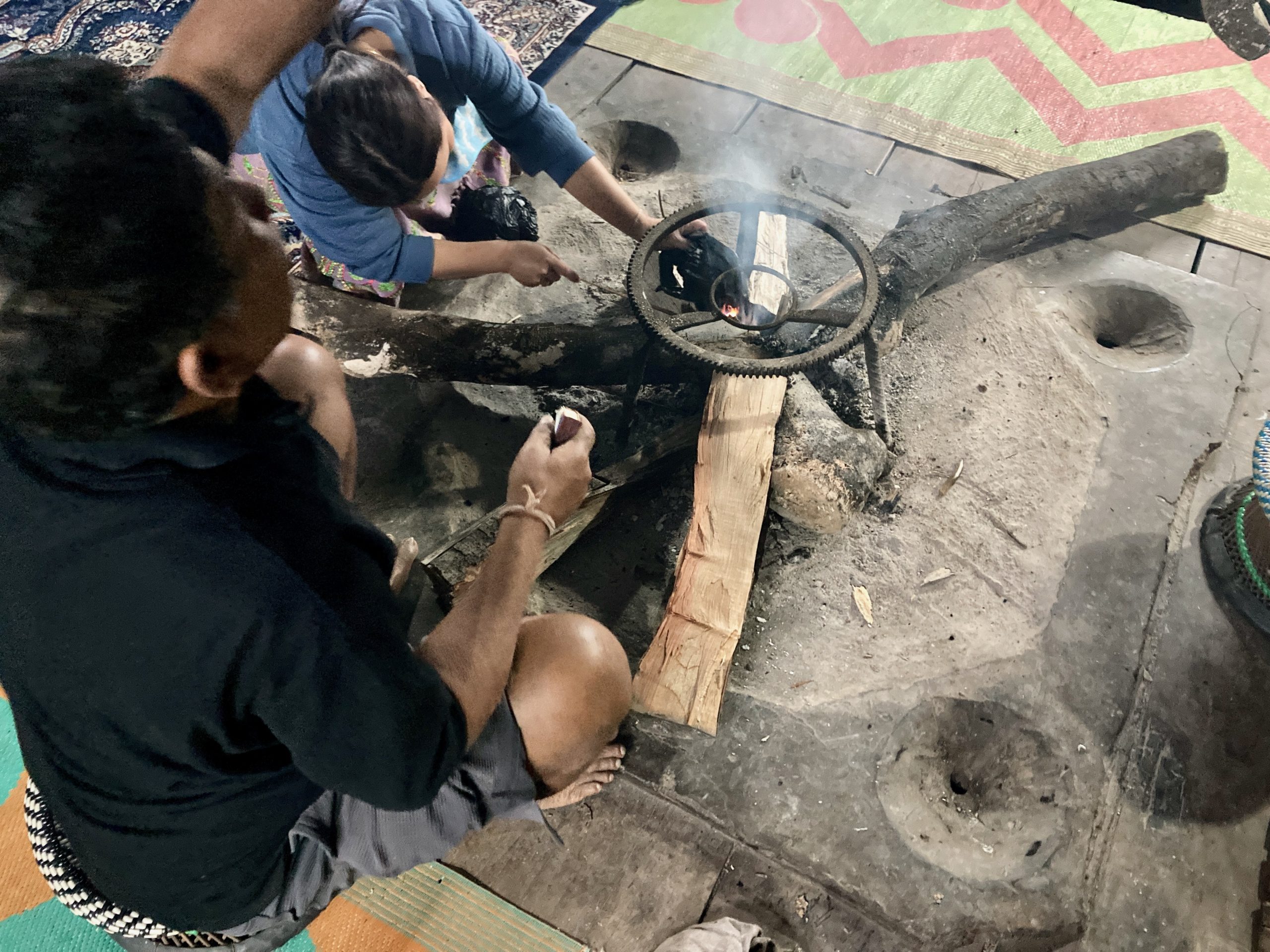
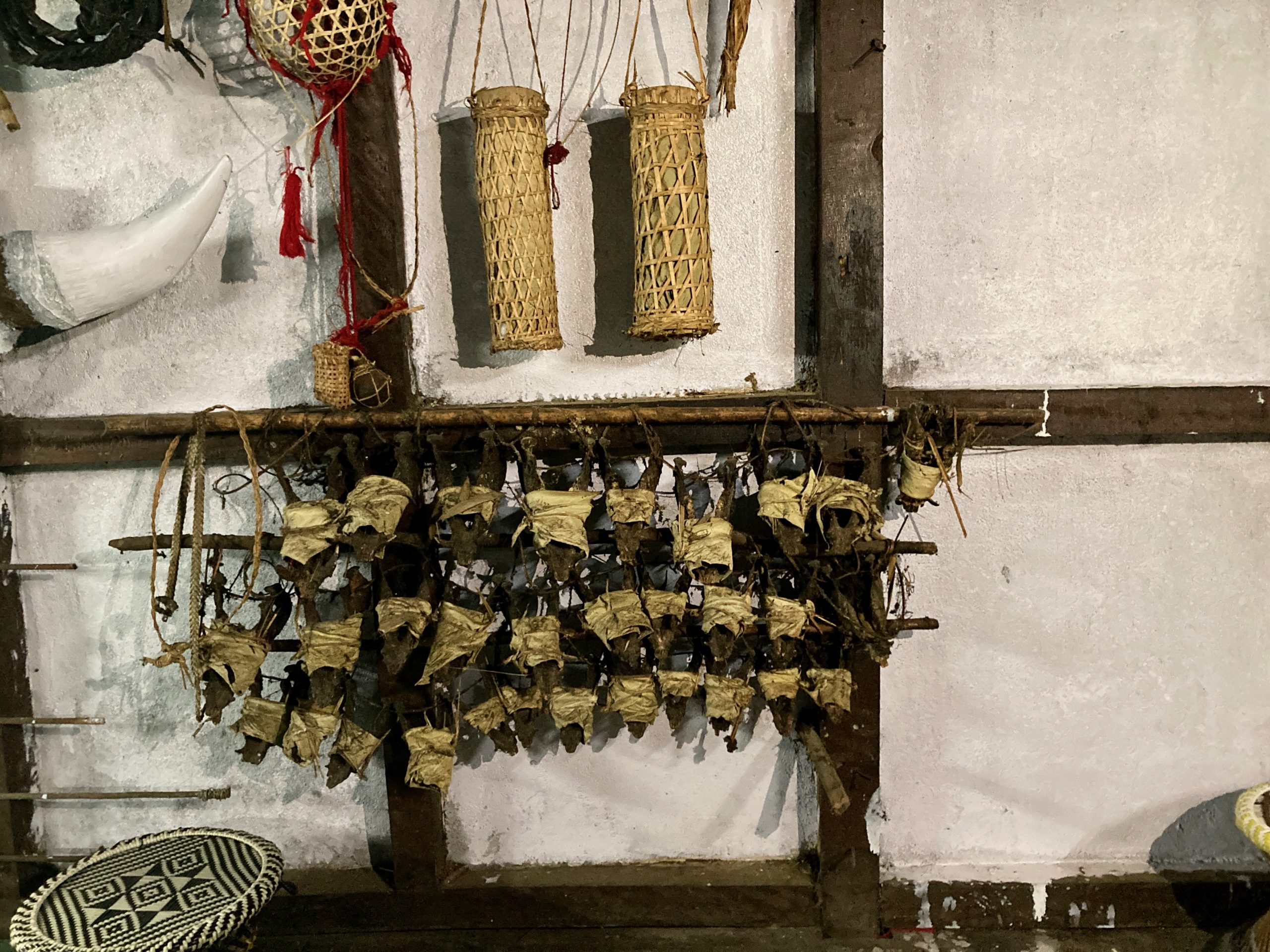
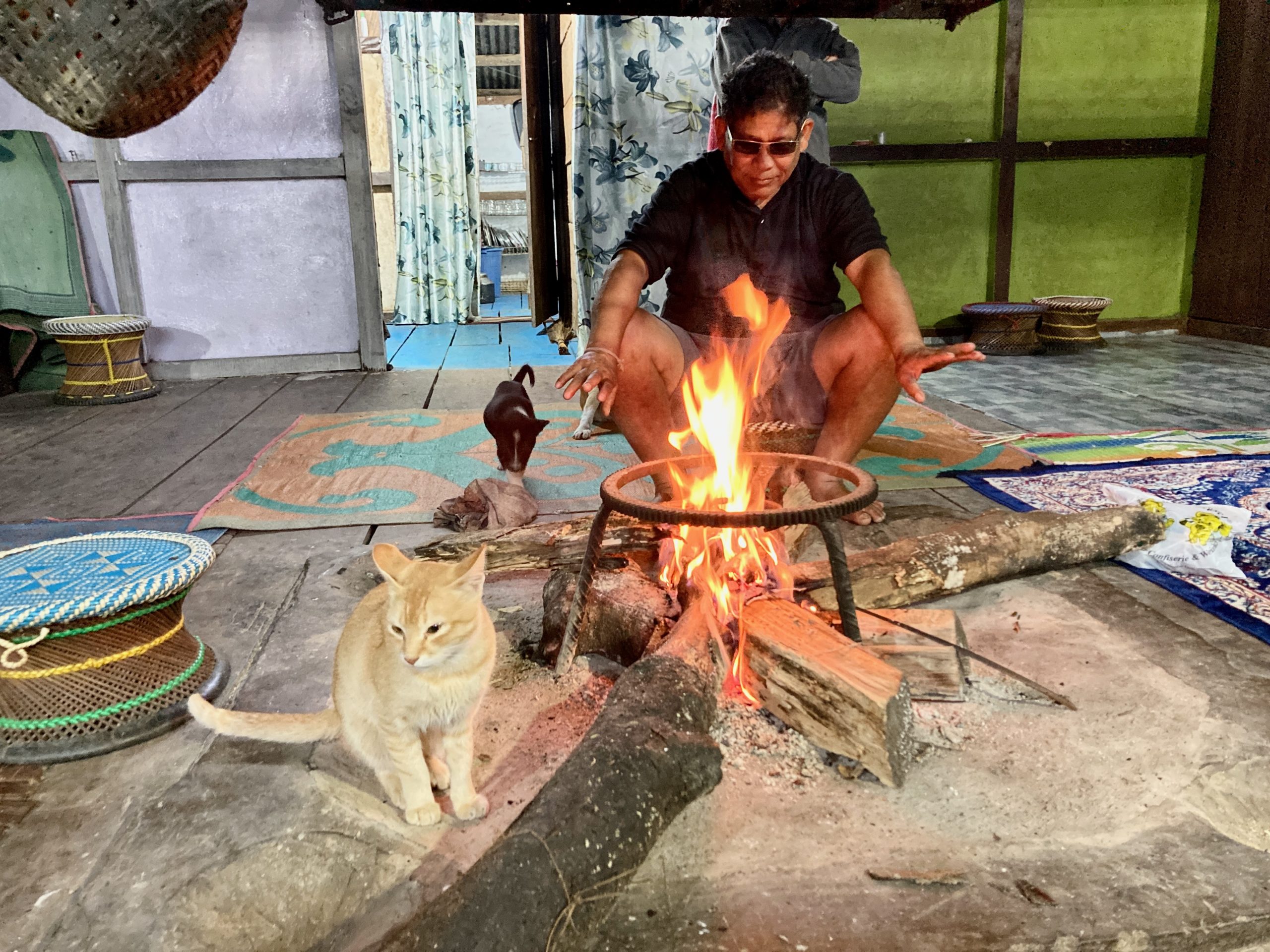
We also came across a village of the Hill Miri. However, they more or less no longer exist — or rather, they never really existed. They are Nyishi, but the British gave them this separate name because they wanted to distinguish between the Nyishi living in the hills and those living in the plains. Here, we were welcomed into the house of an important member of the Panchayat (a form of local governance found throughout India, including the Northeast).
 1
1
 2
2
 3
3
 4
4
 5
5
On one of the walls, there were various items such as animal skulls, horns, and traditional wedding ornaments on display – not for visitors, but because they belong there culturally. Hunting used to be deeply rooted in Nyishi life: as a source of food, as a tradition, and as part of their subsistence system. Today, however, more and more people refrain from it, partly for wildlife conservation reasons. In another village, though, we did see someone with a rifle who seemed to be looking for some small game.
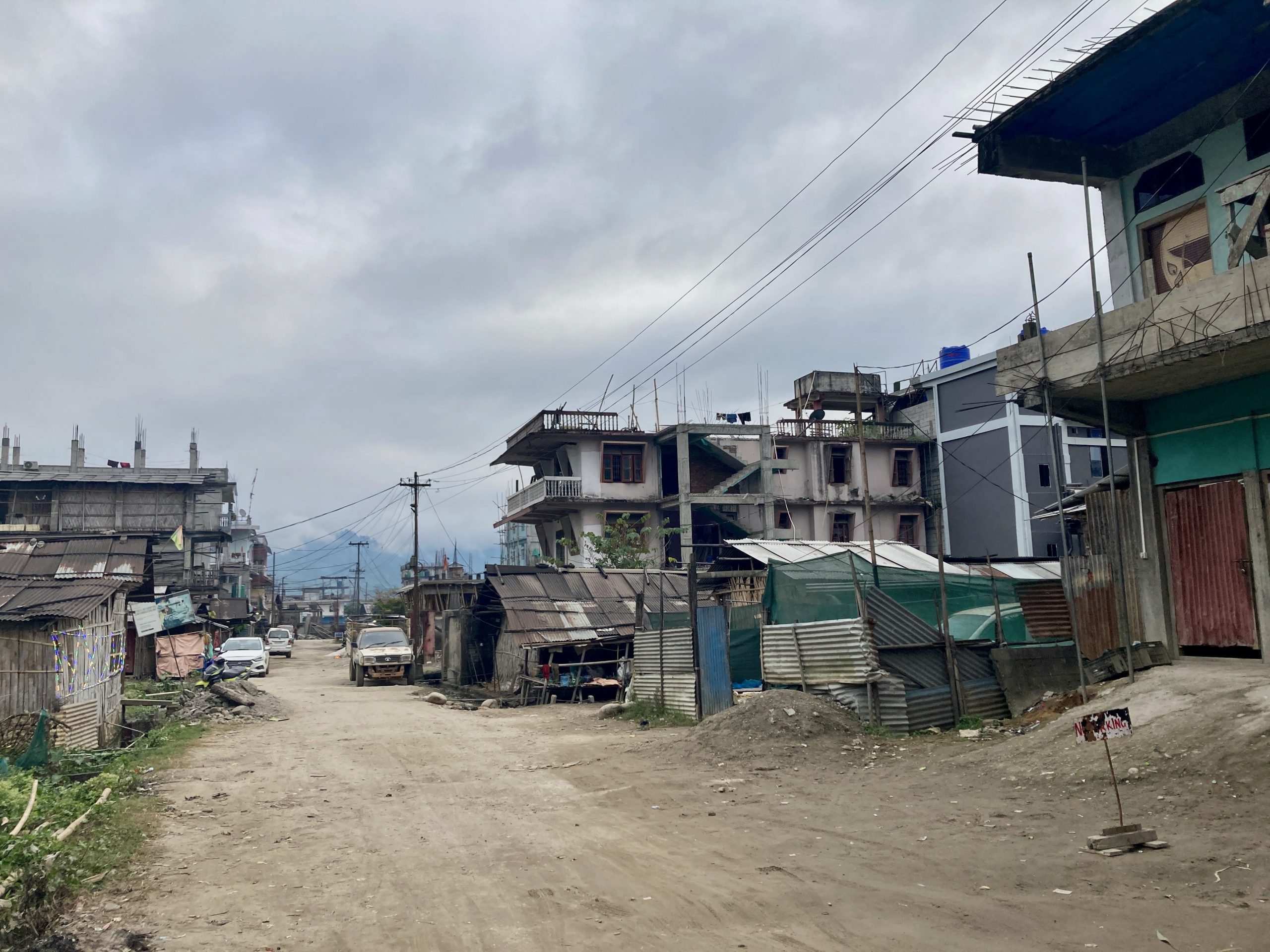
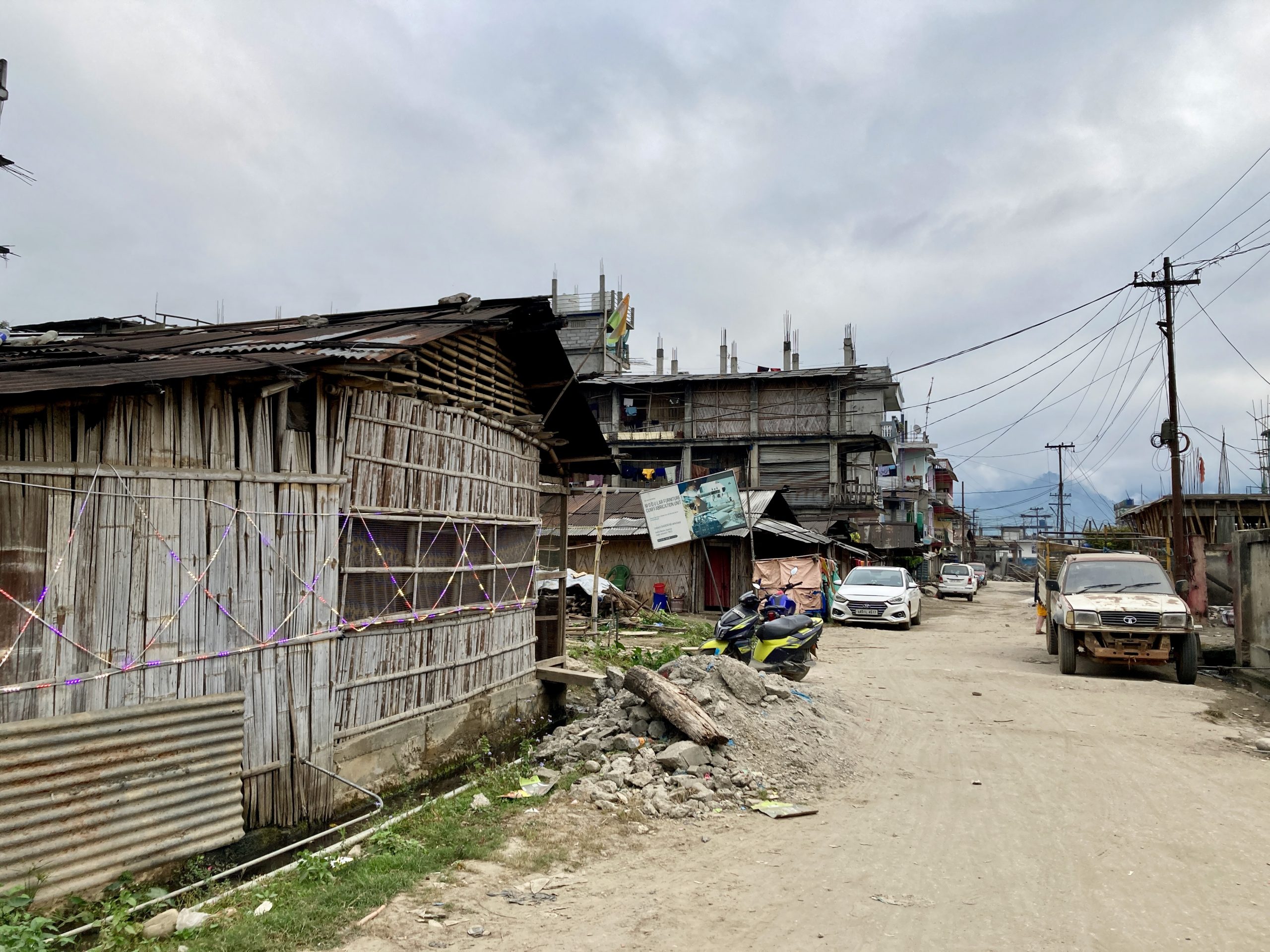
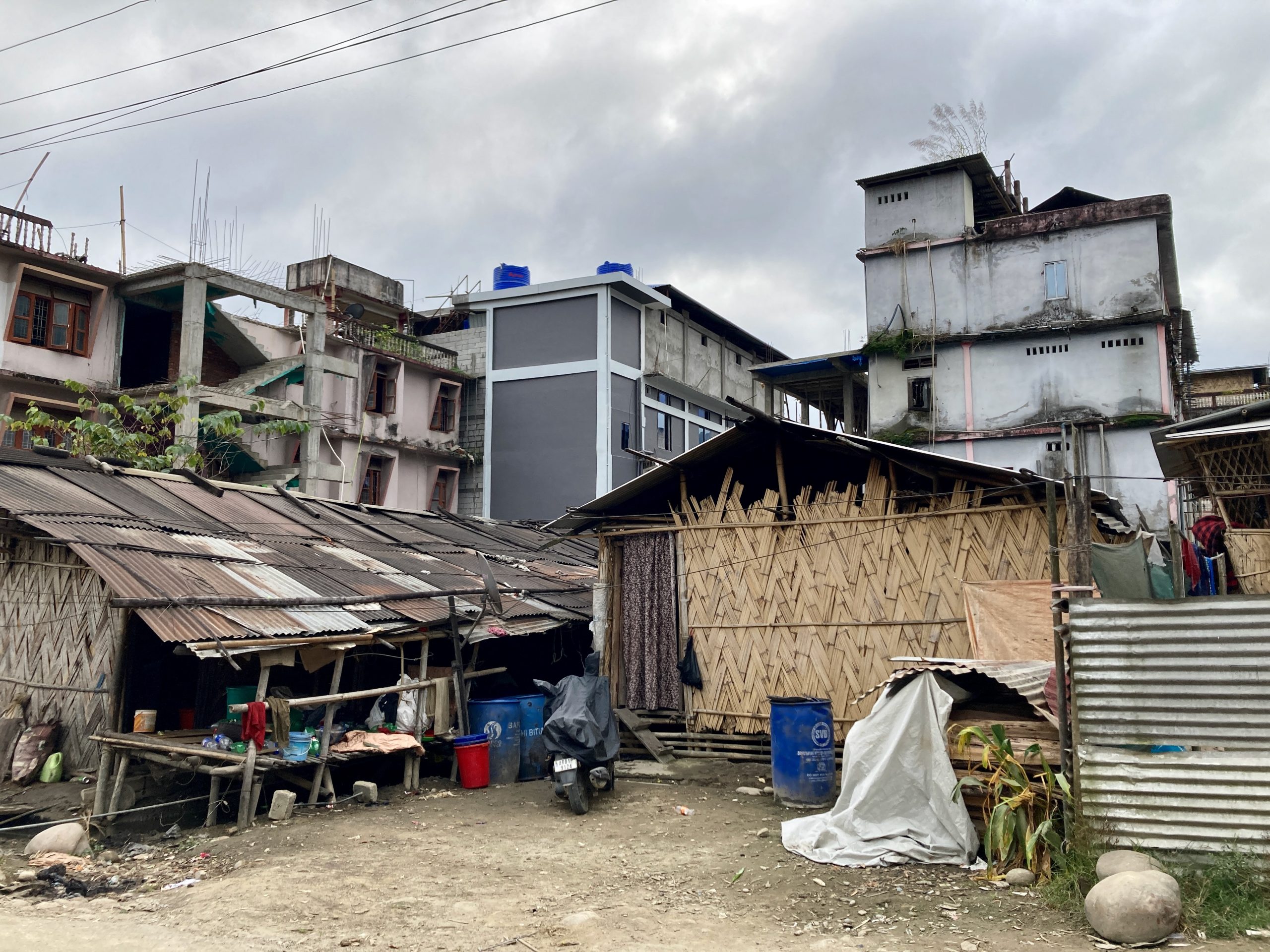
And then we arrived in Daporijo. This is where the Tagin people mainly live — according to Azo, known for being “a bit grimy.” And the town really is an exception, compared to the places before and after it, in terms of neglect and ugliness. It’s quite striking. I don’t think it’s really just because of the ethnic group. ChatGPT says it’s more likely poverty and structural issues that make the town look the way it does. But the accommodation truly was a horror — like in the worst backpacker days. Mold, a shower that didn’t work, uncleaned, neglected. At some point, someone must have put effort into it (you could tell), but never again after that. Unfortunately, it was the best place in town.
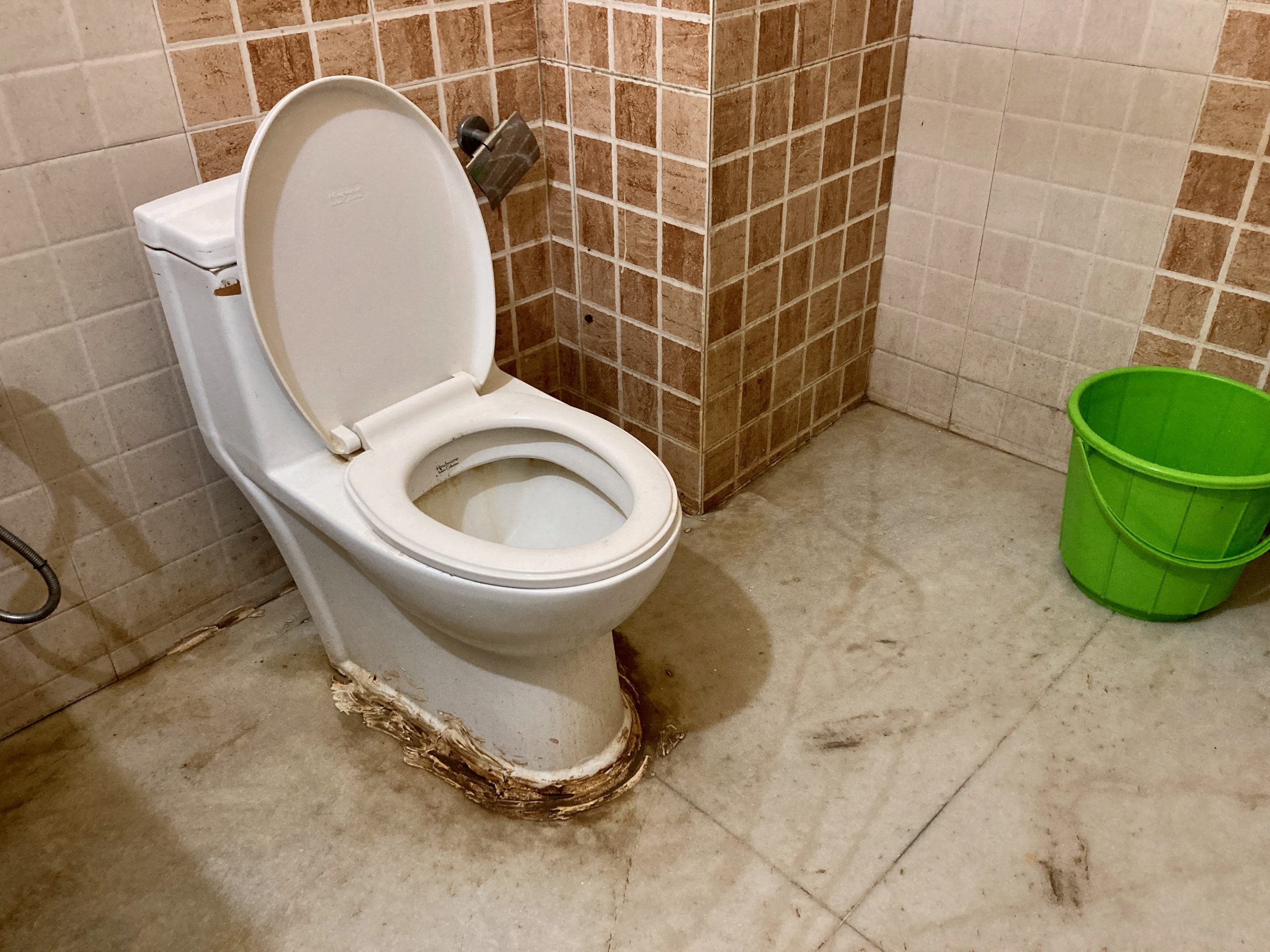 mein Loo
Interestingly, the restaurant belonging to the place was actually really good — tasty food, friendly staff. We left the town as early as possible the next morning.
 1
1
 2
2
 3
3
 4
4
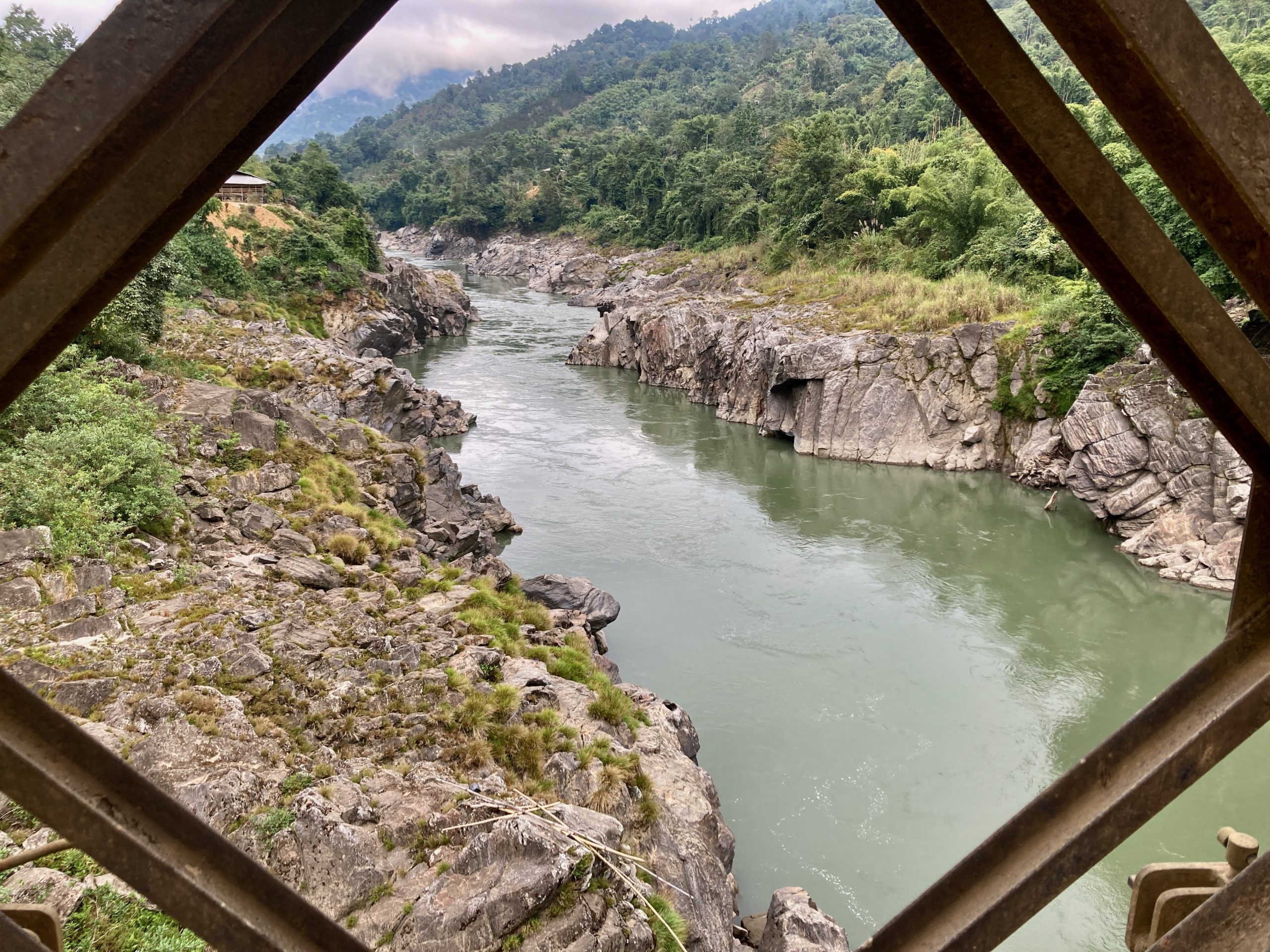
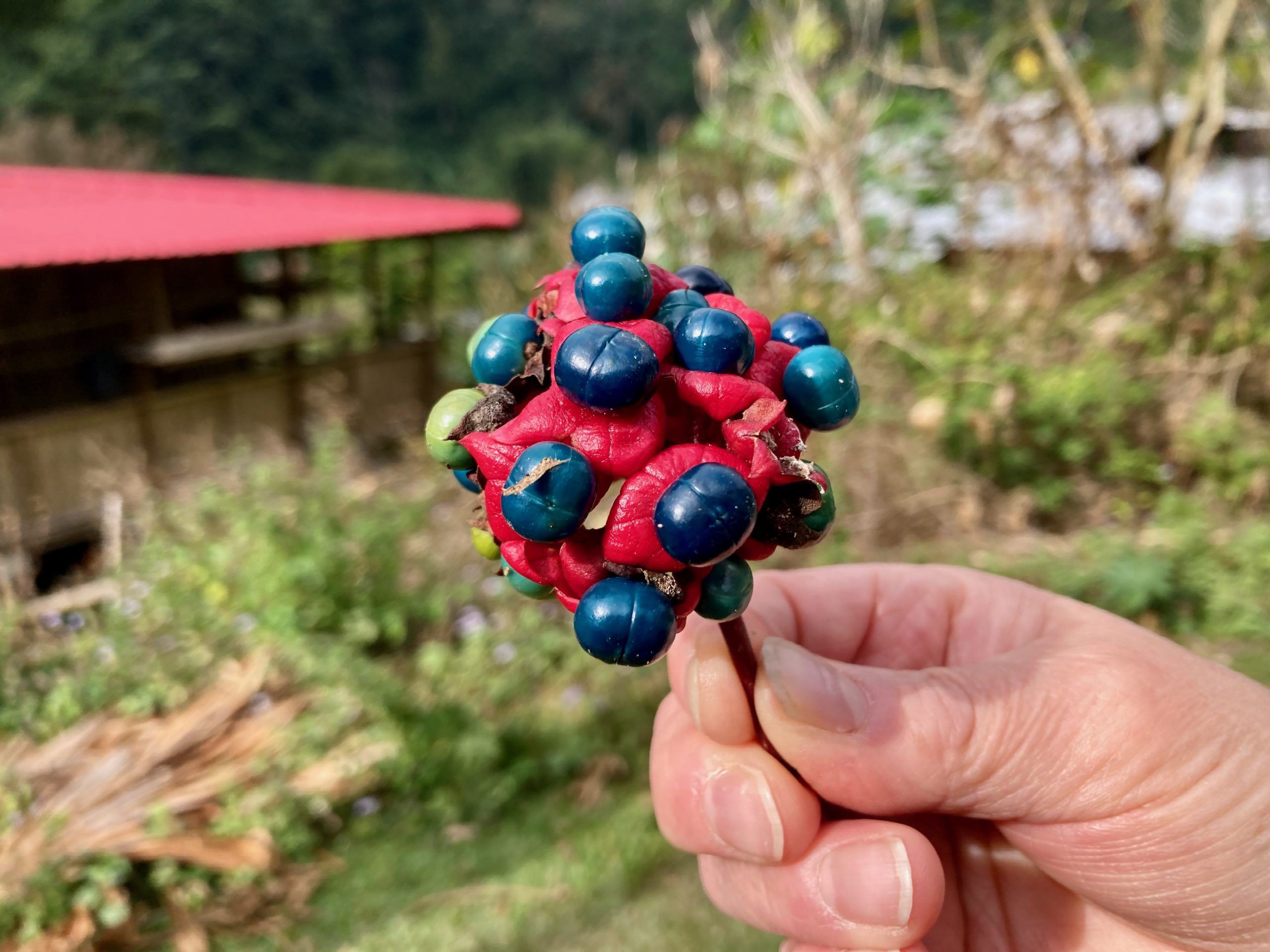
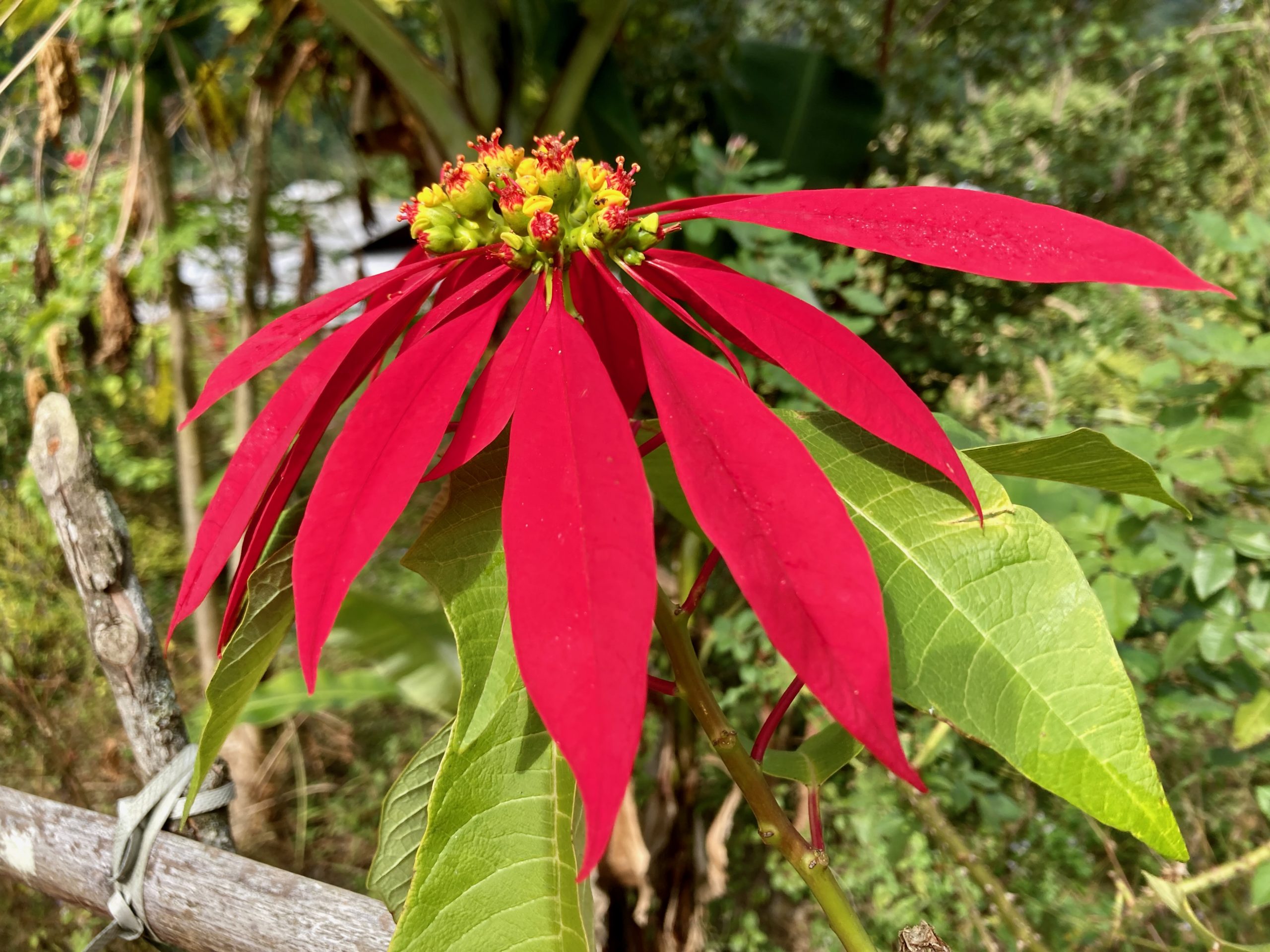
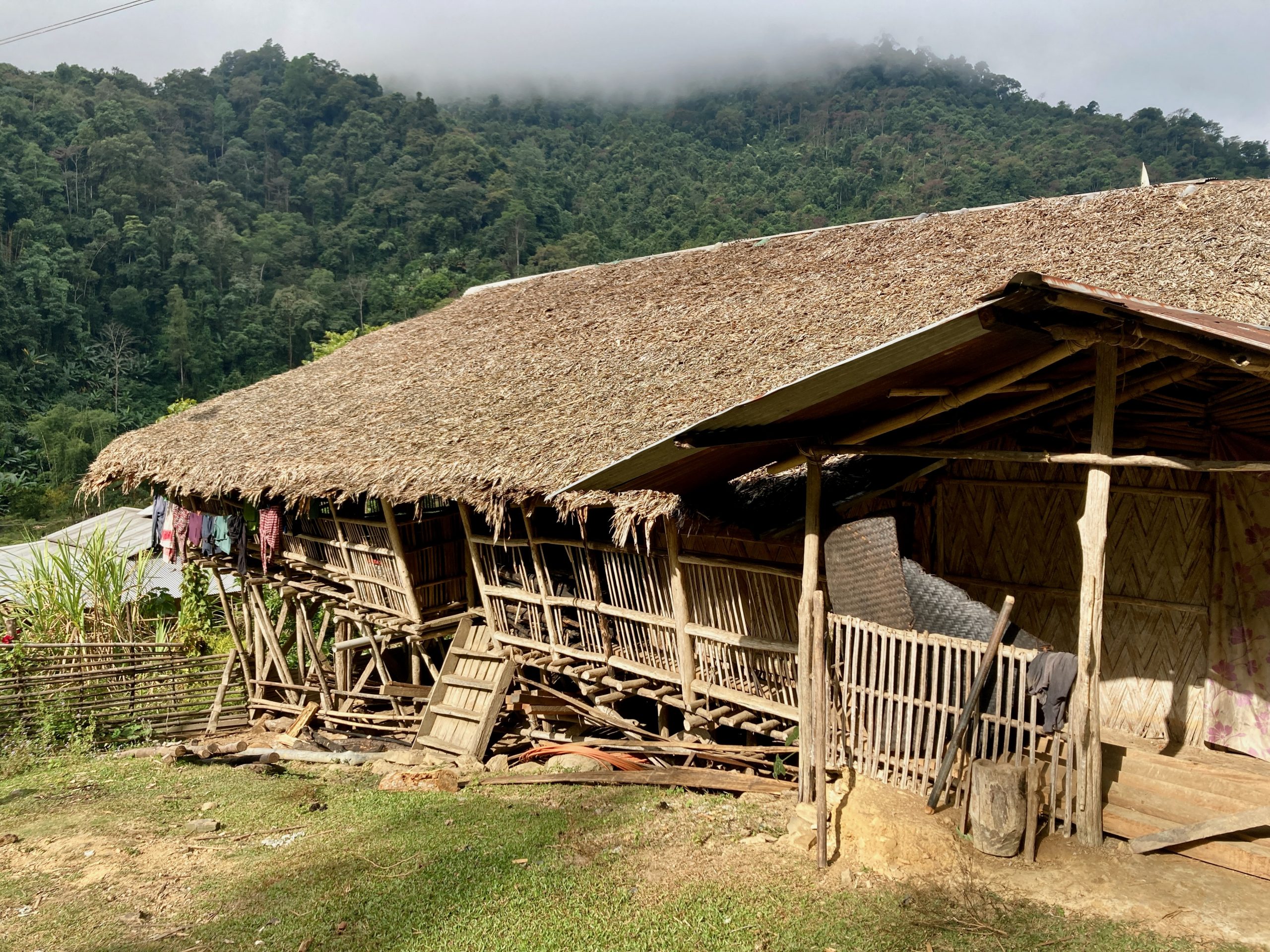
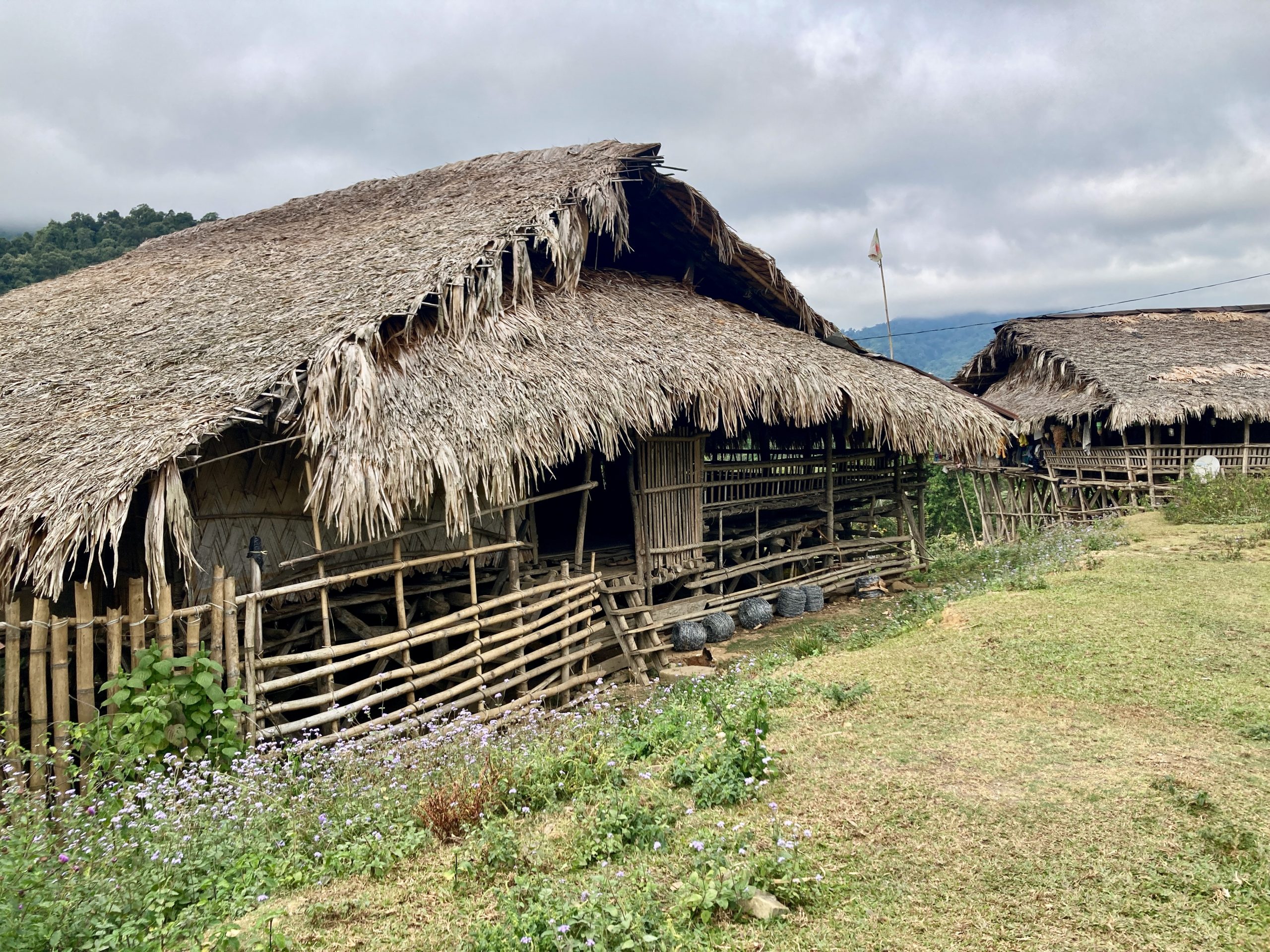
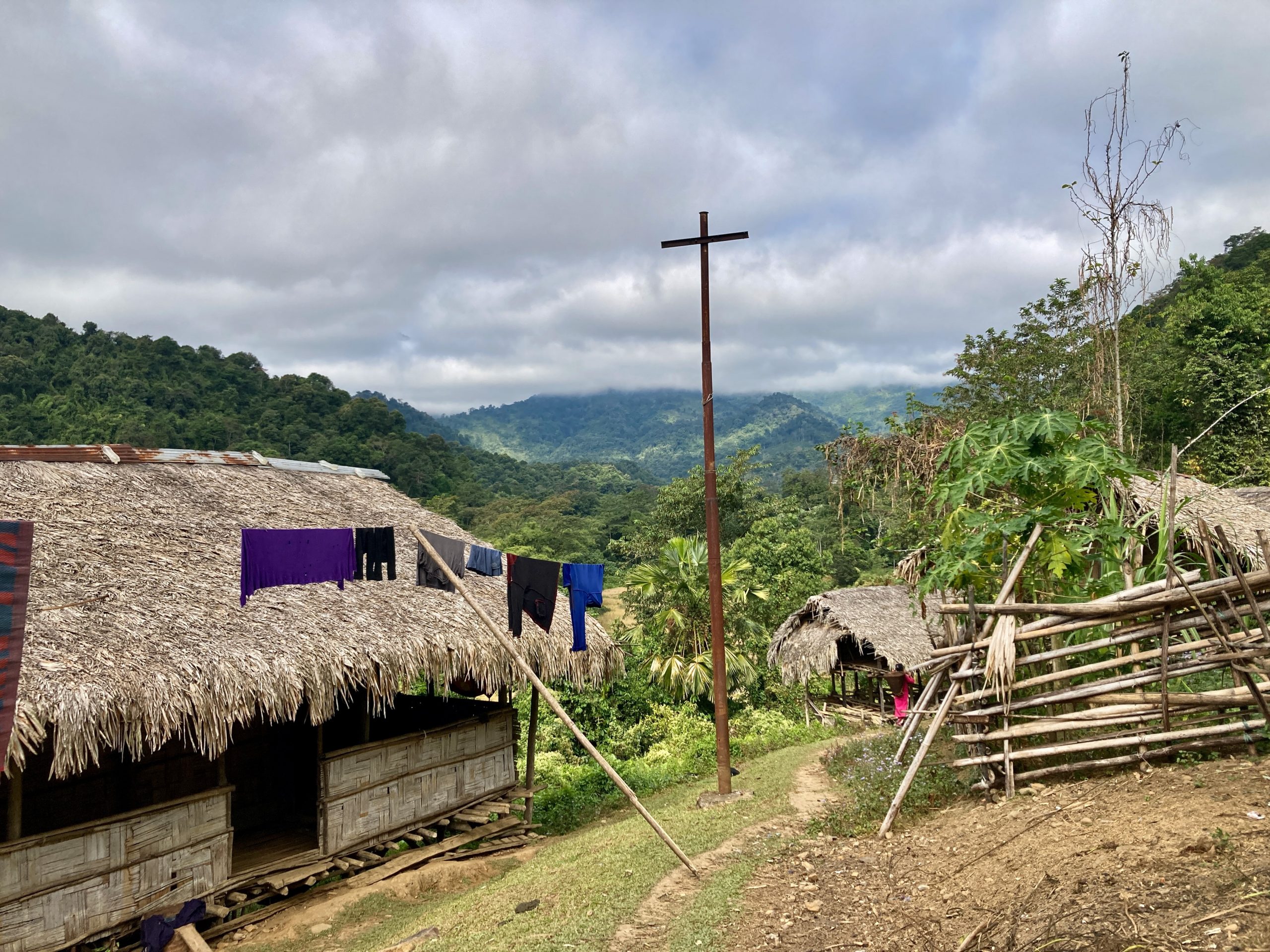
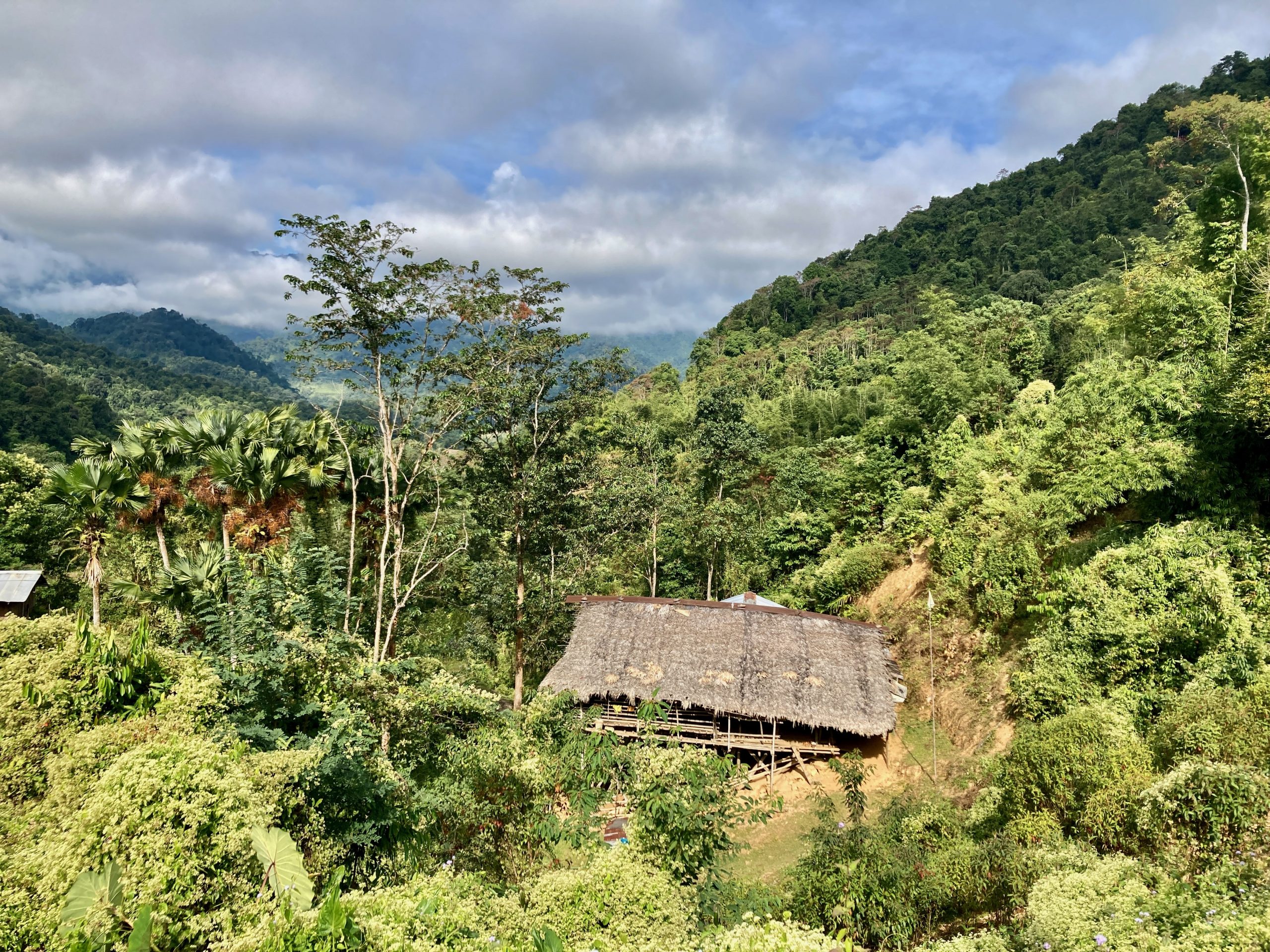
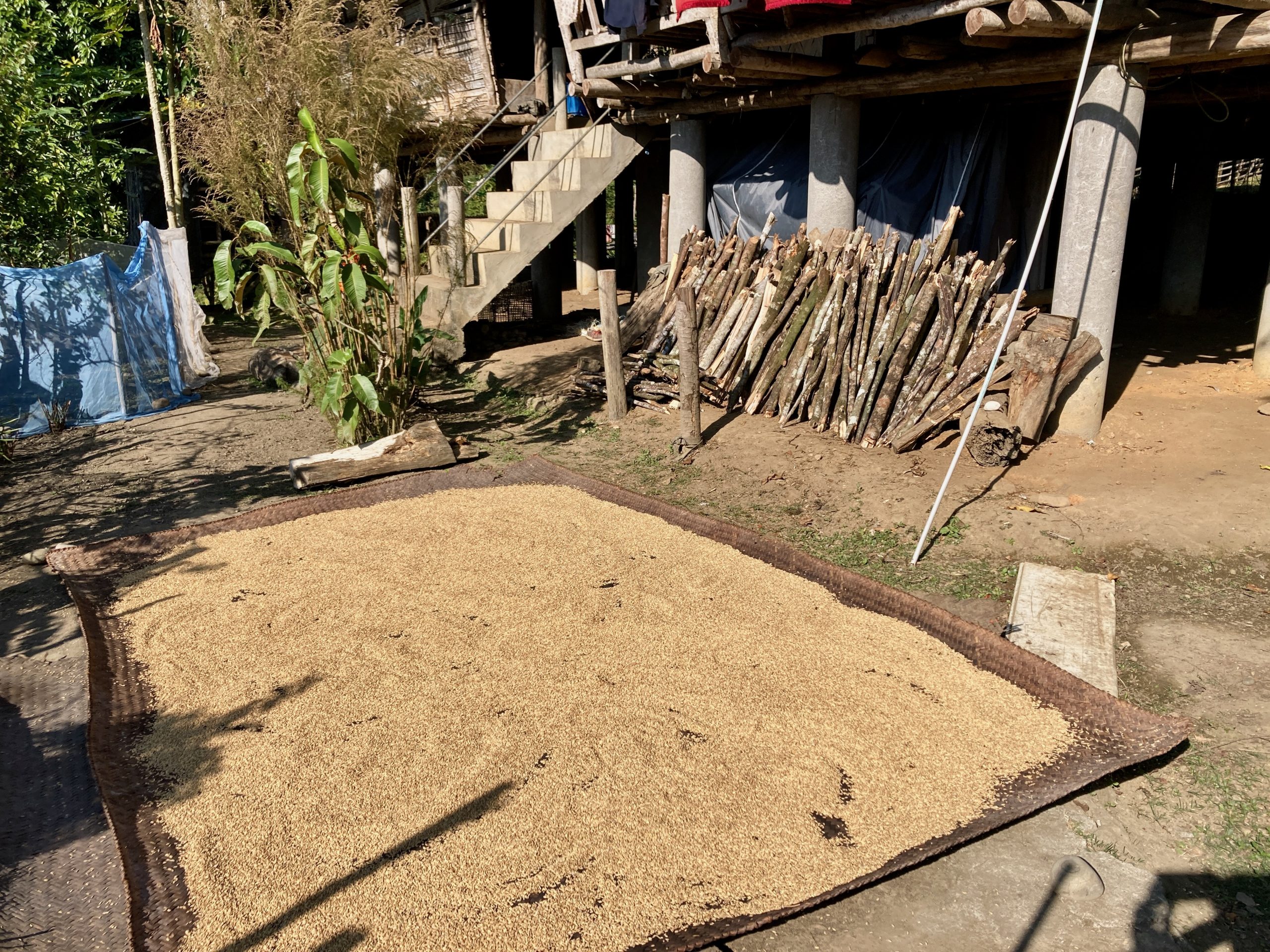
As you can see, it was the first time the sky was overcast. We then came across villages of another community, the Galo. They are considered relatively prosperous, which could be seen in the villages through larger houses and other signs. We visited three villages, and here are a few visual impressions:
 1
1
 strange plant
 known plant
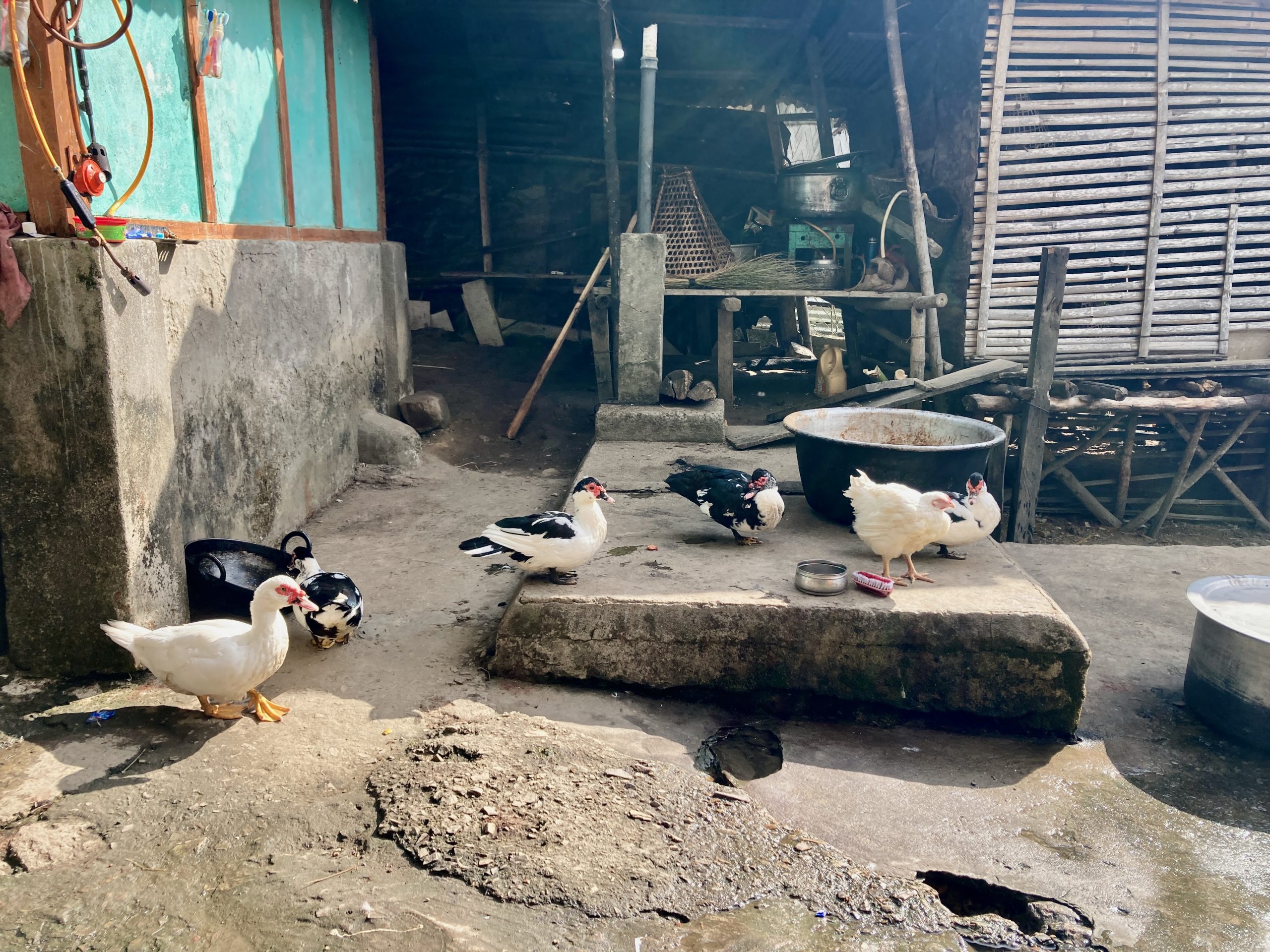 kstrange ducks
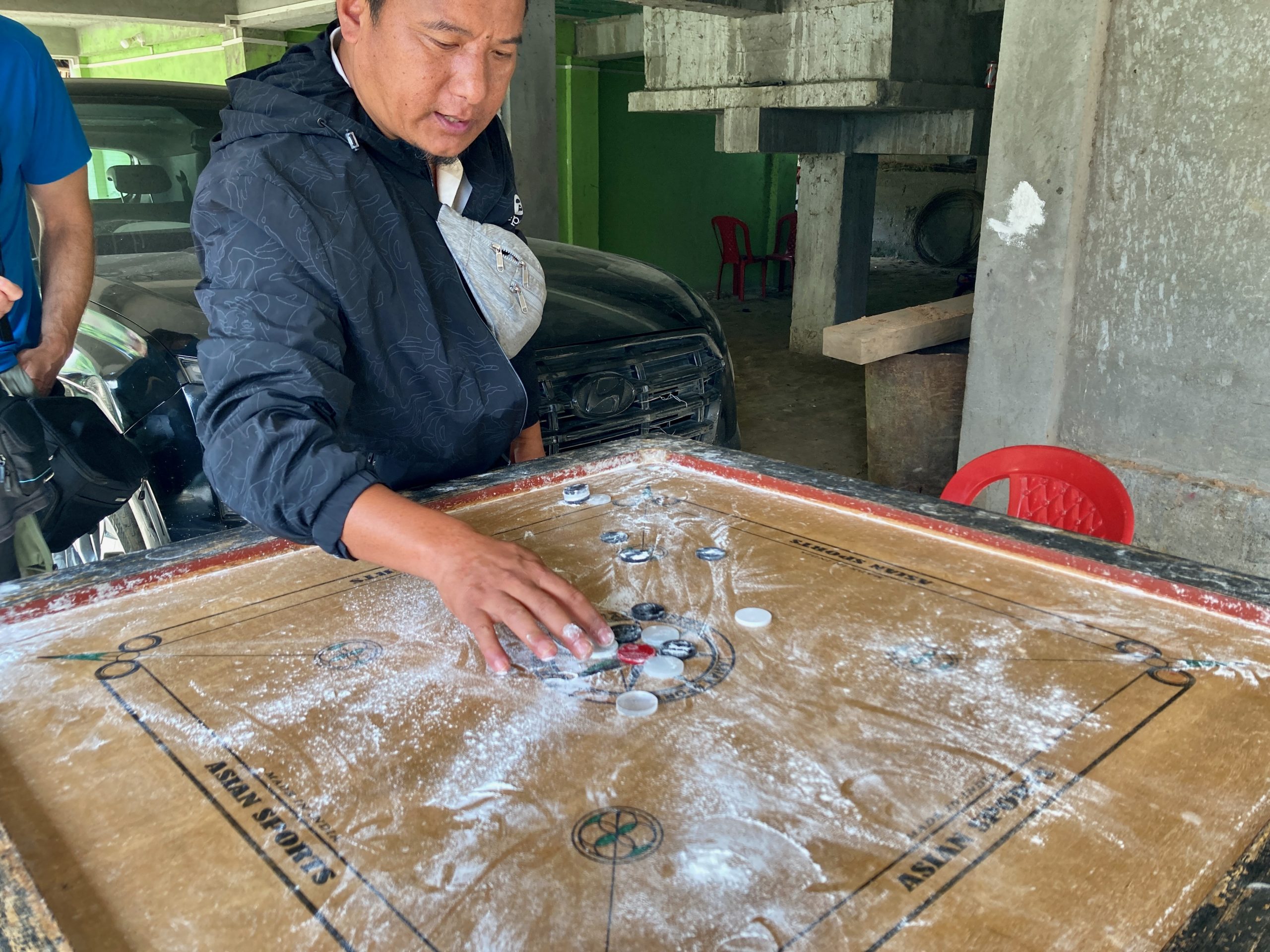 gametable
 2
2
 3
3
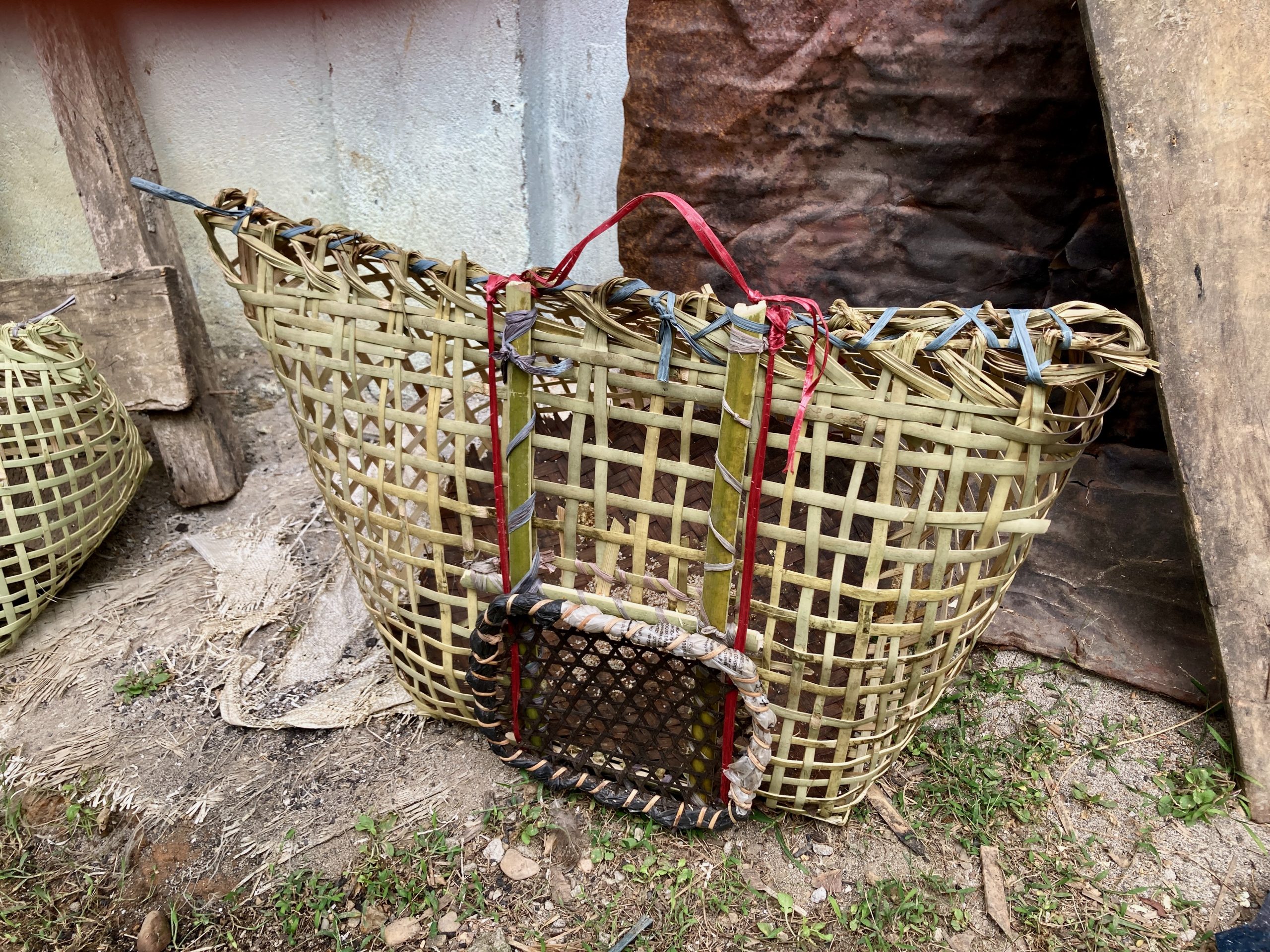 carry bag for chicken
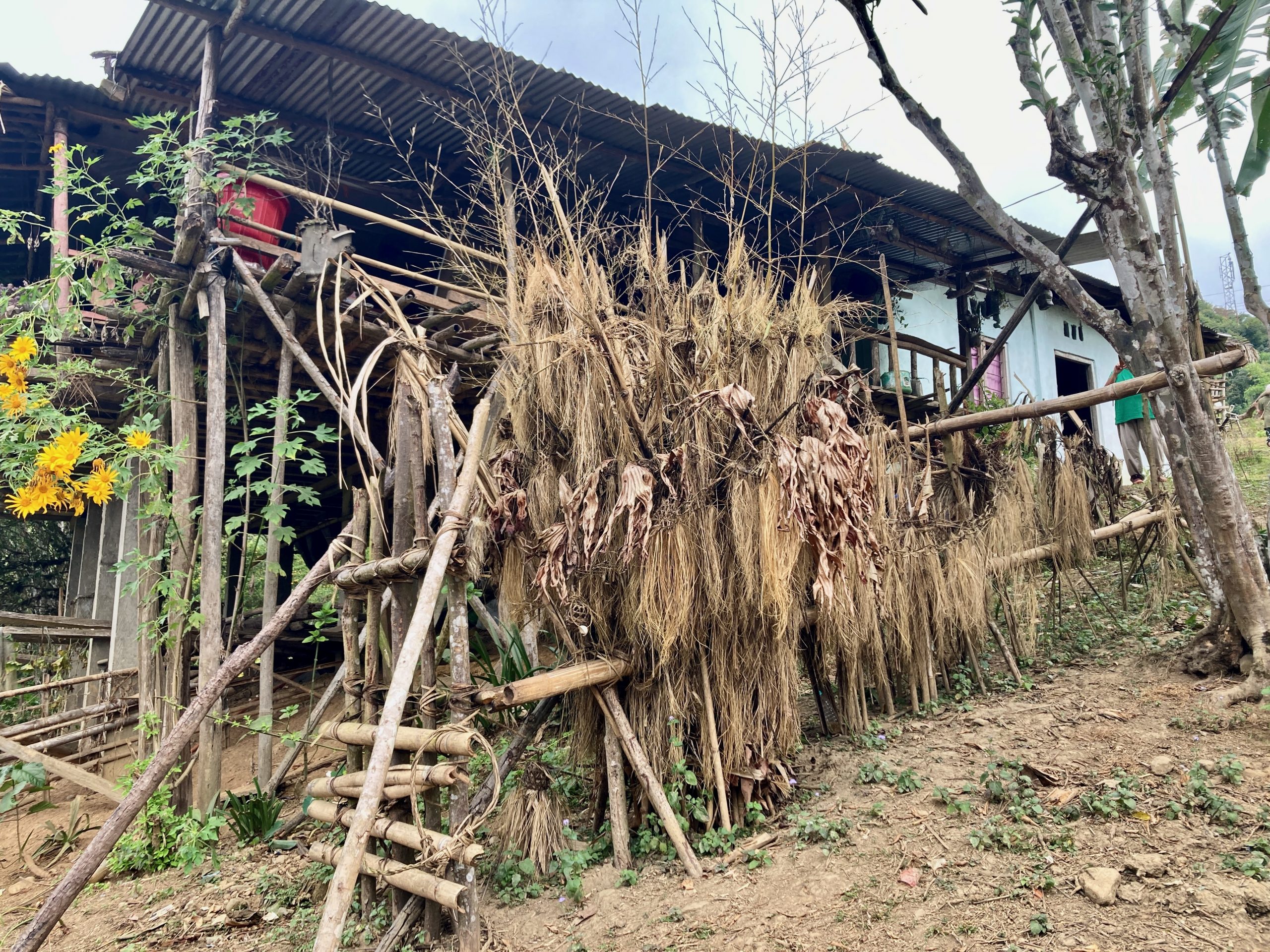 building from a wedding
 4
4
 5
5
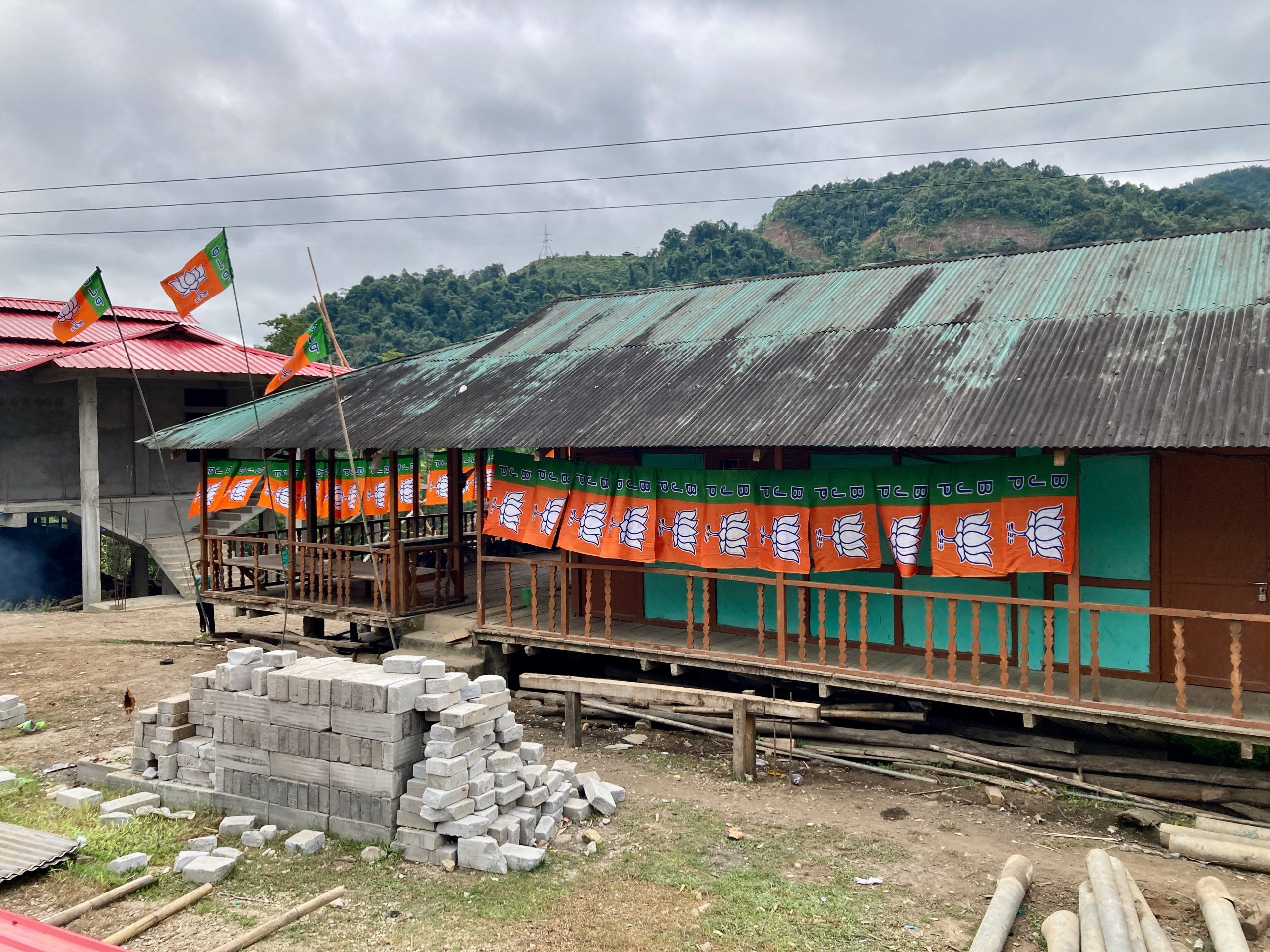 community hall (from BJP “occupied”)
 6
6
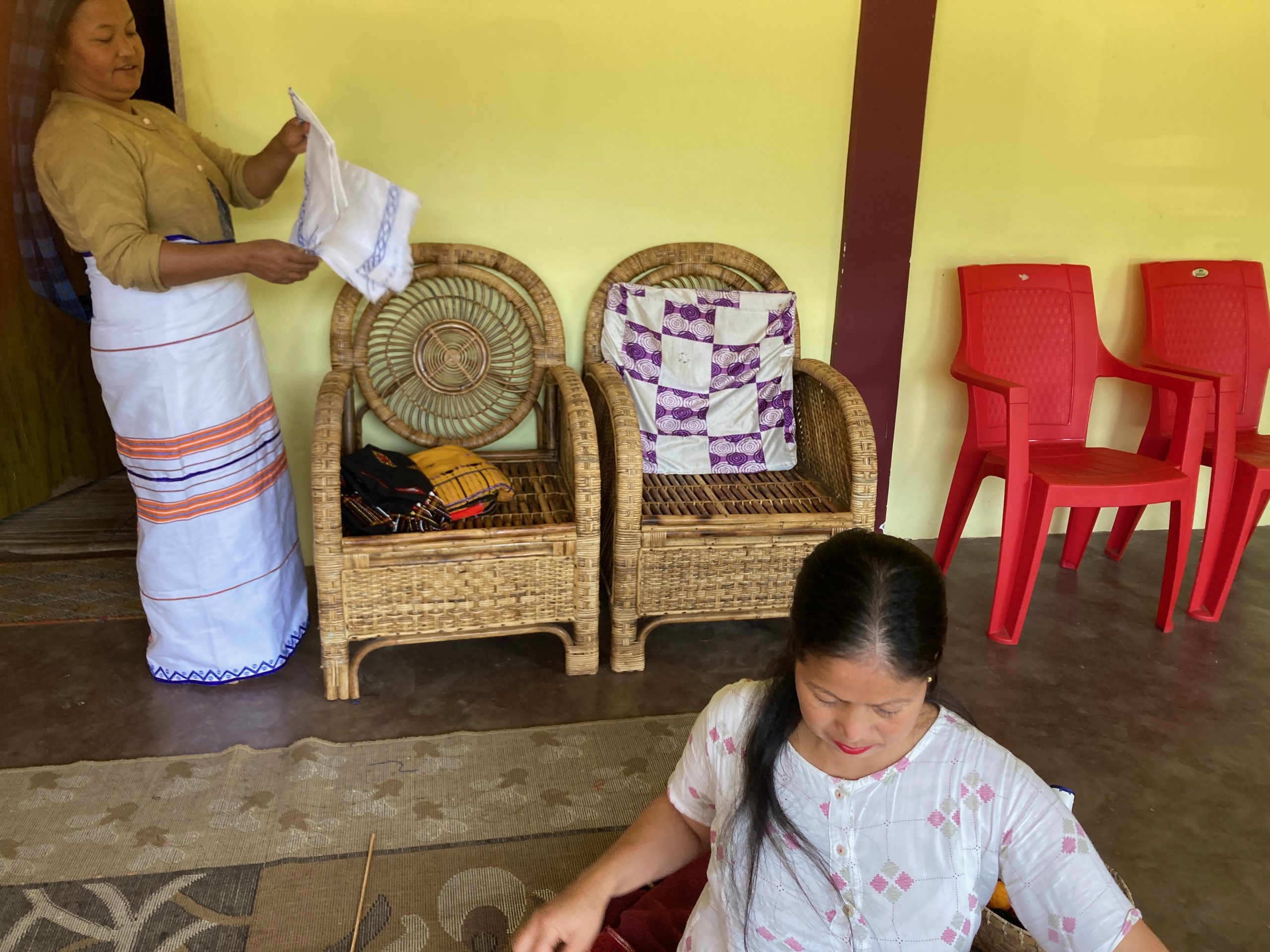
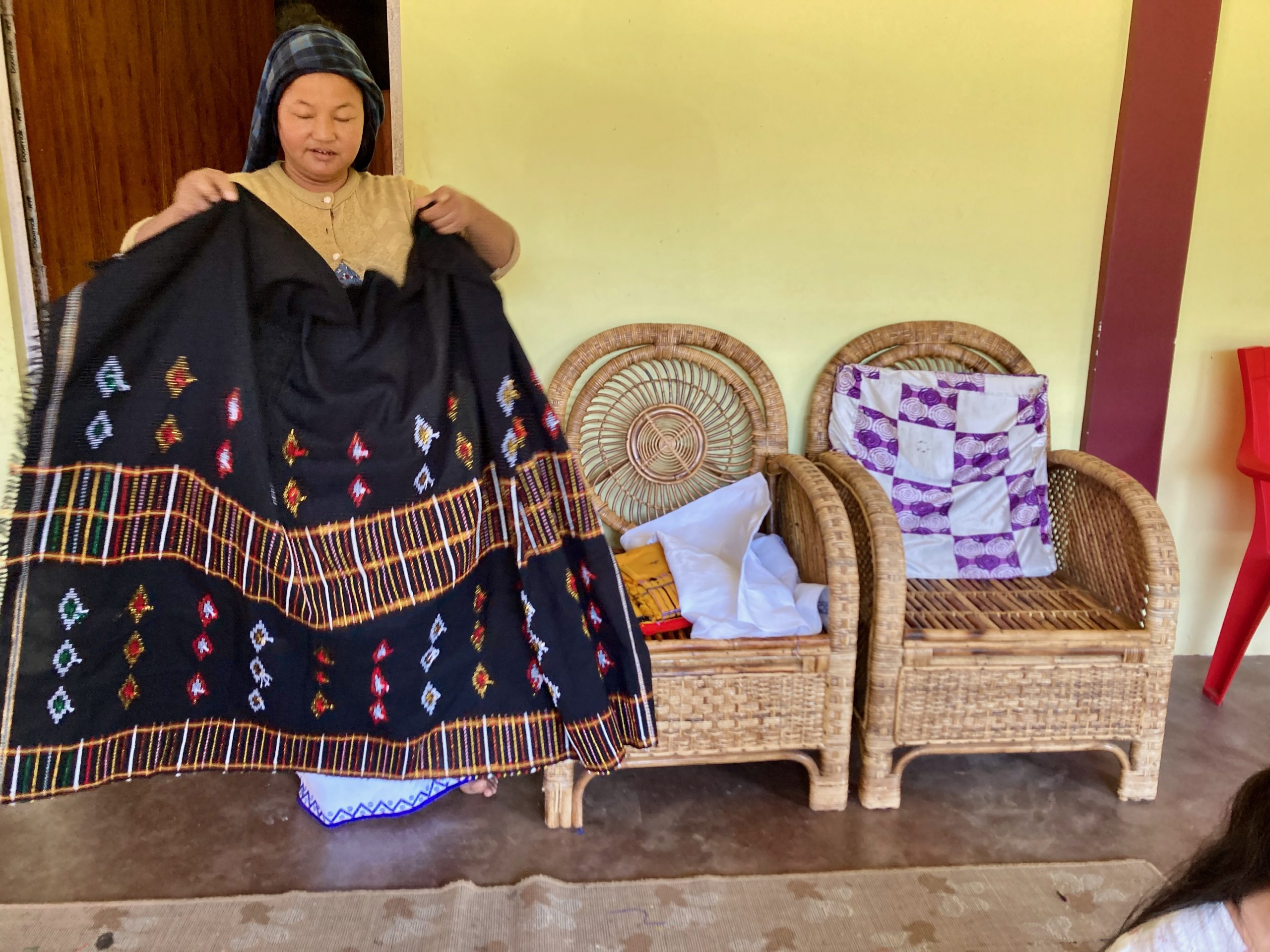
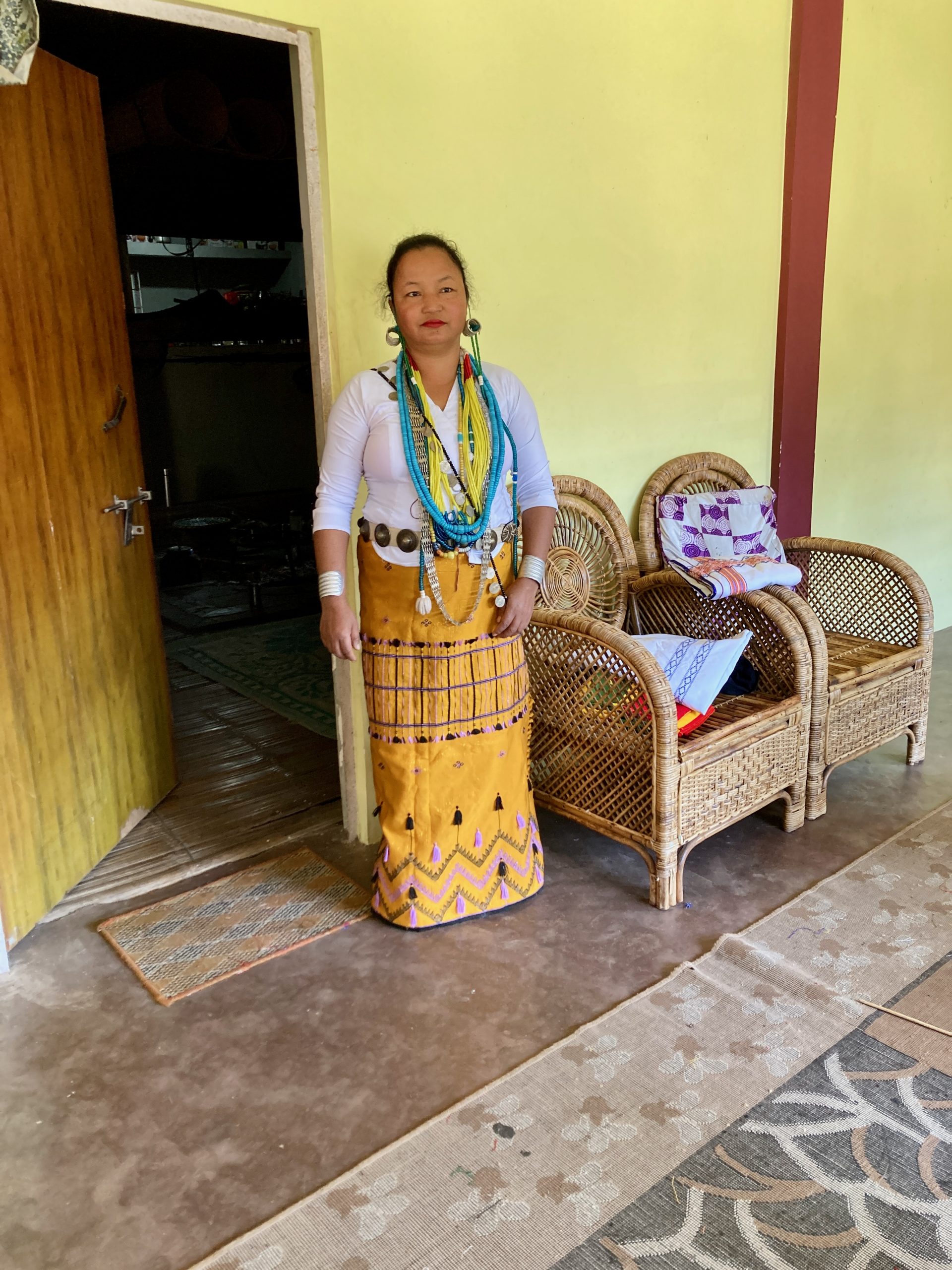
In one village, the women were weaving, and we were able to watch. One of them then put on her traditional clothing.
 1
1
 2
2
 3
3
And then we arrived in Aalo and had a clean hotel. How wonderful! And everything we experienced there — that will be in the next blog post!