


Ladakh: Choglamsar + Hemis – the money hangs high
27. + 29. December 2025
To gain a slightly different insight into life in Ladakh, we had planned a day visiting workshops in Choglamsar. There used to be a woman who carved mani stones, but unfortunately she has moved away and no one has taken over her work. In any case, we weren’t able to find anyone. Perhaps she charged prices that were too low and therefore couldn’t make a good living from it?
First we went to see Nawang, who told us everything about cashmere wool. I’ve known him for a long time and was once again impressed by how well he can explain things. Unfortunately, I didn’t take a single photo. And I don’t really want to write about the topic here anymore either – I’ve already done so far too often.
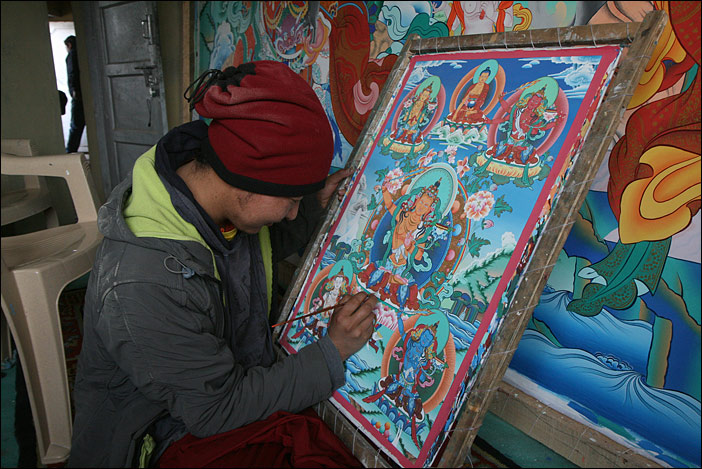
Next we went to visit a thangka painter. And that was a surprise: it was the same one I had visited with a group back in 2013!
2013:
 1
1 2
2
2025:
 3
3
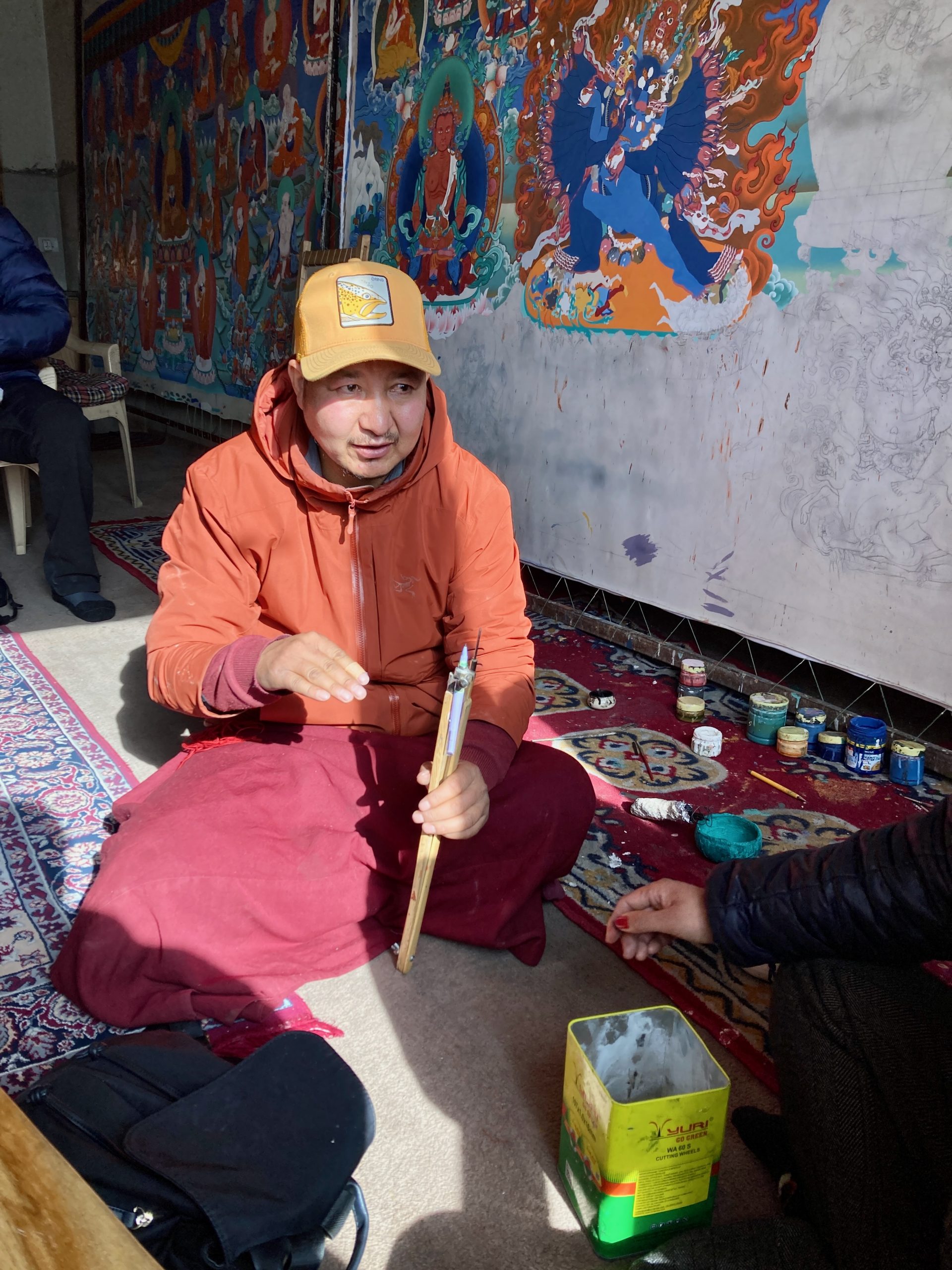
He paints exclusively for monasteries that commission him. Usually, he paints on a canvas that is then mounted on the wall in the monastery. He also has a handful of students. What is new is that there are now women among them as well – traditionally, this was not always the case. He showed us a lot about the brushes, pigments, and templates, among other things. Very interesting – and a very likeable person.
 4
4
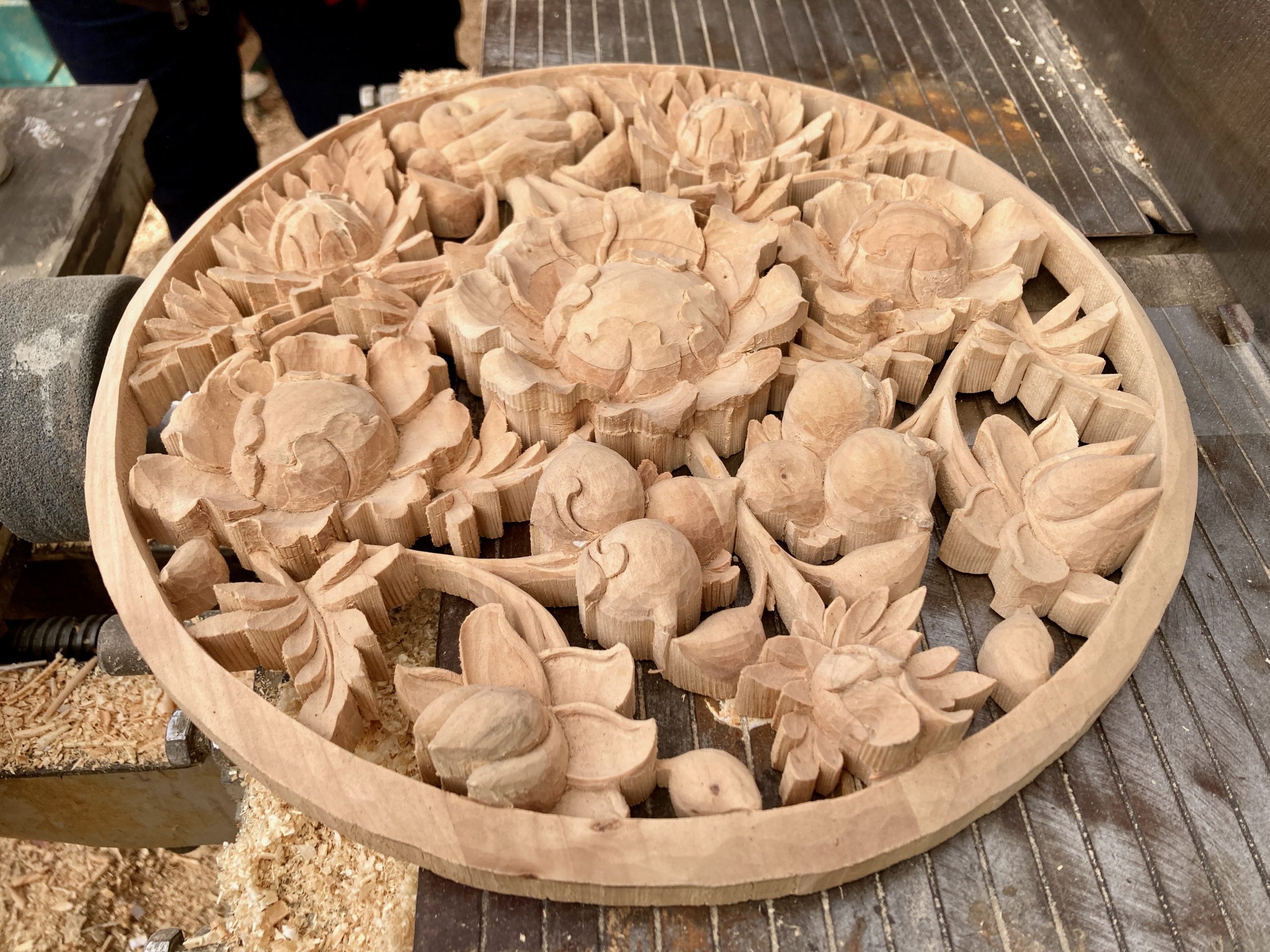
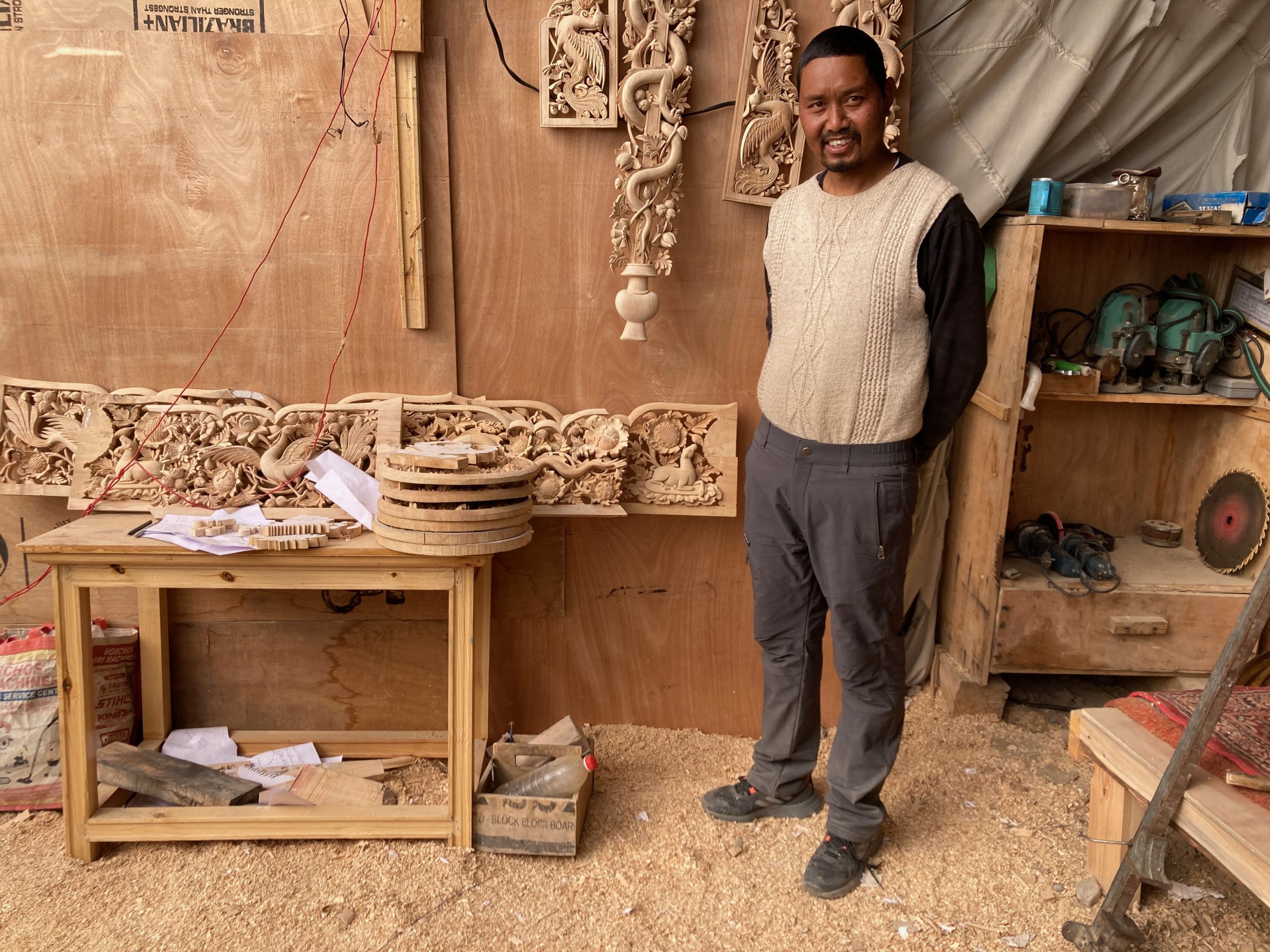
Then we visited a woodcarver. He did part of the carving by hand, while other parts were done by a machine or electric saw. There were more people along the same street engaged in this kind of work. Wood carving is really booming in Ladakh – at the very least, most windows are decorated with beautiful frames.
 5
5
 6
6
In the afternoon we went to the Men-Tsee-Khang Institute of Tibetan Medicine. All in all, it was a pleasant day – but strangely, I don’t really have much to report about it, nor did I take any “great” photos.
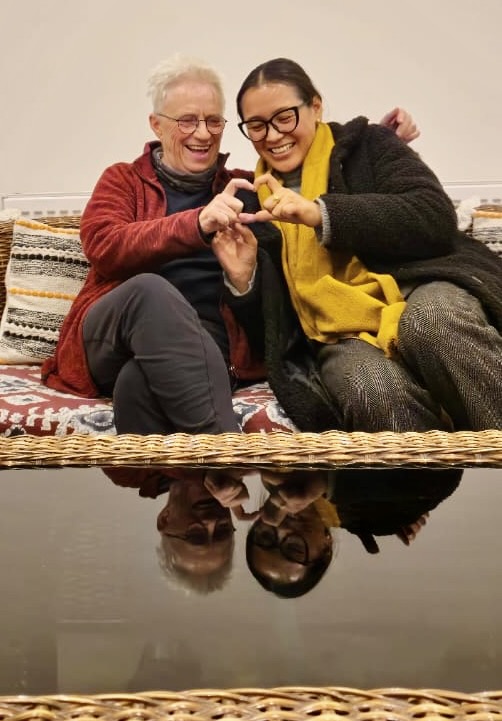
In the evening, Dolma came by with her energetic son. She told us about the contrast between rural and urban life, about how traditions in village life can often feel restrictive, about her newly secured teaching position at a school in Leh that aims to become the best school in Ladakh within the next five years, and about the challenges girls face when it comes to (sexual) harassment and assault. None of this was really new to me, but it was good to reflect on it again and to inform the group as well.
 8
8
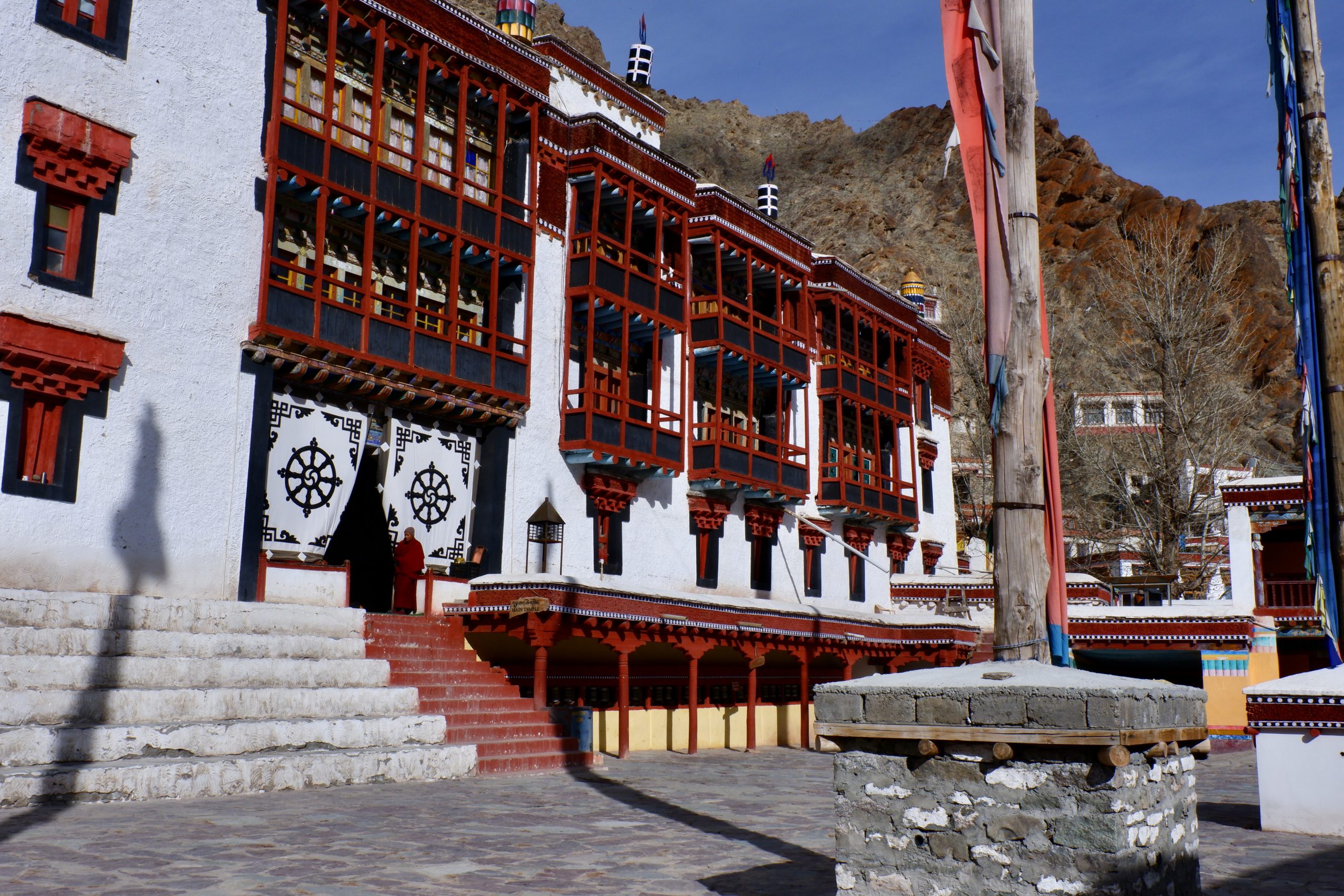
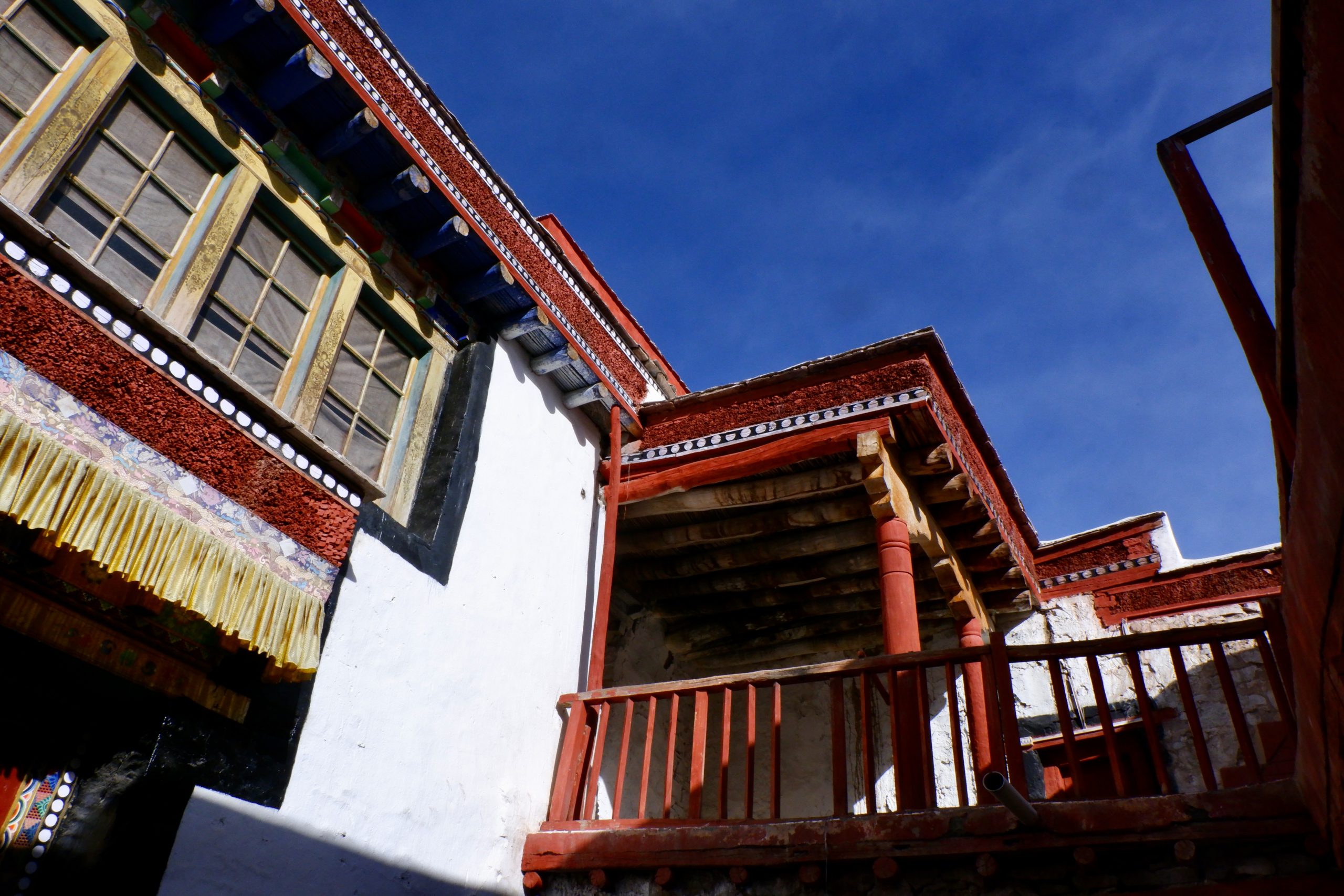
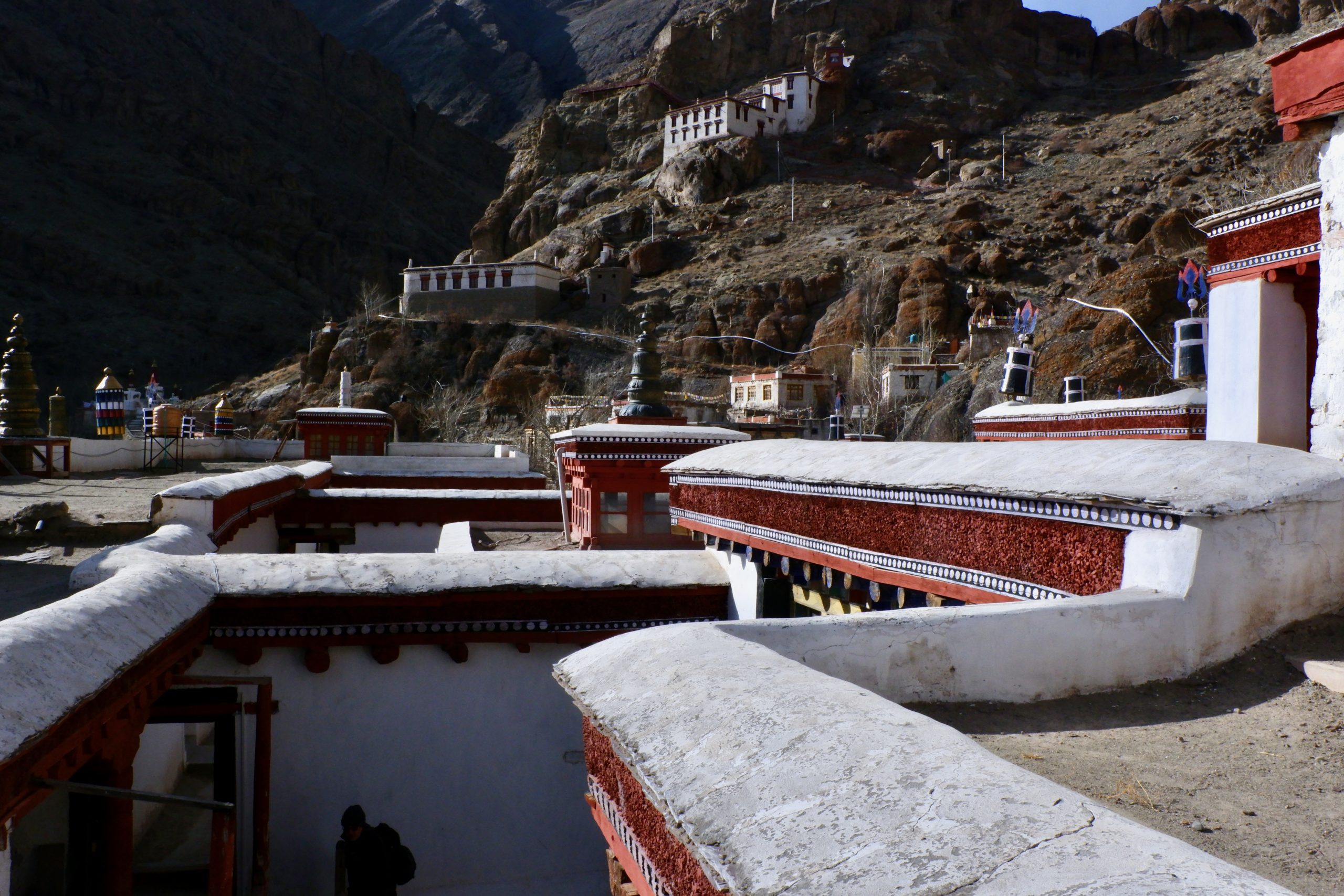
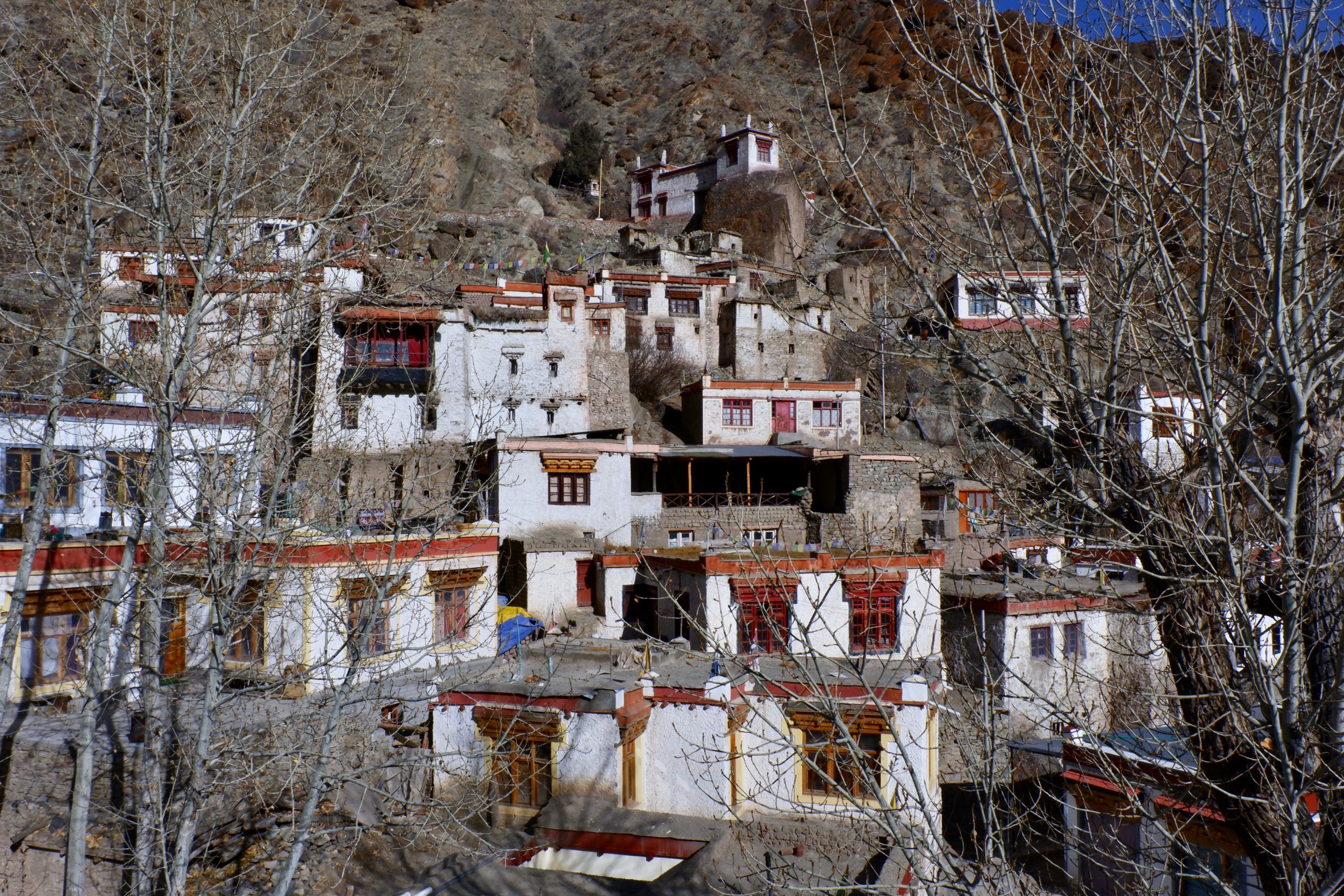
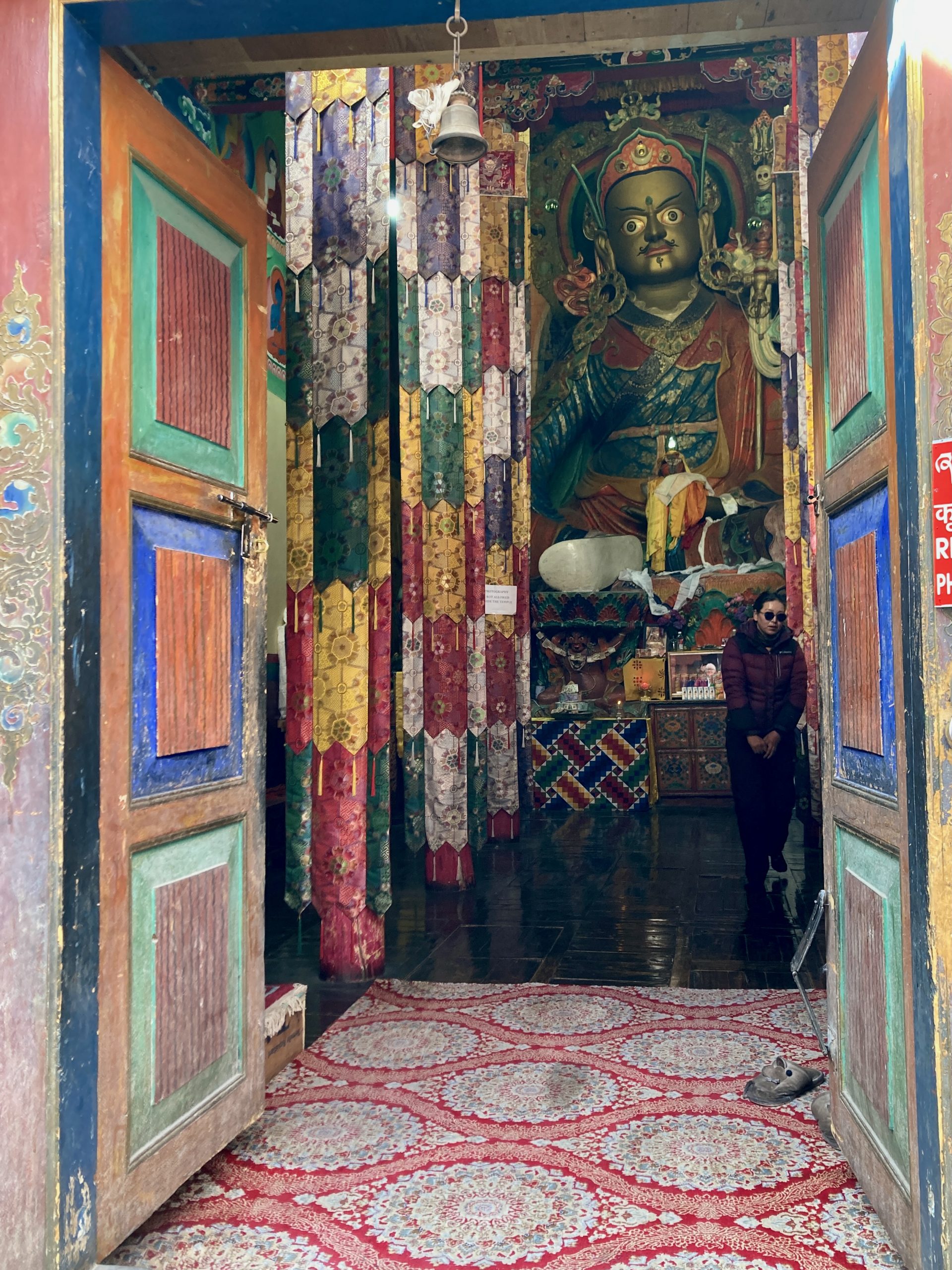
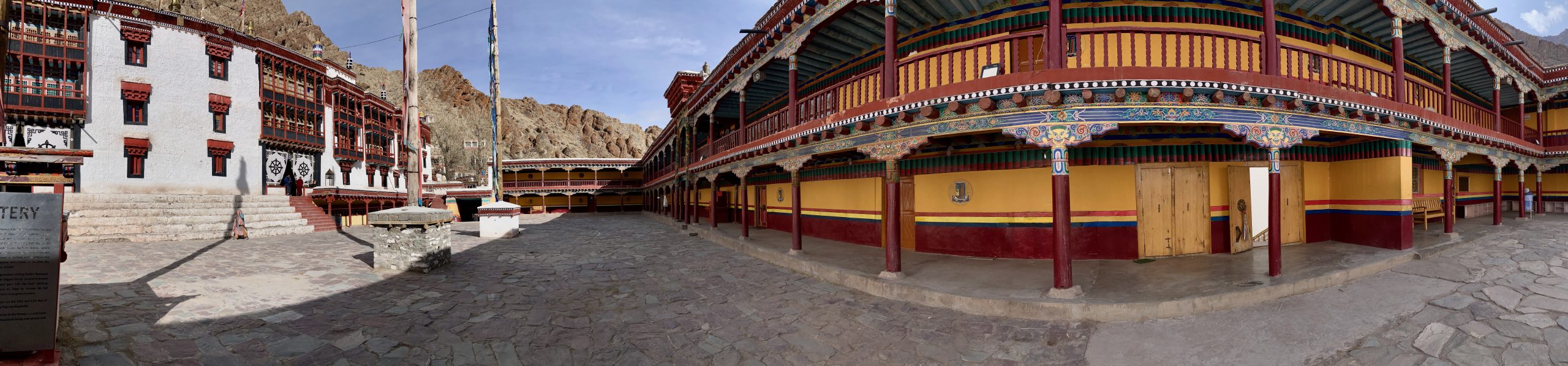
And so that the post doesn’t turn out quite so short, here is our last day in Ladakh as well. We drove to Hemis, the largest and wealthiest monastery. Monasteries (those of monks, not nuns) have always owned a great deal of land, from which people had to hand over a portion of their harvest. In addition, Hemis owns property in the capital and also in Srinagar, and who knows where else. In any case, this provides them with substantial rental income.
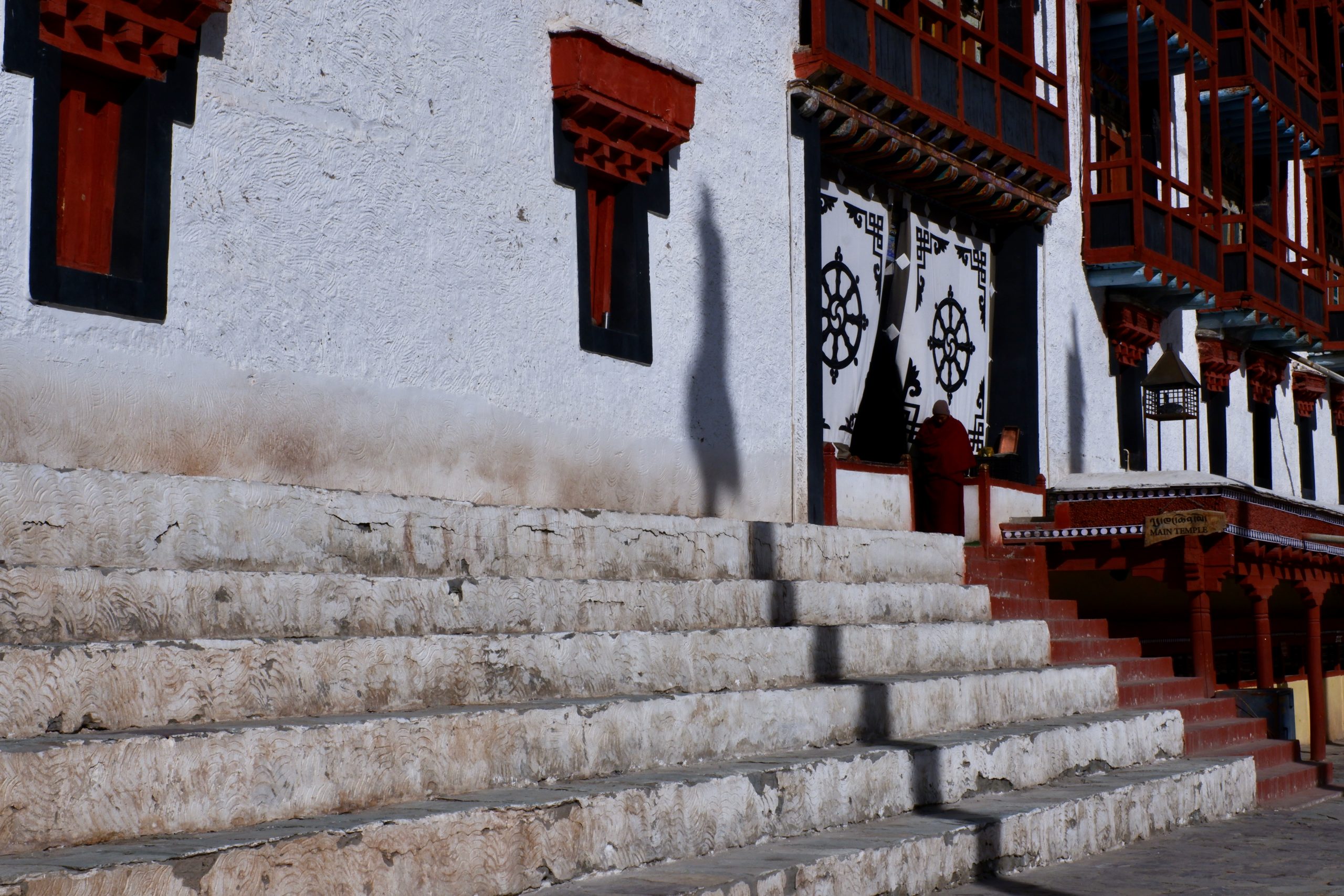
In the monastery itself, only a few monks were to be seen. They showed no interest in us and did not offer any tea. Here are a few photos:
 9
9
 10
10
 11
11
 12
12
 13
13
 14
14
 15
15
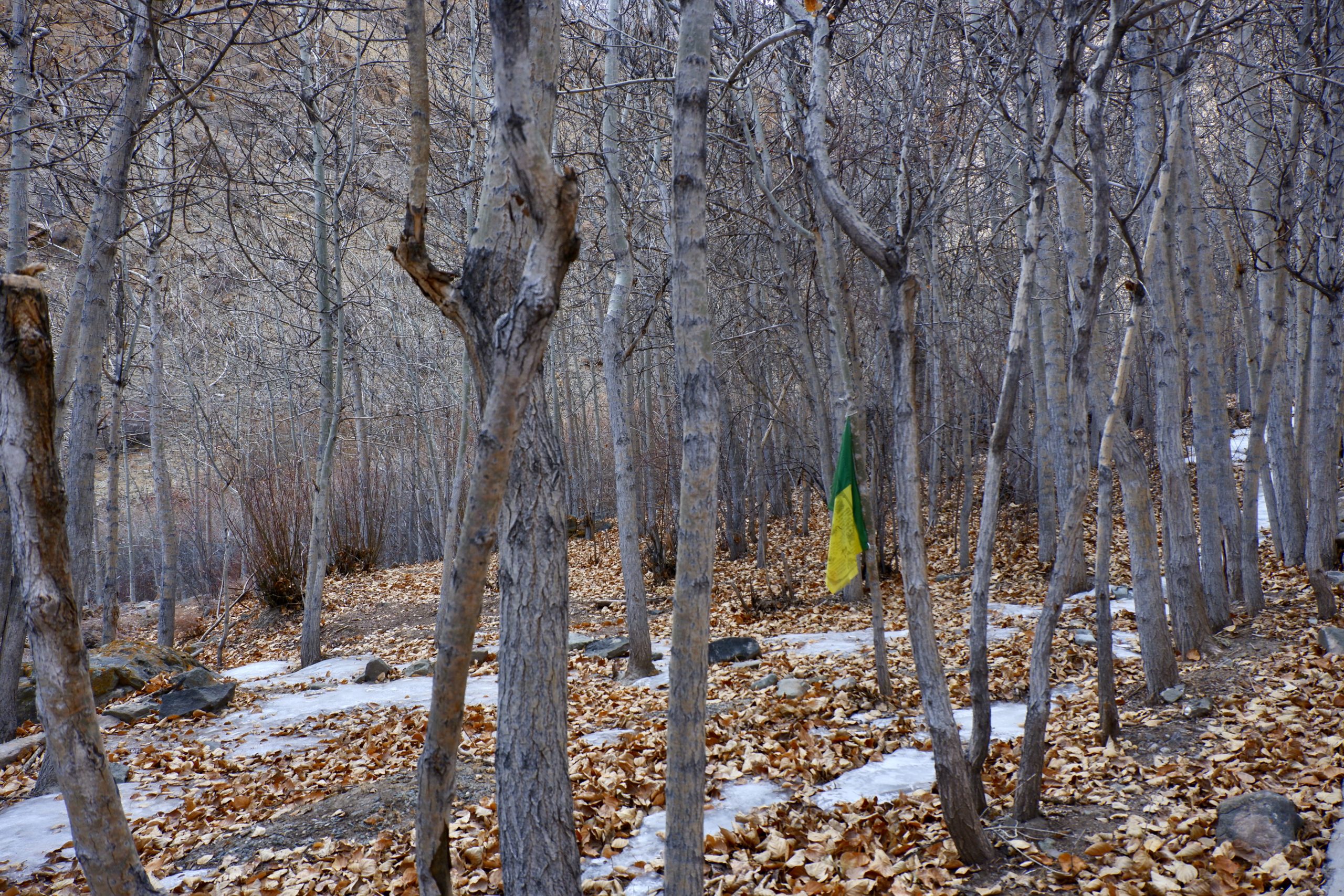
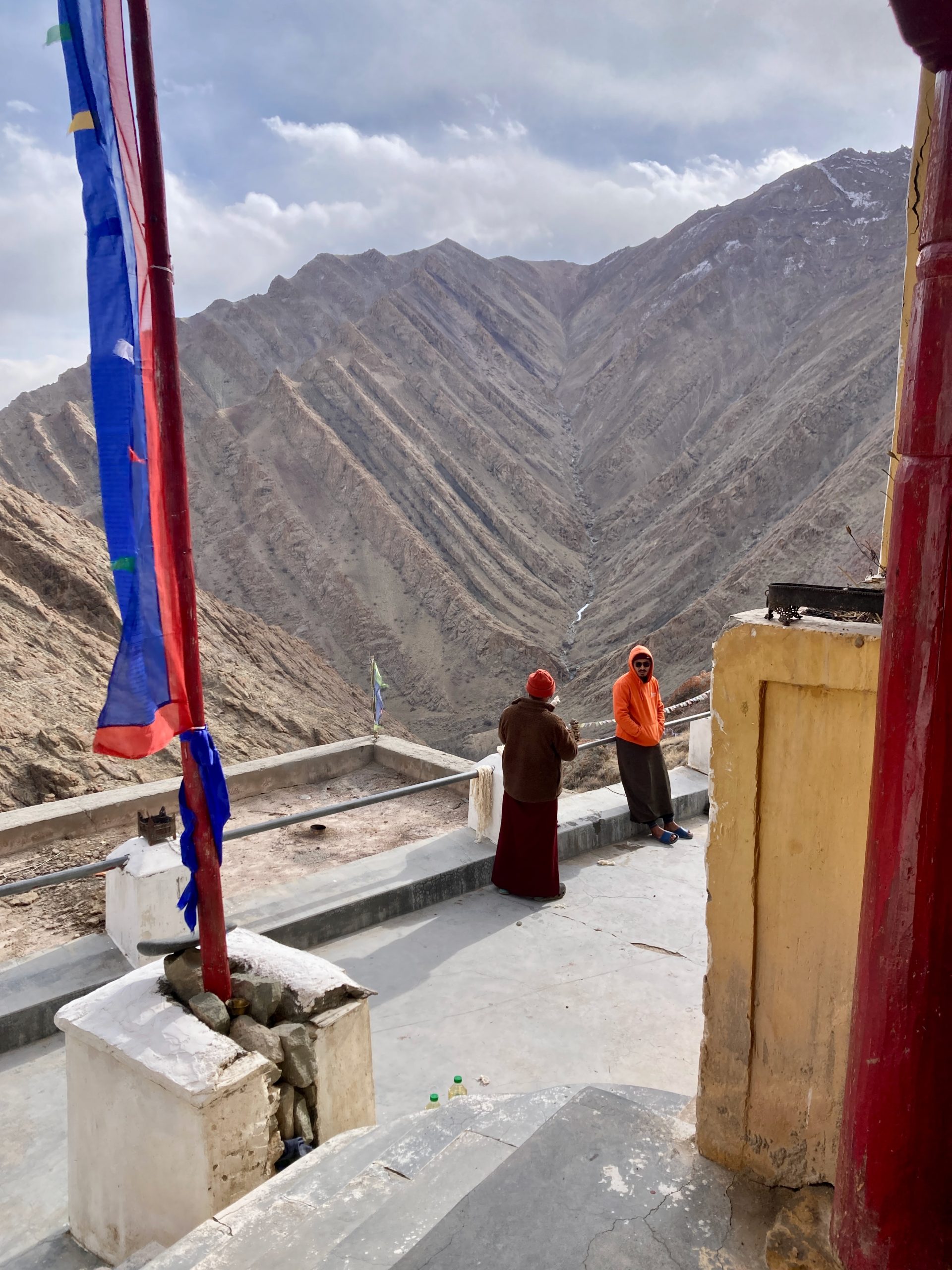
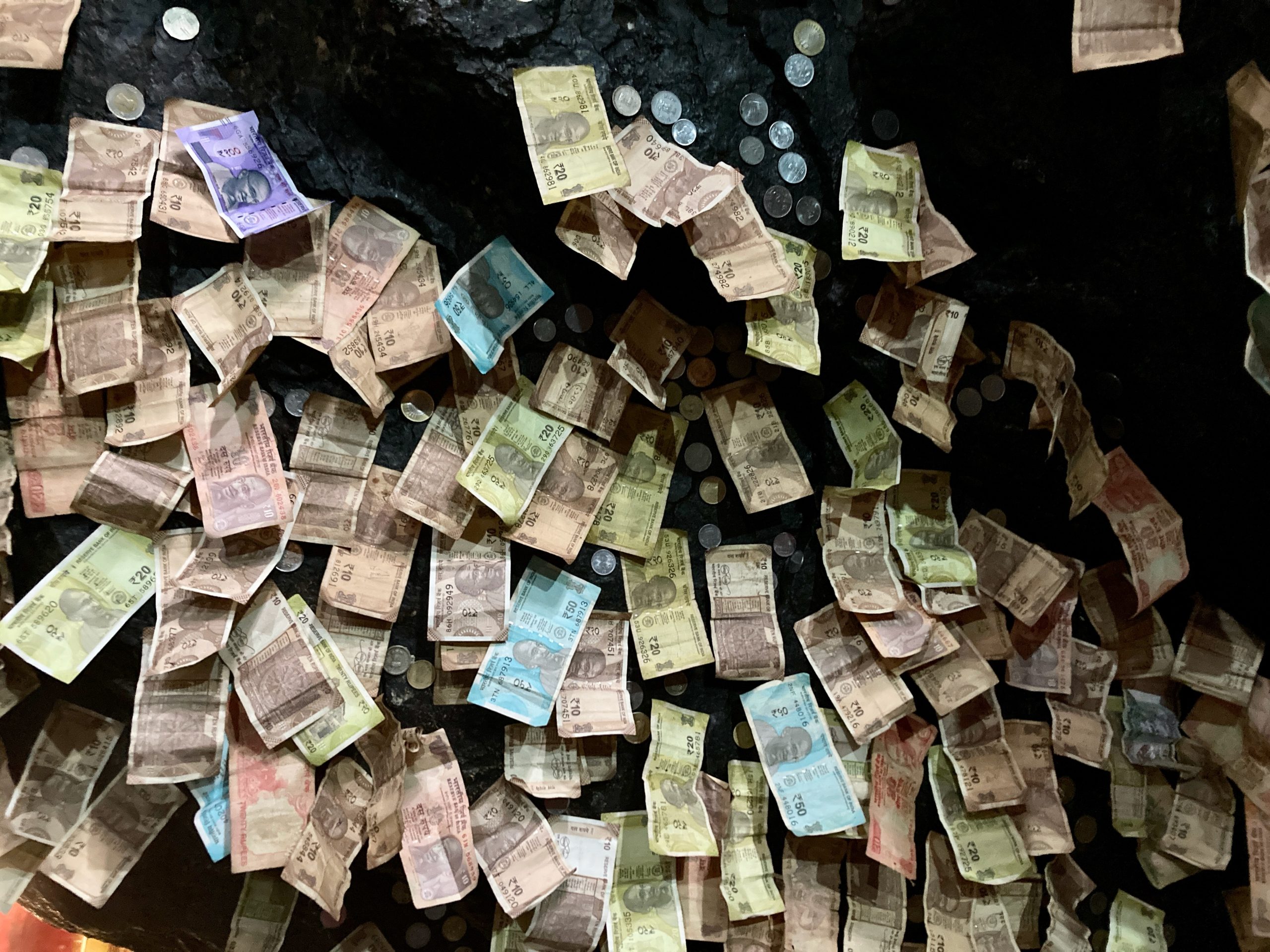
Then we set off for the Gothsang hermitage, and the higher we went, the fewer of us remained. In the end, I was alone with Dolma and two others. The sky had clouded over, but we were still rewarded: first with solitude and the deep quiet that comes as soon as you are truly in the mountains; second, with a herd of blue sheep; and third, with two monks up there and the meditation cave of Lama Gothsang open. The two guests were delighted to have made it. I didn’t take many photos.
 16
16
 17
17
 18
18
 19
19
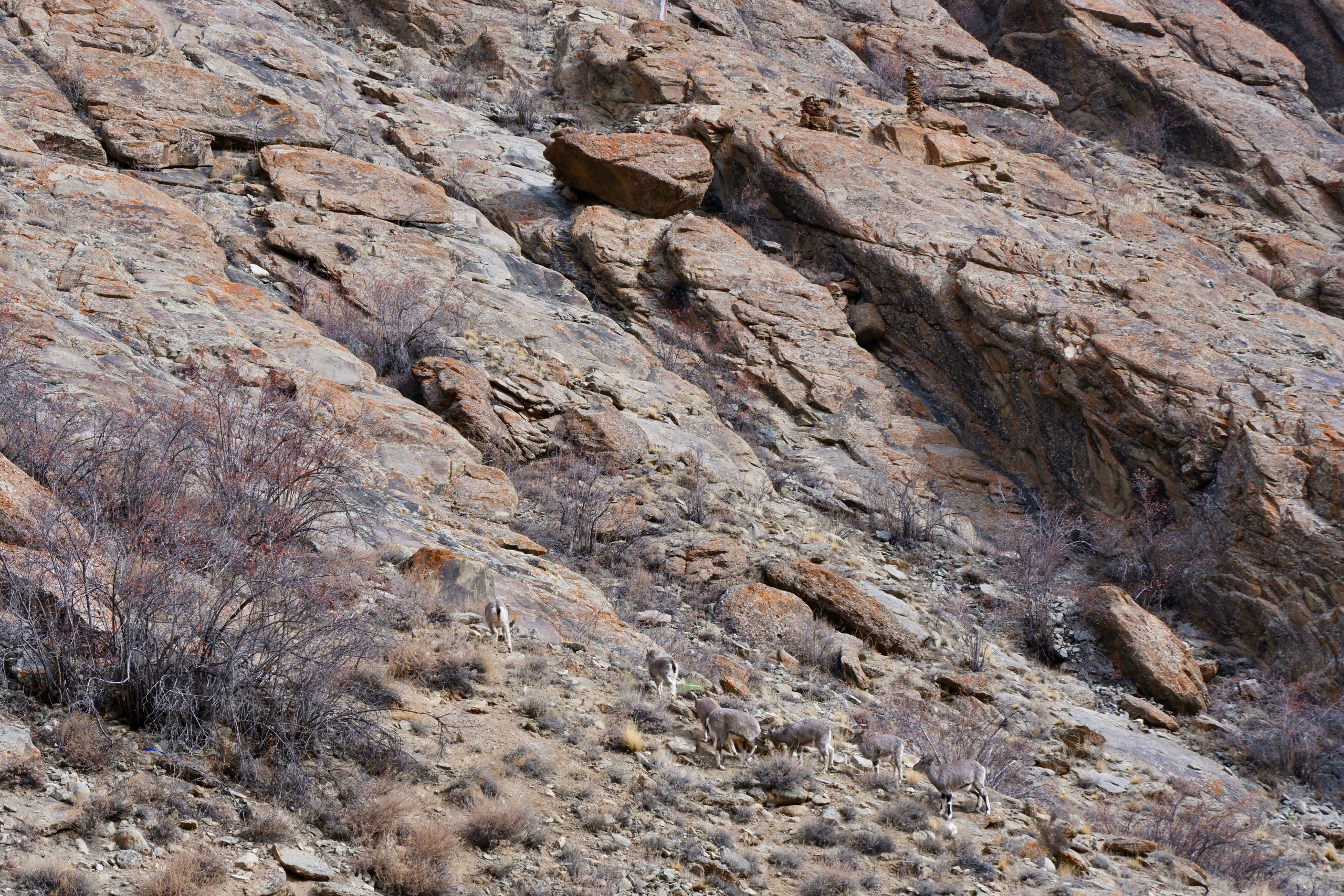 Bluesheep
Now there’s just one highlight from Ladakh still missing – and that will come in the next blog post!