


Mandu – City of Delights
16. + 17. January 2026
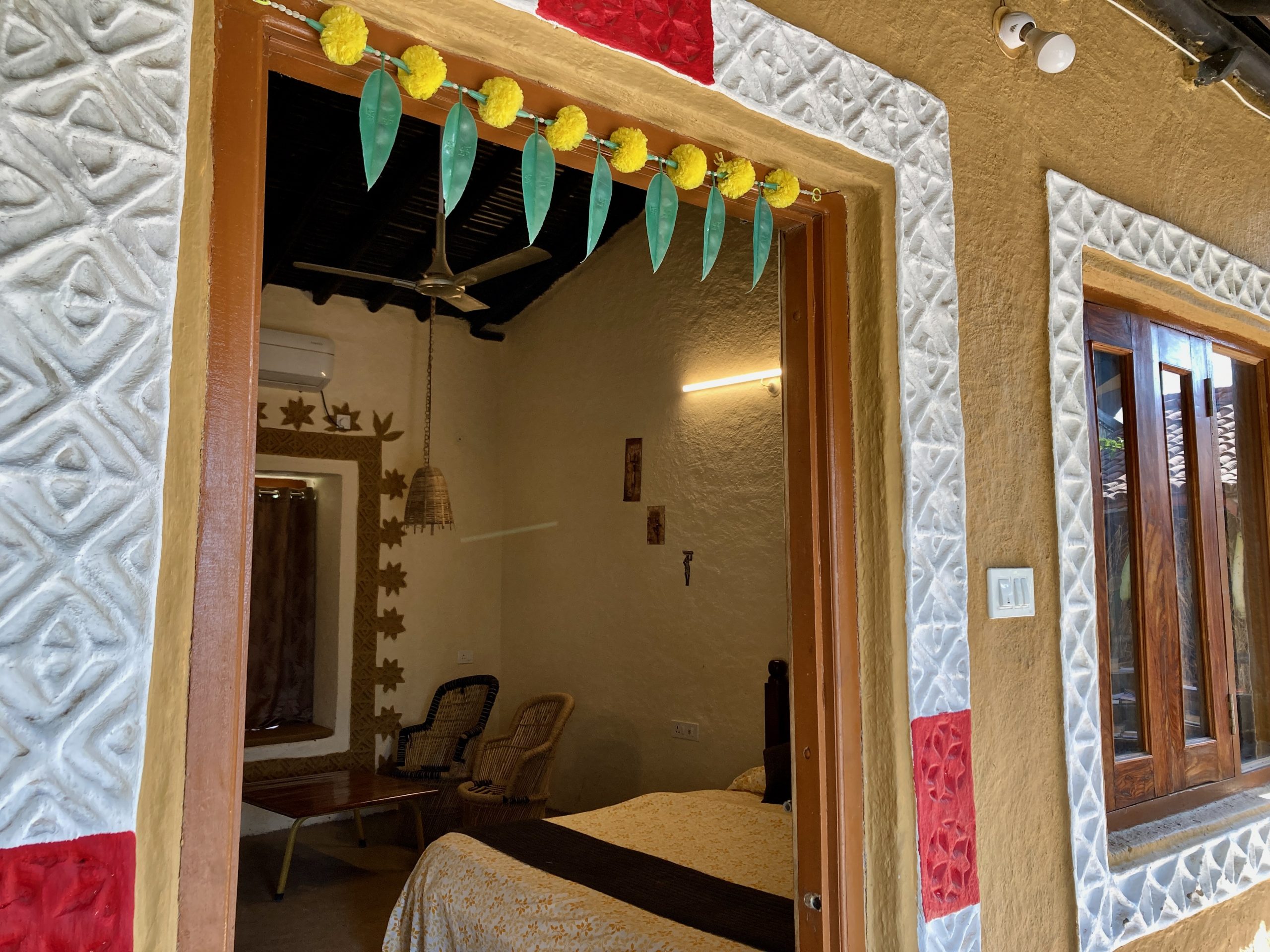
According to Wikipedia, Mandu is also known as the “City of Delights” — and for me, that description fit perfectly. Except that it wasn’t really a city at all, but very rural, which was already a pleasure in itself. I stayed at Krishna’s place, and that was the icing on the cake. Not only were the eight rooms beautifully designed, close to nature yet still comfortable, the food delicious, and the people wonderfully kind — Krishna himself was great too. He belongs to the Bhil tribal community and started out as a waiter at the town’s best resort. After working his way up there, he got the opportunity to run his own small resort together with a strong partner (whom I suspect to be the main investor) from the Khajuraho area. They’ve been at it for two years now, and he is absolutely delighted to be his own boss. There were various little details I really liked — for example, guests were encouraged to do certain things to earn a 5% discount: shoot a video and share it on social media, read books, play games (there was a table with a selection of board games), and several other activities. I really like it when people come up with ideas like that.
Krishna is 38, has an arranged marriage and four children. He also has a scooter and offered to drive me around the next day. I had originally planned to walk, but I ended up accepting — and it was the best decision I could have made! (He also asked for far too little money for it; of course I gave him more.) But first things first. And here is a photo of him:
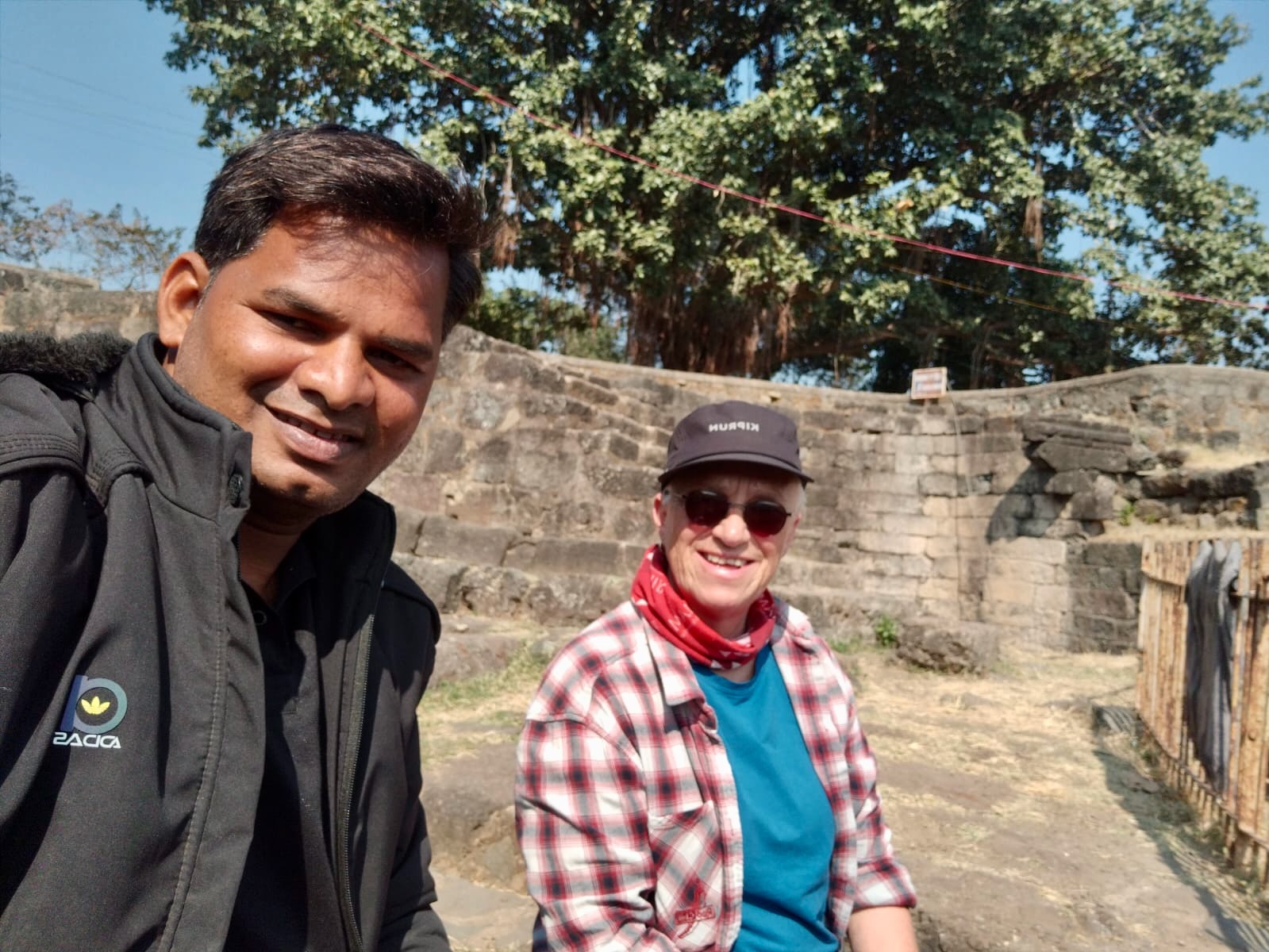 Krishna + me
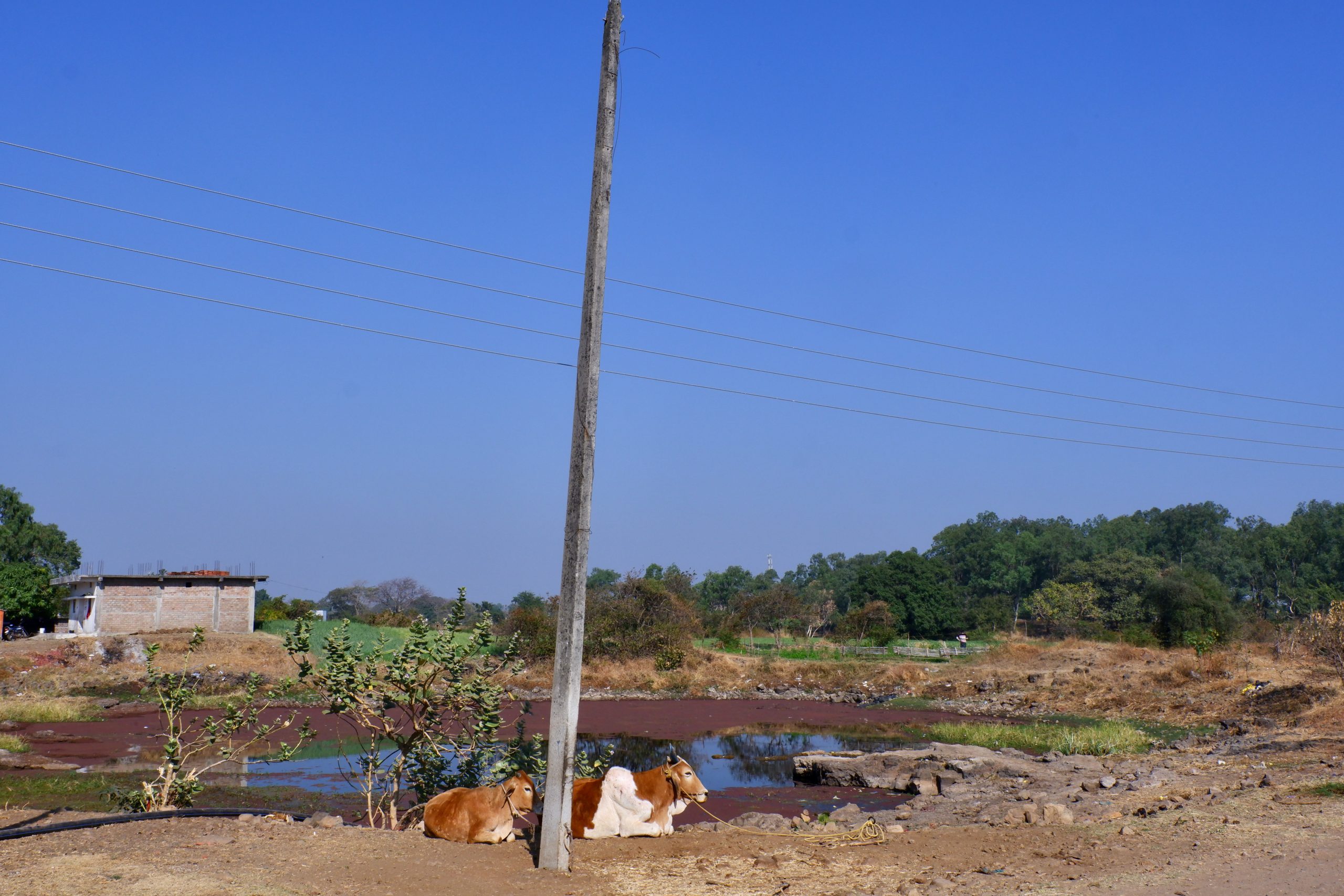
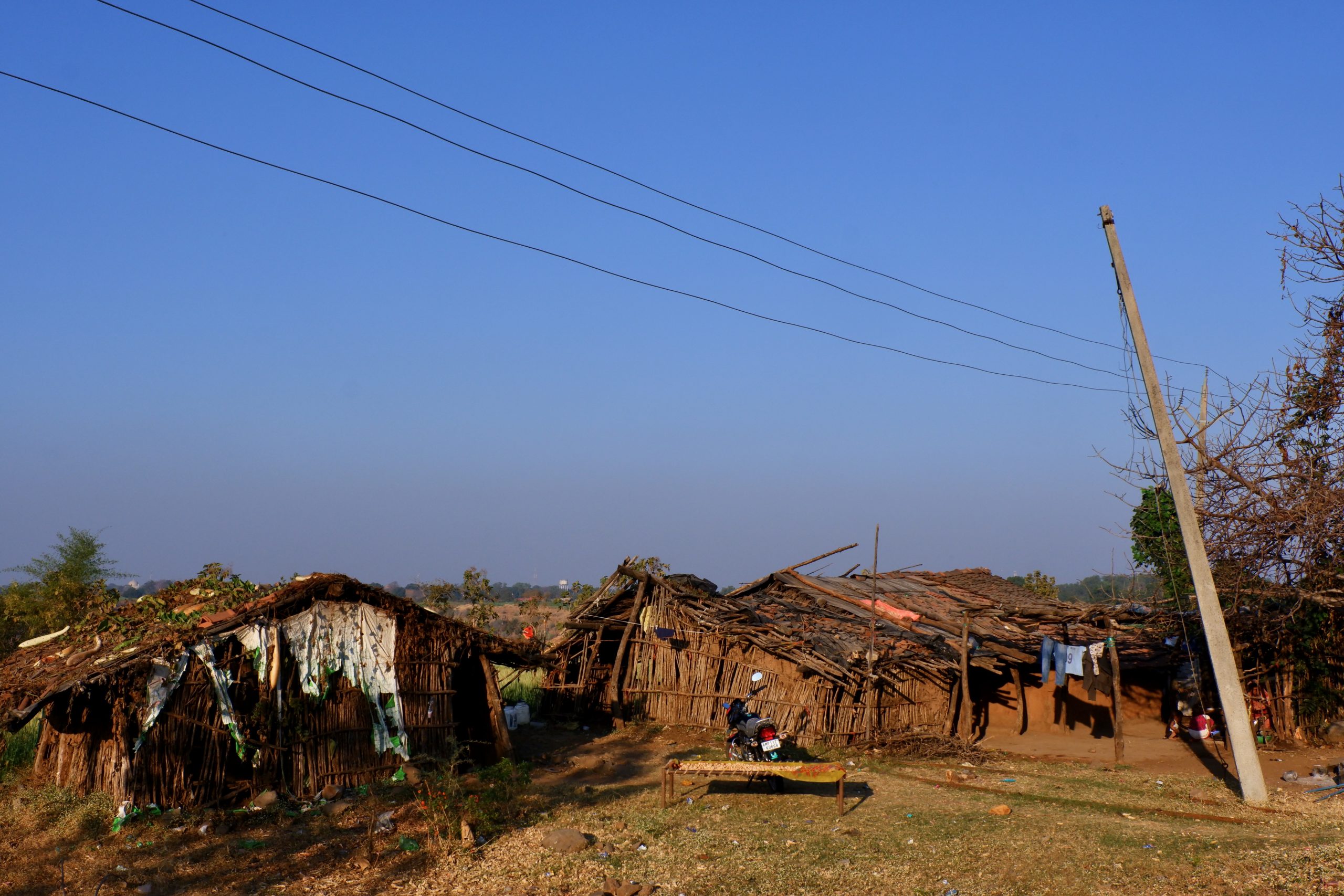
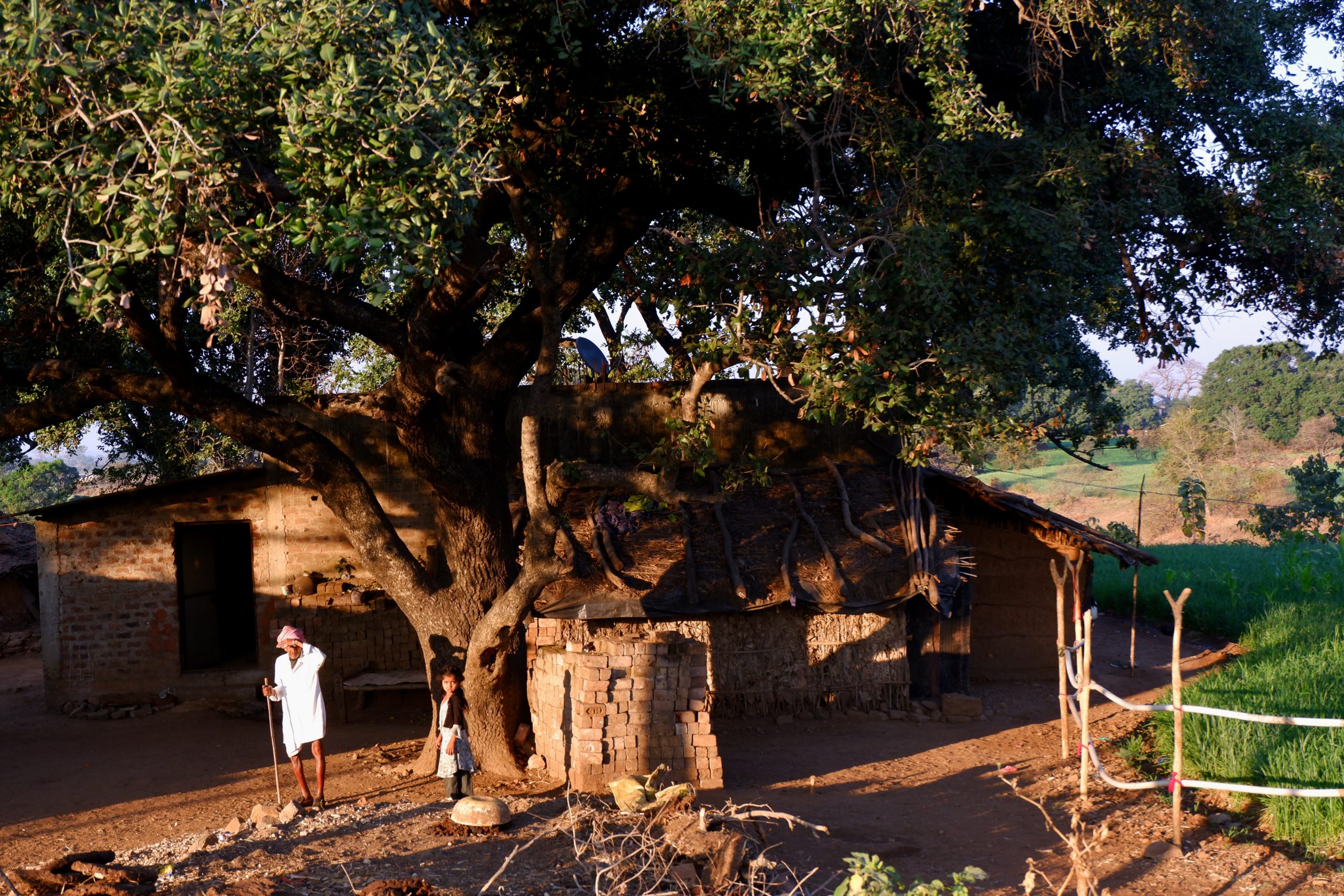
I arrived around midday, and after a short break I set off on foot. I passed many small homesteads, was waved at by children, and caught my first glimpse of the truly beautiful landscape. I was in the mountains!
 1
1
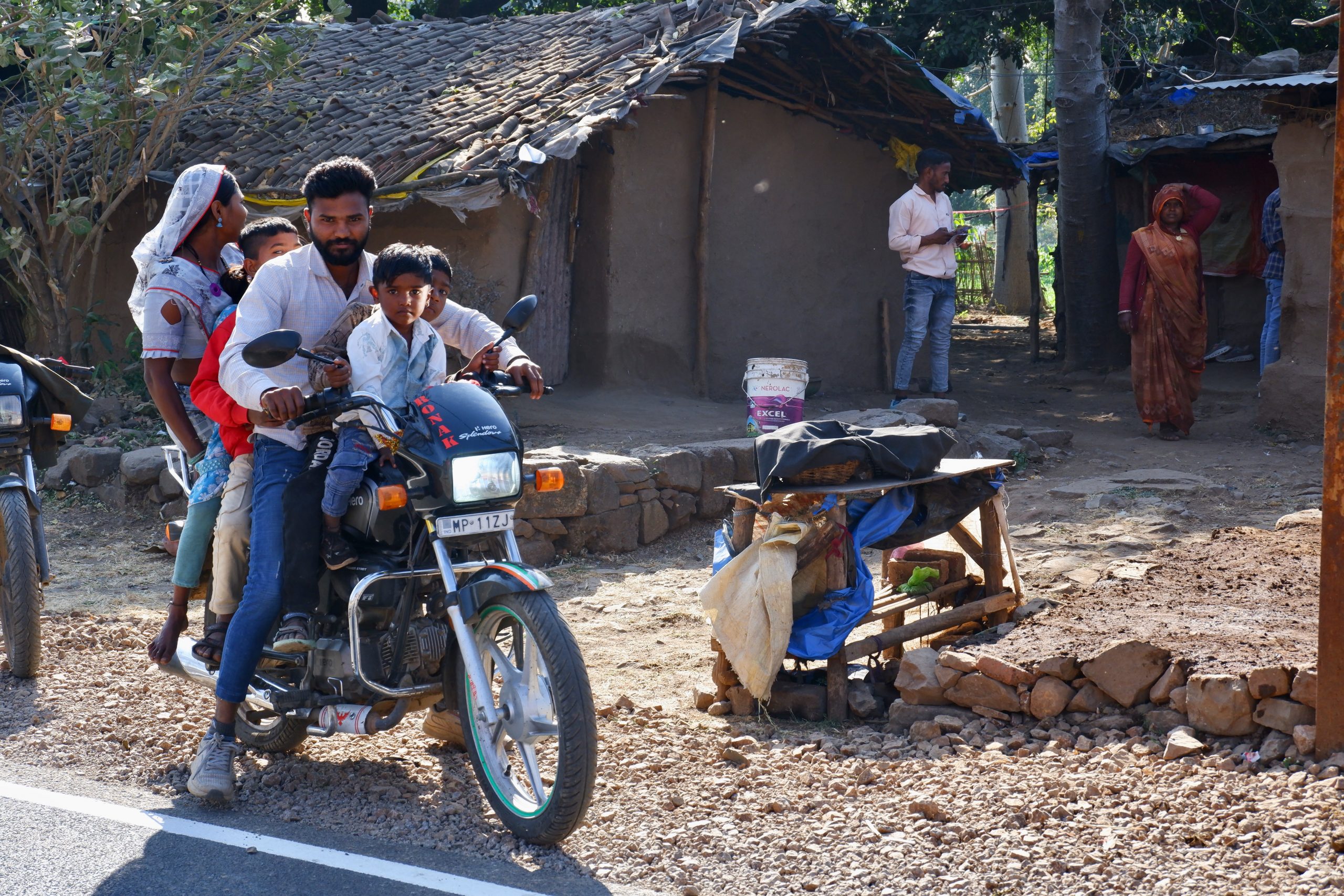 2 (it were 6! on this bike, a small one is hidden)
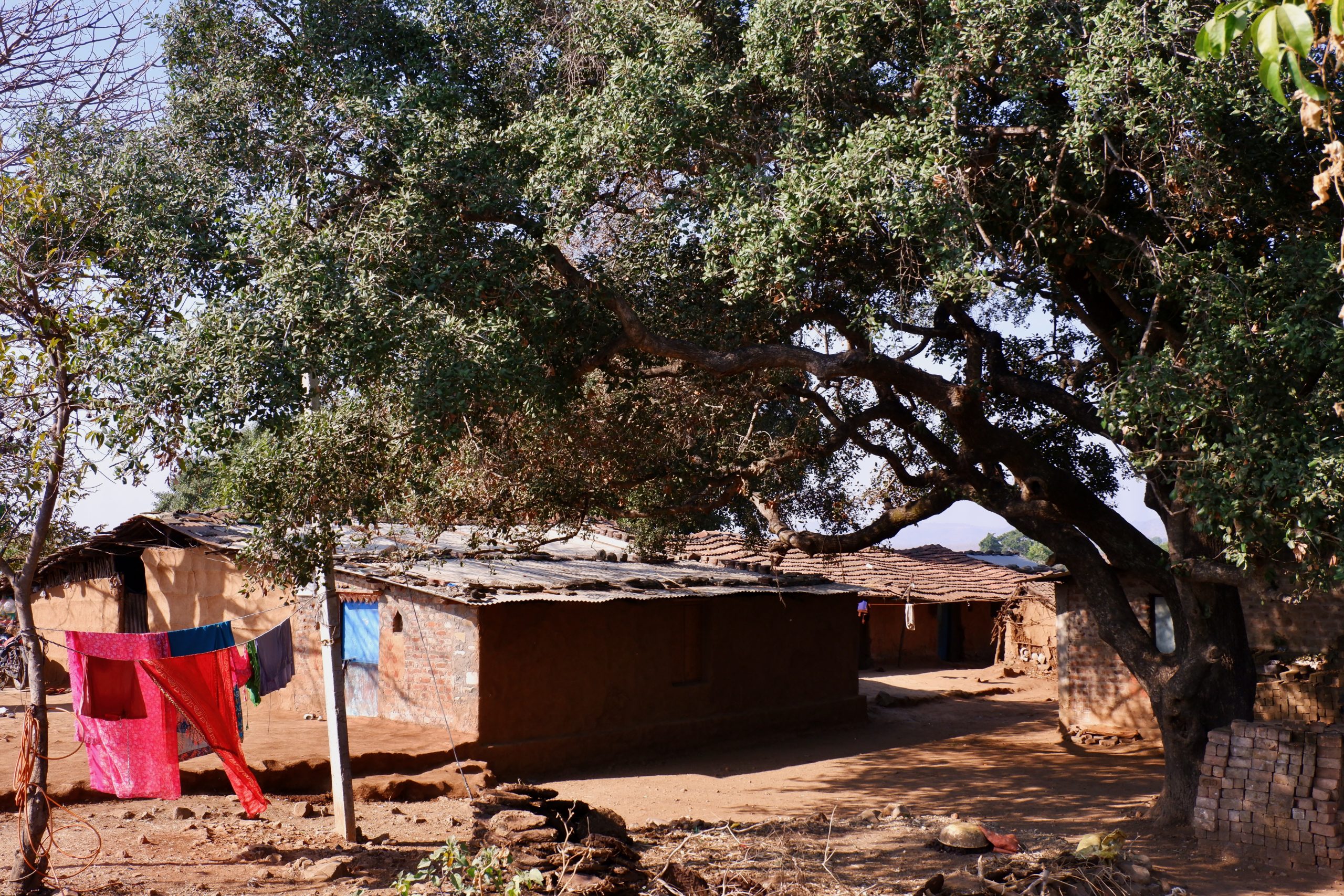 3
3
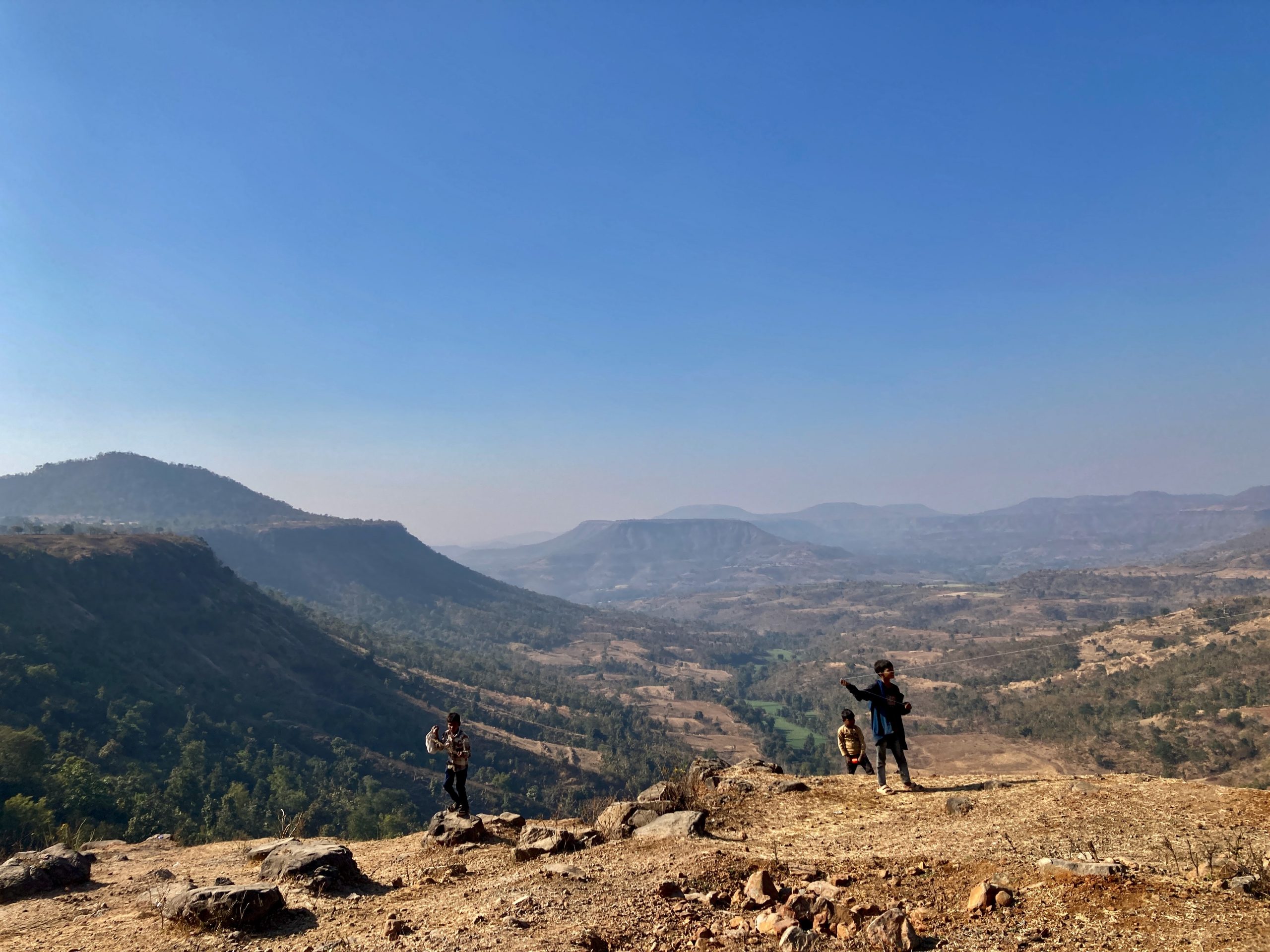 4
4
My first destination was a famous temple, beautifully located. But there was a problem: monkeys. And they were a bit more aggressive, sometimes even going at people. I only walked around in groups of other visitors and didn’t take many photos. You had to go a bit downhill; fortunately there were no monkeys right there — only on the way down and higher up.
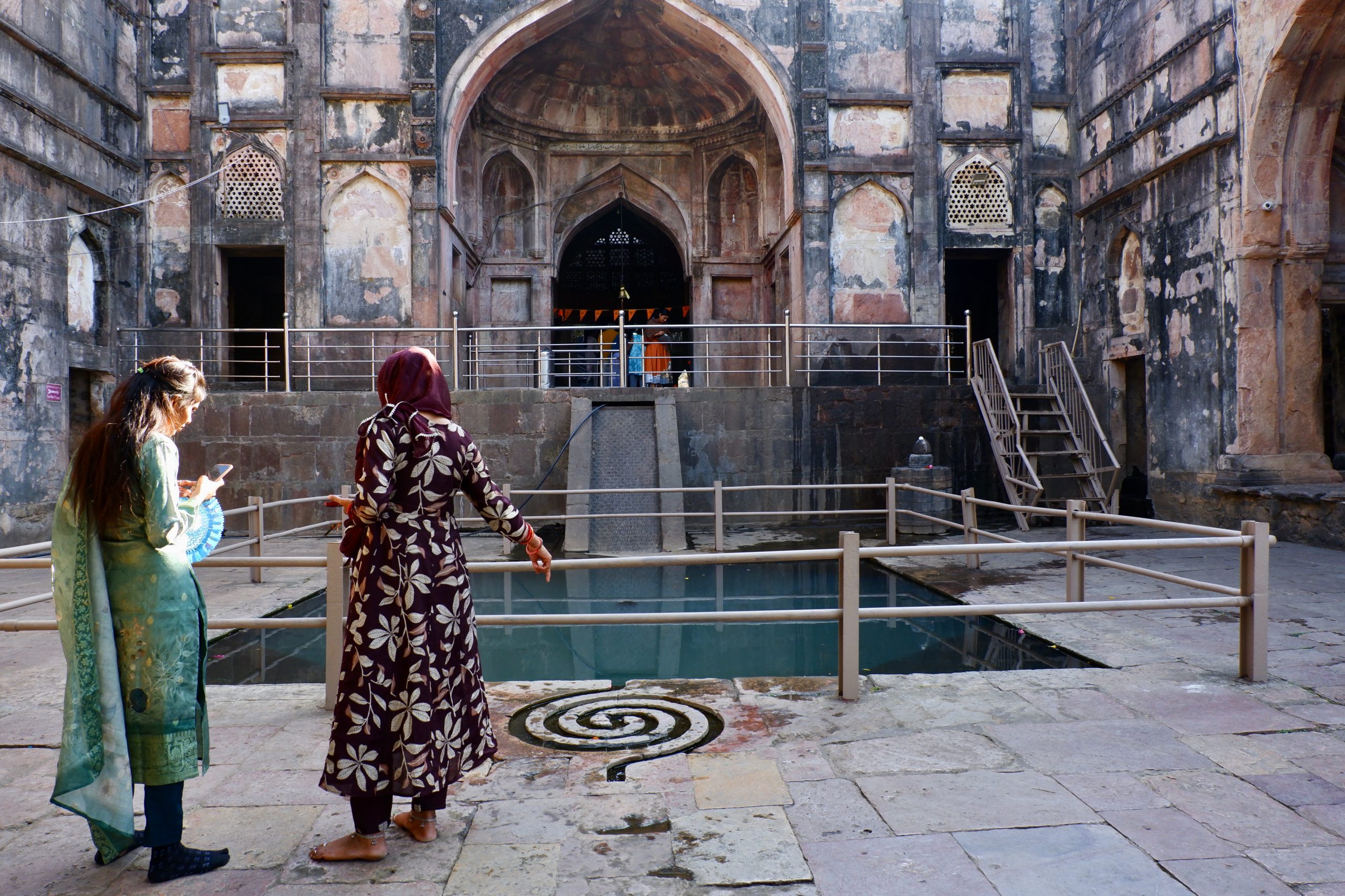 5
5
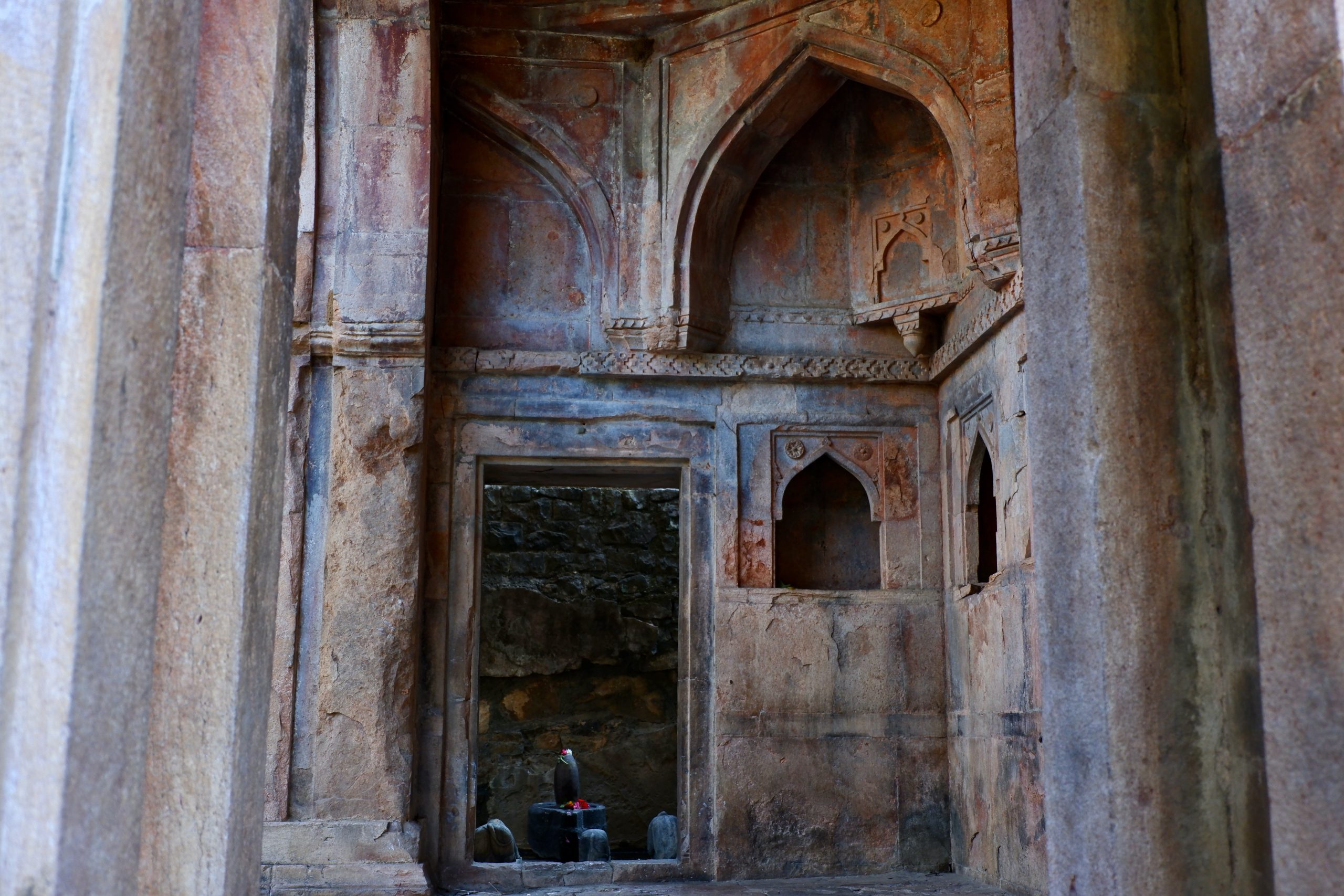 6
6
I then rather quickly slipped away again and continued on. My next destination was the ruins of Somgarh Fort. They weren’t particularly spectacular, but quite nice.
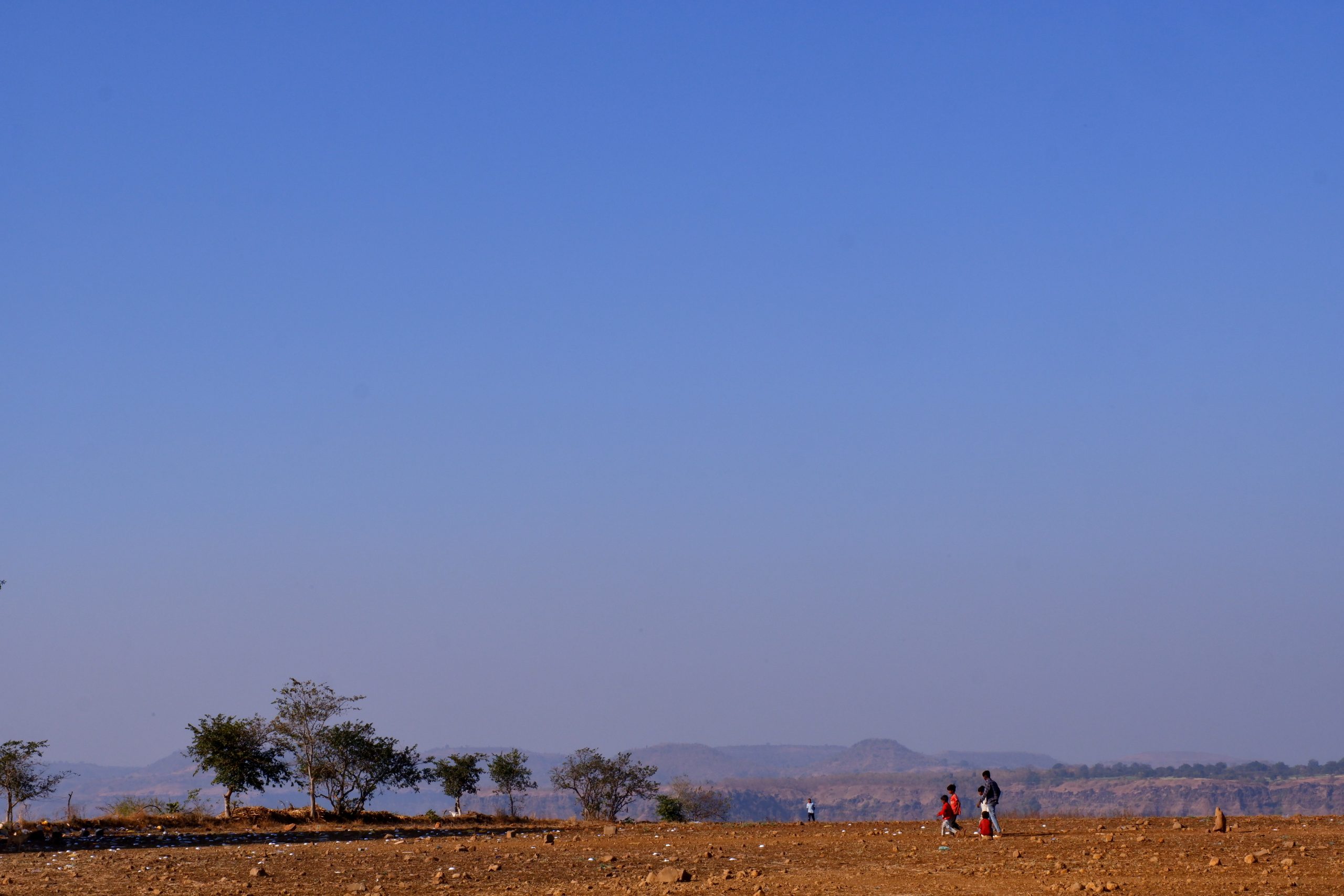 7
7
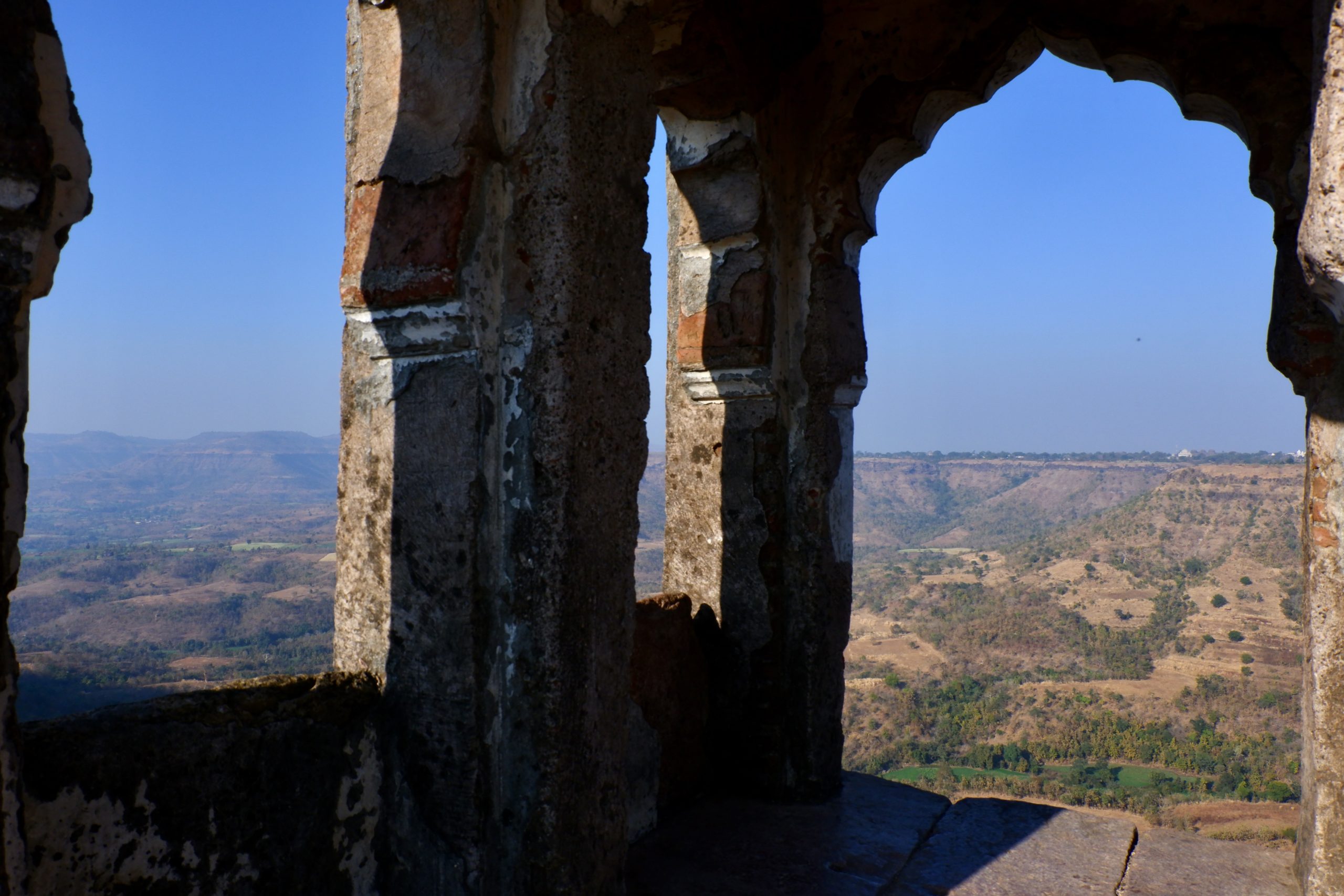 8
8
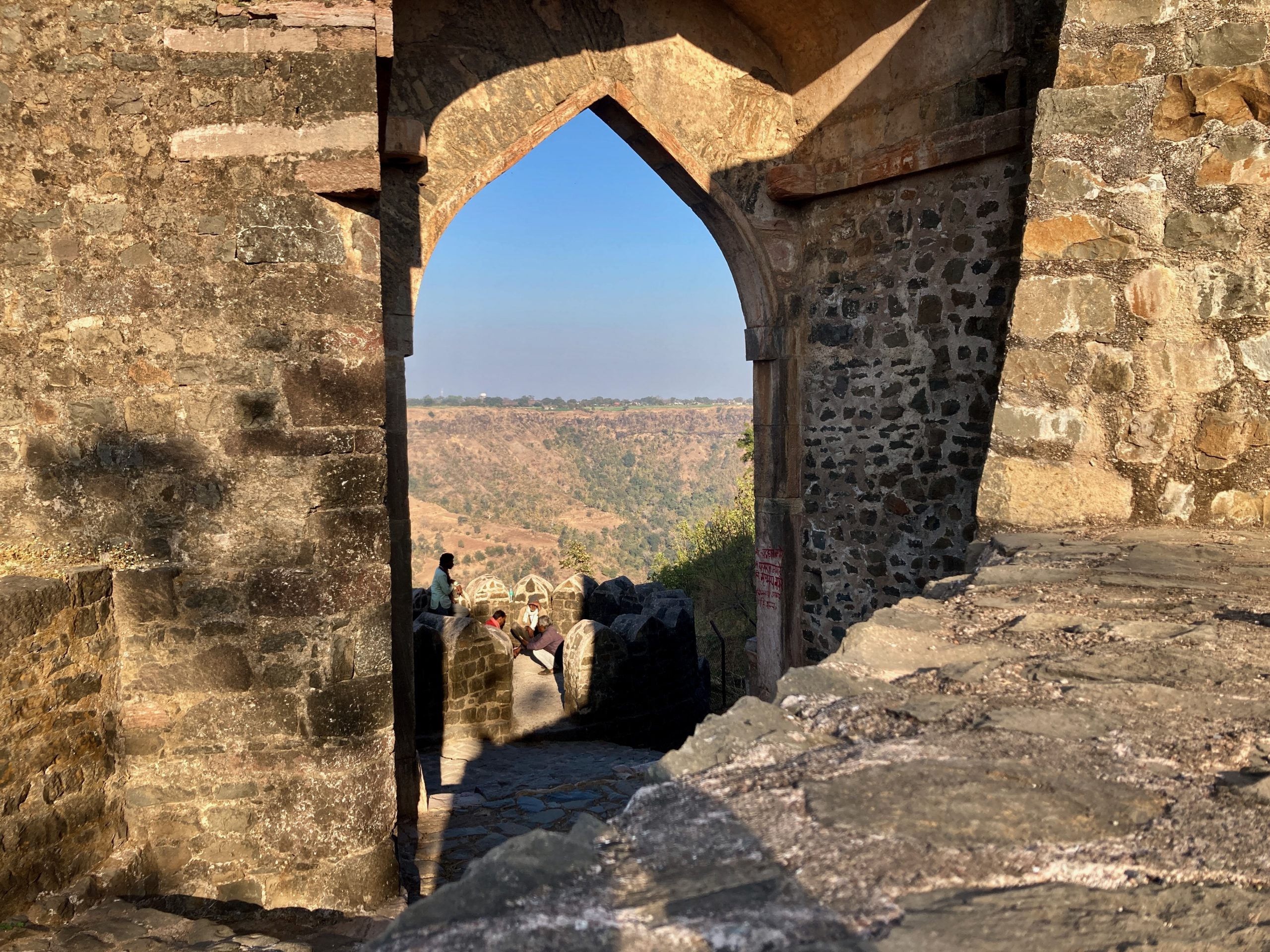 9
9
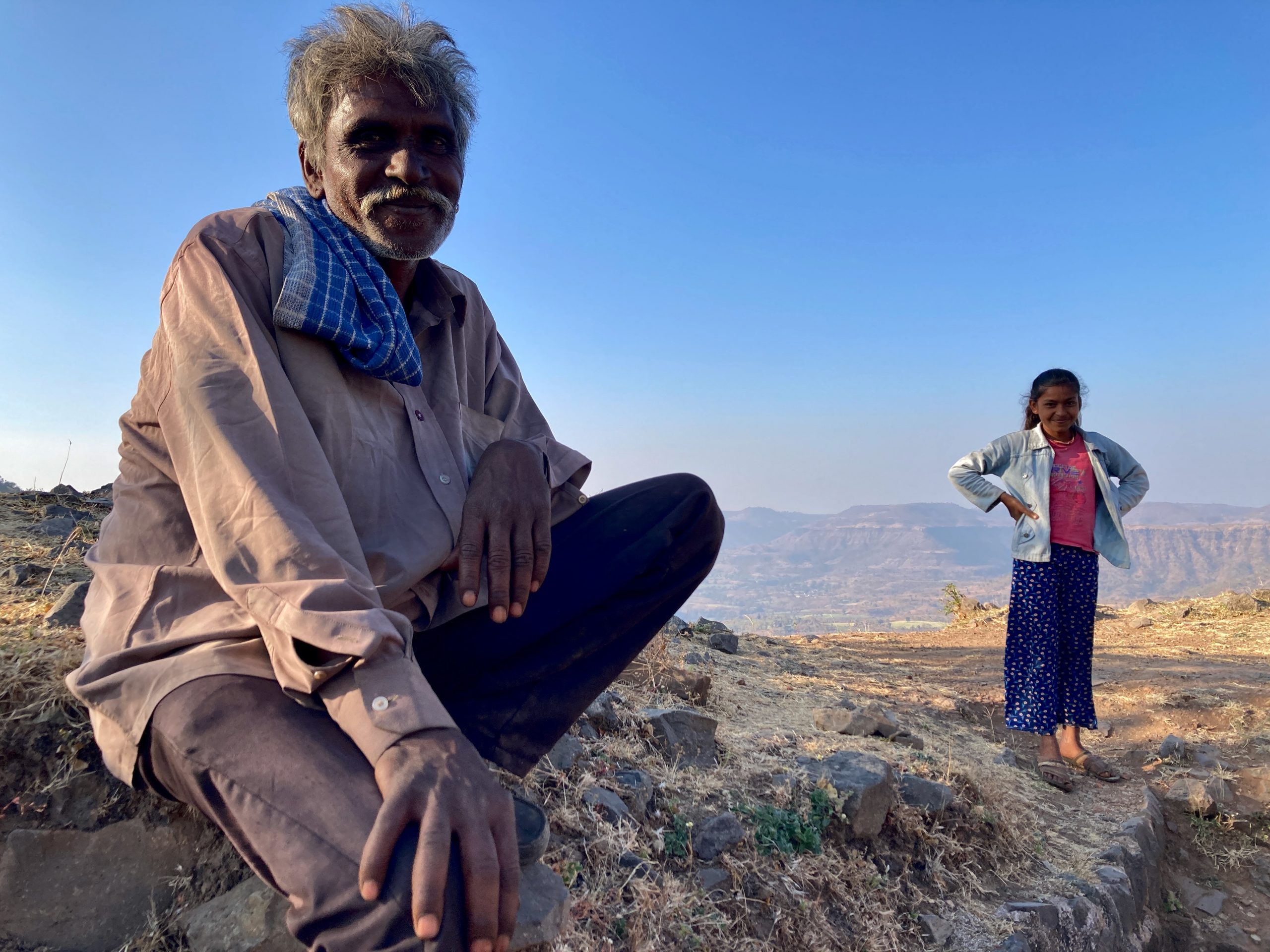
What was interesting was a small group of men who had gathered to smoke a chillum. And when I took a break and was chatting on my phone, a man came up and stared over my shoulder. I took a photo of him.
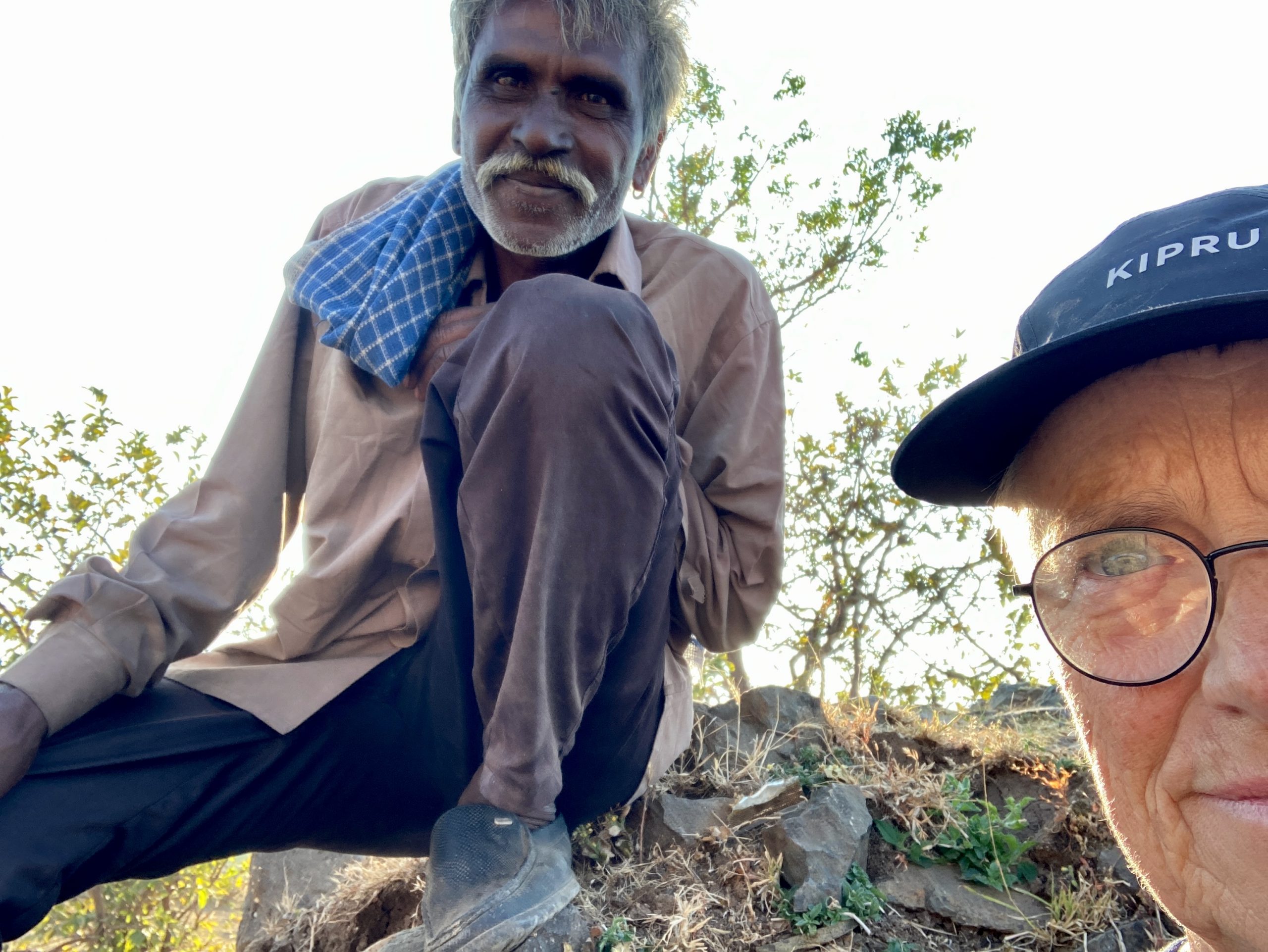 10
10
 11
11
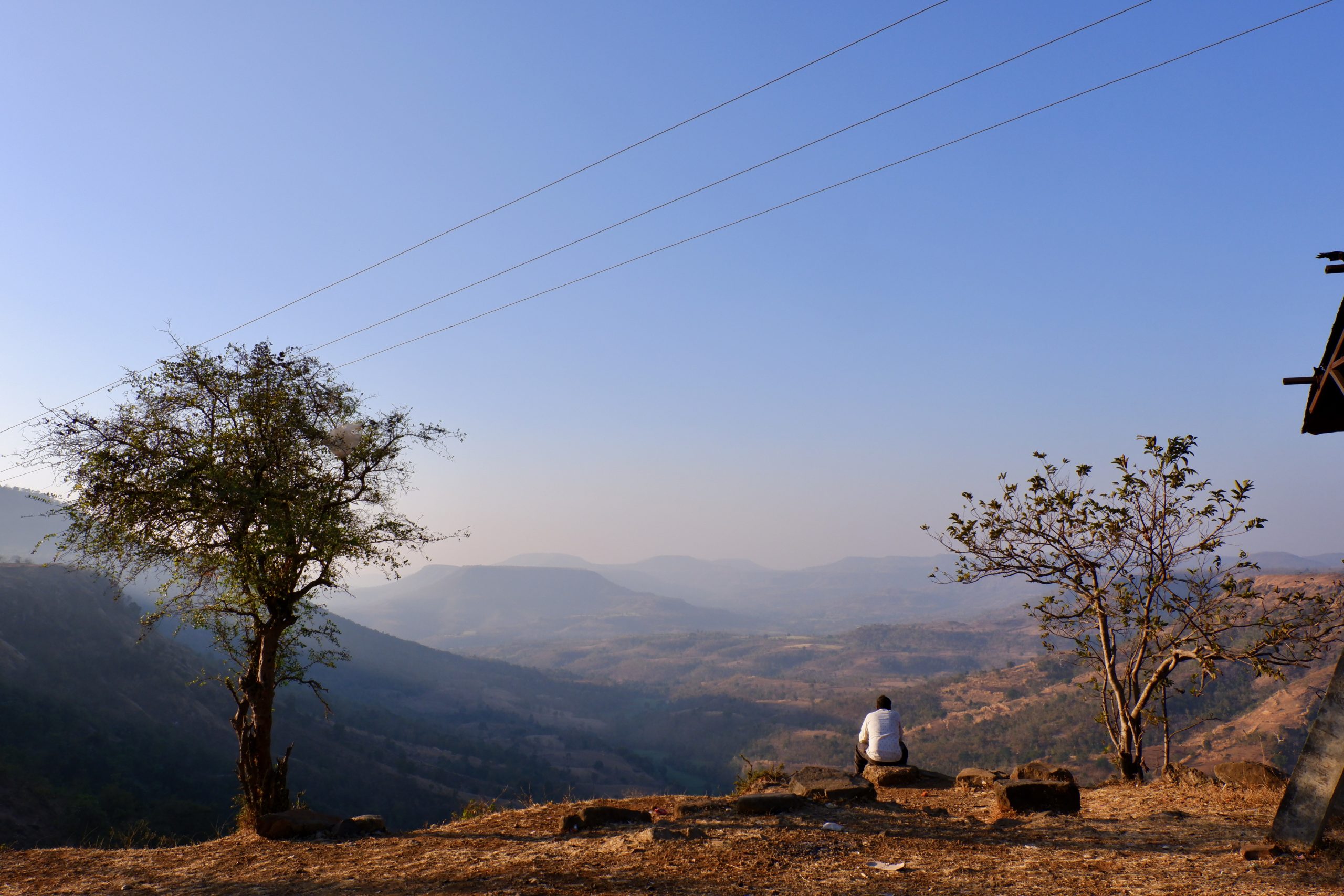
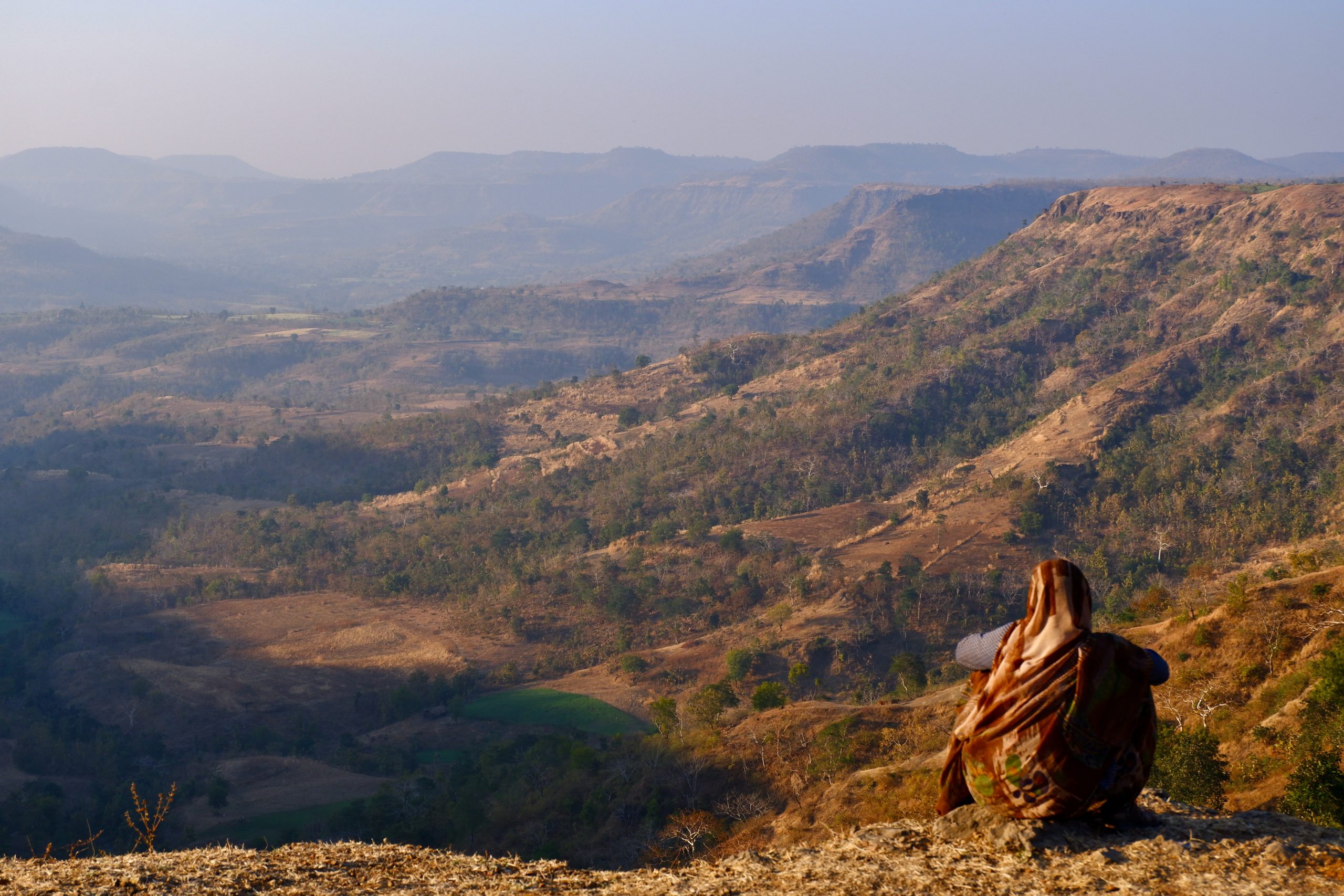
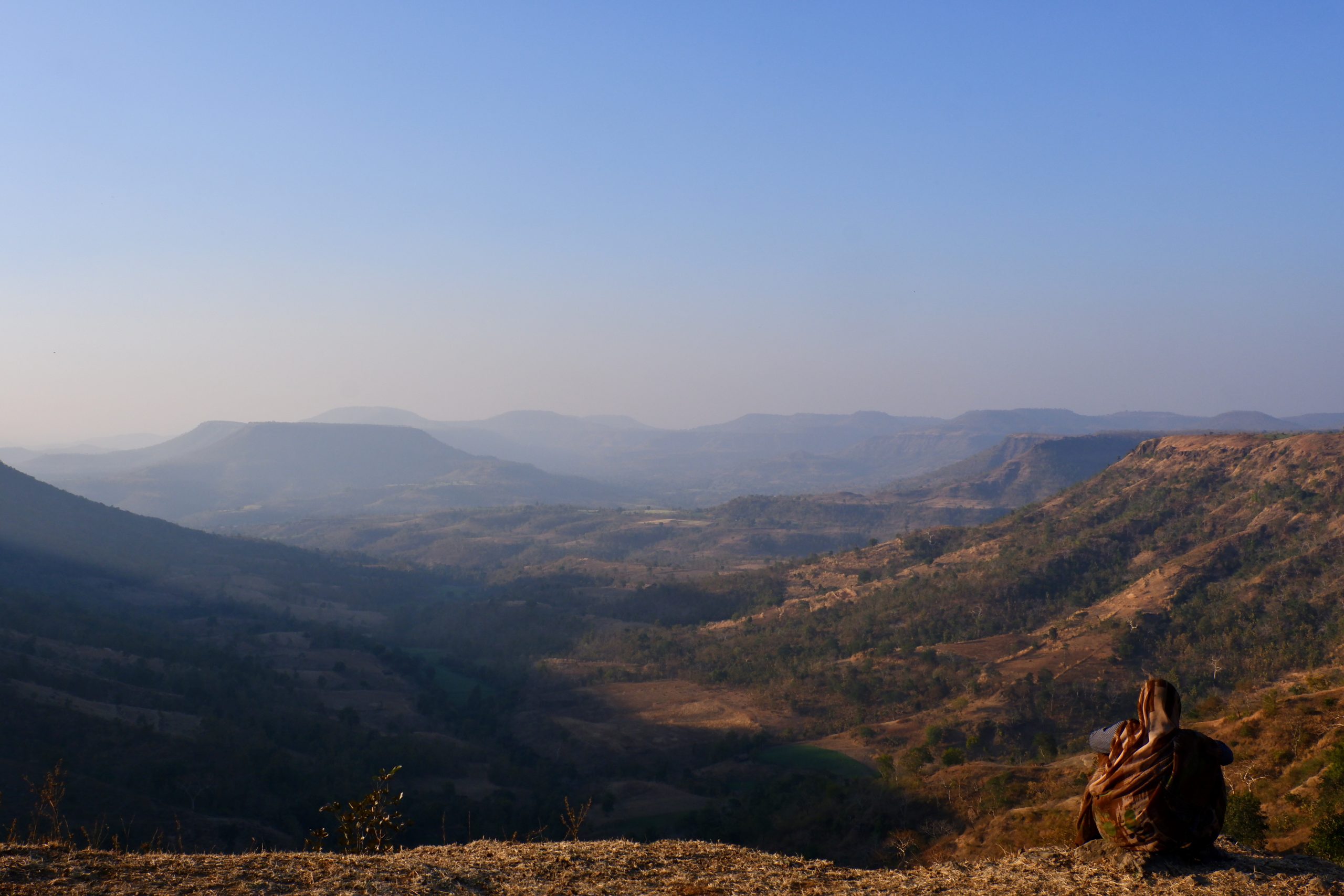
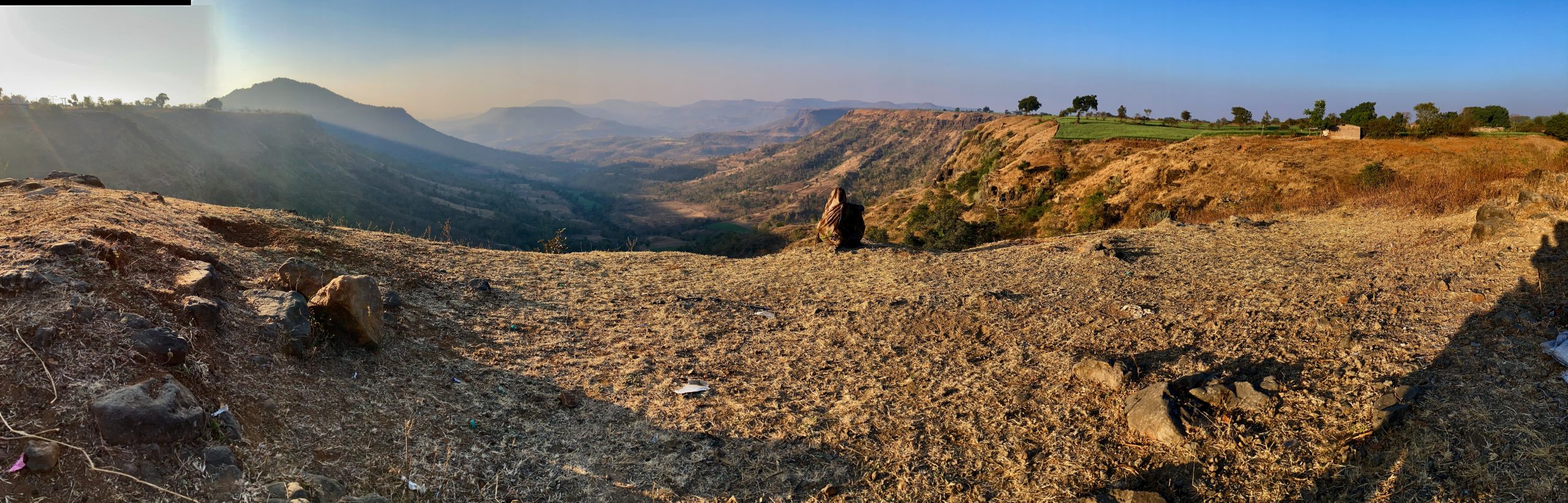
Then I went back to the beautiful viewpoint, where a woman had been sitting so nicely.
 12
12
 13
13
 14
14
 15
15
And then I walked back to my accommodation, happy to still have a whole extra day ahead of me!
 16
16
 17
17
I had really enjoyed walking and wanted to continue doing so. But then there was the bike offer. I thought I might do half and half, but right from the start the tour with Krishna was so rewarding that I ended up spending the entire day with him.
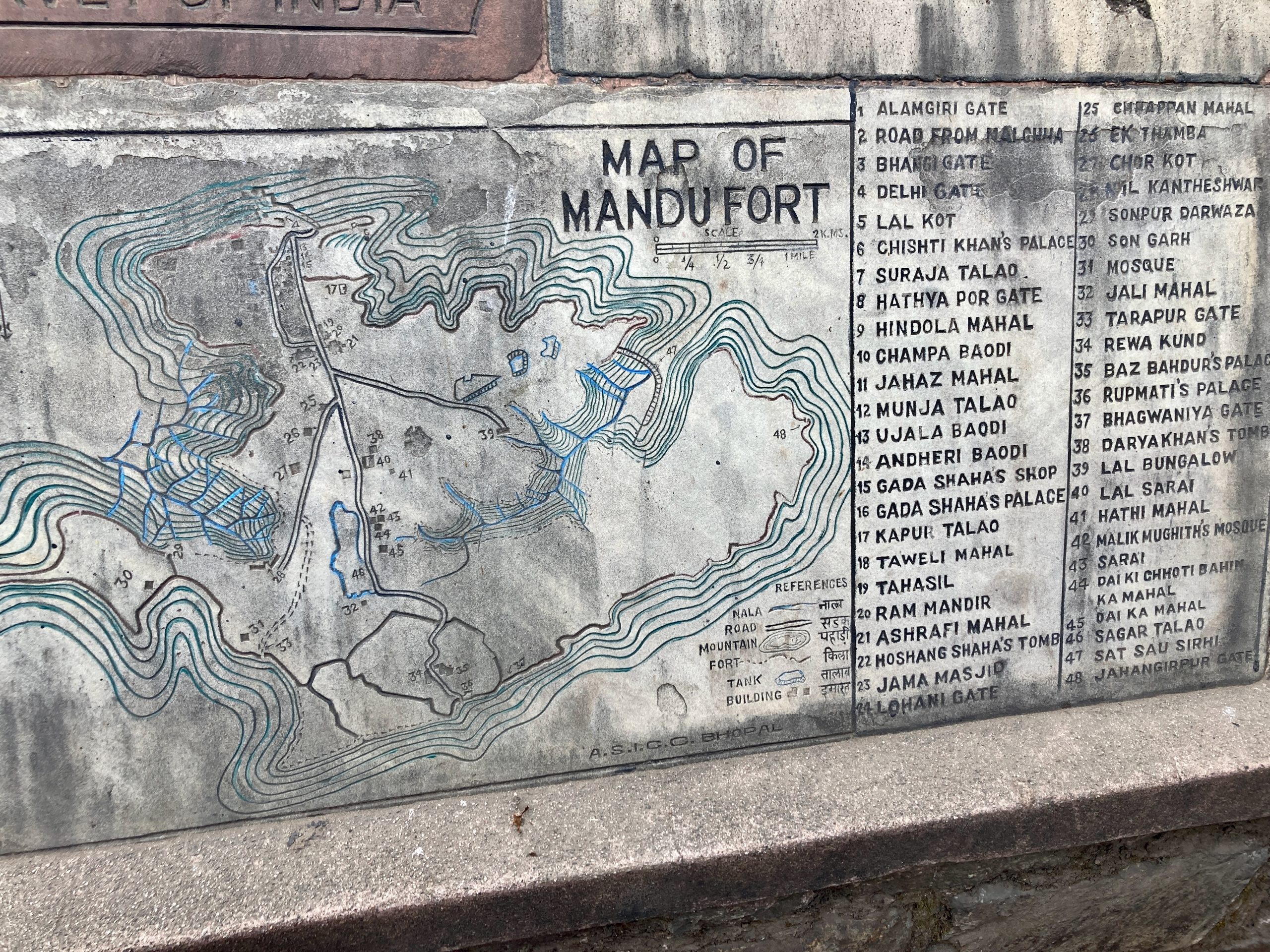
Mandu is a city of ruins. In the 15th century it was founded as the new capital by the rulers of the Malwa Sultanate. A governor had broken away from the Tughluq dynasty and started his own line; it was his son who founded Mandu. He was later replaced by a conqueror, and overall the history is confusing (sources contradict one another), often unpleasant too, with numerous murders within the family and the expansion of vast harems. Eventually, rule from Mandu came to an end. It was first used as a summer residence and later abandoned altogether, becoming a city of ruins. This happened in the 16th century.
Today there are at least 48 fascinating ruined structures. And Krishna showed me quite a few things I would never have found on my own. Here is an overview map:
 map
map
First we drove to the caves of Lohar. There it was very beautiful:
 1
1
 2
2
 3
3
 4
4
 5
5
 6
6
 7
7
After that we went outside the area to a waterfall, which only flows during the monsoon and shortly afterwards. Even without the waterfall, the landscape and rock faces were still impressive — though not easy to photograph.
 8
8
 9
9
 10
10
What I found most fascinating was a cave that housed a temple, where you had to wade through water to reach the sanctuary.
 11 (The cave is located on the right-hand side of the slope, more or less built into the hillside)
 12 (sanctuary)
there was also an underground well one could walk into:
 13
13
Then we had been to a ruin where the gras was burning:
 14 (the black is the still burning gras)
 15
15
Very exciting I thought was this deep step well:
 16
16
 17
17
 18
18
Next to it was a ruined market hall that actually reminded me more of church ruins. But there were niches for the shops.
 19
19
 20
20
 21
21
 22
22
The great thing was: apart from the “waterfall,” we were always alone (except for a few locals who were sitting around drinking or leading their goats or doing similar things). It really felt like a discovery tour. After lunch, things changed, because we went to the well-known monuments. Each one required an entrance fee, which would have added up quickly, so I skipped some of them. The Jahaz Mahal, the so-called Ship Palace, was very crowded because it was built between two lakes like a ship. It was a Saturday and many school groups were out and about.
 23
23
 24
24
 25
25
Also around there was more going on.
 26
26
Empty was instead this big old also payable mosque.
 27
27
 28
28
 29
29
Then there were more ruins with more people, but I can’t really remember exactly what they were. It was still a lot of fun to look around. One site was especially popular for pre-wedding photography; there were several couples with photographers gathered there.
 30
30
 31
31
 32
32
 33
33
 34
34
 35
35
 36
36
 37
37
In theory, a palace ruin is considered the best spot for evening atmosphere, but by then I was too tired and too stingy. Instead, I got a nice view over the lake and the town, which stretches for about six kilometers.
 38
38
And there was a spot with the deity Behria (also called Bhairav in some places), a very wrathful and powerful form of Shiva:
 39
39
I was completely fulfilled and delighted by this day (it doesn’t quite come across in the photos). And at the end I still had to eat the local specialty: Dal Paniye — a dumpling made from cornmeal and lentils — very nourishing and heavy. A typical everyday meal (here served as an expanded thali).
 40
40
I could have stayed longer and continued hiking around the landscape. But my tour plan was already arranged, and I still had to experience more of the variety that Madhya Pradesh has to offer.