


Mandu -> Ujjain – The Fire is Burning
18. January 2026
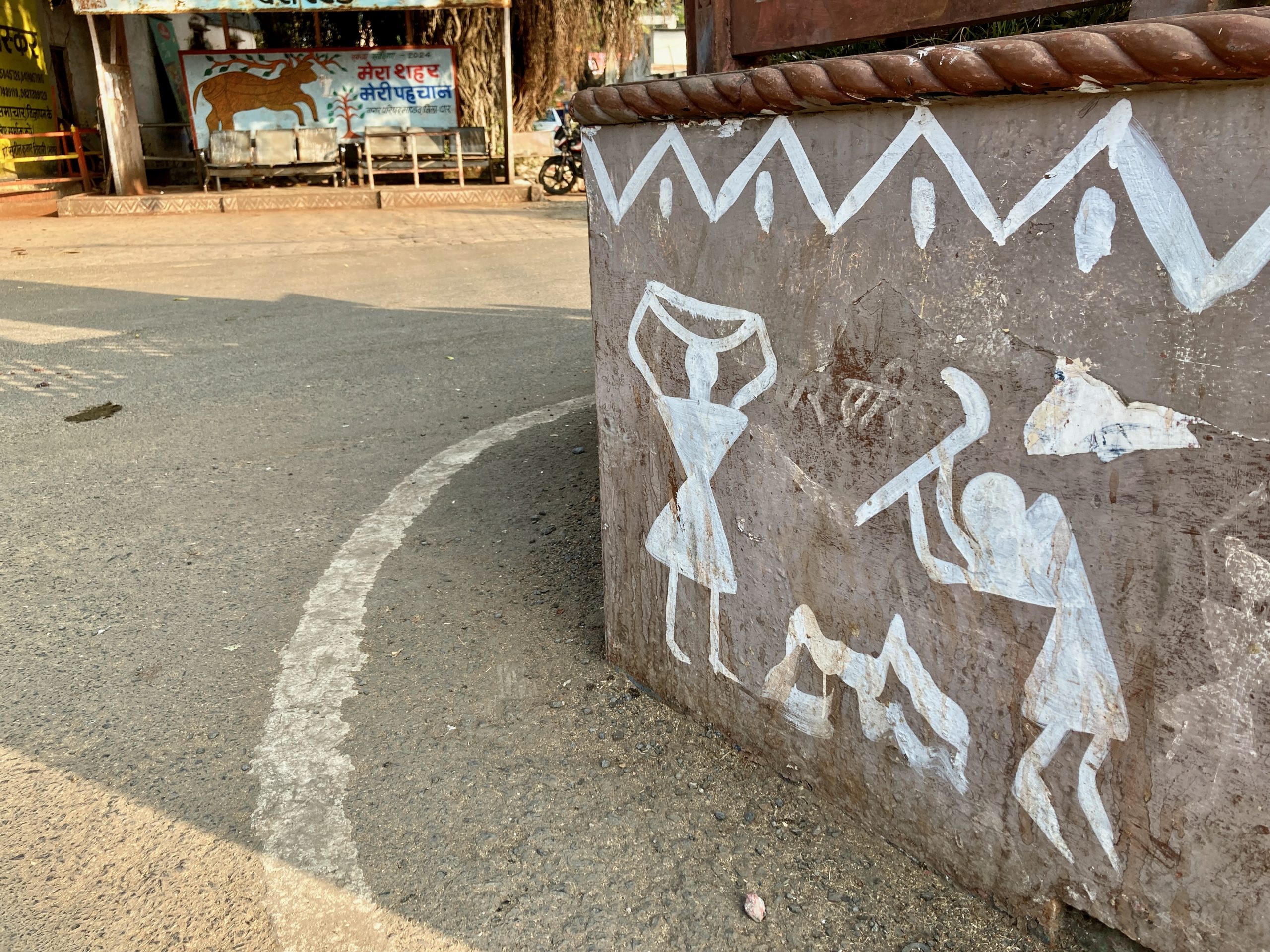
Krishna was kind enough to take me to the bus, which departed almost immediately and even went directly to Indore, where I had to change. I’ve already mentioned that India has carried out beautification campaigns using wall paintings — and Mandu is no exception. Here, not only public walls but also private houses have been decorated with Warli art. I really love this style of drawing: with just a few lines and two triangles, figures can be depicted wonderfully — and 80–90% of them are female. This art form originates from tribal communities in Maharashtra and is now being painted on walls in various parts of India. I do find it a bit odd to see it in Mandu, which is in Madhya Pradesh — especially since there are plenty of local wall-painting traditions that could be highlighted instead. But still, it’s better than nothing!
I hadn’t taken any photos of it before — but now!
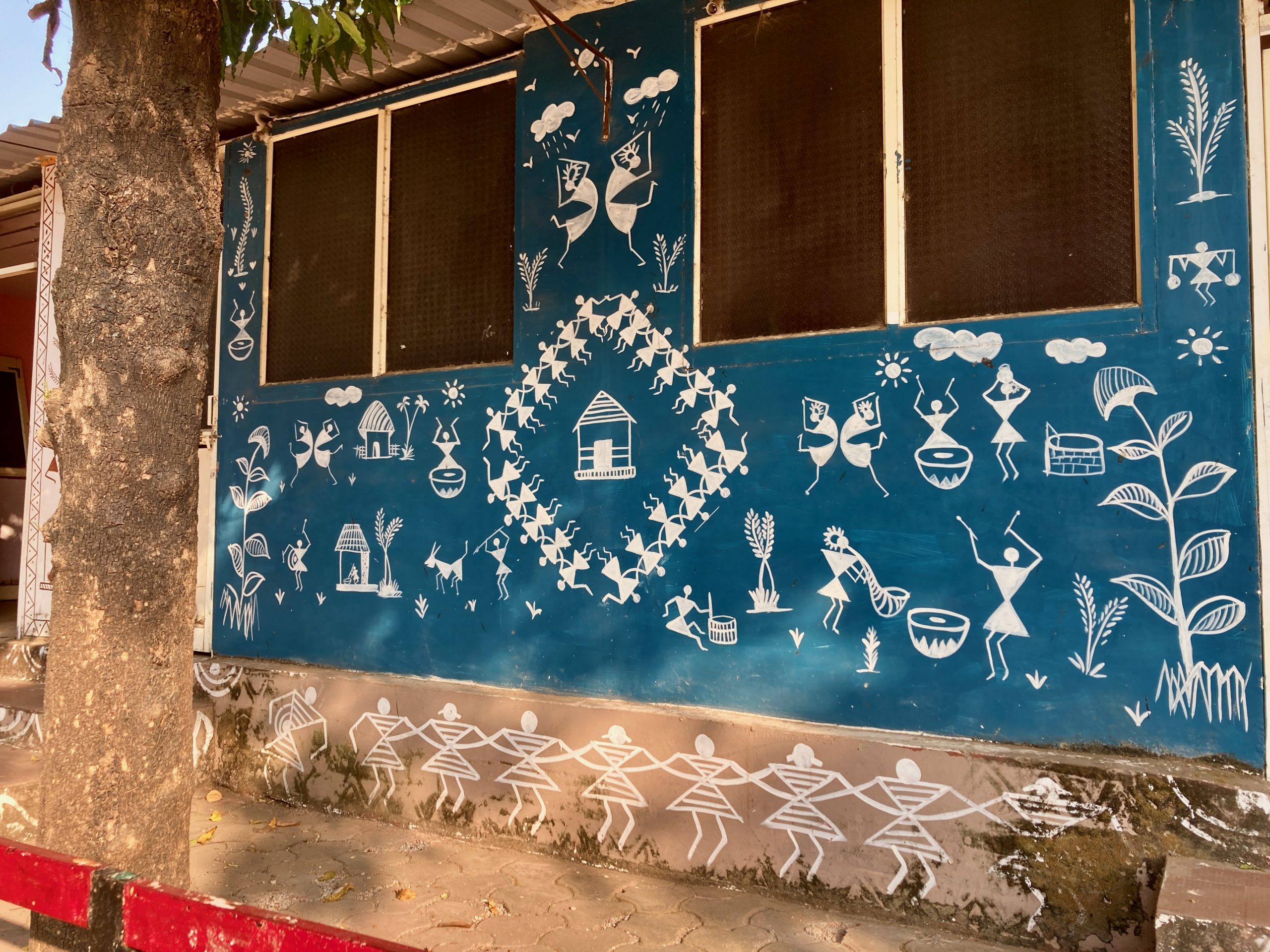 Warli Art
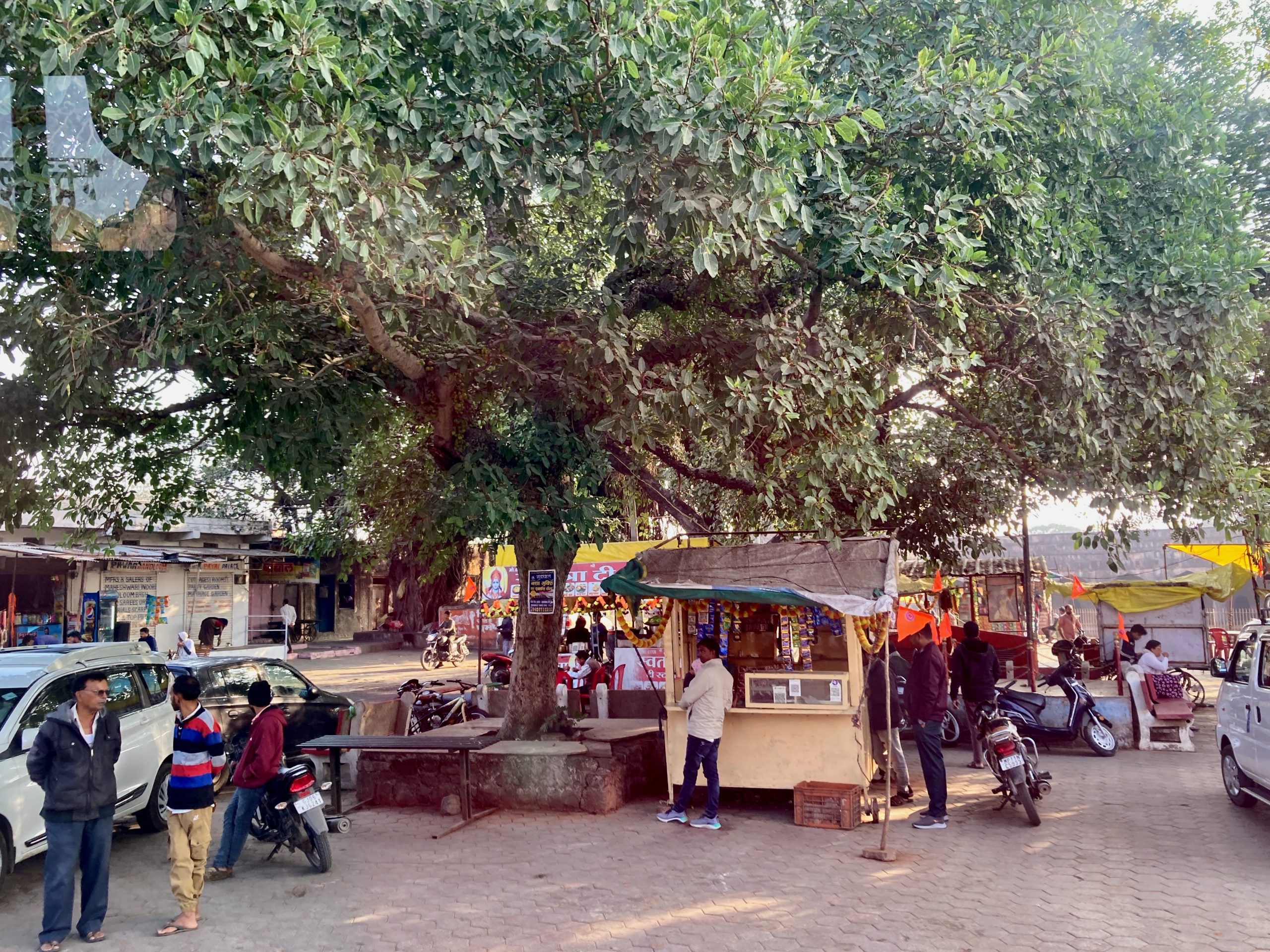
From the bus one had a nice view to the market:
 1
1
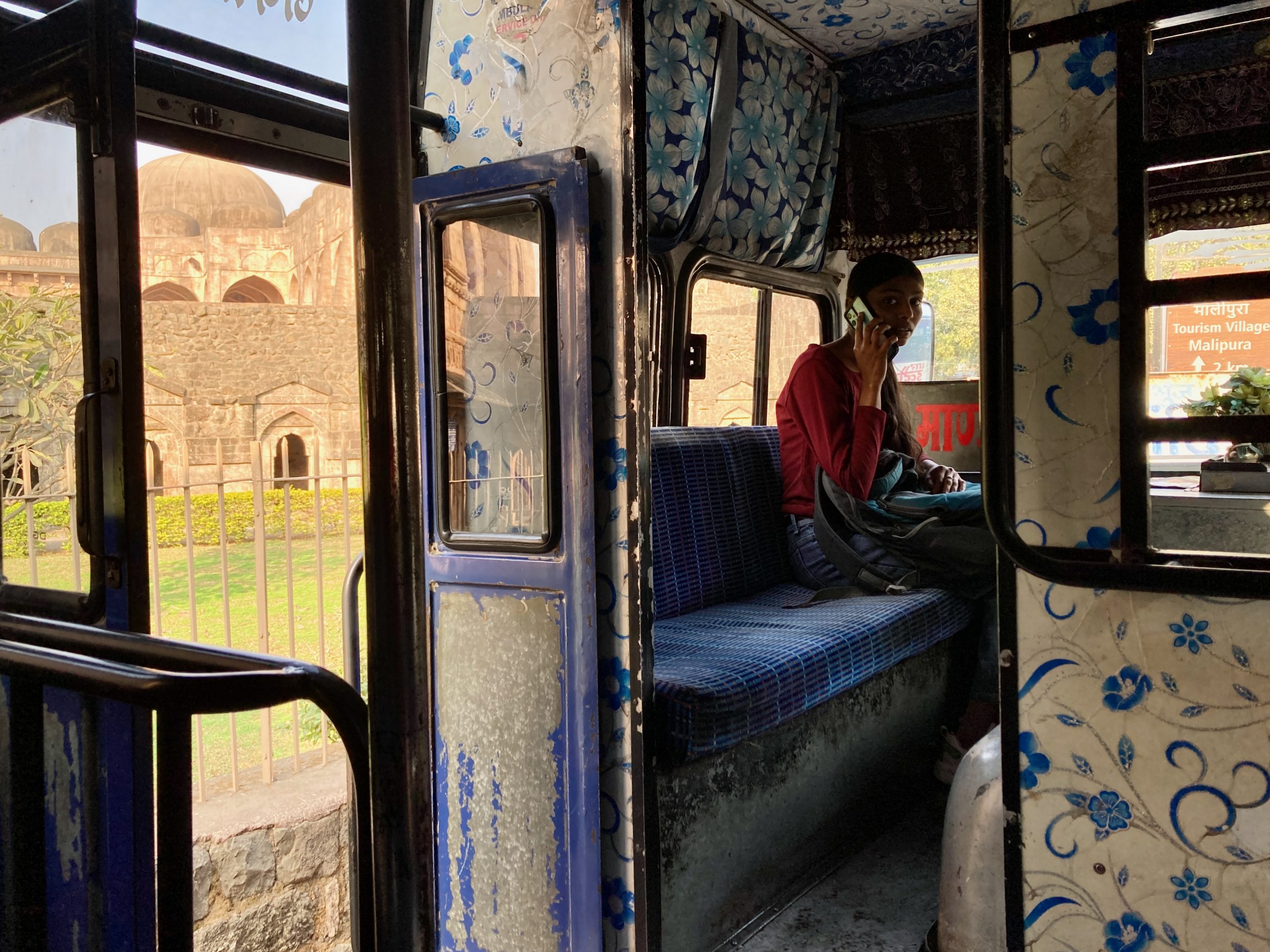
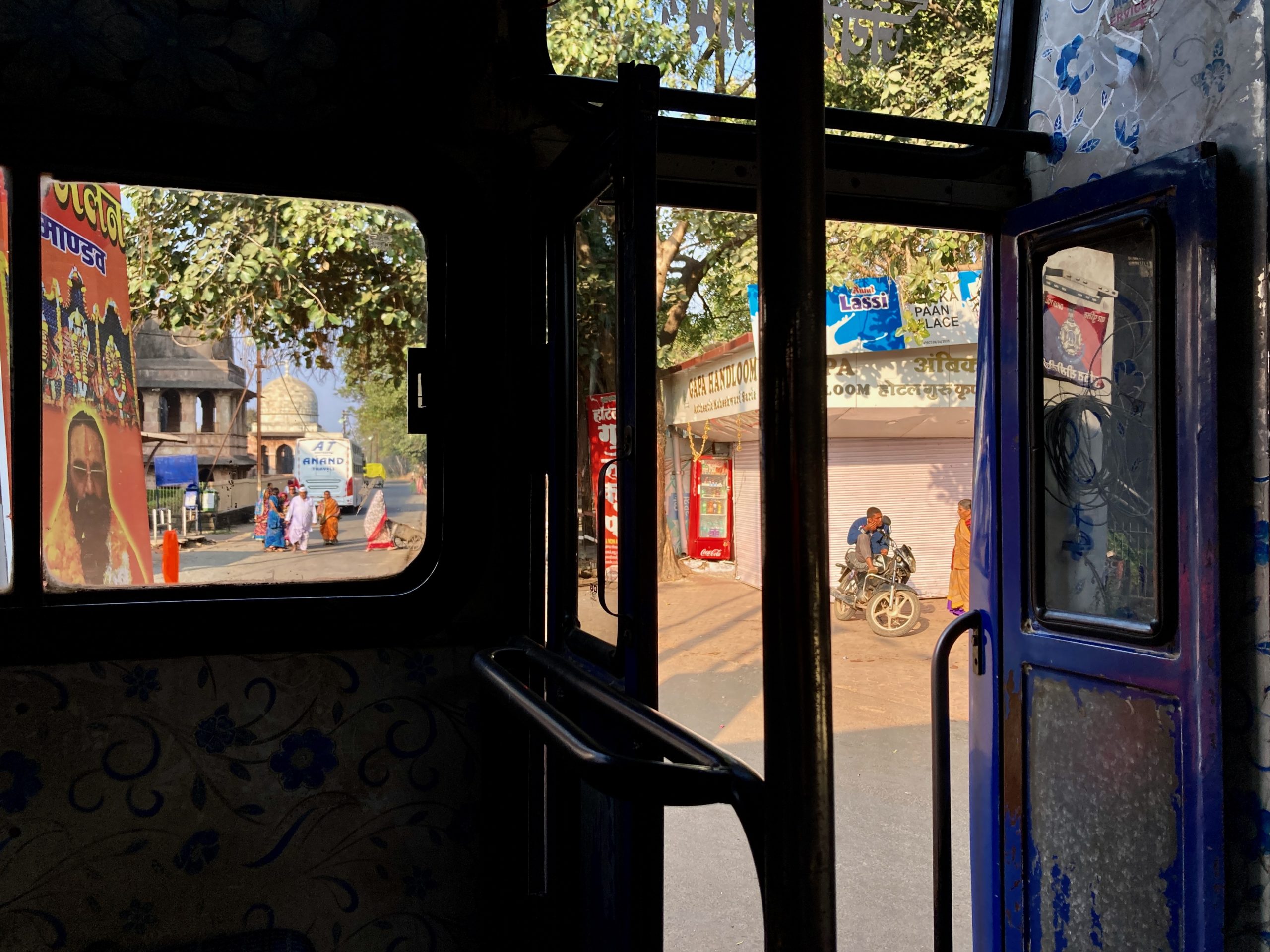
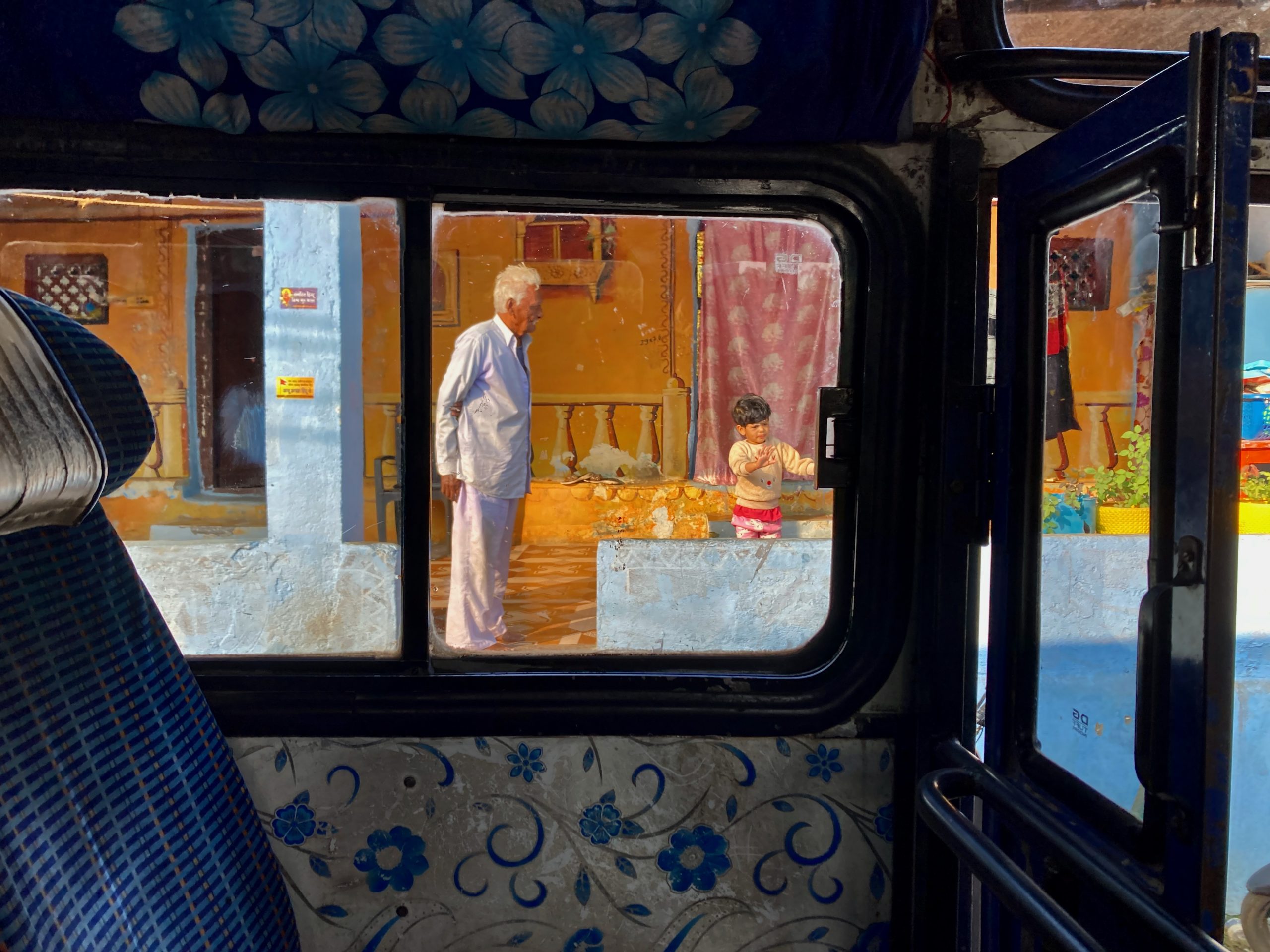
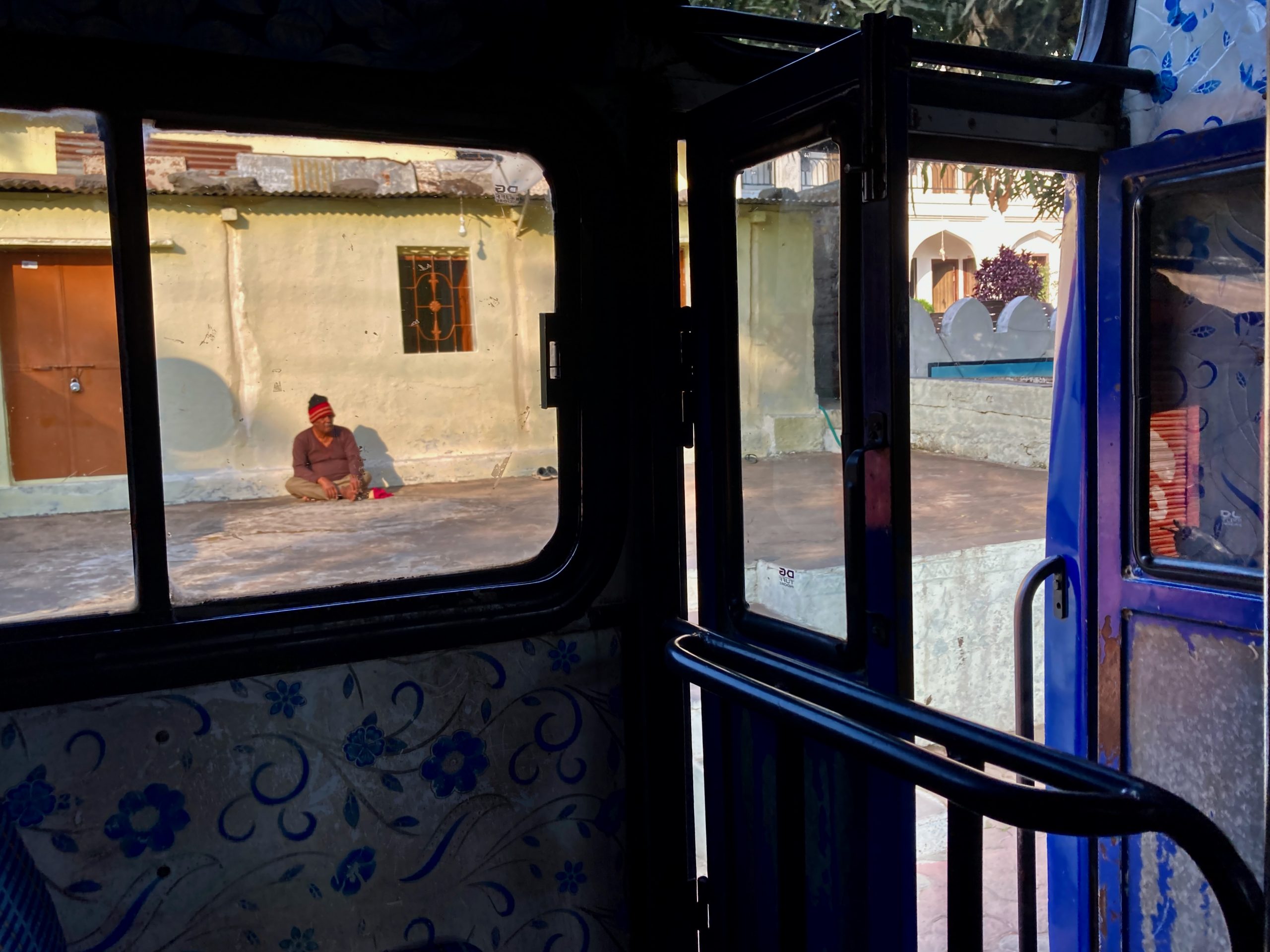
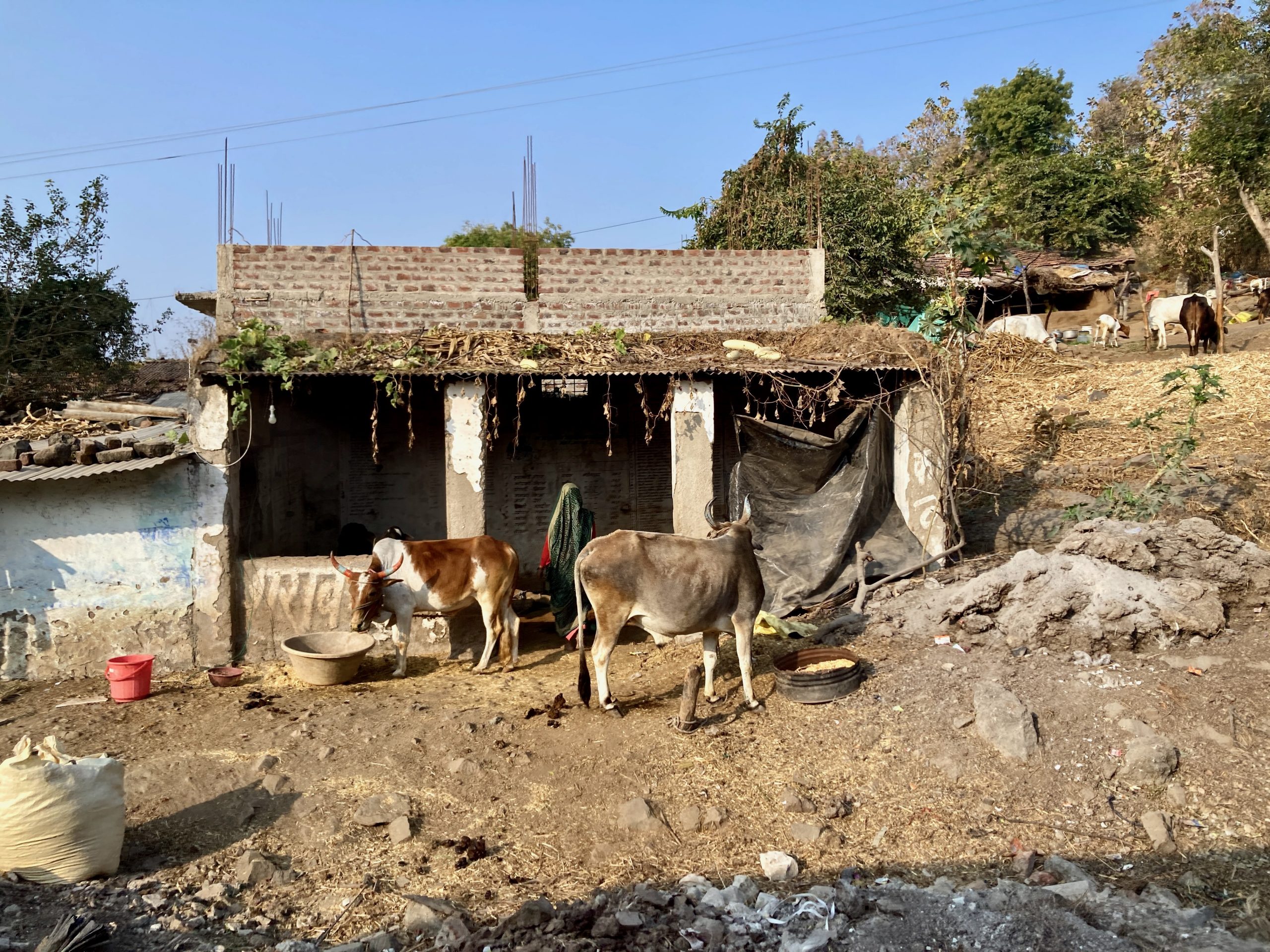
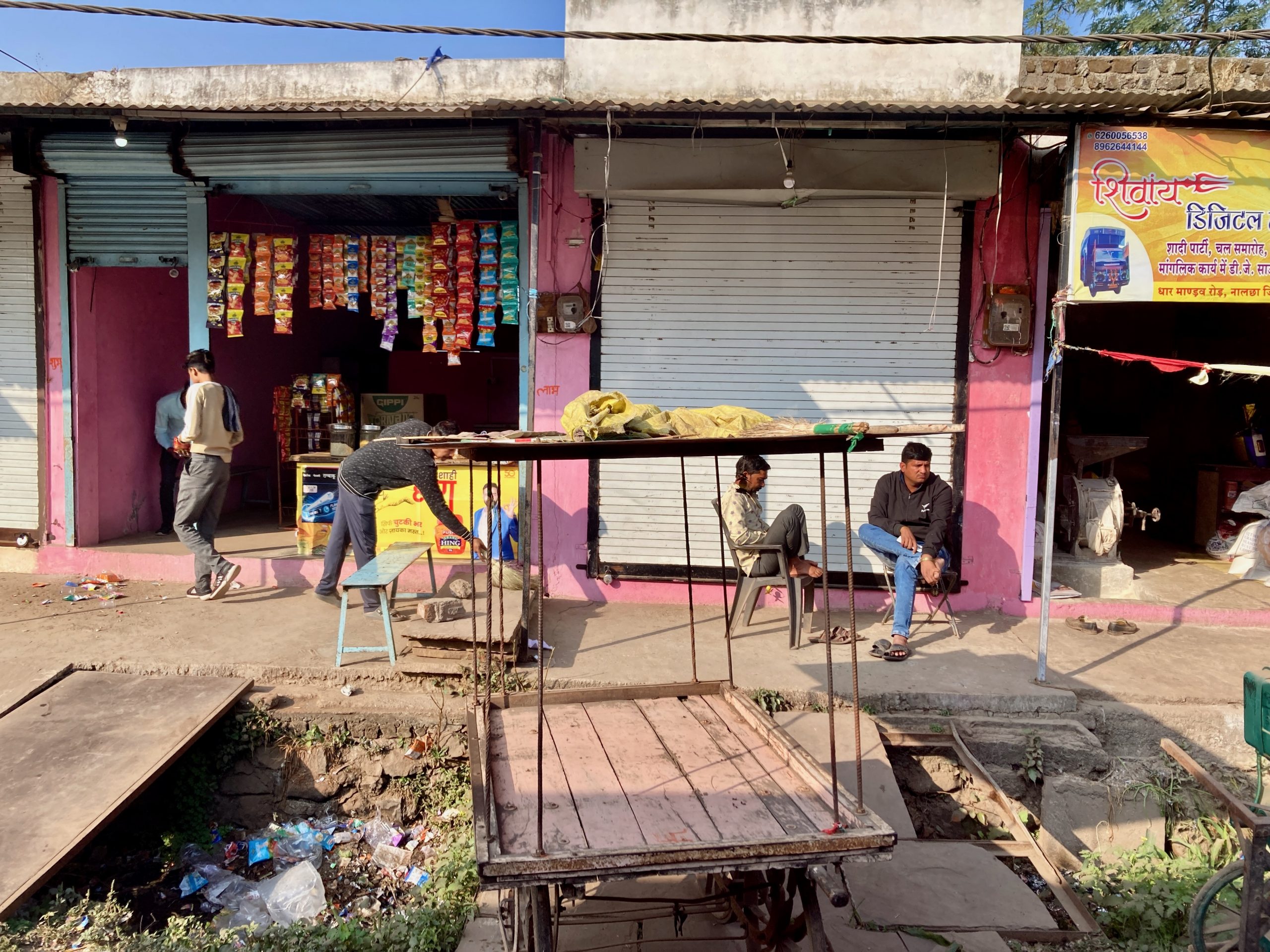
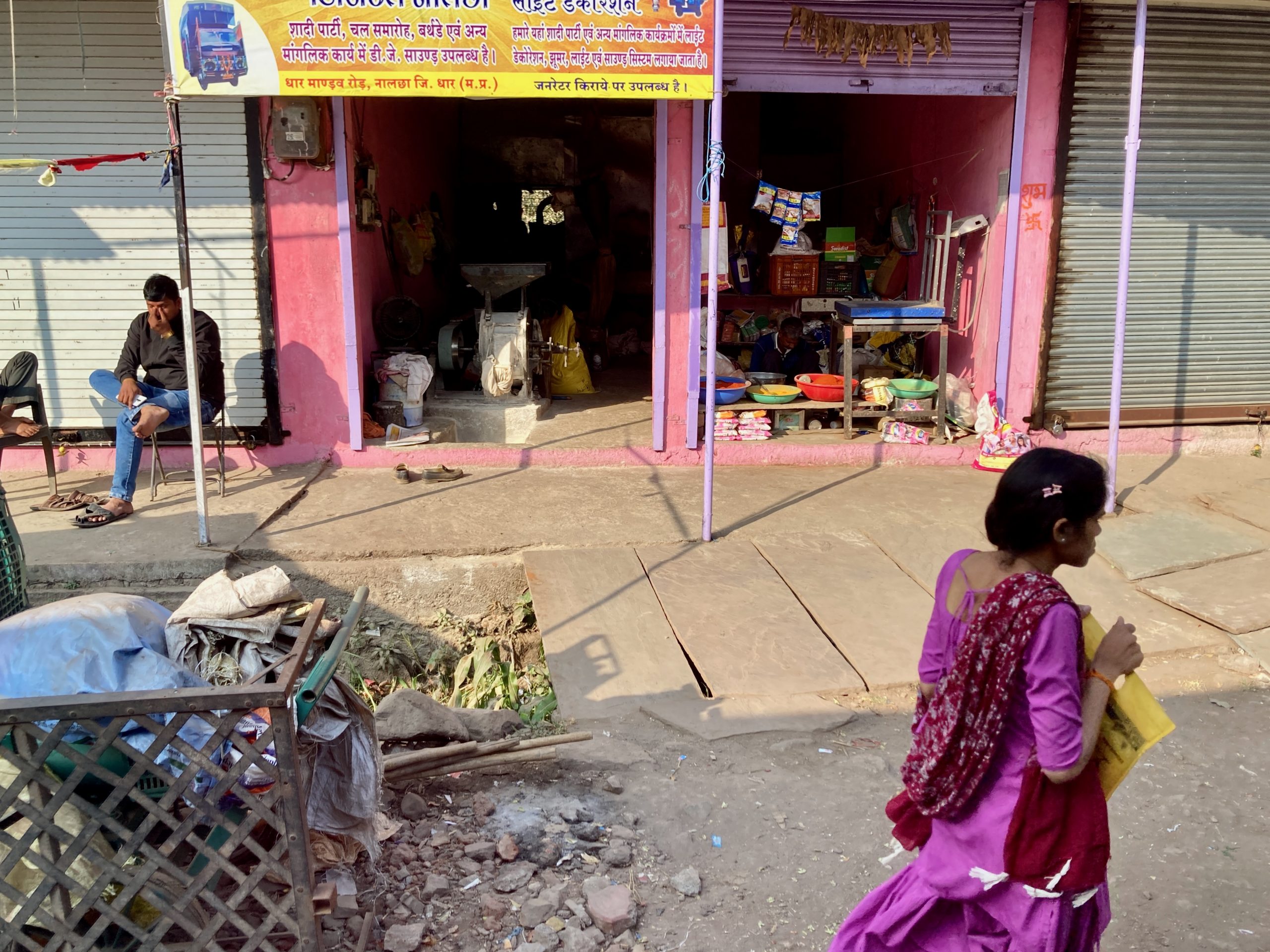
All in all, I really enjoyed taking photos from the bus as we drove through the long, stretched-out town.
 2
2
 3
3
 4
4
 5
5
 6
6
After that there were a few more photos, and overall the journey was uneventful.
 7
7
 8
8
 9
9
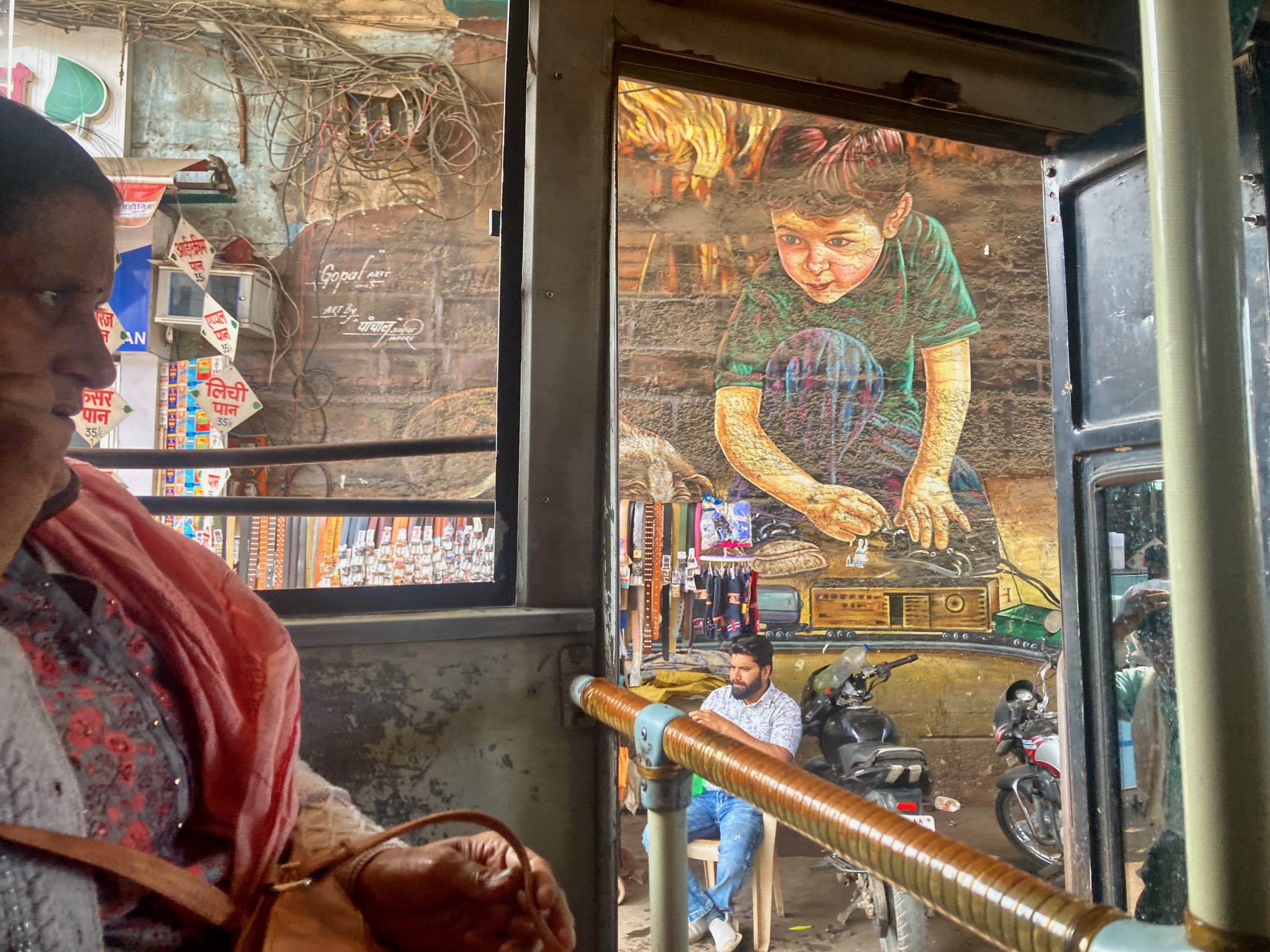
In Indore I once again had to take a tuk-tuk to the other bus stand. I did find a through bus, but I didn’t like it very much. The driver and the conductor were somehow creepy and more aggressive in their manner; they kept grumbling and scolding, both among themselves and at passengers (not at me, though). Two women in particular, carrying shopping, had difficulties and ended up getting off early. I never quite understood what the actual problem was. On top of that, the very loud horn was used far more than necessary. That really annoyed me! But taking a later bus didn’t feel like much of an option either — the journey was long enough as it was, and I still wanted to see a bit along the way. For now, here are some more wall paintings from Indore:
 10
10
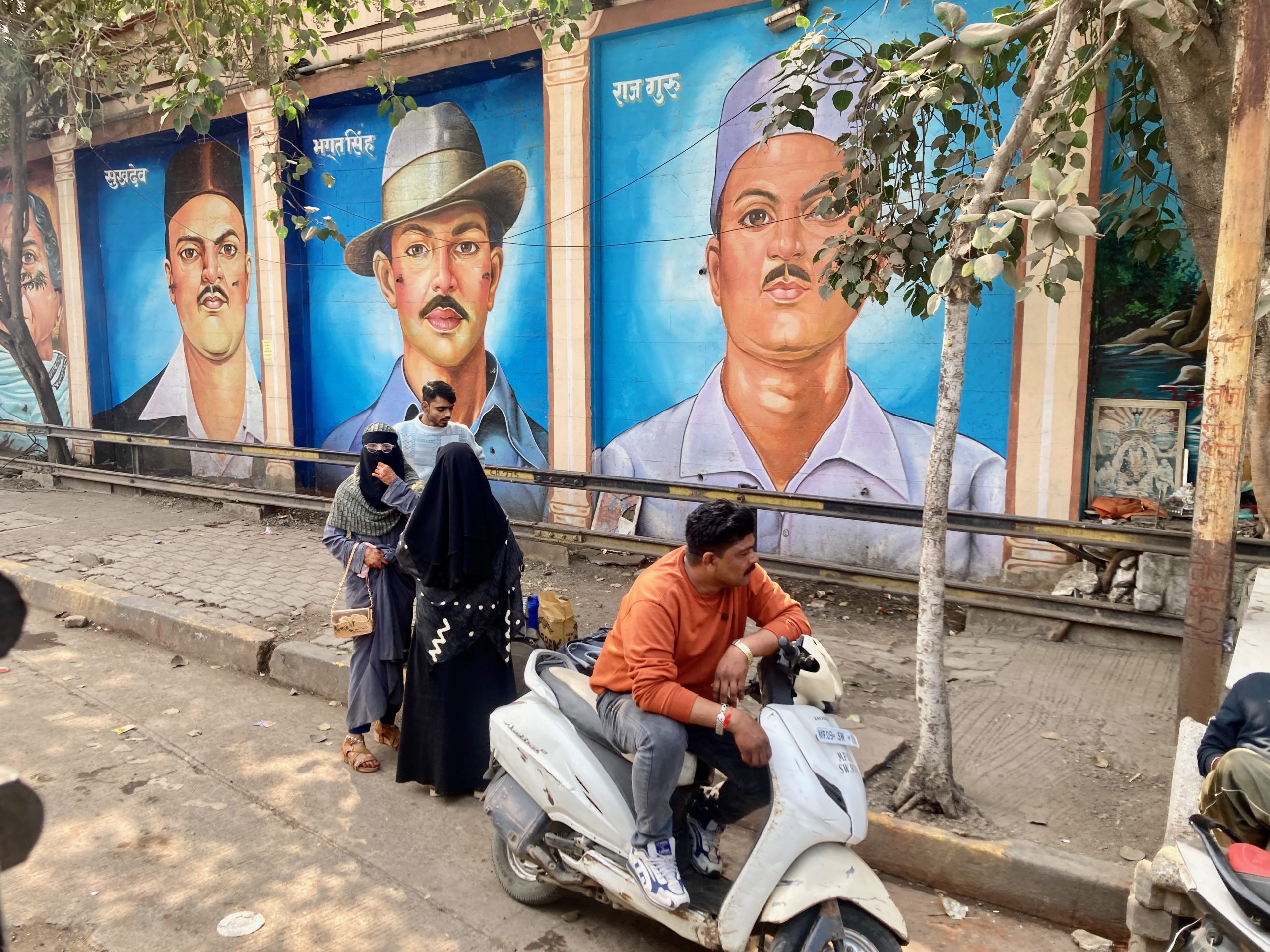 11
11
Ujjain was completely different again. It is one of India’s important holy cities — not on the Ganges, but on the Shipra River. You notice that the moment you step off the bus, when the tuk-tuk drivers call out “Temple, temple” instead of “Which hotel?”. I went to my hotel first anyway, and only later, feeling a bit heavy and sluggish, set out to explore. The main sight is the Mahakaleshwar Jyotirlinga. There are twelve particularly sacred Shiva temples, the Jyotirlingas — twelve in total across India — and I had already seen two before: Somnath in Gujarat and Kedarnath in Uttarakhand. At the latter I had only been outside, and this time it was the same again. The complex here is very modern and located on the riverbank, with lots of large statues of deities and the like. There are also screens showing what is happening inside the temple. It looked as though there were huge numbers of people in the inner sanctum, and access was via a long, controlled route. I simply didn’t feel like it — especially since I rarely find the sanctuary itself particularly beautiful or impressive, and it doesn’t make me feel religious either. I wasn’t really in the mood for photos, but forced myself to take a few:
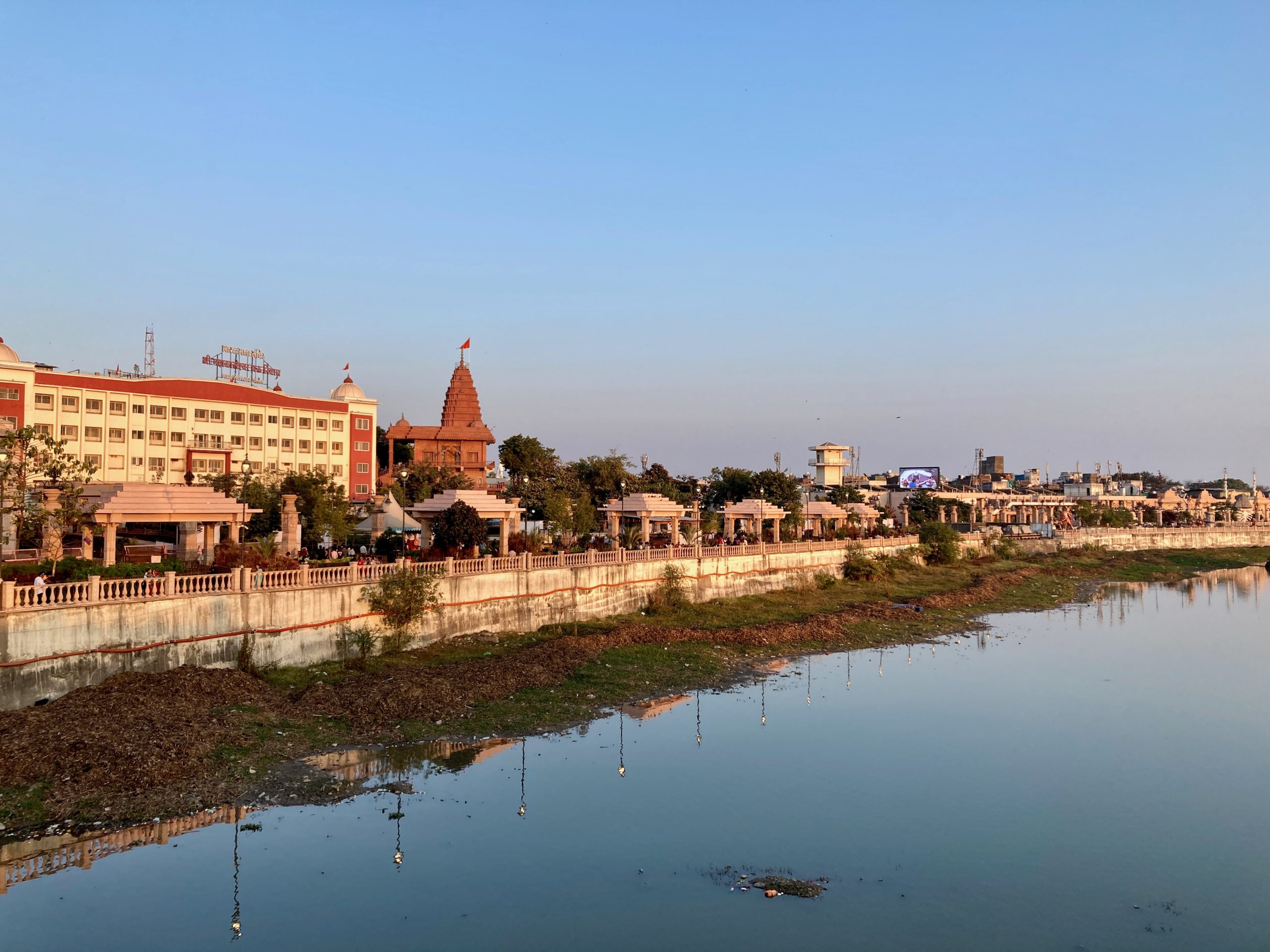 Templepromenade
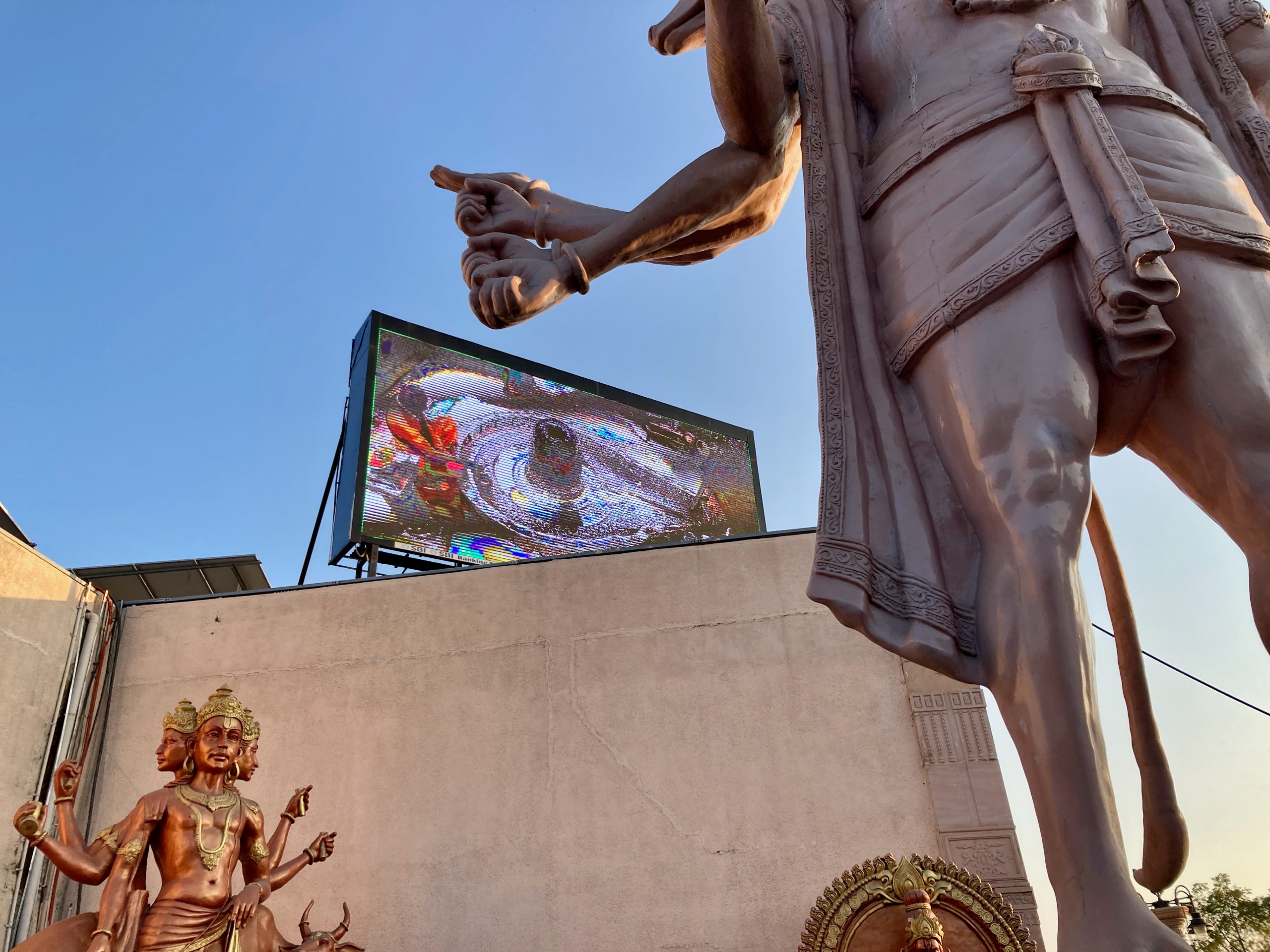 Screen
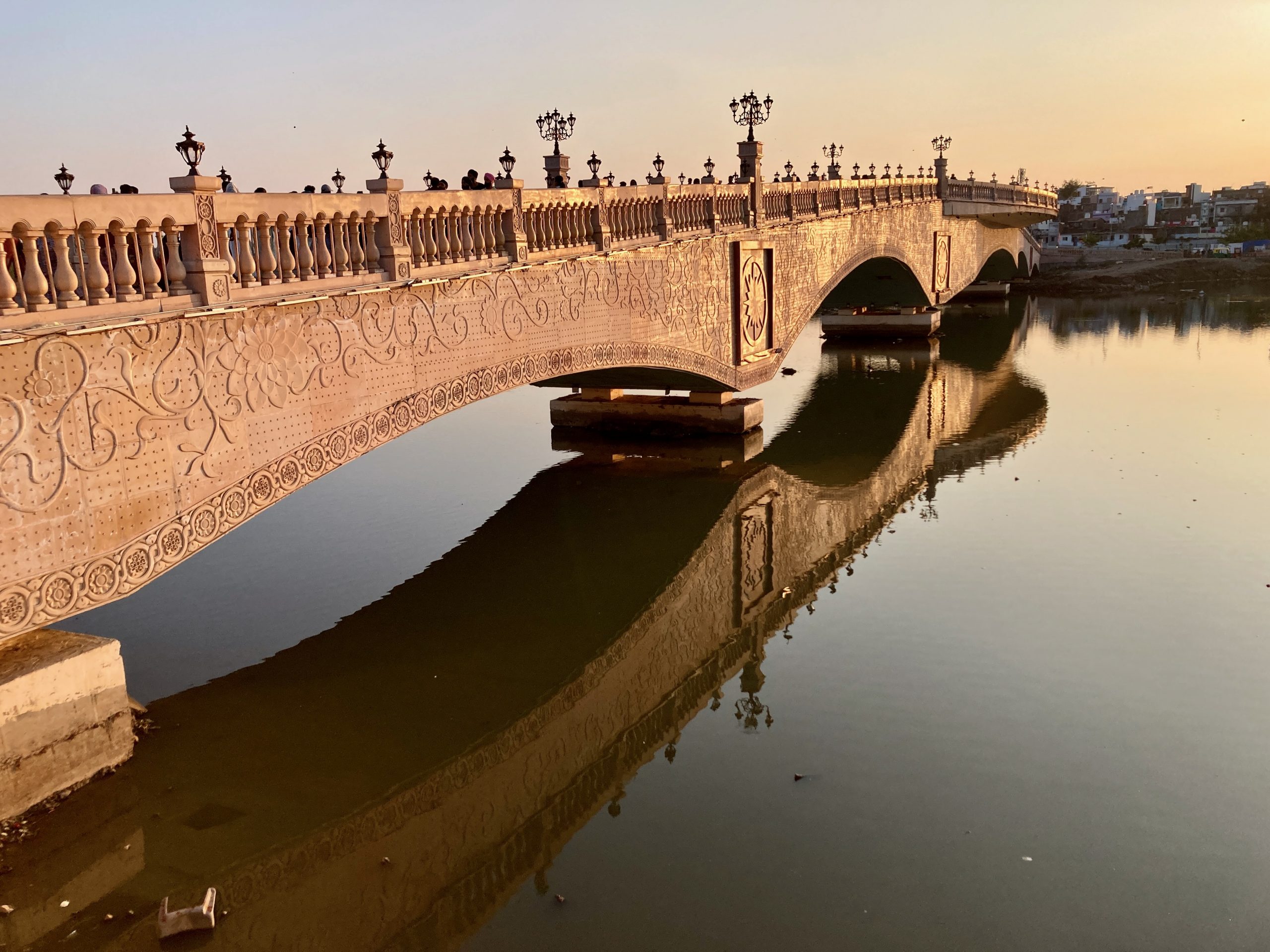 Bridge
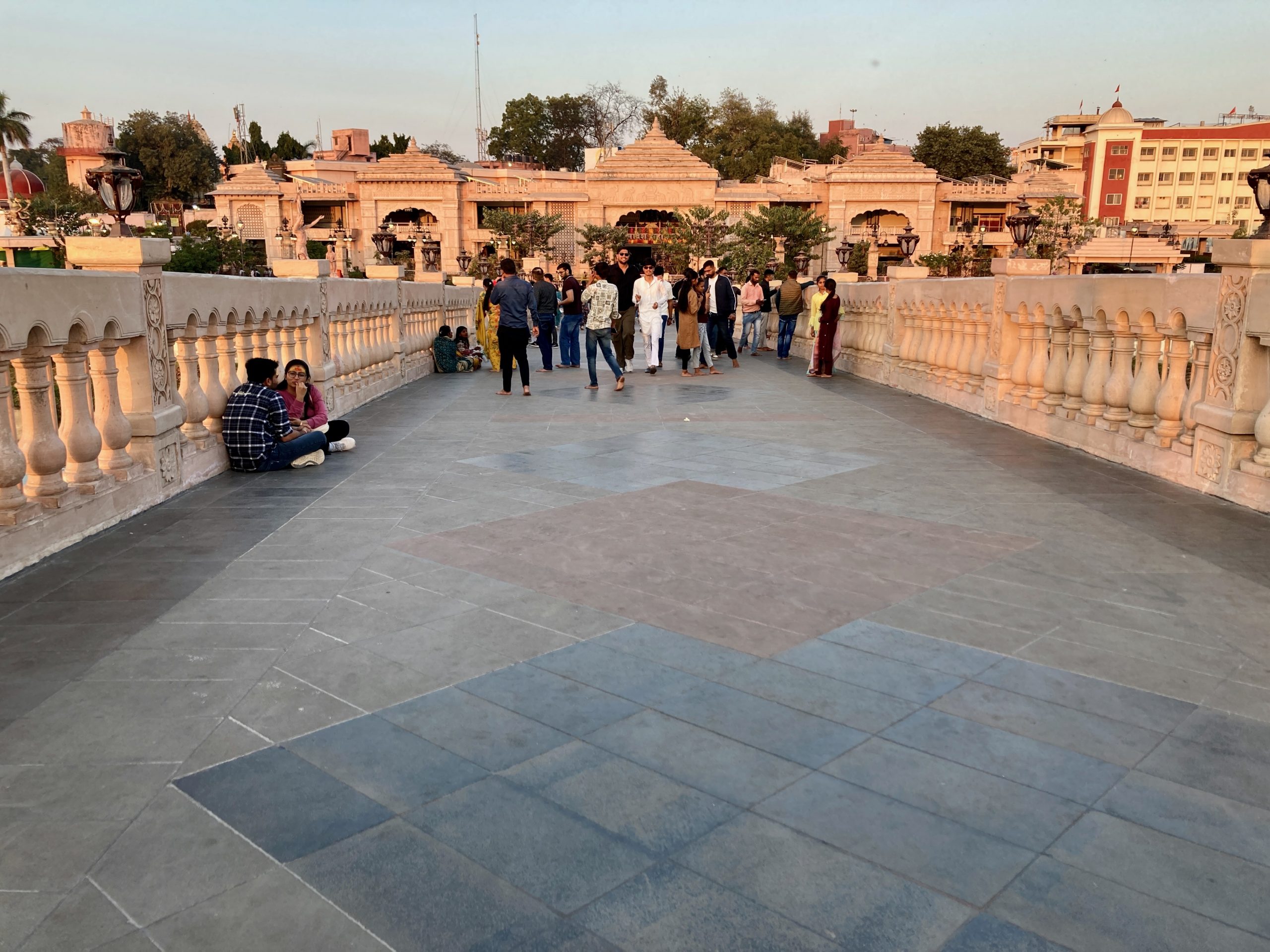 view from the bridge towards the entrance
Everything was very modern and clean — but I suspect that was only the façade, and that behind it things look older and more chaotic.
Ujjain hosts the Kumbh Mela, the enormous Hindu festival, every twelve years. I couldn’t really imagine it taking place here. So I decided to look for the “proper” river with its ghats — an aarti was supposed to take place there as well. However, I ended up getting stuck at the very next temple. Entry was uncomplicated, but it was crowded and kept getting more so. The reason were two large pillars where the fire is lit in the evening. First, the fire tenders were busy inserting the wicks.
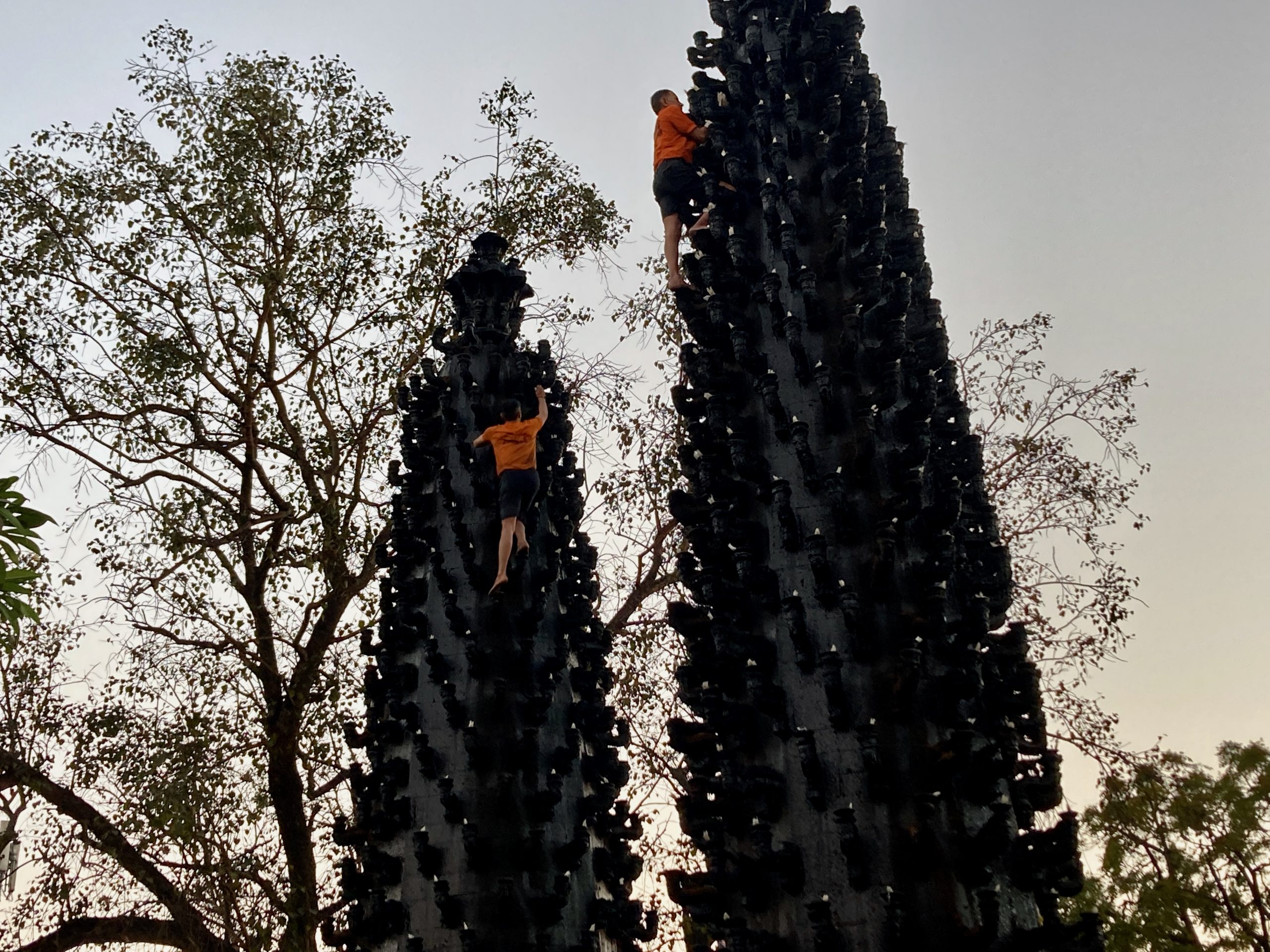 wick-installers
They were over ten meters high! Meanwhile, people went about their religious practices — or simply amused themselves with one another.
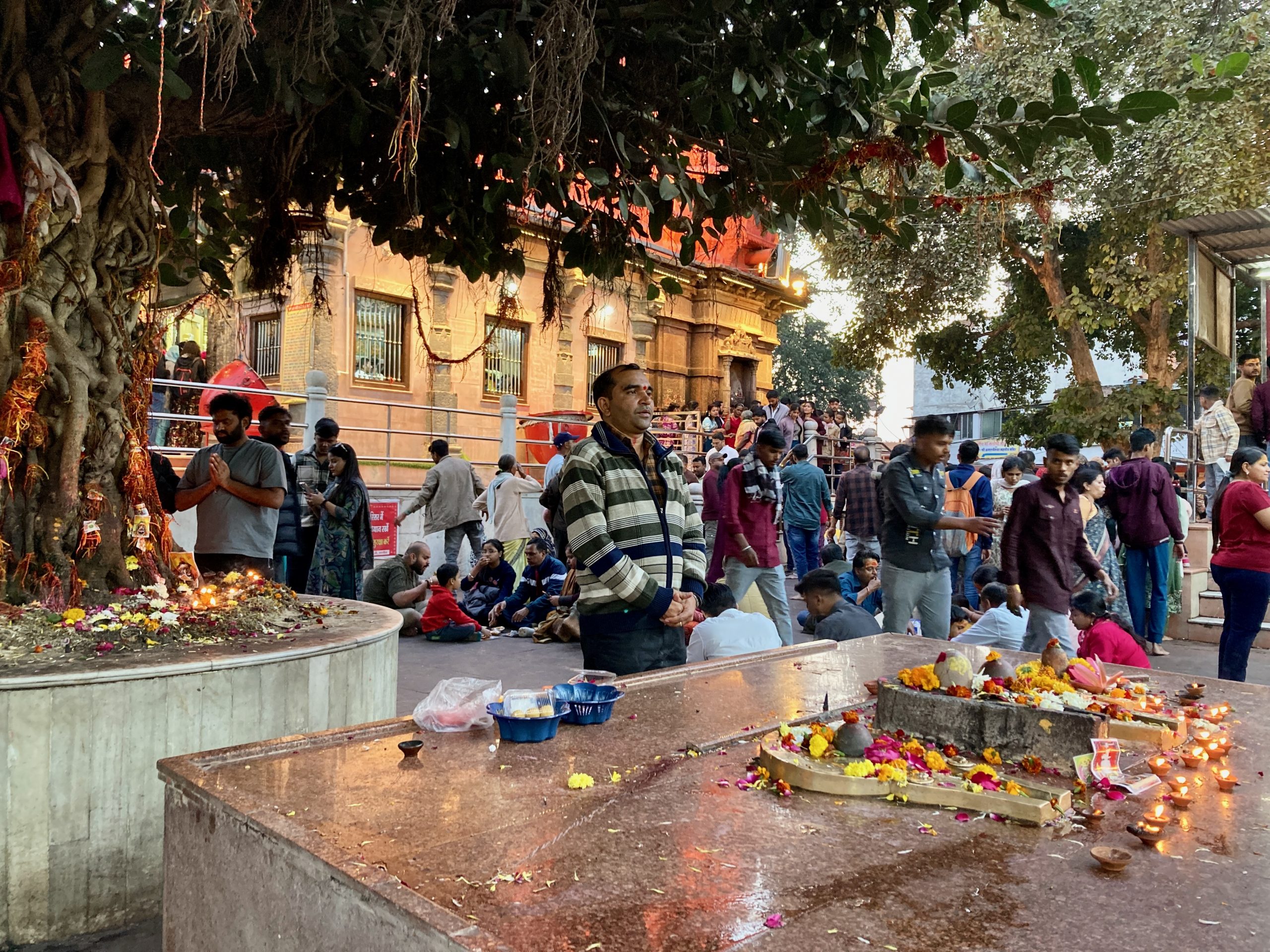 1
1
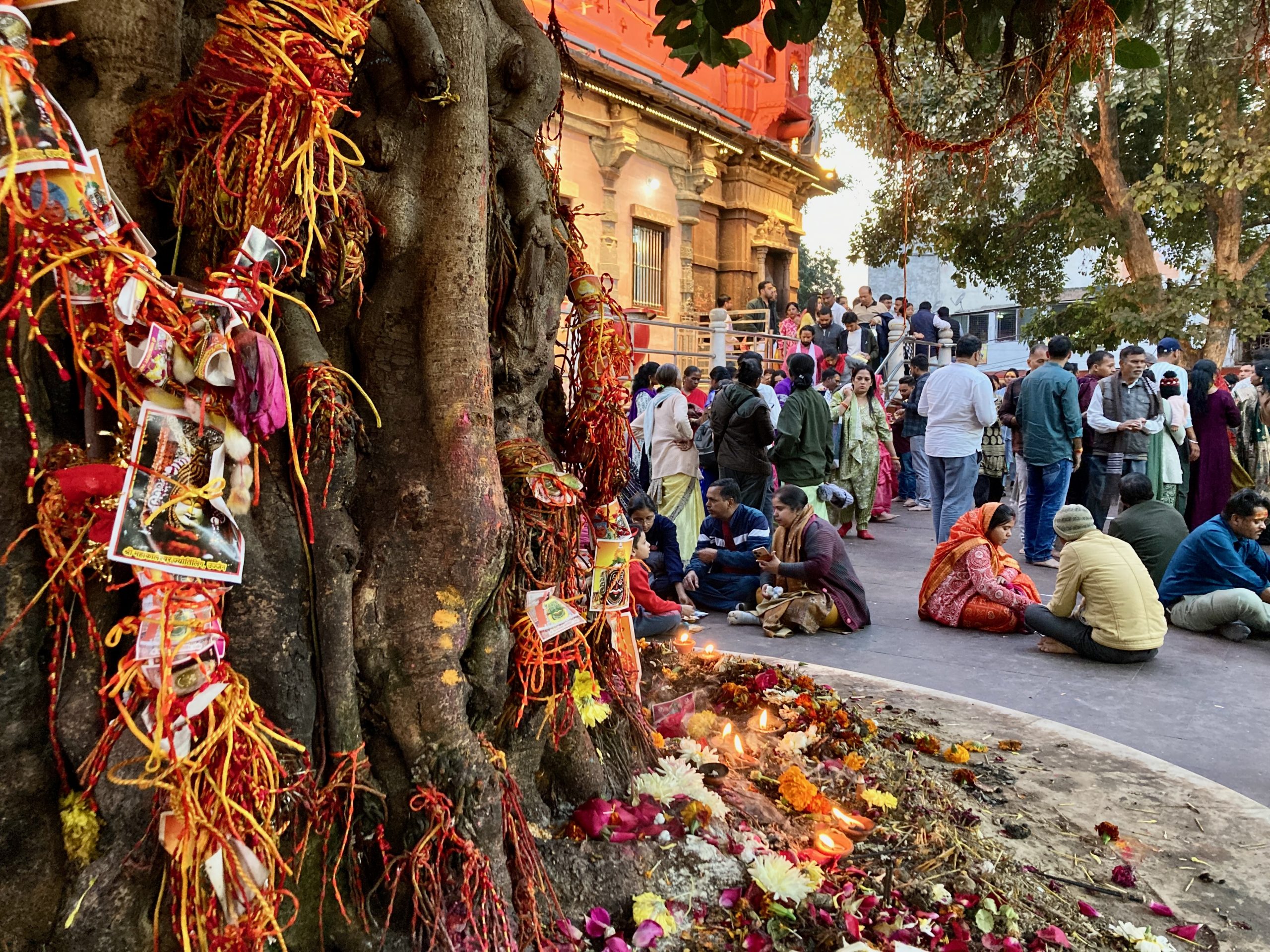 2
2
Then the moment came. The men first lit the flames at the bottom and then climbed up, setting the other wicks alight one by one. It really did look impressive — and like most people, I filmed rather than photographed, focusing more on the people than on the ritual itself.
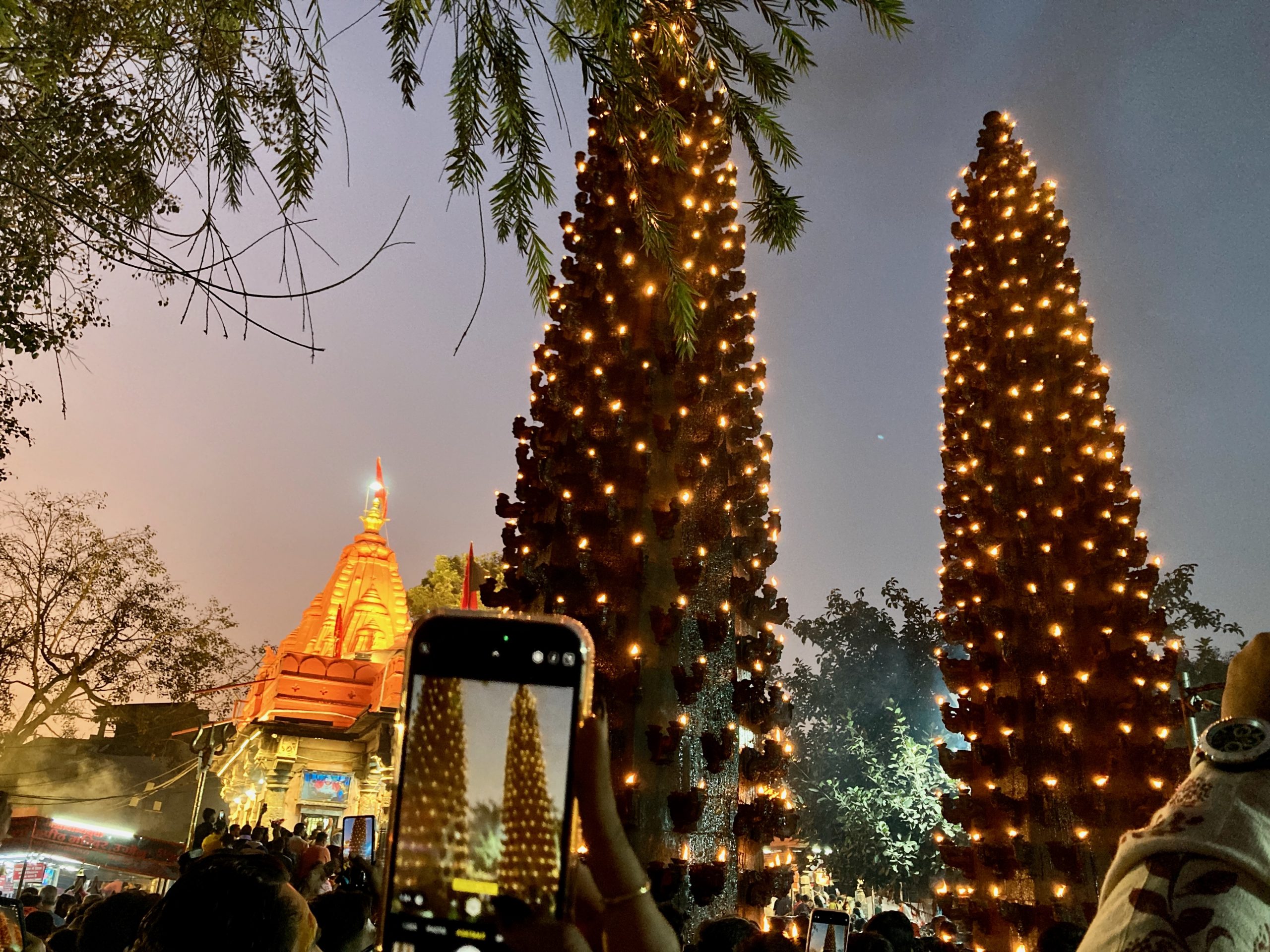 3
3
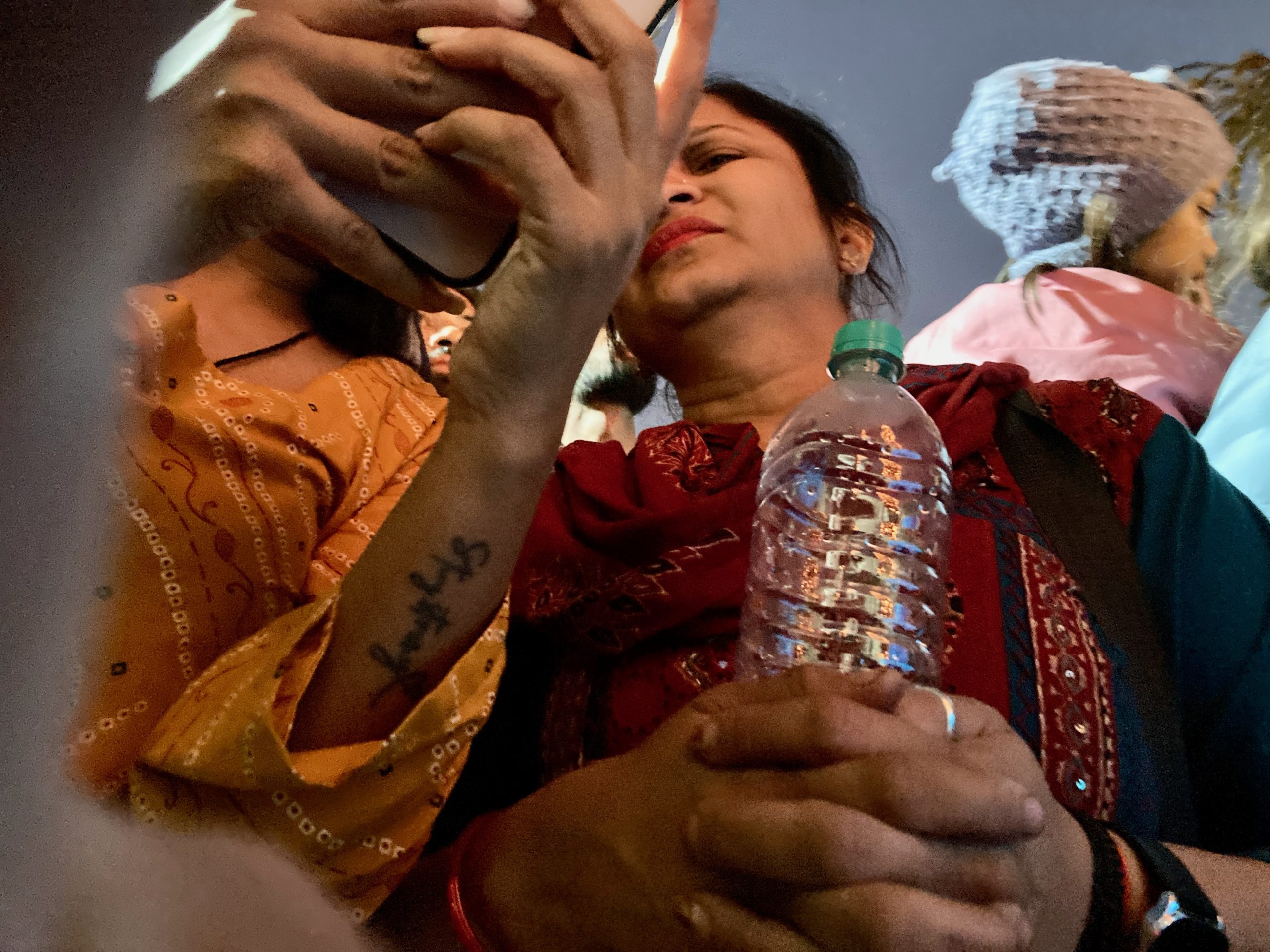 4
4
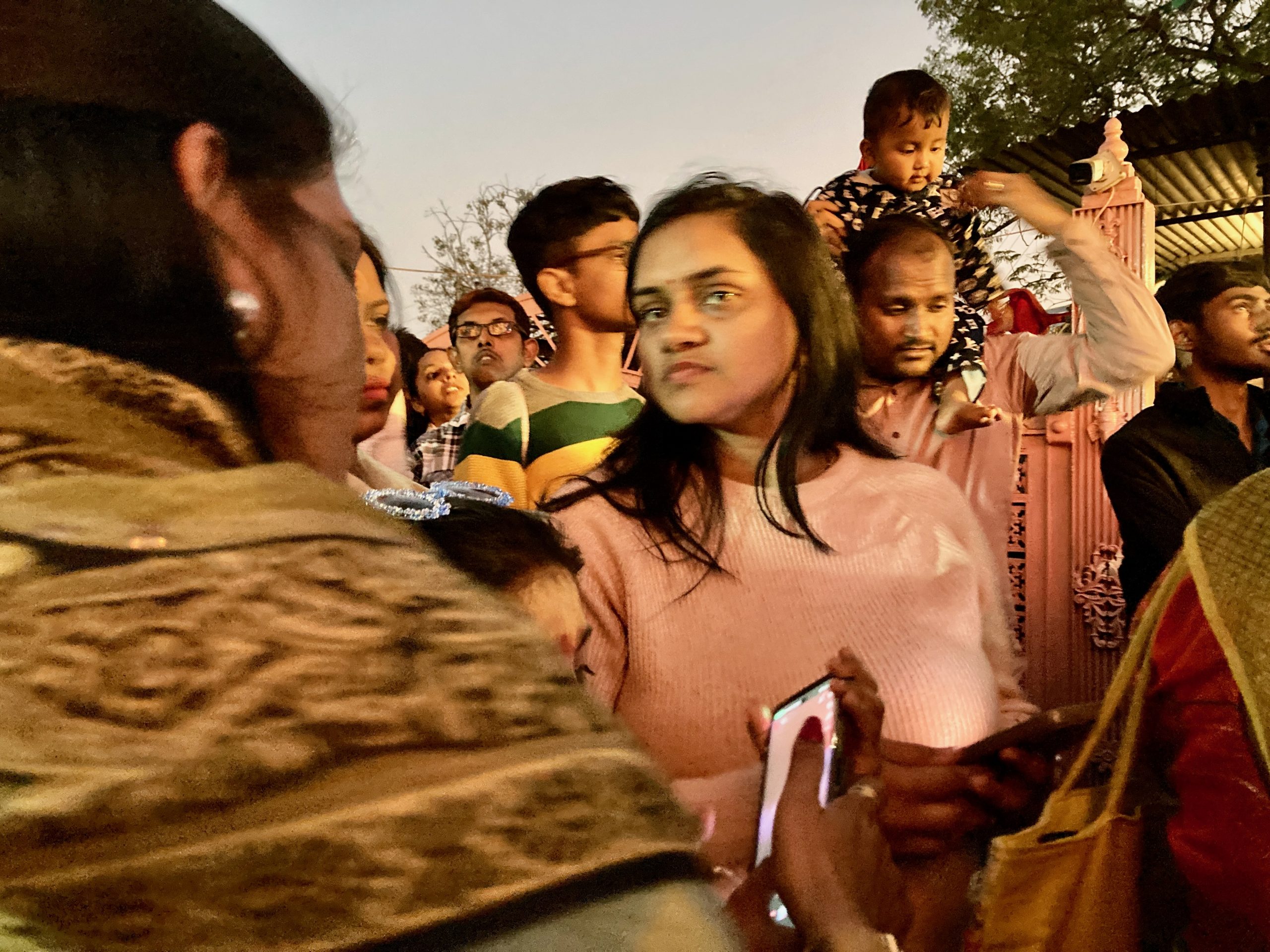 5
5
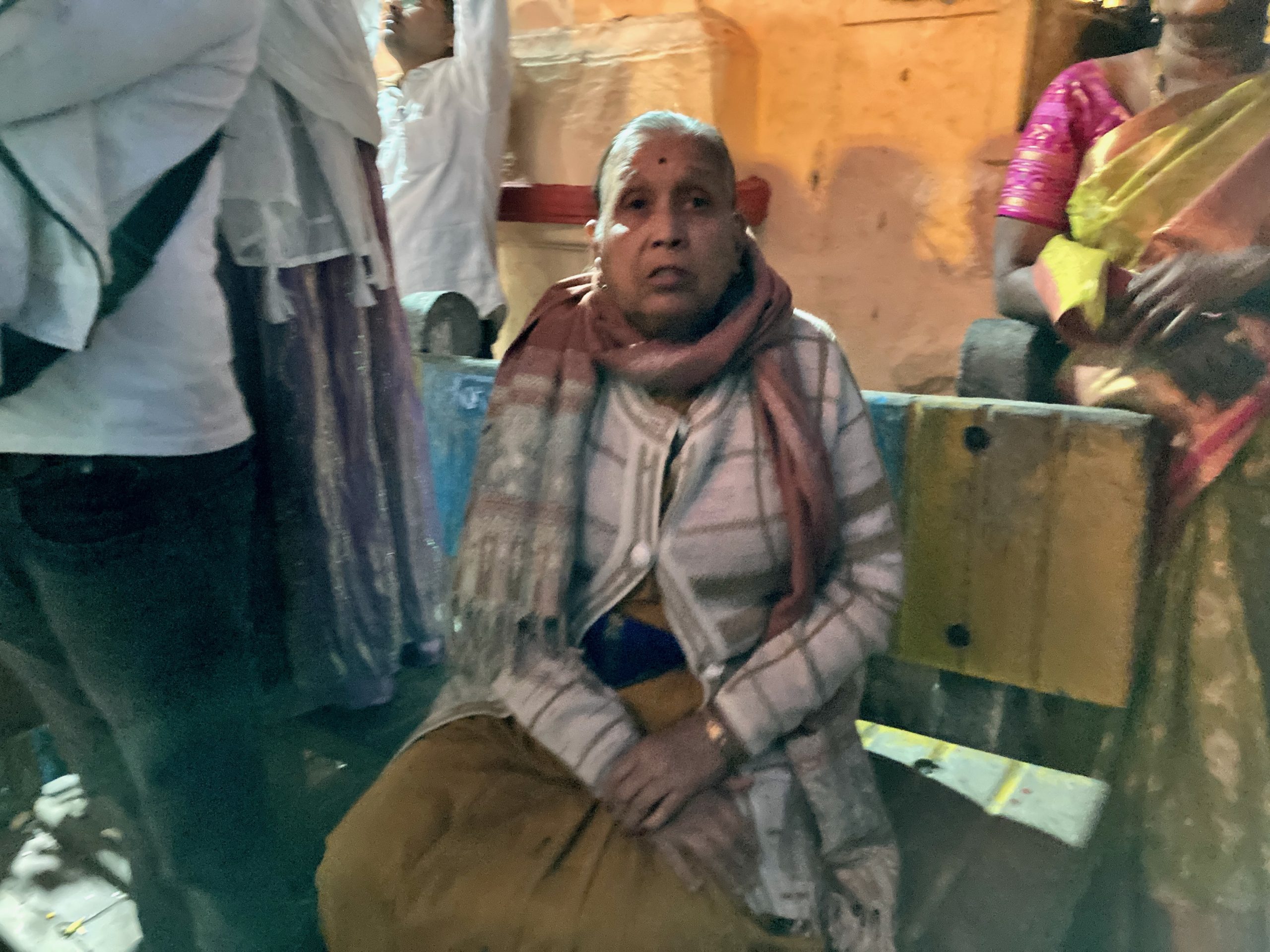 6
6
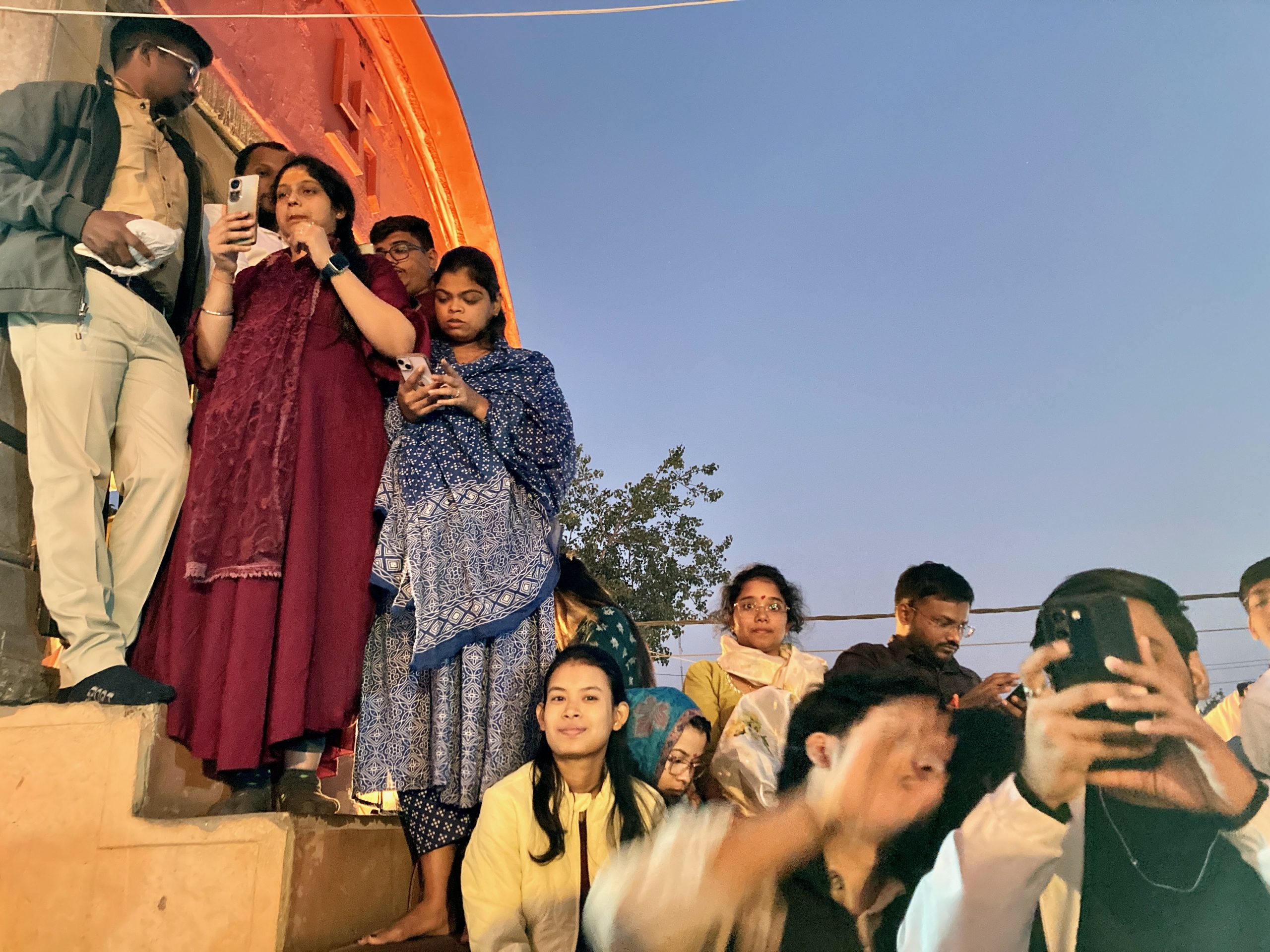 7
7
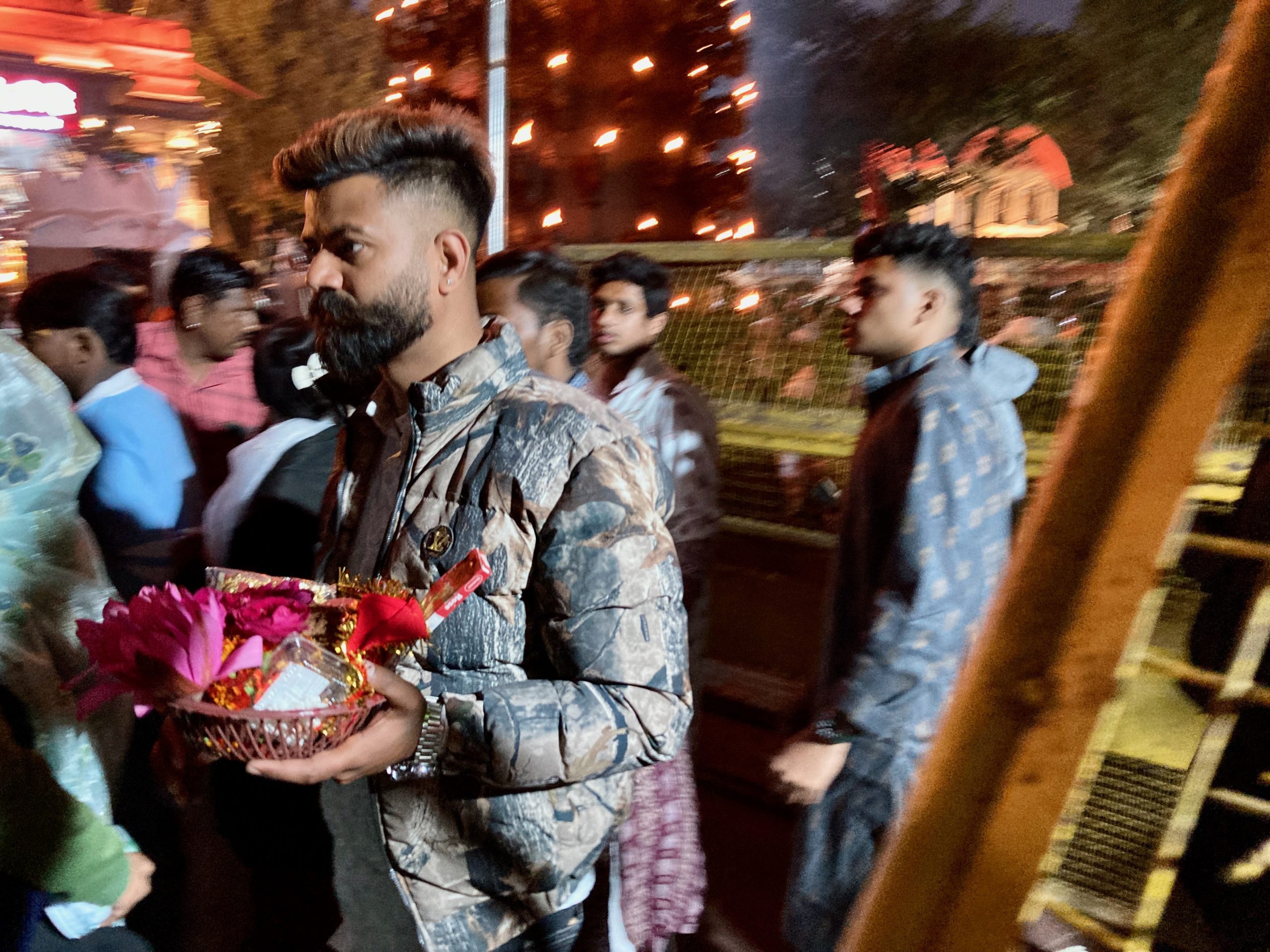 8
8
More and more people kept pushing in with their offerings — and I decided to leave. It was all a bit too much for me. I quickly took a few photos of the vendors selling offerings:
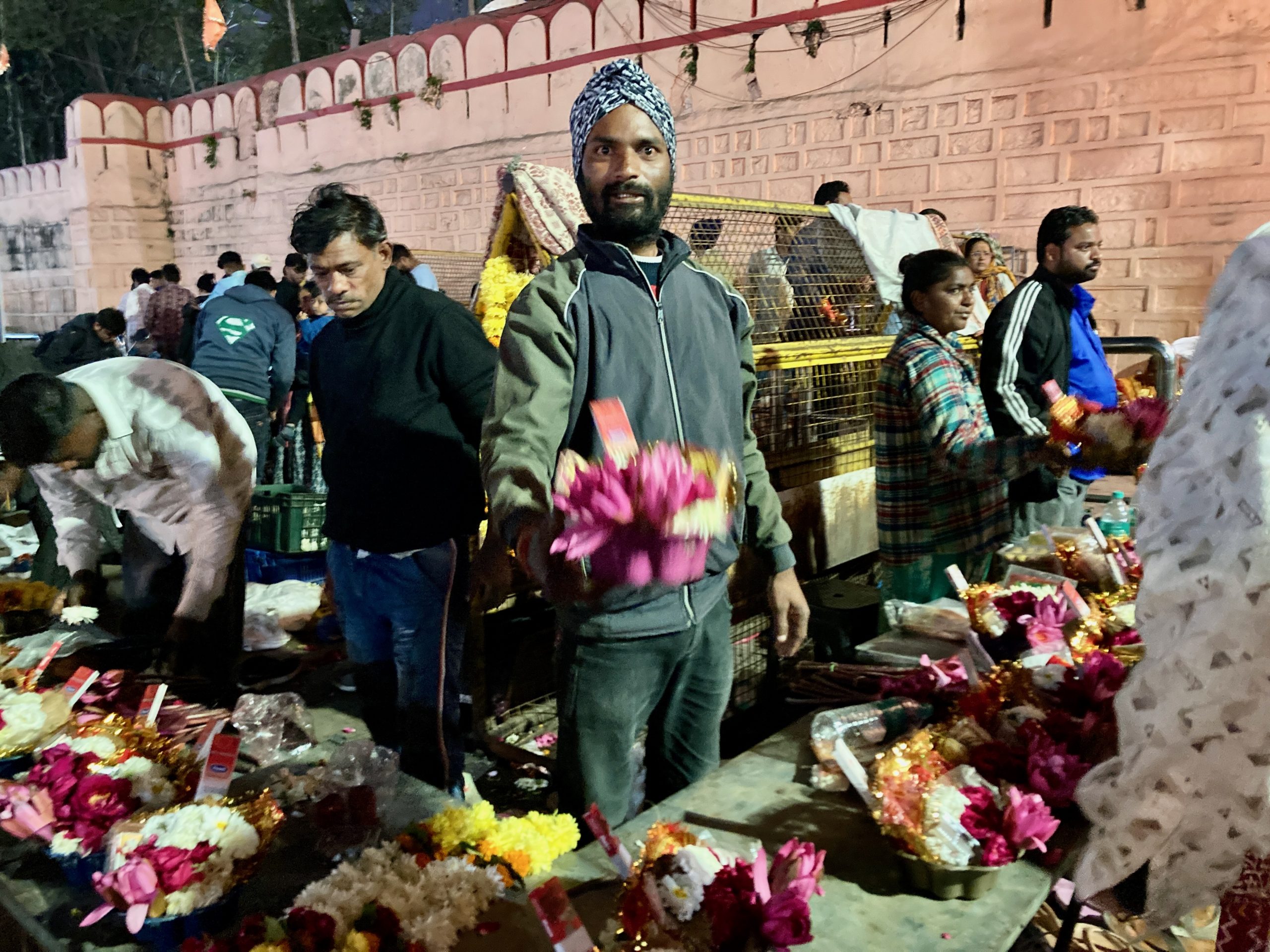 9
9
And then I took a Tuk-Tuk and went back to the hotel.
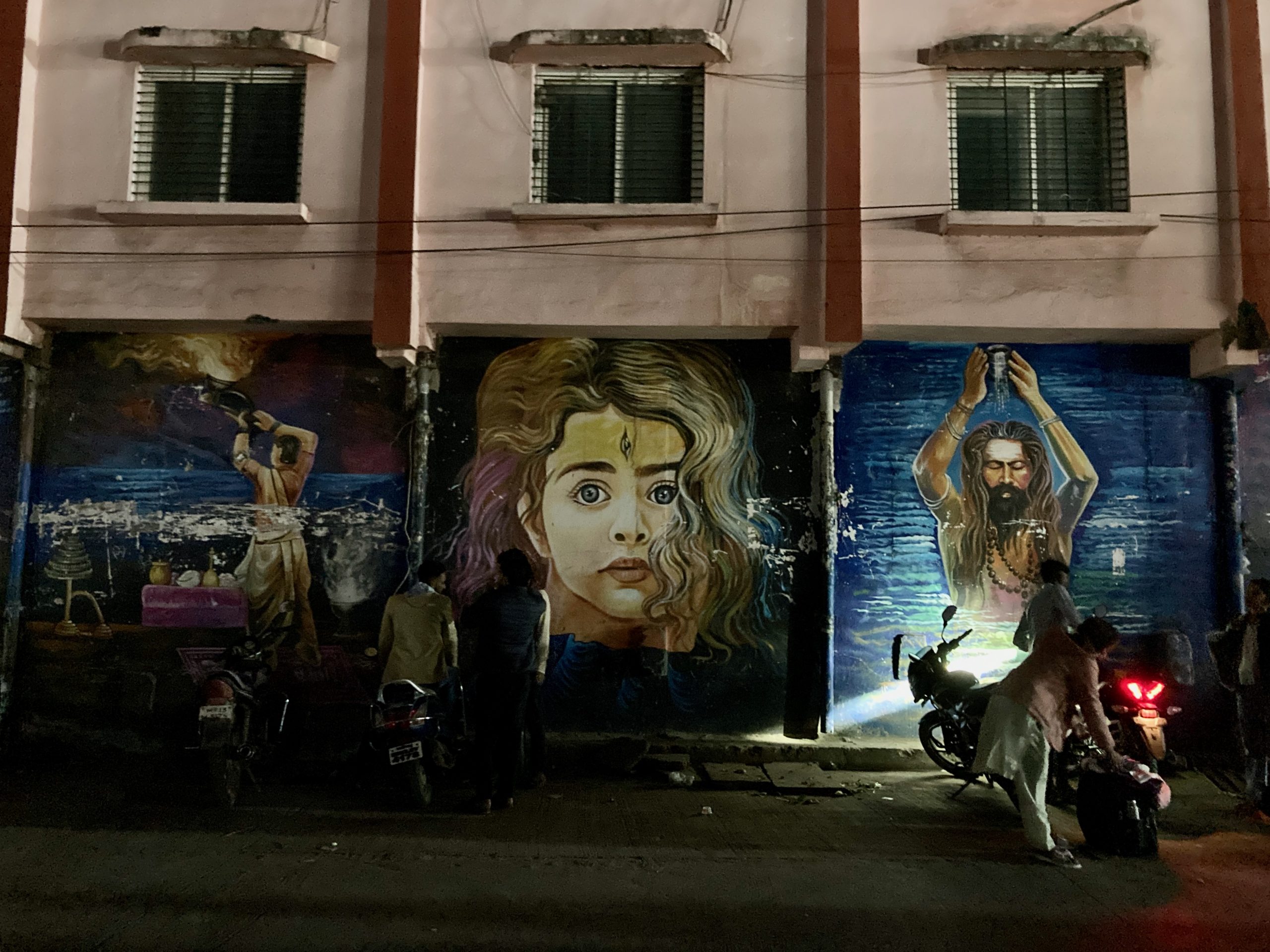 10
10
That way I only got a very small glimpse of Ujjain, but enough to get a good sense of what the place is like overall.
And the next day, another place was already waiting for me — the last one on this journey!