


Nawalgarh – sober day, sober thoughts, sober body
9. January 2026
I was saturated with all that wonderful art, cold from the low temperatures, and grumpy because (a) I had an entire day to kill since I’d booked the night bus for 8 p.m. and had already checked out of my room (which was cold anyway), and (b) I had so much to process about my host. On the one hand, he is a kind person who genuinely wants to do tourism in a good, responsible way. On the other hand, I’m uncomfortable with some of his views, and in him anti-Muslim sentiment and Brahminical supremacism (a term I had to look up online) came together.
Because I was so annoyed and also unsure how to deal with it, I’m going to elaborate on this a bit here. My host — I’ll call him R. (I find public bashing on the internet problematic and hope everything is sufficiently anonymised) — told me very early on that he is a Brahmin, meaning a member of the highest caste. This is often an indication that certain worldviews are involved, particularly regarding ideas about the relative worth of people.
I had already started to mention the Muslim-bashing in the previous blog post. It even went so far that he “accused” the owners of the Vivaana hotel of coming from Lahore — essentially implying that they are Islamic, even though they have Hindu names. From time to time, there were these little jabs woven into our conversations.
And I never quite know how to deal with that: should I correct things (even when I don’t have the numbers at hand), should I set boundaries and say that I don’t want to hear certain things, or should I try to engage on a different level altogether? I tried asking what I considered to be “reasonable follow-up questions” — but somehow I didn’t get the feeling that it changed anything at all.
What continued to bother me was that he did not want to have Indian guests at all. He said they were annoying. Only Westerners, in his view, were good guests. Of course, some Indian guests can be demanding — but to shut the door on all of them because of that? I argued that I had met many Indian travellers who were considerate, quiet, and pleasant to be around. It didn’t matter to him at all.
 1
1
We also had frequent misunderstandings — or rather, he often interpreted what I said differently from how I meant it. For example, when I said that I was freezing and had stupidly not brought my warmer clothes, he seemed to think I was complaining or blaming someone for the fact that I was now suffering. That wasn’t the case at all; I just wanted to vent a little and get some compassion.
Then there was one toddler, basically the princess of the extended family — a cheerful, active child. I asked whether she also sometimes played with children from the neighborhood or something like that. Oh no! They felt it was better if she stayed only with the adults. The adults were kind to her and could teach her things. Children at that age were often aggressive and rough, apparently. She did sometimes meet her cousins, though, and would play with them. I had the feeling that he took my questions as criticism (even though I do generally support children interacting with other children — at that point I really just wanted to understand).
 2
2
And then there was the issue with poorer people. He never tired of emphasizing how much they support people — for example by regularly giving things to the school, donating sweaters to the children, and generally “doing good.” That’s fine in itself. But at some point you notice that the underlying perspective is that “the others” are seen as needing guidance and as simple-minded — people who can’t manage anything without support. This is referred to as caste-based supremacism, or paternalistic casteism. In principle, it’s perhaps comparable to the “white saviour” attitude.
Well, in any case, those were quite a lot of points of friction. I somehow muddled my way through it all and was dissatisfied with myself — without really knowing how I could have handled things in a way that would have felt better to me.
 3
3
One last point was tourism. He — or rather his father — is among the pioneers in the region. He has a beautiful idea of travelers coming to him and of providing them with experiences they wouldn’t have otherwise. Fair, eco-friendly, sustainable. And he really does have good programs and ideas. But: he wants to keep all of this entirely to himself. Preserve exclusivity (for example by having places removed from Google Maps). Be the big shots. Not cooperate with others. Booking.com is bad. Big tour operators are bad. Hotel owners are bad. Instagrammers and influencers are bad. Renovators are bad. Basically, everyone is bad. Yet fewer and fewer tourists are coming! That’s bad too. But then someone else must be to blame…
By the way, this isn’t just his problem with fewer Western tourists — there were far fewer of them everywhere than there used to be. And nobody really knows why that is.
In any case, I struggled with many things about him. And yet R. also took care of me — he gave me a hot-water bottle for the night, drove me to the night bus, and was the one who suggested the excursion, which really was nice. I also saw a bit more the day before than I would have if I’d just gone around on my own by taxi. I had to think about all of this a lot. And I’ve now written it down here on the blog — nothing more than that. But I won’t recommend him, and I won’t do tourism with him or other family members either.
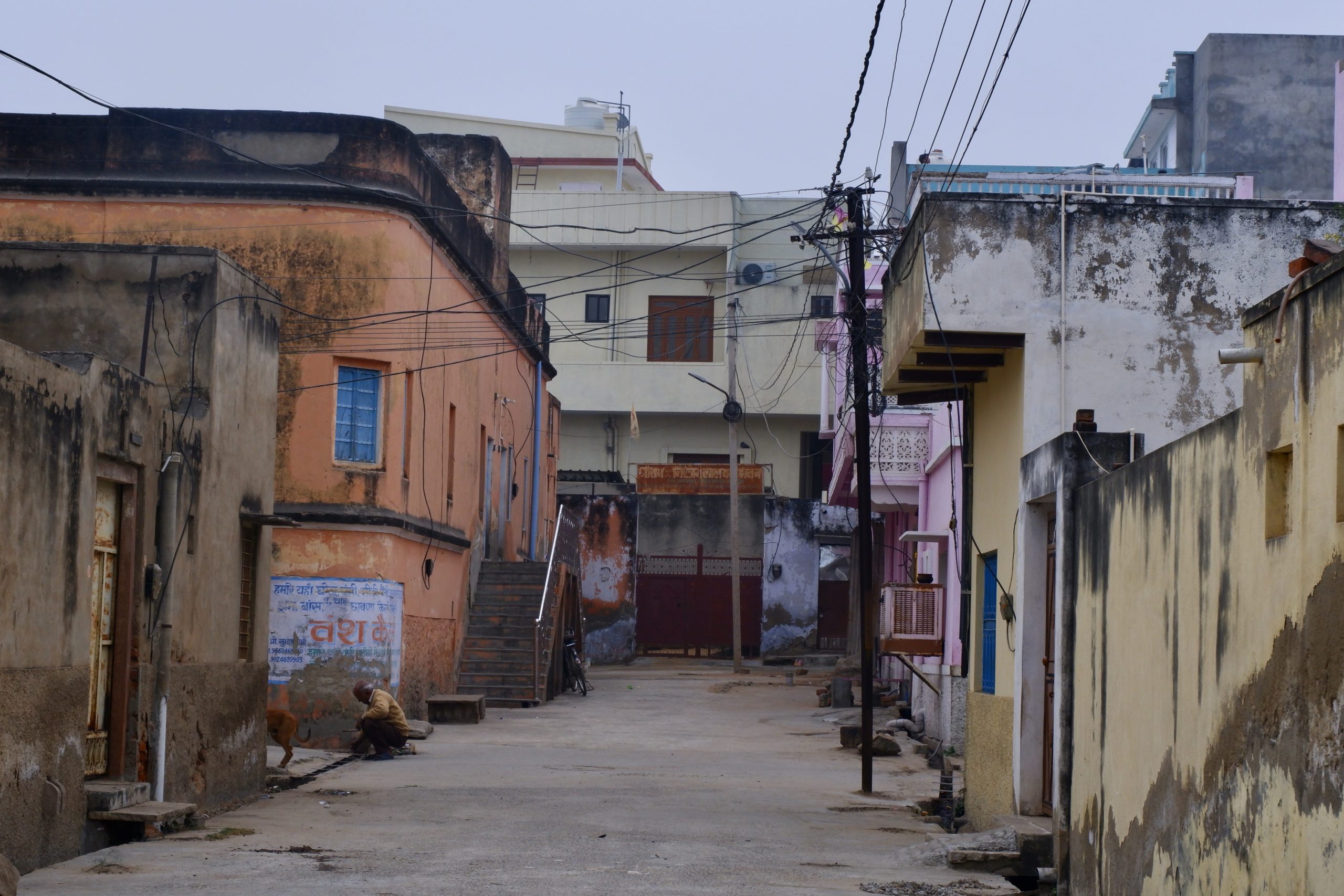
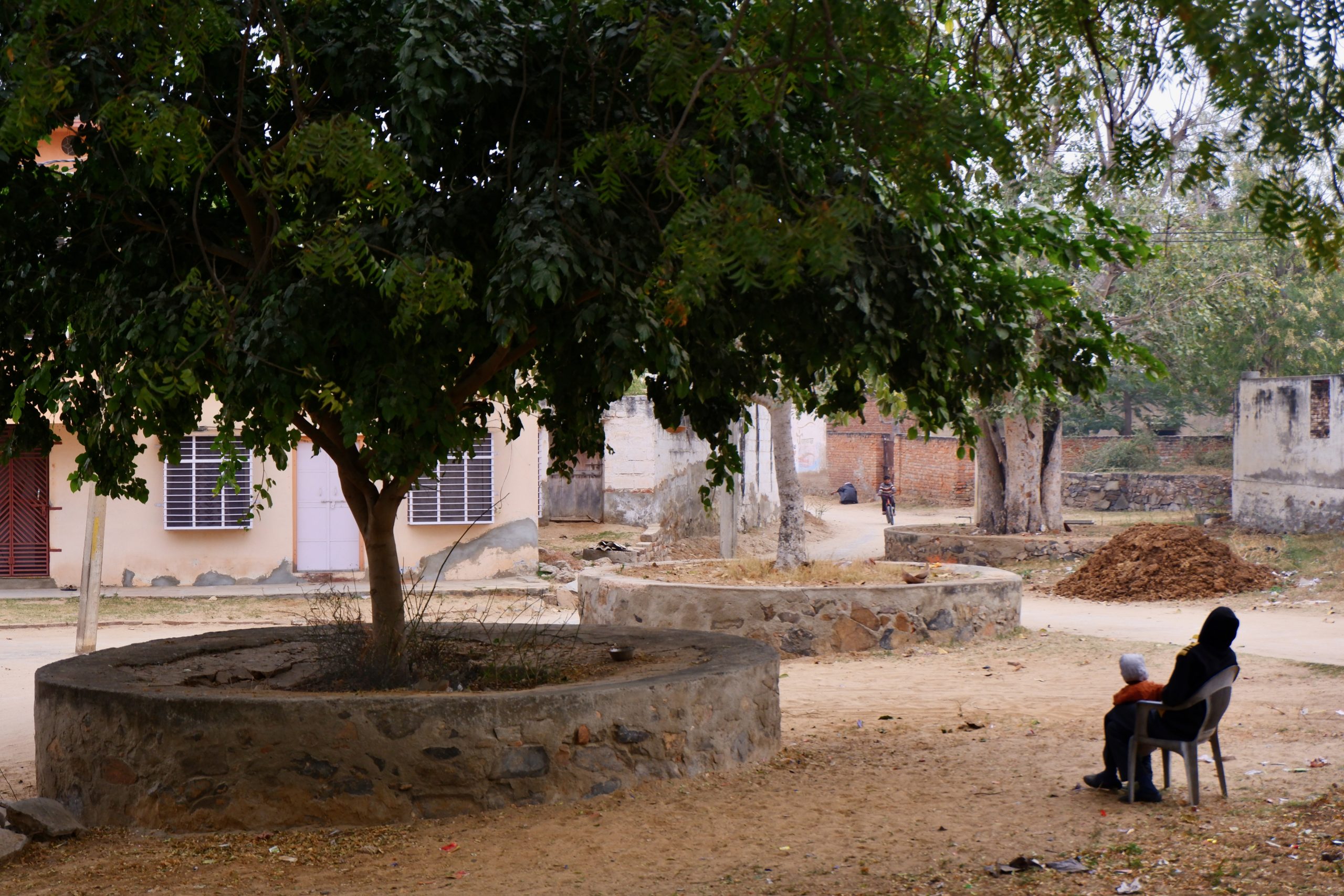
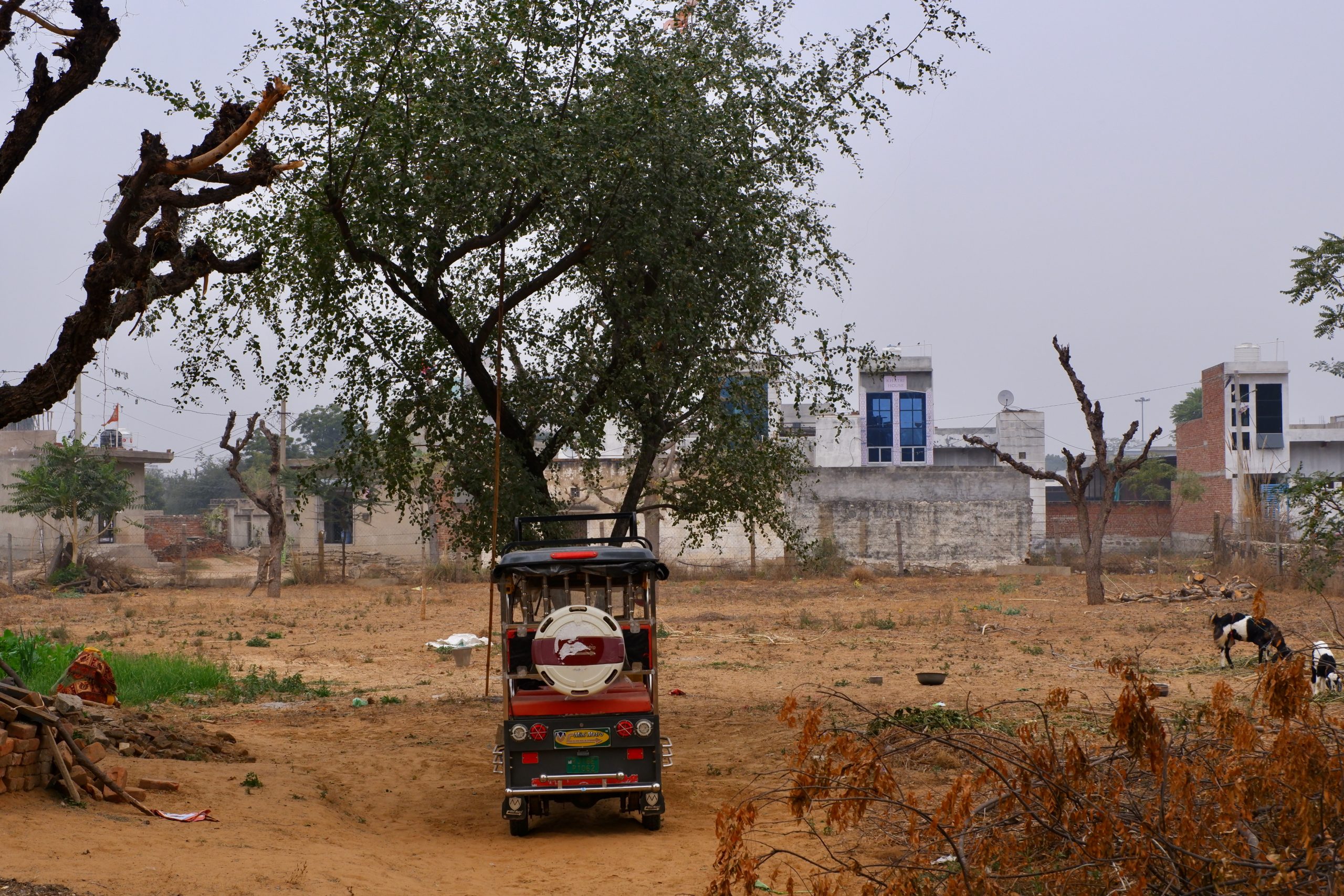
At some point I left the guesthouse and stepped into the gloomy day to take gloomy photos. The sun never came out all day, but at least it wasn’t quite as bitterly cold. I wandered through parts of Nawalgarh I didn’t know very well yet, looking for different kinds of images — and I did find them.
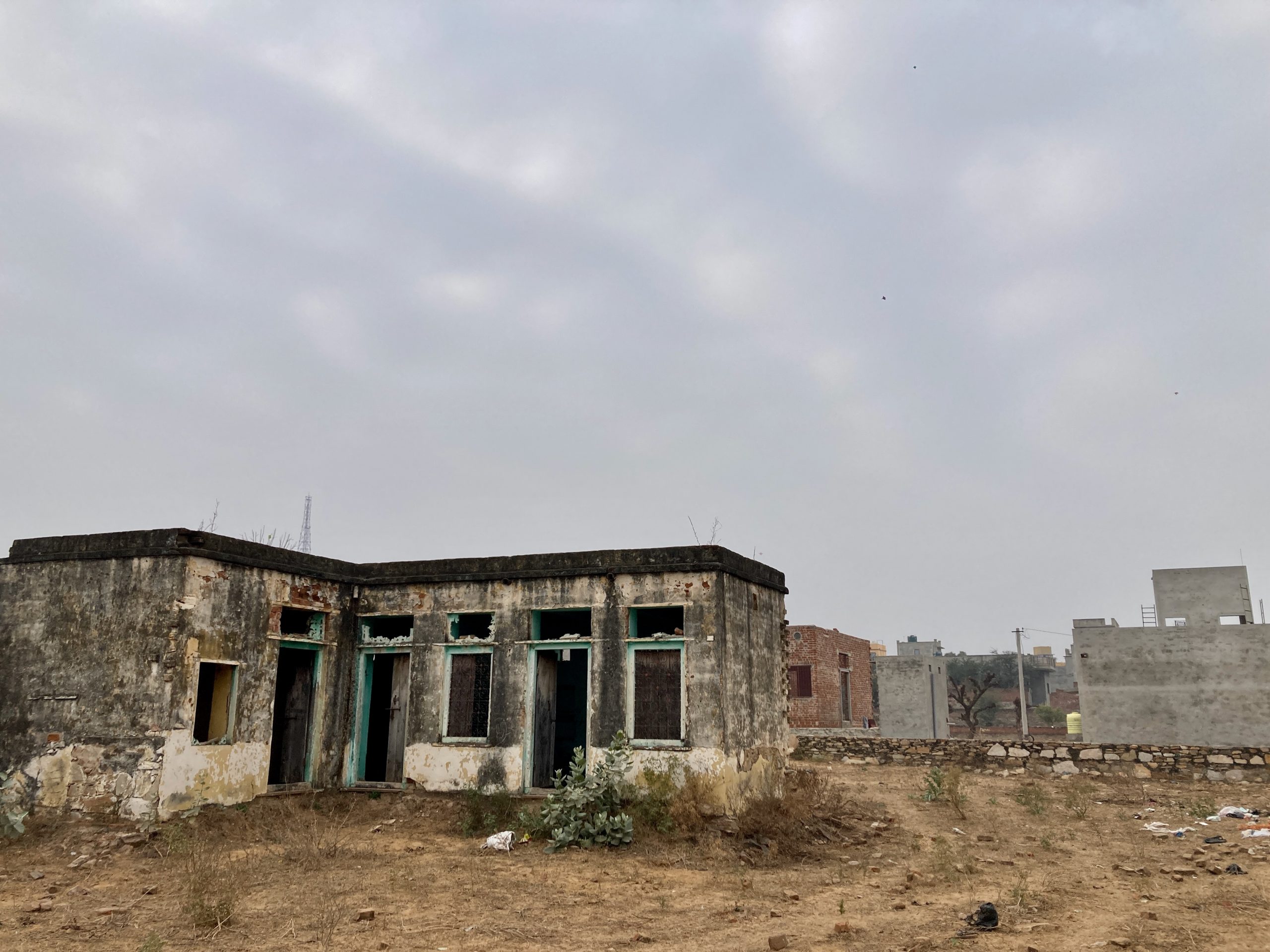 4
4
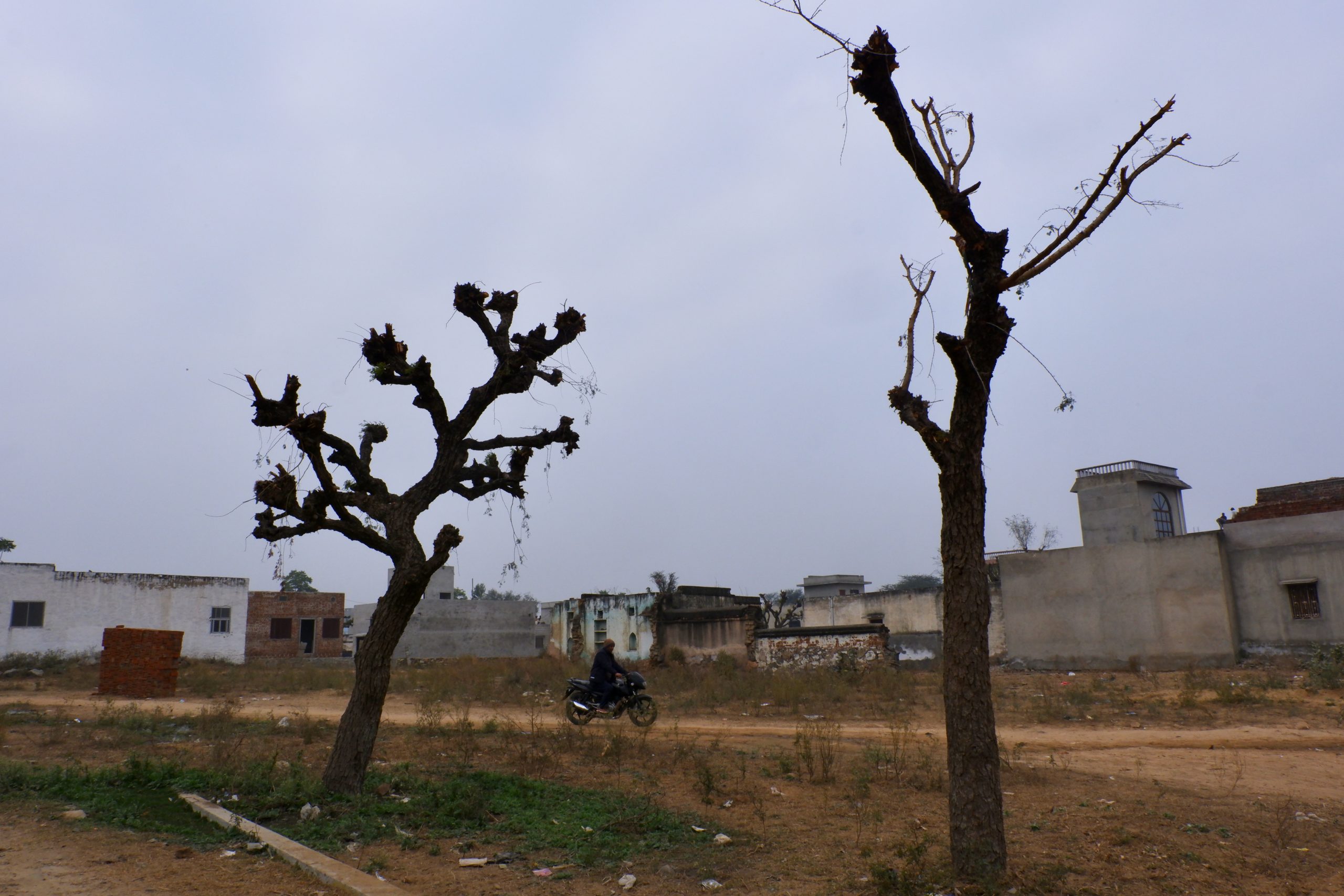 5
5
I also discovered things. At Rajasthani weddings, the groom is traditionally supposed to arrive riding a horse. These horses can be rented — and I discovered the stable in Nawalgarh where they come from.
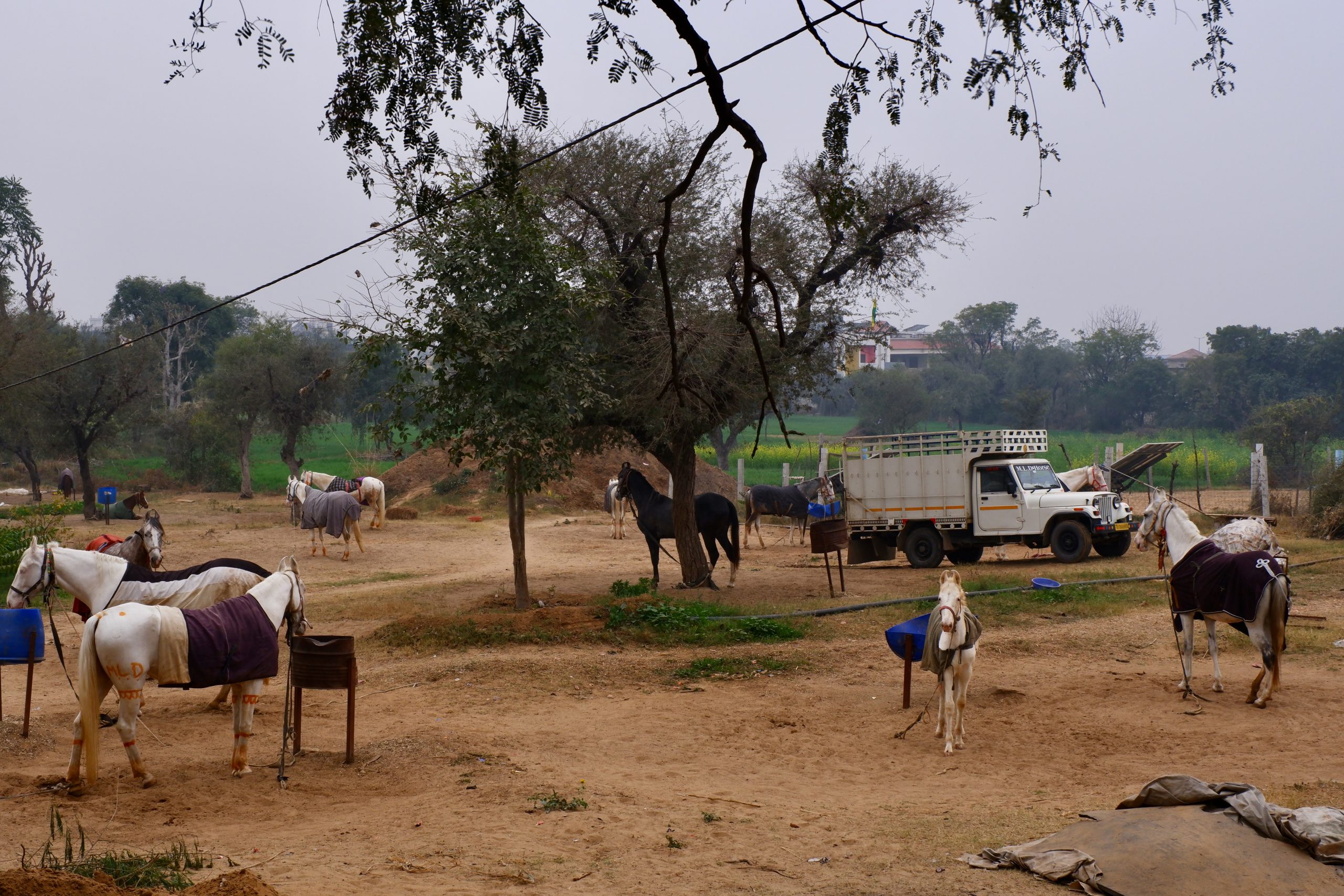 6
6
Besides the (abandoned) havelis, there are also old wells from earlier times that are no longer in use.
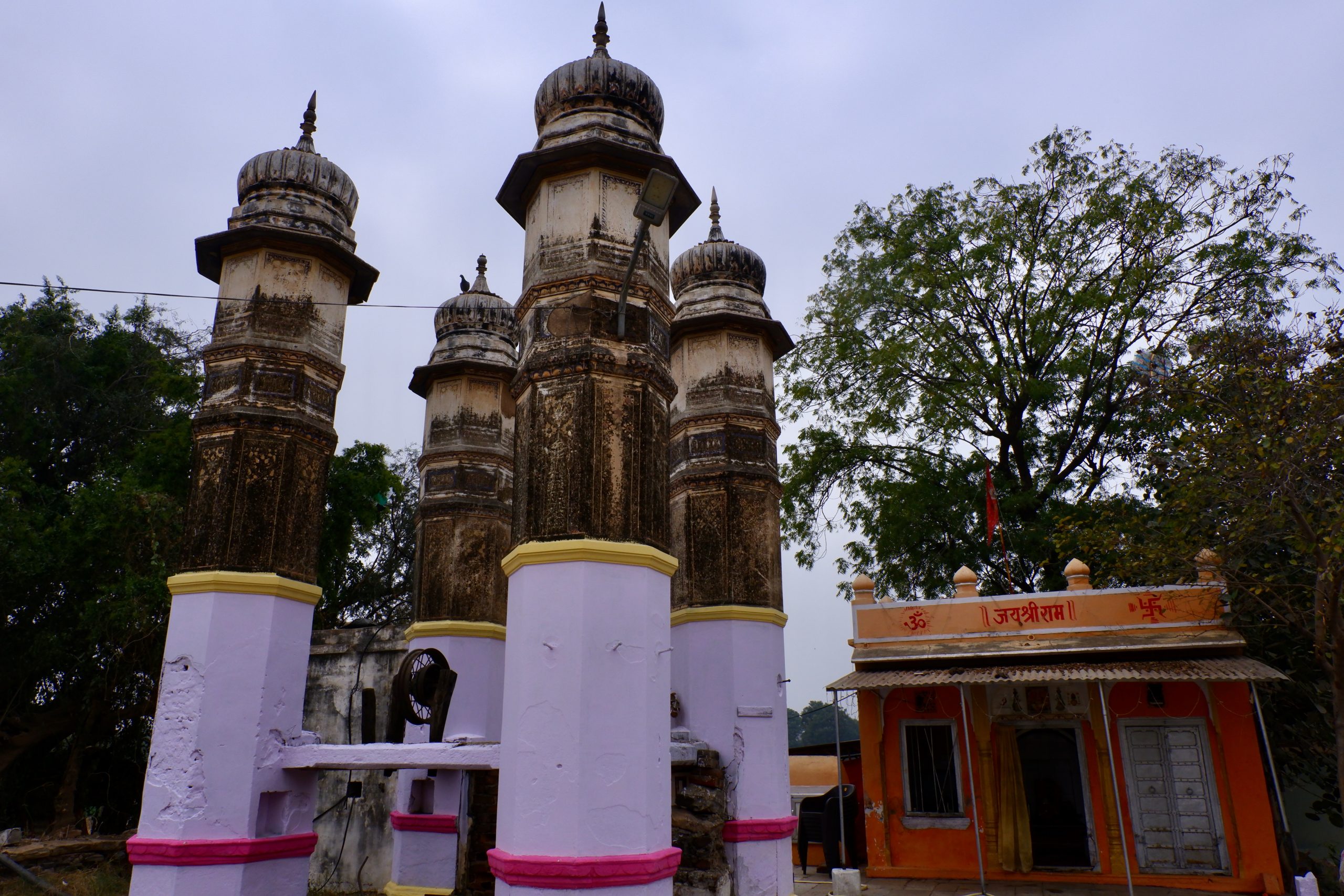 7
7
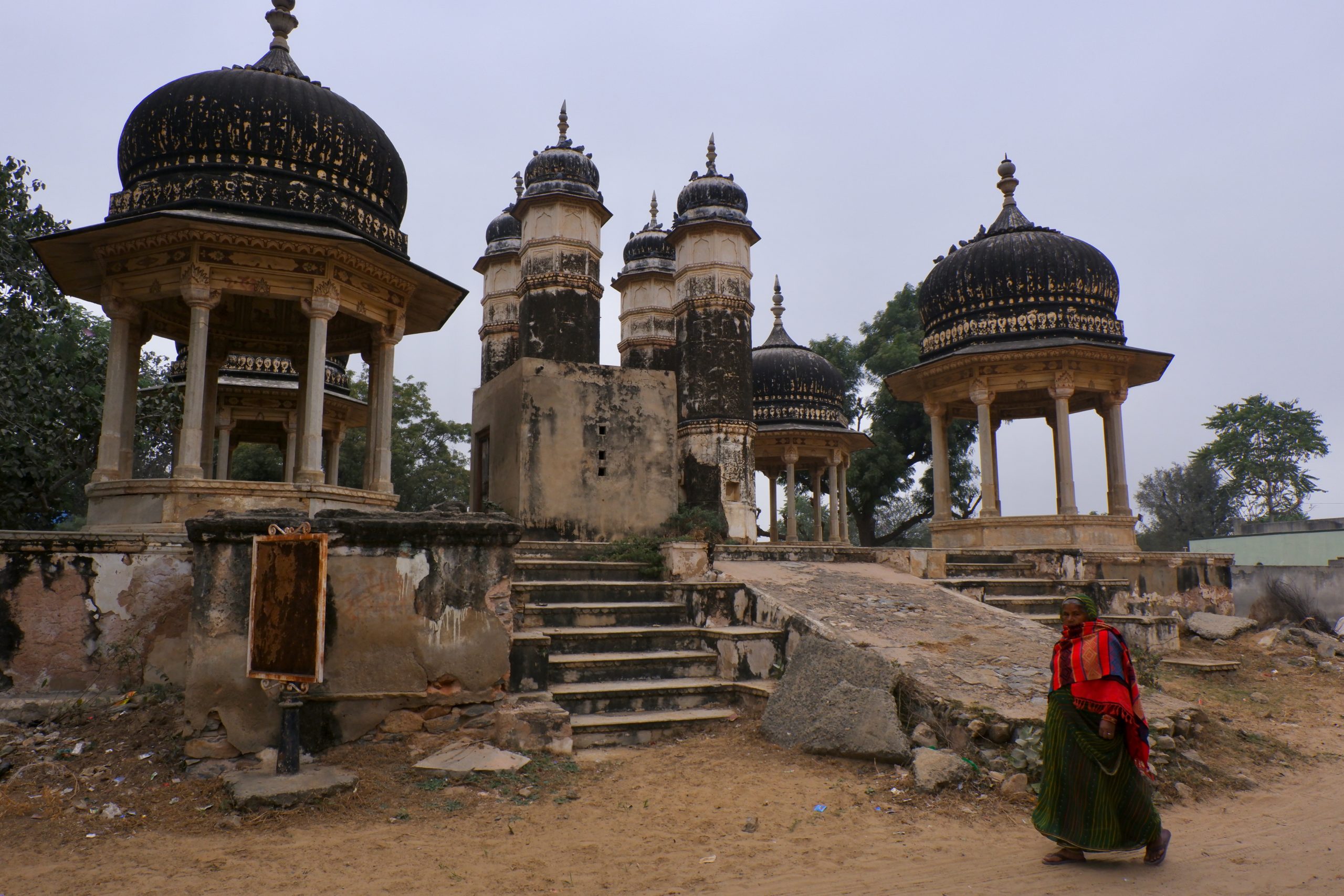 8
8
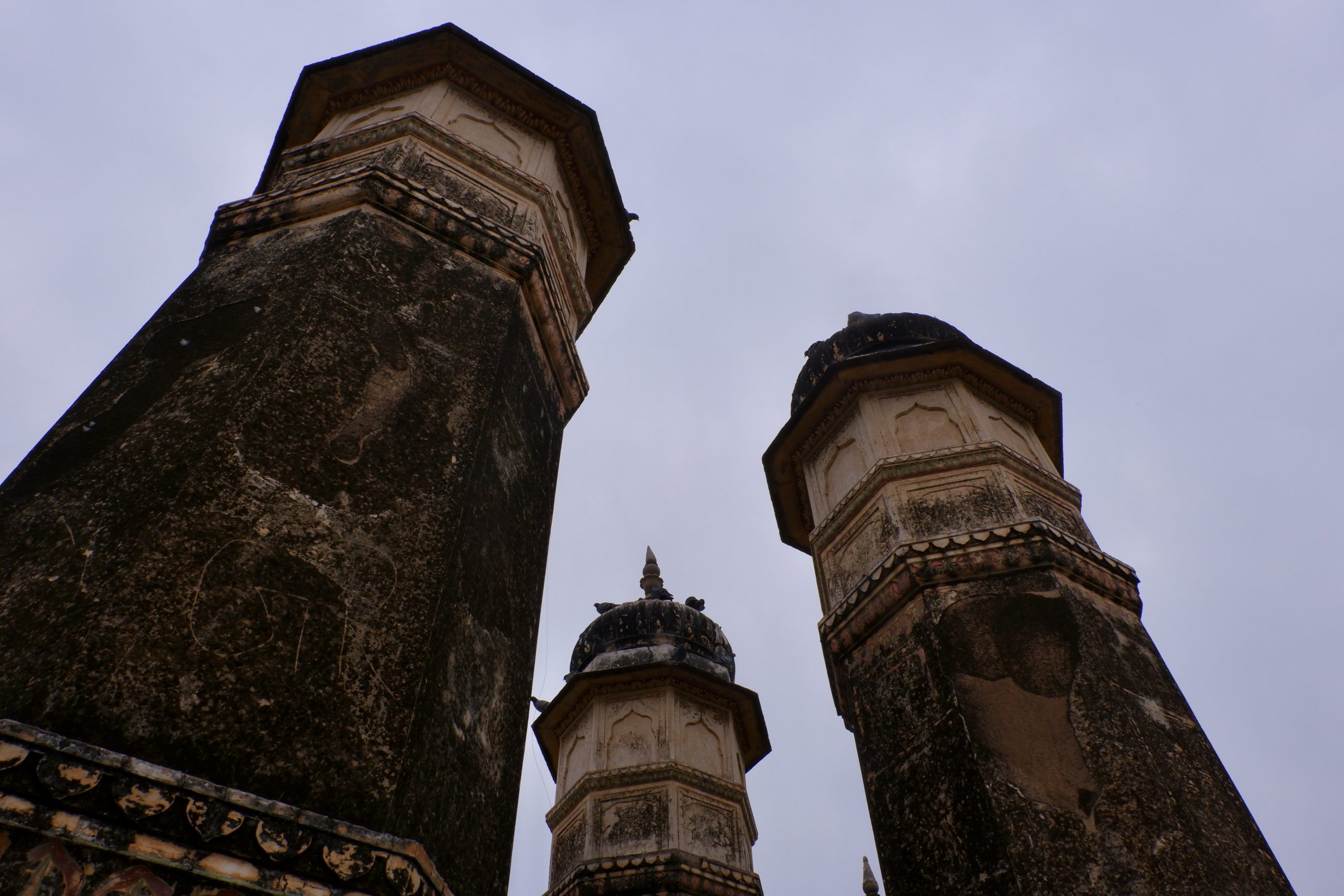 9
9
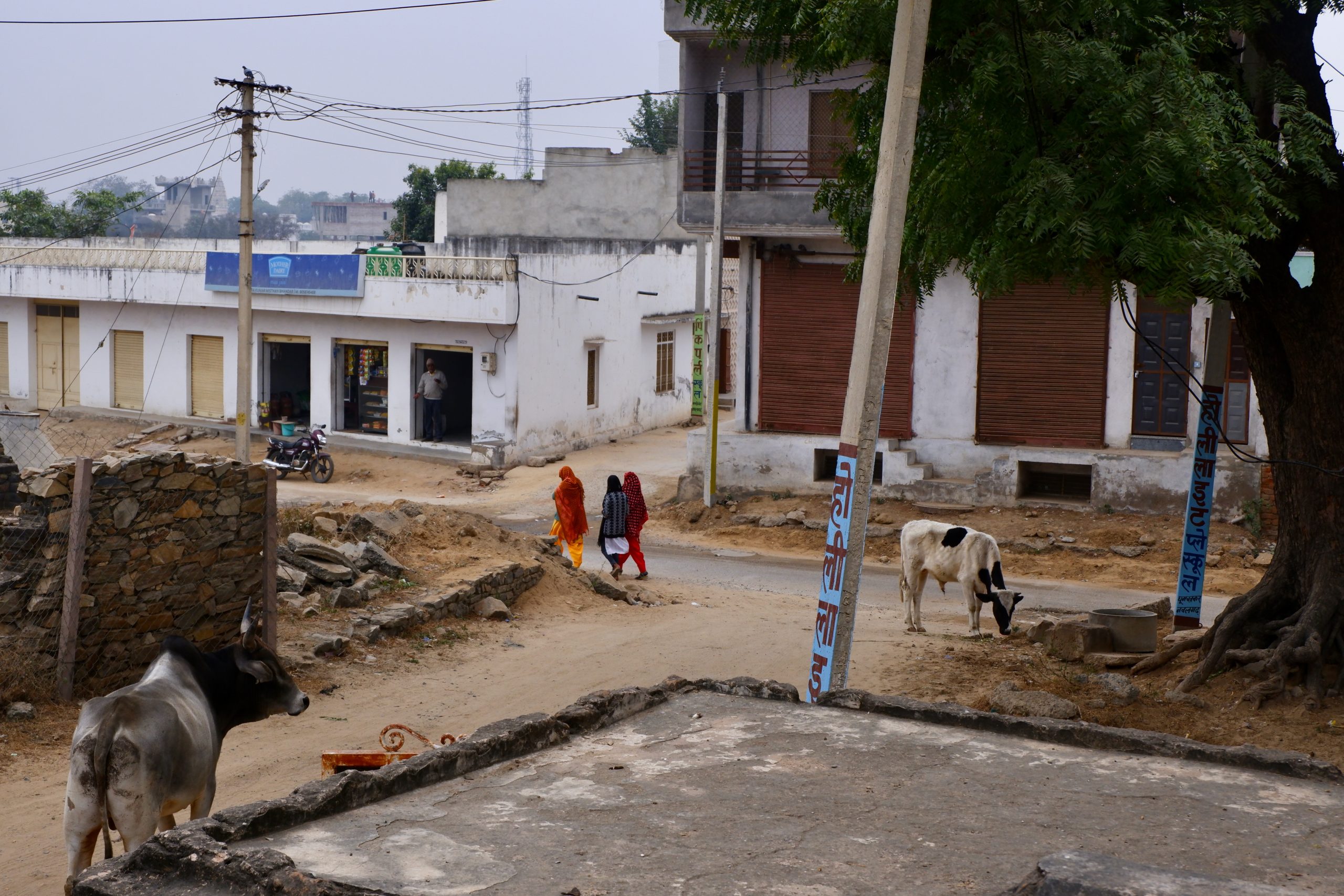 10
10
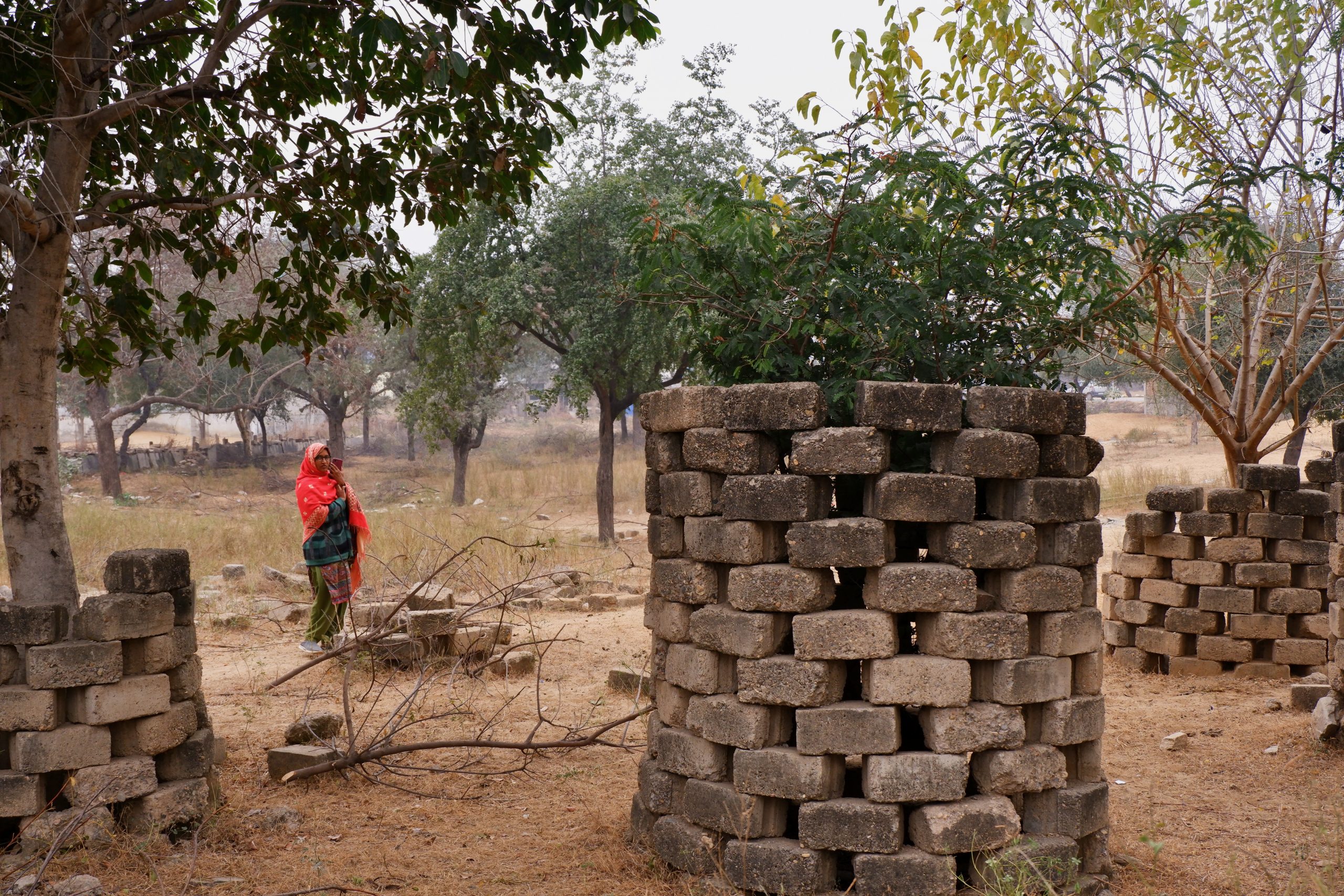
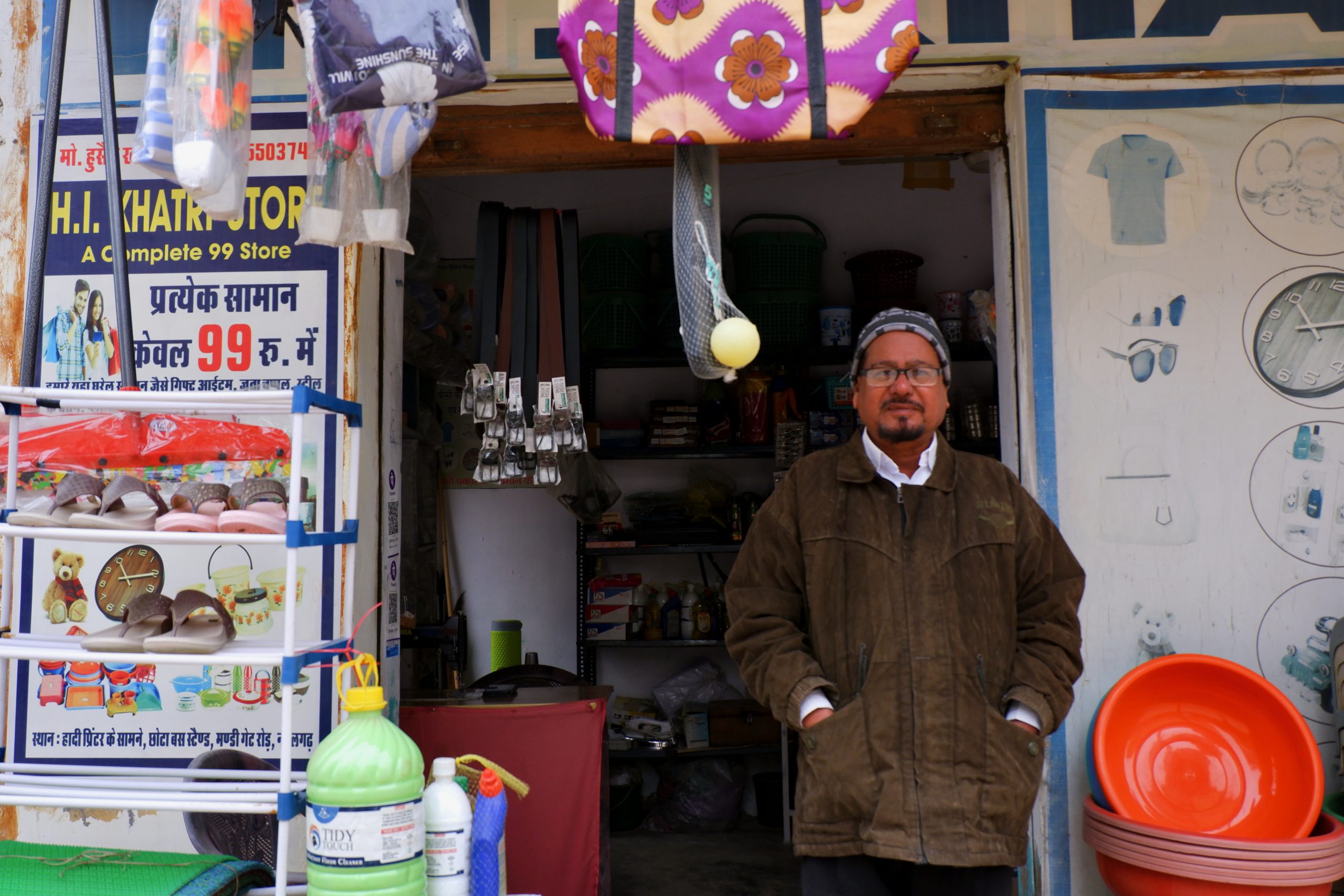
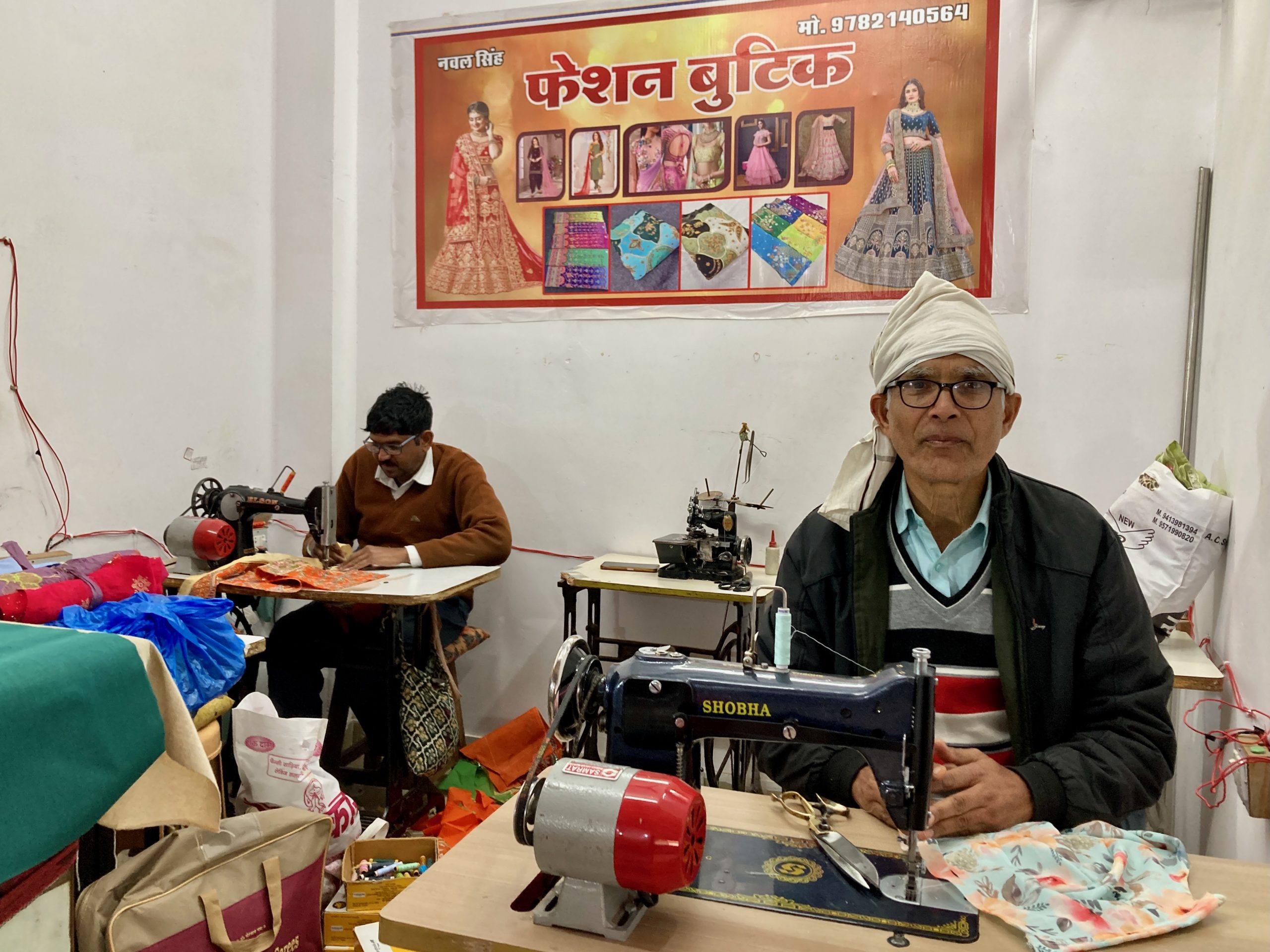
There were also people, but not so many.
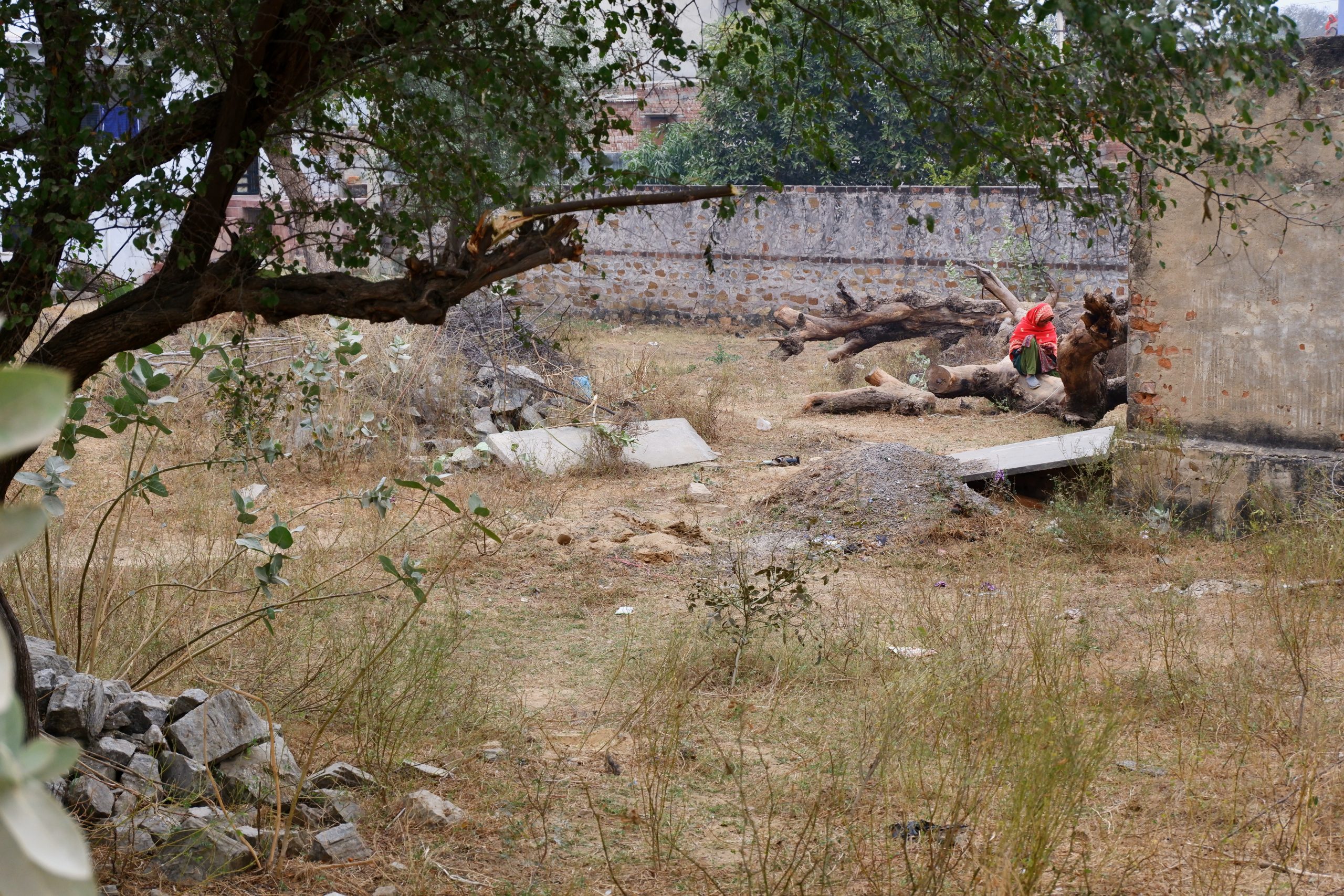 11
11
 12
12
 13
13
 14
14
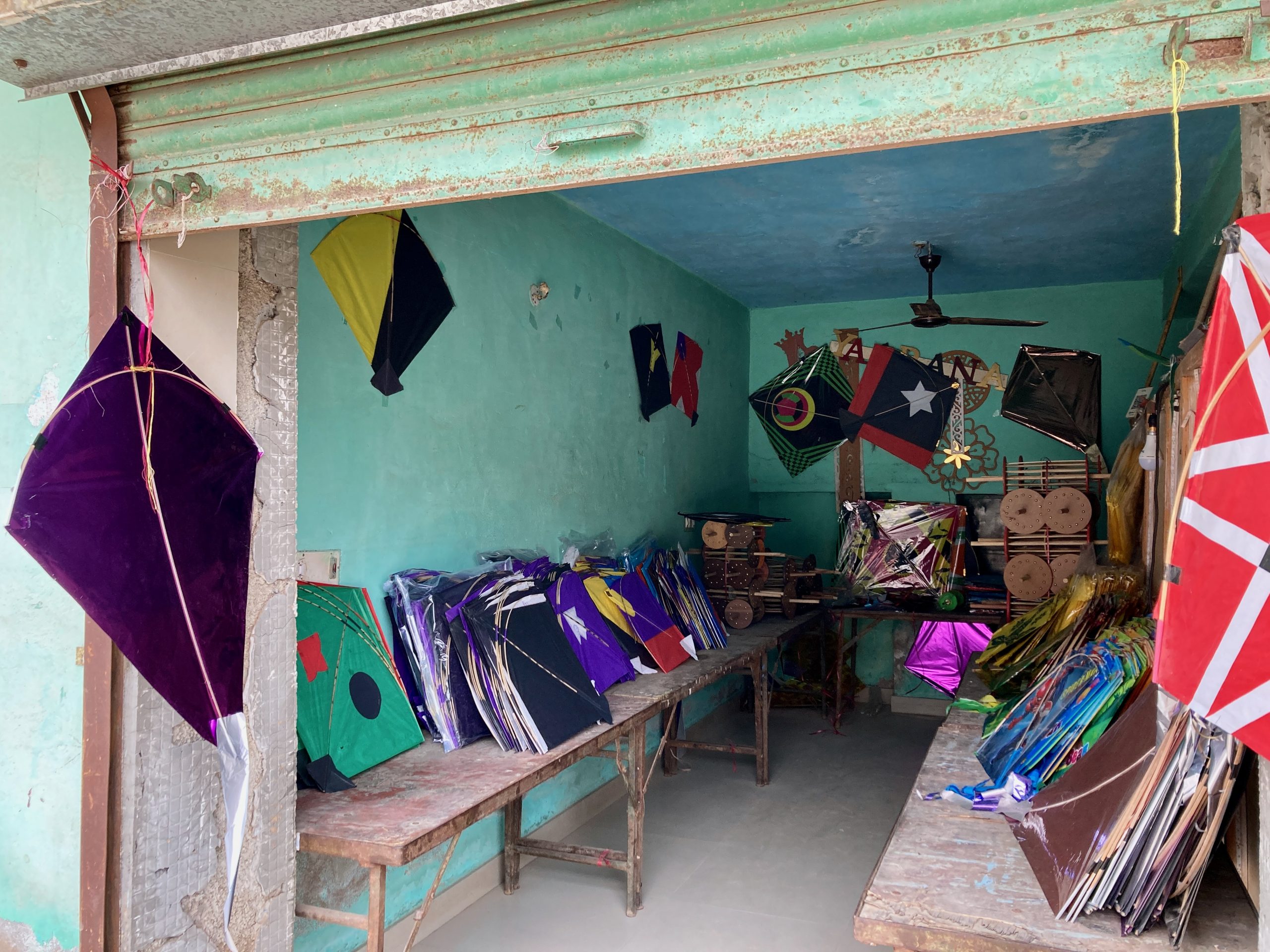
Every year on January 14th there is the big kite festival, and here too you could buy the many cheap kites.
 15
15
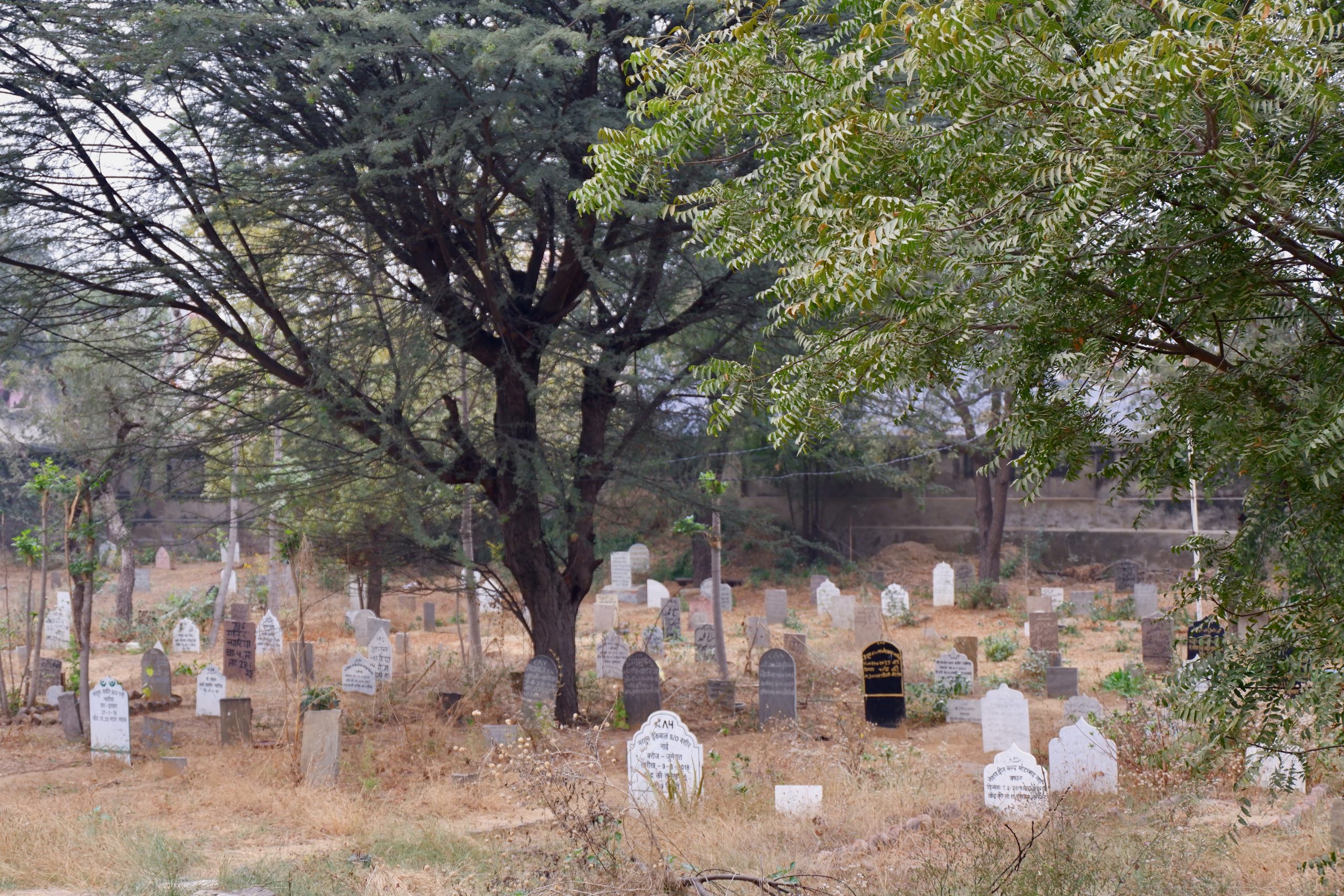
When I passed by a Muslim cemetery, I reflected that Hindus, with their cremation and scattering of ashes in rivers, don’t need any land for cemeteries at all.
 16
16
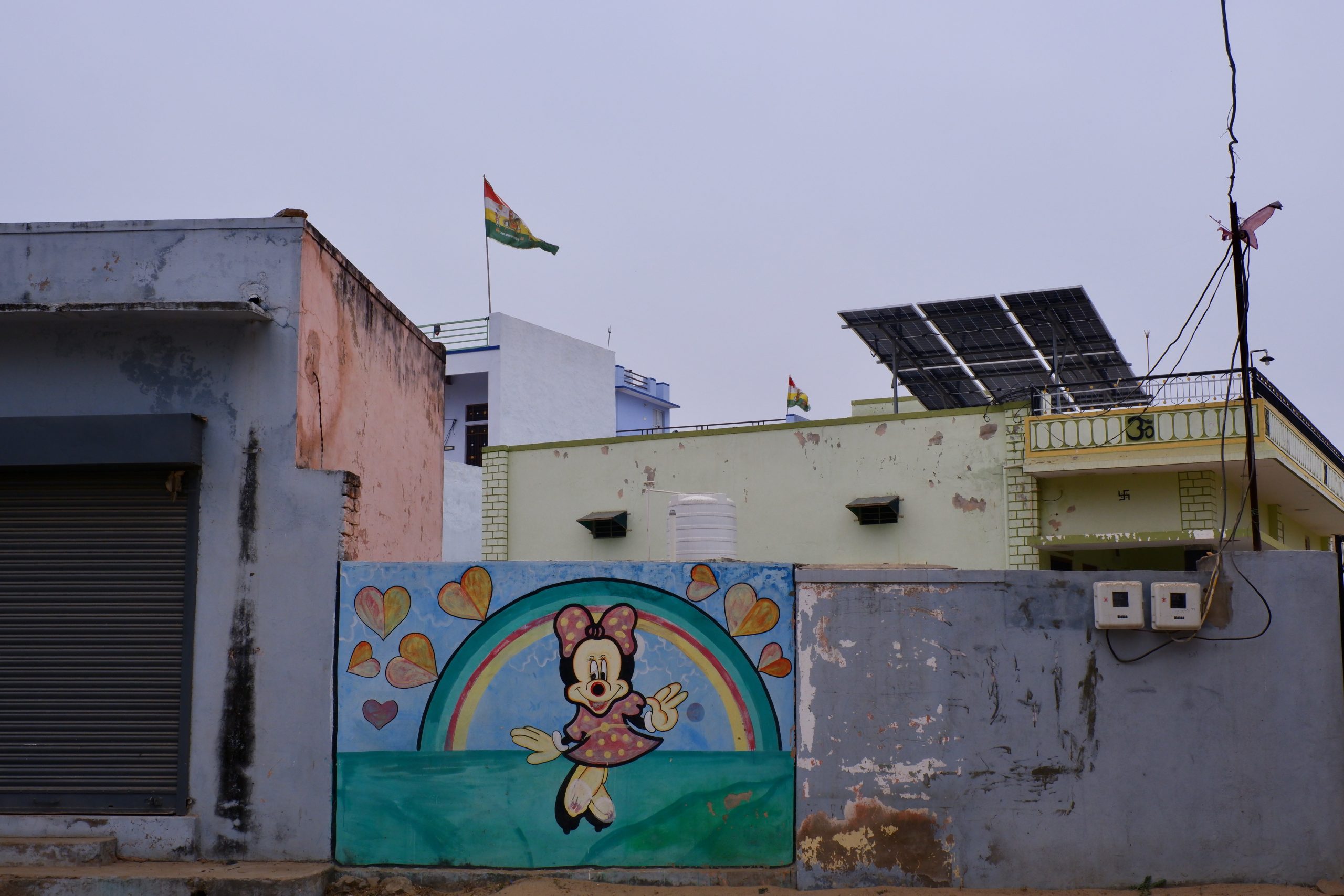
I always enjoy those somewhat absurd-looking images, like this one with Minnie Mouse.
 17
17
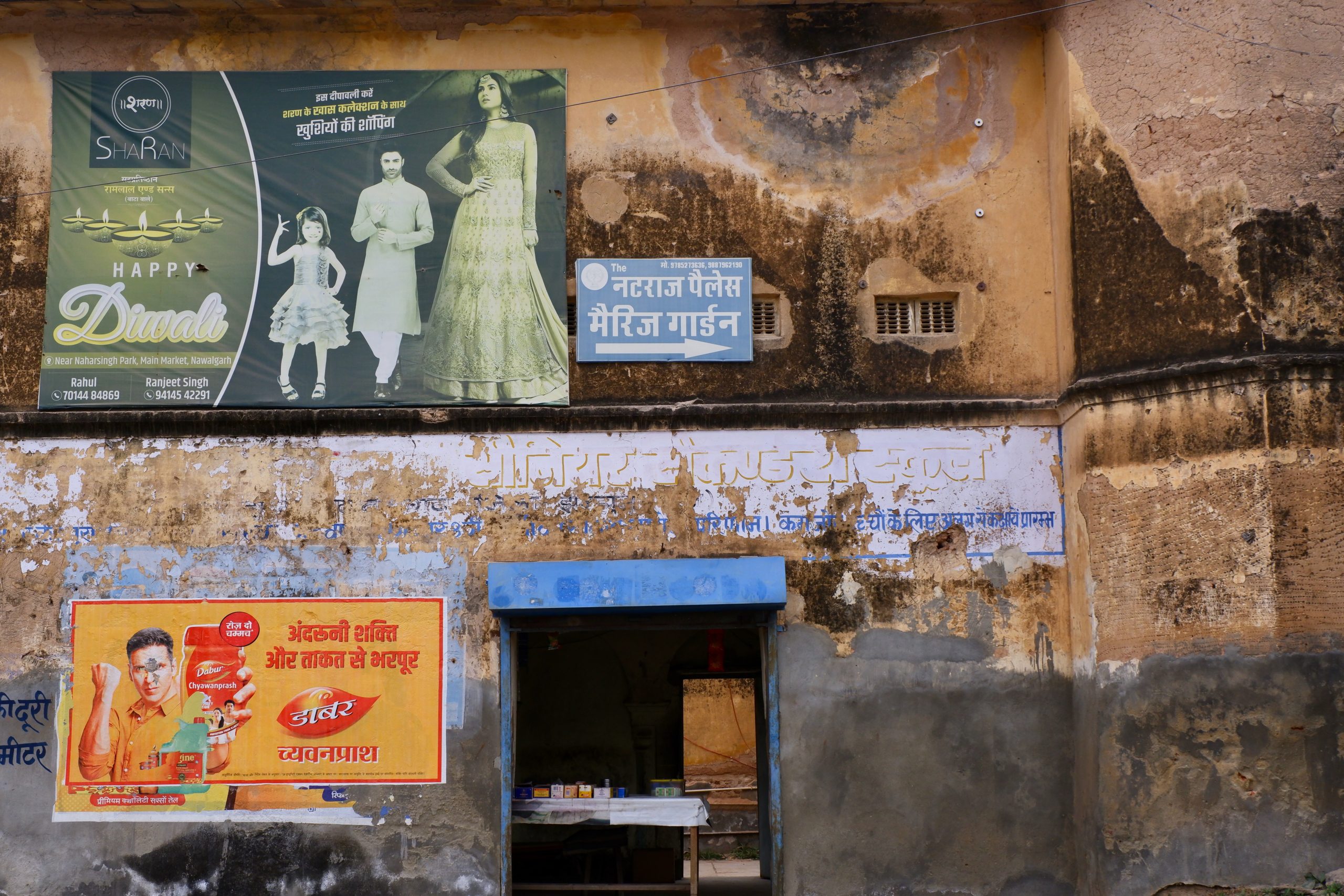
But it didn’t go completely without wall stuff after all:
 18
18
 19
19
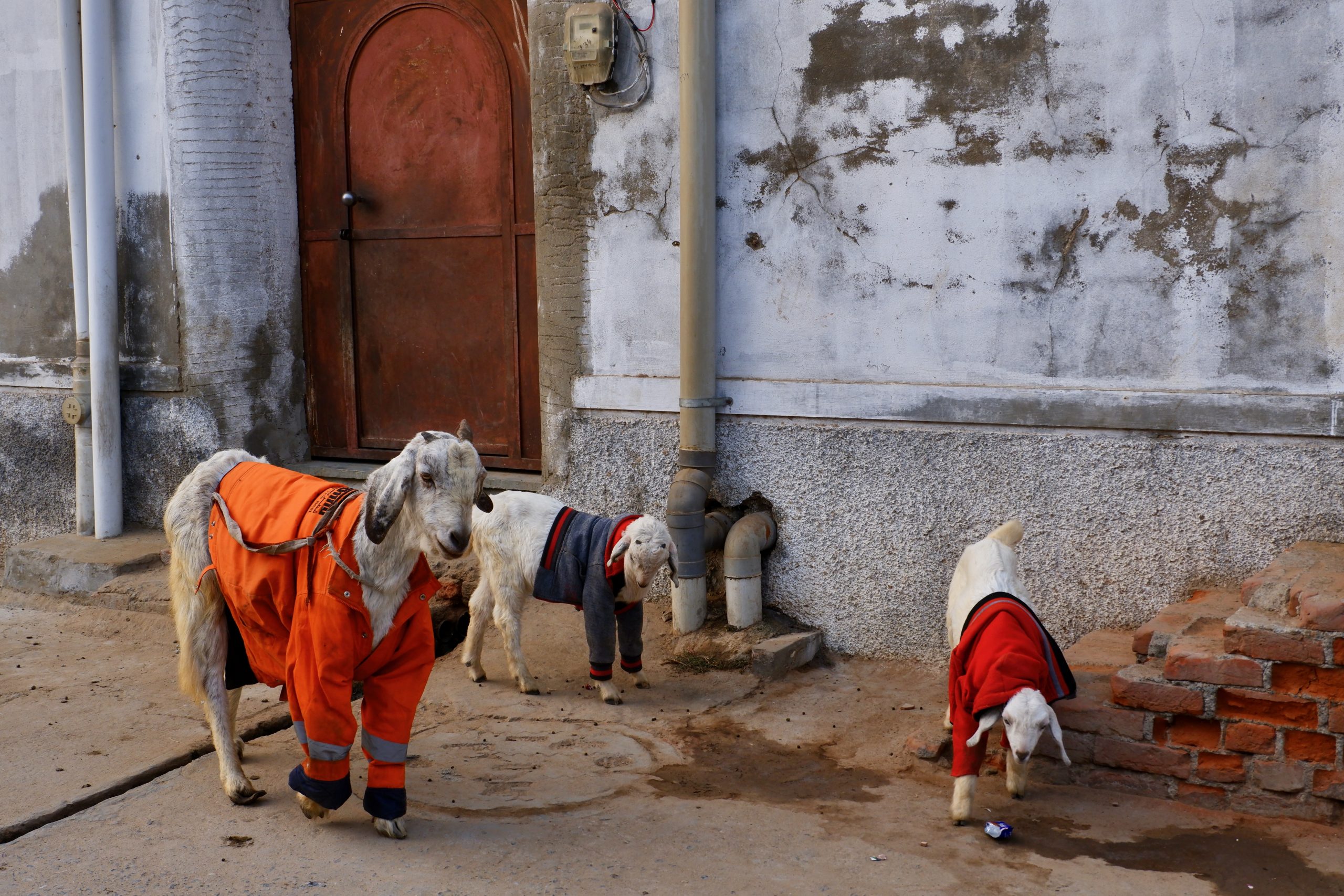
Unfortunately, I noticed that my health was already starting to decline again. A cold was lurking in the background and left me feeling weak. I felt a bit homesick. I no longer wanted to see new things, engage with topics, be on my own, or do without certain comforts — more than anything, I just wanted to be at home and let everything sink in. After the rather demanding group trips with all their logistics and side issues, I felt like I’d already experienced more than enough for the time being. Every now and then, enthusiasm would flare up again and I’d be tempted by aspects that gave me joy, but overall I just didn’t feel like it anymore and didn’t really know where to put myself. And I found the cold exhausting too. Even the goats had to be dressed warmly.
 20
20
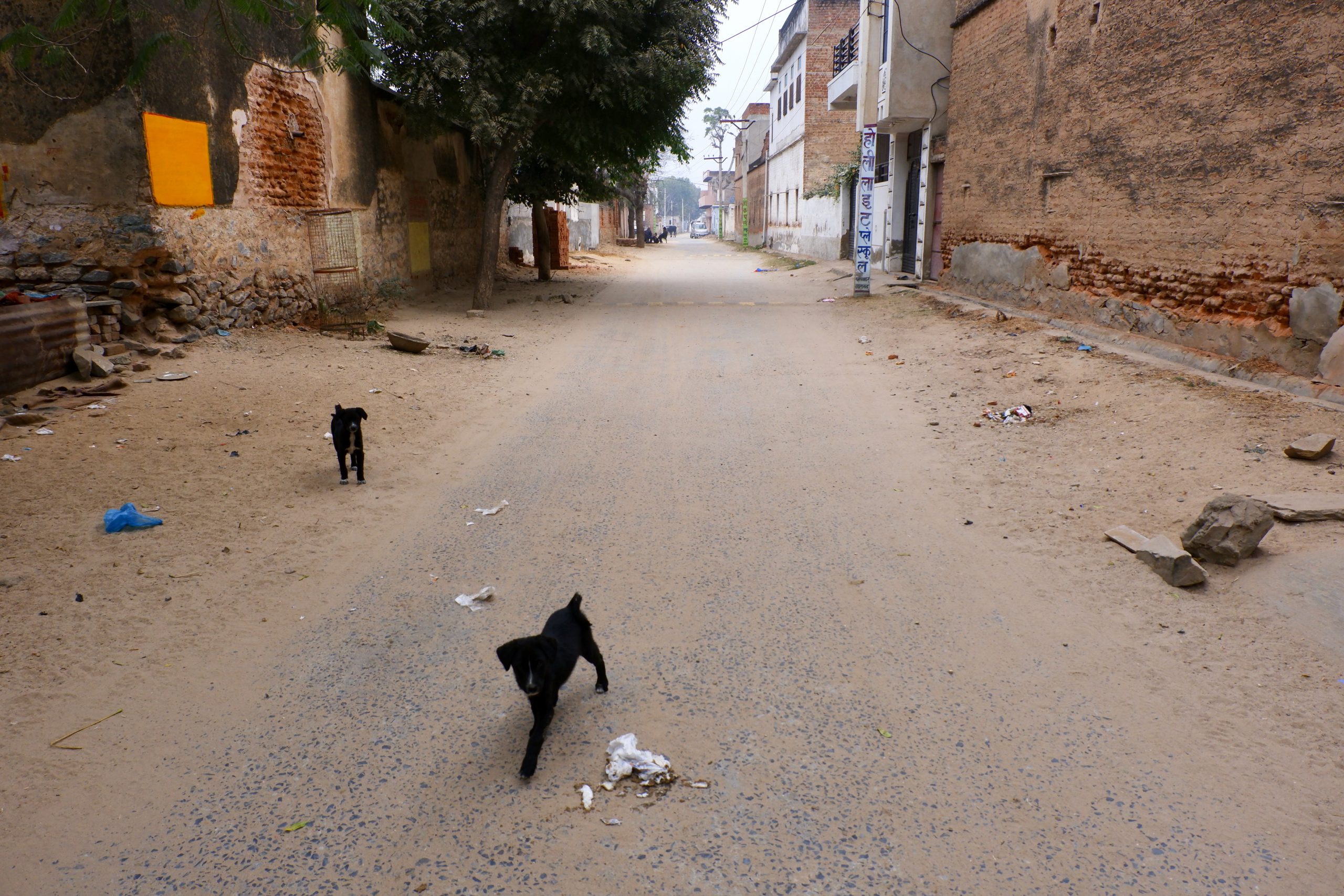
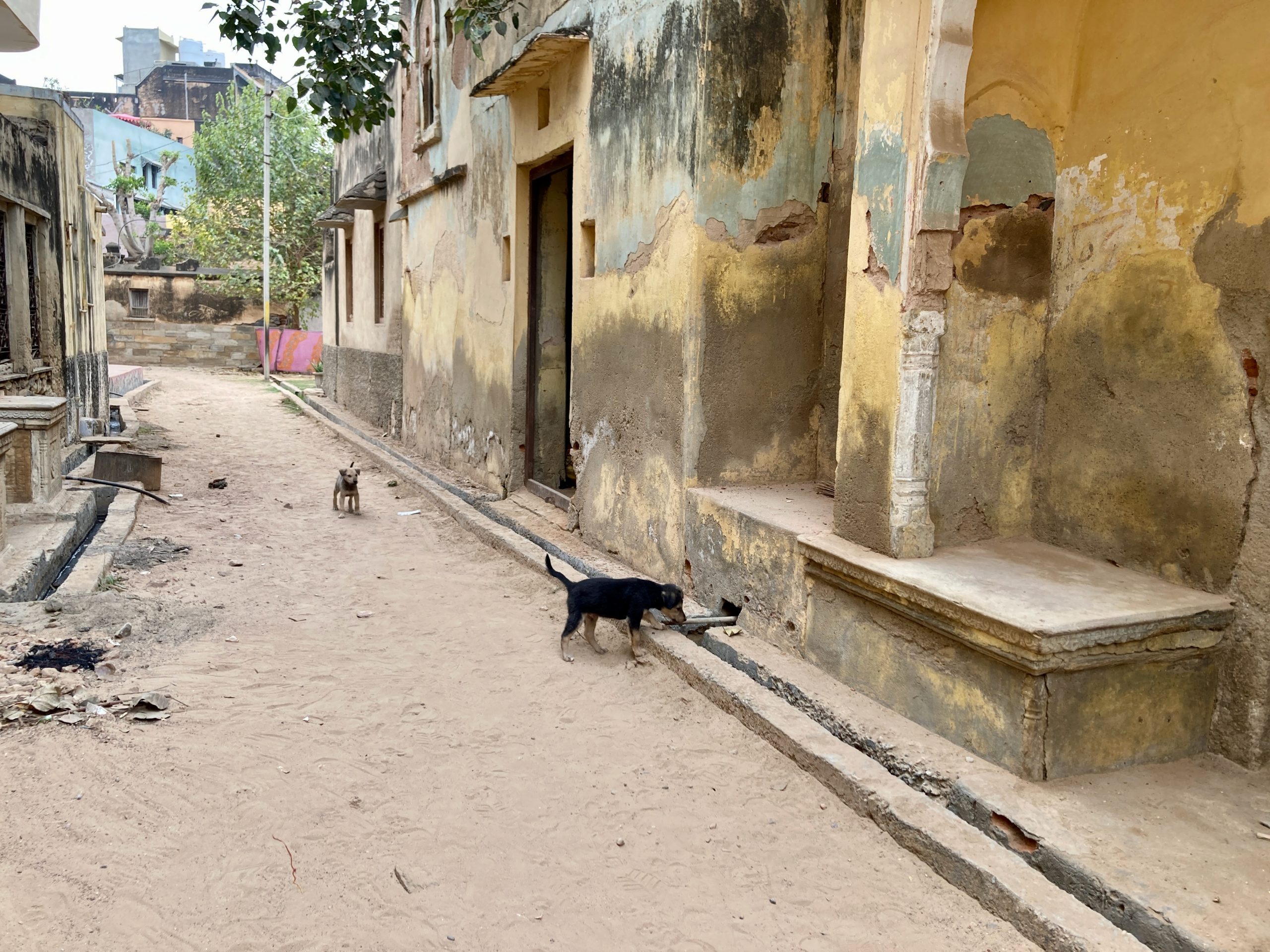
The many little puppies touched me.
 21
21
Somehow I got through the day, had dinner at the guesthouse, and was then taken to the night bus. It had reclining berths where you could stretch out. I wondered why that had seemed like a good idea. It was chilly, bumpy, no toilet (at one point I had to ask the driver to stop on the side of the road so I could go into the bushes), and I didn’t sleep at all.
Way too early, I arrived in Bundi (around 4:15 a.m.), but there was a tuk-tuk driver who, wrapped in thick blankets, took me to my accommodation and rang the staff. They allowed me an early check-in for a reasonable extra charge, and I sank into another cold room to sleep. Rajasthan only has a real cold problem for about three weeks in winter. The summer with 40-plus degrees is much more challenging for them, so all the interiors are designed to keep the heat out. You get through the cold days with lots of blankets. I still missed my down jacket and my central heating at home.