


Kerala: Thiruvananthapuram – Sunglasses not allowed
16. December 2025
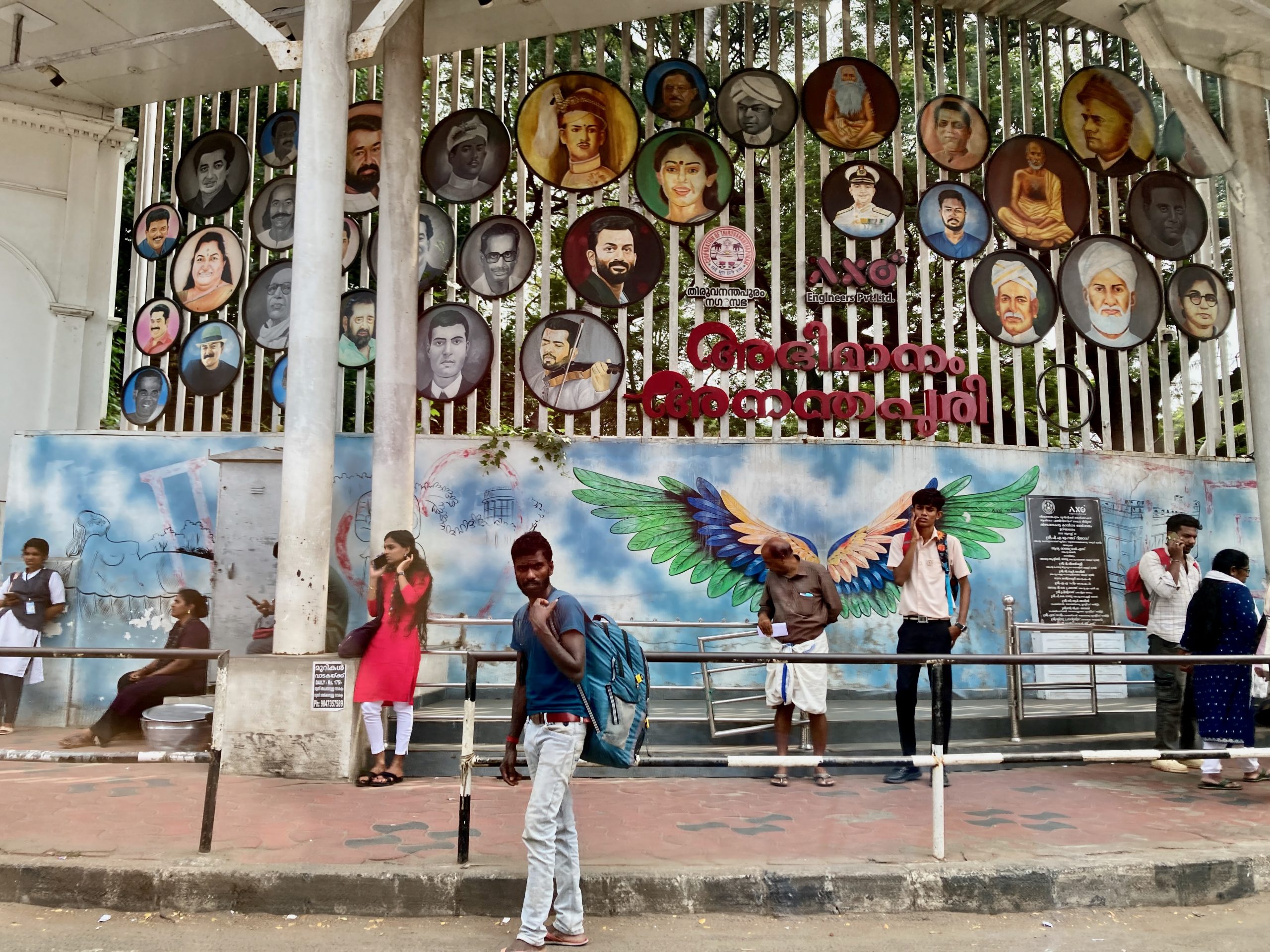
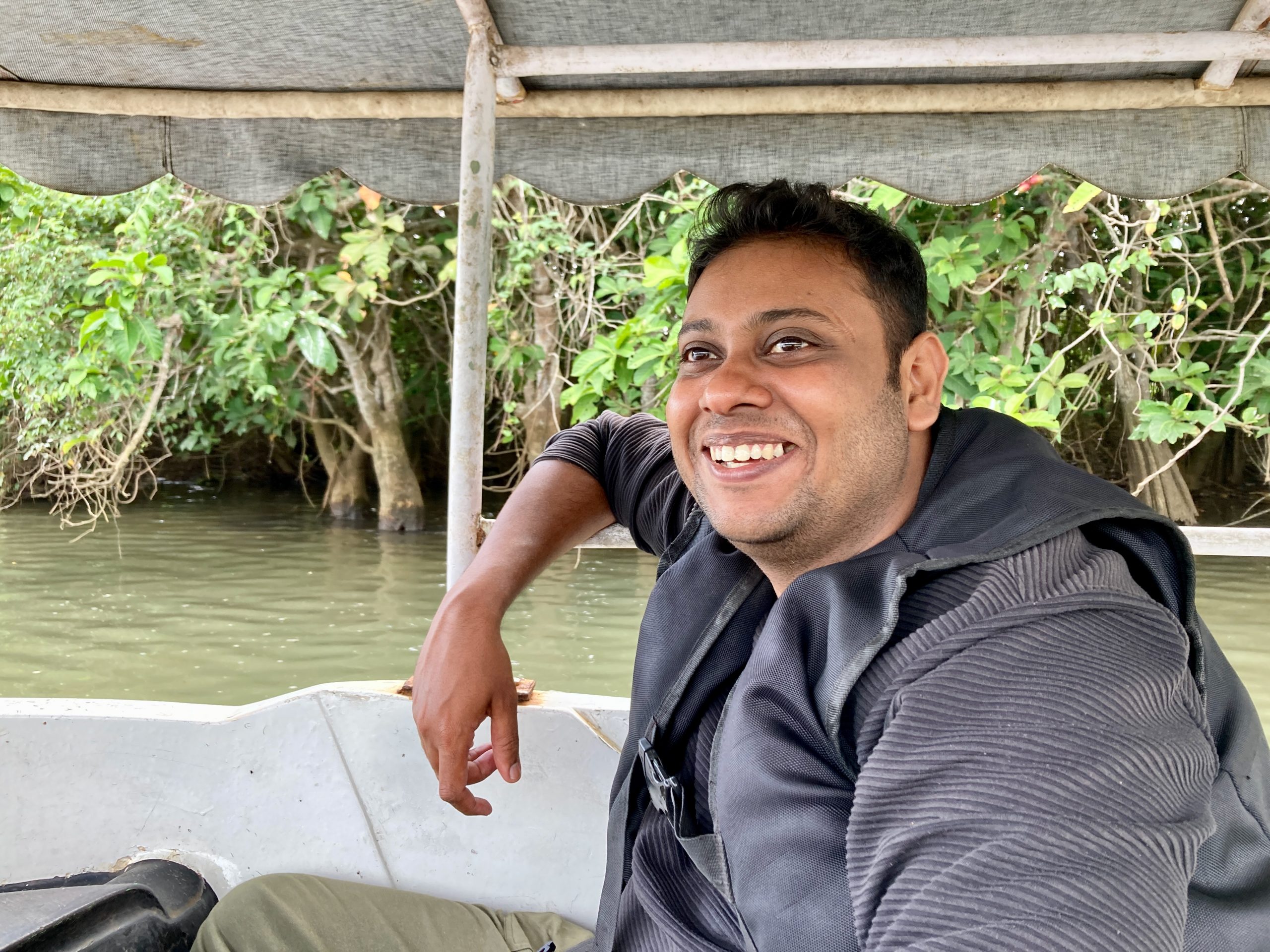
I still had a whole day in Trivandrum, and since I found the taxi driver quite nice, I asked him to drive me around and show me a few things. The taxi driver’s name is Asif and he is Muslim. In Kerala there are three religions: a little over 50% Hindus, a little over 25% Muslims, and just under 20% Christians. At one intersection in Thiruvananthapuram you can see a church, a mosque, and a Hindu temple very close to each other. For many people, this illustrates how harmoniously the religions coexist here. Asif, too, feels that this harmony is something special in Kerala. He has a wife and a four-year-old son and drives a taxi to save up more money so he can continue his studies. He has worked as a machinist on ships and would like to further his education in that field. I find him a very pleasant, friendly person, and at the end of the tour he really surprised me. We connected my phone to his car’s speakers and I played him music while he tried to guess the language. I have quite a lot of different languages in my playlist. And then he knew Firkin, a band from Hungary—one that I thought hardly anyone even back home knew. And then here in India! He loves music, and Spotify had once suggested them to him, which he really liked.
So, now on to the sightseeing. First we went to the Sree Padmanabhaswamy Temple. It is very large and of great significance, but non-Hindus are not allowed to enter. Many other things are also not permitted inside, as can be seen from the prohibition sign:
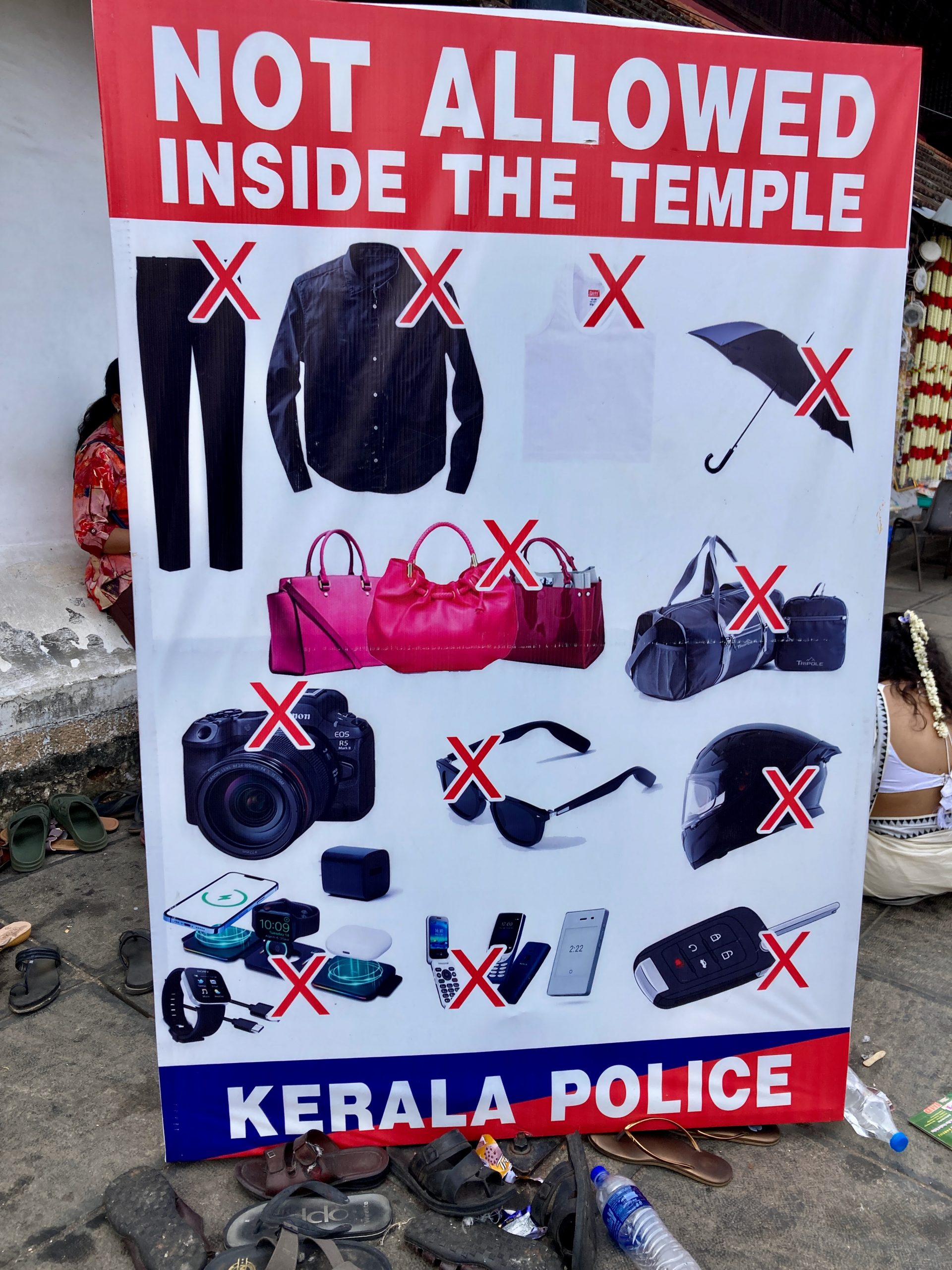 Sunglasses not allowed
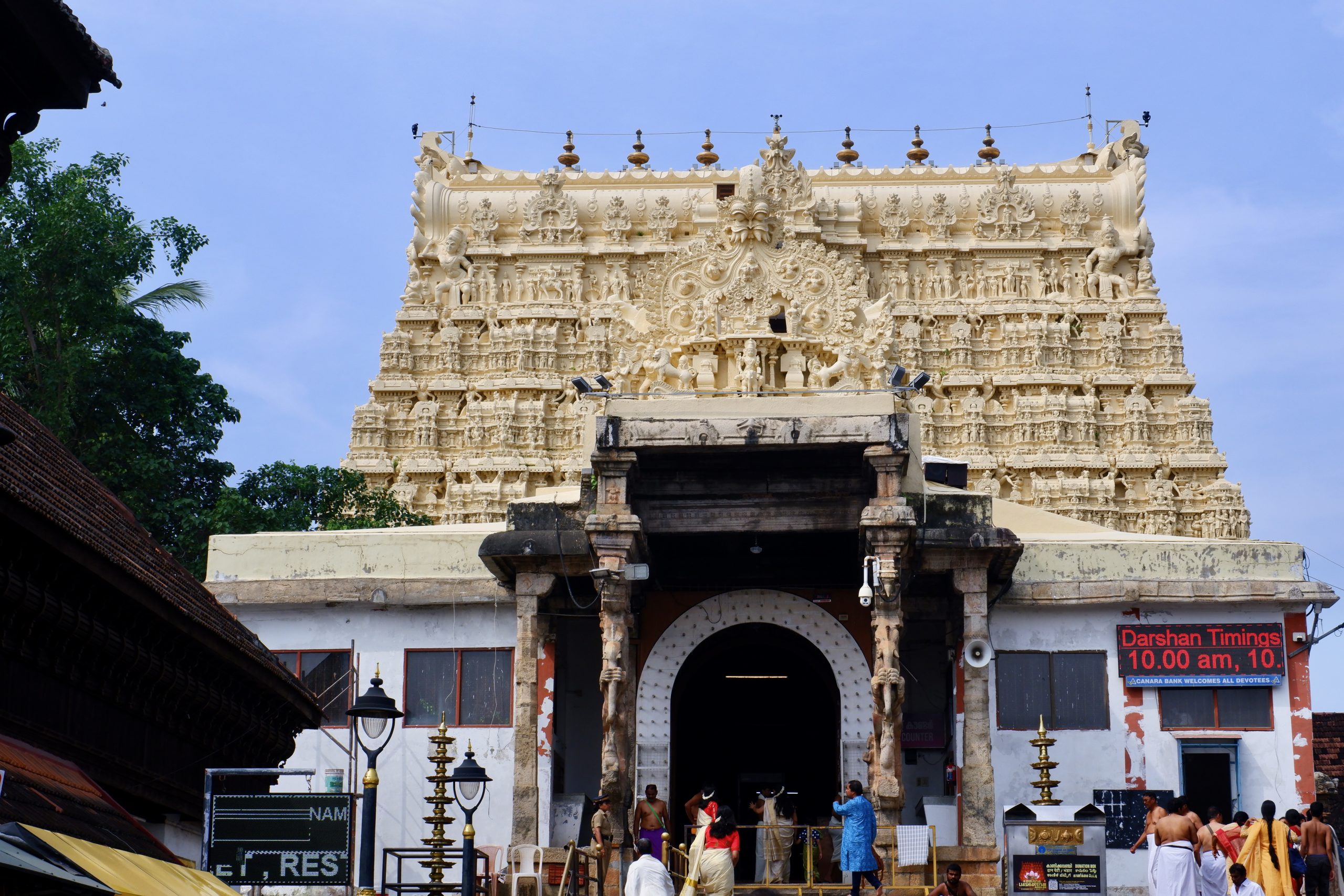 Temple
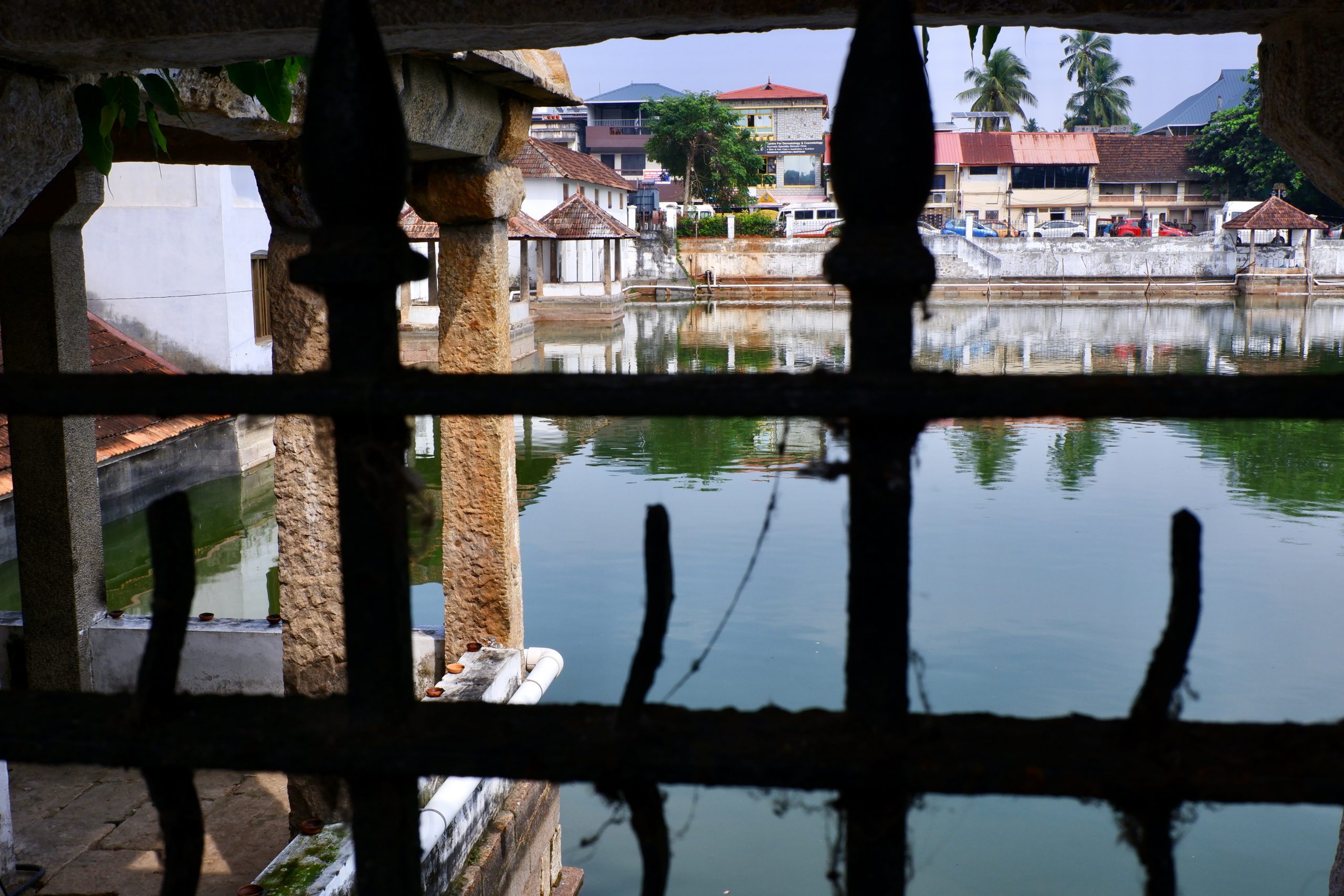 Templepond
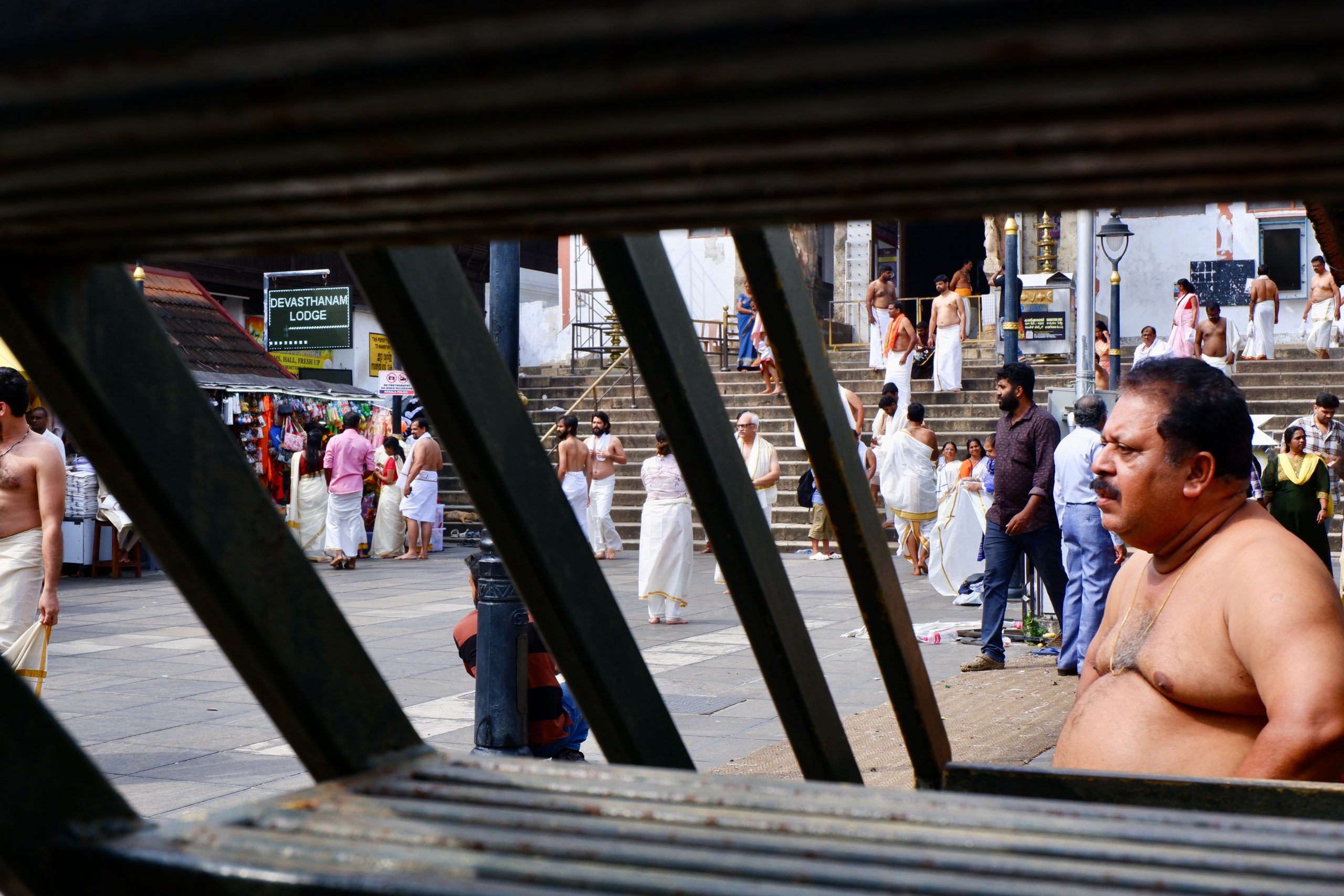 people in front of temple
However, we hadn’t gone there just to look at the temple from the outside, but because there is also a museum and an art gallery, and both were far more worth seeing than I had expected. The museum presents the history of the Maharaja family of Travancore and their influence on art, culture, and politics. The art gallery contains many historical photographs, especially from the period of British colonial rule. In addition, there is a room with very special “paintings”: on a flat, seemingly chaotic and distorted painted surface stands a polished cylindrical mirror; only in its reflection does the image come together into a clearly recognizable face. The work deliberately plays with illusion and perception, transforming the disordered surroundings through the mirror’s view into a precise portrait. I had never seen anything like this before, and it left me truly amazed. Photography would have required paying quite a lot of money, so I chose not to do it. Hence no pictures—but a clear recommendation to visit.
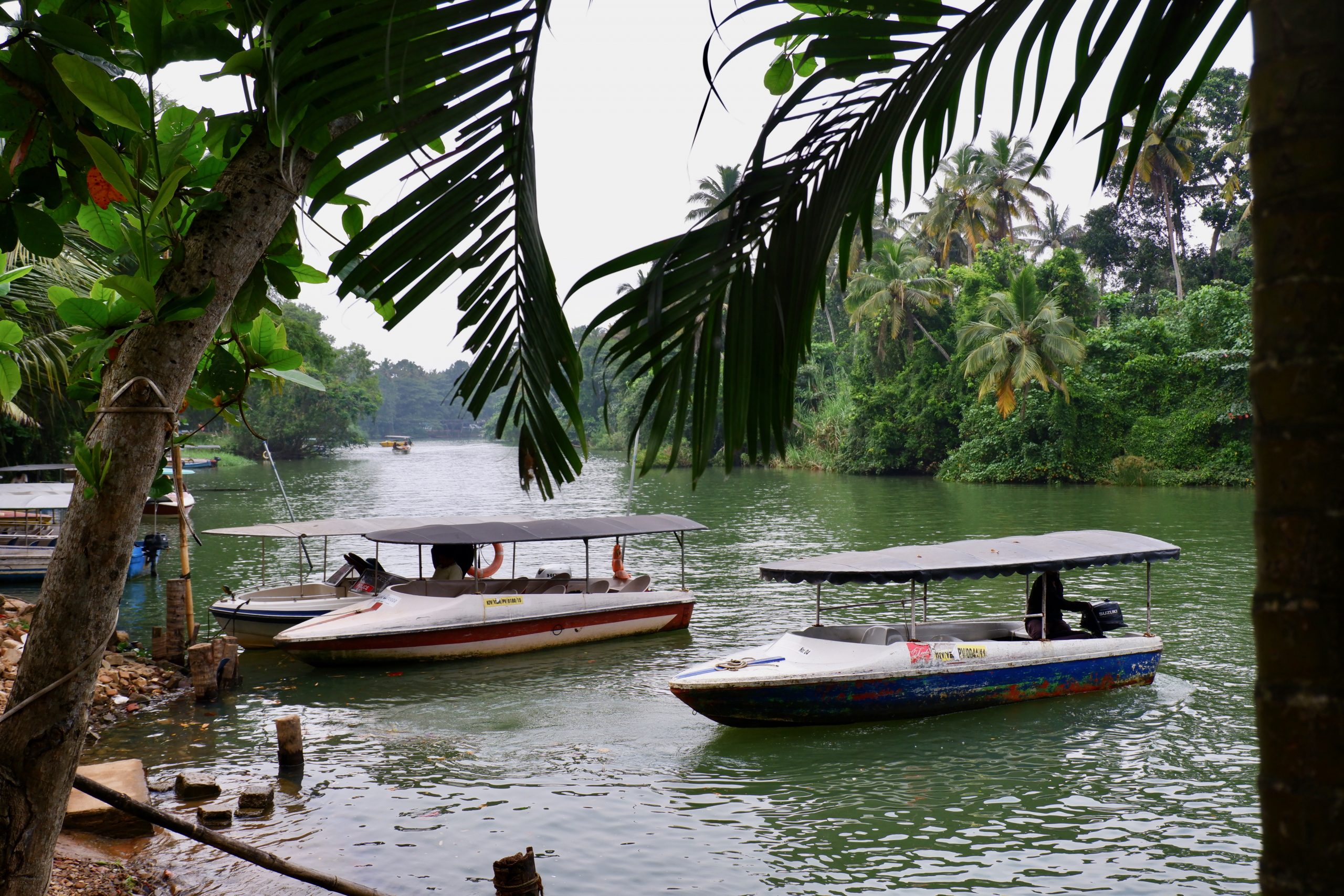
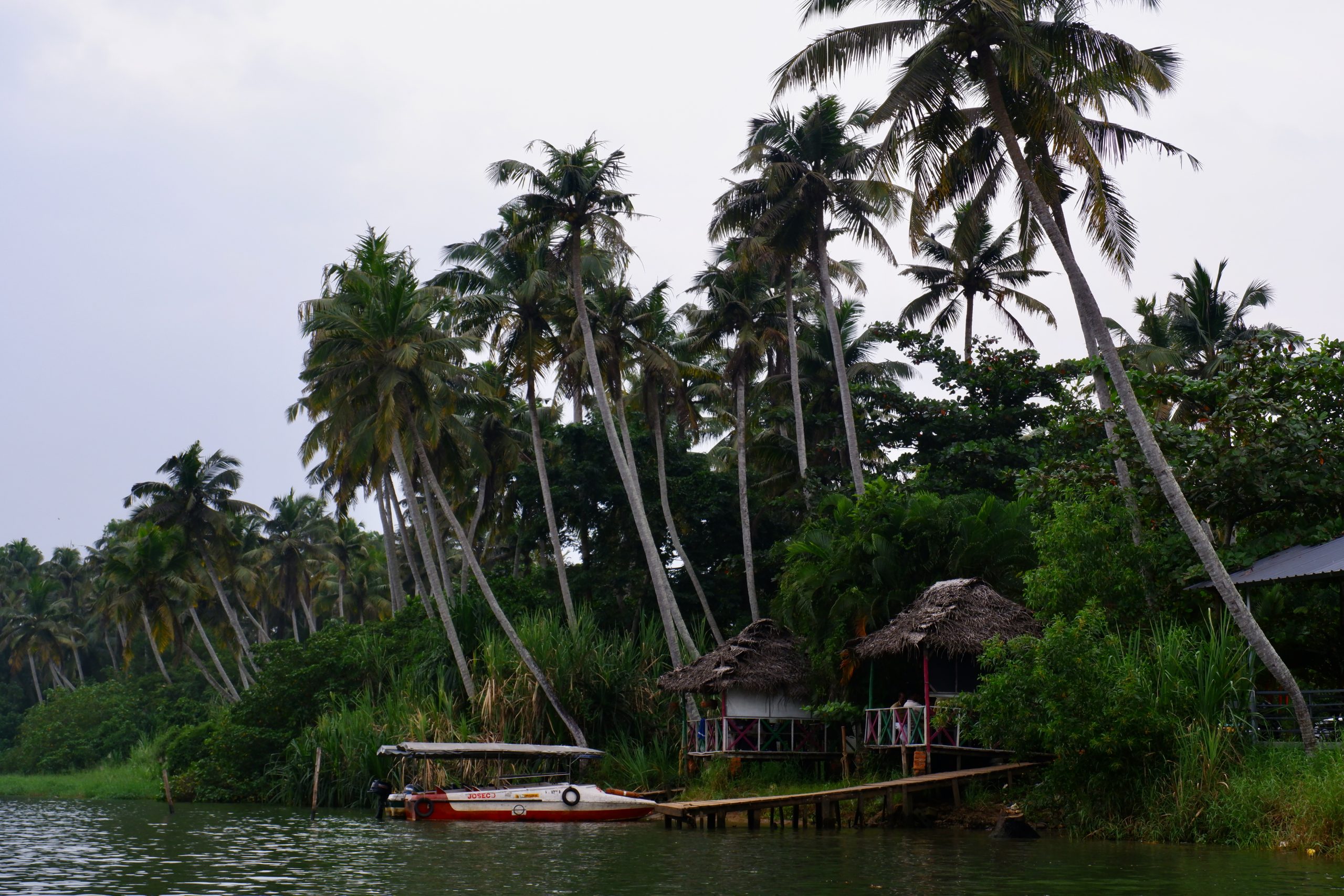
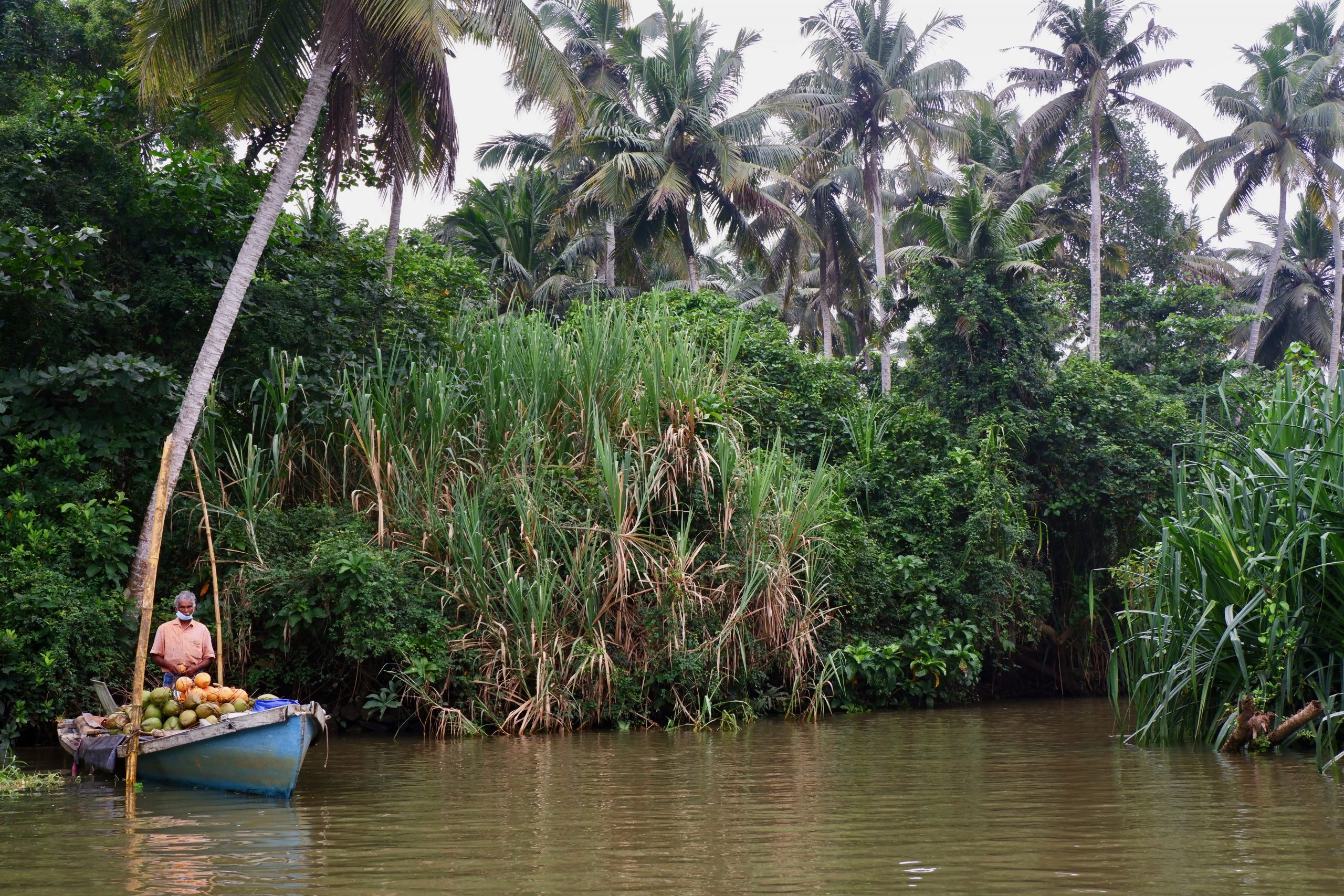
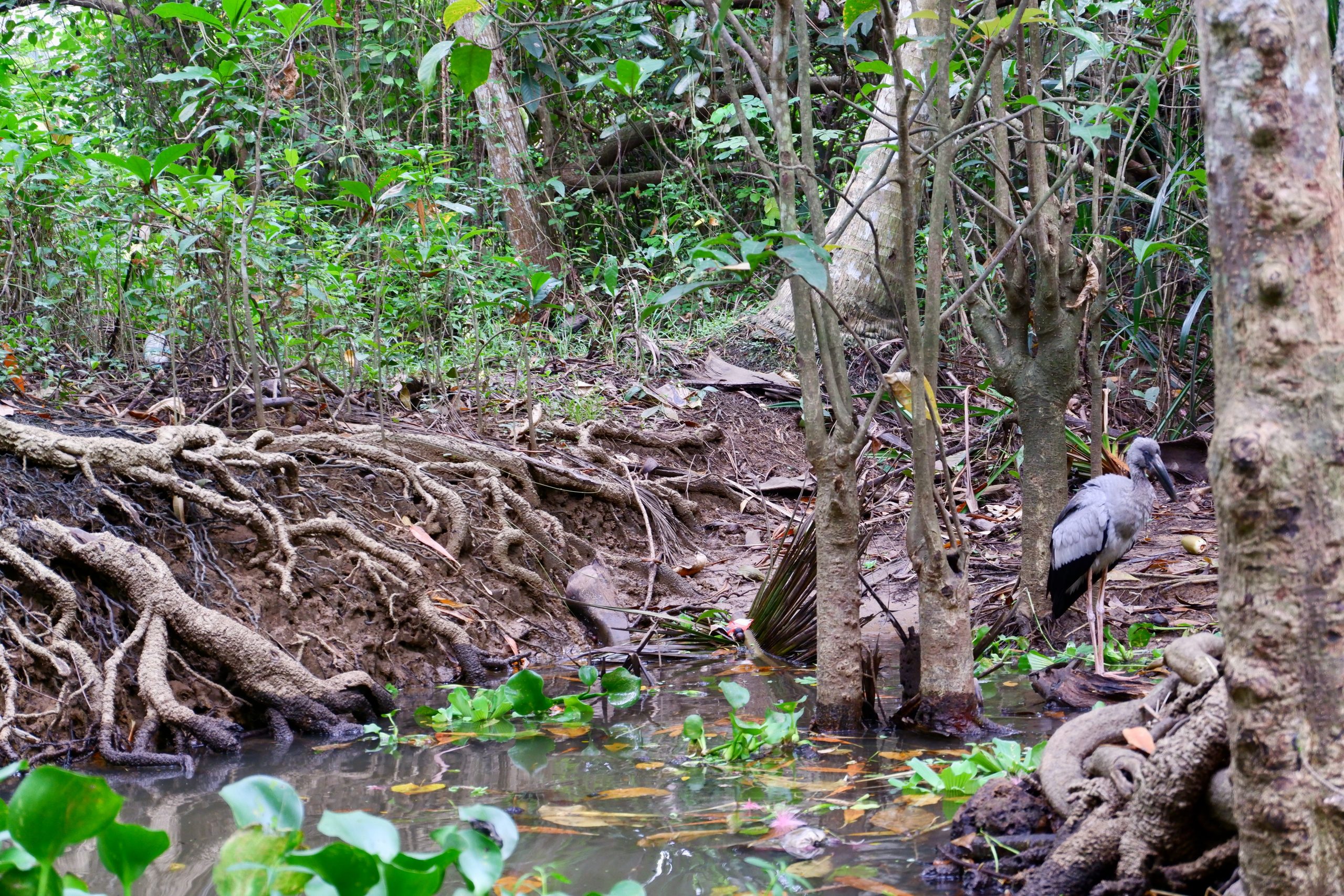
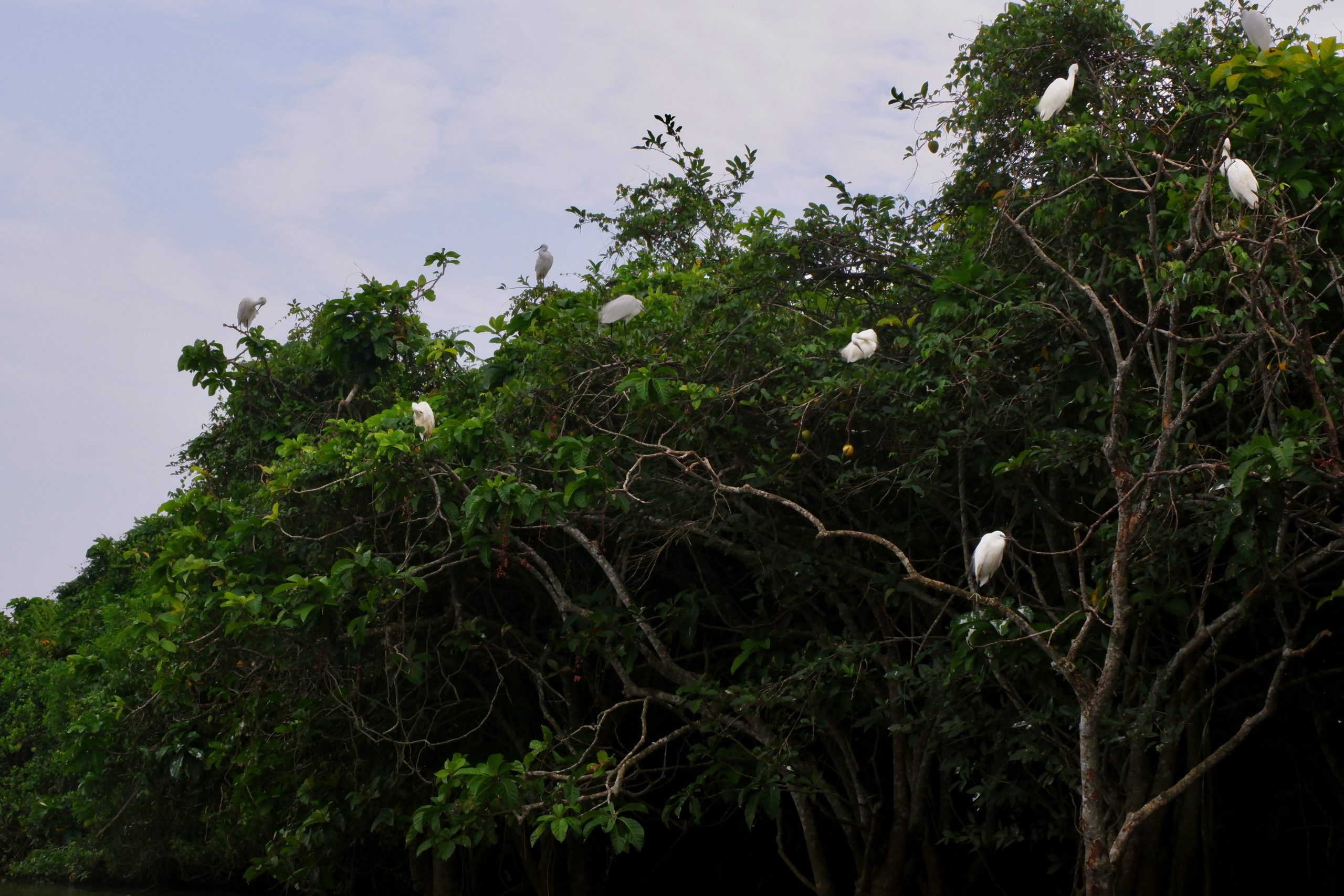
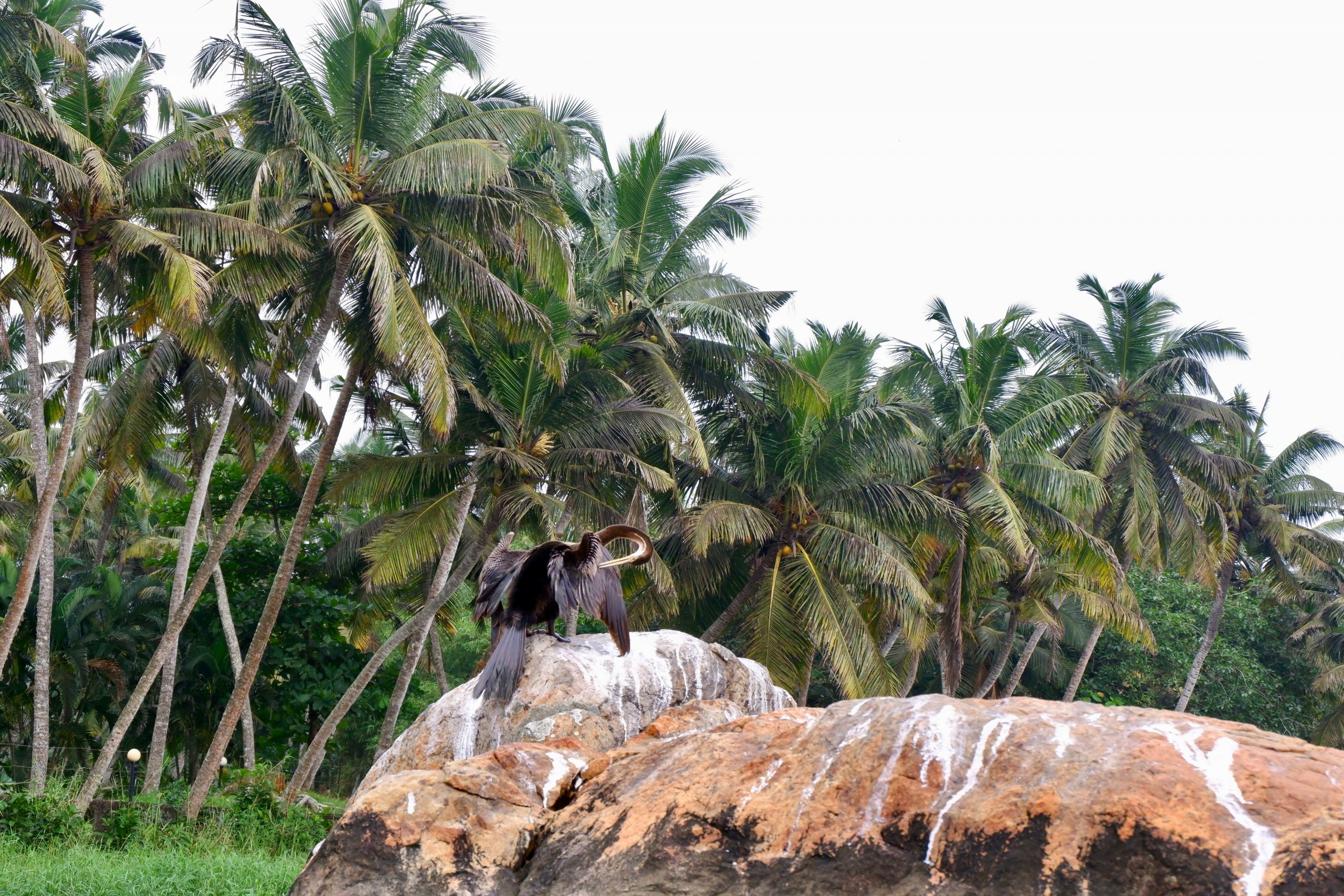
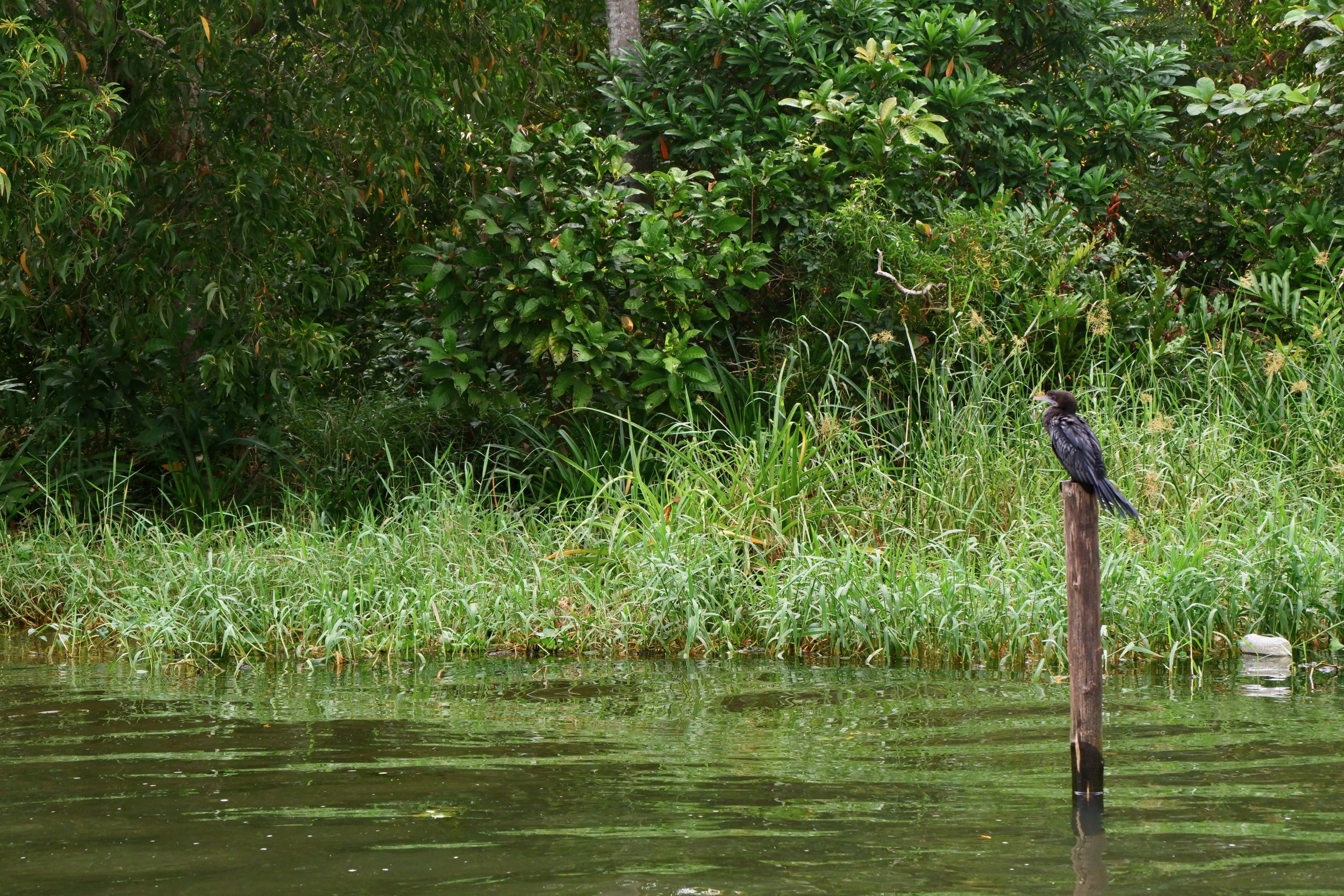
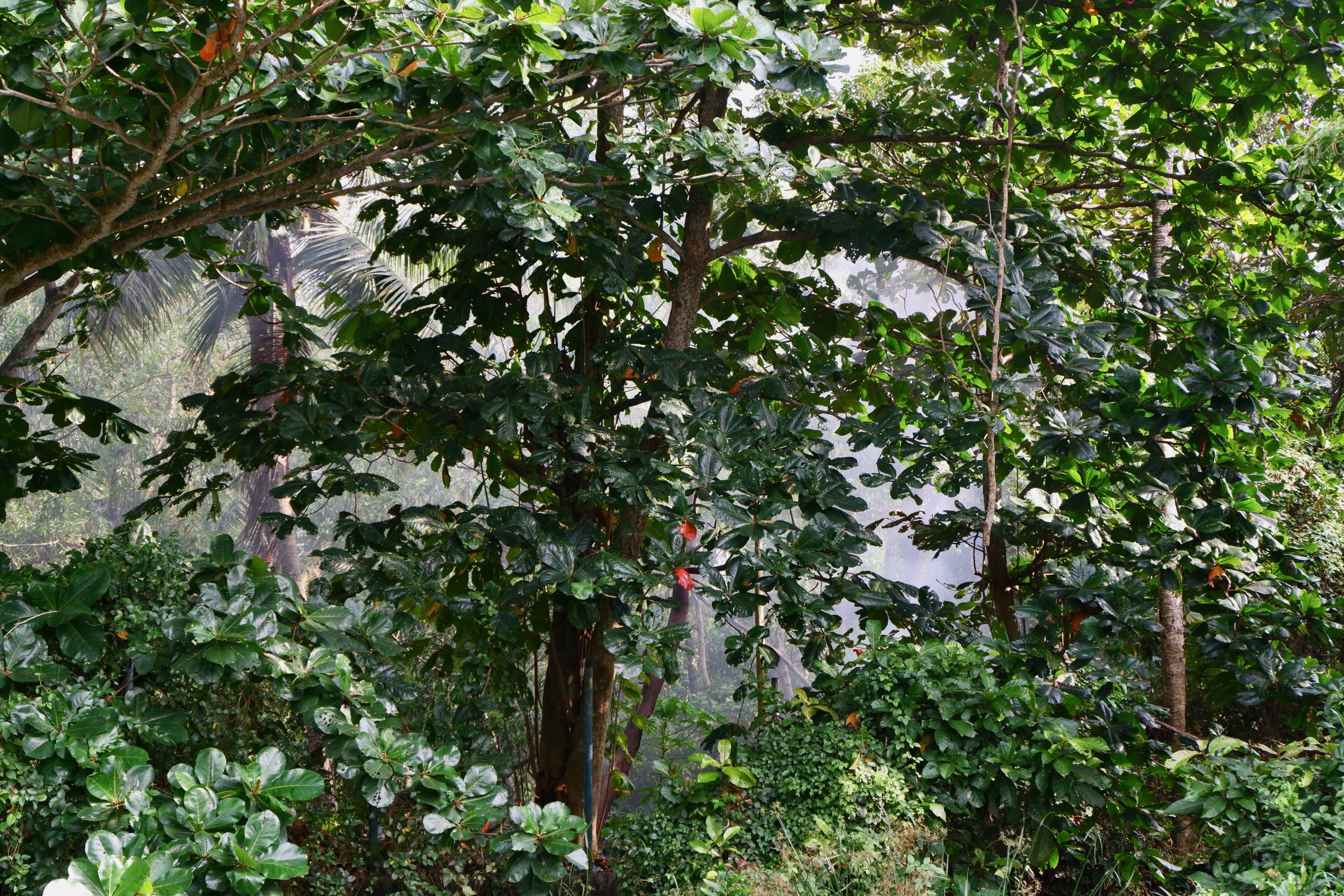
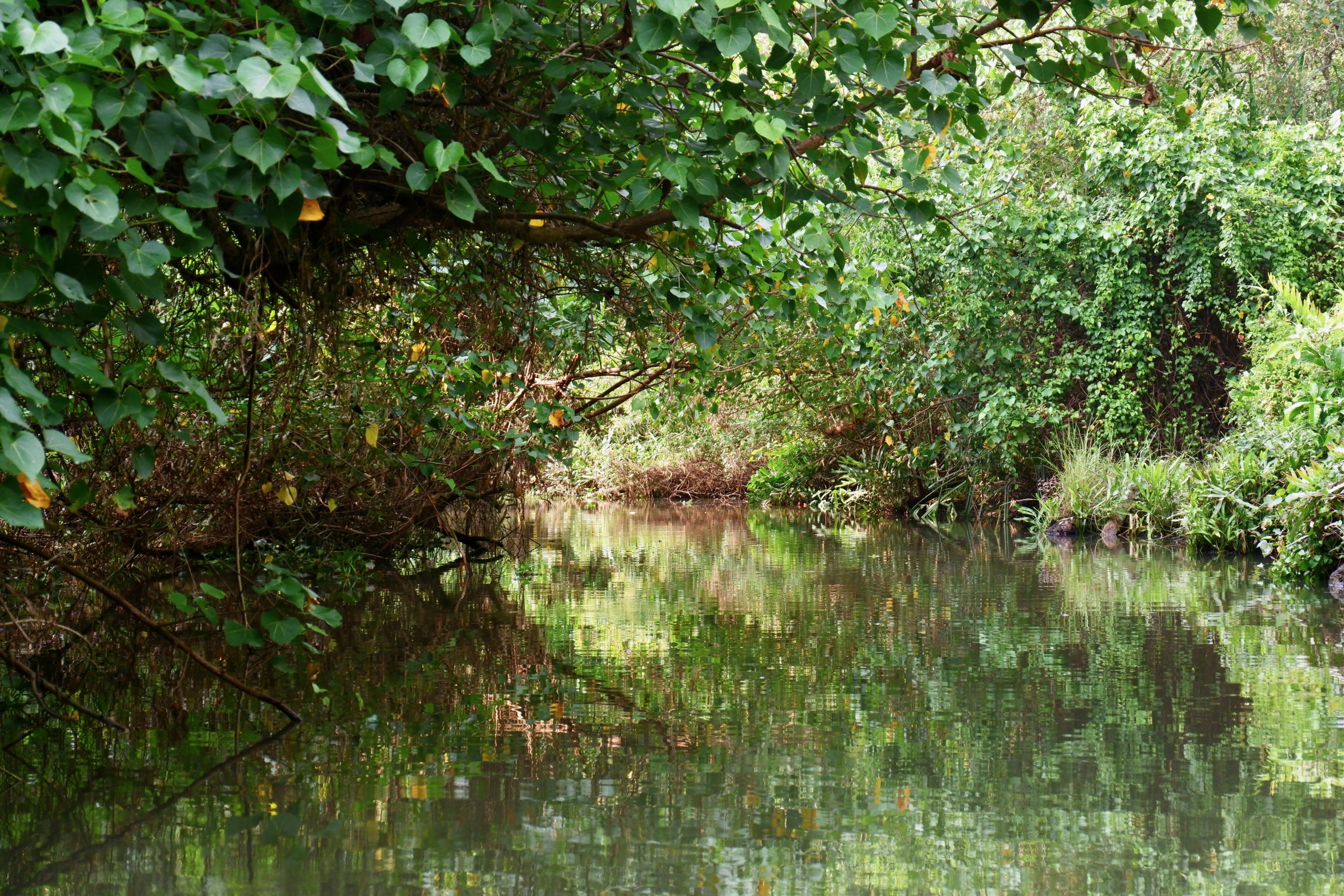
After lunch we drove to an area further south where you can take a backwater tour. I had imagined it as a pleasant alternative to the famous backwaters around Alleppey, but it wasn’t quite like that. It was fairly crowded here too (though almost entirely with Indian visitors) and a bit tacky. Still, some parts were nice, with attractive scenery and a variety of birds to see. Here are a few pictures:
 1
1
 2
2
 3
3
 4
4
 5
5
 6
6
 7
7
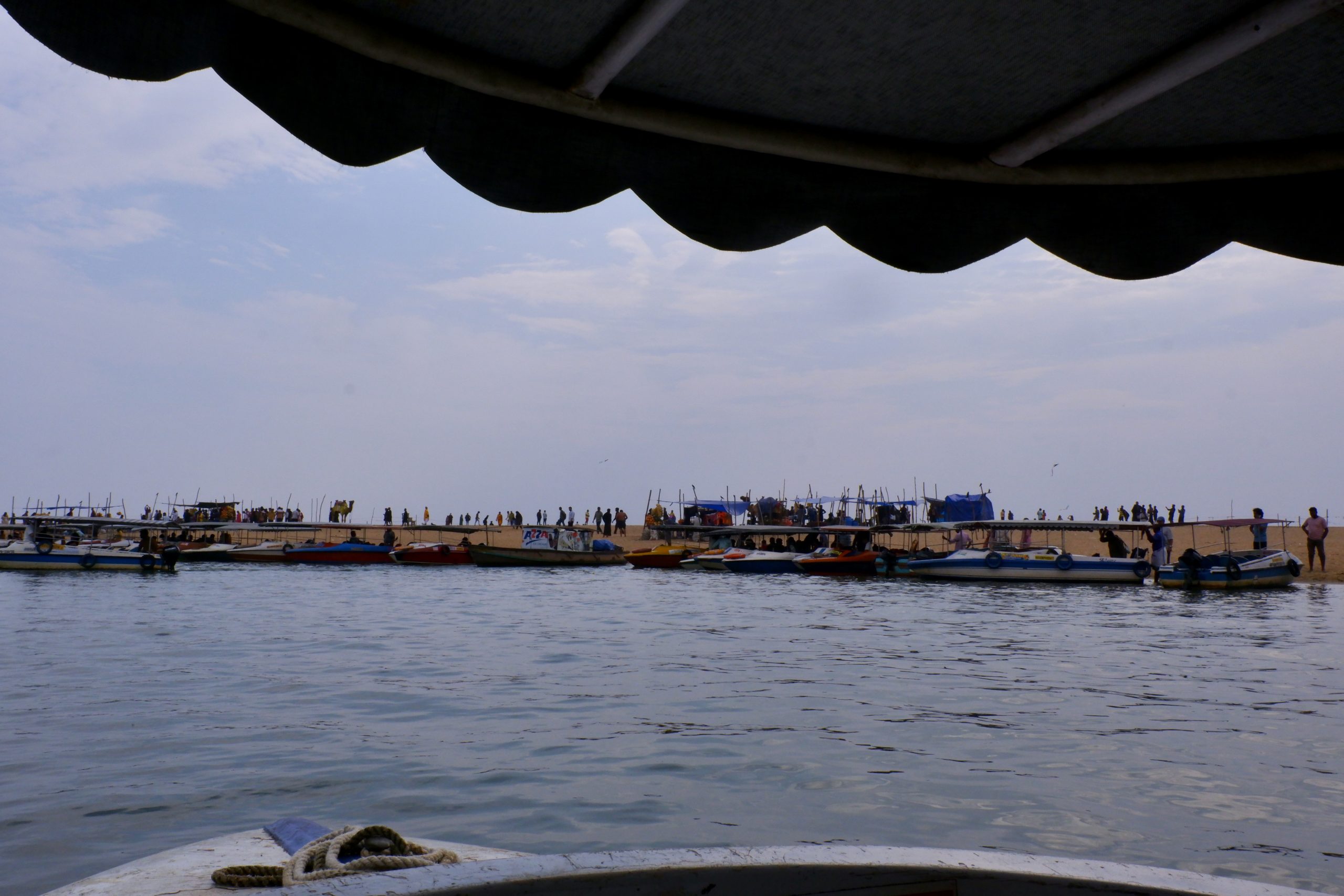
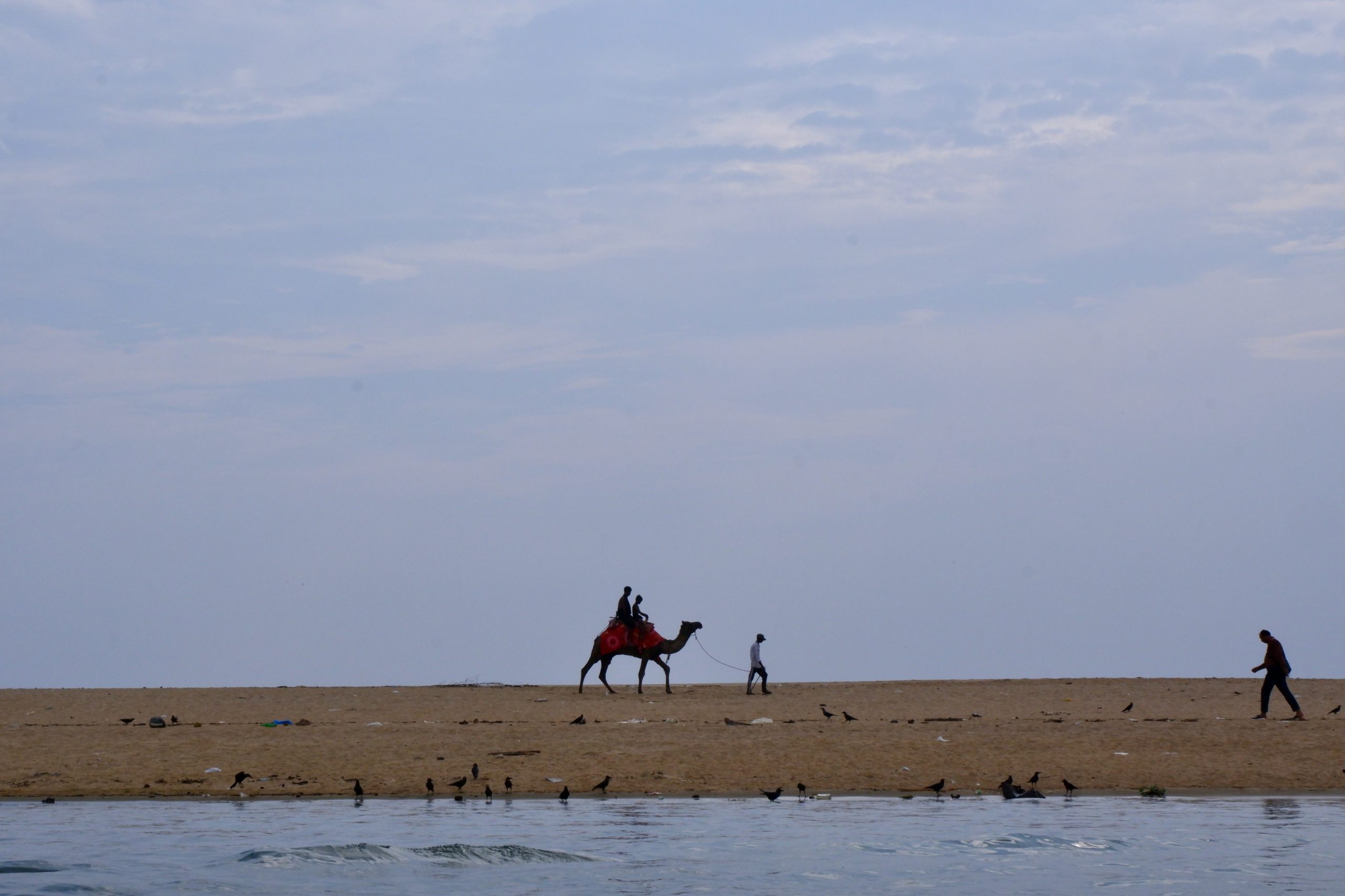
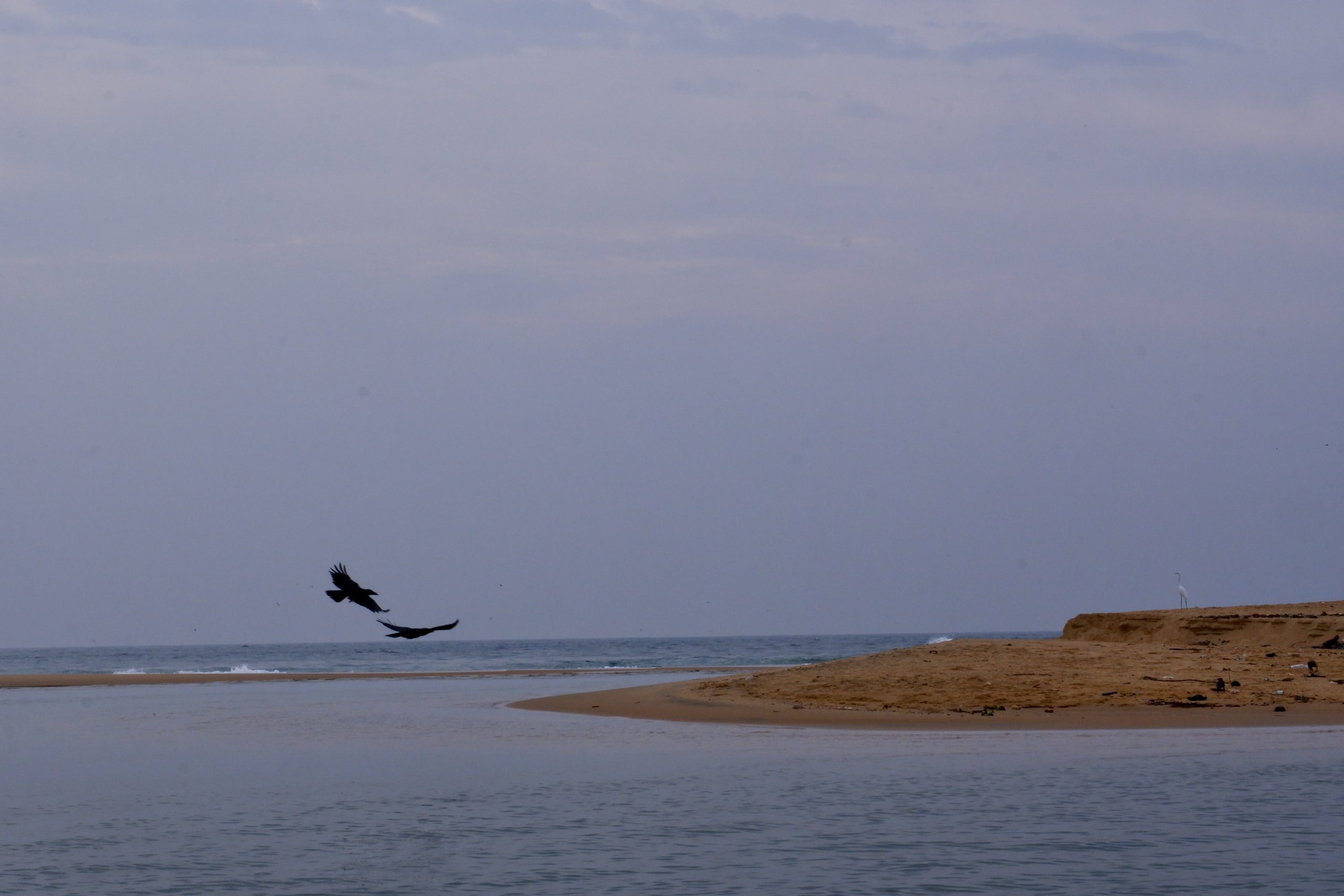
There was a narrow strip of sand between the river and the sea, and all the boats (except mine) stopped there. There were some rather strange offerings, such as a camel ride.
 8
8
 9
9
 10
10
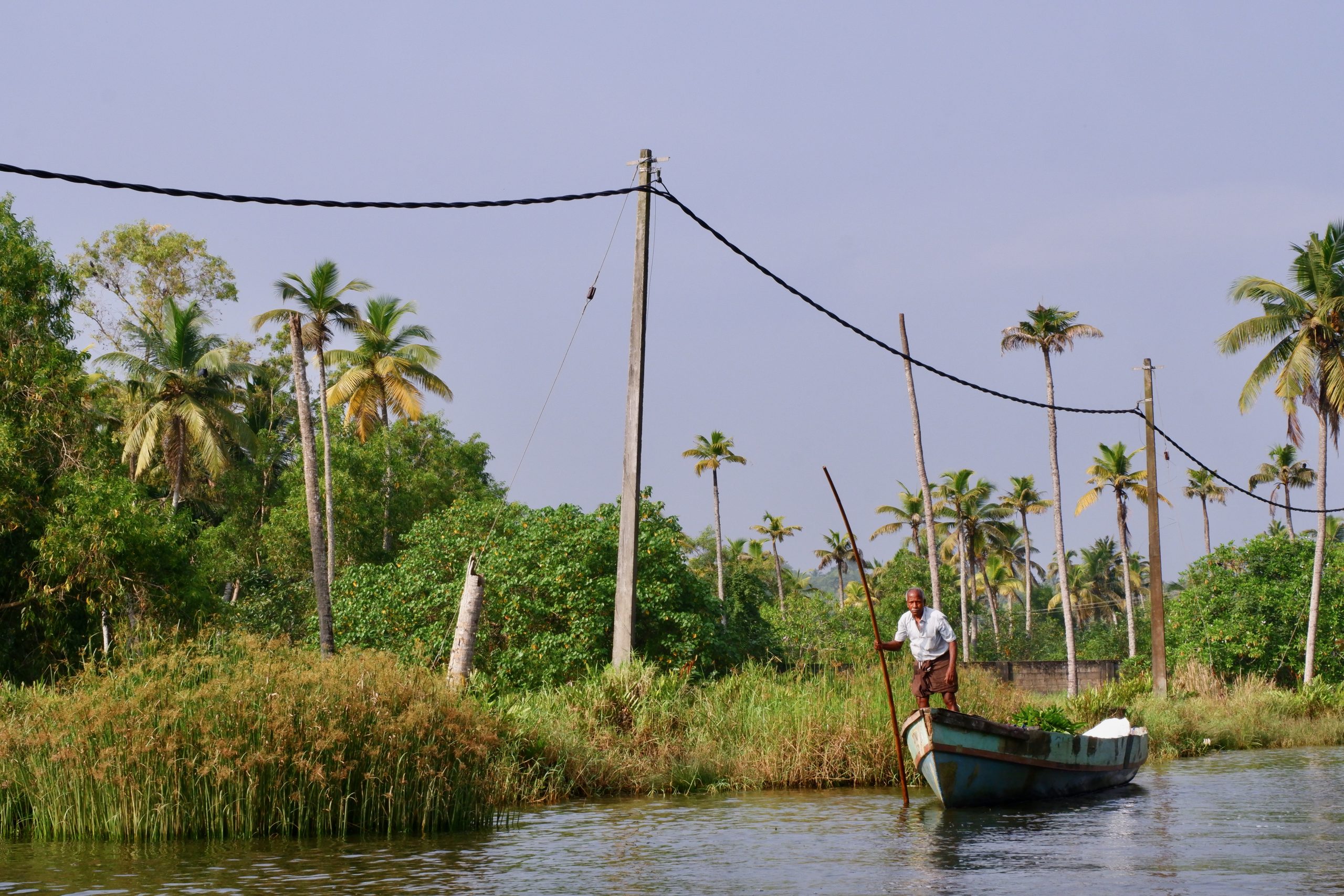
The day was very overcast, but then the sun came out a little:
 11
11
 12
12
 13
13
 Asif
Asif
 me
me
And then we went on to see two enormous Shiva statues. I find the motif of one of them particularly unusual:
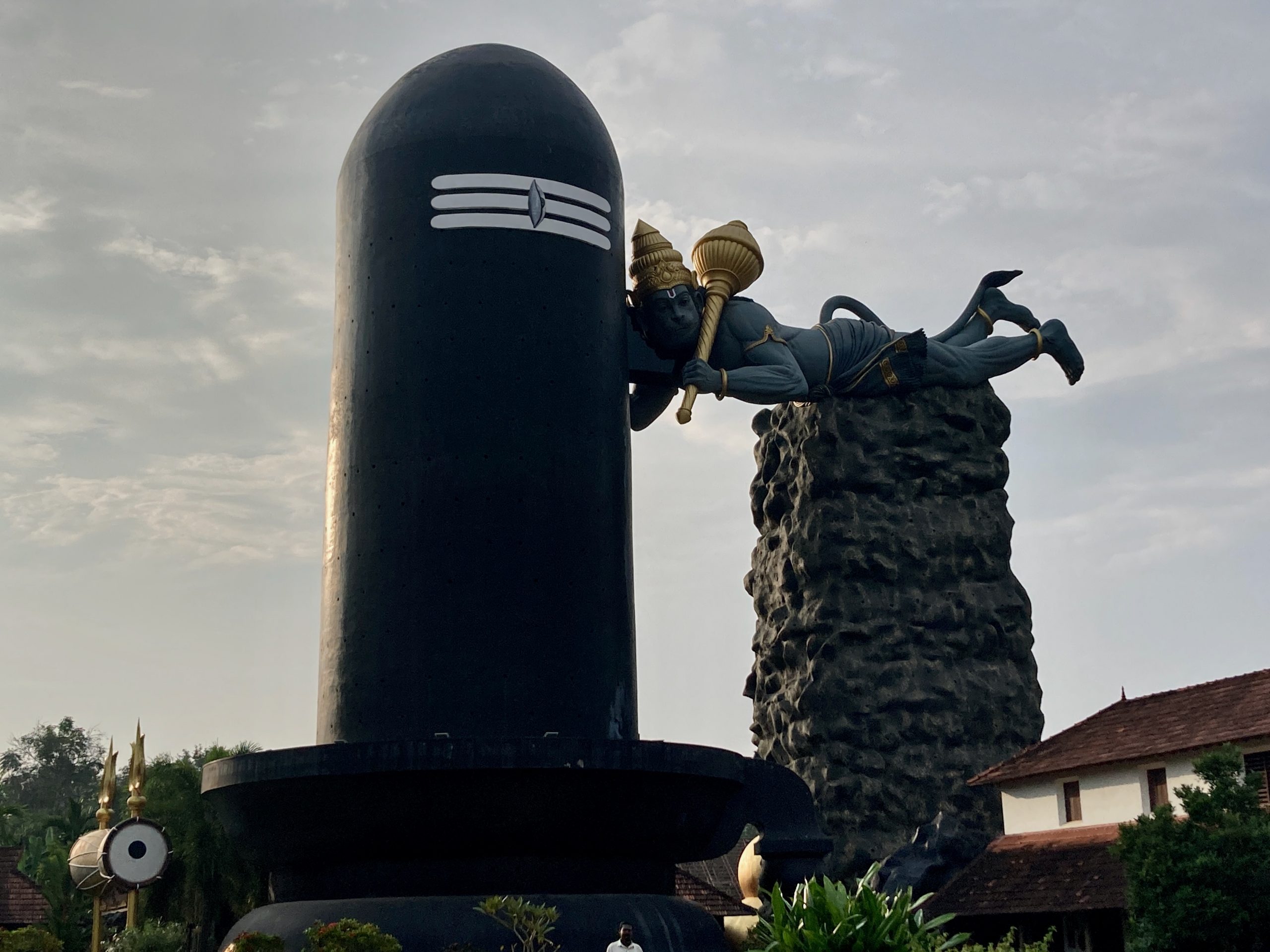 Lingam and Shiva
The other one was by the sea and extremely popular as a photo spot. I took lots of pictures there as well:
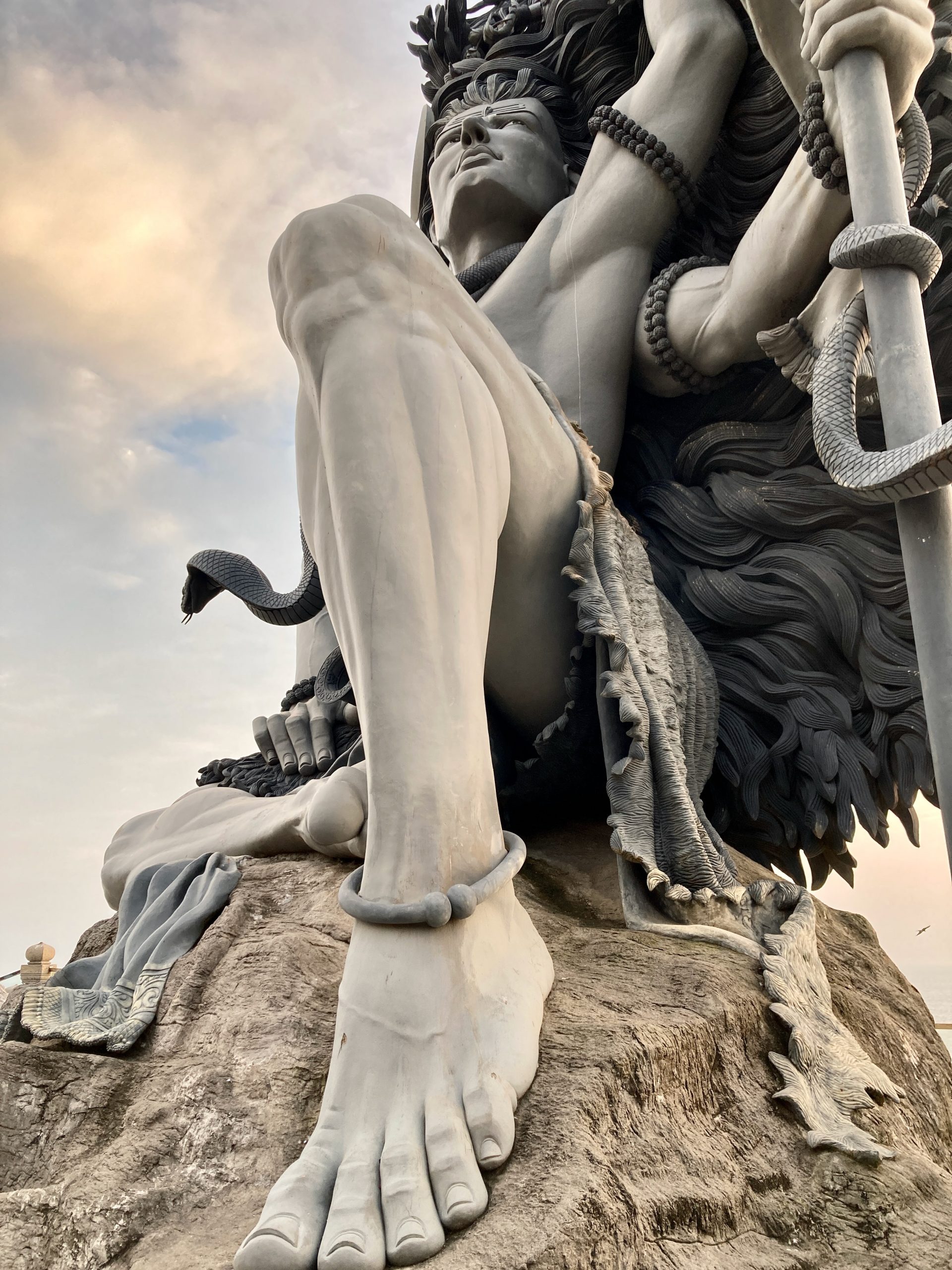 1
1
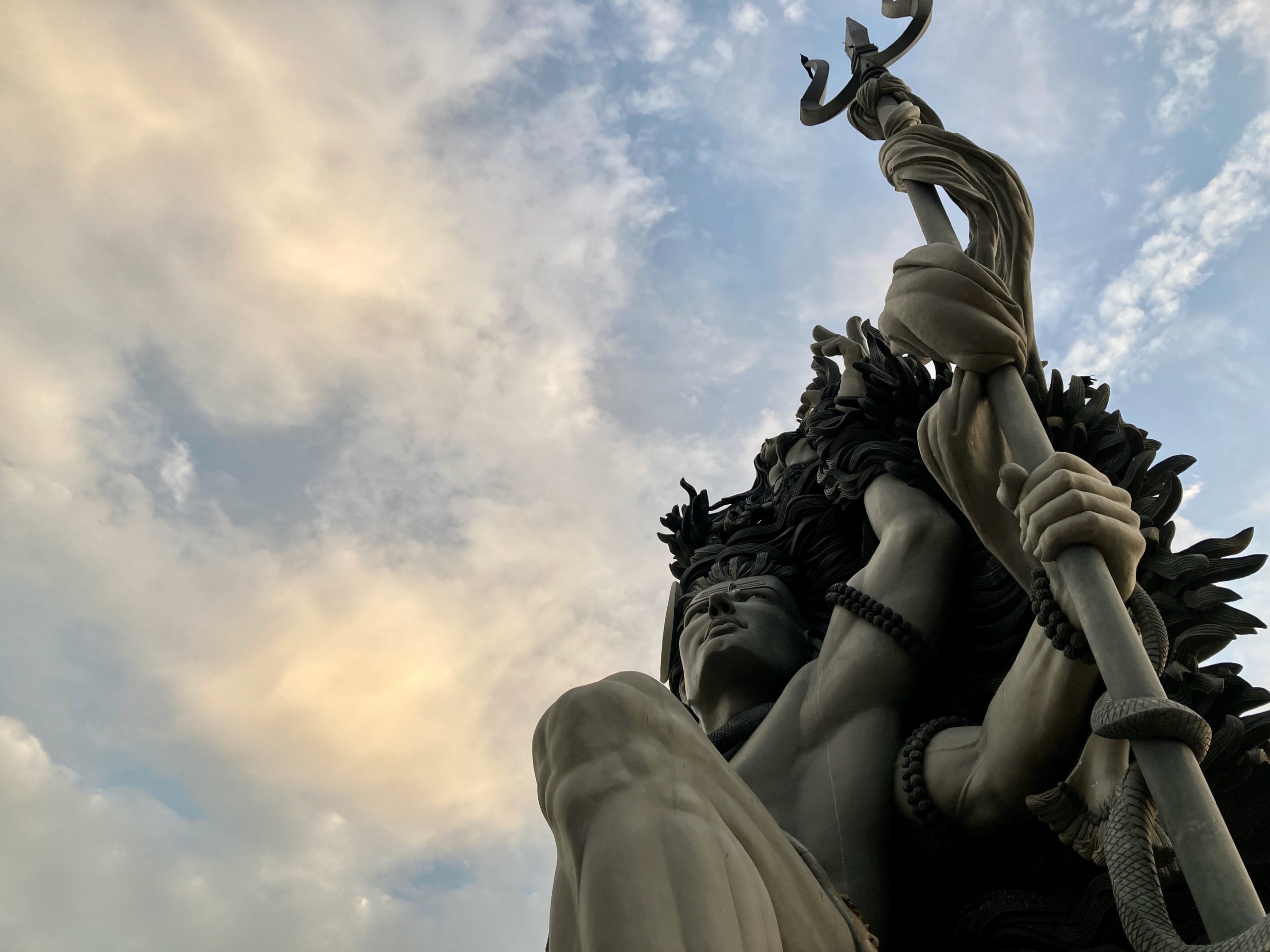 2
2
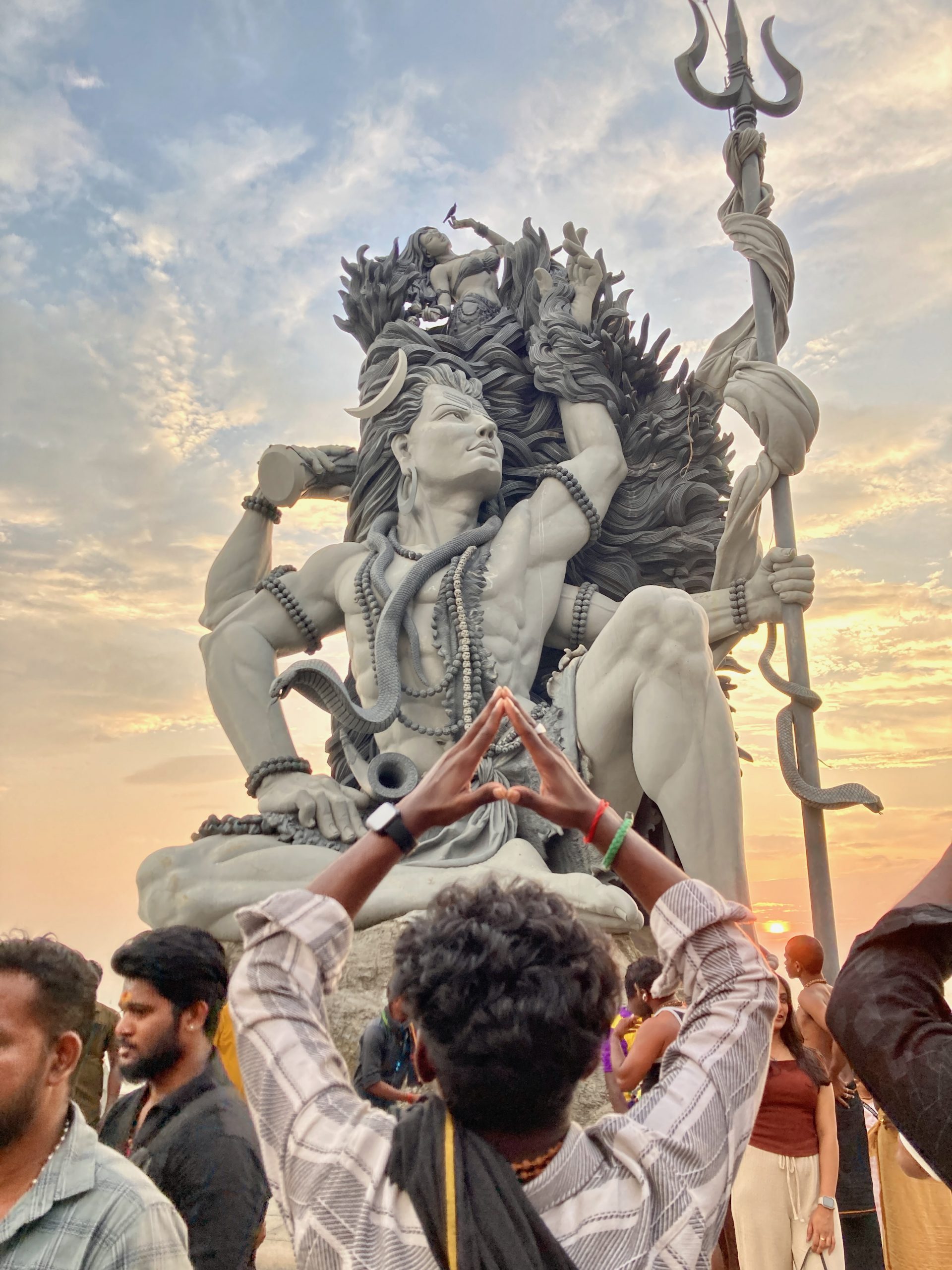 3
3
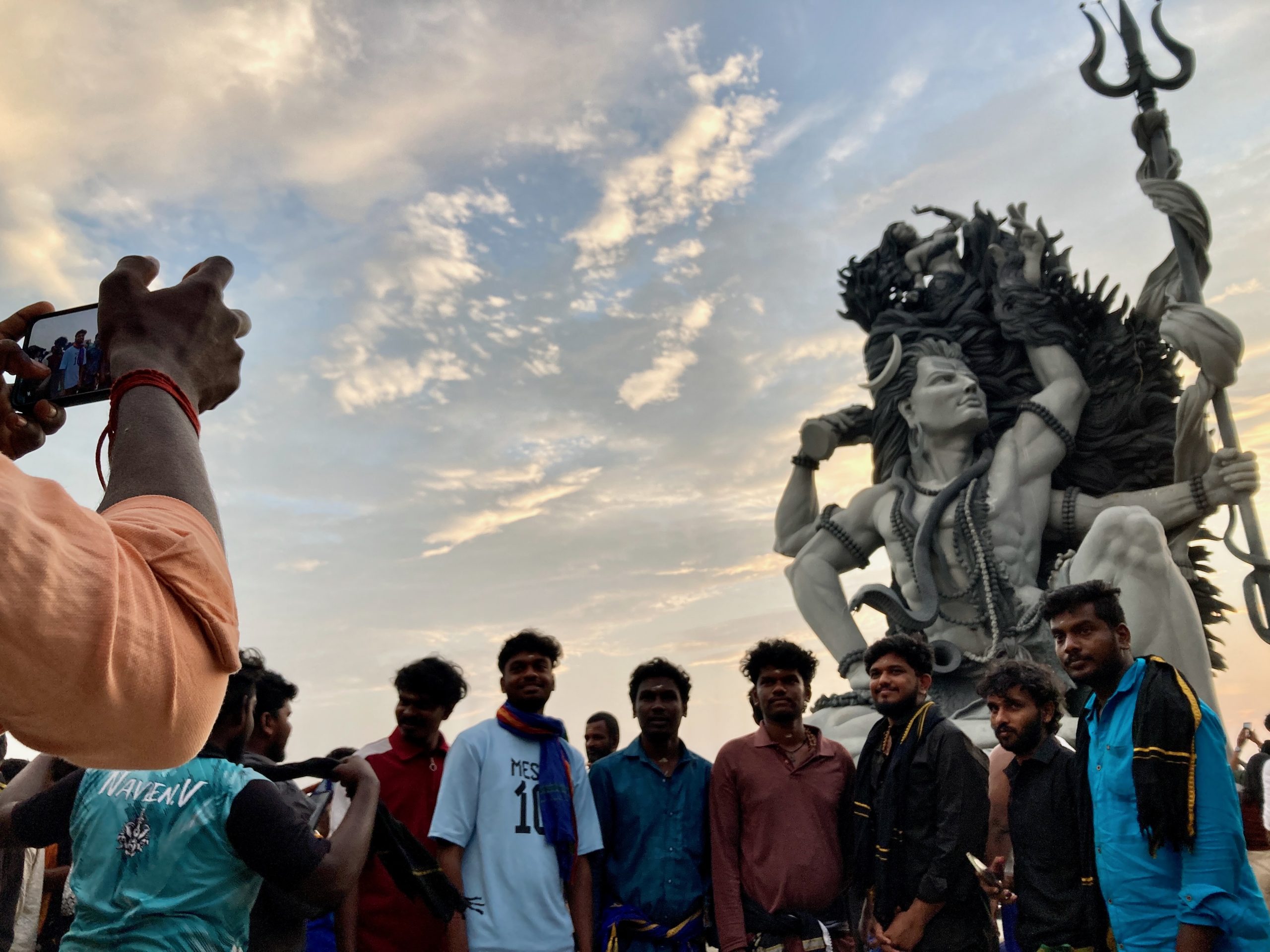 4
4
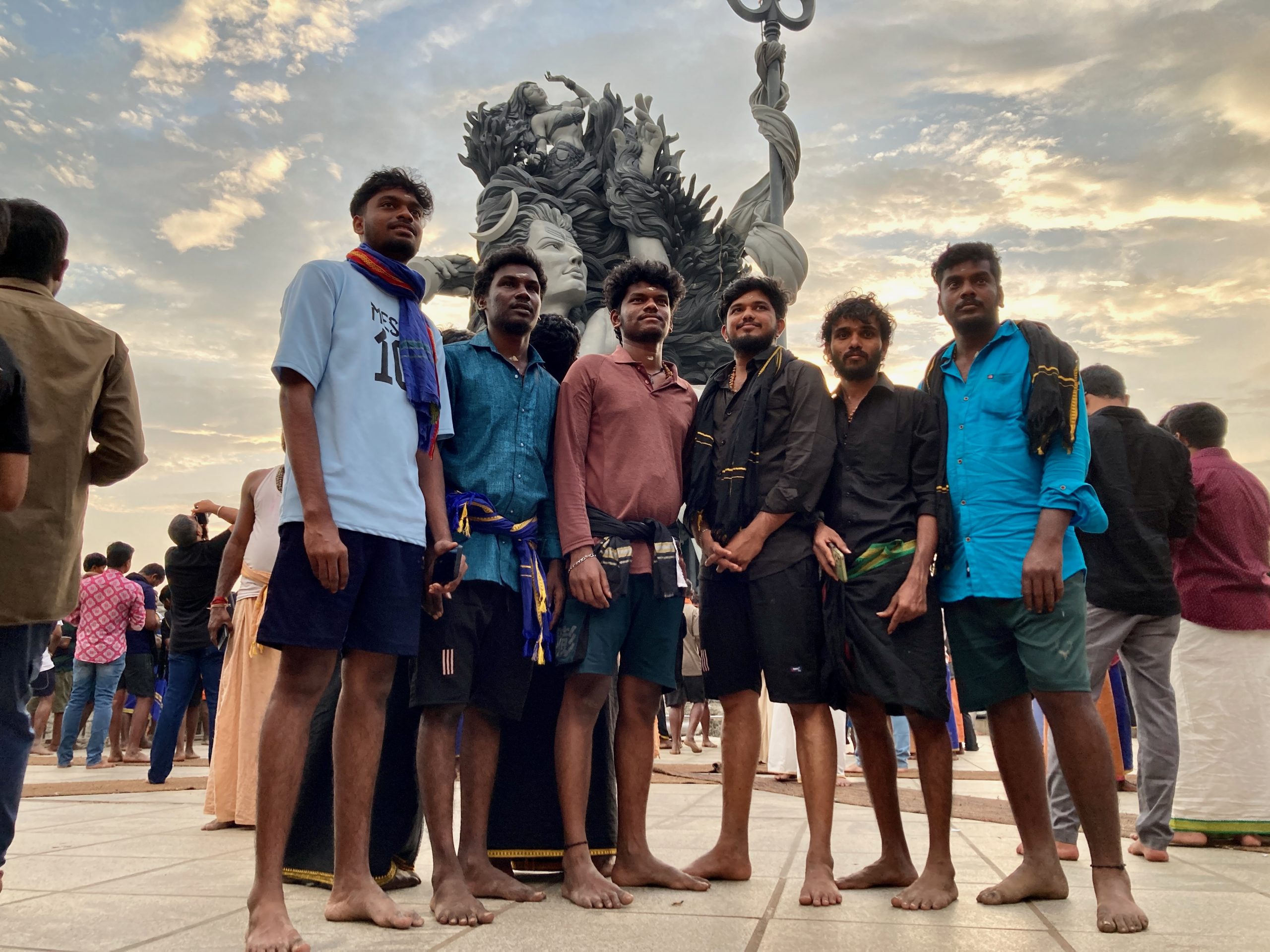 5
5
Then there was a little sunset at the sea.
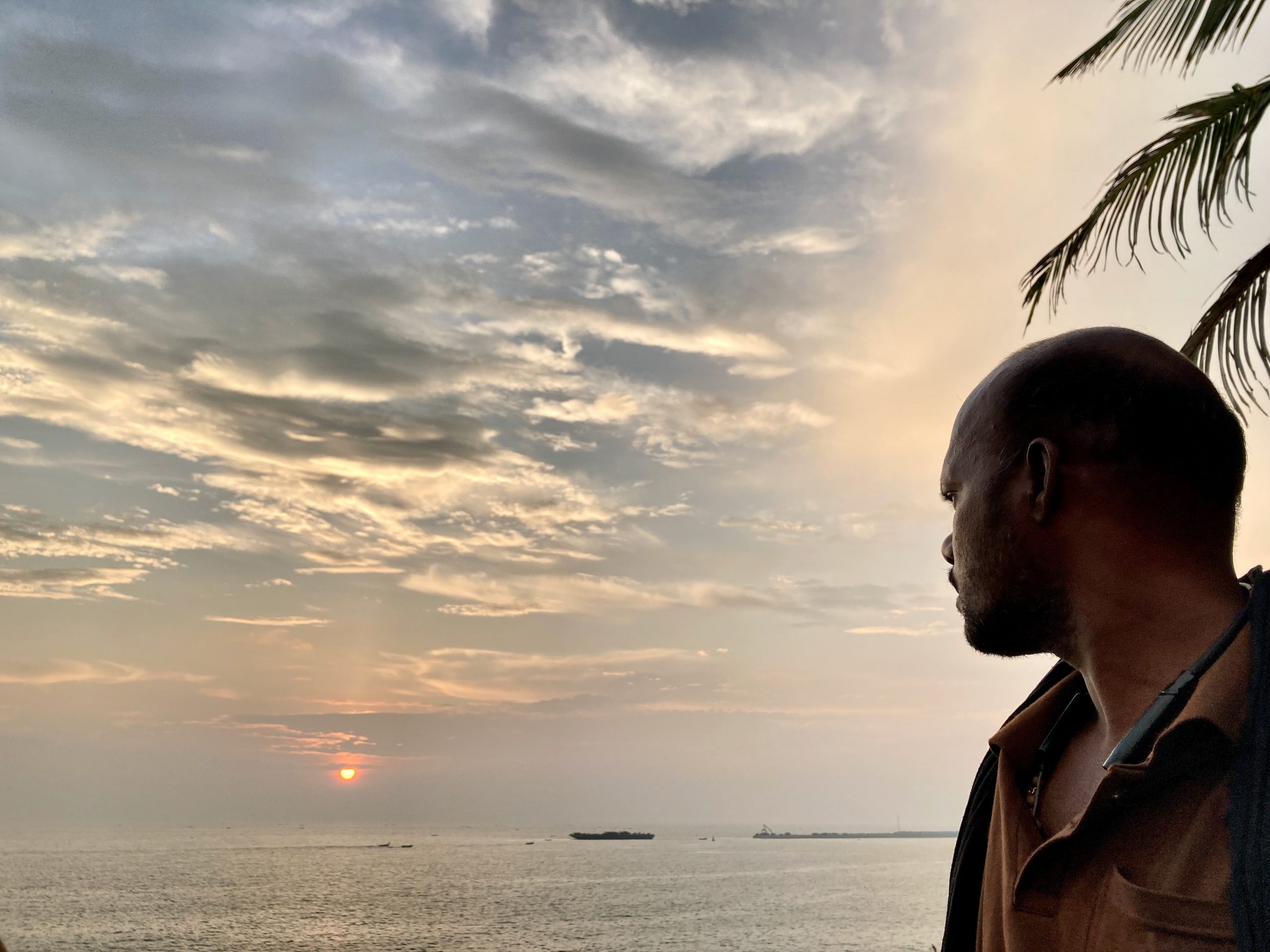 with person
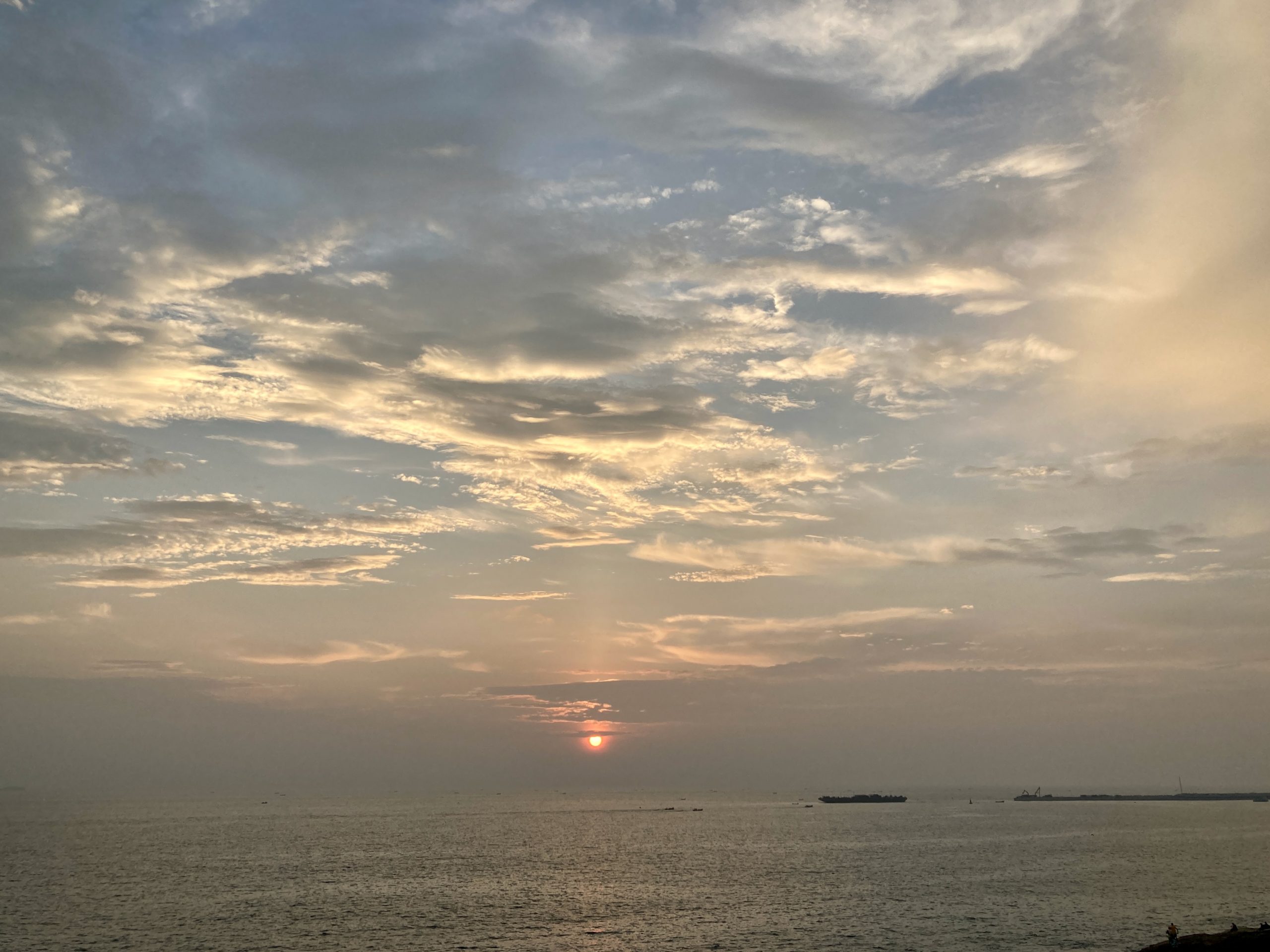 without person
Then we drove back, I fell into bed, got up again the next morning, had myself driven to the airport, flew to Delhi, went to the hotel, repacked my things, slept a bit, went back to the airport, picked up my next Diamir tour group, and then we flew to Ladakh. A temperature difference of almost 30°C.
And that’s where the next blog post continues.