


Bhopal – Laughter ripples through the bus
19. + 20. January 2026
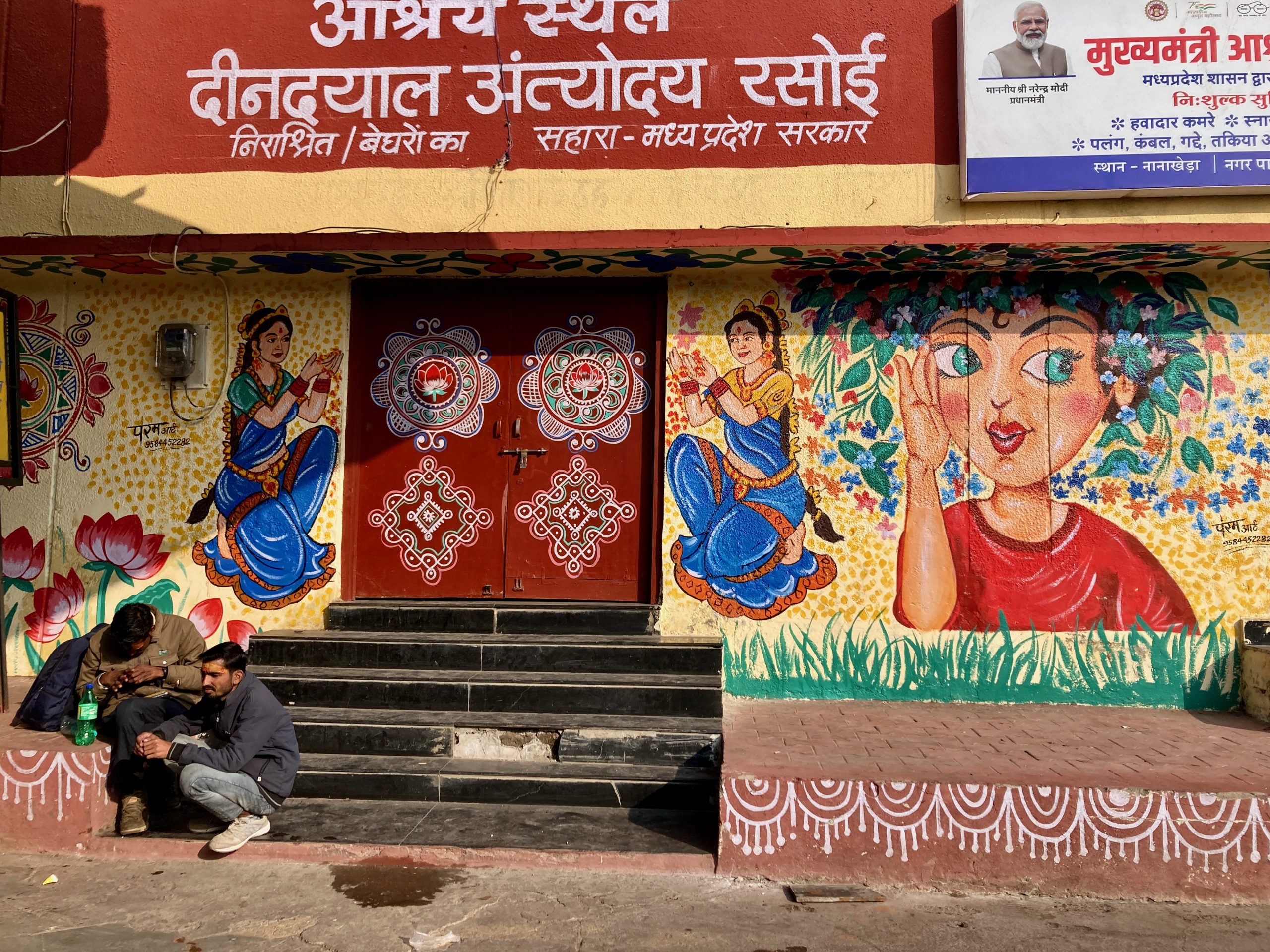
In Ujjain I went straight to the correct bus stand and was really lucky: a rather small bus with friendly people.
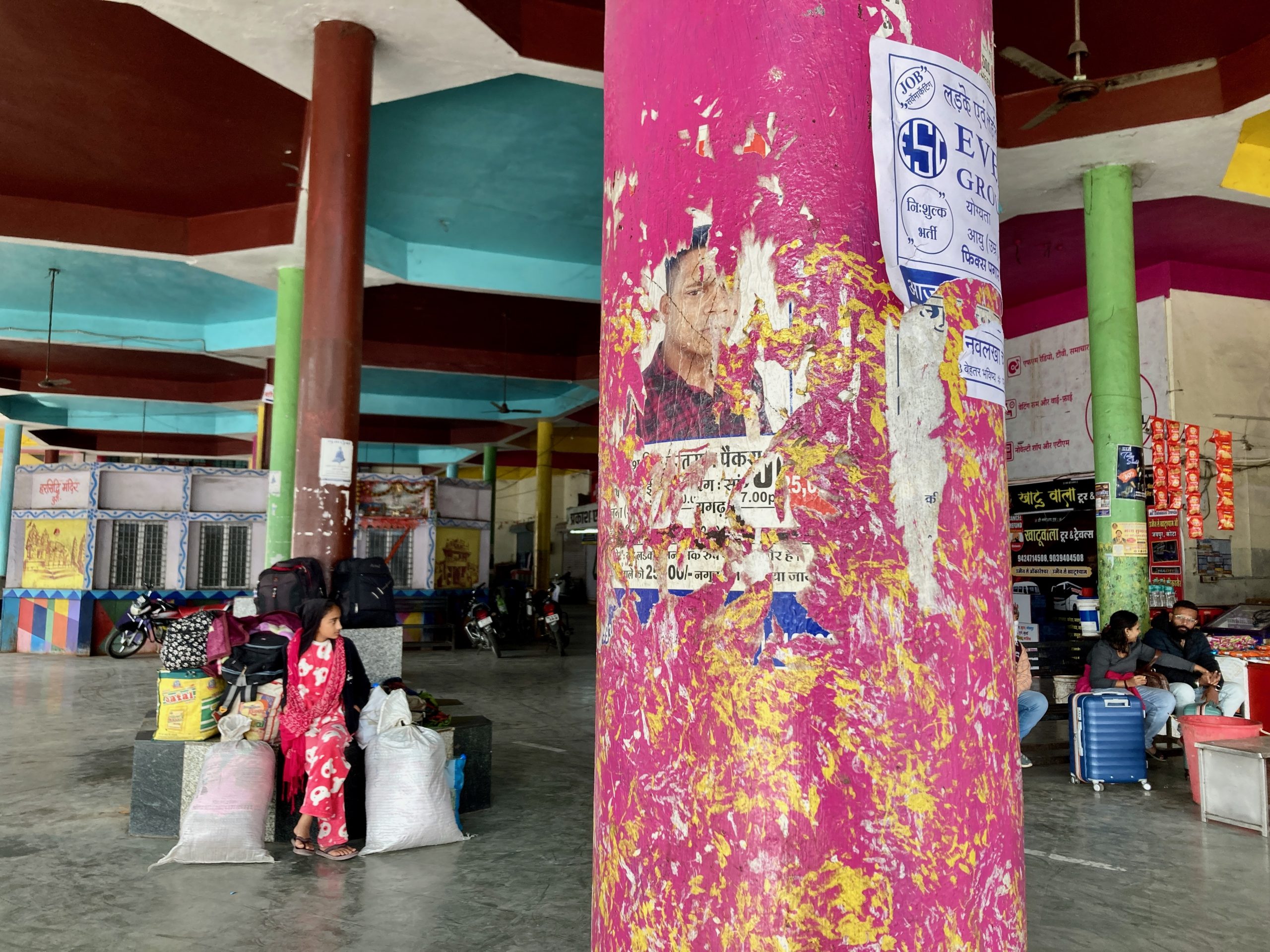 Bushof 1
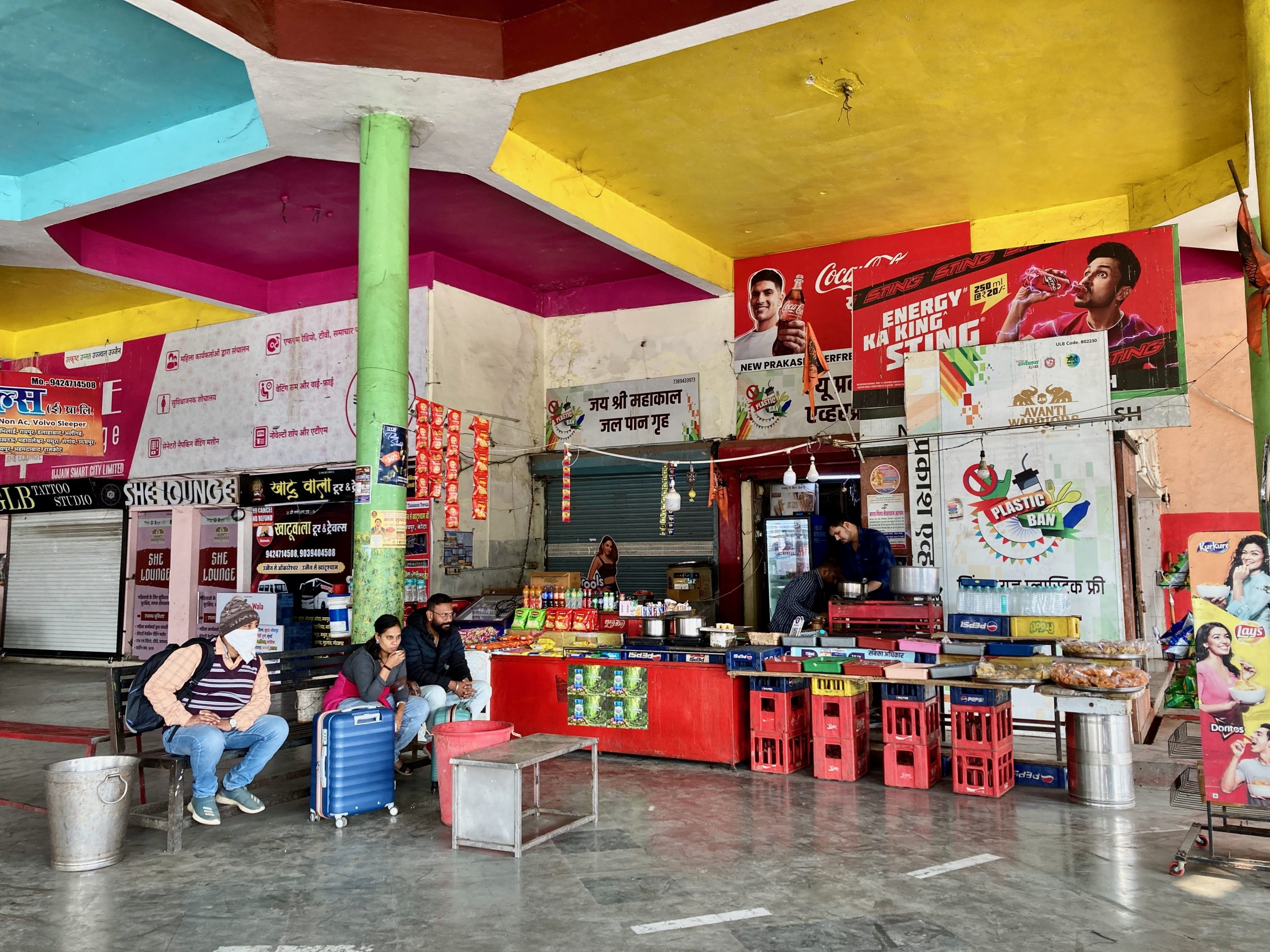 Bushof 2
A group of women got on and off at different stops, but throughout the journey they chatted constantly and laughed a lot. Their good mood was infectious.
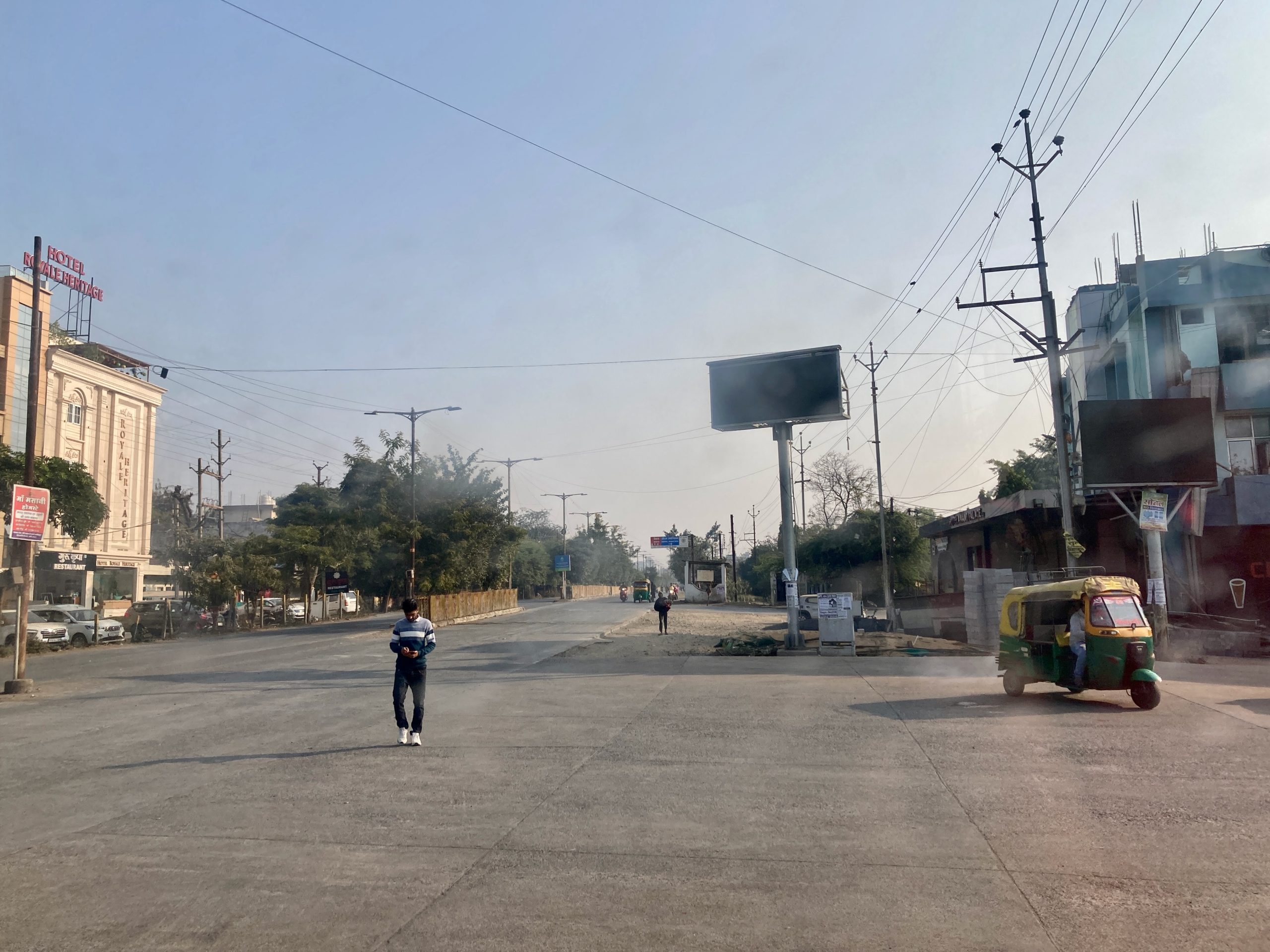 road
road
However, after about a quarter of the journey I did have to change buses, and kindly the conductor had already arranged the next one and personally guided me onto it. People can be really nice sometimes. Still, I was glad that this was the last bus ride of the trip — being on the road with all the noise and the constant shaking is tiring. But it’s hard to beat in terms of price: I paid €3 for 200 kilometers.
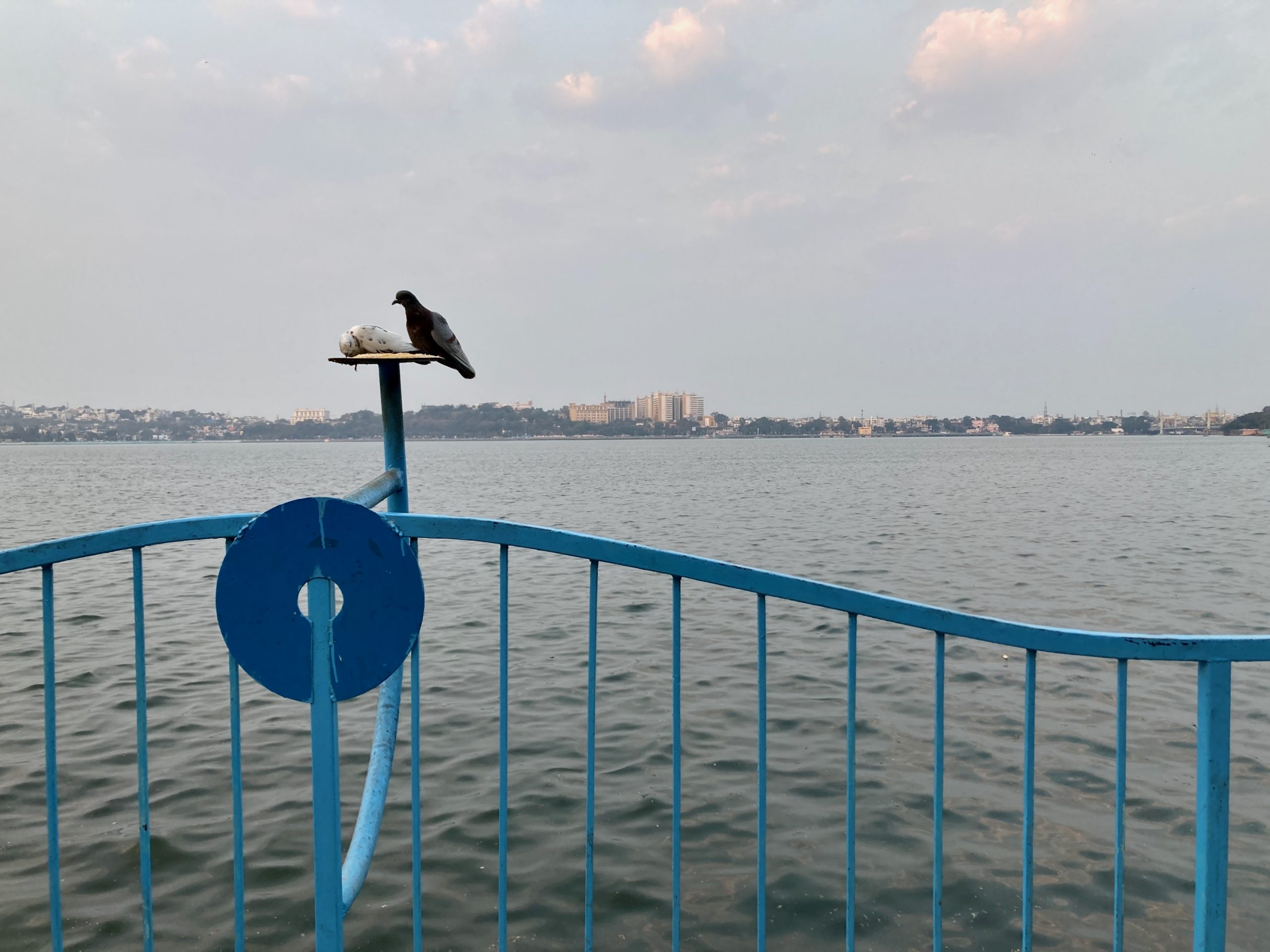
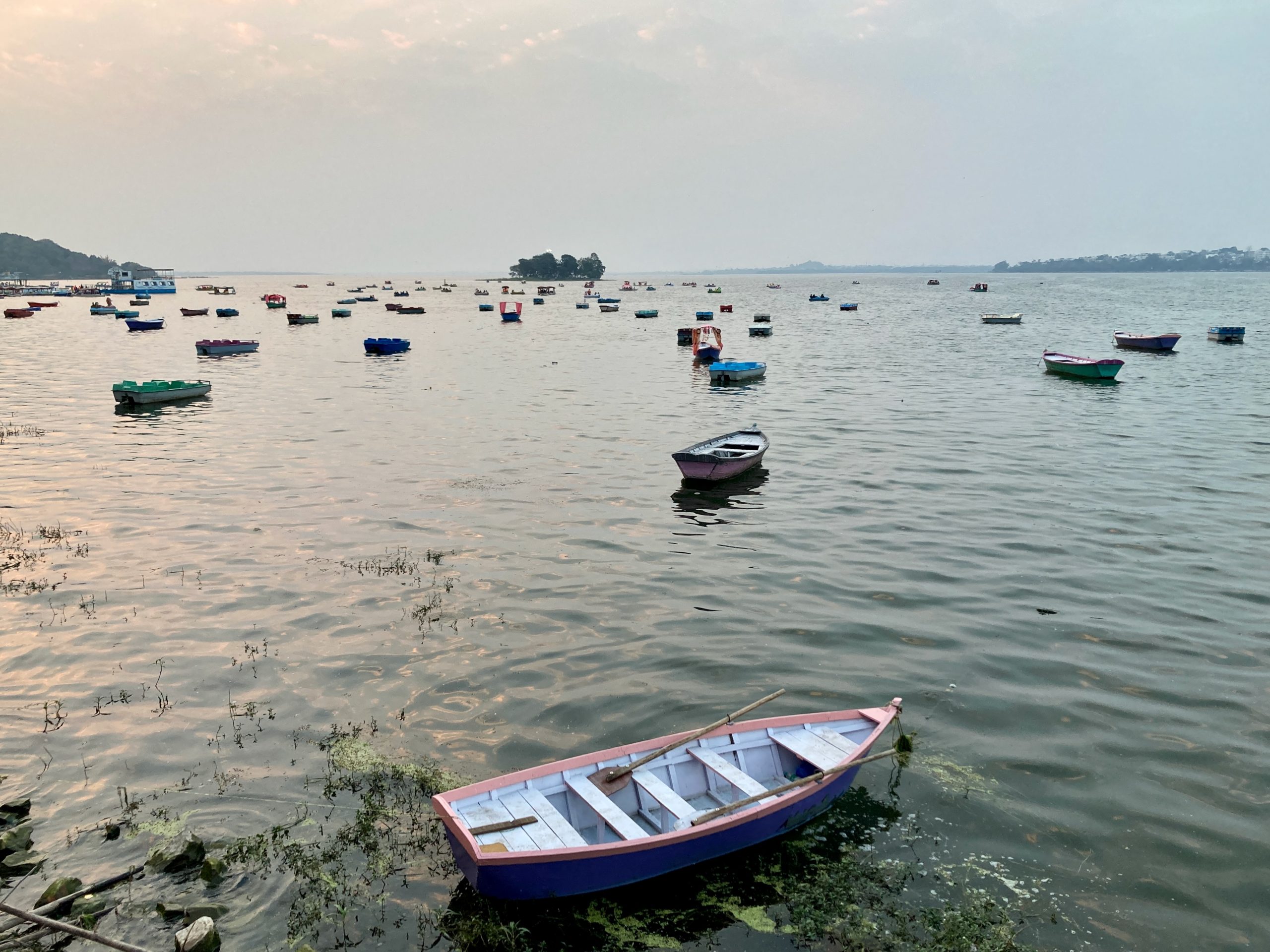
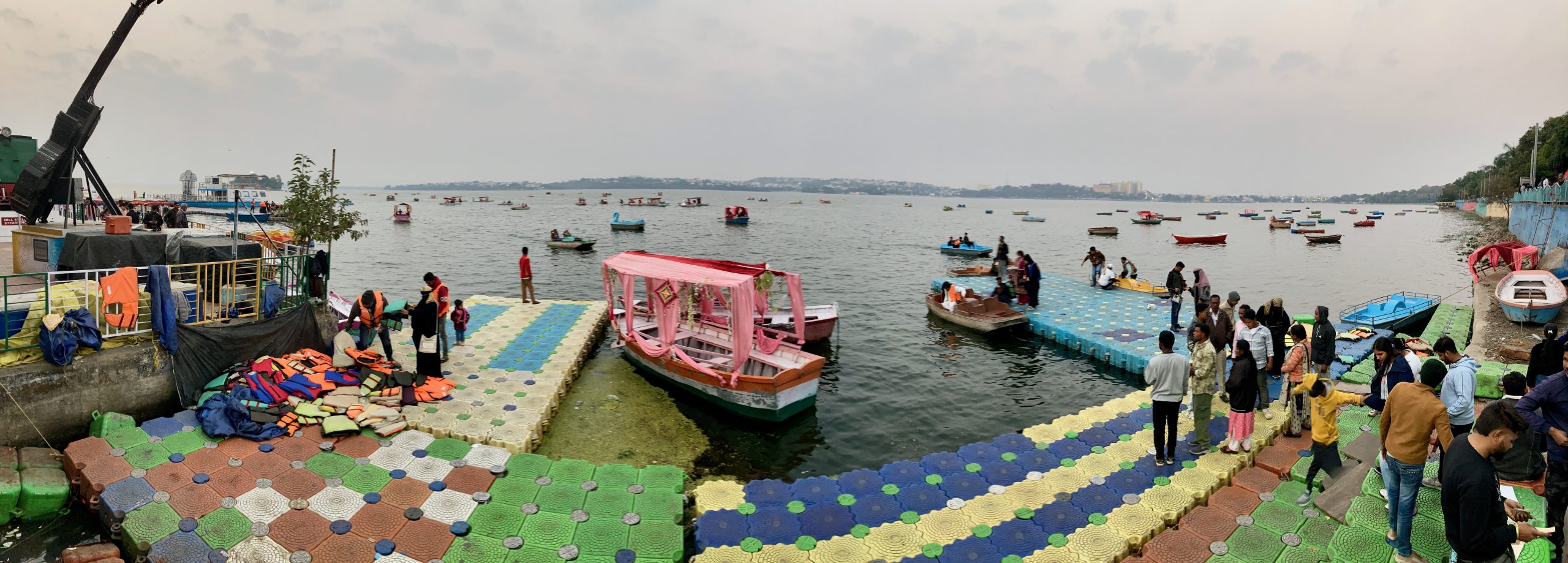
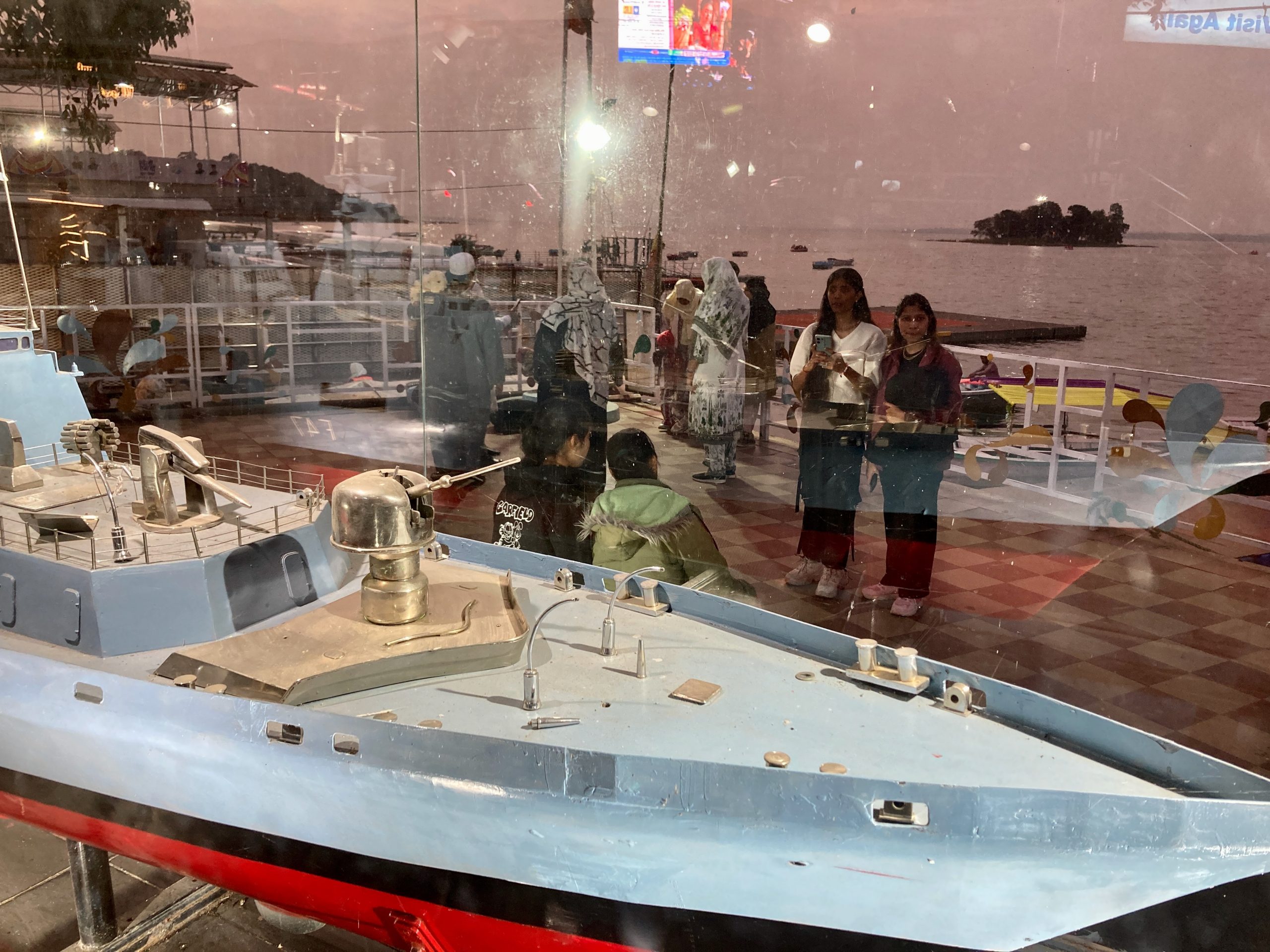
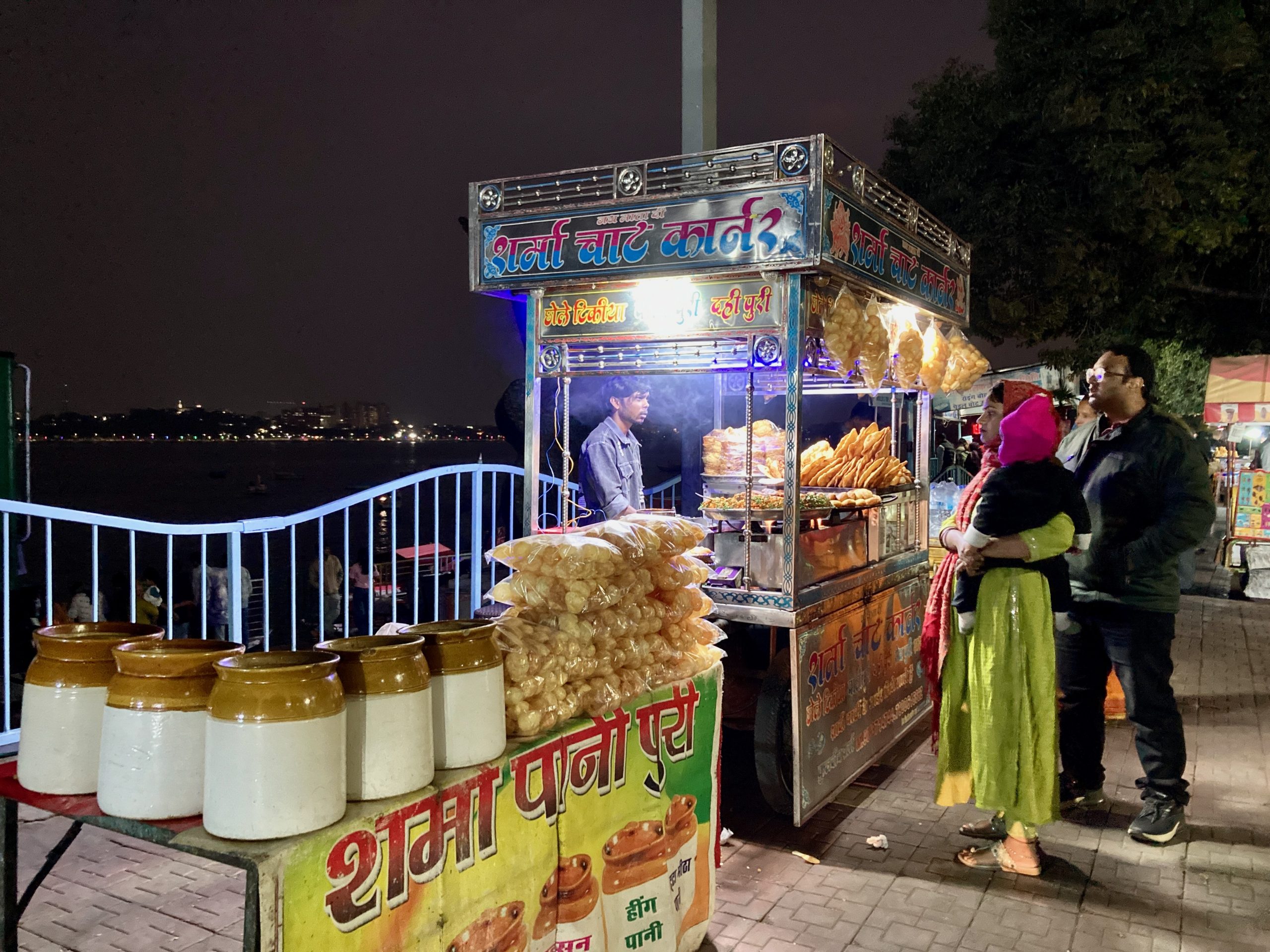
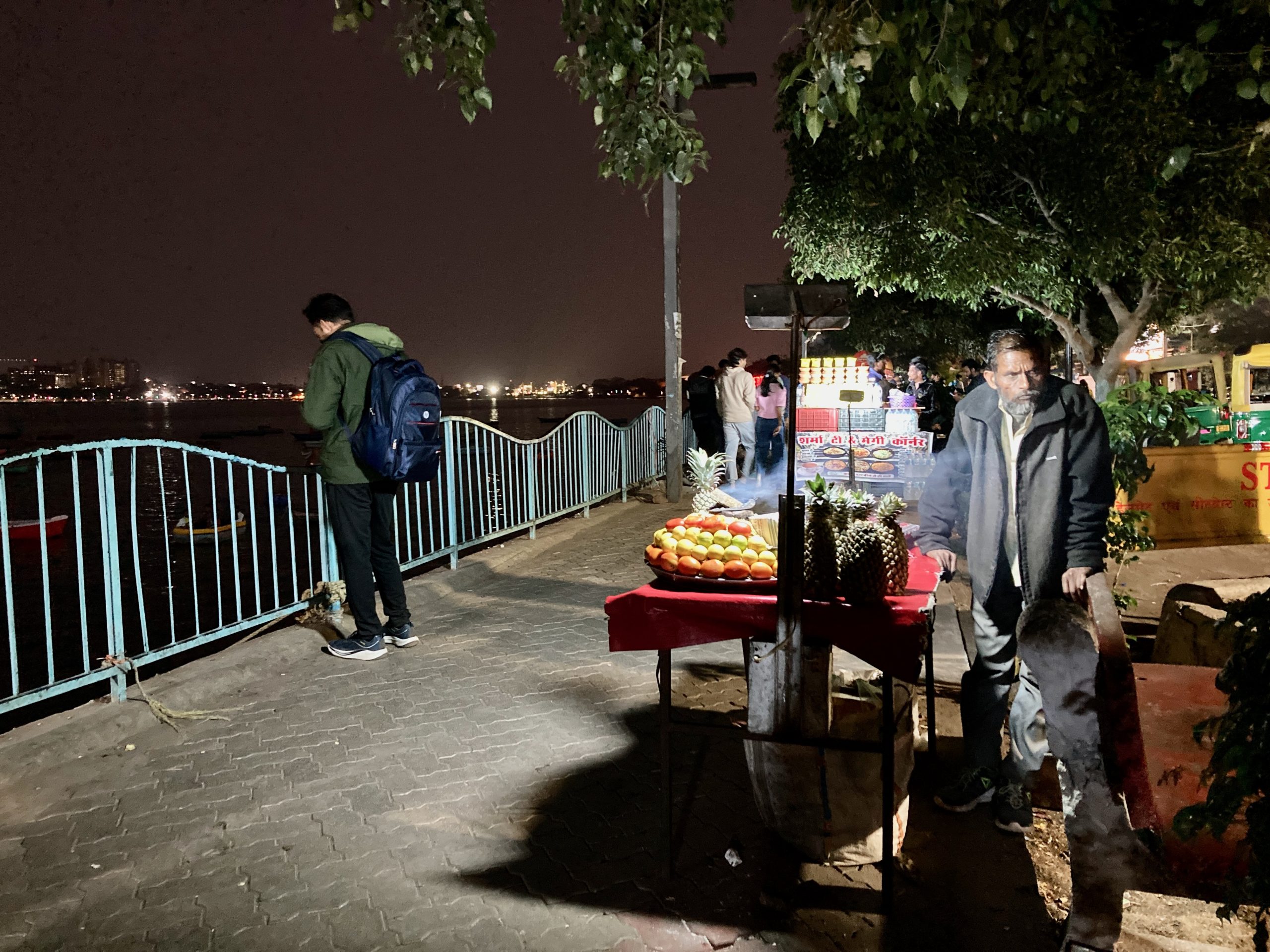
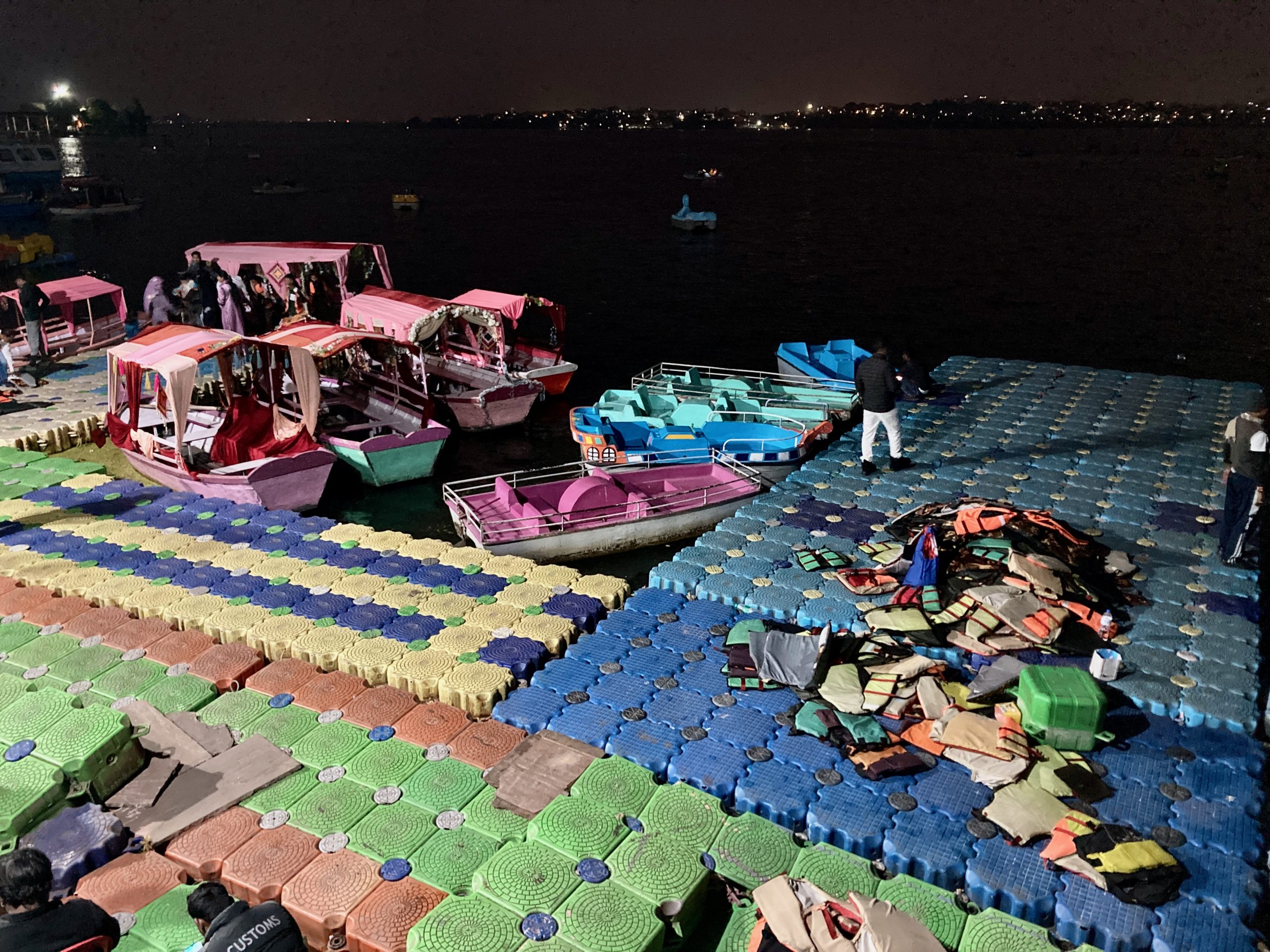
My destination was Bhopal, which I still knew as the site of the world’s worst industrial chemical disaster in 1984 — something you can read about, for example, on Wikipedia: https://de.wikipedia.org/wiki/Katastrophe_von_Bhopal. A very bad story, but I didn’t engage with it on site and instead looked around to see what else there was to see. Bhopal is an industrial and economic metropolis with around two million inhabitants. It is also called the City of Lakes — and indeed there is a huge lake, which I walked to in the early evening.
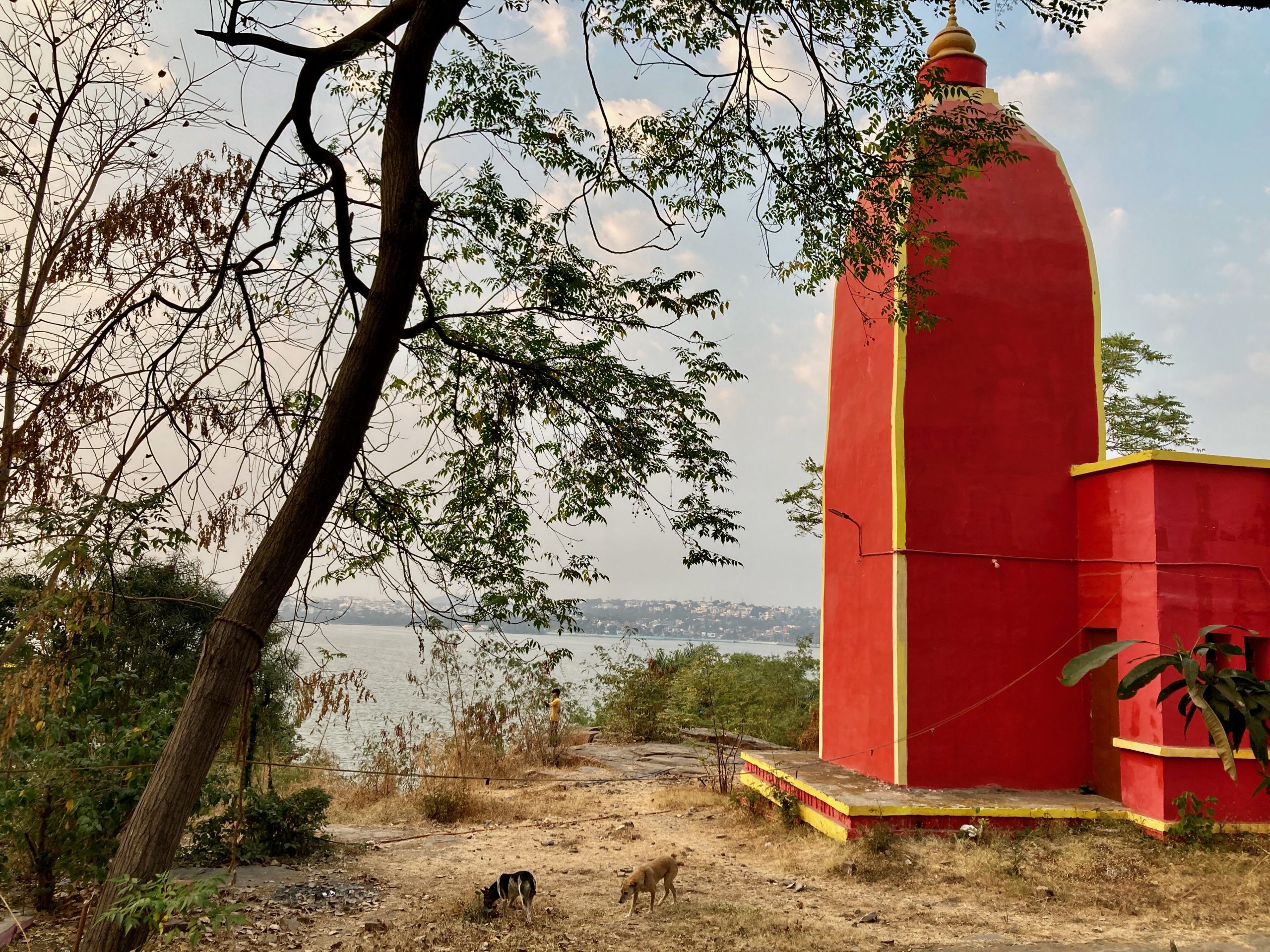 1
1
 2
2
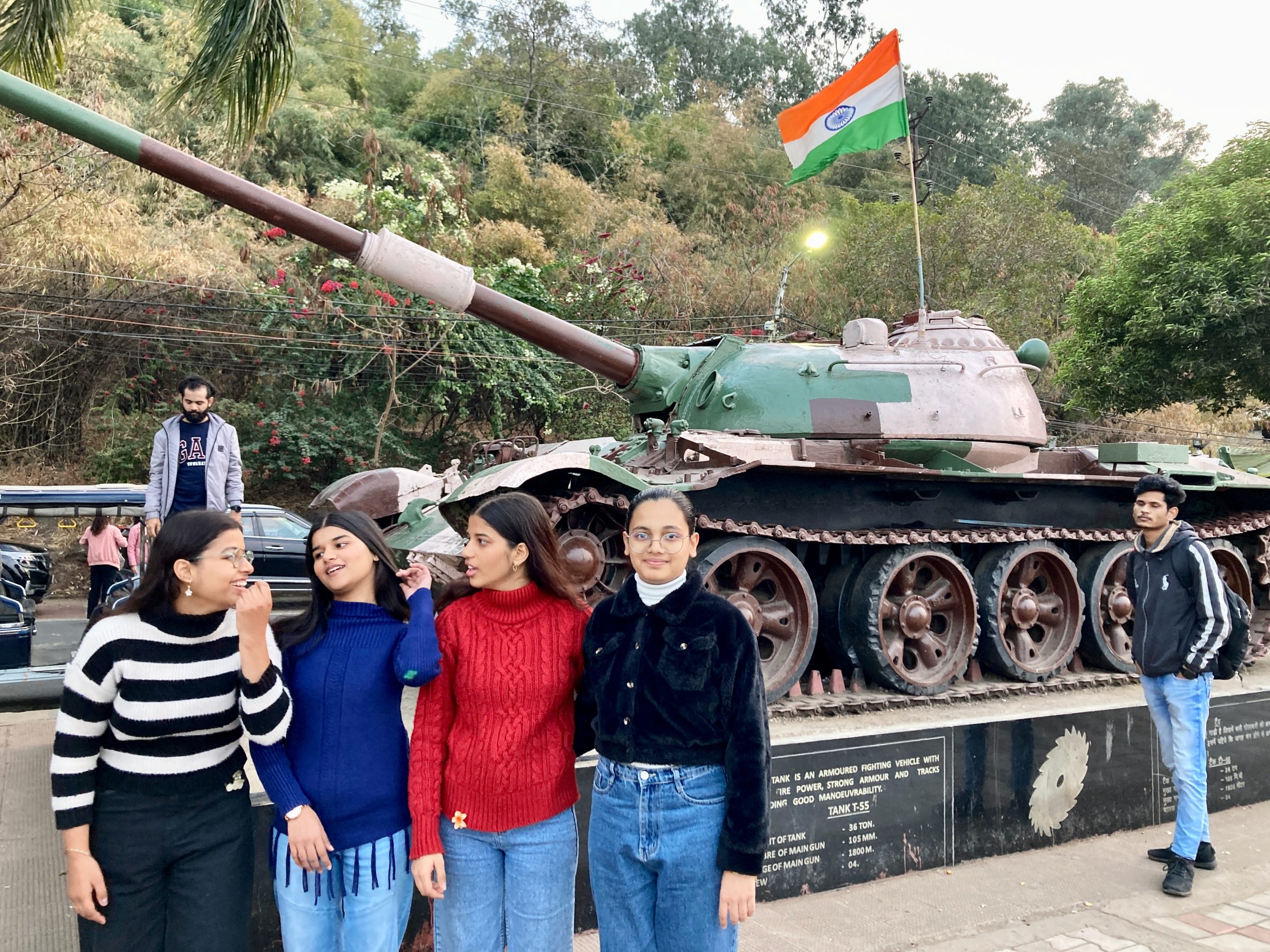
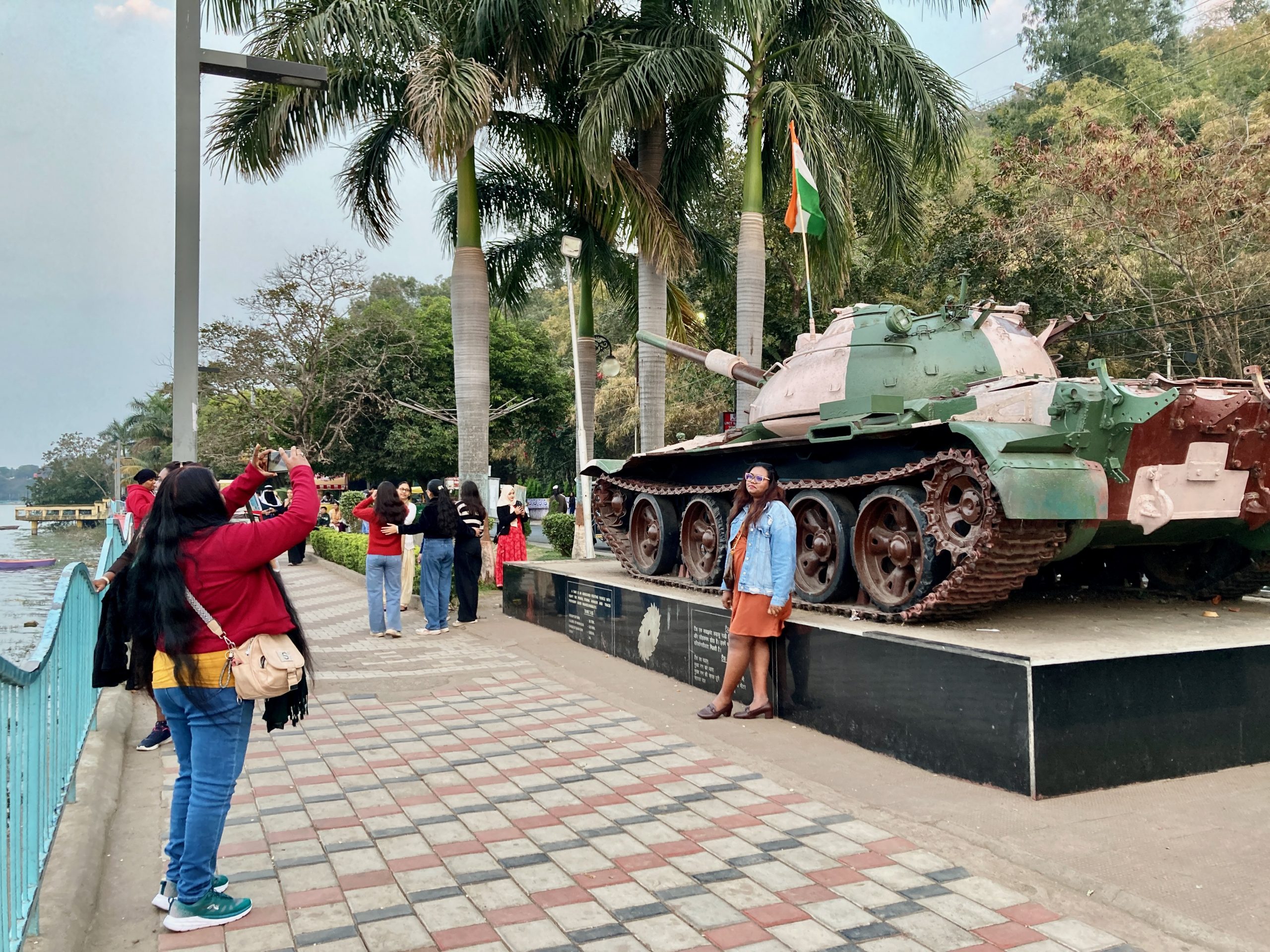
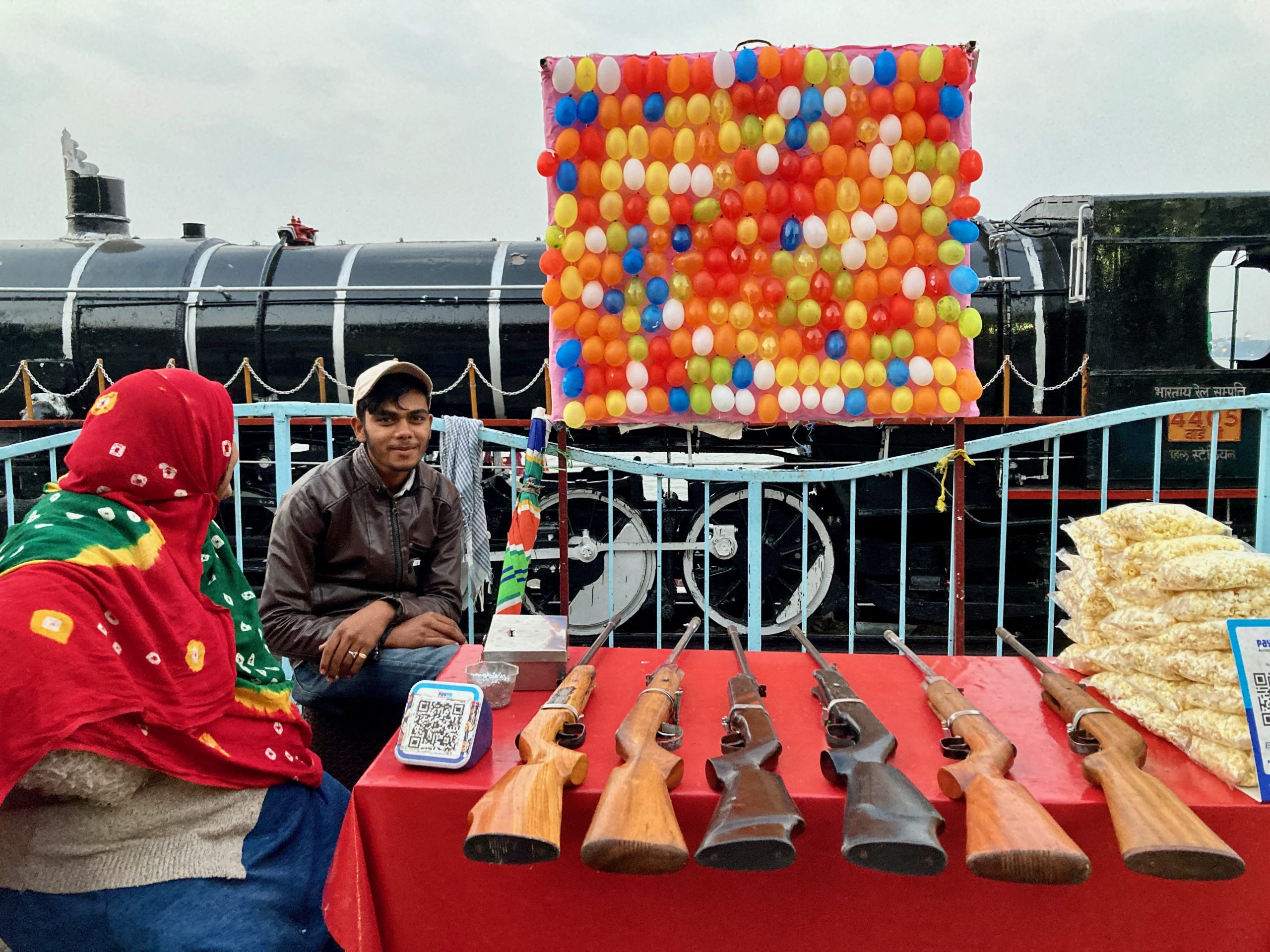
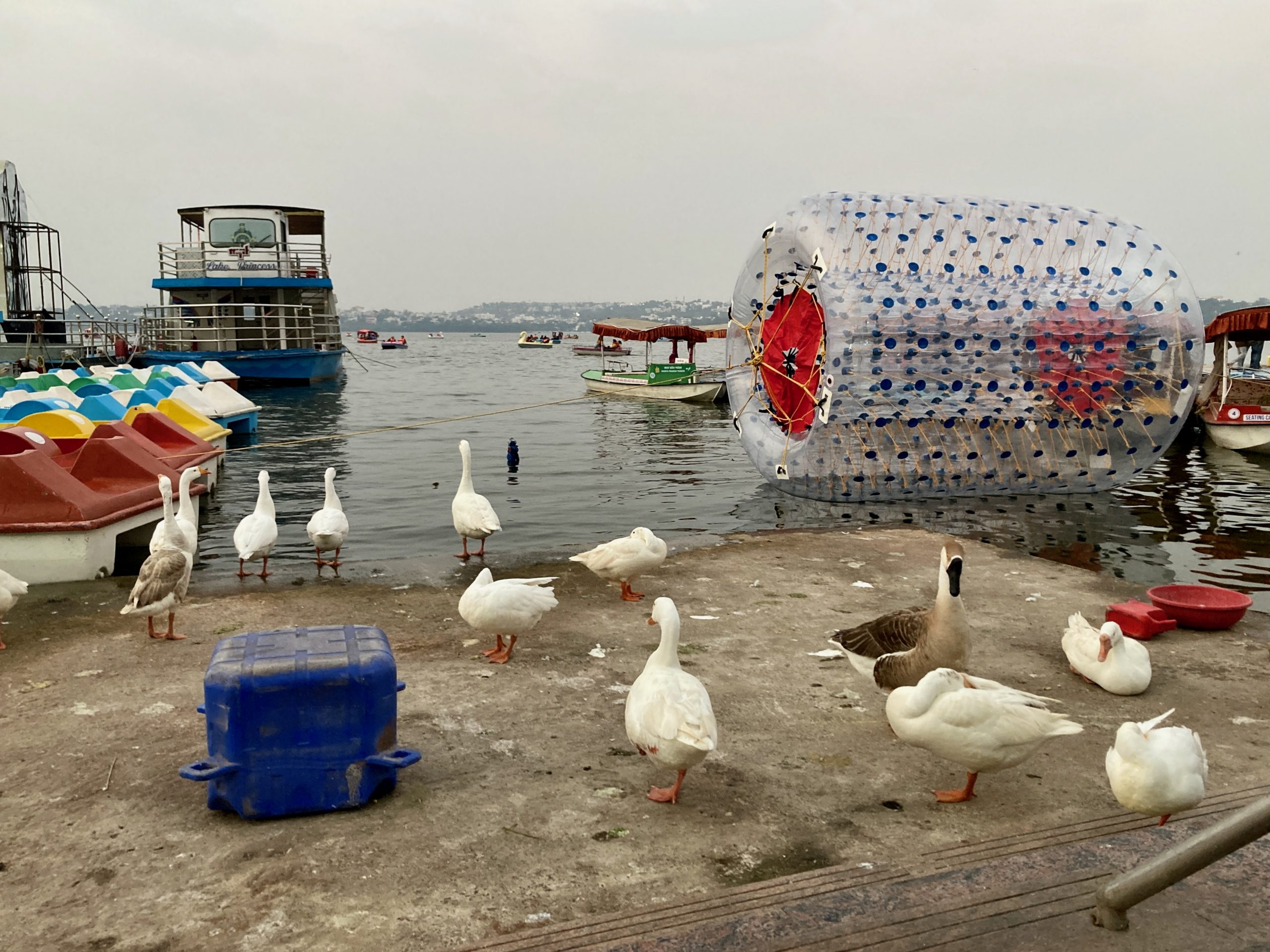
There was a boat operator and, all around, a promenade, kiosks, and lots of people. There was also a tank that people liked to pose in front of for photos. It was quite nice to stroll around there.
 3
3
 4
4
 5
5
 6
6
 7
7
 8
8
 9
9
 10
10
 11
11
 12
12
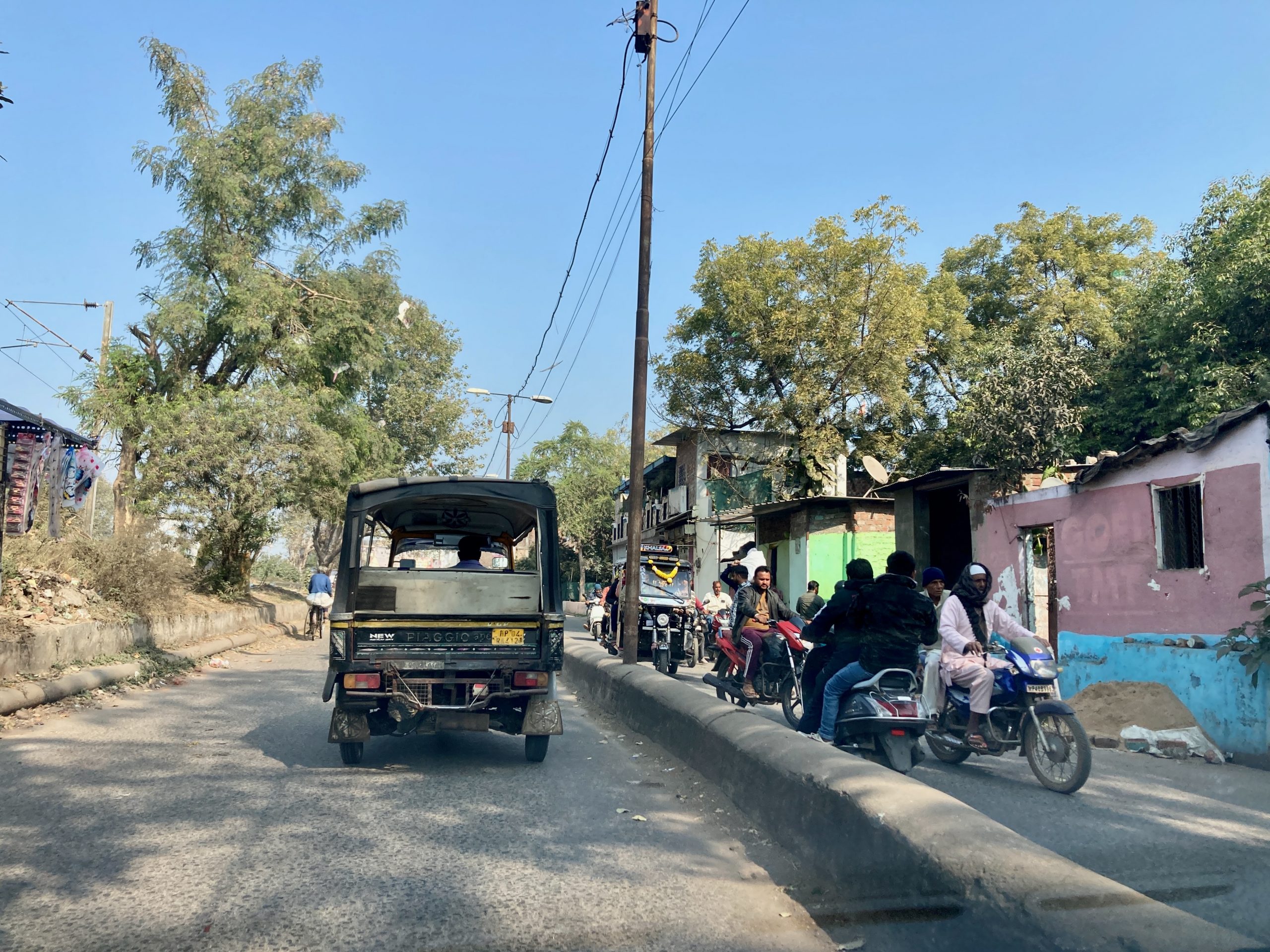
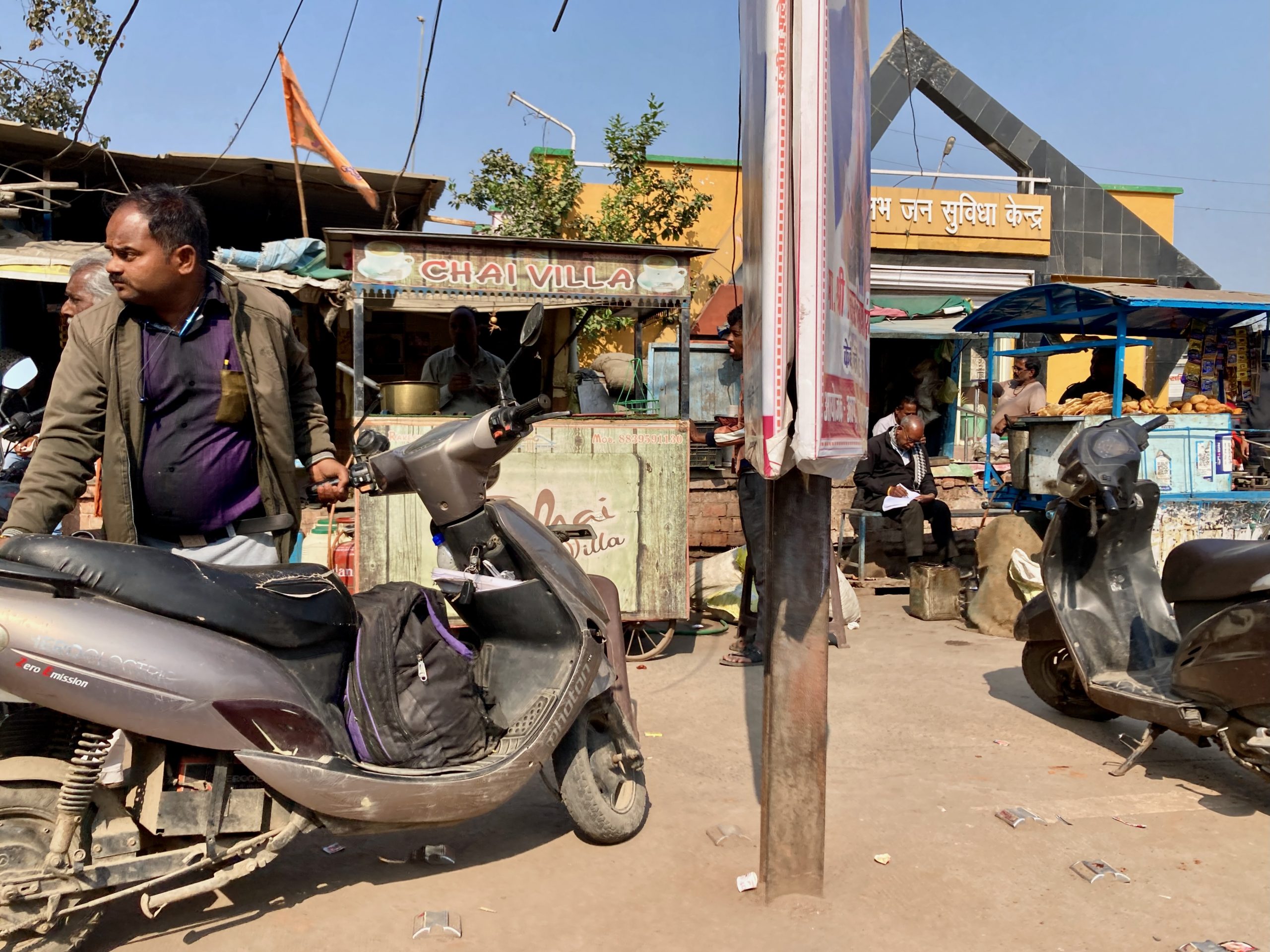
The next day I treated myself to a taxi. Unfortunately, taxis in India aren’t that easy to recognize. I set off, thinking I’d somehow come across one (a taxi app didn’t work because the destination was outside the area). I approached a man and asked him. No, he said — he was a driver, but employed full-time by someone. However, he could organize a taxi for me. He made a few phone calls and then said he had one, but it was a bit far away — he would drive me there himself! And he did, and it was quite a long way — at least 300 INR worth. But he didn’t ask for any money and didn’t even wait expectantly. I didn’t know what was the better thing to do: simply be grateful that there are such kind people, or put some money in his hand, since one can always use money. This time I chose simply to enjoy the kindness — but I did think about it quite a bit afterwards. About how “rules” apply when there is such a difference in income. I didn’t really come to a conclusion
This driver didn’t talk much, but that didn’t matter. He drove me the 50 kilometers to my destination and back again.
 Fahrt 1
 Fahrt 2
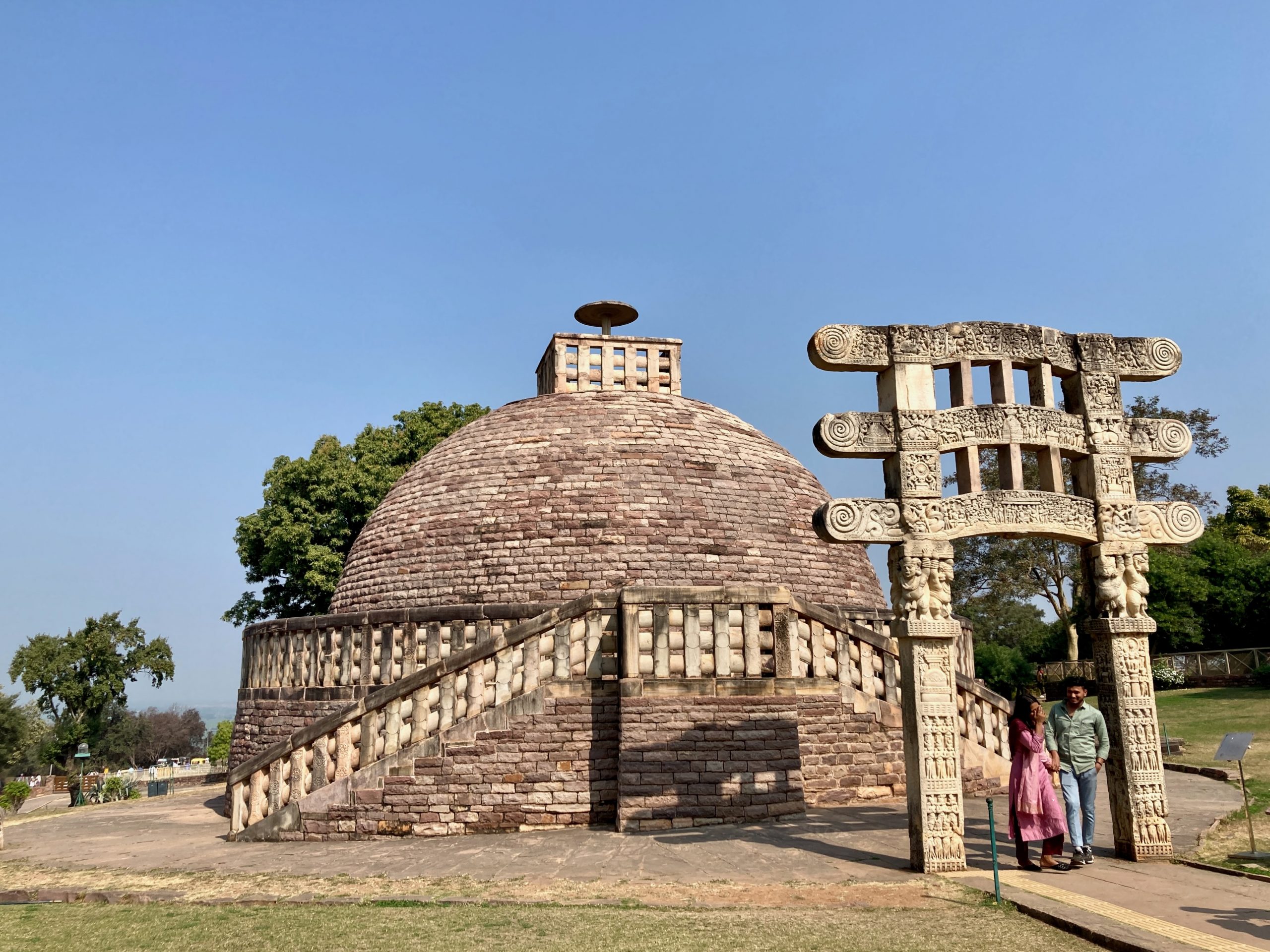
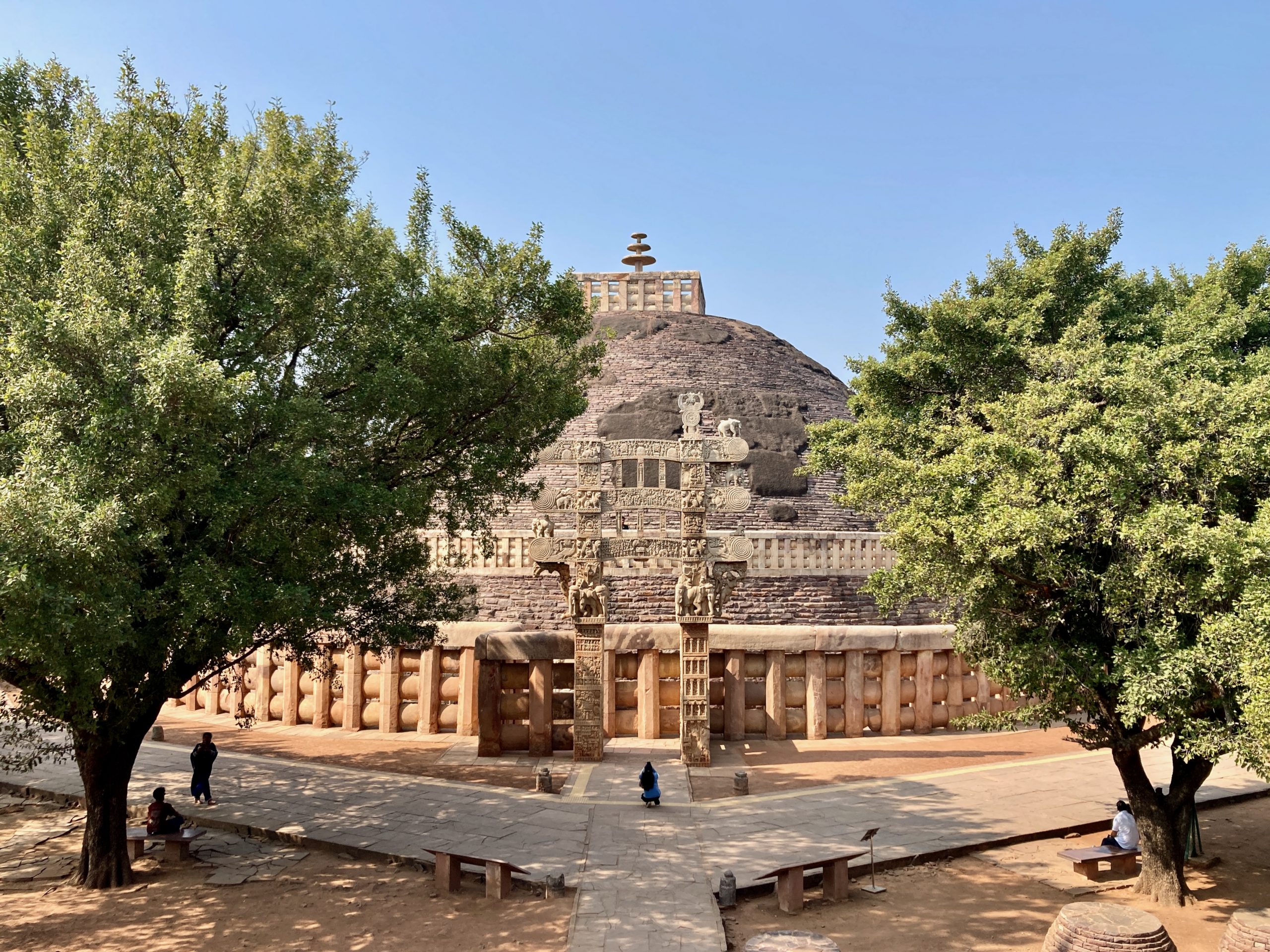
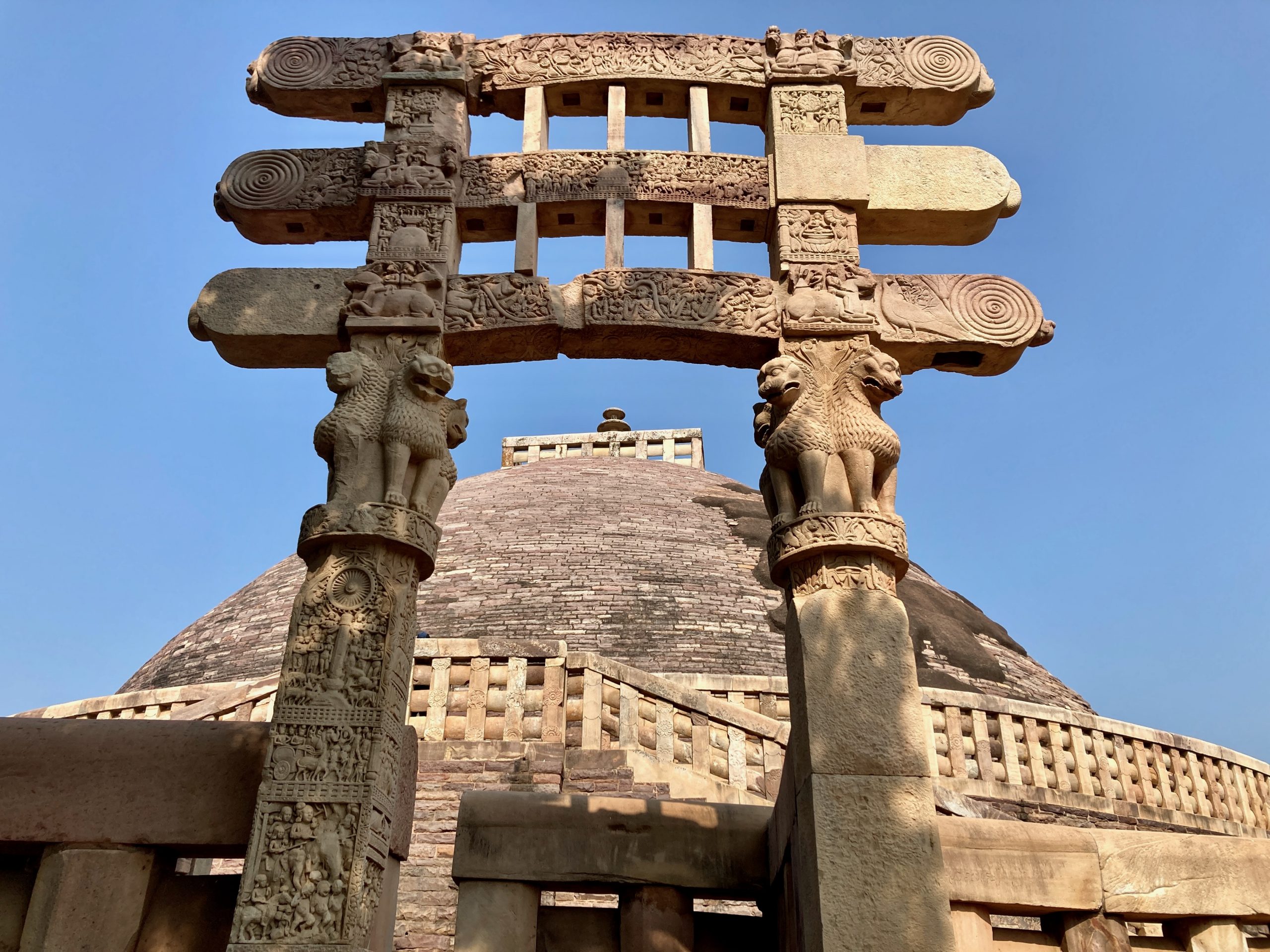
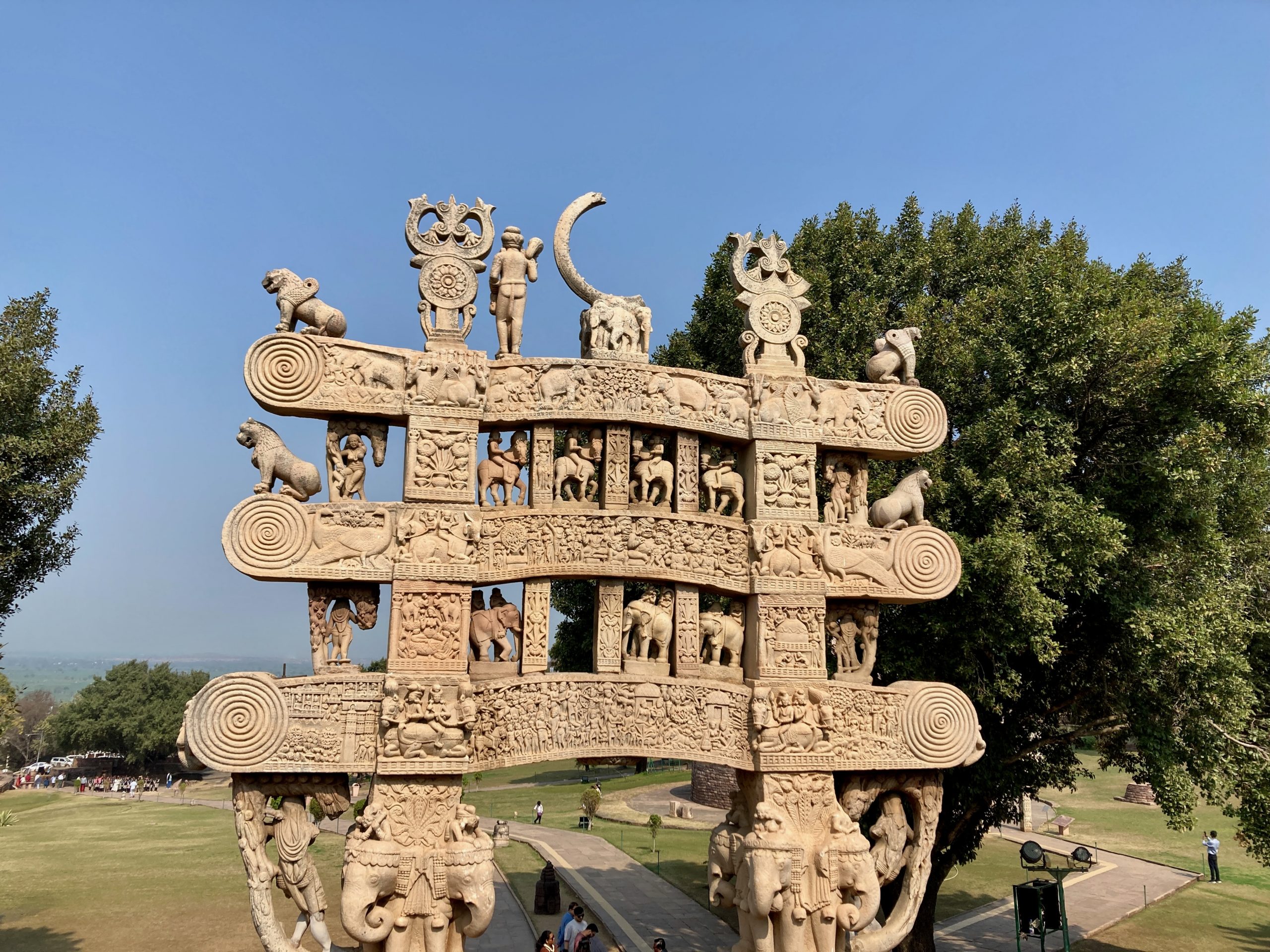
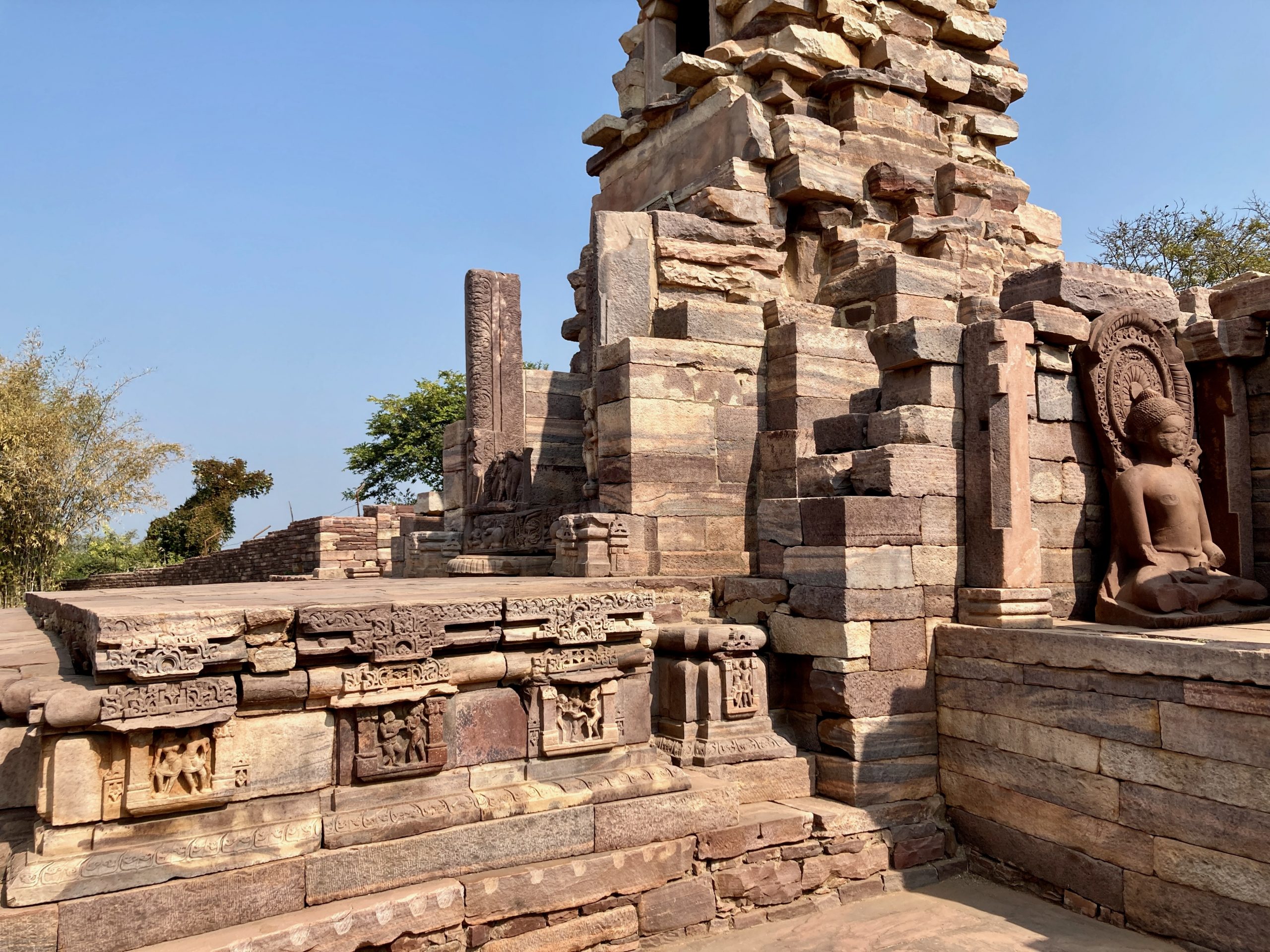
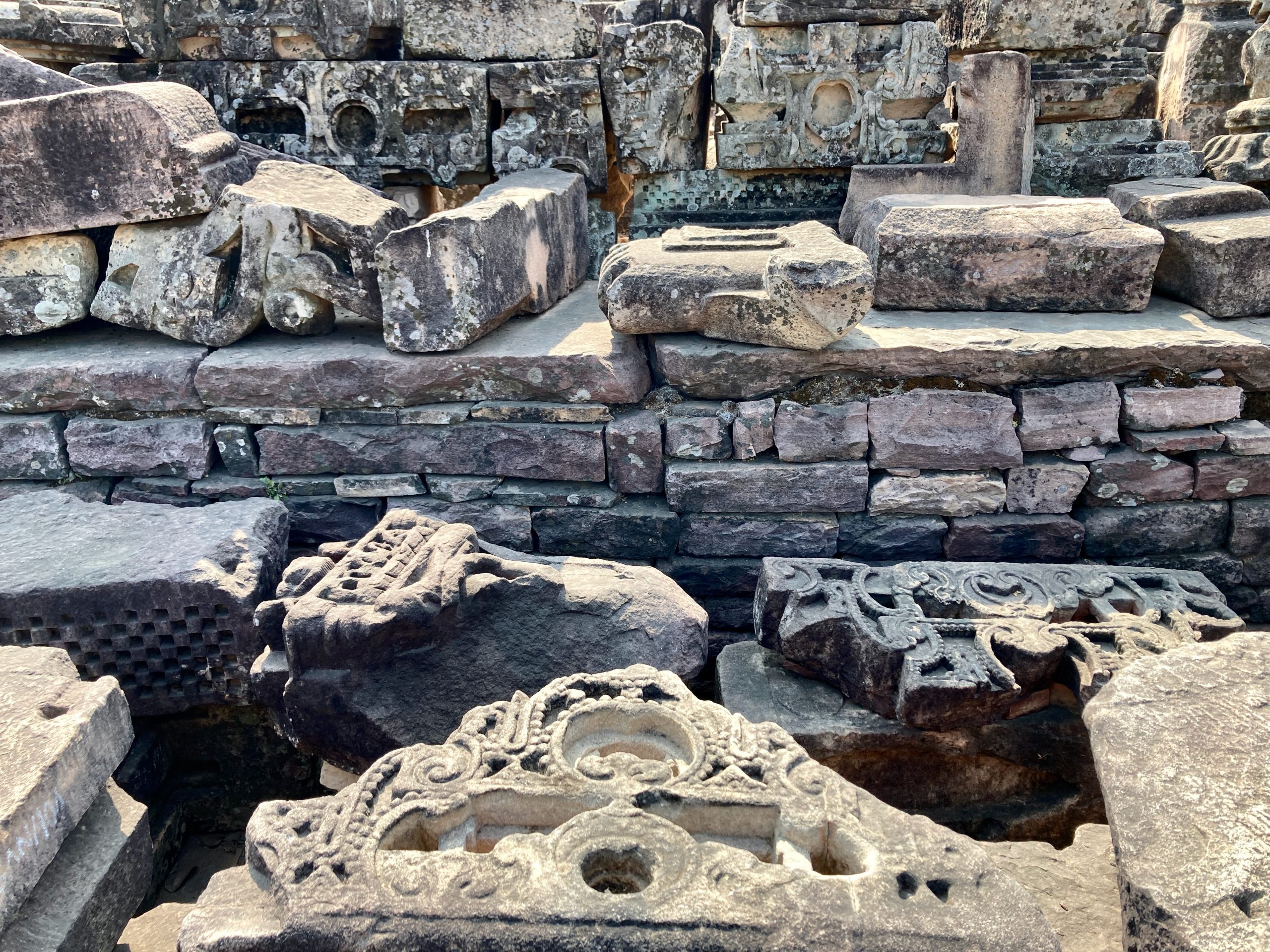
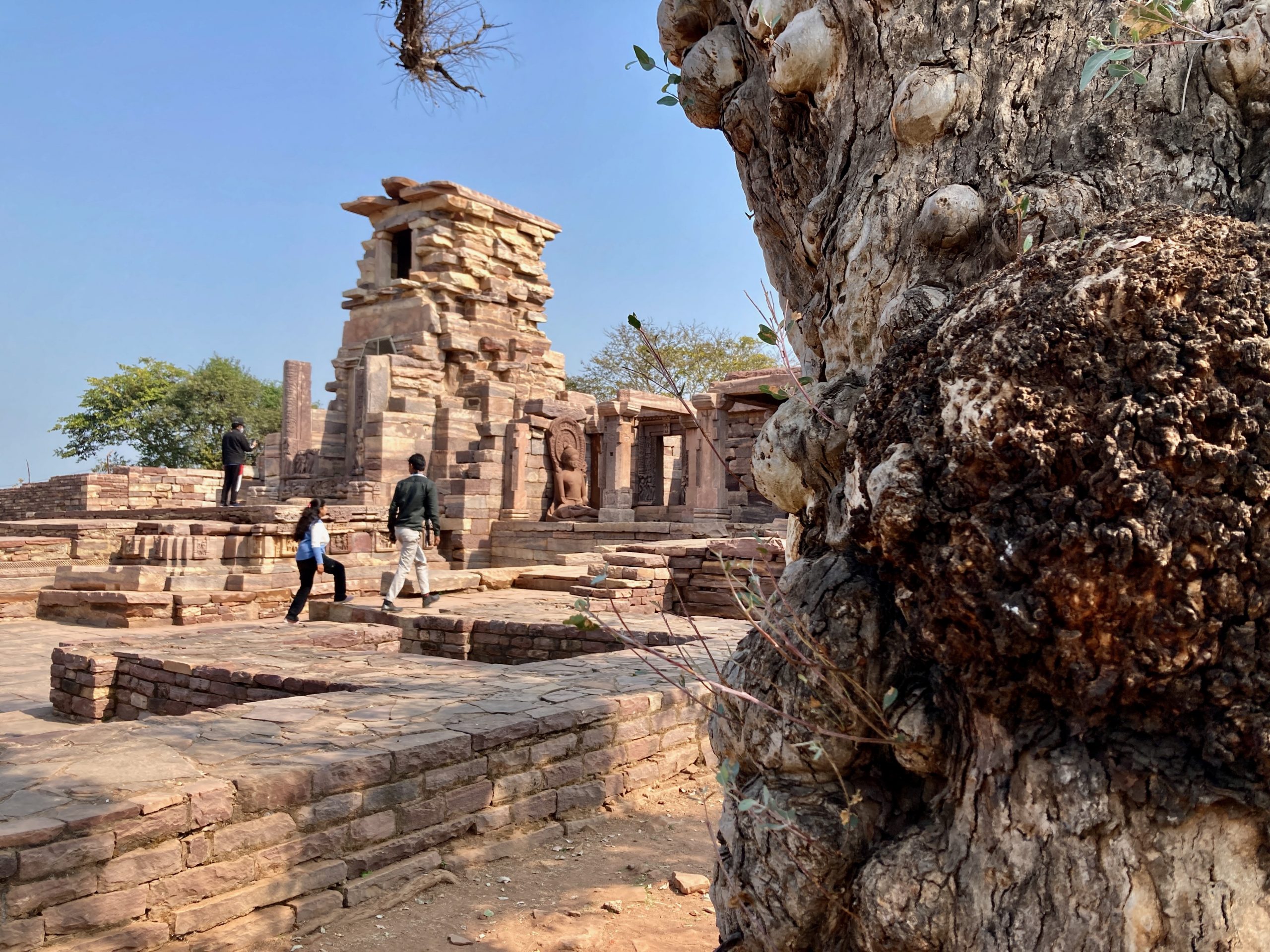
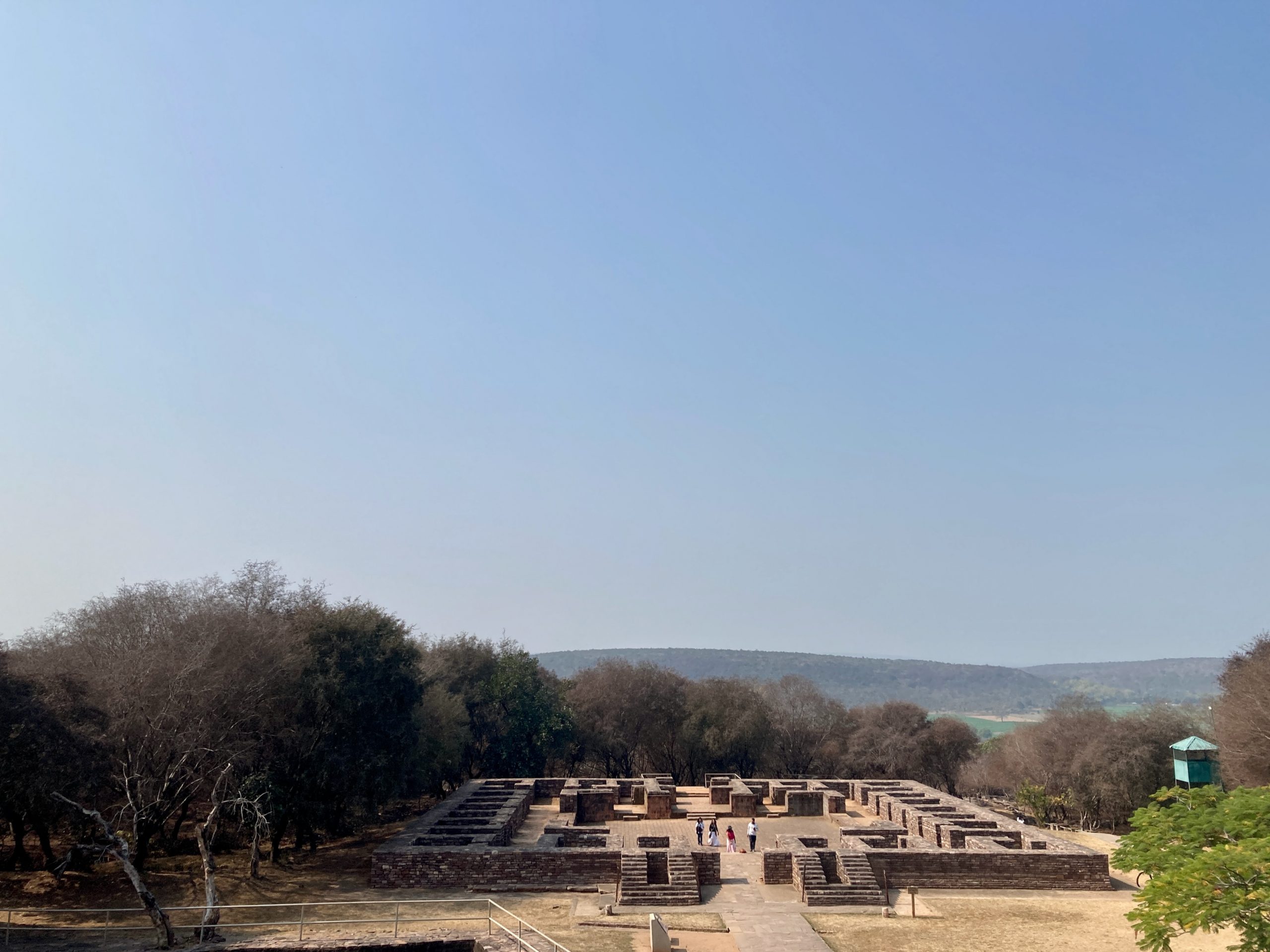
In the morning I had to decide: Buddhist site or rock paintings (they were too far apart). I was slightly more in the mood for Buddhism, so I went to Sanchi. On a hill there are early Buddhist monuments, especially stupas with ornate gateways in front of them. These gateways were very detailed, carved from stone, while the stupas were relatively simple. And there were many old stones scattered around as well.
 1
1
 2
2
 3
3
 4
4
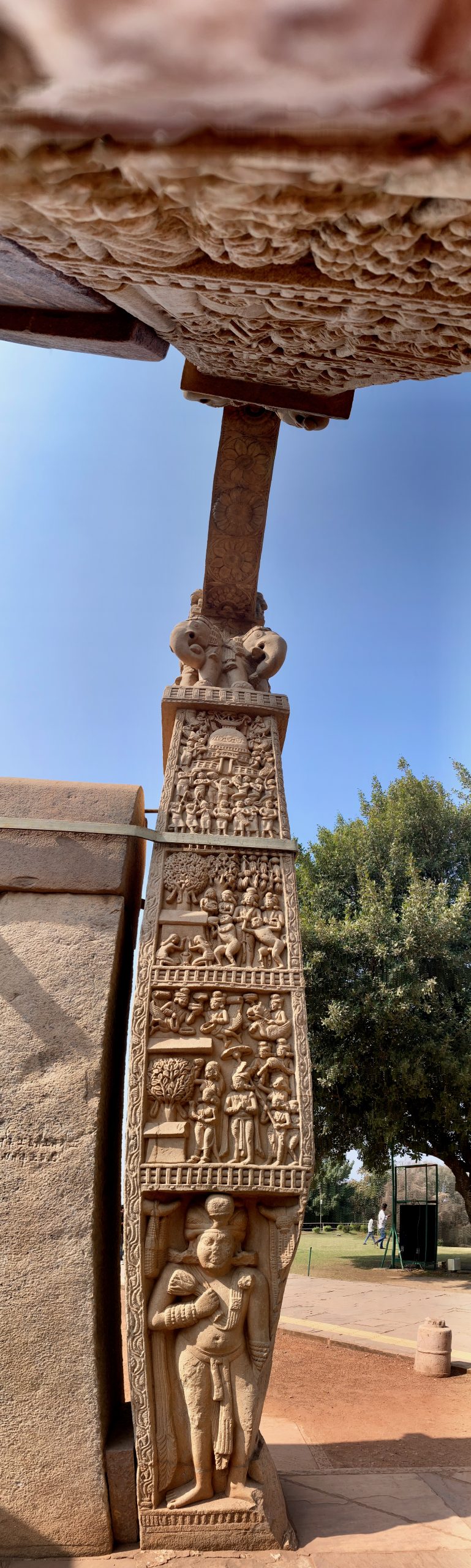 5 (ich habe entdeckt, dass man ja auch hochkant-Panorama machen kann….)
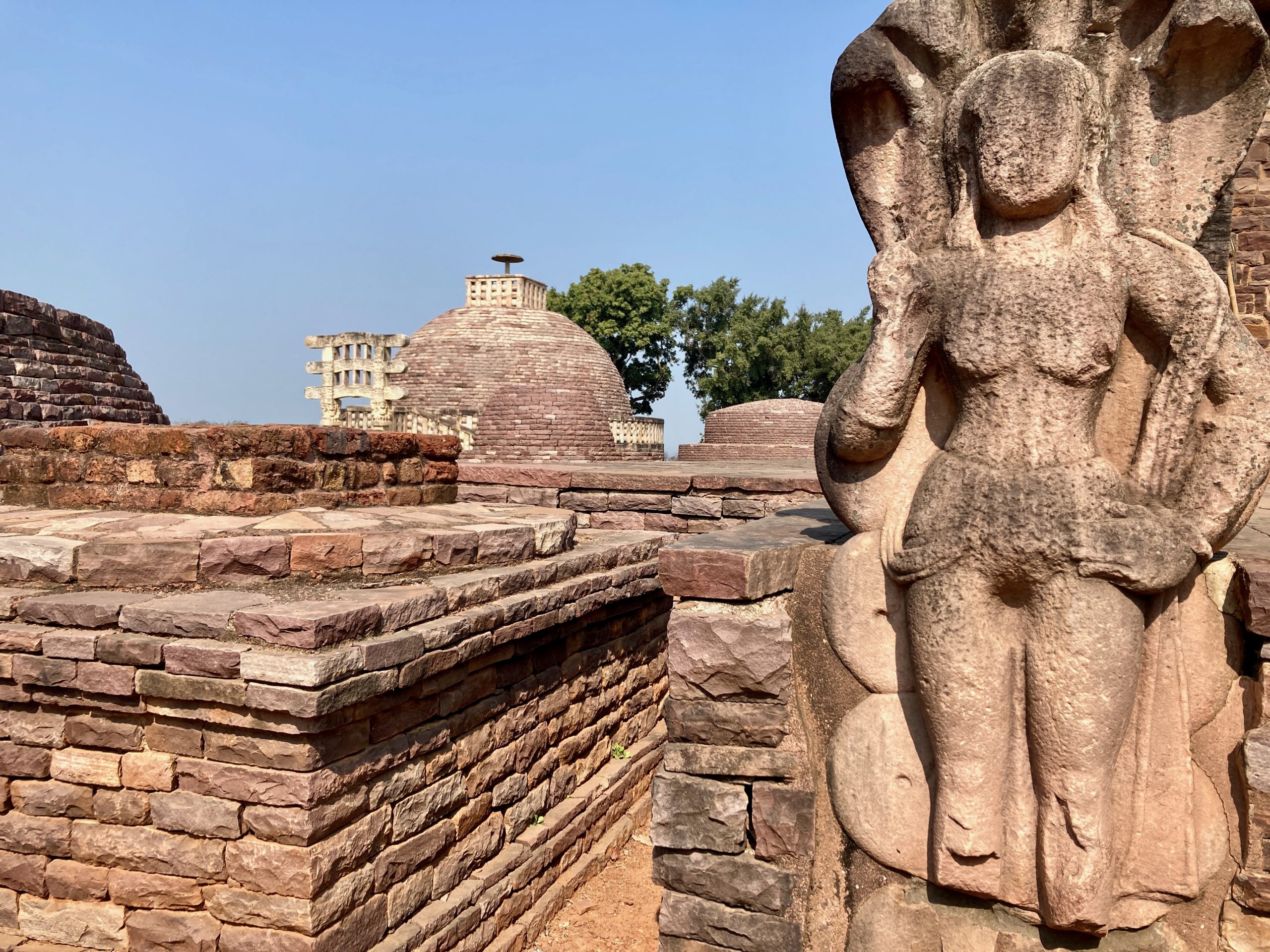
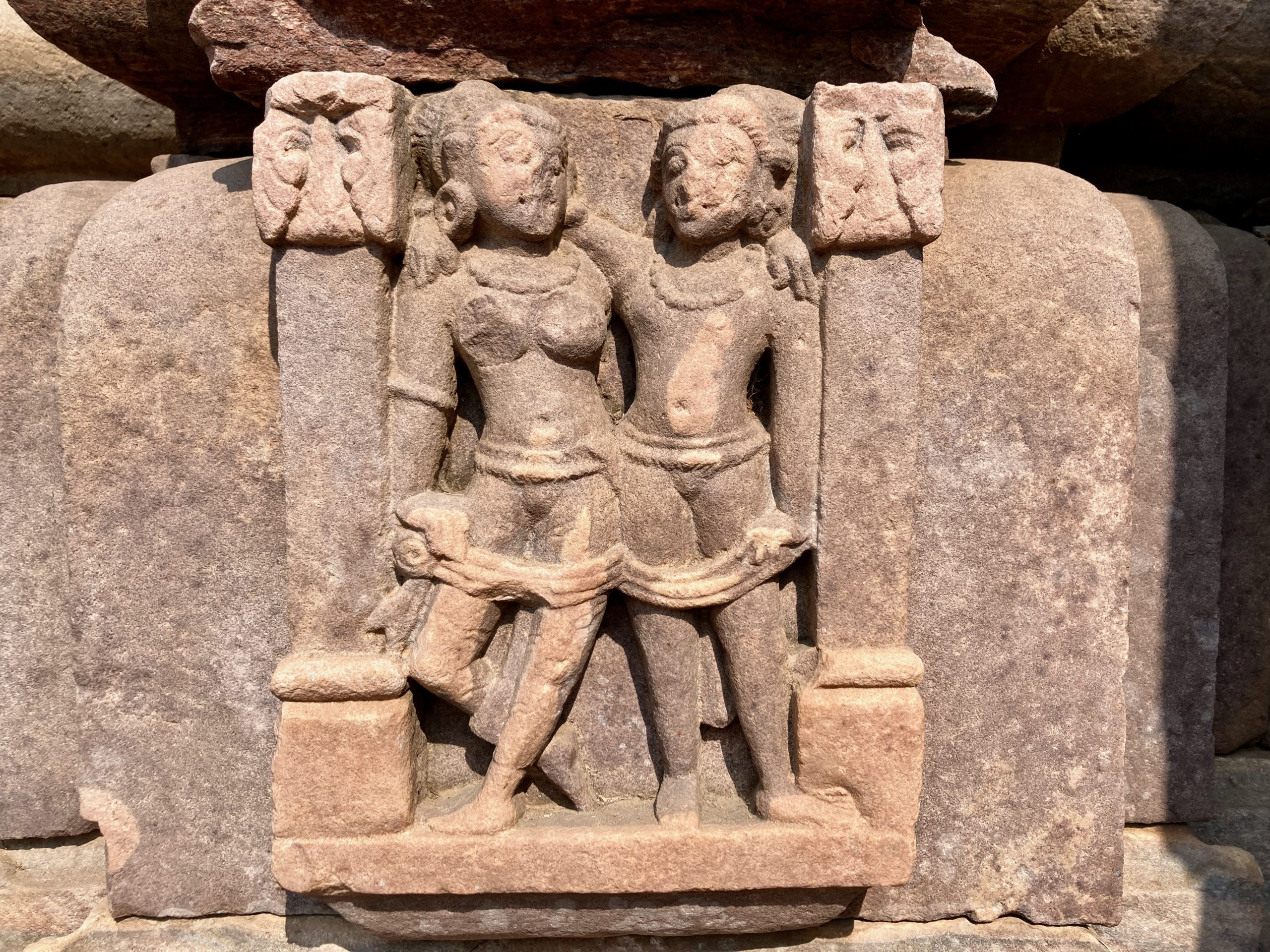
Then there were even more old stones lying around. What was interesting was that there were only a few Buddha figures — the rest looked just like what you’d expect from Hindu monuments. Everyday scenes and scenes with gods. That’s because it’s so early (before year 0), and at that time iconography didn’t yet make a clear distinction. In fact, Buddha as a depicted figure only appeared later. Some of the figures were also Hindu deities; here they were considered “acknowledging Buddhism.” And there were indeed some depictions that I would classify as “erotic.” I asked ChatGPT about it: yes, such things were depicted back then because they are part of life in all its aspects. Also, weathering can sometimes make them look even more explicit.
 6
6
 7
7
 8
8
 9
9
I really enjoy wandering around and looking for unusual depictions, whether in stone (the Rani ki Vav in Gujarat was also very rich in that regard) or as wall paintings. Here are a few finds:
 10
10
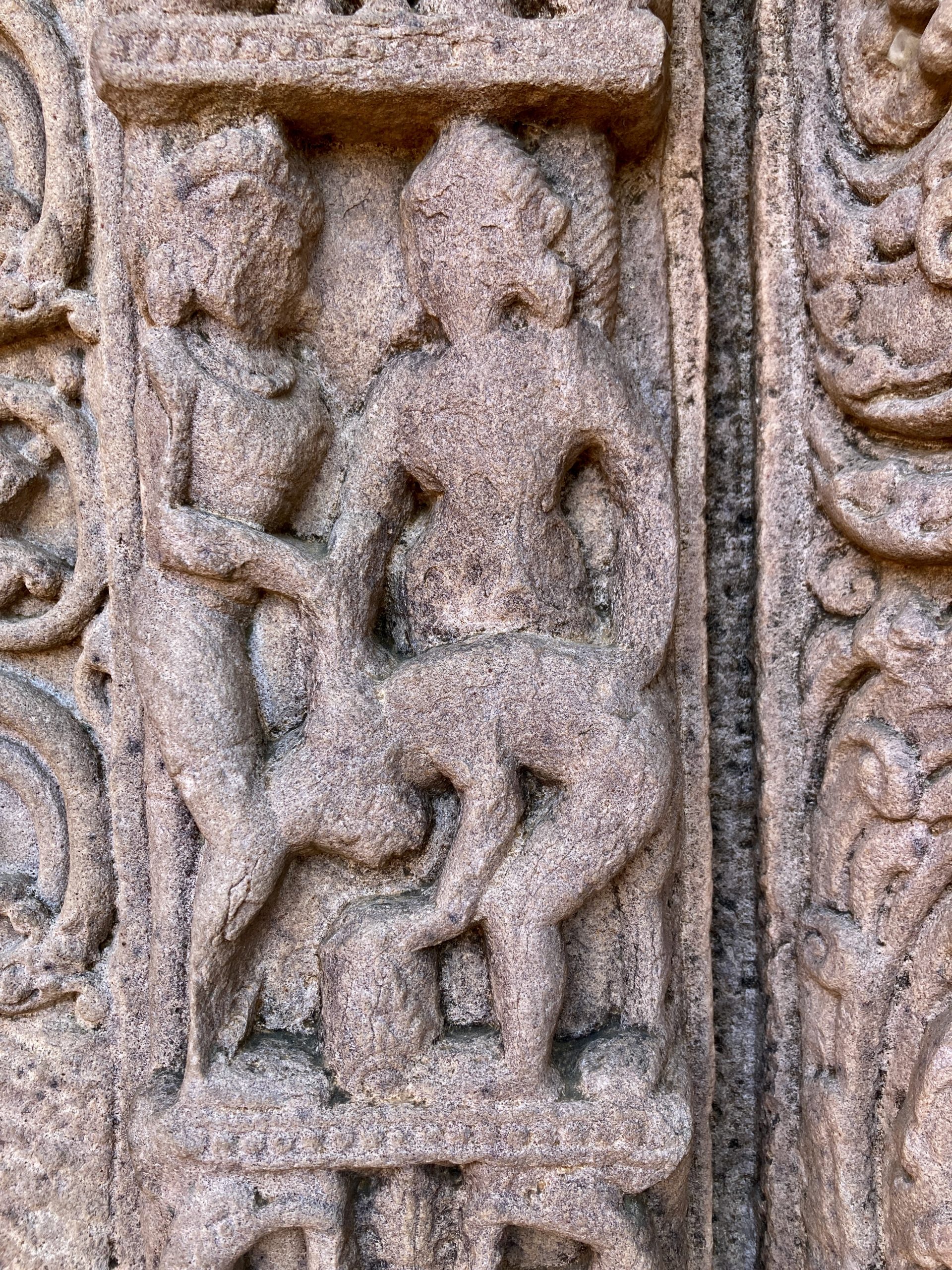 11
11
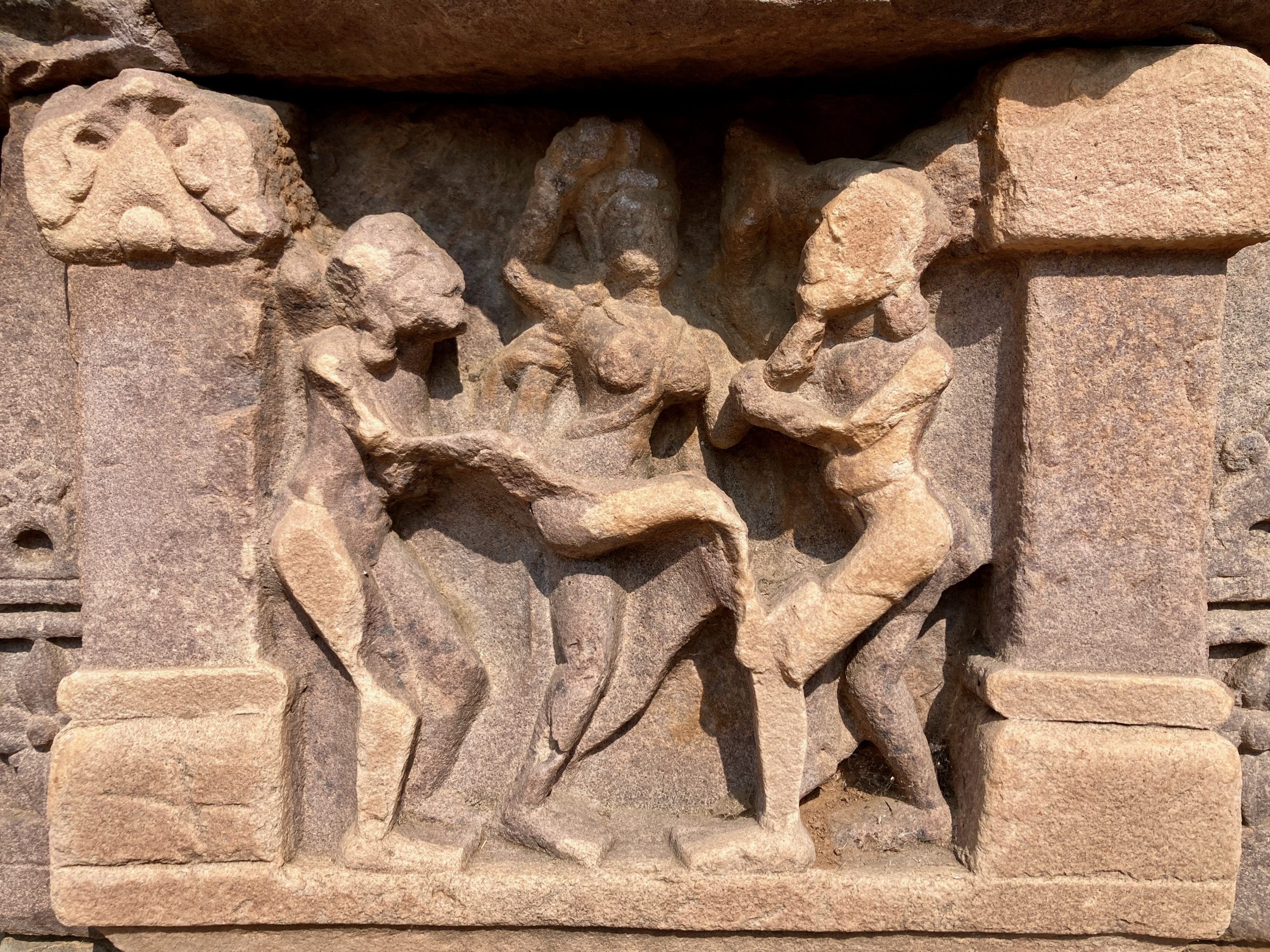 12
12
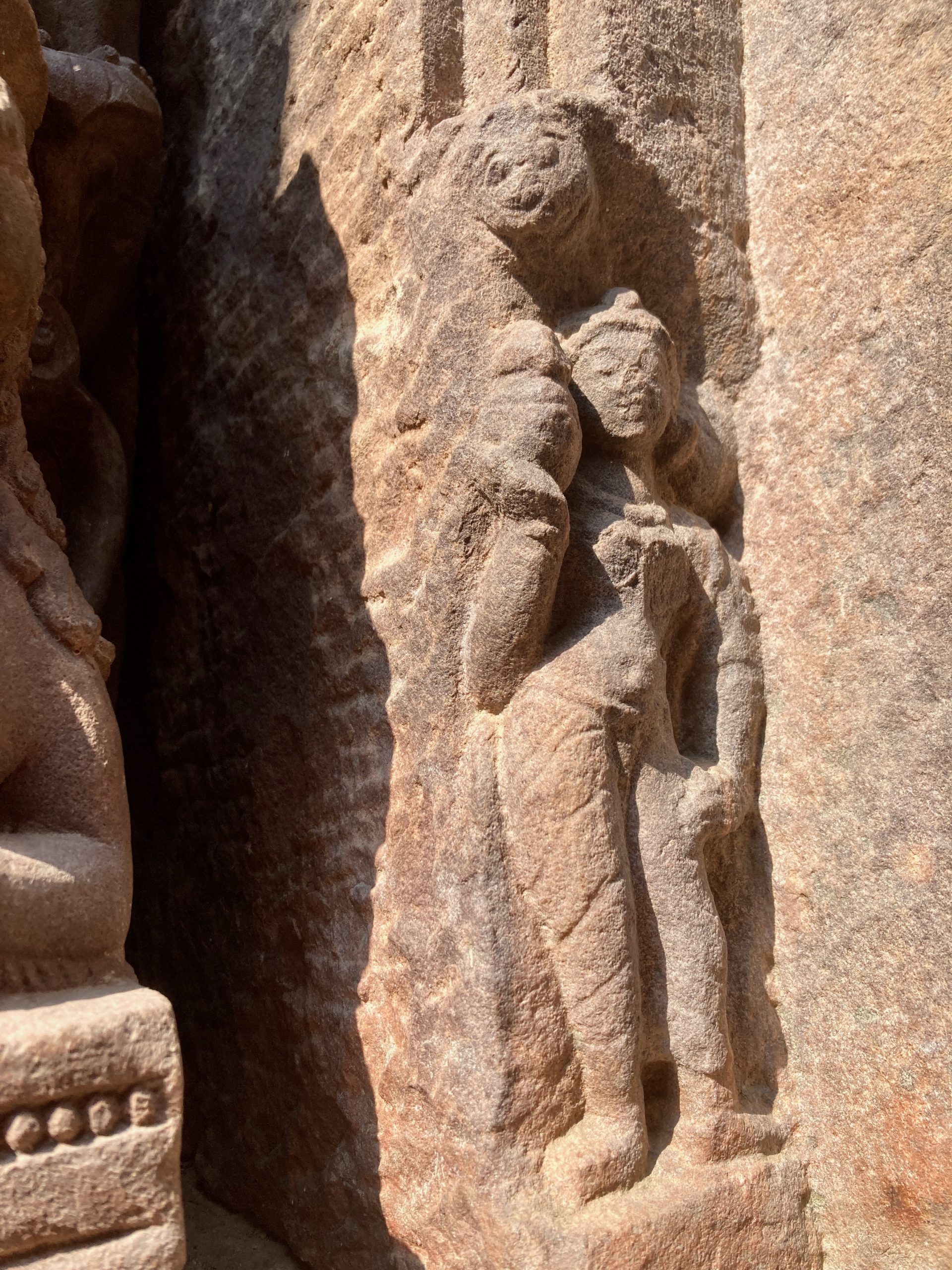 13
13
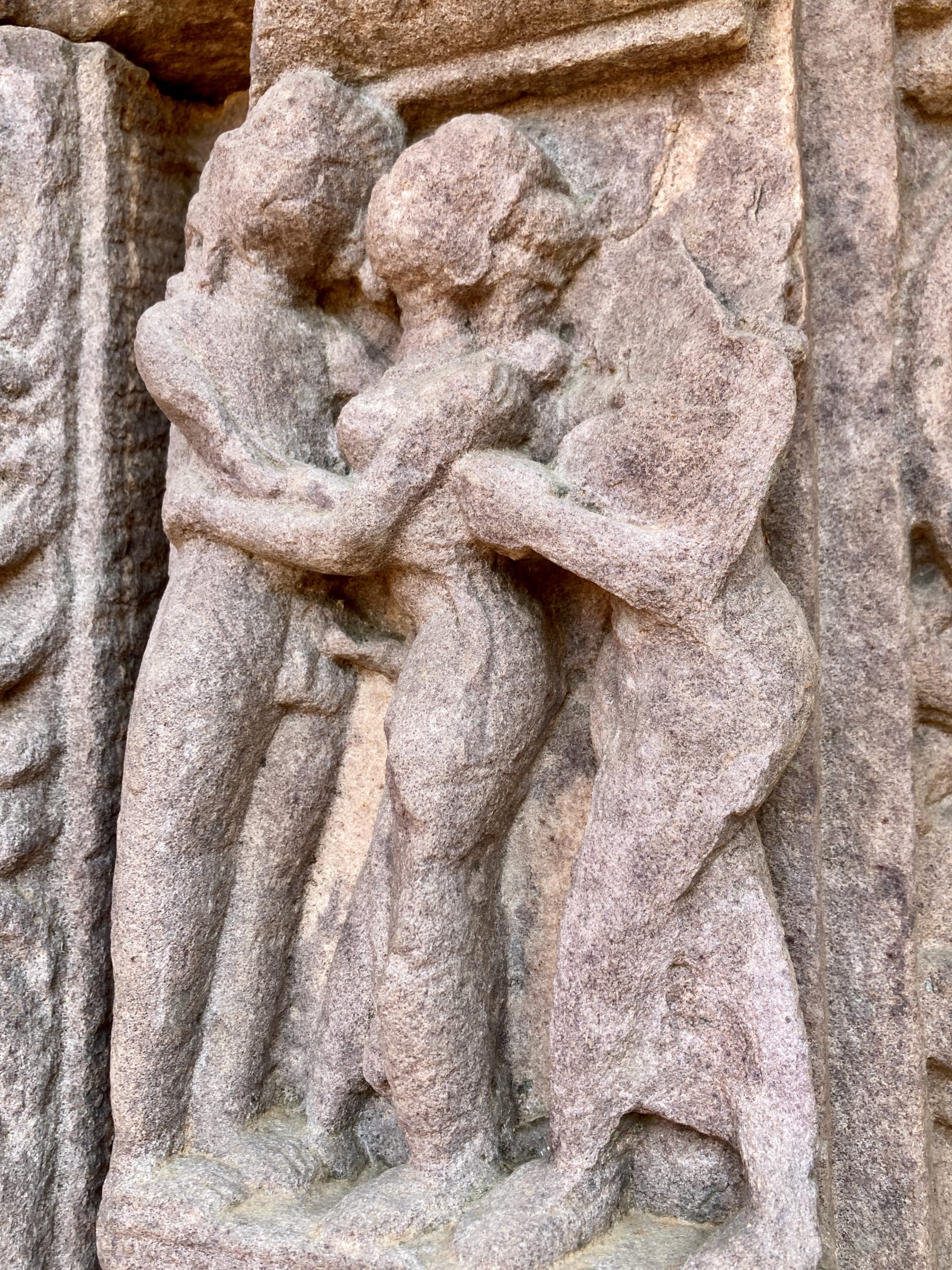 14
14
A view from the hill:
 15
15
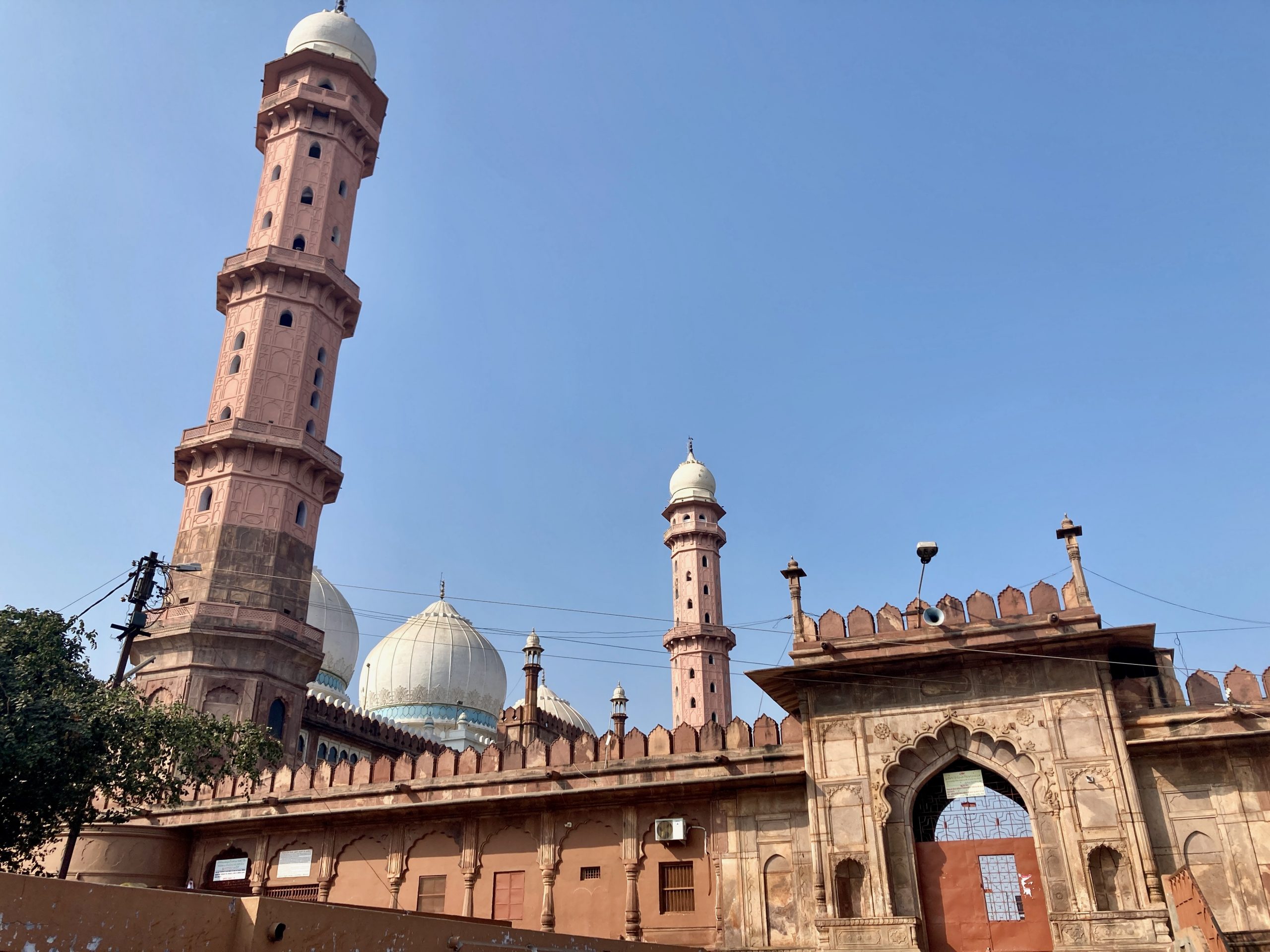
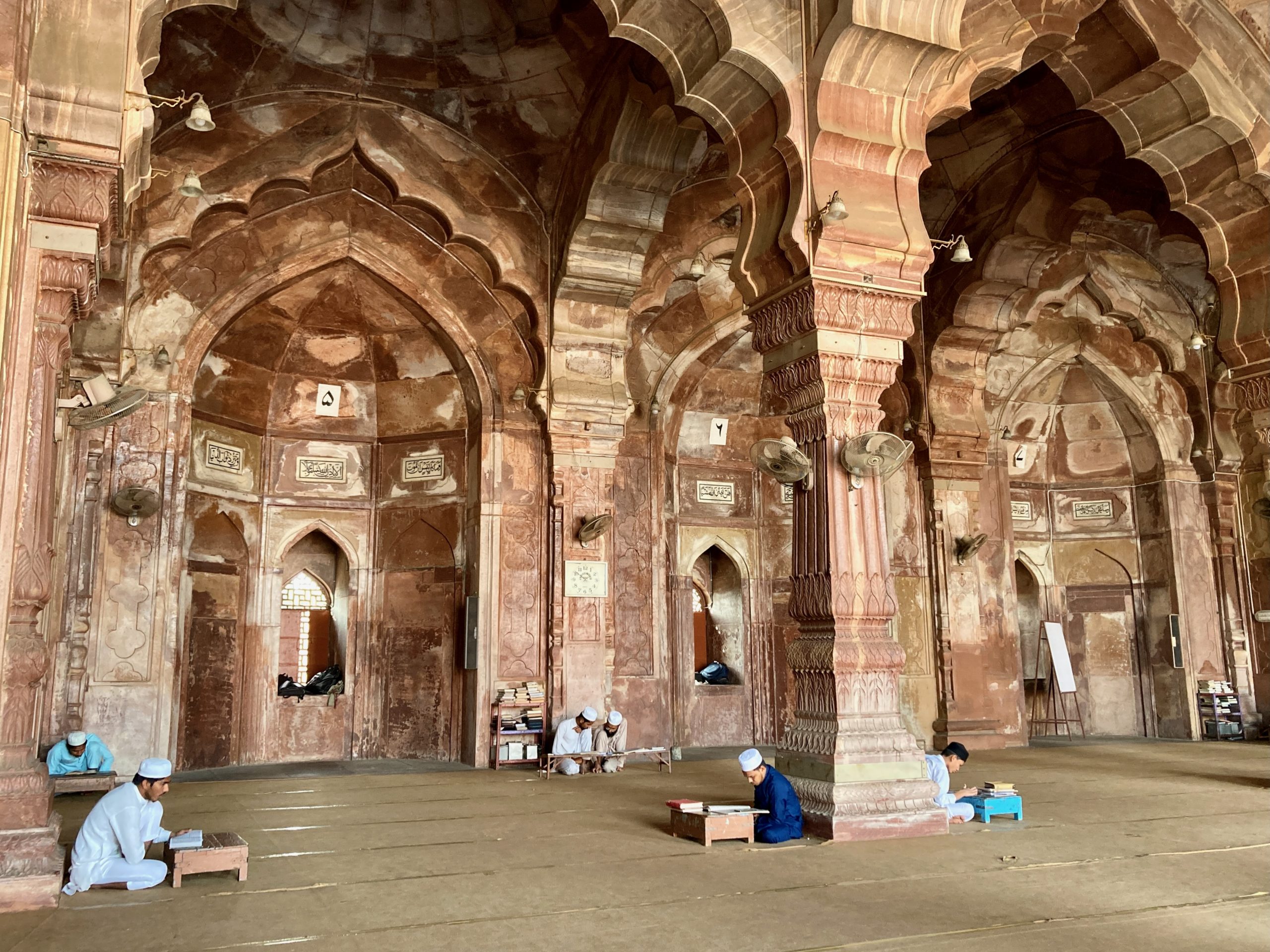
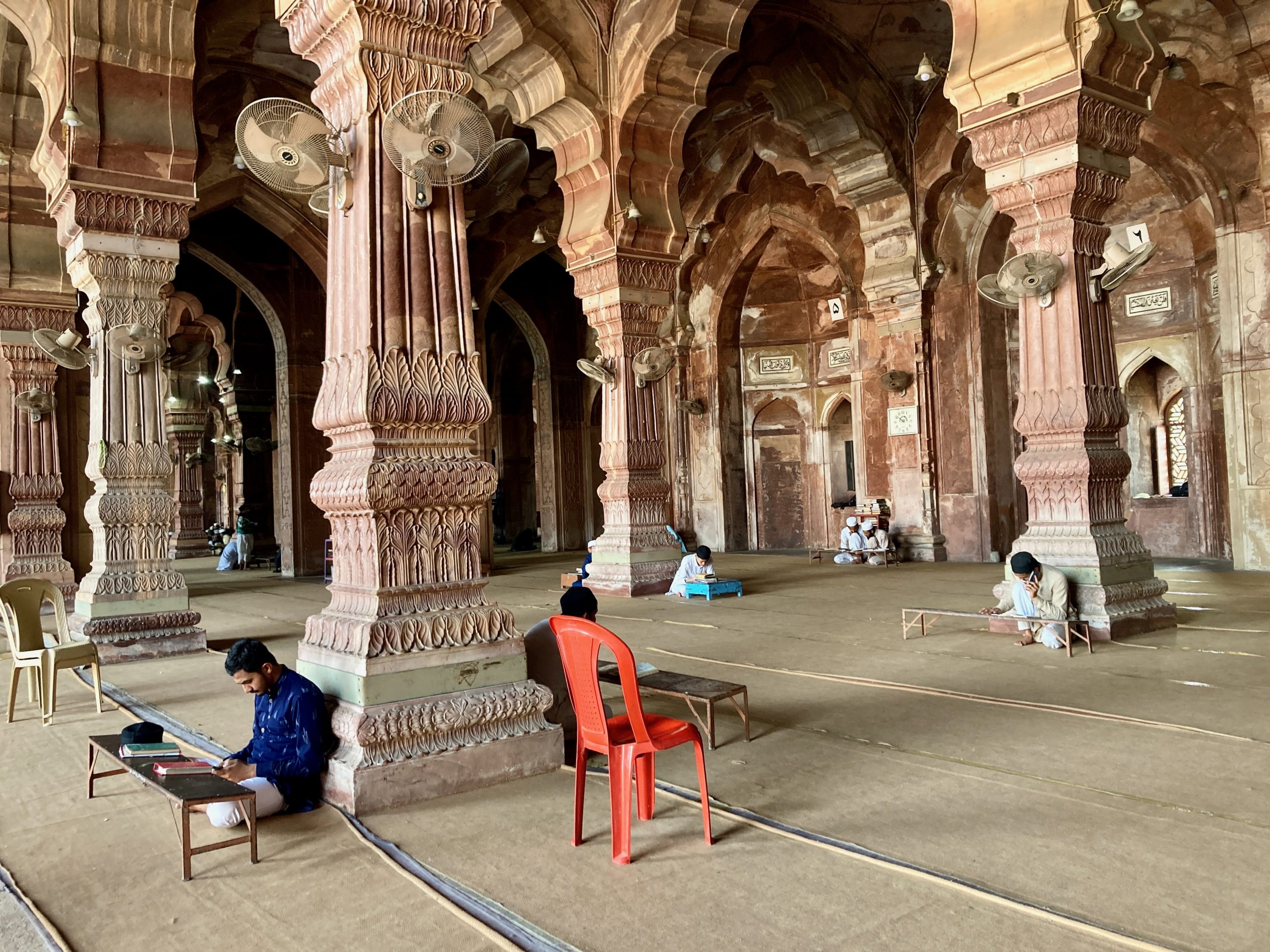
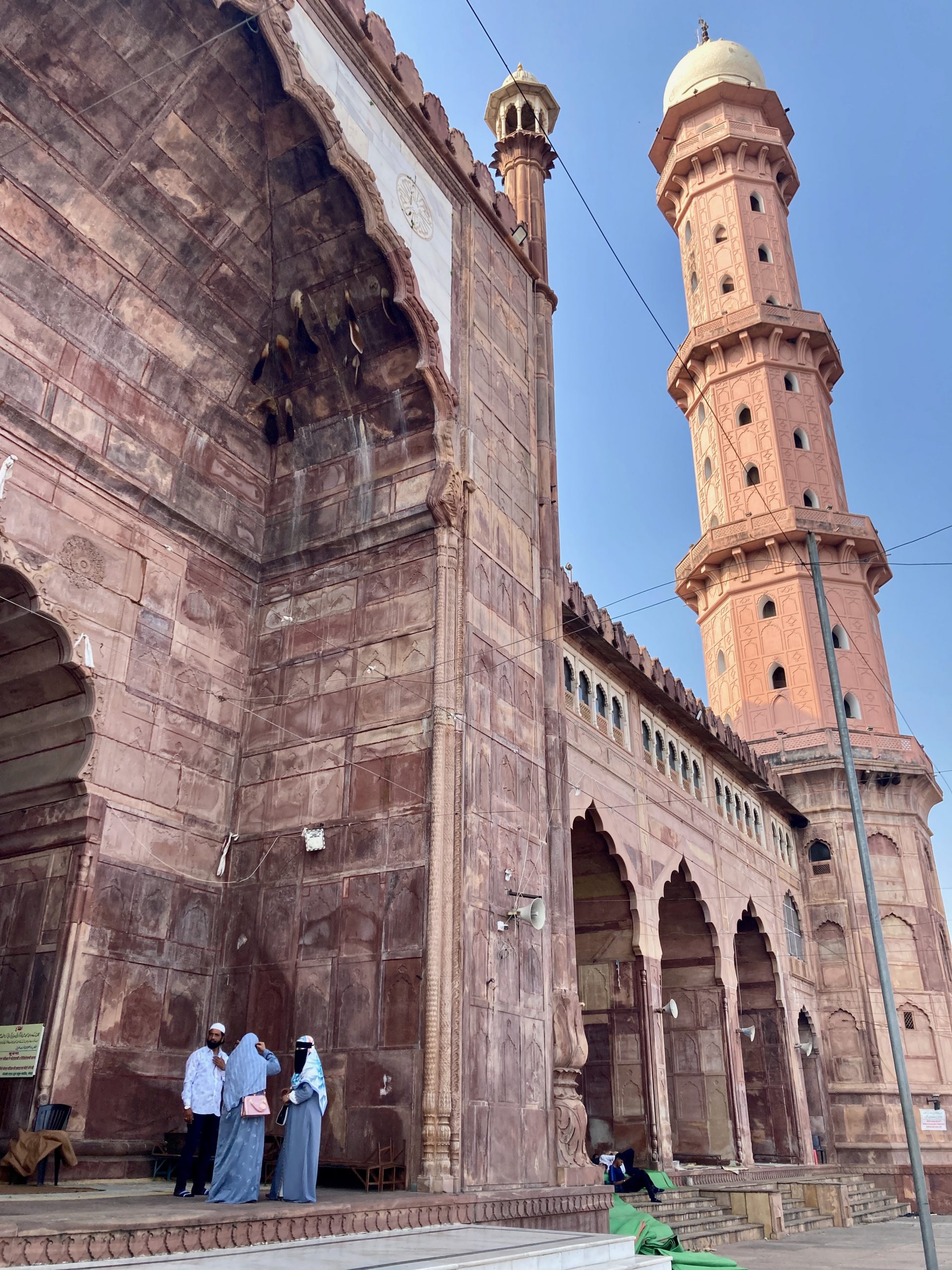
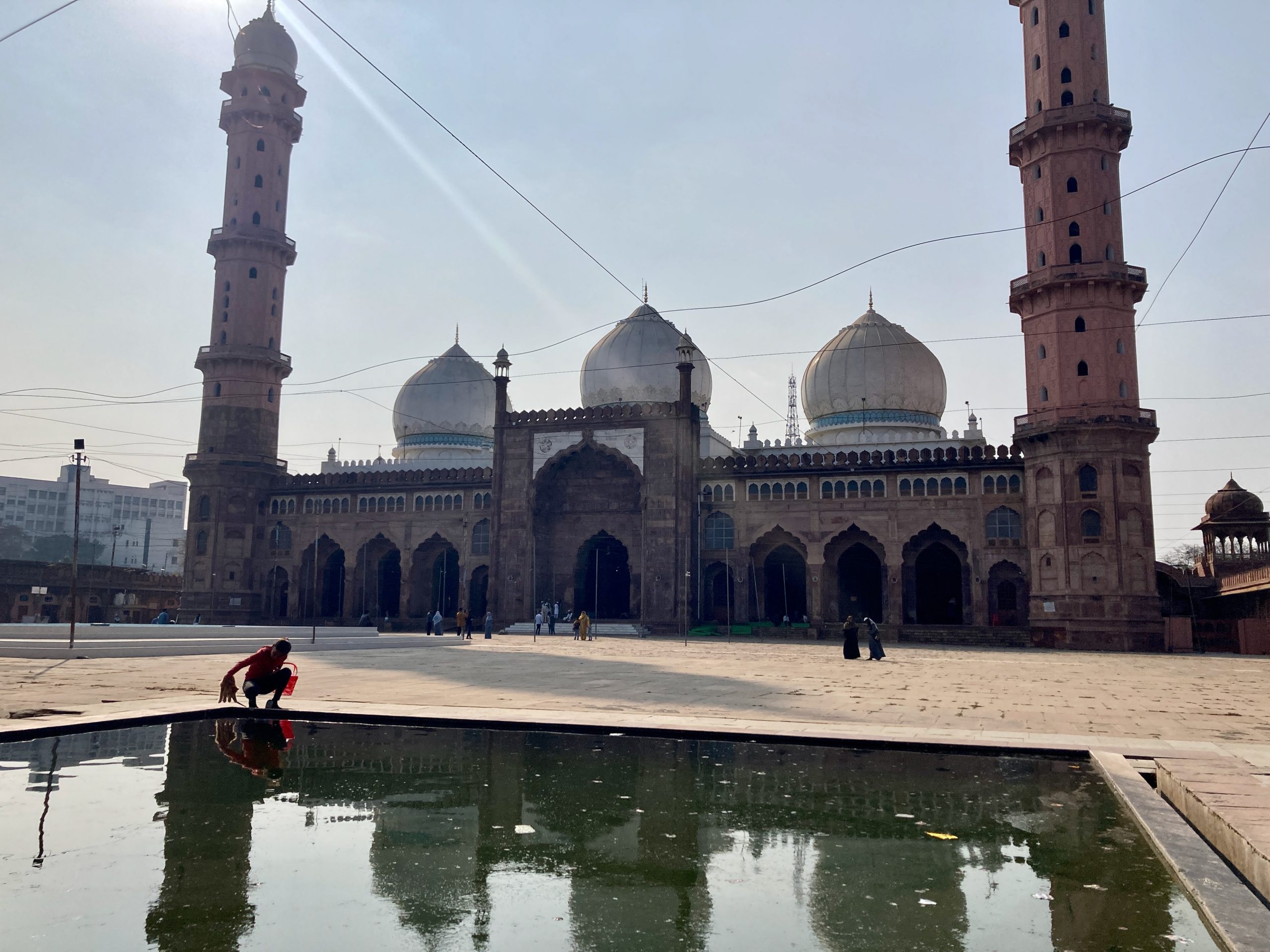
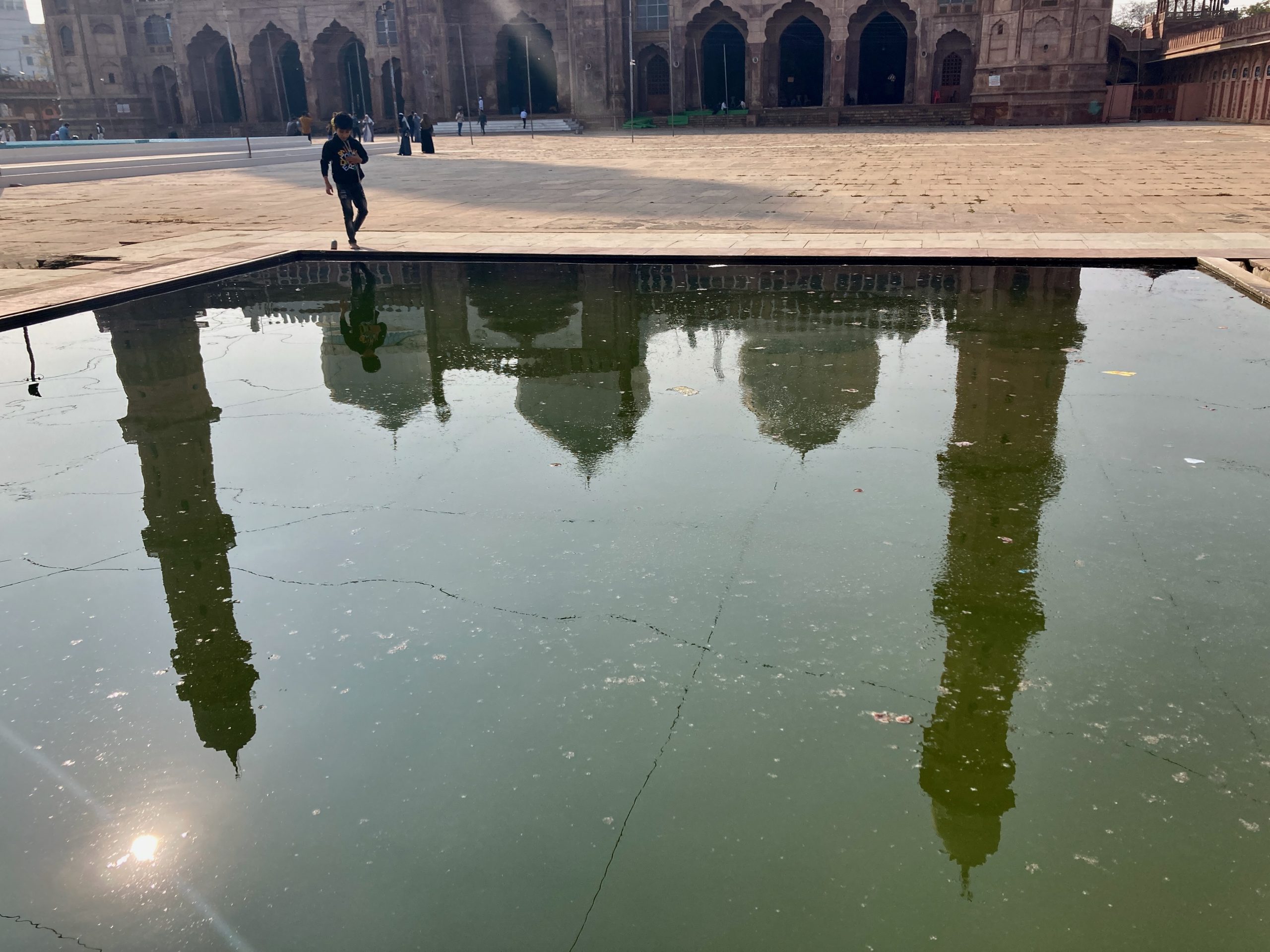
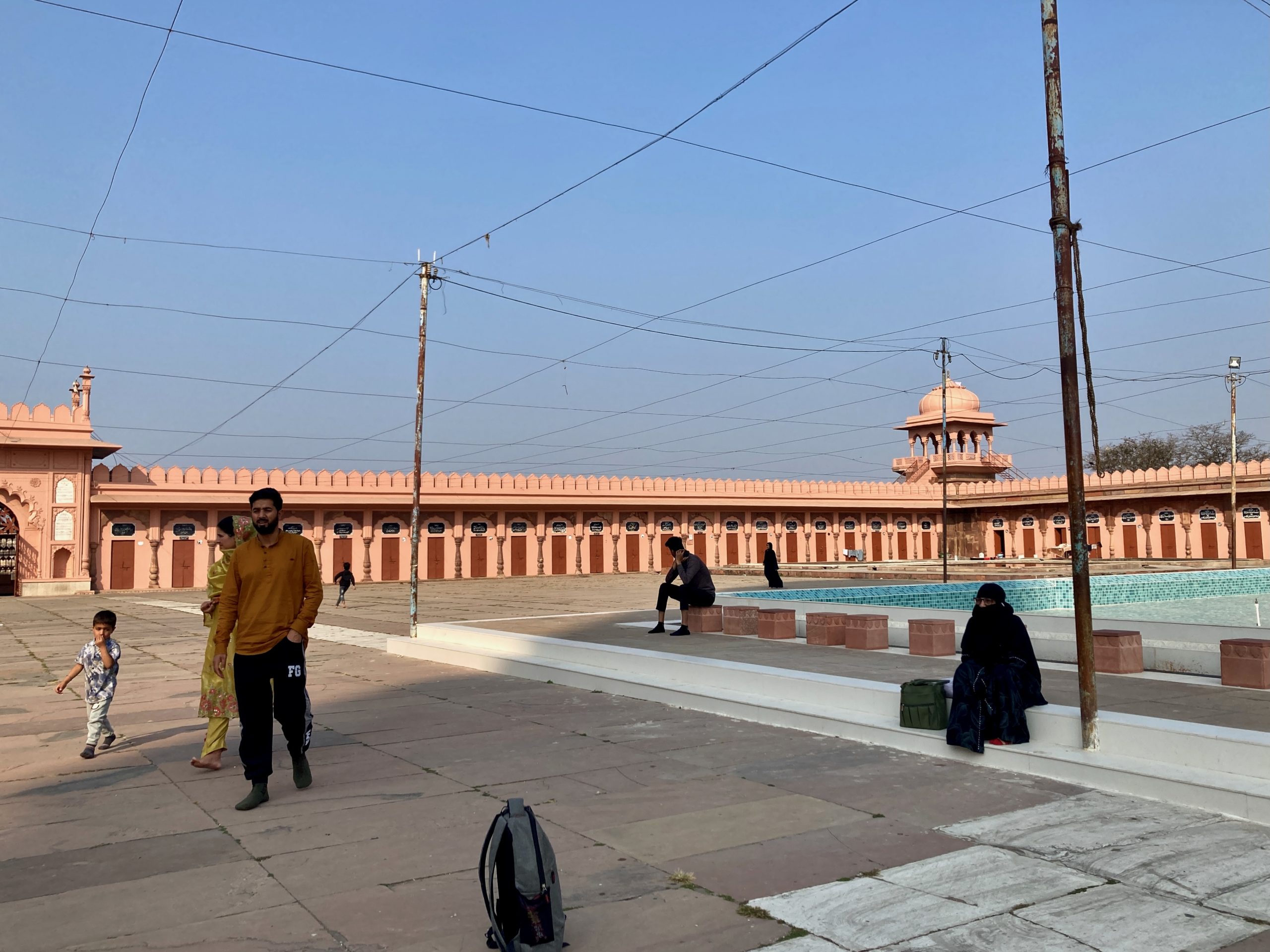
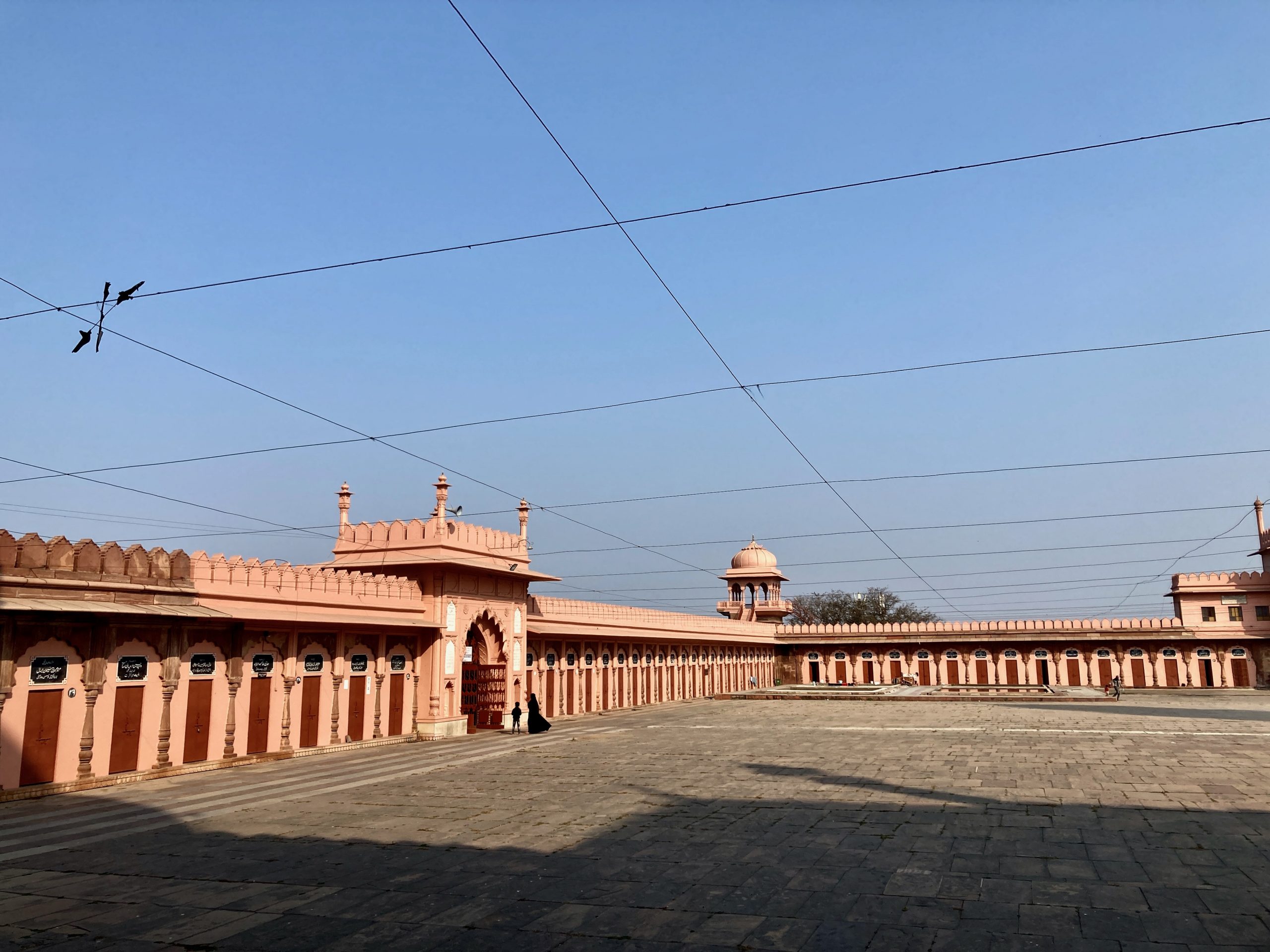
Then we drove back. I had myself dropped off at the Taj-ud-Masjid — an absolute change of scene. It is the largest mosque in India and ranks very high globally as well.
 1
1
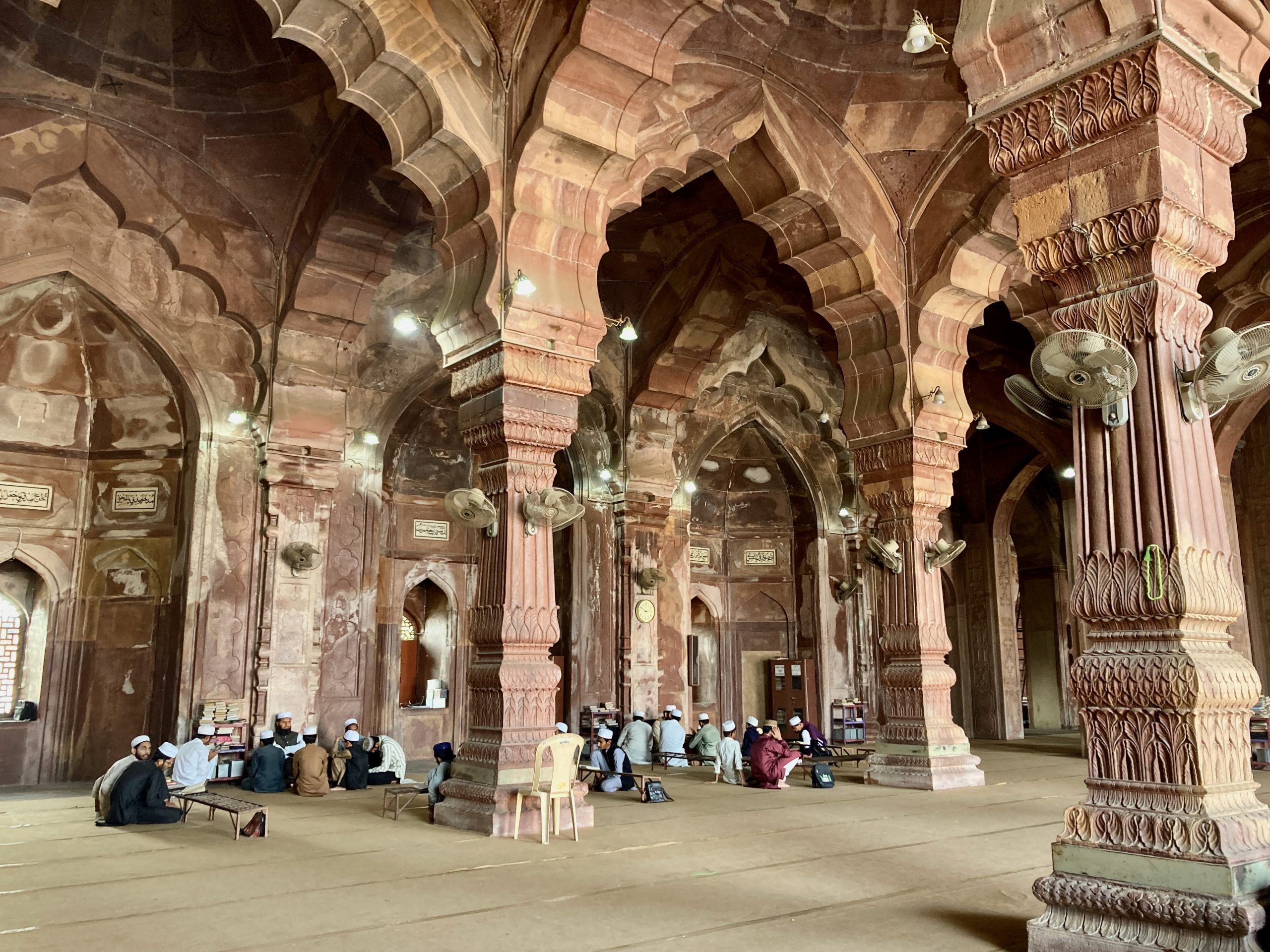
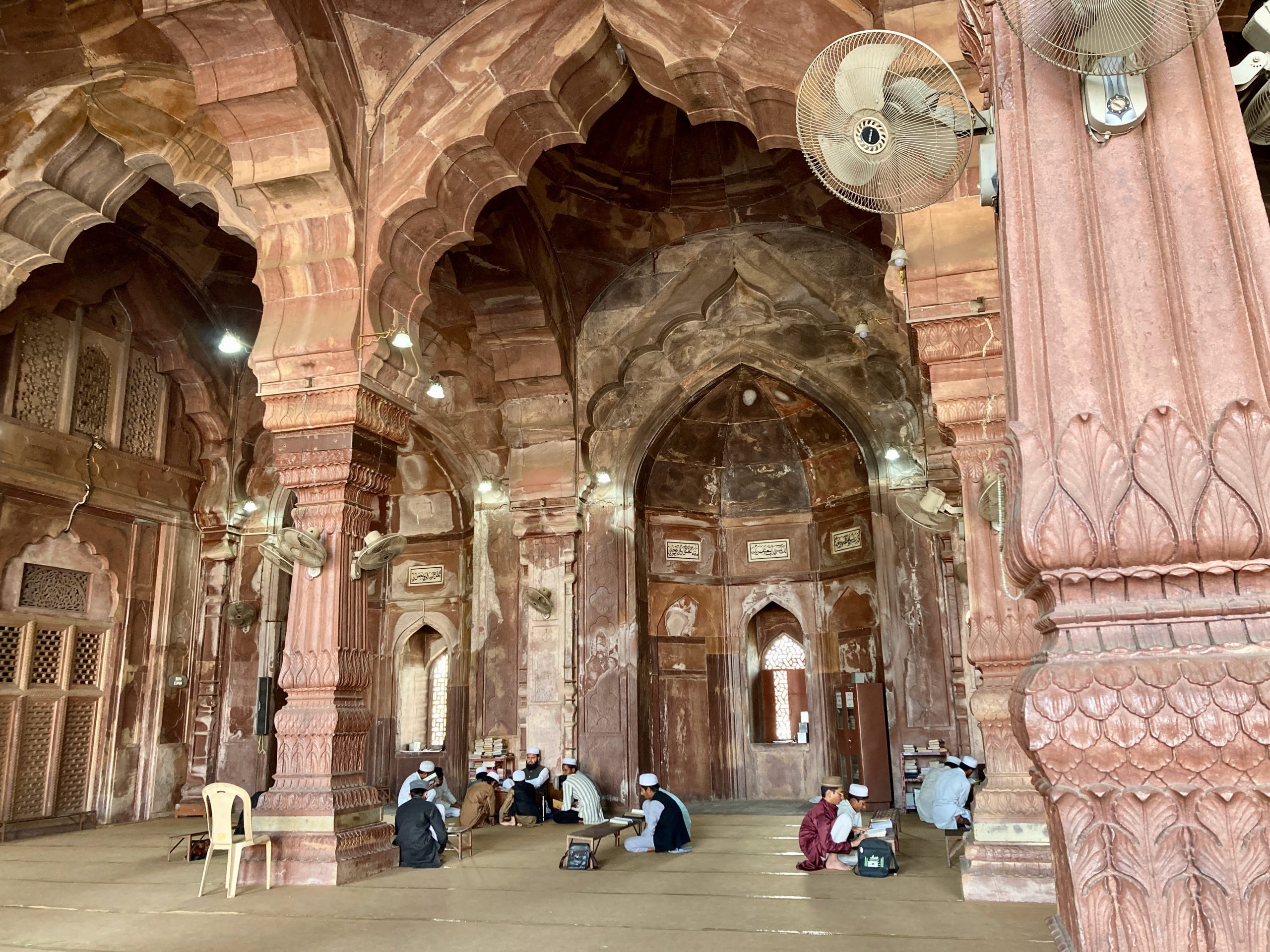
But what was most astonishing was this: I’m familiar with many empty mosques, or ones where only a few worshippers sit or are praying together. But here it was a hub of vibrant learning! Students were receiving lessons, people were reading the holy scripture, and all of this was happening in three large, connected halls.
 2
2
 3
3
 4
4
 5
5
Otherwise it wasn’t particularly lively at that moment — or rather, not very busy in relation to the size of the complex.
 6
6
 7
7
 8
8
 9
9
 10
10
I didn’t really get much of a true insight into Islam in India, and unfortunately I also have no good point of comparison with the past. But I did find it striking how many women were wearing heavy veils. Has it always been like this? Since people in predominantly Hindu India are not always very positive about Islam, I tend to feel more sympathetic toward them. But these veils — they give me an uneasy feeling.
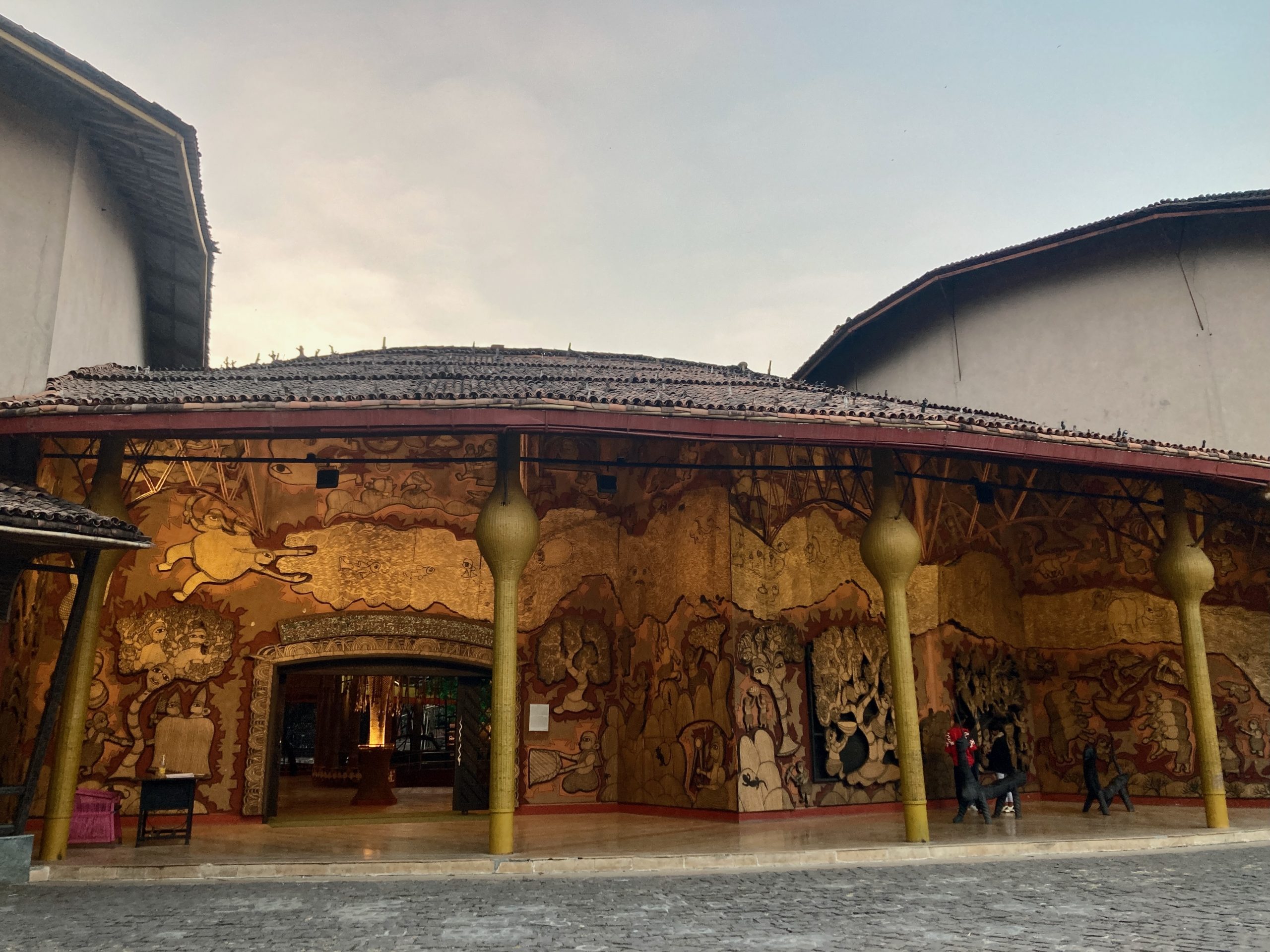
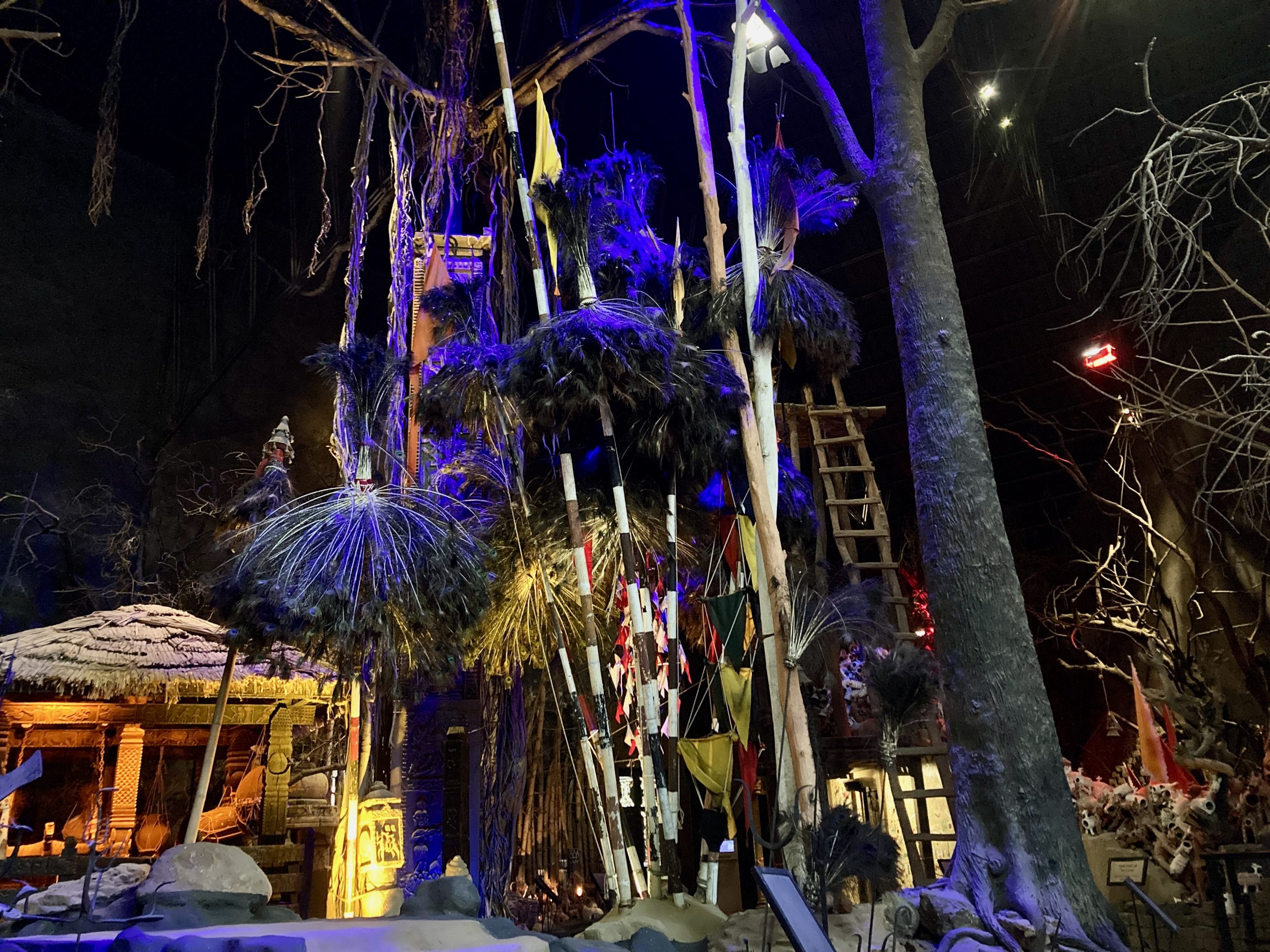
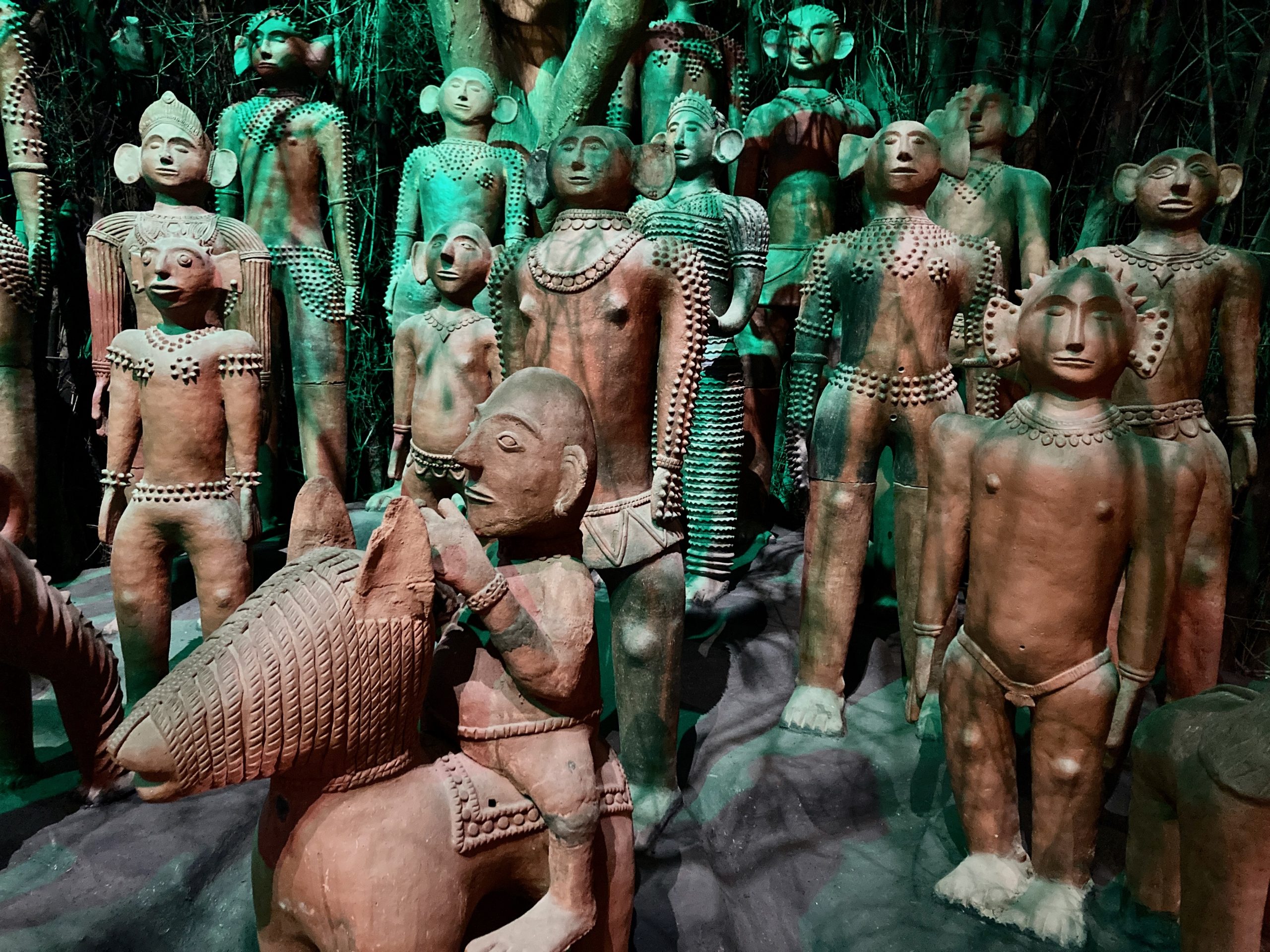
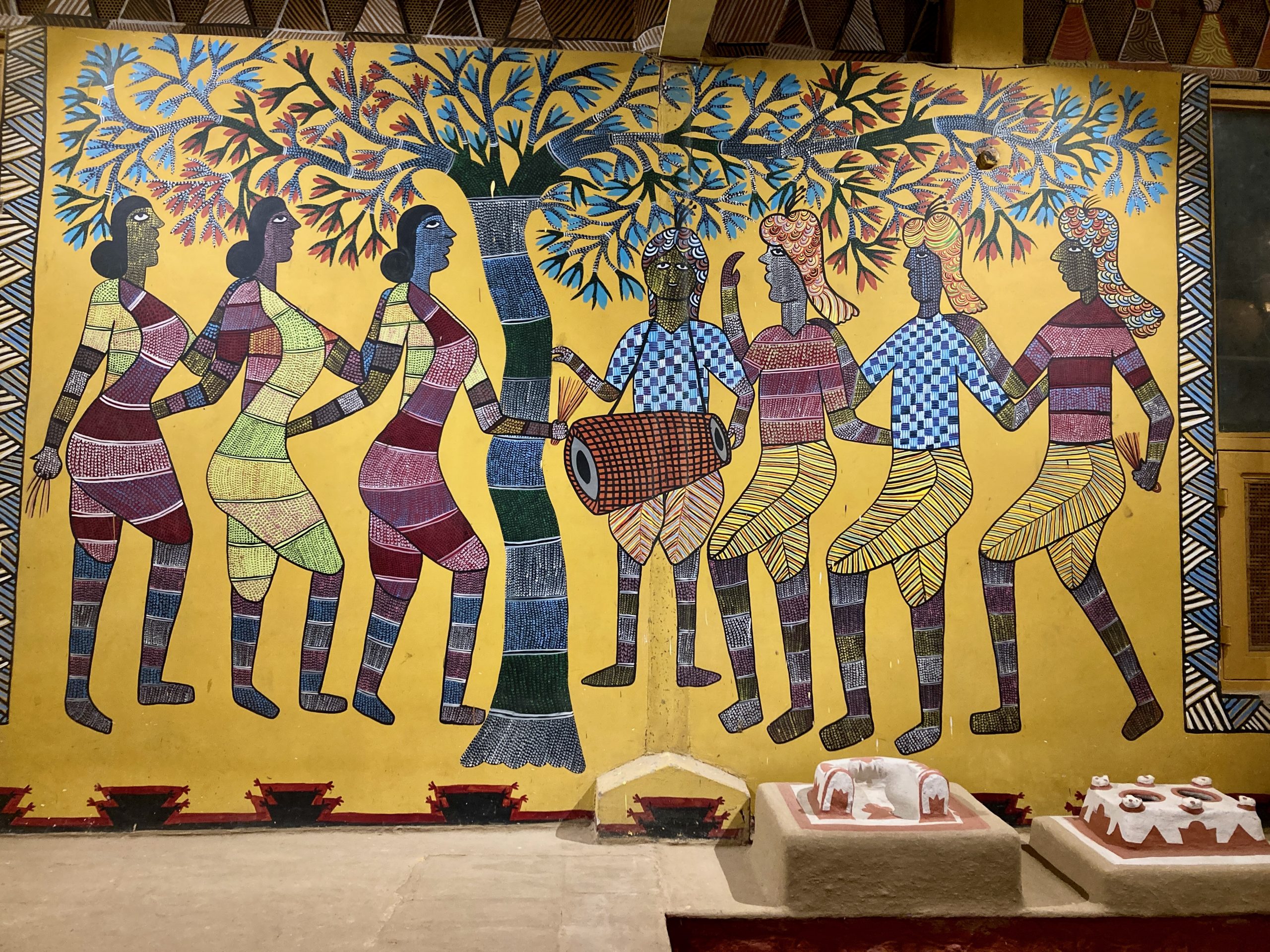
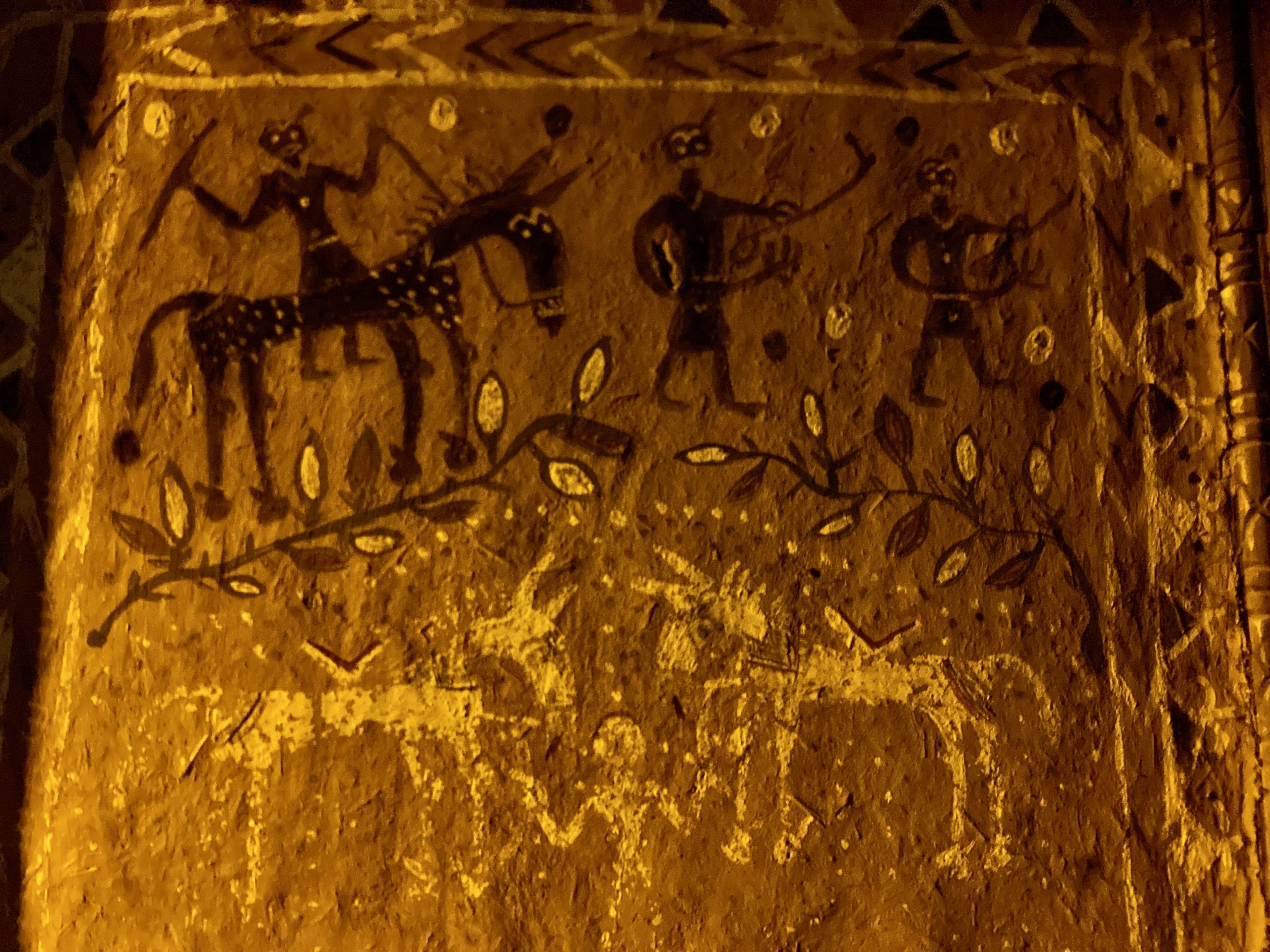
And then I had my third (but not last) change of scene that day: I went to the Madhya Pradesh Tribal Art Museum. It was gorgeous!
 Museumentry
And then I had my third (but not the last) change of scene that day: I went to the Madhya Pradesh Tribal Art Museum. It was fantastic.
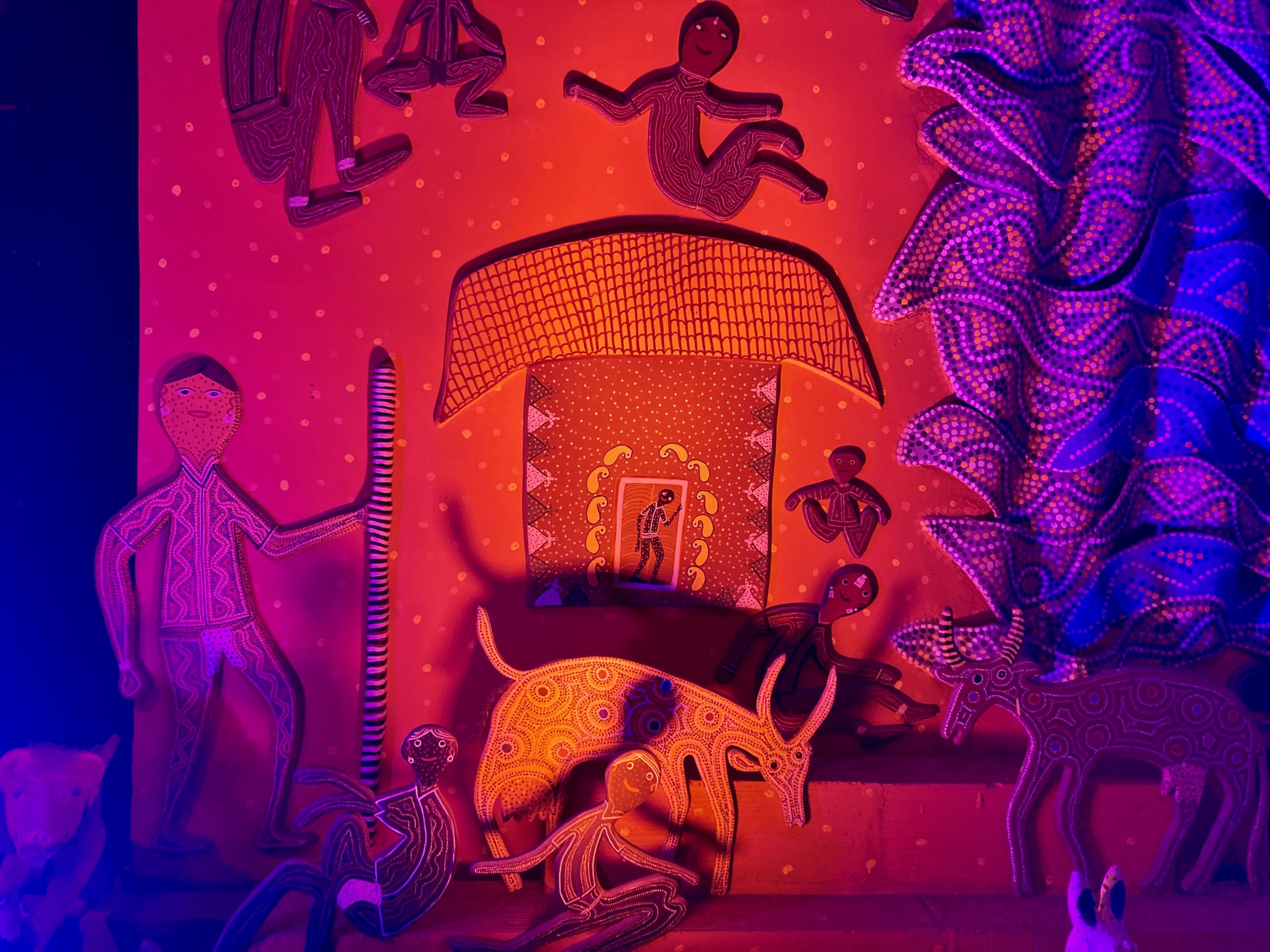
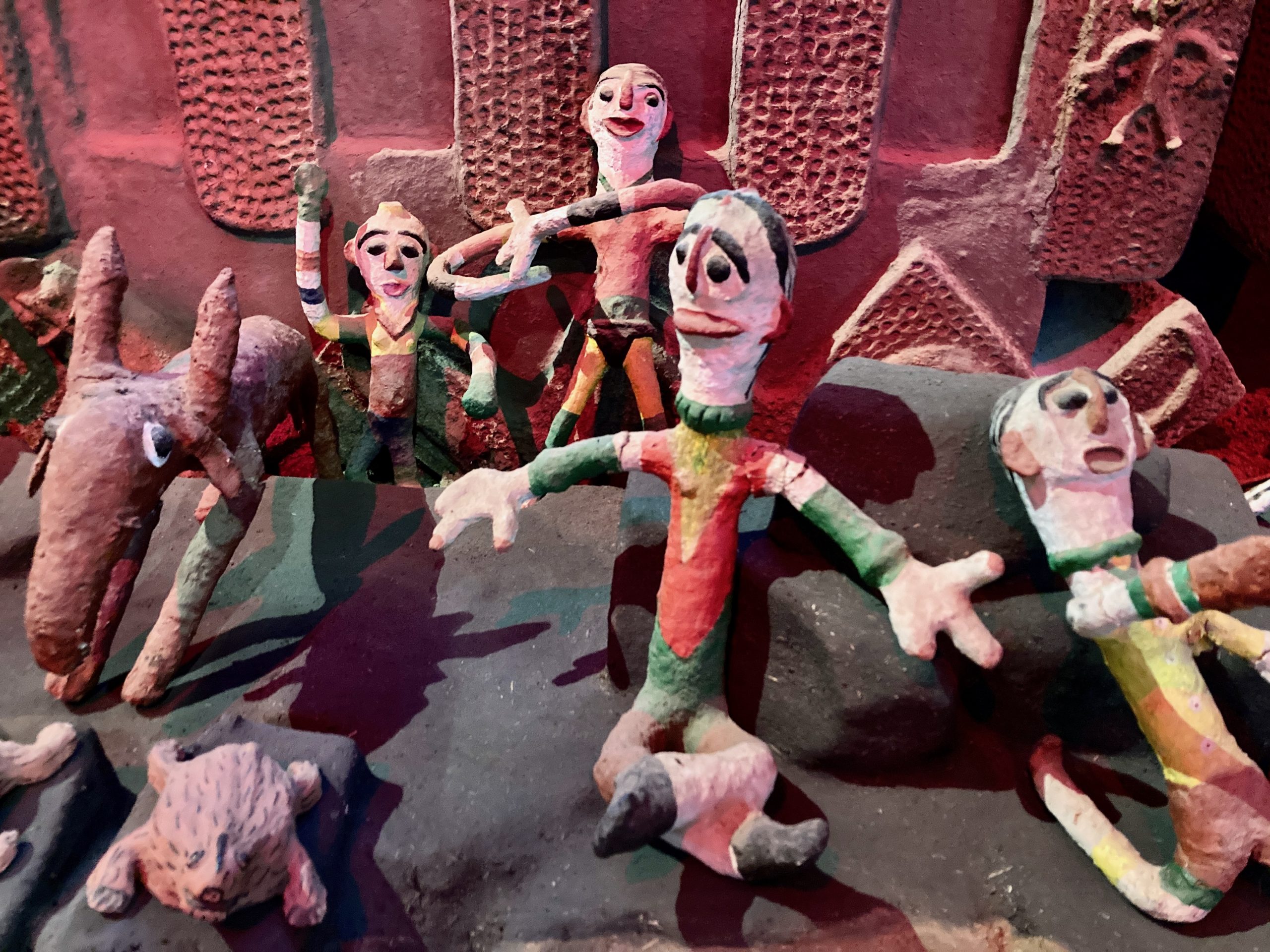
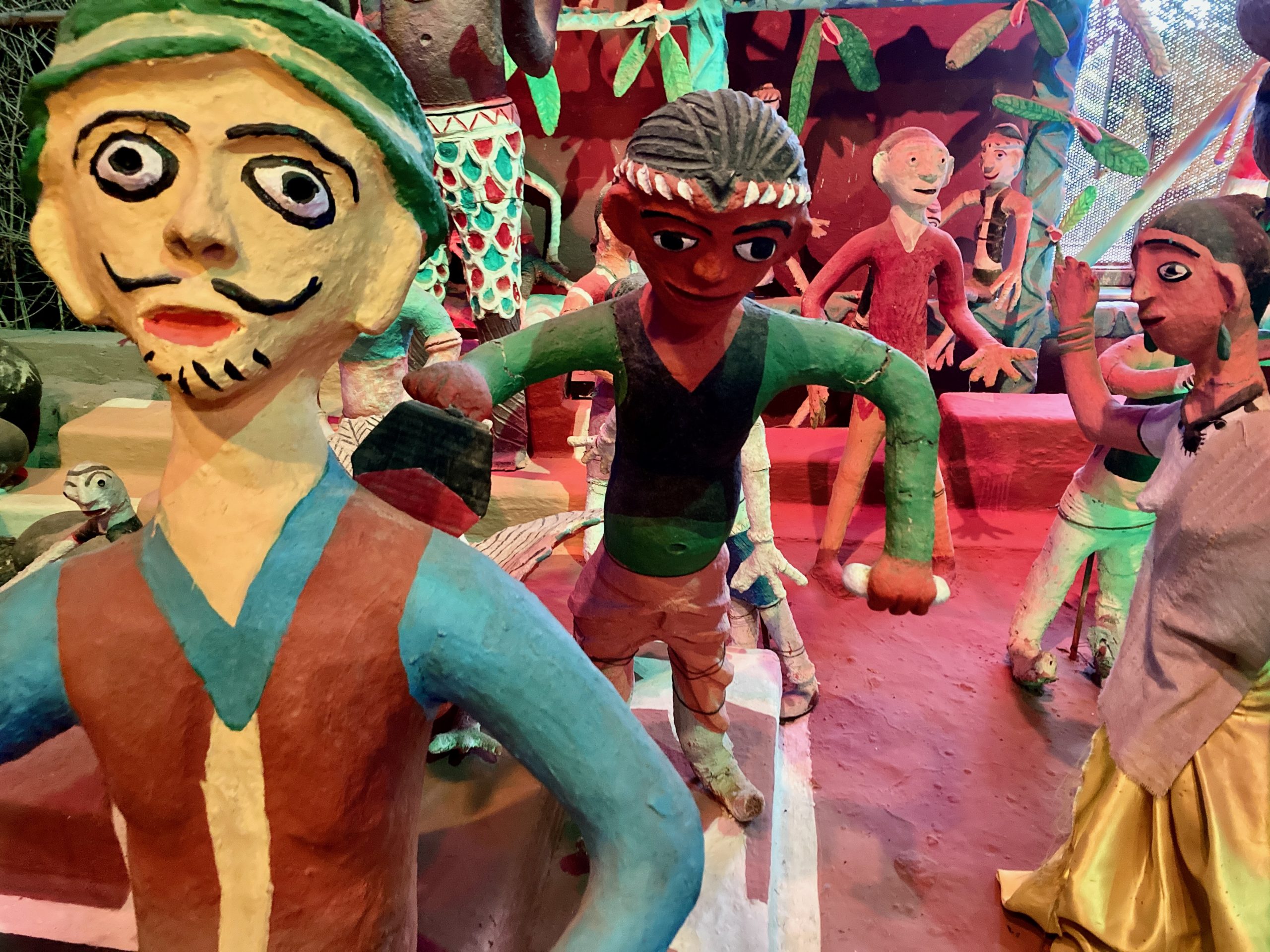
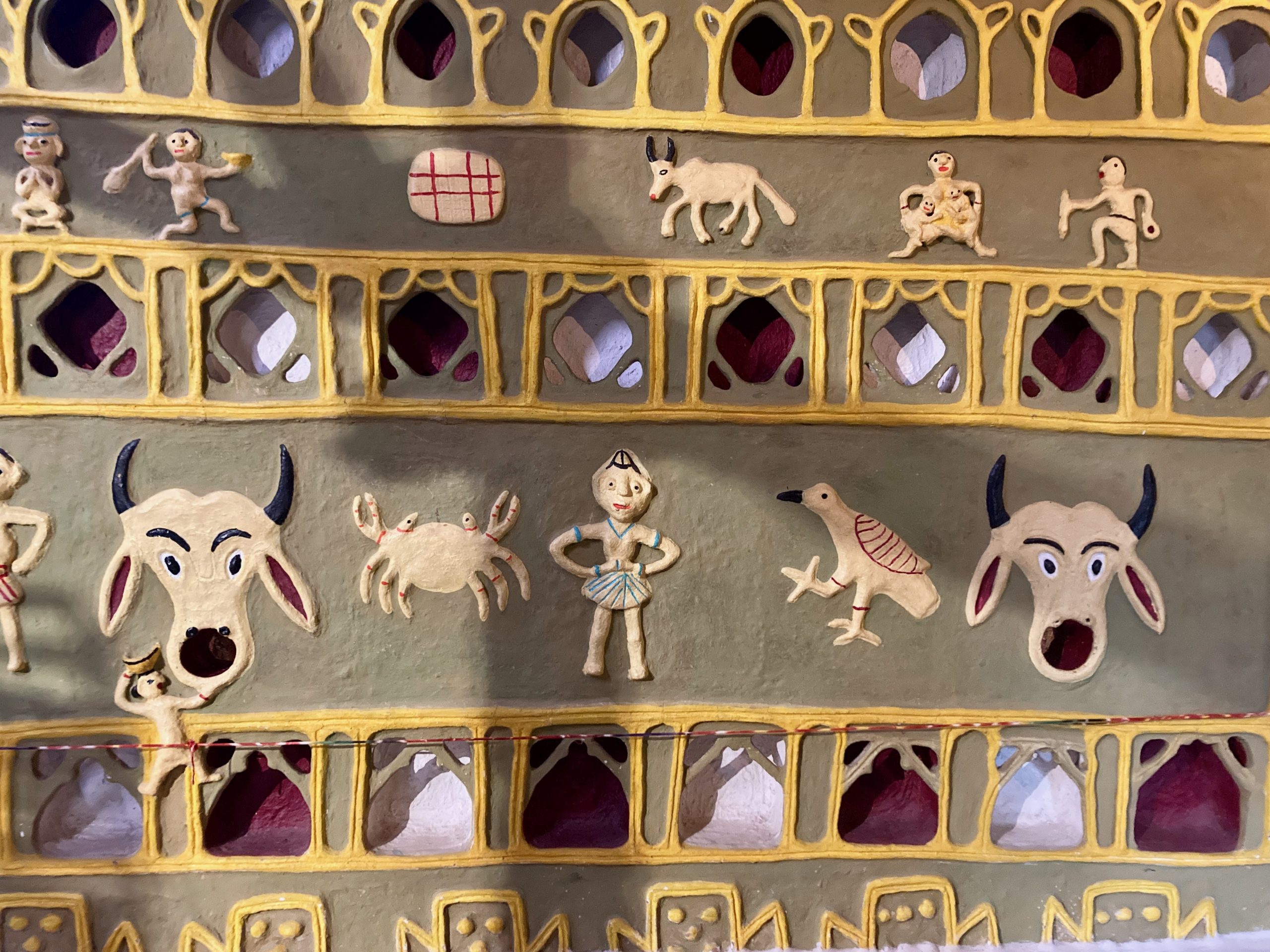
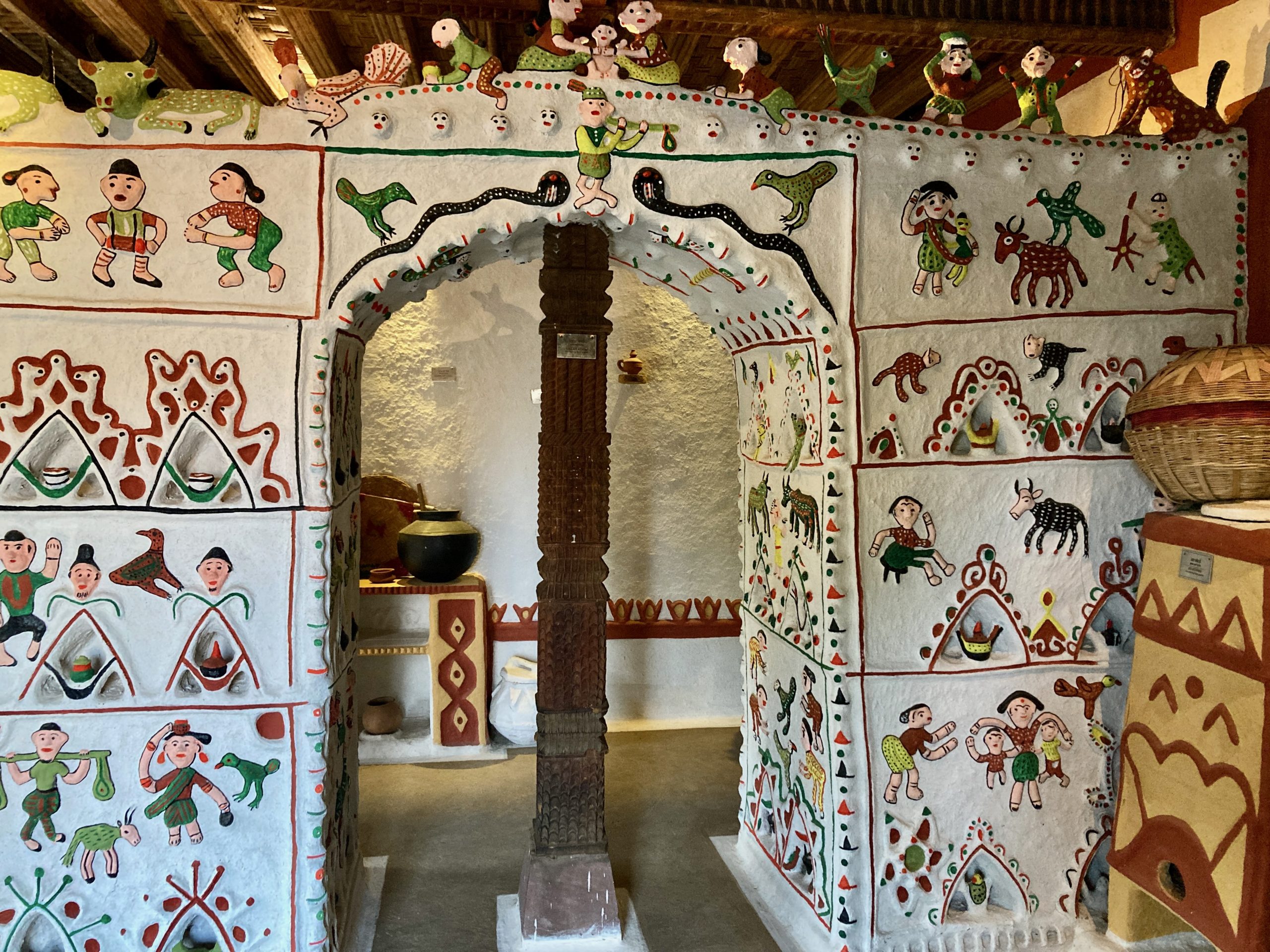
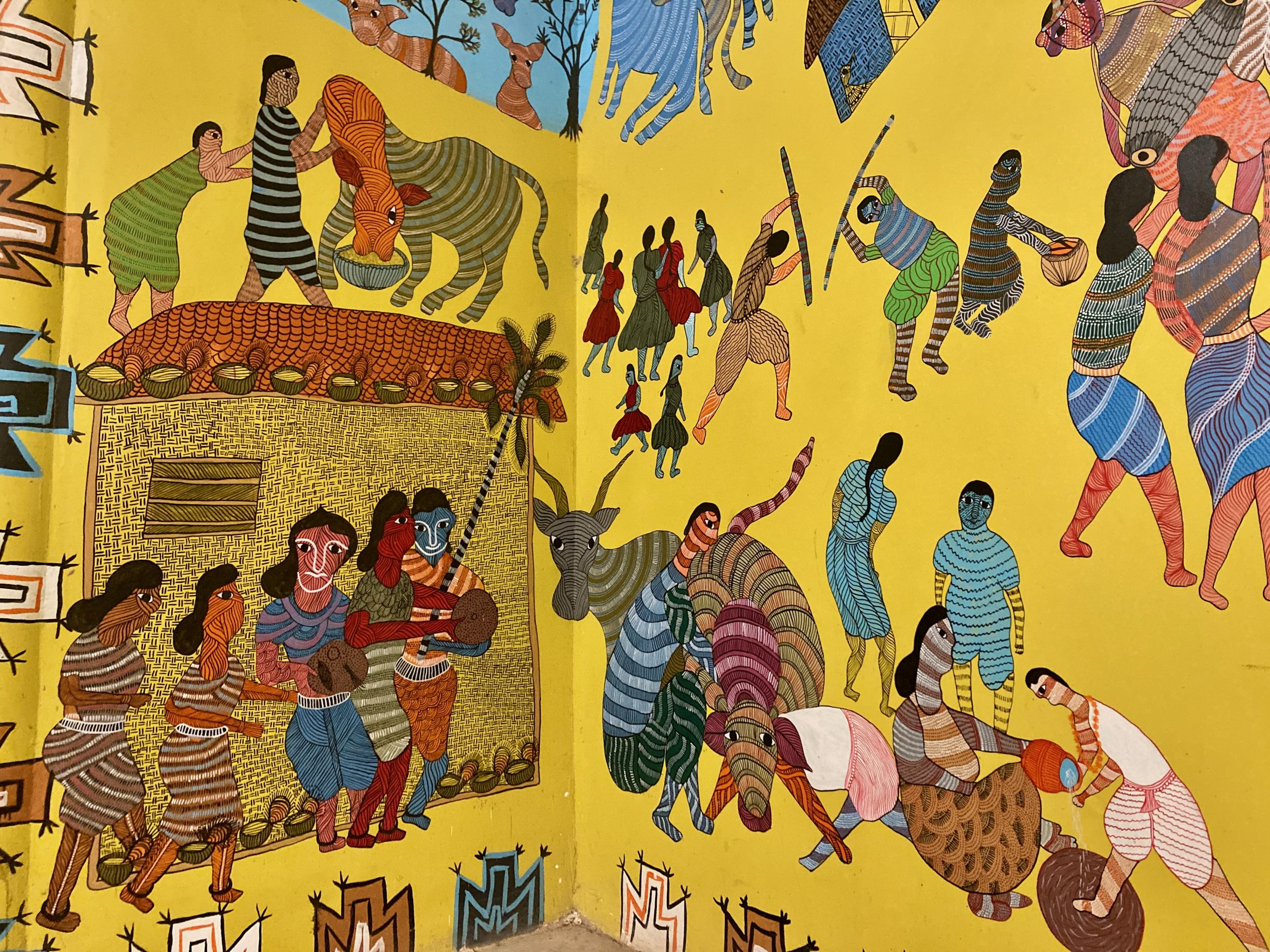
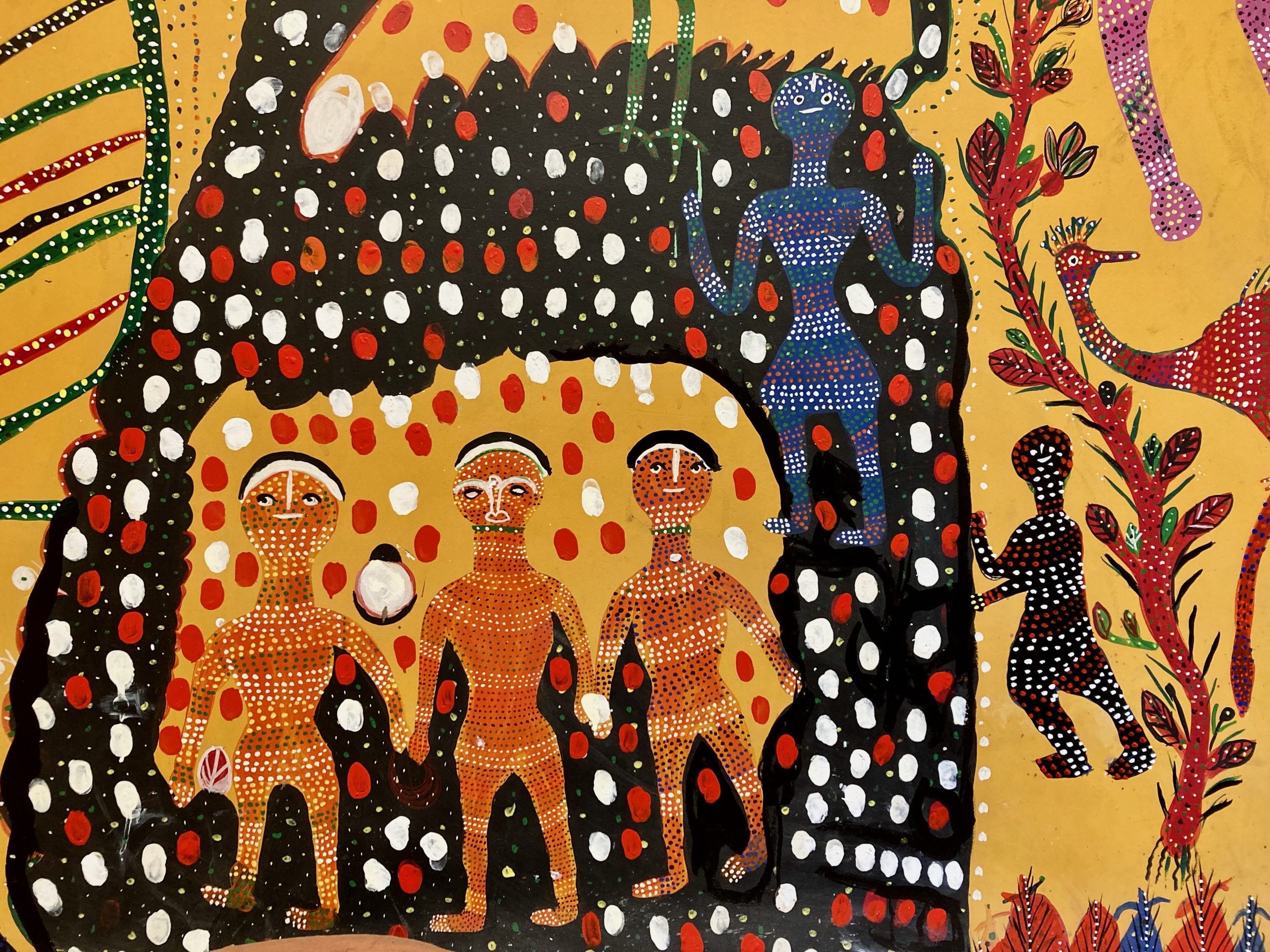
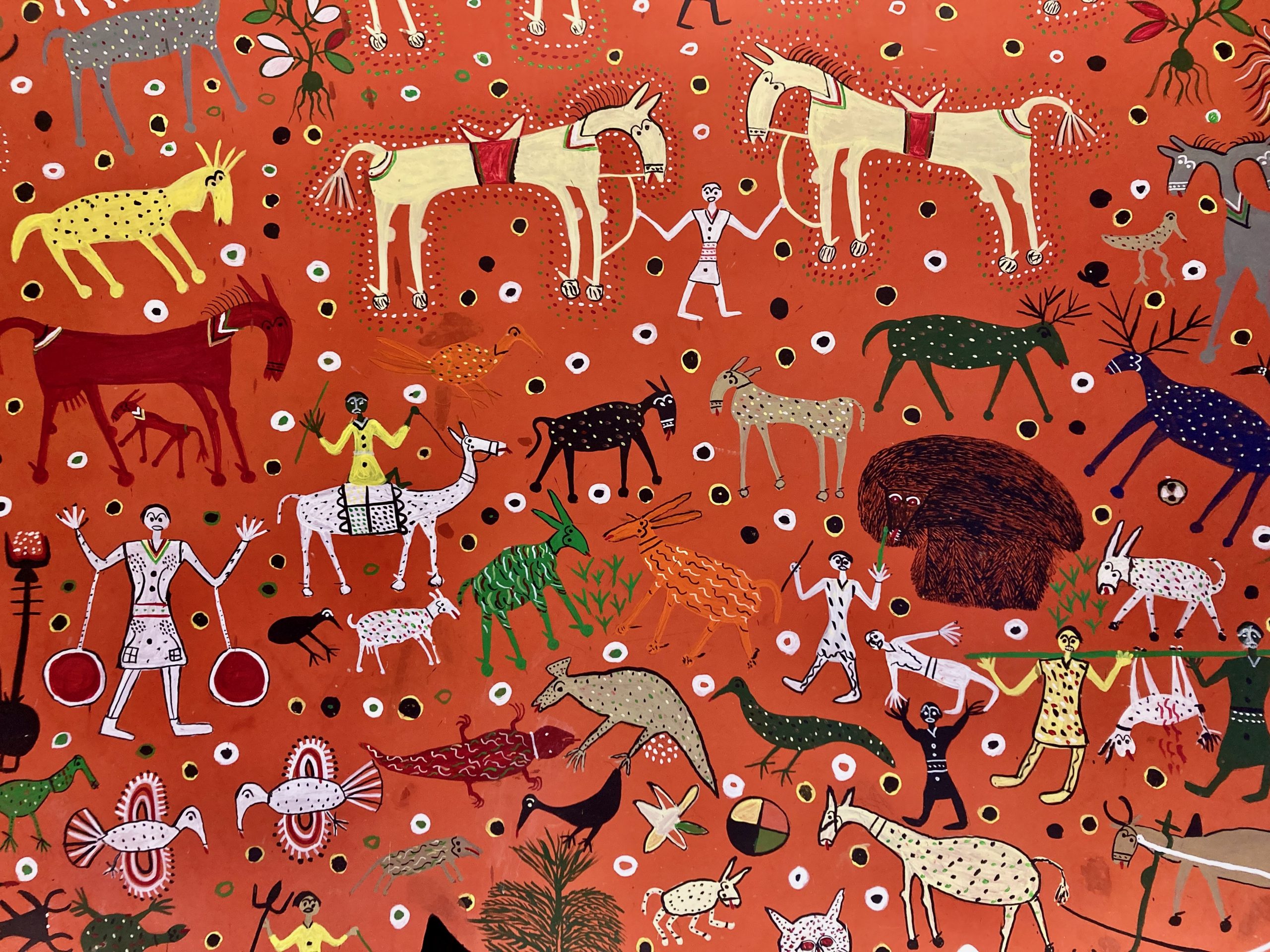
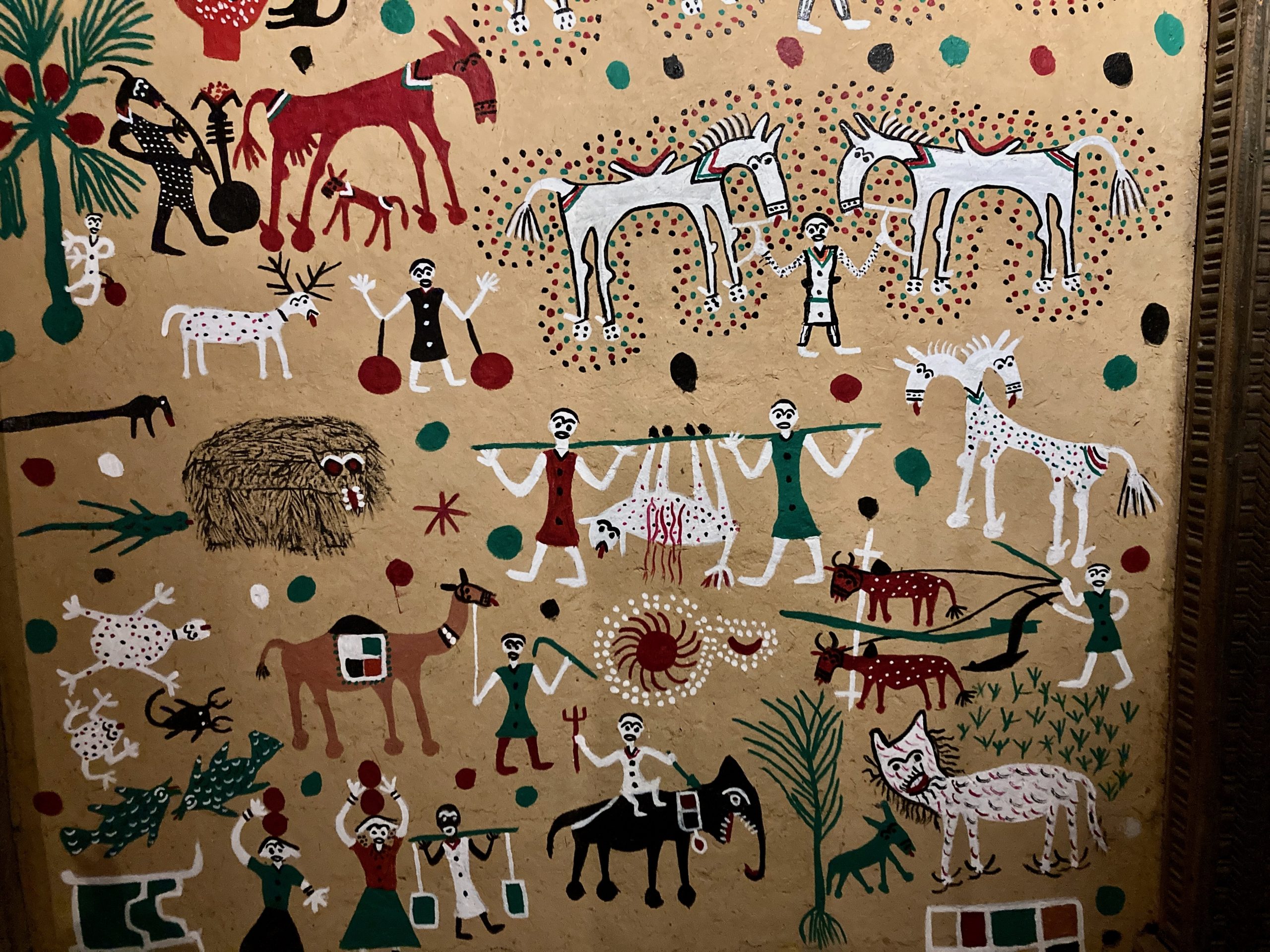
There was a lot of art installed, displayed, and explained — I was really thrilled. Normally I’m not a big fan of photos of artworks, but I wanted to make a sort of record for myself, and now I can also show the pictures here to give an impression. It wasn’t just that the building was impressive; I was also struck by the diversity of the pieces. And there was even a kind of dot painting like the Aboriginal art in Australia — though executed in a completely different style here.
There were also explanatory panels, including stories. Here is one about the origin of bamboo: Sundara had seven brothers. Six of them wanted to kill and eat her. Only the youngest brother did not. He tried everything, but he couldn’t save his sister. With the help of a crab, a snake, a frog, a turtle, and a fish, he was able to rescue small parts of her body. He then buried them with many rituals and the like, shedding many tears. And that caused Sundara to be reborn as strong bamboo!
Here are a few impressions of the diverse tribal art of Madhya Pradesh:
 1
1
 2
2
 3
3
 4
4
 5
5
 6
6
 7
7
 8
8
 9
9
 10
10
 11
11
 12
12
 13
13
I was really excited about this discovery and would definitely include it in travel plans if you’re going to Bhopal.
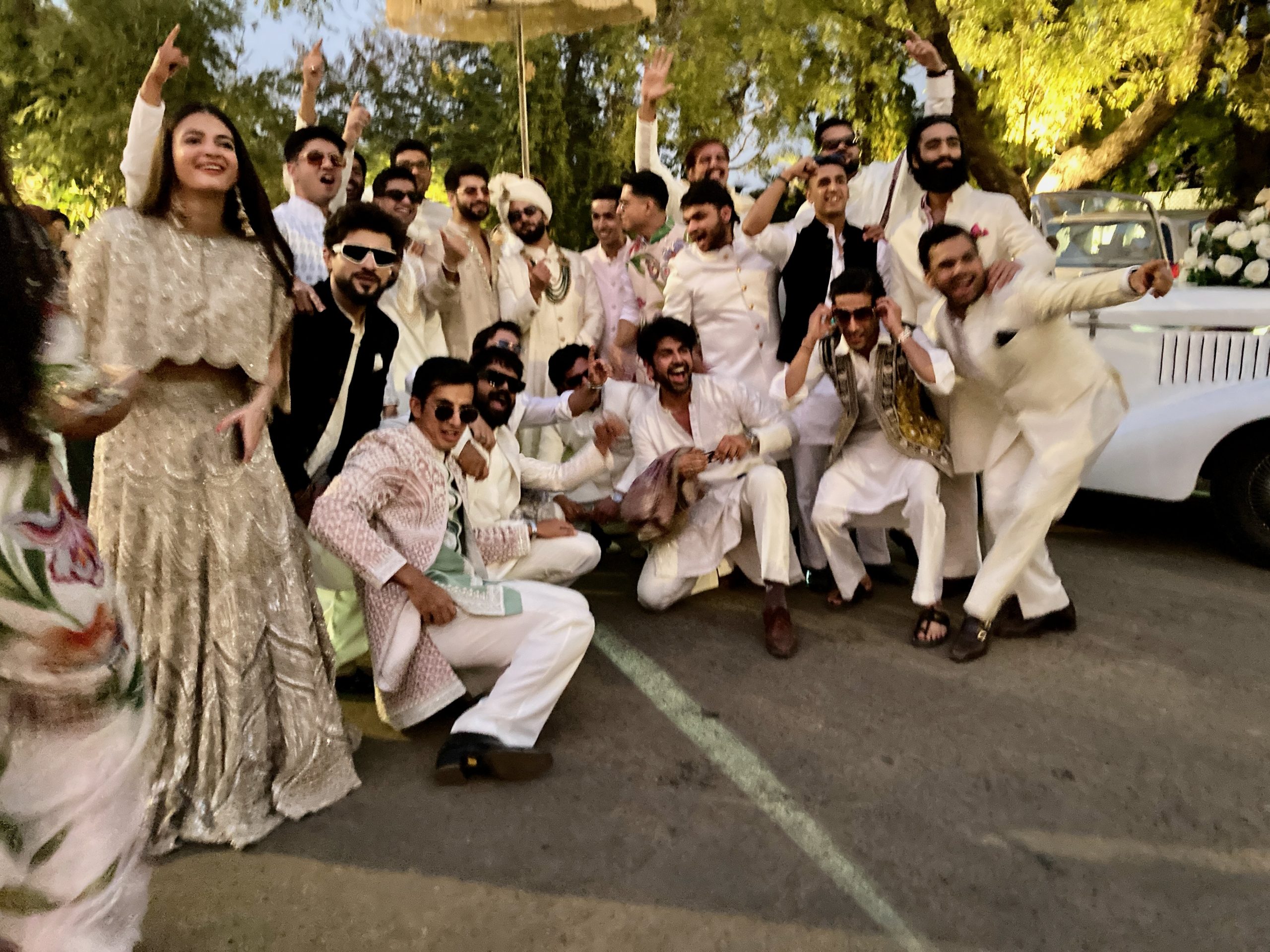
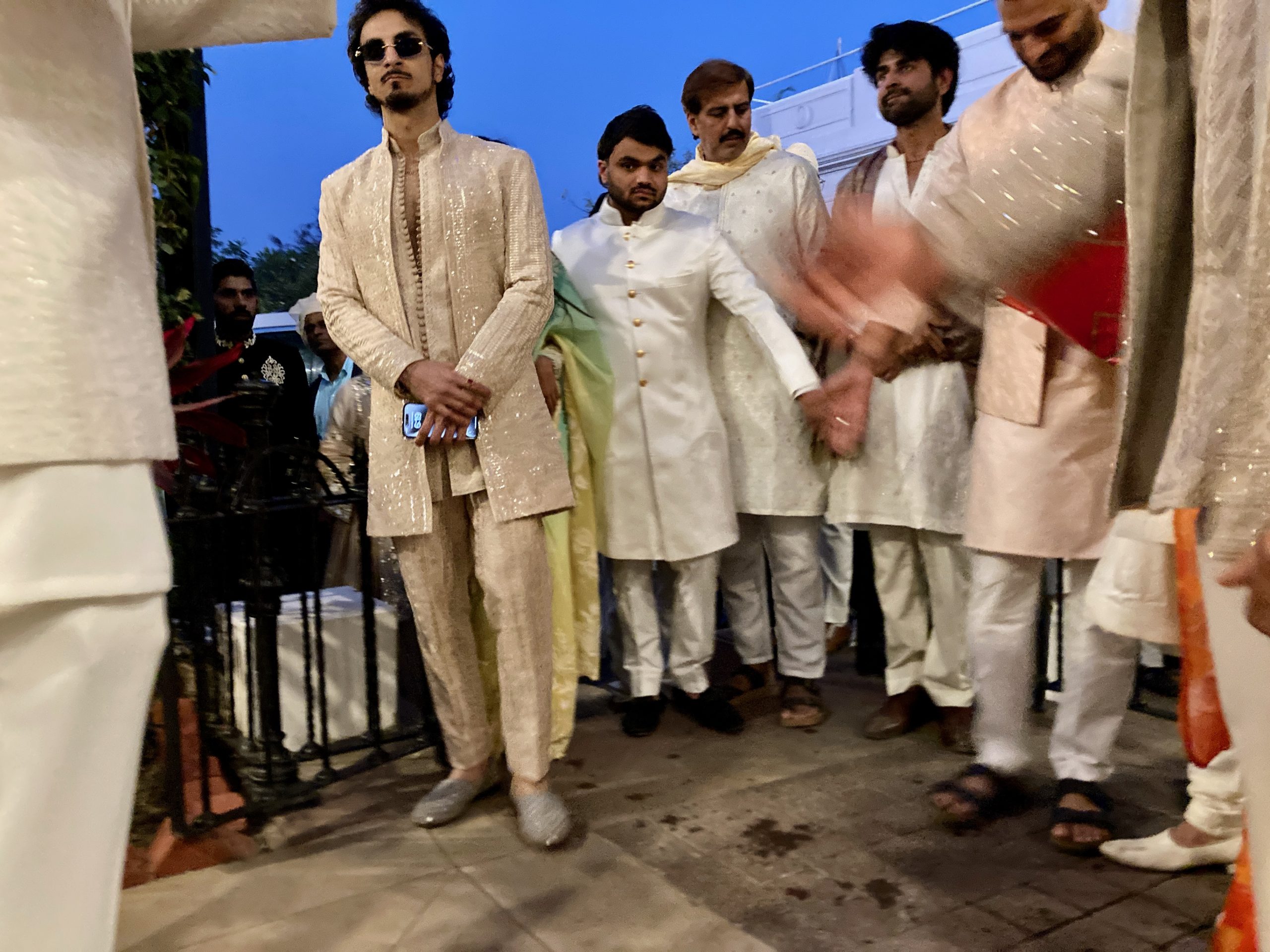
DI was already pretty exhausted, so I went back to the hotel — and there the fourth change of scene was waiting for me: a wedding!
 1
1
 2
2
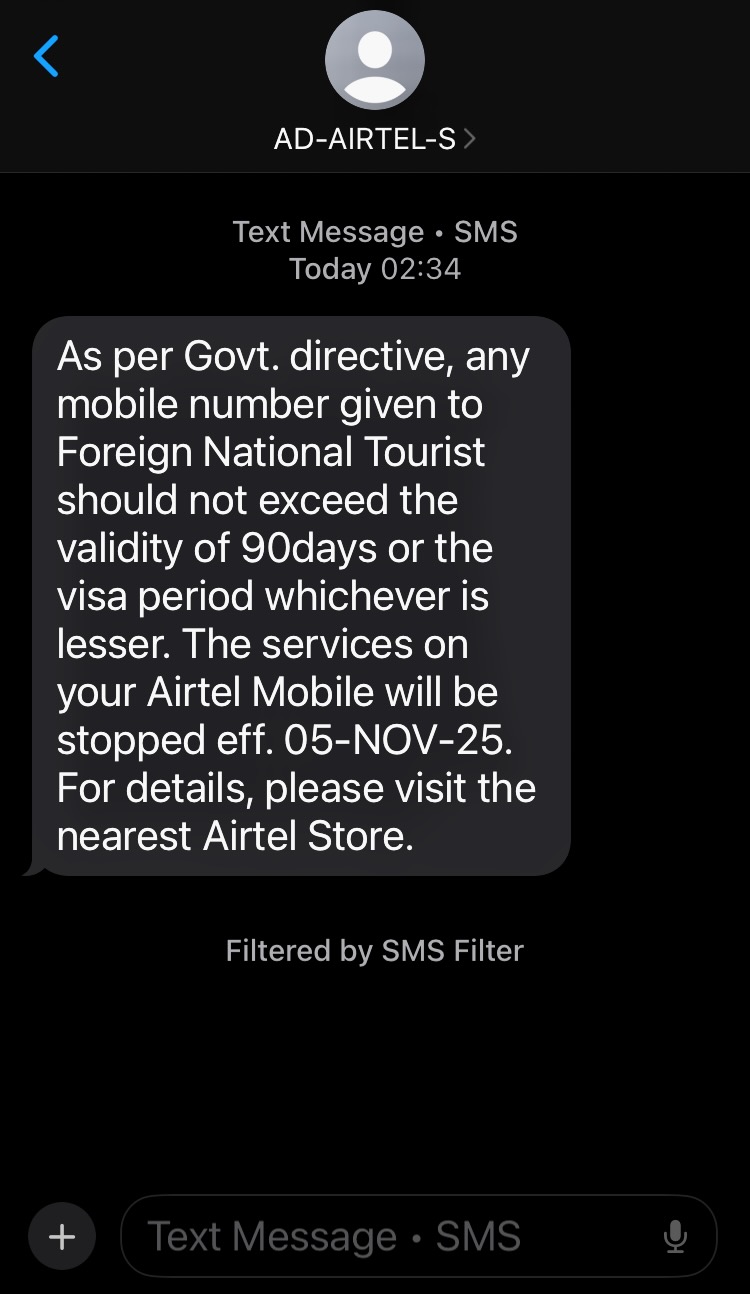
But the wedding celebrations were still a bit off the beaten path. I had dinner, changed clothes, went to the train station, took the night train to Delhi, went to the hotel there, slept a little, went out for the last hotel visits, packed, slept a bit more — and then headed to the airport and flew home. After 2.5 months in eight states. But I’ll write more about that in a separate blog post later. India also didn’t want me to stay any longer. I received a text message reminding me that I had to leave the country after 90 days!
 Screenshot
Back home I was actually met by the coldest cold! Colder than Ladakh. But apart from having to wait at train stations and freezing through even my down jacket, a cozy central heating was waiting for me at home. What a luxury!
But I’d like to end this entry about Bhopal with one special remark:
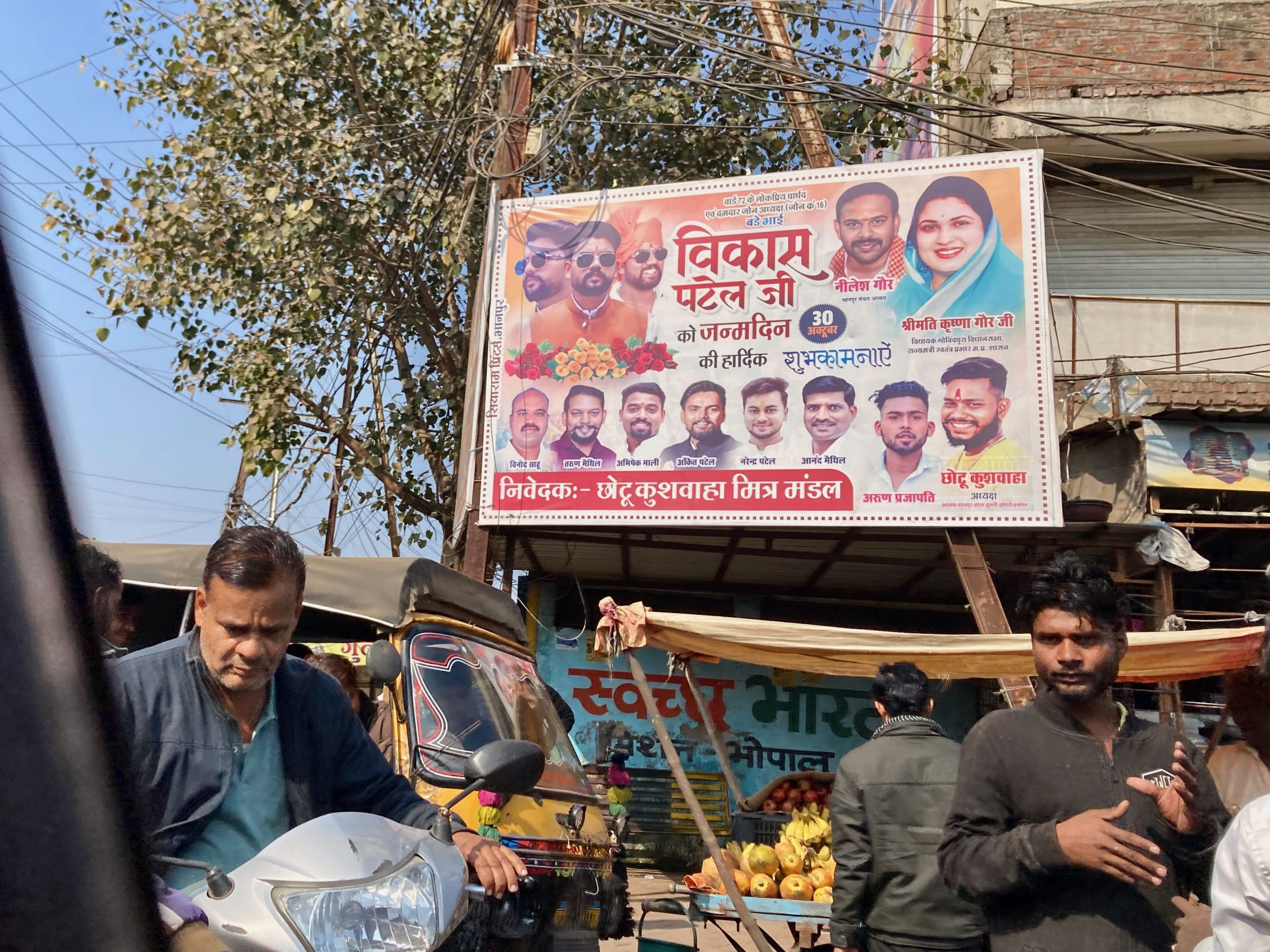 Politikerplakat
What’s special is that in the past, political posters almost always showed very serious, rather stern faces. The idea was to convey seriousness rather than likability in leadership. In Germany, that shift happened a long time ago. Now India is catching up, and you can also see friendly faces on election posters!