


Keylong – Snow Shoes, Dope Shoes and Hiking Shoes
21. – 23. May 2026
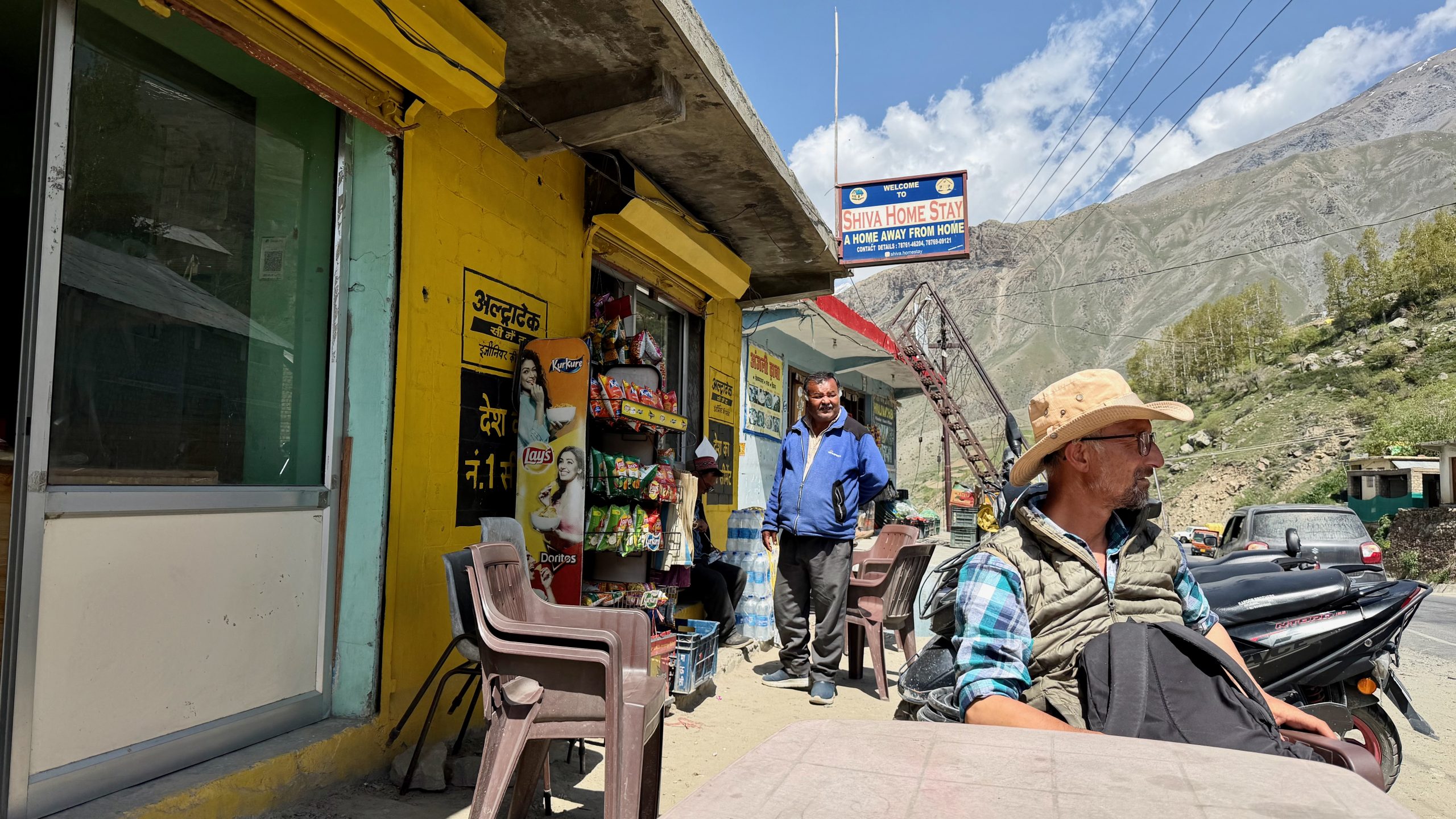
I knew when the bus to Keylong would leave from Manali — and roughly how long it might take. So I went to the roadside in time. It took a bit longer than expected, but never mind. Unfortunately, the bus was full and I only managed to get a standing place. At first that was quite difficult, because the bus was speeding through the bends with such momentum that it was hard to hold on to yourself and your luggage. Even the conductor was stumbling around.
The journey didn’t take that long, and before I knew it I was already in Keylong. I hadn’t booked anything there, so I first went for a tea, left my luggage there, and then started looking for a place to stay.
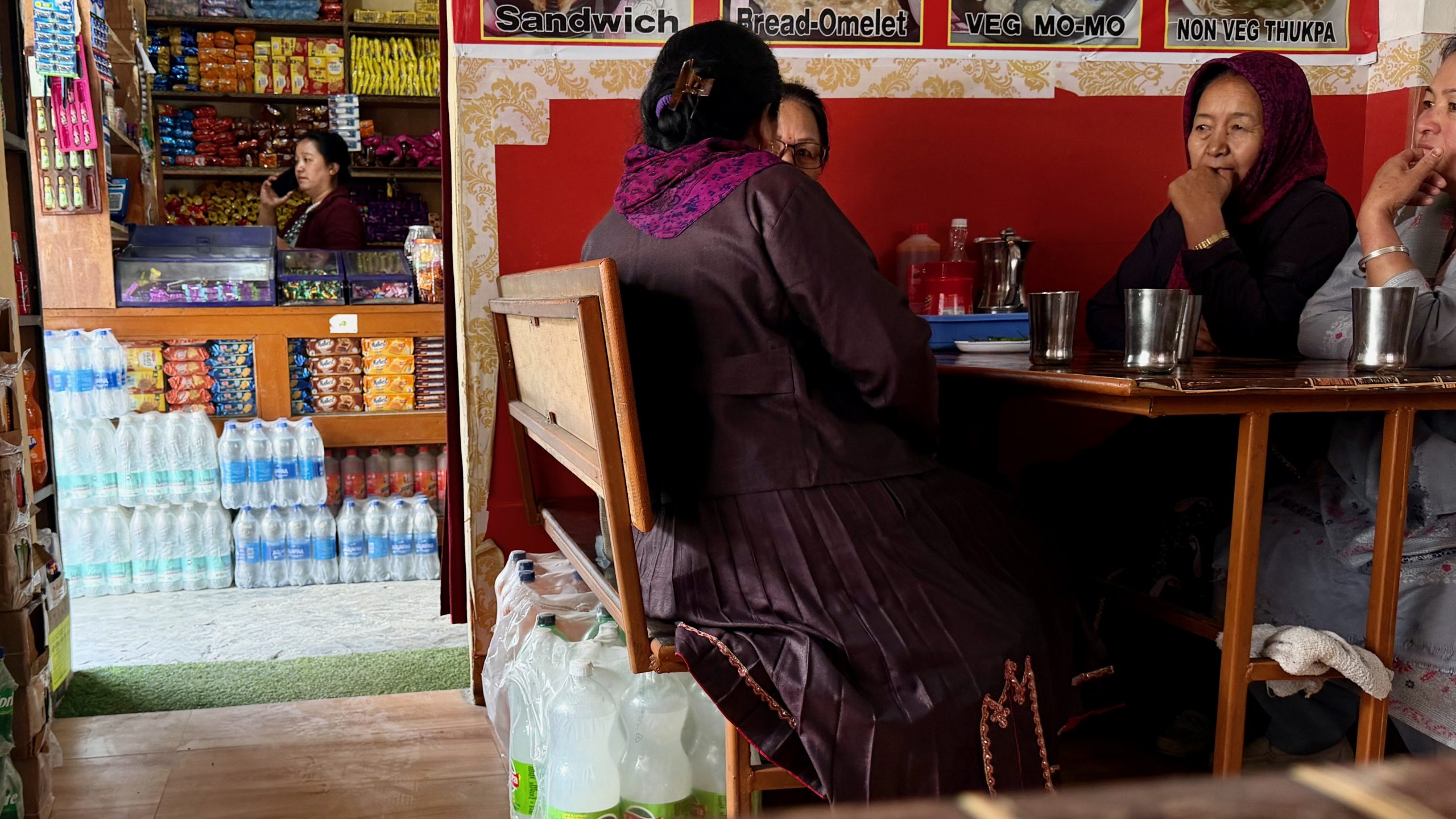
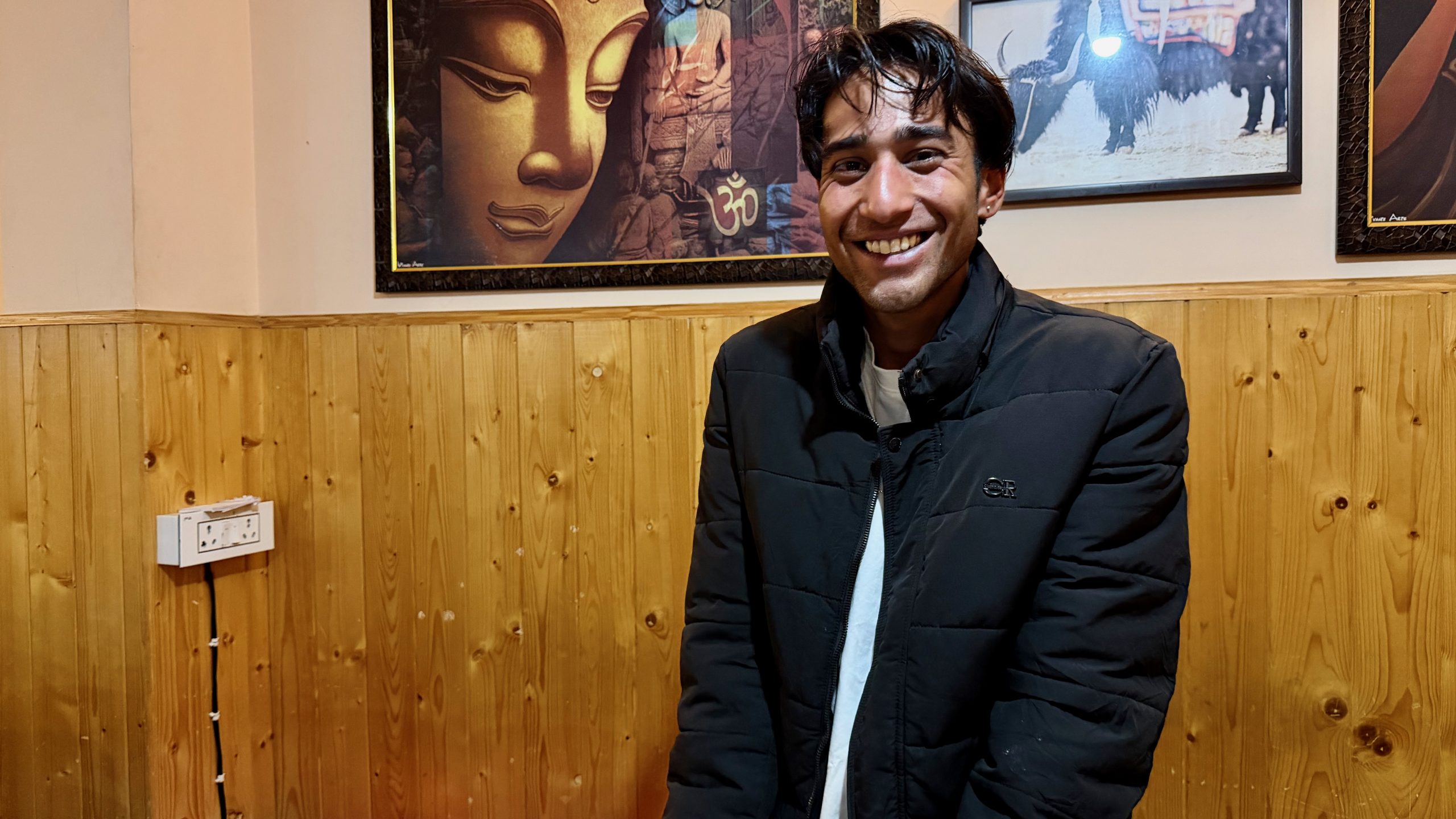
What I was looking for was warmth and beauty. The tea shop pointed me toward a place to stay, but it was rather dreadful — and overpriced on top of that. A homestay with nice reviews sounded promising, but that turned out to be a flop as well, with ugly, soulless corridors and nobody around to be seen. The weather was grey, and I was already starting to feel unhappy. Then I thought: oh well, maybe this is the place where I should treat myself a little — and headed for one of the two best hotels in town. And that turned out to be the best idea! Mohan welcomed me so warmly, lowered the room price considerably (bringing it exactly into the budget I had in mind), showed me to a lovely room with a wonderfully soft bed, solar-heated hot water, mountain views, cleanliness, and an electric kettle — and then even came with me to pick up my luggage.
I was really touched. Mohan is from Manali and has been working here as a receptionist/manager for six years. He is cheerfulness and helpfulness personified. He also laughs a lot and sometimes sings. The atmosphere among the staff struck me as genuinely friendly and positive too. And suddenly I really felt warmth and joy in my heart again.
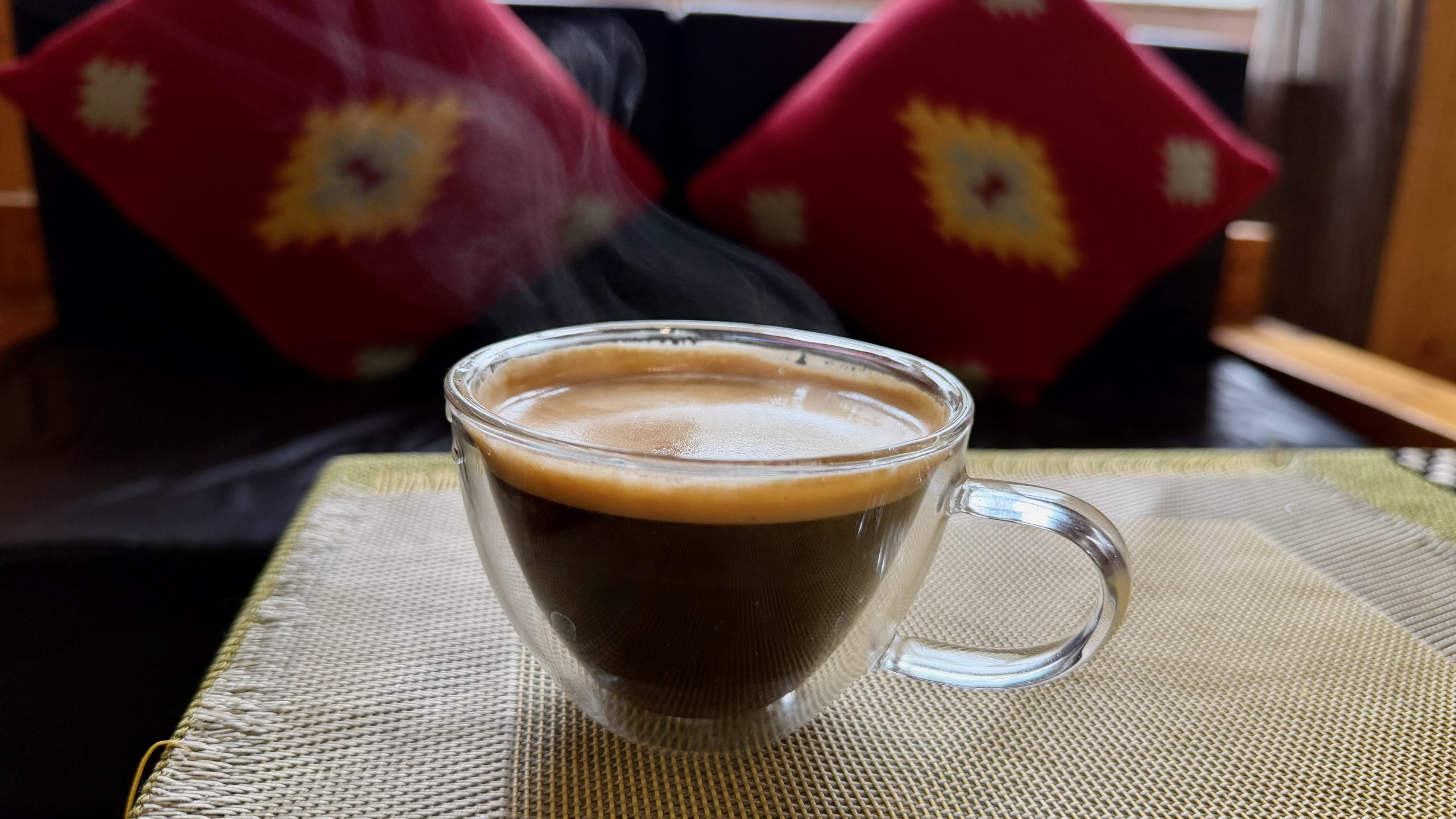
Later on, I found myself thinking a bit about luxury and comfort. Back in 2000, when I founded my company, a consultant was convinced that one day I would need more comfort while travelling and that I wouldn’t be able to keep up this backpacker style forever. In a way he was right — although it took quite a while. This time I’m travelling for five and a half months. I can afford certain comforts now, but I still have to manage my money carefully. So I keep asking myself what is worth spending more on and where I’d rather be frugal. One of the first “luxuries” I started allowing myself some time ago was having my laundry done. I always hated washing clothes myself, but in the past it somehow felt decadent to pay for it. And on this trip, luxury sometimes means a guide, sometimes a nicer place to stay, and sometimes simply food or drinks. To give a concrete example: here, a proper Americano for breakfast costs about two euros — while a Nescafé or chai in a local place is more like twenty cents. And how much I enjoyed that Americano at breakfast! My first one since leaving home…
Things continued quite nicely from there. I went for a walk through Keylong. There’s the highway up above, and then a smaller main street running a bit lower through the town. And that street is really lovely — almost like a pedestrian zone, with hardly any traffic and little shops, simple eateries, and small workshops lining both sides. Indian tourists stroll around there too, but people are not being offered the kinds of things tourists usually demand elsewhere: no fancy fast-food cafés, no flashy hotels, no silly activities. Since my first visit in 1992, the town has definitely developed a lot, but it’s nothing like Manali or Leh. And that made me really happy.
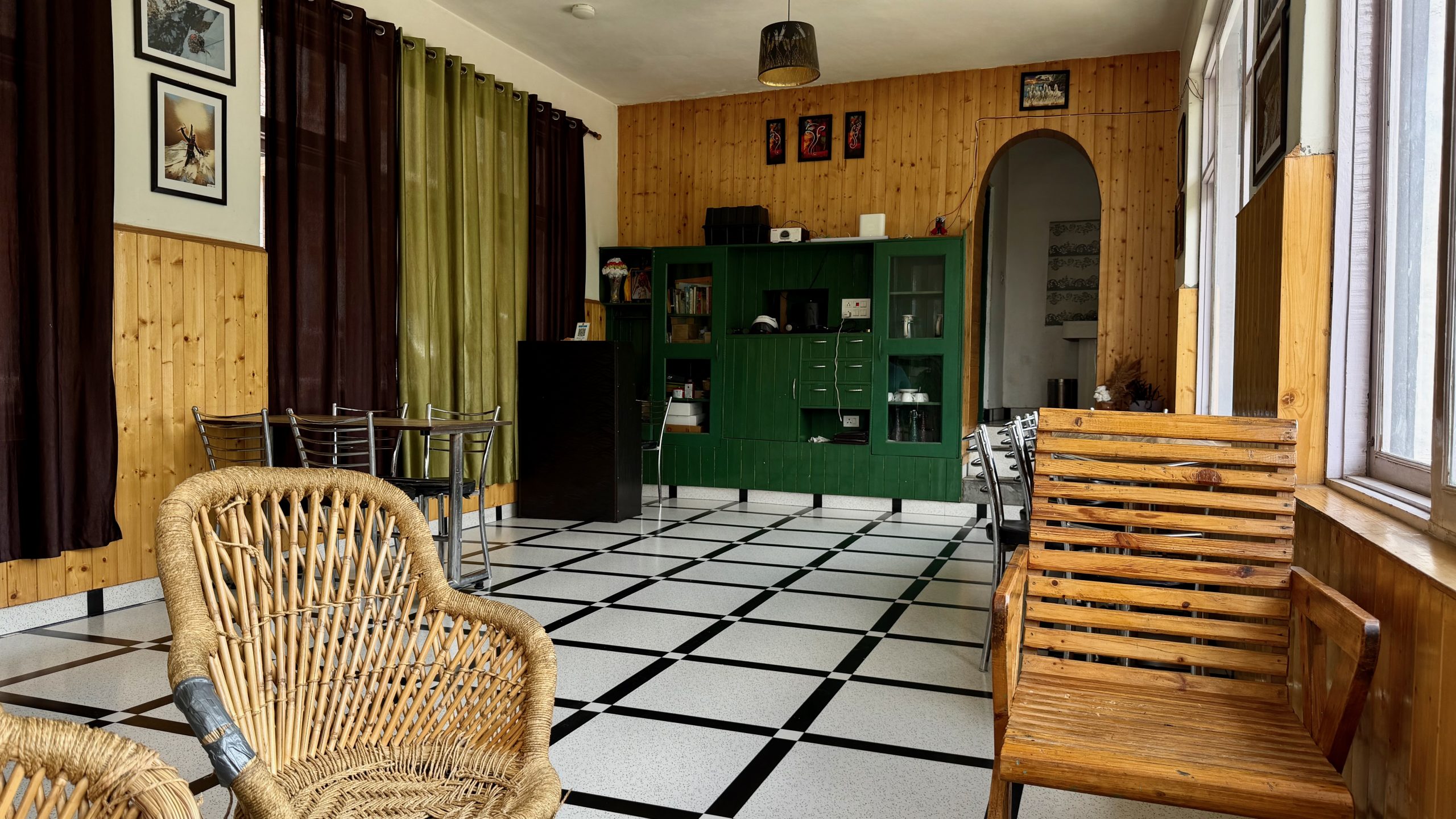
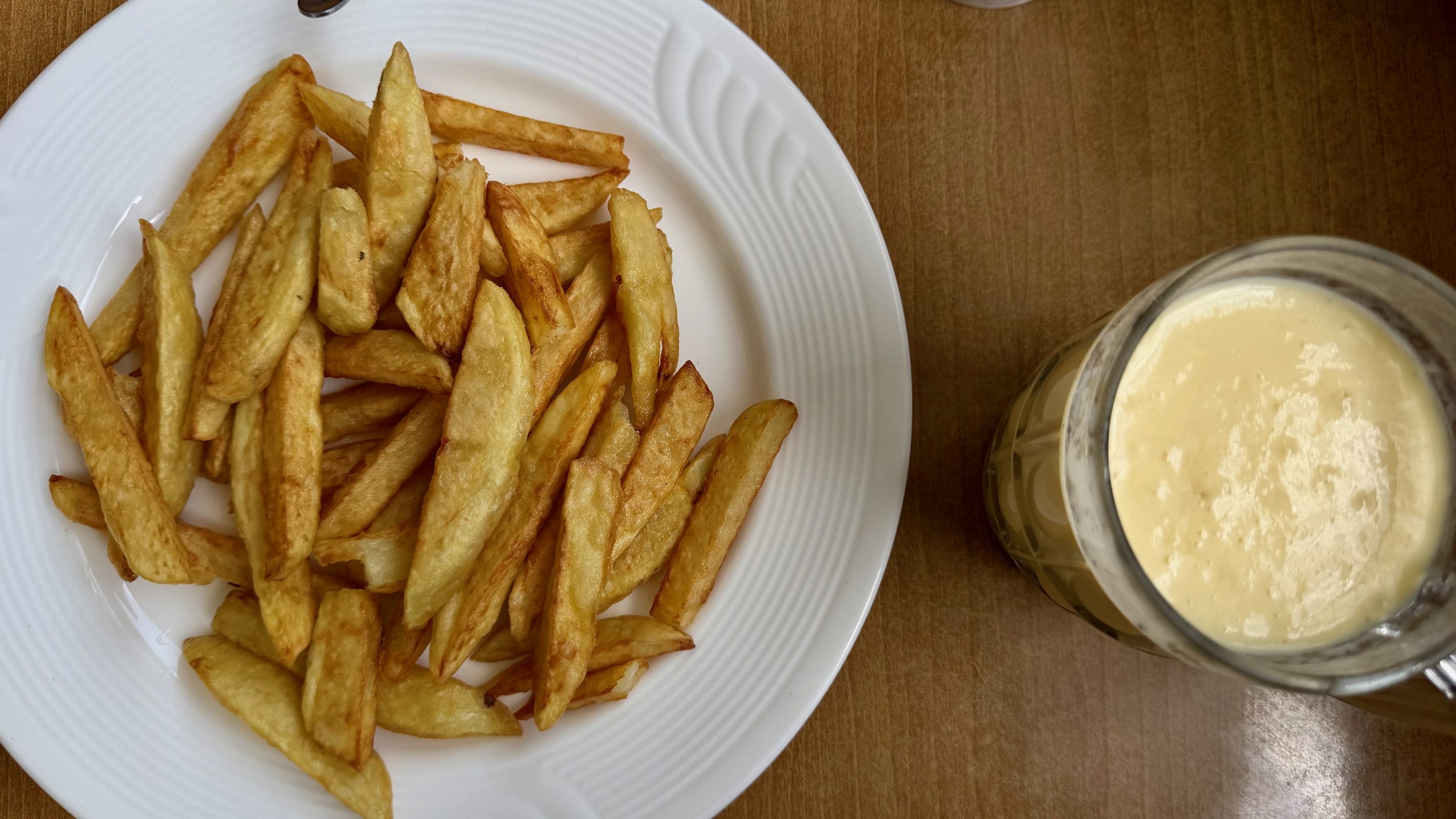
Only one café felt a little more “Western,” and I headed there hoping for a mango lassi. They didn’t have one — but they did have a very warm-hearted and funny old man, and otherwise the place was empty. Only one couple (from Chennai and Delhi) were there as well. He is fortunate enough to sometimes work remotely and plans to spend one month in the mountains every year during the hot season. They were travelling by motorcycle and still wanted to ride up to the Shinkula Pass. And instead of a mango lassi, I ended up having a mango shake — along with one of my favourite lunches: freshly made fries.
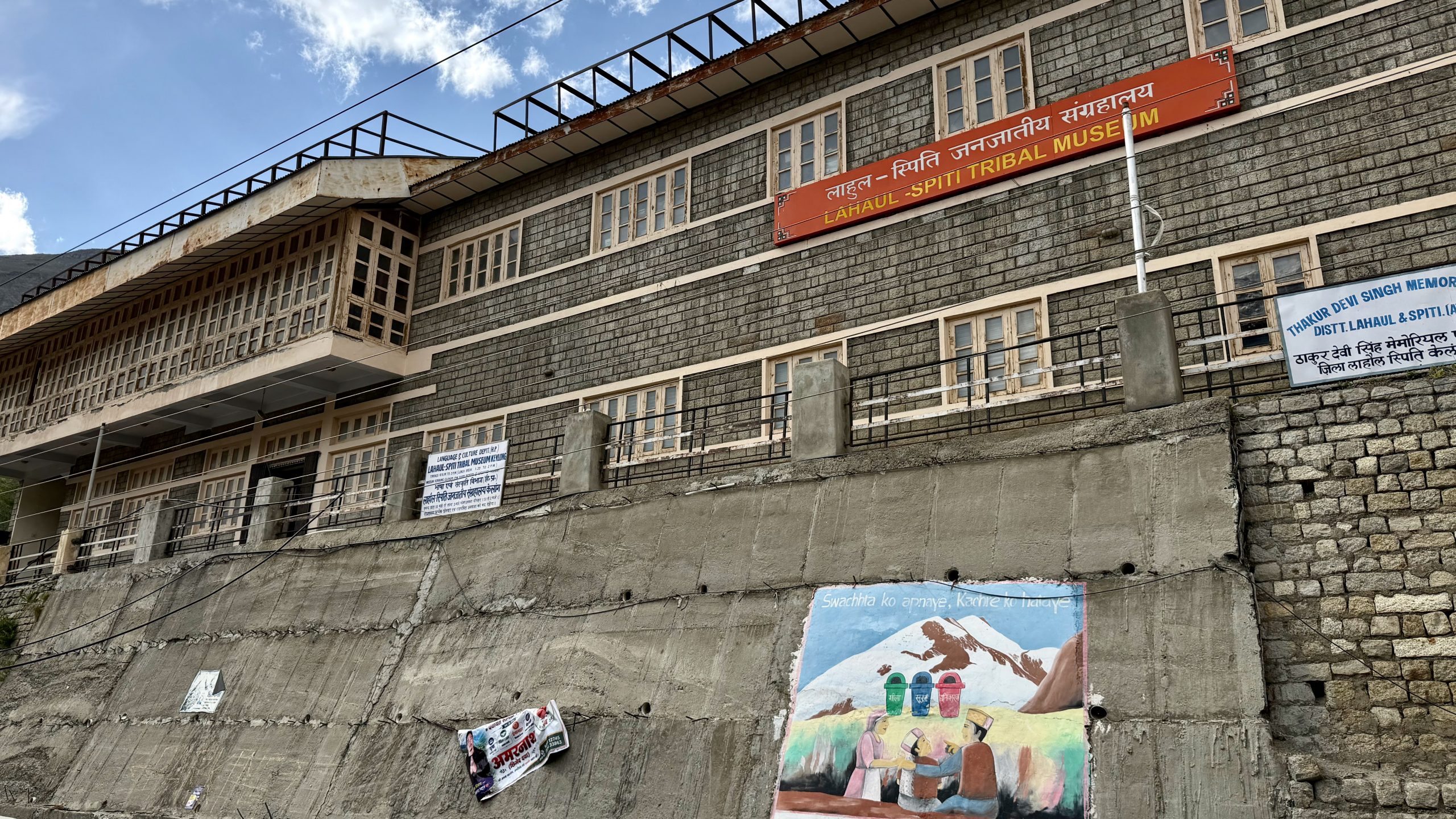
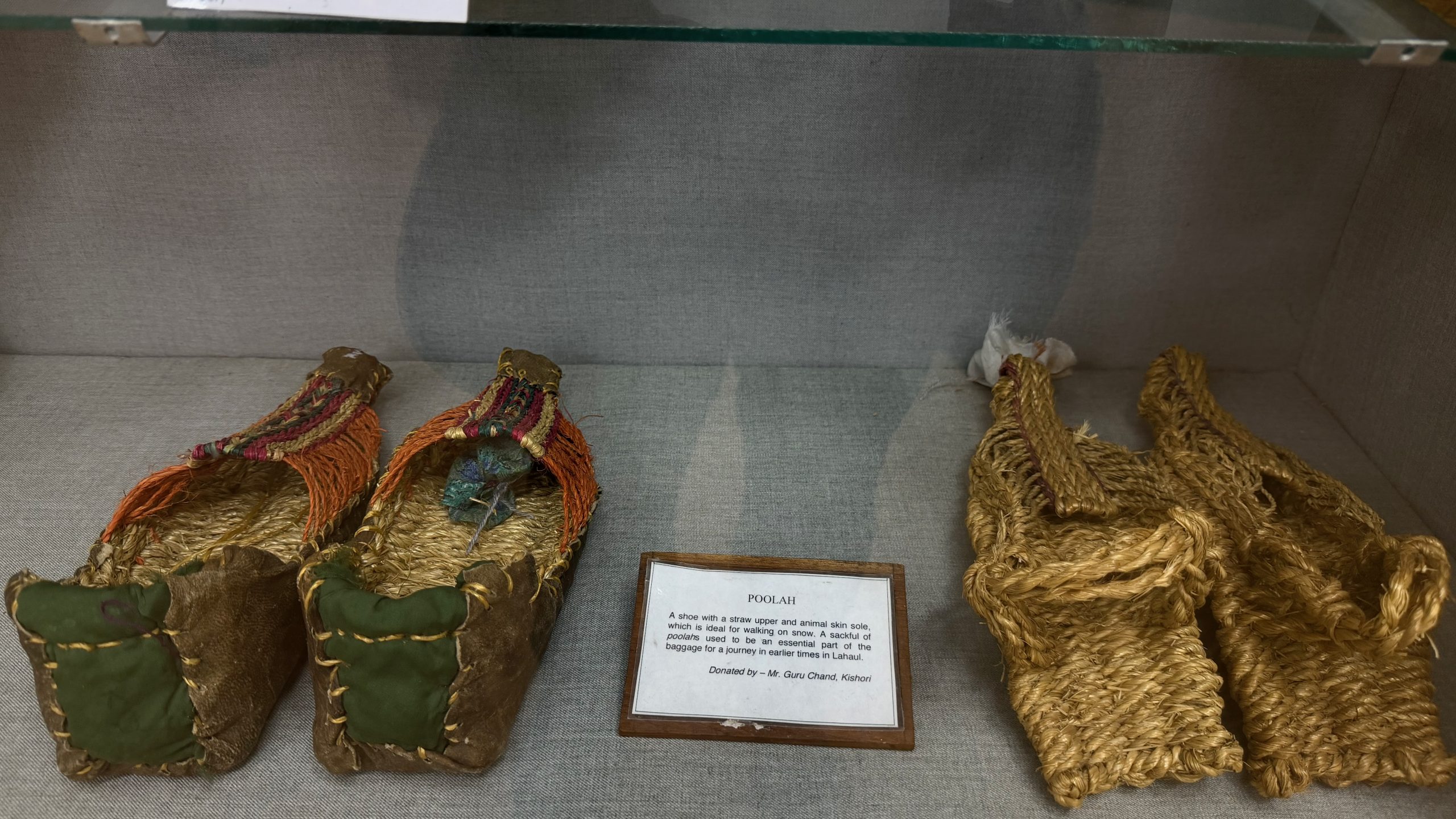
I was feeling a little worn out somehow, but I still managed to visit the local museum. They had a somewhat random collection of objects, and I learned that Lahaul had “always” relied less on farming and livestock and instead had been very active in trade. One of the labels made me laugh: the shoe on the left was proudly described as being especially suitable for snow.
Speaking of shoes — I still wanted to buy a pair of cheap flip-flops, and I actually found some here. Great brand name — hahaha 🙂
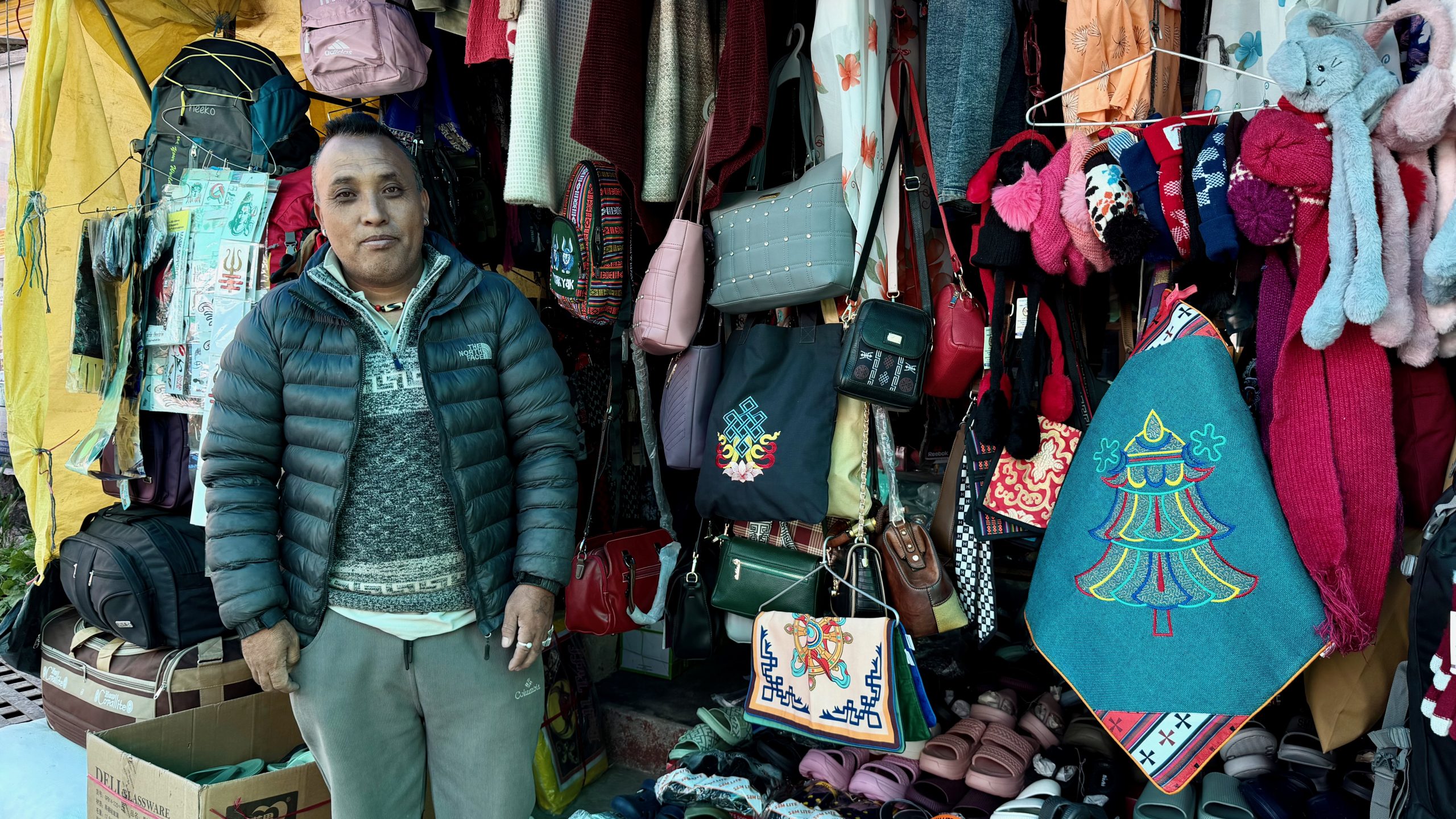
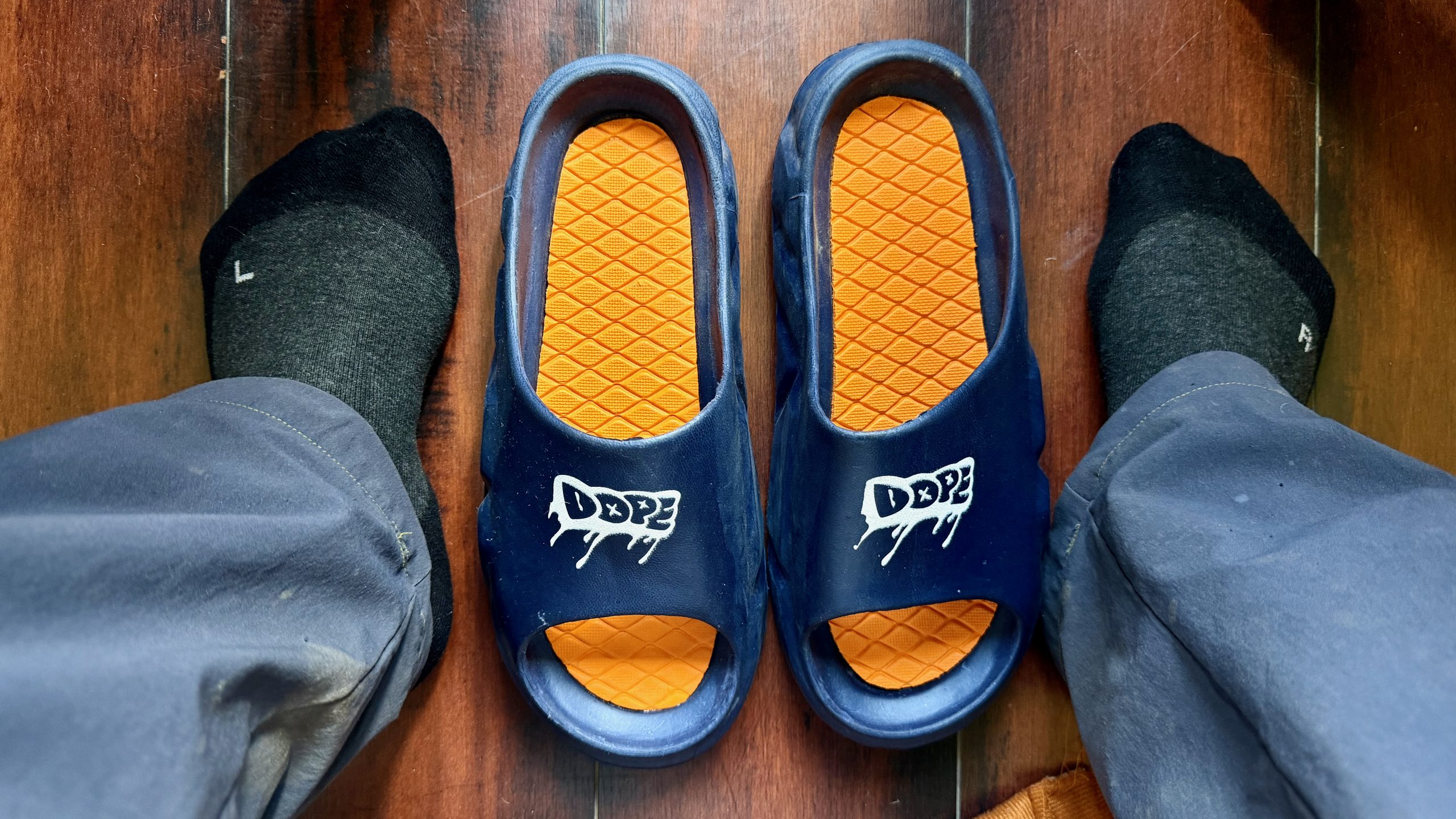
The next morning greeted me with rain. How happy I was to have my cosy room! But by the afternoon it eased off, and I was able to wander around outside again. So here come quite a lot of pictures from Keylong — from all three days:
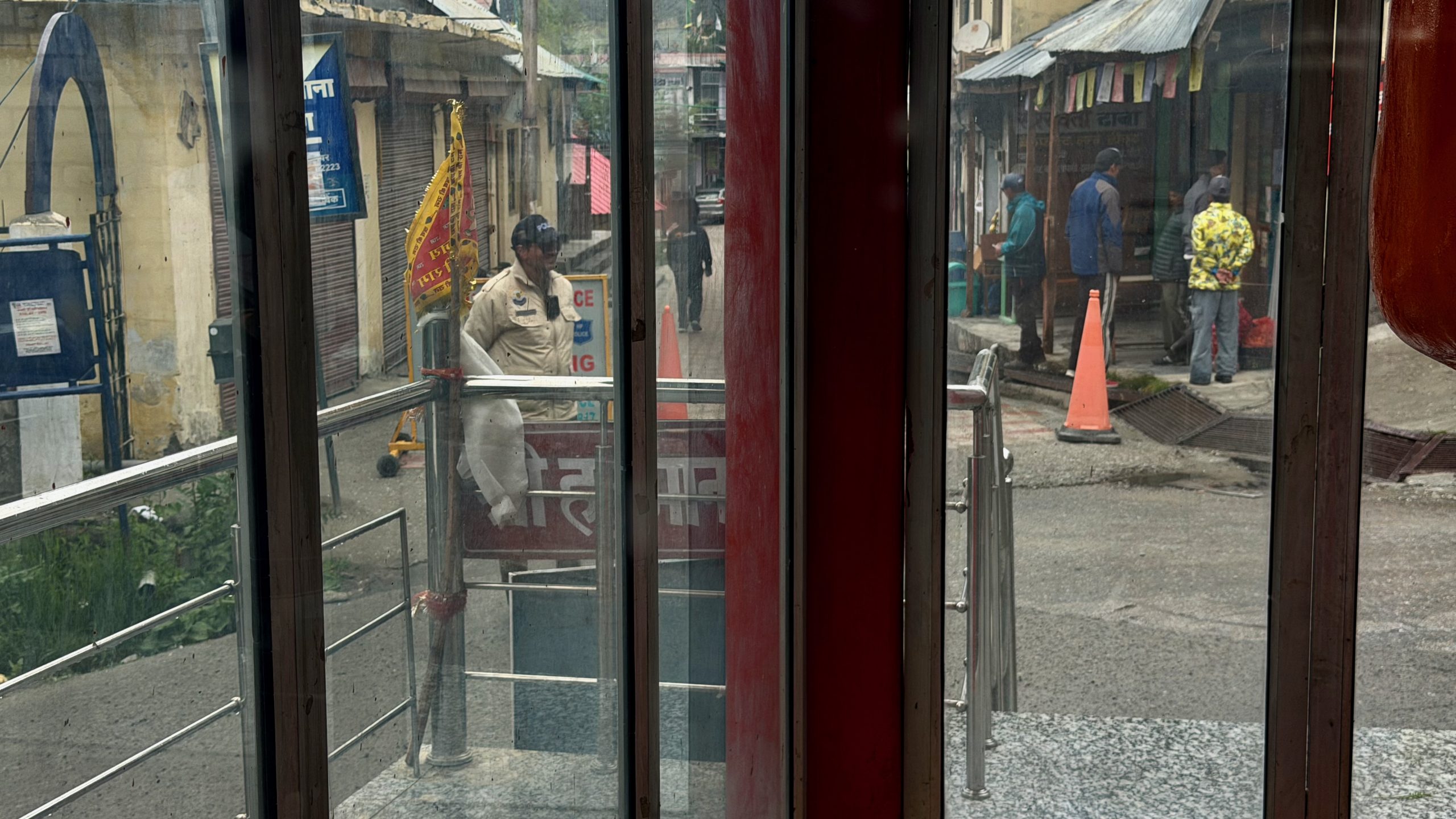
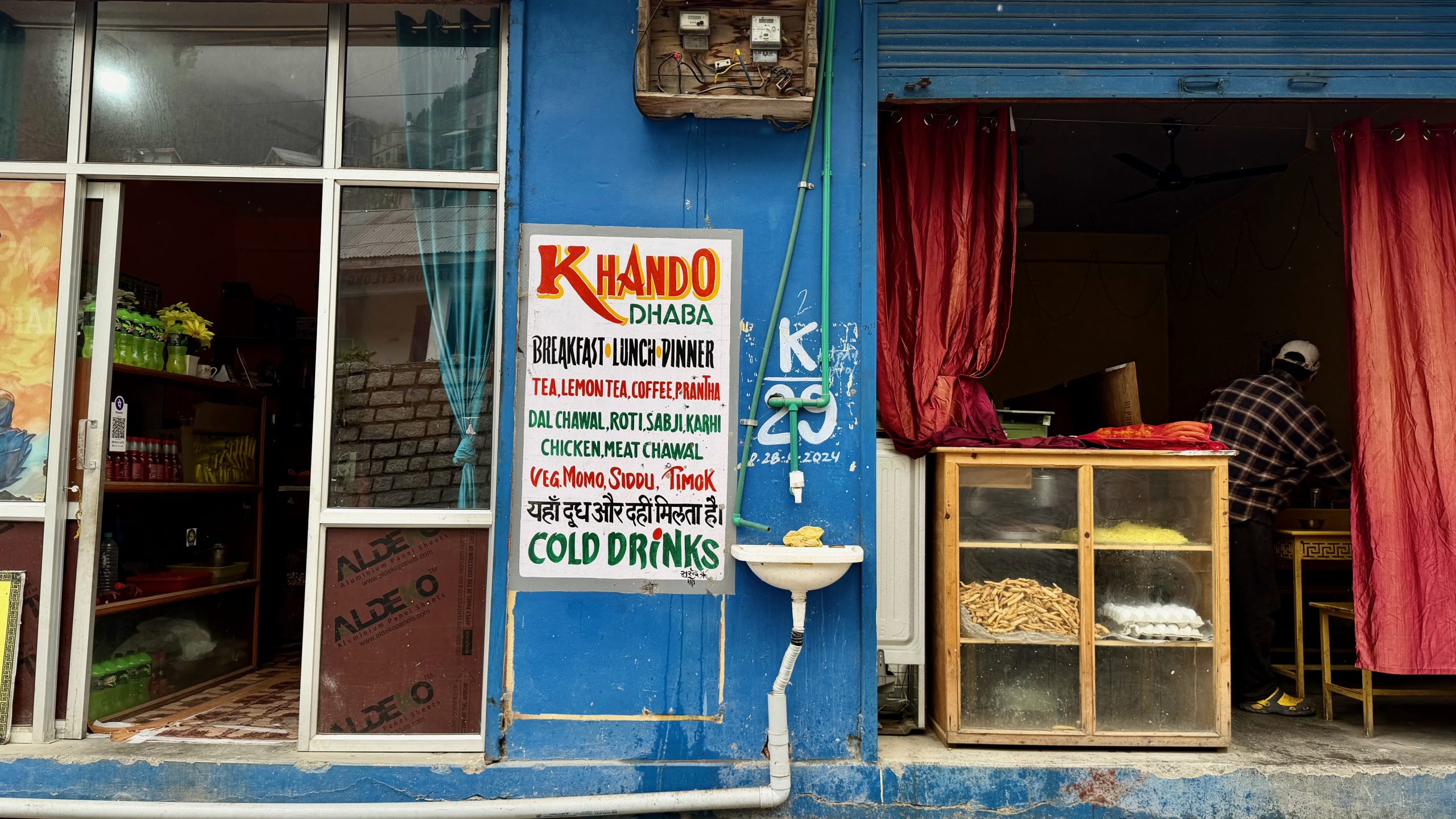
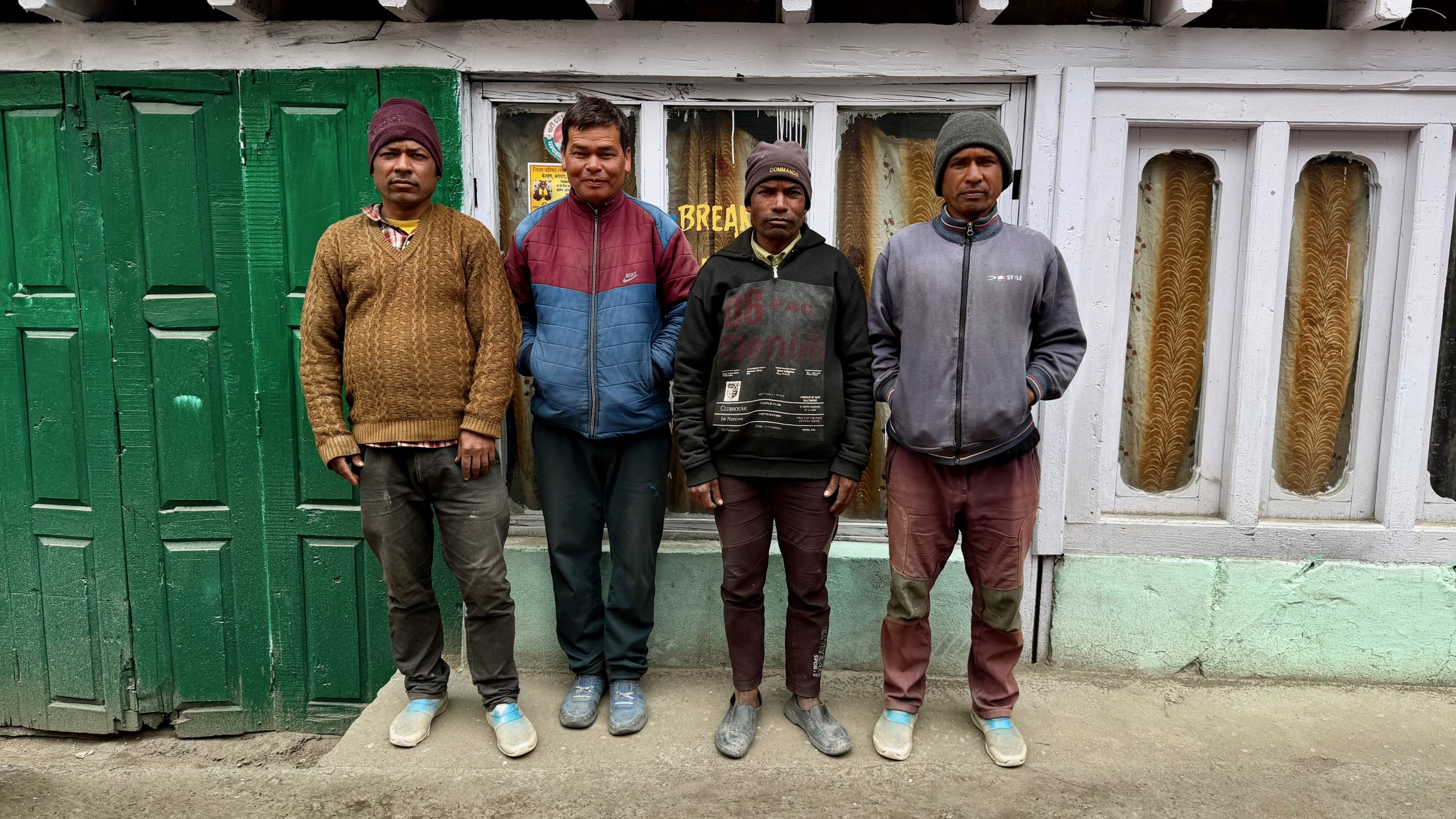
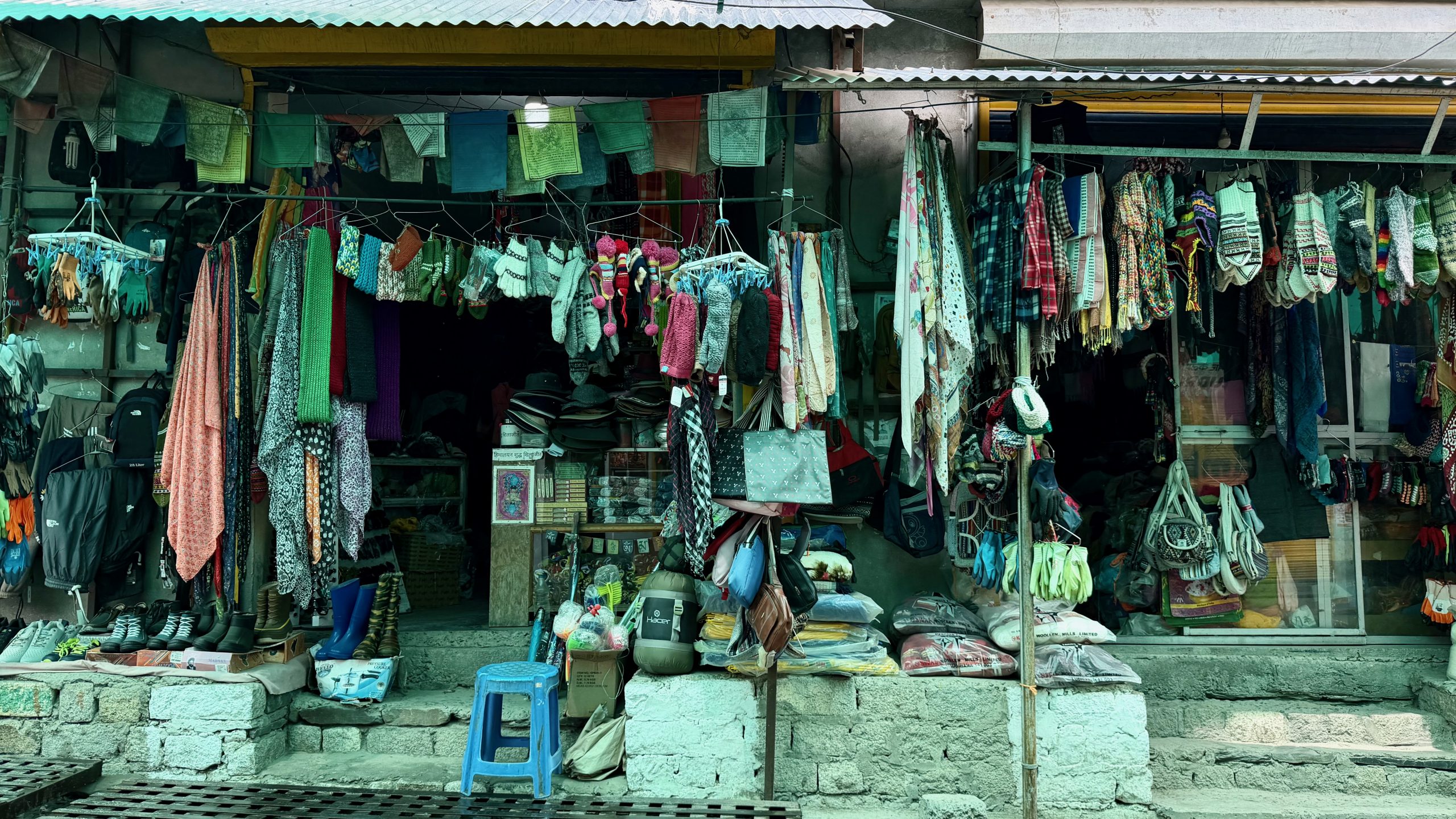
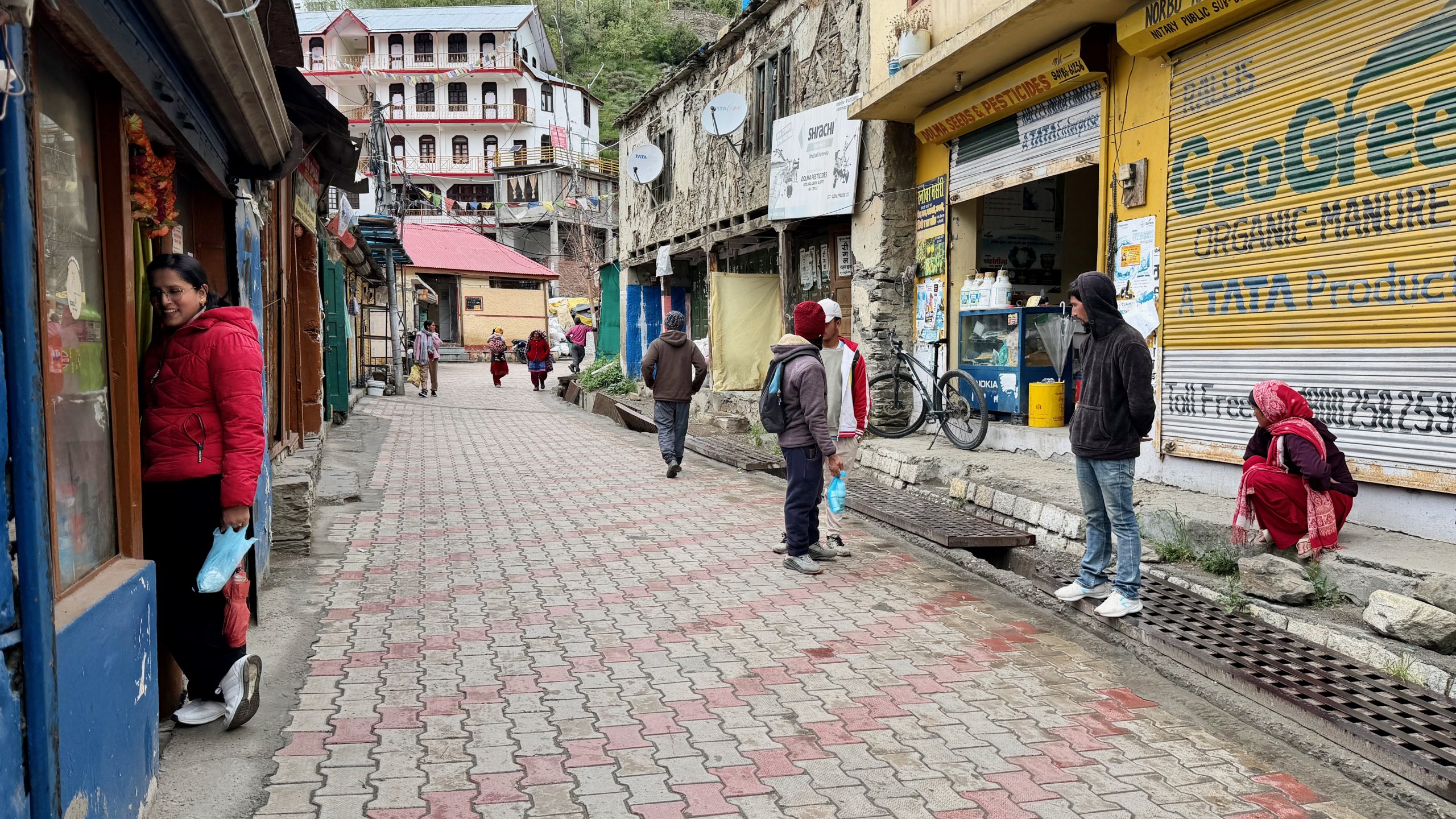
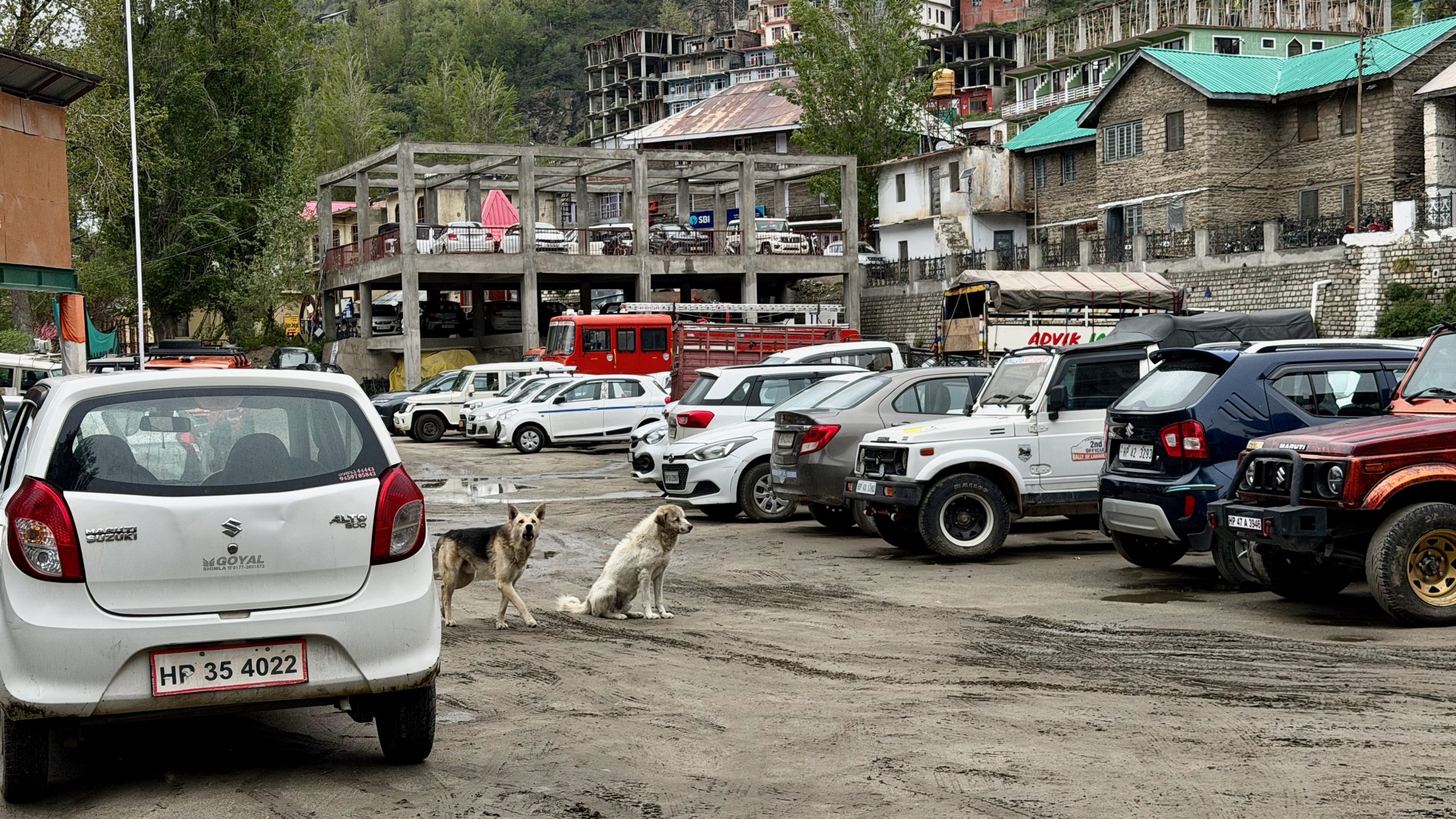
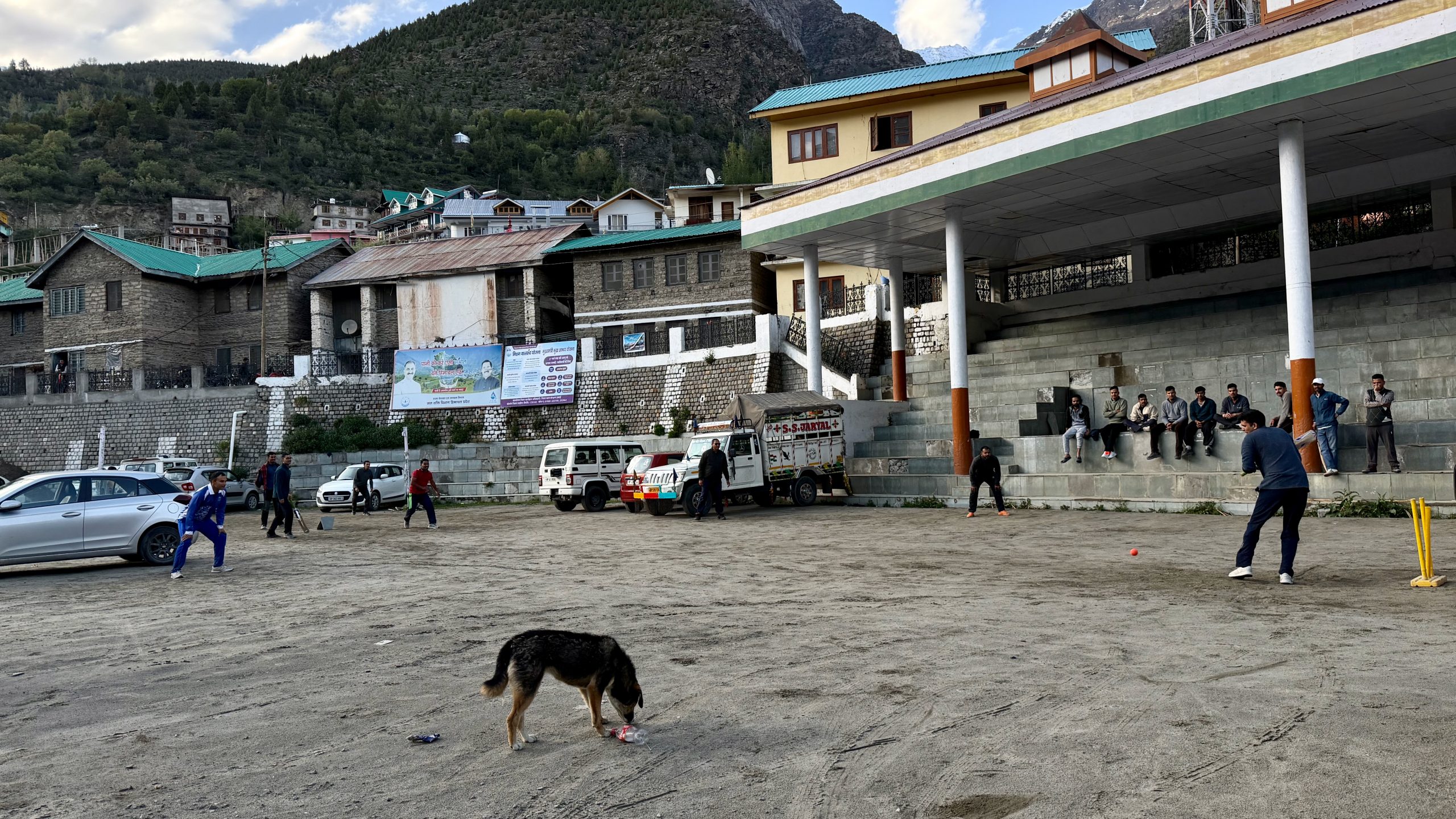
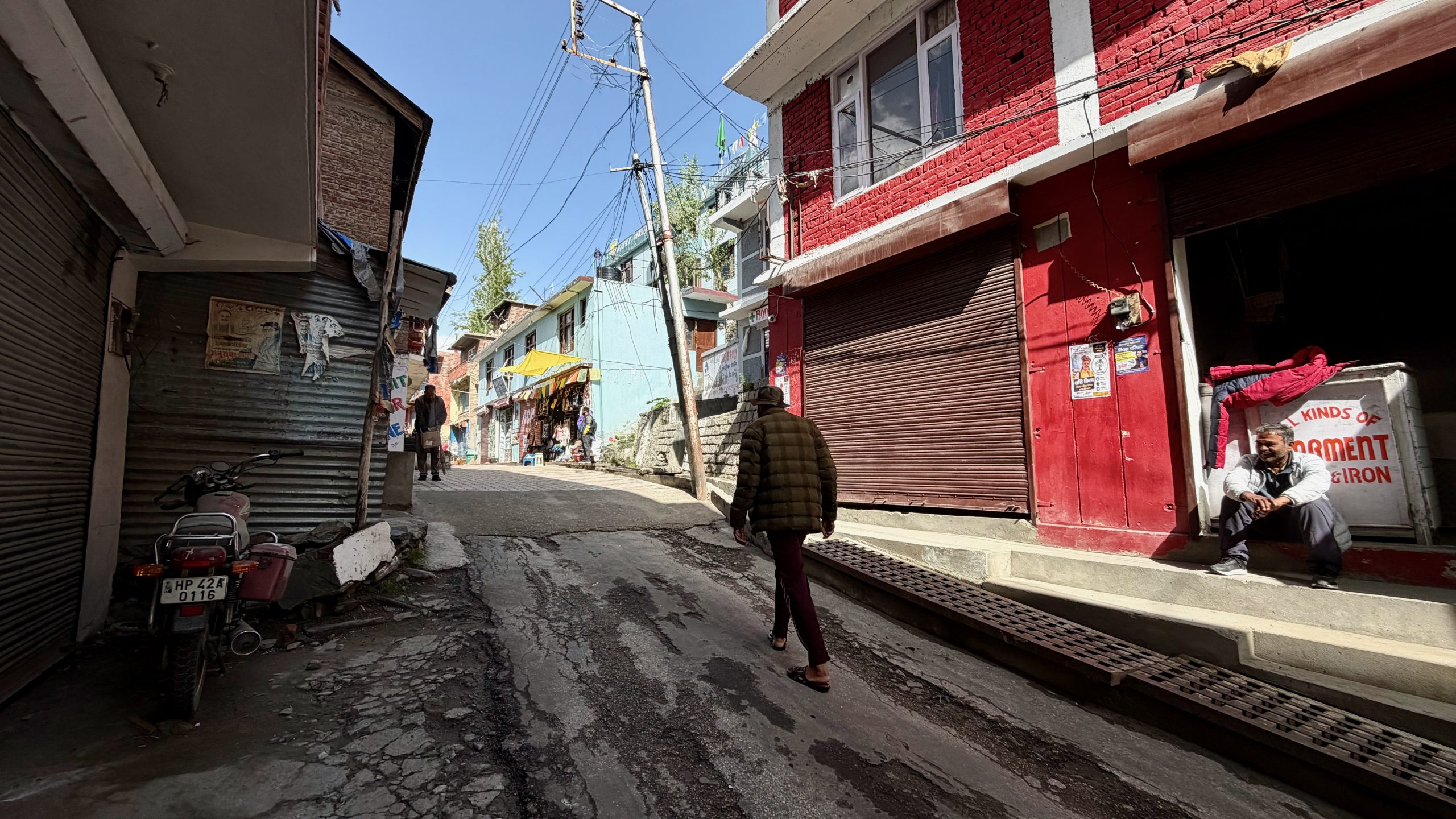
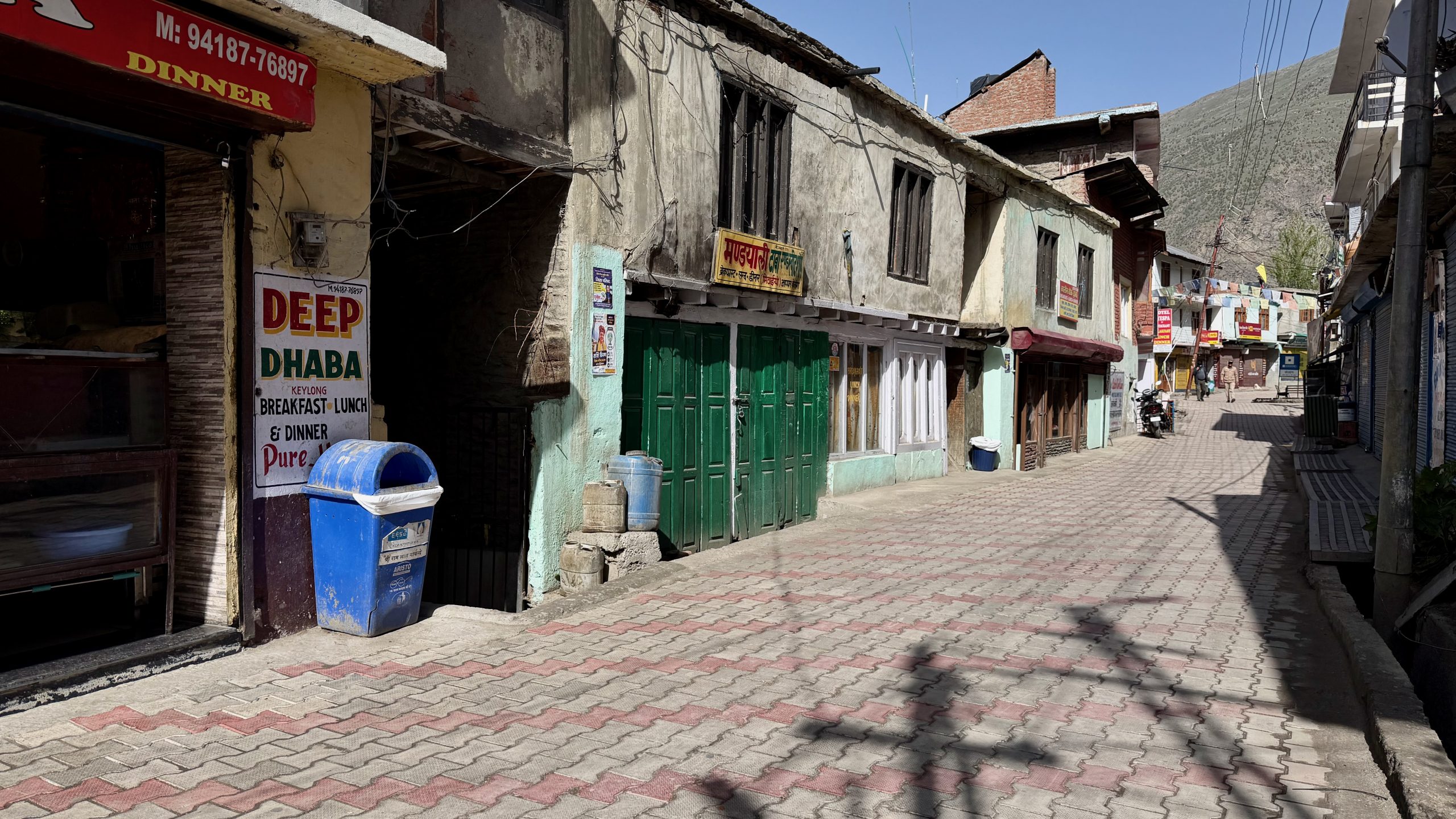
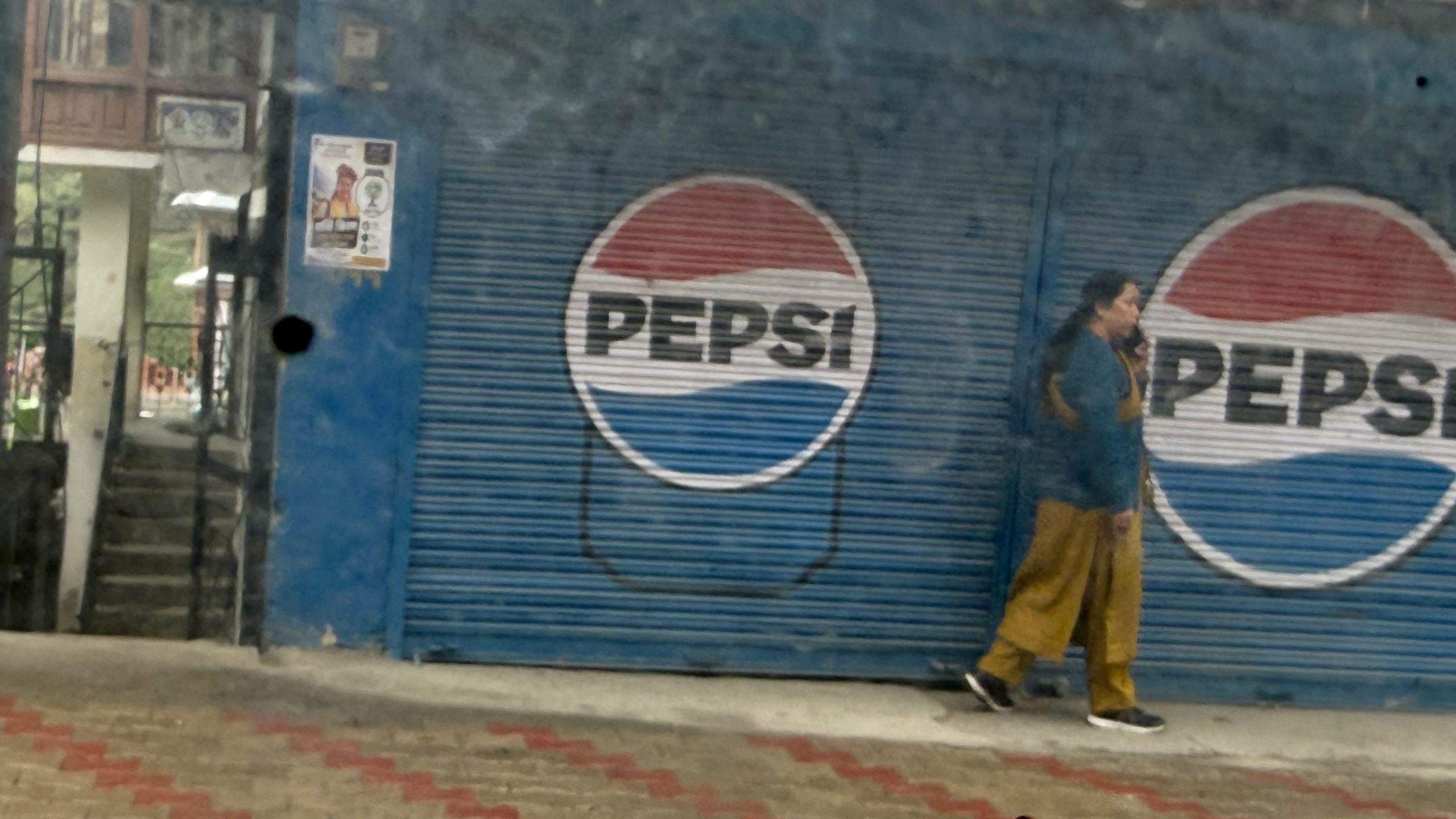
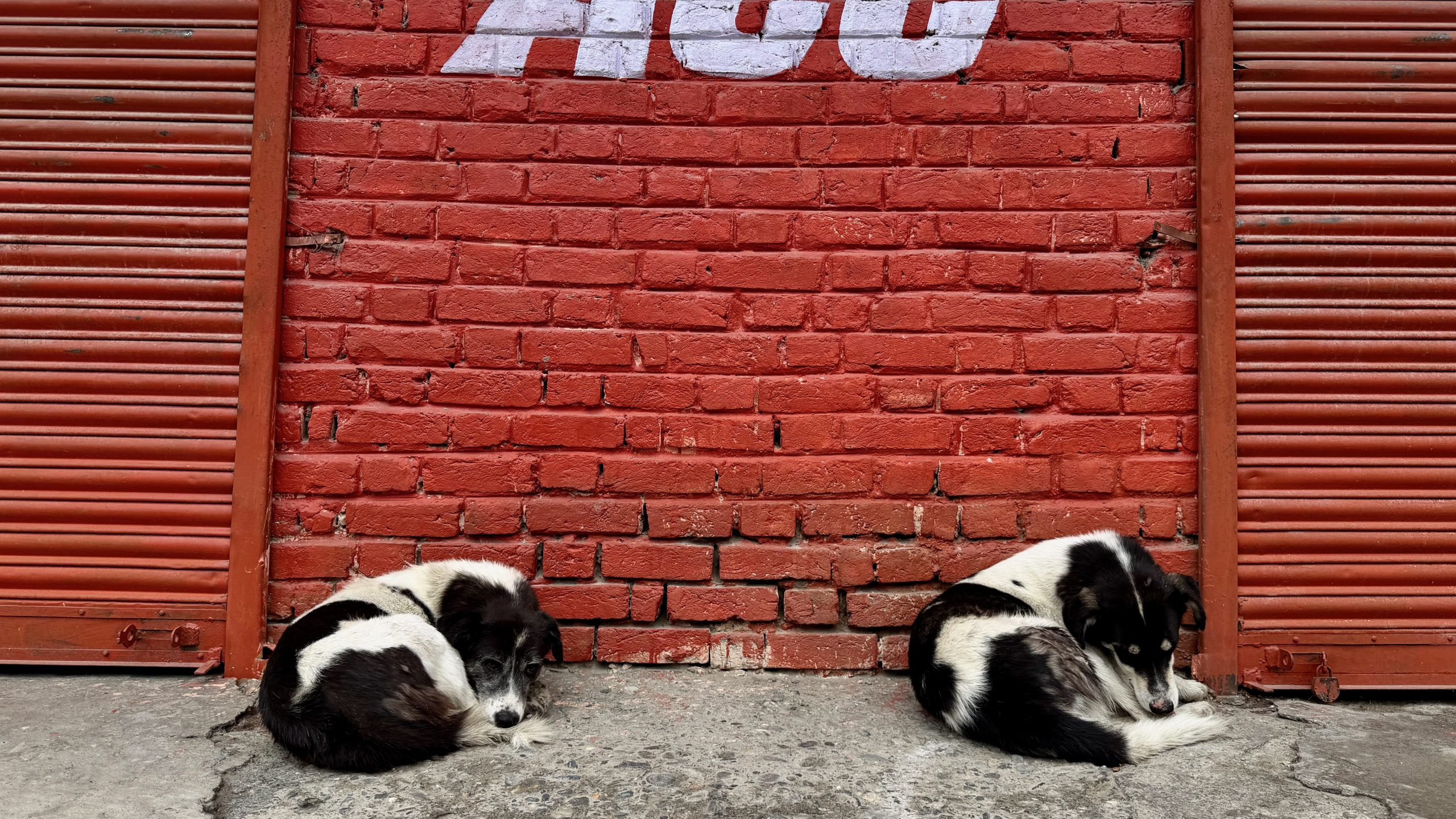
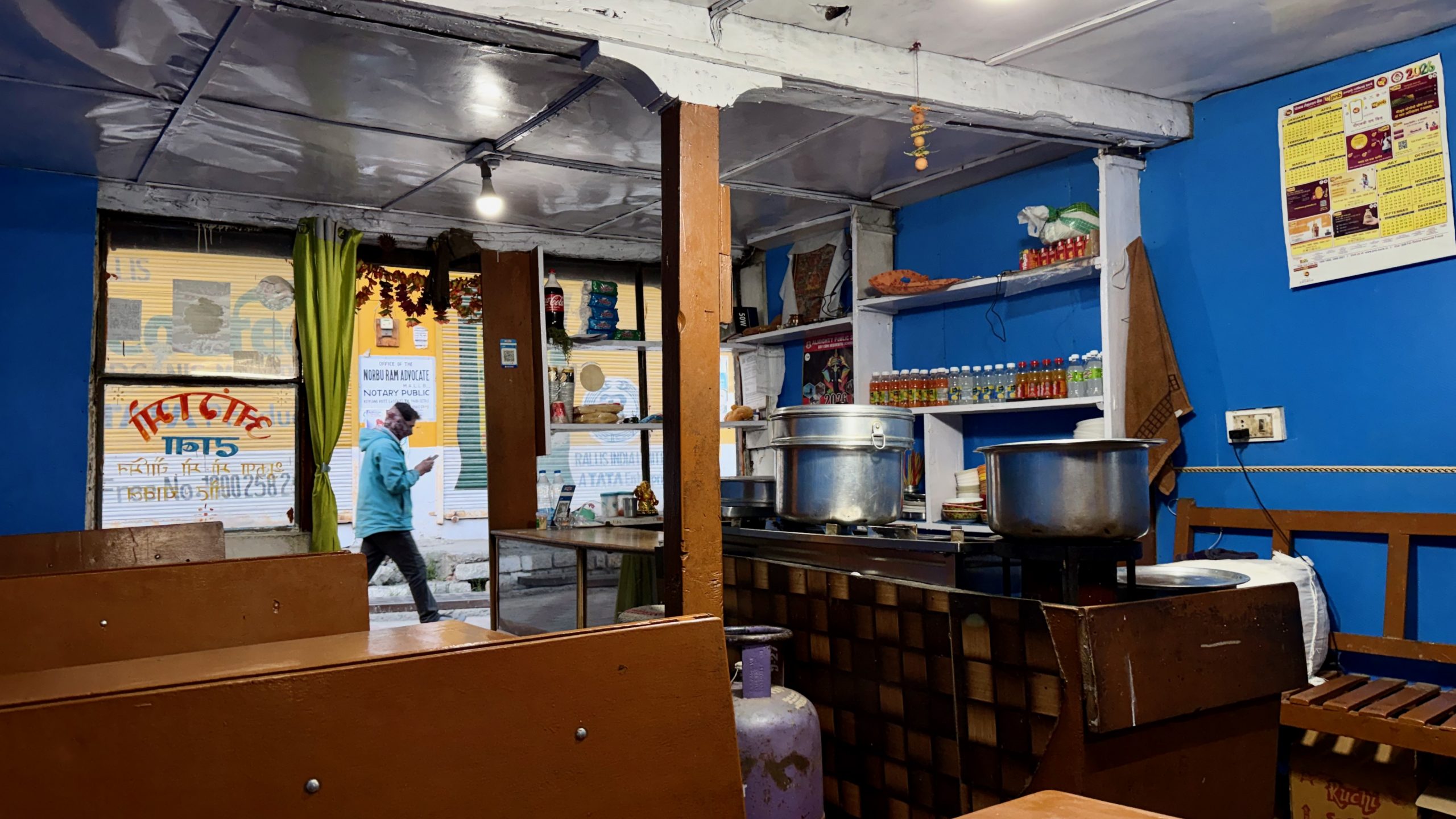
Keylong is a bit lower than Gondhla — I’m at about 3,050 metres here. Tourism is less developed and, to me, much more pleasant. But there are also more unusual things here. For example, I met a ski instructor. Or maybe “ski touring guide” is the better term? One of those people who go ski touring with you, show you the slopes, maybe teach you a few things, and keep an eye on safety. Sunil is from here and started an agency together with a friend, and I somehow found that really lovely. They drive to wherever there is still snow — at the moment around the Shinkula Pass and Baralacha La area — and then head off from there. He even had a client: an Indian man living in California who wanted to go skiing in India for once. Naturally, I immediately asked for his contact details. And honestly, I think it’s a really nice idea. I can’t imagine it ever becoming overcrowded, but as a special niche experience, I think it’s fantastic.
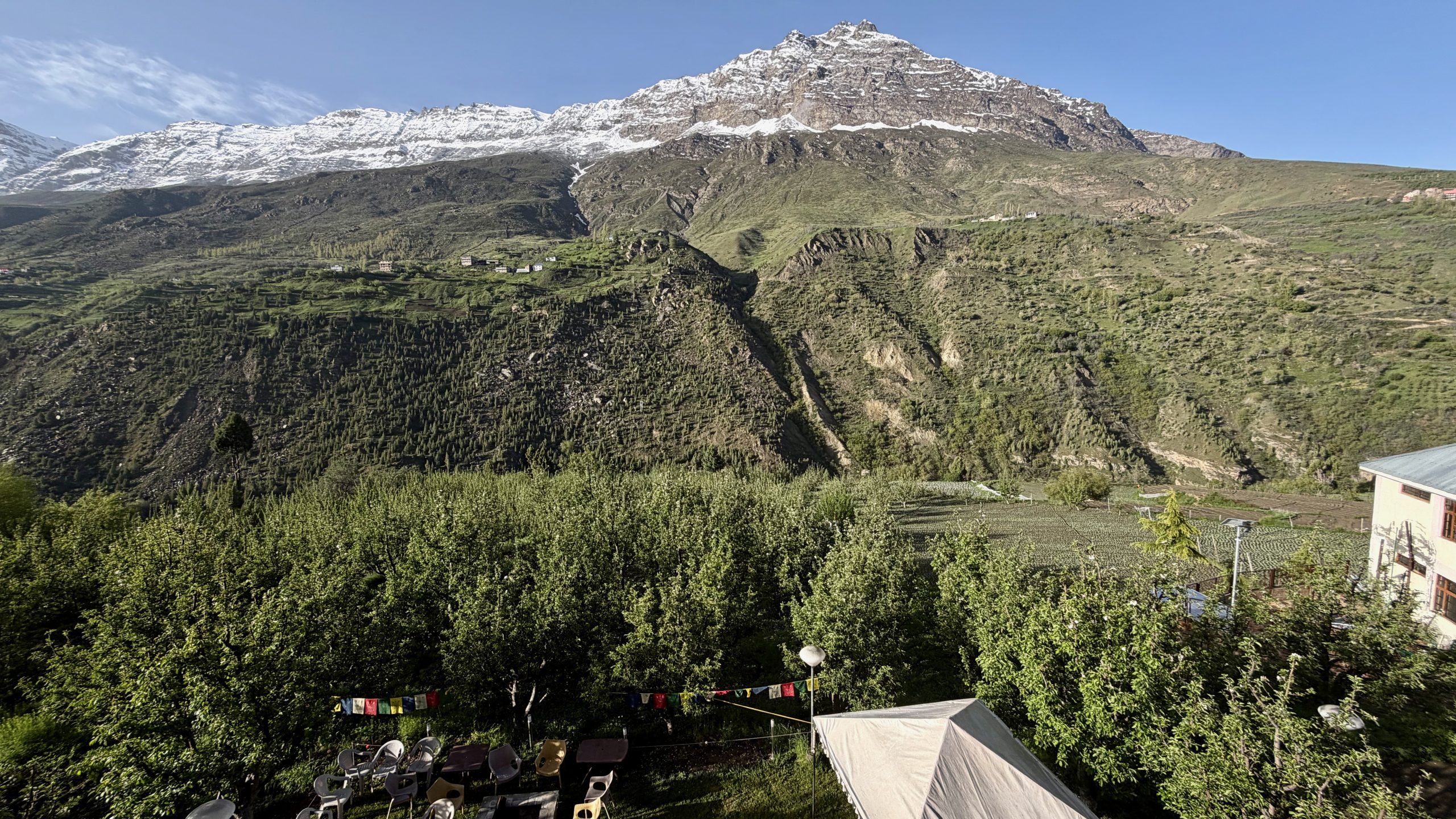
Here is my window-view from the sunny 2. morning:
I had planned a hike, which I did exactly like this:
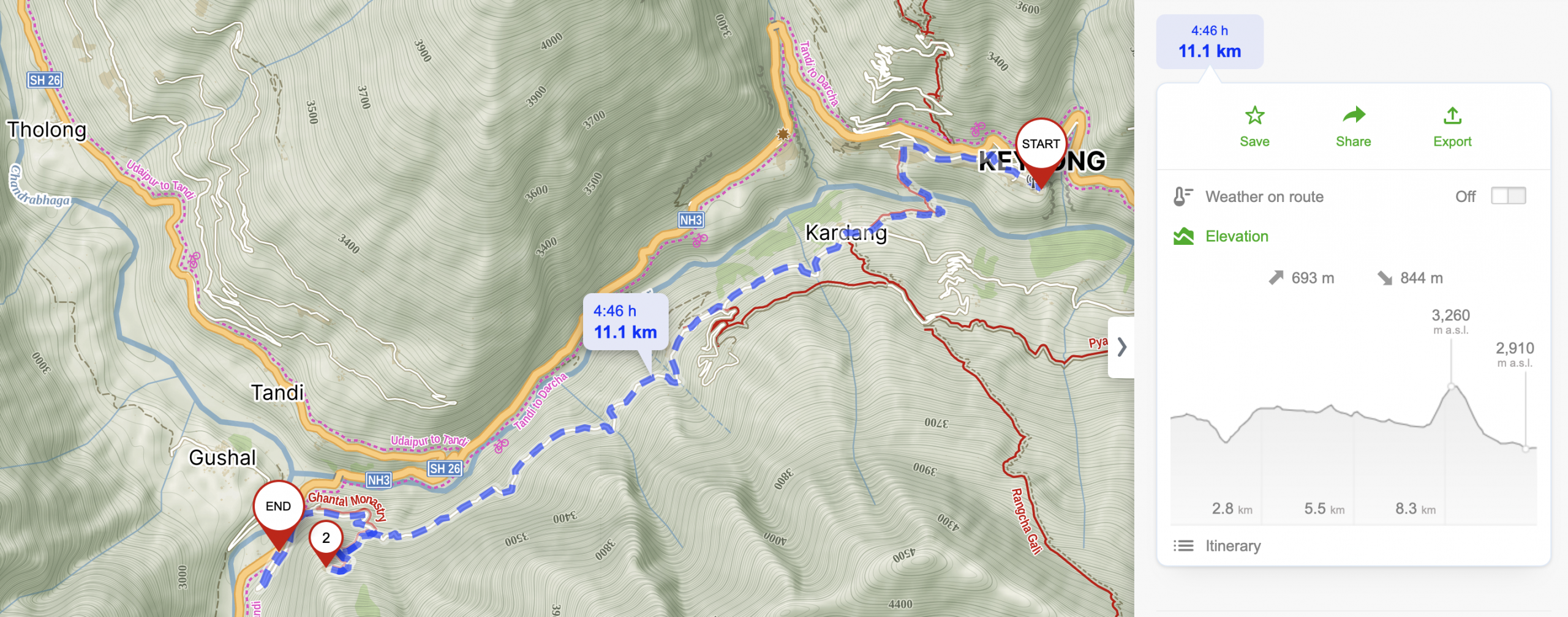
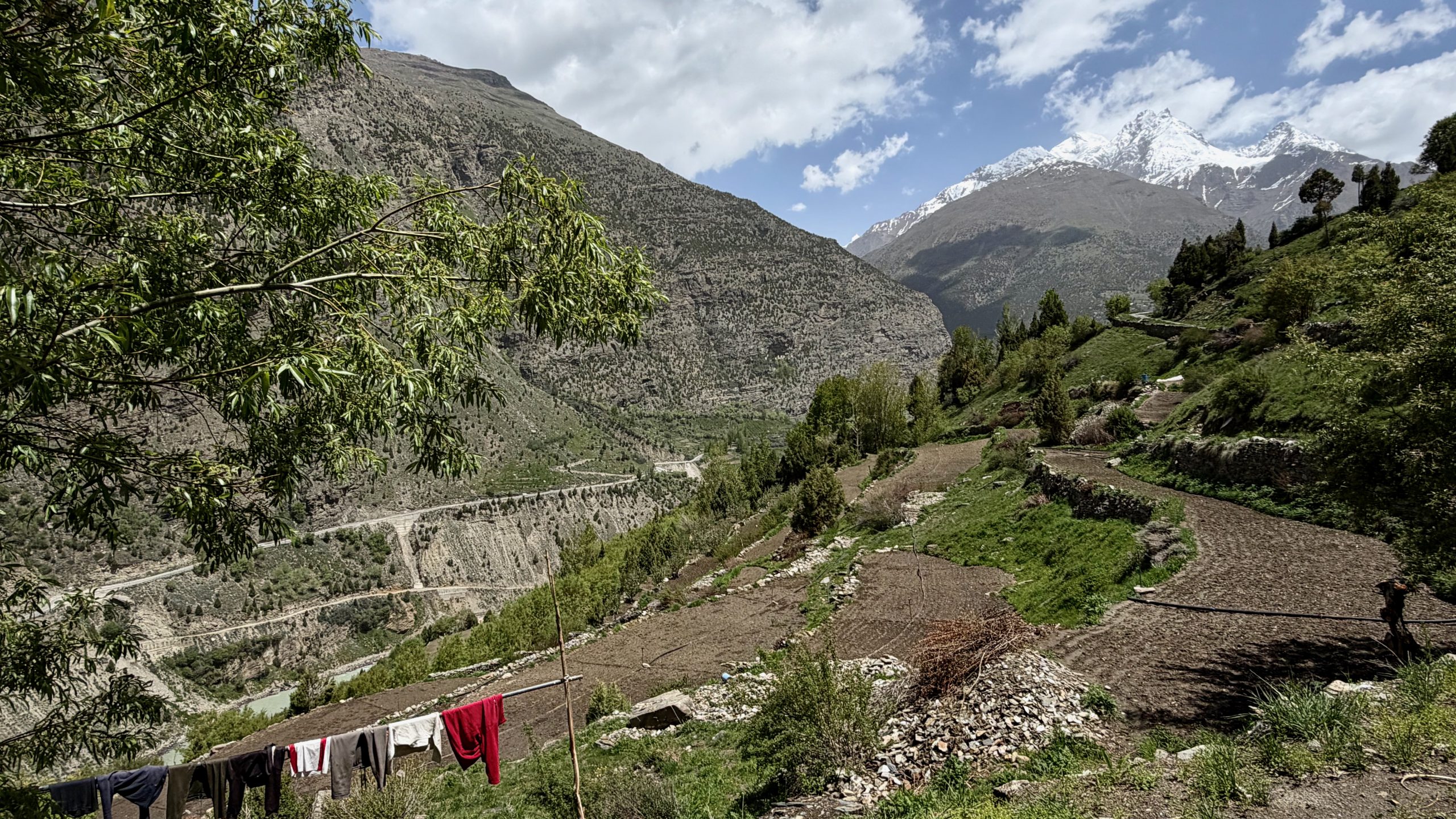
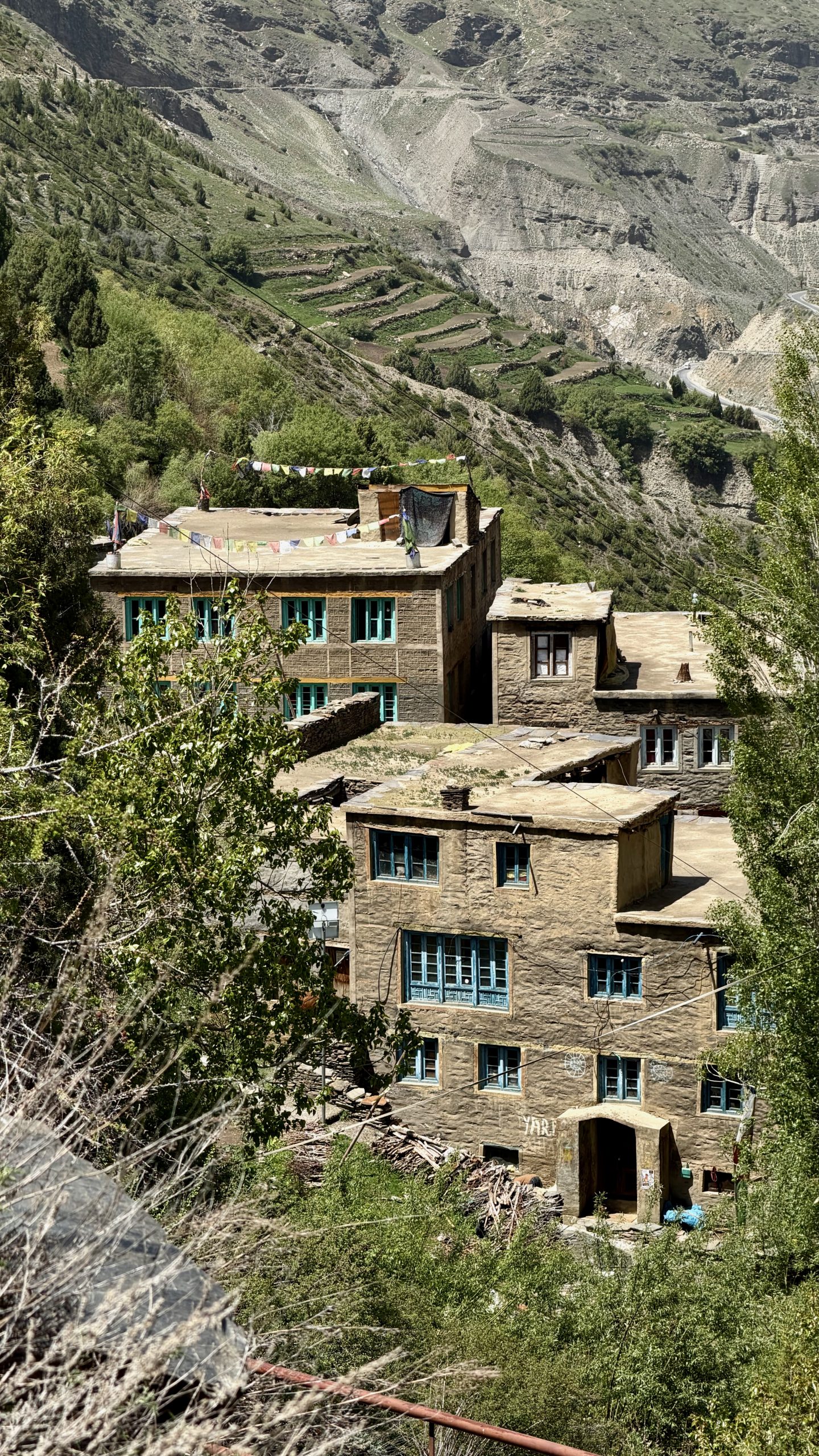
If you want to get from Keylong to the other side of the mountain valley, you first have to descend quite a long way — and then climb back up again quite a bit. That’s where the village of Kardang lies, with a monastery high above it (though I didn’t go there this time, since I already knew it). In the past, Kardang used to be a small village with many old traditional houses. Now there was hardly any trace of that left. People had obviously come into money, and the old houses had largely been replaced with big new buildings. You can also get there by car nowadays, though only by taking quite a long detour.
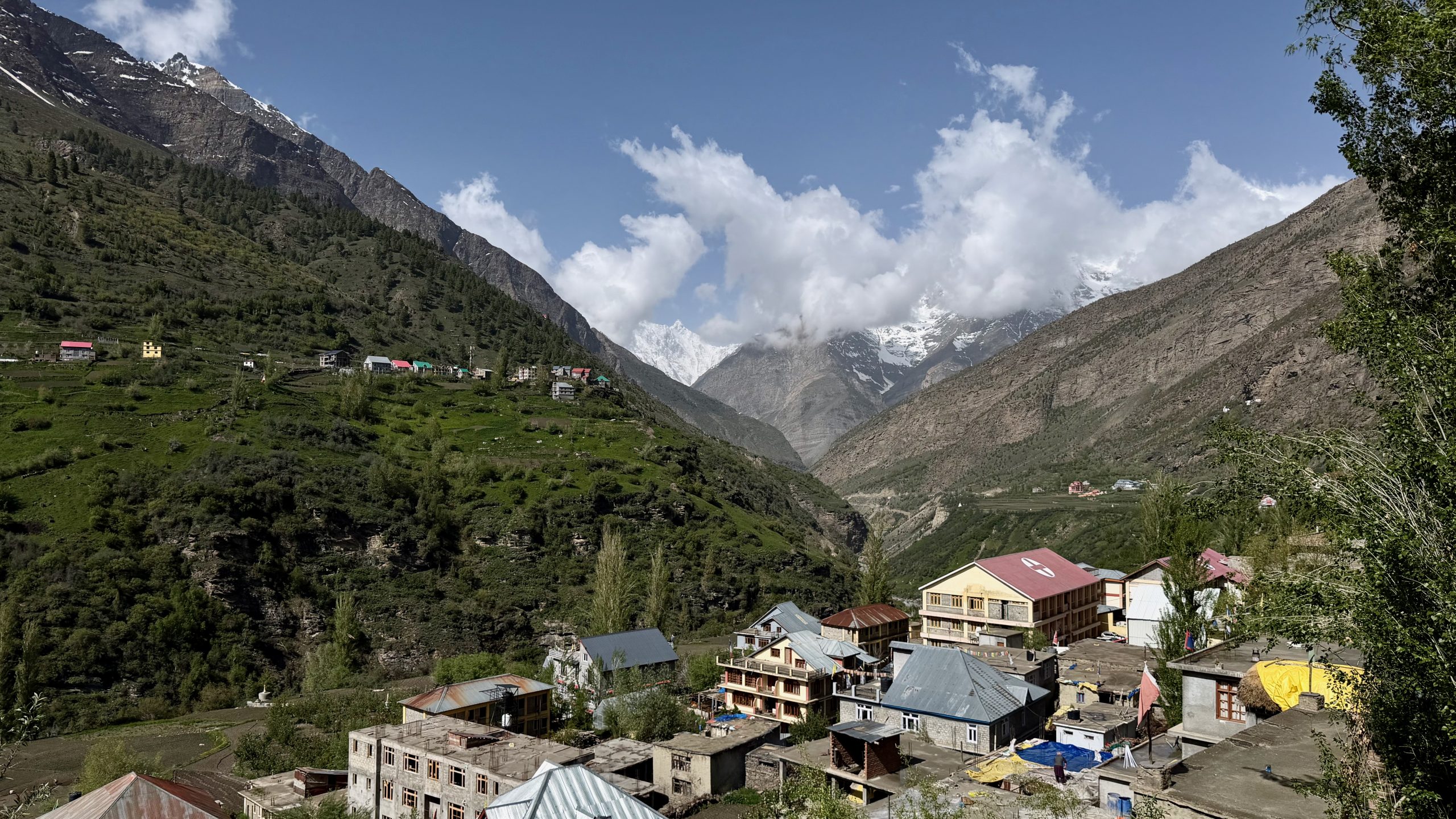
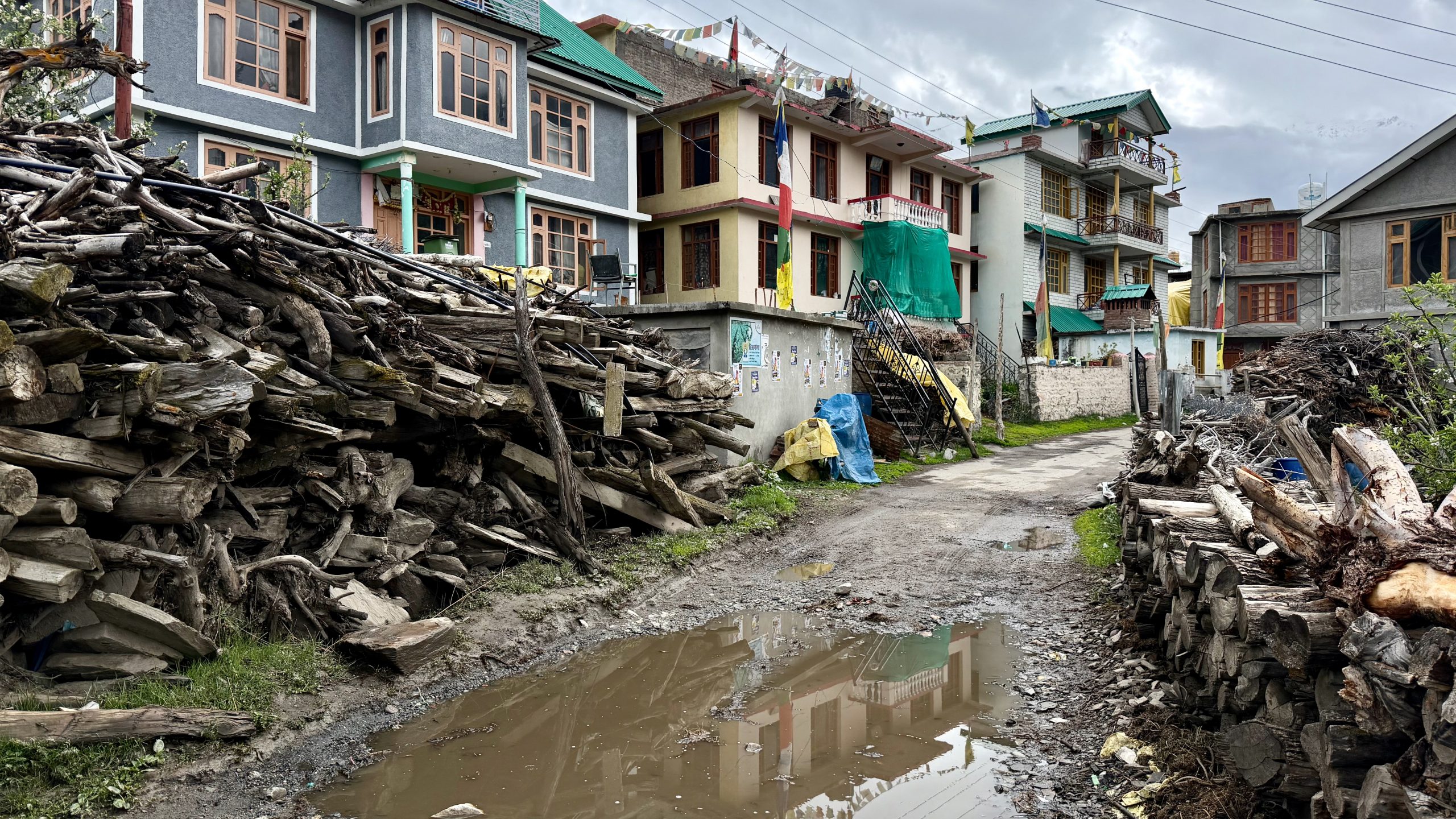
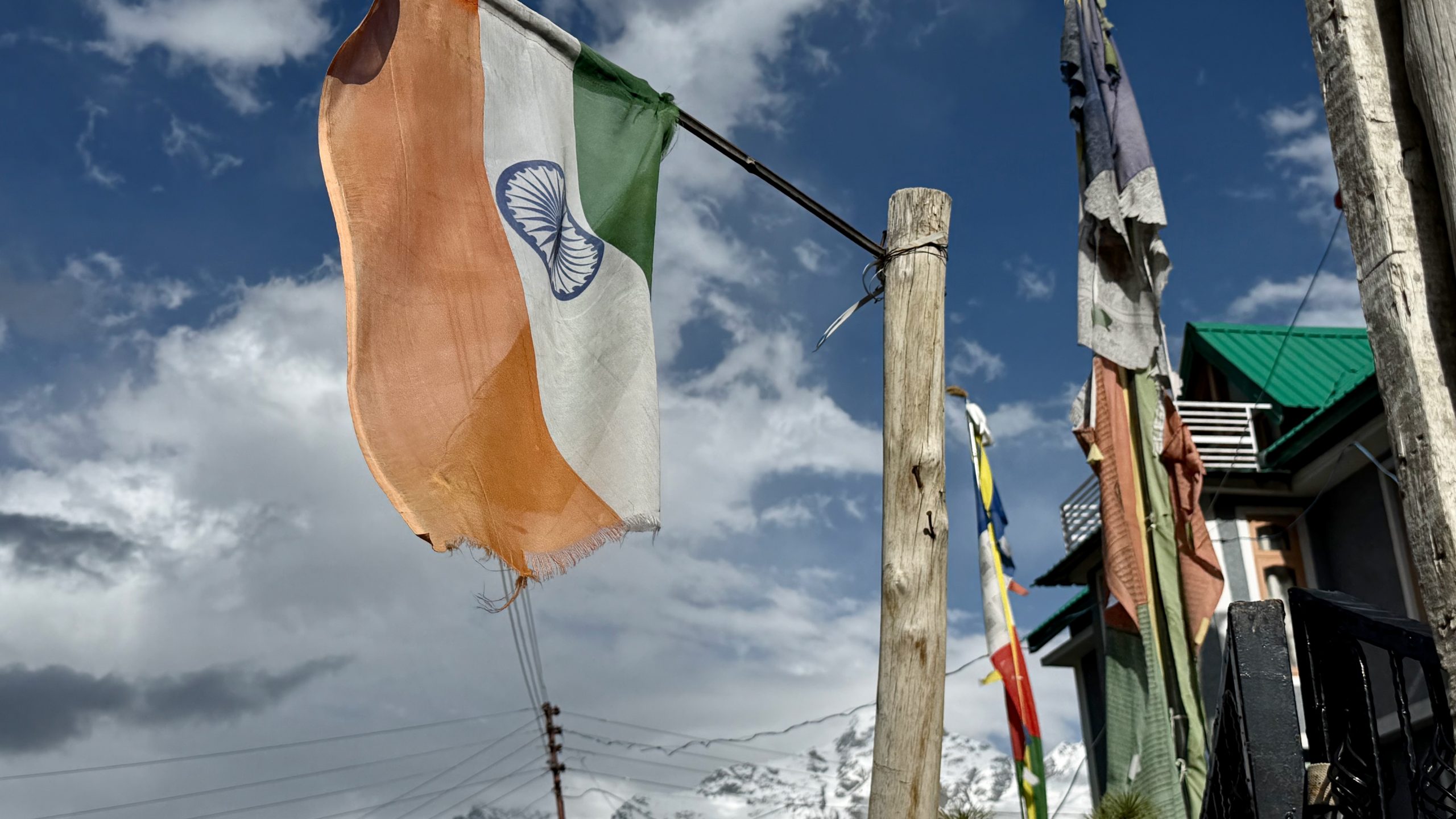
The long route to my destination followed a road that was barely used, winding high along the mountainside. Roads are usually rather dull, but I would still absolutely recommend this walk because it gives you a real feeling for the region. There are isolated farmsteads or little clusters of them, with fairly large houses. You see people working in the fields, and others simply wandering around with no apparent hurry. It all felt very quiet and spacious.
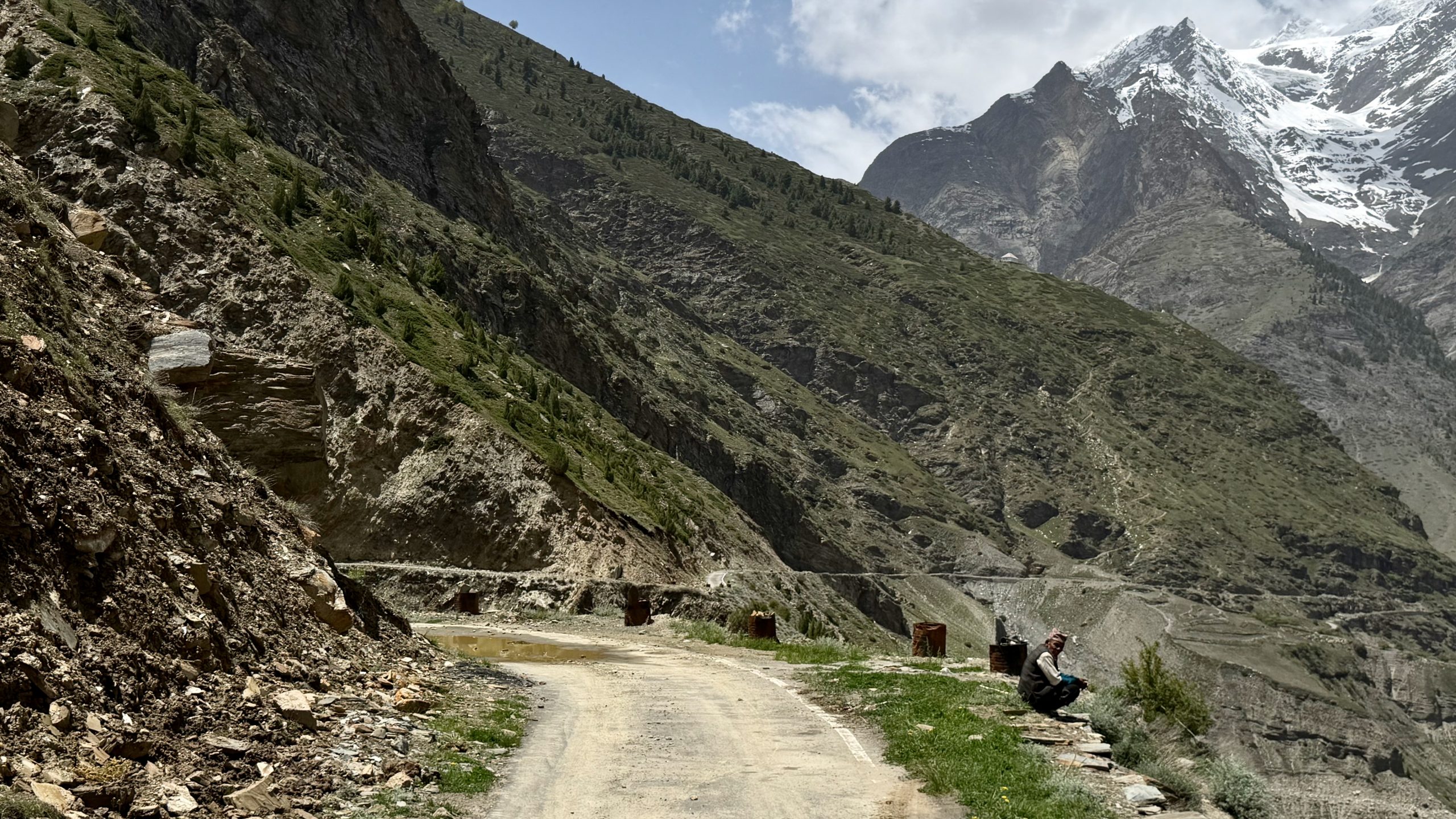
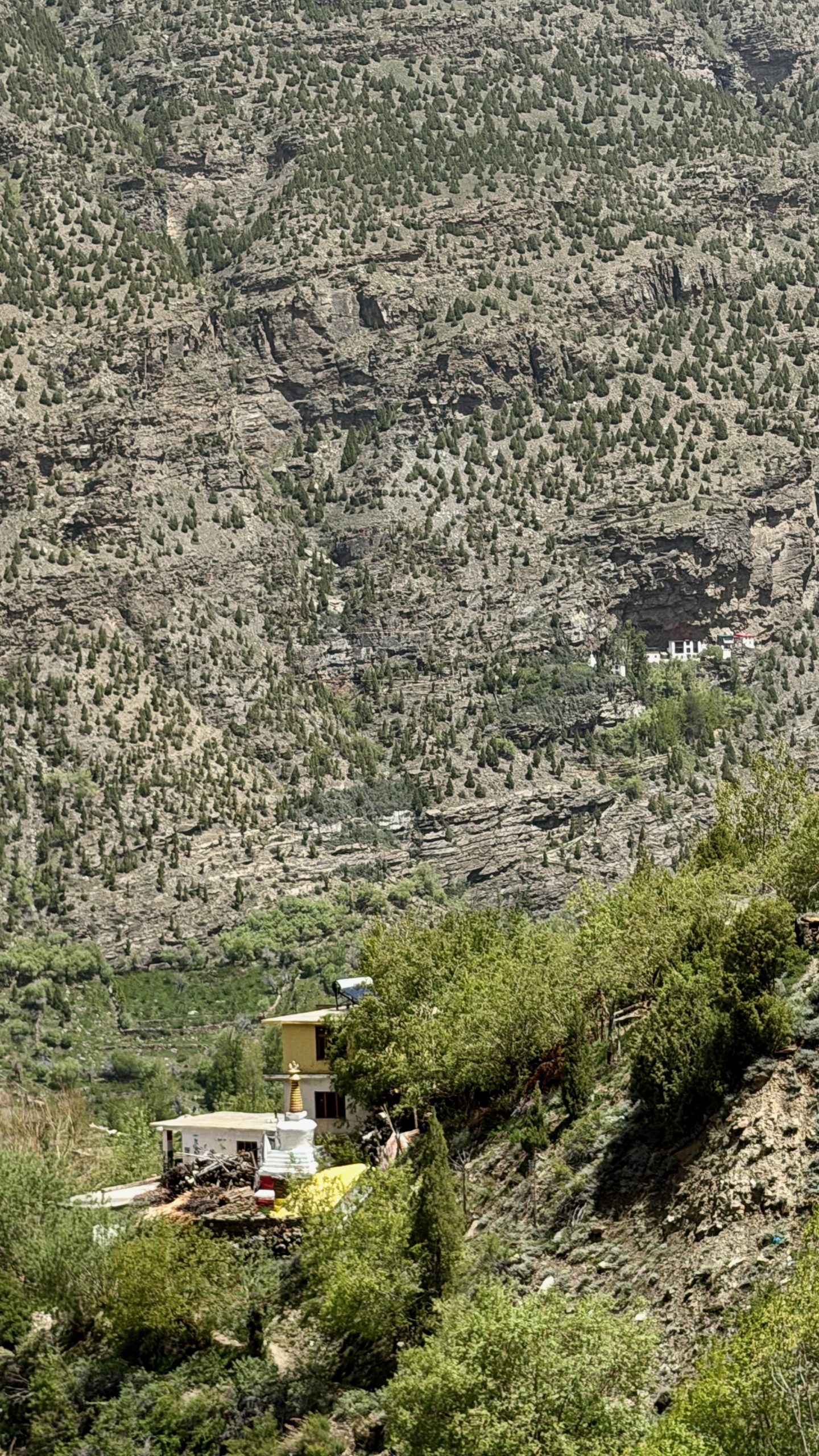
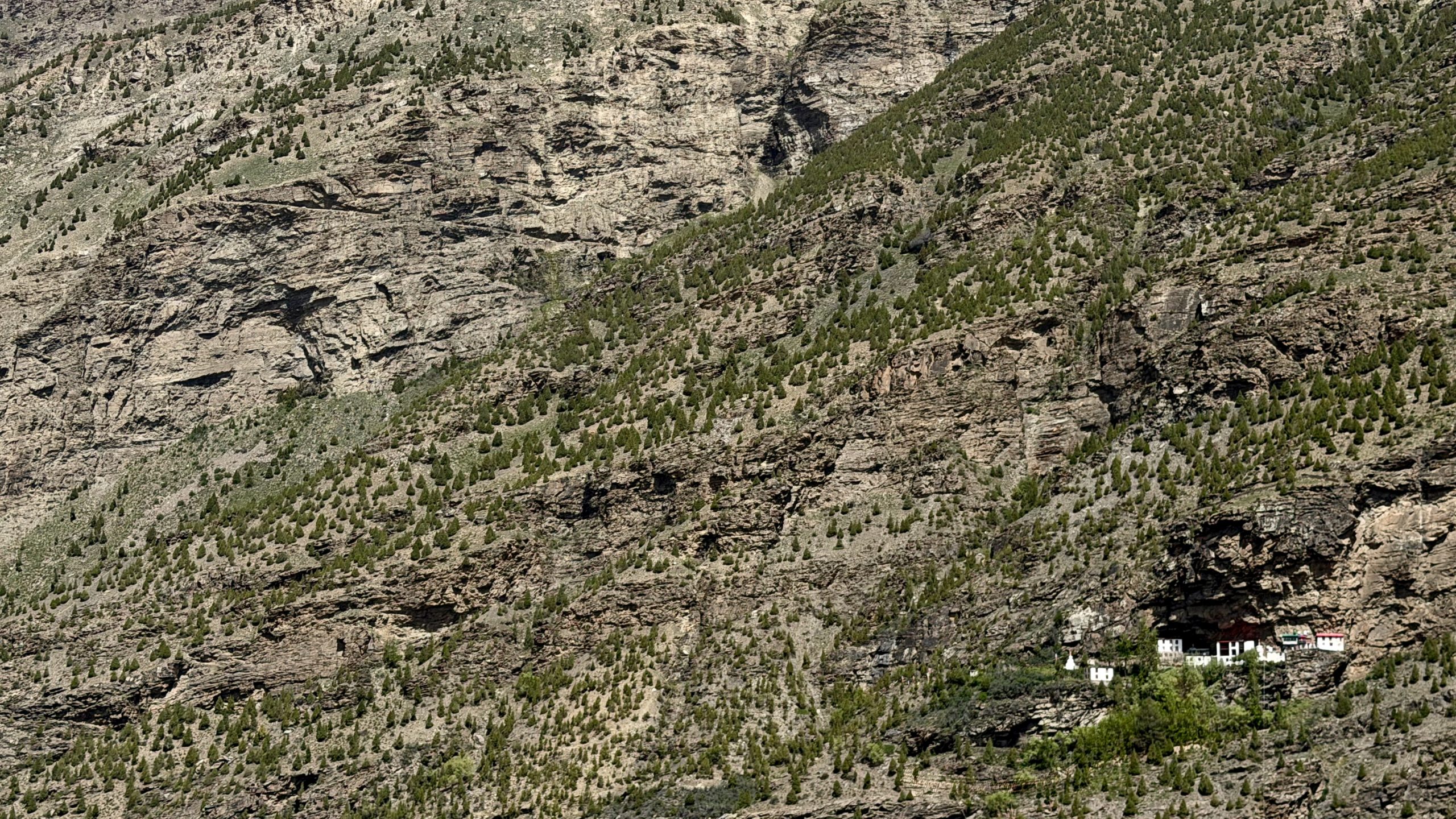
On the opposite mountainside, high above the road, there is a spectacularly located monastic hermitage. I visited it a few years ago and found it absolutely worthwhile to hike up there. This time I didn’t notice how many people are making the climb these days. I hope it’s still only relatively few.
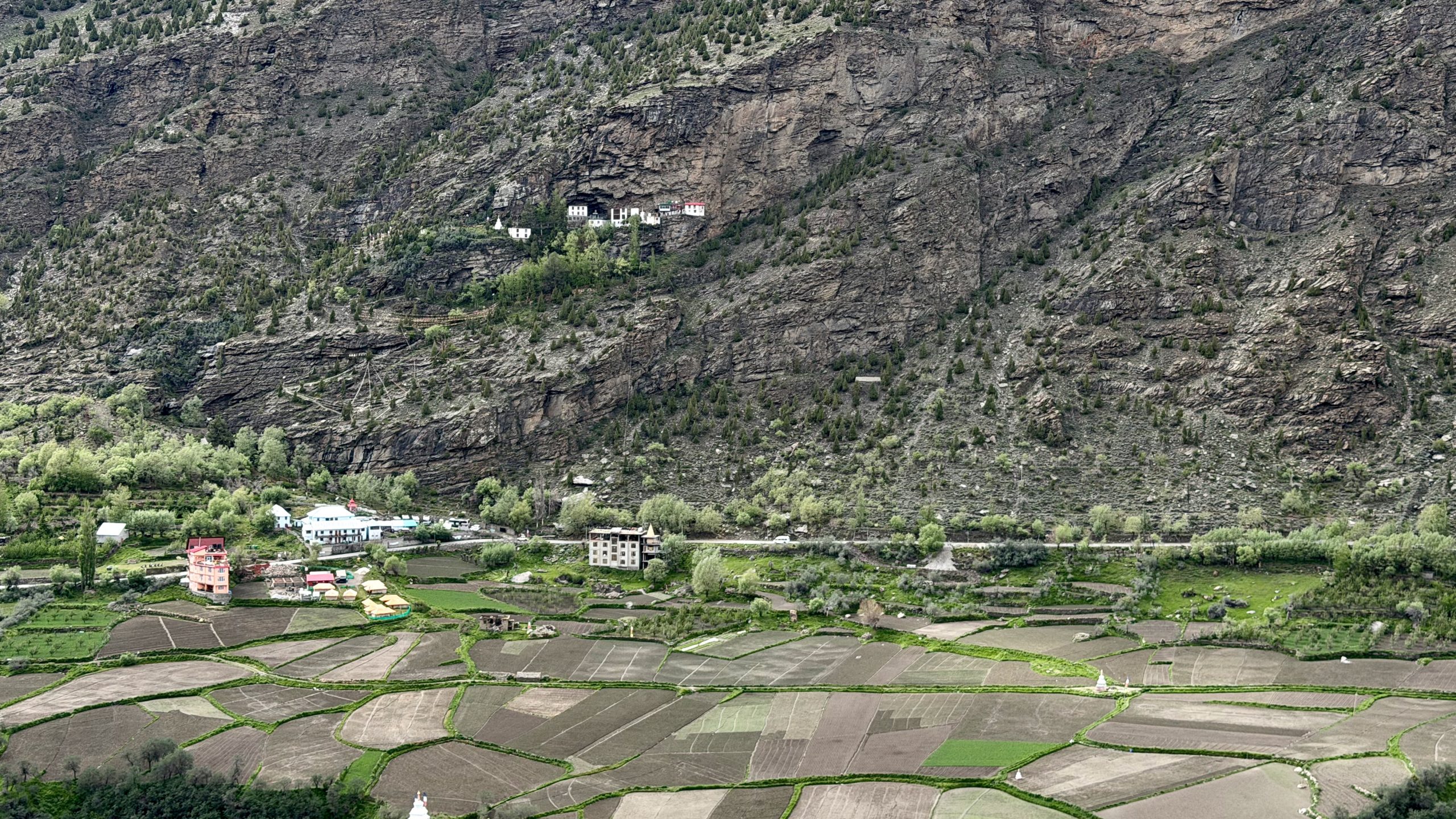
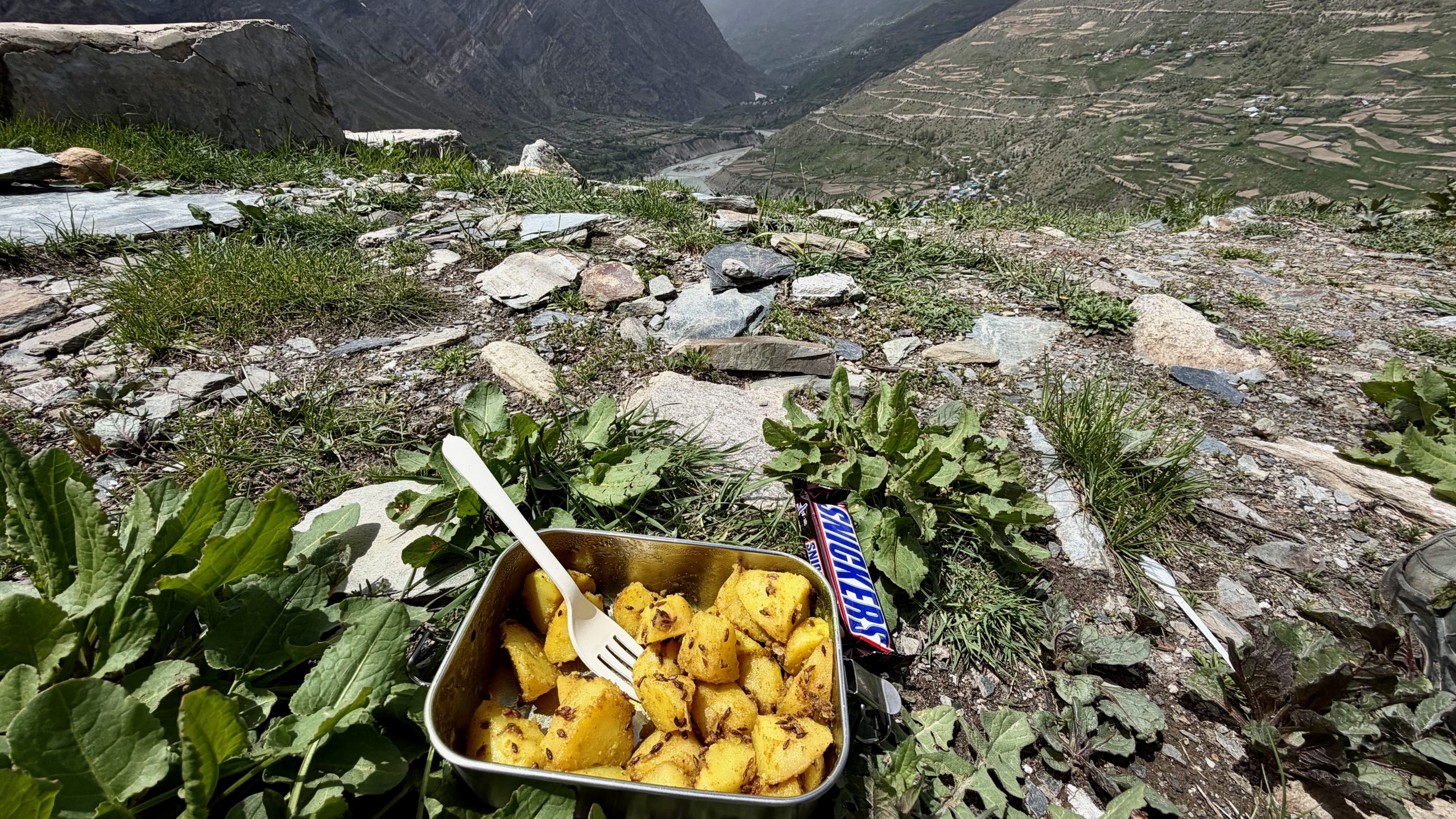
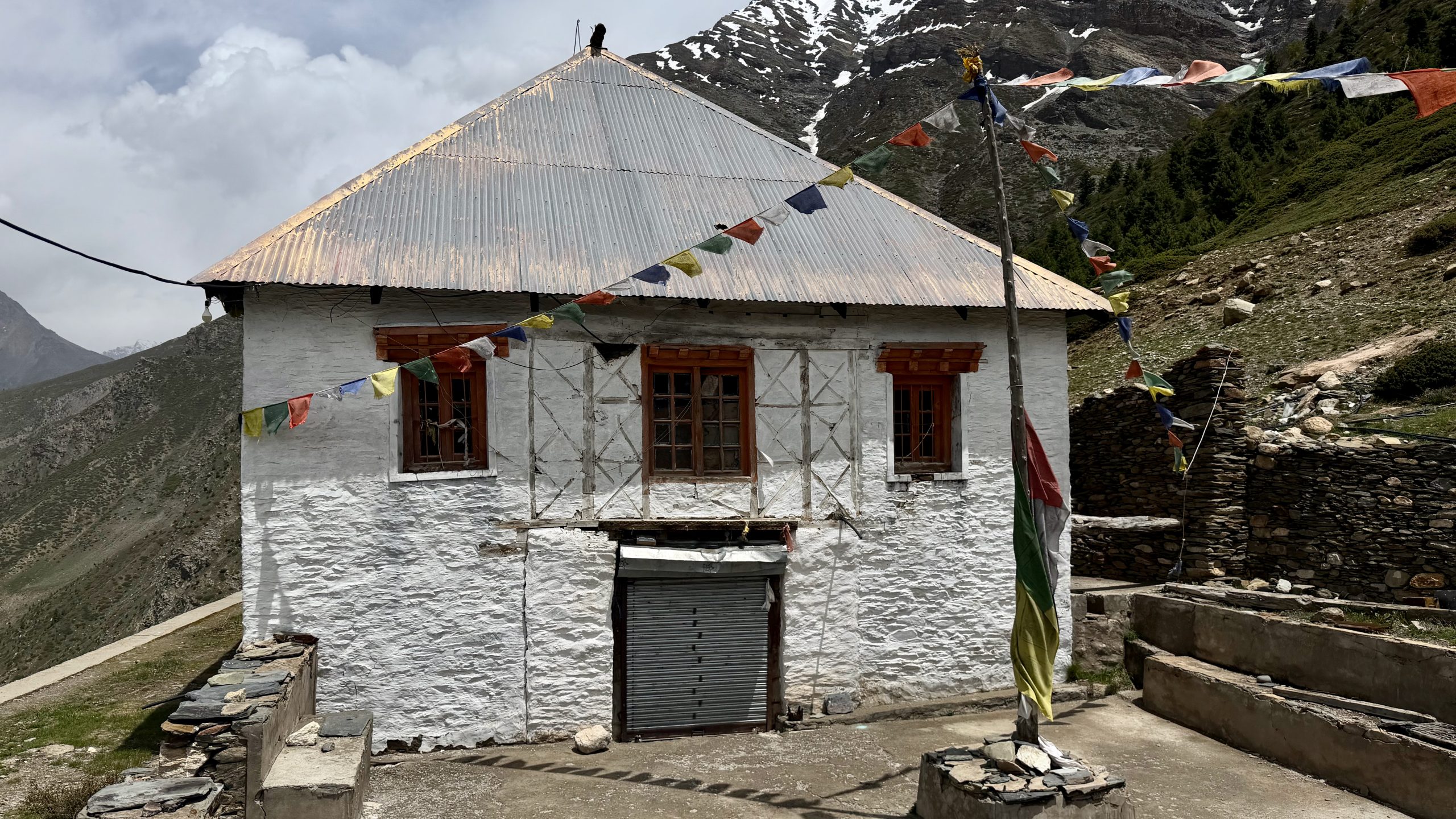
My destination was another kind of monastery that requires quite a climb to reach. On Mapy, it is marked as Guru Ghantal — but when you look into it more closely, that name probably refers to a monastery farther down below, which I didn’t visit. The building high up on the slope was definitely a monastery structure, but it was locked and I couldn’t find the key. I later found something online showing people inside, so apparently it is sometimes open. That was a little disappointing, but the place itself was still so beautiful that I stayed there for quite a while, ate lunch, and simply looked out over the landscape. This time I even photographed my aloo jeera, with delicious potatoes from the hotel garden. And when you climb up there, the monastery almost looks like a little alpine hut — just without the elderflower spritzer….
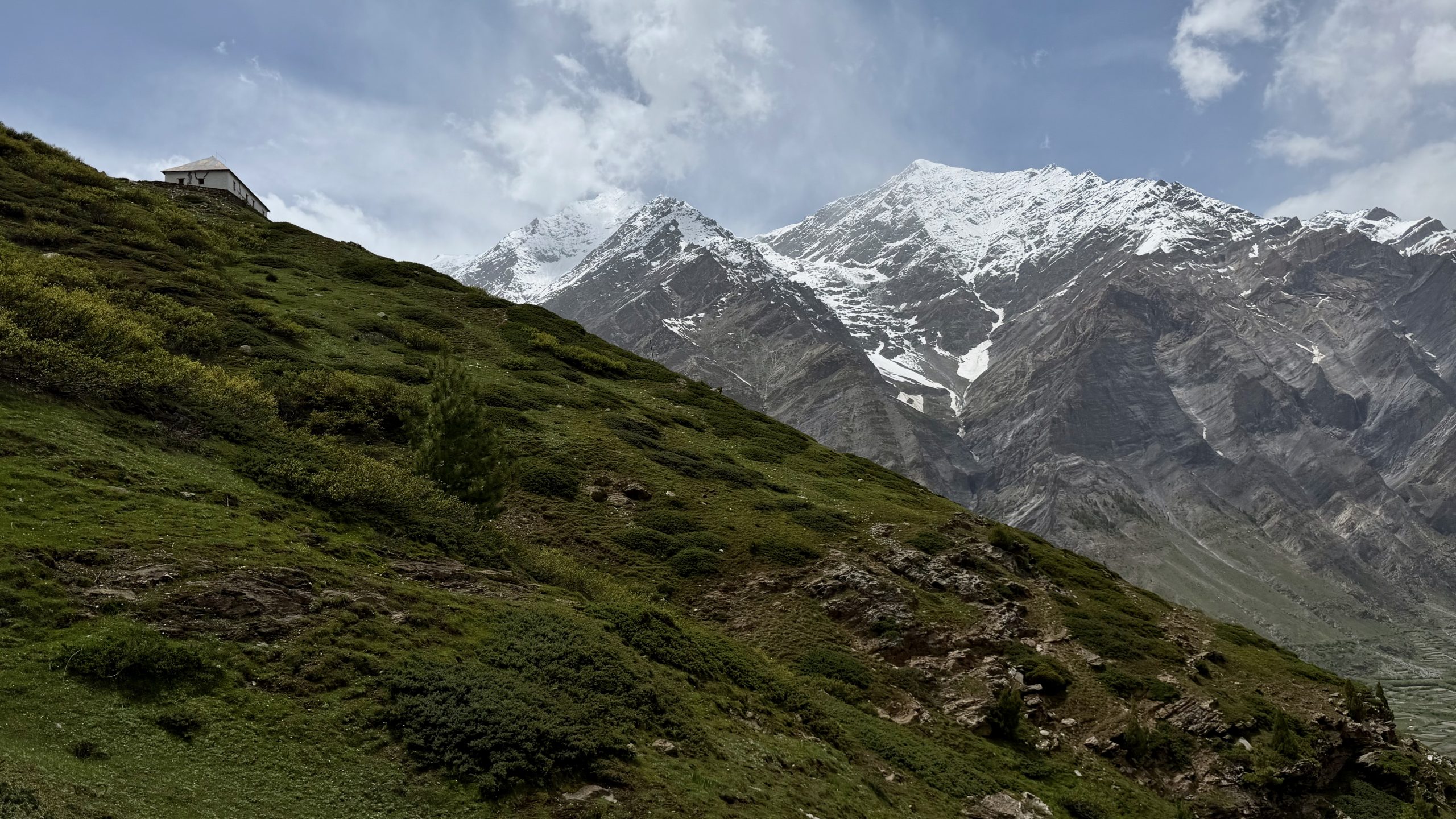
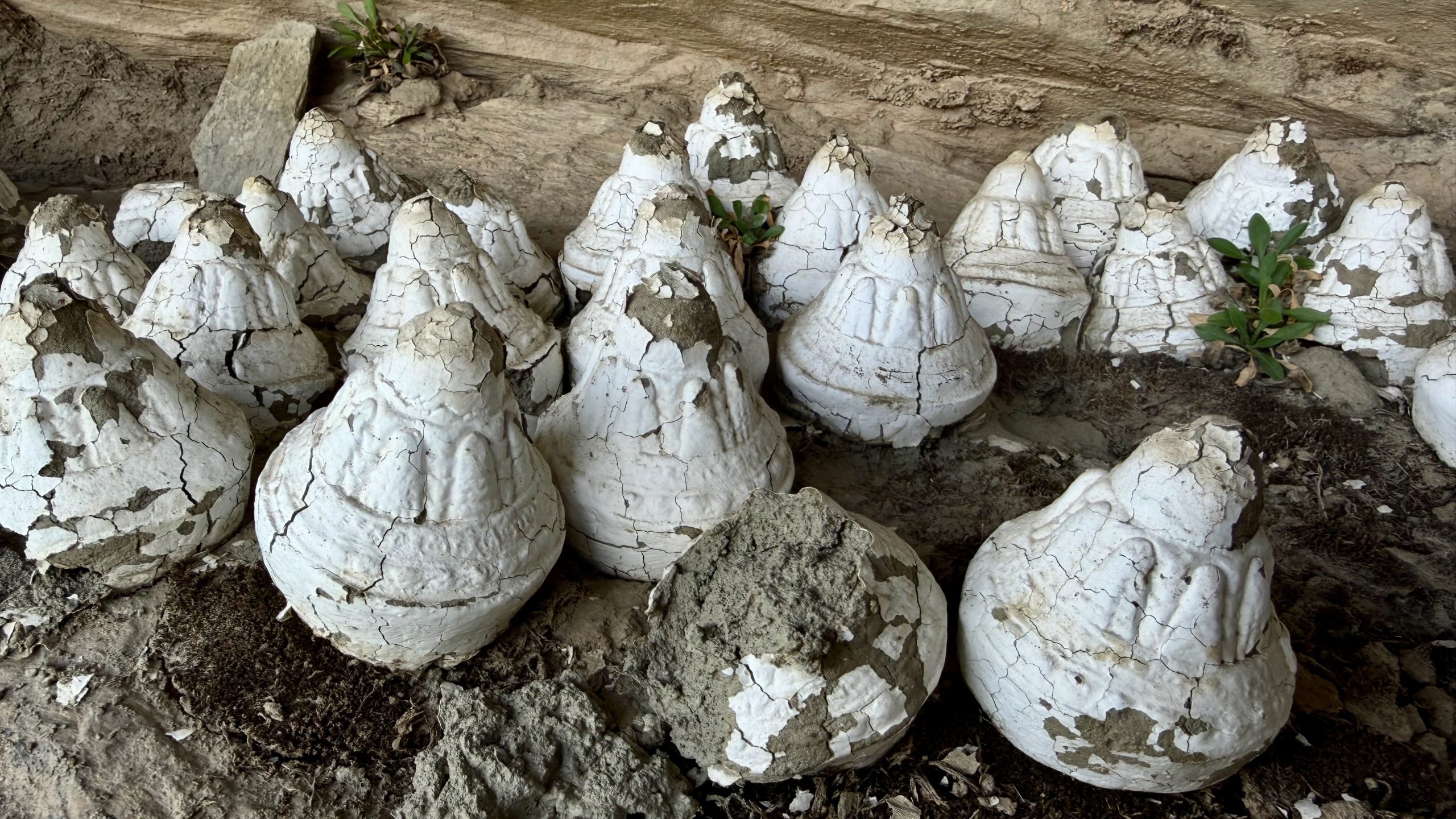
From the outside, the building didn’t look all that monastic. But there were enough prayer flags, chortens, and tsatsas around to make it clear that this was still a special place.
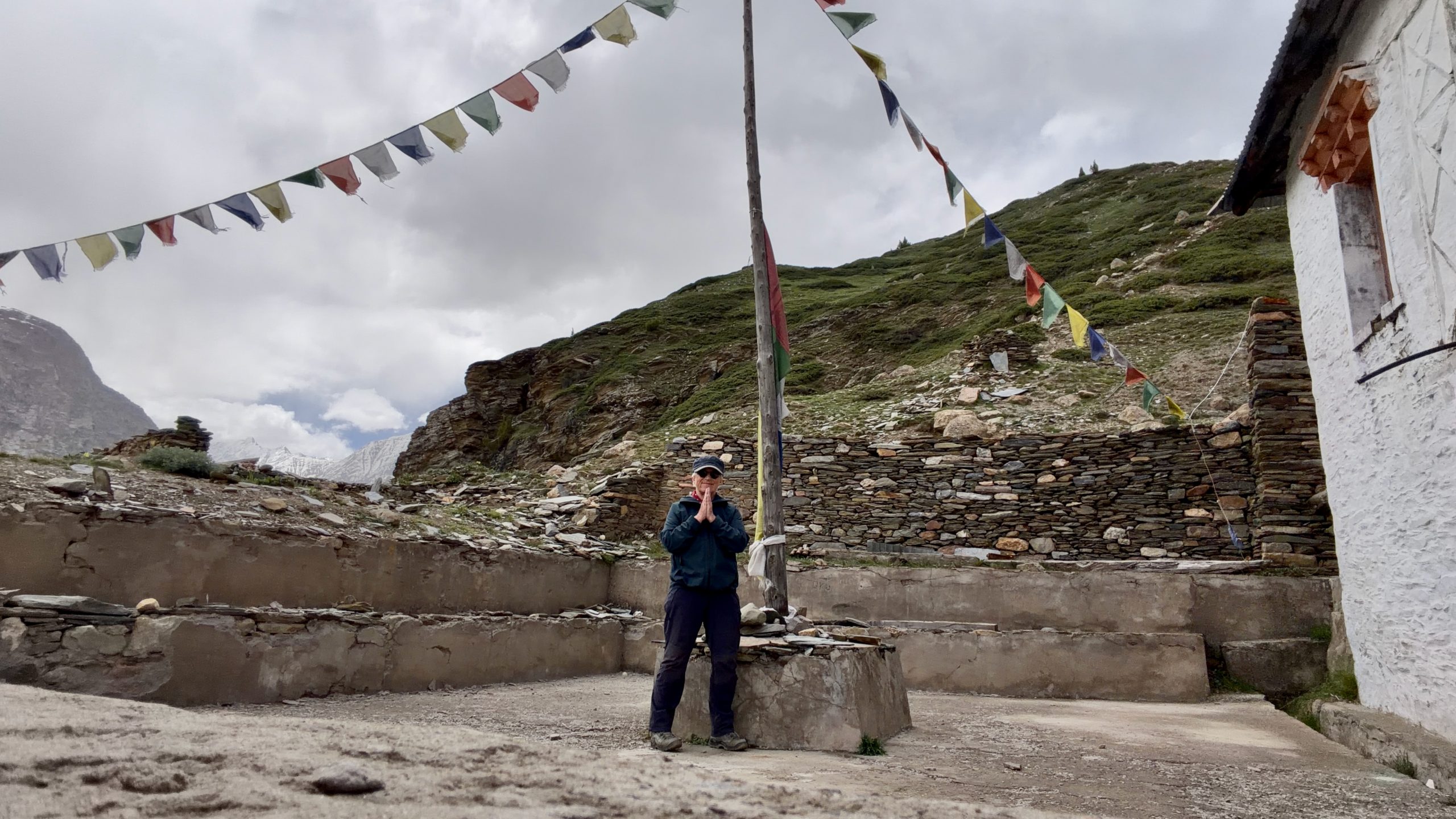
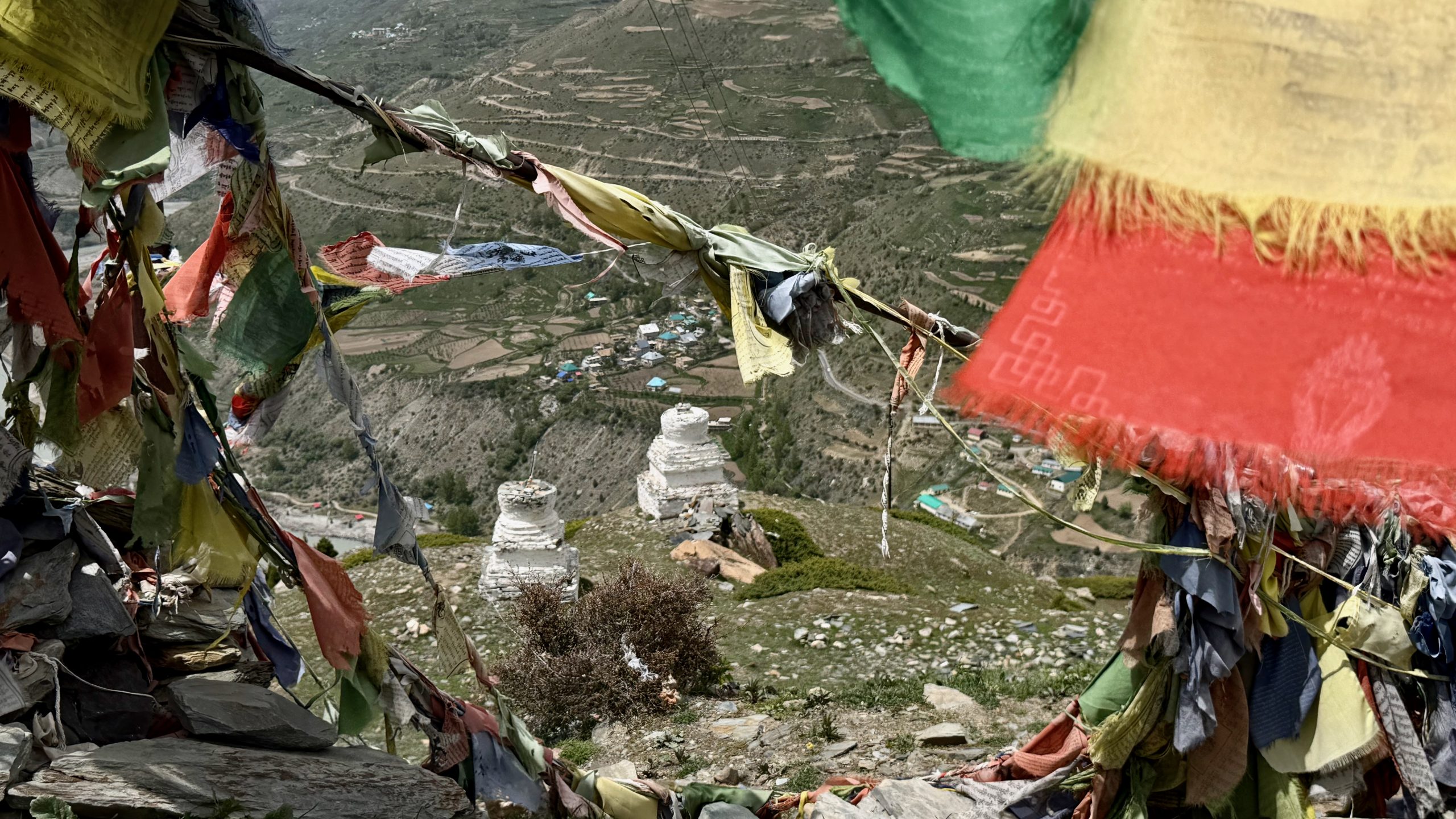
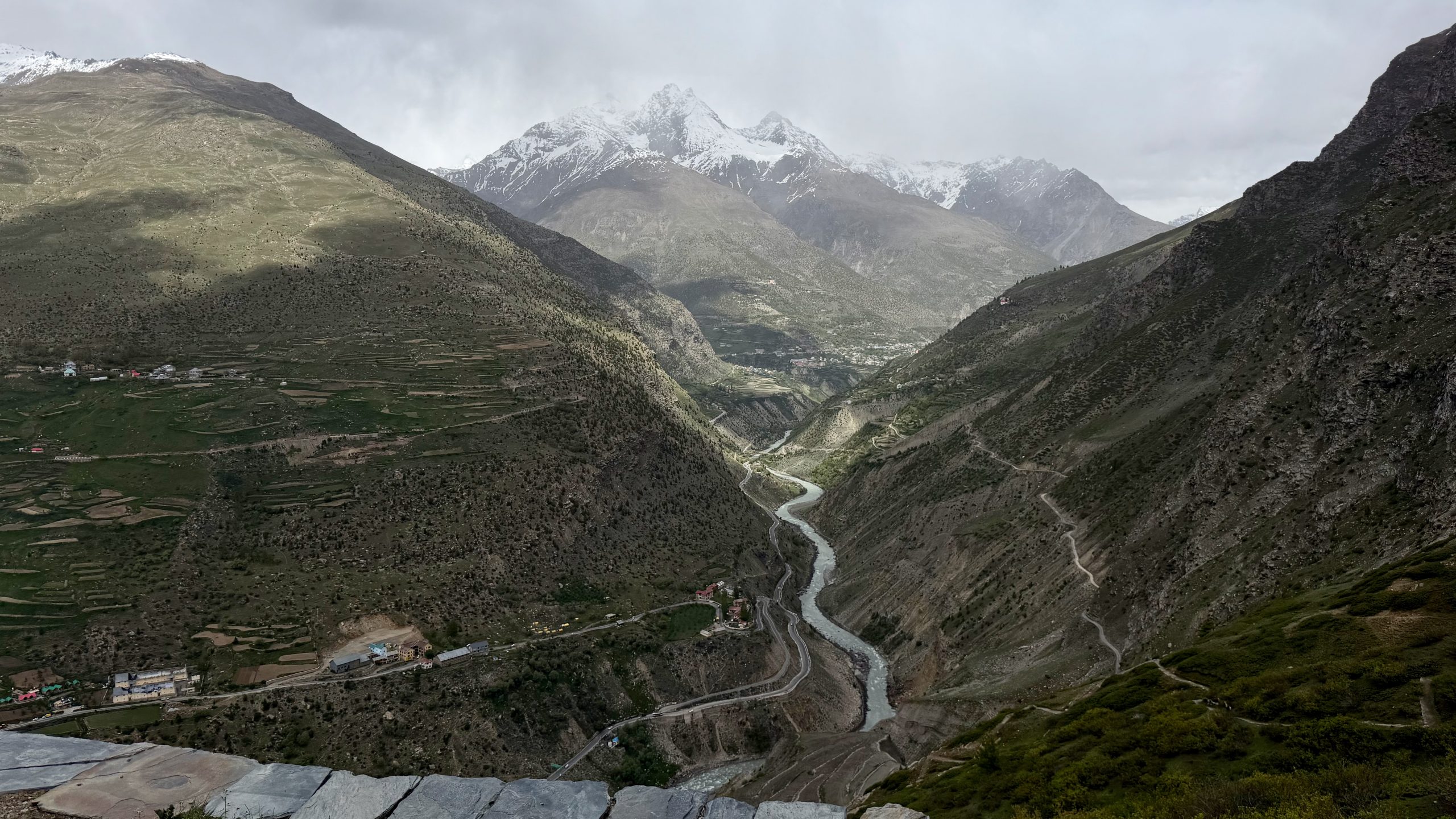
The views were truly magnificent. And yet the landscape somehow confuses me a little. It feels so patchy somehow. And unfortunately, the weather is often not especially clear either. The mountains are high, snow-covered, and absolutely grand — but the photos of them rarely feel that way. It’s the kind of place you really have to experience yourself instead of just looking at spectacular pictures afterwards. A different kind of Himalayan mountain world. I still remember how dry I found this region when I first came here. But after getting to know Ladakh, I’m now surprised every time I pass through here by how green it actually is. When I first visited in 1992, I was completely overwhelmed by the mountains here. By now, though, I suppose some sort of mountain habituation has set in. And Buddhism no longer feels entirely new to me either.
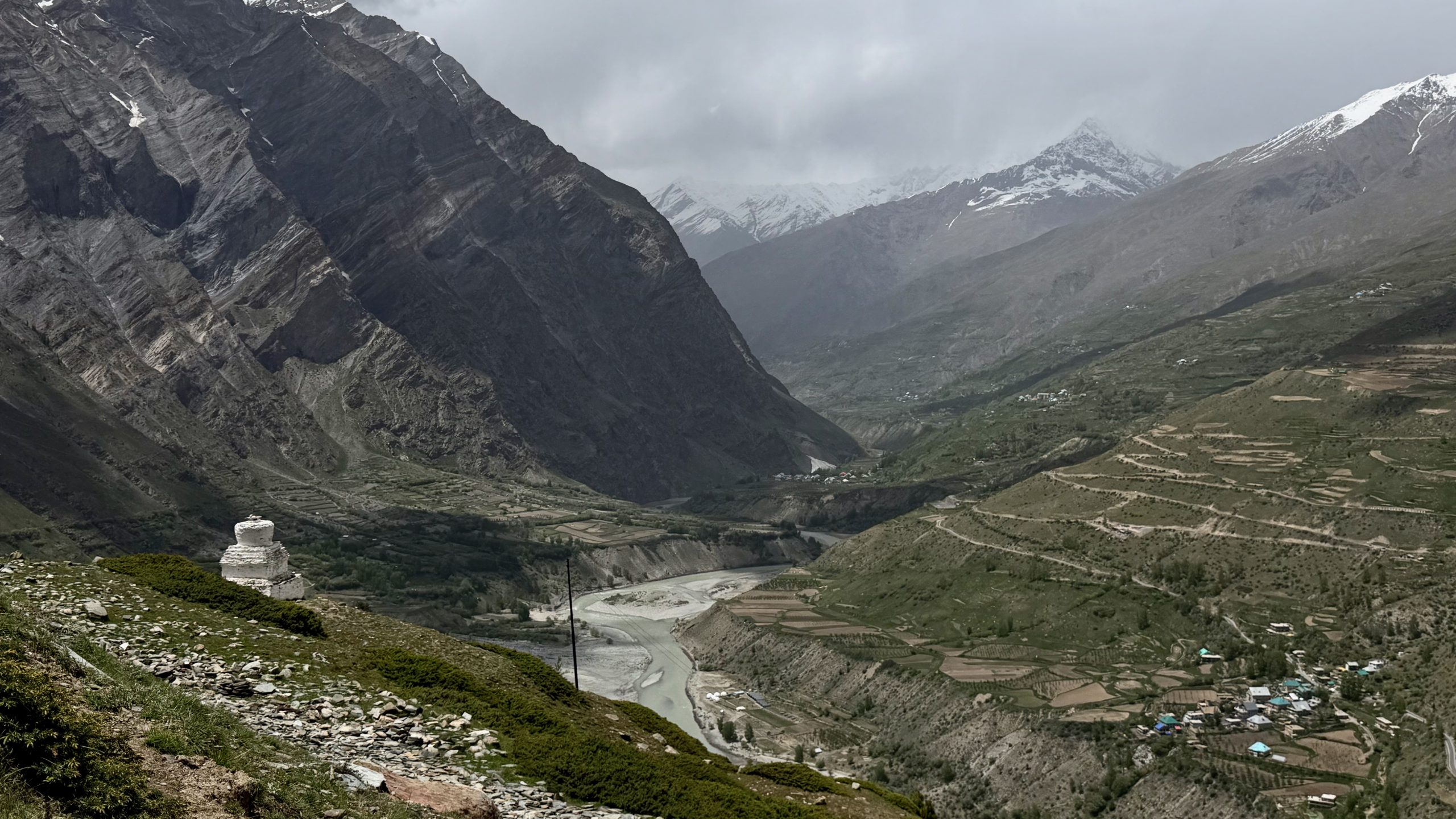
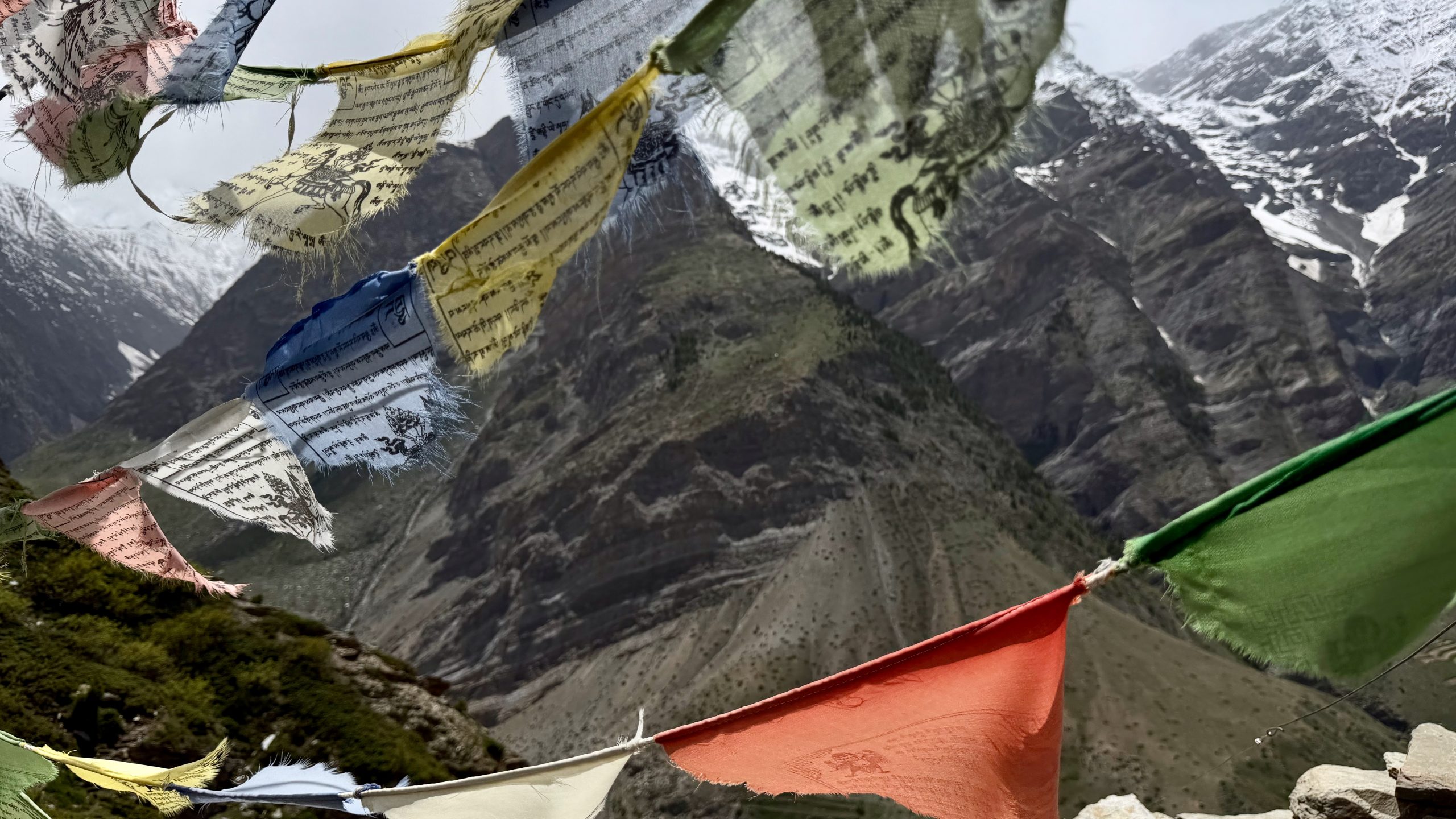
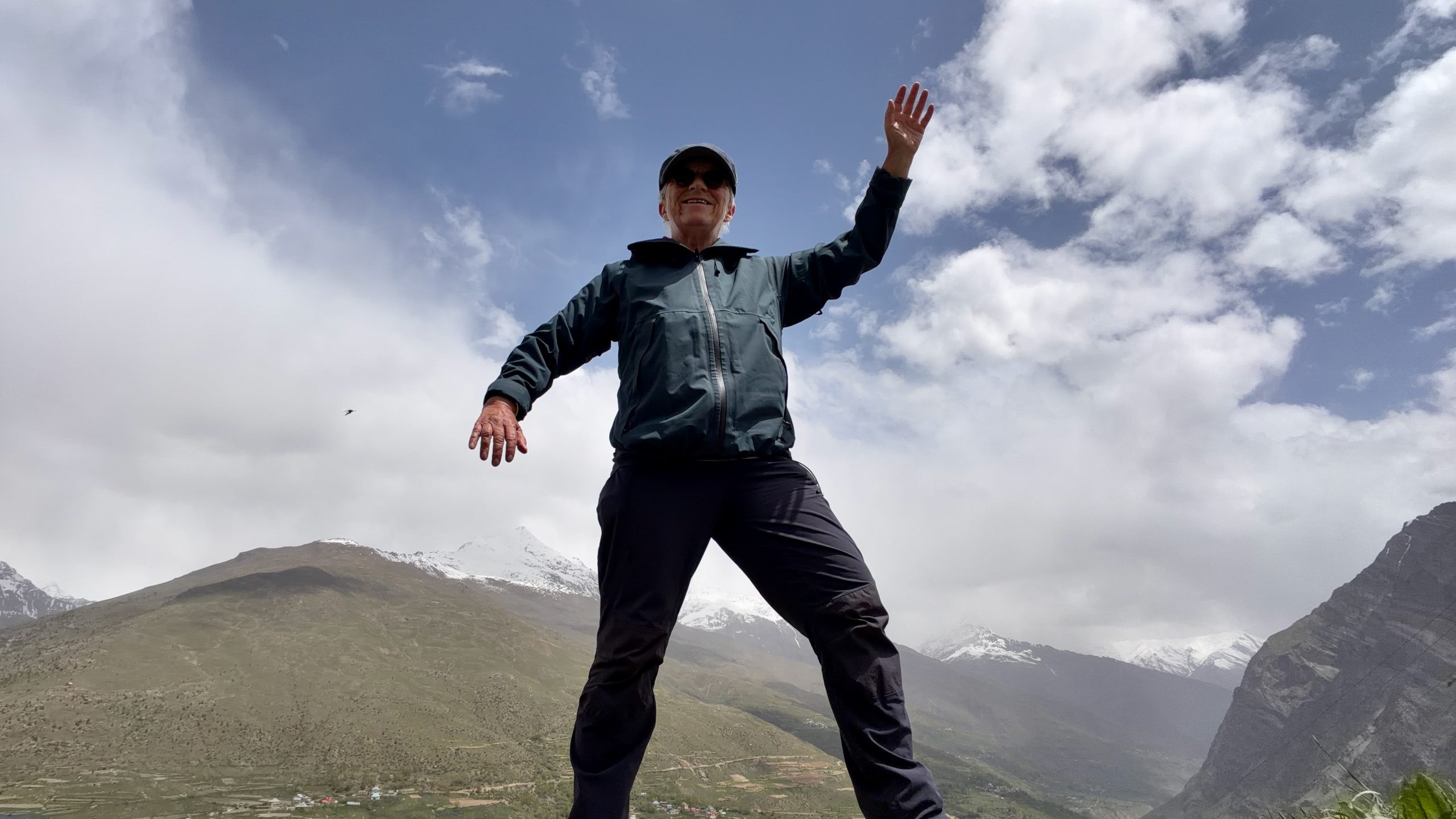
Then I finally tore myself away and climbed back down. The plan: cover the 10 kilometres back along the road either by bus or by hitchhiking. By then it had become unpleasantly windy. I stood near an uphill stretch just beyond a petrol station and spent quite a while watching the traffic — because no bus came, and nobody stopped either. Only about twenty percent of the vehicles had local Himachal Pradesh plates. The rest were from Rajasthan, Punjab, Delhi, Haryana, Uttar Pradesh, Gujarat, and elsewhere. And they were driving around in wonderfully chaotic Indian fashion: crossing over to the petrol station whenever they felt like it instead of waiting for a clear lane, bunching together in every possible direction, stopping in the middle of the road, reversing unexpectedly, and generally doing whatever happened to occur to them. Out of shiny SUVs jumped either wealthy-looking or very fashionable people who didn’t exactly seem like mountain folk. They bought snacks or simply wandered around aimlessly. It was honestly a little funny to watch. But also frustrating, because nobody stopped for me, even when they clearly had plenty of room. Just before I became properly annoyed and started thinking about a Plan B, a fancy car finally pulled over. A taxi. But the driver was incredibly kind and only wanted 100 rupees (about one euro). He even drove me almost all the way to the hotel. I gave him a little extra.
My conclusion: I think Keylong is absolutely worth staying in for several days. There are more monasteries nearby, and you can continue wandering farther up and down into the mountains. For acclimatisation before heading to Ladakh, Zanskar, or Spiti Valley, it’s really an excellent place. And apart from the car tourists, people here are genuinely friendly and greet you while walking around. Interestingly, I didn’t see a single Western face — except for a Dutch motorcycle tour group that stayed the last night in my accommodation.
And the next blog post will come from Zanskar!