


Delhi – Apollo, Walking Wallet and Diagnosis
27. – 29. July 2026
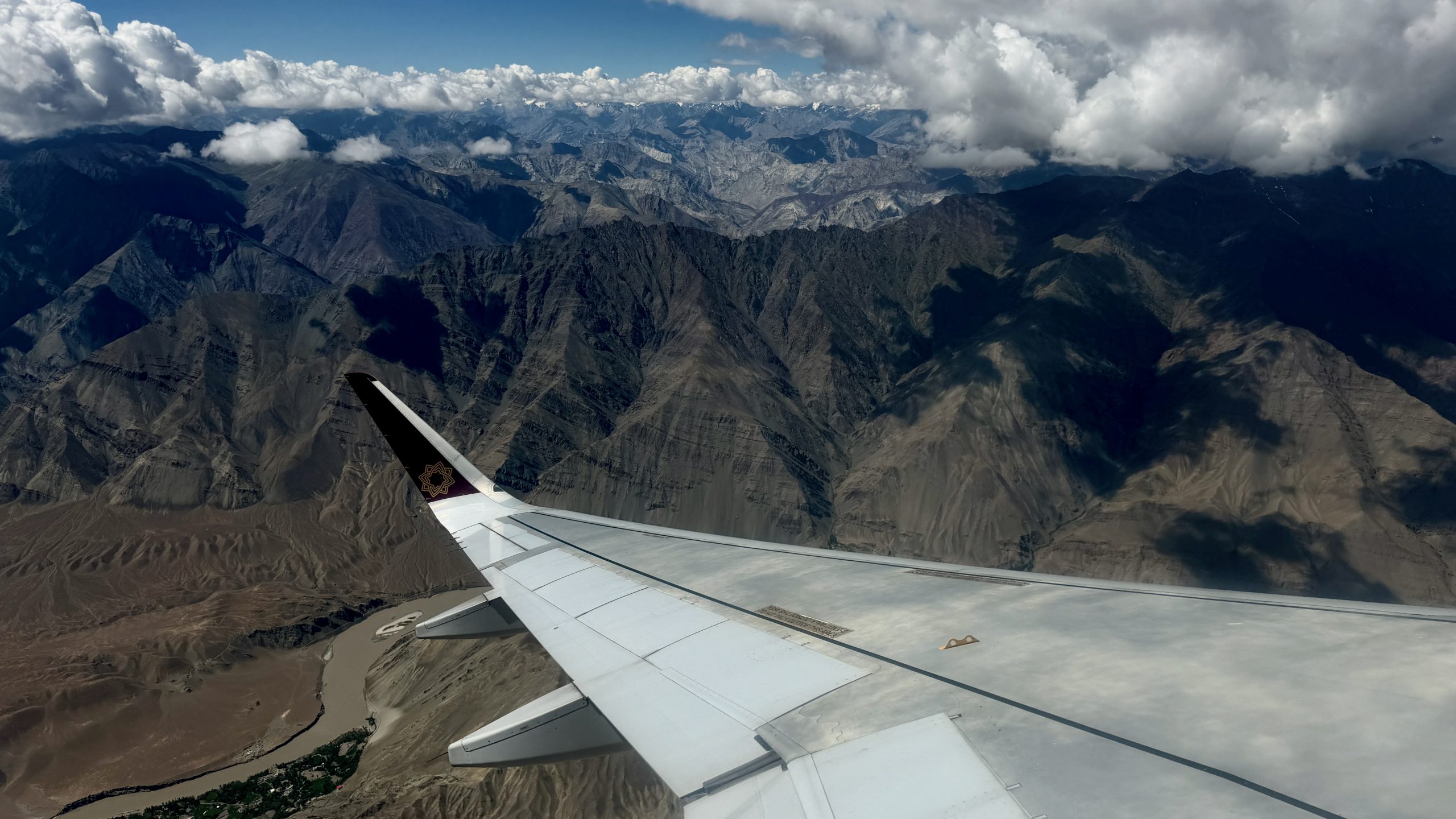
My time in Delhi really took it out of me. It started with everything going great with the plane. However, there was an announcement regarding expected turbulence. The sky didn’t look clear and rosy or blue, either. And inside me, my fear of flying broke through full force again, and I asked myself why on earth I was sitting in a plane yet again and whether this would be the last time because we were now going to be the first flight between Delhi and Leh to crash—and if not, that this feeling of anxiety is just so exhausting that it’s simply not worth putting myself through it over and over again.
And then nothing at all happened! No drops, no major shakes, everything was fine! But I’m always the most scared on this route anyway, because things have already happened twice before:
- Once, a plane in Leh initiated a full takeoff—and slammed hard on the brakes again. Something was wrong with the tech. On the one hand, it’s really great and reassuring that they noticed it before lifting off and reacted well, but on the other hand, it definitely sends a jolt of terror through your body.
- Another time, a plane dropped into severe air pockets a few times, and quite close to the mountain peaks at that. Quite a lot of people screamed back then, and we really thought our final minute had come. That feeling is not nice.
In Delhi, it was hot and humid and the streets were packed, and the Uber app didn’t really want to accept my destination, but they have a help button and a woman there gave me great instructions, and the taxi ended up being a bit cheaper than I thought. The driver was a good driver too—only shortly before the destination did things get confusing and he turned into small streets between unsightly industrial areas, and I marveled once again at a new aspect of Delhi I hadn’t known yet. And then it did end up requiring a few phone calls with my host after all, and the driver didn’t really want to listen to me and my tracking on Google Maps—even though the route was shown perfectly on there. In the end, though, I arrived safe and sound, and the price stayed the same as well.
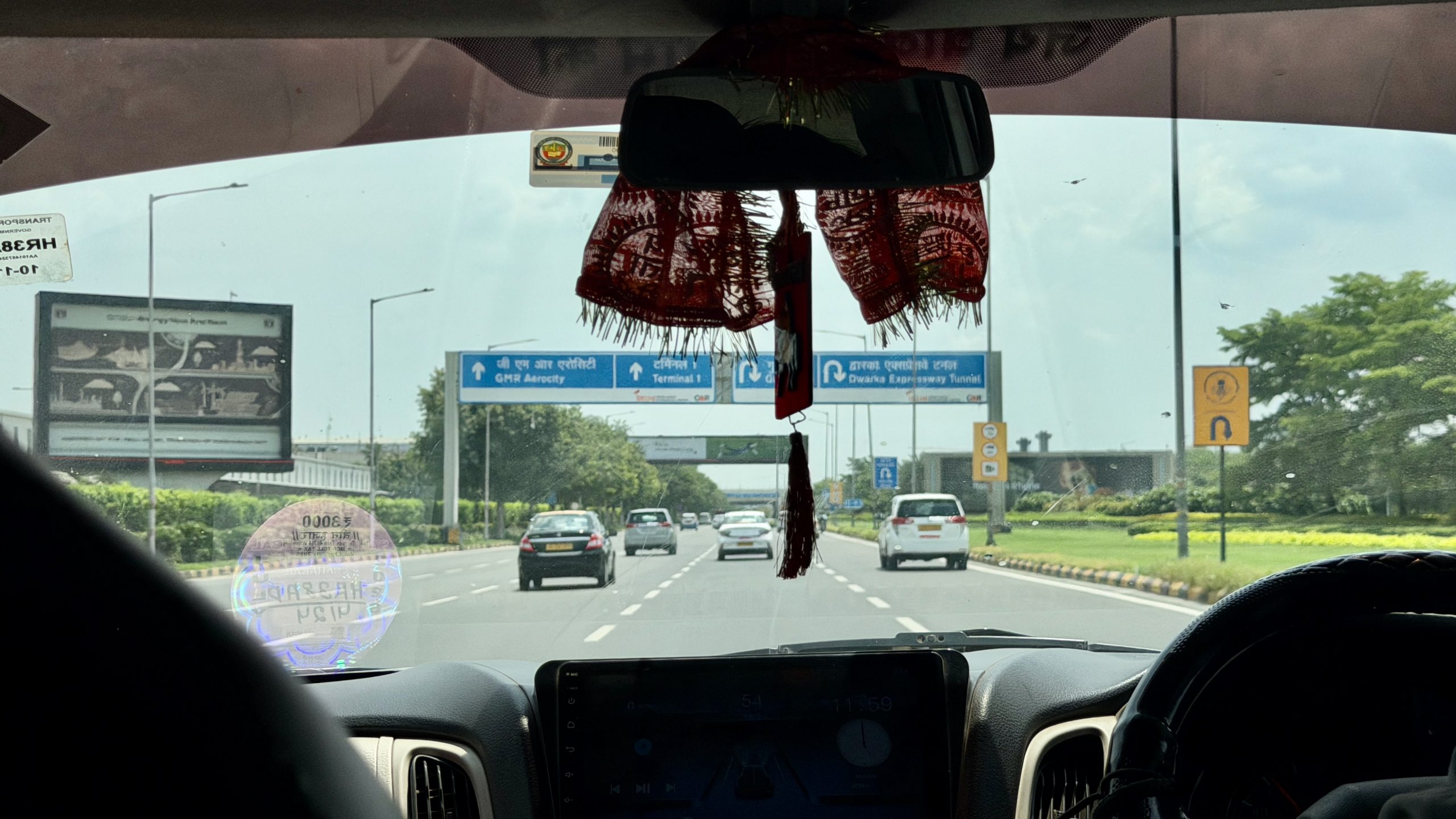
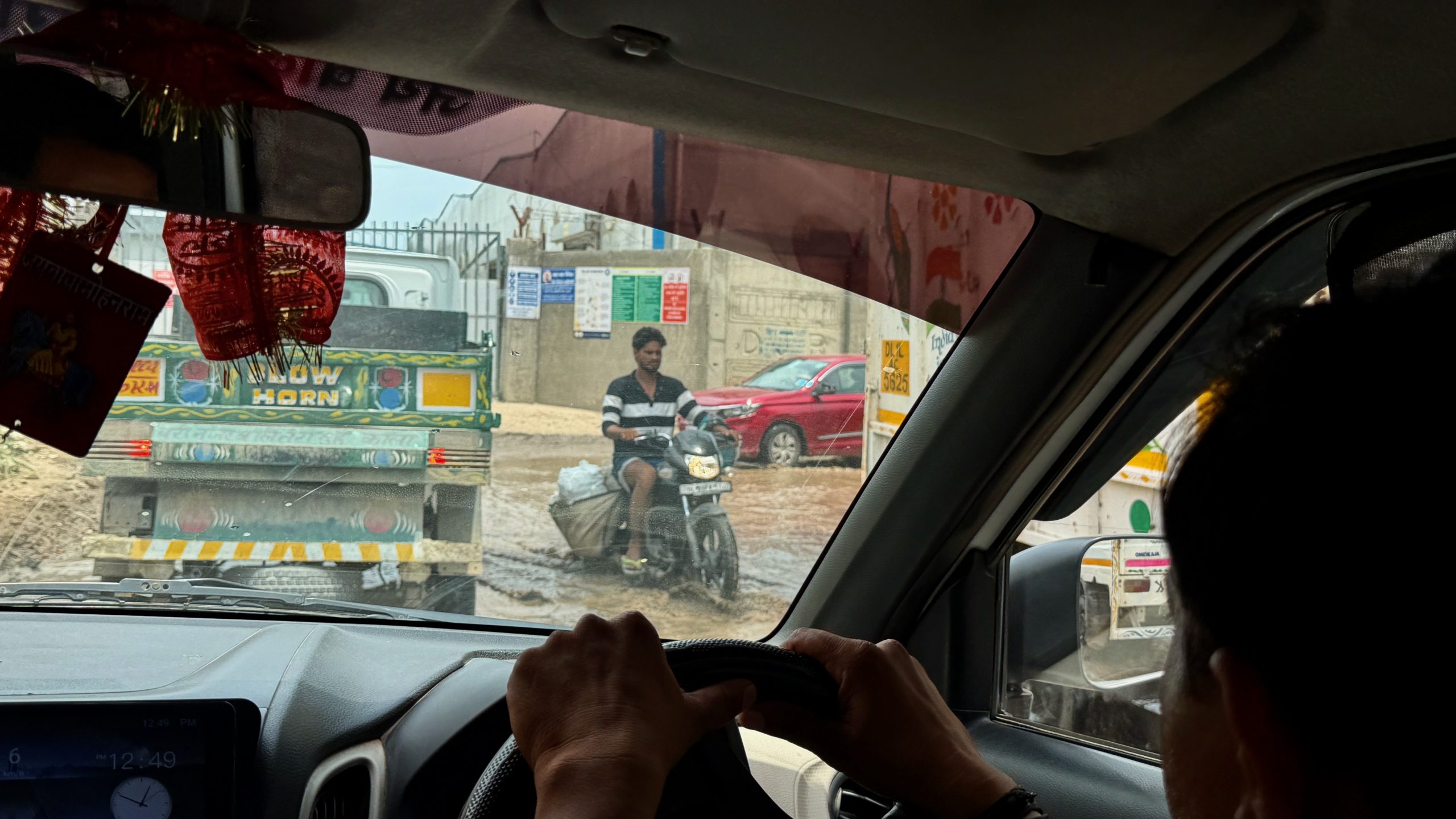
I then met my host, Abhi. He transformed his parents’ house so that he can rent out rooms there. And he himself was traveling in Europe for a longer period of time. We had a nice chat. I had an appointment at Apollo Hospital for the following day because of my nosebleeds. I had actually wanted to address the lung/bronchial issues after Nepal (time seemed too tight to me), but decided to try doing it now after all, or at least to secure an appointment. I had chosen Apollo Hospital because I had heard good things about it somewhere. The name somehow rang a bell, whereas the other clinics didn’t. And I didn’t ask or research anything more about it beyond that. But I should have.
So I walked to the hospital on foot and was sweating quite a bit in the process. Overall, I took far too few photos.
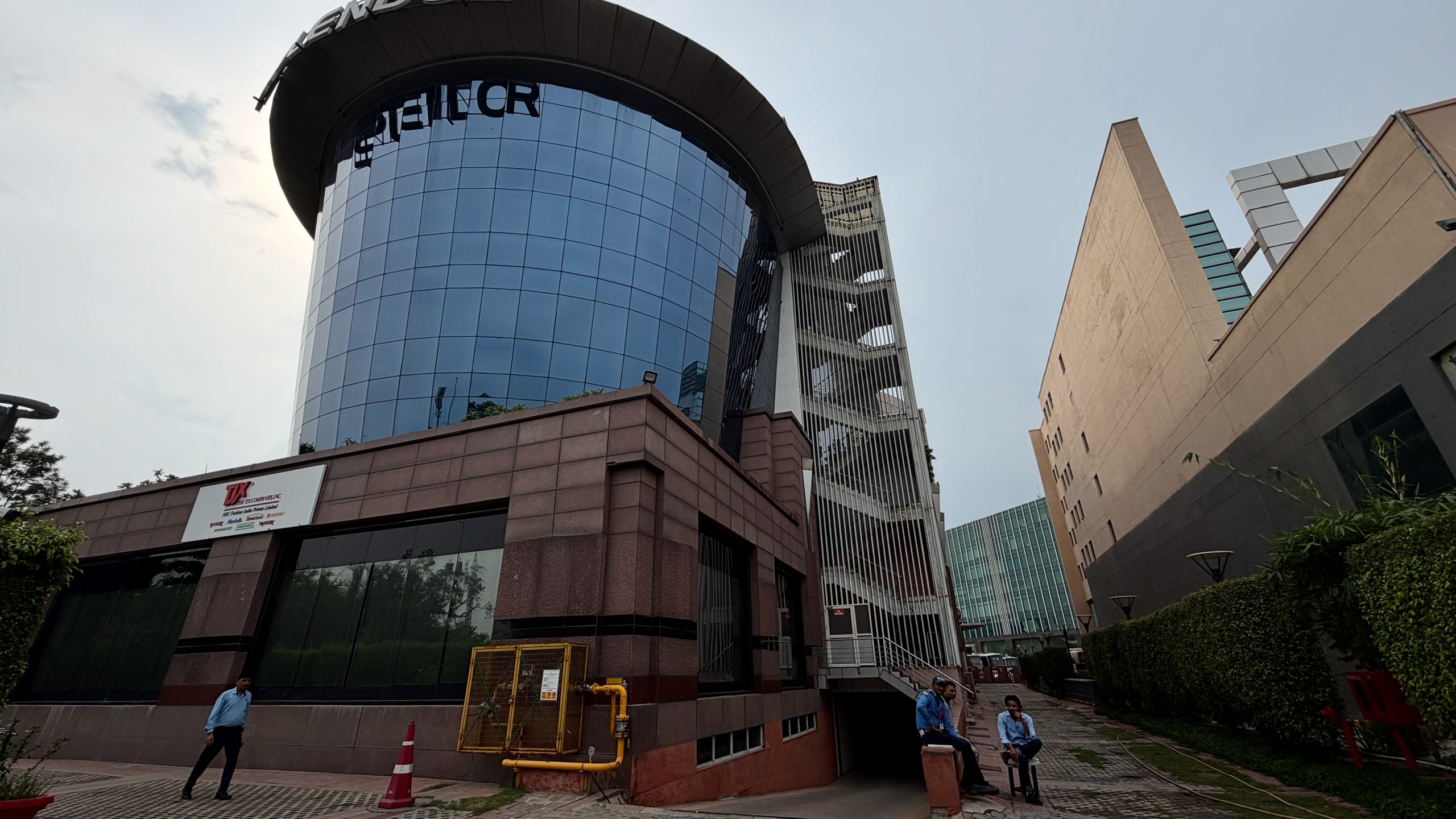
At the hospital, I was quite amazed: it was packed here too. But unlike in Ladakh, it was very well-organized and clean. It is considered one of the best hospitals and plays a major role in medical tourism. To quote: “Indraprastha Apollo was the first hospital in India to be internationally accredited by the JCI (Joint Commission International). It operates its own international departments with interpreters, visa services, and support teams, which is why it is specifically marketed abroad for medical travel.” I actually saw a lot of people from African countries, though fewer Westerners. And I was immediately assigned a helper by my side: Prashant. He learned French, worked as a guide in tourism, and now ended up here. However, he is quitting again soon because he got a scholarship for France. I felt very comfortable with him; on your own, you really don’t manage well in all this hustle and bustle.
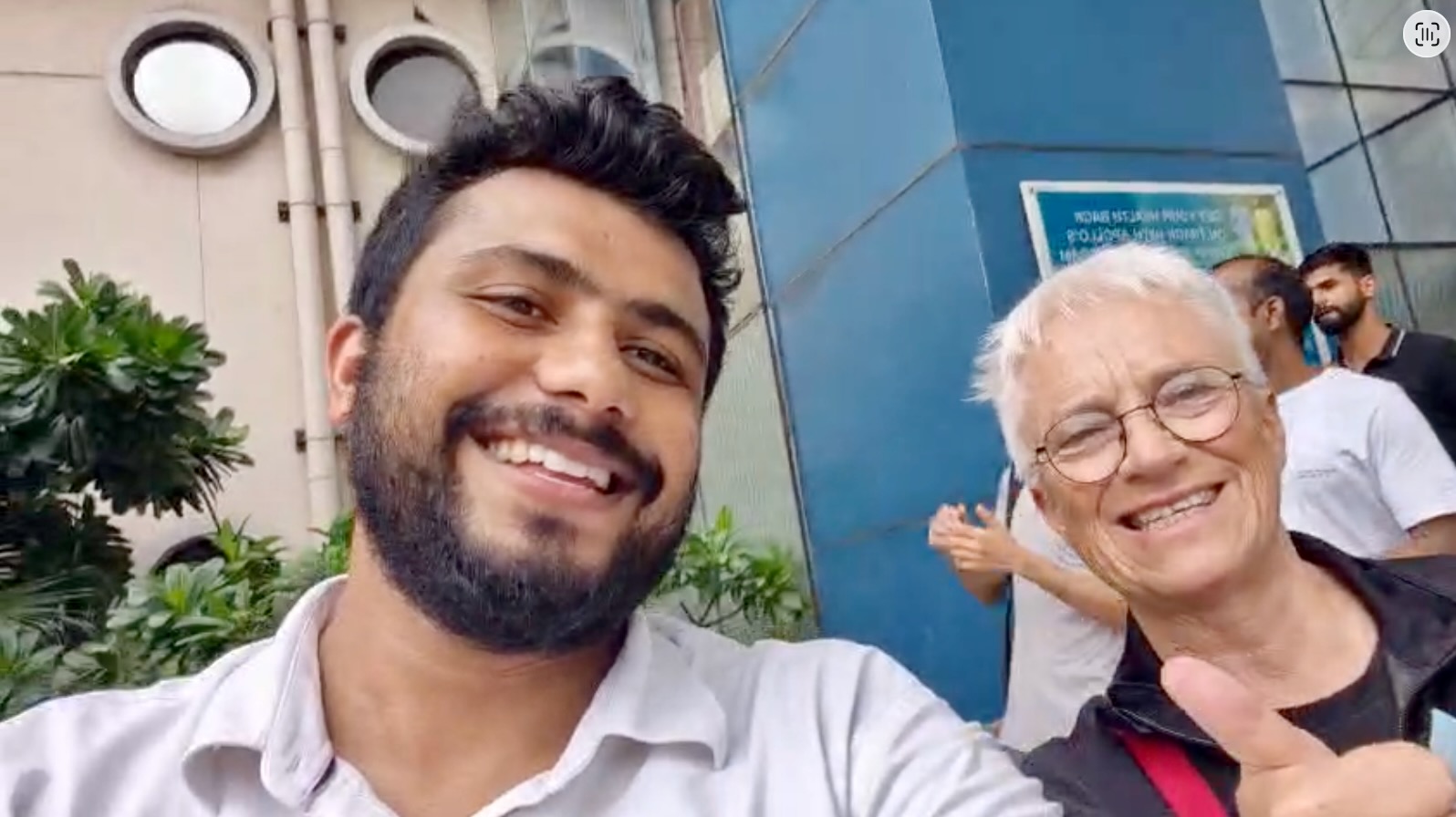
So I kept trailing behind him, got to see the doctor, and then received lots of instructions for tests and lots of instructions for many and high payments. Paying for Prashant’s help: OK. But then I learned that there is a two-tier system here too, just like with admission fees: foreigners pay a lot more. The hospital may indeed have top-tier diagnostic technology and equipment, but it also operates as a business and has to make sure it earns well. And it orders perhaps a bit too many and too expensive examinations while the consultation time with doctors is too short. And so you end up feeling a bit too much like a “walking wallet” rather than a highly valued patient. My time with the doctors was longer than in Leh, but still far too short for the actual conversations I had hoped for. The changes in my body, culminating in a non-healing shortness of breath after the nosebleeds, are quite a mystery to me, and I would have loved to get some really good medical advice on that. By the way, I was feeling a bit better than in Ladakh, but still not great—and my bronchial tubes were hurting in particular.
But first one after the other
Day 1
- I saw Madam Doctor (breathing problems)
- I received a heart analysis.
- my blood was tested
Day 2
- Lungtest
- Collecting Test results from the previous day
- See Mr. Doctor for the nose
- waiting long time for Madam Doctor
- Diagnosis and medical advise
- CT for nose, I had to go to another place as there was no time left in the hospital
- Handover of the medicine at 20:30 pm by Prashant
I haven’t added it up yet, but I’m out about 400 euros. And I hope to get it back from my international health insurance. But I fear I’ll have to argue my case very well and submit everything properly. We’ll see.
It all went a bit too fast for me with the diagnosis, and I didn’t completely understand it either. The doctor mainly spoke of bronchitis and prescribed me an asthma spray. That explanation seems a bit “thin” to me, and I’m at a loss regarding my future at high altitudes. But I’ll take the medication as instructed for now, and after Nepal, I’ll hopefully know a bit more.
Then I had Gemini analyze my test results, and that seems quite helpful to me. My heart is fine, my blood as well (deviating values might stem from a lack of fluids—I did indeed sweat too much and drink too little), and my lungs are responding positively to asthma medication.
Nosebleeds: The doctor found a few minor abnormalities, but didn’t think it really required treatment. But then I showed him the photo of the blood loss, and that’s when he got a bit more serious. However, I’m still waiting for the CT scan results. First of all, I definitely need to use more nose-moisturizing products at high altitude. And since I haven’t had any more nosebleeds so far, this problem doesn’t feel all that urgent to me either.
Even if the test results are reassuring—meaning I don’t have an urgent, terrible problem—the whole thing still feels a bit thin to me, and I actually felt more like I was being taken for a ride than being taken care of.
Here is the direct translation:
And overall, I was stressed. I have a food issue at my accommodation: breakfast is either €17 or nothing at all. They would have to bring in a chef specifically for it, and that comes with a price tag. I already complain about the overpriced €14 buffet spread at alpine huts because, while I do enjoy having breakfast, I never eat that much. There is a kitchen here with great tableware, but no oil, no salt—so you can’t even fry bought eggs without buying even more groceries for it. Muesli and powdered milk also felt like a bit much to buy just for two breakfasts, and besides, it was too late for me to go out again and do the necessary shopping anyway. Abhi kept pushing for food delivery apps, but I don’t really see the point in bothering with those apps and all that stuff. And I didn’t really get why there couldn’t be a simple solution for my breakfast. That turned into an added stressor, with the result that the next day I only had a few cookies for breakfast and then an early lunch.
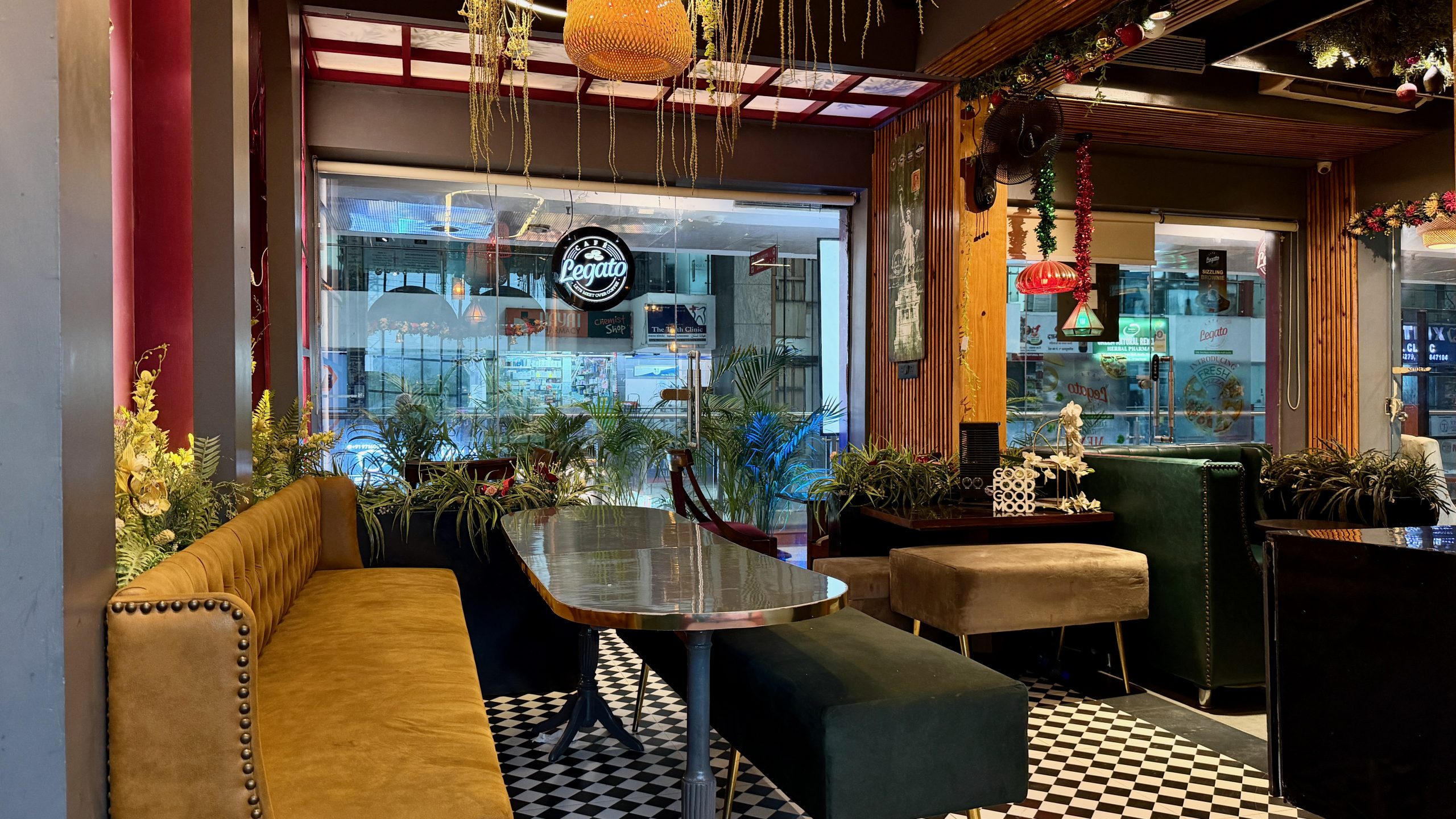
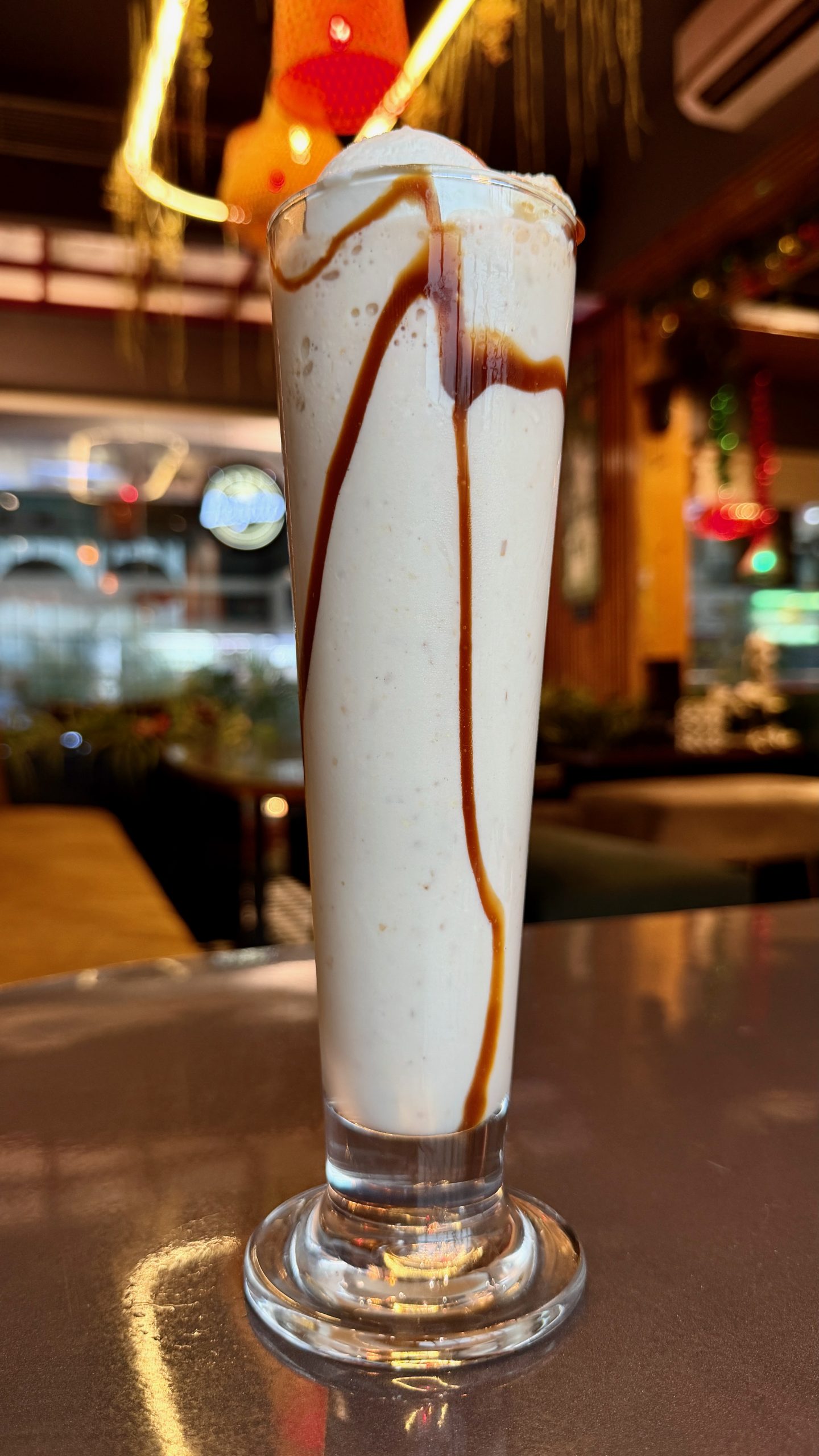
I had set off on foot and took shelter inside a mall as a heavy monsoon downpour hit. There I found a nice, rather Western-looking restaurant and had pizza, a salted caramel popcorn shake, and an interesting conversation. The guy was a dentist and was only helping out as an exception in the restaurant, which belongs to his brother. He had also been to a dental conference in Bonn once and showed me pictures. It was a very pleasant chat.
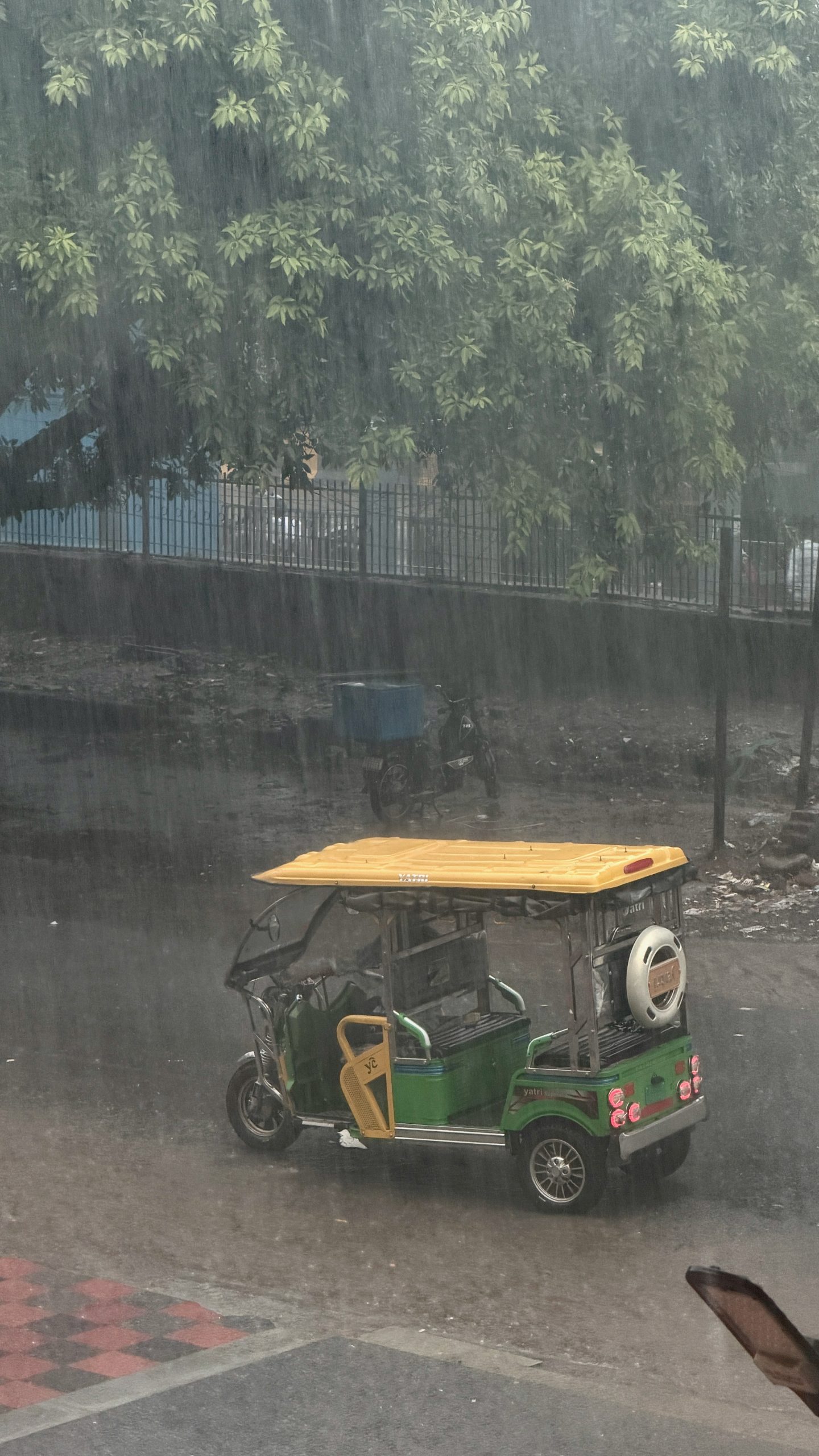
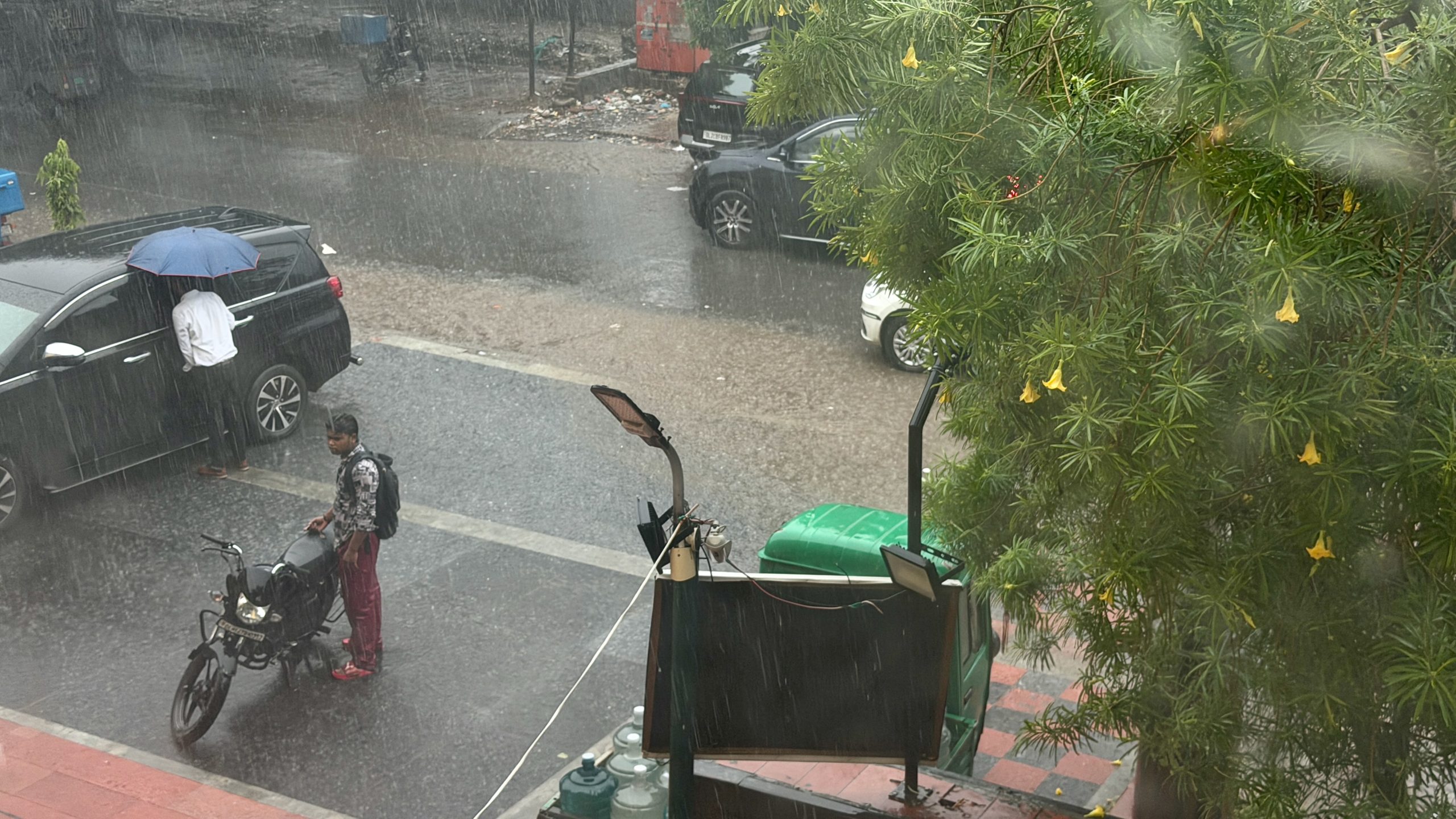
Then I had to go back to the hospital through all the heavy rain, but this time by auto-rickshaw.
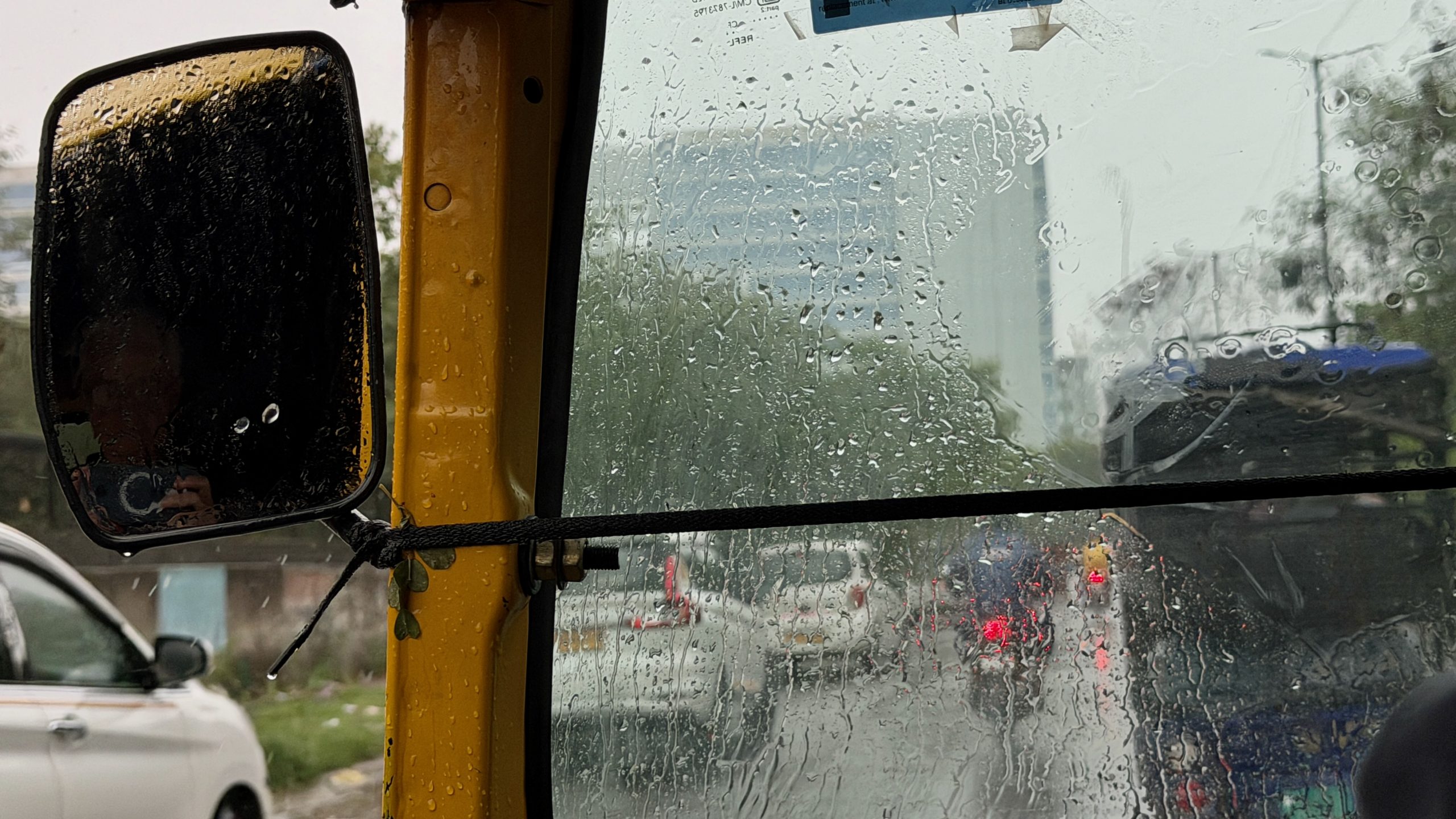
Toward the end, things got very stressful time-wise, but Prashant was extremely helpful and even saved me some money. He directed me to another location for the CT scan where it was cheaper, though I ended up sitting in the car forever because of heavy traffic. And since it was already late and I hadn’t eaten anything or had enough to drink since early afternoon, I started feeling dizzy again and got in a very bad mood about everything.
On the way back, I ate something at a different restaurant in the mall (the one from lunch only offered pizza, which I didn’t want again), and then Prashant came with the medication. He had picked it up for me outside the hospital, where it cost only half as much. No foreigner prices. On top of that, he listened to all my complaining and treated me to a dessert. And maybe he’s hoping a little bit for my help in Europe—which I find completely justified and fine. Plus, we at least managed to find a yogurt for my next breakfast (though no fruit stand). So I didn’t get back to my accommodation until around 9:30 p.m., completely exhausted, but a bit more at peace with things.
Conclusion:
So much stress is not good. And I don’t know if I would choose Apollo again. Even though the testing facilities and the internal hospital organization are good, and individual people were really sweet (the lung test lady asked if I wanted to join her for lunch, and the ENT doctor is from Kashmir and was thrilled that I plan to travel there), I just couldn’t shake the feeling of being a walking wallet, and that’s not a good feeling. I think I should have informed myself better beforehand instead of entering this system completely blindly. Once again, expectations and reality fell far apart.
By the way, both the dentist and Prashant suggested that I should definitely get involved in medical tourism. They said I could make absolute heaps of money that way. And easily afford all of Apollo’s services—hahaha.
But now: Let’s go to Nepal!