


Leh – It becomes emotional and a farewell going to be
18. – 24. September 2026
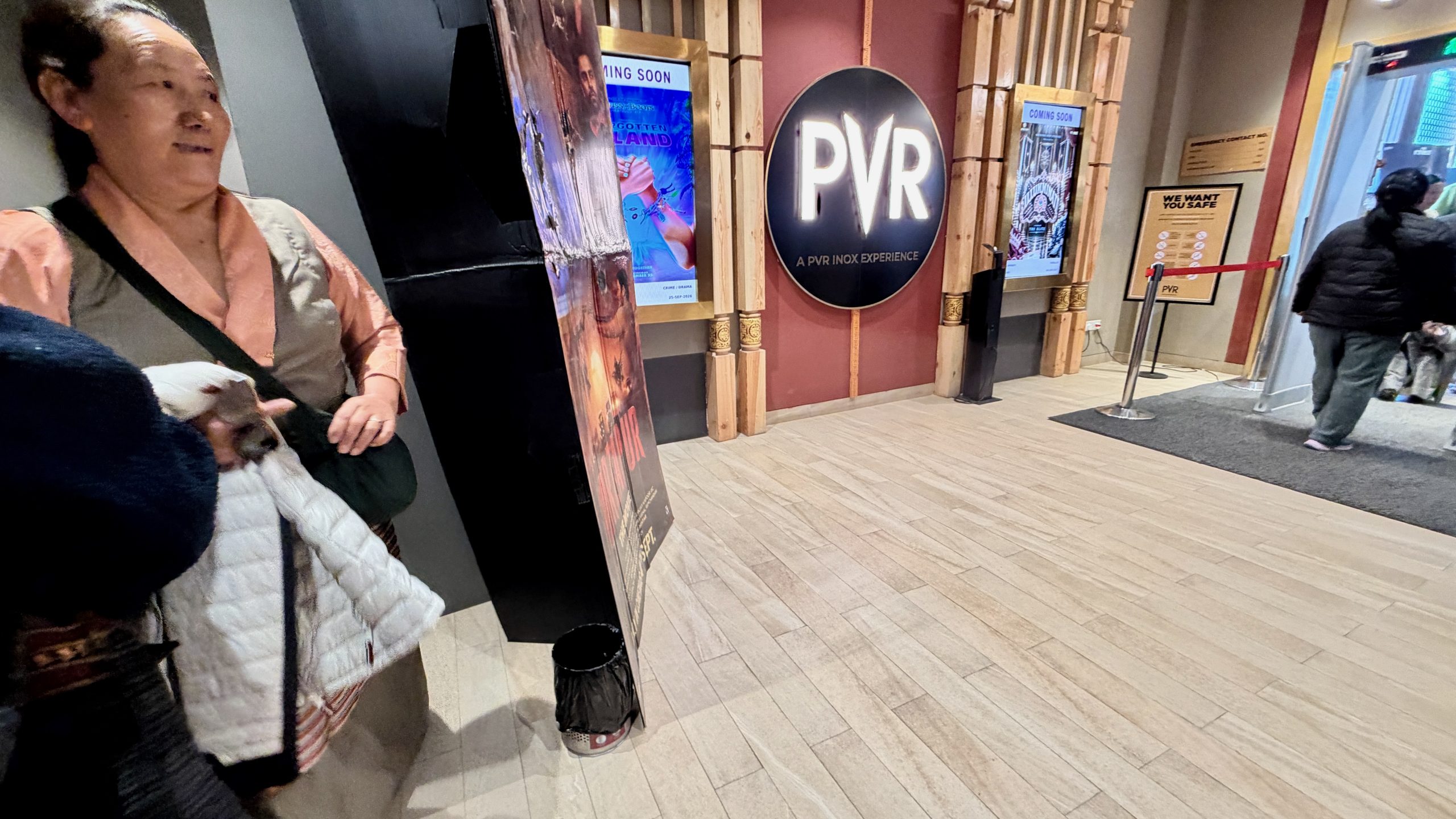
Dolma from Eternal Fashion had mentioned to me that she had attended the premiere of the movie 4 Rivers, 6 Ranges at this new PVR cinema. She said the film was incredibly moving. I checked it out (here is the Trailer) – and immediately knew I wanted to see it too. It’s in Hindi with English subtitles, and initially, it was only being screened for three days.
However, I hesitated to go by myself, and on such short notice, I couldn’t find anyone to come along. But then Dolma decided to watch the film a second time! We went to the 10:40 AM show. It was a bit of a strange experience. No buses run to the cinema, so you either need your own car or have to take a taxi. Most people came by car.
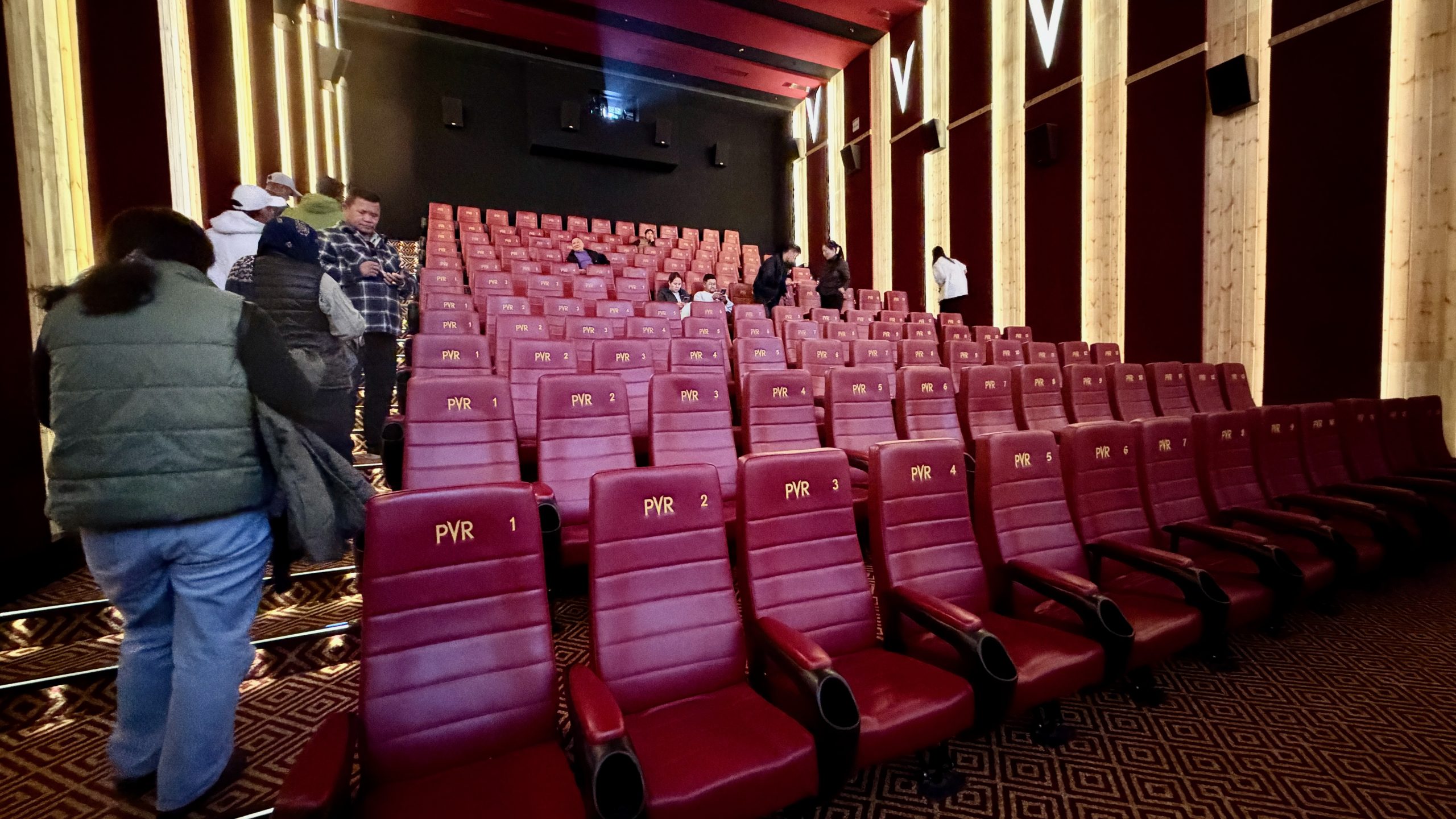
When we stepped inside, I felt like I had left Ladakh behind entirely! It was almost like being back home, except everything was brand new. They even searched our bags for food—any snacks were supposed to be bought after passing security. You could even order food to be brought to your seat on a tray during the movie; the woman sitting on my other side did just that.
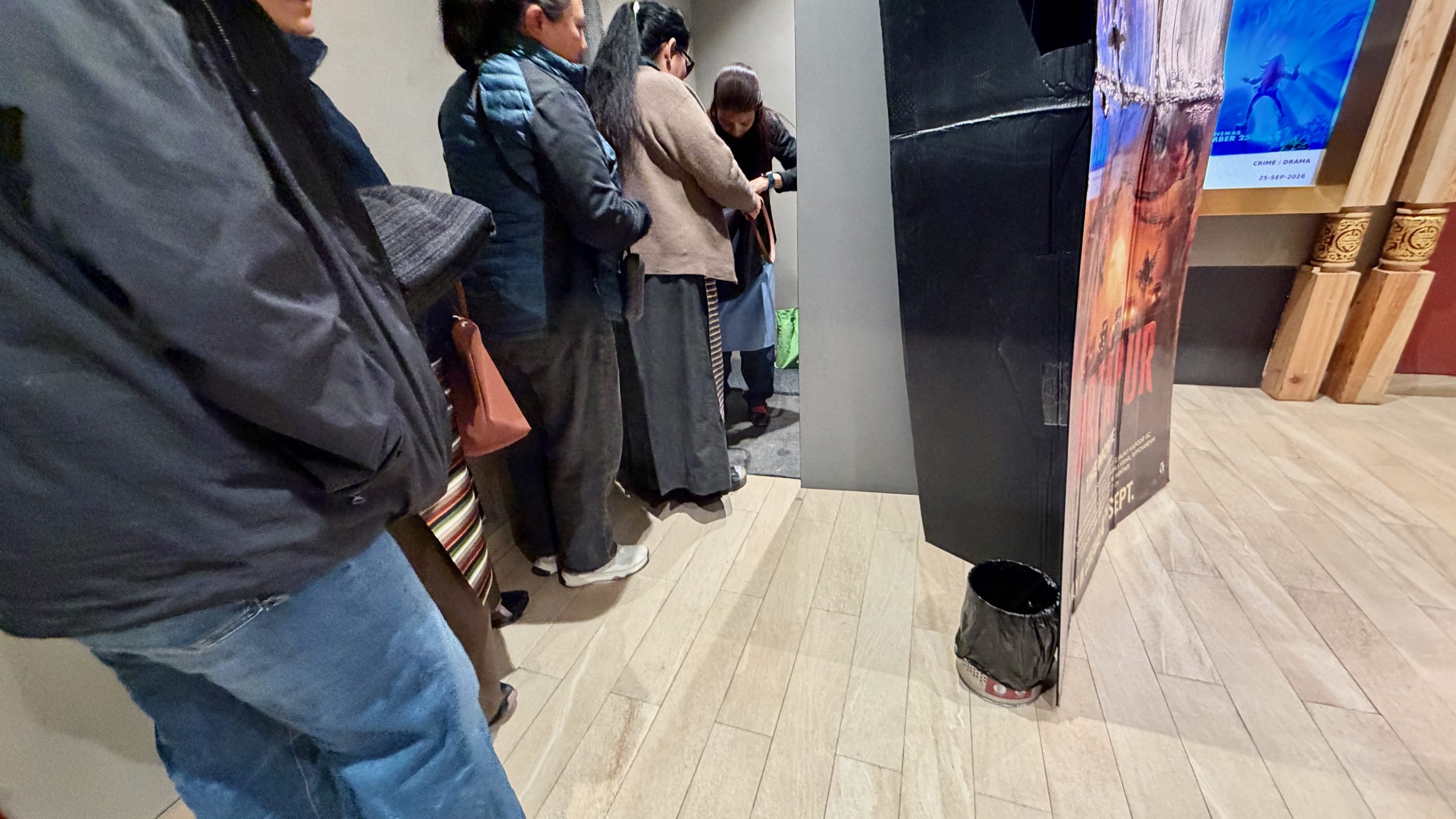
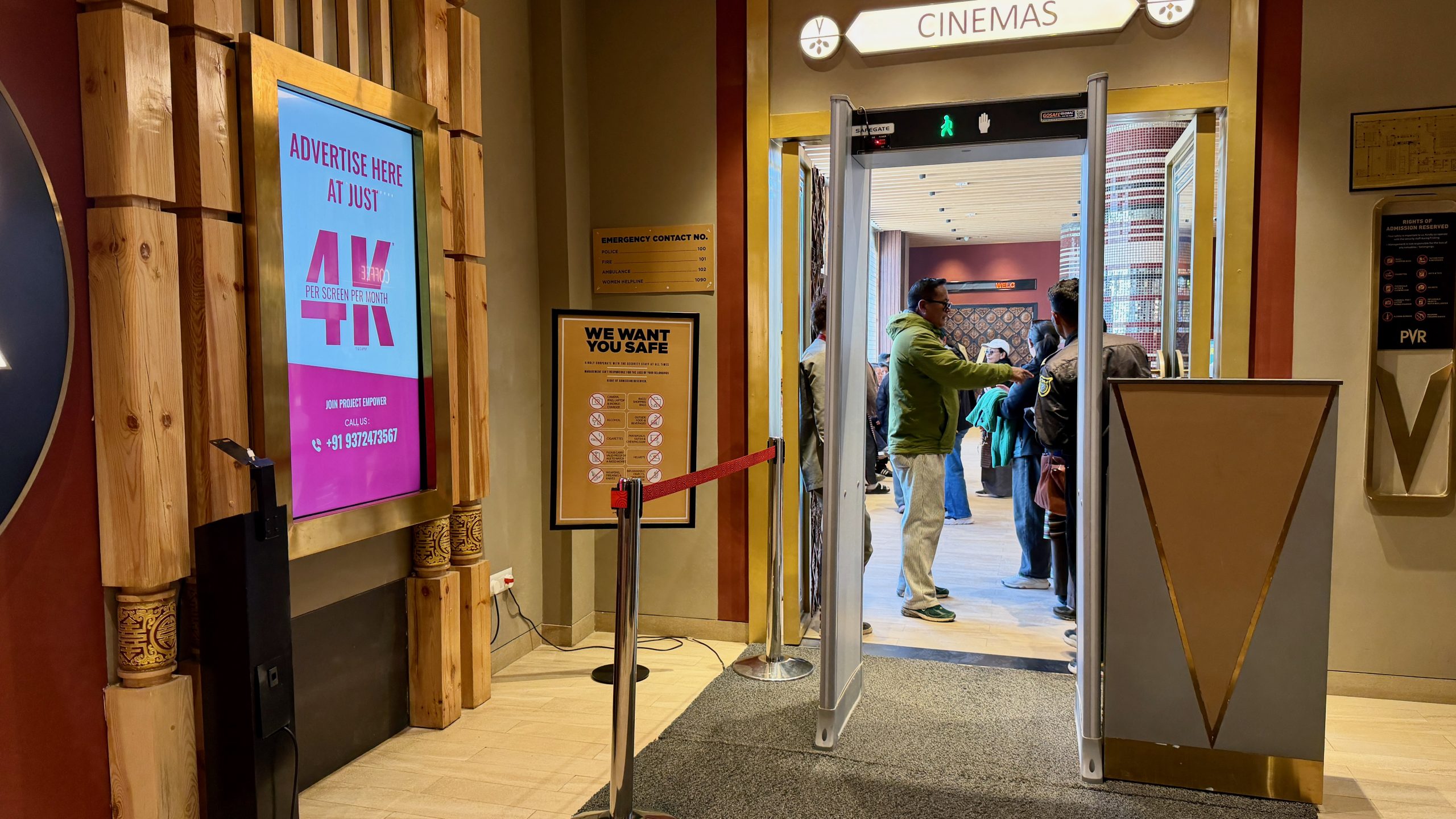
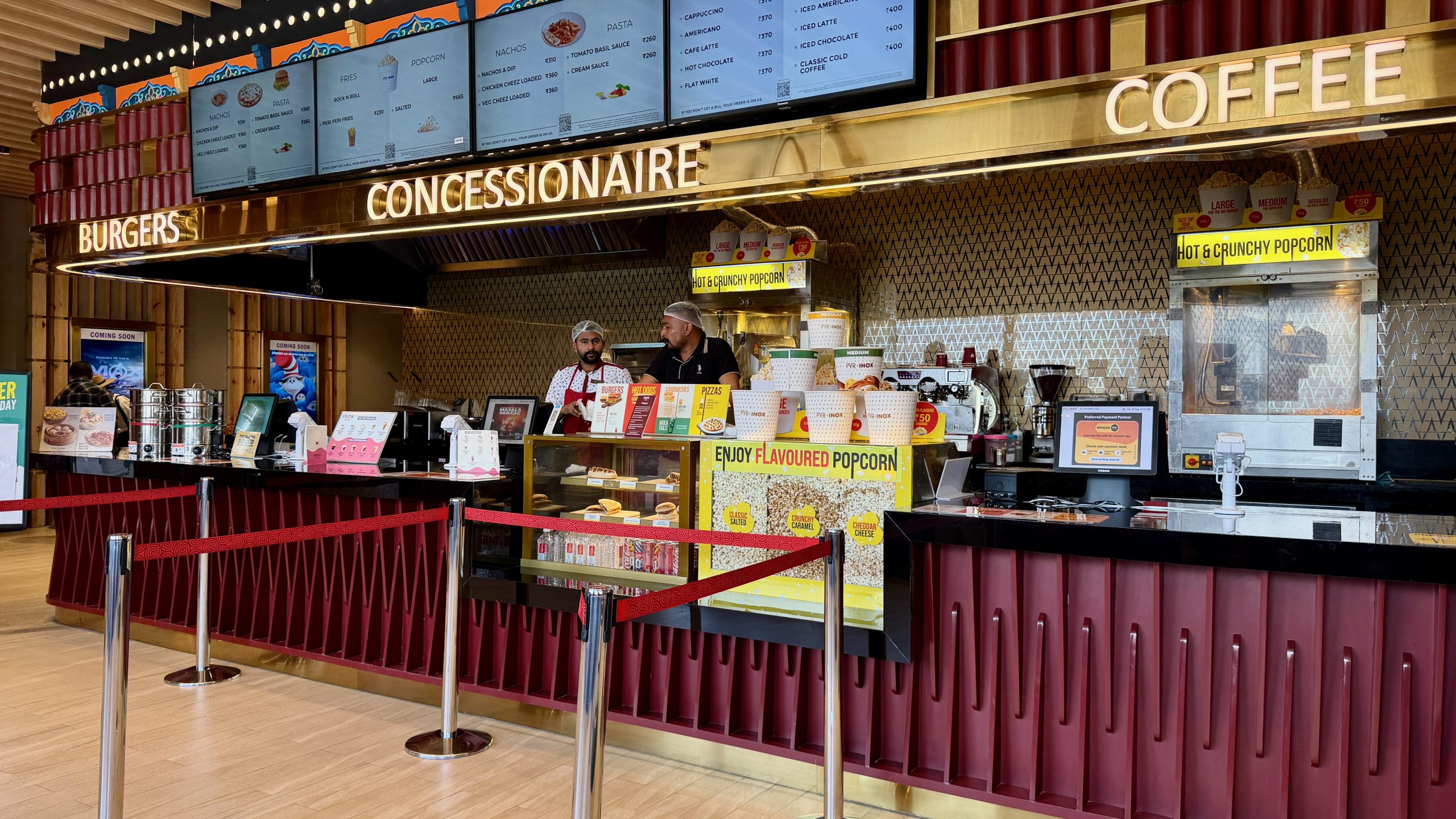
And then we went in. You had assigned seating. It was surprisingly packed for a sunny Saturday morning—much more so than I had expected. Most of the audience appeared to be Tibetan.
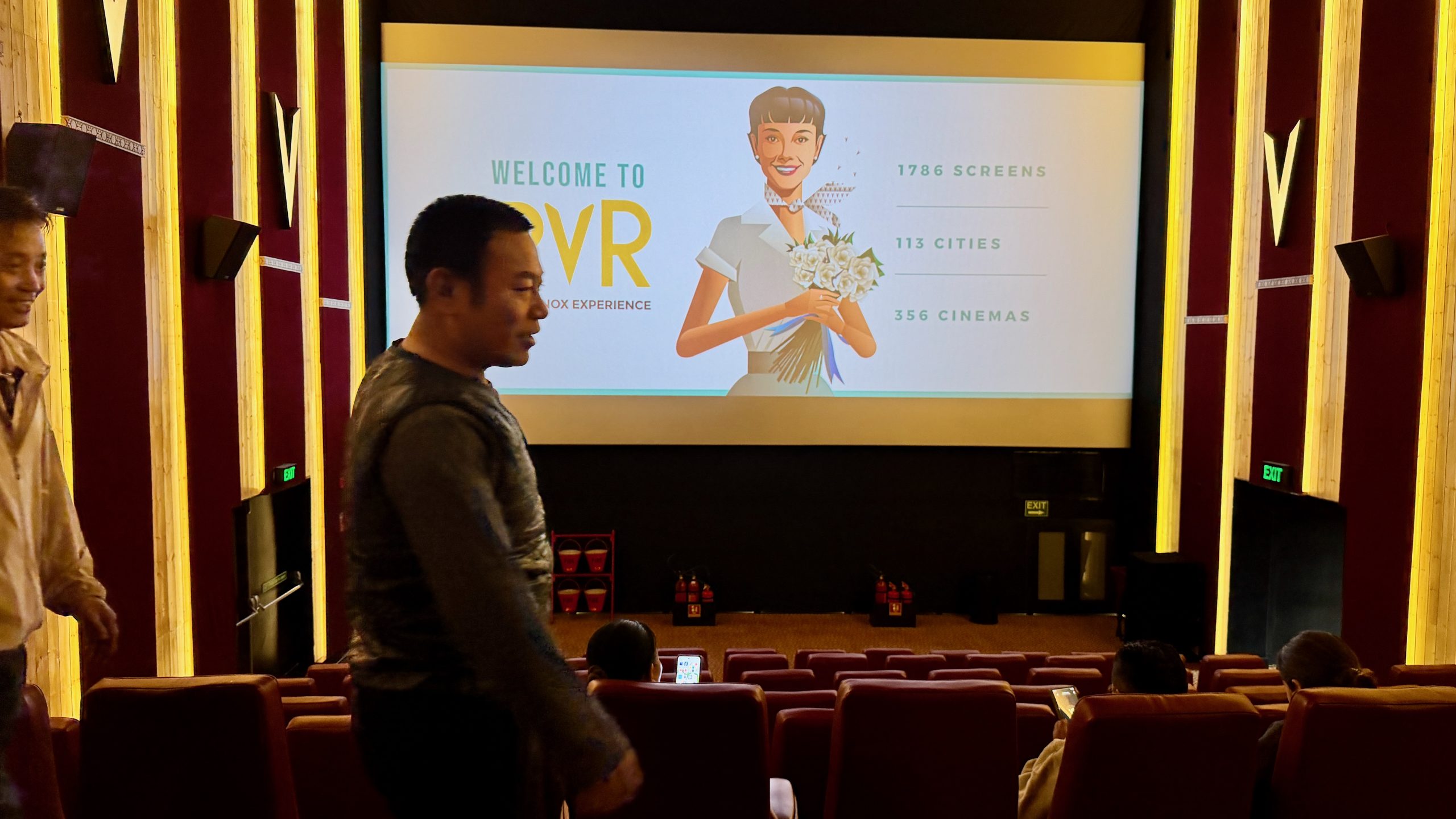
And then it started! The film was intense and captivating. Whenever scenes showed smoking or drinking alcohol, health warning disclaimers immediately popped up on screen to remind everyone of the dangers.
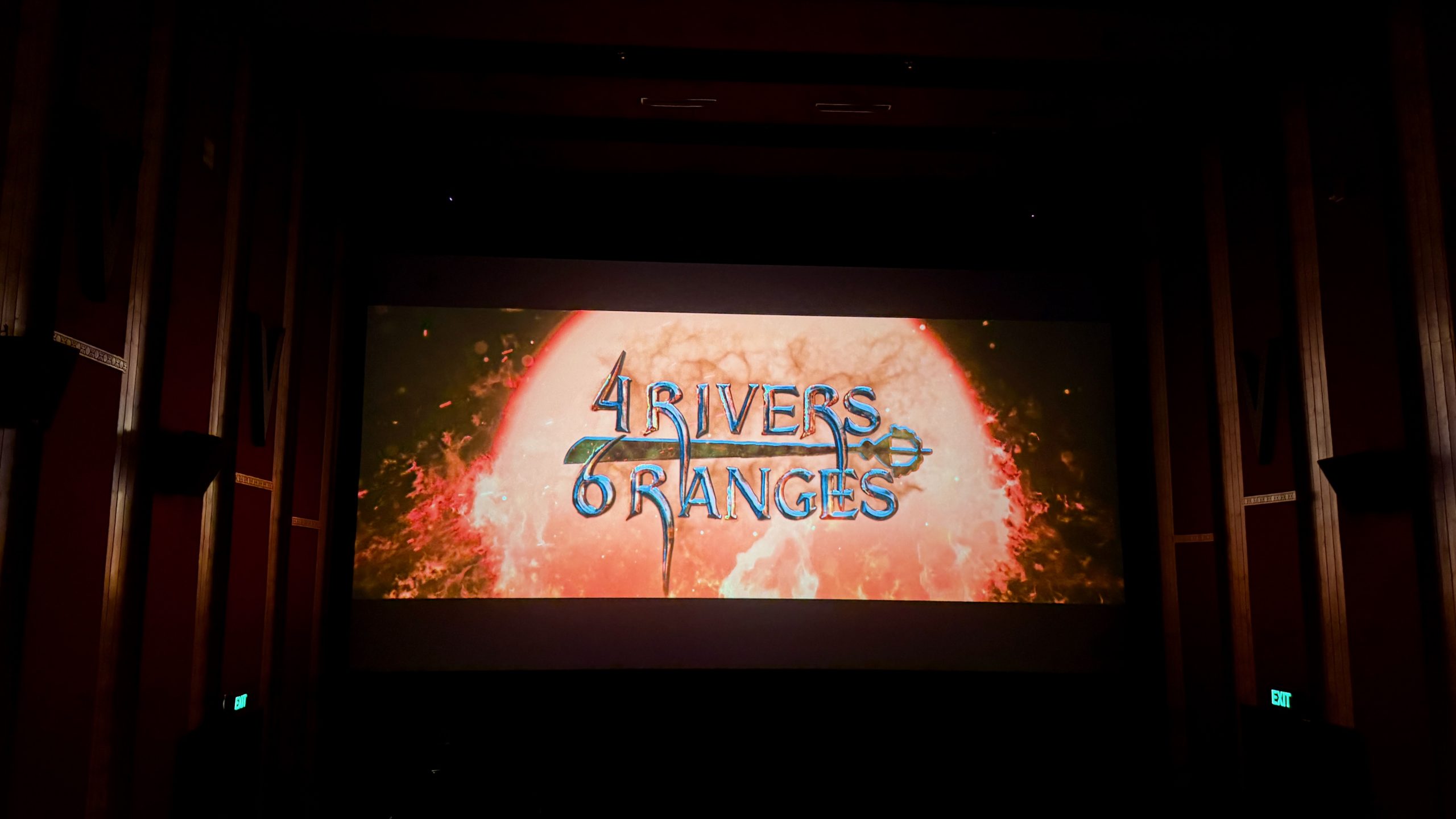
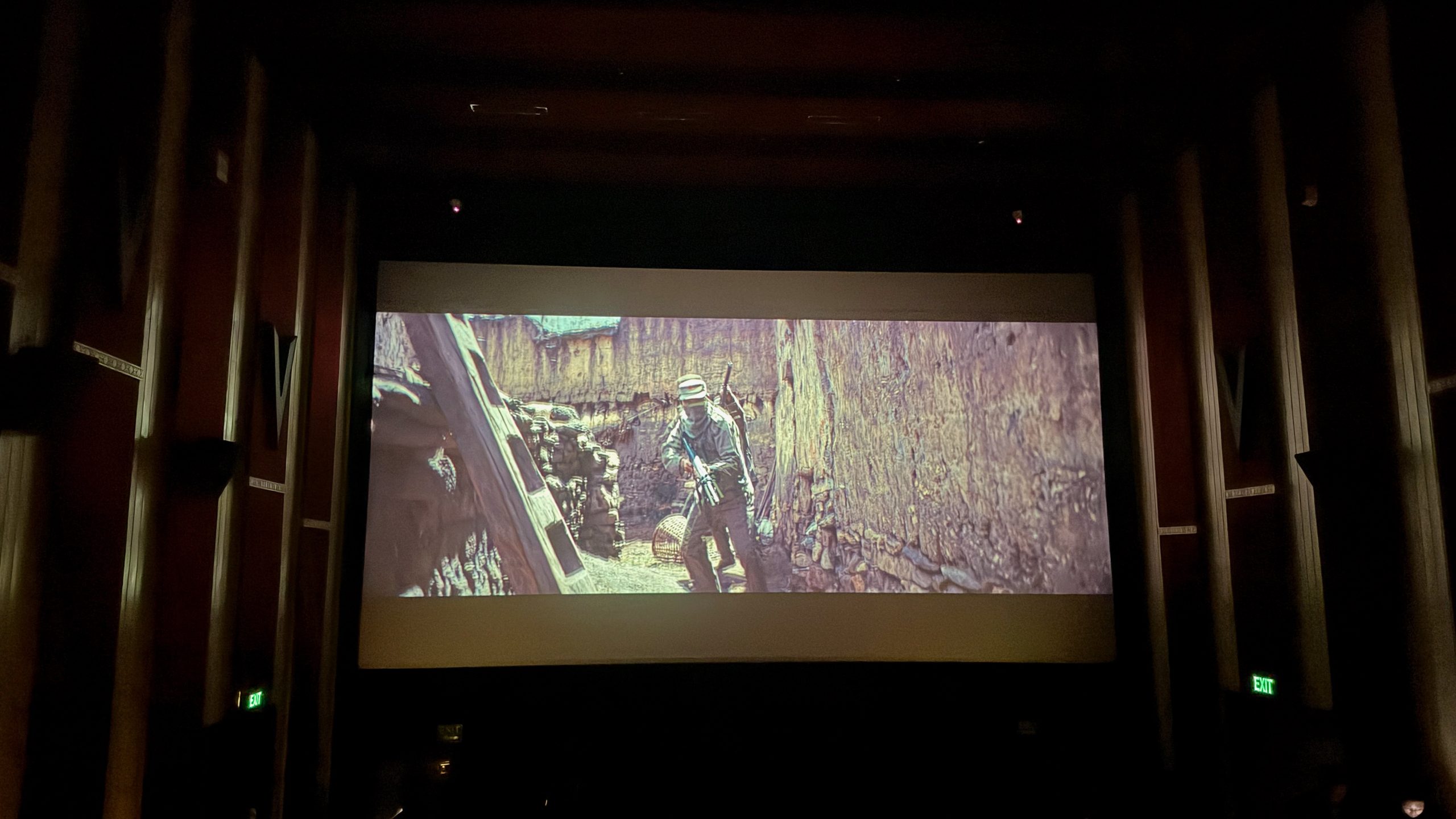
The film revolves around the armed resistance in Tibet. It is planned as a trilogy, with this first installment setting off in the late 1950s. The Chinese People’s Liberation Army had drastically intensified its pressure on Tibet. In the face of destroyed monasteries, endangered traditions, and the systematic harassment of the civilian population, men from all walks of life came together to defend their homeland. Under the leadership of Gonpo Tashi, they formed the guerrilla organization Chushi Gangdruk (“Four Rivers, Six Ranges”).
The movie features plenty of battle scenes, the villainous General Tan on the Chinese side, intimate glimpses into family life, the brutal killing of monks, and tense discussions on how to proceed. Thanks to their deep knowledge of the terrain and an extraordinary readiness to fight, the guerrilla fighters proved far more resilient against overwhelming odds than anyone might have expected. The Dalai Lama also appeared in the film, torn by agonized contemplation on how to resolve the crisis—particularly during his escape, throughout which the Chushi Gangdruk escorted him all the way to the border.
The film was shot under fake project credentials in Mustang, Nepal, in just 19 days. Nepal has to maintain a delicate balance with China, making a film like this quite a risky endeavor there. But now it exists, and Tibetans everywhere are flocking to the theaters—feeling both proud and sorrowful about their history, and deeply moved that someone created a cinematic work of such impressive quality.
I was genuinely moved as well. Even though I’ve known Dolma for a while, we had never actually talked about Tibet’s history before; she herself was born in India. The experience really stayed with me, and I was glad to be able to talk through it with her and her sister afterwards.
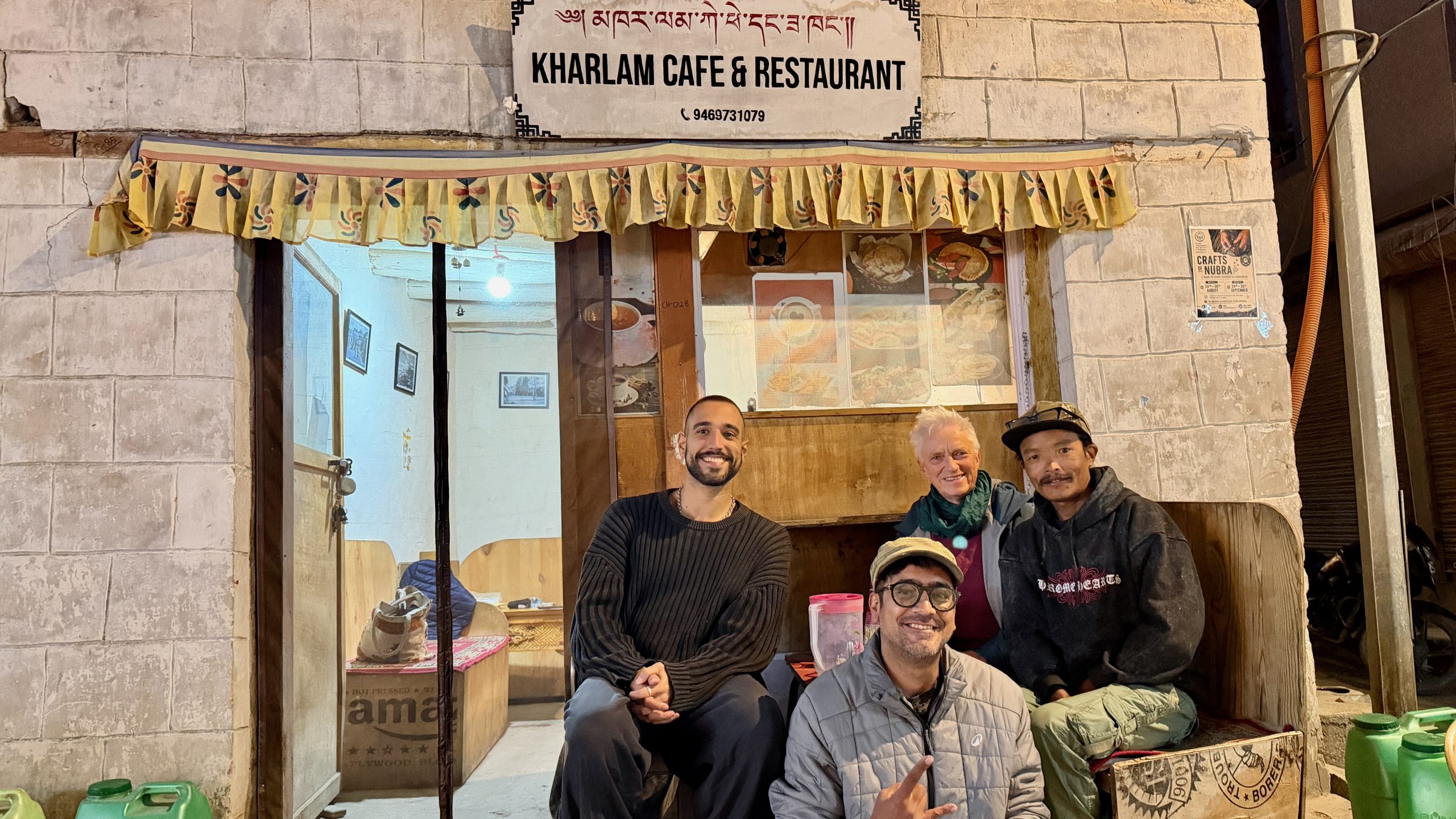
In the evening, the emotional journey continued. The day before, I had enjoyed a lovely evening (without taking any photos) at the Kharlam Cafe with Rinchen, Elsa, Pauls—who is from Kerala and whom I met back in November in Nagaland—and many others. There were too many people around for Pauls and me to talk properly, so we arranged to meet up again this evening, where live bands would be playing outdoors.
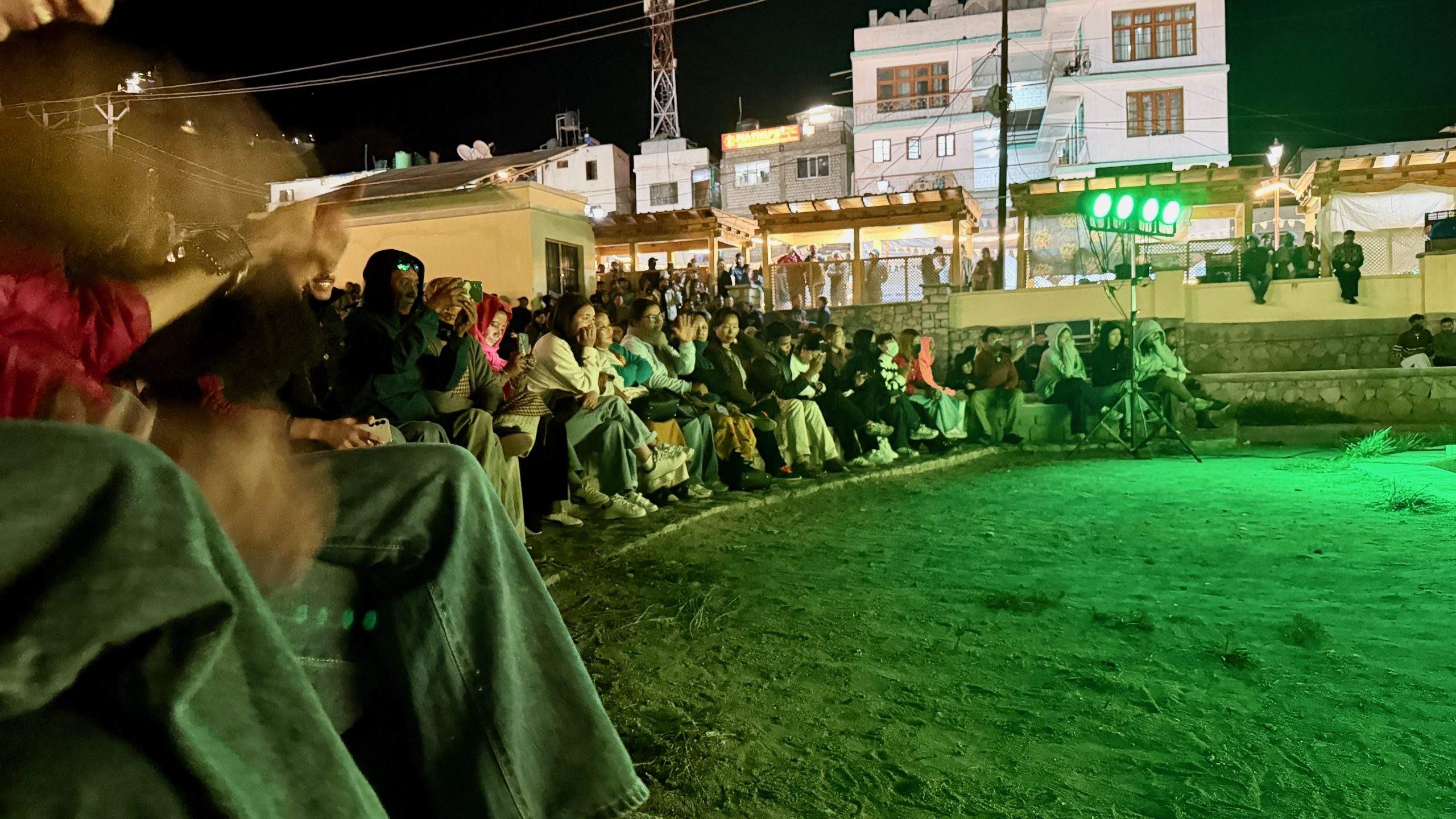
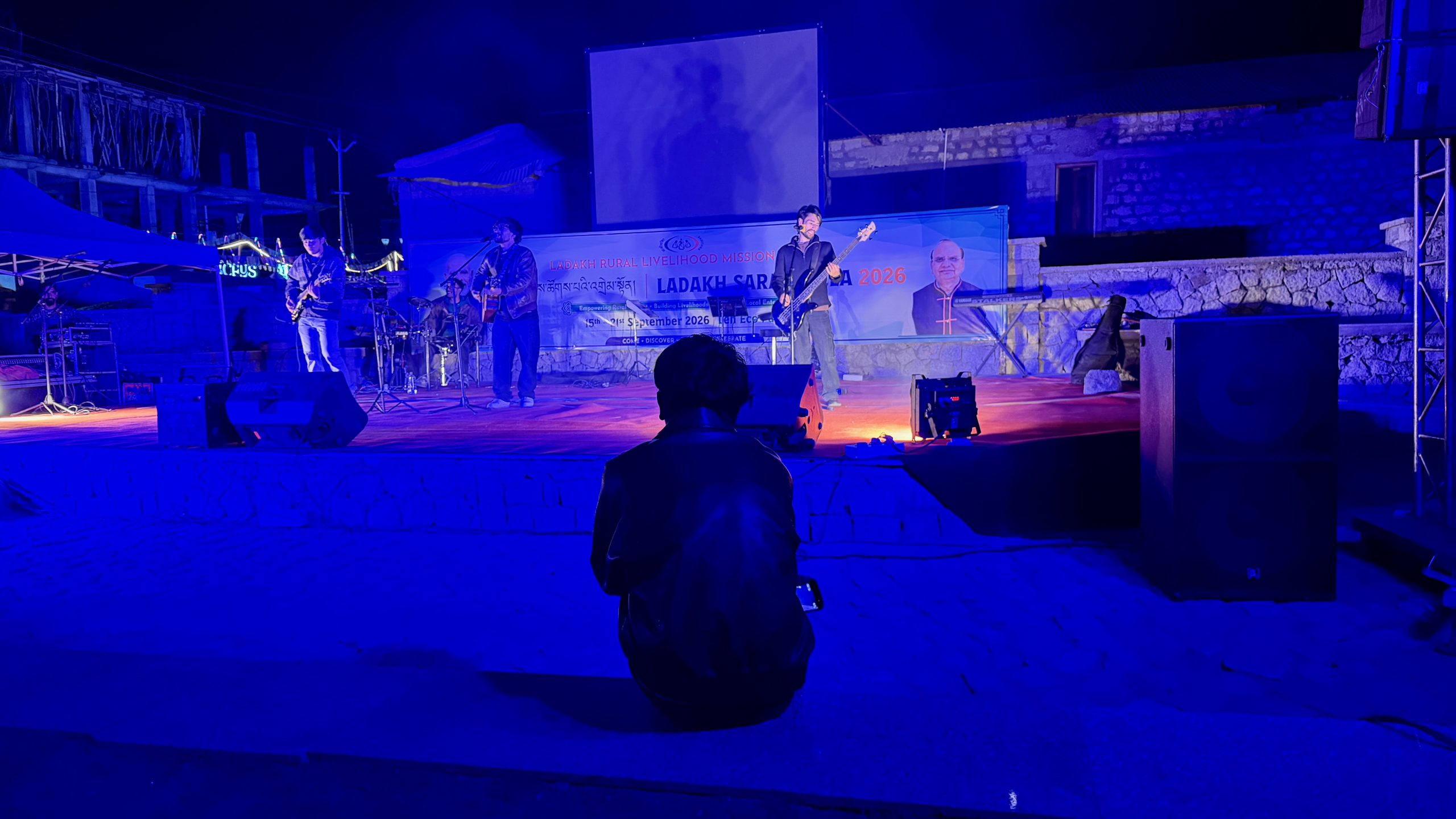

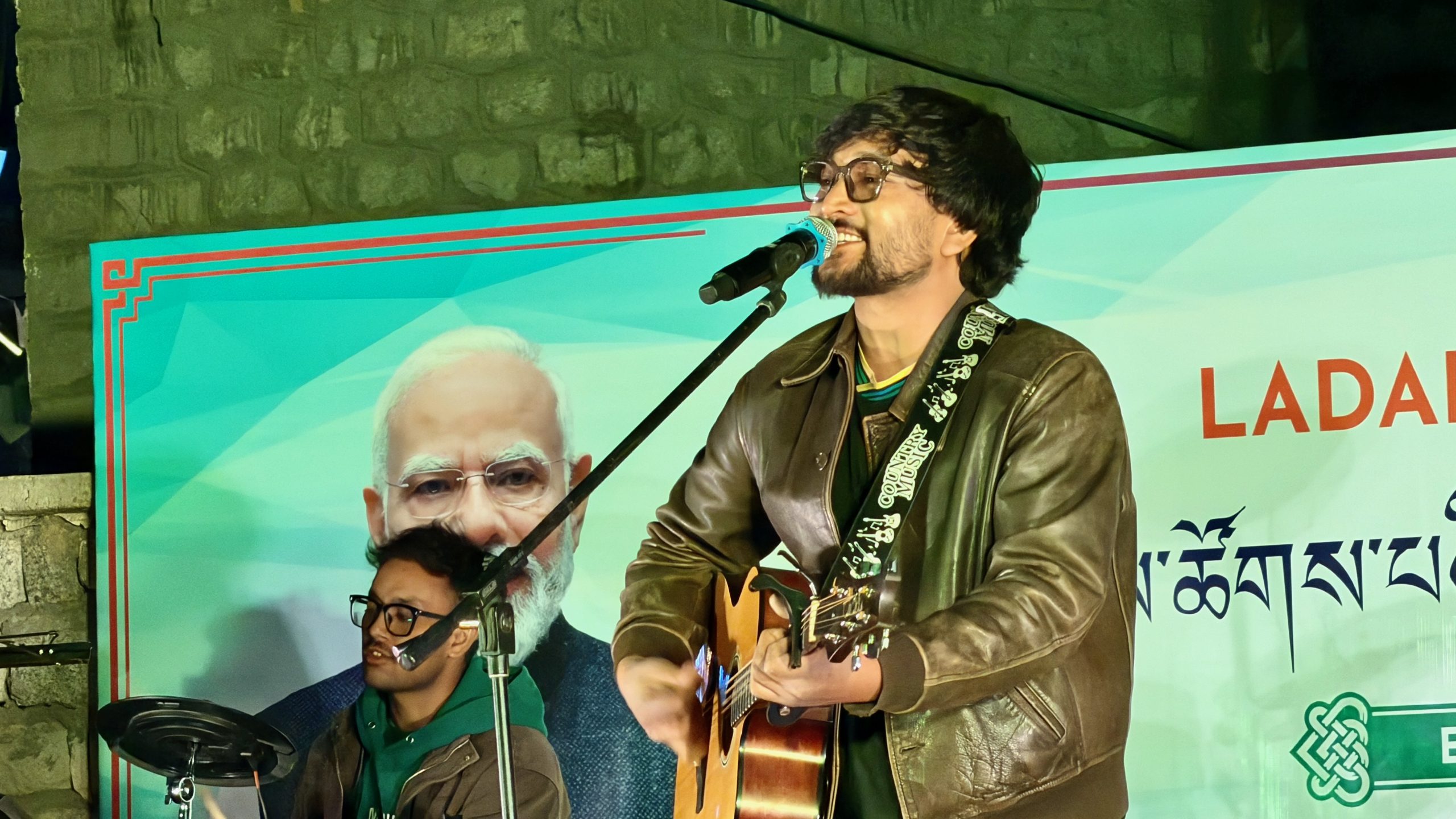
What was annoying: I couldn’t take a single photo of them without Mr. Modi’s omnipresent face—which honestly makes me aggressive—getting in the way….
The band was quite nice. Then another one came on.
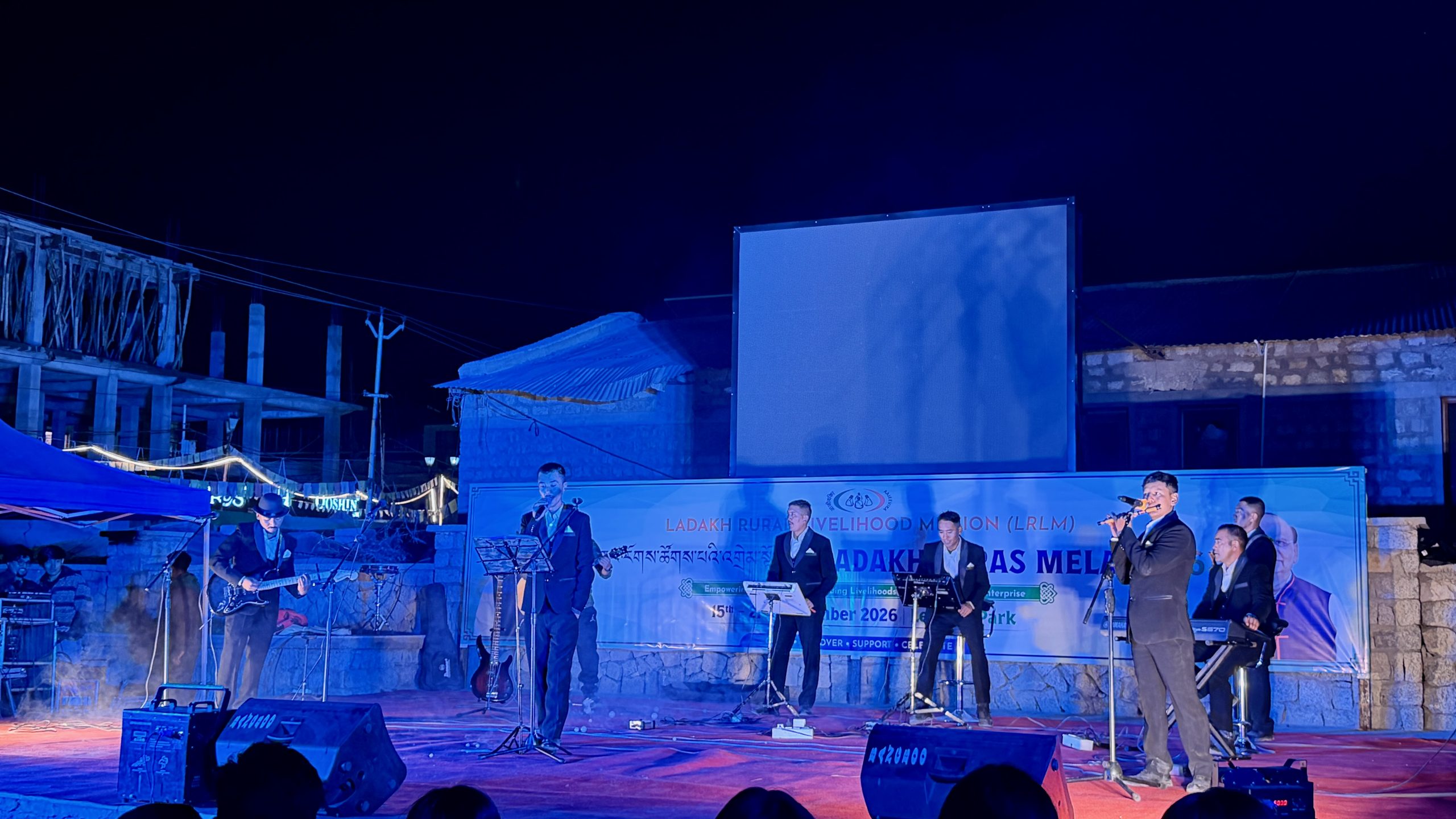
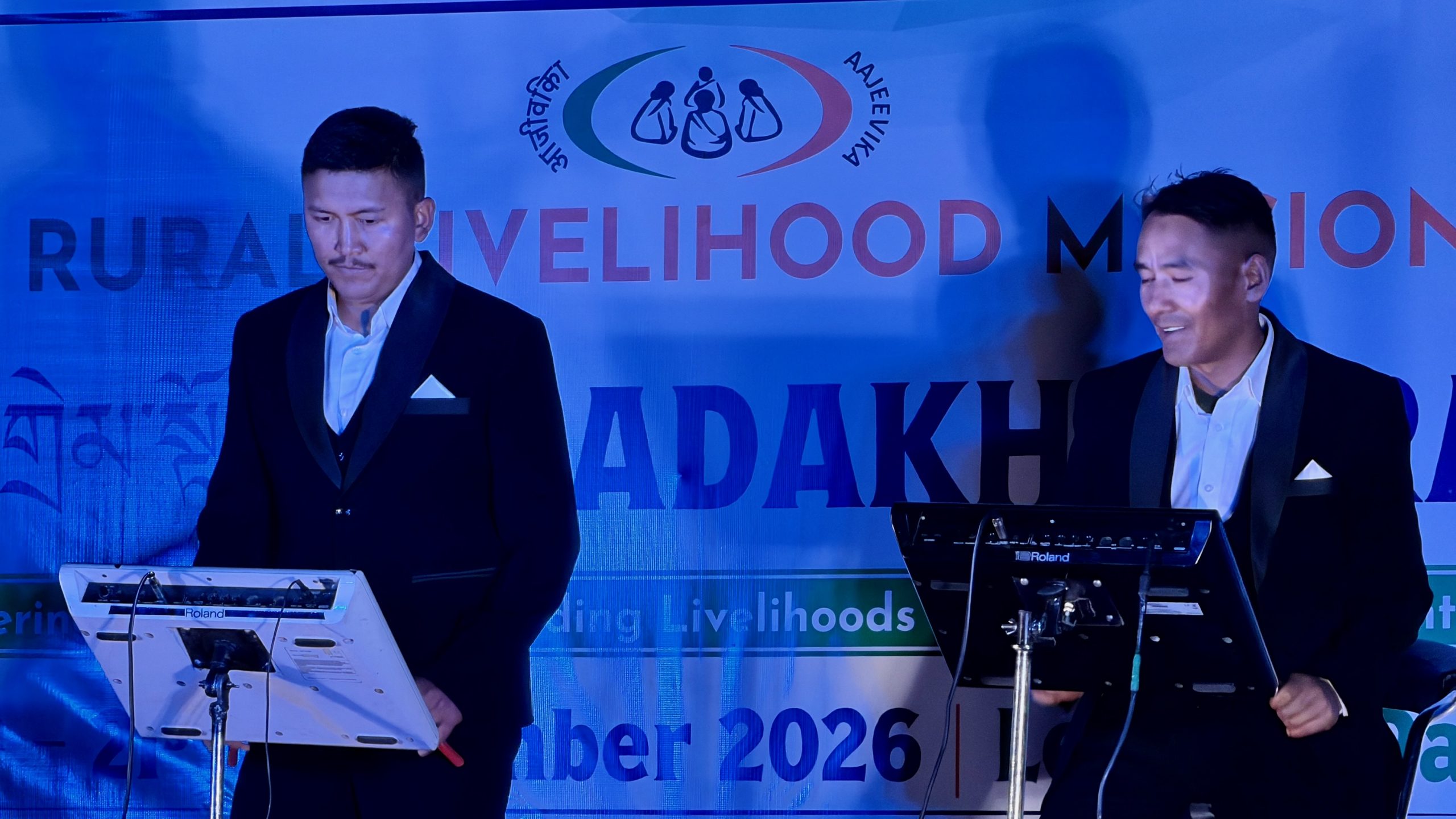
Meanwhile, I had checked my phone and found out that a former classmate of mine had passed away. I always really liked him, and we used to stay in touch on social media. He hadn’t been active there for quite some time, though, which I only just realized. A deep sadness came over me. Far too young!
The weather here has grown noticeably cooler in the meantime, but I hadn’t quite registered the drop in temperature, so I was underdressed and shivering. In the end, I decided to head back to my room and spent some time chatting with my brother, who had been in the same class as my former classmate’s sister. Whenever younger people close to us pass away, it drives home just how alive I am, reminding me that I ought to savor life even more. My brother feels much the same way, which offered a bit of comfort.
The following day, an incident occurred that brought me to tears and left me with a lot to unpack—something I prefer not to share in detail here. Just one observation: it connects back to that persistent feeling of not being welcome, something I’ve become particularly sensitive to throughout this entire trip. India doesn’t offer me a warm, heartfelt welcome as a traveler (in stark contrast to Nepal), leaving me hesitant about my work as a travel agent. When accommodations lack charm and aren’t prepared with care, I feel uncomfortable, vent my frustration, and just want to move on. When I feel physically unwell and don’t receive enough empathy, I become a “drama queen.” What I understand as hospitality and genuine human warmth in our interactions is becoming increasingly important to me. At the same time, I realize that I can only embody those qualities myself when I receive a sufficient measure of “love” (in the broadest sense) in return. That remains plenty of food for thought.
How else did I spend those days? I spent a lot of time working on my laptop. I stopped by here and there for a quick chat. And I cooked meals for myself in my kitchen.
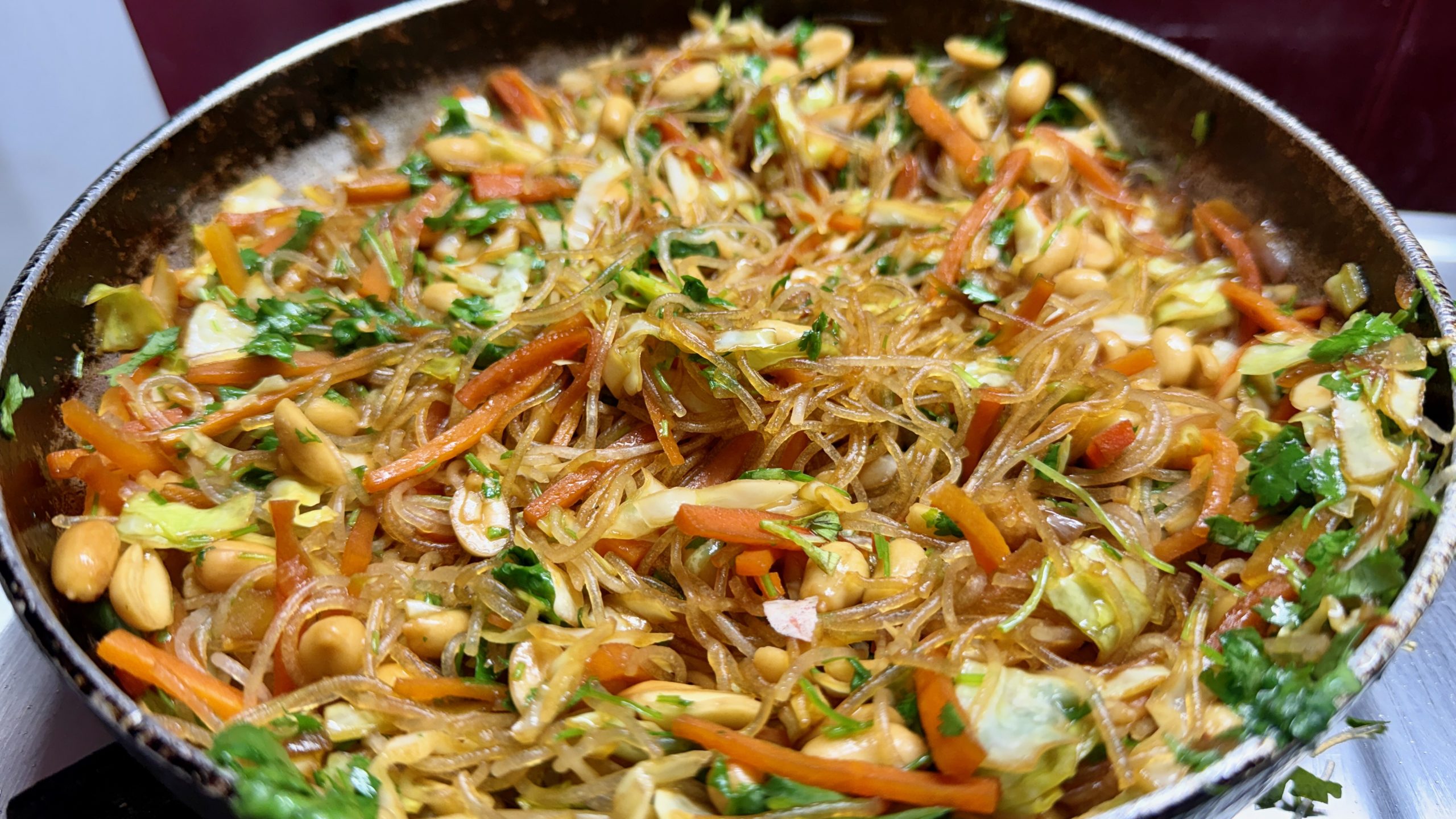
I had a part time room-mate.

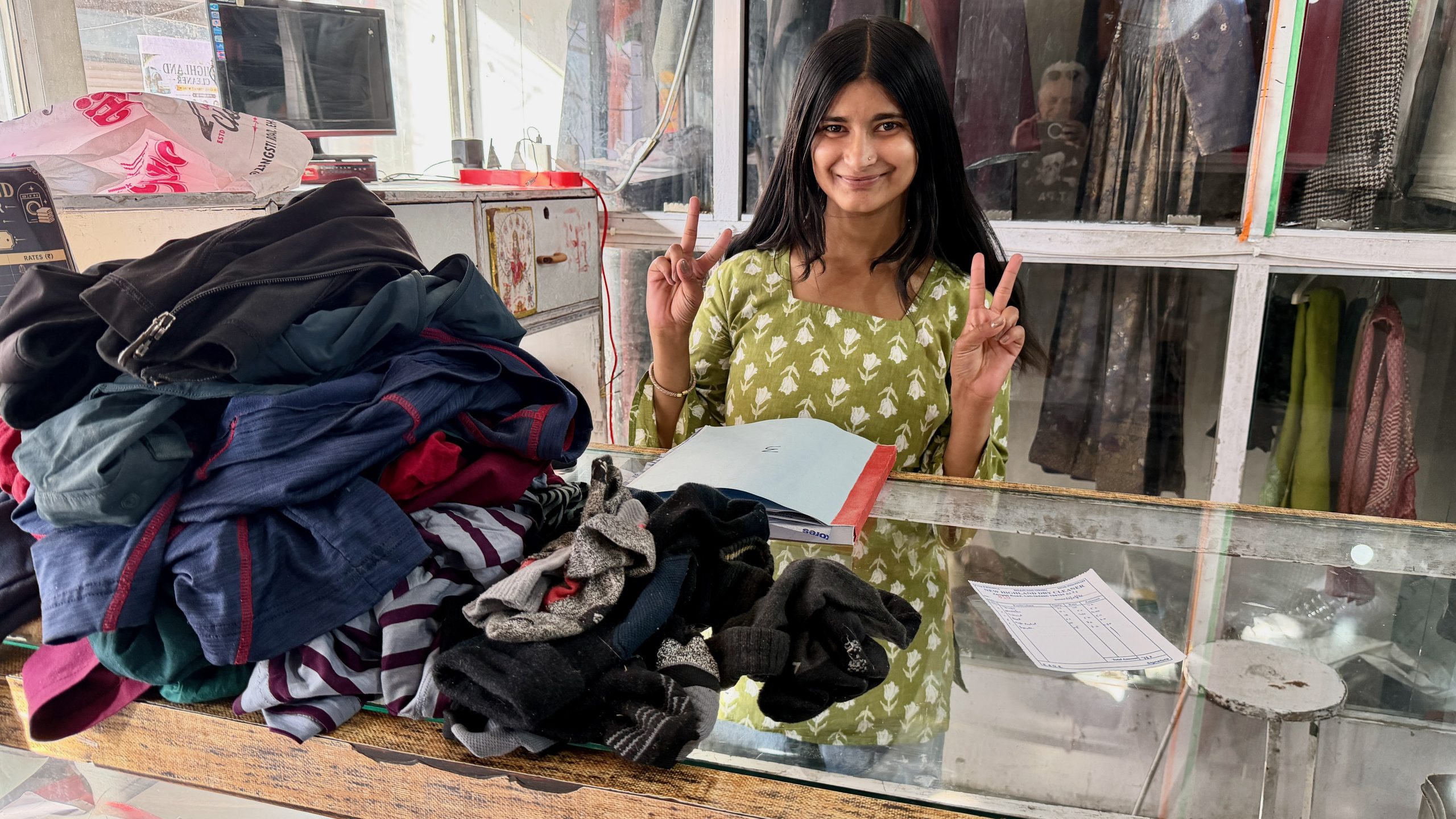
I had my laundry done one last time. I always went to the exact same laundry service—simply because that young woman working there always gave me such a sweet, lovely smile.
I went out for an espresso far too rarely.
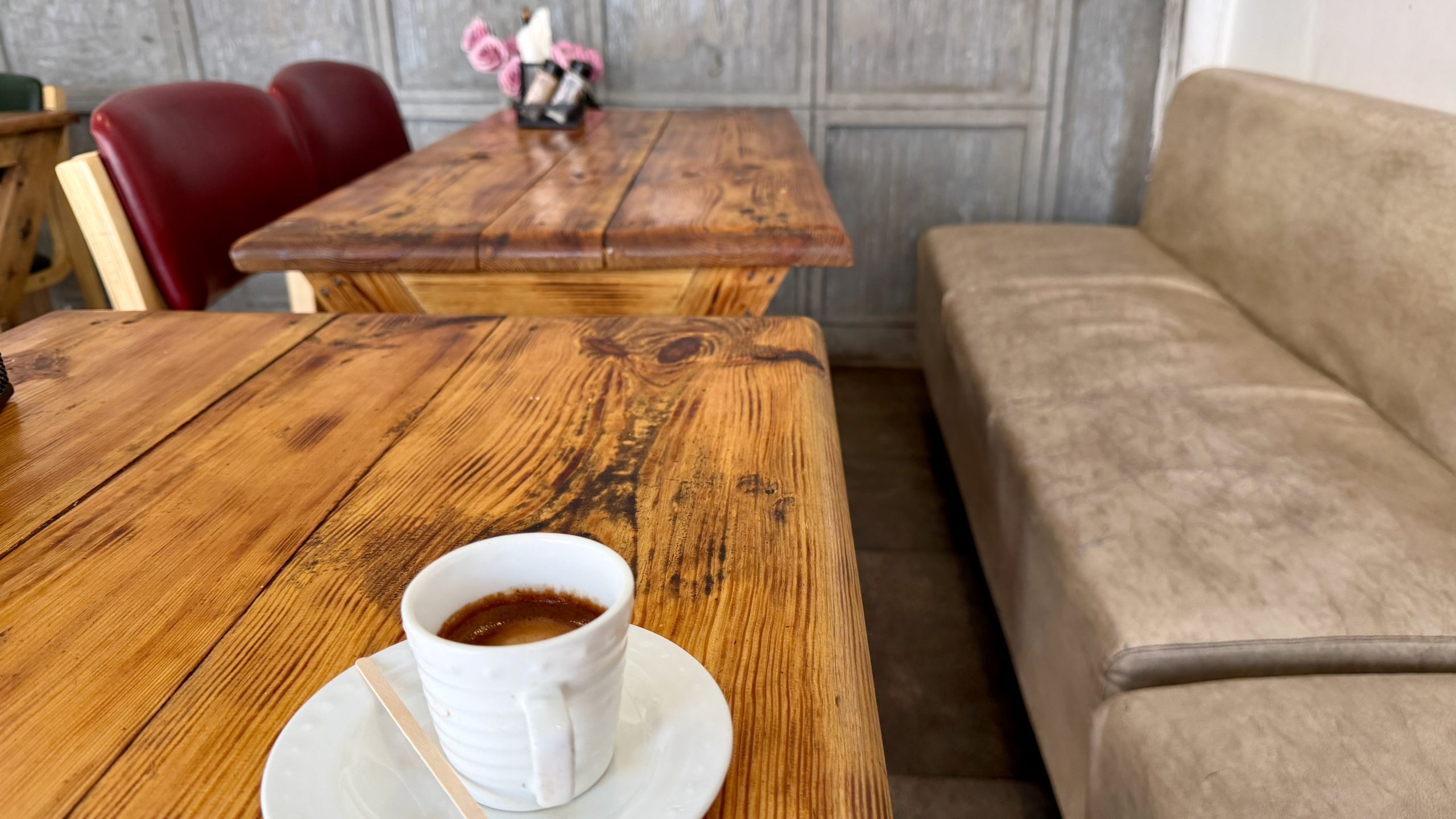
I spent my time endlessly calculating my money, my remaining days, and my luggage weight, hardly taking any photos at all. Still, I had a wonderful time at Kharlam Cafe—Elsa was there earlier as well, though she had to leave early because of her departure—enjoying stimulating discussions and great exchanges.
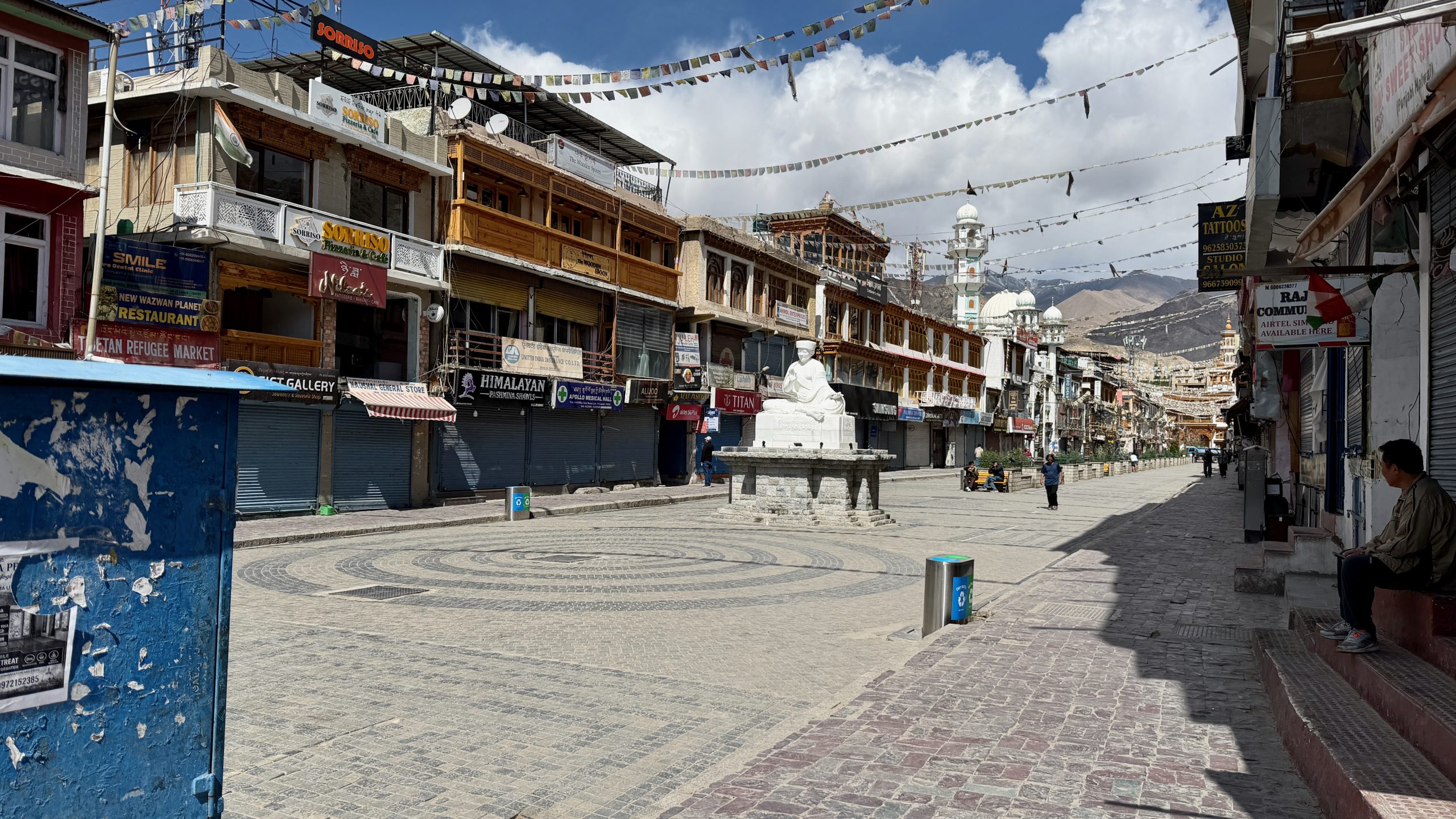
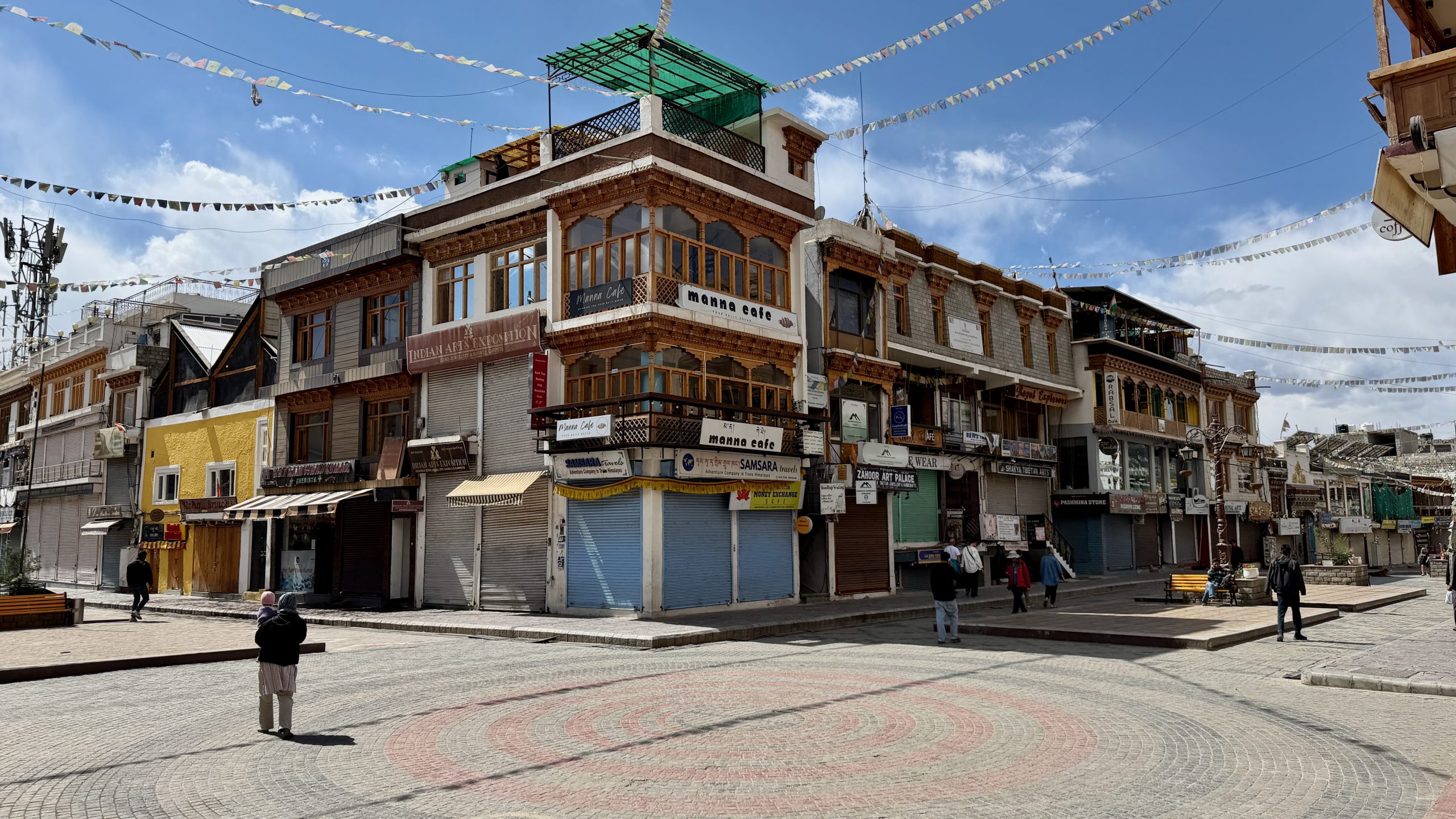
It’s gradually getting cooler, but September is and remains arguably the best time to travel to Ladakh. September 24th marked the anniversary of last year’s unrest, where four people lost their lives. They were remembered with ceremonies and a radical closure of all shops, eateries, and businesses. The center here is rarely ever this empty and quiet.
Whenever I left Ladakh in the past, I always knew beyond a shadow of a doubt that I’d be coming back in the foreseeable future. Not this time. Right now, I have no idea how things will unfold between me and India or Ladakh. But I’ll reflect on that more in my wrap-up blog post. Even though so little of what I had originally envisioned for my time in Ladakh actually came to pass, it was still a deeply eventful stay.
All of this—and so much more—is racing through my head on this last night before setting off for Zanskar, where a little more “travel discovery” still awaits me.