


Arunachal Pradesh -> Sibsagar/Assam – Even those who are defeated are heroes
1. + 2. Dezember 2025
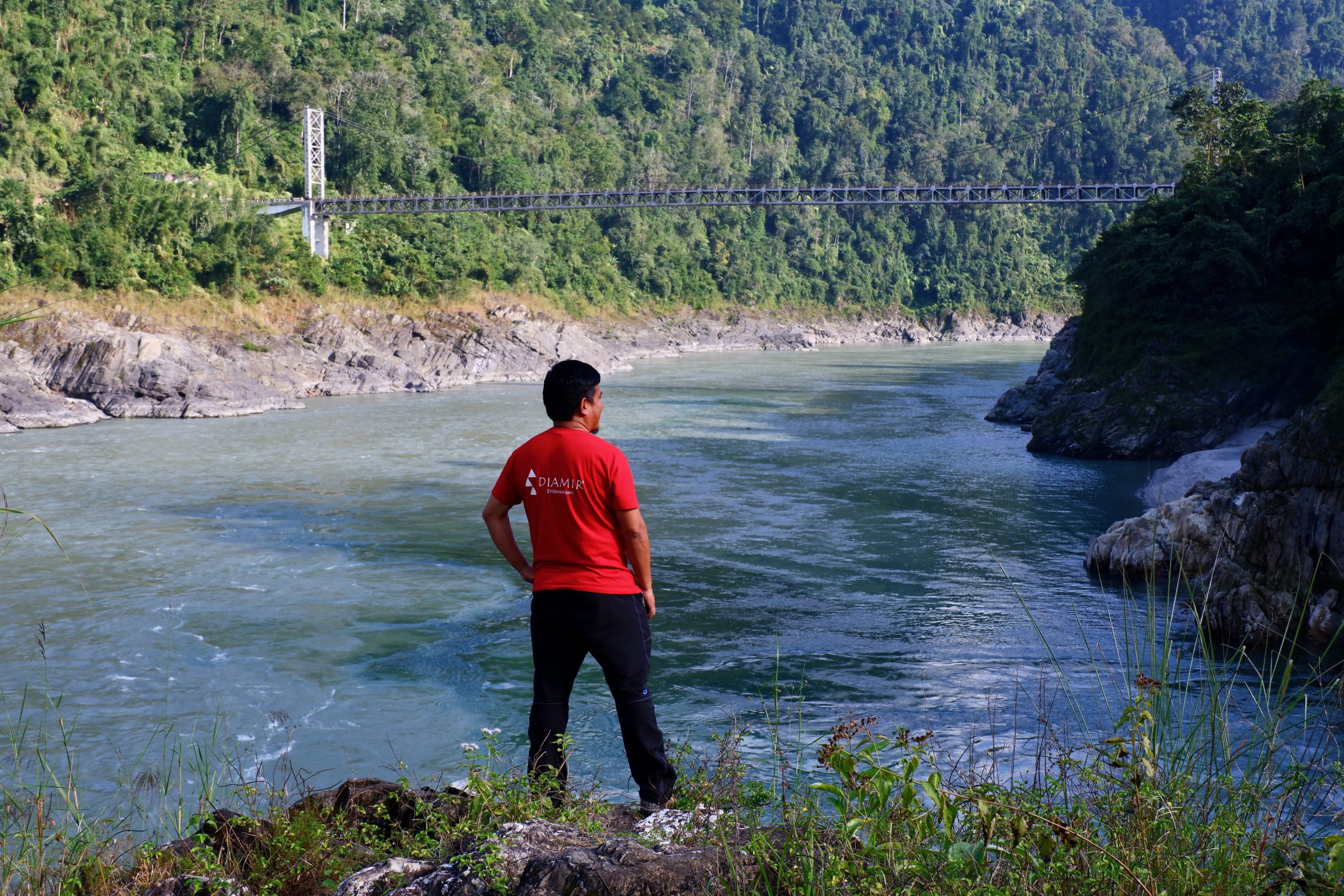
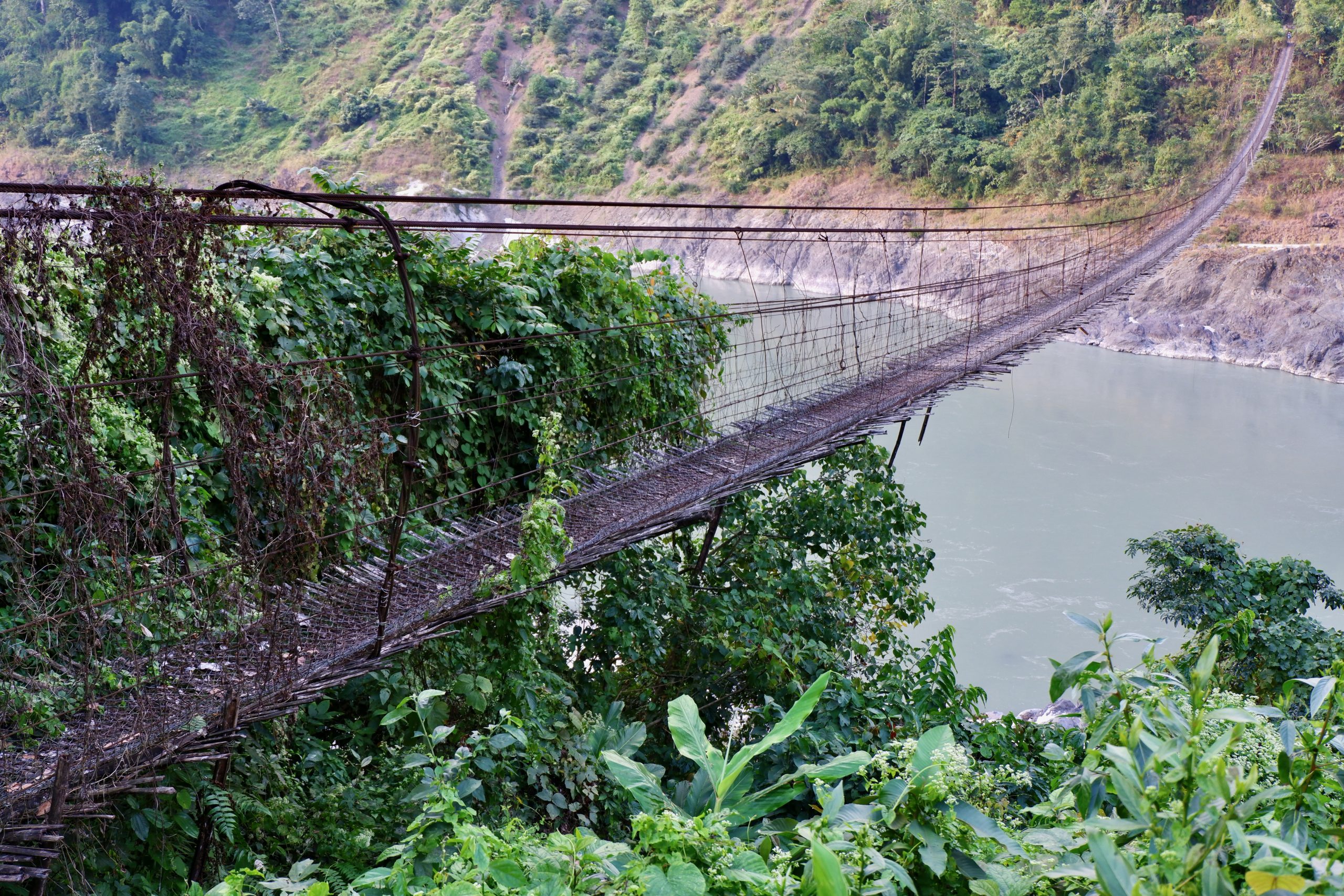
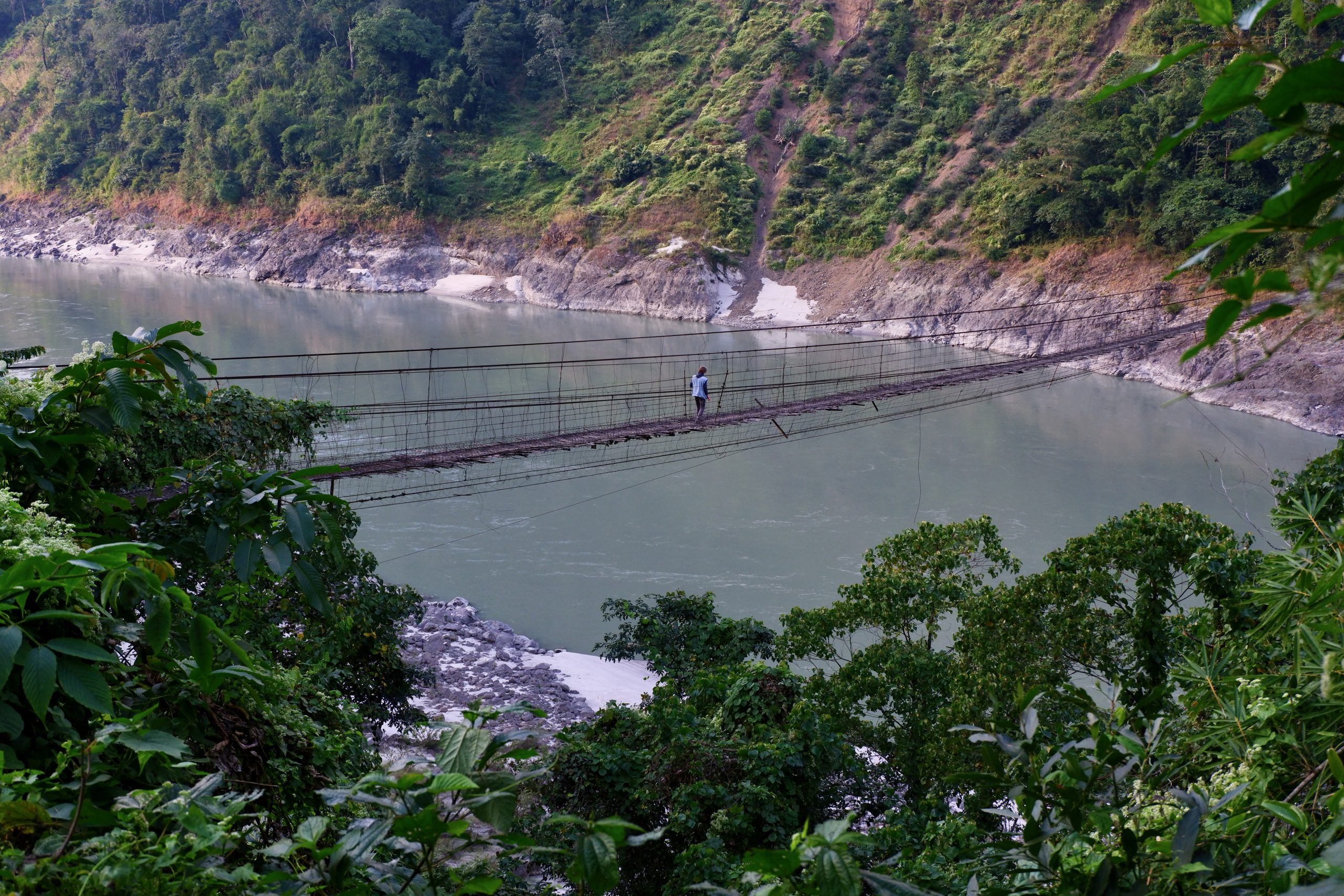
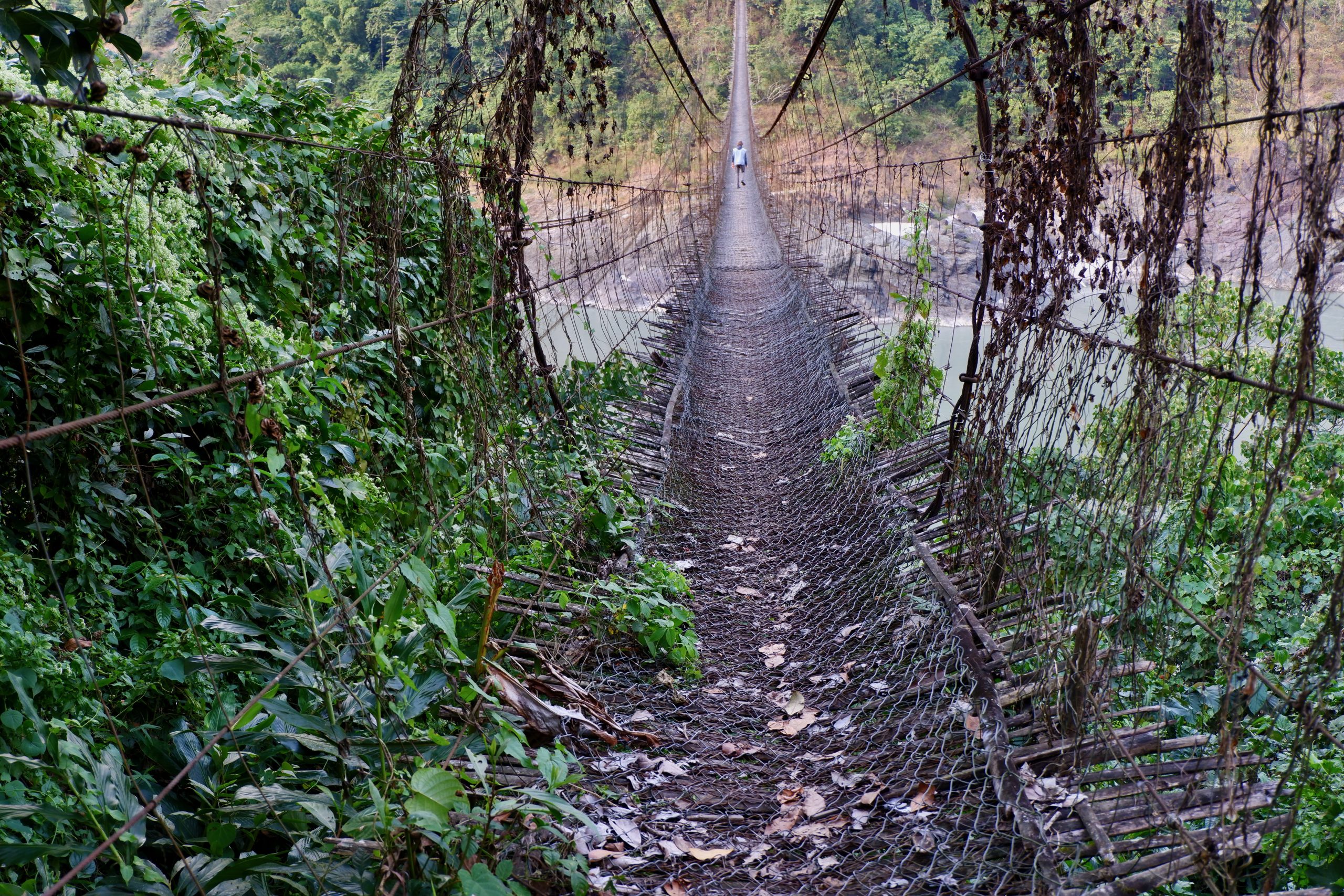
The Indigenous Faith Day celebrations wrapped up around midday, and we continued our journey. This time there were no more villages, but instead a bit of scenery, including the confluence of the Siang (which becomes the Brahmaputra) and the Siyom. In that area there are still some old suspension bridges, but they’re being replaced by permanent bridges for cars — something that is changing everyday life there.
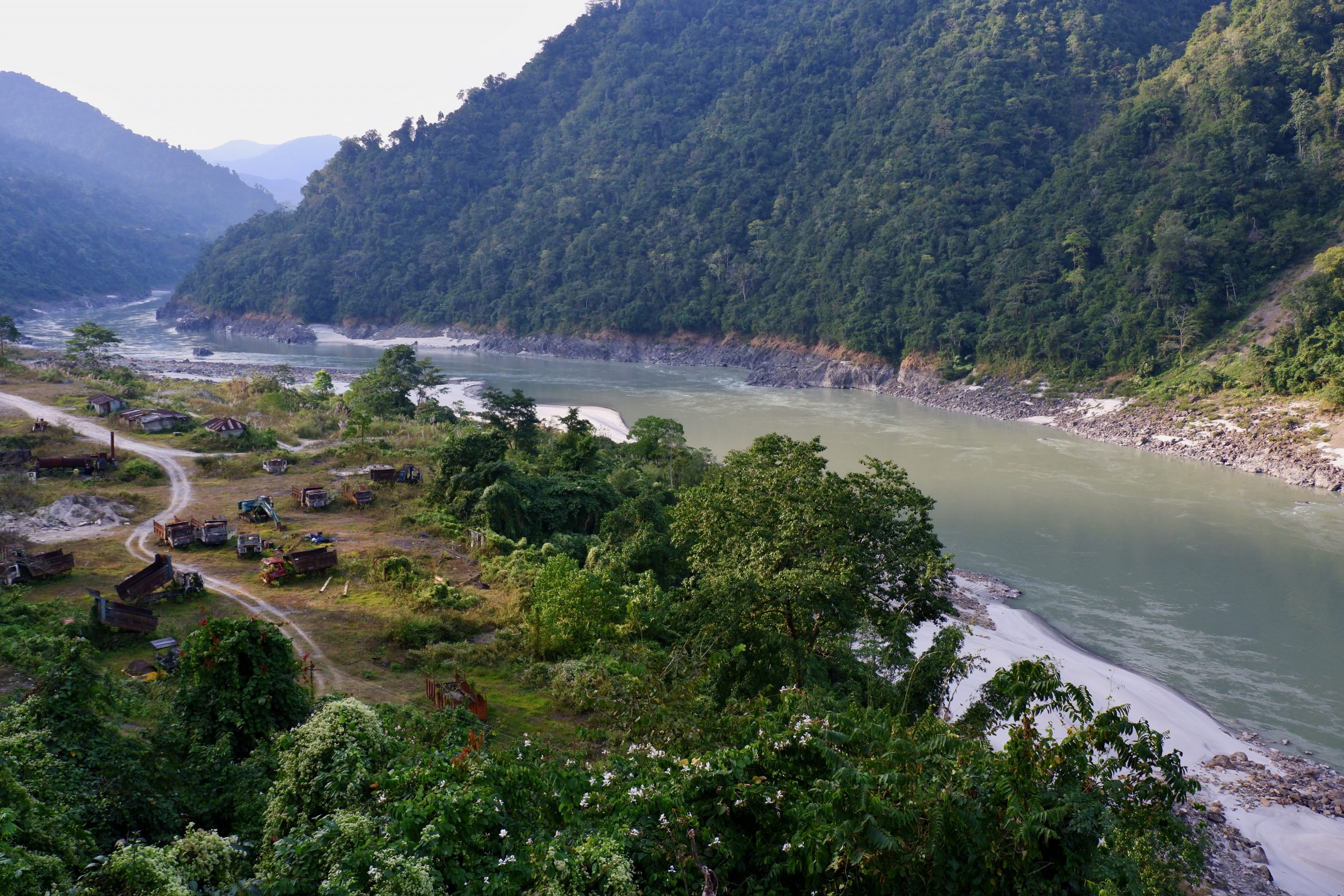 Siang
Siang
 1
1
 2
2
 3
3
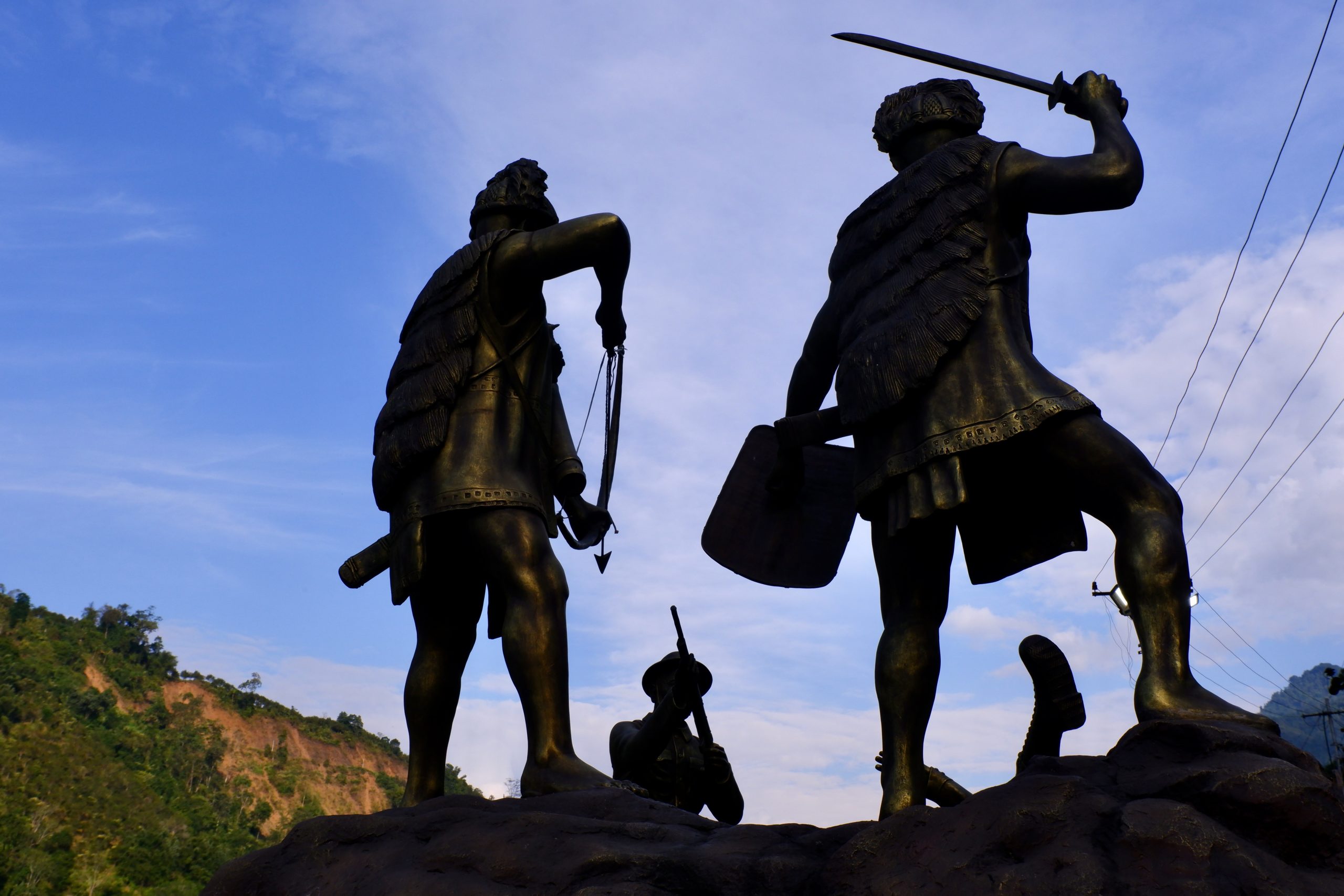
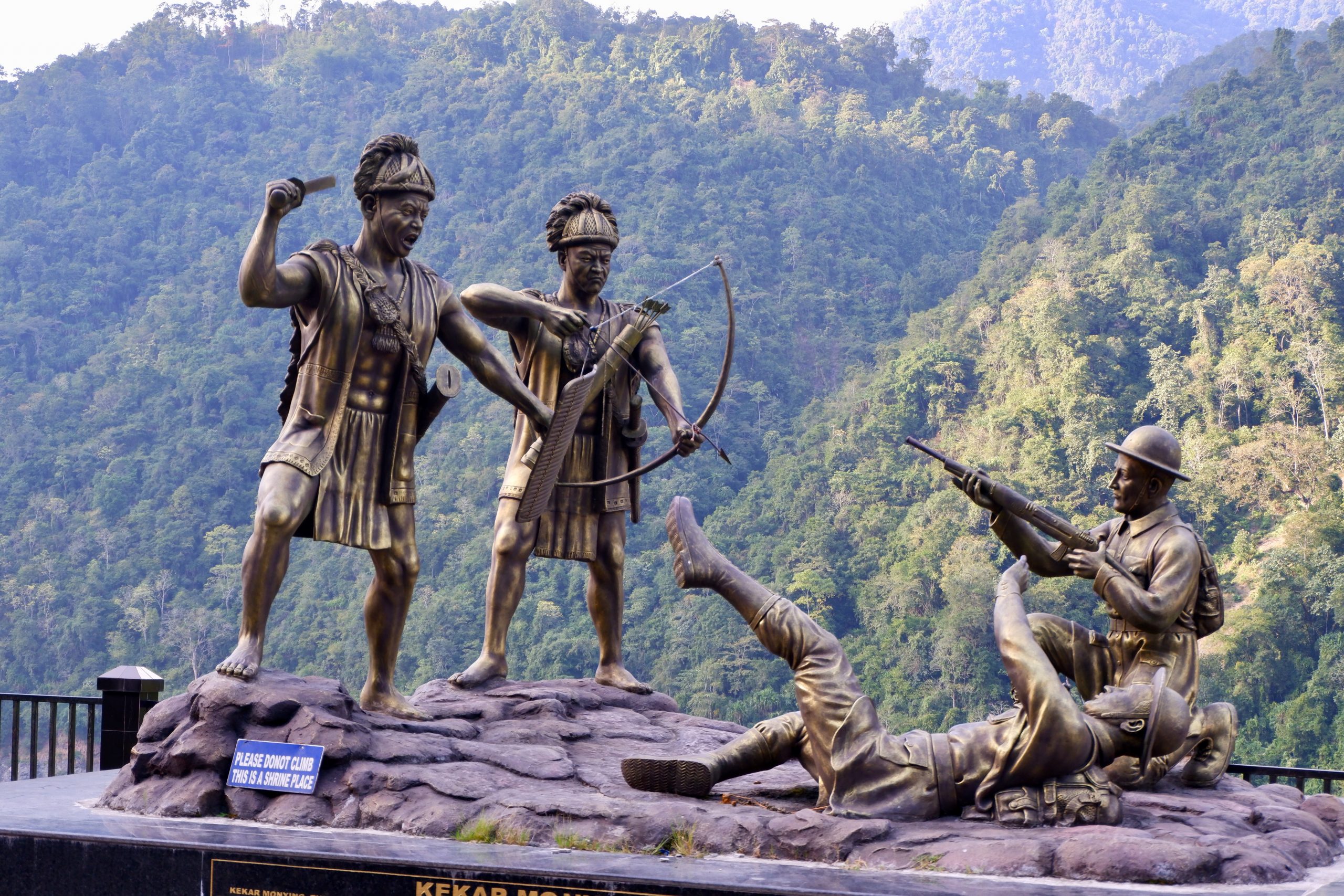
There was also the Kekar-Monyin Memorial. It commemorates the Anglo-Abor War. In 1911, a British officer disappeared in the tribal areas of the Adi, who were then accused of being responsible. The British demanded submission, but the Adi refused. They formed a large defensive line along a strategic cliff face and put up weeks of resistance with their bows and spears against the better-equipped British. The British were taken by surprise, had to maneuver back and forth, brought in heavier artillery — and were ultimately victorious. But the resistance the Adi mounted is something they are very proud of, and they erected this memorial to honor it.
I didn’t photograph the inscription, but it says: “Warriors are not those who always win, but those who always keep fighting!”.
 1
1
 2
2
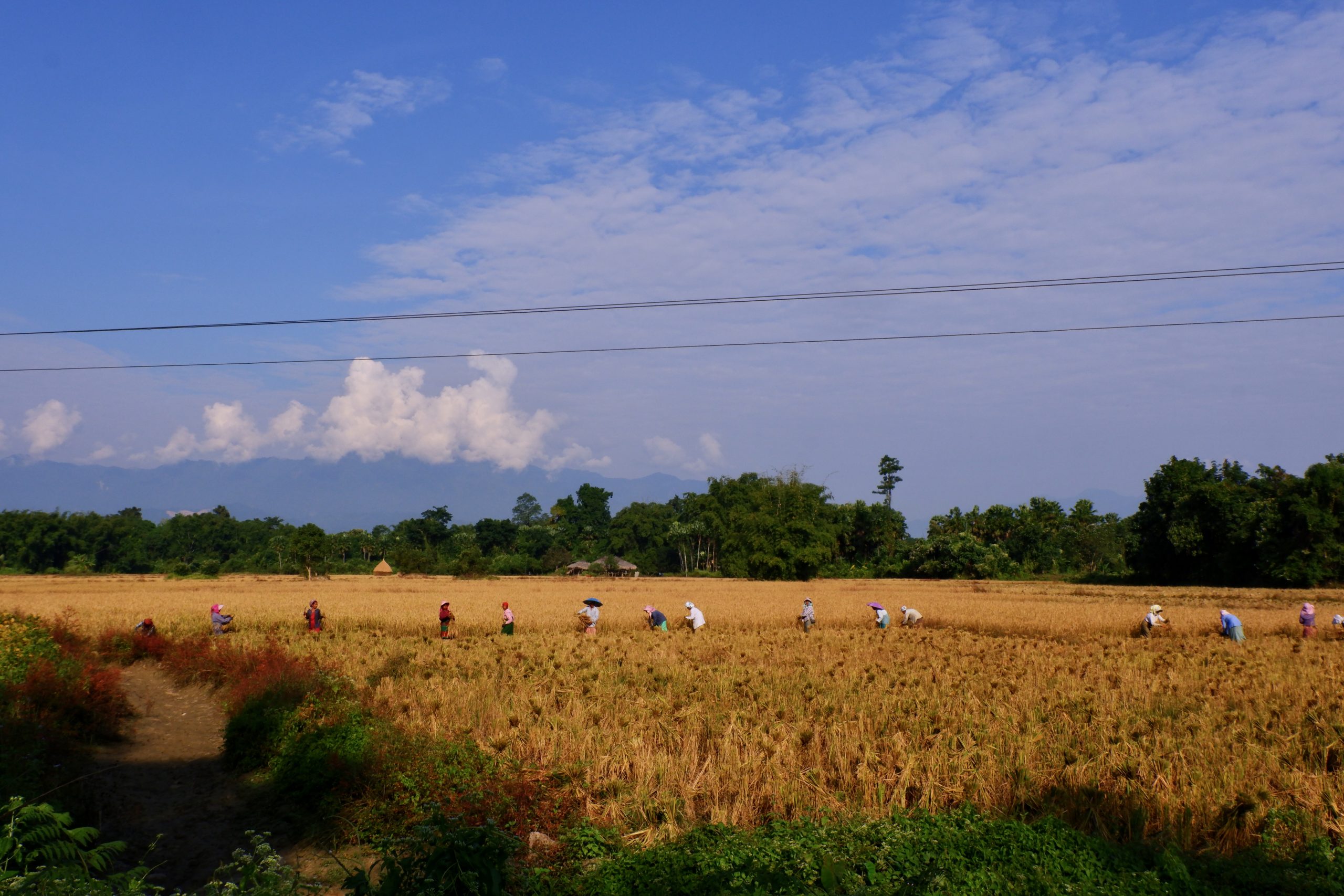
The next day, the journey continued past rice fields and then across a 4.9-kilometer bridge over the Brahmaputra. We were back in Assam.
 Reis 1
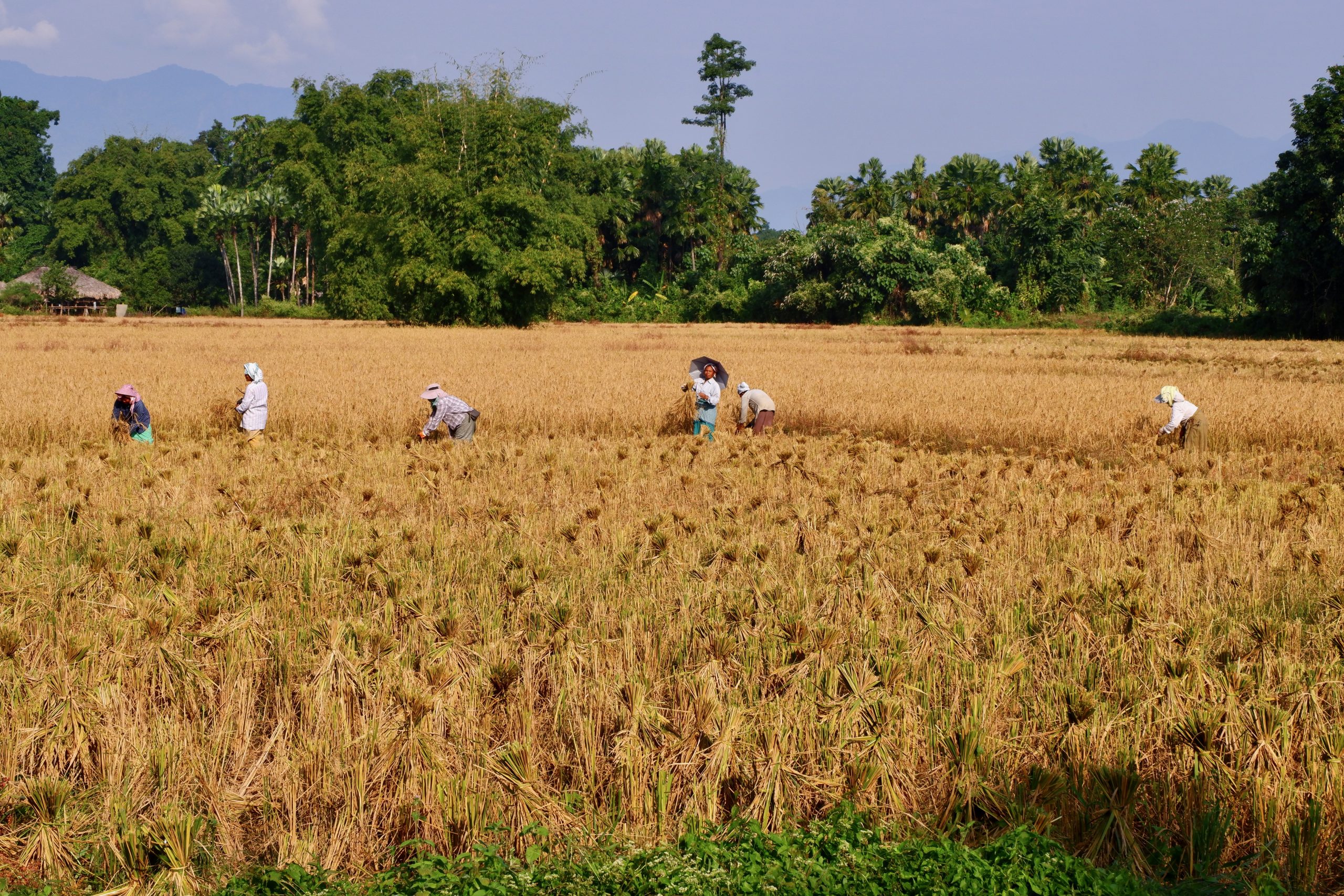 Reis 2
The next day, the journey continued past rice fields and then across a 4.9-kilometer bridge over the Brahmaputra. We were back in Assam.
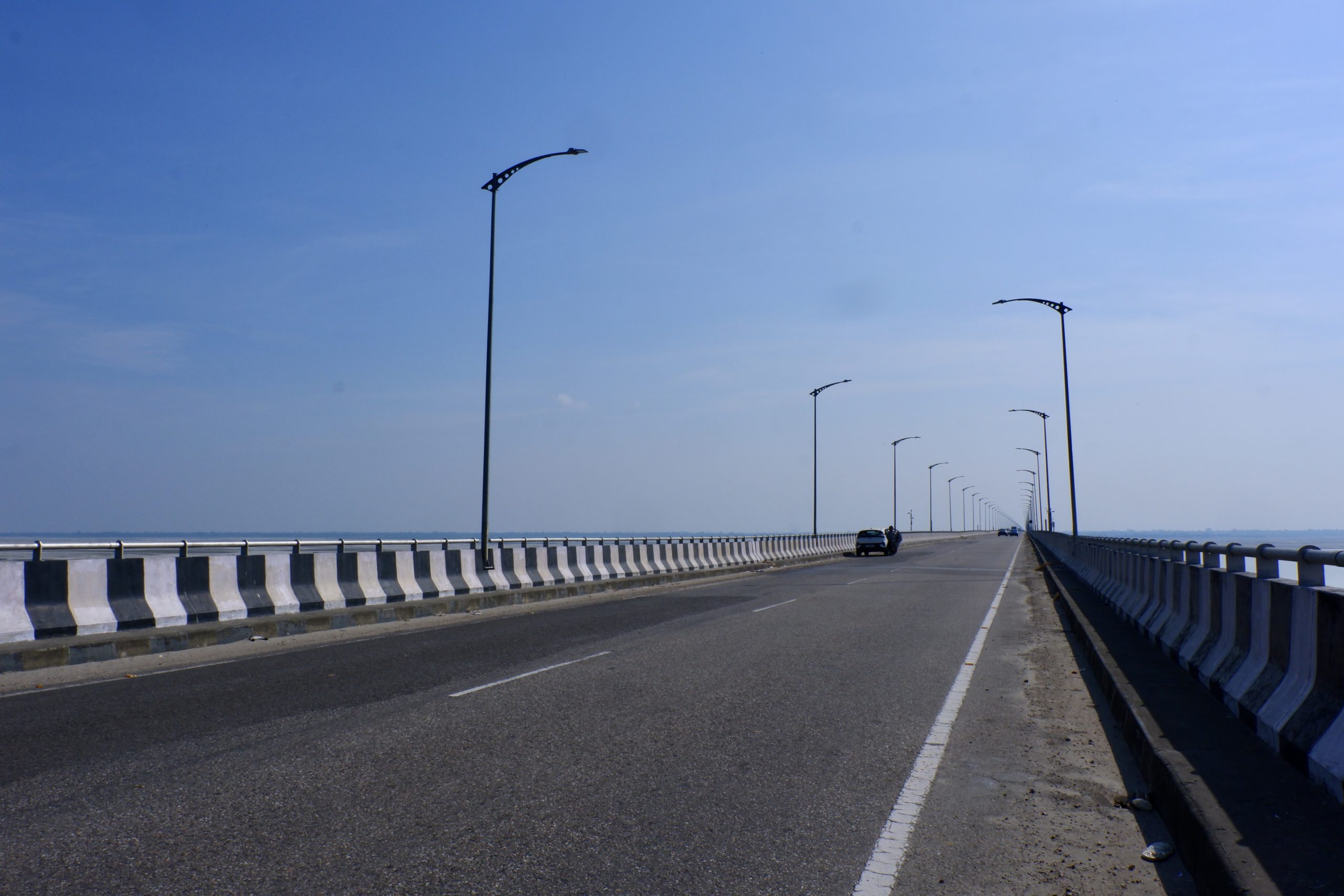 Bridge
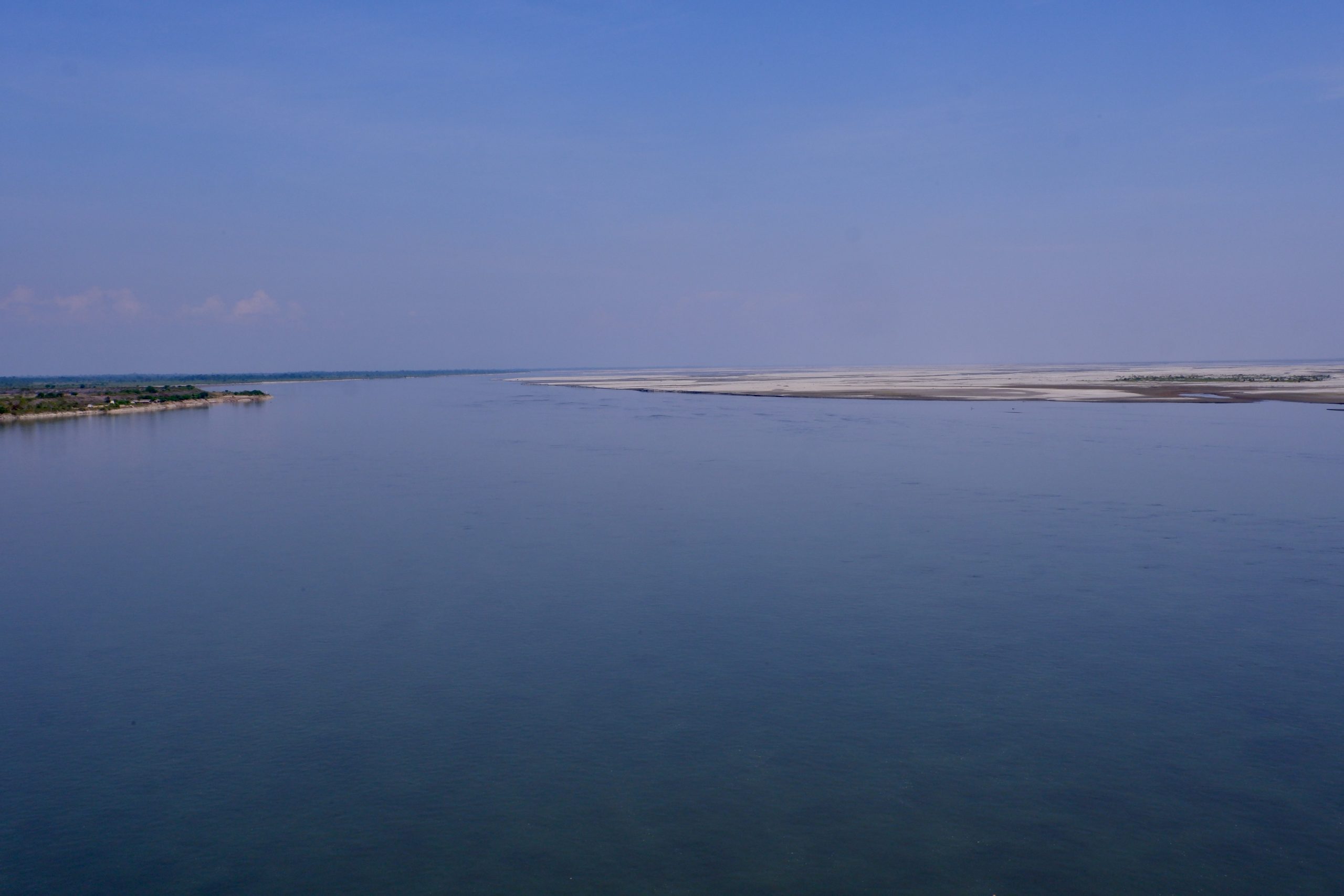 Brahmaputra 1
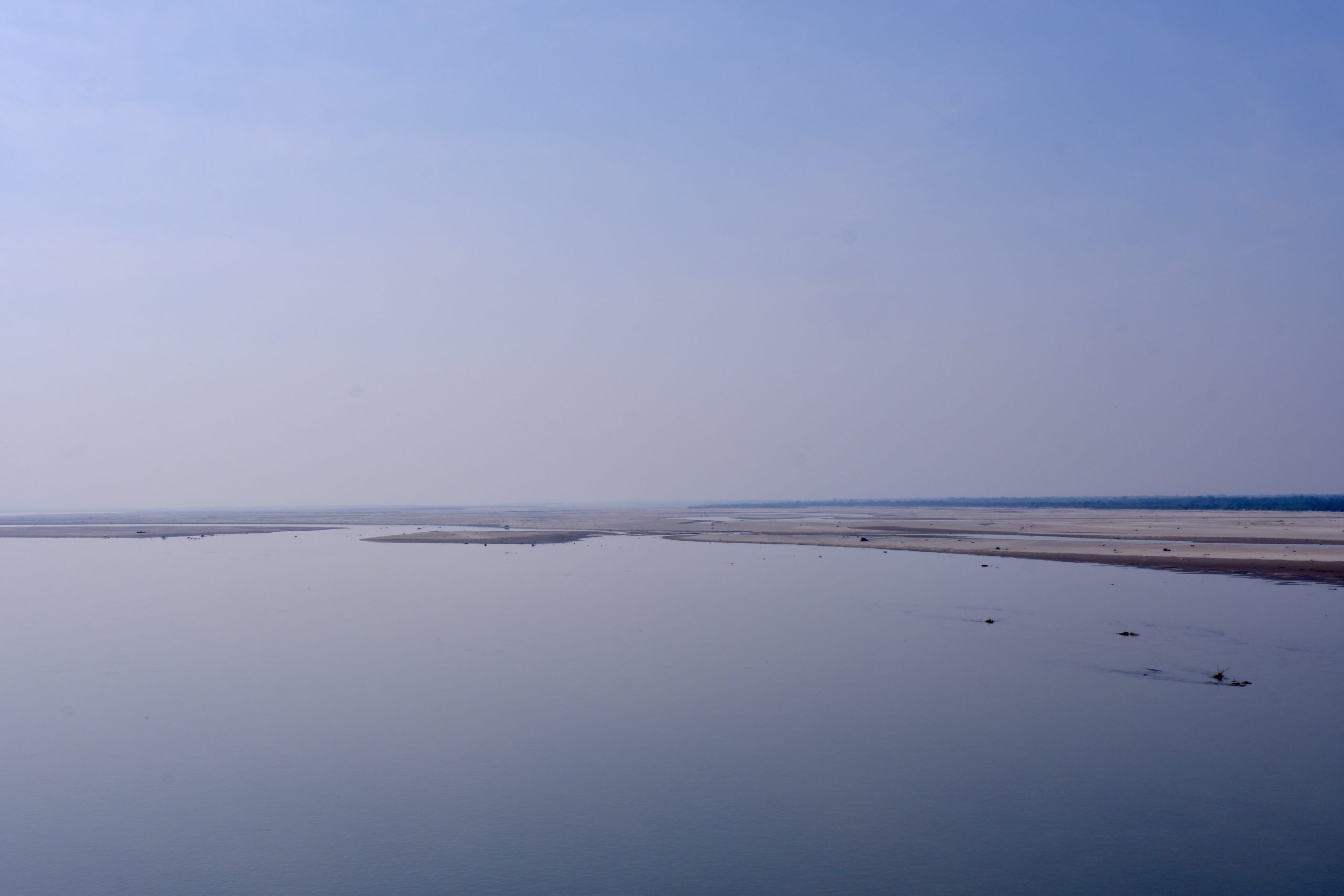 Brahmaputra 2
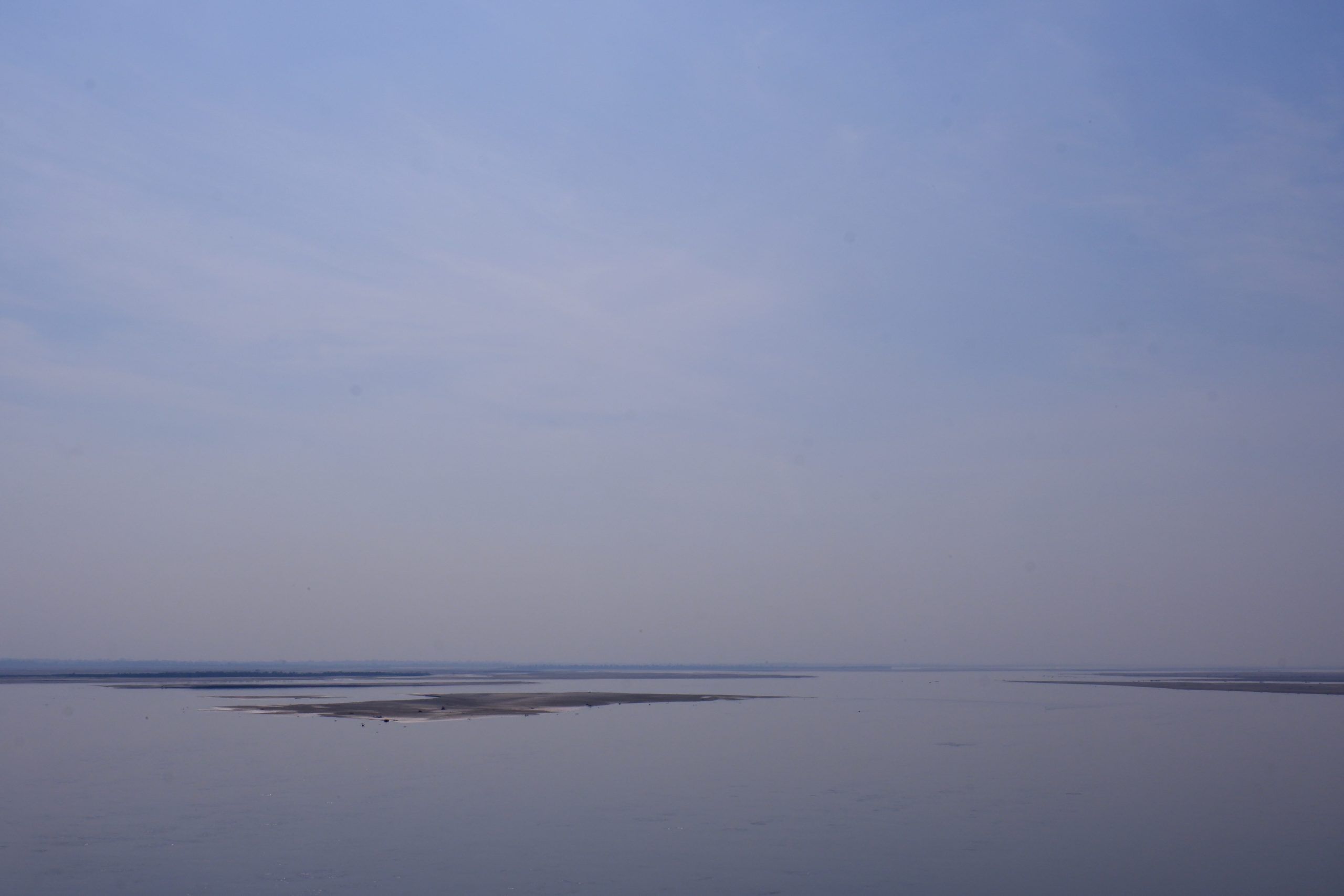 Brahmaputra 3
Nothing going on on the bridge and the Brahmaputra. We had imagined it differently.
After that, the traffic did pick up quite a bit and there were even traffic jams again — but eventually we reached Sibsagar. Out of the total 600 years of Ahom rule, Sibsagar was their seat of government for almost 100 years. The Ahom migrated from Myanmar into what is now Assam in the 13th century. At first, this happened peacefully. They were not too numerous, got along well with the local people, and many marriages were formed. The ruler’s motto at the time was: “Mixing instead of ruling.” They also had interesting things to offer: modern water-management techniques and administrative systems.
But at some point there were simply “too many,” and they then seized territories partly by force and followed the principle of ruling as well as mixing. So the mixing continued, but it was clear who held the power. And eventually the blending became so extensive that one can say: Ahoms = Assamese people.
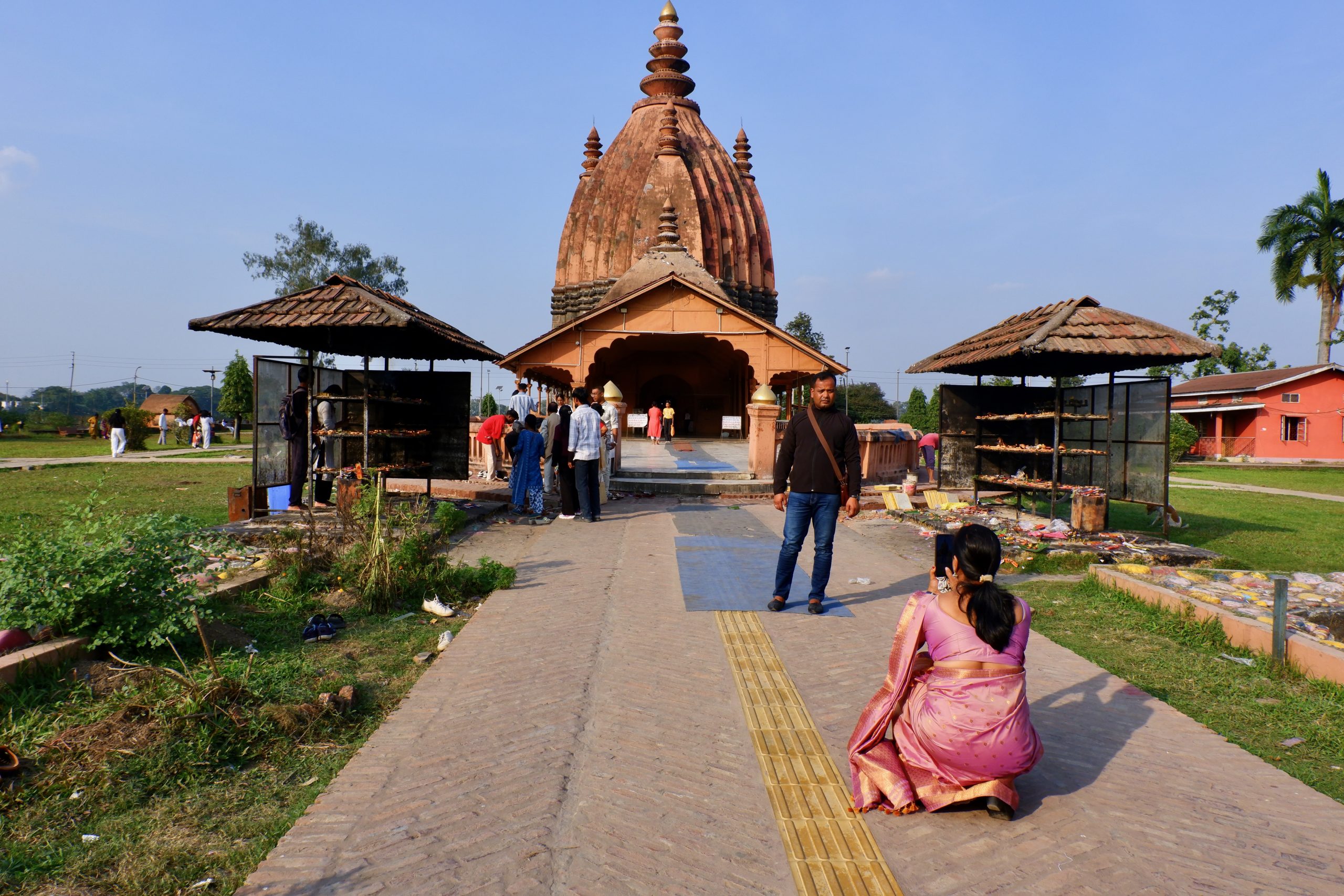
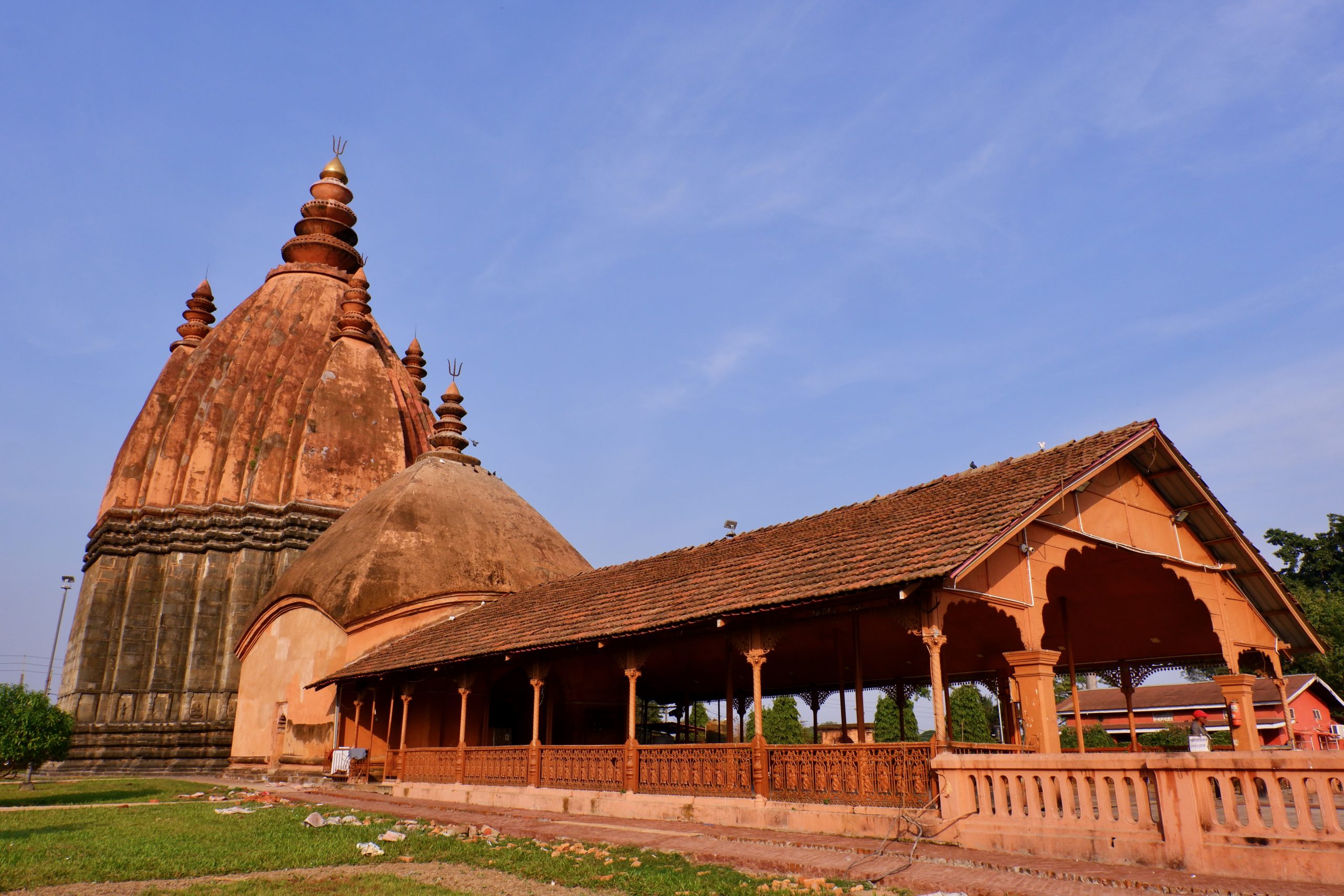
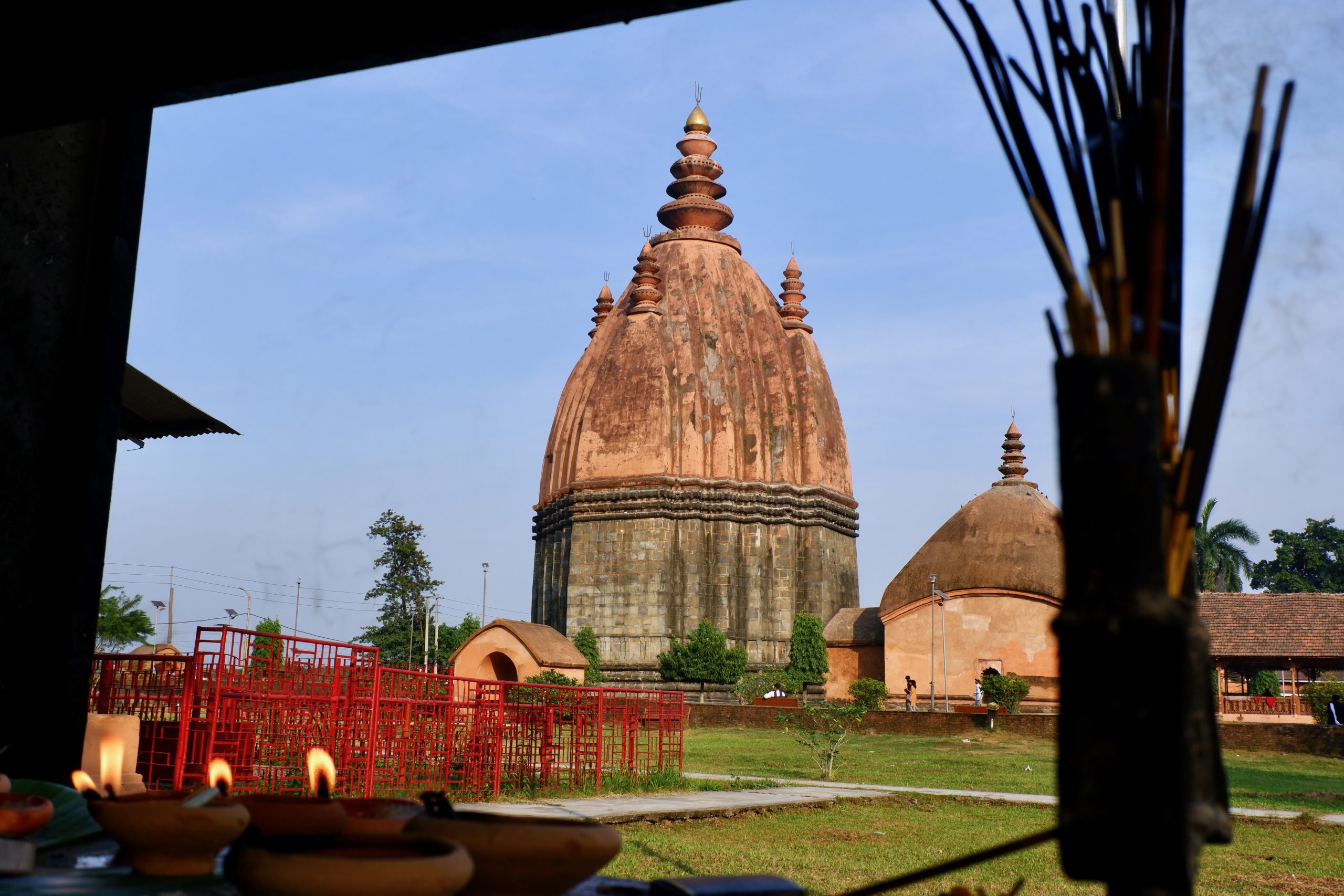
The earlier Assamese (from various ethnic groups) were partly Hindus — a religion that the Ahoms also adopted as they intermingled. In the first half of the 18th century, the great Shiva temple was built as an expression of the rulers’ devotion (specifically Queen Ambika). You can visit it along with its subsidiary temples, Vishnudol and Devidol — which we did. Here are my photos:
 1
1
 2
2
 3
3
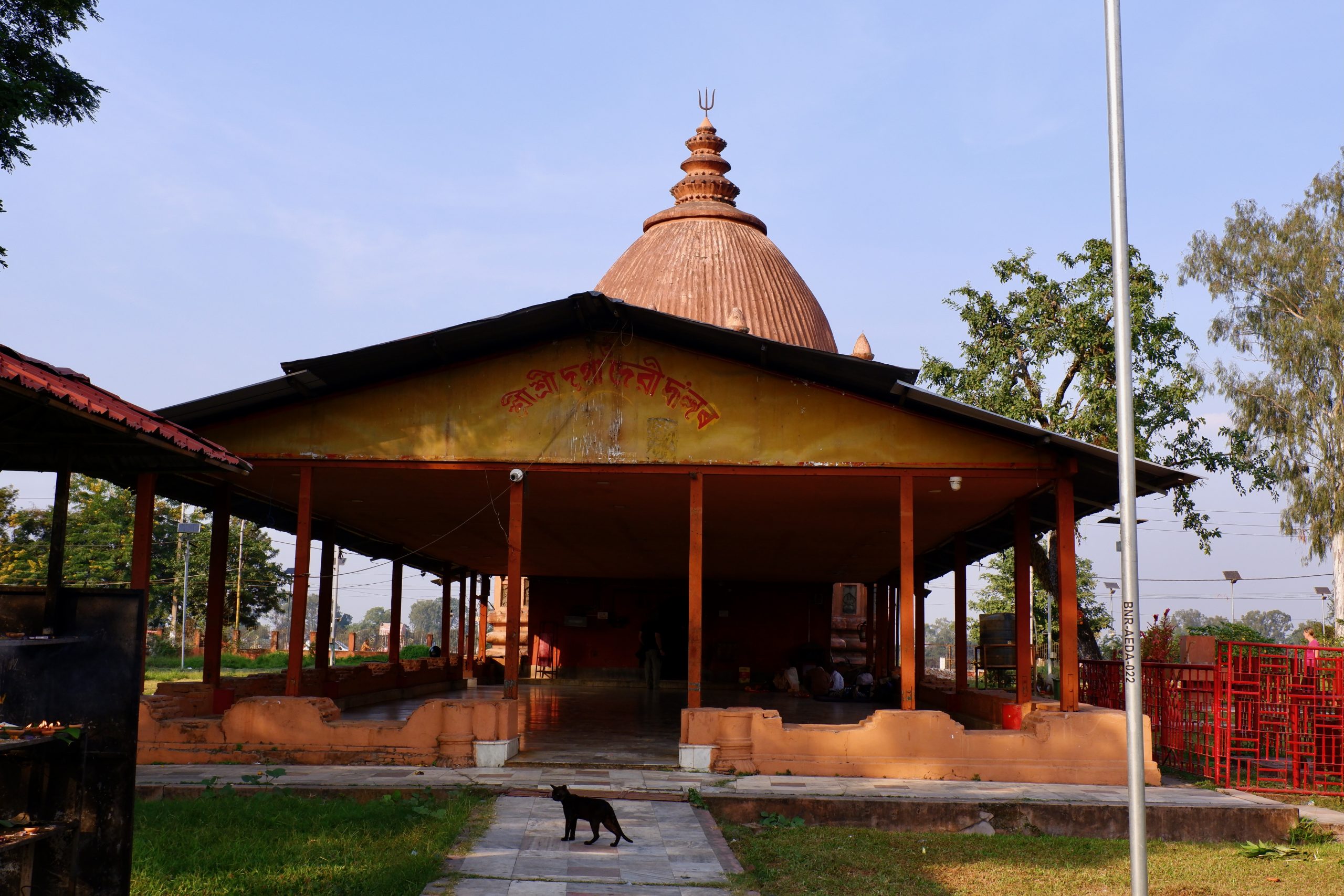 4
4
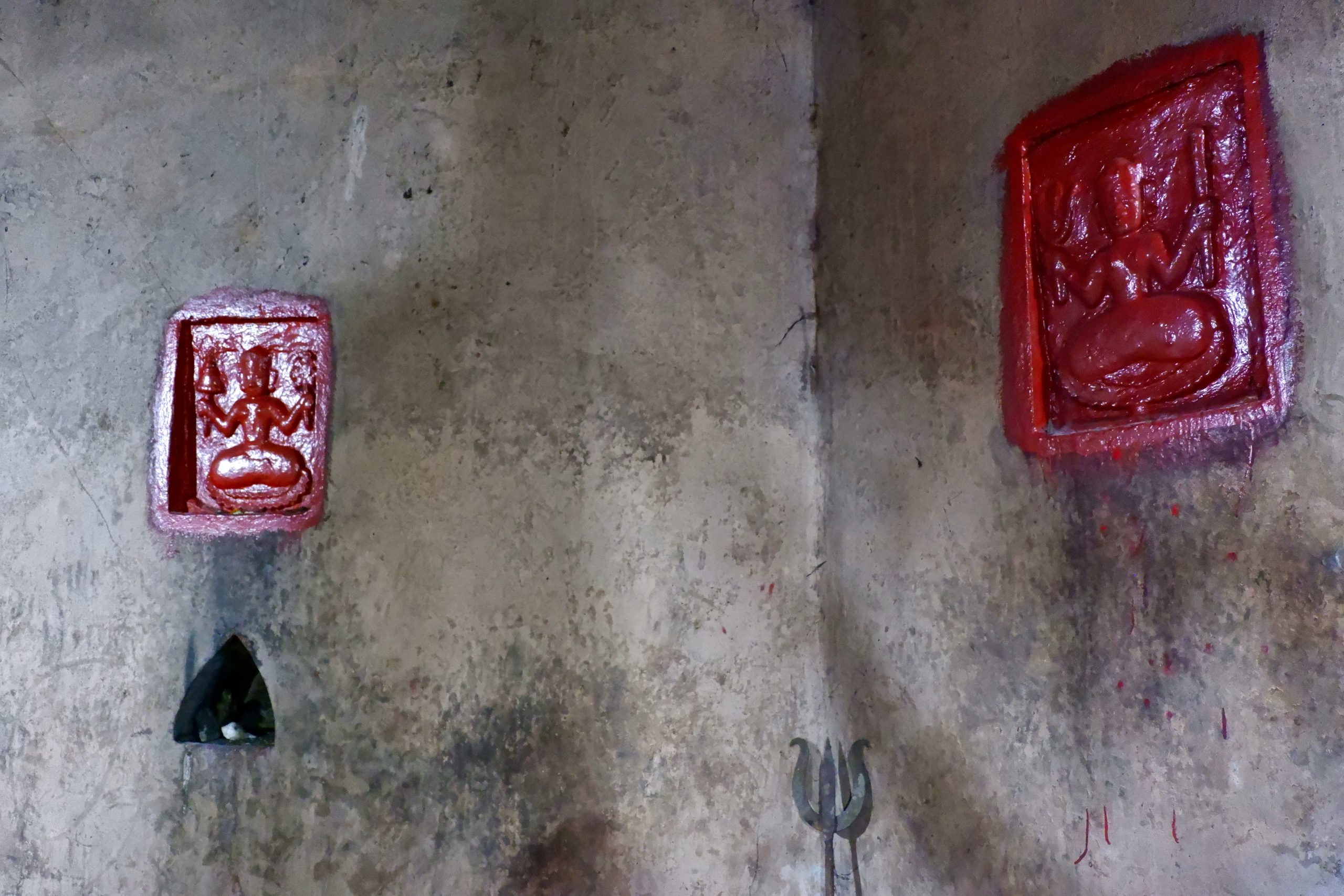 5
5
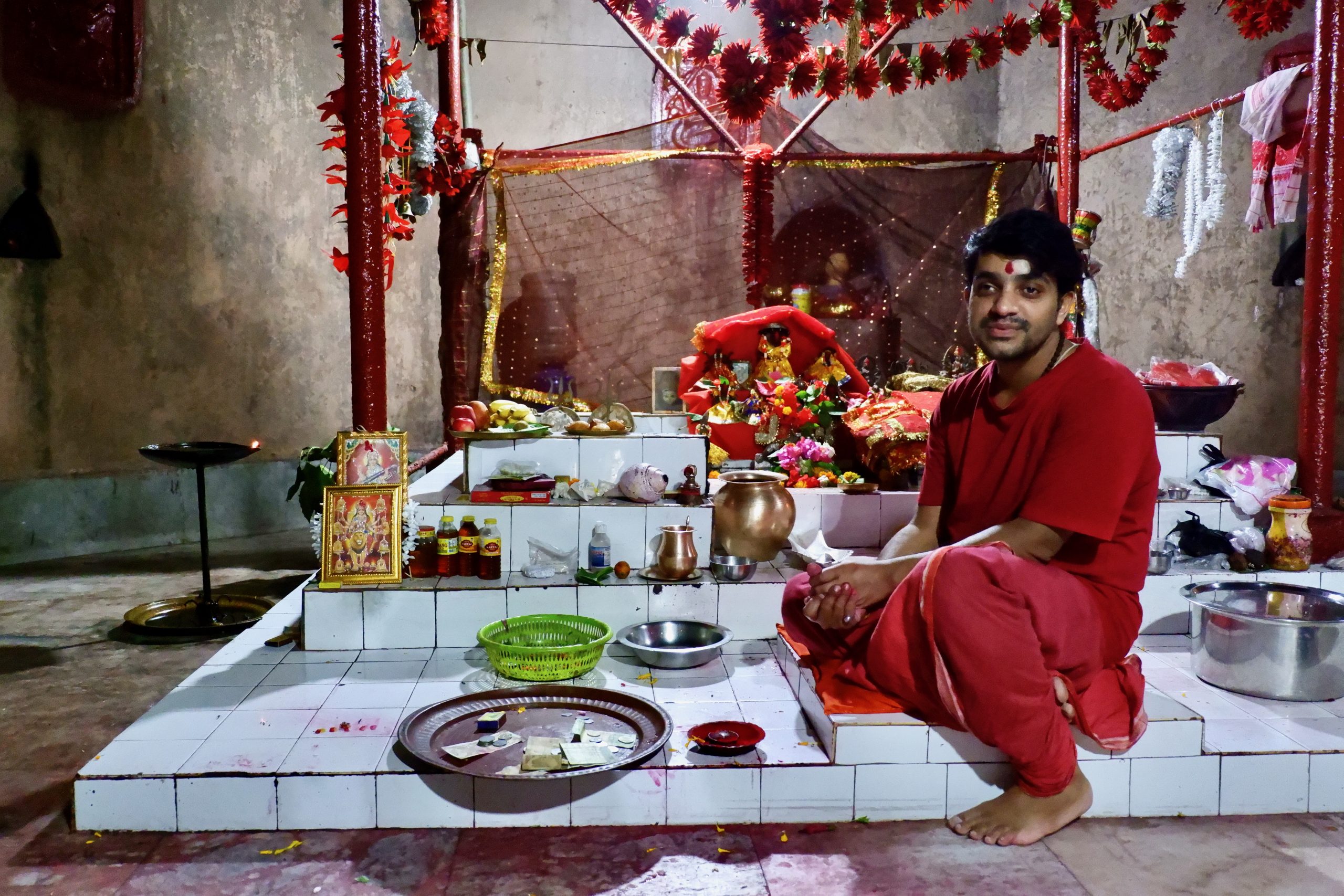 6
6
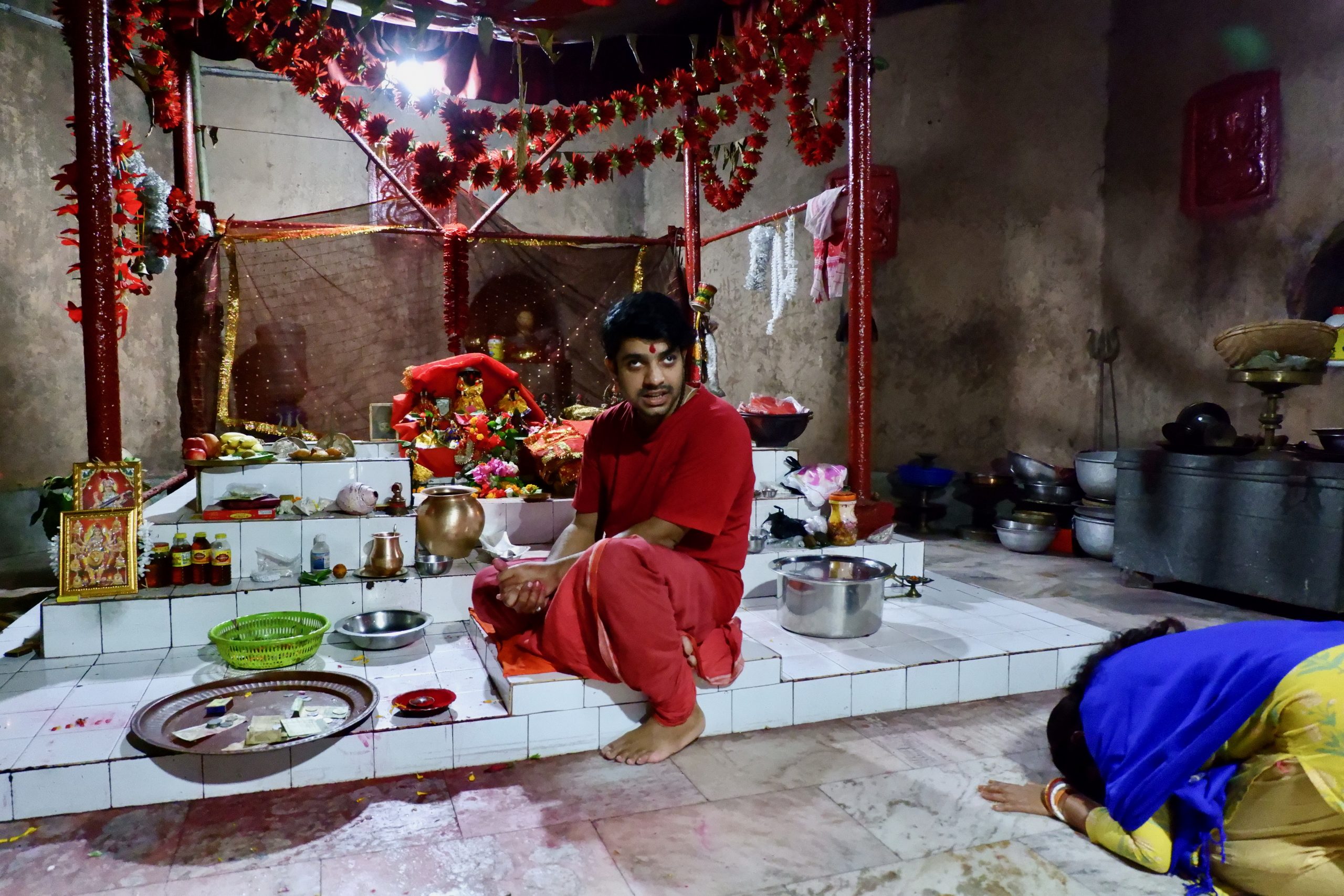 7
7
Unfortunately, it was already quite late and we wanted to visit more sights. Here is the lake created by the Ahoms. It is an artificial water reservoir from the first half of the 18th century and, interestingly, it lies higher than the surrounding terrain (except for the road I’m standing on).
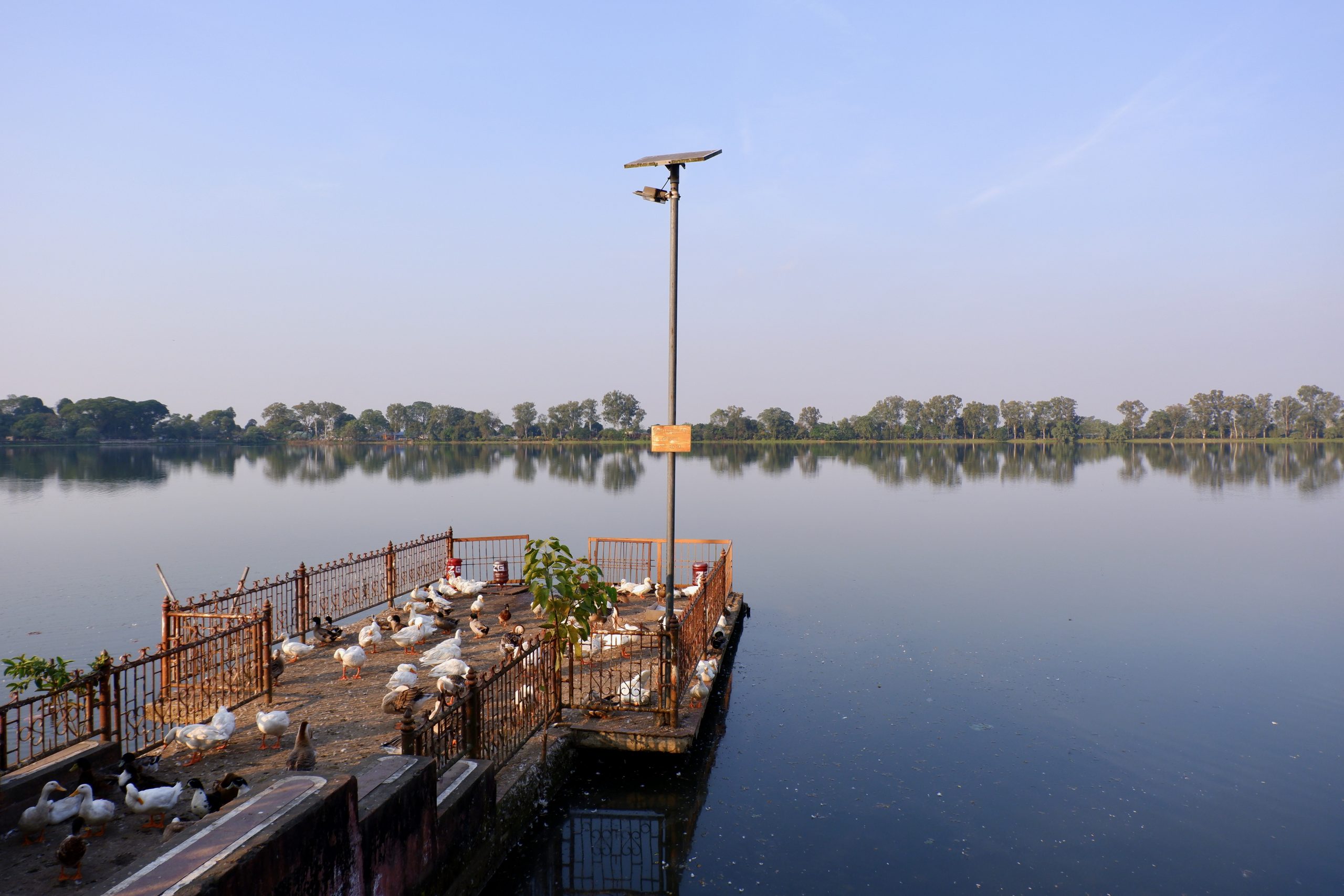 Borpukhuri
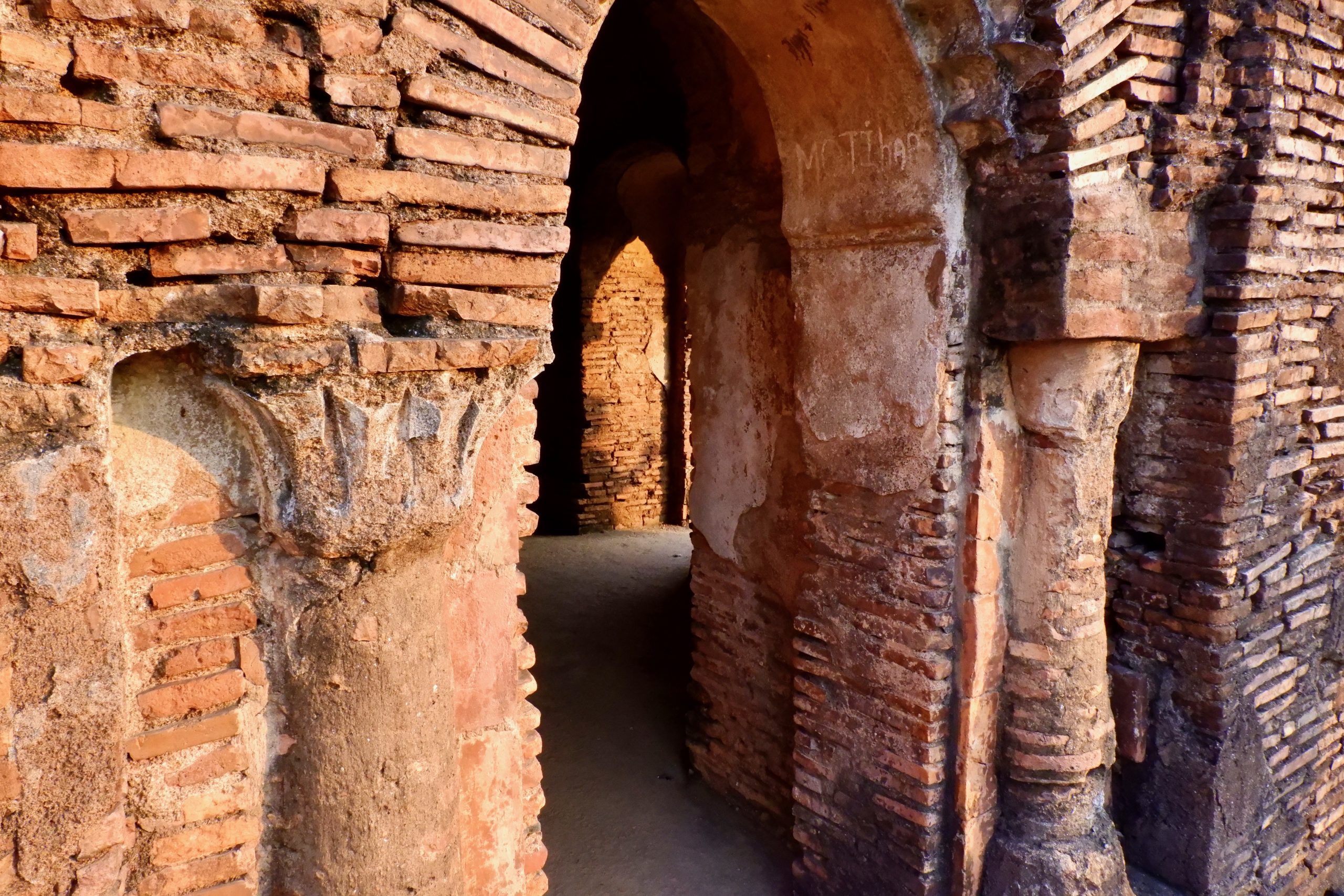
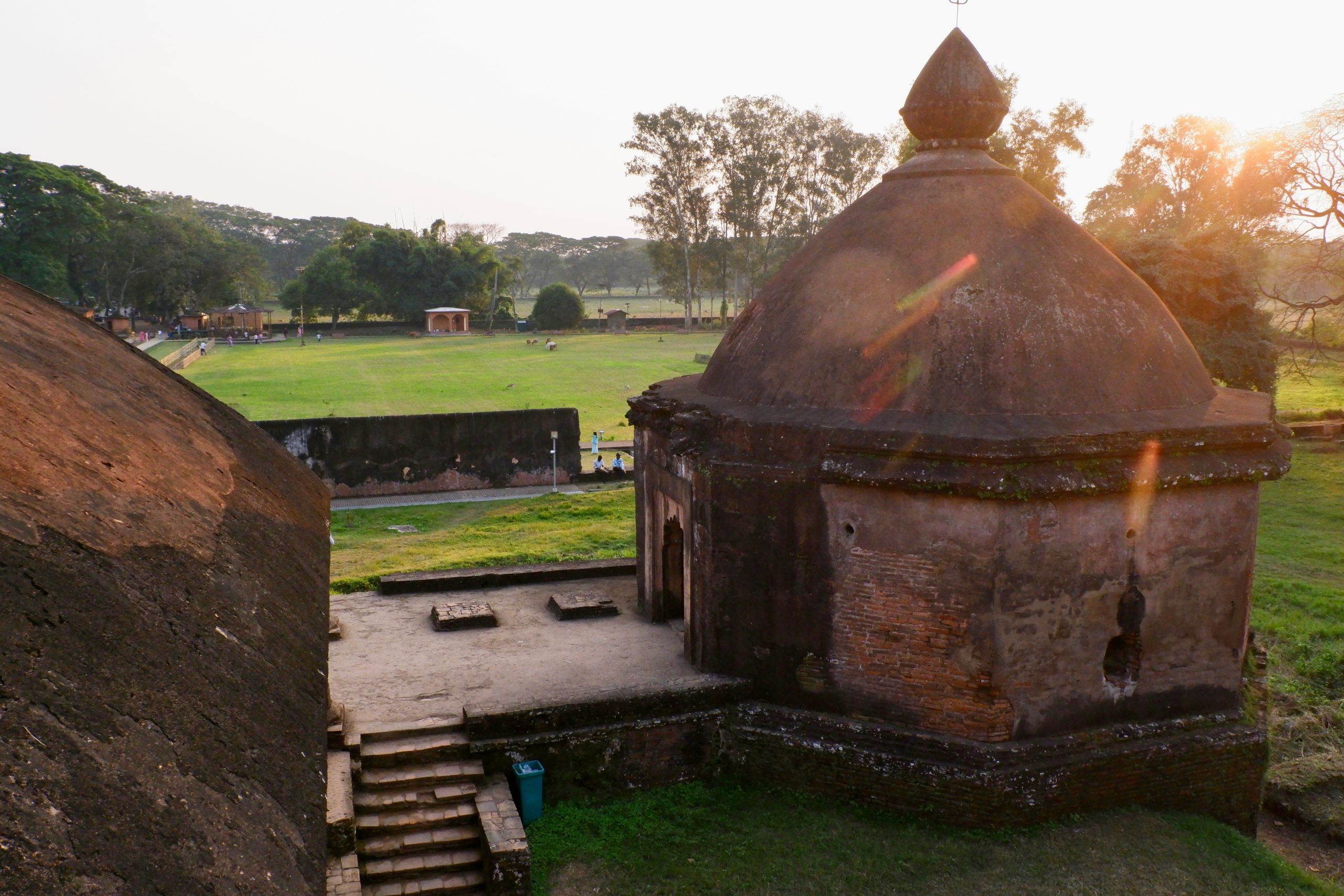
Then we went to Talatal Garh, the former royal palace complex, of which only meagre remnants remain. It is said to have once had seven storeys. But a few traces can still be found, and for a moment I almost felt like I was in Rajasthan.
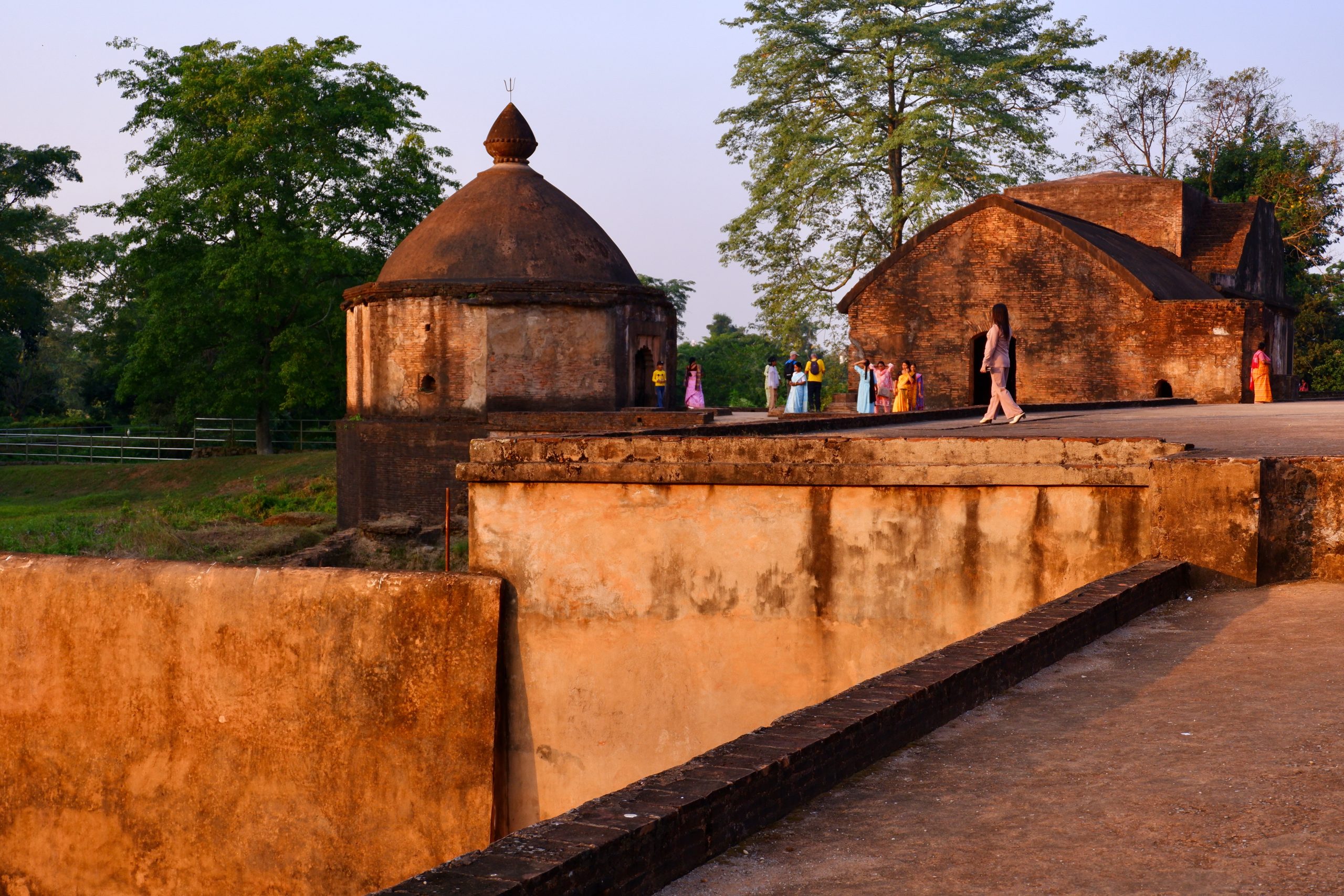 1
1
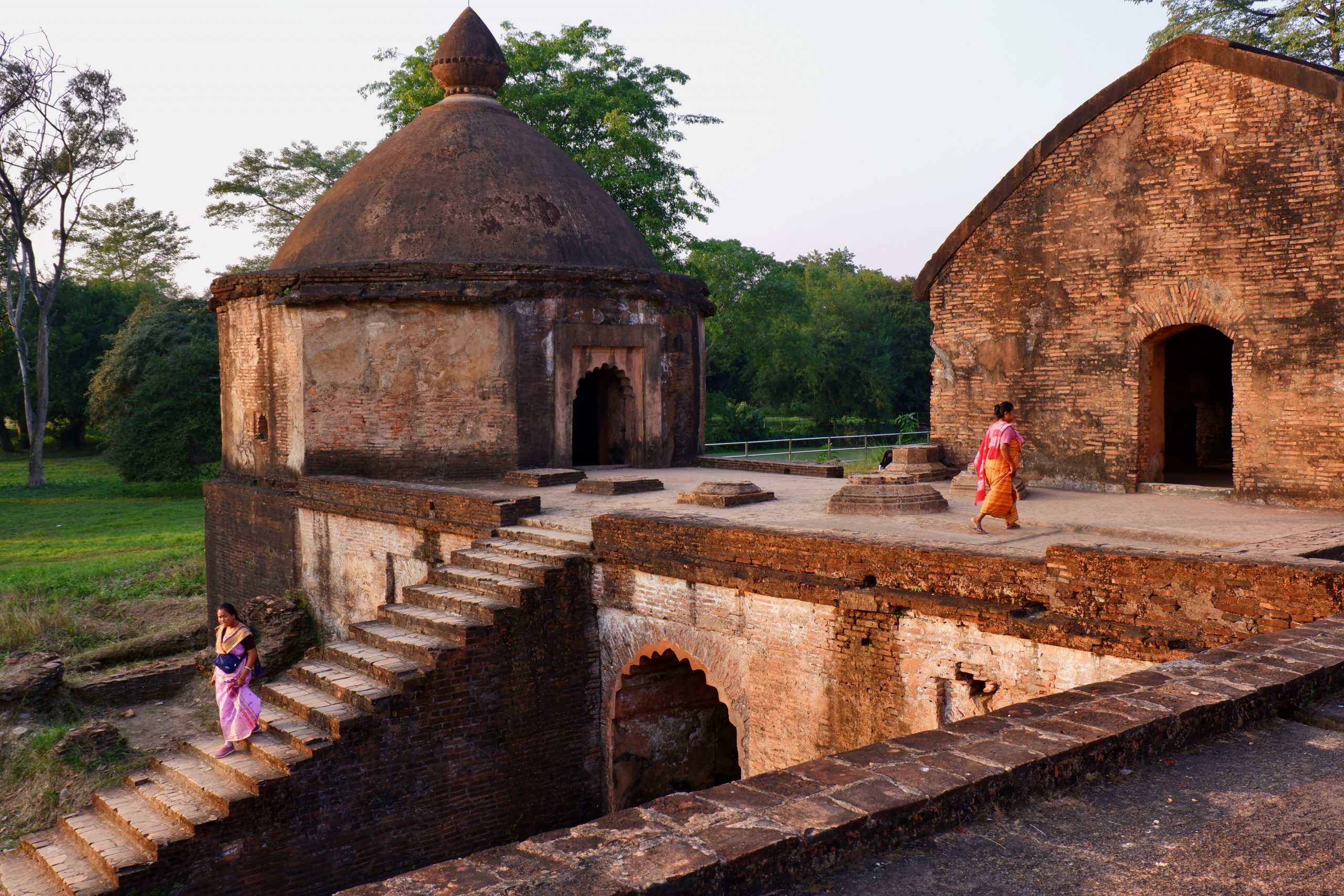 2
2
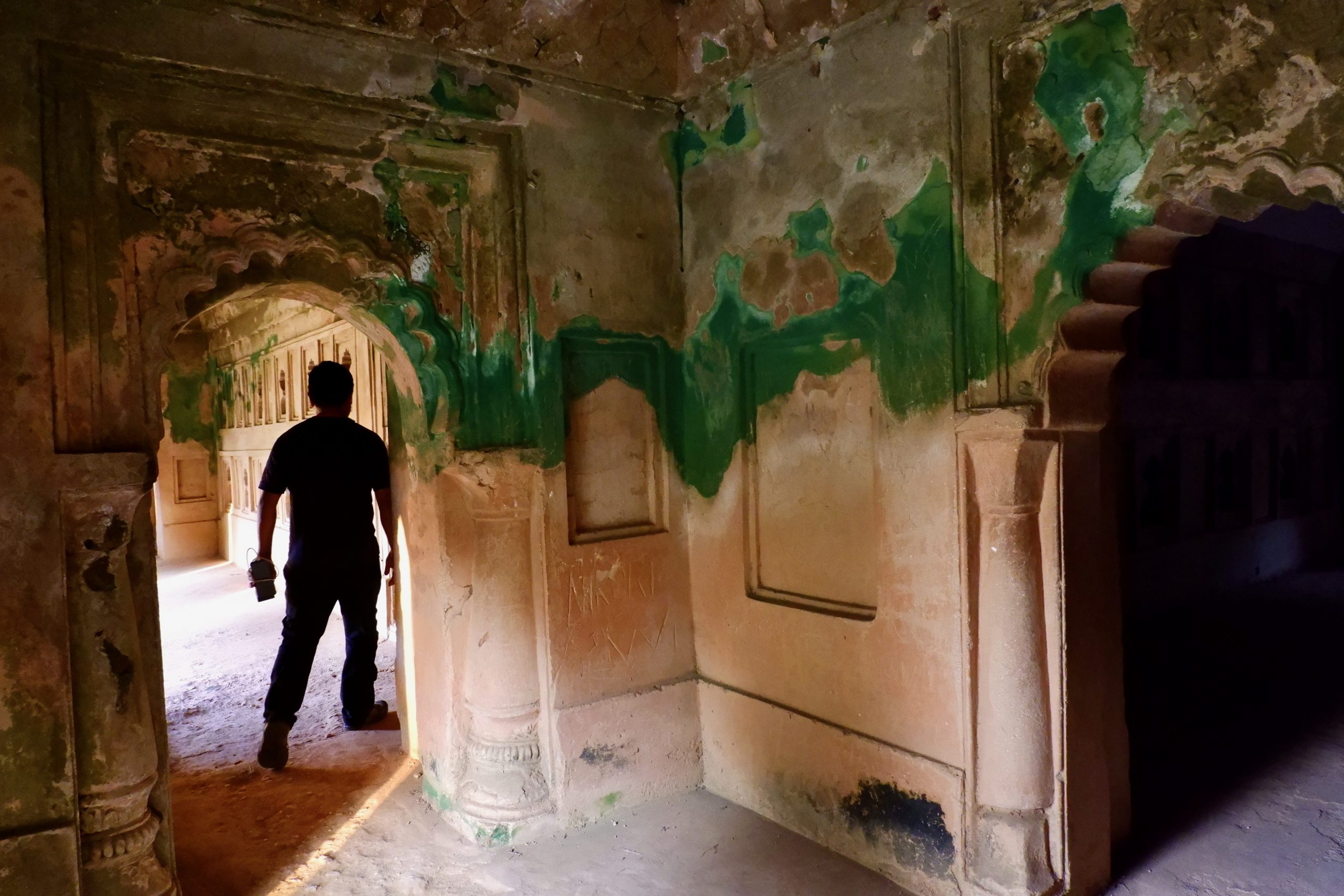 3
3
 4
4
 5
5
And then, the next day, we were supposed to head to Nagaland. The Hornbill Festival was meant to be the highlight of the trip. I remembered all my reservations and was very curious to see how I would perceive the reality.