


Kota – The Viewpoint is too expensive
12. – 14. January 2026
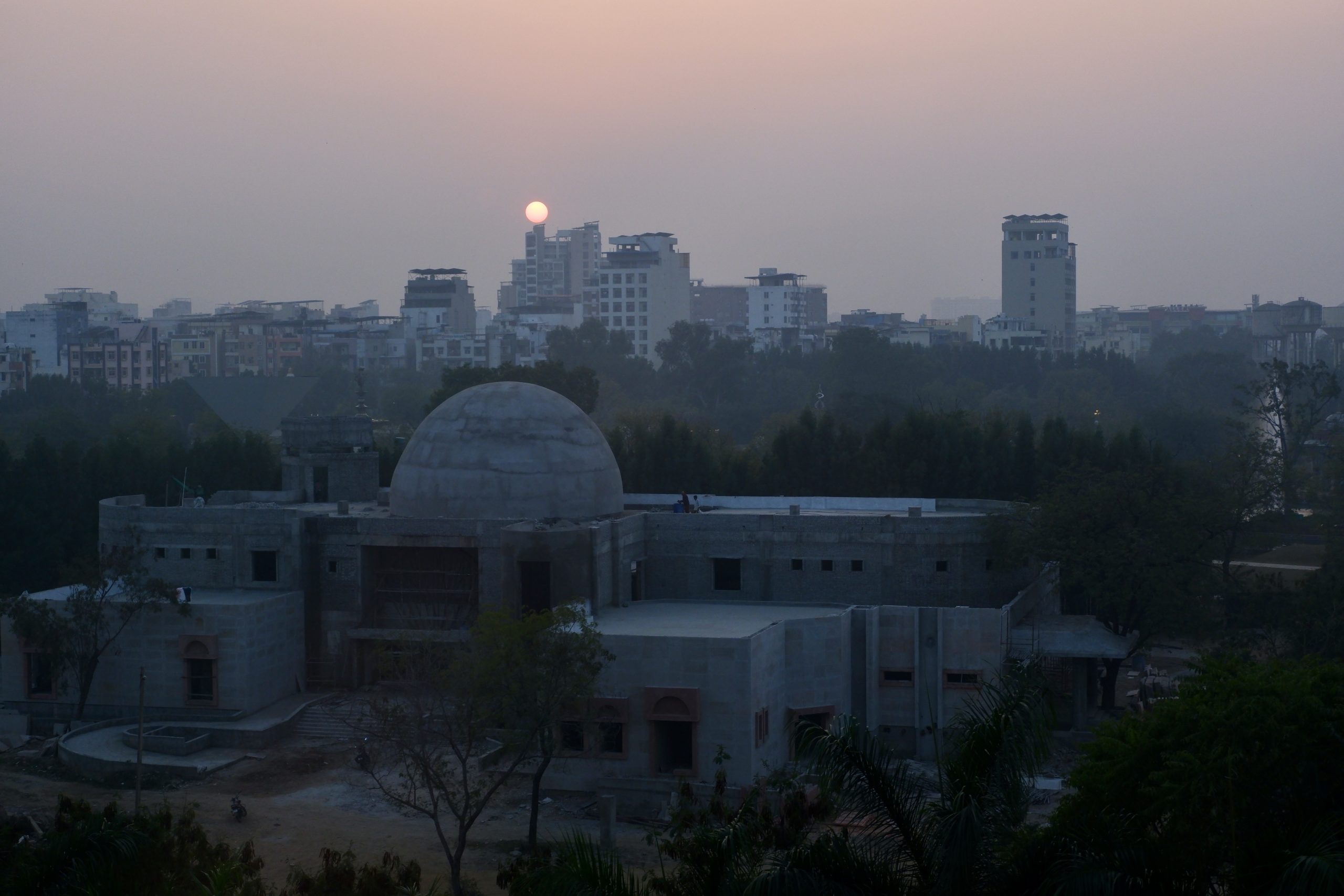
A friend had recommended the area south of Bundi to me, so I first set off for Kota. It’s only about an hour away by bus. India has largely switched to digital payments by now—you even just hold your phone up to the tea seller’s phone—but not on buses. There, the conductors still handle thick bundles of cash. The ticket, however, was printed on a small machine.
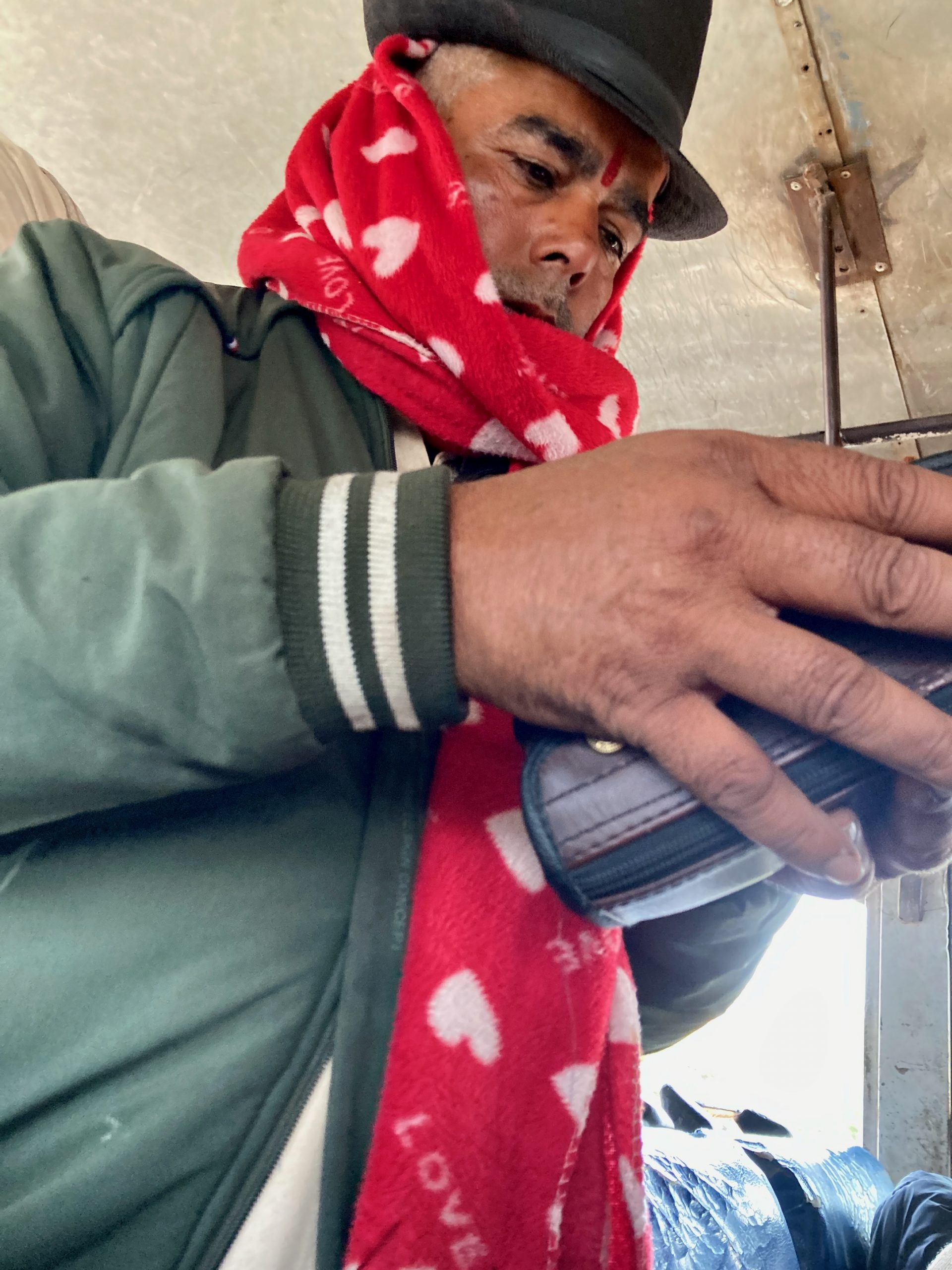 conductor
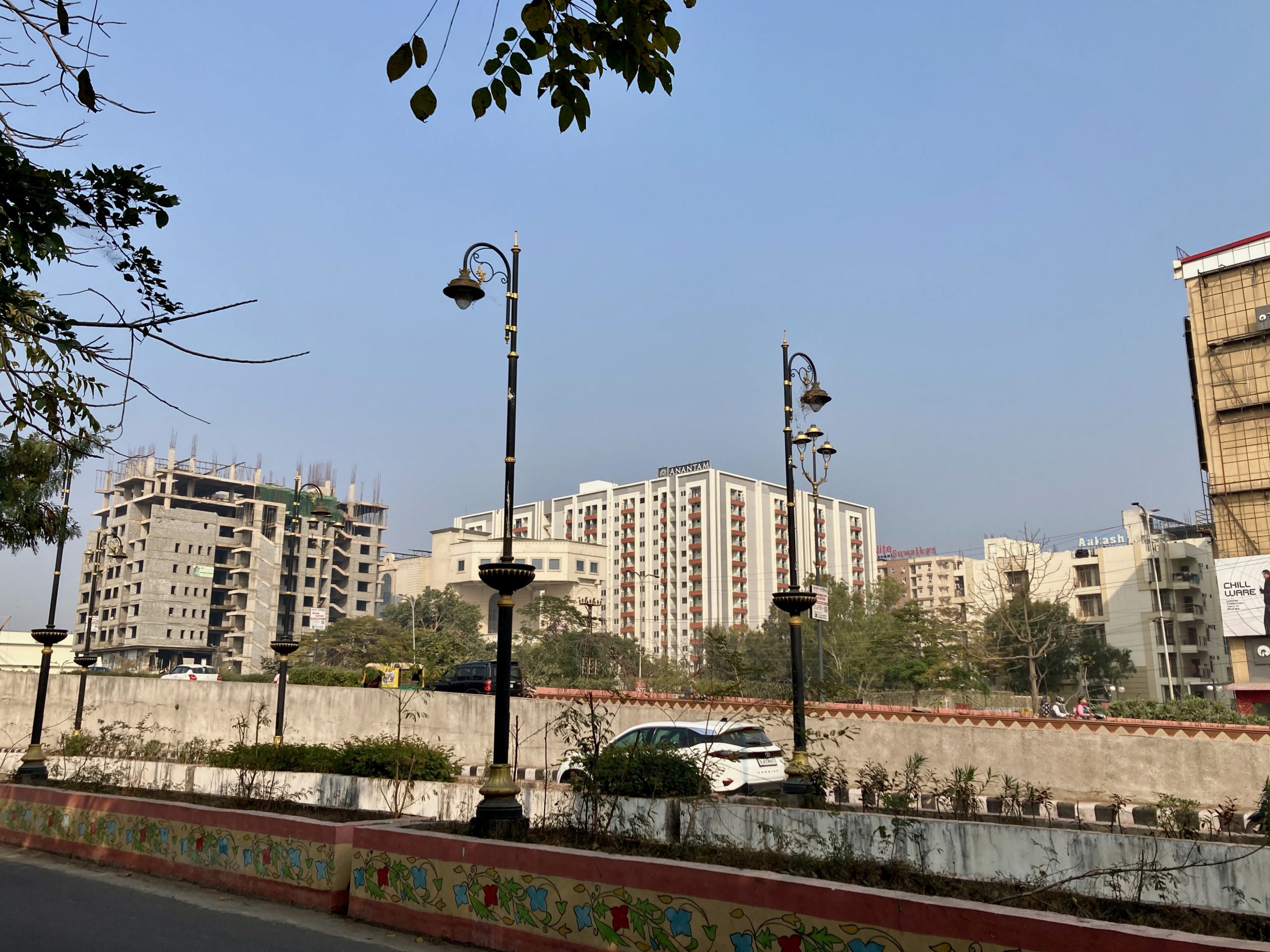
Kota doesn’t really appear on the tourist map. It’s a city of over a million people and feels very modern—at least in parts. There are very wide, large roads and not much traffic chaos (at least where I was). It’s a student city and is known for industry (textiles, natural stone, and chemicals). There are quite a few hotels that all initially feel like business hotels. And during my days there, I didn’t see a single other Western face.
 road
road
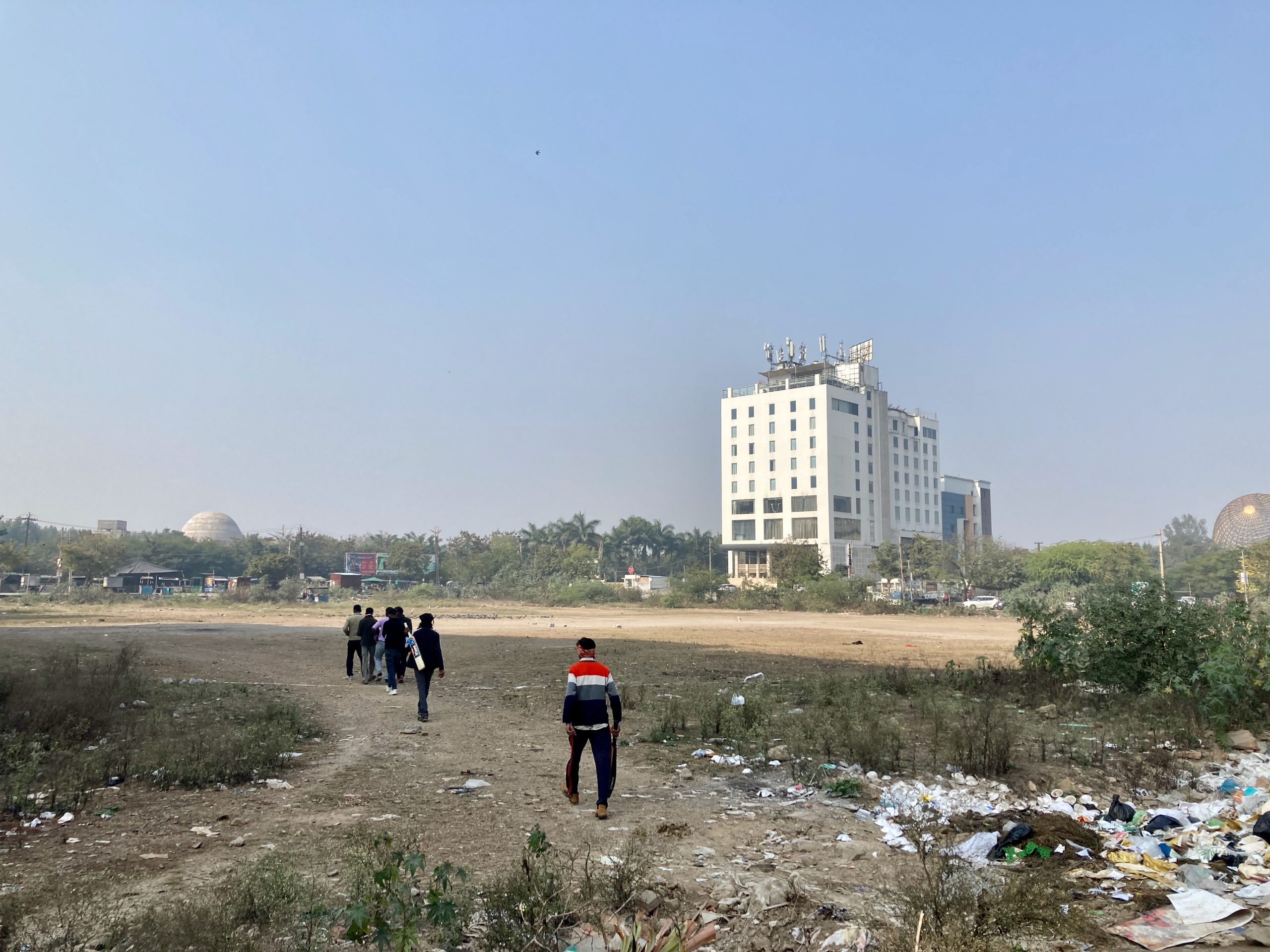
I checked into a nicer hotel, which was very pleasant for me. It was warm and clean, had an excellent breakfast buffet, and lots of very kind staff, including many young women. But somehow it also felt a bit strange—a big block building with open space around it, right in the student area. You could tell from the surroundings: almost only young people, and lots of fast-food places advertising student discounts. And yet, everything felt oddly empty.
 Hotel
Hotel
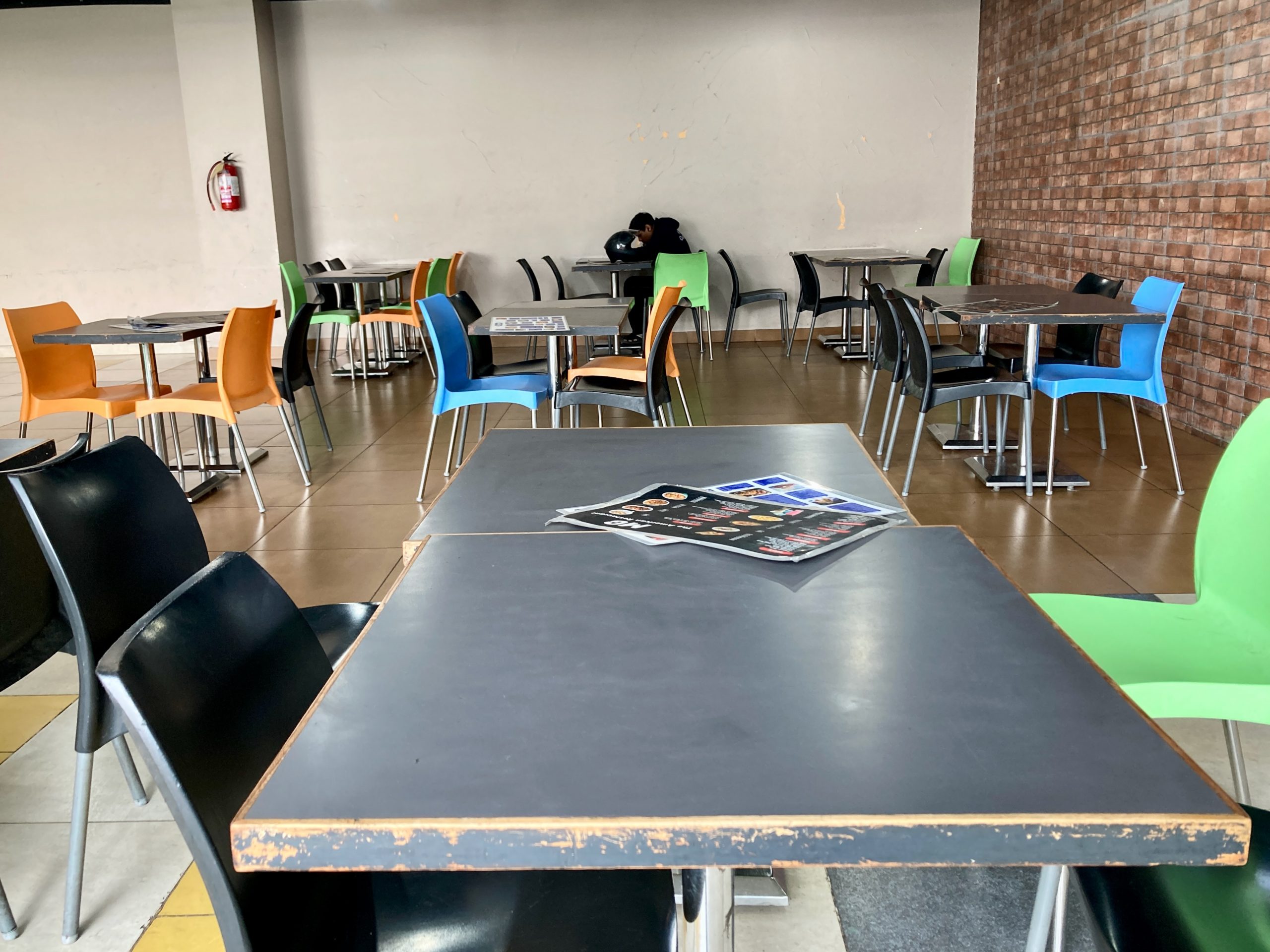 Eatery 1
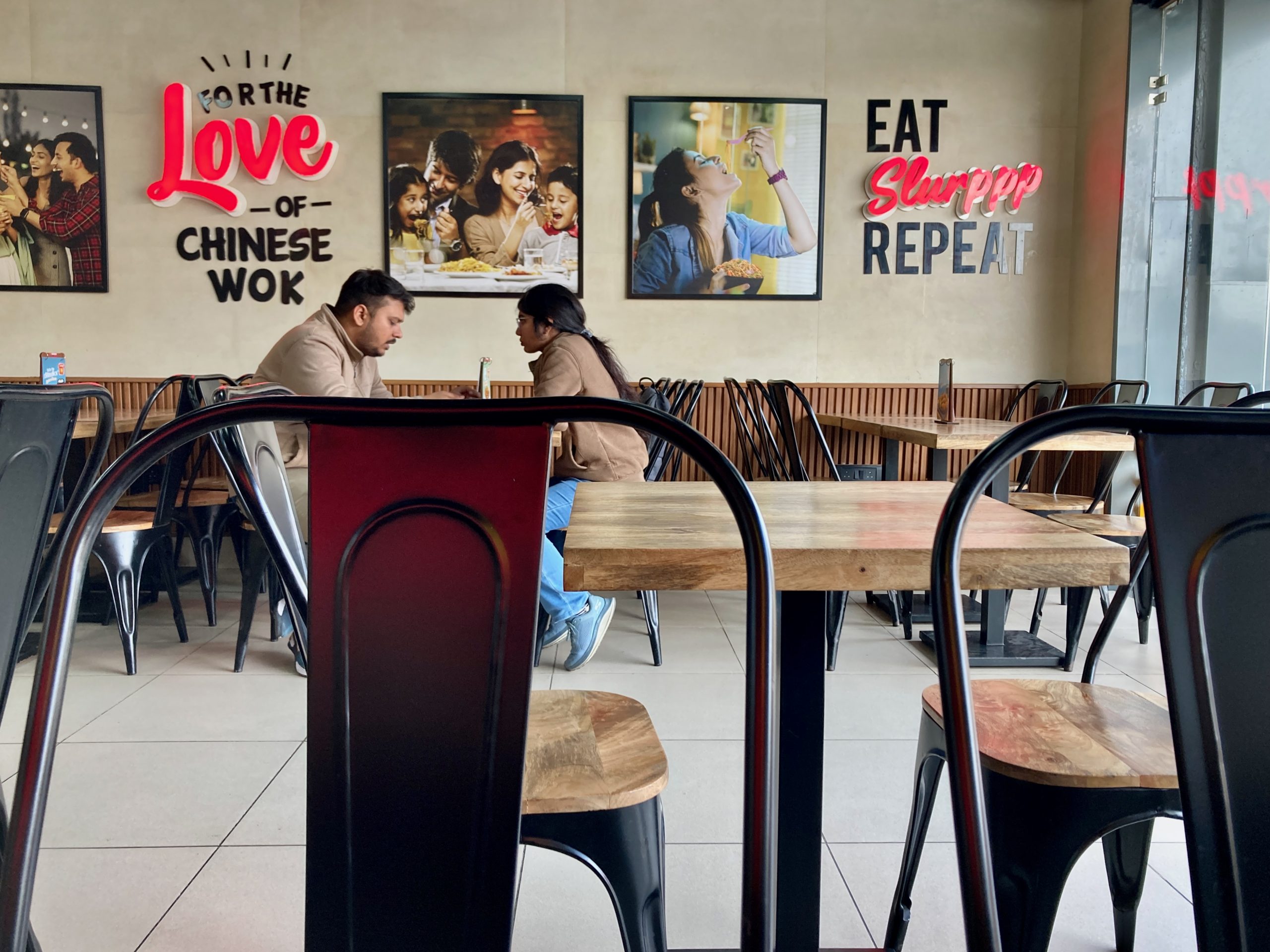 Eatery 2
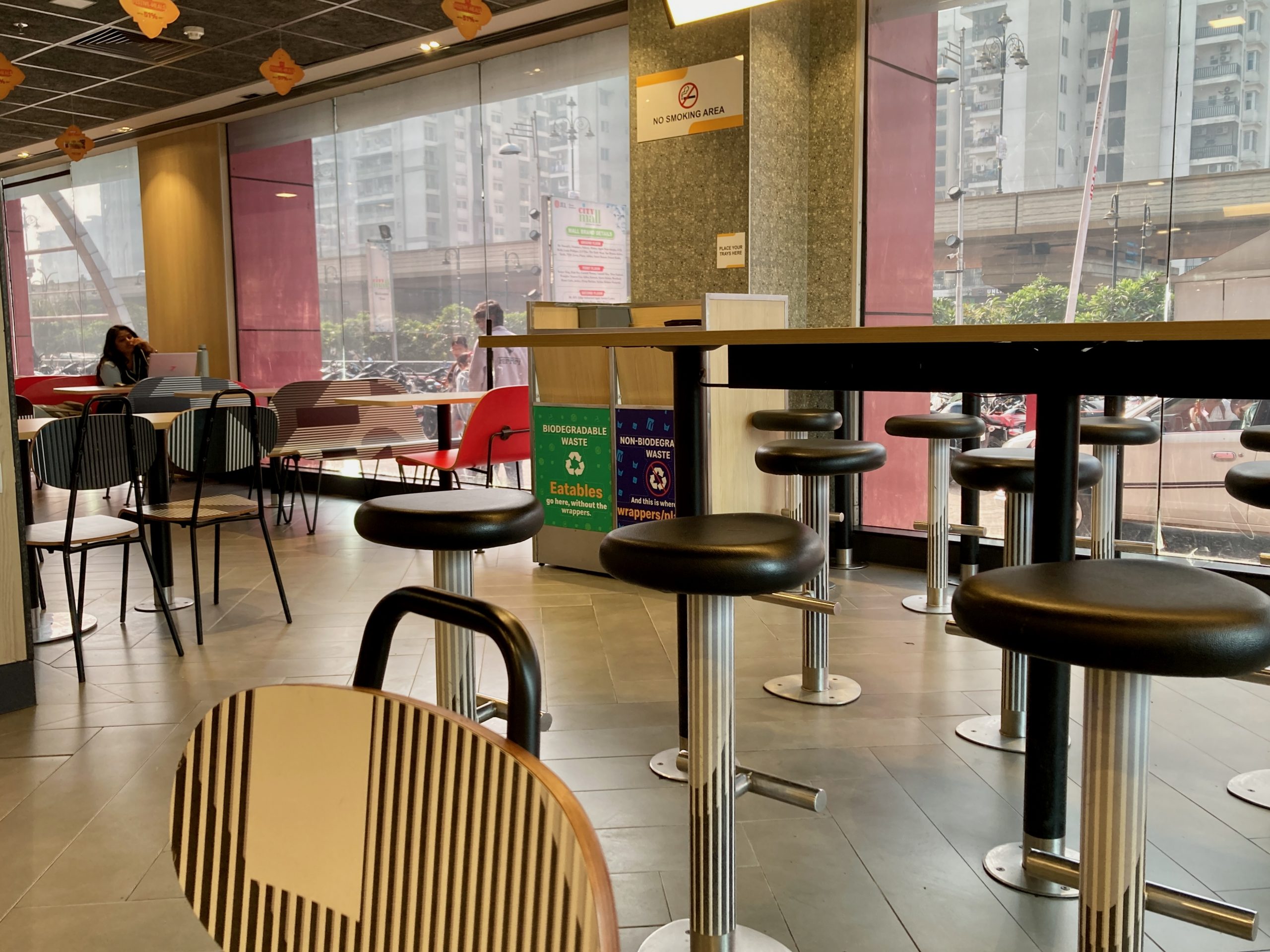 Eatery 3
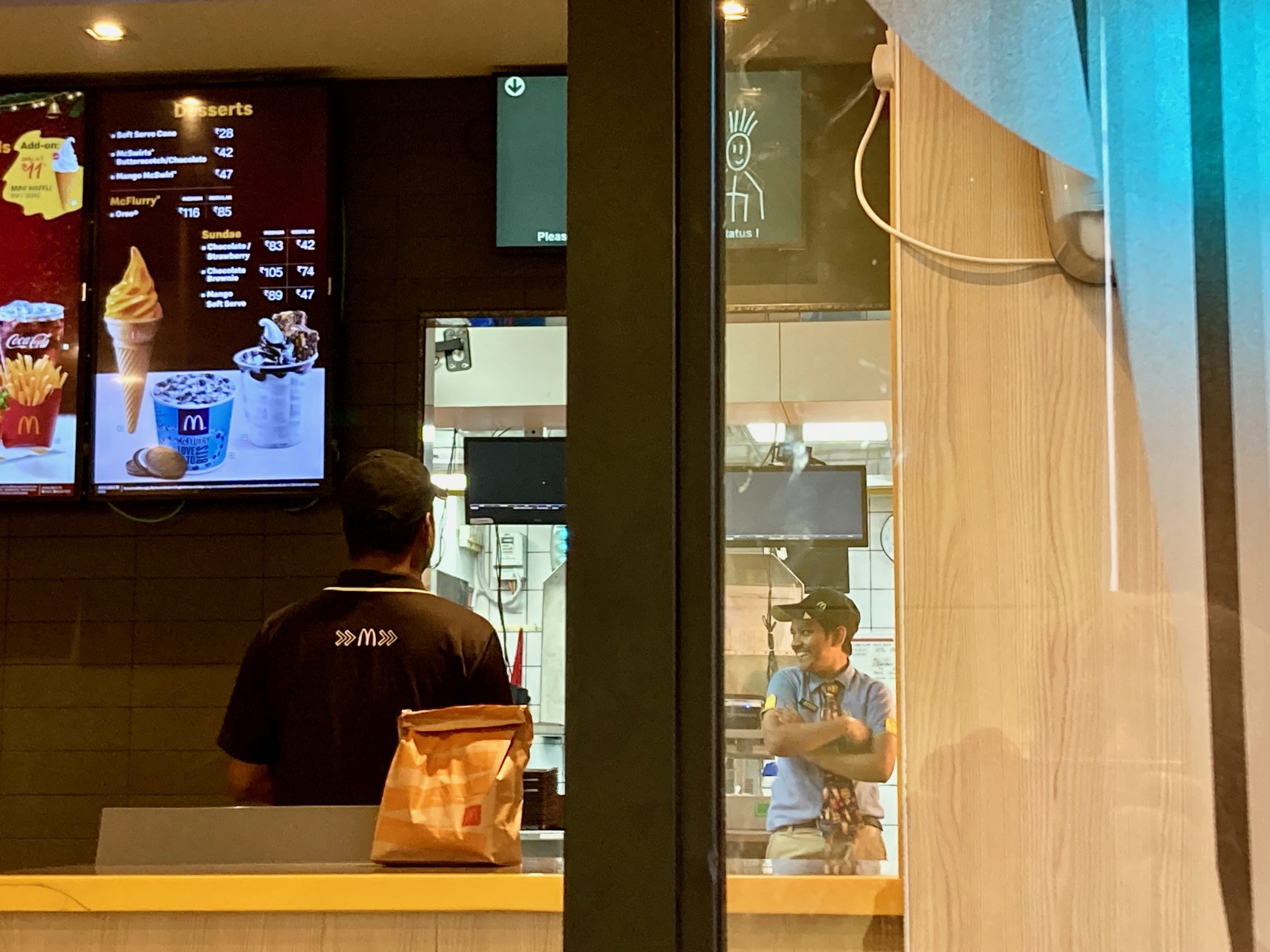 Employees
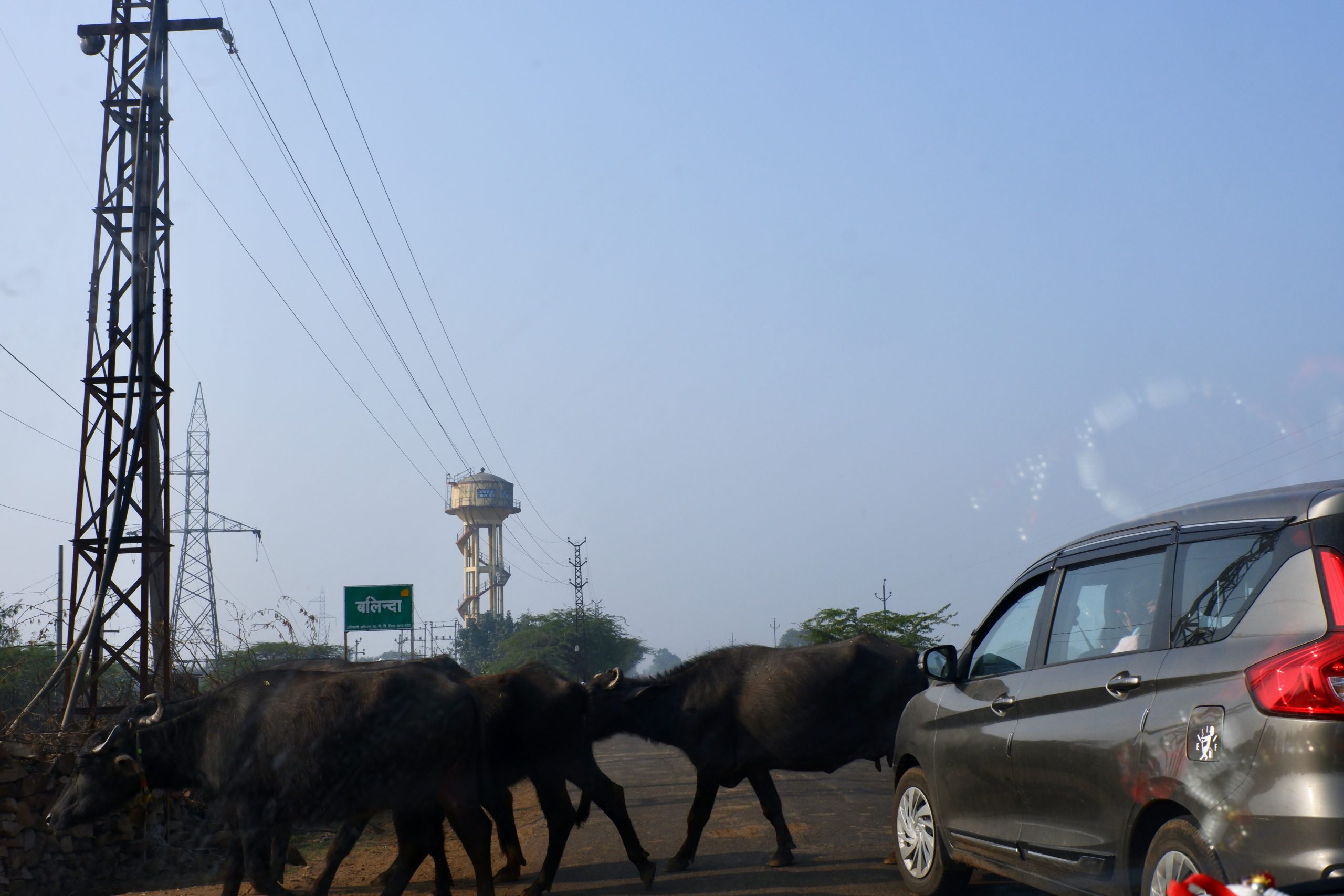
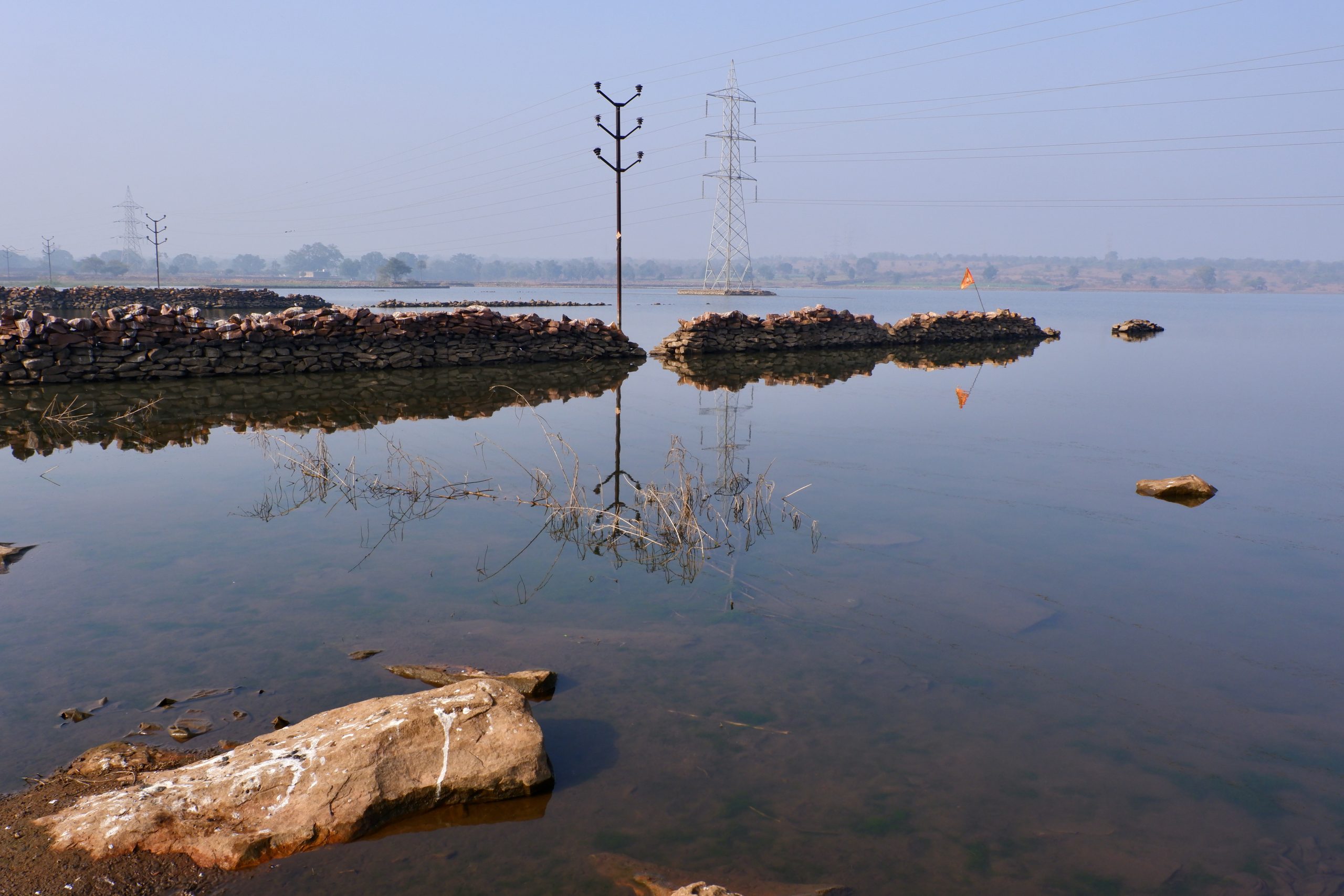
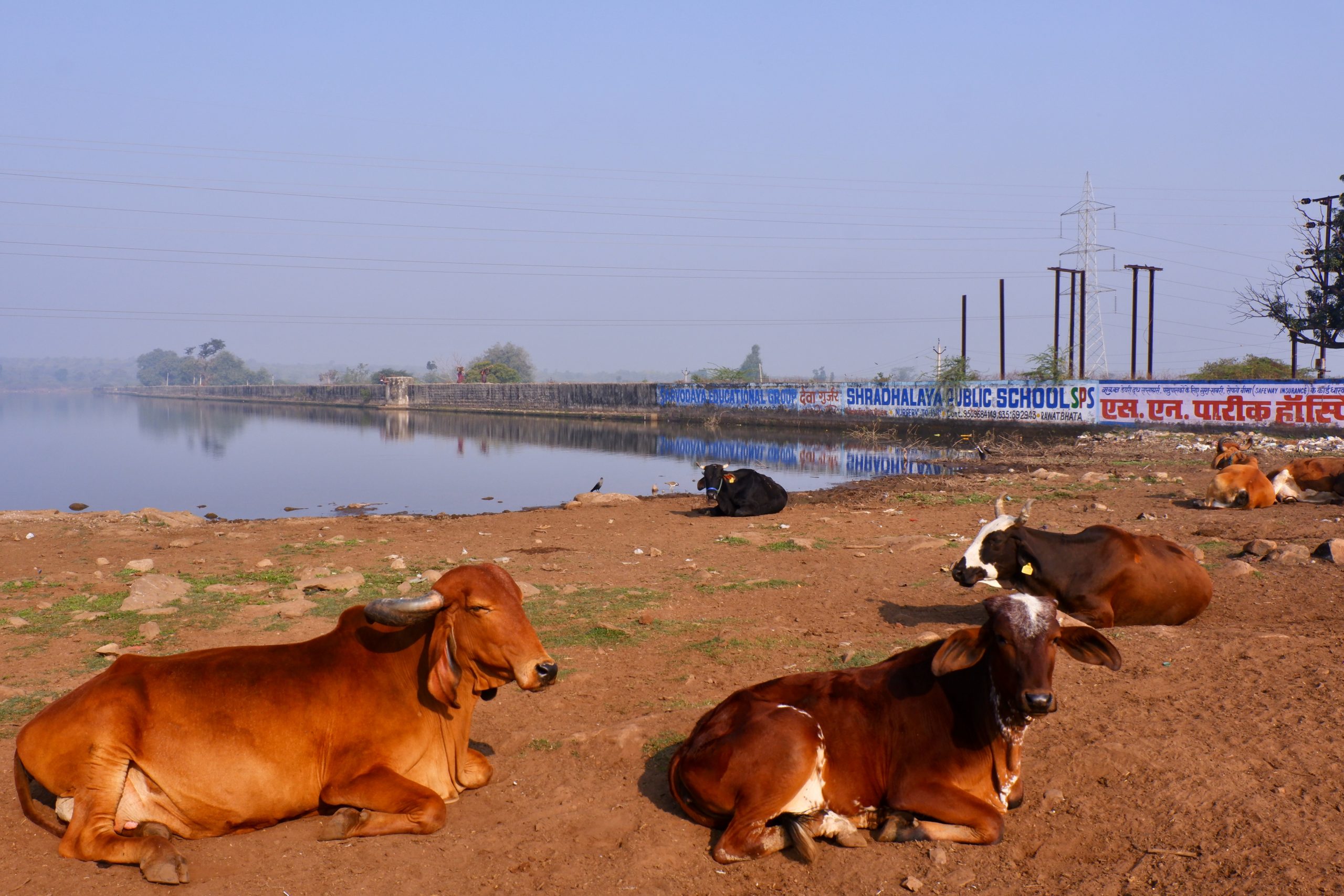
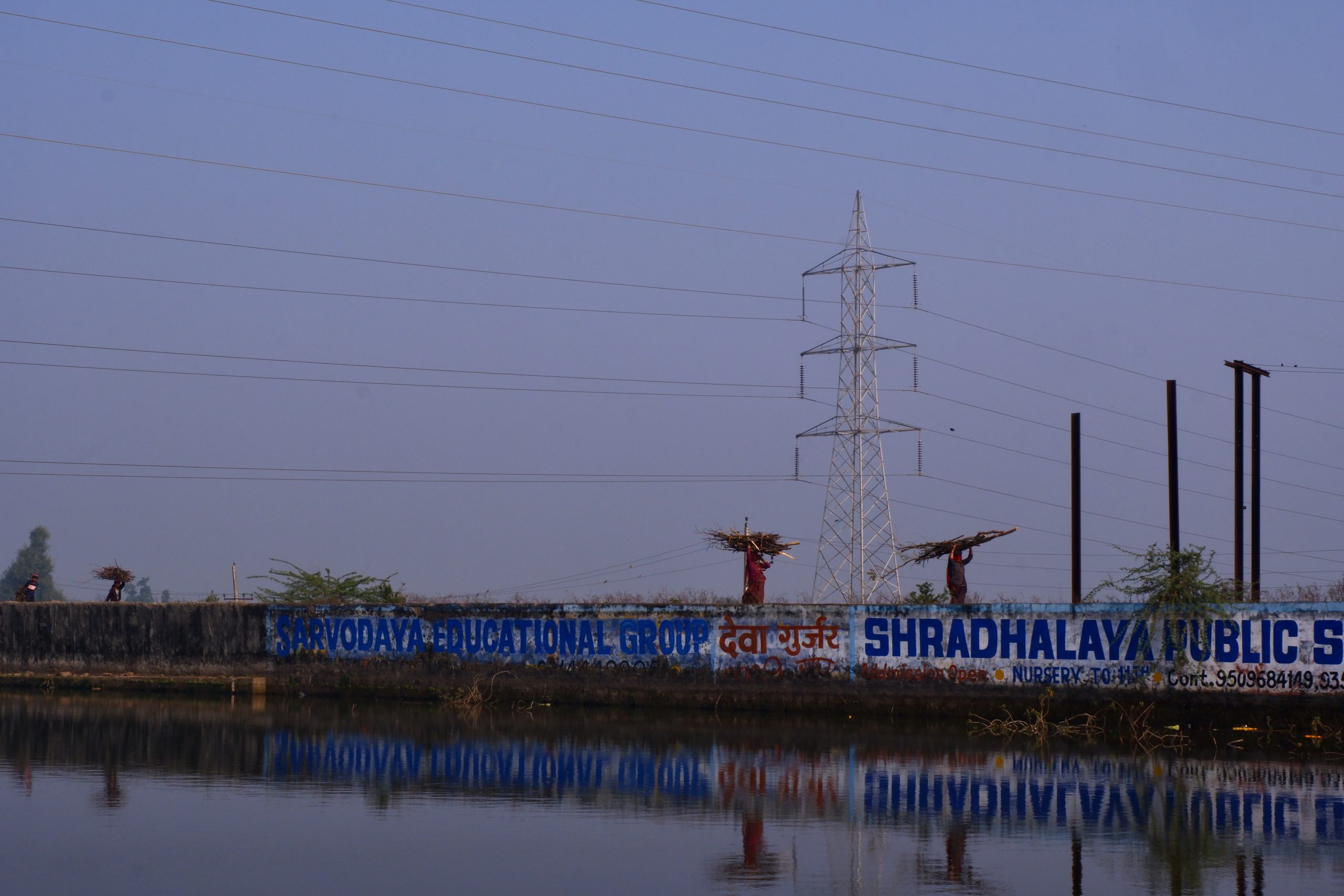
On the first and the third day I didn’t really do much, and that was nice. For the second day I had a driver, but he didn’t speak any English at all (he was arranged by the hotel—which was probably a mistake). That made things a bit difficult. He also didn’t know the area very well. Still, it was pleasant to amble through the landscape, which turned out to be more interesting than I had expected. We made a short stop at a pretty lake.
 1
1
 2
2
 3
3
 4
4
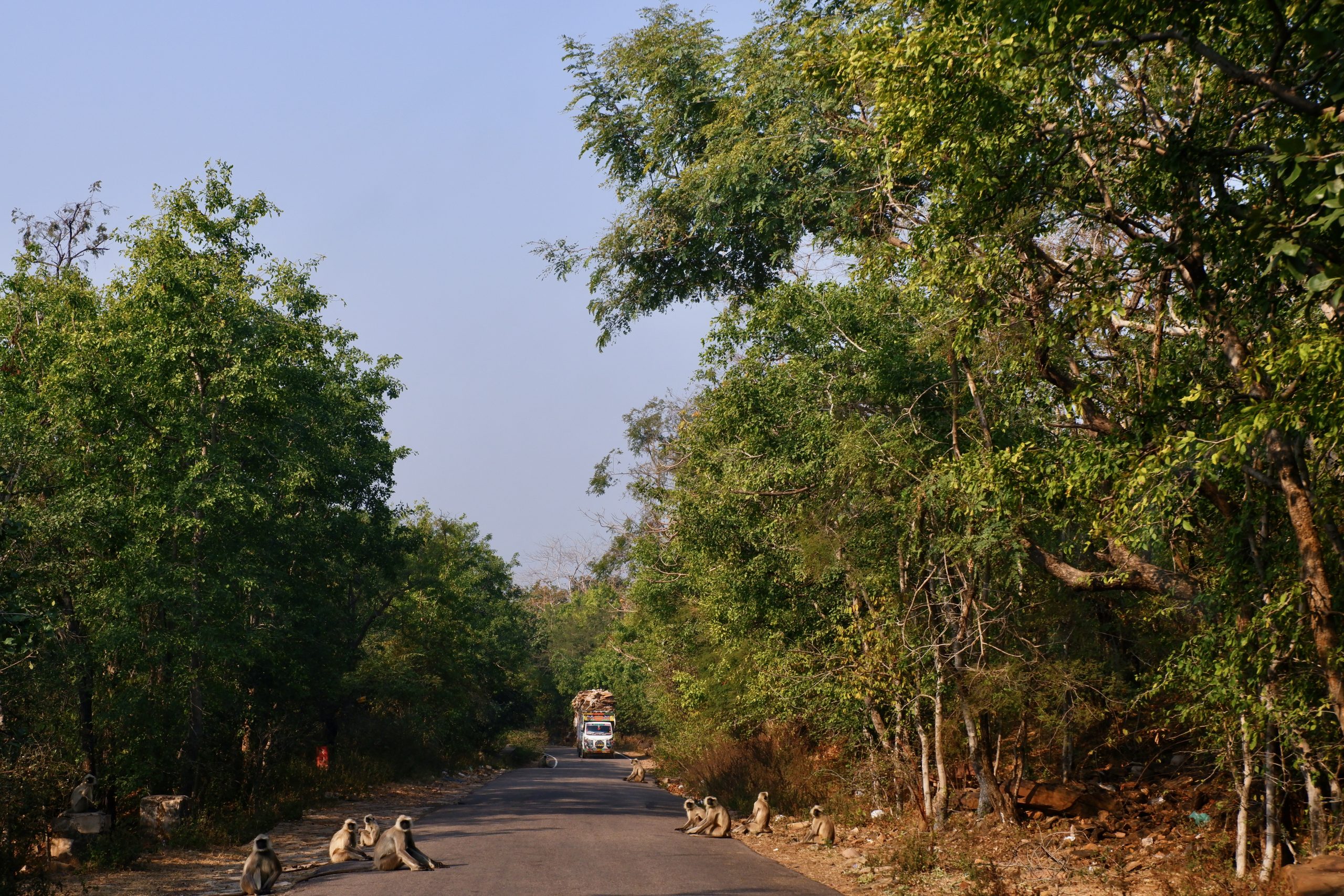
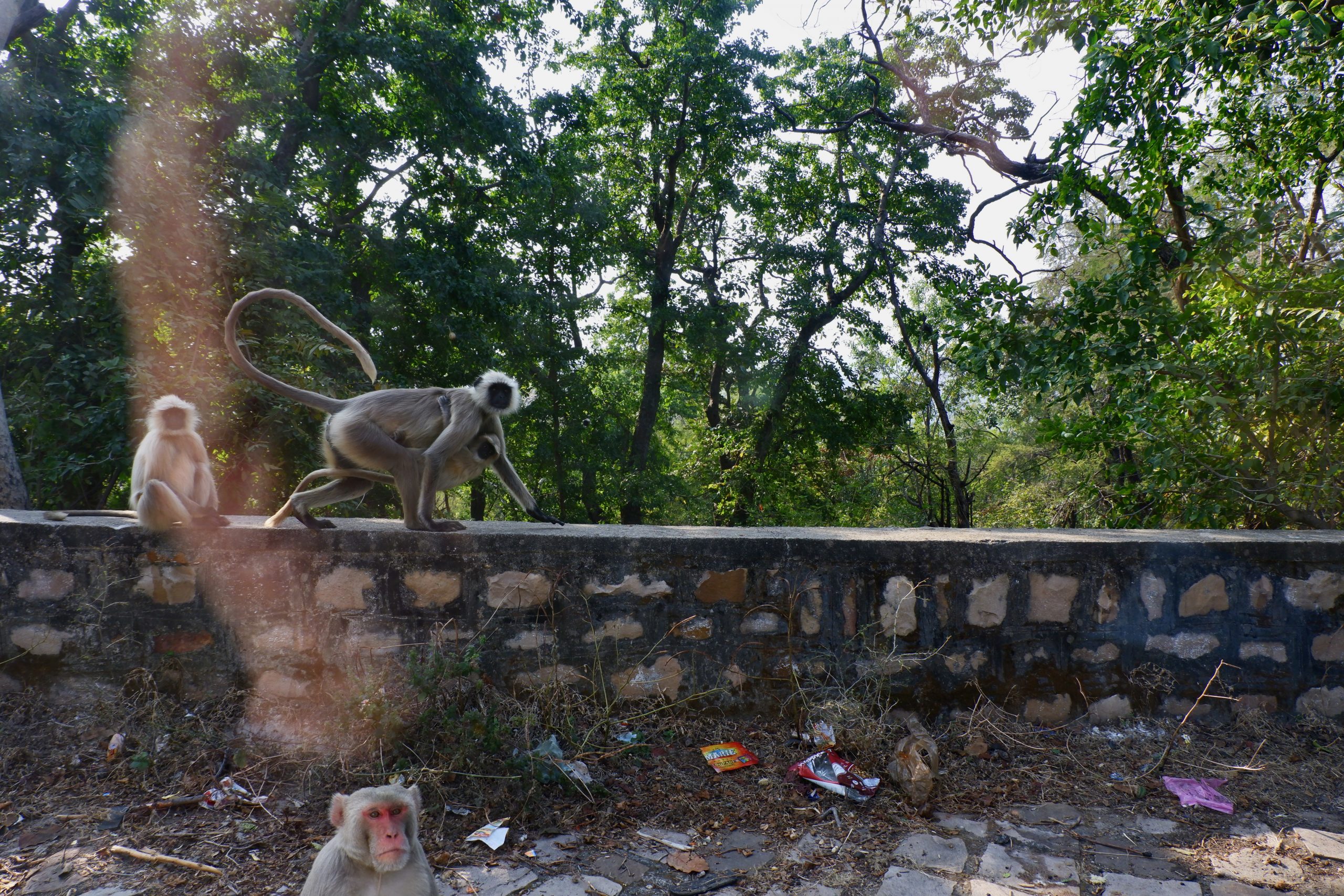
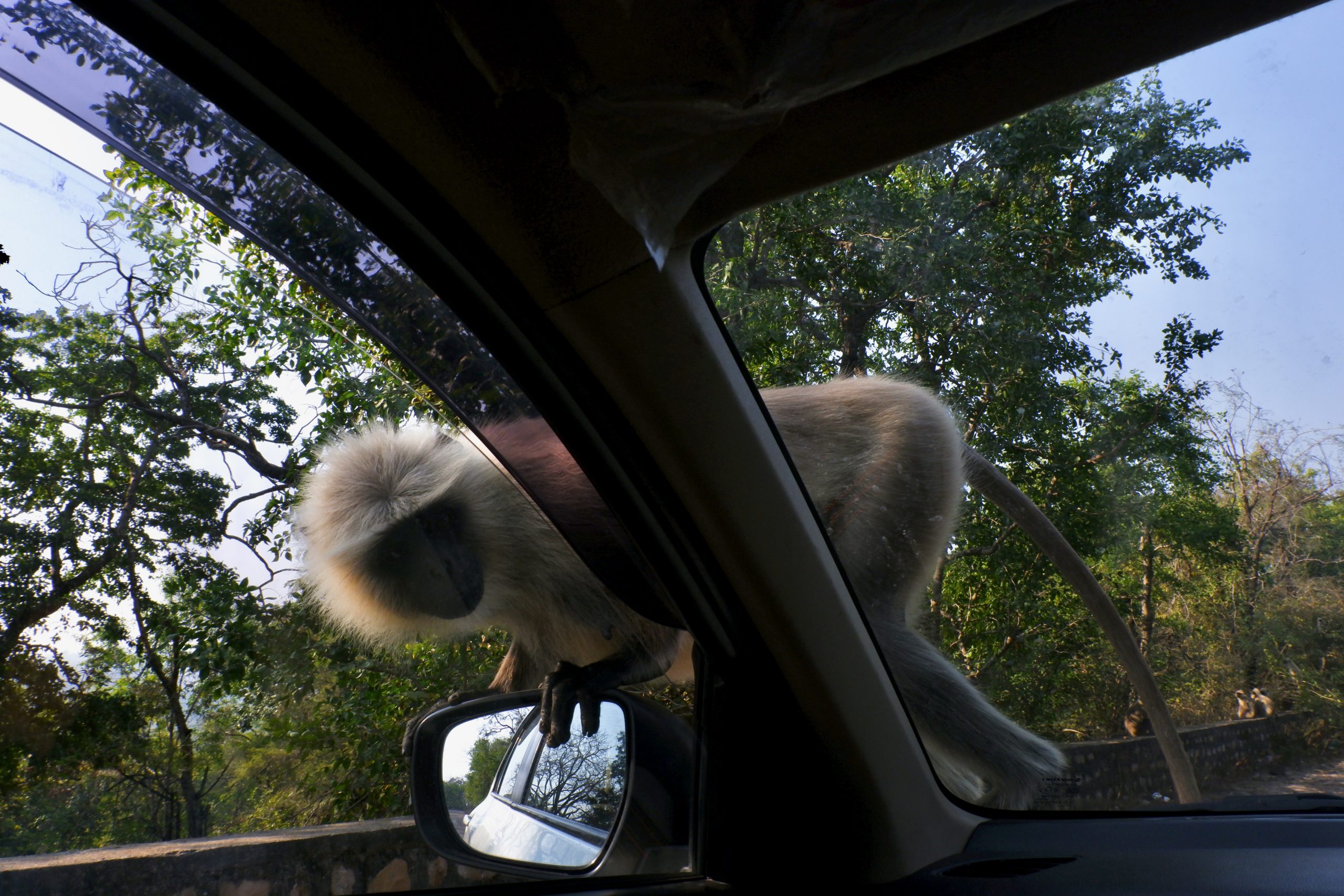
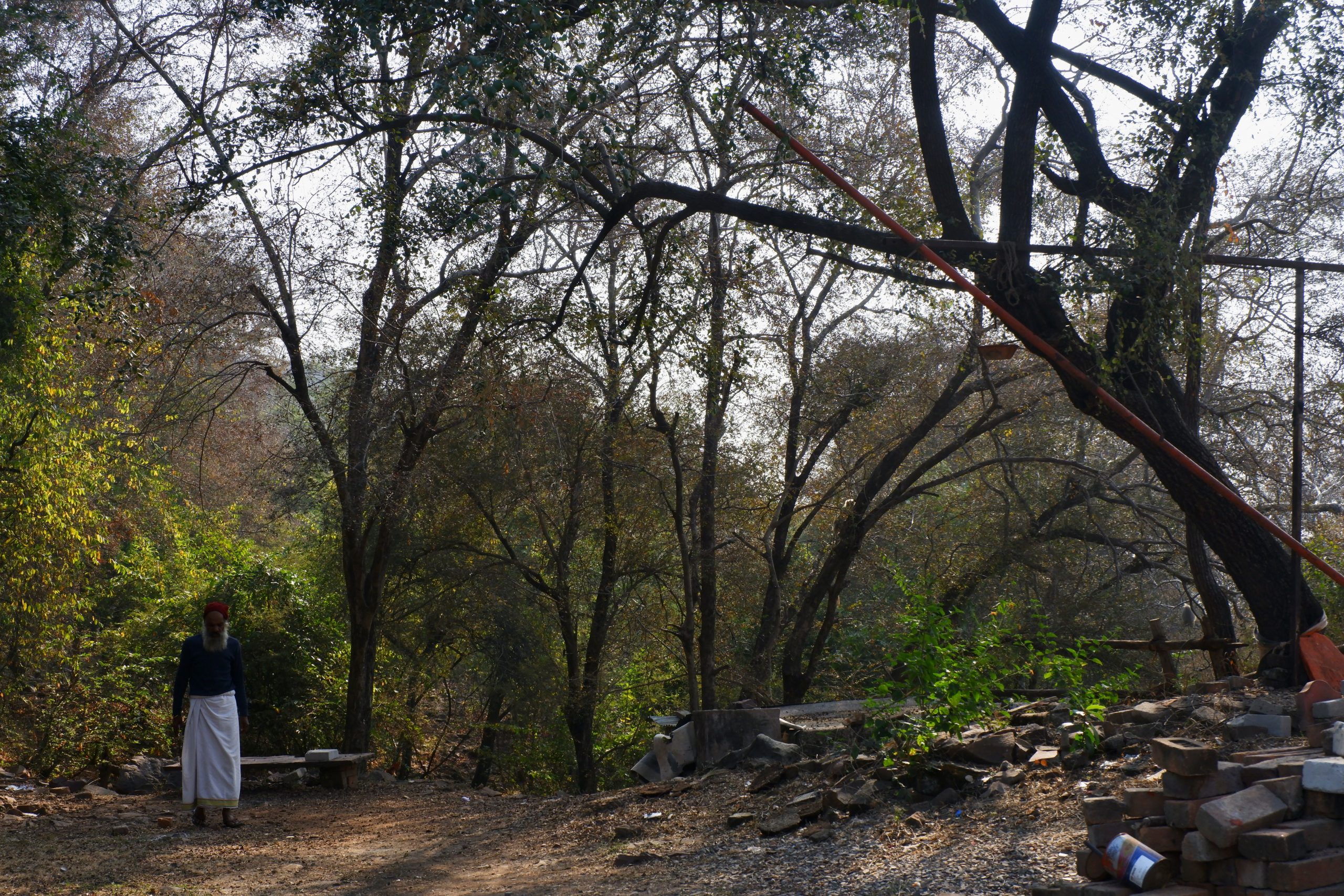
Then we encountered a great many monkeys. In that area you were generally warned about lots of animals anyway, and advised not to leave your car.
 5
5
 6
6
 7
7
 8
8
 9
9
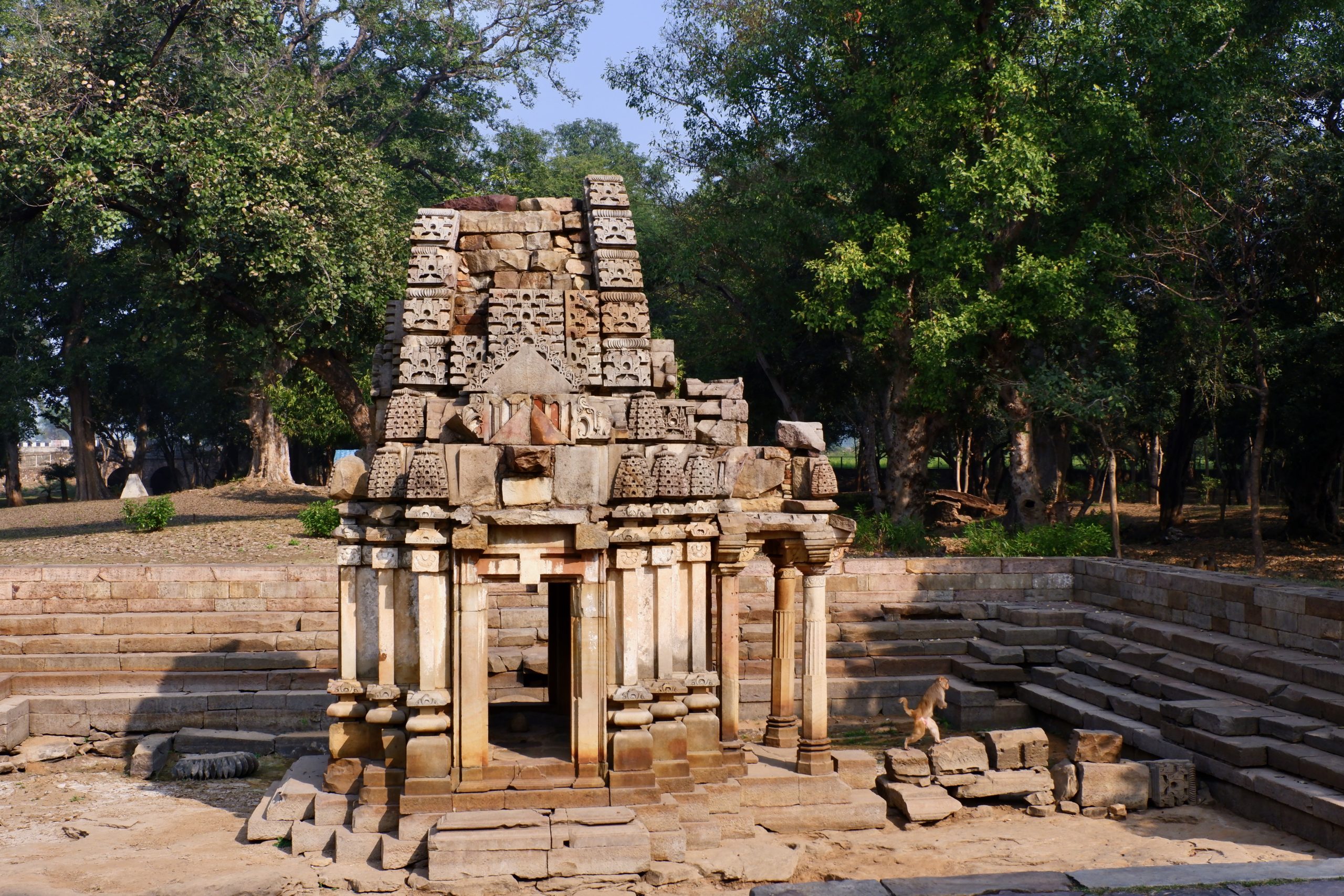
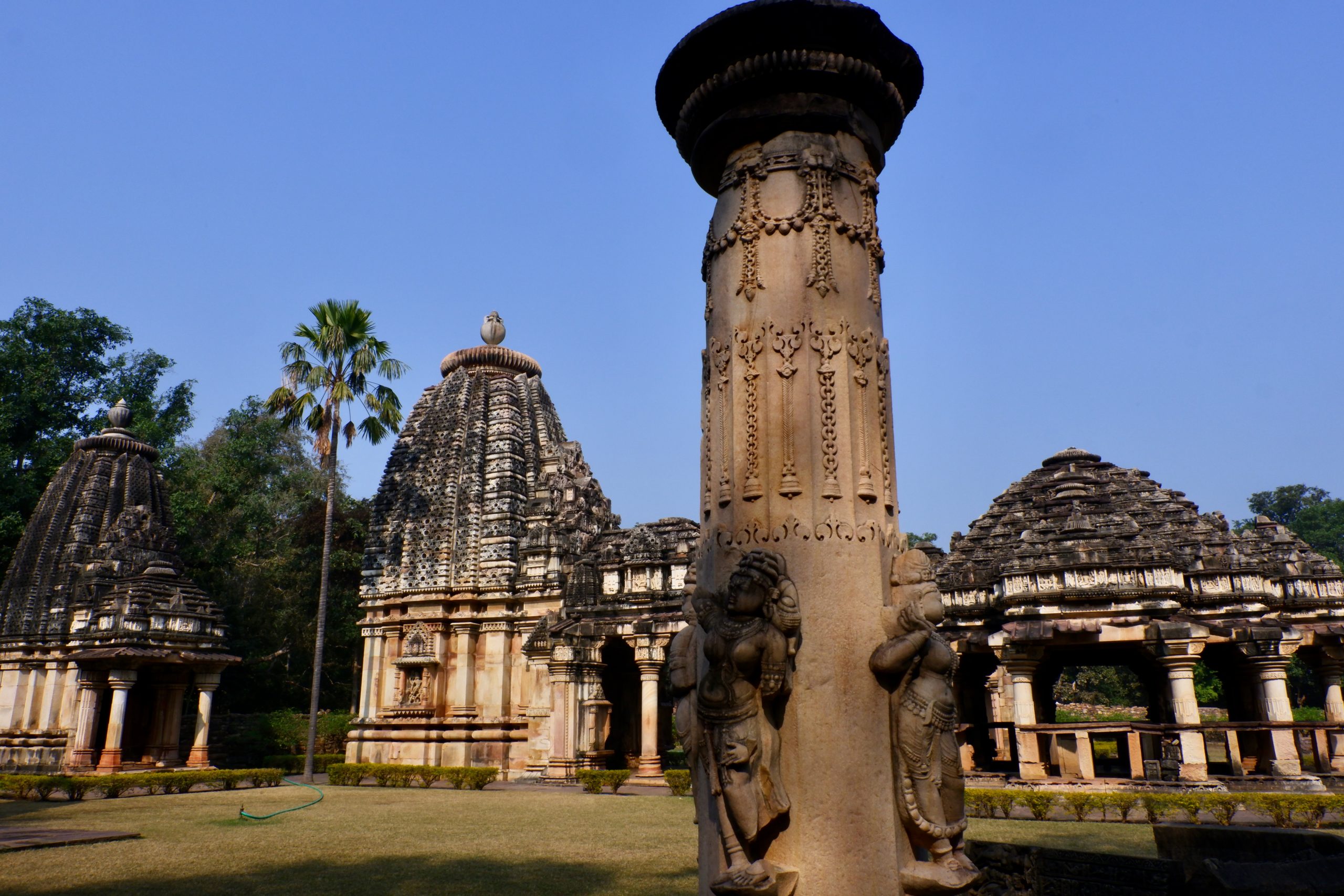
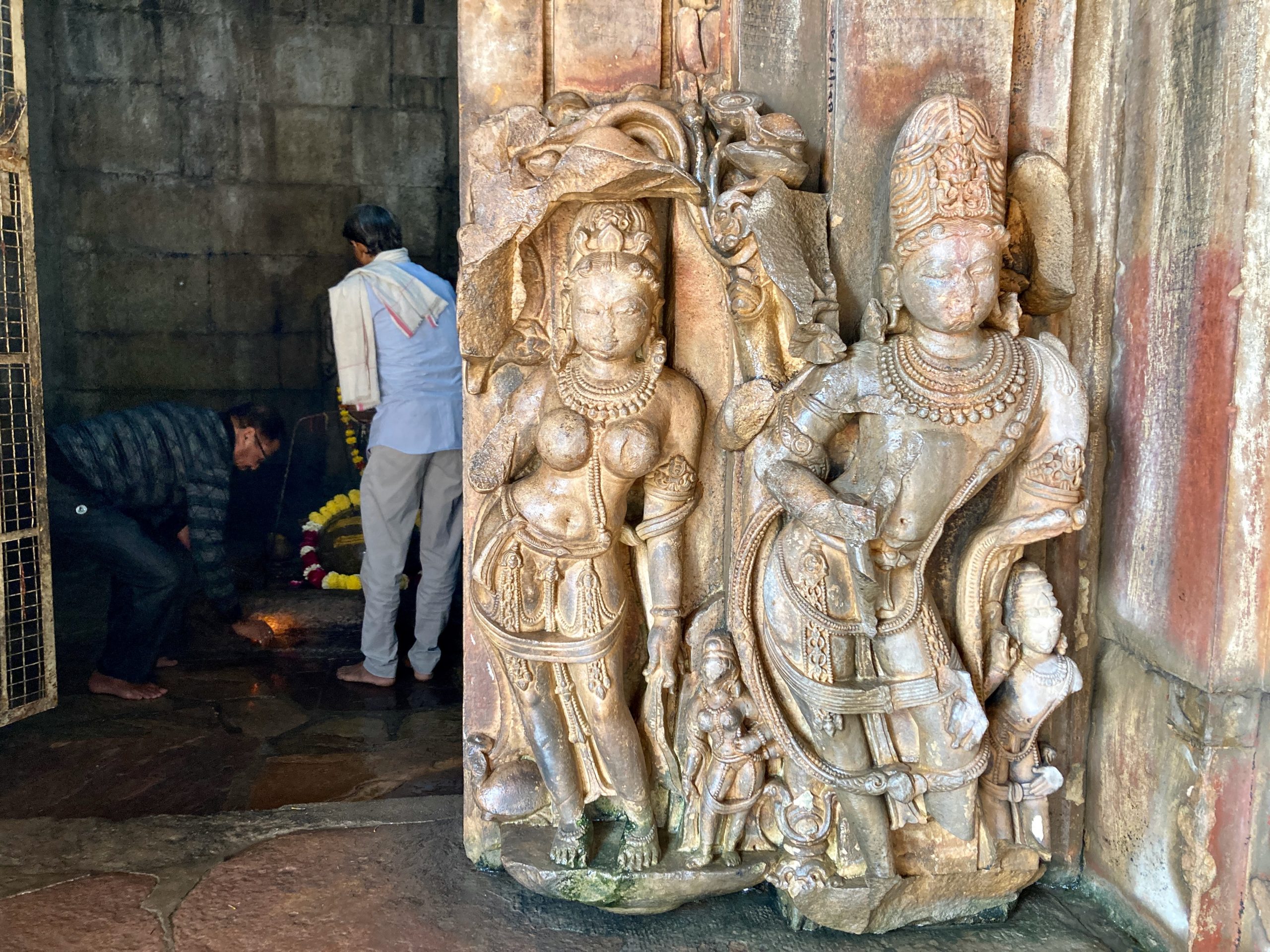
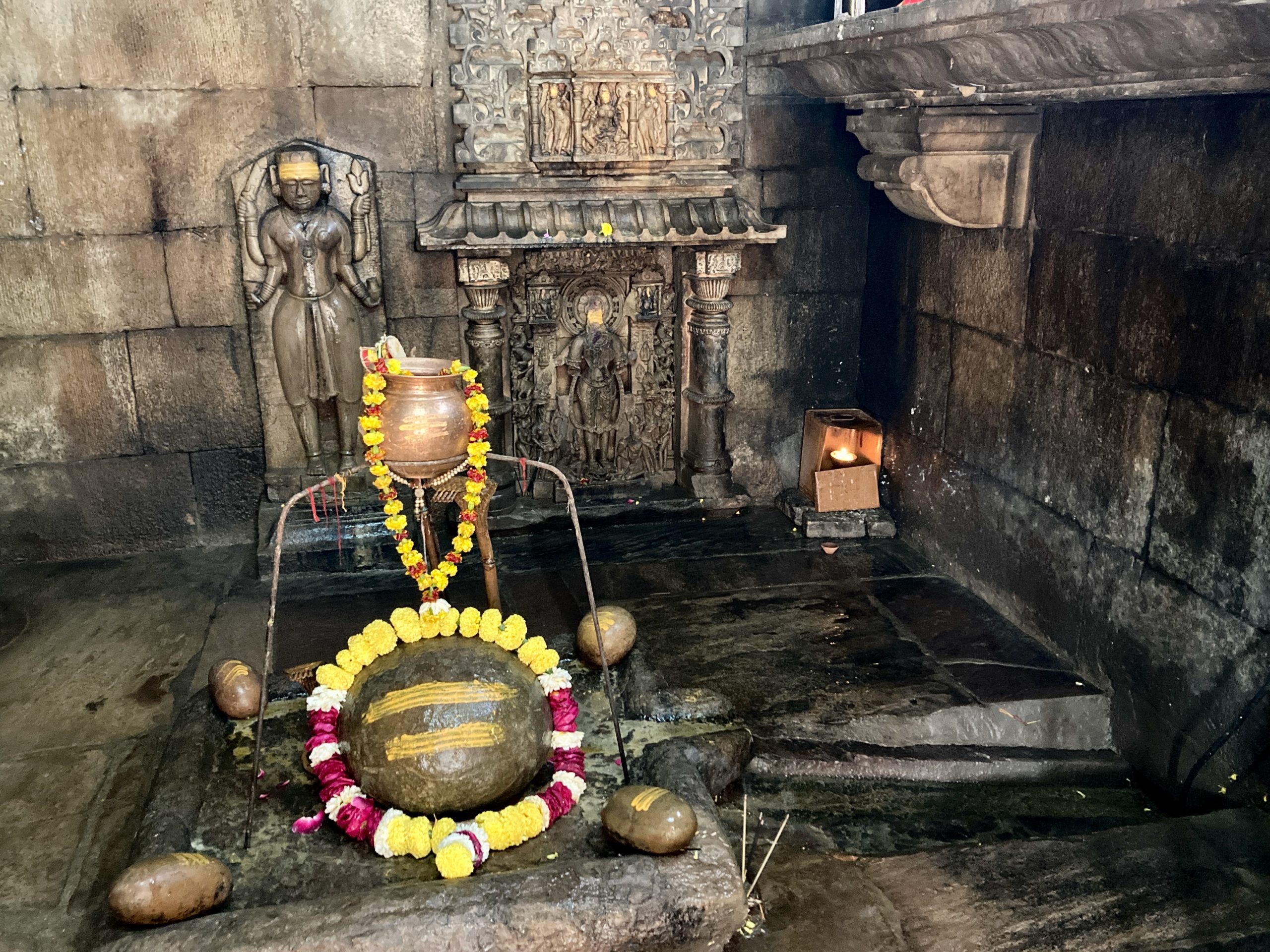
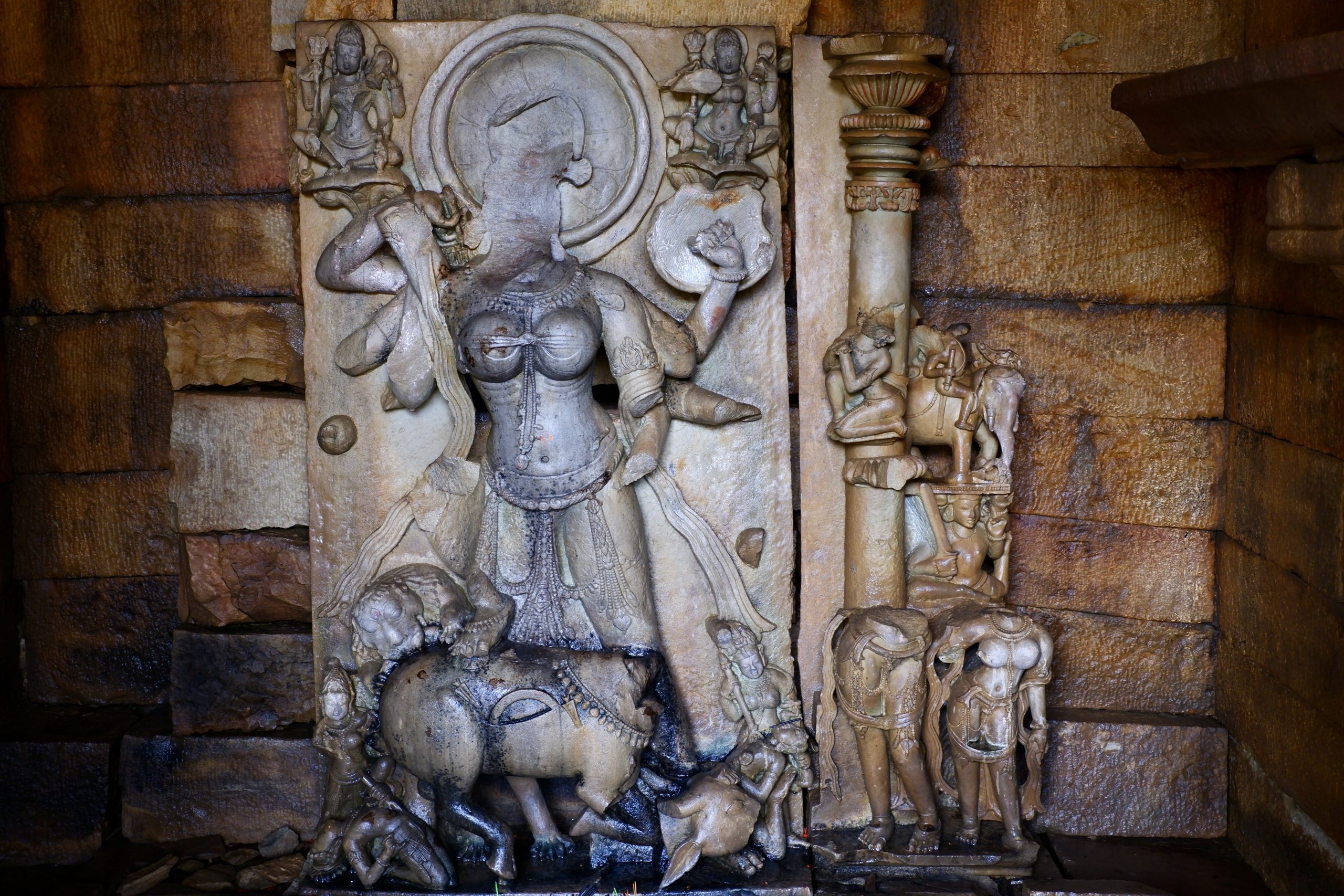
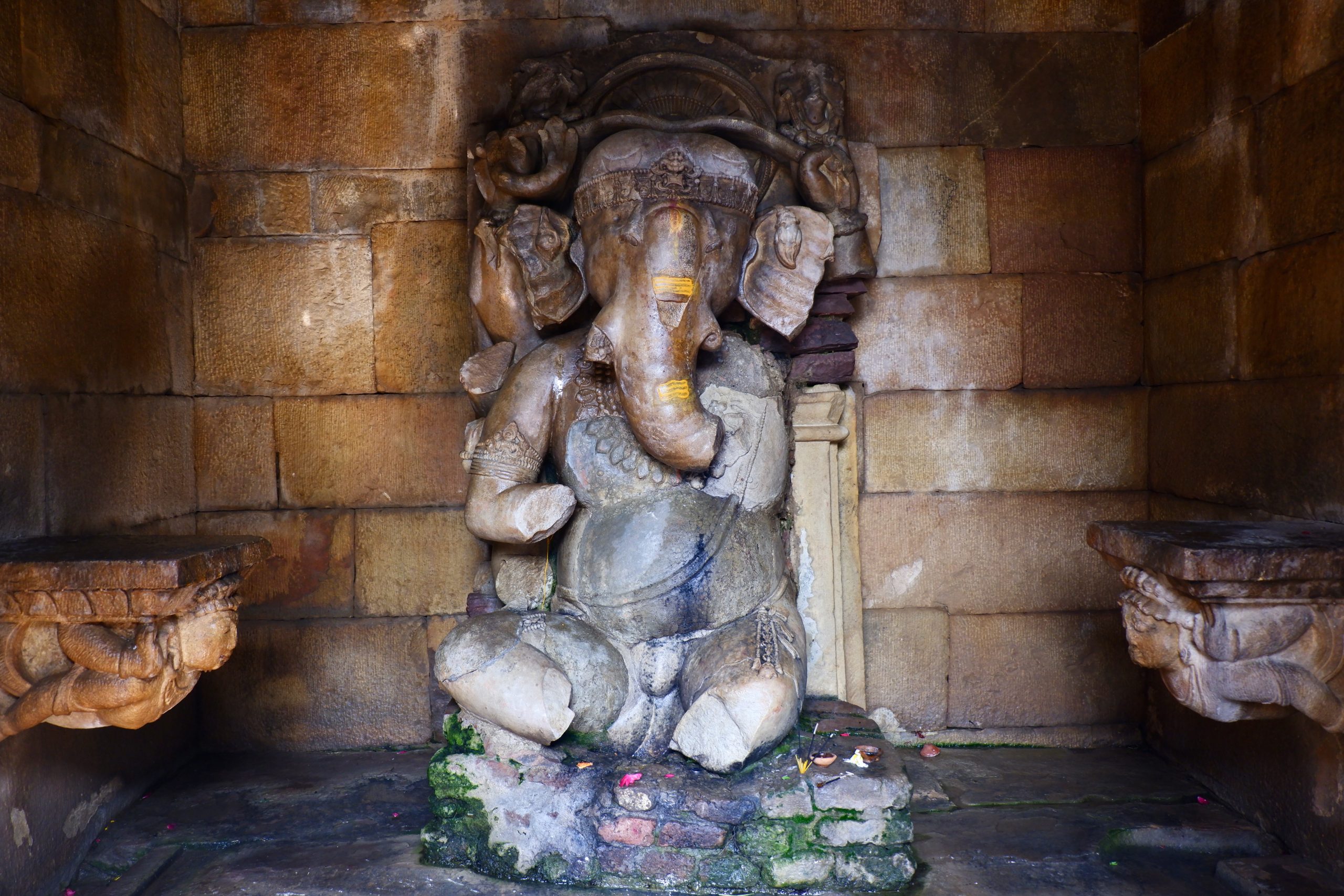
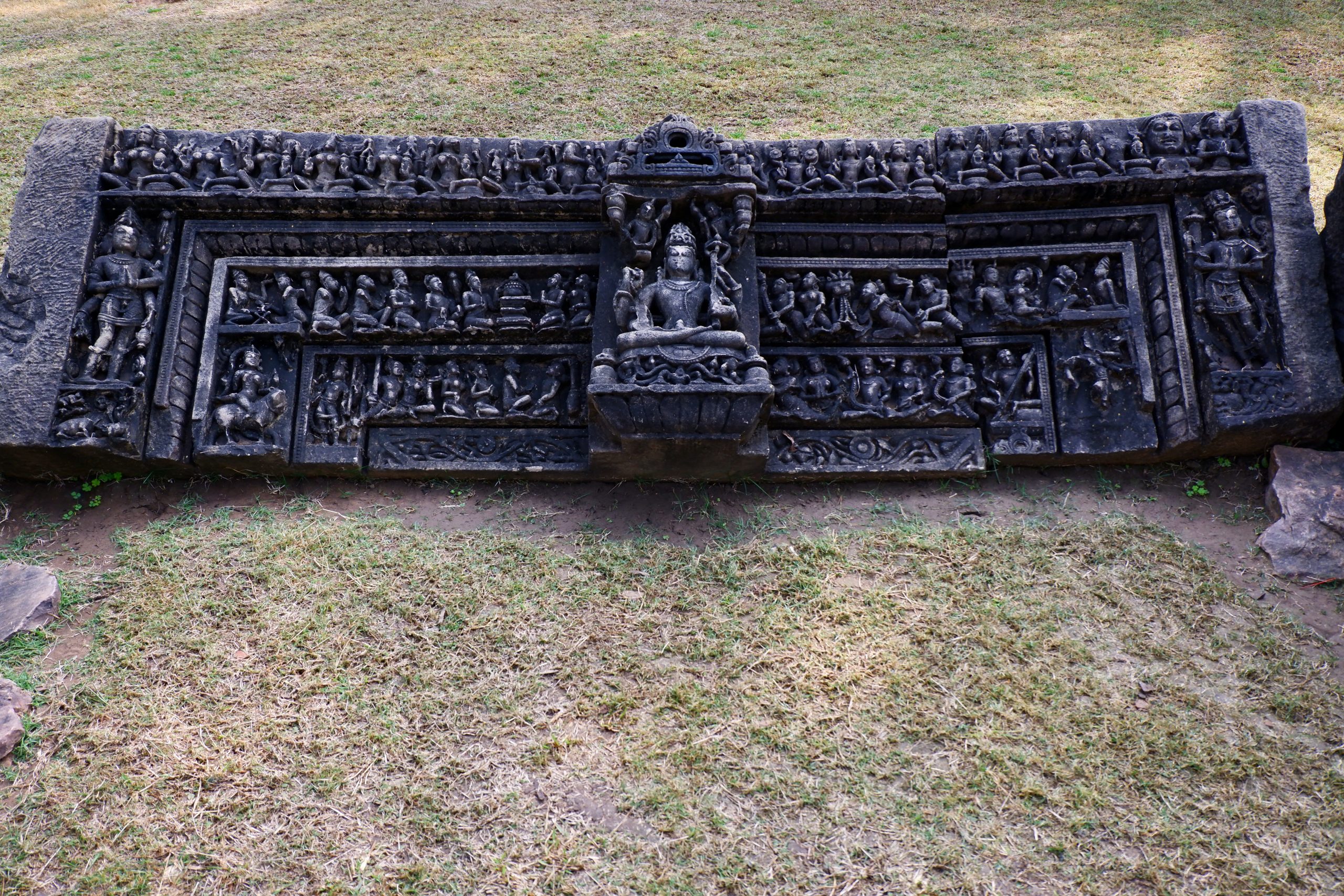
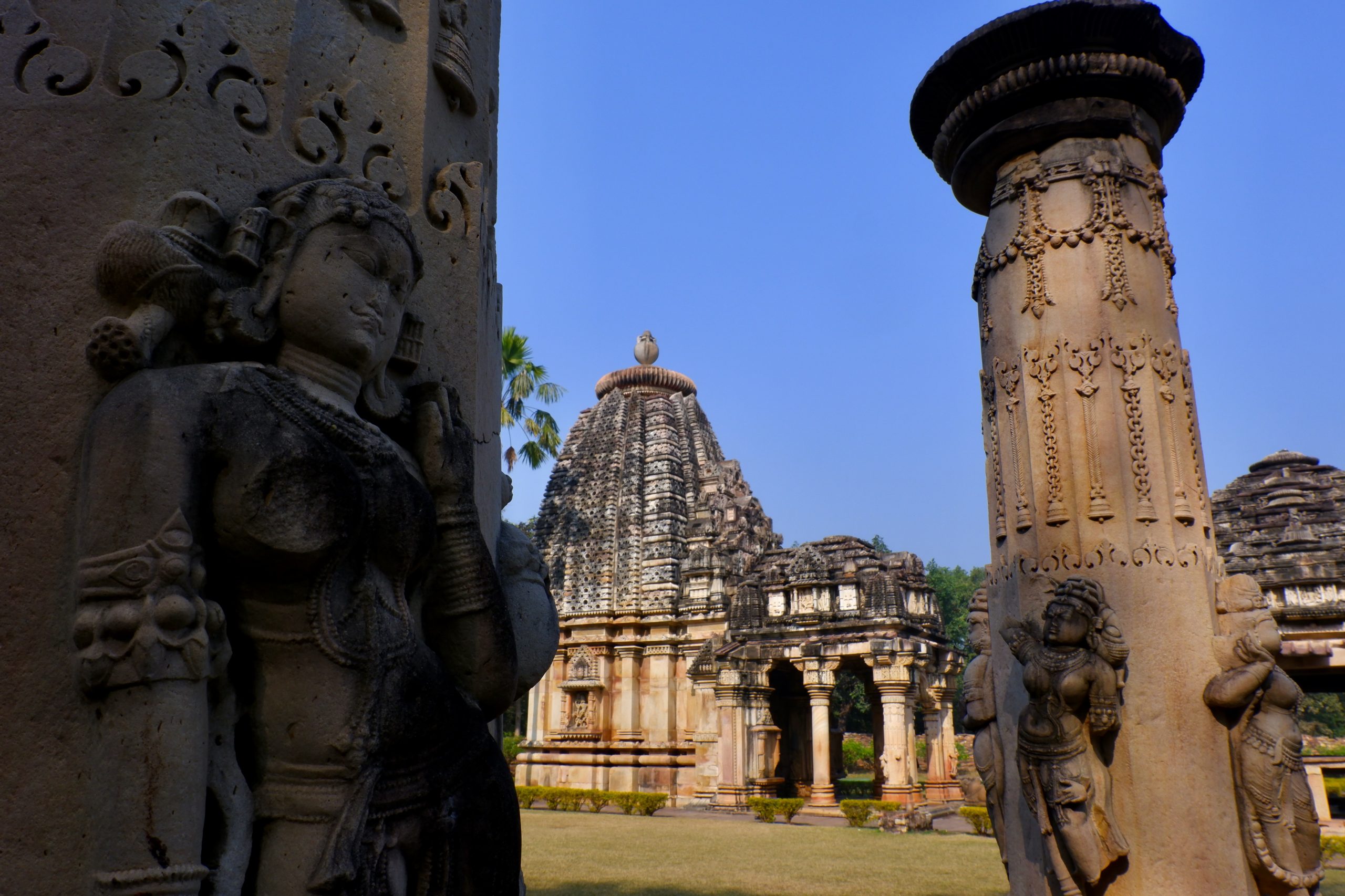
Our first destination was the Baroli temple complex. These are ancient temples dating roughly from the 9th to the 11th century (they can’t be dated precisely) and are rarely visited. Fortunately, a group of schoolchildren had just finished their visit, so I found the place very quiet and pleasant. One man was performing elaborate rituals and told me he does this every Tuesday. Another was sitting in the grass, softly murmuring prayers to himself. The structures themselves were impressive—but so was the extent of what has been destroyed. Here are my photos:
 10
10
 11
11
 12
12
 13
13
 14
14
 15
15
 16
16
 17
17
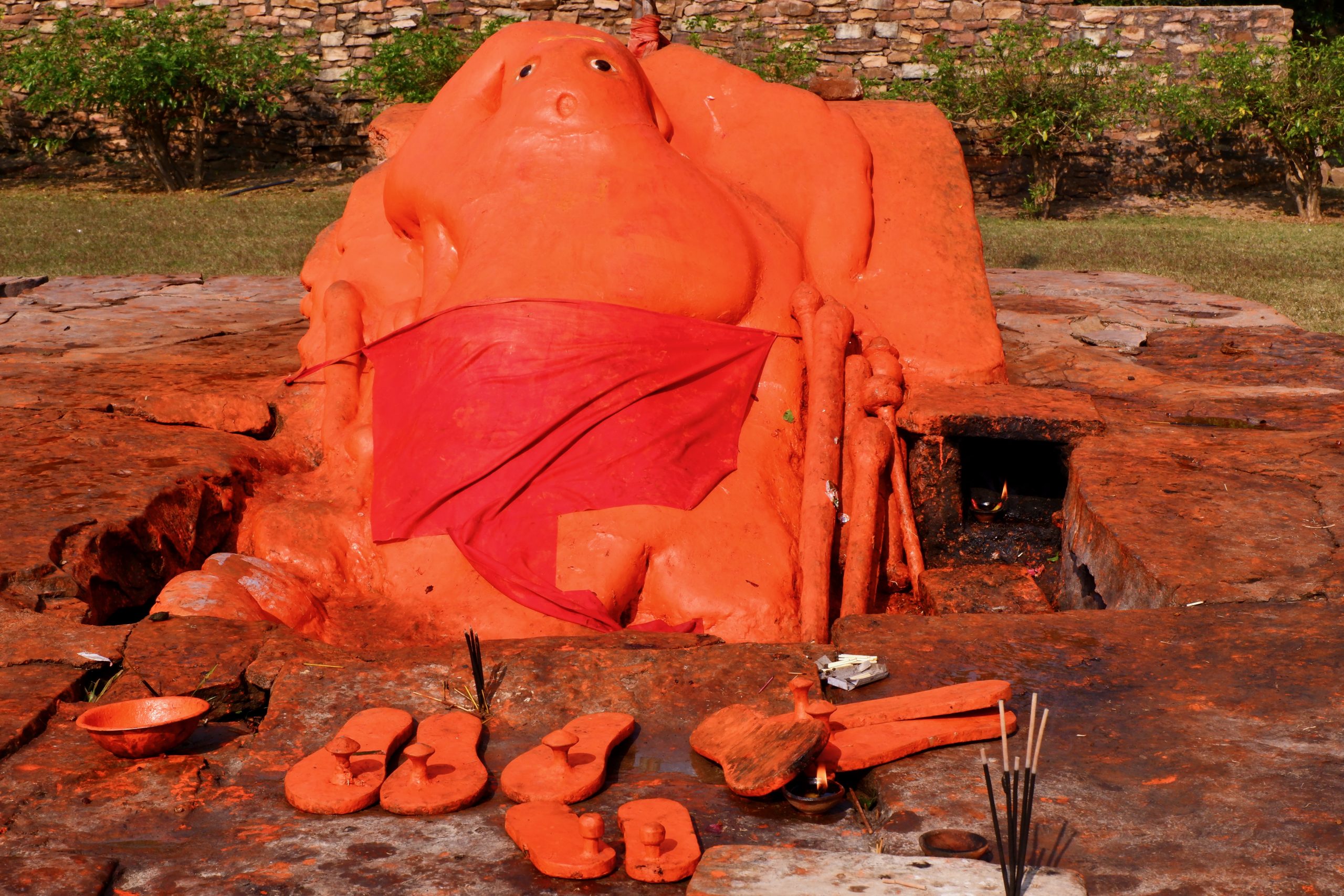
I found this part particularly interesting as well. Stones are often painted orange and have eyes glued onto them – they are considered deities too. So it’s not this object itself that is special, but rather the orange-painted “shoes” placed in front of it.
 18
18
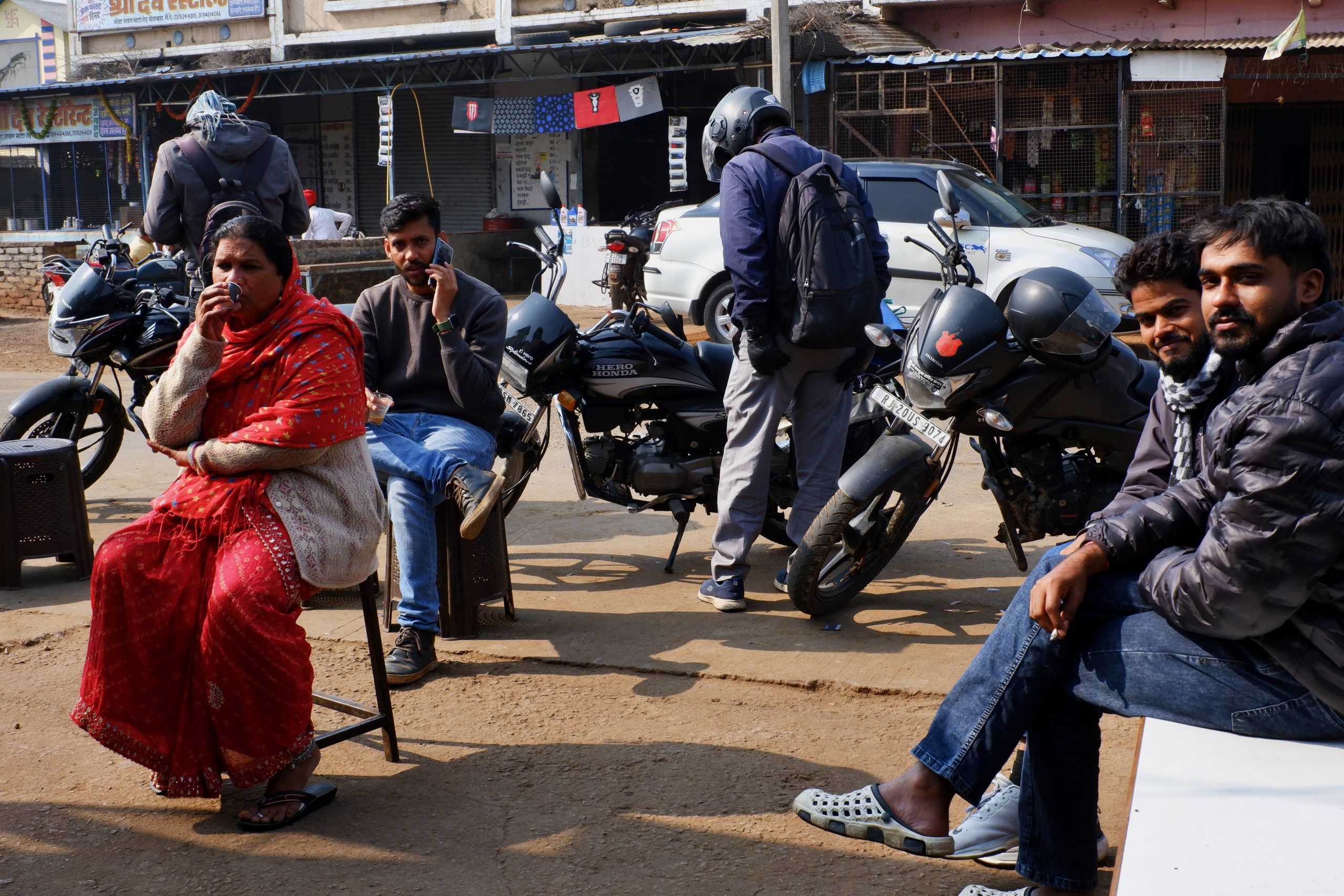
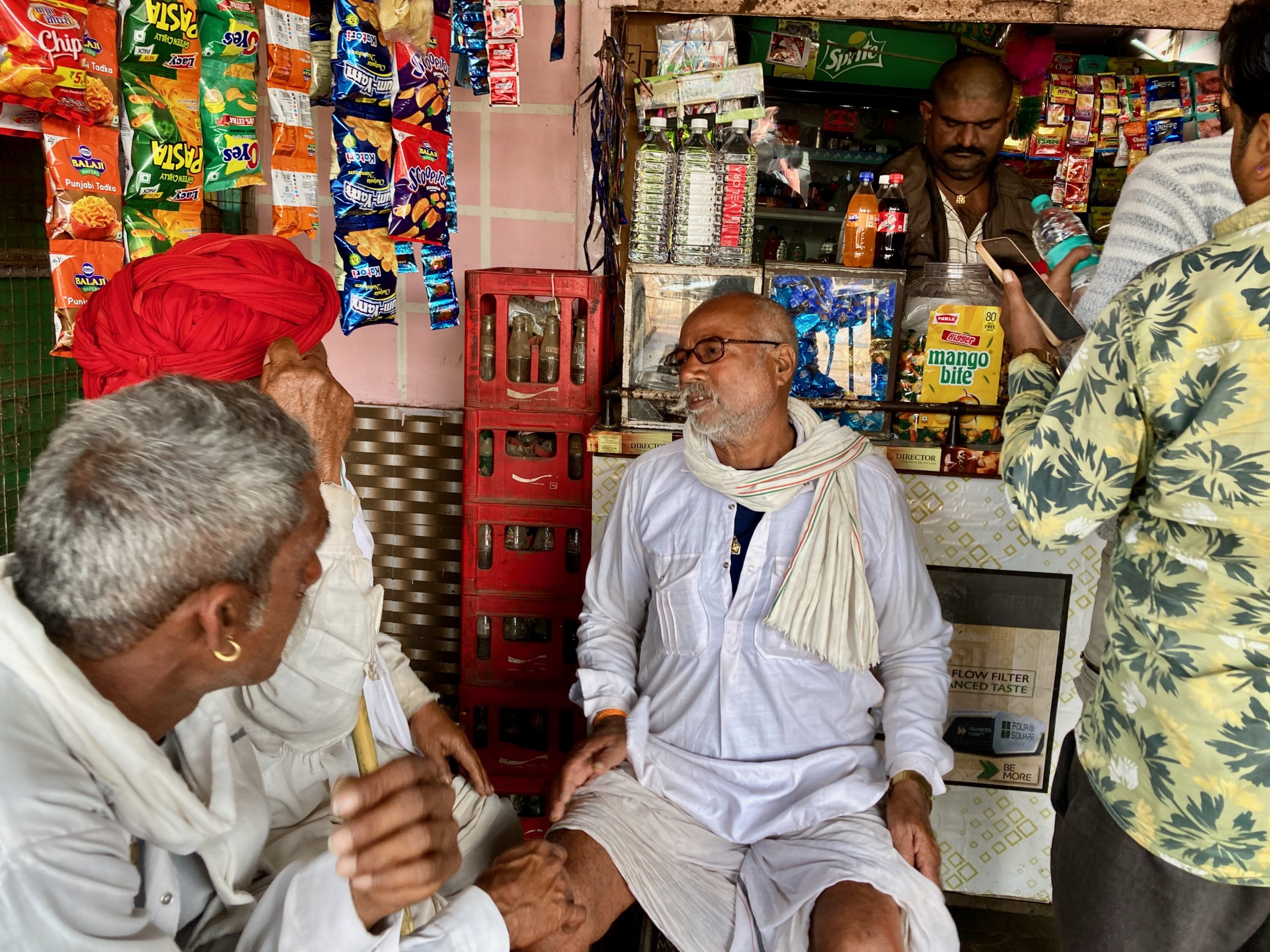
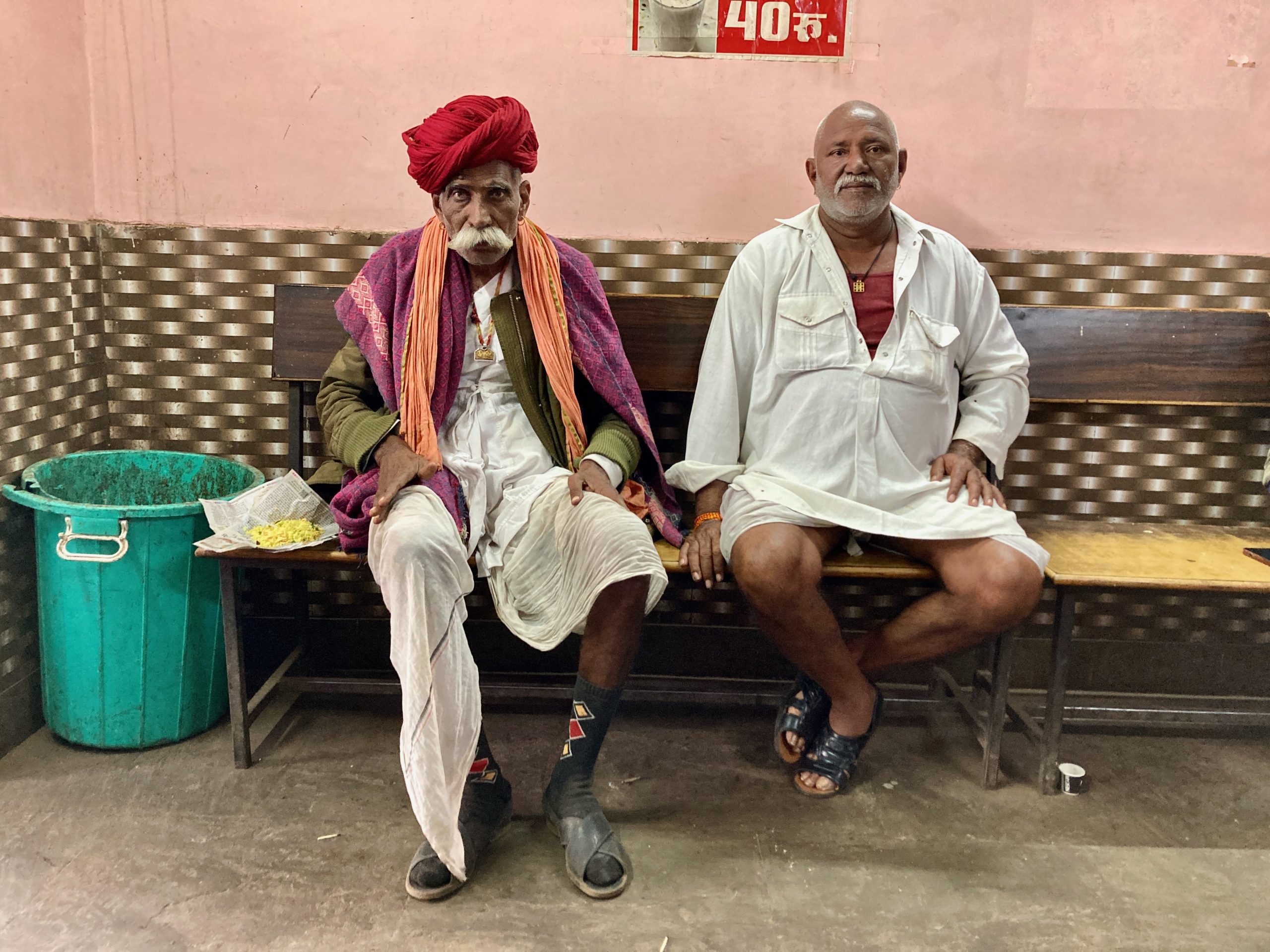
Then we drove back quite a distance and stopped for a snack and tea.
 19
19
 20
20
 21
21
And then I got quite upset. There is a great viewpoint where the Chambal River makes a bend and there are cliffs – you can see some photos online (google Garadia Mahadev). I wanted to go there. But there was an entrance where they wanted money: over 15 euros. Five for the car, ten for me. That’s about the same price as a visit to the Taj Mahal. A viewpoint! Admittedly with a temple and something about a nature zone (the Forest Department wanted the money), but still! And cameras were not allowed, only phones. I found that completely disproportionate. I got annoyed and decided not to go.
Unfortunately, I also couldn’t communicate with the driver about any alternative places to view the river.
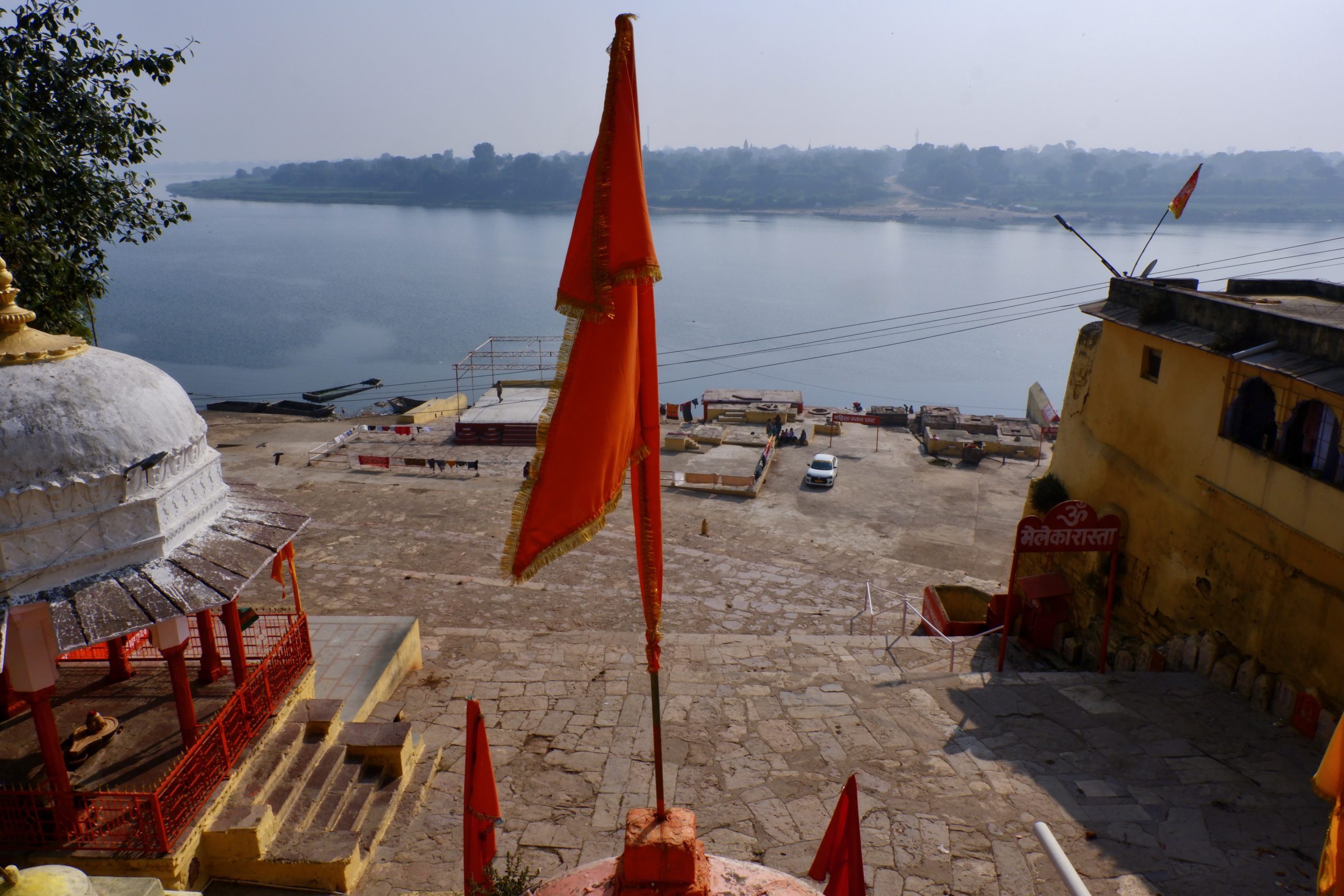
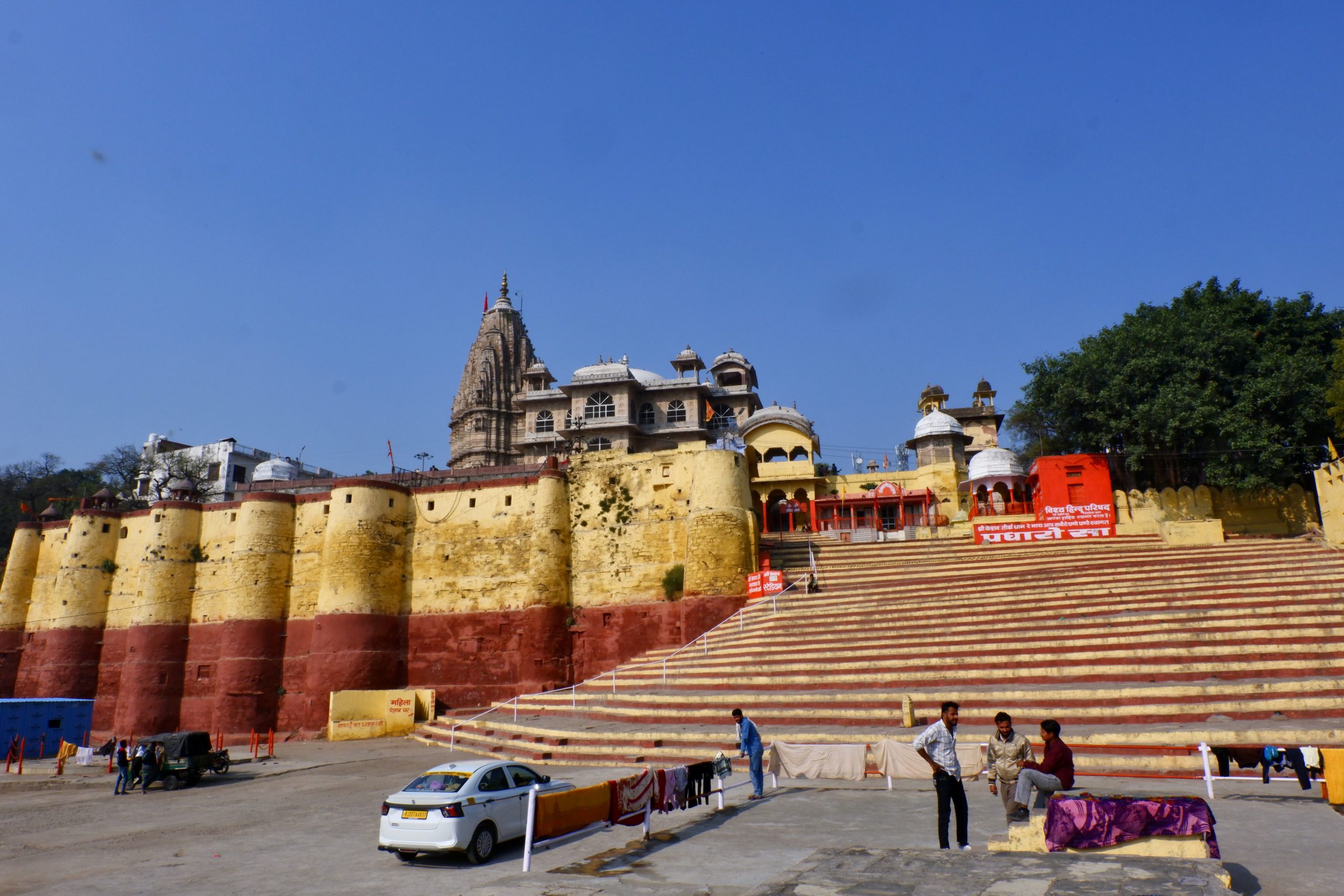
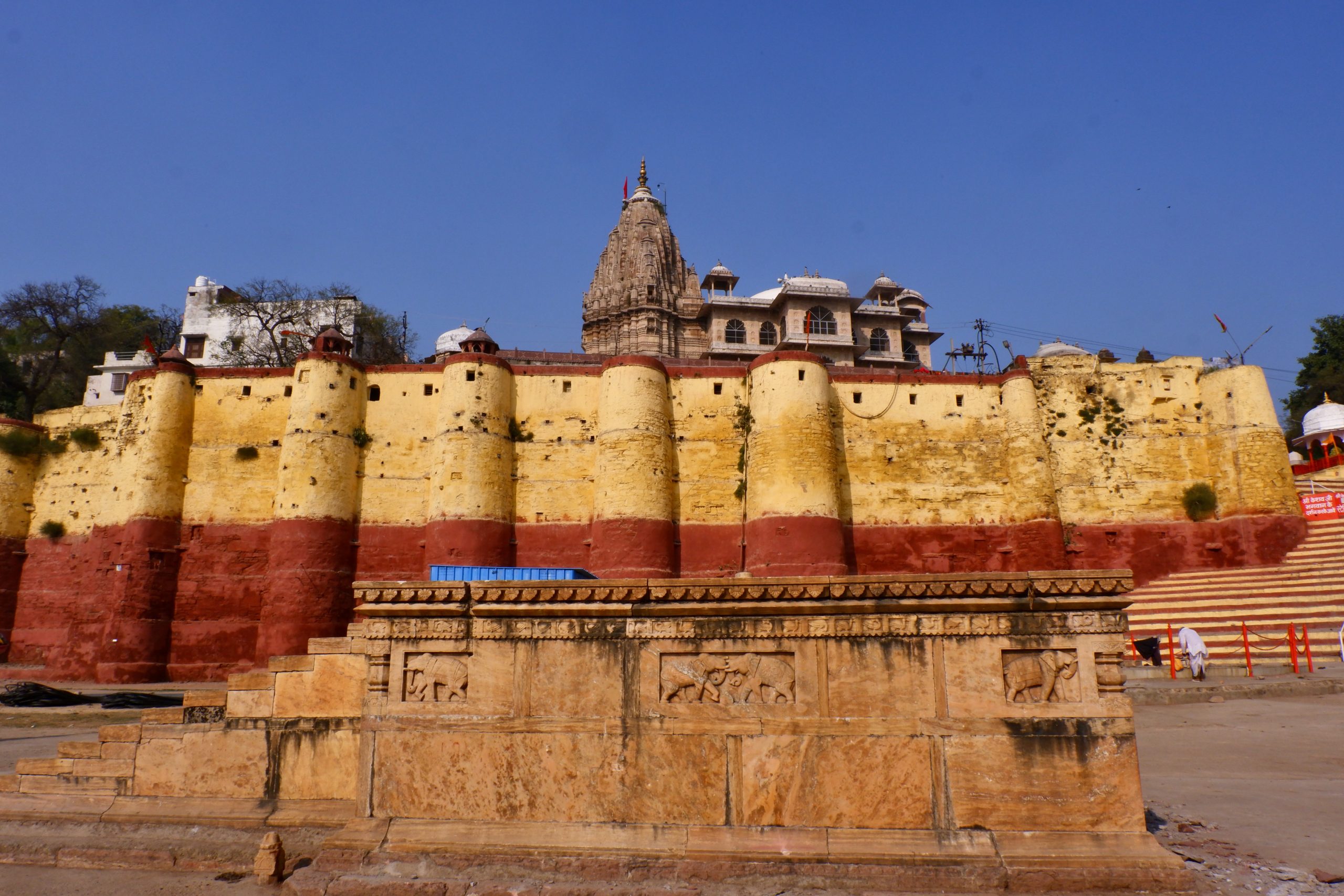
So we only went to my third planned stop: Keshoraipatan, with its impressive temple complex by the river, very close to Kota. The driver didn’t know the temple and had to find his way using Google and by asking around. In the end, he also cheated me on the road tolls (we had agreed that I would pay those separately). But I was too tired and annoyed to argue about it as well — I would have had to involve hotel staff, and I just didn’t have the energy. Sometimes India really stresses me out. But now, first of all, back to the temple visit.
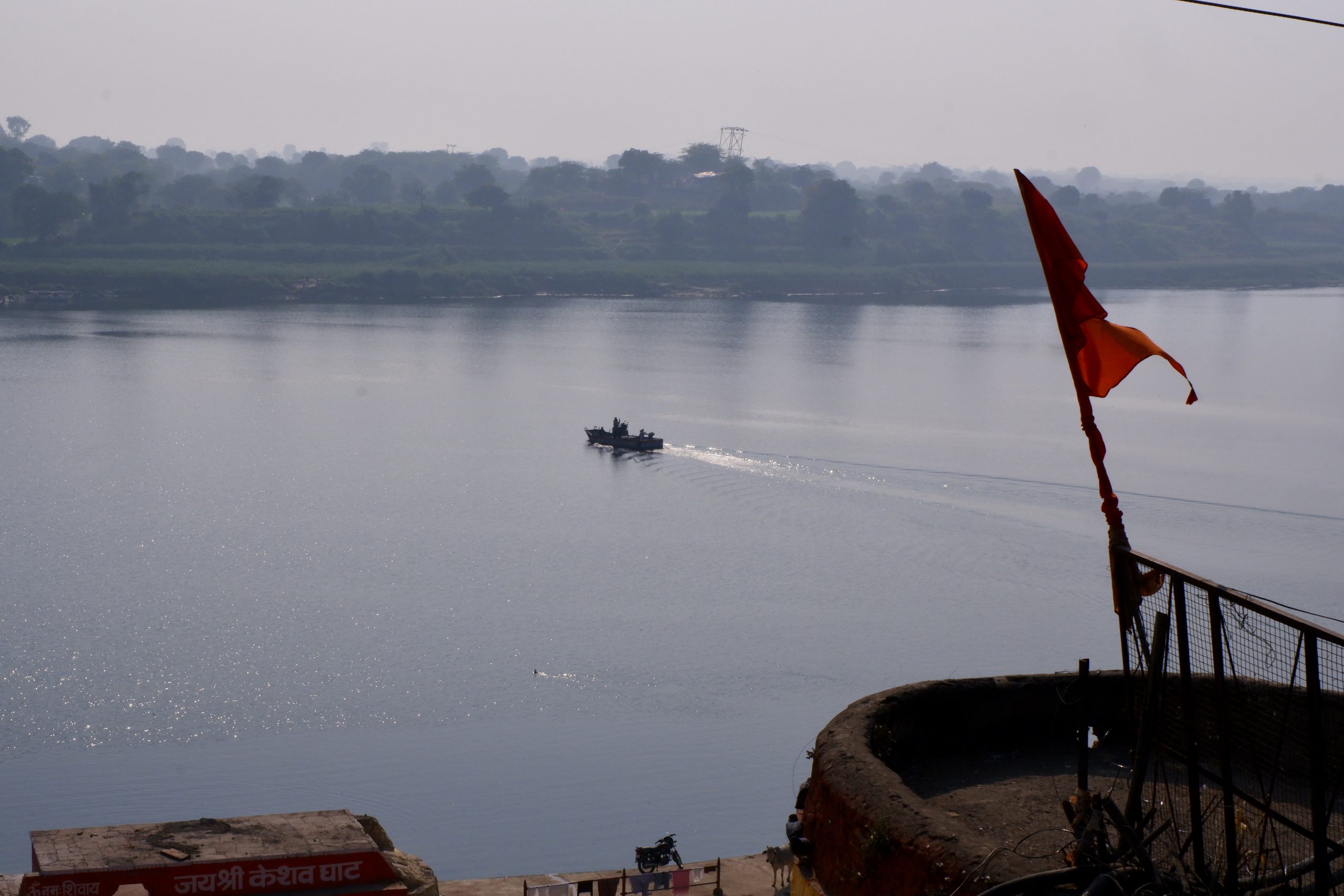
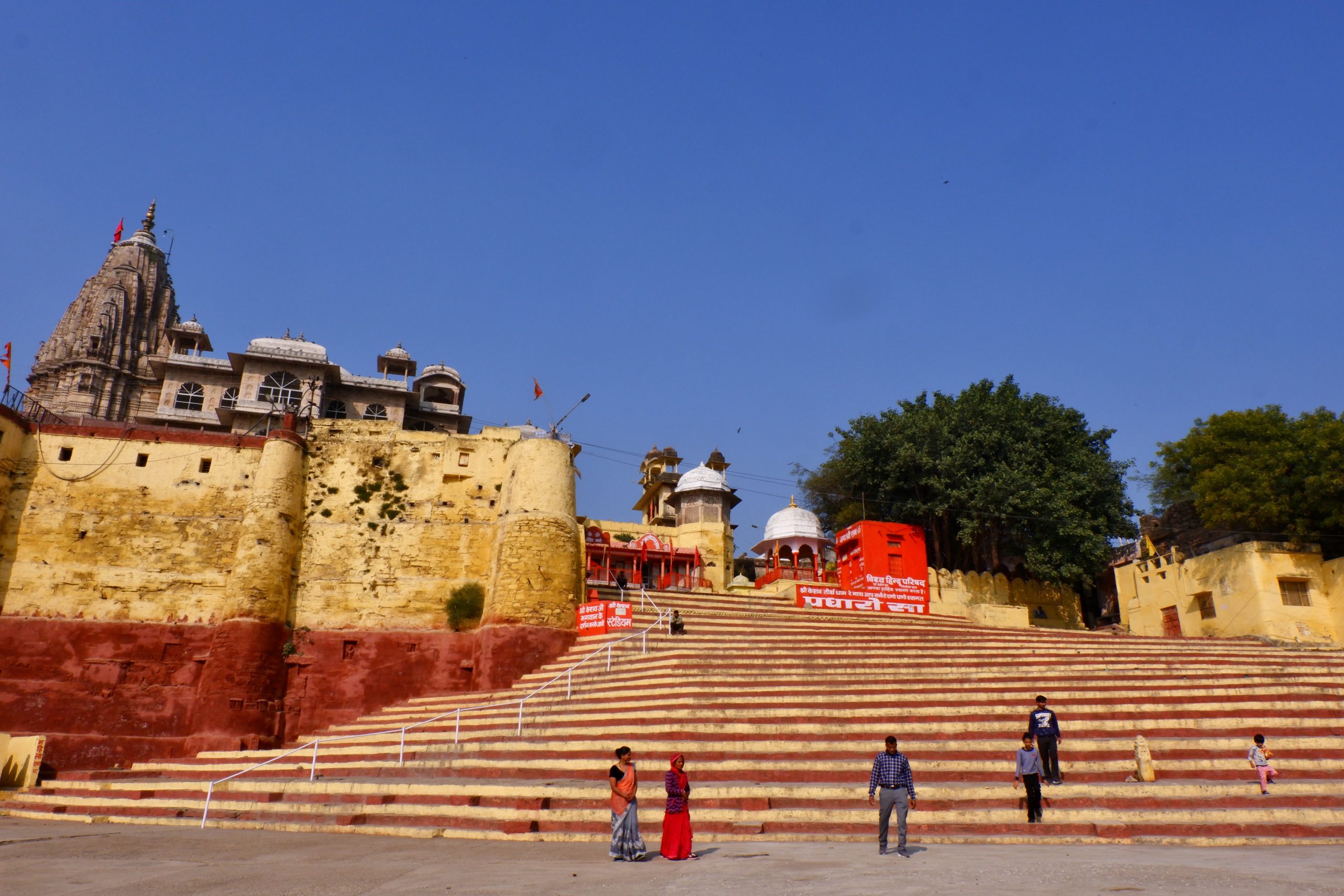
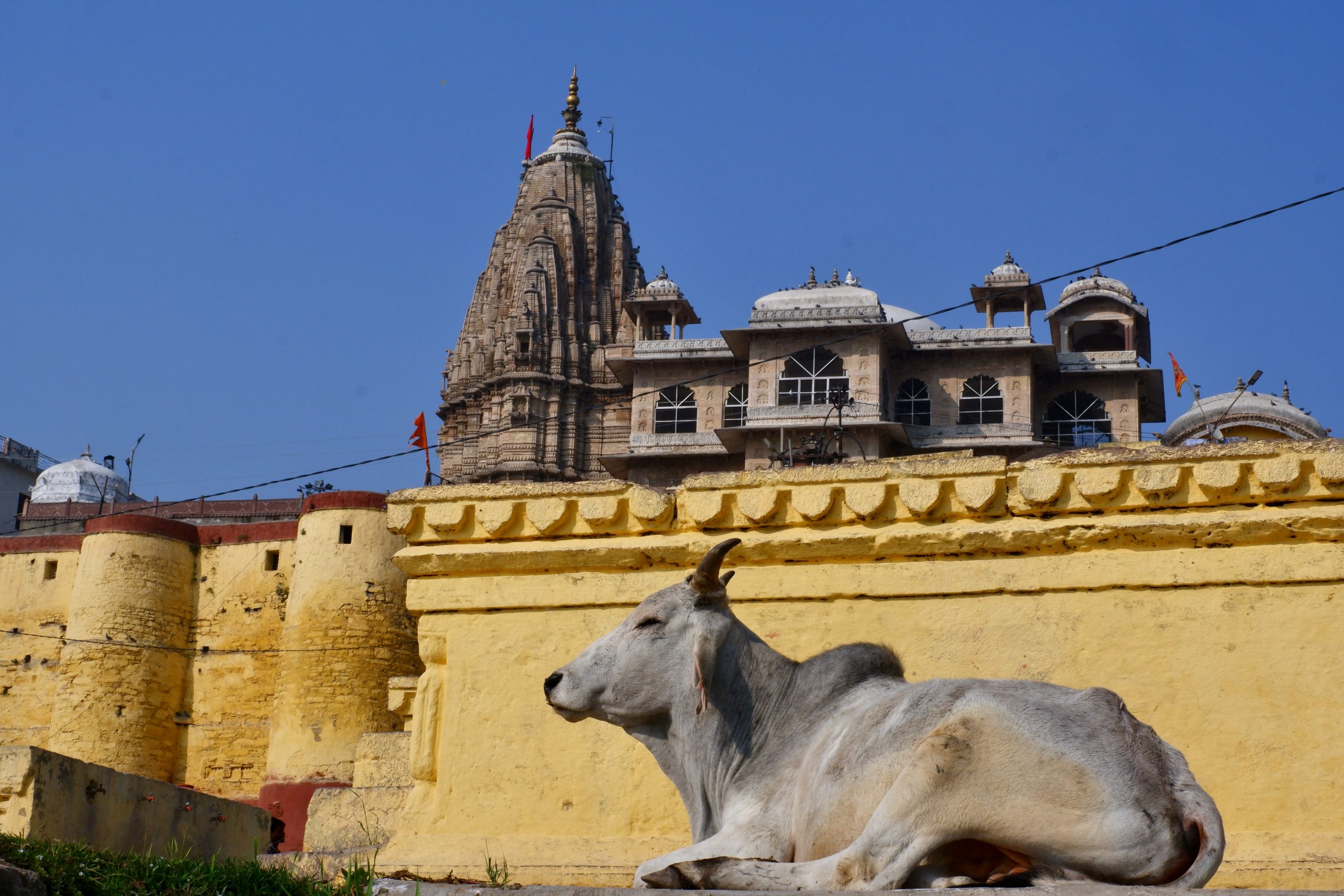
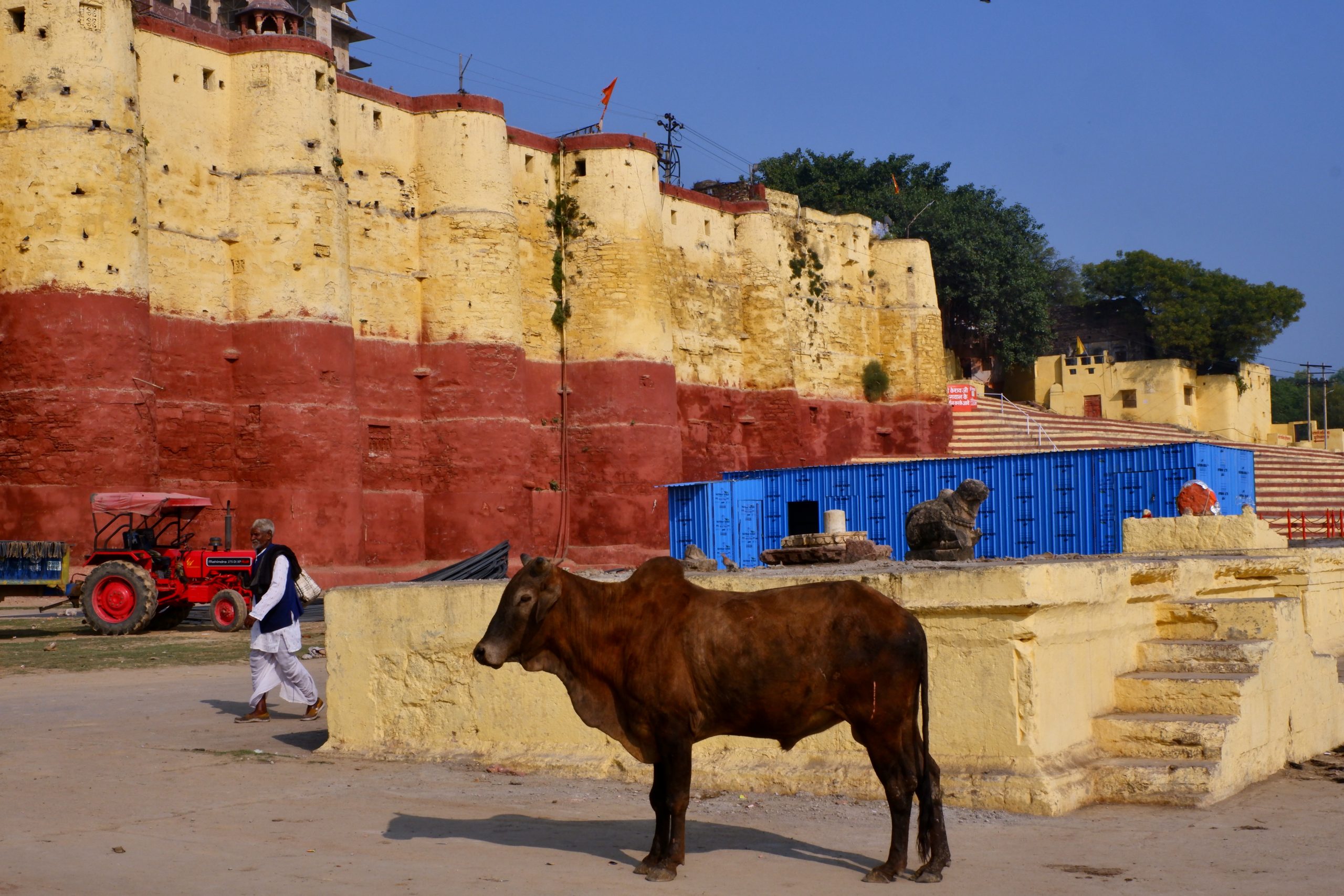
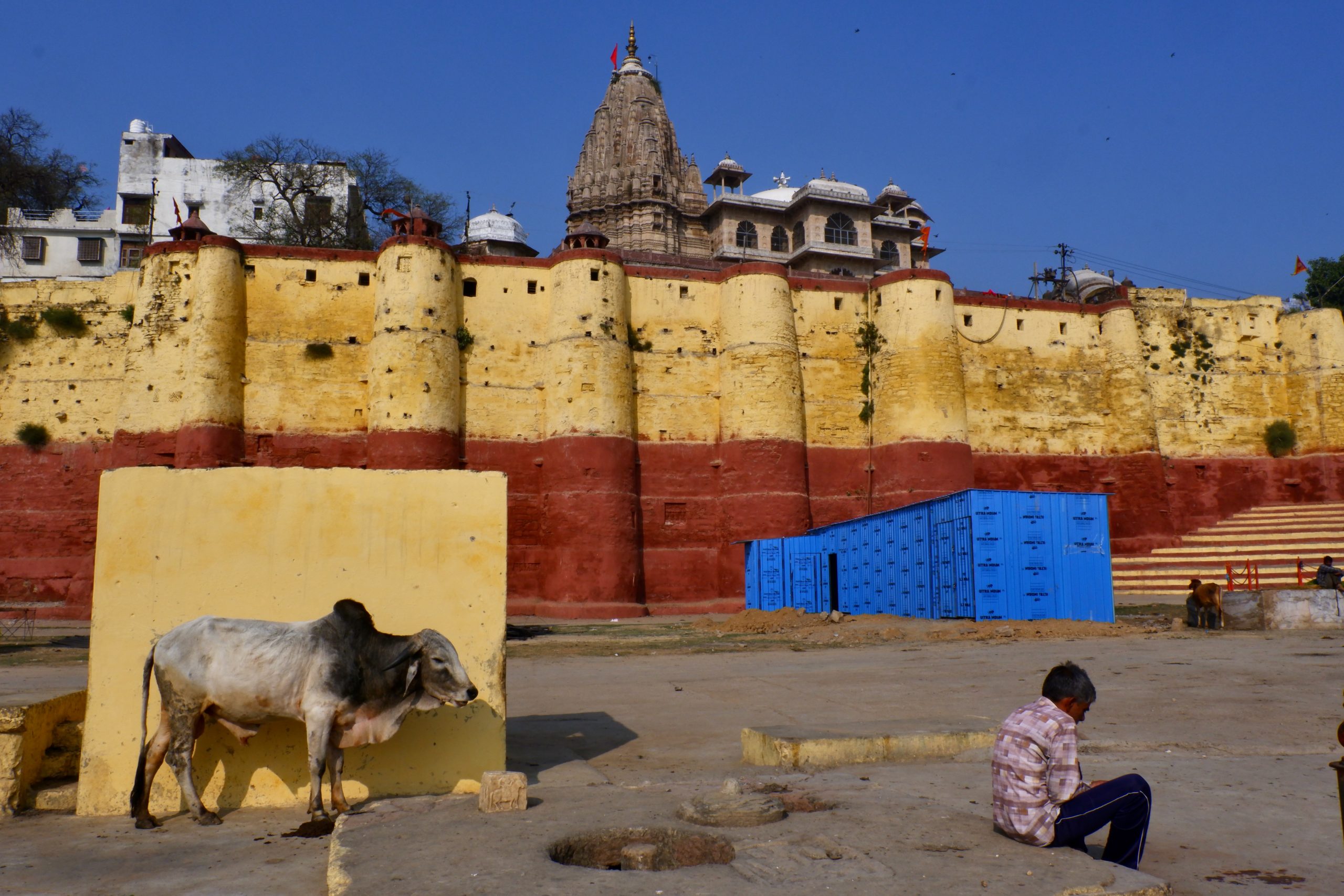
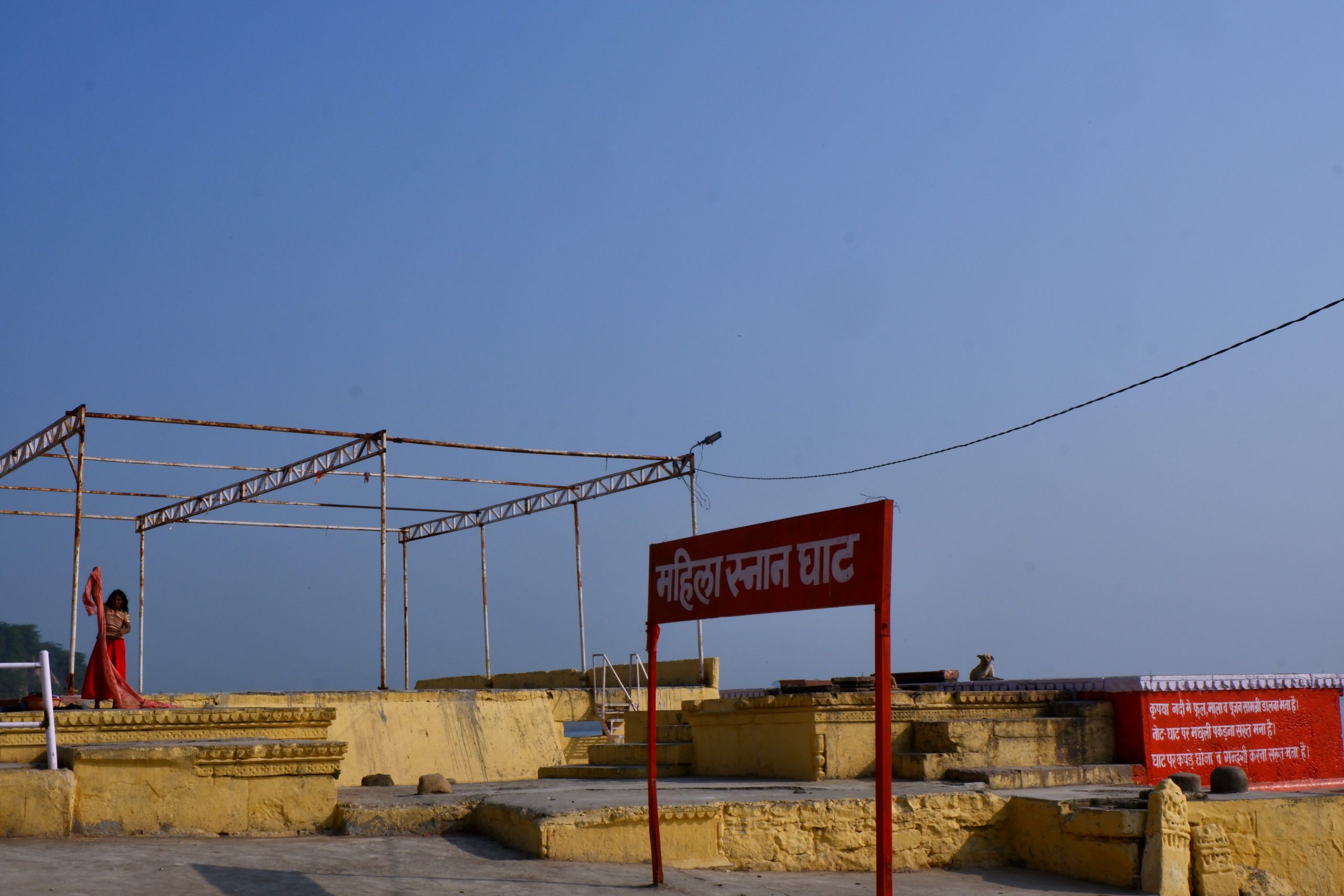
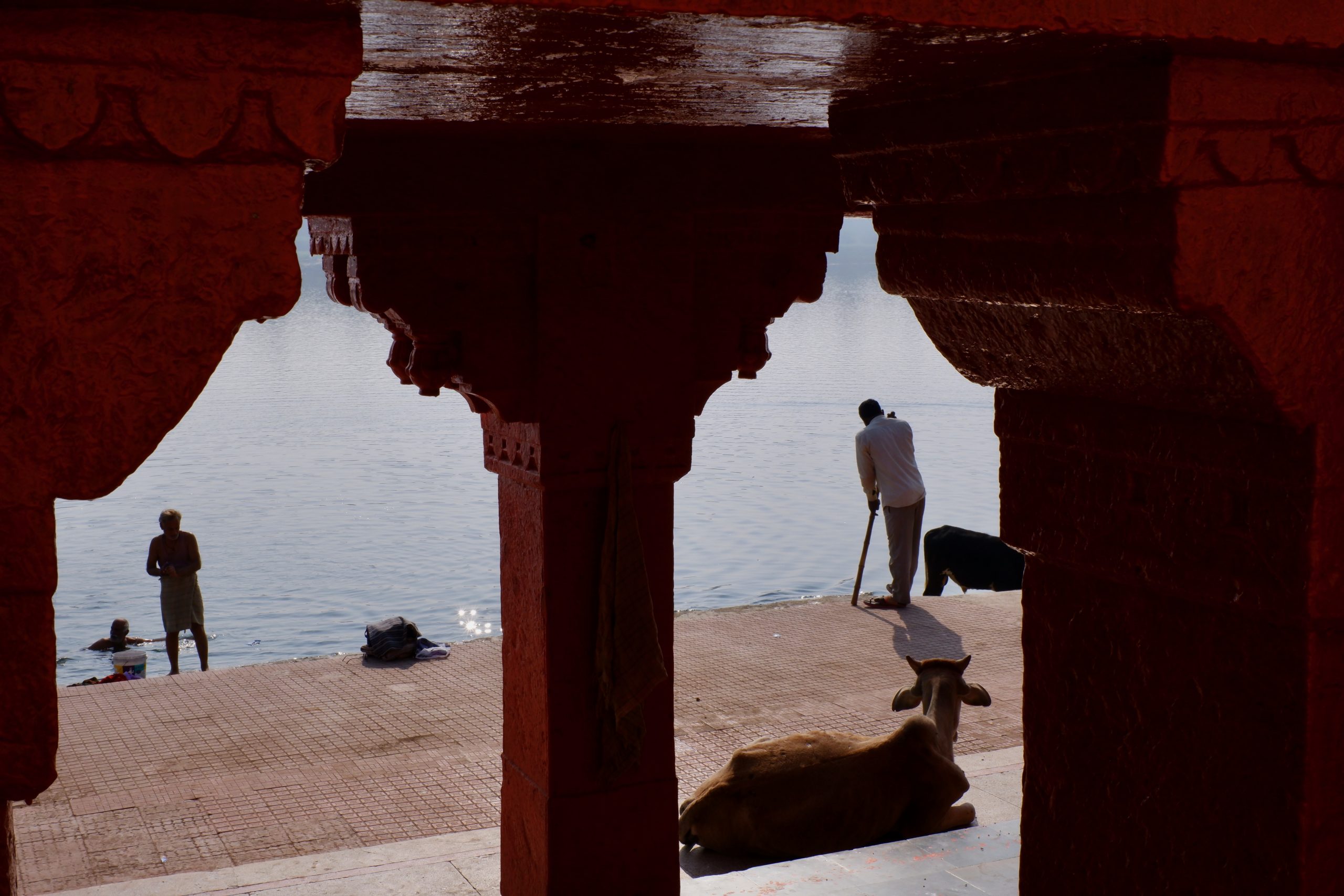
The temple — a Vishnu temple — stood above the river. From there, steps led down to the bathing ghats. They were separated for men and women. Two men immersed themselves devoutly in the river, while two women used it for a thorough wash with soap and shampoo. A few other women were doing laundry. A boat crossed to the opposite bank, and more boats were being built. Cows wandered around. I took a few photos:
 22
22
 23
23
 24
24
 25
25
 26
26
 27
27
 28
28
 29
29
 30
30
 31
31
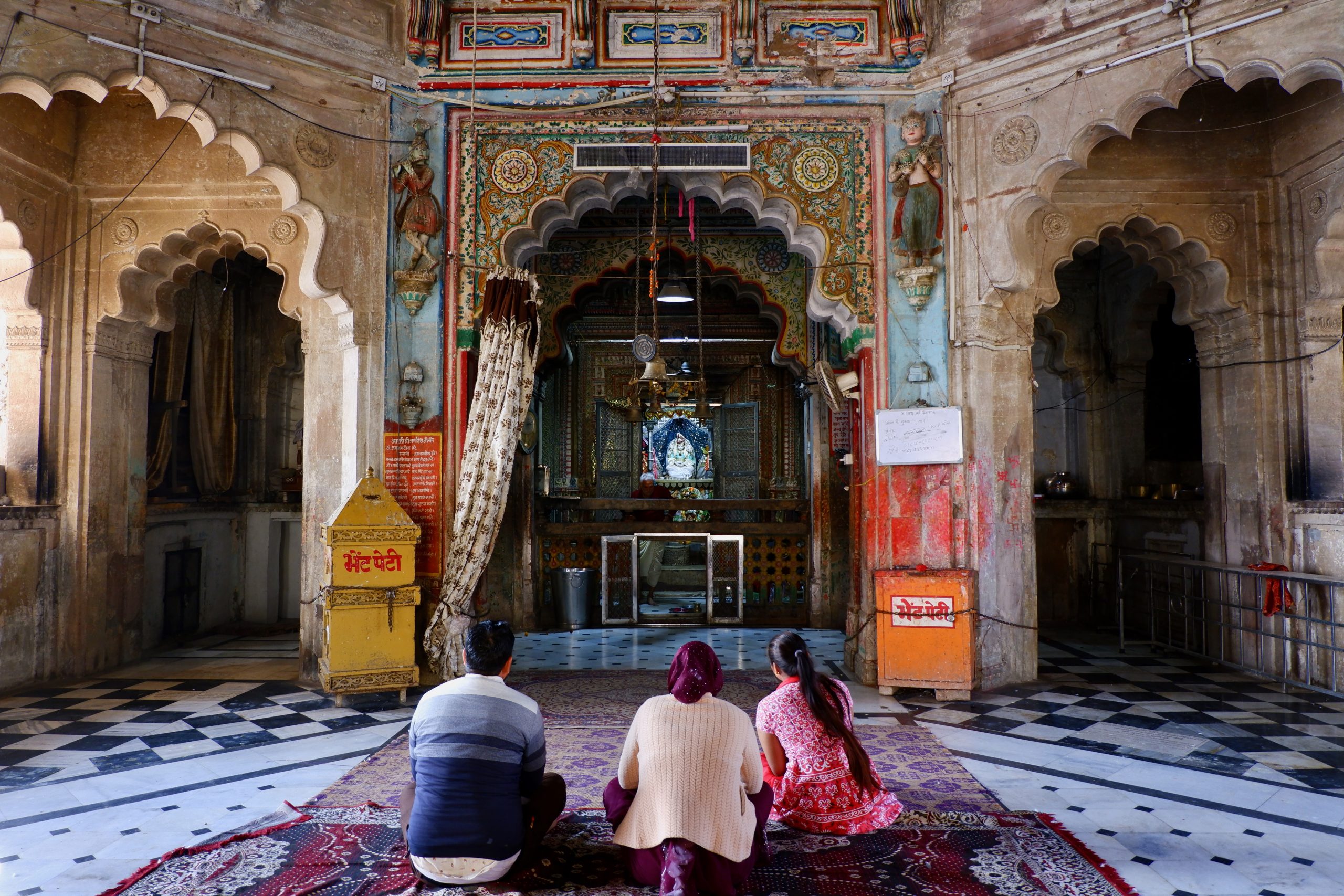
And in the end I also was in the temple for a short visit.
 32
32
Despite the annoyances, I was glad I’d taken the excursion, as I got to see two particularly special places that I would also consider worth recommending.
The next day I was still troubled by not knowing how and where to spend the final week before departure. But I had to decide, especially from where I would return to Delhi, because of the train ticket. The sheer number of options and decisions overwhelmed me. Then I had an idea: I simply asked my colleague for help. And that was a good idea! He put together a small itinerary for me, arranged two train tickets and the accommodations. Now I only needed my travel brain for the bus connections in between. I actually felt a huge sense of relief—and even a bit of curiosity. Because this meant going to another state, to places I had never been before! No more Rajasthan themes as originally planned, but something genuinely new—something that had already existed as an option in the back of my mind and that I’d been wanting to explore for quite a while anyway..
I went to bed early as the train started early next morning.