


Leh – 9 Indians do 1 trip
30. + 31. August 2026
The 9 gentlemen from the previous day were kind enough to take me along on an excursion to Wari La. I had been wanting to go back there to take a look anyway. Technically, I would have needed a permit for it, but that was both too much hassle and too short notice for me. I figured if I actually got pulled out, I would just take a bus back or go for a walk somewhere instead. But I was also genuinely curious to see if it would work out. As I suspected, it did. It’s a bit strange anyway—the checkpoint is located right at the entrance of the valley. From there, you can a) visit the villages and monasteries of Chemre and Sakti, which don’t require a permit, b) drive into the Nubra Valley, which requires a permit, or c) take another branch toward Pangong Lake, which also requires a permit. The two villages with their monasteries are a popular day trip from Leh, so there are always quite a few people on this road who don’t need a permit at all.
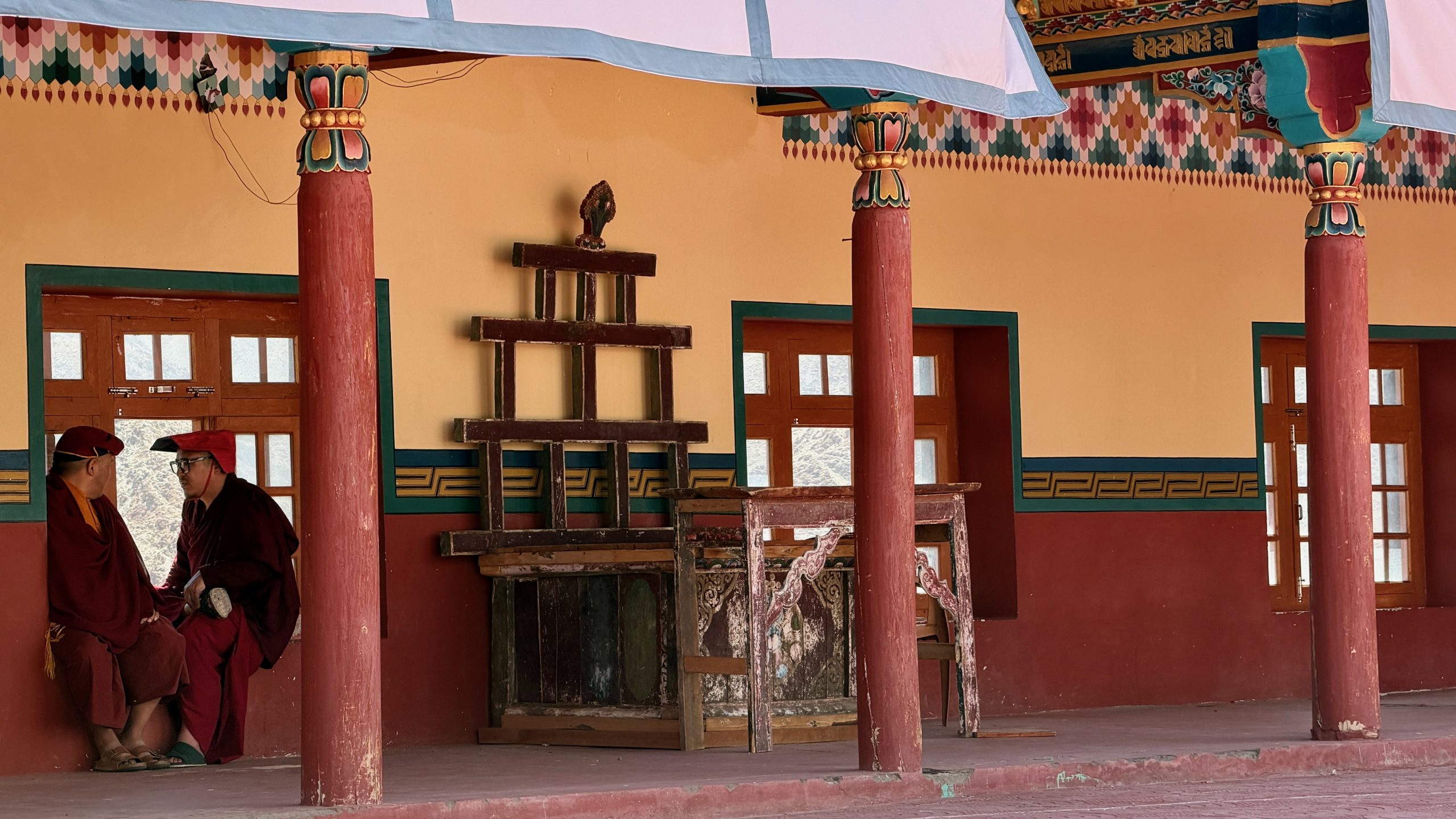
In the village of Sakti, the road was closed for a while due to construction work. Instead of taking an alternate route through the village, we drove up to Chemre Monastery, which the men explored. I didn’t feel like joining them since I’ve been to monasteries a bit too often lately. Instead, I just enjoyed the view of the monastery from the monks’ quarters.
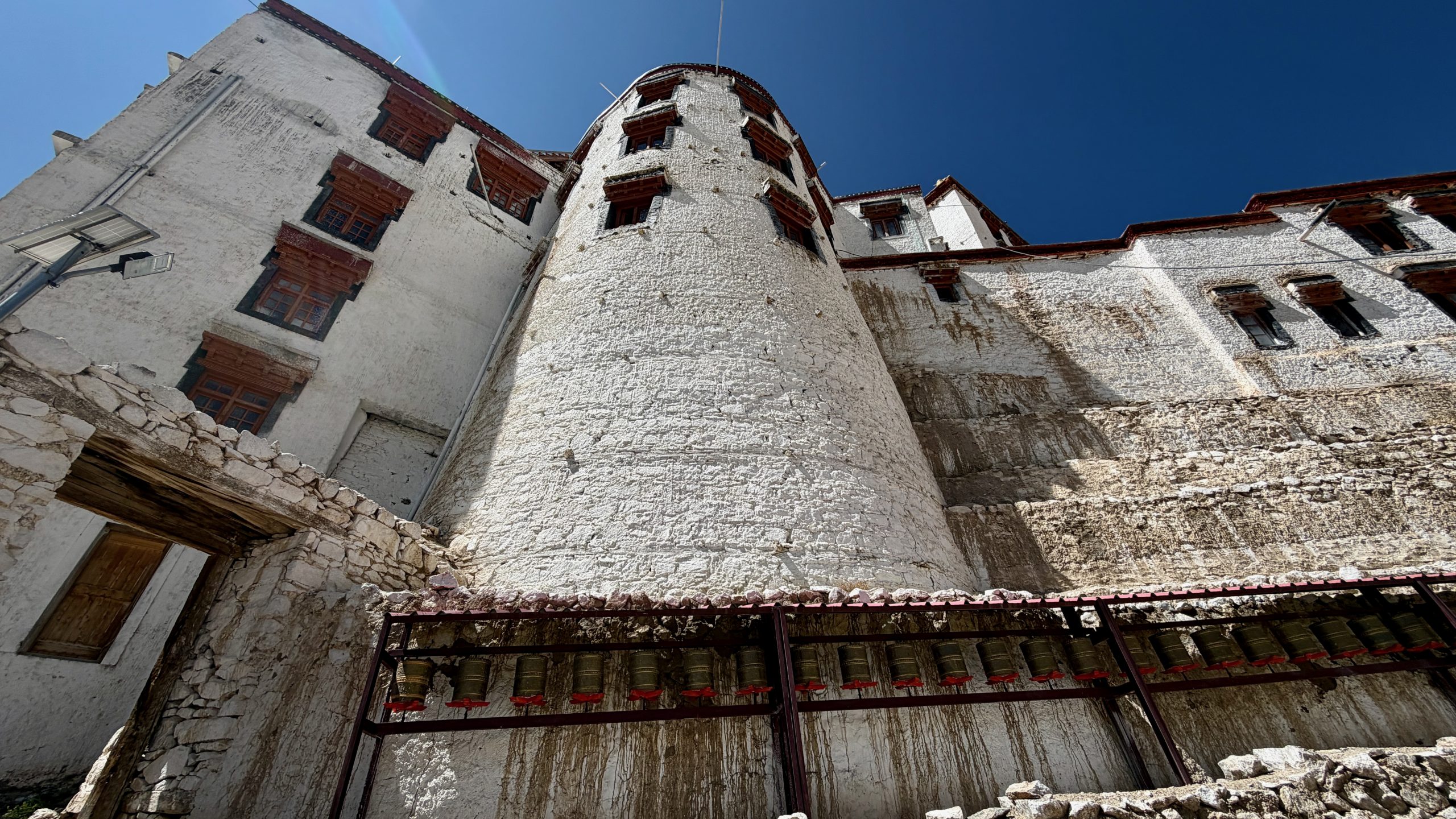
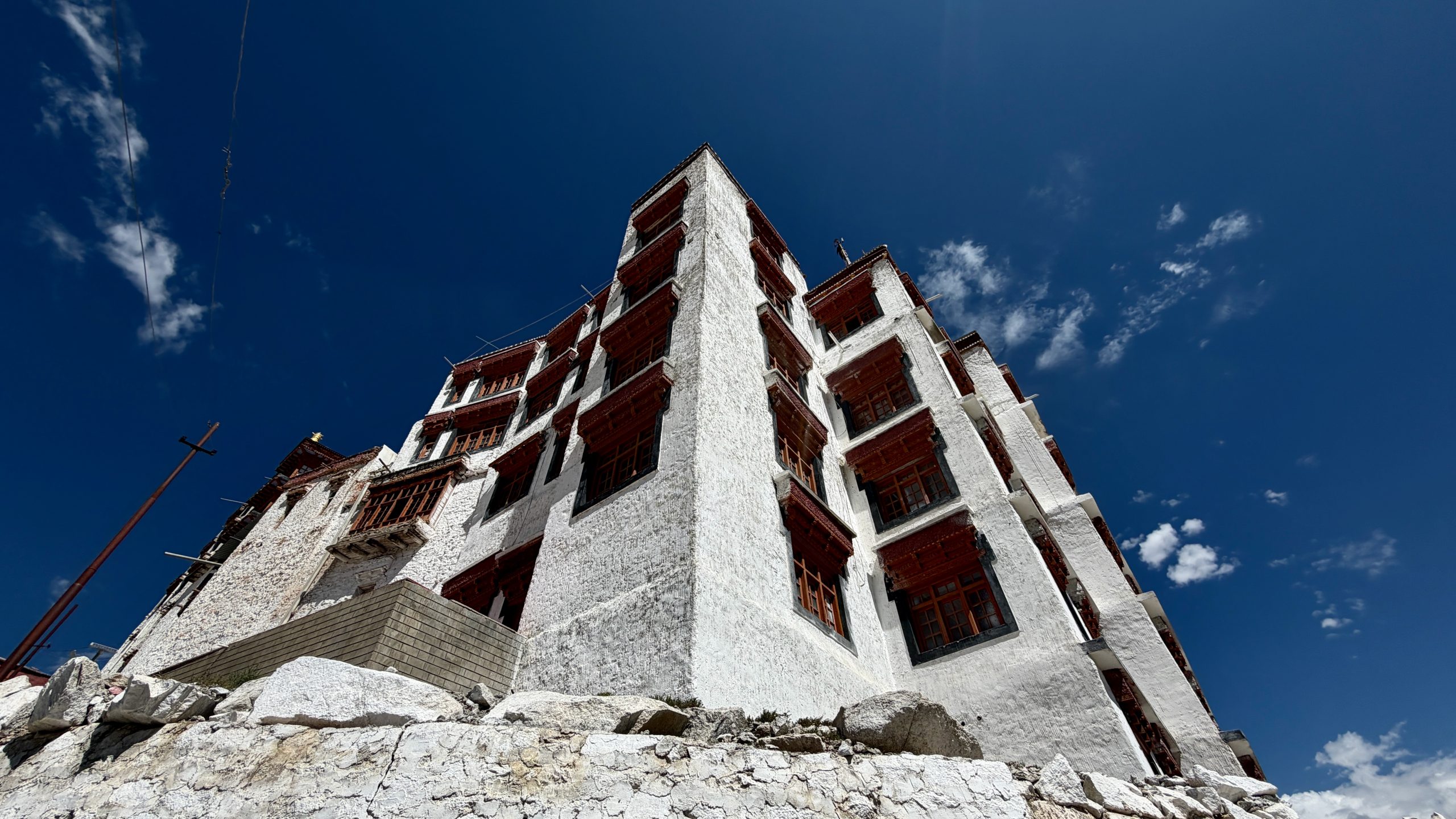
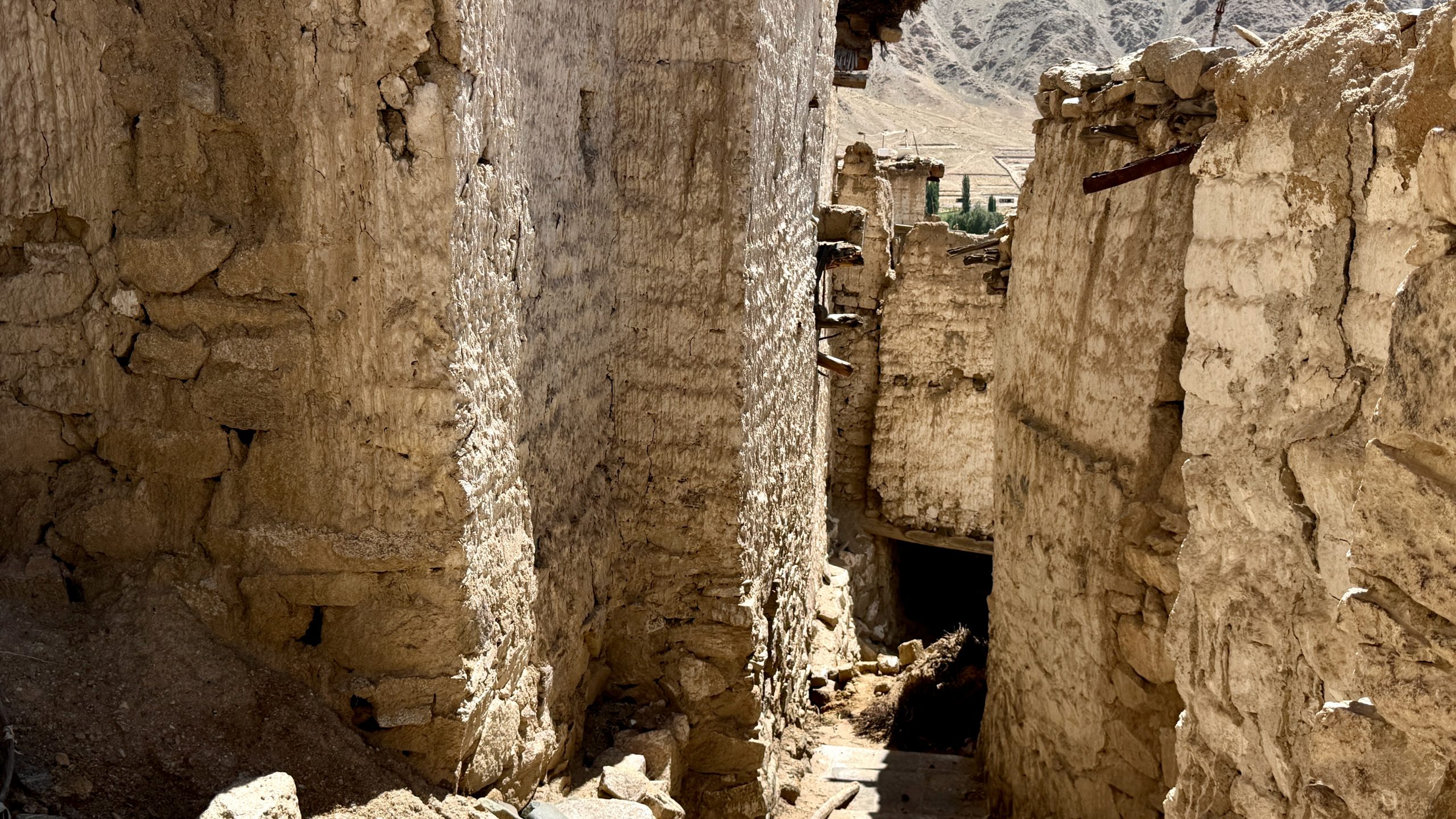
There were only a few monks left at the monastery, as a farewell ceremony was being celebrated for the Dalai Lama, attracting everyone who had the chance to attend. One monk struck up a conversation with me. He had been sent to this monastery from the Nubra Valley when he was 11 years old. He liked it right away. There is a monastic school, so he immediately had plenty of companions, many of whom were also from Nubra. He mentioned that all of them had remained monks. I doubt it a bit.
Overall, Ladakh is facing a severe shortage of new monks (though not nuns). The tradition of dedicating the second son to the monastery has eroded, especially since people aren’t having as many children anymore and secular opportunities have expanded dramatically. The Buddhist framework that once anchored this society is becoming increasingly difficult to maintain.
I used to envy the monks and nuns for their contentment in staying in one place, doing the exact same routines day in and day out. These days, I’m not so sure about how deep that contentment actually runs. Quite a few seem more bored to me than eager to advance on the Buddhist path. But who knows.
Then we drove up the pass. I didn’t take any photos along the way since I wasn’t sitting by the window. Once at the top, though, there was plenty of time for that.
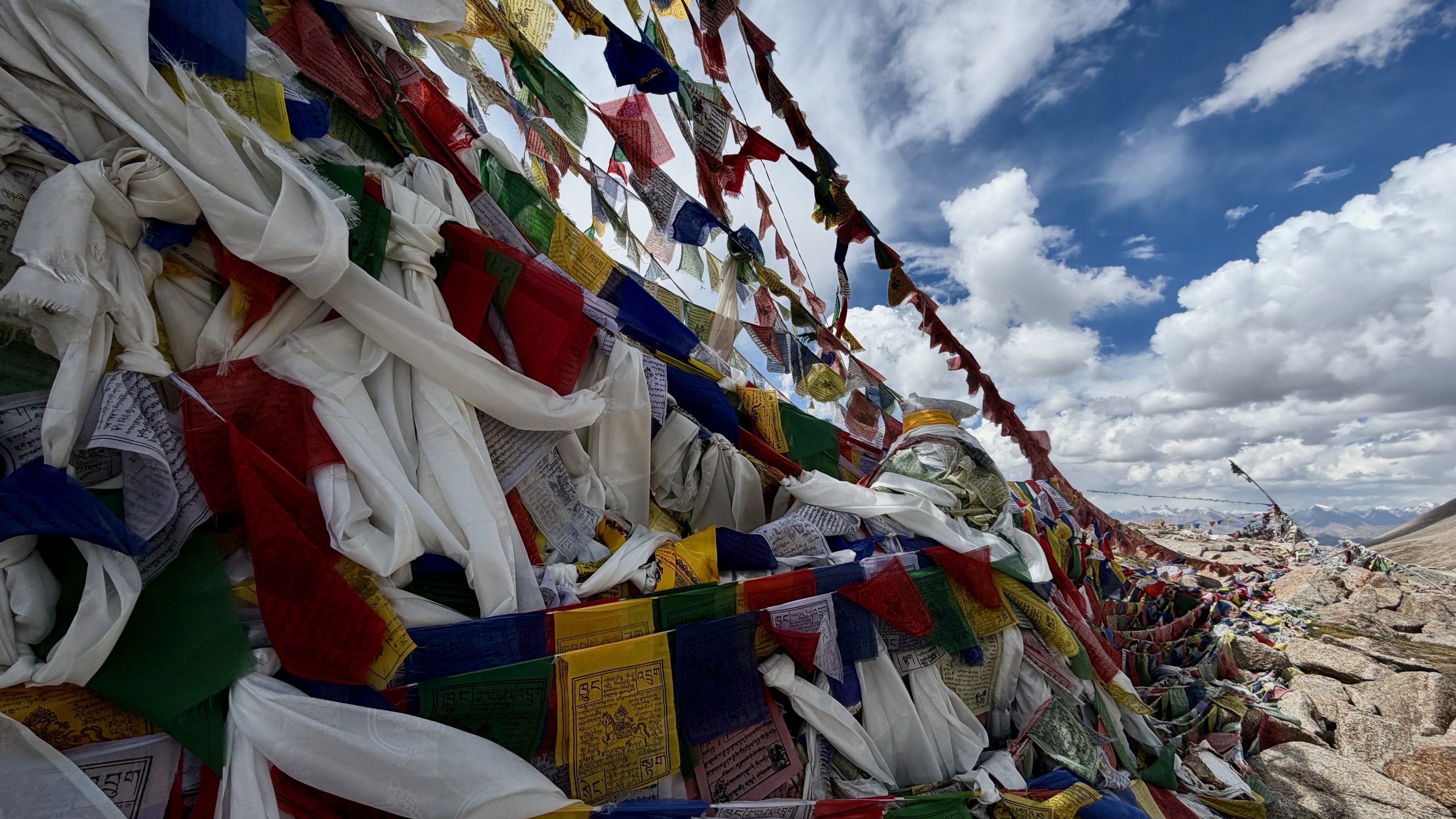
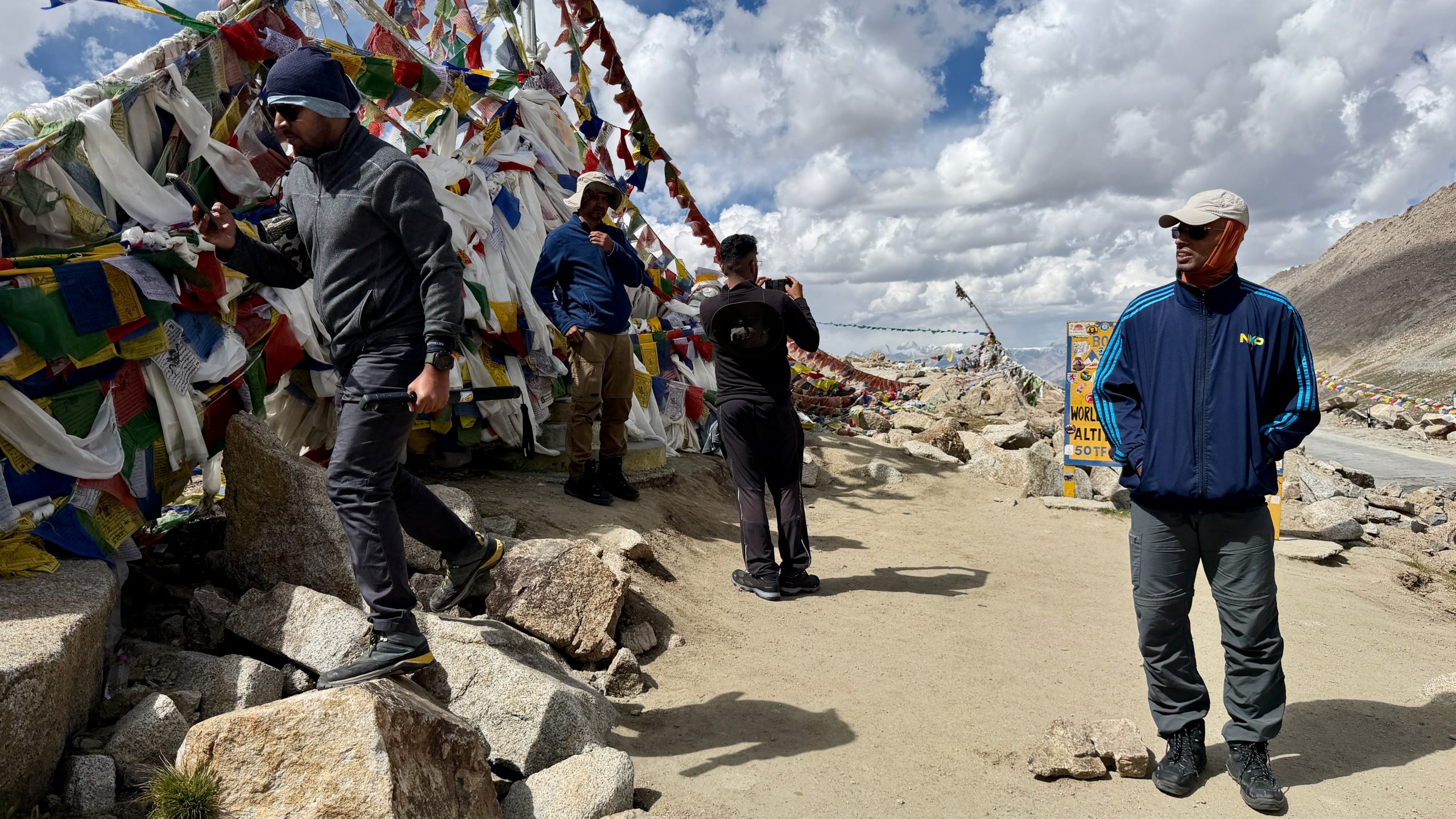
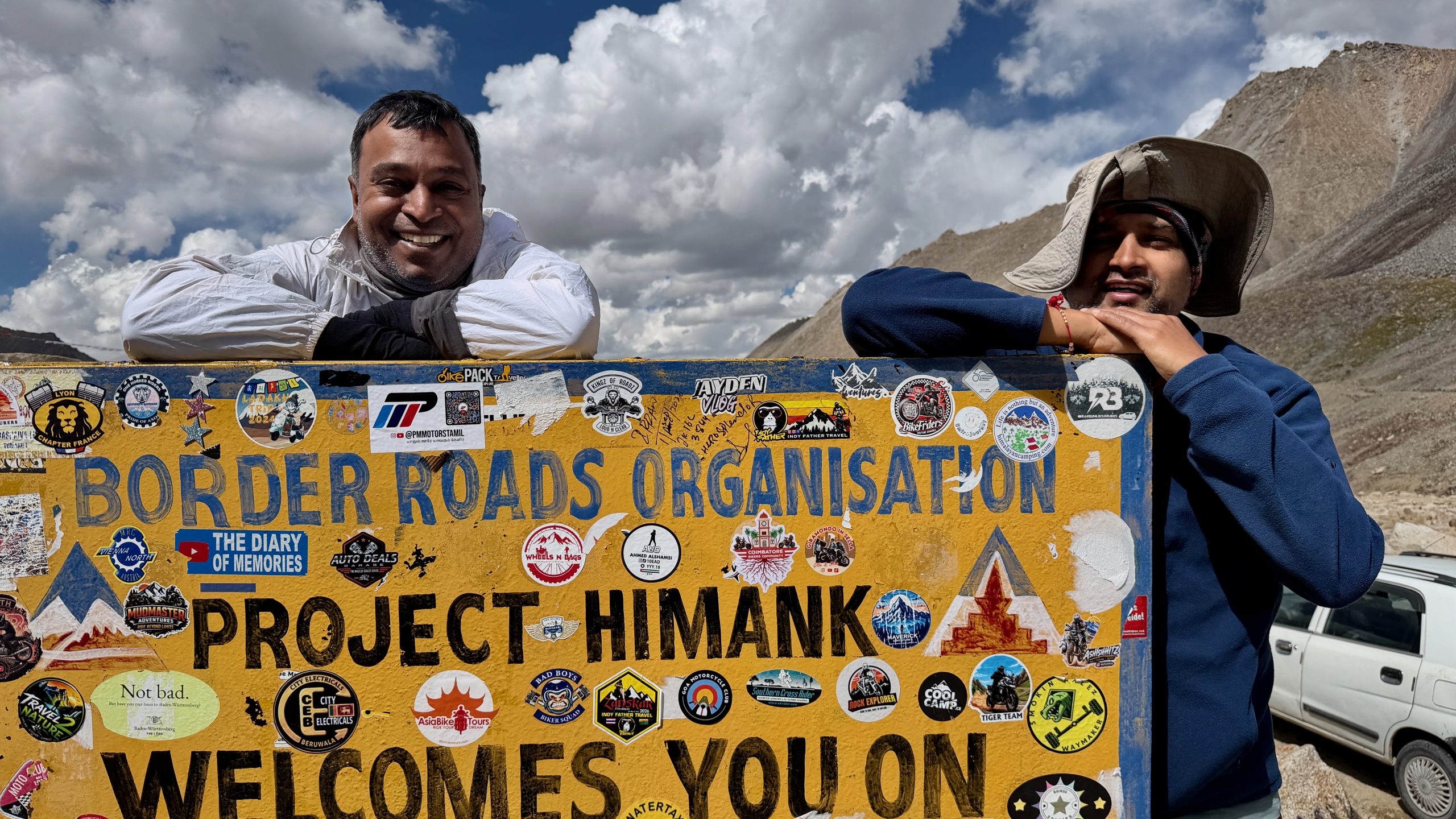
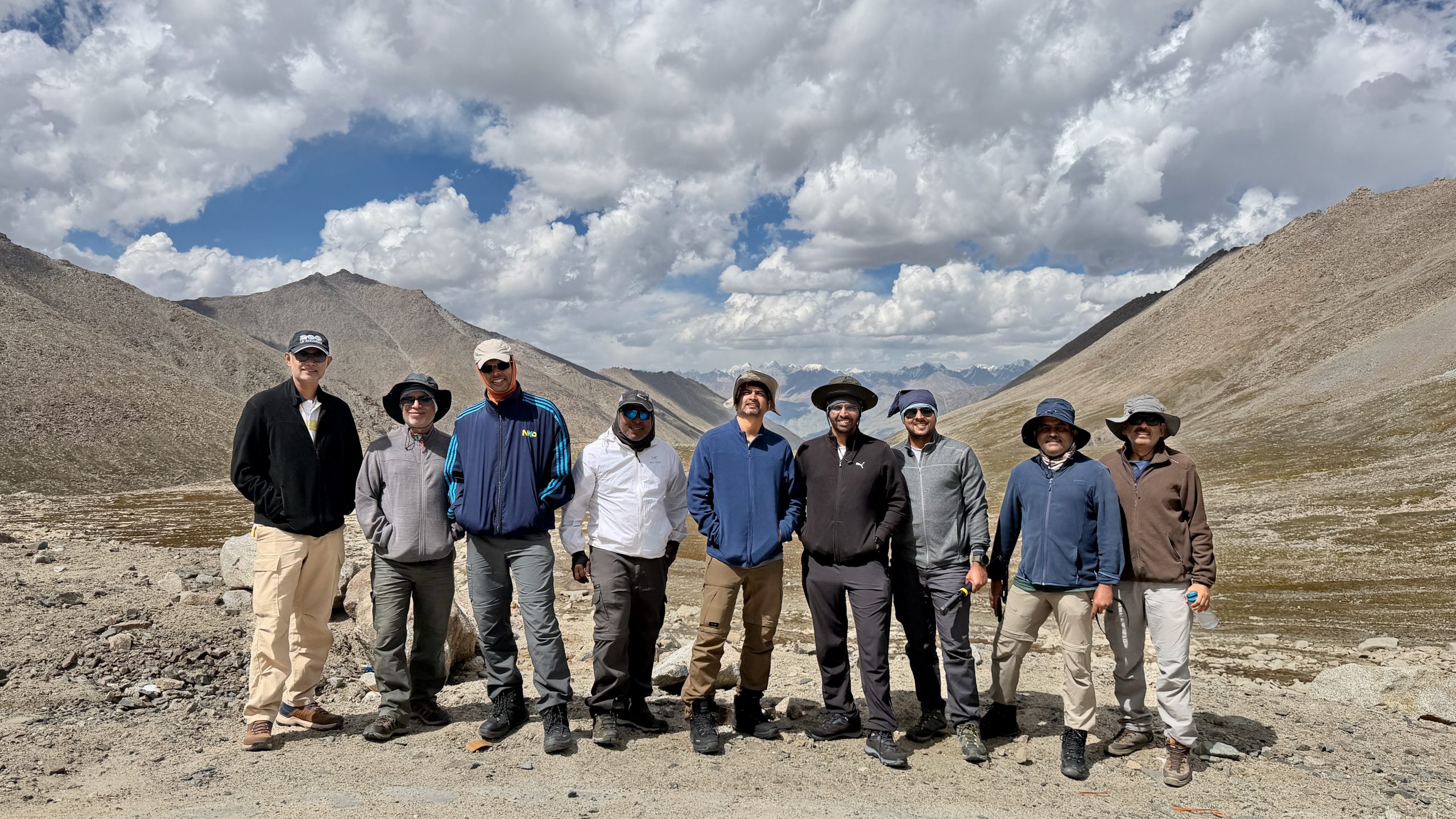
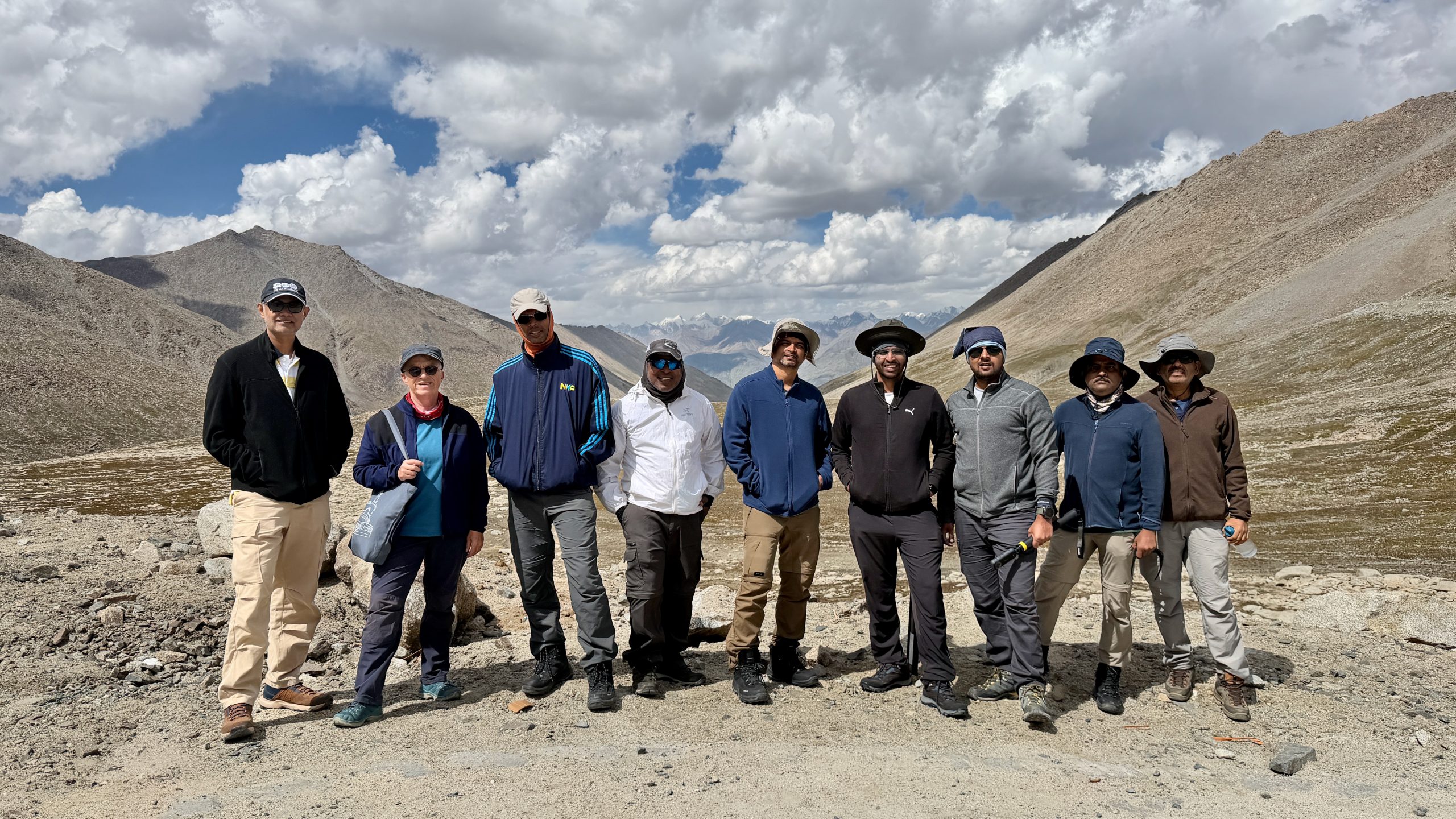
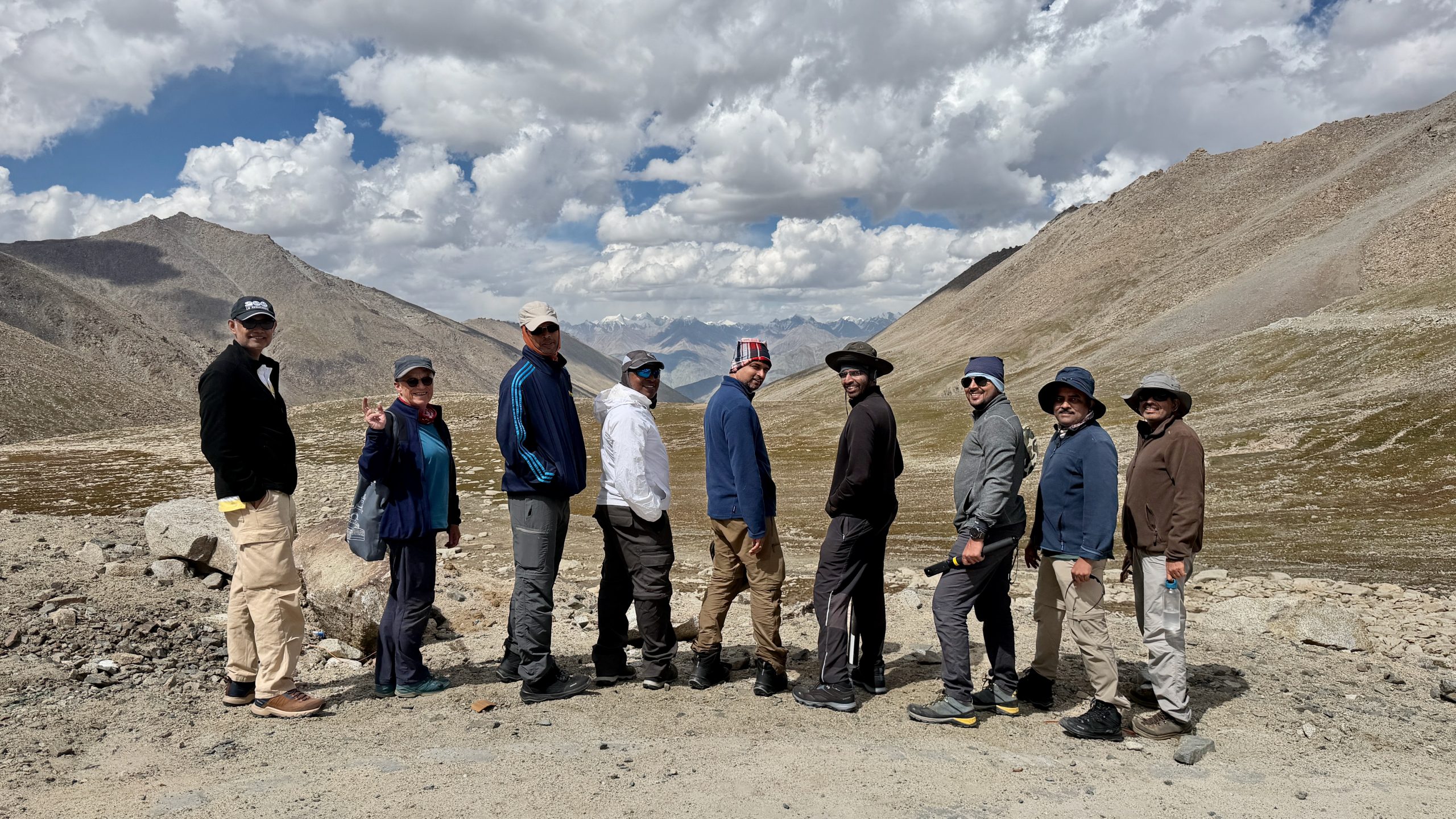
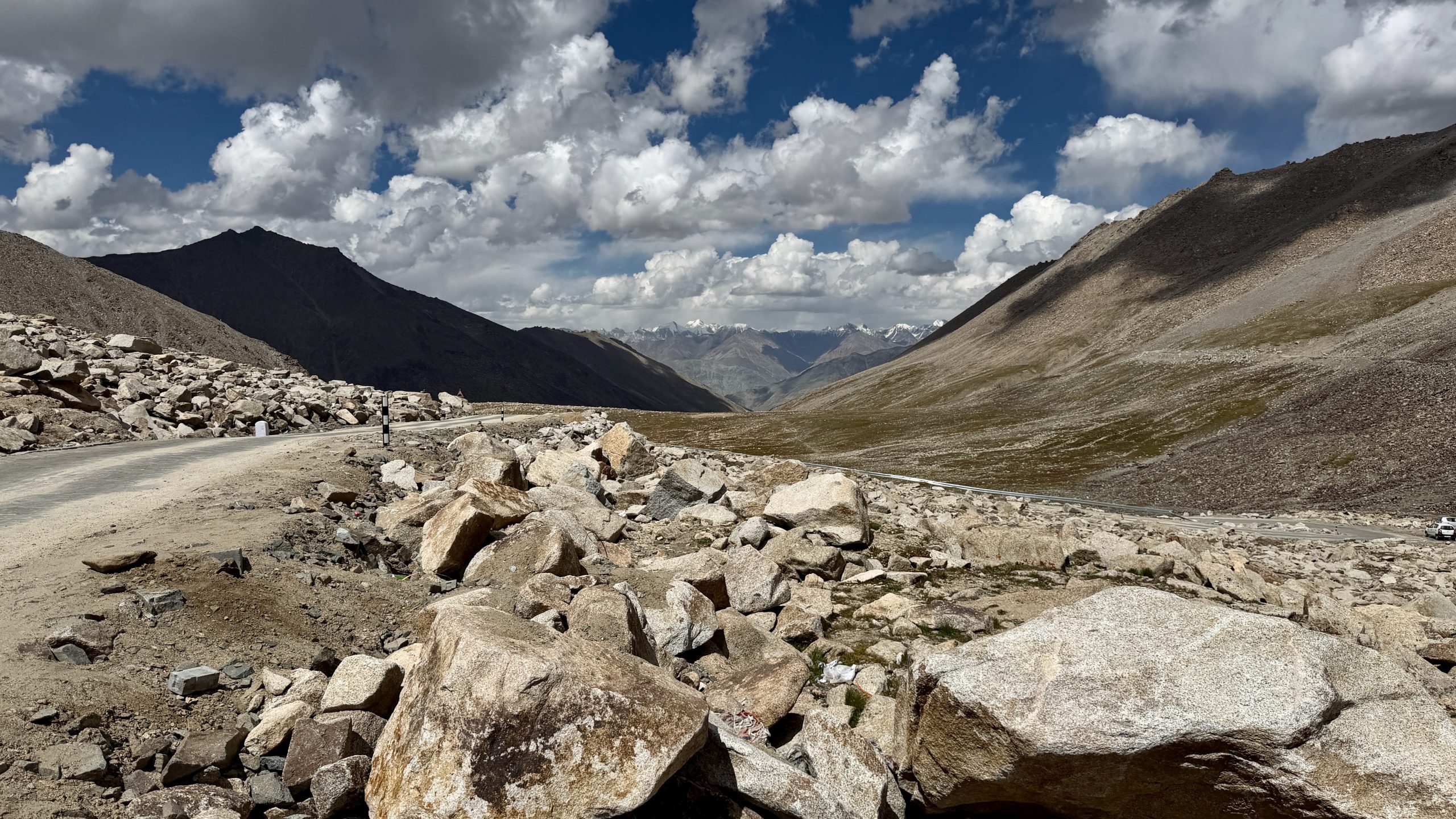
What is annoying about the pass: you can’t really get a great view down from either side. What is great about the pass: the landscape itself is so vast, high, and awe-inspiring. There was extremely little traffic, which I liked a lot. And the meadows are perfect for a wonderful picnic. The pass sits at almost exactly 5,300 m high.
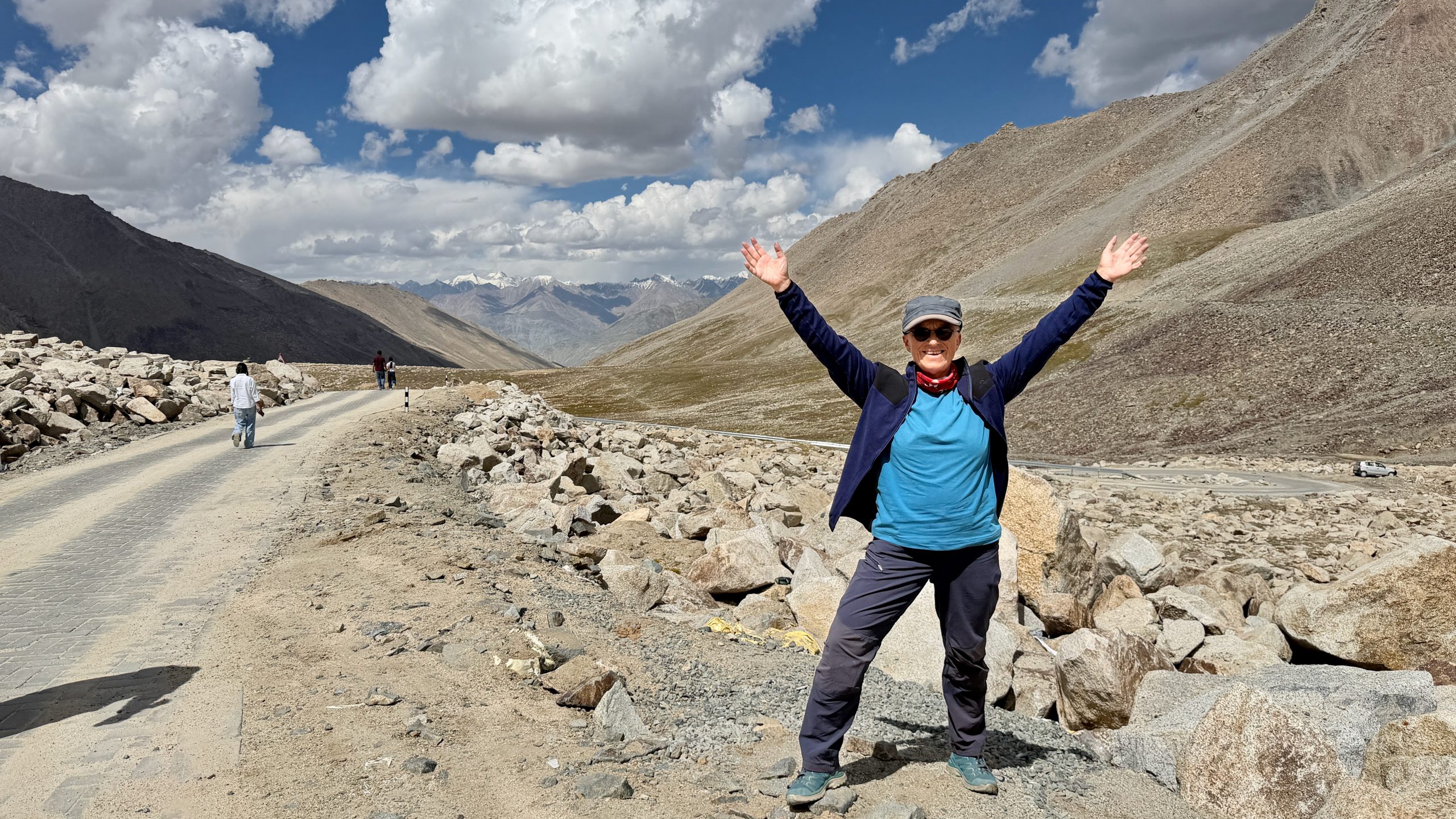
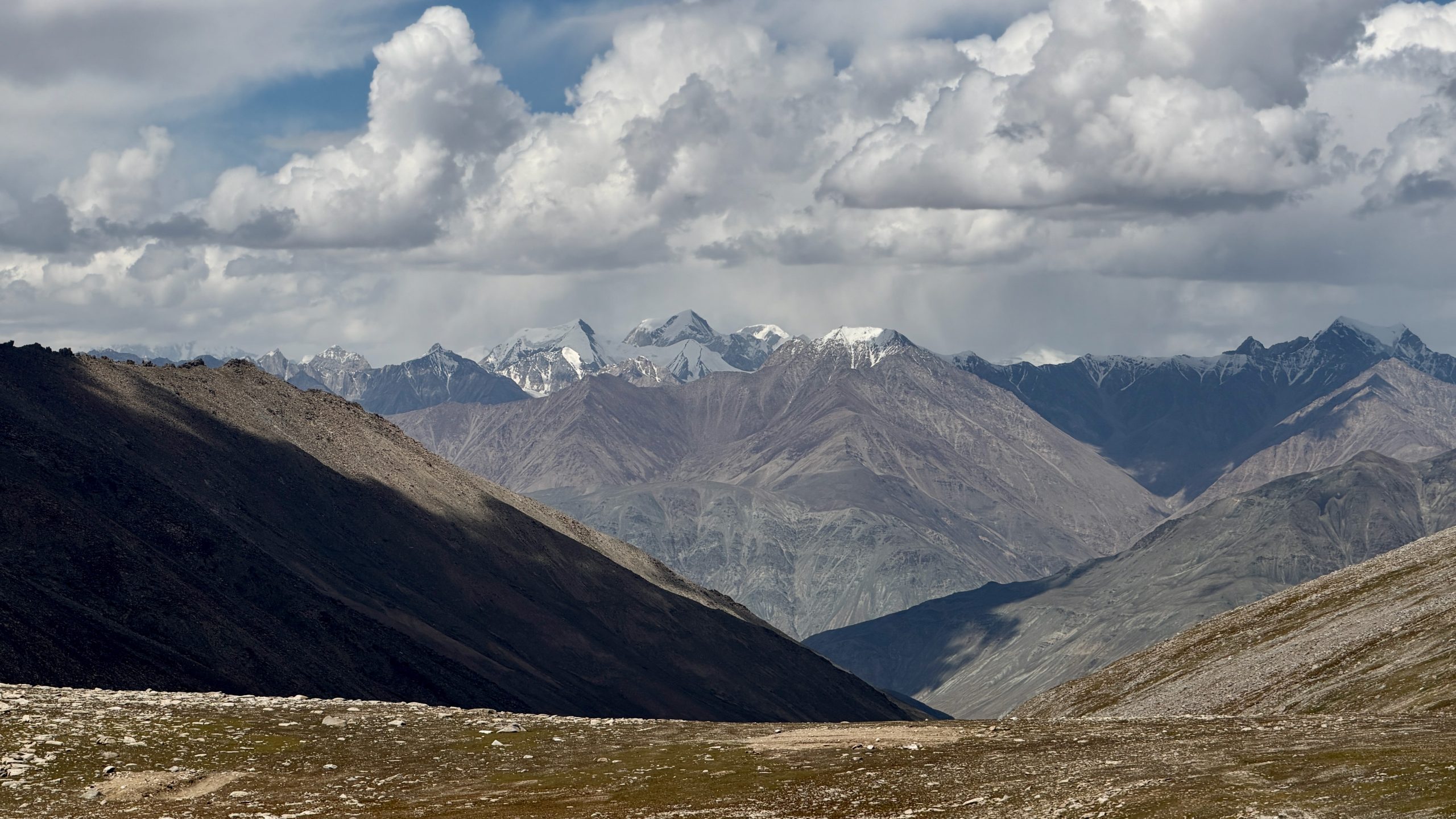
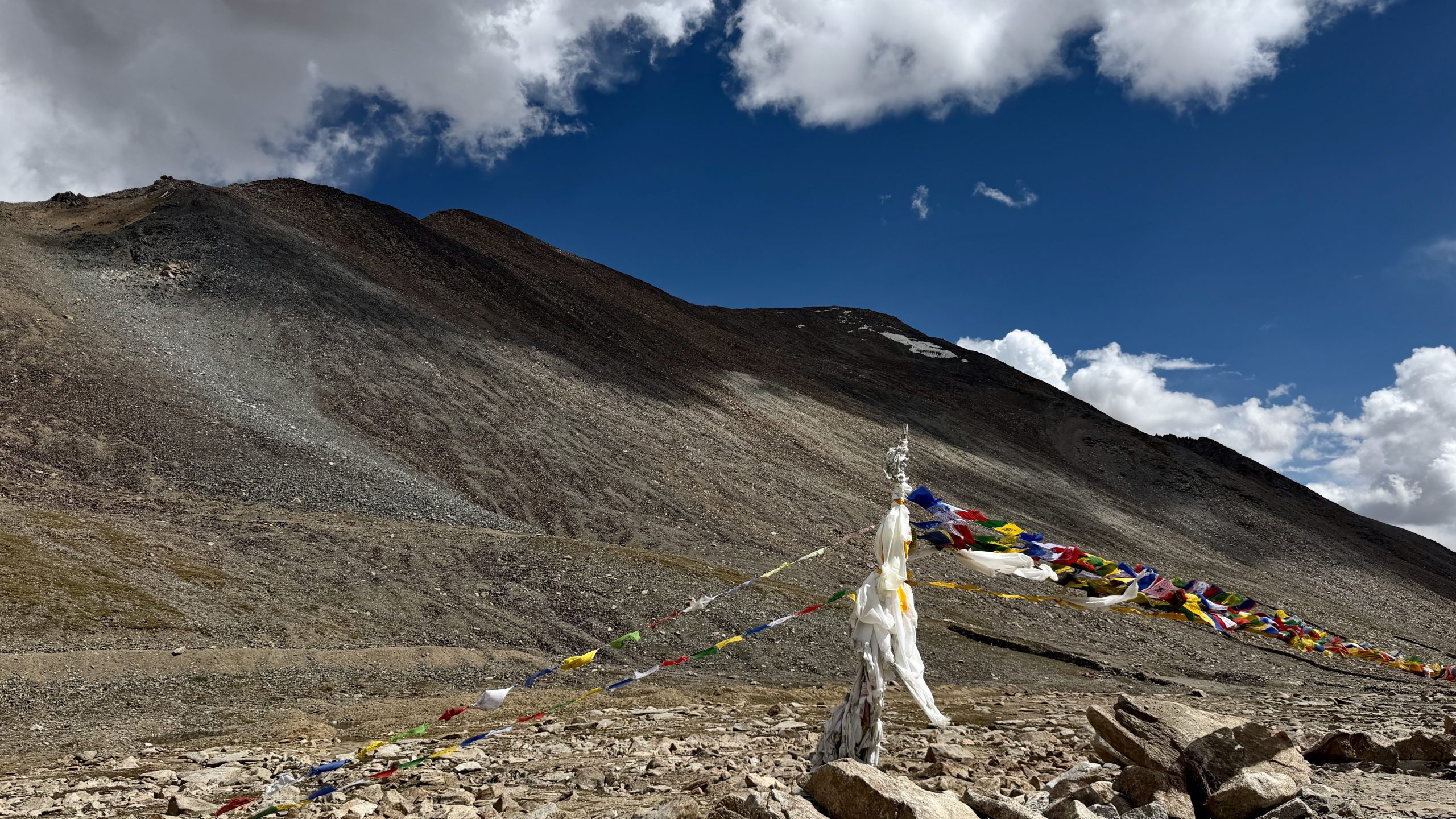
Apart from the pass, what I really enjoyed was the atmosphere among the men. They’ve been doing these annual trekking trips for quite a while now and seem genuinely overjoyed to spend this time together. There’s chatting, quiet moments, and plenty of joking around. Even though I couldn’t understand most of it (they only spoke English occasionally), I felt like there was very little masculine posturing or chest-thumping. Even when they had differing views (politics came up pretty often), they were completely fine letting each other be. In any case, it was a real joy for me to experience a bit of that. And I have to admit, I was a little envious of them, too.
On the way back, we stopped at a remarkably modern restaurant in Kharu that served up delicious dishes with incredible speed. Very nice.
In the evening, I met some of my clients who seemed quite satisfied with everything. That made me really happy.
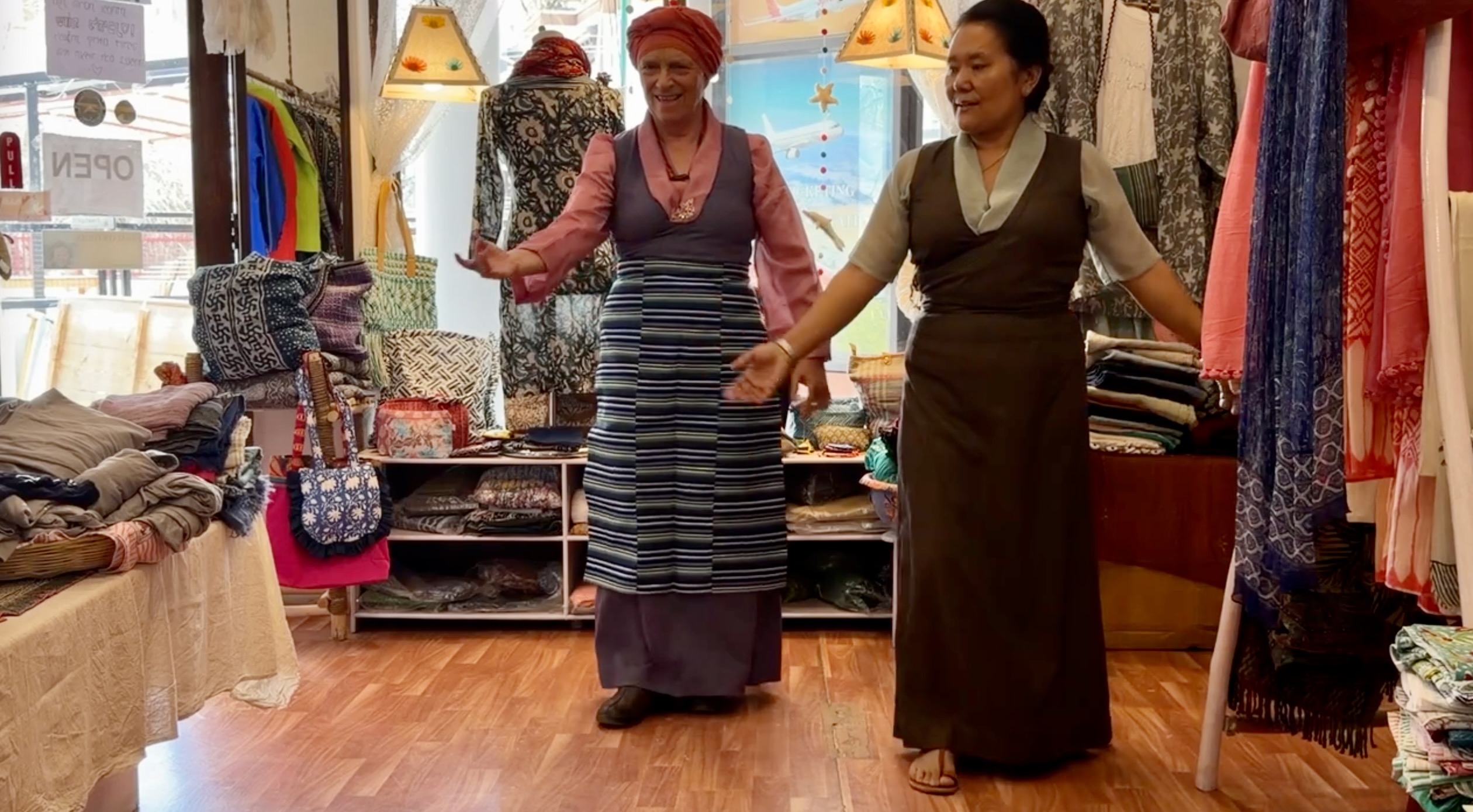
And then I finally had a mini introduction to Tibetan dance—or rather, I learned one step. For sure I had to dress in traditional Tibetan attire for it. One negative thing: my super short hair looks pretty silly with it. And we couldn’t find any headpiece other than this scarf. Another issue: as an unmarried woman, I technically shouldn’t be wearing this apron. But we cheated a little because it simply looked better that way.
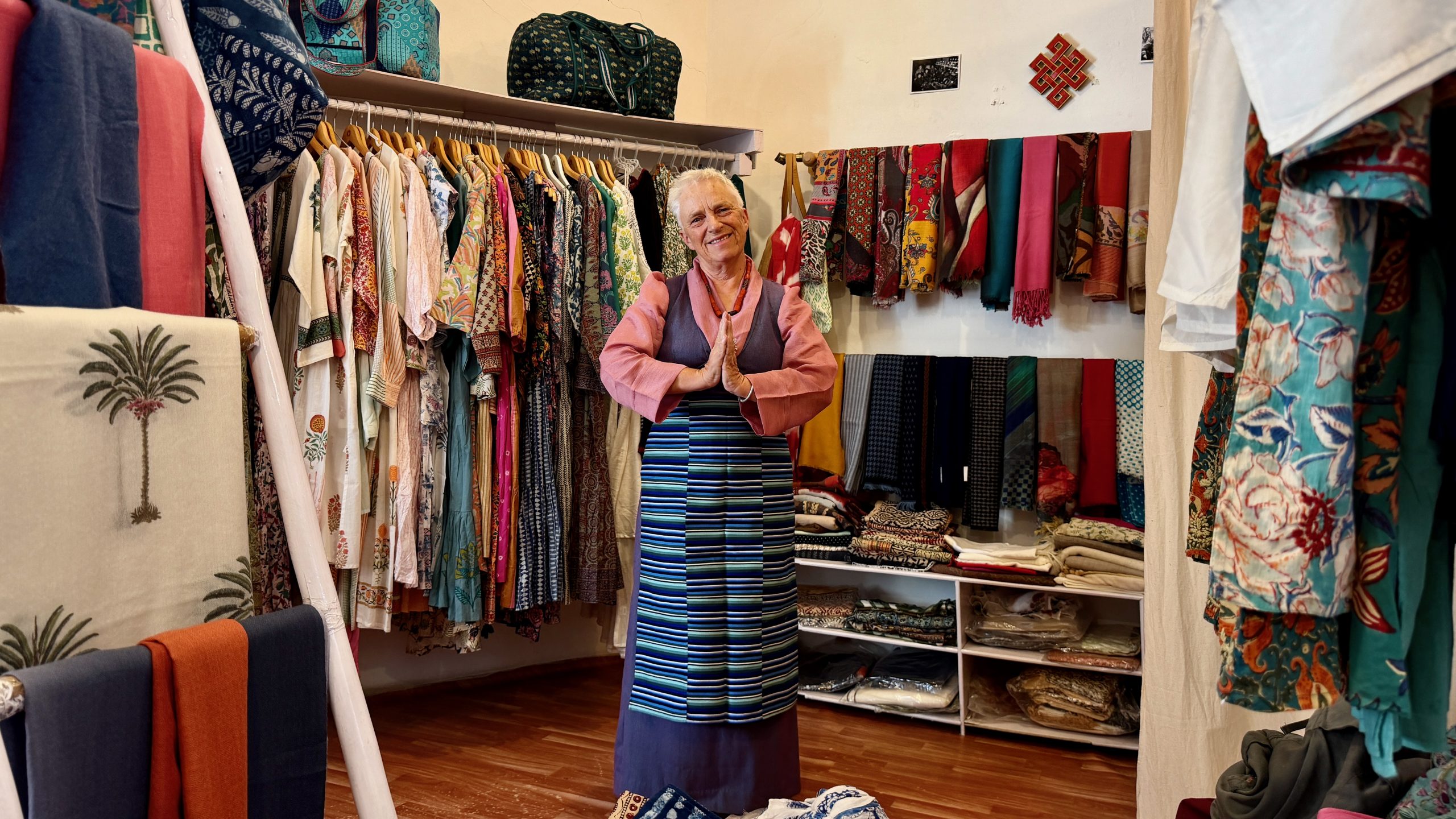
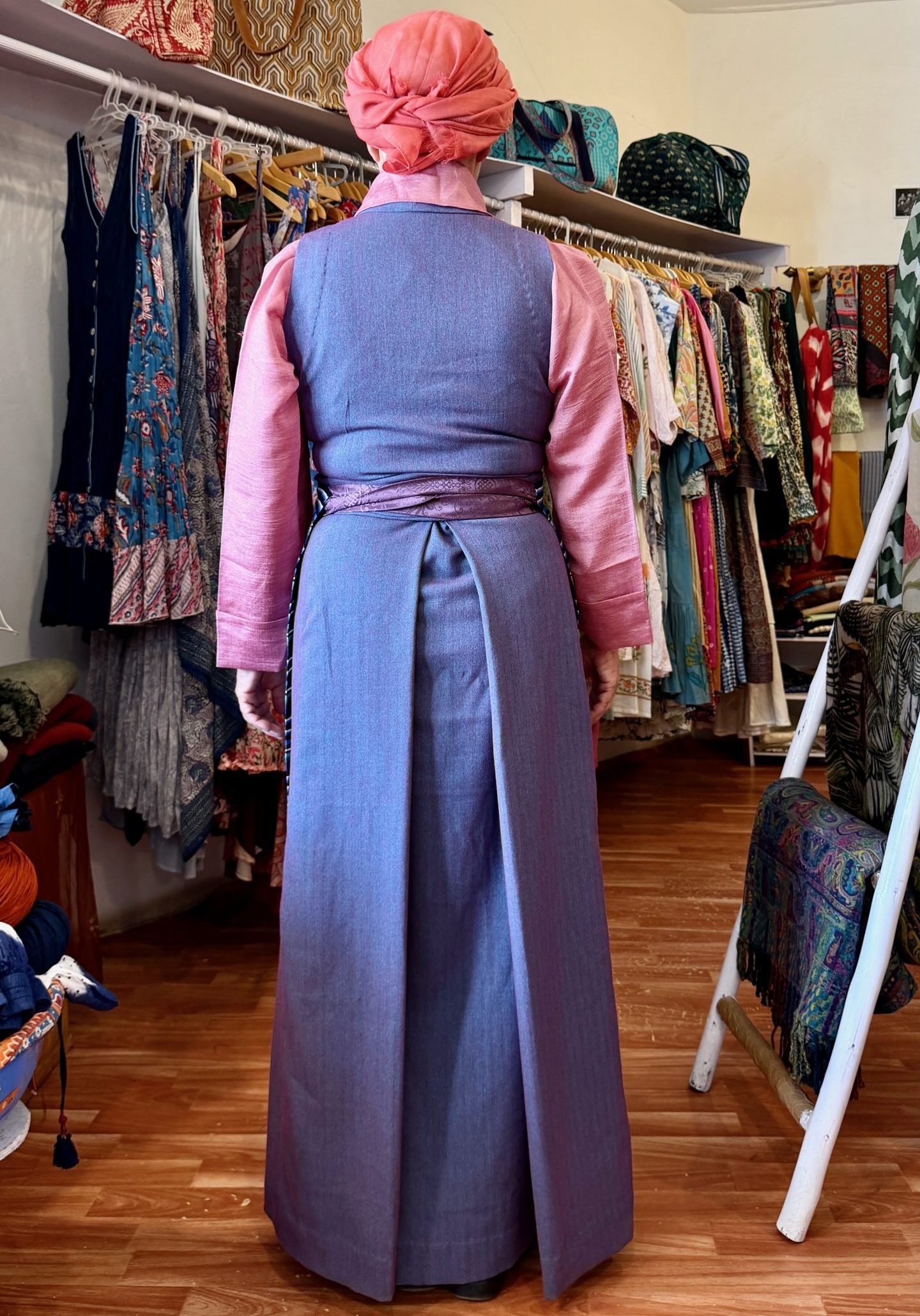

Dolma was absolutely thrilled with my newly discovered feminine curves, which she liked immensely. Quite literally a woman inside this boyish demeanor! She told me I should please bring that out much, much more often! The traditional outfit is actually very comfortable to wear, and you don’t have to worry about anything slipping or getting out of place. My dance teacher was Dolma’s sister, who is also a very lovely woman.
My SIM card had expired, so I went to the Airtel shop to buy a new one. At first, the woman tried to brush me off, but eventually she had to accept that there was no other workaround. However, the whole process turned out to be insanely difficult. The system kept refusing to accept the photos of me and my visa. We tried again and again with new pictures. The same thing was happening with a Dutch woman there.
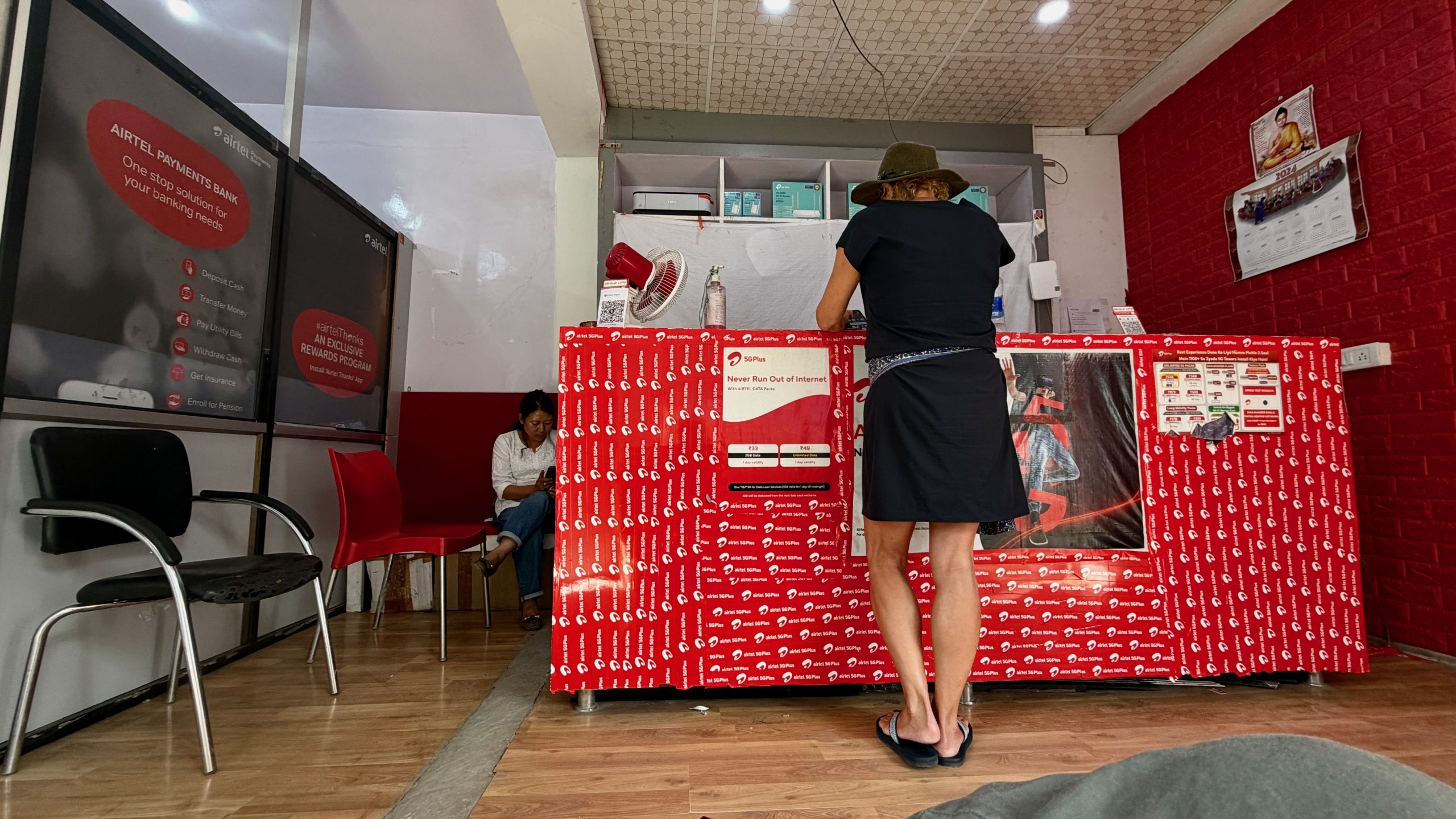
“In June, none of this would have been a problem at all! Couldn’t they just use my old data?” They actually destroy it—and this in a country that otherwise keeps every single piece of useless paperwork! An inquiry to an AI revealed: “With this error message, the problem isn’t your identity or your documents, but purely the automated image recognition of the DoT (Department of Telecommunications) system. The system checks live photos according to extremely rigid, AI-driven specifications.” And so shadows, lighting, and goodness knows what else lead to error messages. After two and a half hours, they were so stressed out by the whole thing themselves that they just gave me a new SIM card registered to one of the employees.
As for that day, the “India-induced frustrations” weren’t quite over yet. I received a travel inquiry for October. On social media, I stumbled across a note about new regulations in Ladakh. Things are getting increasingly complicated, and they are demanding things in tourism that are neither well thought out nor practical. Supposedly, all accommodations (including homestays) now have to transmit guest data digitally within 24 hours. In more remote areas, that’s often simply impossible. There are also other mandates that are partly very difficult to meet. For instance, under the pretext of hygiene, all accommodations are expected to offer flush toilets. Traditional homestays use much more ecological dry toilets. They now have to convert, or they won’t be allowed to host guests anymore. They’re currently in a transition period that’s supposed to end on October 1st. For many providers, these and other requirements are neither practical nor financially viable. In Ladakh, people are viewing this with a bit more composure for now. India has proven all too often to be hasty with half-baked plans that simply aren’t feasible in practice and either end up being revised or scrapped altogether. Dealing with India remains exhausting ….
On the one hand, it’s certainly fascinating to see all what is changing in India. On the other hand, looking at recent developments in tourism, I honestly can’t think of a single thing that I find genuinely positive. Grmpf.