


Manali -> Leh – 2 Idiots don’t appear
23. August 2026
At first, I didn’t take any photos, but I simply have to tell you about this guy. My shared taxi was supposed to pick me up at 7:30 AM in Old Manali. Not many people were out and about yet, but there were plenty of dogs. I was getting anxious, even though they were mostly friendly. A laundry shop was already open because a customer needed to pick something up early, so I took refuge in there. The owner called my driver, who then arrived right on time. There was only one other passenger: a guy from Tamil Nadu who had been working an office job in Qatar for the past 10 years. A bleak existence—nothing but the office and his room. Still, he’s able to save a decent amount of money, and next year, when visa regulations are tightening (he mentioned Qatar only wants to take in Muslims now), he plans to quit and return home to pursue his dream of becoming a farmer. He’s been married with a son for four years, but they have no desire to live with him in Qatar (too boring) and aren’t interested in joining him on his travels either. As I’ve noted elsewhere before, marriage and family life often look very different around here. At any rate, he travels on a budget and was bound for Ladakh—though he can’t manage heavy trekking or hiking, as his body is far too out of shape for it.
The driver, on the other hand, was full of energy. We headed down to main Manali first, where we were supposed to wait for 20 minutes. There turned out to be a whole lot of waiting involved—and then he filled us in: two people had booked two seats the day before without leaving a deposit, and now they hadn’t shown up or answered their phones. He was furious about losing out on that income, but decided to make the trip anyway. He tried hard to find last-minute passengers, but without success. At least he managed to haul a few pieces of freight for extra cash. He had trusted those two to be reliable, but realized he’d probably have to strictly enforce a 50/50 deposit rule in the future.
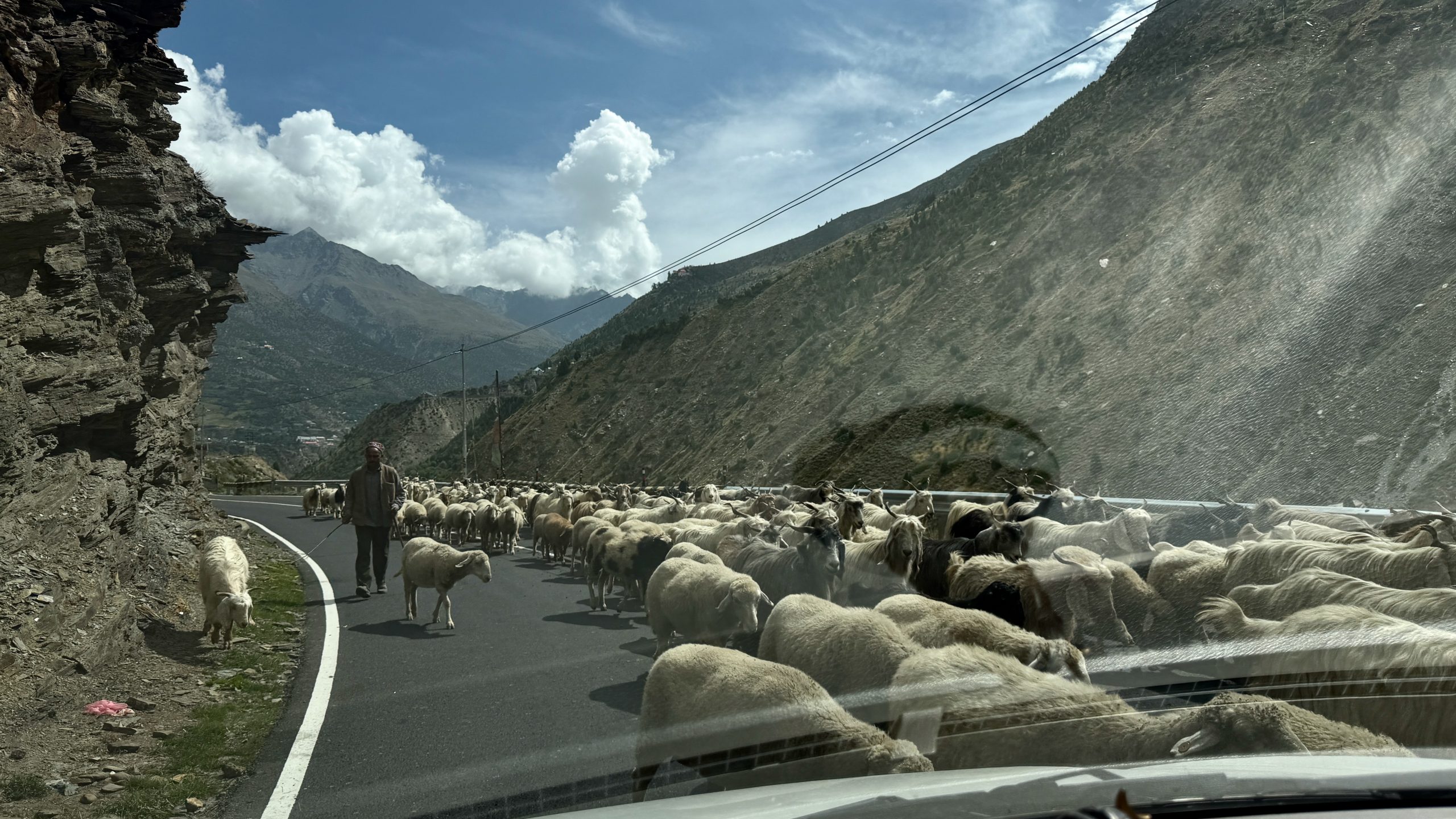
So, we finally set off about two hours later than planned, but remained relaxed. We headed uphill, passed through the tunnel, and entered Lahaul. A few massive flocks of sheep were wandering along the road. Traffic was light, and the sky remained overcast.
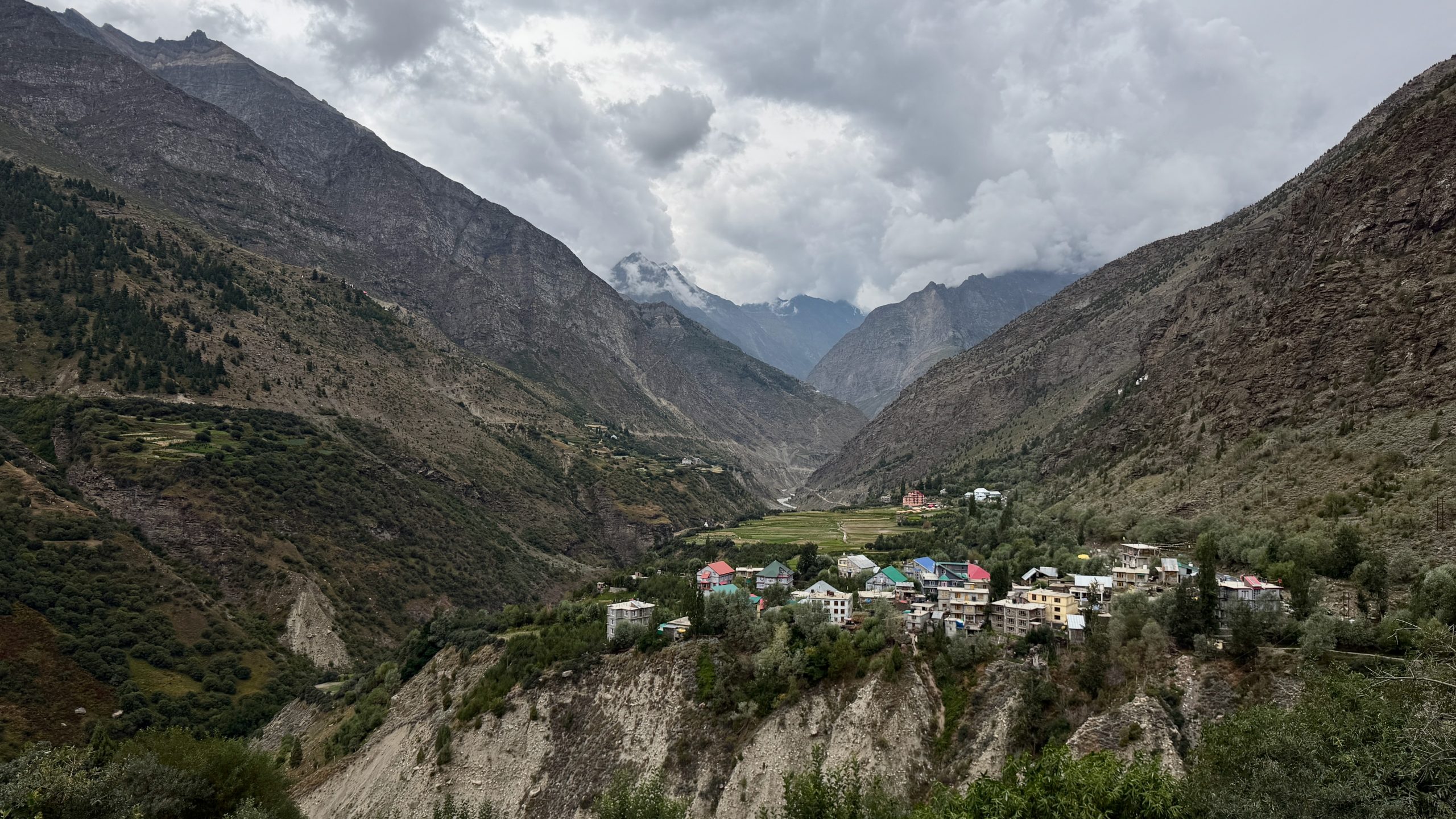
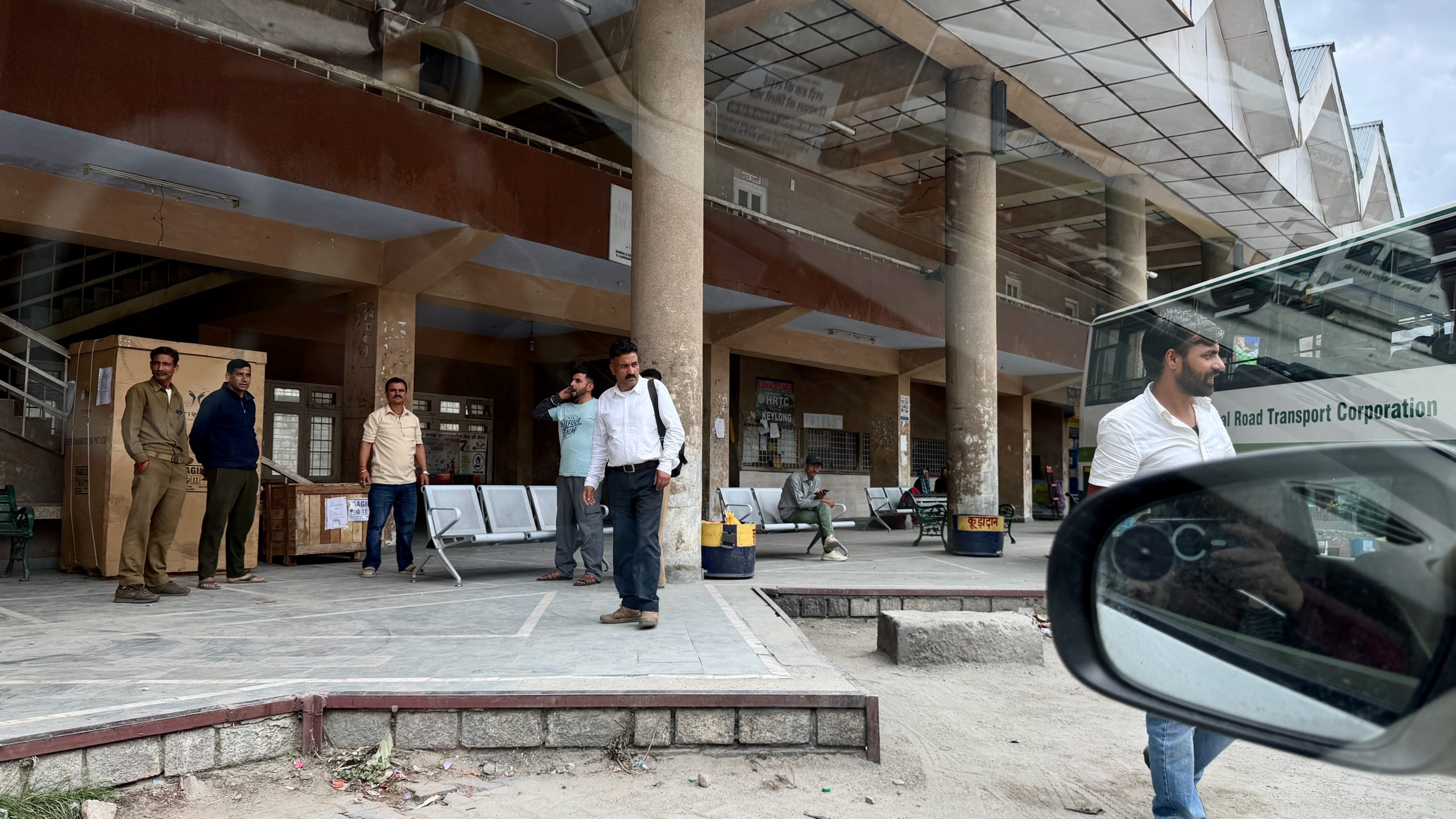
In Keylong, he held out hope once again for additional passengers, but to no avail. He is originally from Dharamshala, but his parents moved to Manali where they smelled better business opportunities. His father is also a taxi driver, and he himself has been driving for a very long time. Unfortunately, business isn’t going all that well; while there are tons of domestic Indian tourists, most of them arrive in their own cars. Shared taxis still manage to get by, but they are already feeling the absence of many foreign travelers, who used to come in much higher numbers in the past.
We had a late breakfast in Jispa. My travel companion from Tamil Nadu speaks hardly any Hindi, and here I witnessed how he, too, was simply “overlooked”—they completely missed his breakfast order, even though the three of us were the only guests there. I had prepared ahead and brought my own food along.
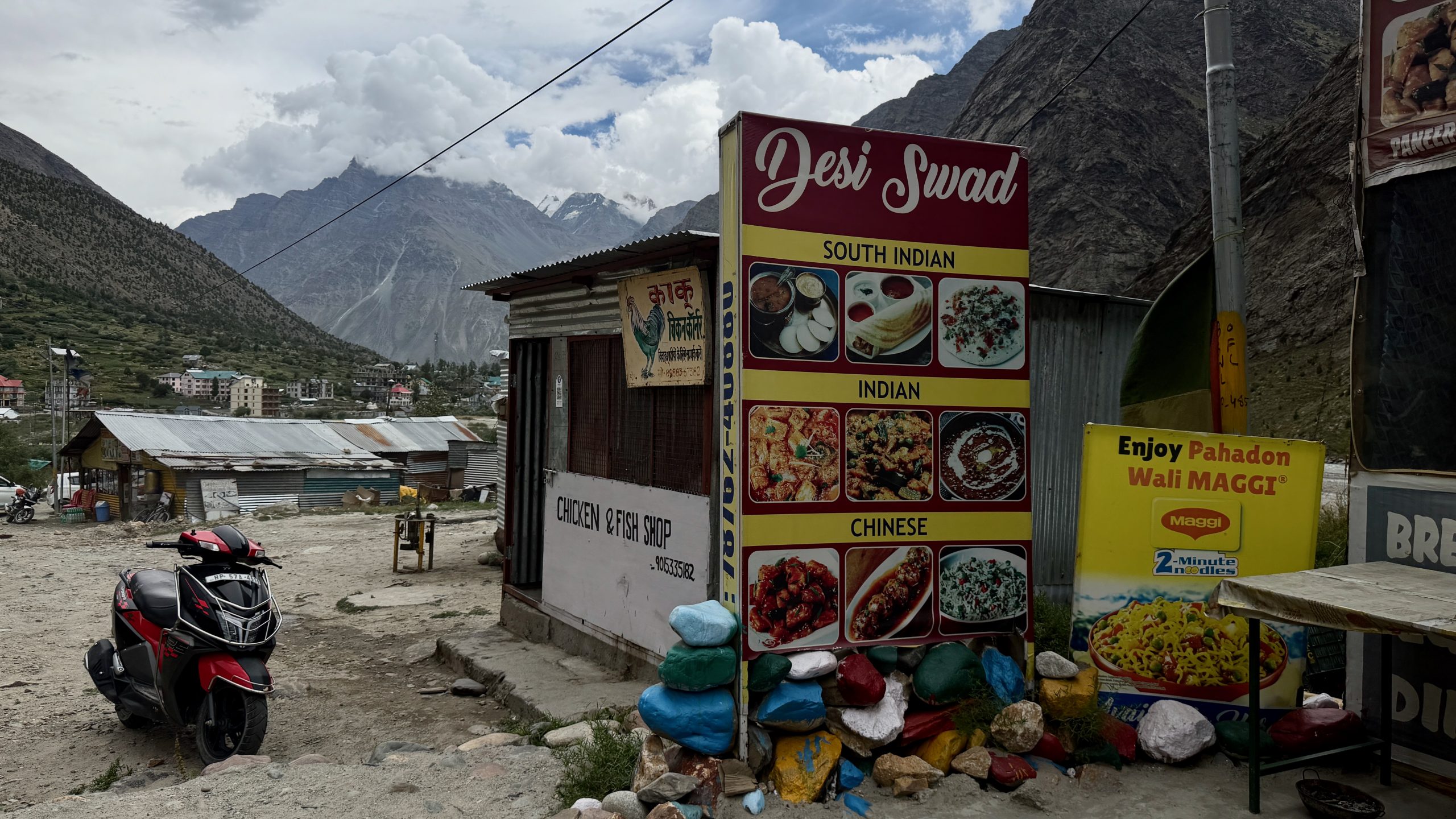
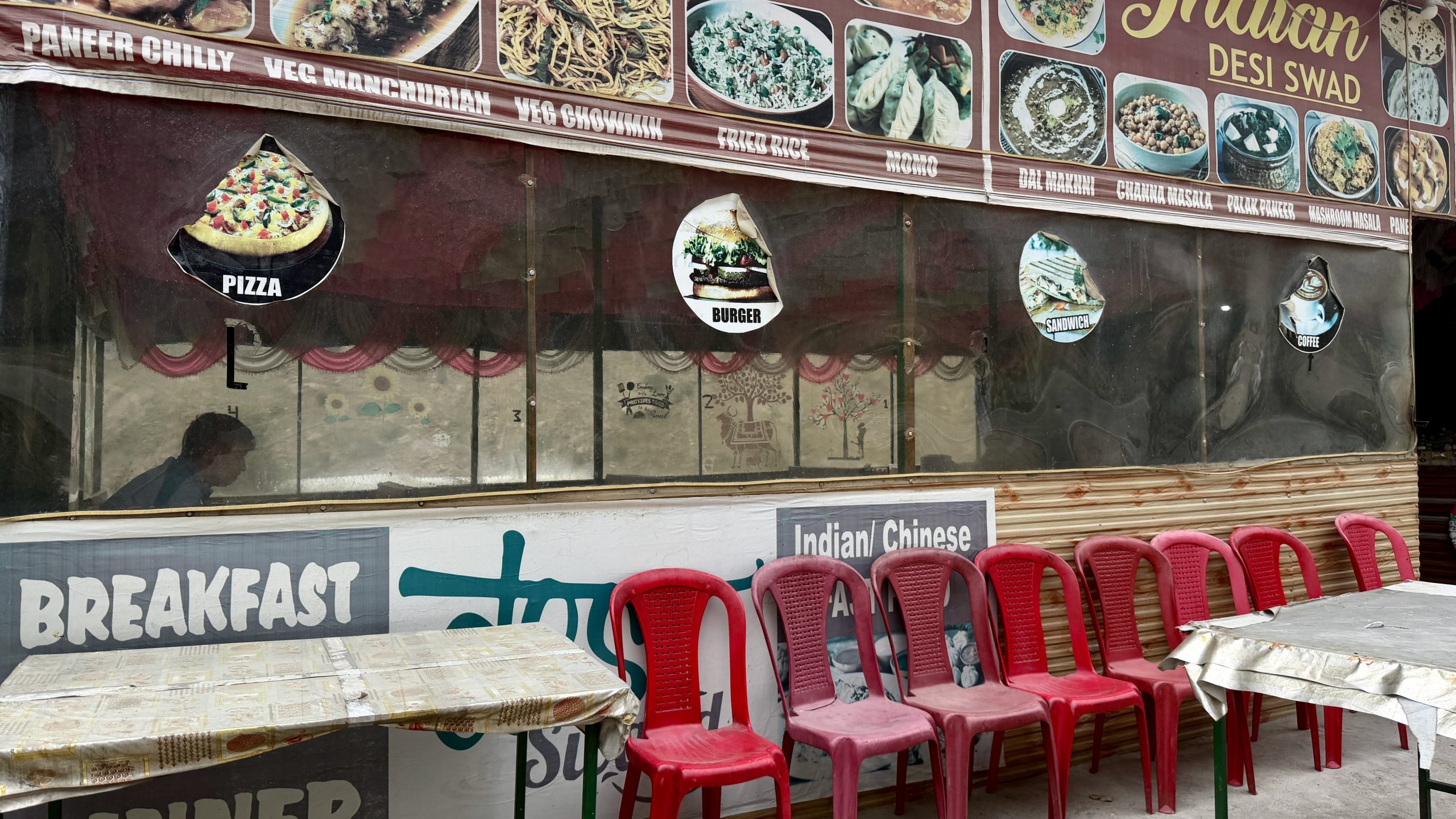
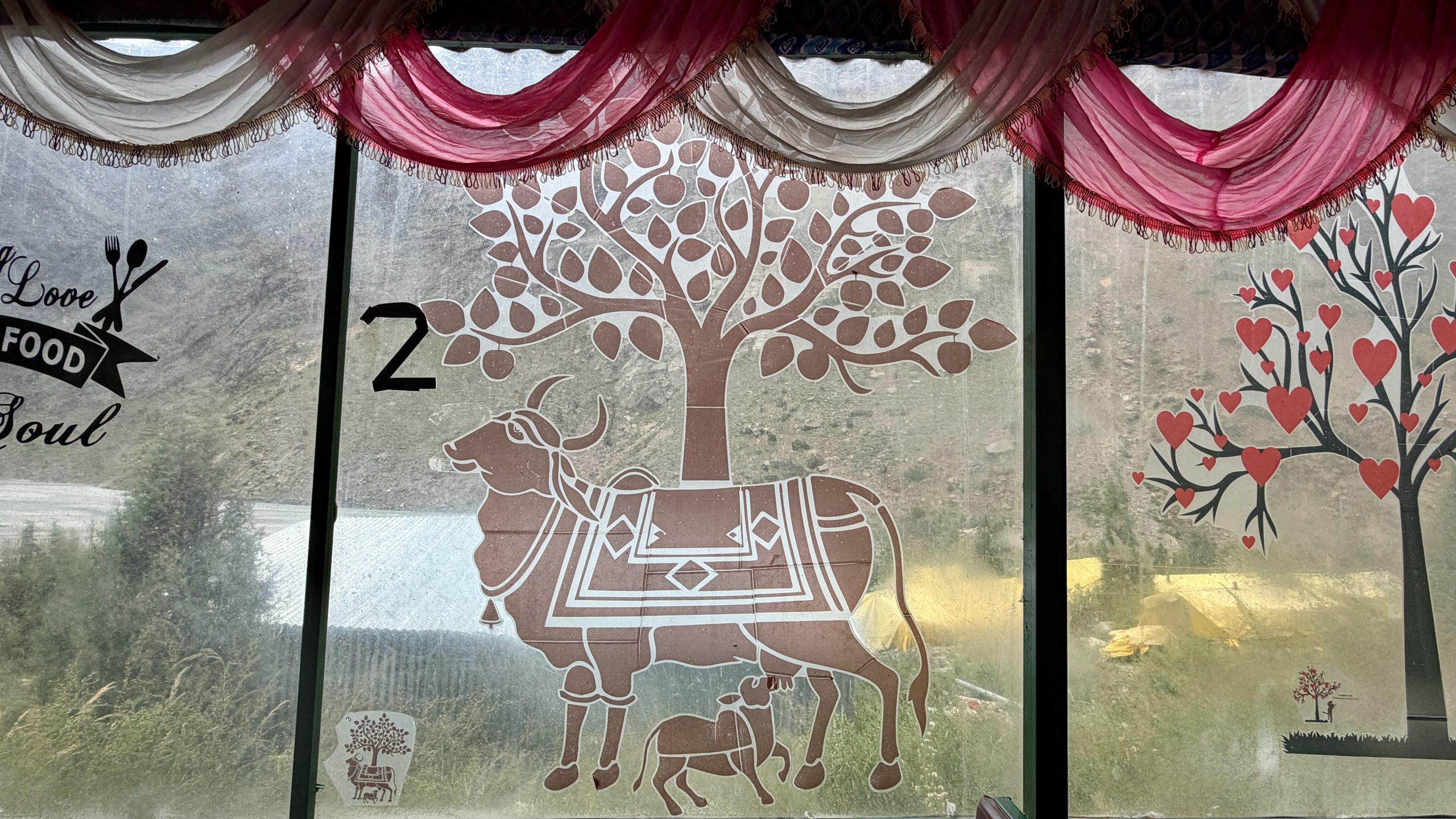
This is the dhaba right next door; I found it much more appealing from a photographic standpoint. We then carried on, smoothly rolling along on an excellent road.
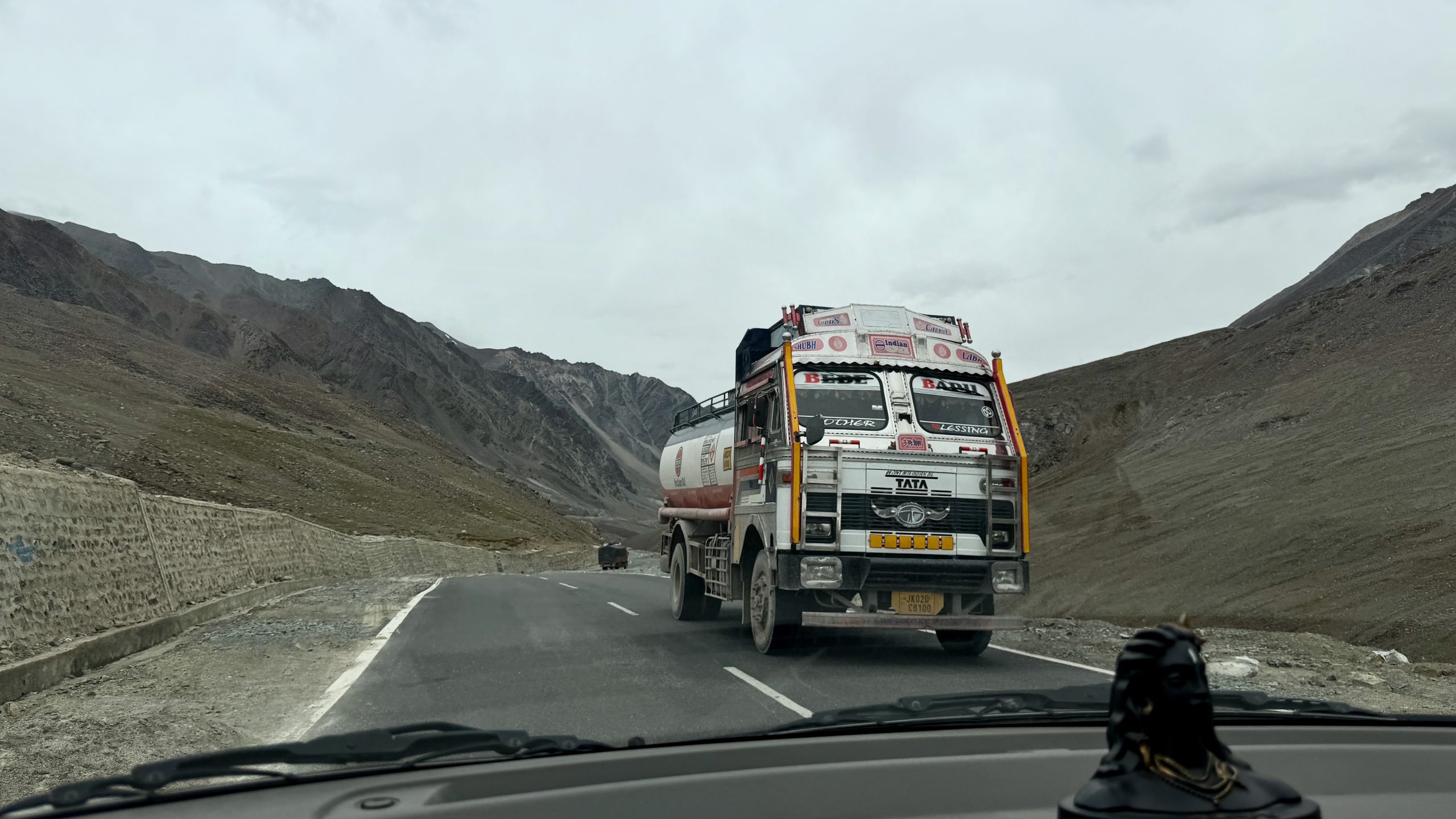
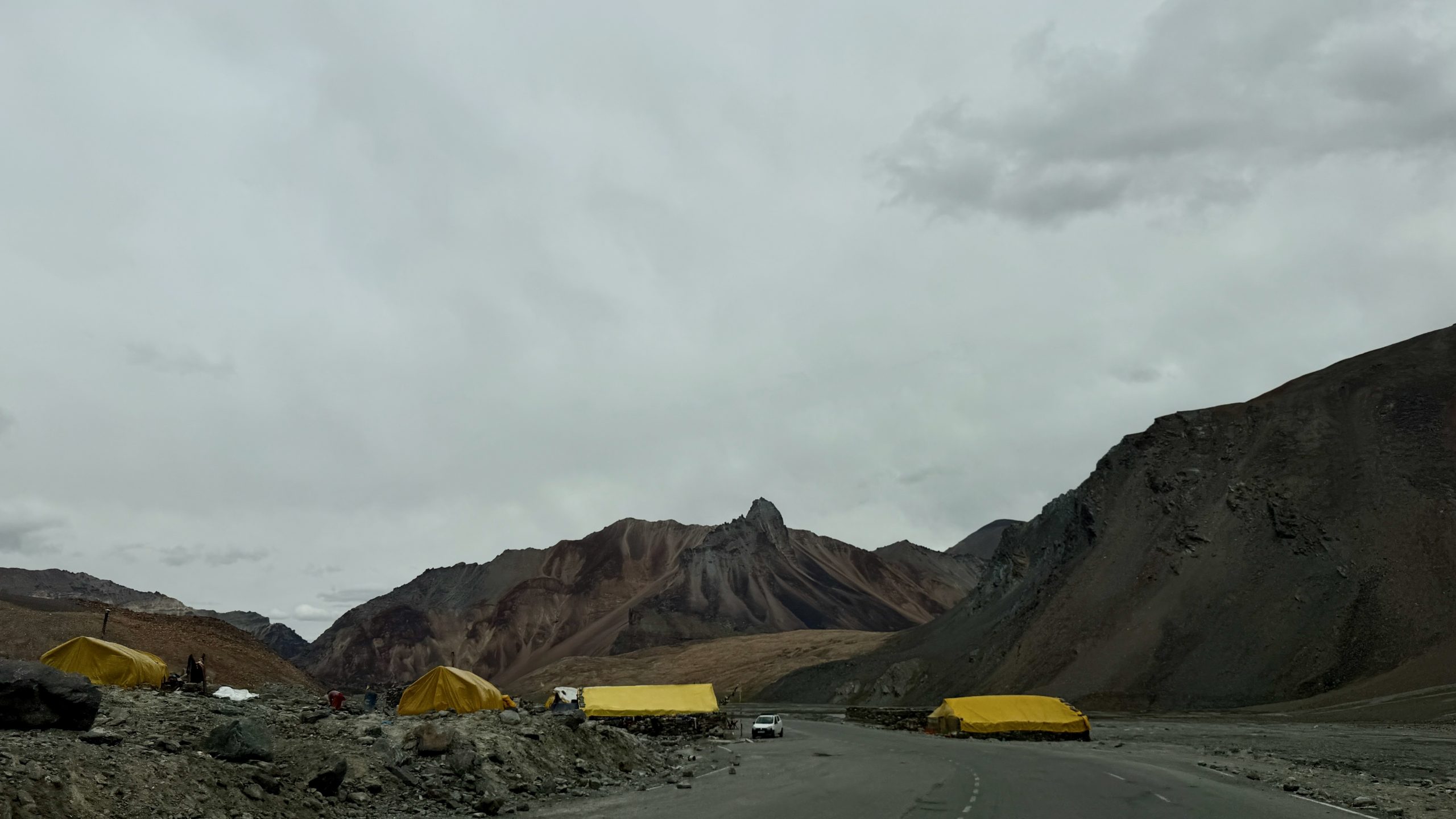
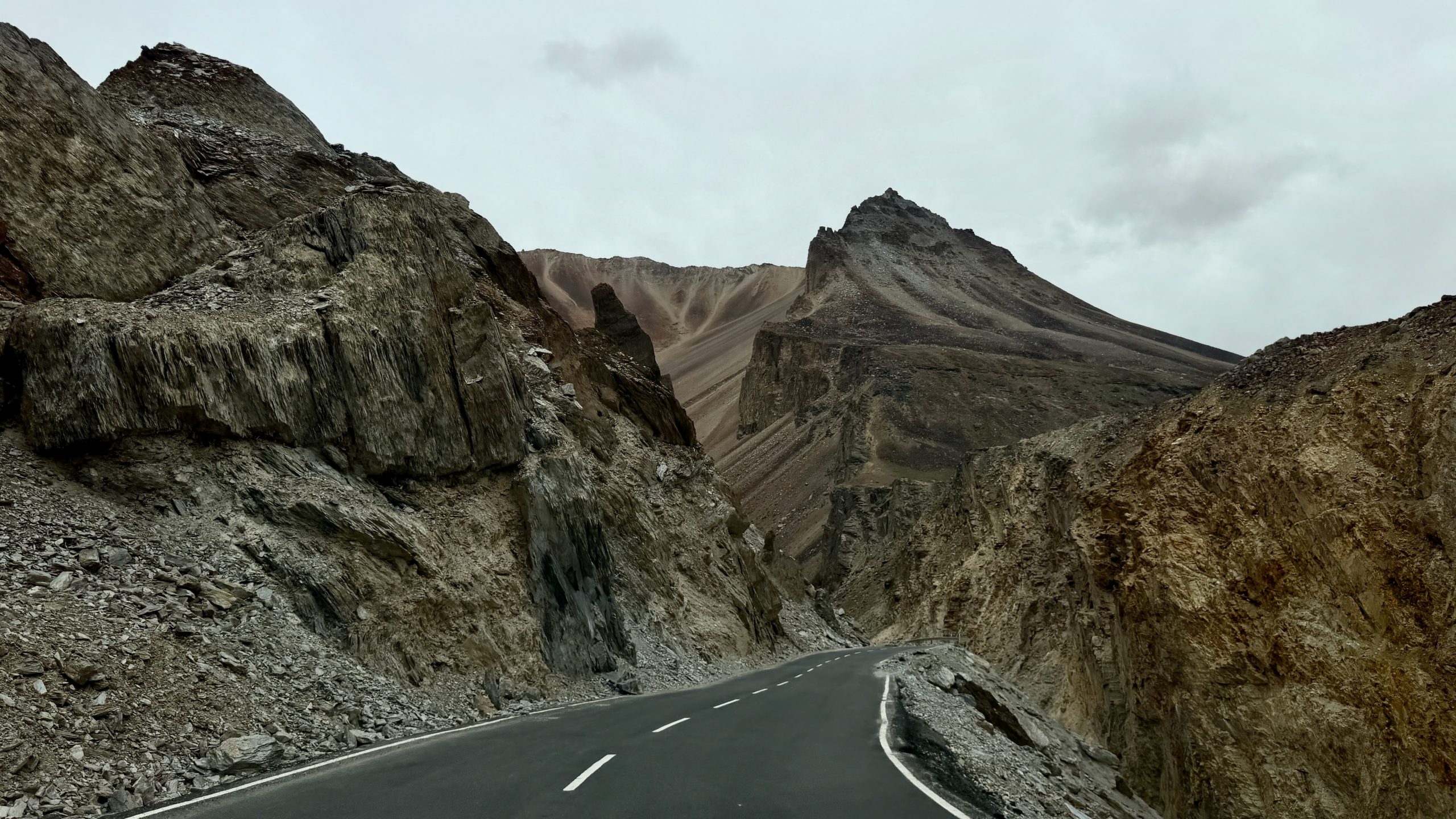
I was genuinely amazed. In Sarchu, we crossed the state border from Himachal Pradesh into the Union Territory of Ladakh and took a short break for snacks.
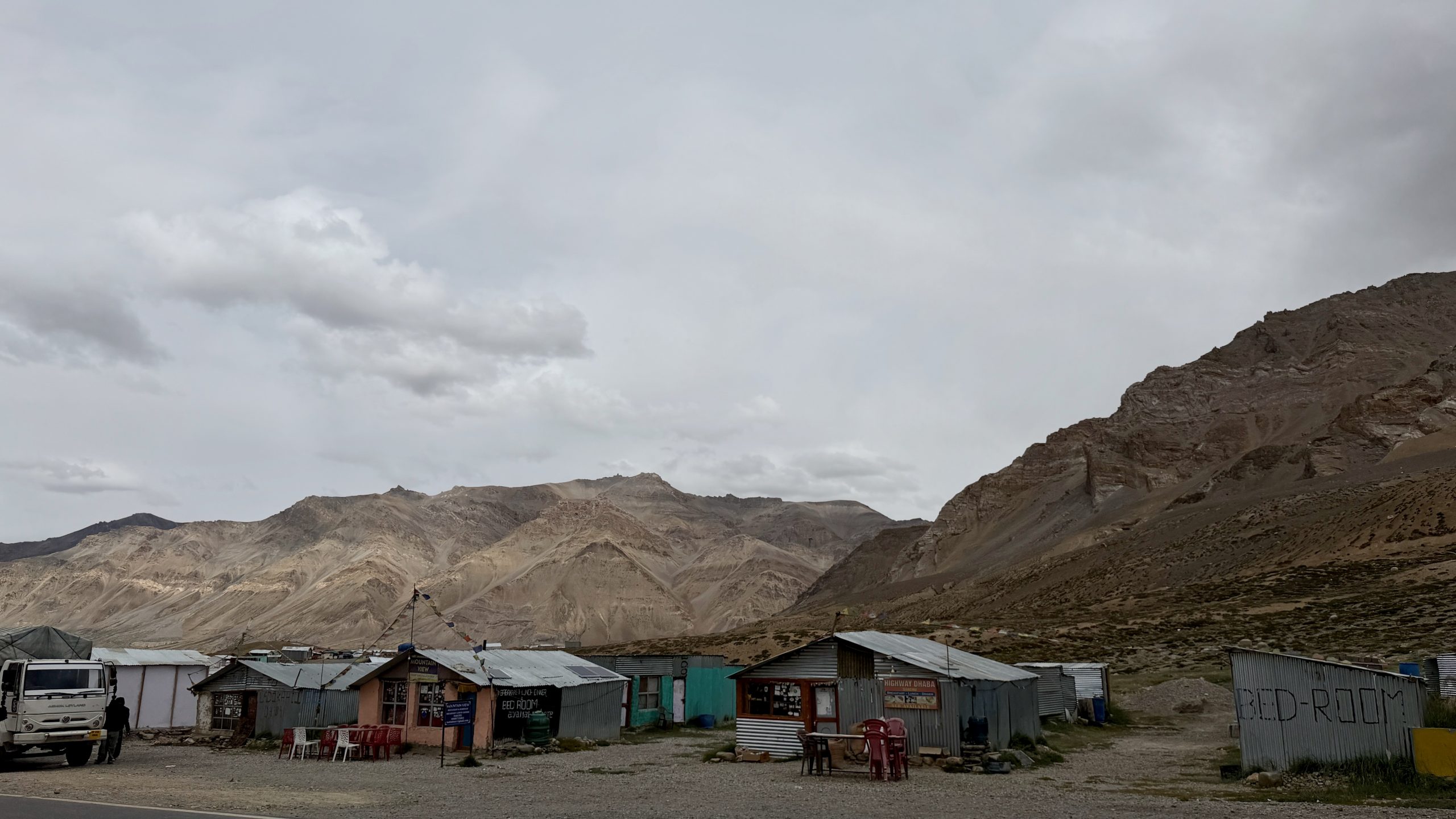
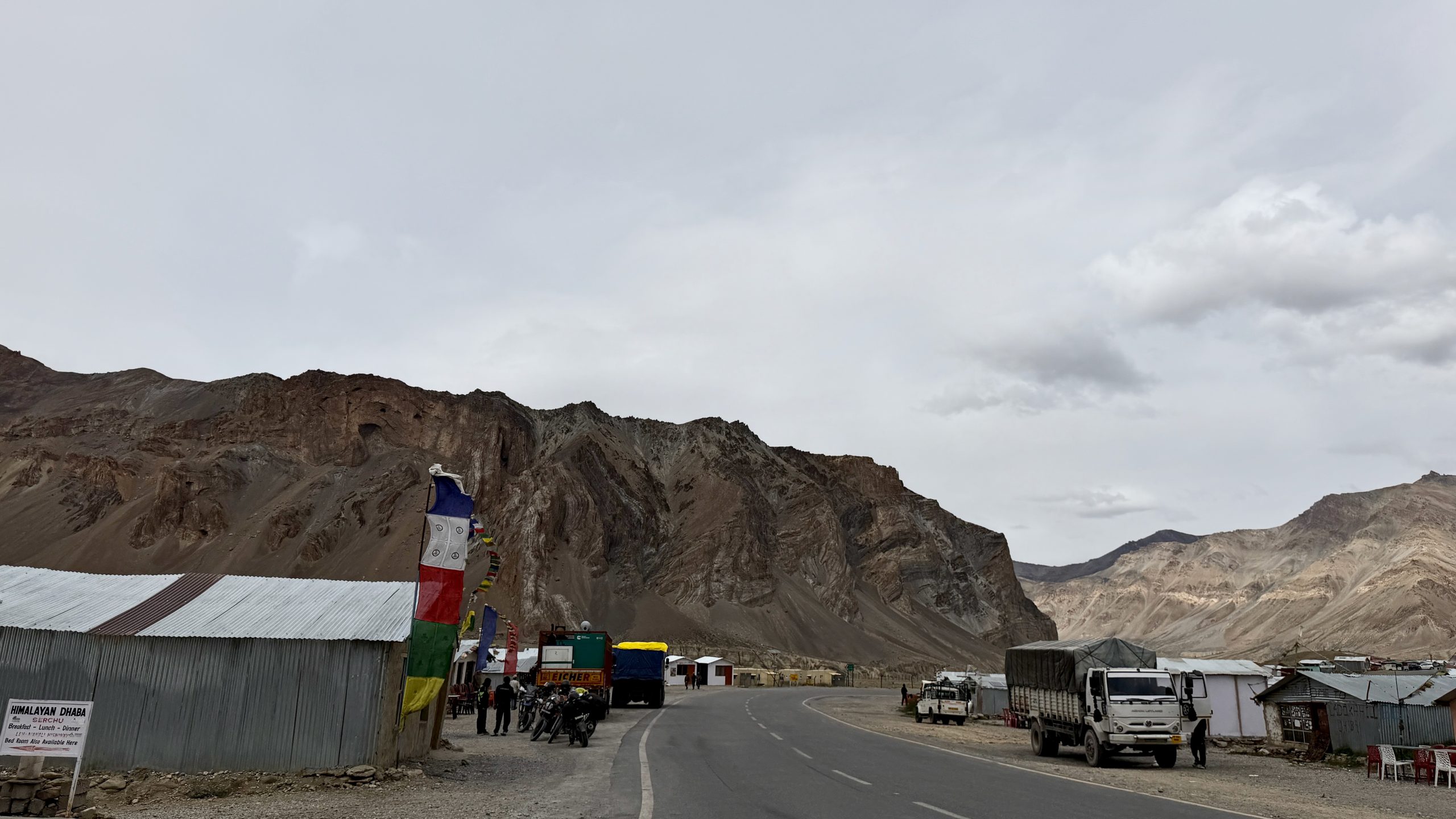
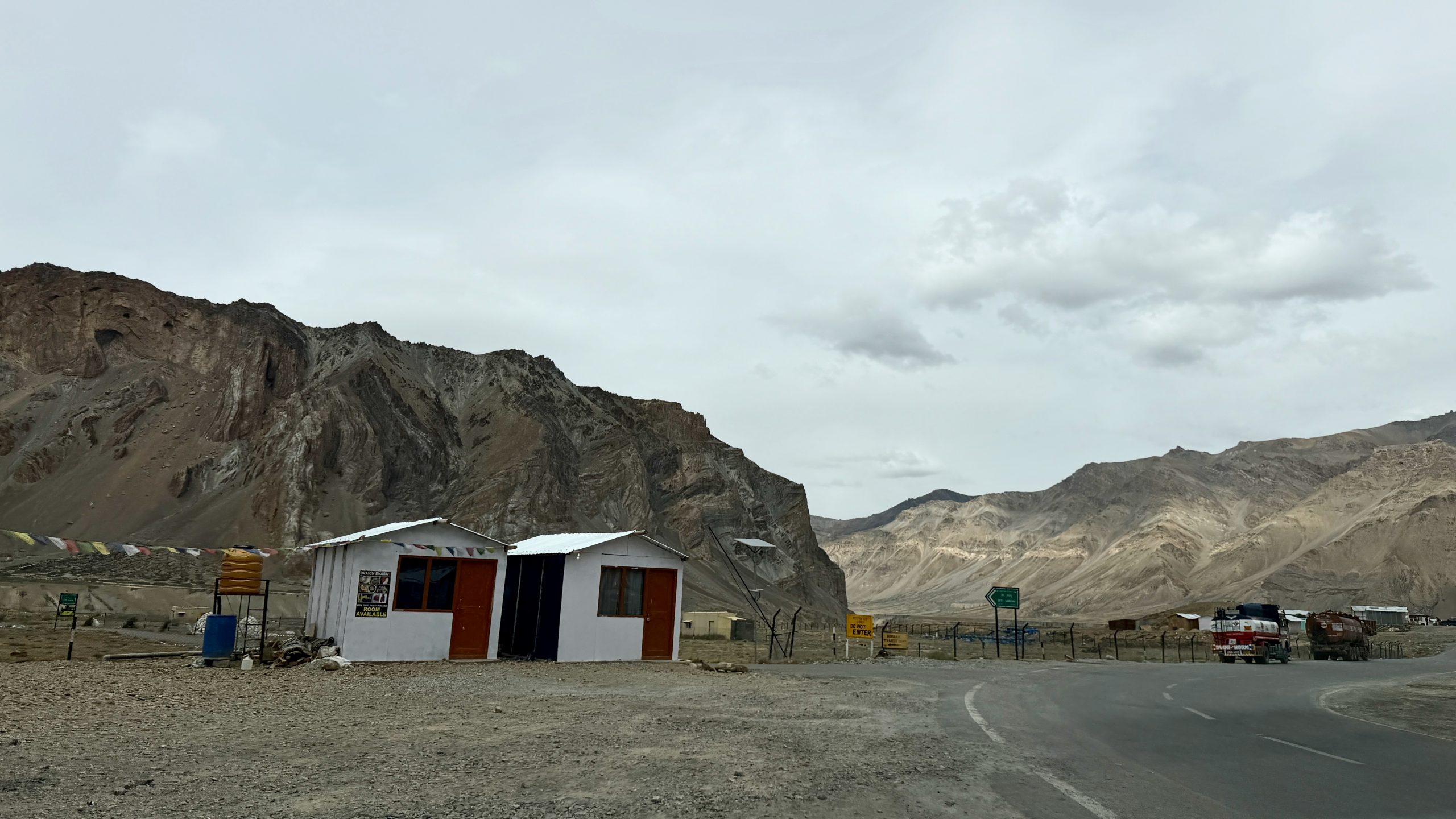
Visually speaking, these rest stops aren’t exactly pretty, but they’re always a welcome sight for a brief break. After that, we tackled the 21 Gata Loops—an impressive series of hairpin bends winding their way uphill. Looking down into the valley brought back vivid memories of my 2024 trek coming out from Zanskar.
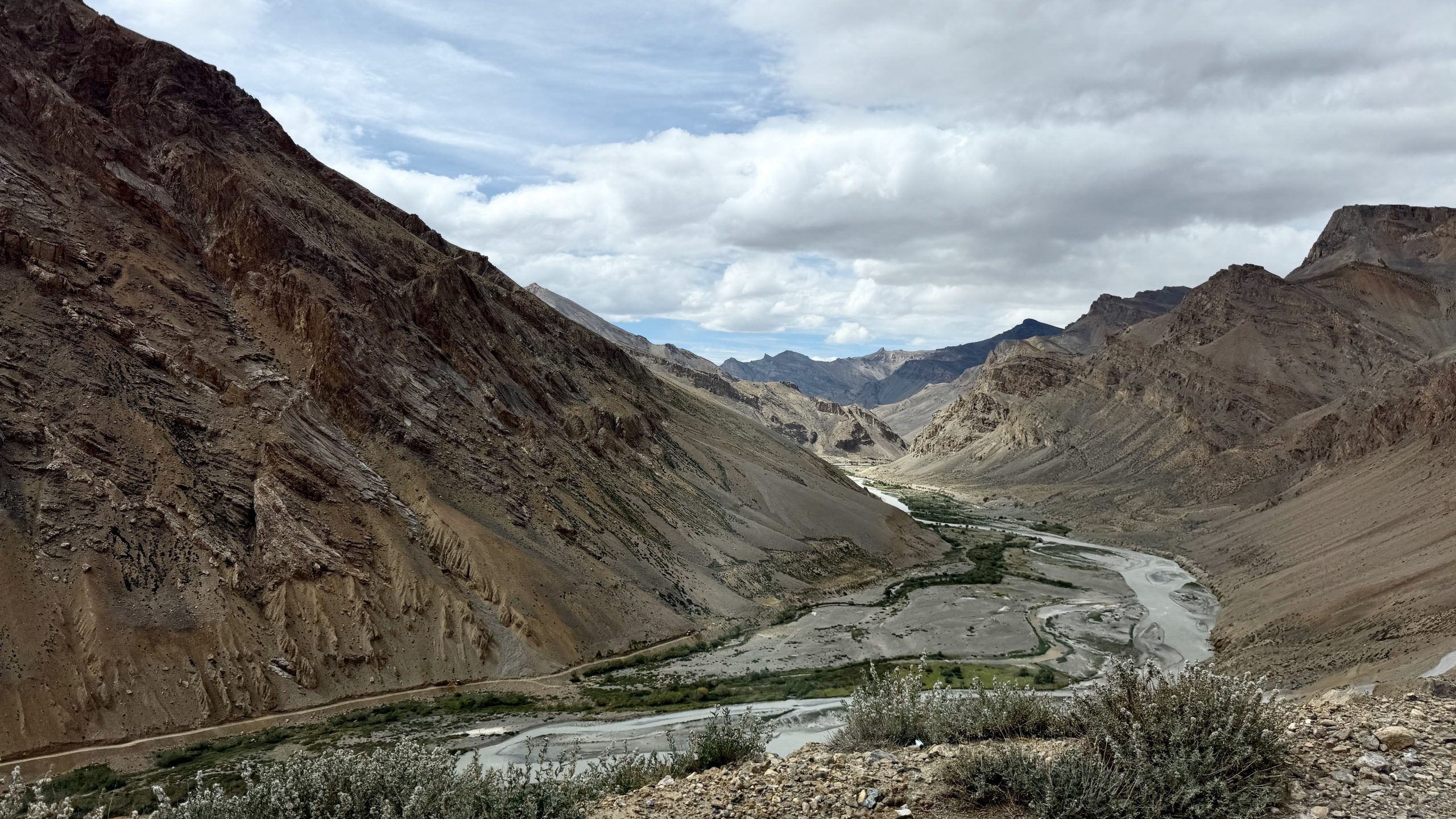
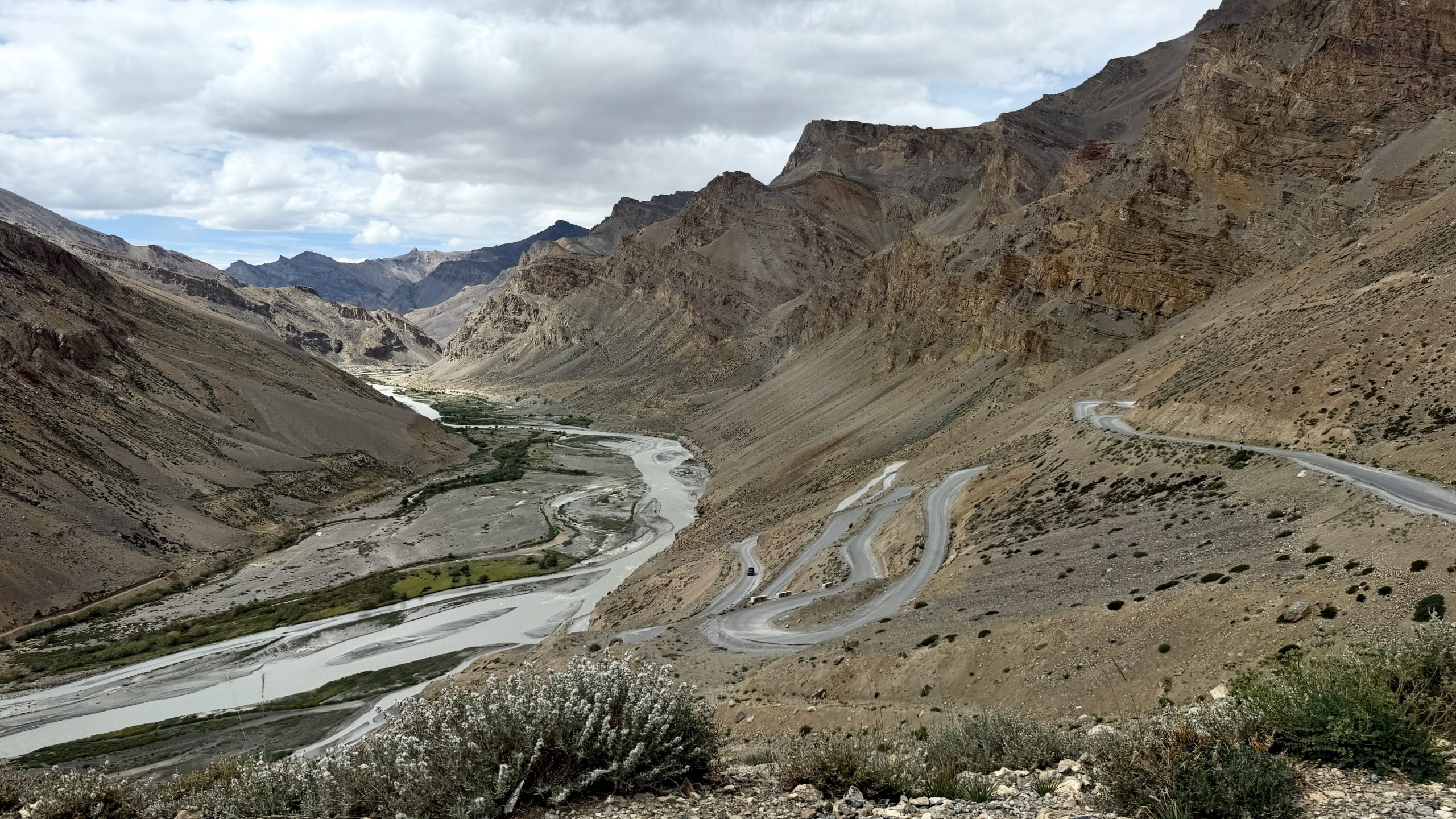
And then the sky cleared up, bathing everything in stunning light. I was already familiar with the route from many previous trips, which was a relief; otherwise, I would have wanted to stop constantly to soak it all in and snap photos. As it was, we simply zipped right through, as we didn’t want to arrive too late. In principle, the driver made every effort to make up an hour, and he actually succeeded. Still, he suffered quite a bit from altitude issues and had to take more breaks than planned. Even so, he drove with remarkable focus and calm—there wasn’t a single moment where I felt uneasy. He only slowed down once for a photo: there was a whole herd of blue sheep right beside the road.
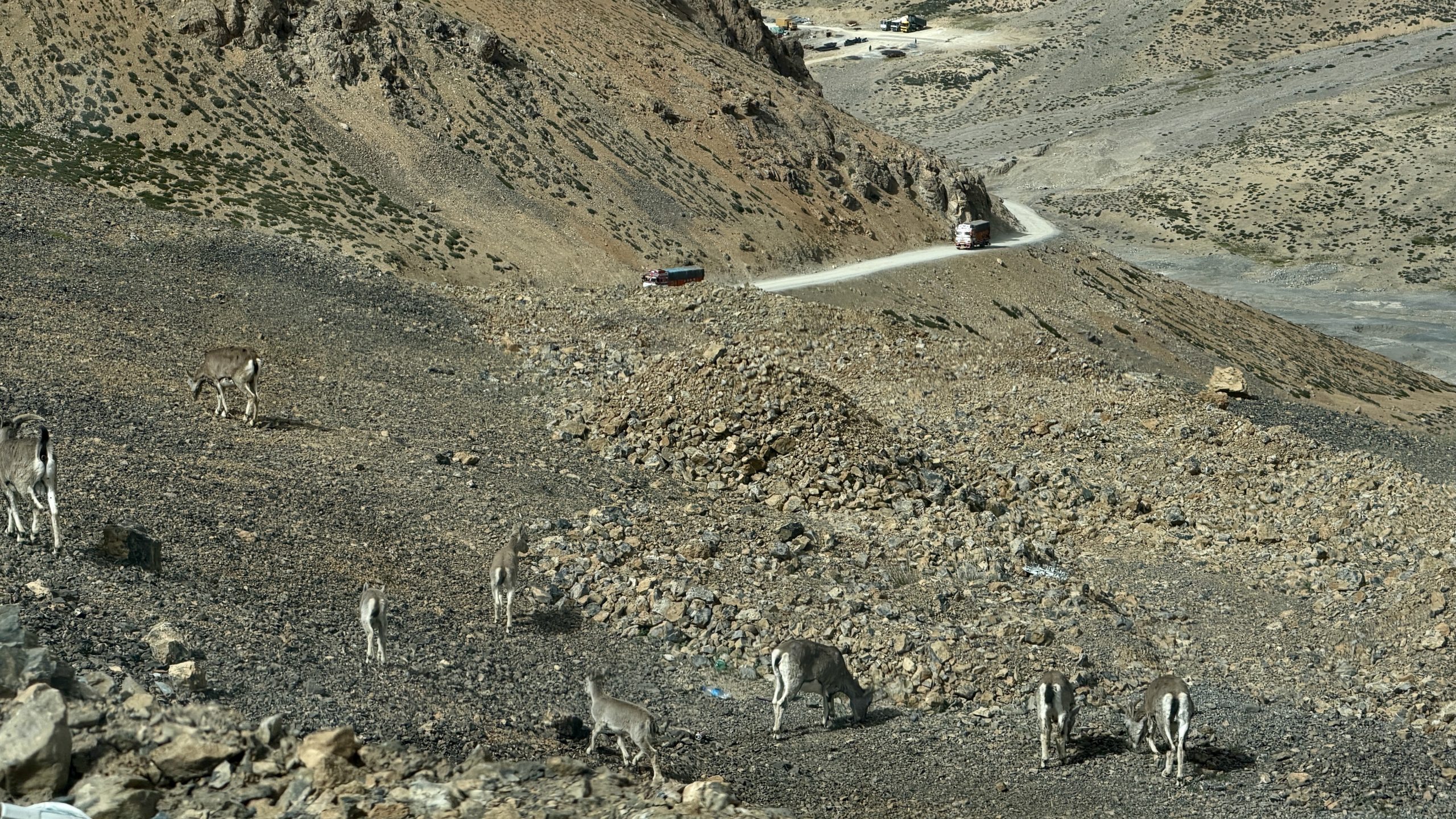
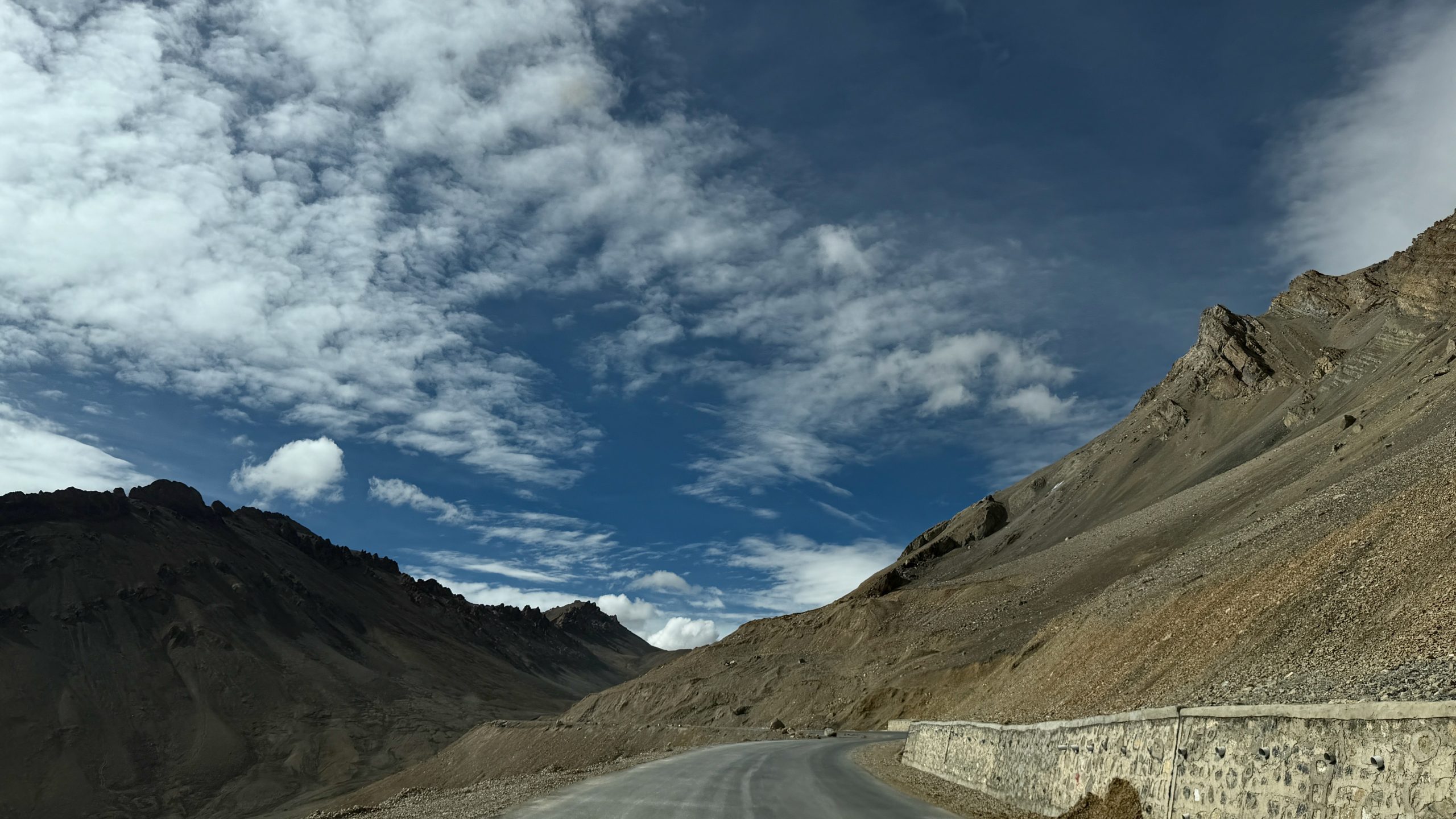
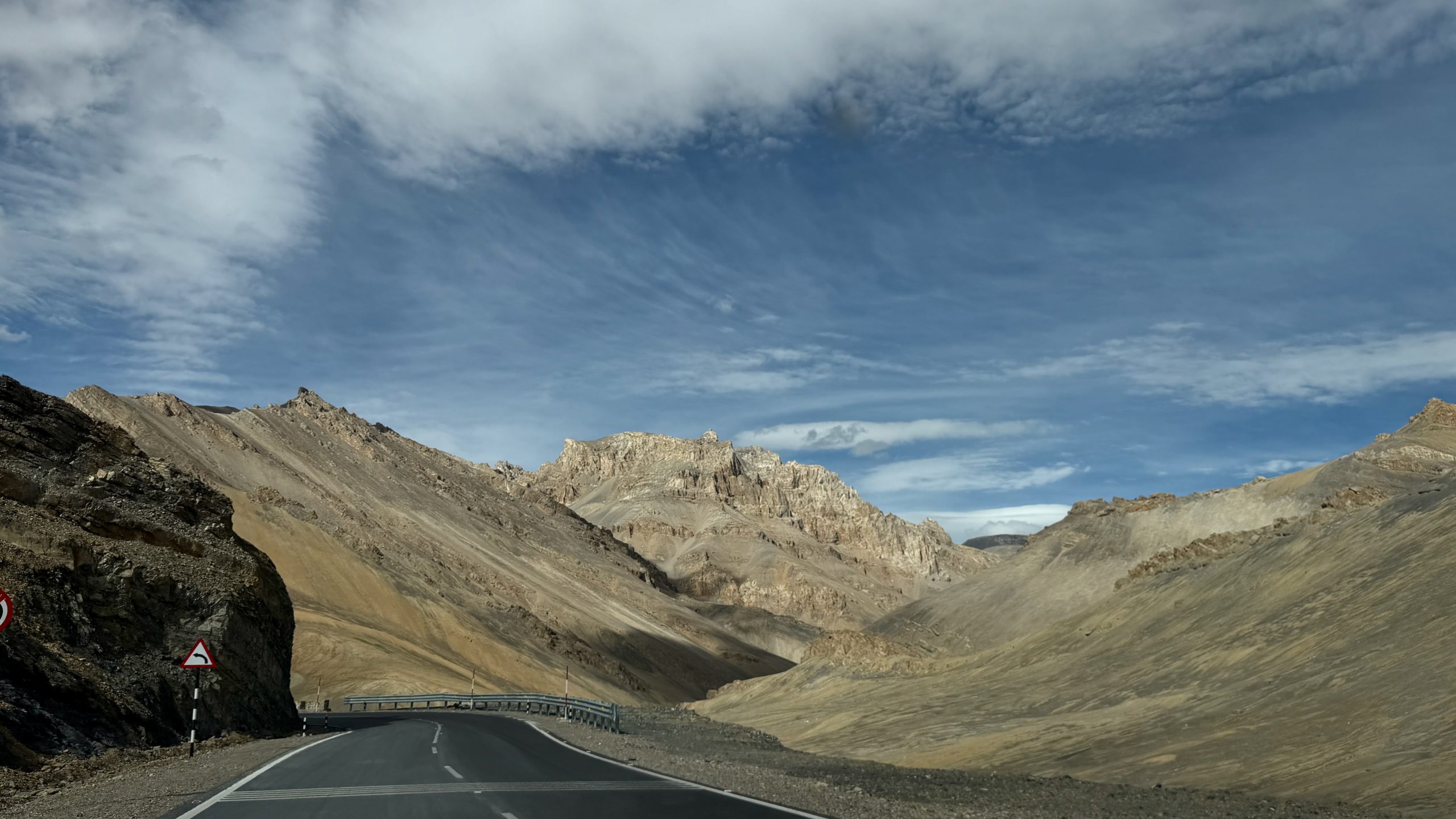
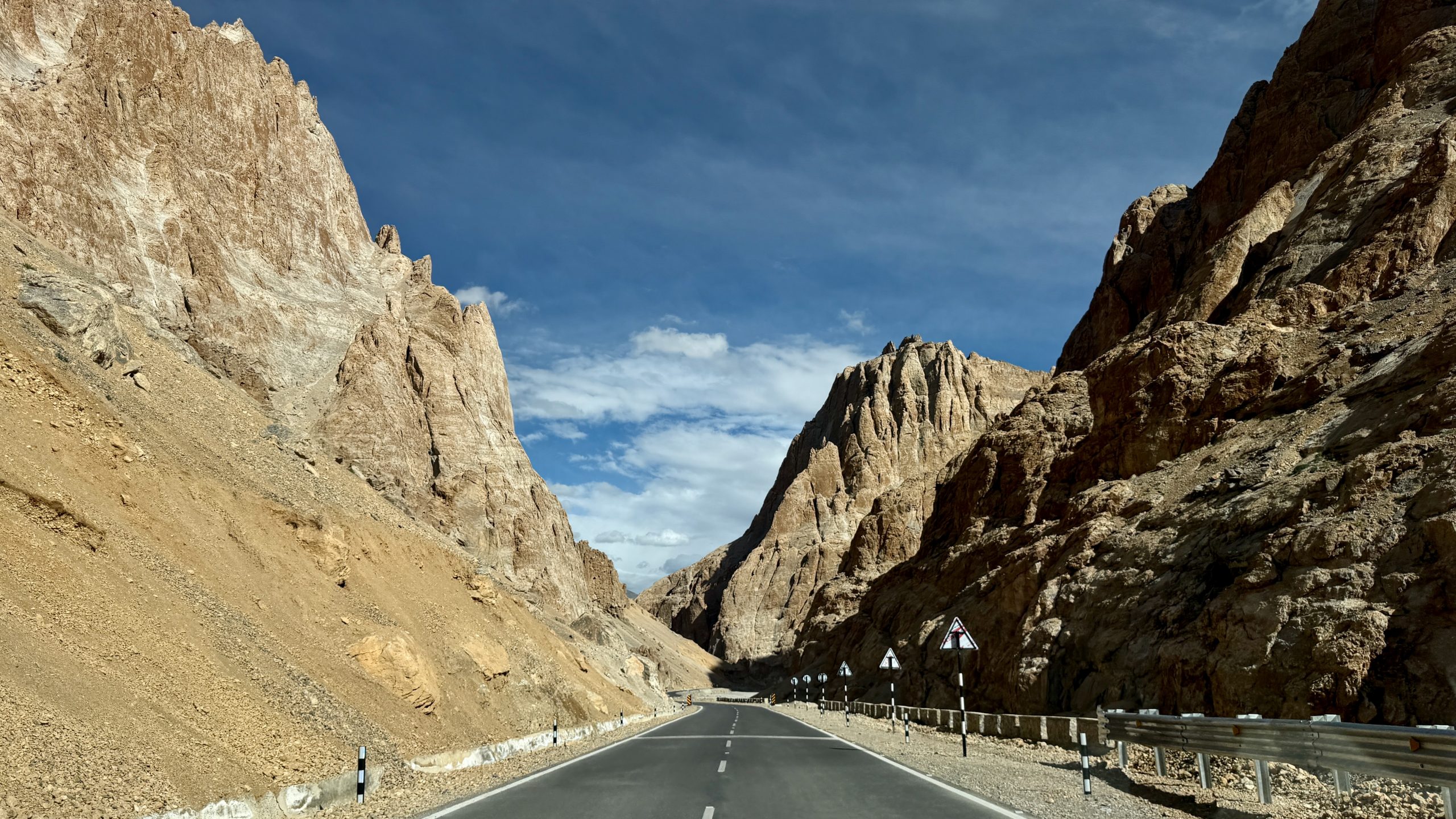
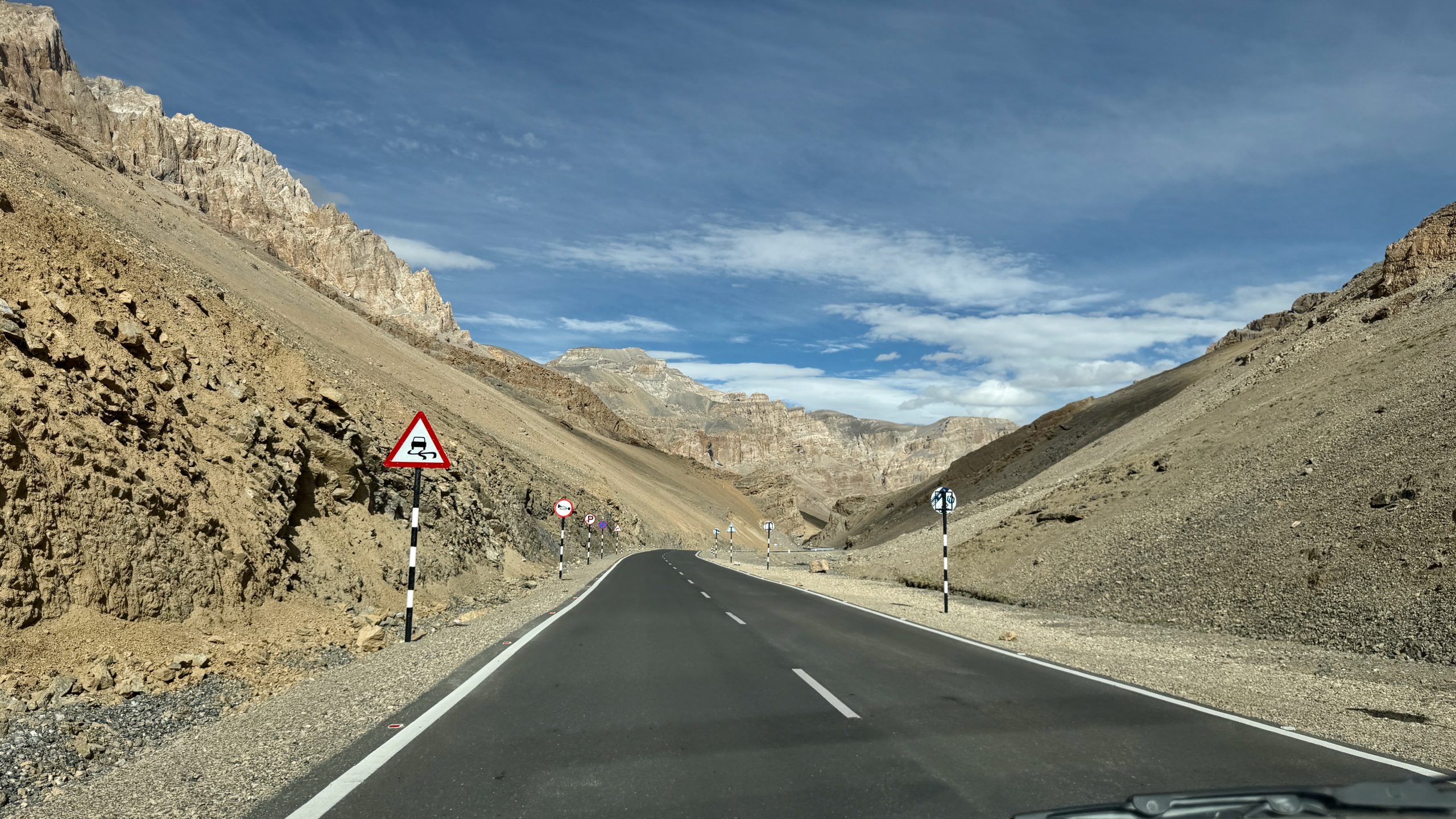
They really put a lot of effort into the road—and invested in a ton of traffic signs. It was just as empty as it looks in the photos: a few groups of motorcyclists, some trucks, and a handful of other small cars.
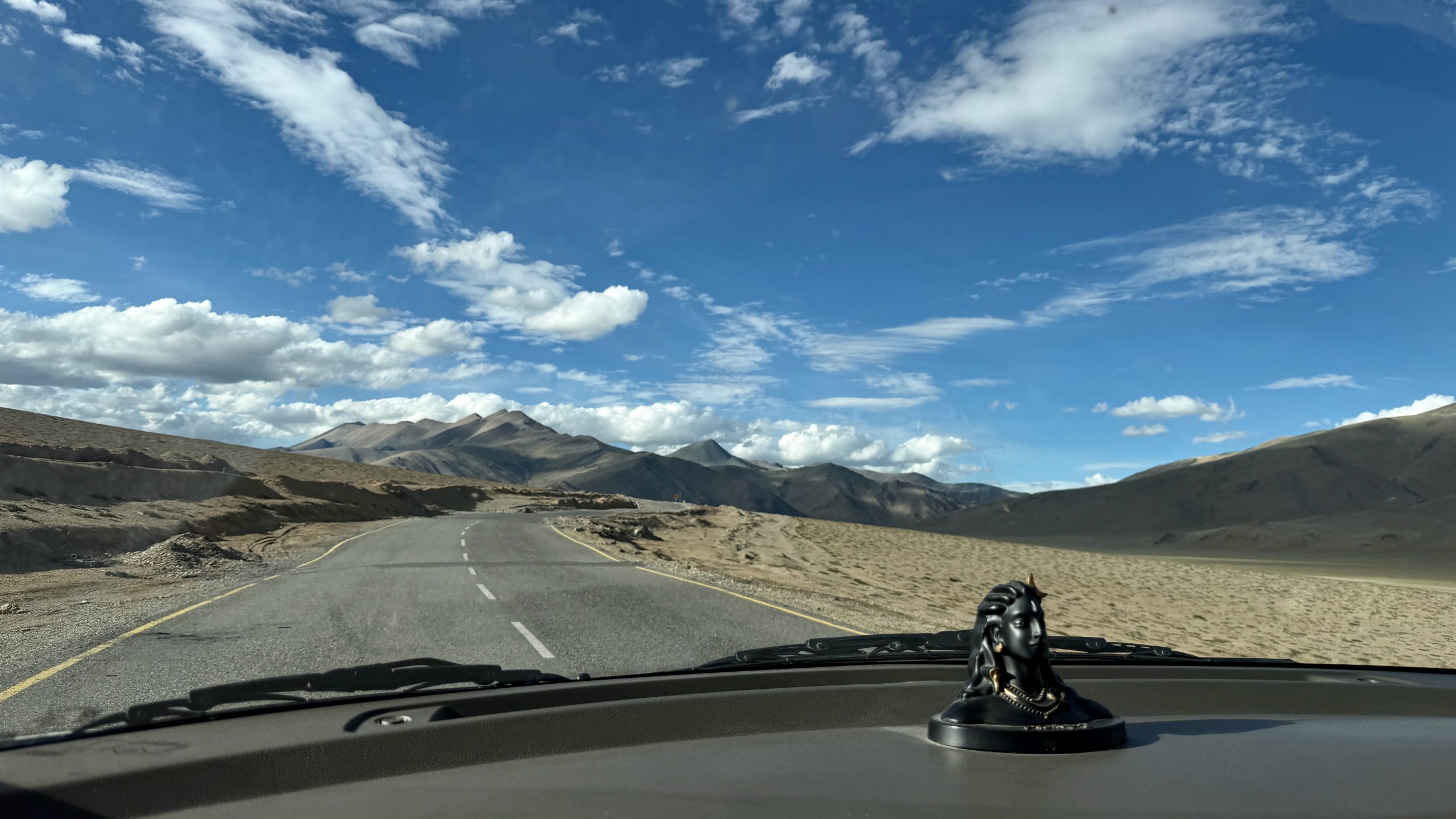
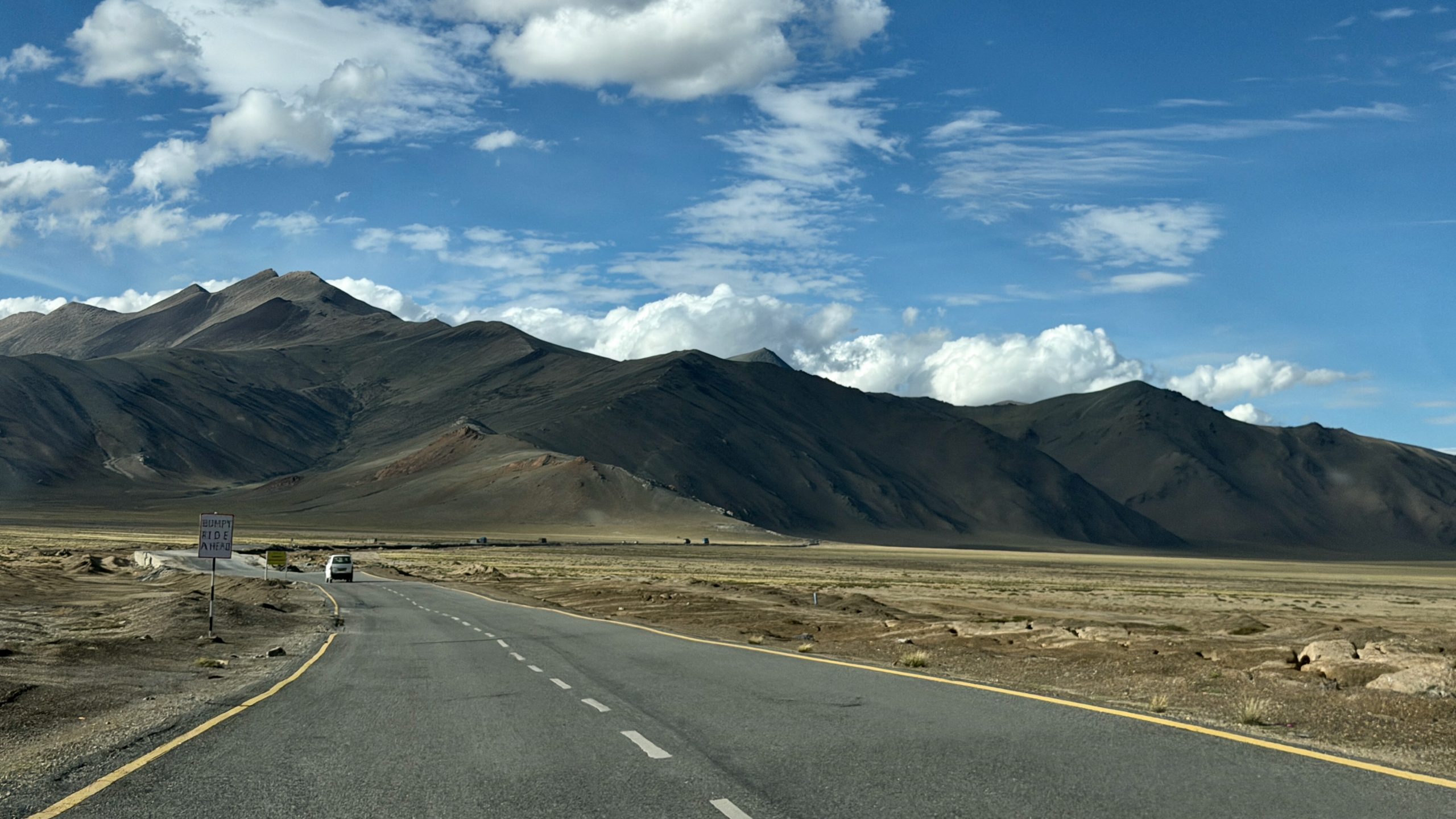
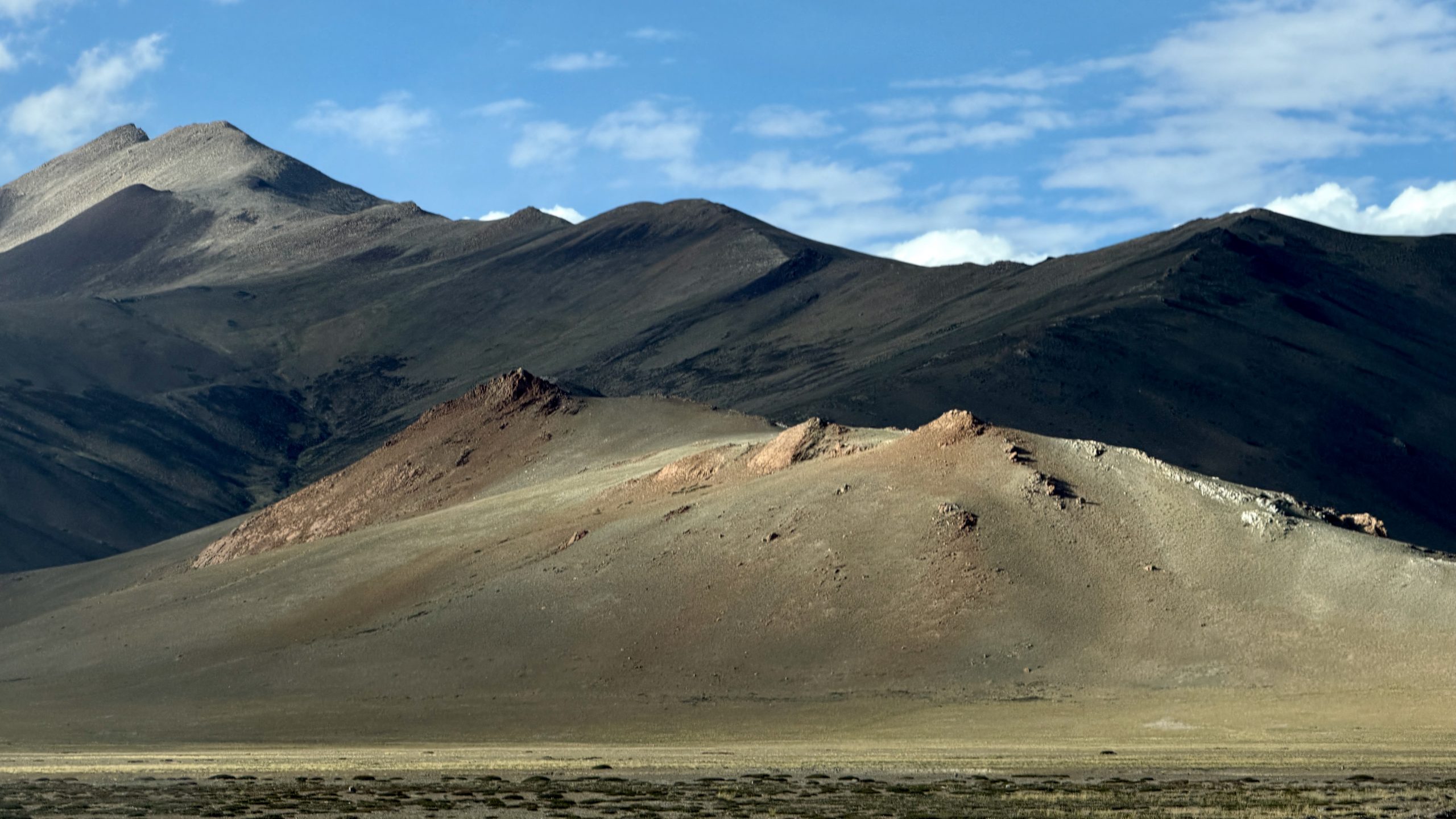
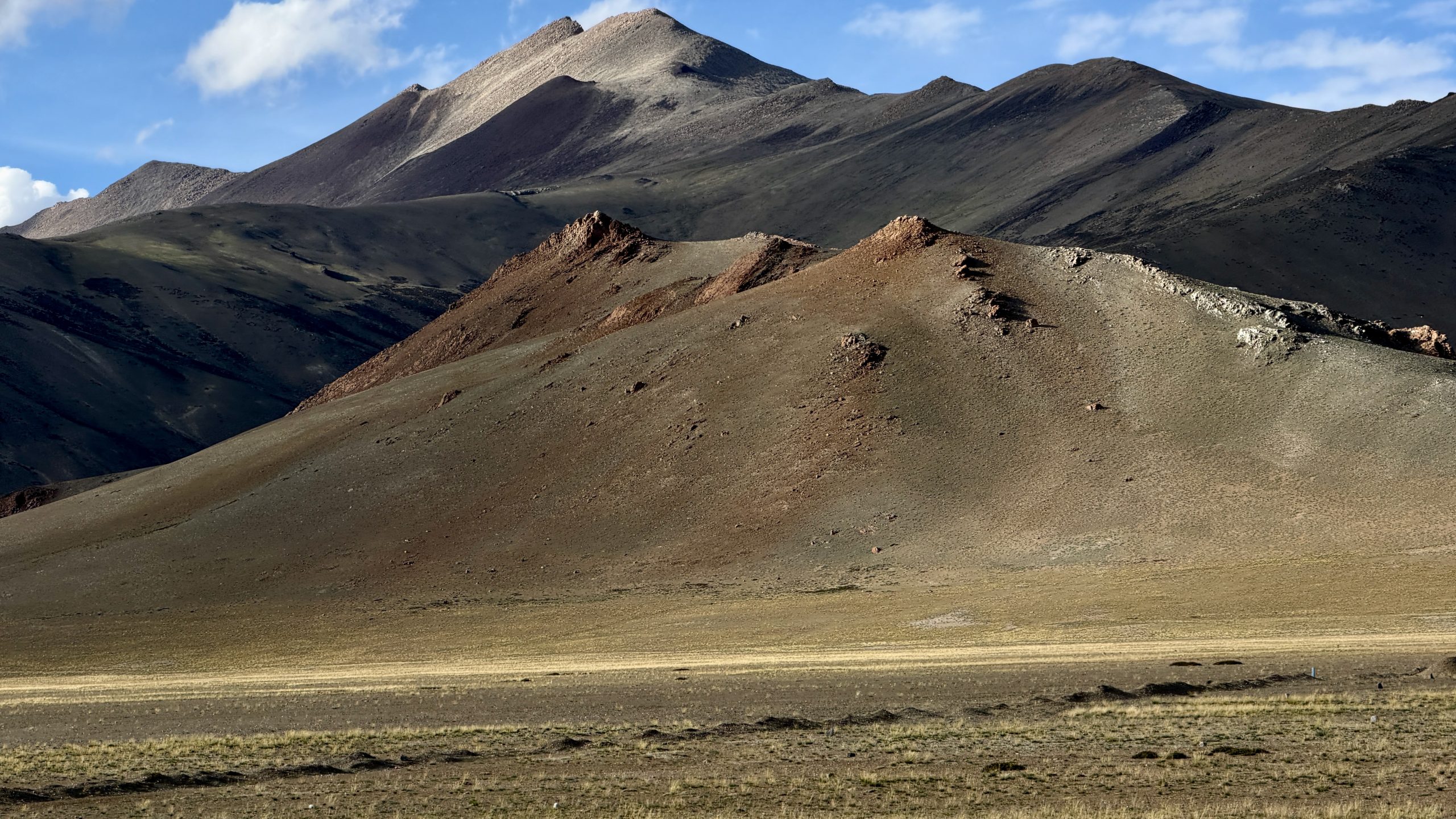
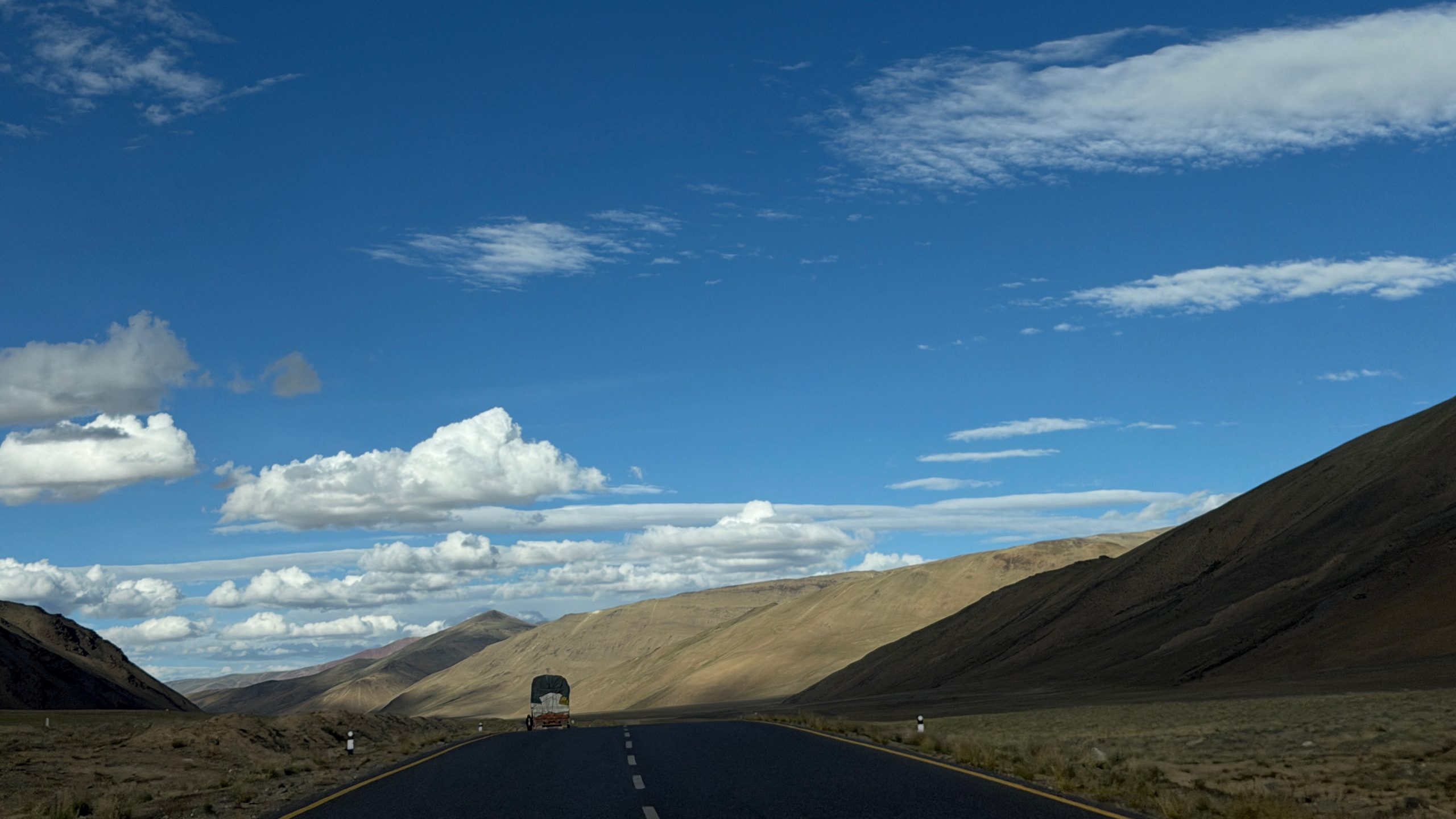
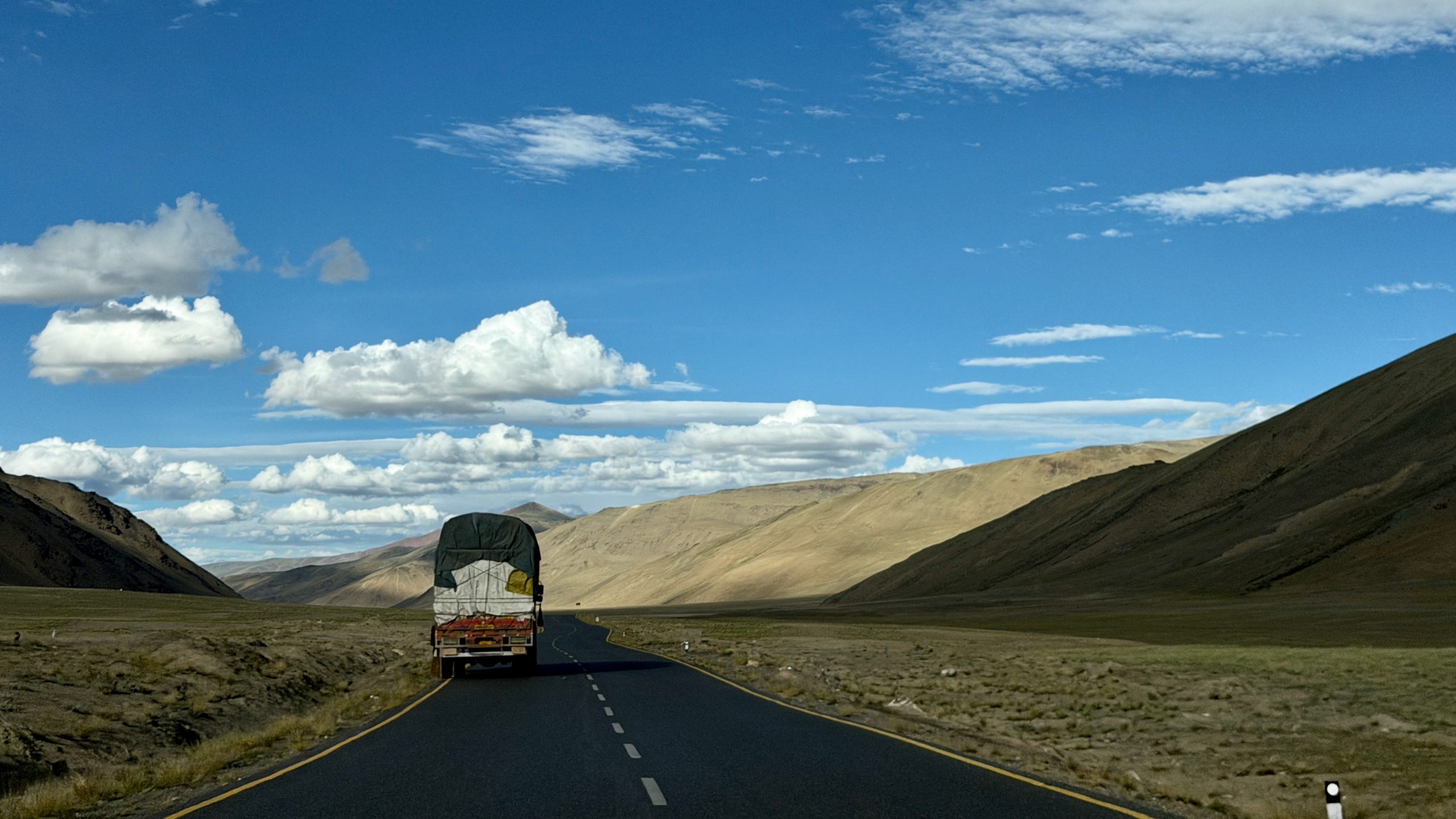
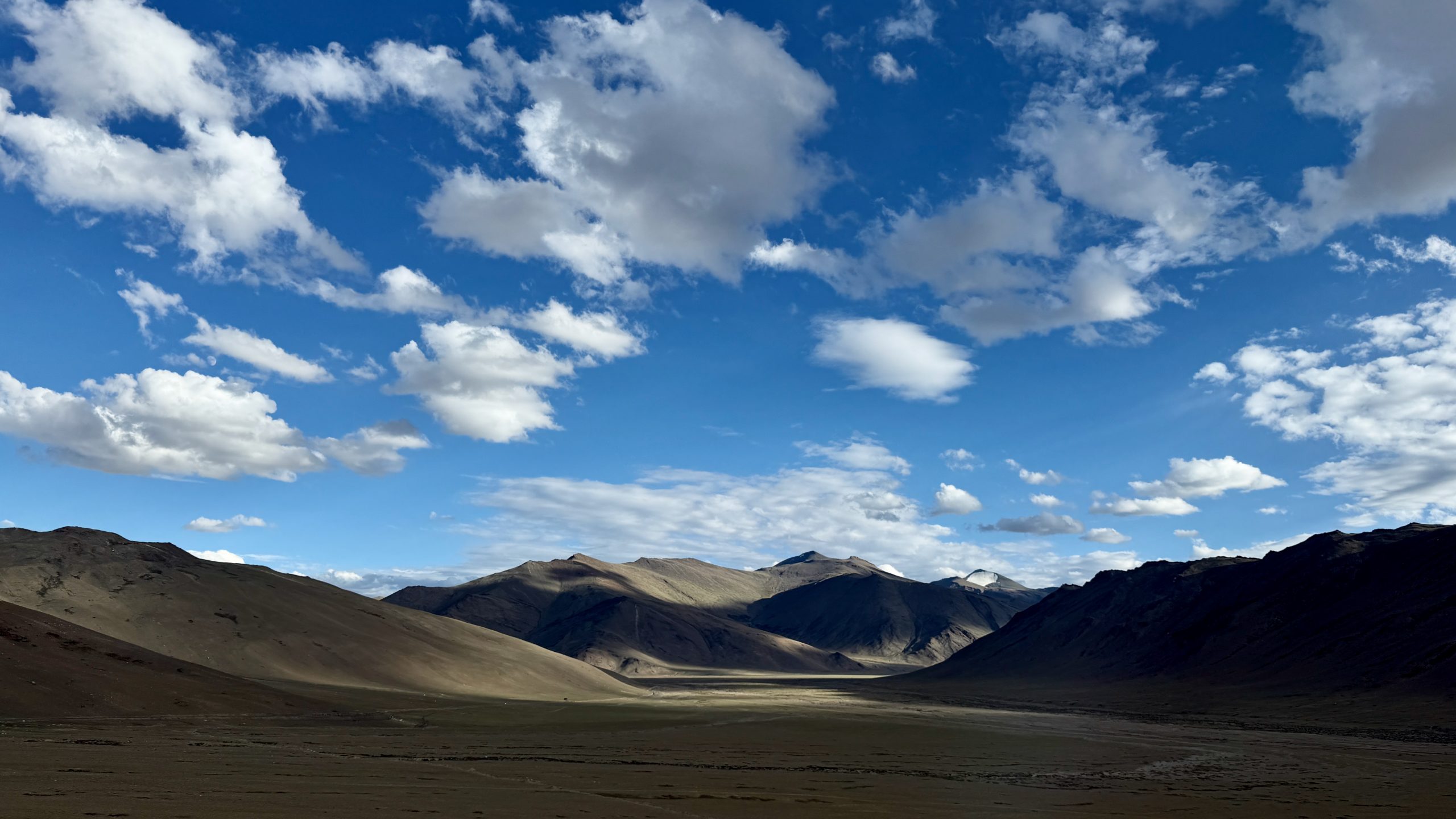
As we rolled across the More Plains, I was desperately hoping that my body would handle the altitude well enough for me to visit the Changthang. That vast, open expanse just makes my heart soar. Even from inside the car, I was completely smitten by the landscape. You spend about 4 to 5 hours straight above 4,000 meters here, which is definitely no joke. I had a slight case of altitude brain fog, but nothing too severe. Provided you take time to acclimatize in Keylong, I would wholeheartedly recommend this route—it is a journey of pure awe and delight.
Past Taglang La, the road wound downward, and unfortunately, the surface wasn’t quite as great anymore. I suspect, though, that it will be fully paved within the next year or two, which should easily shave off another hour or two of driving time.
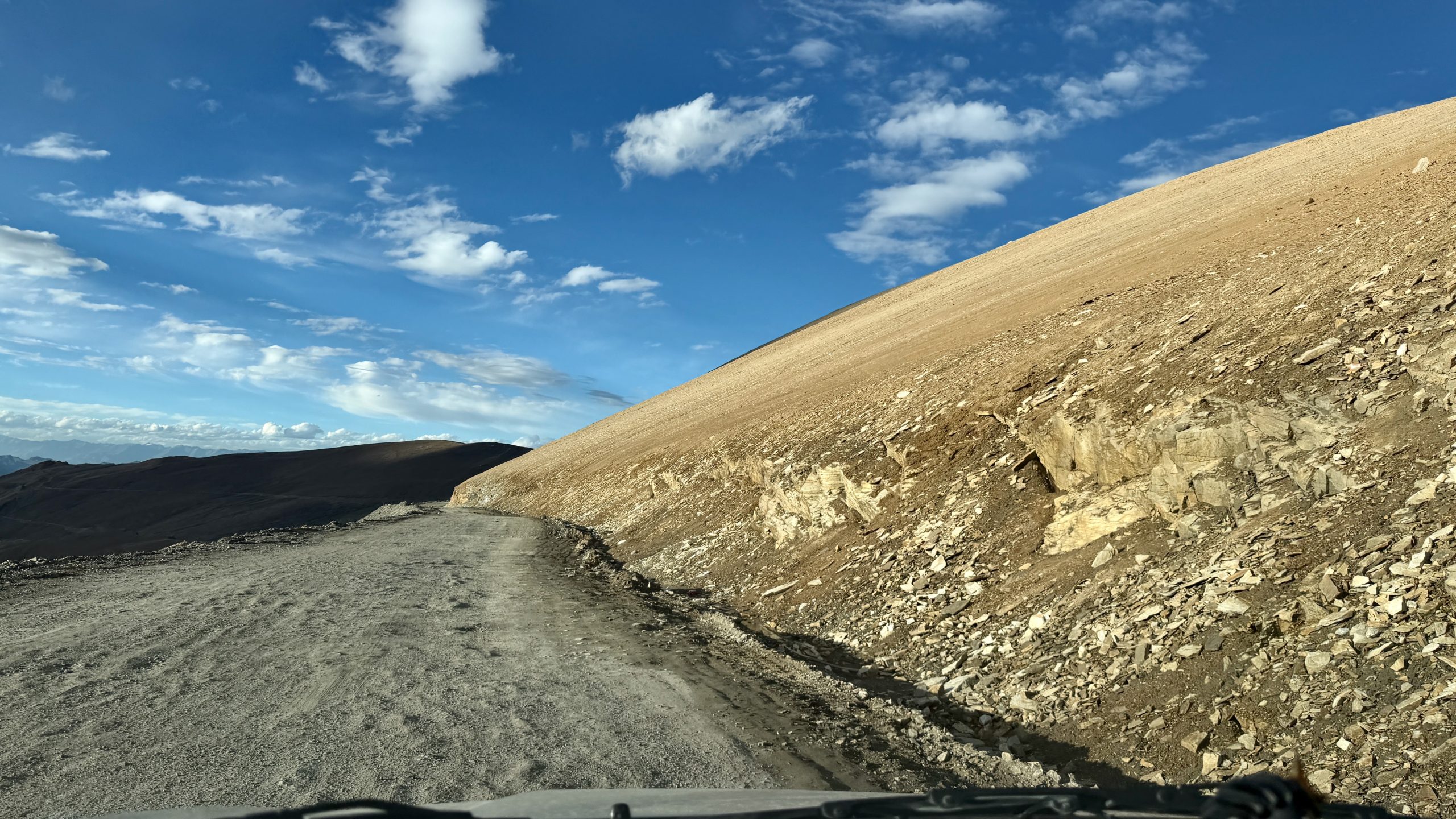
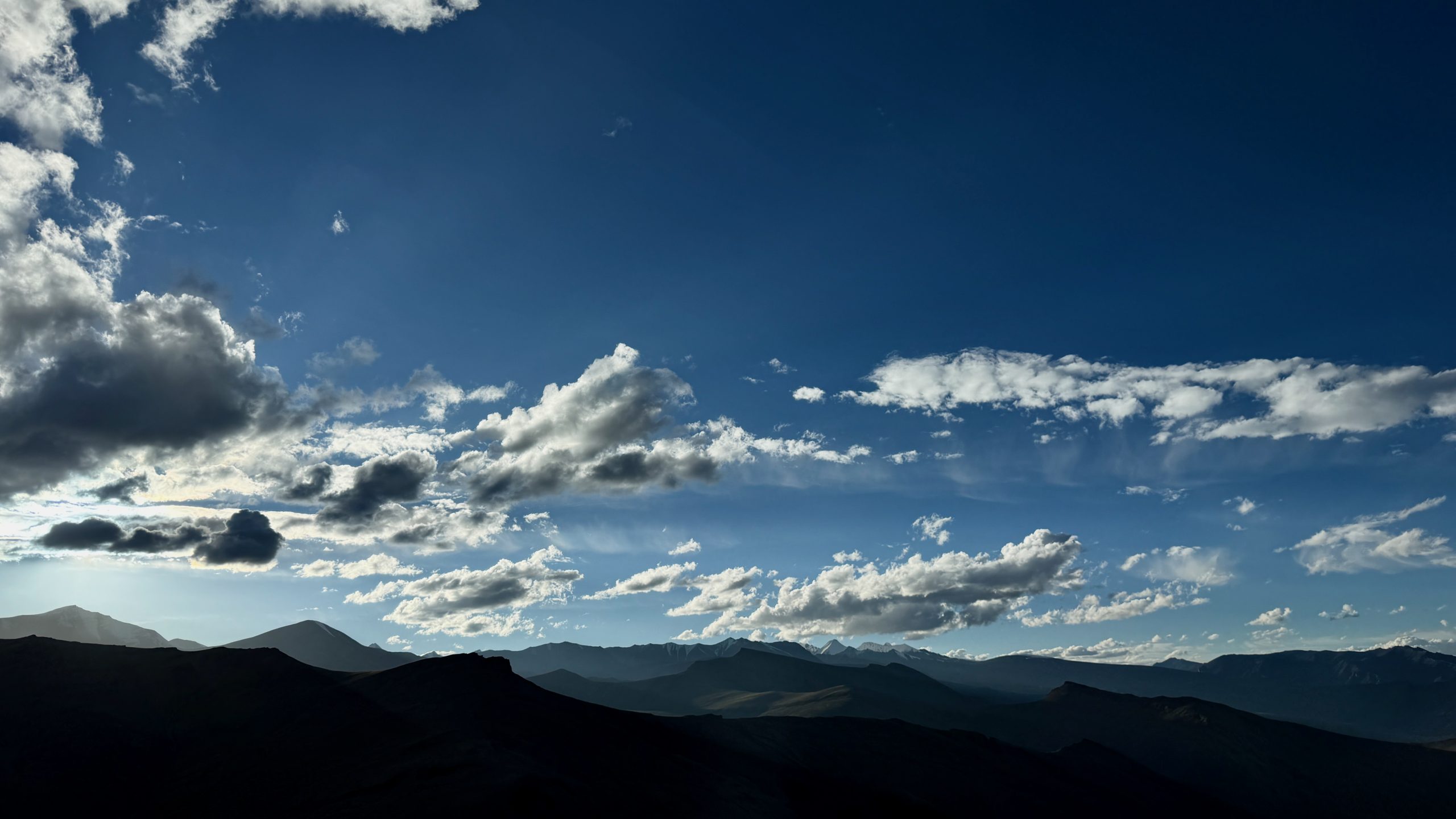
Then dusk began to settle in. We actually arrived only one hour later than planned. Unfortunately, the driver wasn’t allowed to drop us off in the town center—taxis registered in Himachal Pradesh (easily spotted by their license plates) are strictly forbidden from entering and local authorities actively enforce this. He let us out at the bus stand where the local taxis wait. From there, he had to drive another 5 km down to spend the night alongside the other Himachal cars. The drivers all sleep in their vehicles, though they get to hang out, cook, eat, and chat together first. He was planning to head right back the next morning. It’s a demanding life for a driver.
Back in town, I was warmly welcomed by Sonam once again.
And here I have to share the saga of what happened with my SIM card. I had been told it would be deactivated on the 24th, and sure enough, data stopped working entirely. So I went straight to the Airtel shop to get a new one. Oh no—that turned out to be impossible until September 1st. Say what? In India, mobile plans are split into two parts: “Validity” and booked “Packages.” My validity had been automatically set to 90 days, but the data packages only last 28 days each (totaling 84 days). You can’t buy a new SIM until the base validity of your current one has officially run out—meaning September 1st. Until then, my options were either living without data or buying an extra add-on package. Financially, it’s a non-issue (about €3.50), but the sheer absurdity and over-complication of it all is precisely what drives me up the wall about India. It triggers my inner Rumpelstiltskin in no time flat.
Other than that, everything is wonderful—gorgeous sunny weather, pleasant temperatures, and much more manageable tourist crowds. For now, I’m just going to stay put here and see how things go.