


Nawalgarh – Shiva drives car
6. January 2026

I made a stupid mistake: I neither checked the temperatures nor properly remembered how cold it can get, nor did I listen to a friend who said that Shekhawati is one of the coldest regions in Rajasthan. I was freezing—really freezing. The room was under 10°C, and there was no proper place where it was warm. You just had to wait until the sun came out, which was usually no earlier than around 11 a.m. At least I had some warm clothes with me, but it really could have been warmer ones—and more of them.
So I stood in the morning on the guesthouse-rooftop and watched into the clouds.
 1
1
 2
2
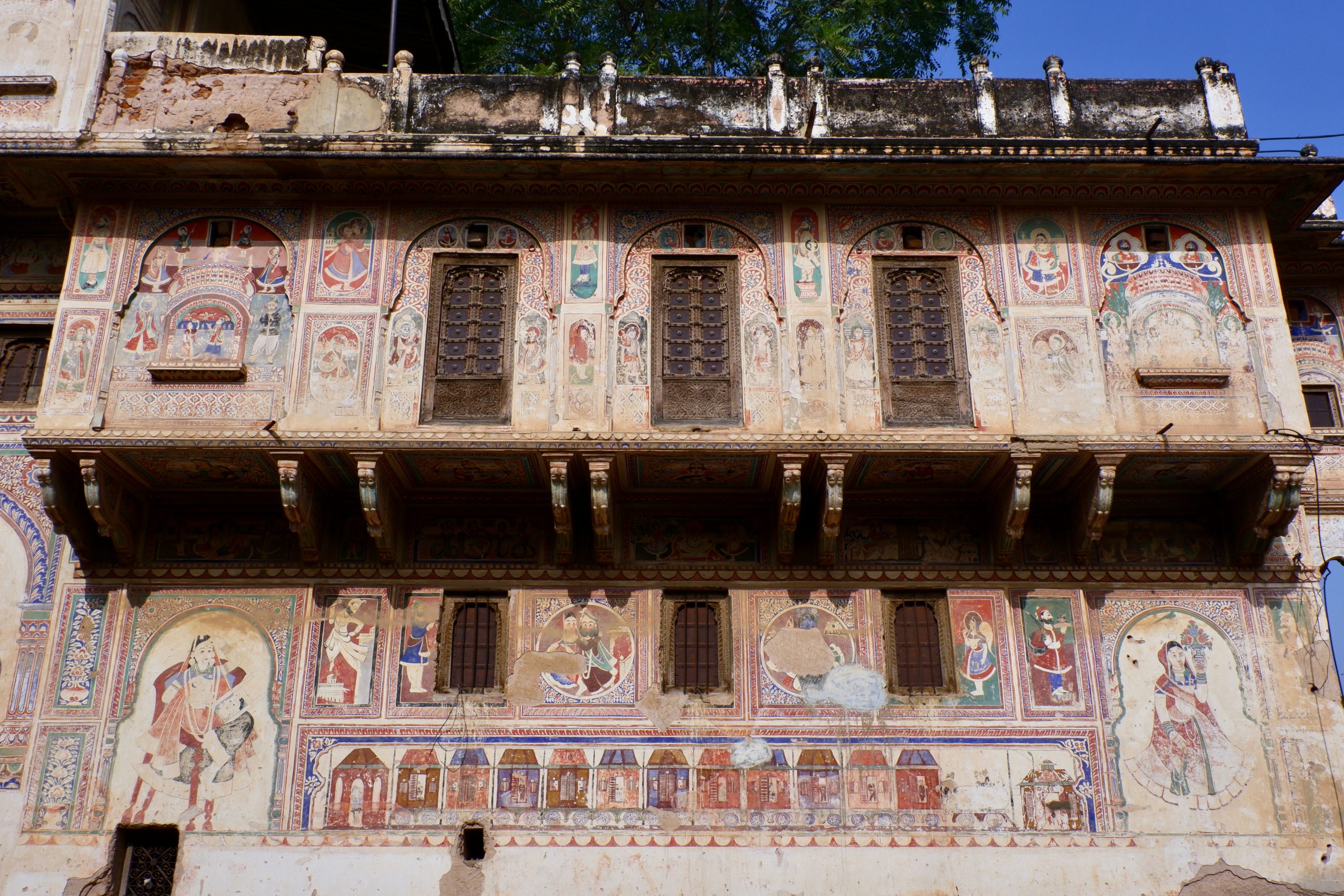
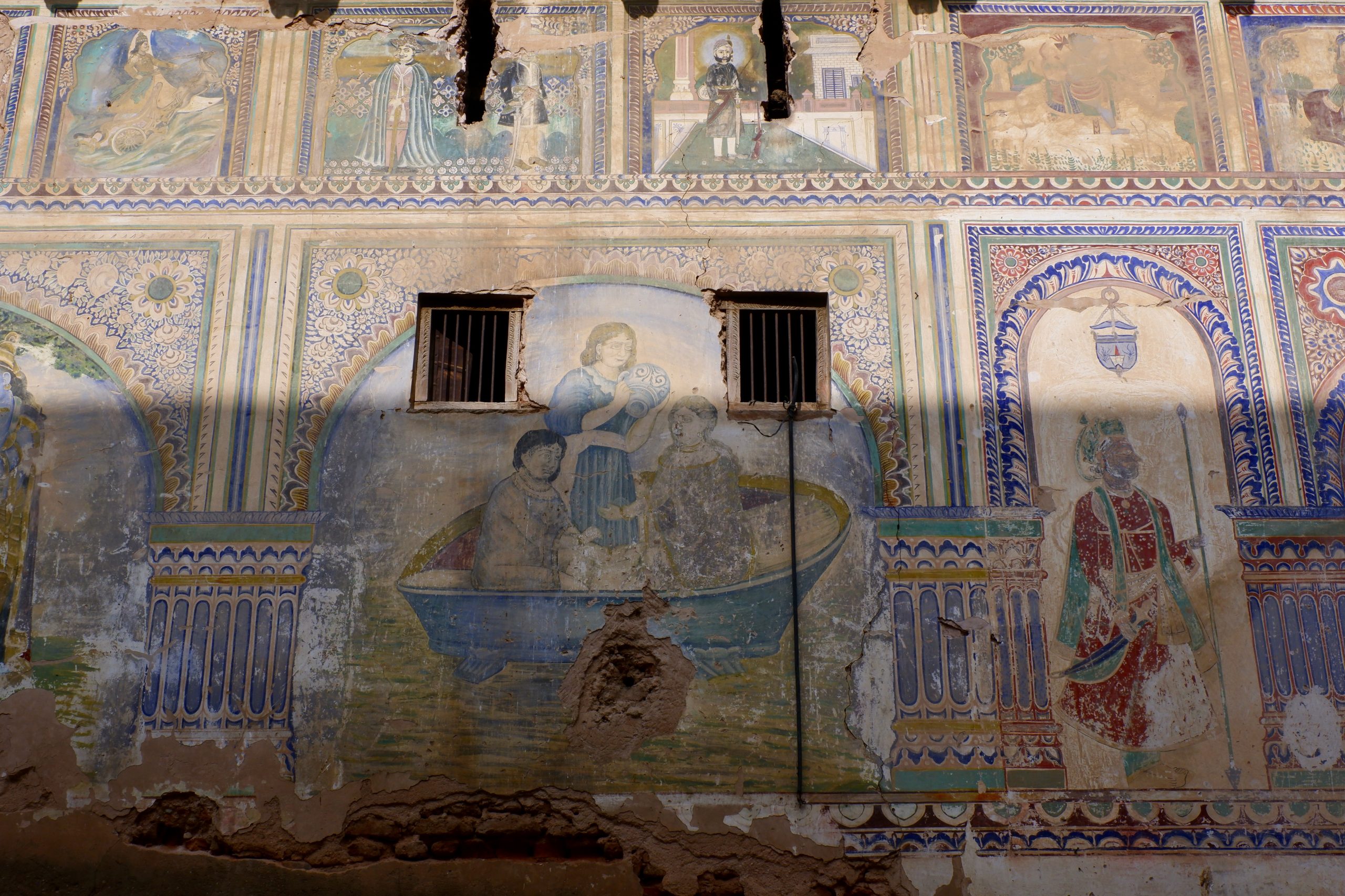
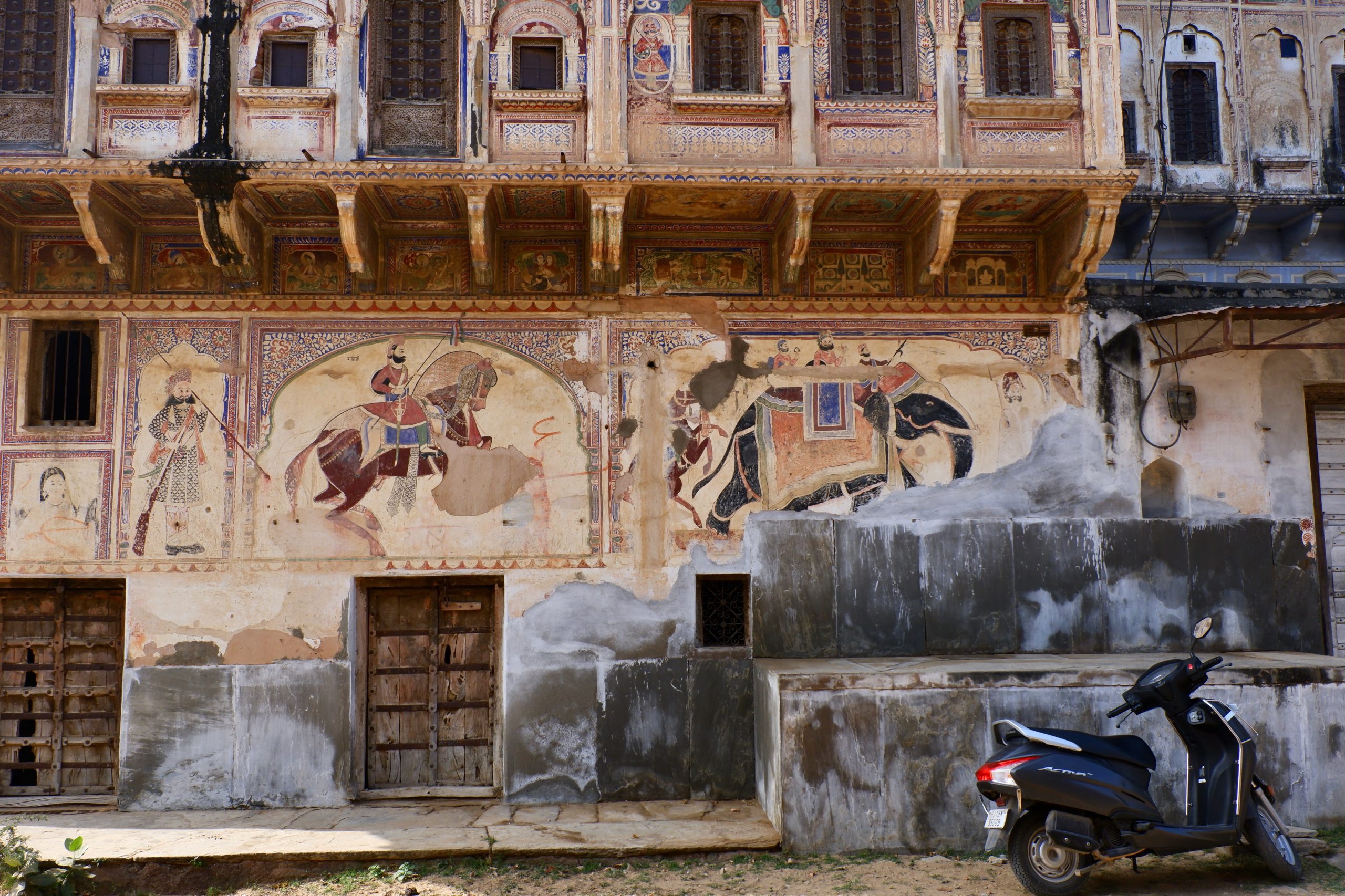
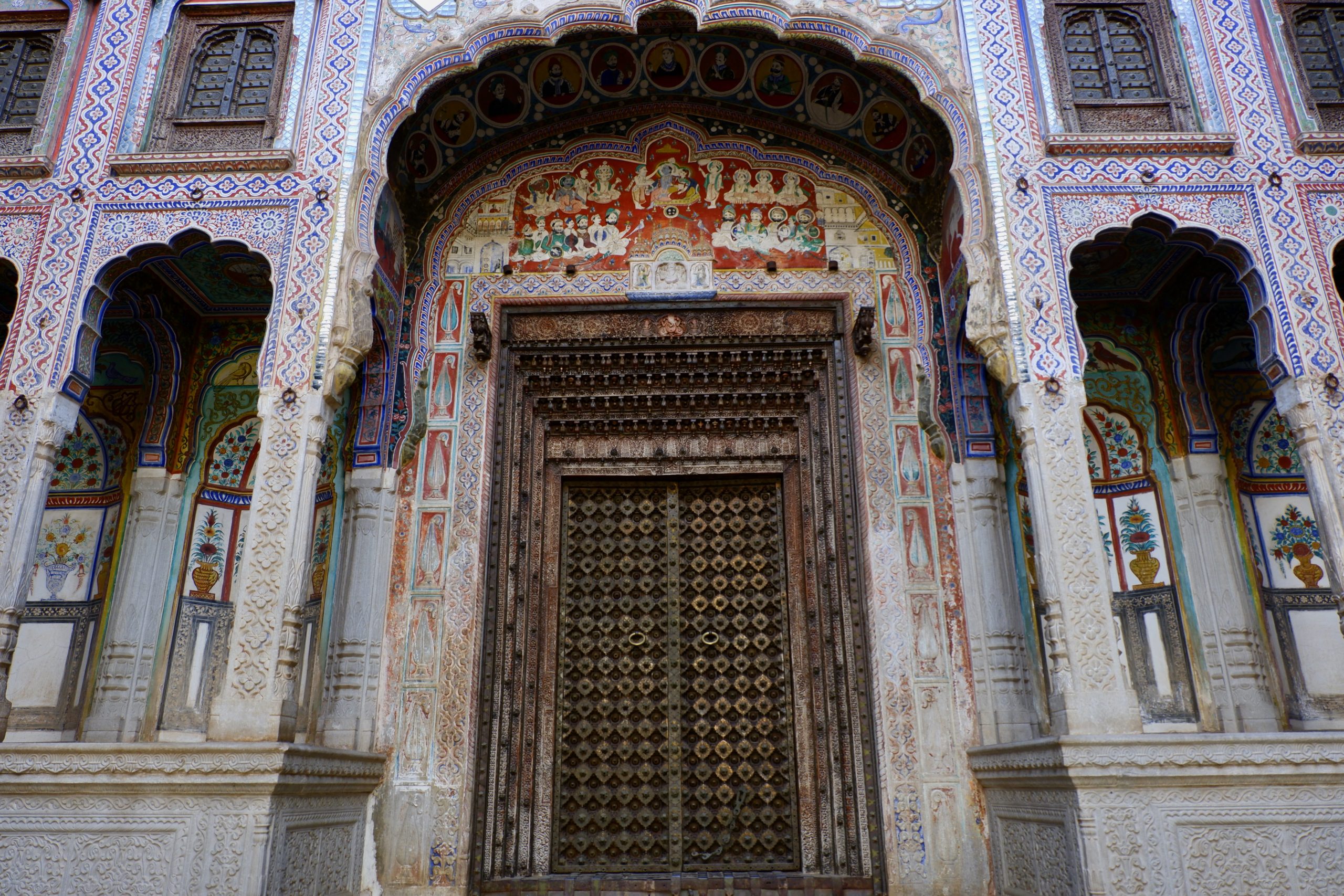
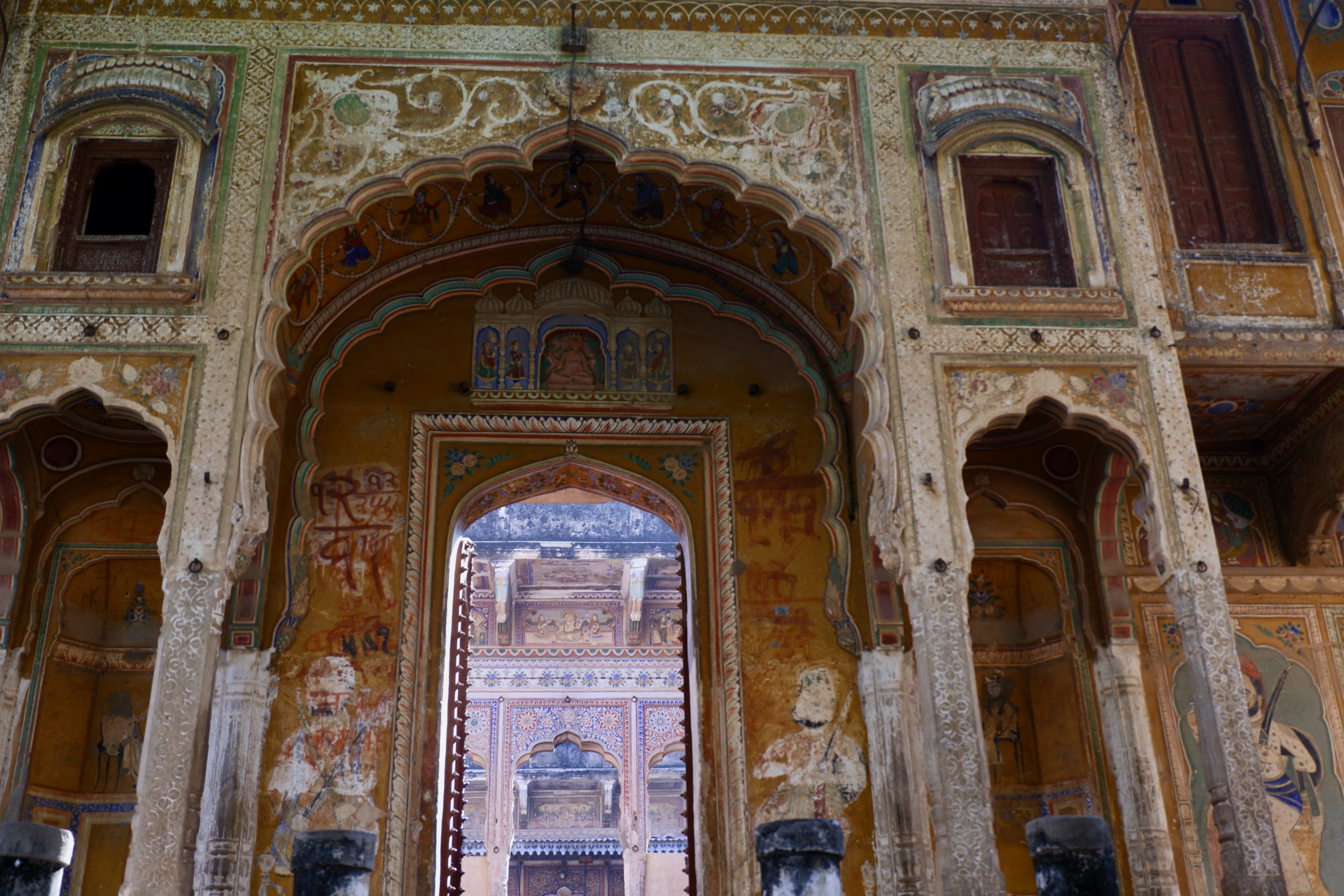
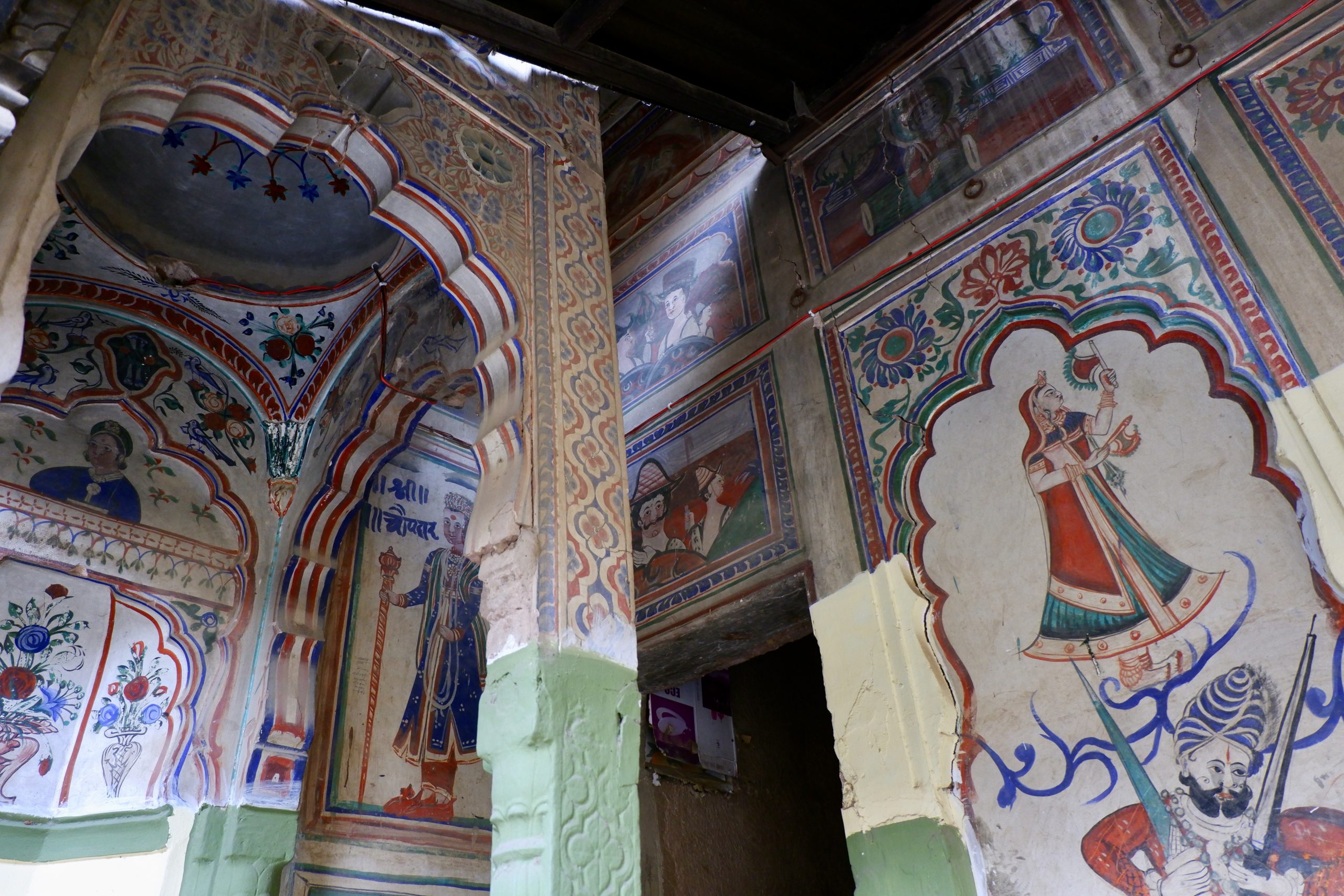
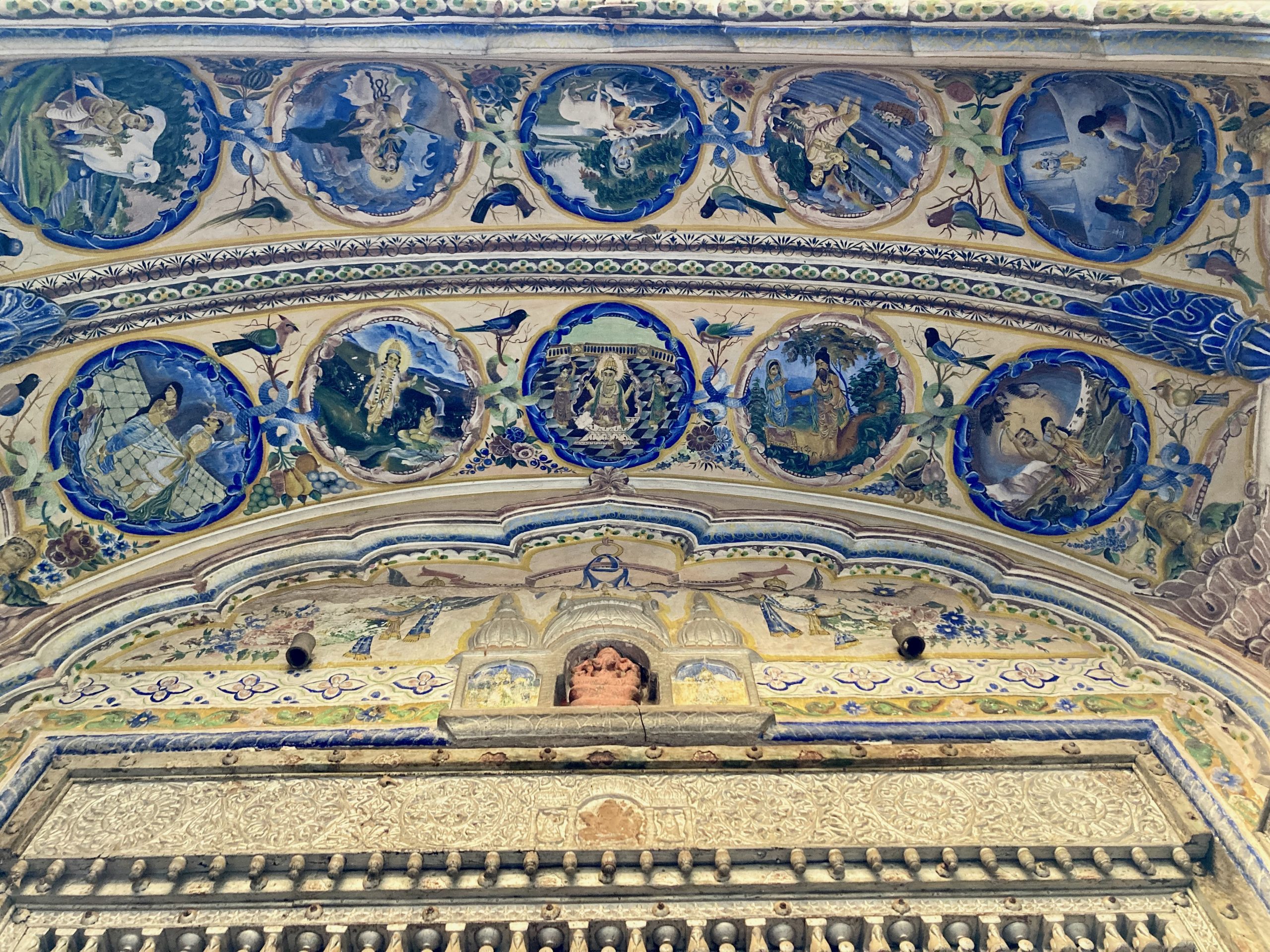
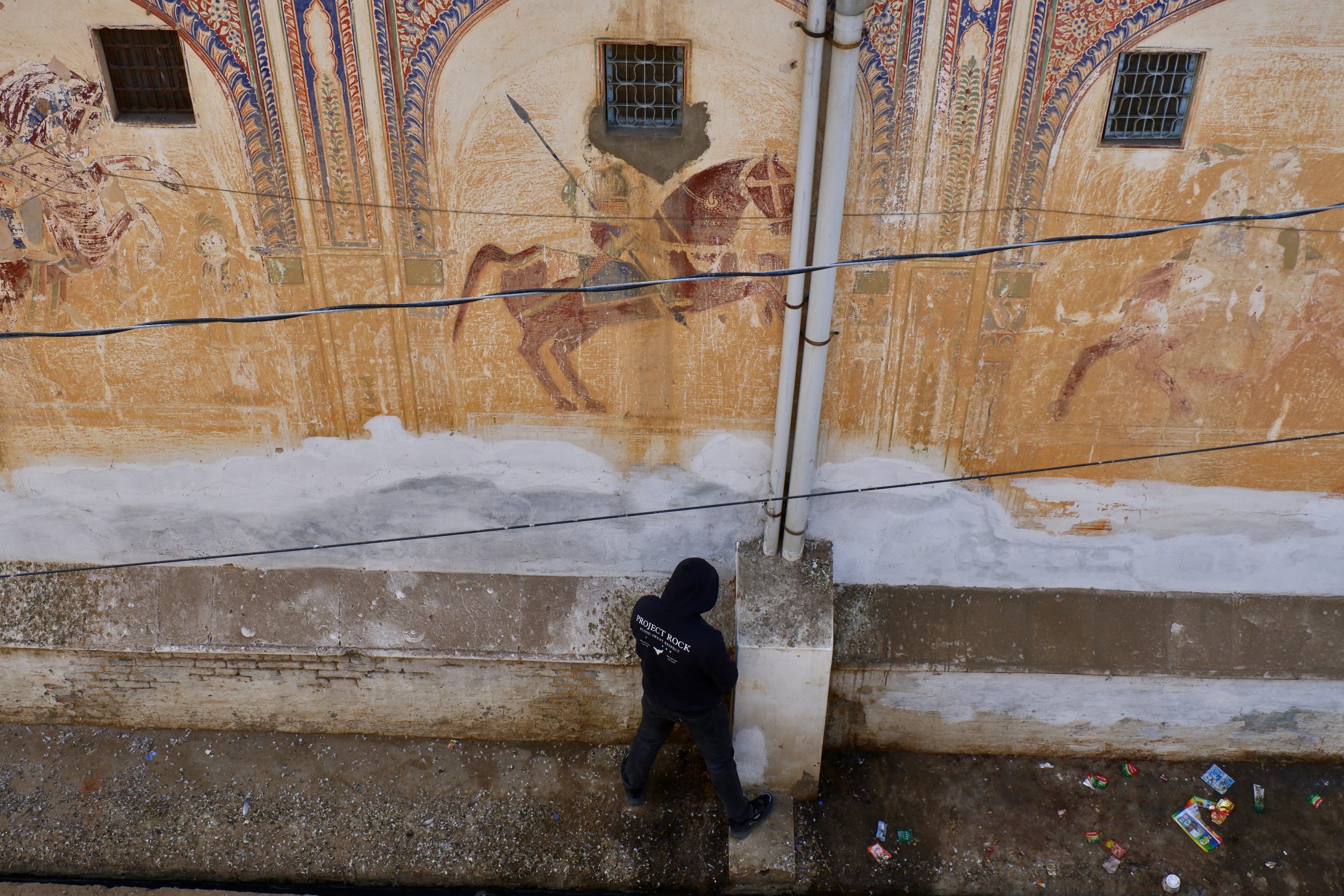
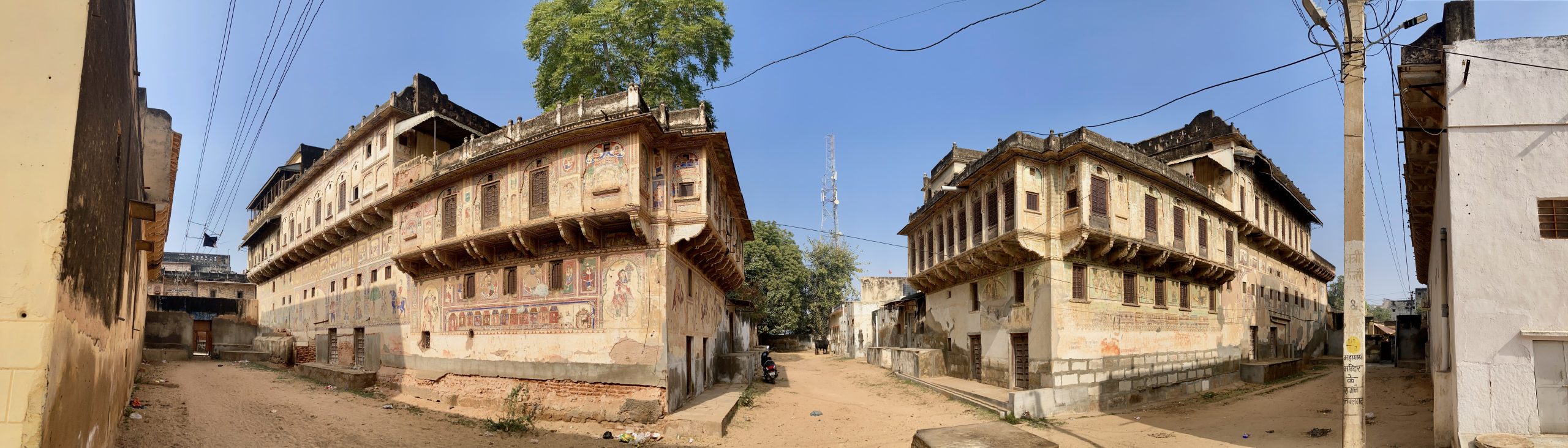
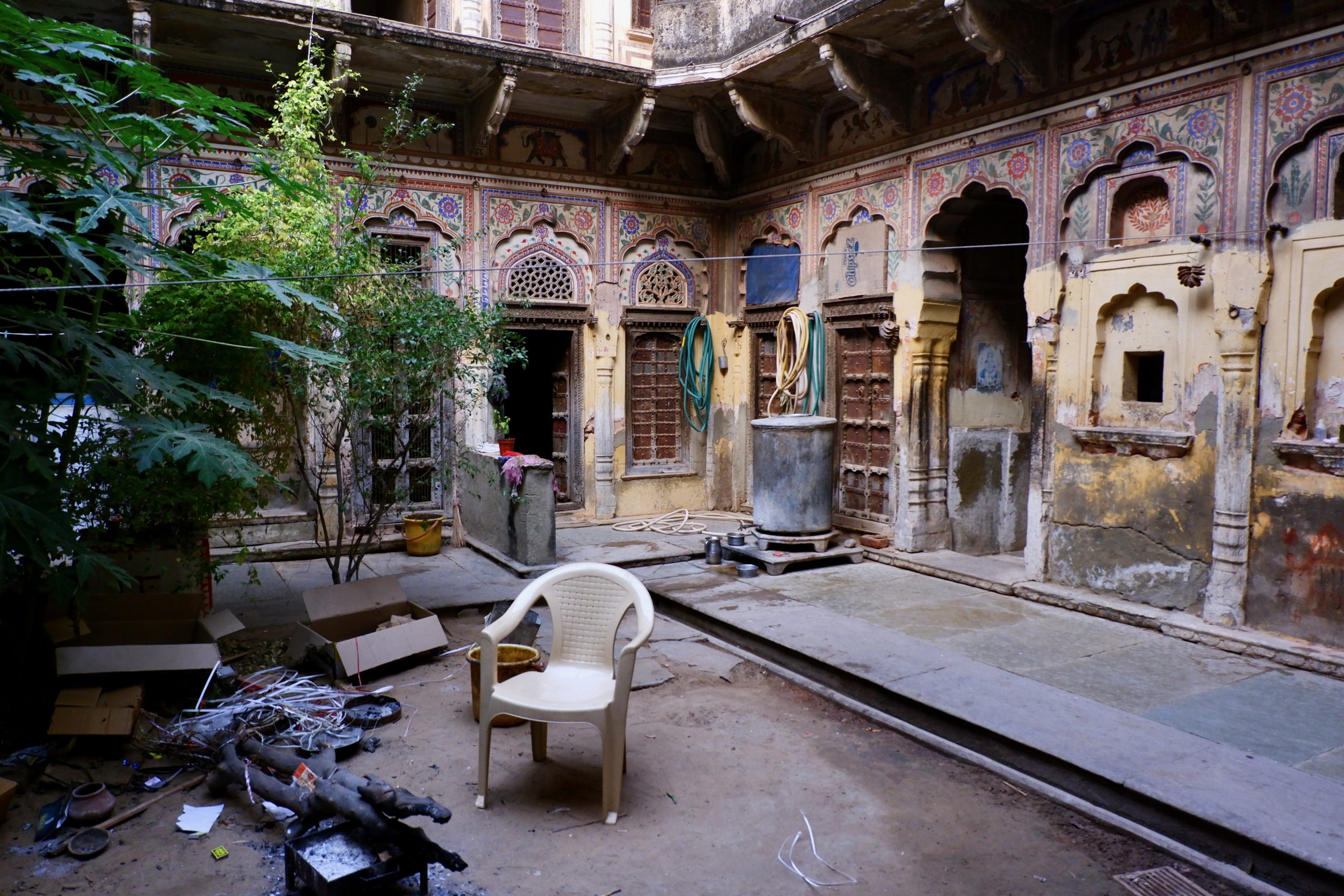
At last it cleared up, and I set off to explore the town. Nawalgarh is part of the Shekhawati region—a part of Rajasthan that flourished in the 18th and 19th centuries. This was the era of the great trading caravans along the Silk Routes, and for various reasons customs duties here were lower than in neighboring Jaipur and Bikaner. As a result, Marwari merchant families settled in the area and amassed considerable wealth, which they invested, among other things, in the construction and lavish decoration of their homes, known as havelis. In those days, people liked to show how wealthy they were—and they did so not only through ornate architecture, but also through drawings and paintings, both on the outside and inside of their houses.
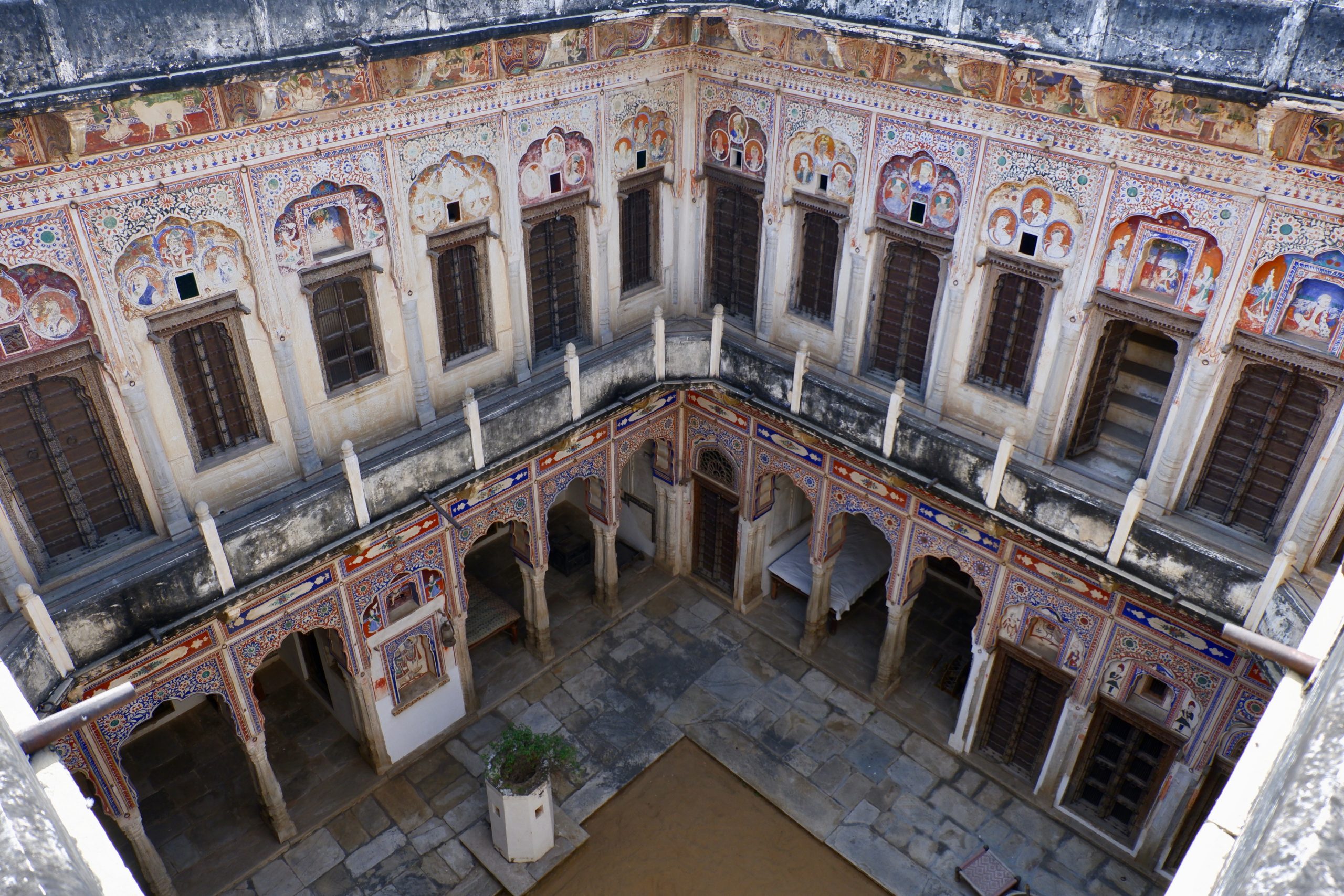
Inside, the havelis were divided into several areas. Particularly important was the hall used for business dealings. There were also separate quarters for women, as well as storage rooms and guest rooms, among others.
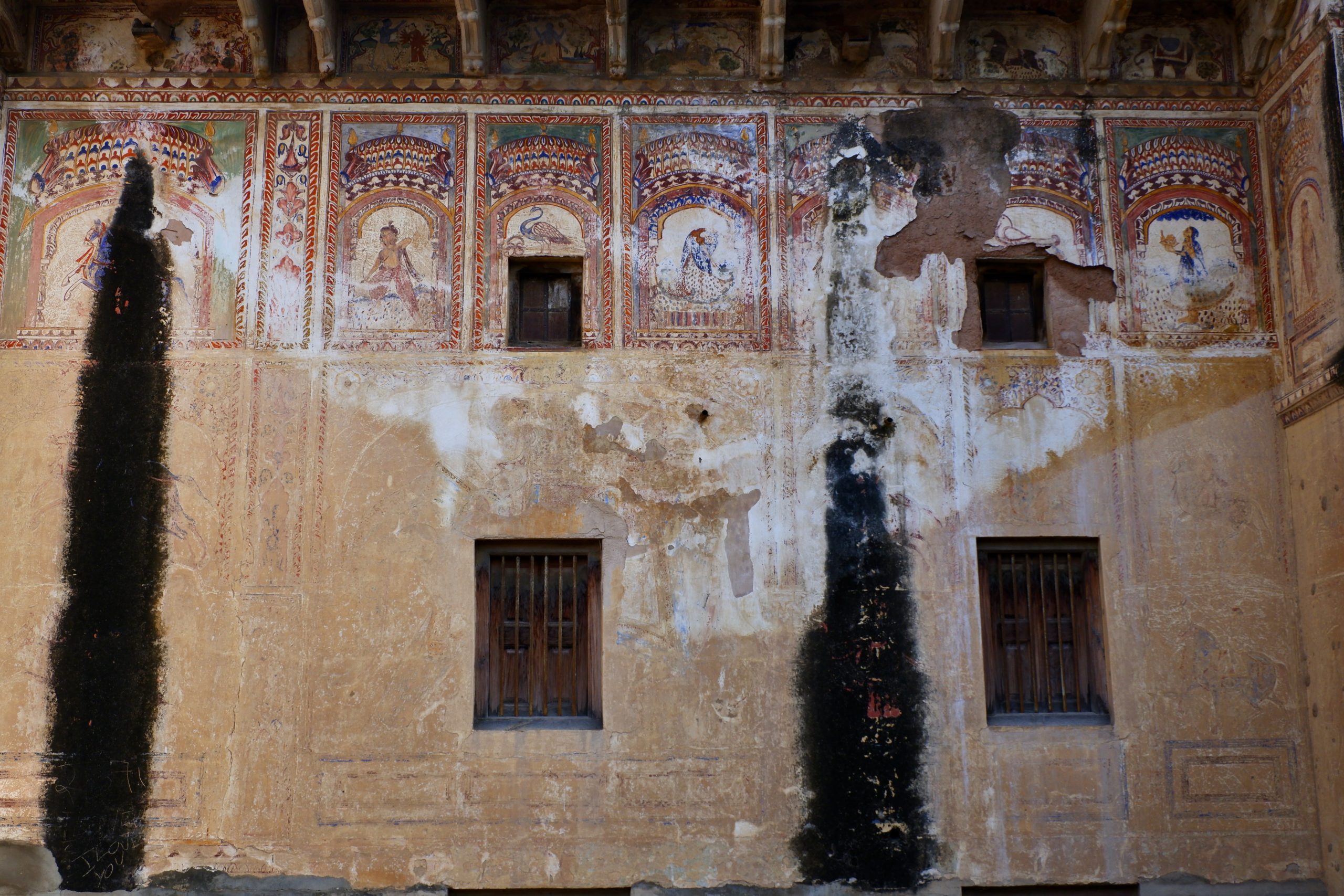
When the British expanded trade activities, especially toward the ports, this region lost its importance. The merchants moved on to Kolkata, Mumbai, and Chennai. Their havelis were left behind, and hardly anyone took care of them anymore. Maintenance was expensive, and no one wanted to buy such splendor. As a result, the region is now considered a vast open-air museum, with around 2,000 havelis displaying millions of paintings and drawings. Some are well protected from rain and weather and remain in good condition; others are barely recognizable anymore.
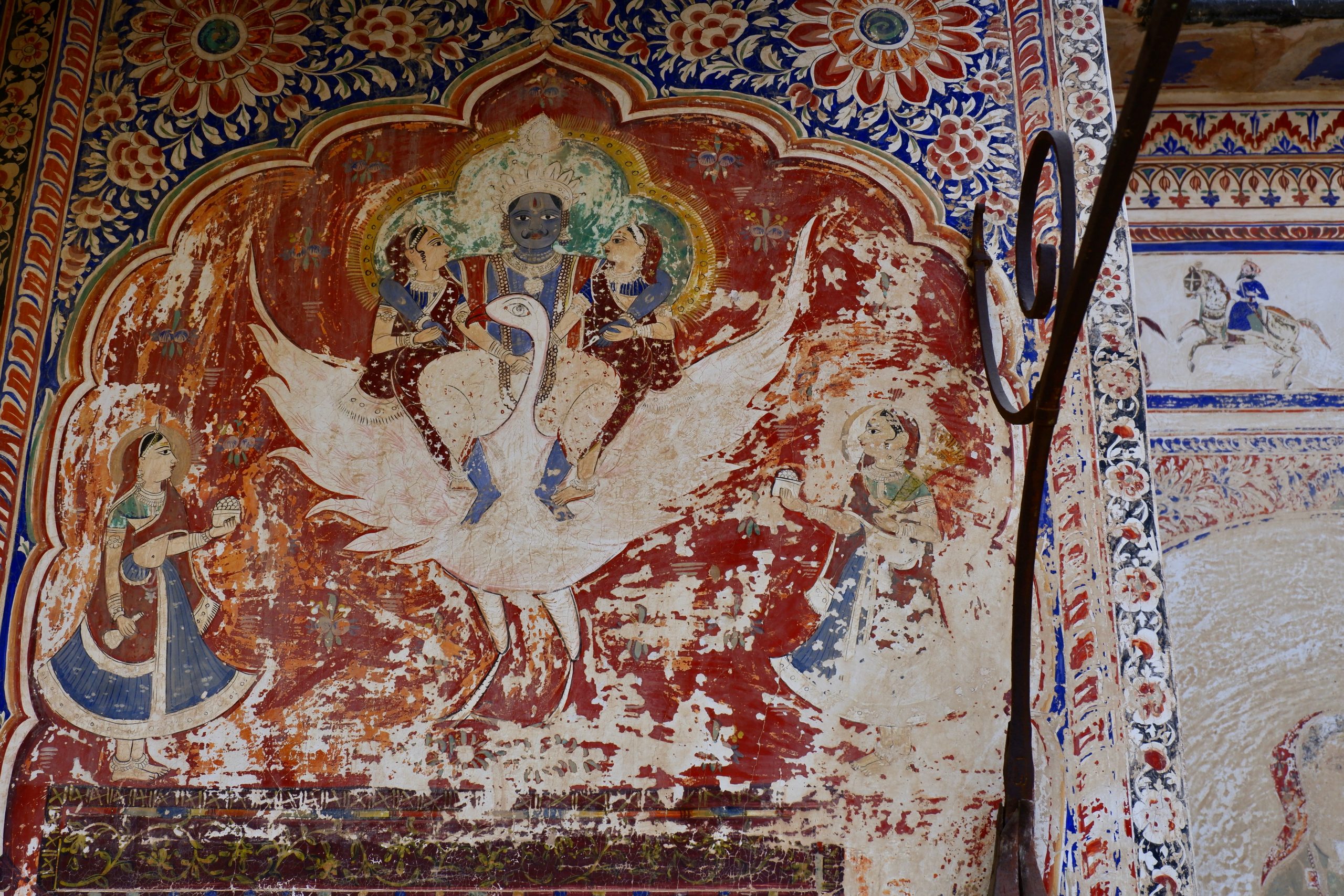
Nawalgarh is one of the main centers of this heritage, and there are countless havelis, old wells, and other decaying structures to discover. I’ll show a few examples here:
 1
1
 2
2
 3
3
 4
4
 5
5
 6
6
 7
7
 8
8
 9
9
 10
10
There were also some Specials:
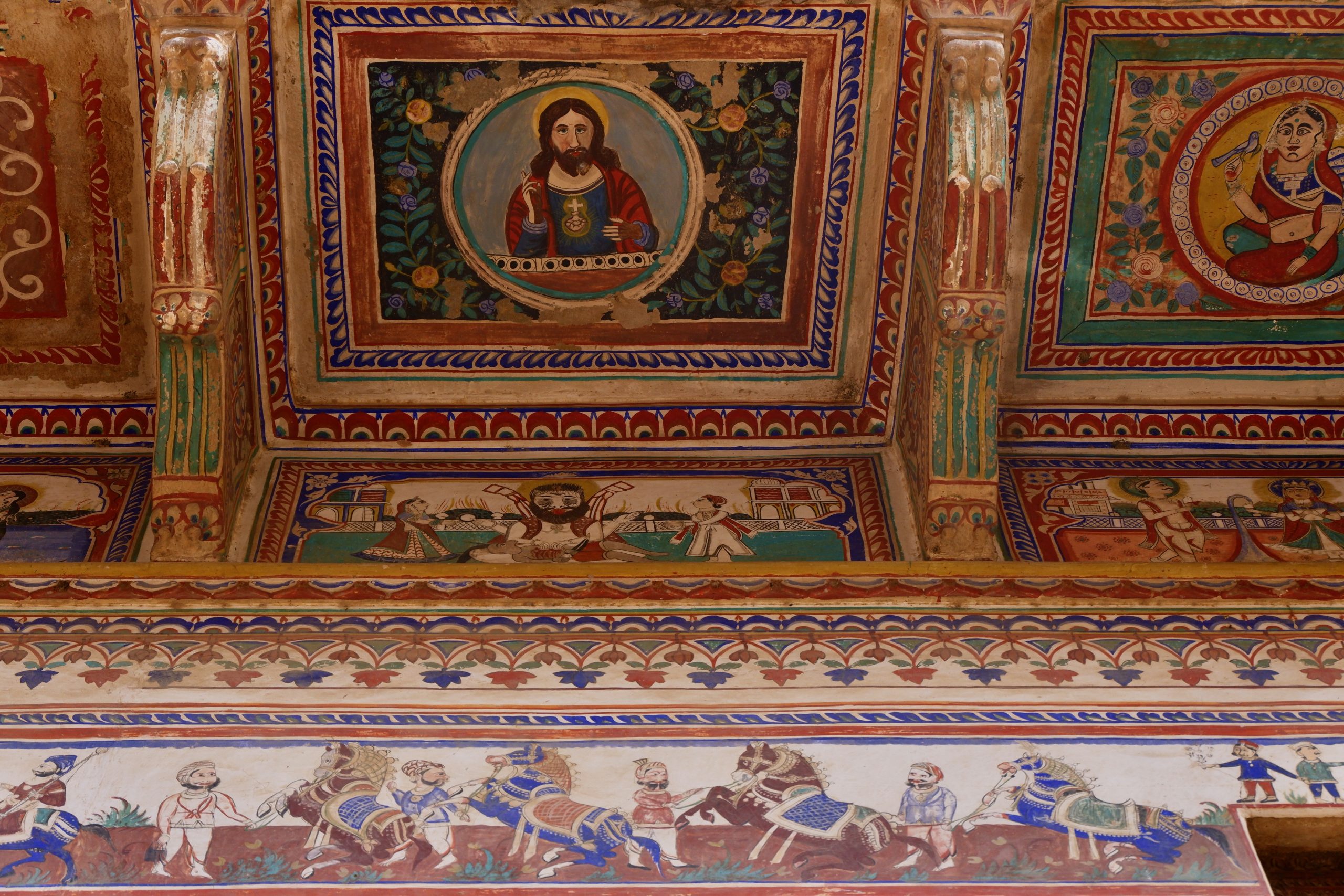 Jesus
Jesus
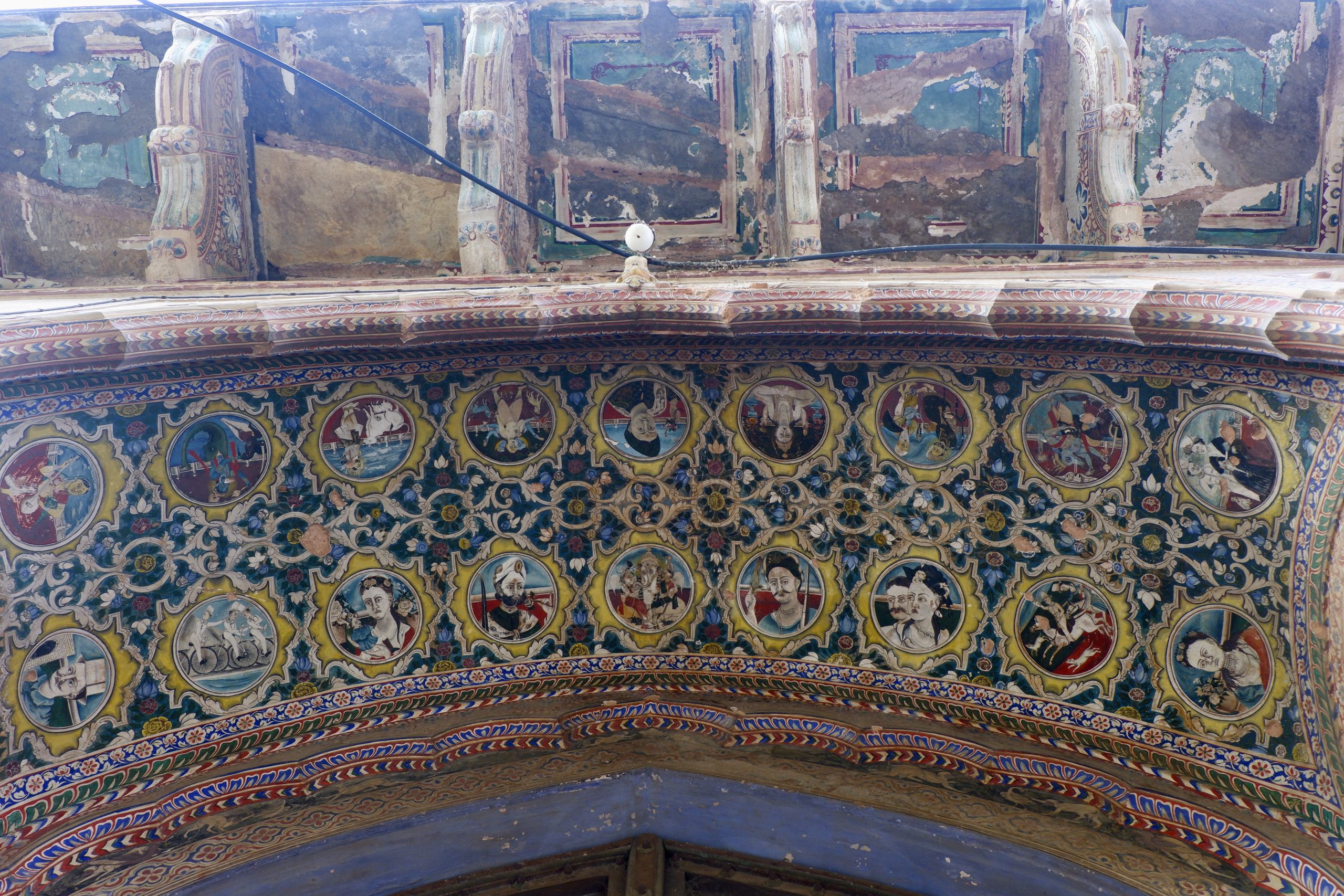 Frida Kahlo
In principle, Krishna is one of the most popular motifs. Here is one depiction from his younger years:
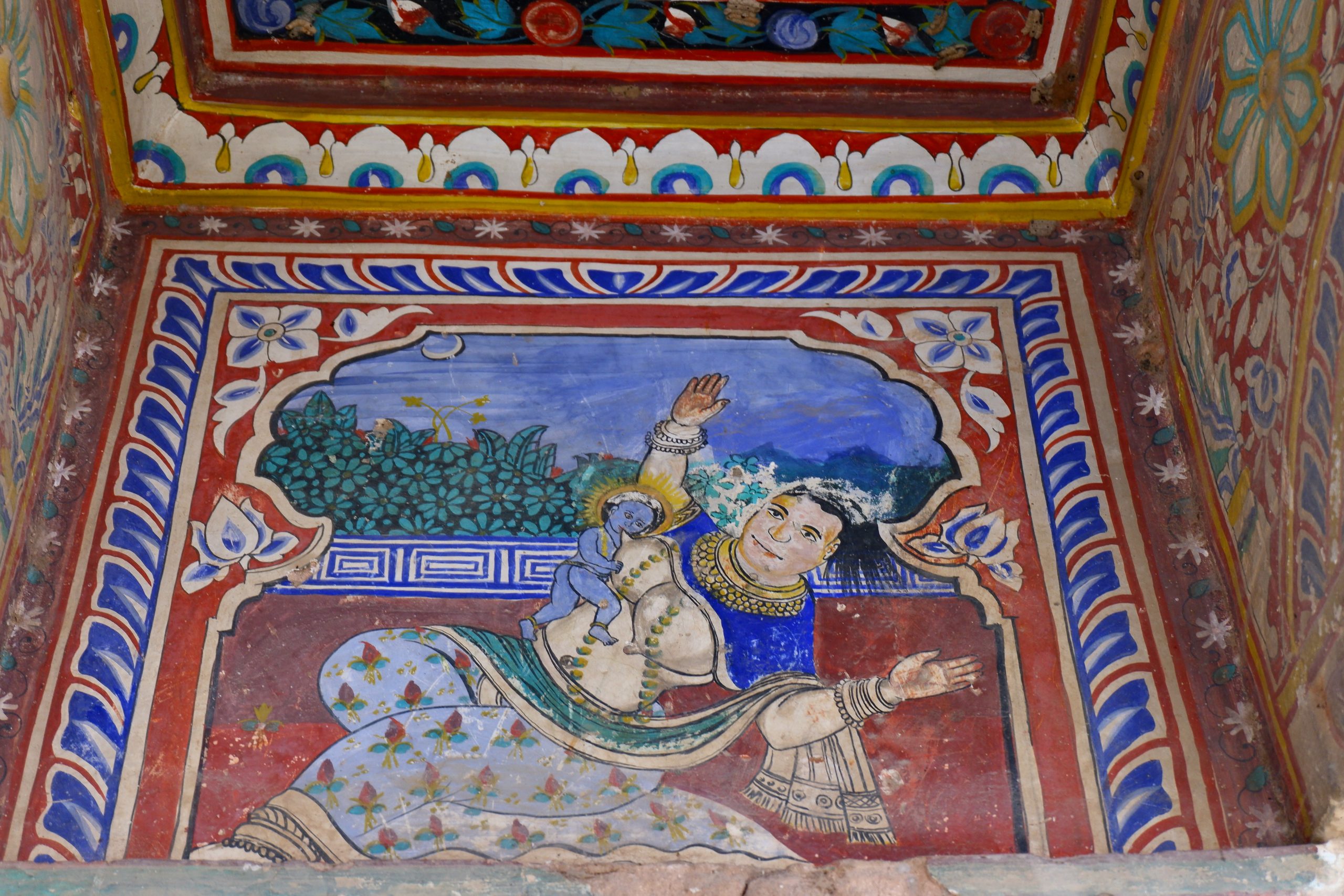 Krishna and Mama
Women were often depicted as not particularly cheerful:
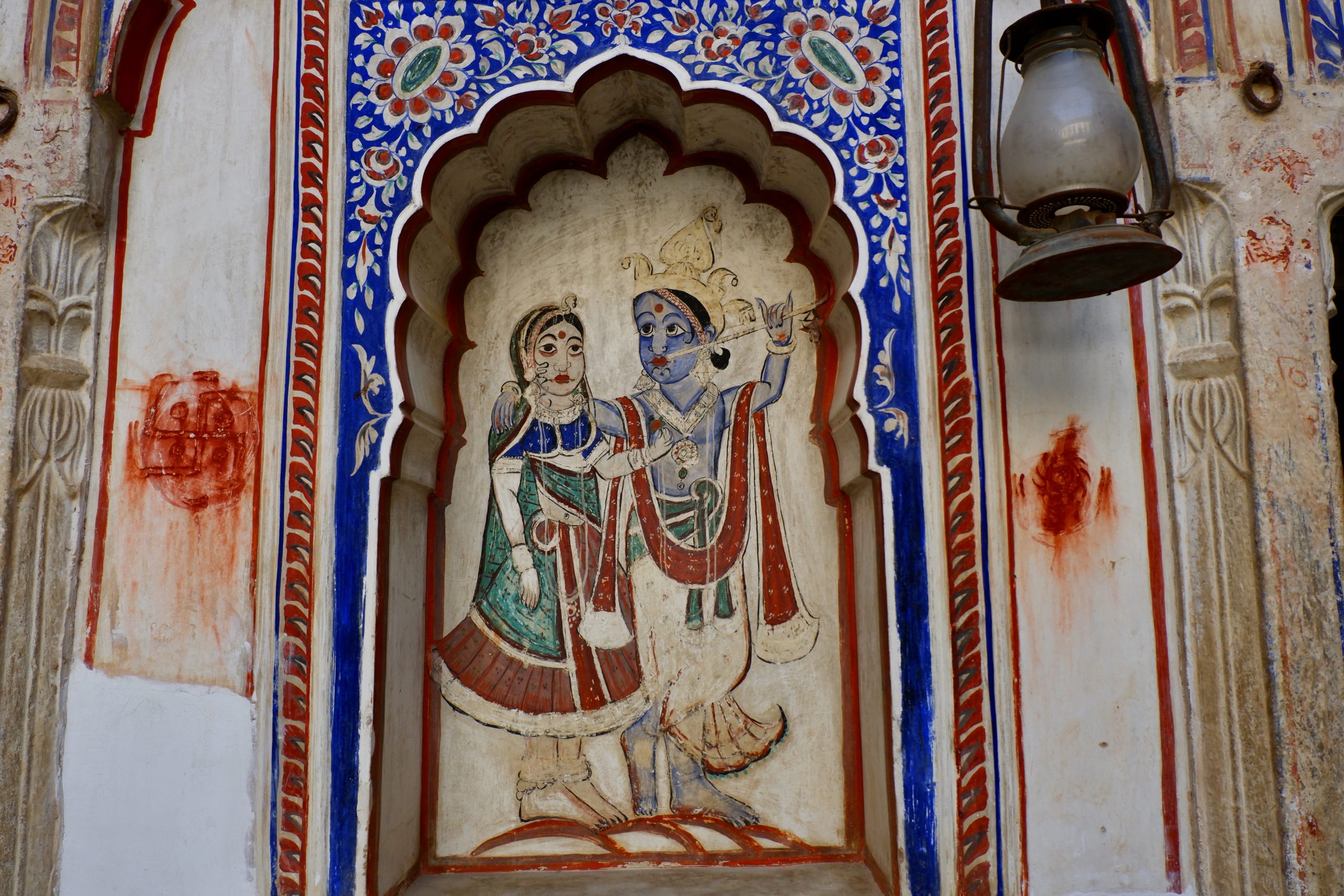 1
1
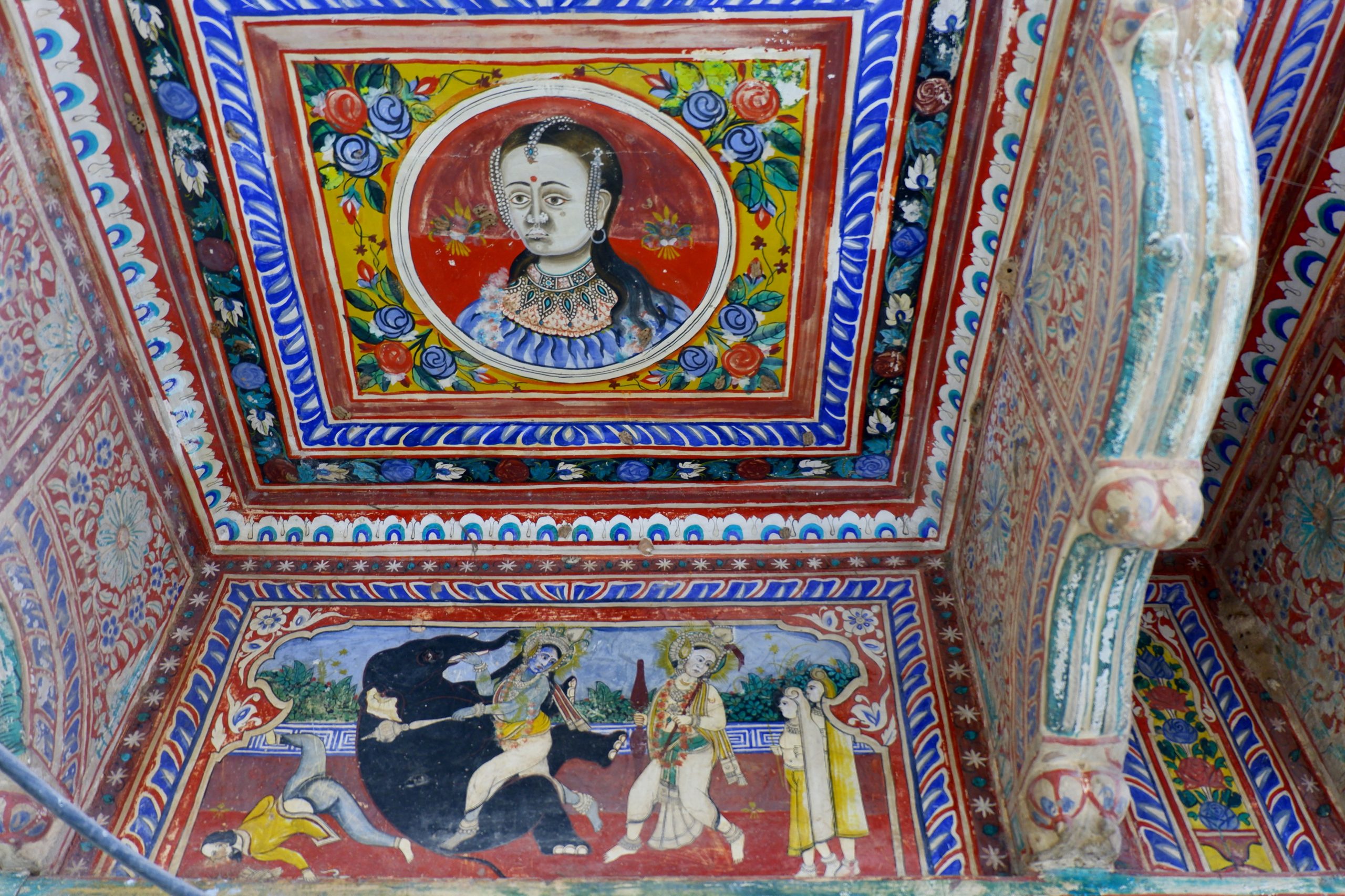 2
2
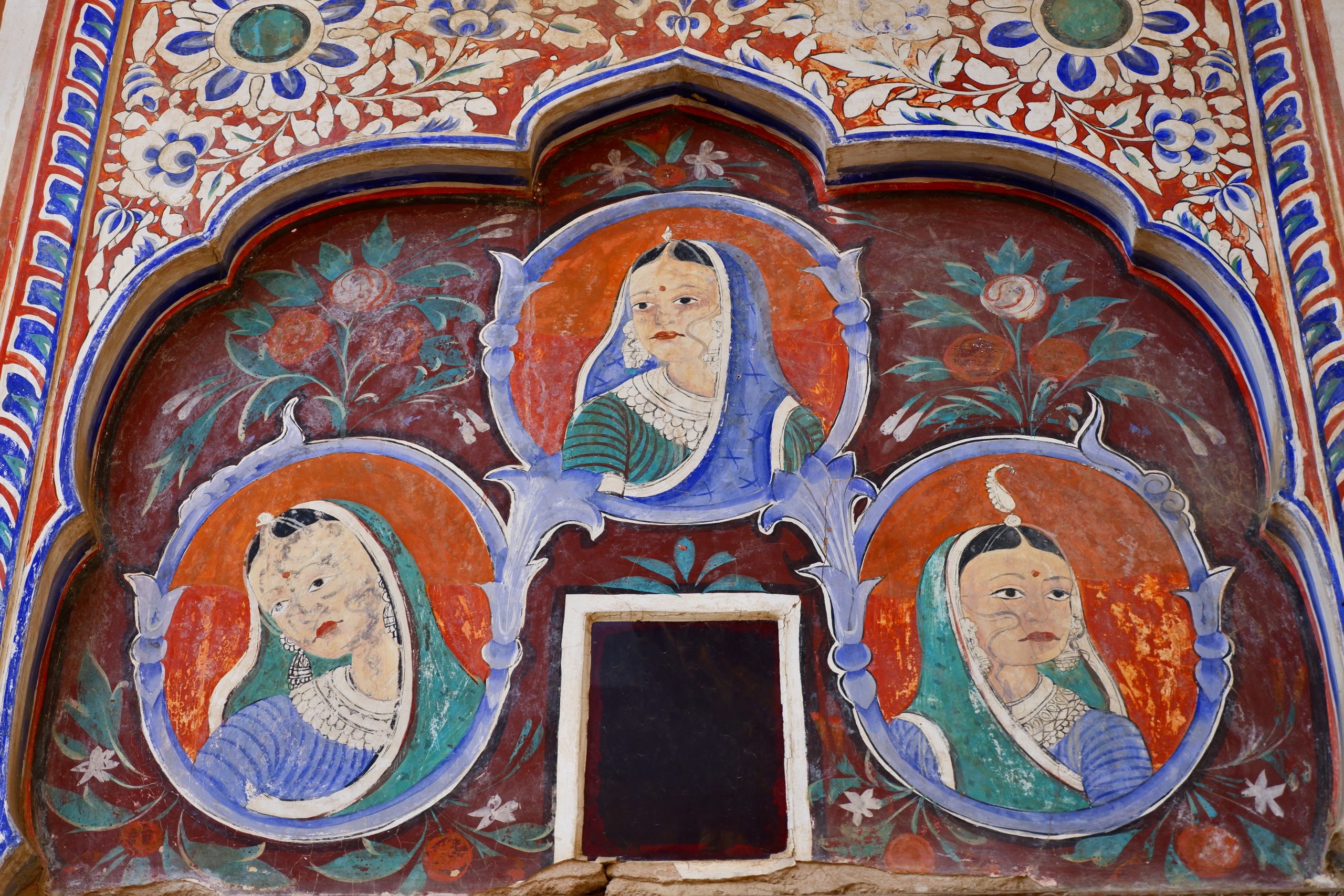 3
3
Alongside all the Indian figures, there were also various depictions of Britishers.
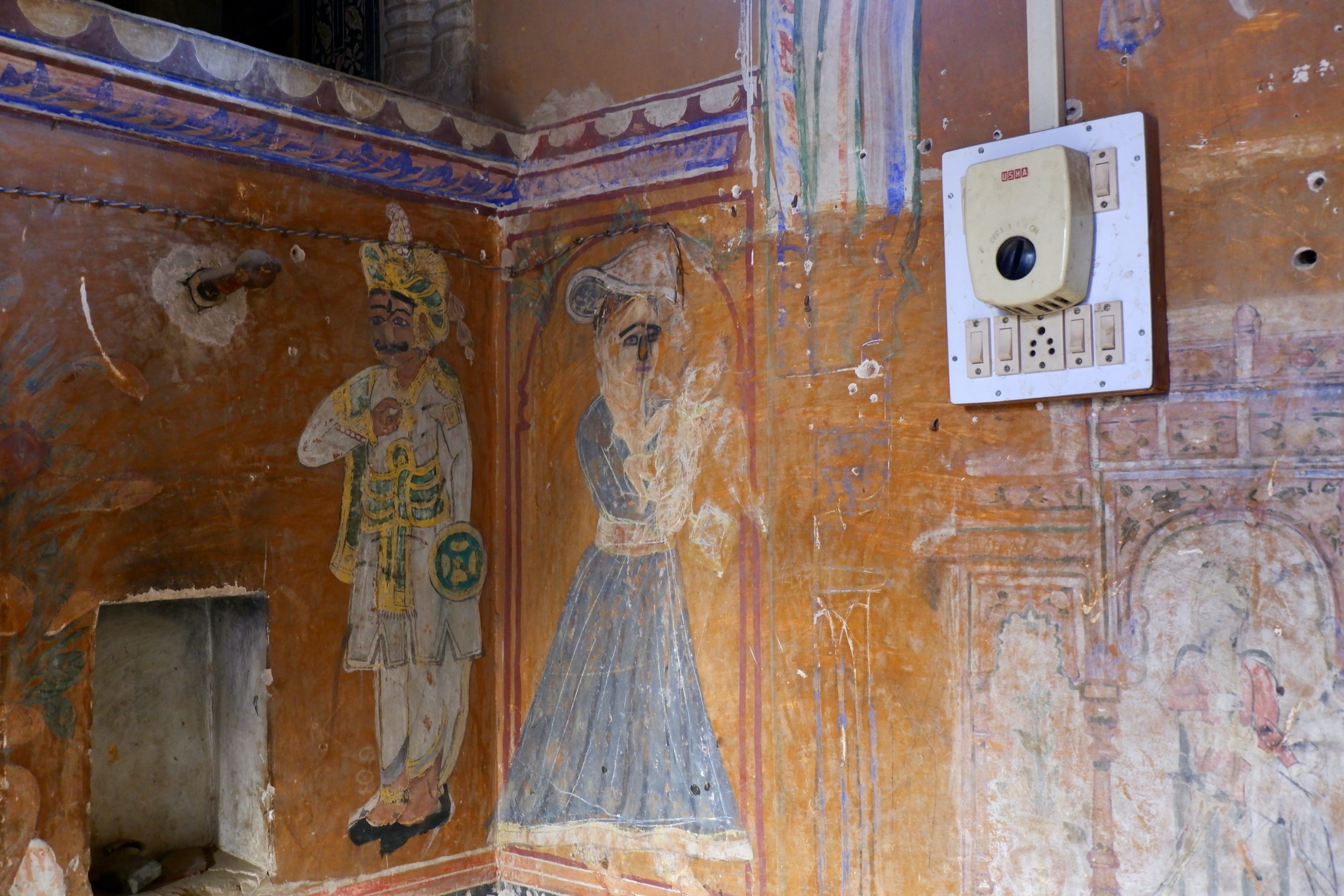 Britisher
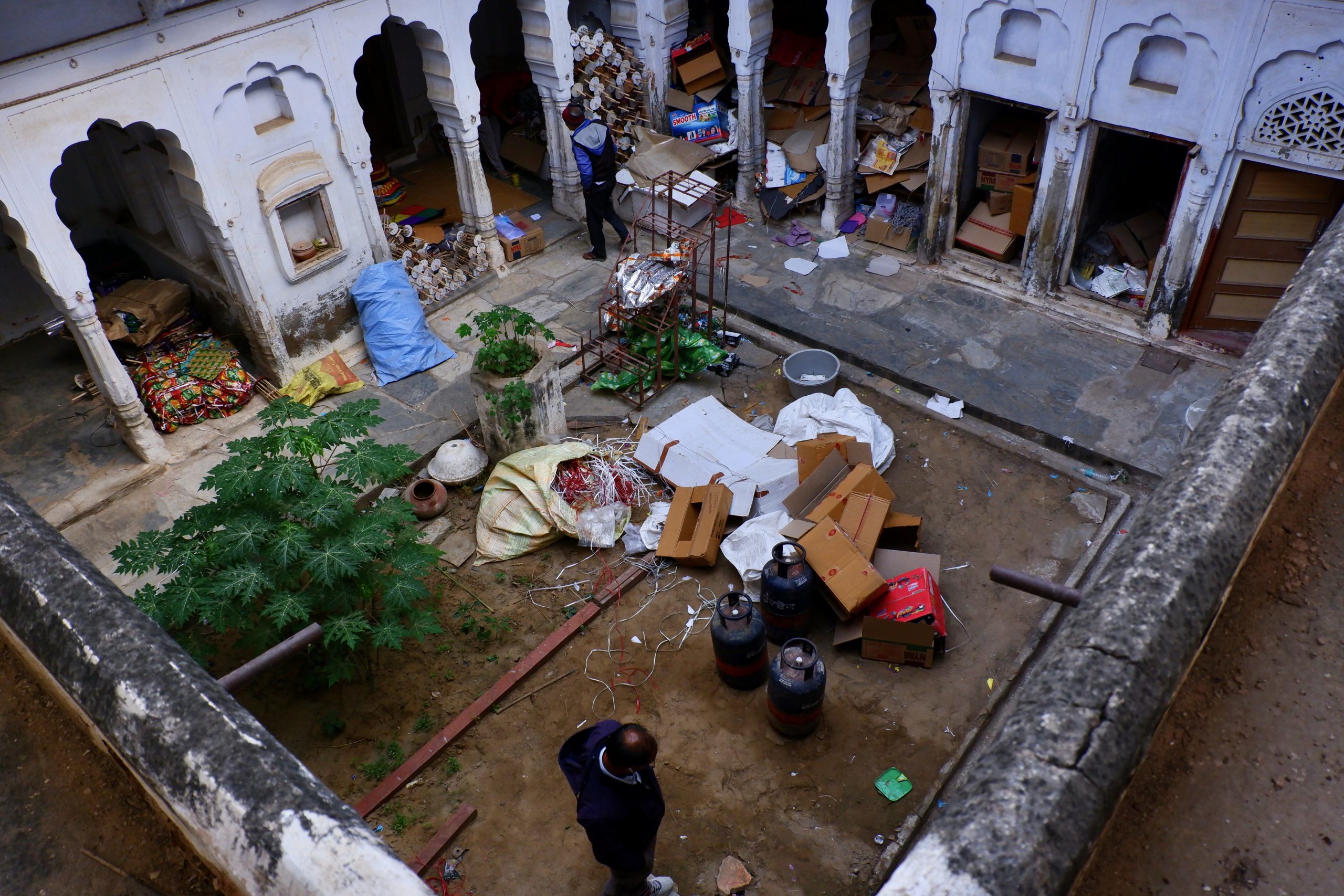
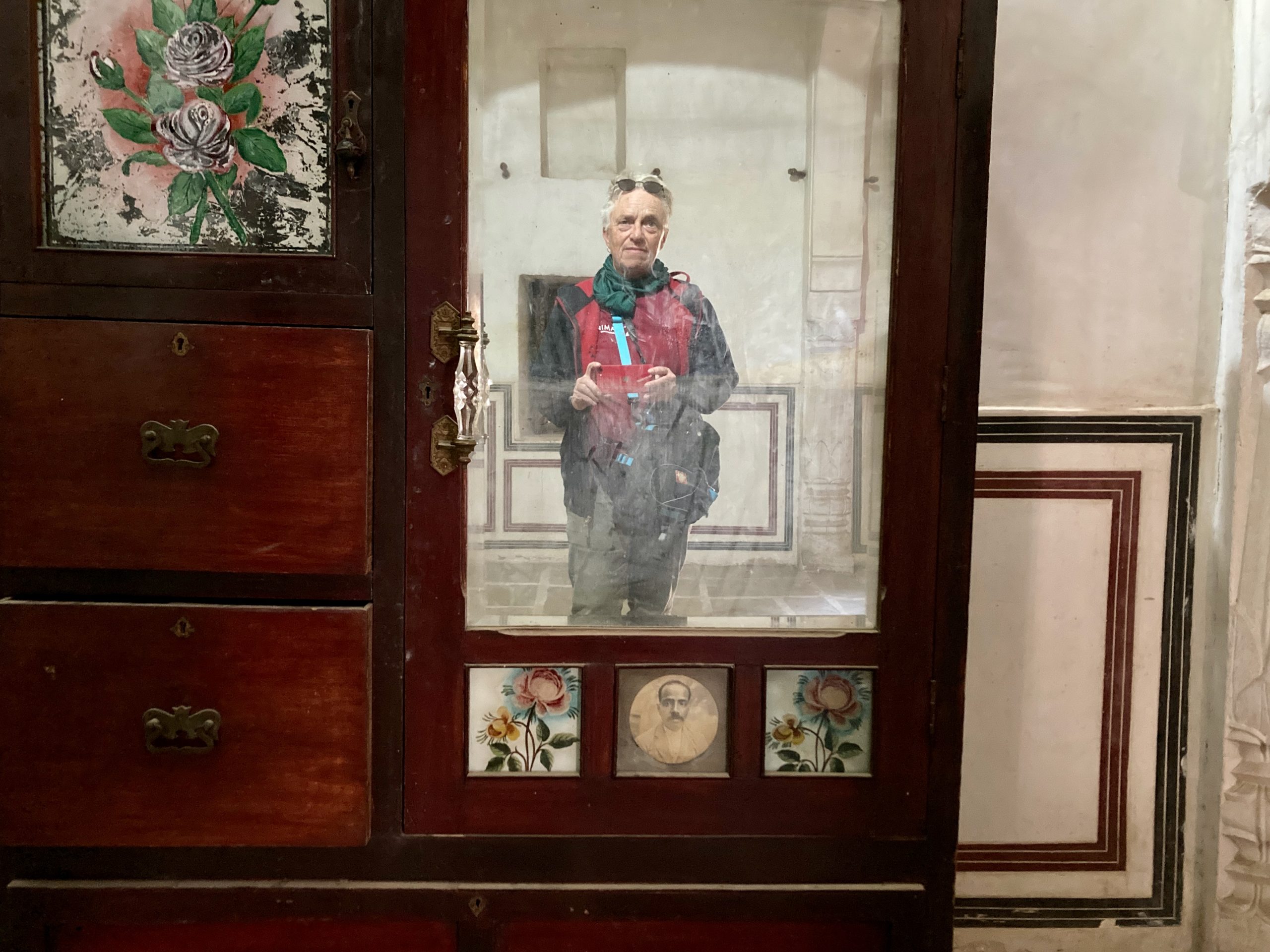
Some havelis had been restored and spruced up, but much of it was simply part of the public space. Some of the havelis stood empty, while others were inhabited by poorer families.
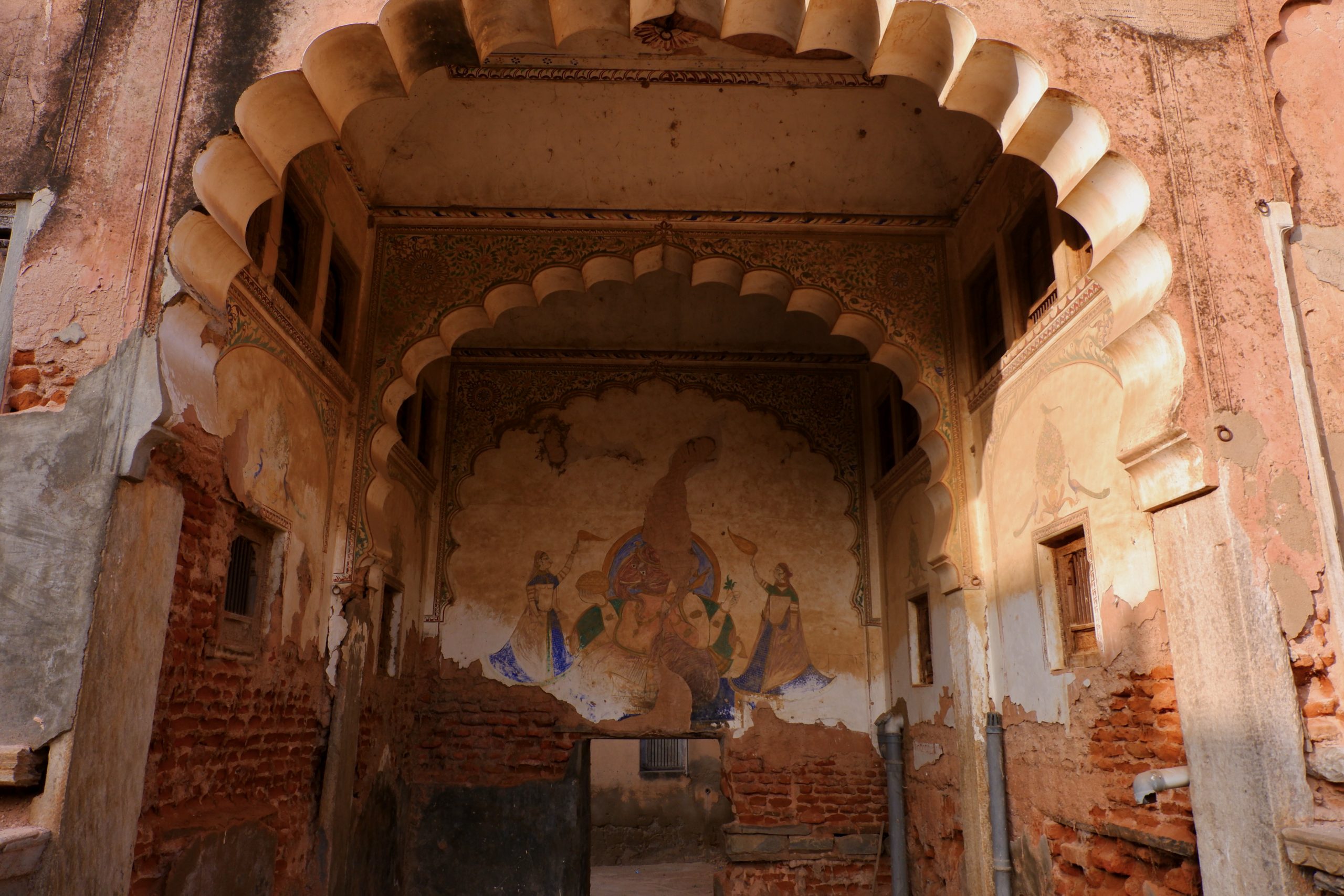 11
11
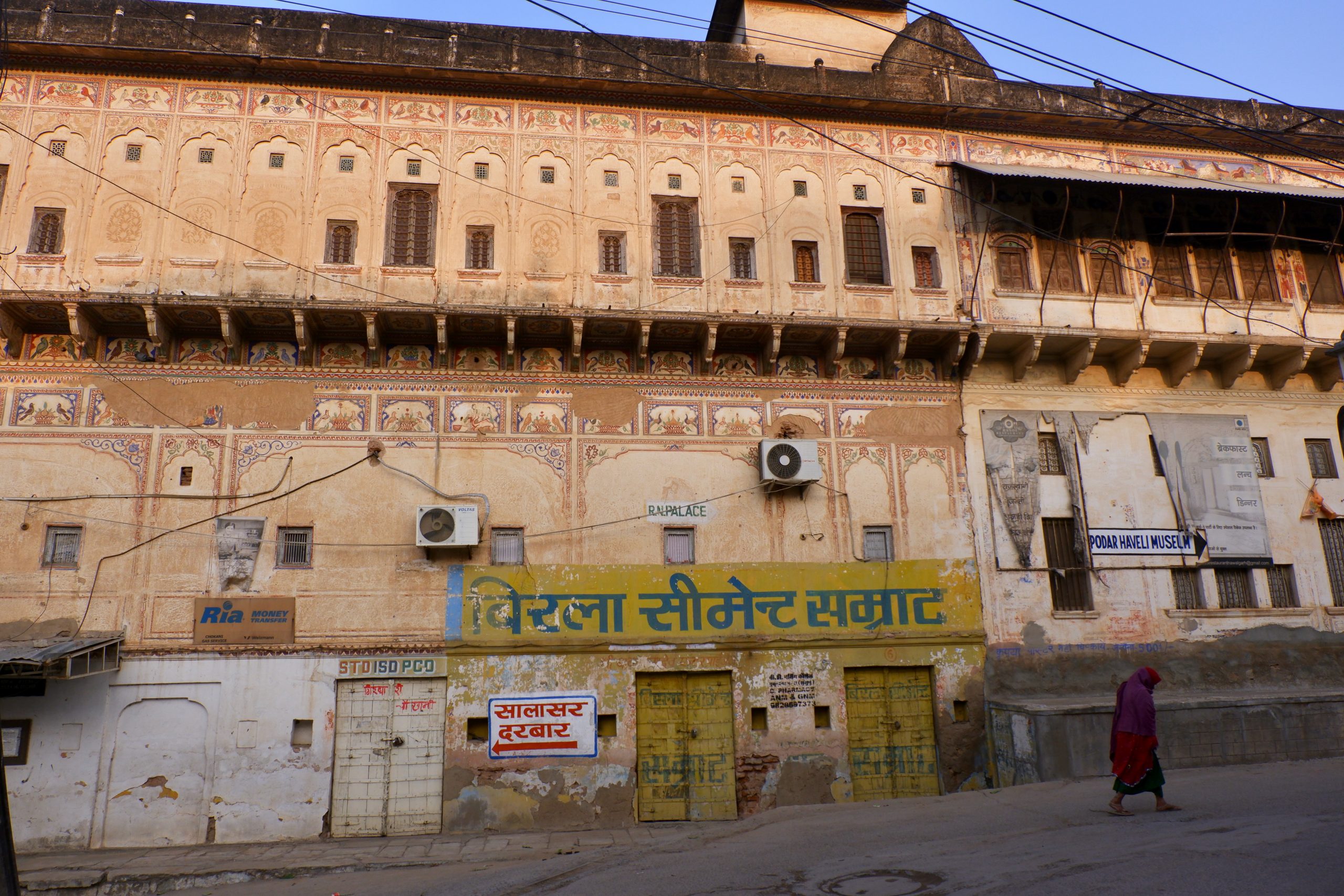 12
12
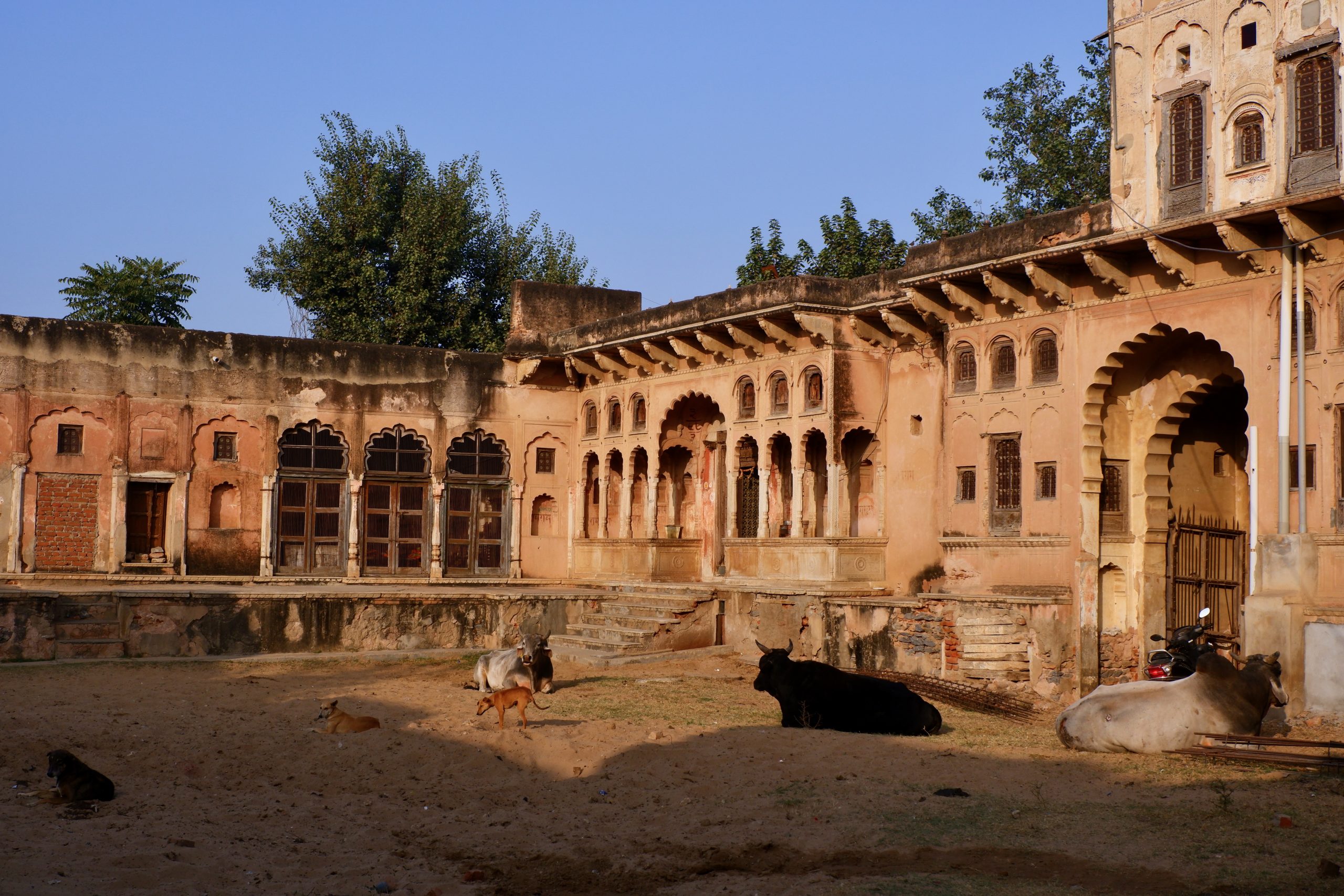 13
13
 14
14
 15
15
 16
16
 17
17
 18
18
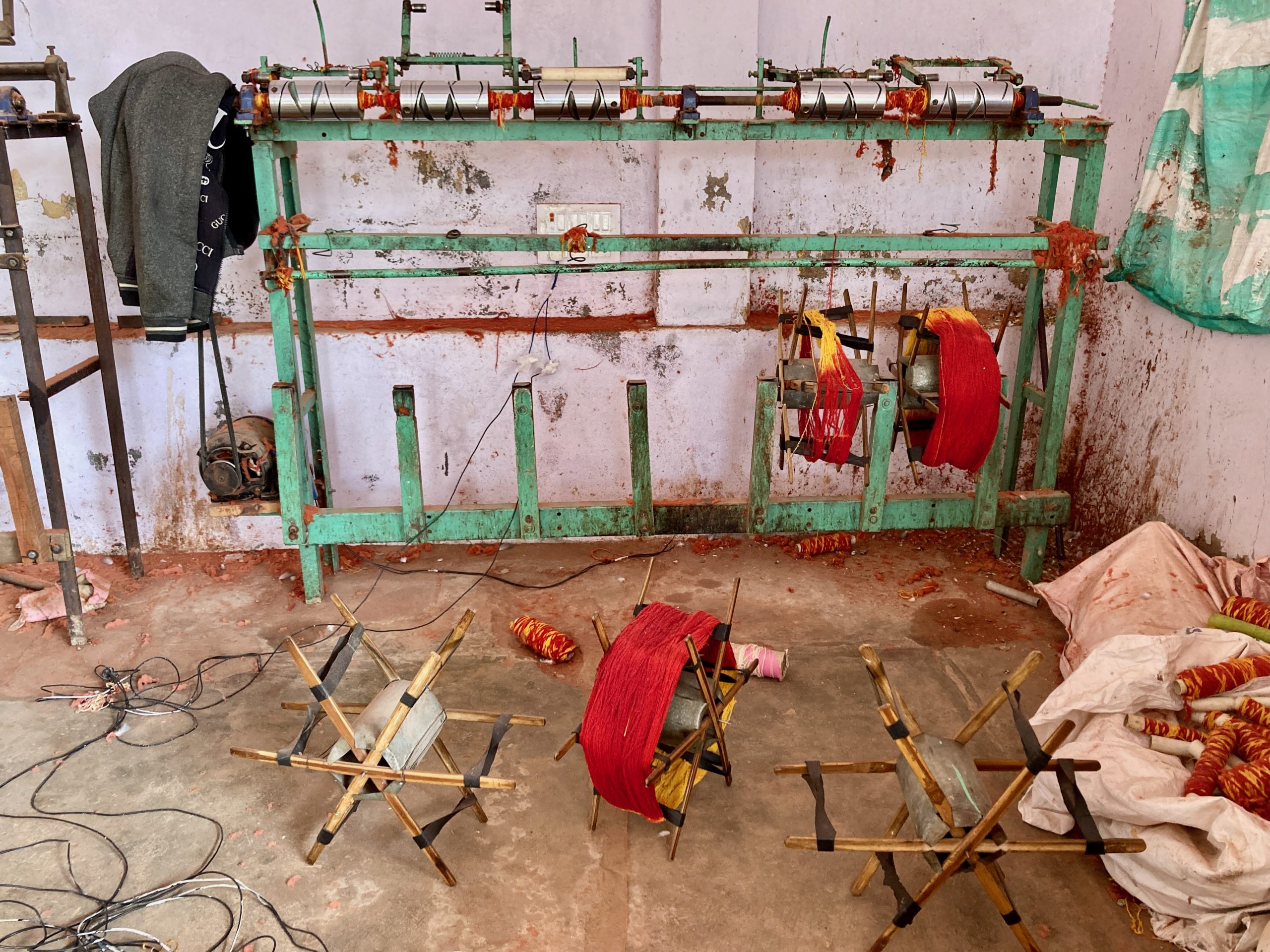
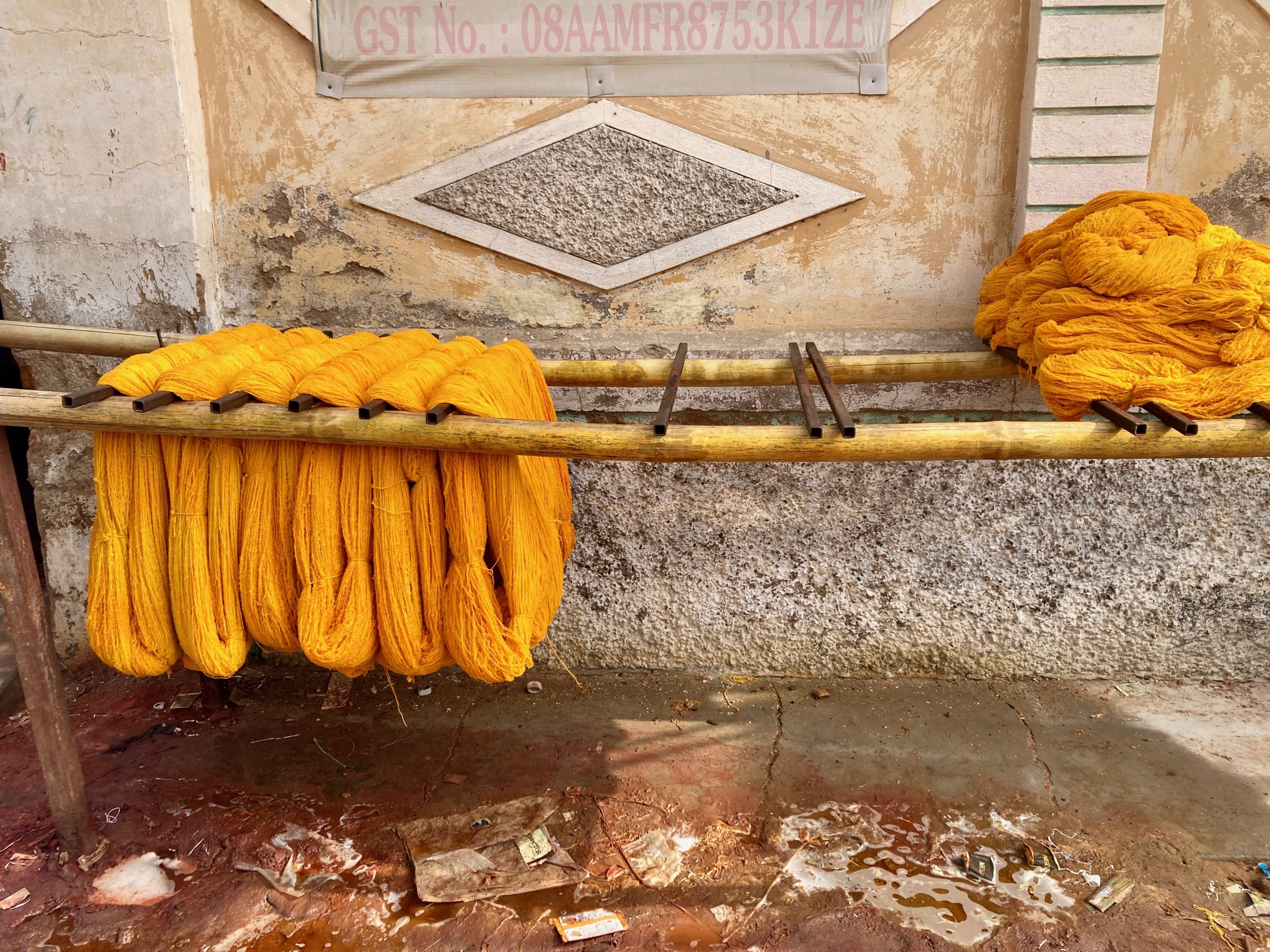
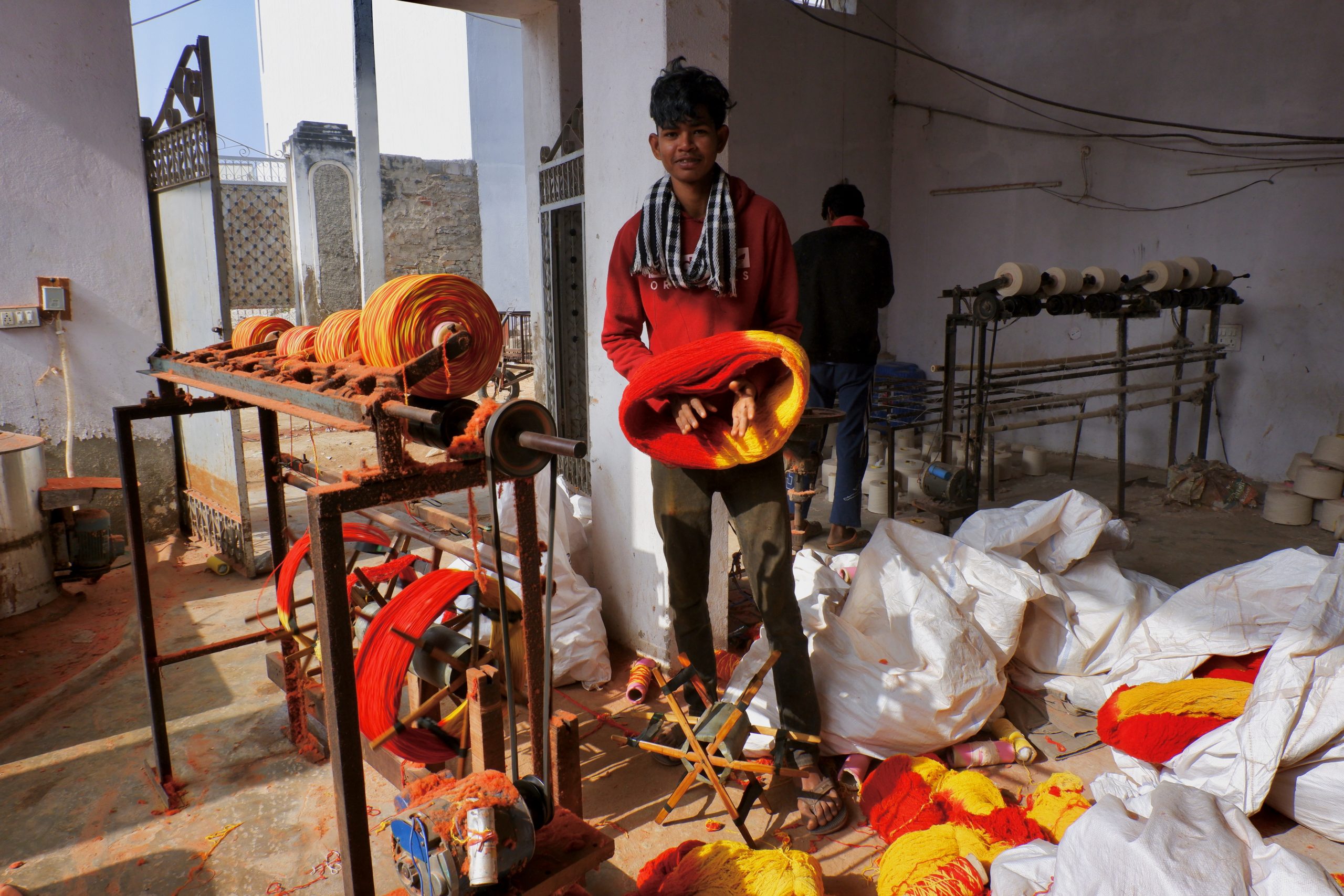
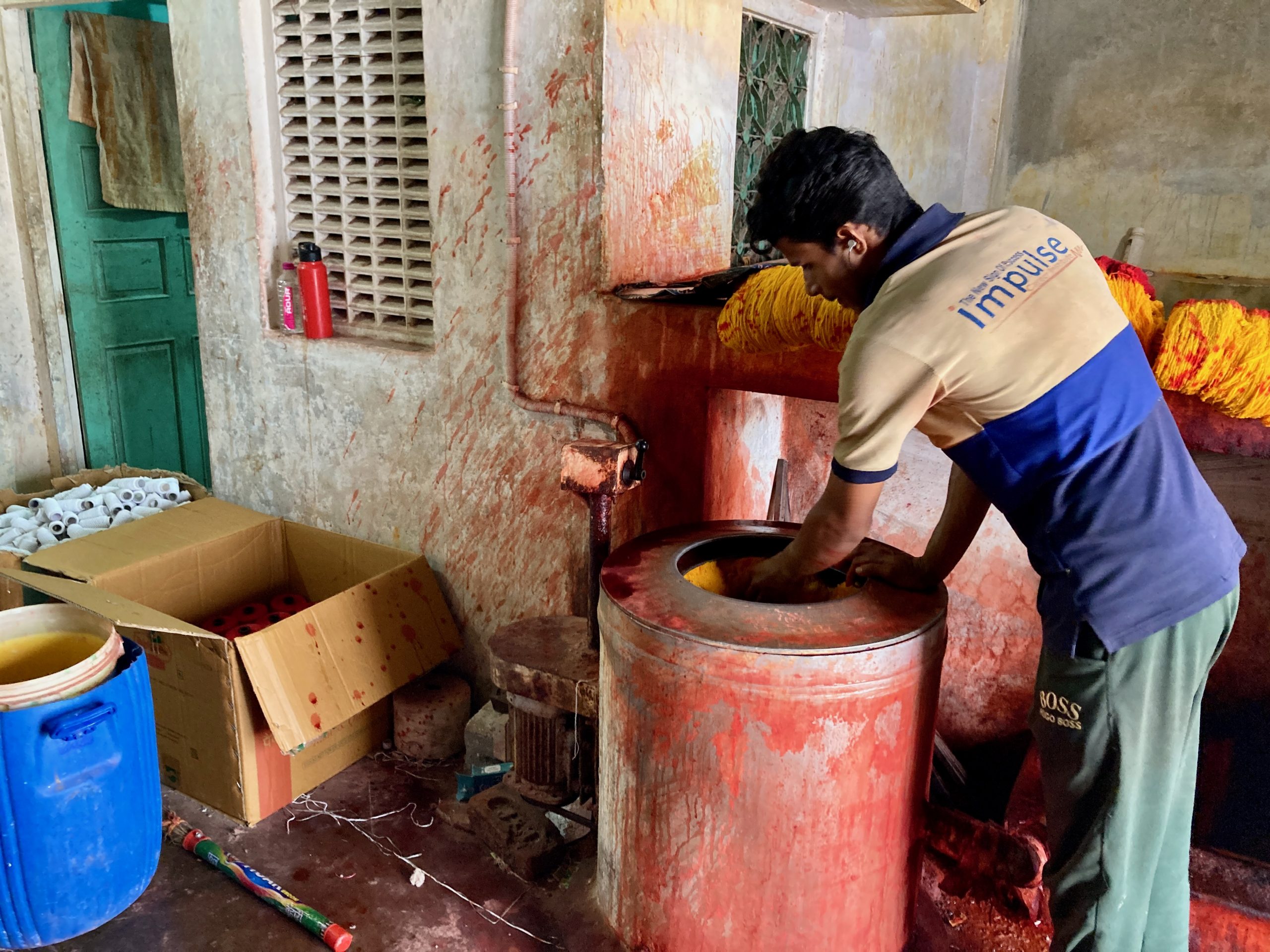
Of course, Nawalgarh isn’t only about havelis but also about everyday life, so I took quite a few other photos as well. For example, I visited a workshop where the blessing threads you get at temple rituals and similar occasions are dyed.
 1
1
 2
2
 3
3
 4
4
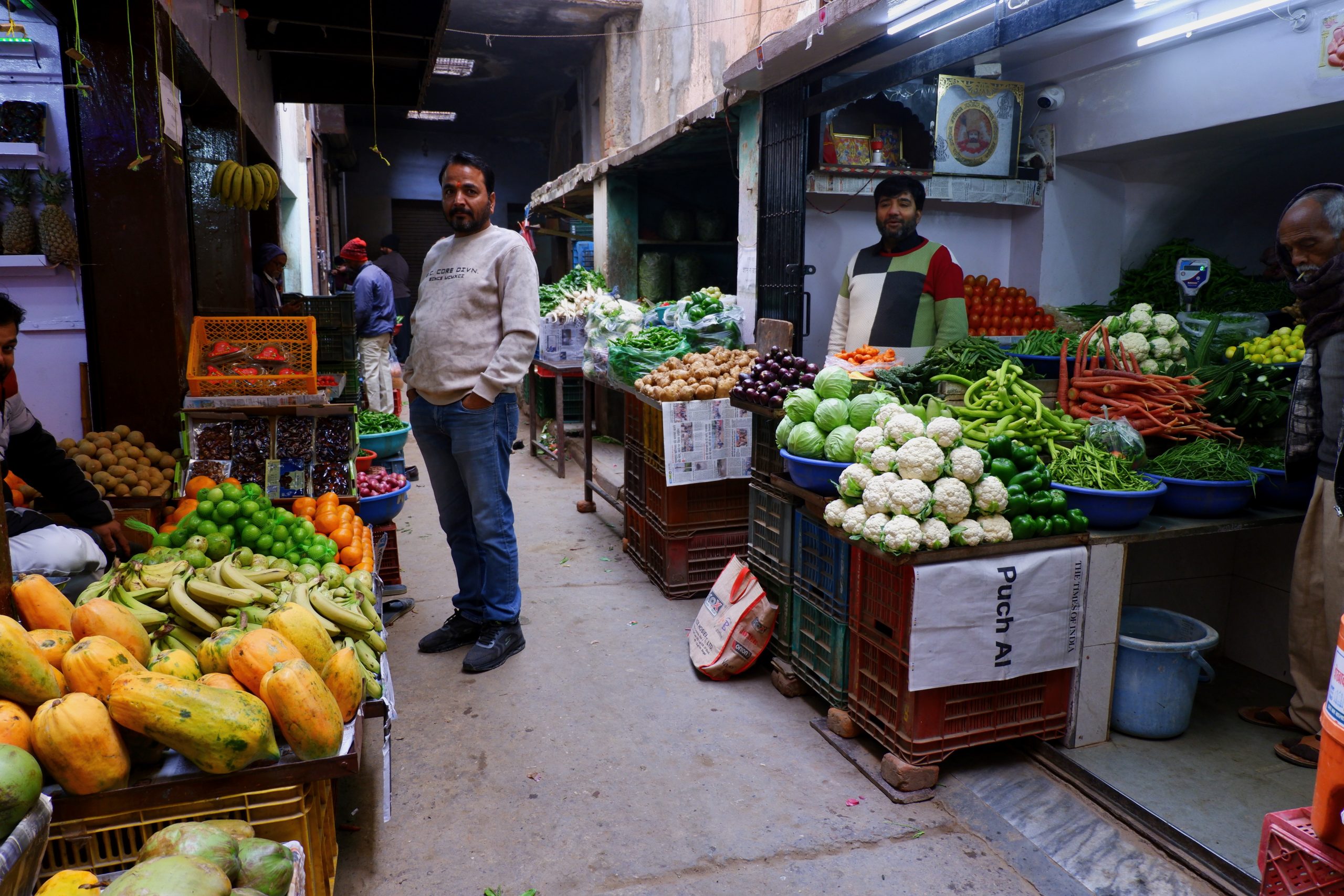
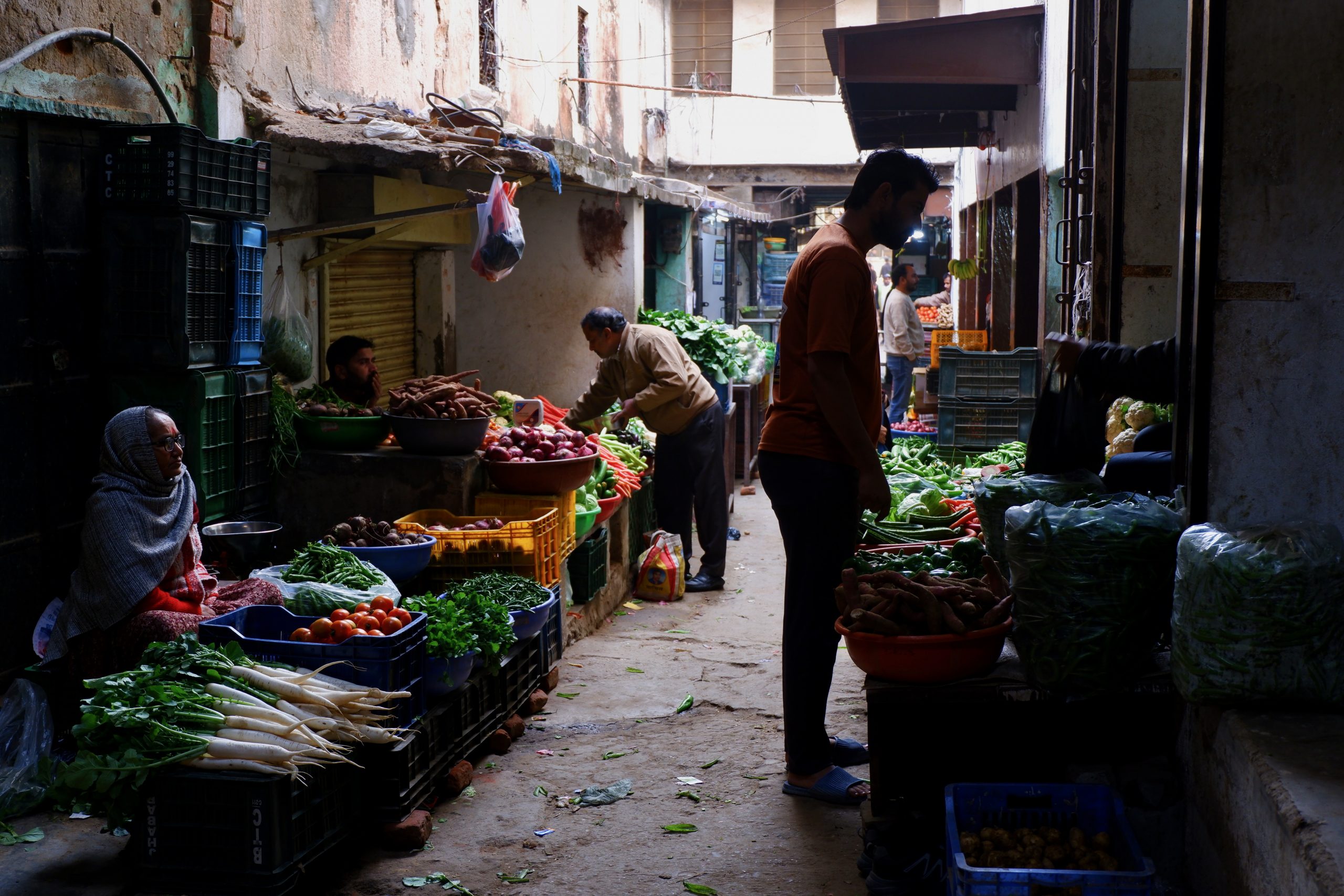
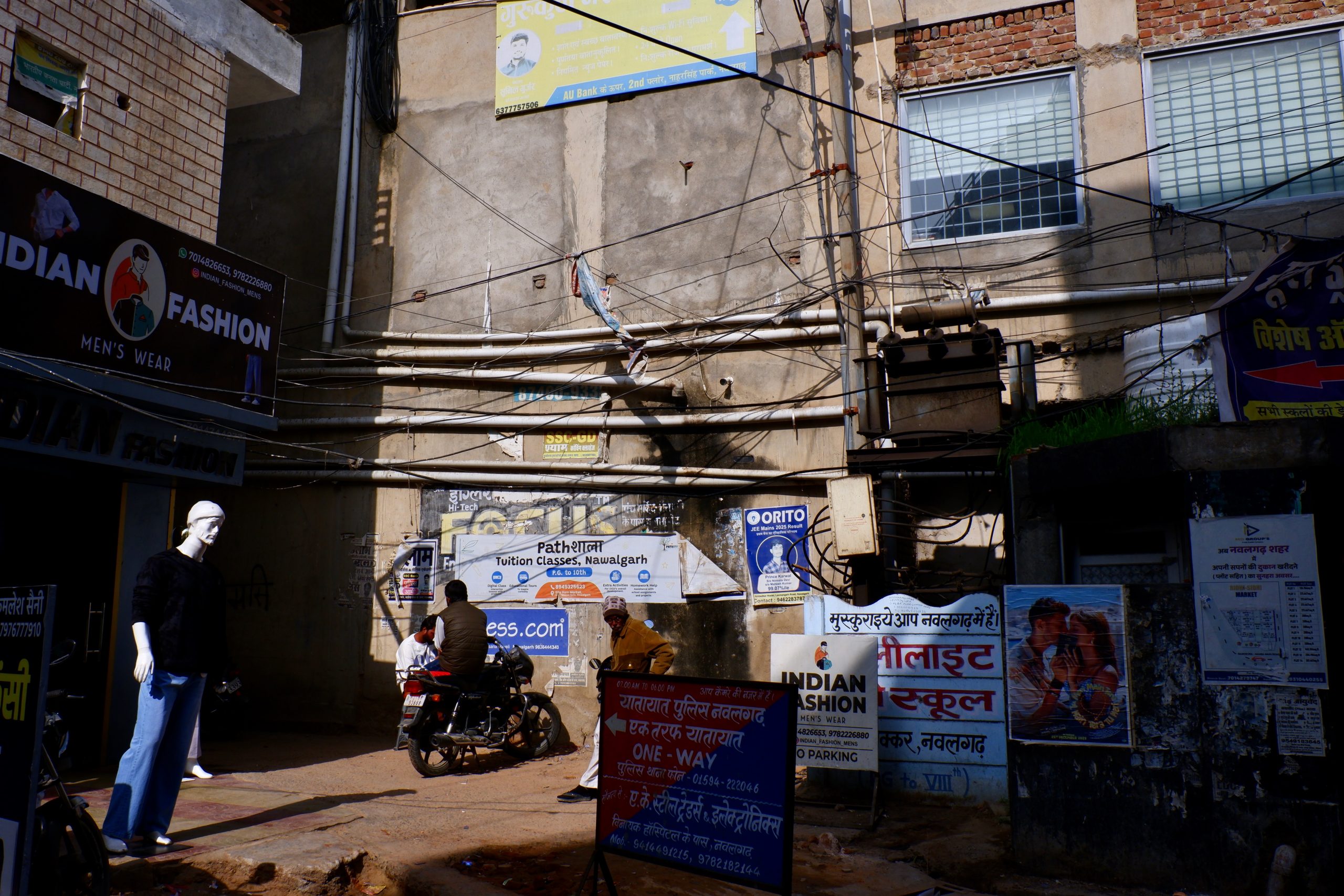
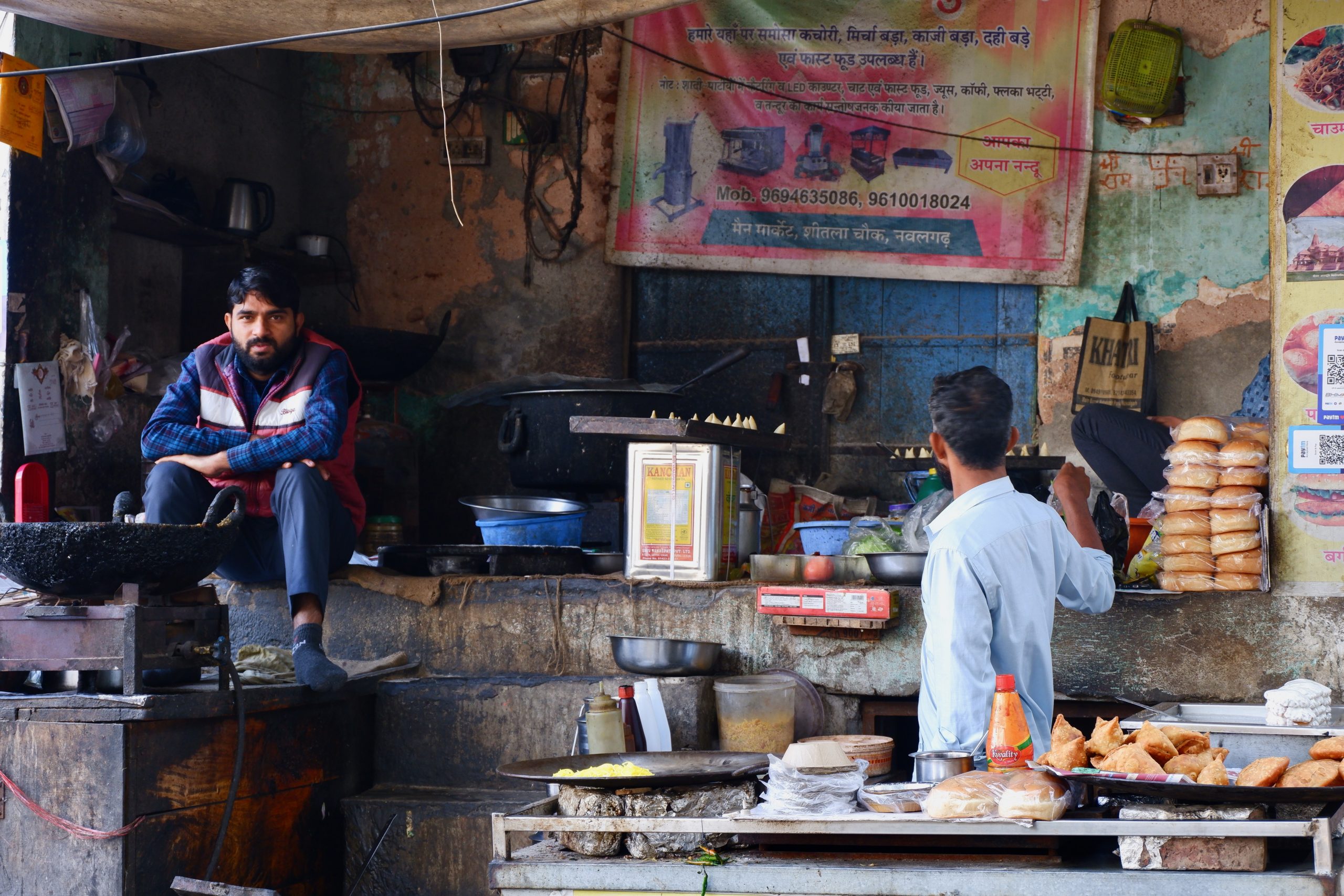
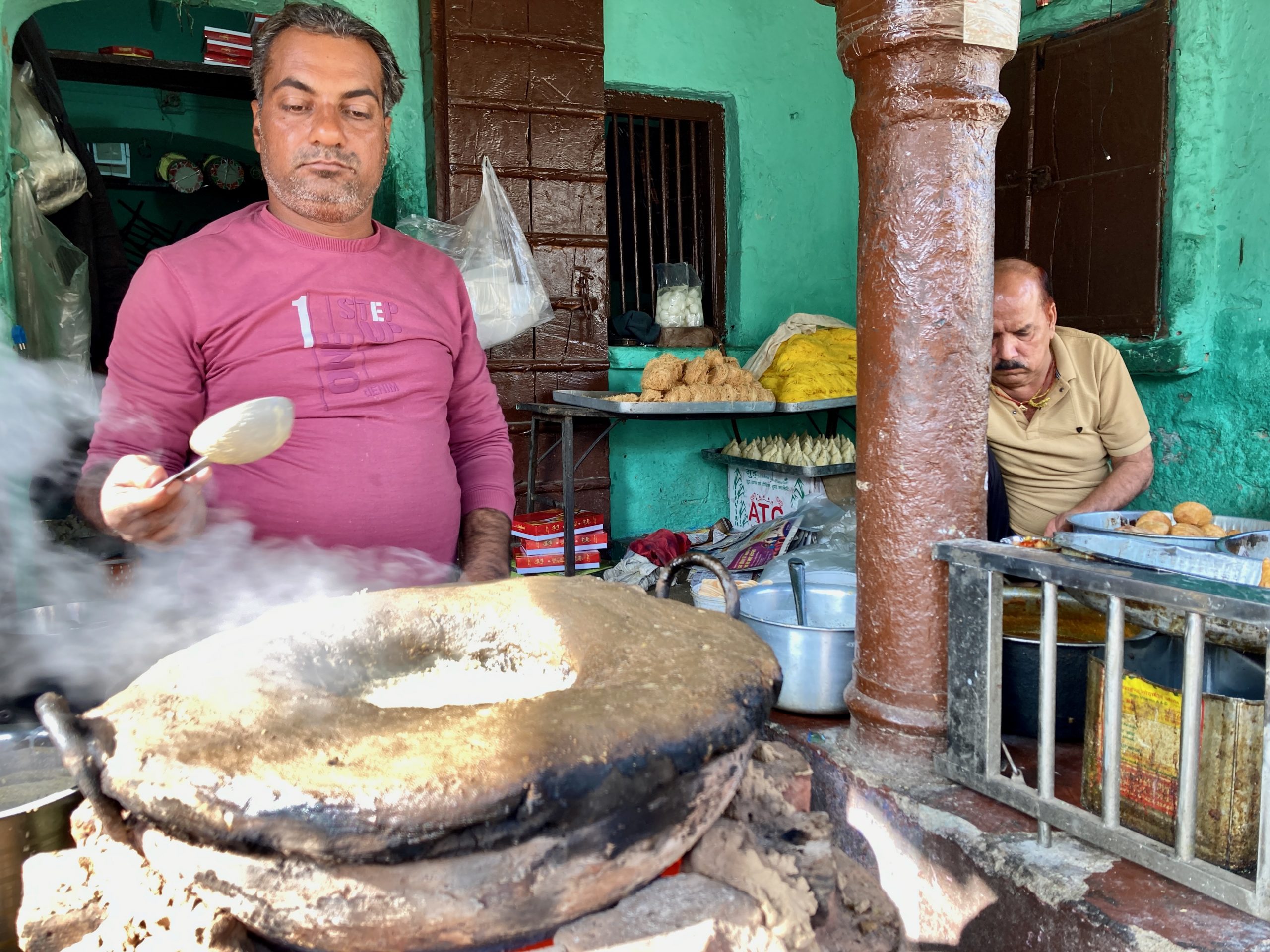
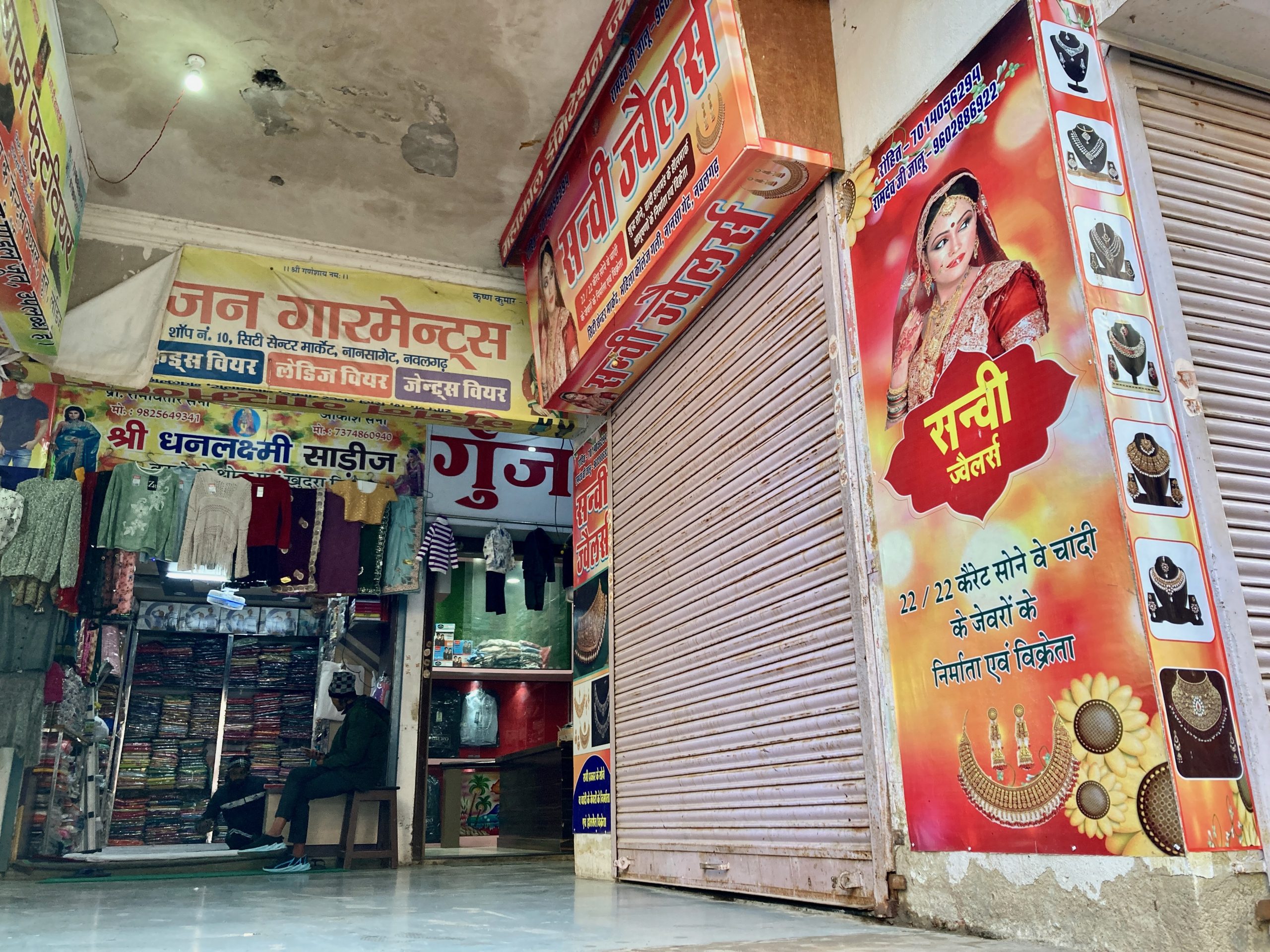
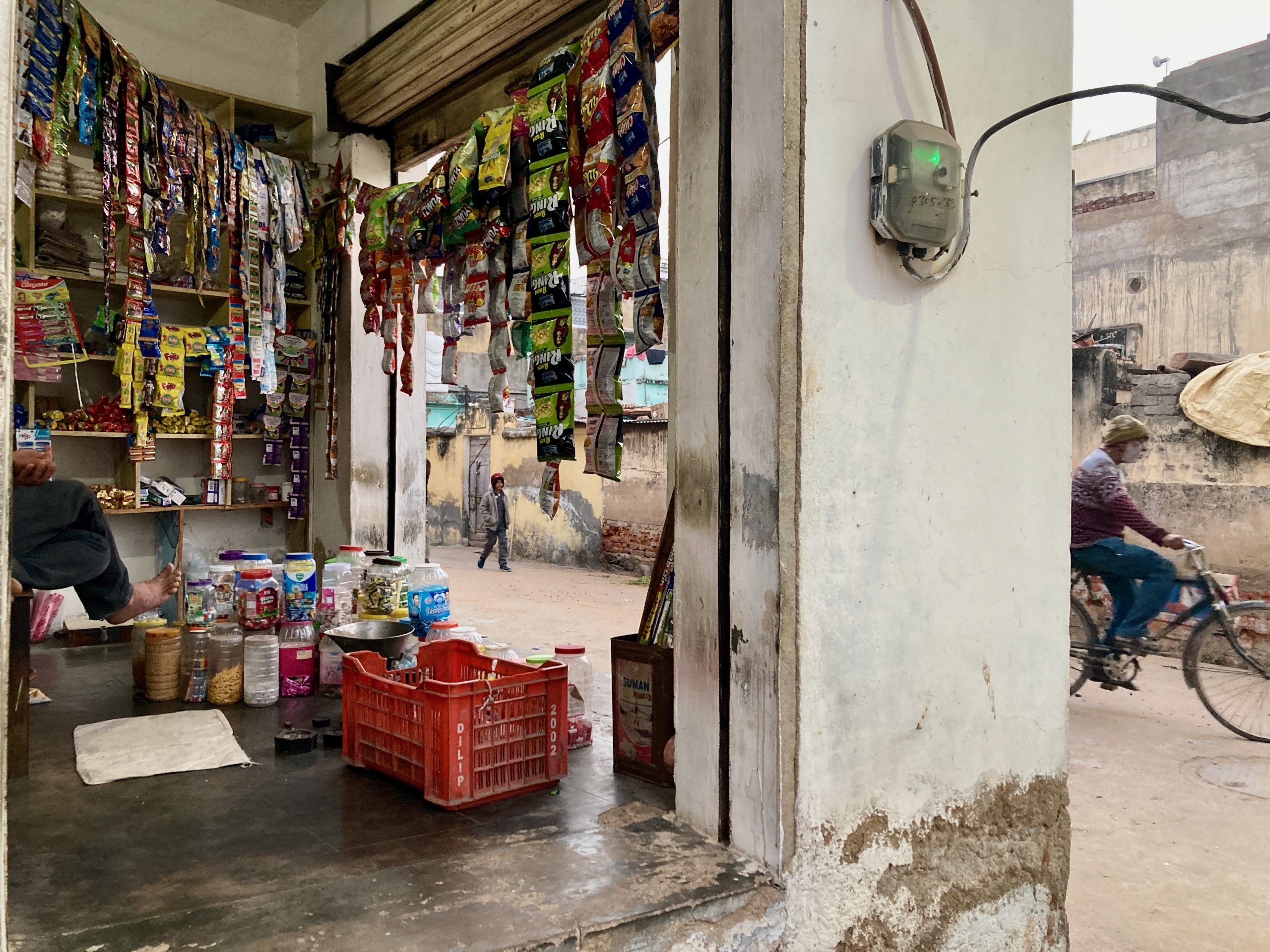
And there was a vegetable market and many small shops.
 1
1
 2
2
 3
3
 4
4
 5
5
 6
6
 7
7
What there were very few of, however, were restaurants. There were plenty of street stalls selling small snacks, but I also like to sit indoors at lunchtime and take a short break. I eventually found a place in a hotel with a newly opened museum, which was quite special. Someone from Delhi, together with his wife, is building a new kind of heritage boutique hotel chain called Viviaana by buying old havelis, restoring them, and converting them into hotels. There aren’t very many of them yet; this one is apparently the second. But I’ve seen at least one more property they’ve acquired in Ramgarh.
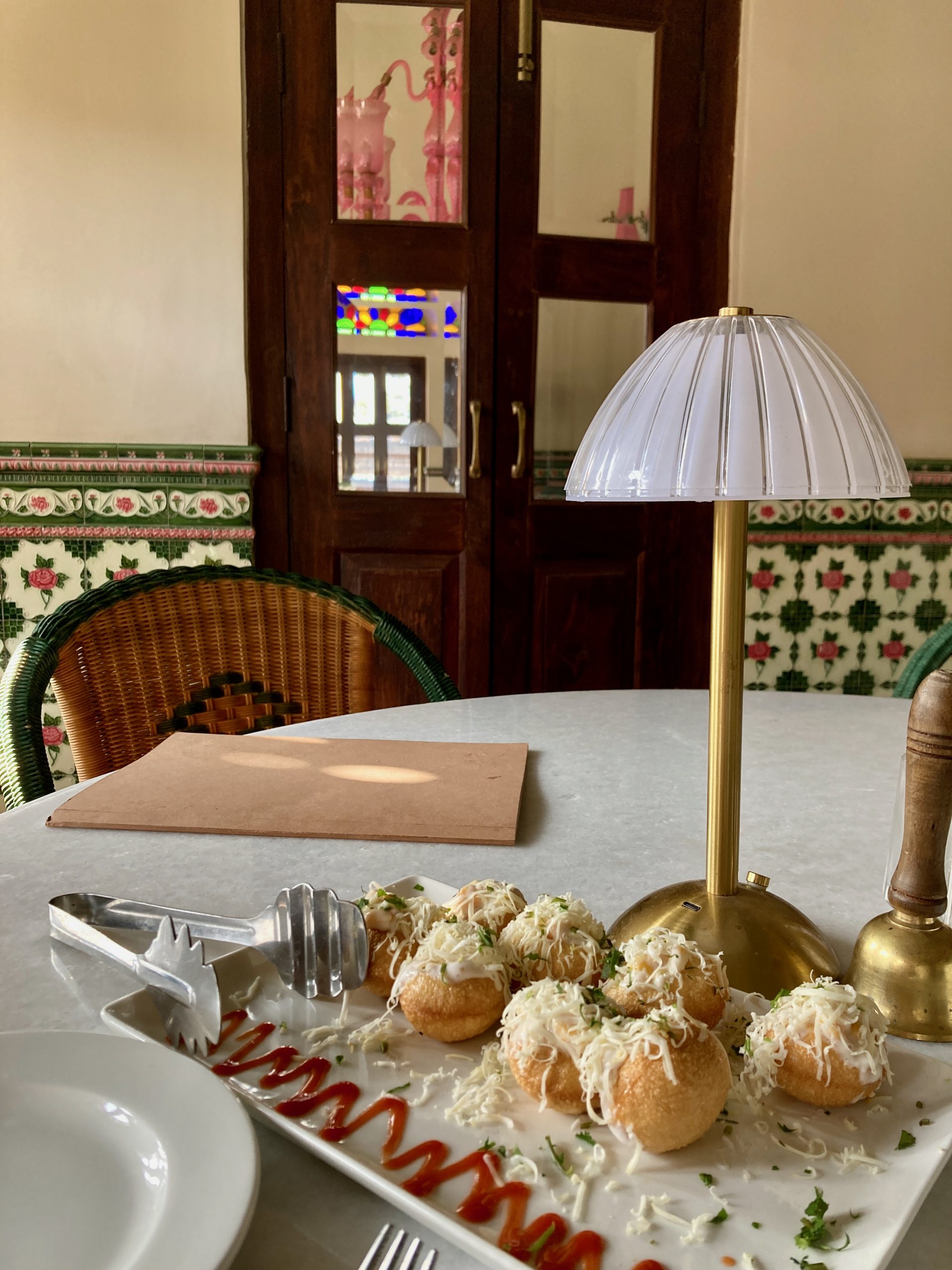 lunch
lunch
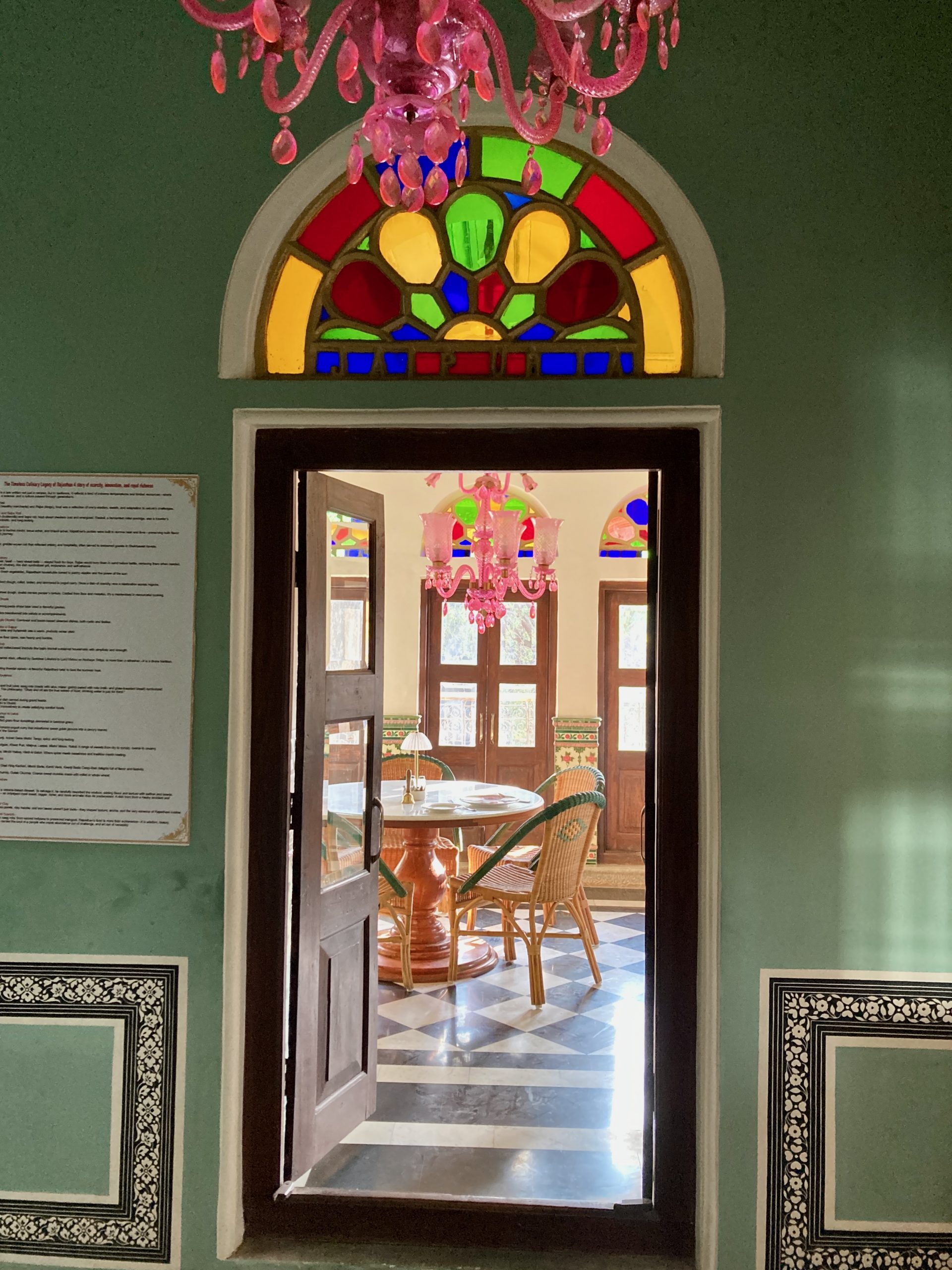 Restaurant
The museum in the basement had some special pieces:
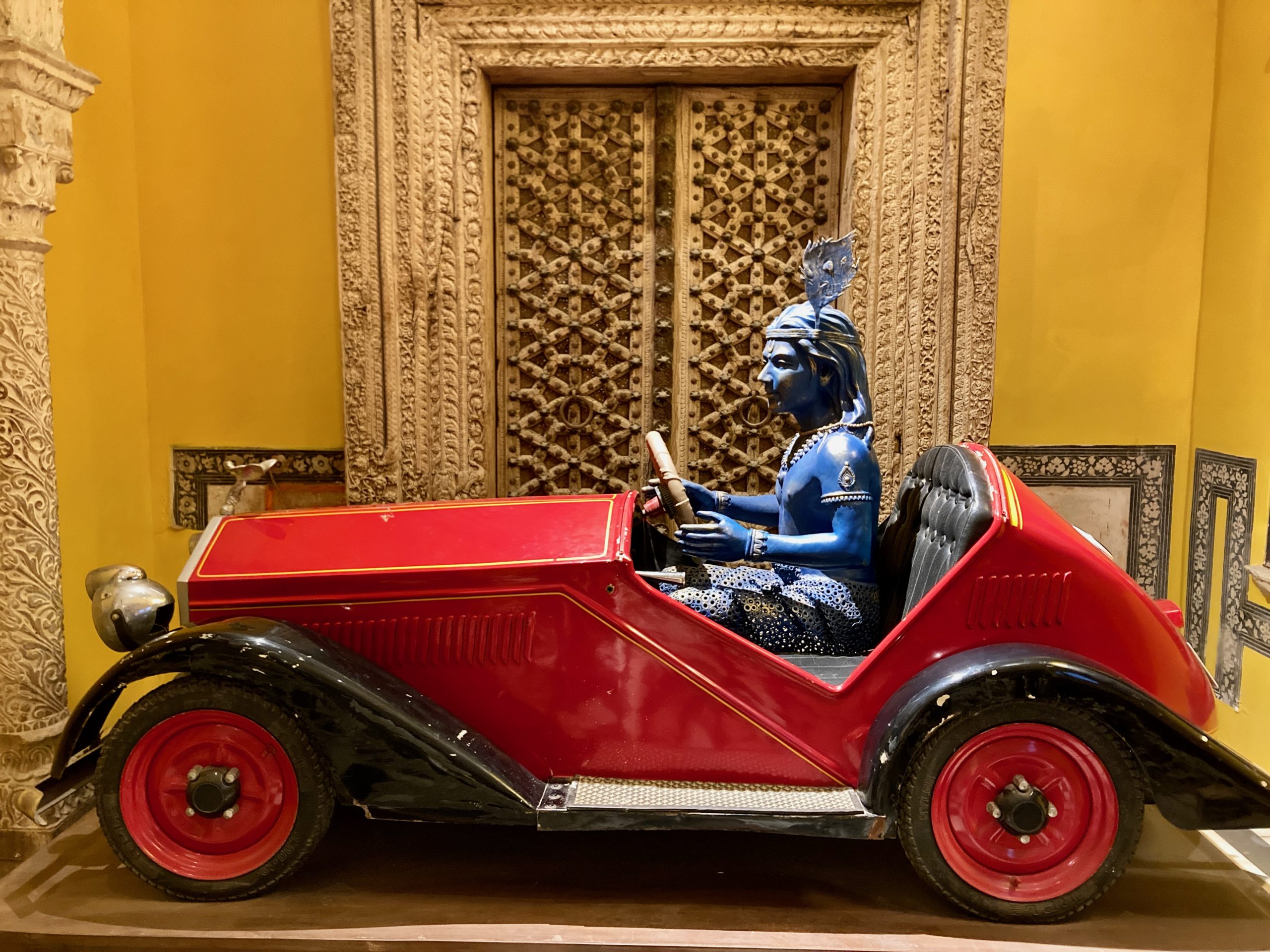 Shiva in car
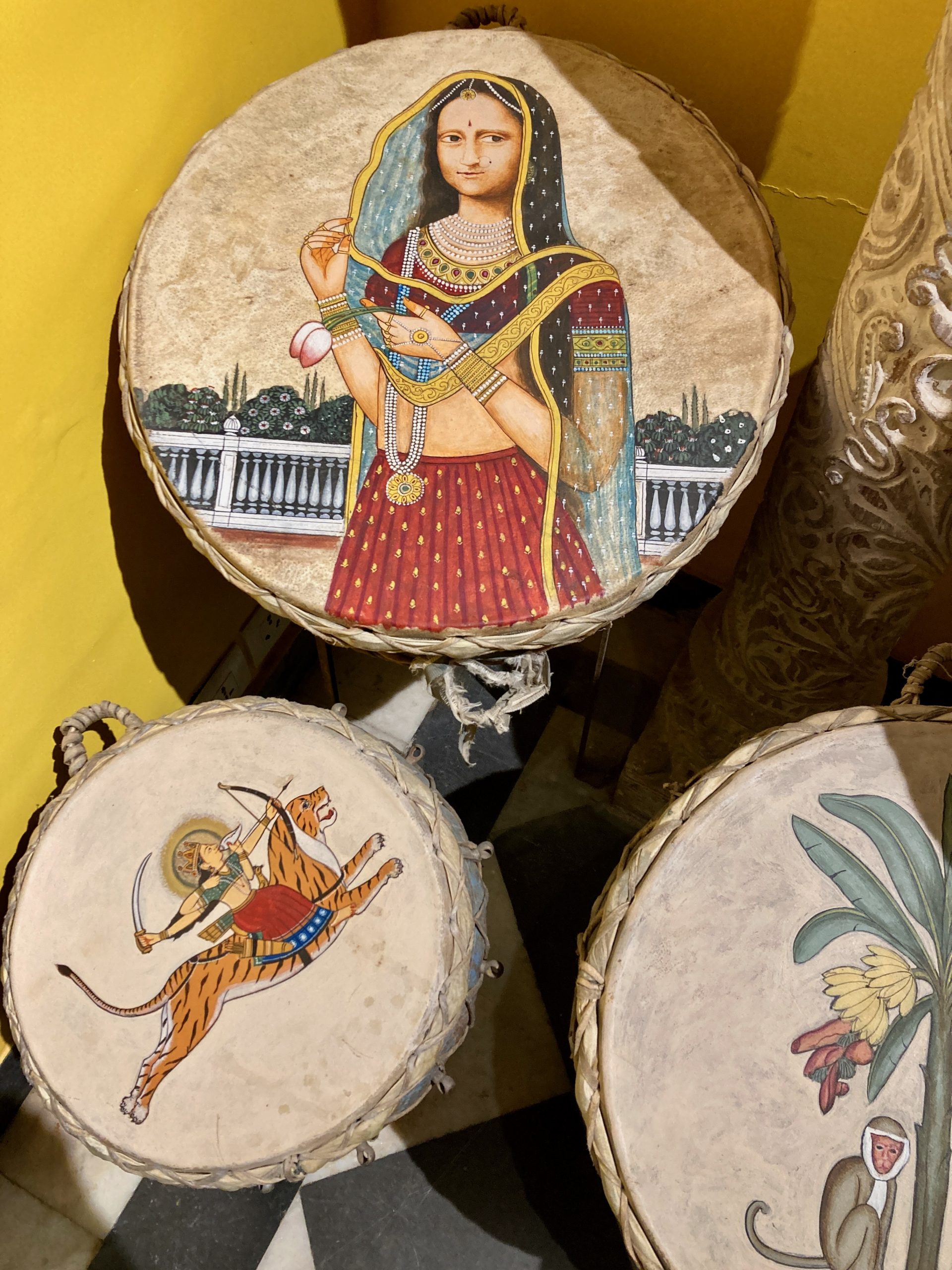 Mona Lisa of Shekawati
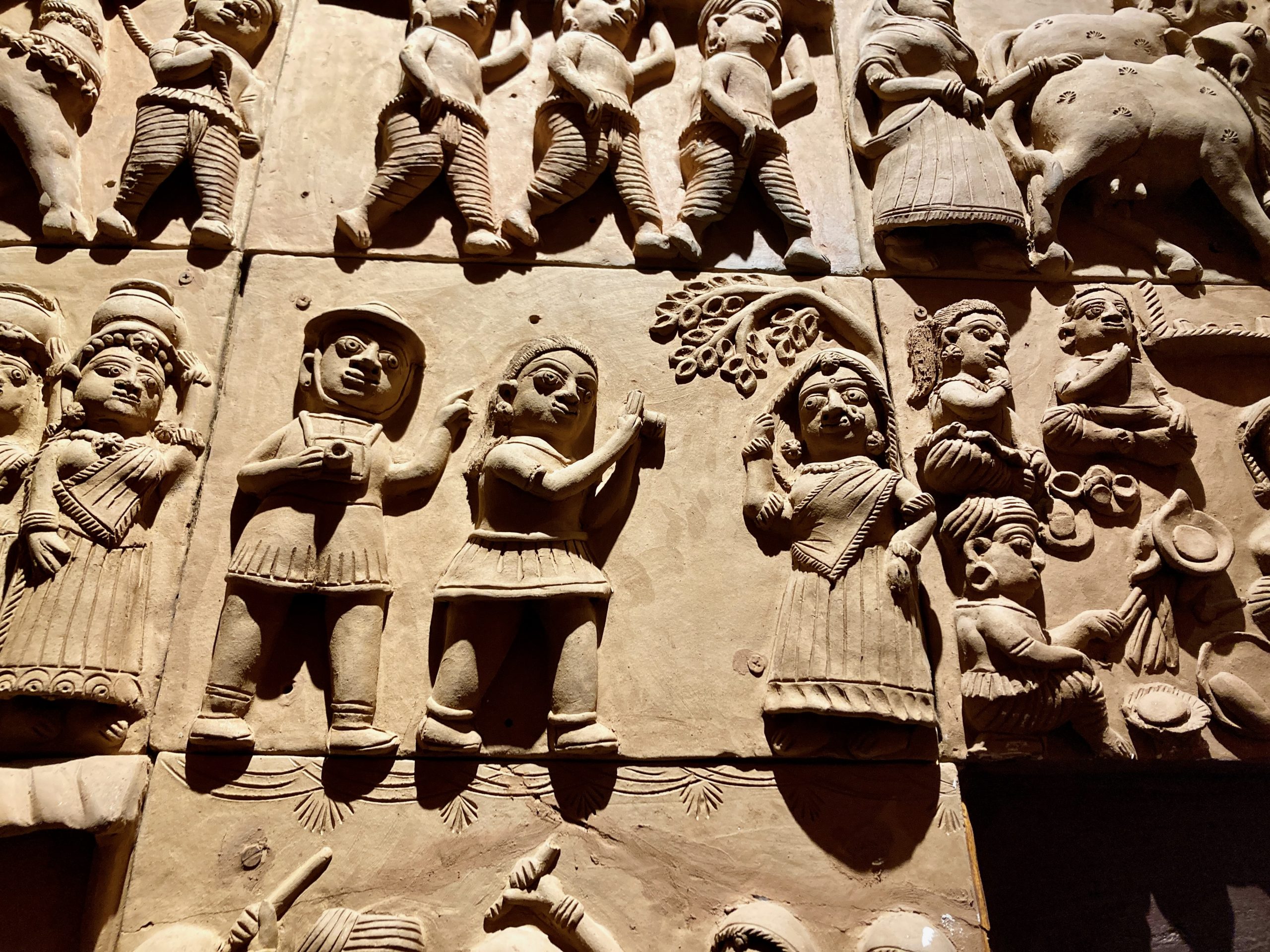 Sculpture with tourists
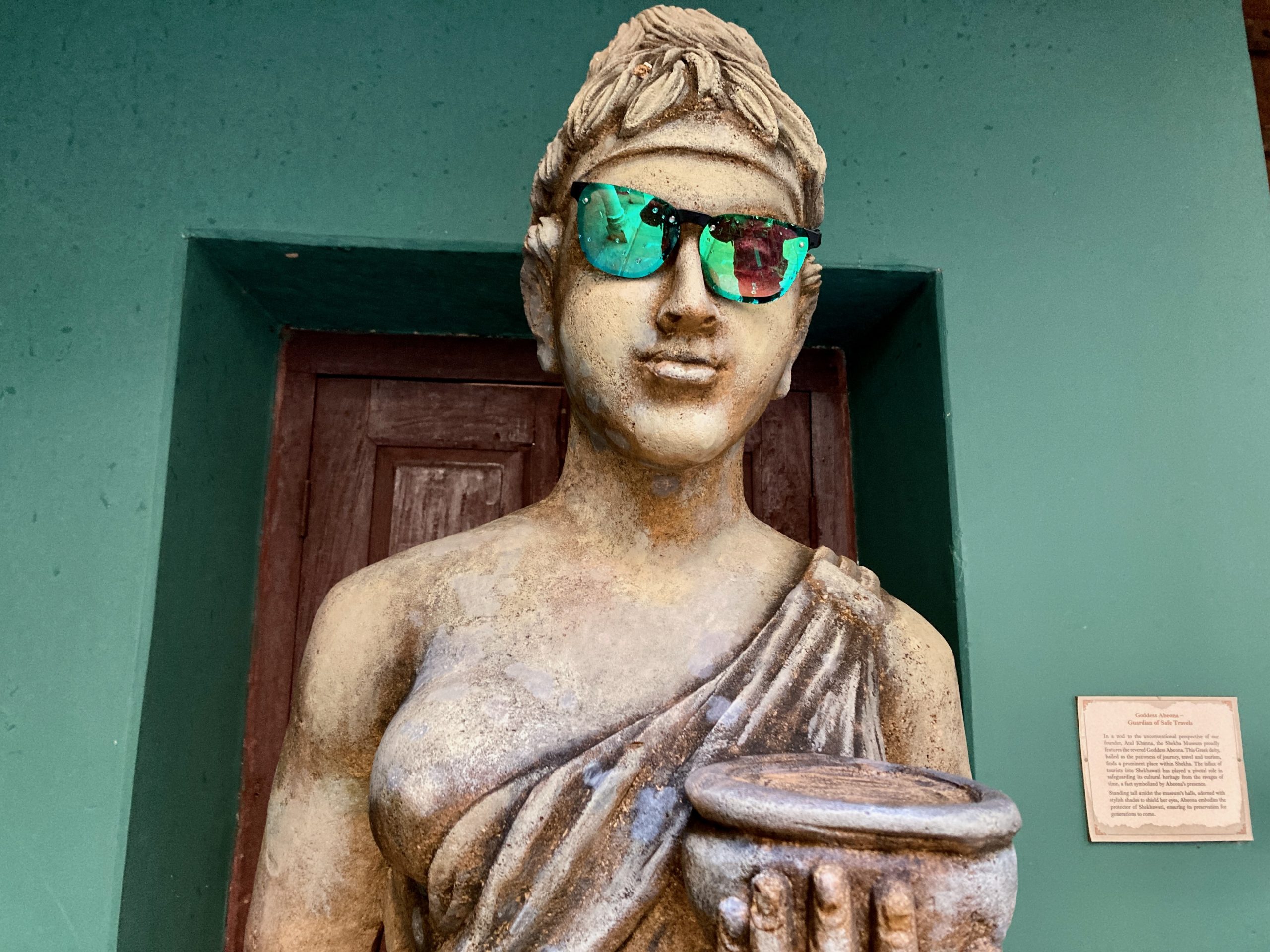 sunglassed Statue
And just before I was about to head back, a man pulled me aside and asked whether I’d like to see the goats. Of course! And then I was amazed: I had never seen goats that big before. The goat owner was clearly the hero of the moment and very proud. The goats had been bred not only here but across the whole region by a single, extremely tireless billy goat. I even had my photo taken with him.
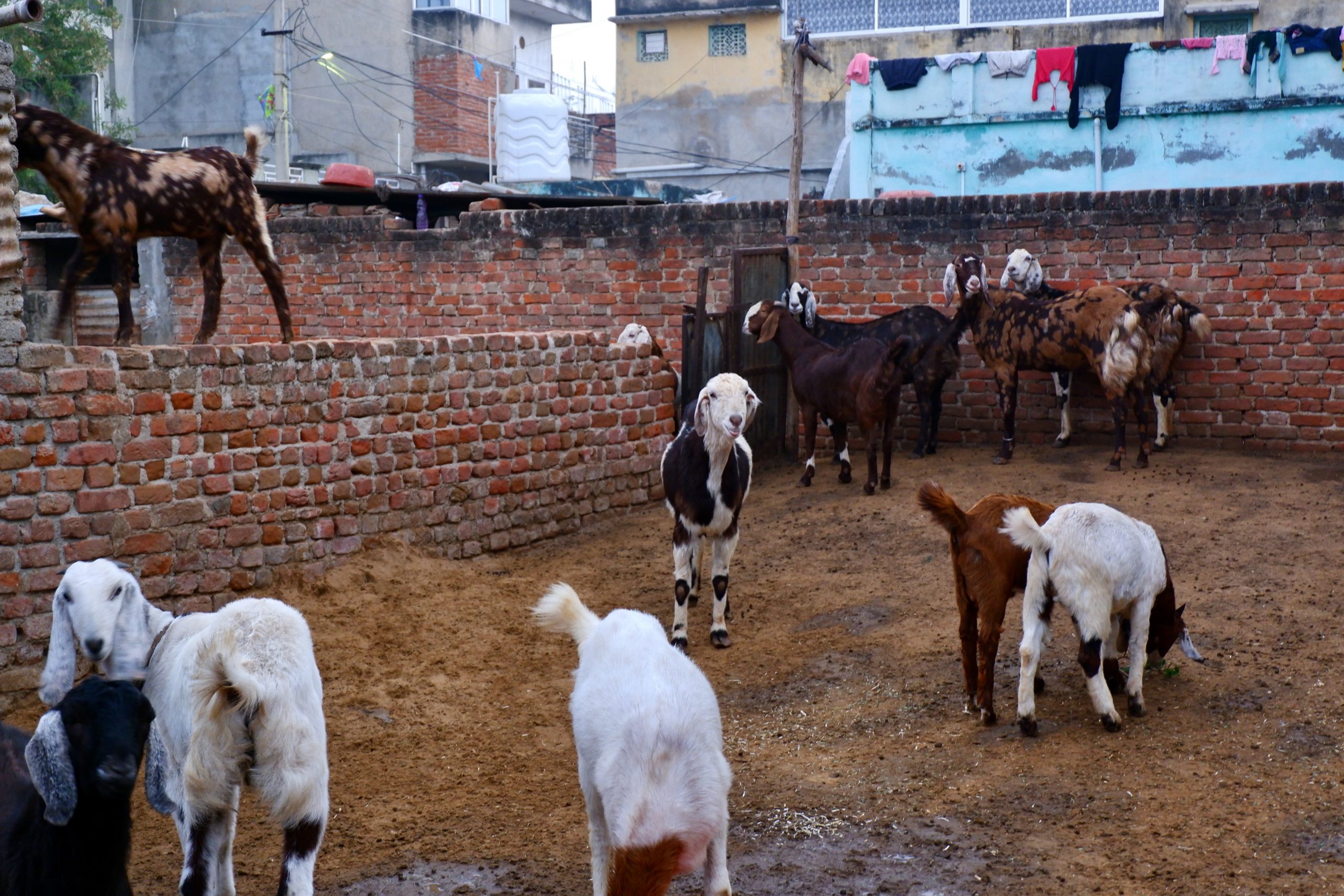 goats
goats
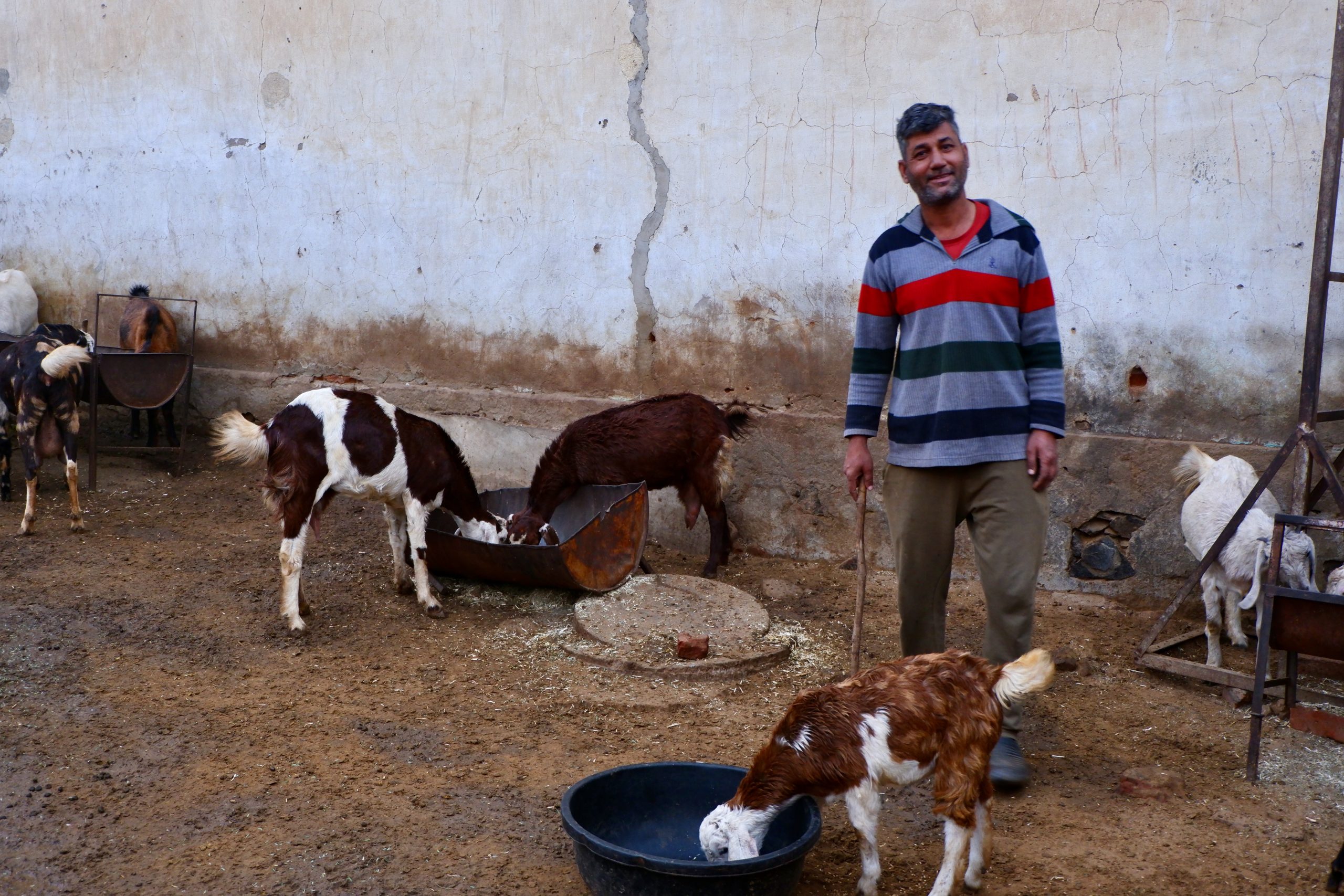 goatman
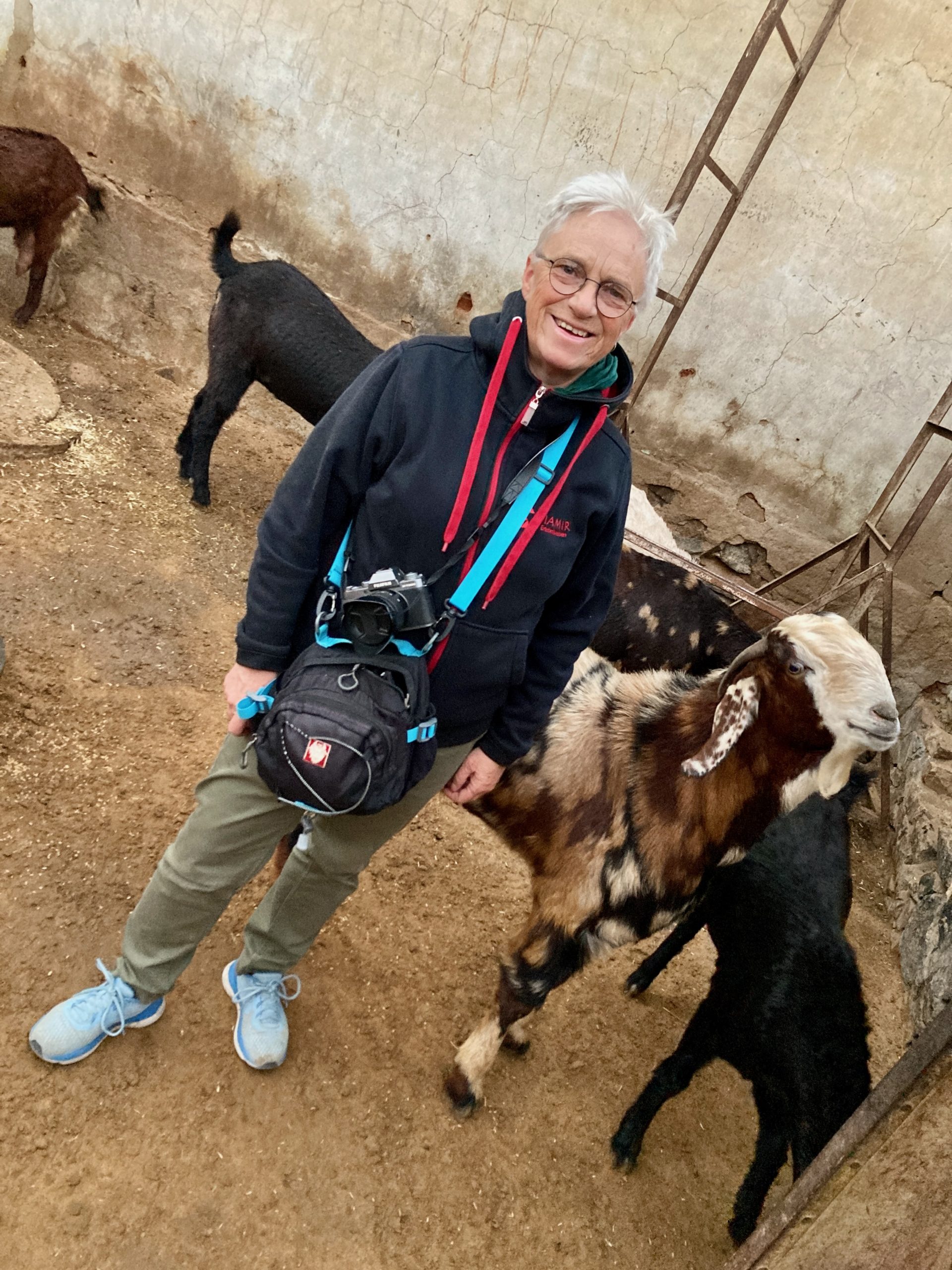 billy goat and me
I took many, many more photos that day, and saw sooo many havelis and paintings. By the end, my head was spinning from the sheer abundance of it all. And I even managed to get a peacock in one of my shots.
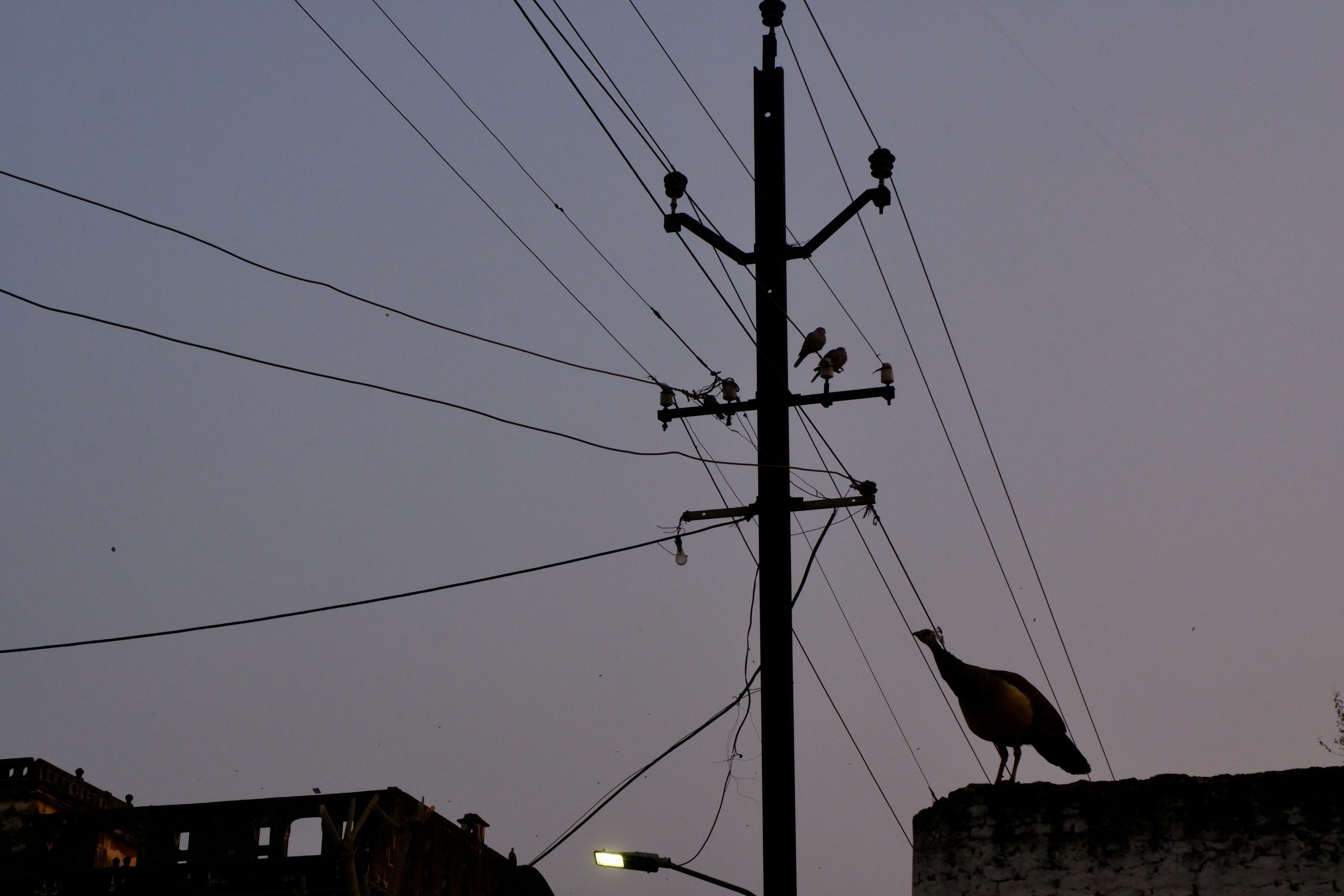 evening peacock
I also wanted to see some of the lesser-known places in the region with their havelis and paintings, but the next day first called for a bit of rest from all that – and still brought many other things to see. We went on a short moped trip!