


Leh -> Tarutse – By bus to Mushrooms, Peacock Pants and Arrows
12. September 2026
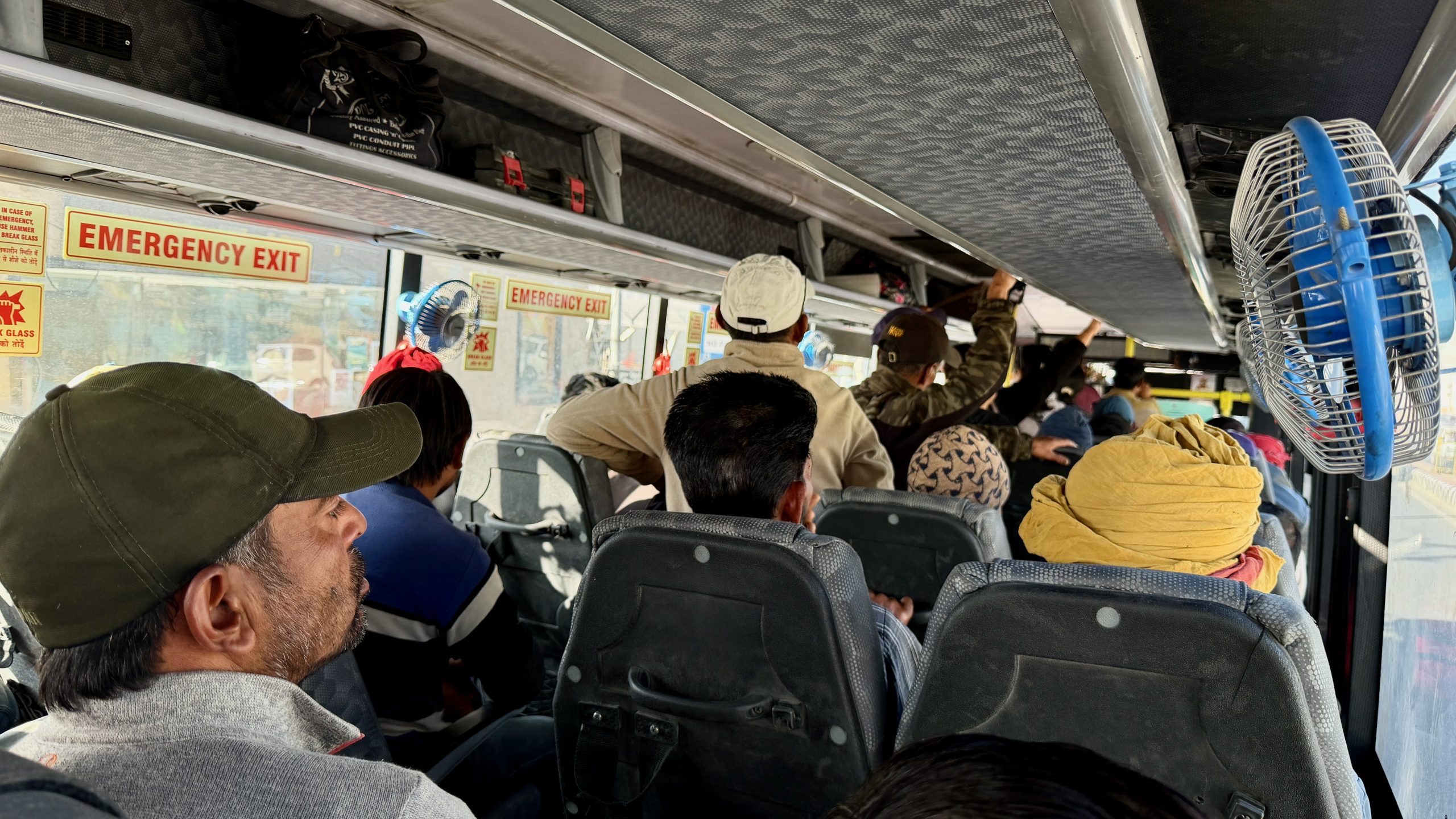
Despite my now somewhat chronic high-altitude asthma, I decided to just give it a shot with a homestay trek in the Sham Valley. It’s not exceptionally high and is well-connected by roads, so I could easily pull the plug at any time if needed. It has been quite a while since I last hiked and stayed overnight there, so I wanted to see how things look with the homestays and trail paths, and whether there’s still anything new to discover.
Rinchen was my local companion. “On paper”, it was a guide-and-client setup, but our roles were much more fluid and shifted back and forth, since I knew more about the route and certain cultural backgrounds than he did. On the other hand, he chatted with everyone, was curious, polite, funny, always cheerful, and was honestly exactly the kind of hiking partner I had secretly hoped for.
But first things first. We met at the bus in the morning. It was another electric bus, but a different model and more comfortable for longer distances. It was going further than we needed, so we got off just before entering Likir. I had a coffee while Rinchen chatted and wrestled with my trekking pole. One of them gets stuck internally and is really difficult to extend. Another man came over to help, and together they finally succeeded.
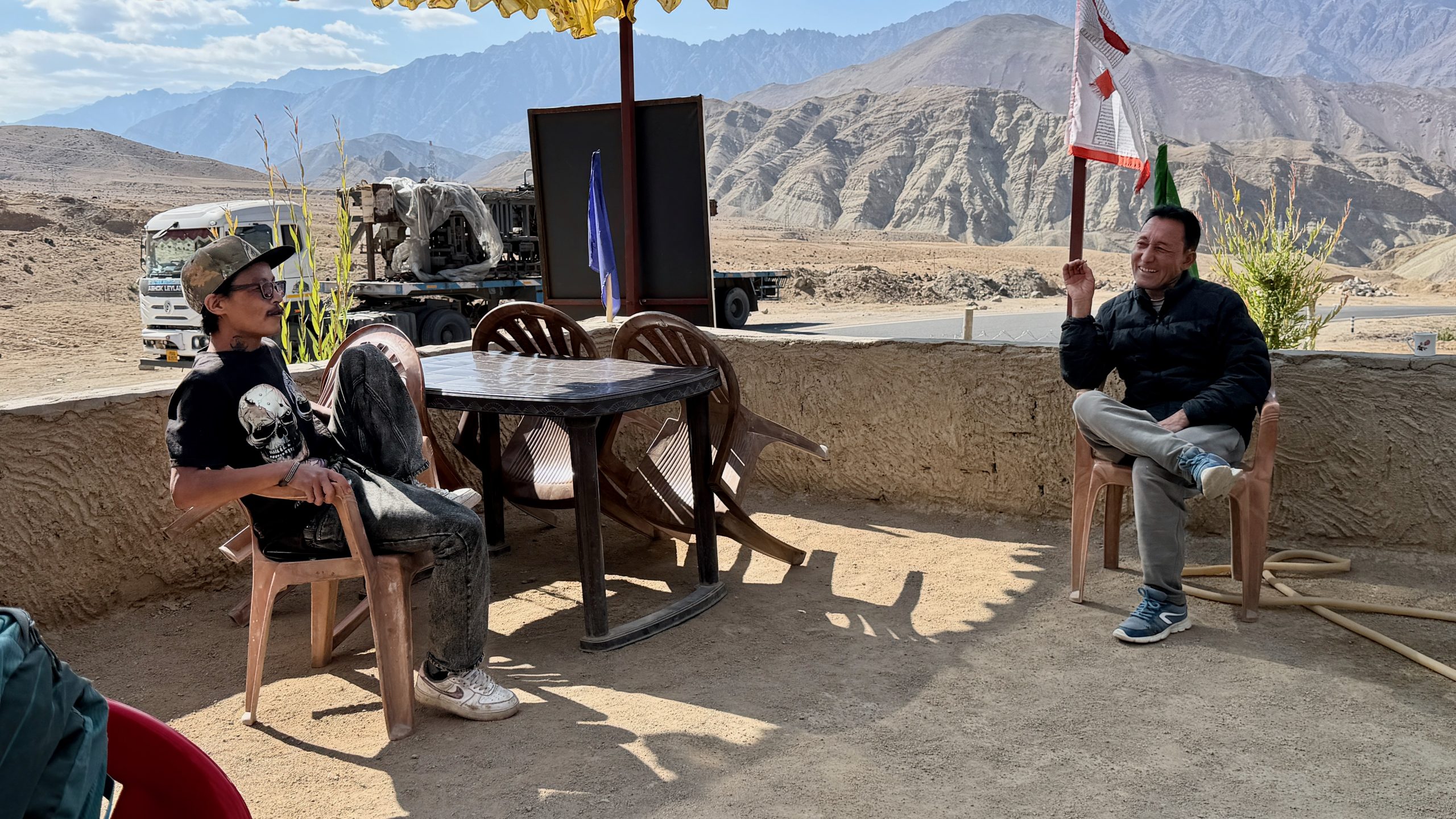
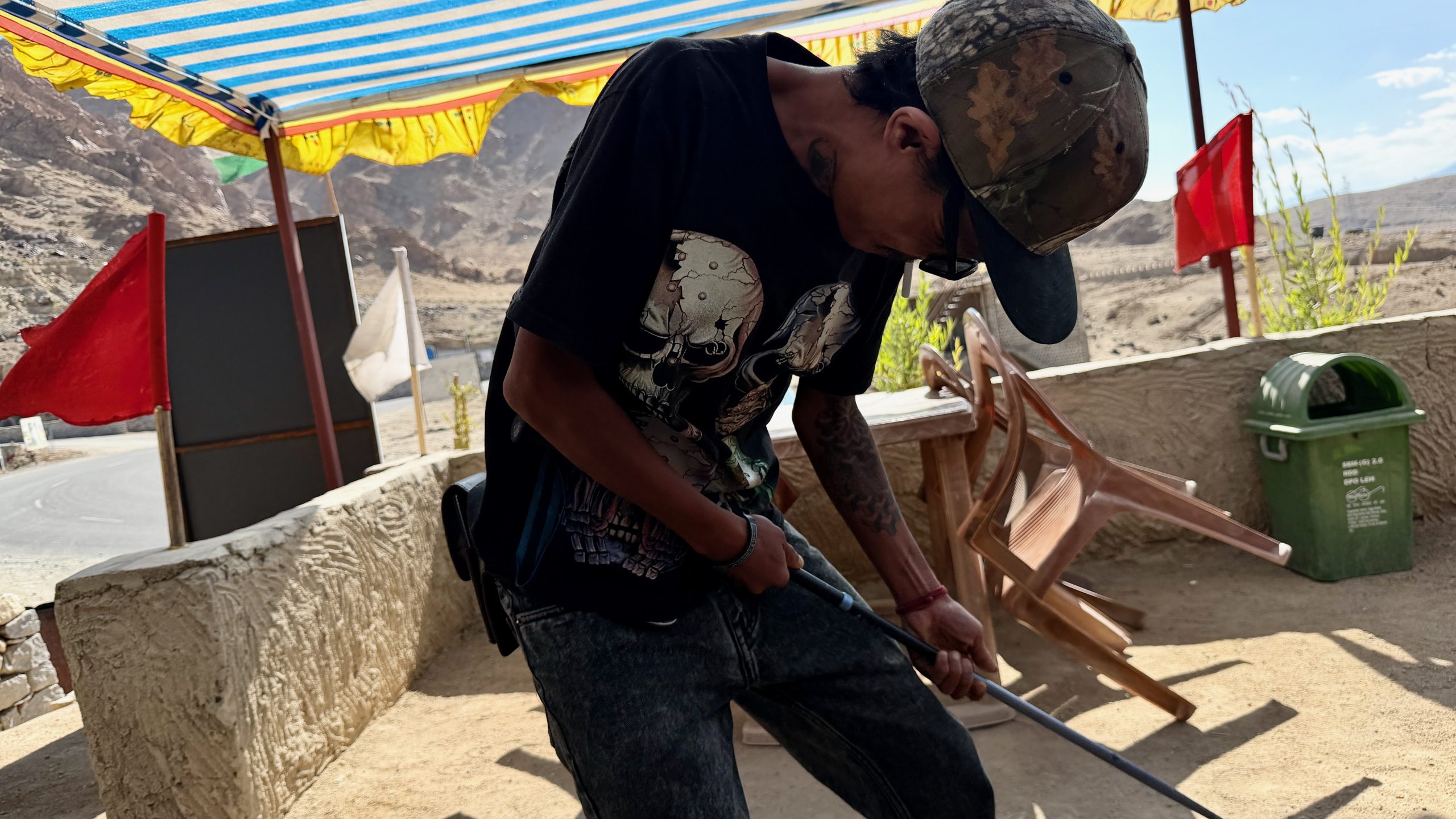
And then we hoisted our backpacks and set off. It was a wonderful feeling. I really love that sense of being on the move with light baggage.
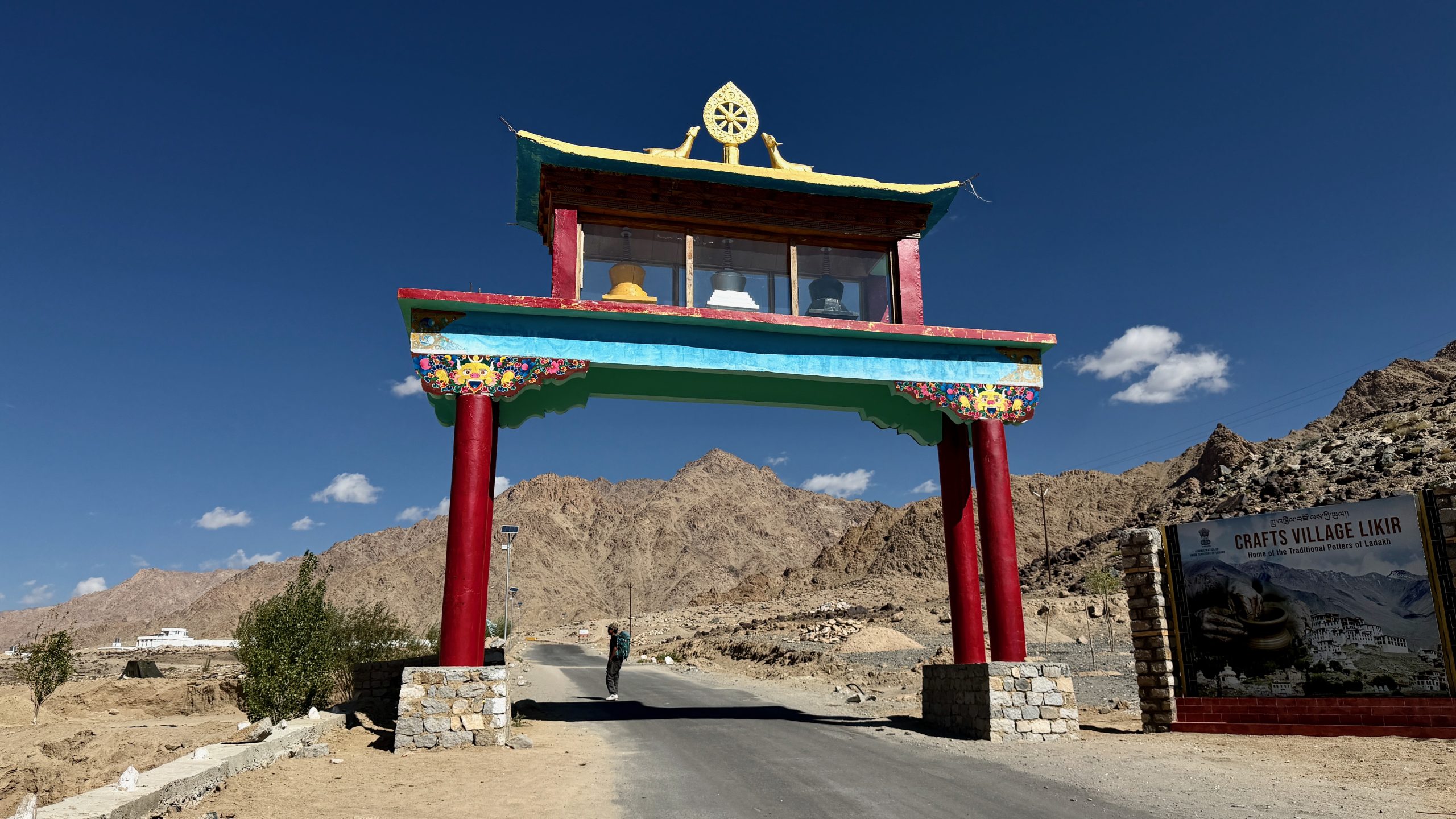
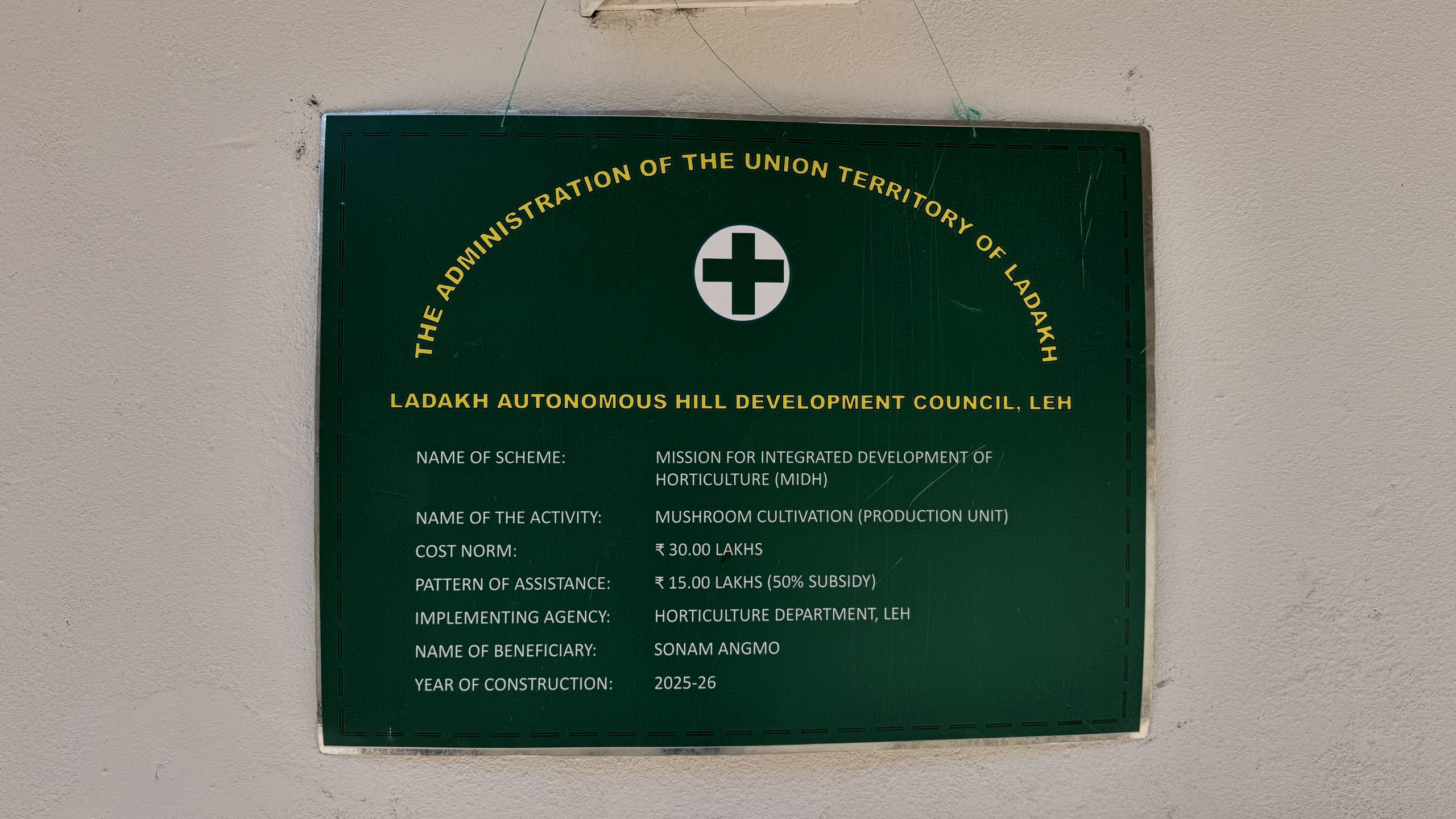
An acquaintance had mentioned a woman in Likir who grows mushrooms. Mushrooms in dry Ladakh? How on earth do you manage that?
We walked over to her house, but she wasn’t there. Rinchen gave her a call, and before long, she came driving up.
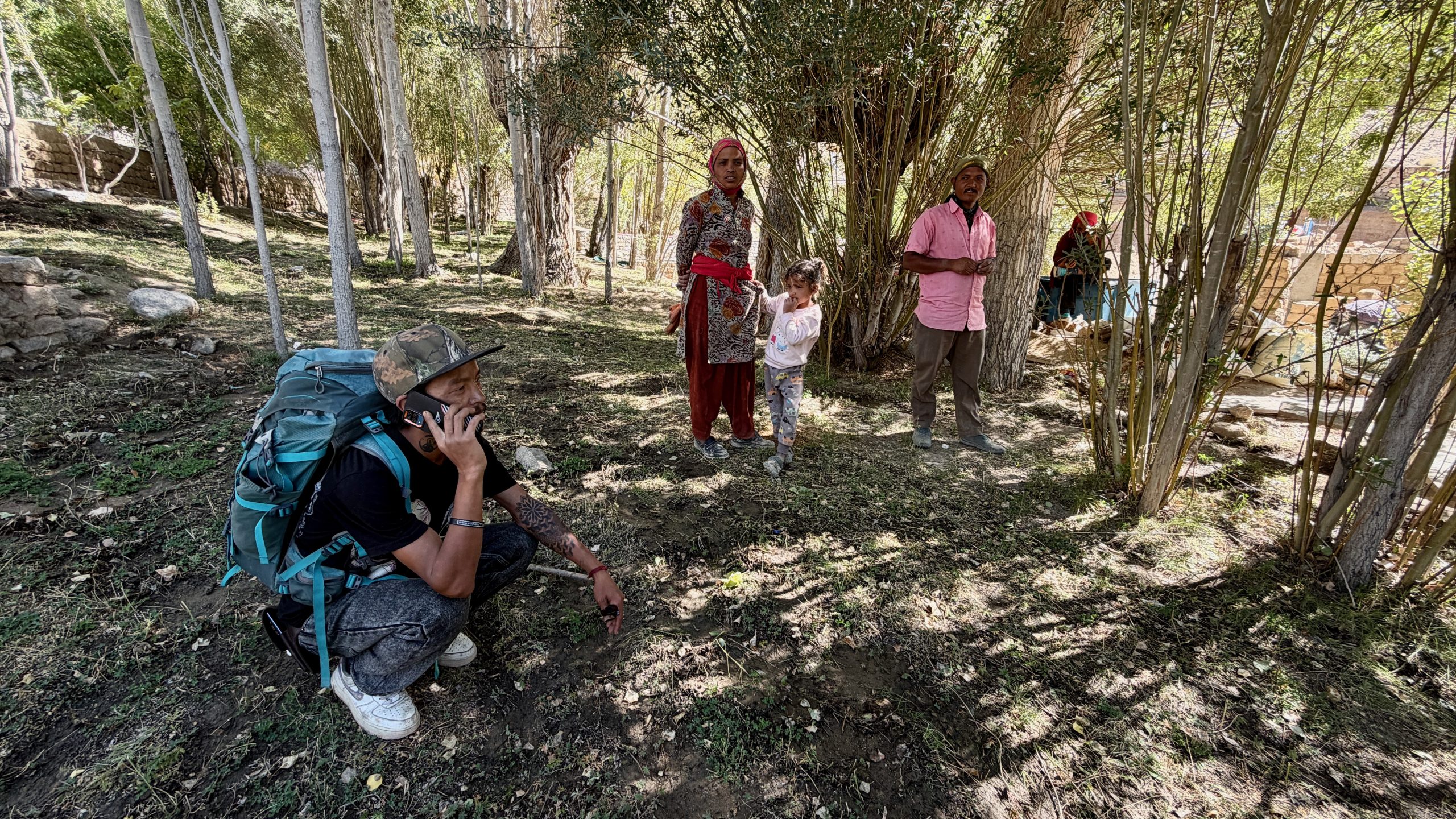
And then an exciting time awaited us with Sonam Angmo. She is from Likir and was born into a rather academic family. Naturally, she studied as well, specializing in agricultural biotechnology. She had connections with local “eco-groups,” spent some time in Germany (Saxony-Anhalt), learned, pondered, and eventually came to a conclusion: more and more fields in Ladakh are being left fallow because people prefer to earn money through other means. That money is then used to buy imported vegetables and goods. And that’s when she had an idea. In 2018, she started her first experiments with growing oyster mushrooms. However, the conditions are extremely difficult:
- Oyster mushrooms require a damp, cool-to-mild climate with high humidity
- During their growth, mushrooms consume oxygen and release carbon dioxide. Because of the thin high-altitude air, a precise ventilation system is necessary: fresh air must be supplied without causing humidity to suddenly escape or room temperatures to plummet.
- n Ladakh, trees don’t grow like they do in other regions, which makes wood shavings scarce. Therefore, locally available wheat or barley straw is mostly used as a substrate. This must be thoroughly pasteurized or sterilized to keep mold fungi and bacteria at bay.
Her initial attempts failed due to contamination. But her ambition was there; she analyzed the sources of error, and then it worked! To run mushroom cultivation on a larger scale, however, specialized rooms, machinery, and equipment are needed—along with the financial backing to fund them. She was granted support as well as a loan, and now everything is looking very bright. People are thrilled, and her production can barely keep up with the demand.
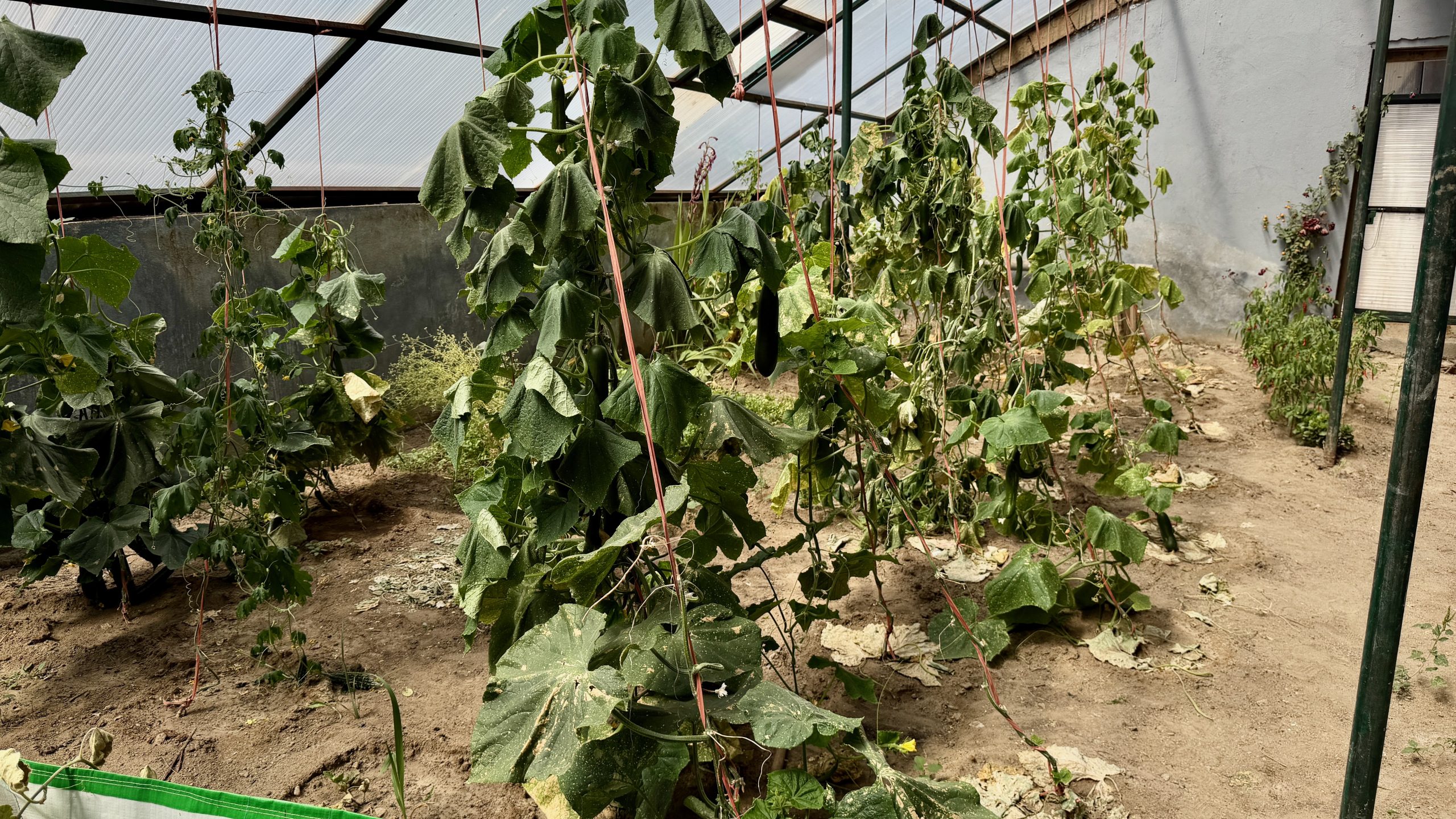
First, we inspected the greenhouse, which has air exchange with the mushroom rooms—as well as plenty of nicely grown cucumbers.
And then we were able to take a look at the mushroom cultivation itself. I didn’t know how oyster mushrooms were grown anyway—at least, I certainly hadn’t imagined it quite like that. So we were both properly amazed.
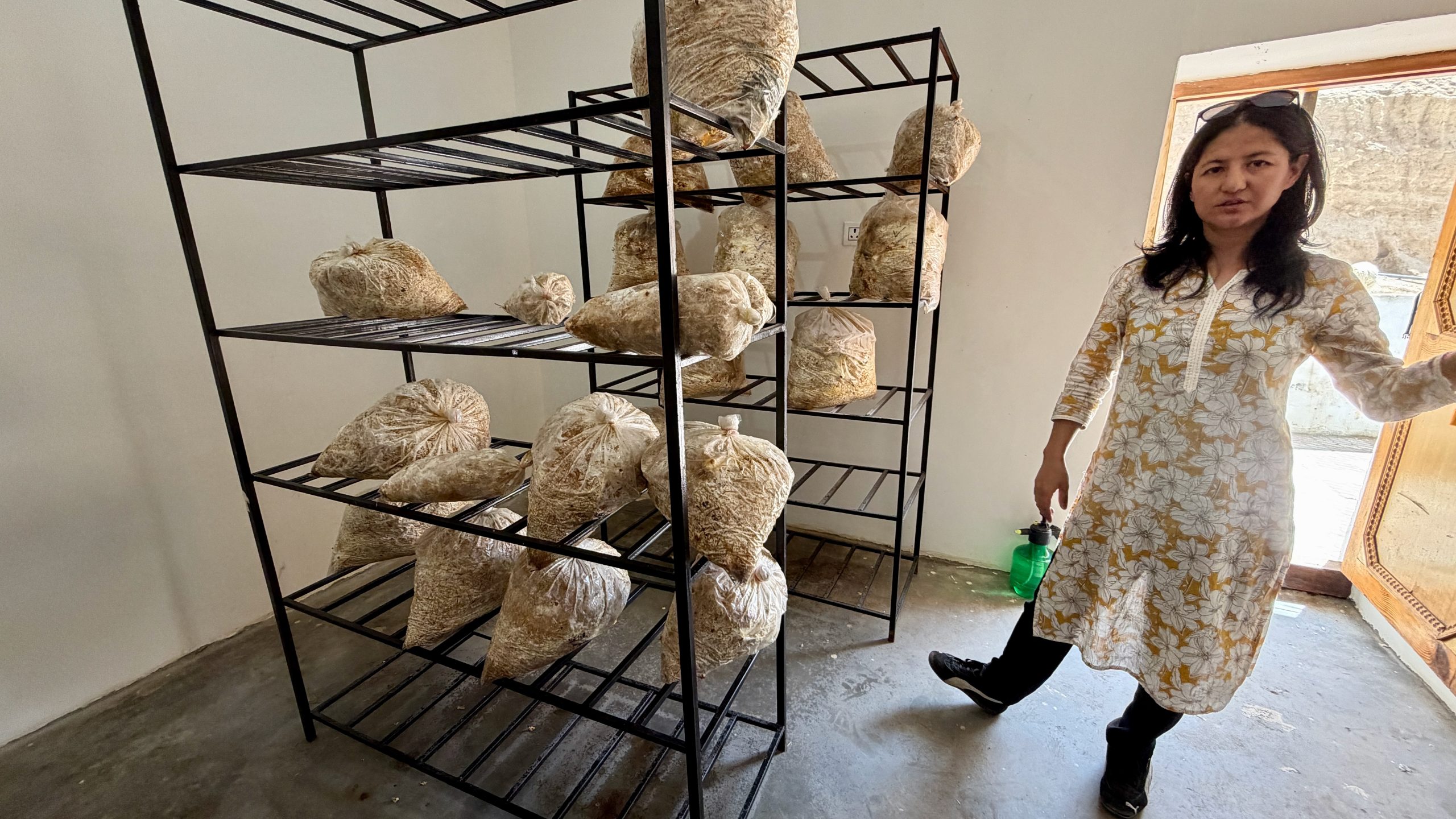
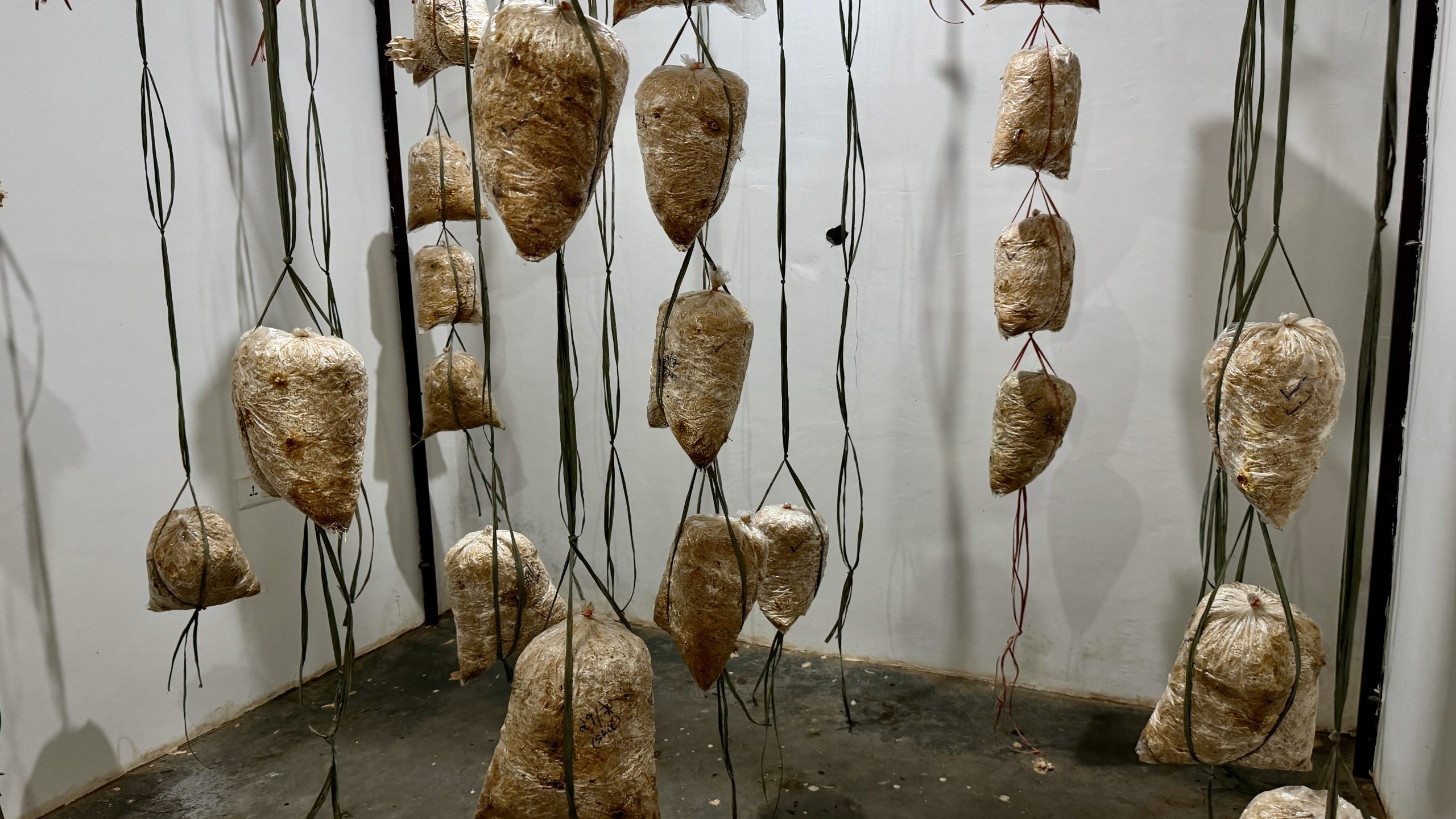
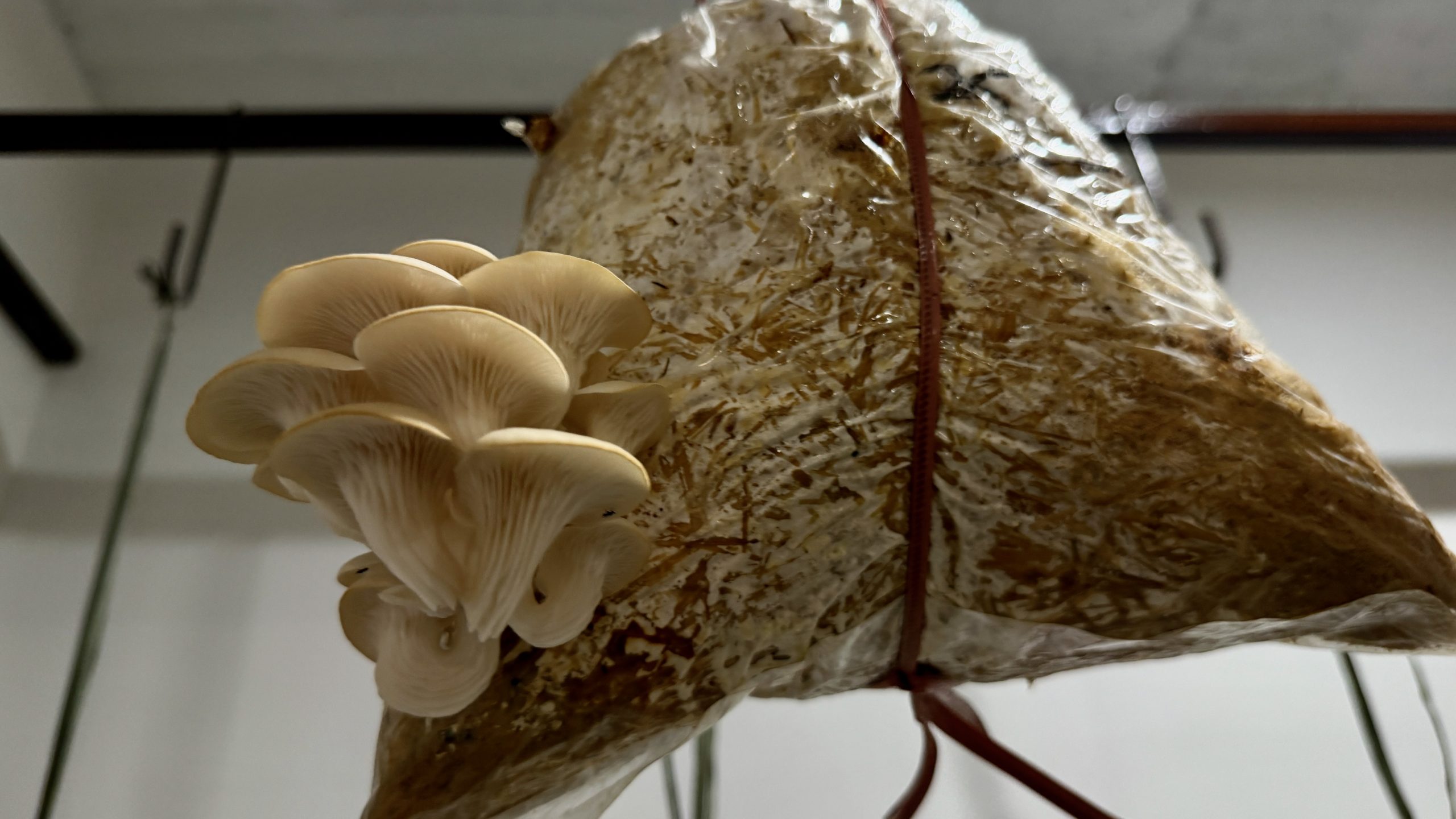
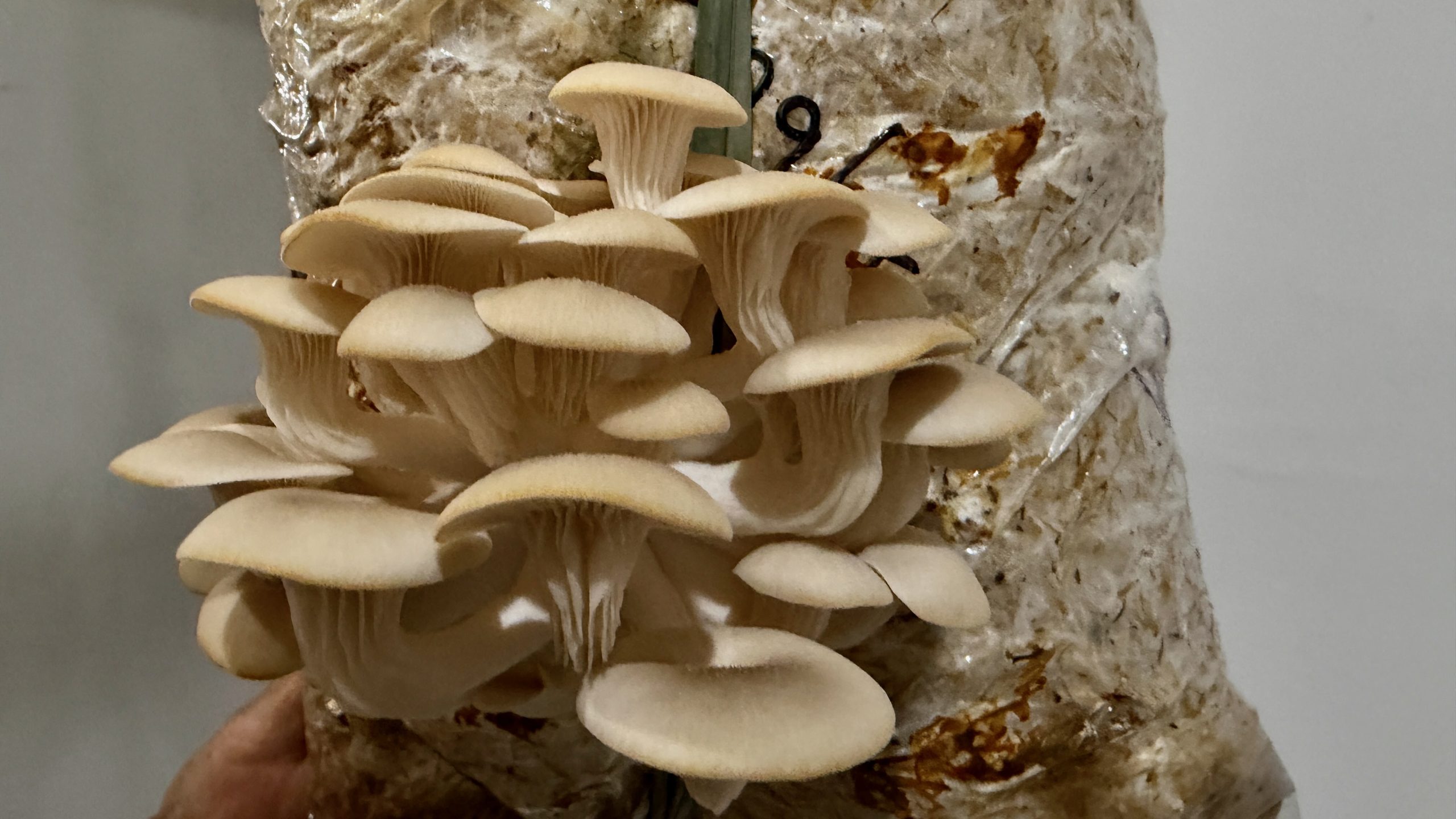
Then we took a look at the machinery and were invited for tea.
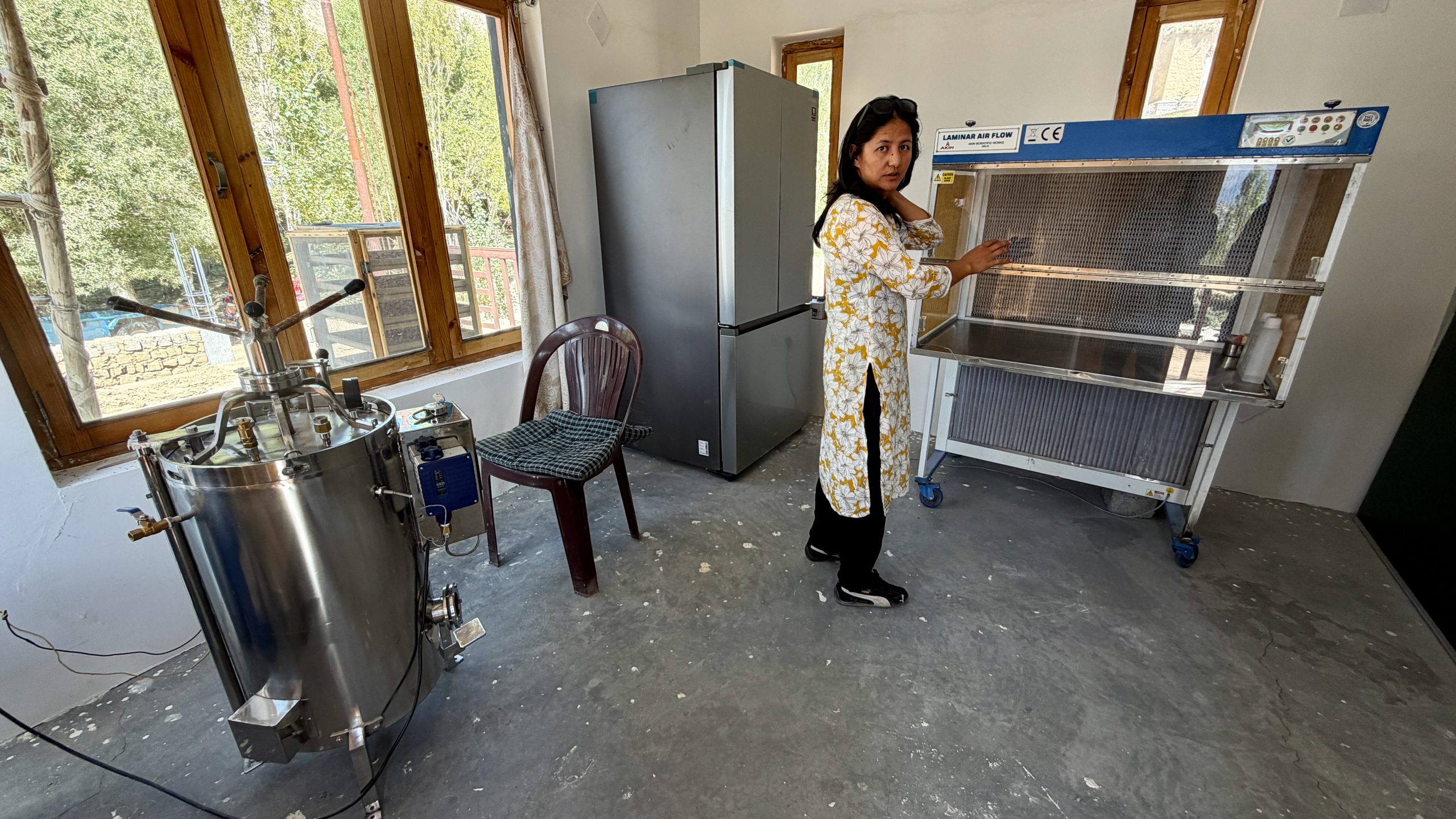
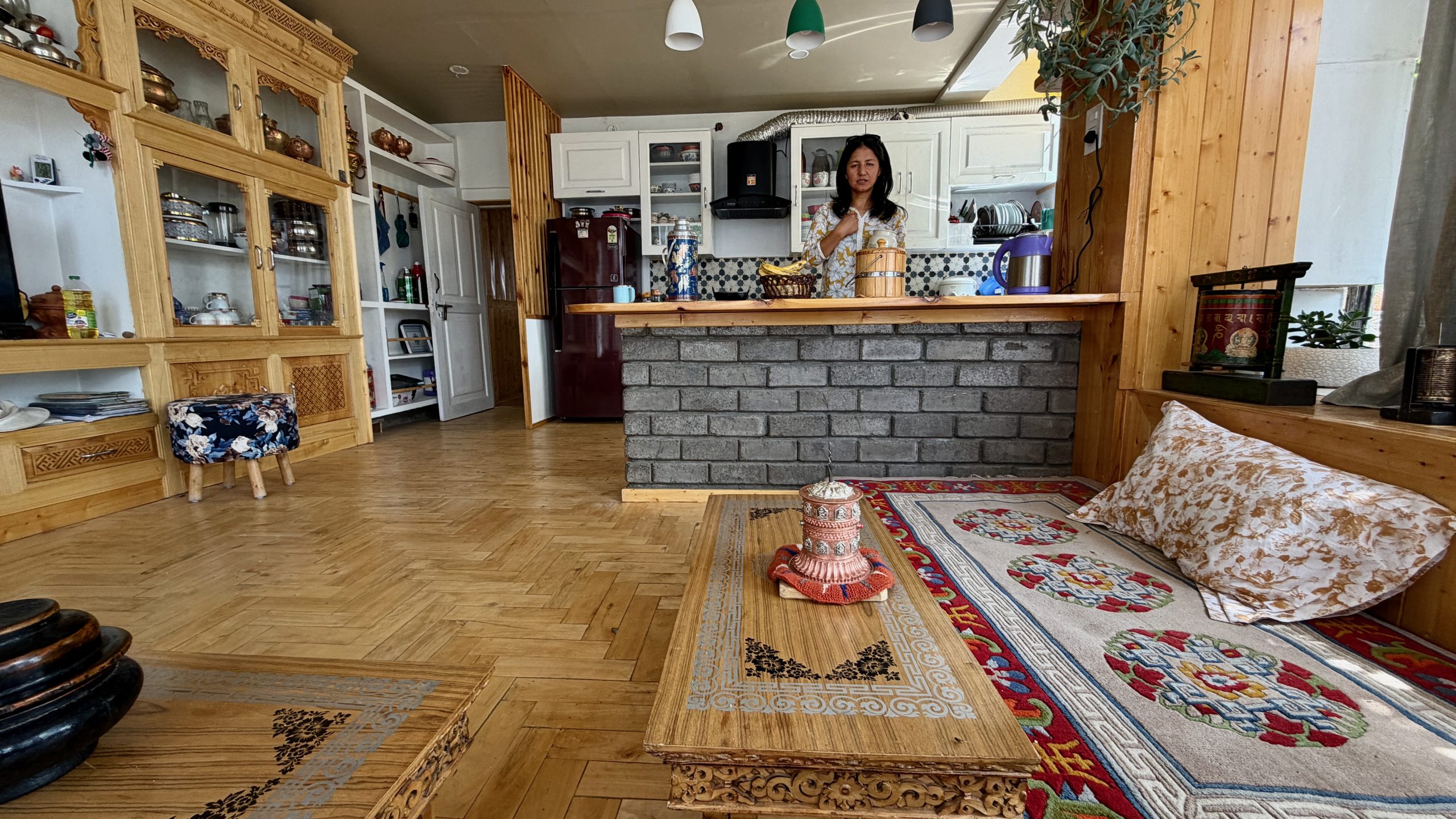
Sonam Angmo is a fantastic storyteller and has such a wonderfully pleasant way about her that you leave feeling thoroughly inspired and warm-hearted. It’s precisely people like her who inspire me and enrich my stay here. Rinchen was completely captivated by her as well.
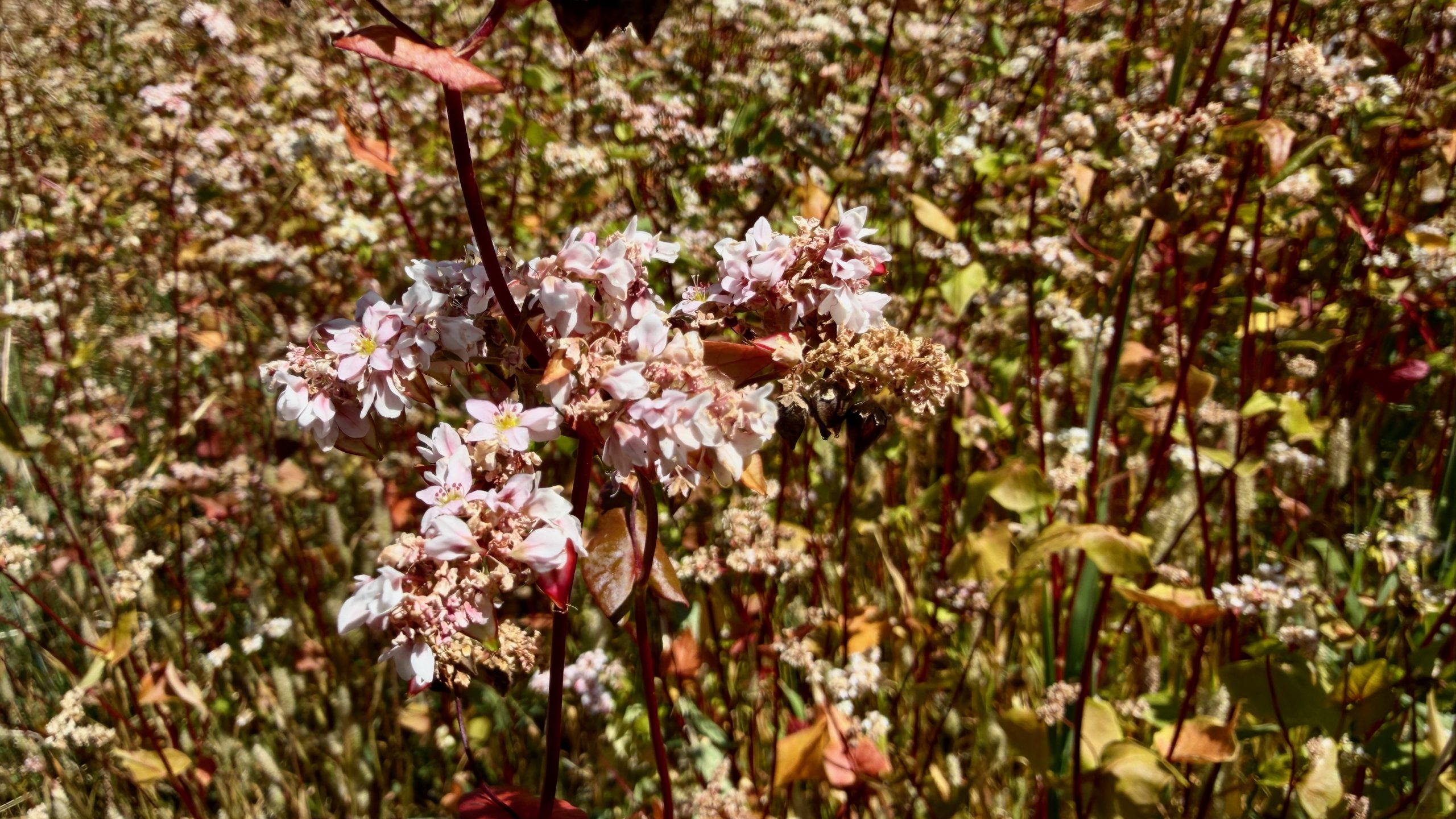
By the way, she also has a buckwheat field. Buckwheat used to be cultivated much more extensively in the past (similar to Mustang). Sonam Angmo explains it like this: traditionally, Lower Ladakh was a region where double-cropping was possible—farmers sowed barley in the spring, and directly after the summer harvest, they planted fast-ripening buckwheat as a second crop. Later on, however, many farmers switched to higher-yielding wheat varieties. Since wheat requires a longer ripening period than barley, there was no longer enough time left in late summer to cultivate buckwheat afterward. There are now initiatives to revive buckwheat cultivation, and she’s already well on her way.
We then wanted to head to our first planned overnight stop, Tarutse, on the other side of the river. First, we had a picnic by the riverbank. Then another hiker came along, and we invited him to share half a Snickers bar. He was a bit of an odd character in his peacock pants, traveling around for three weeks with just 5 kg of luggage. He had been to Kashmir, which he liked very, very much (the people aren’t so “Buddhism-softened” and the women are prettier), and now he was wandering around here. There certainly are some strange people out there.
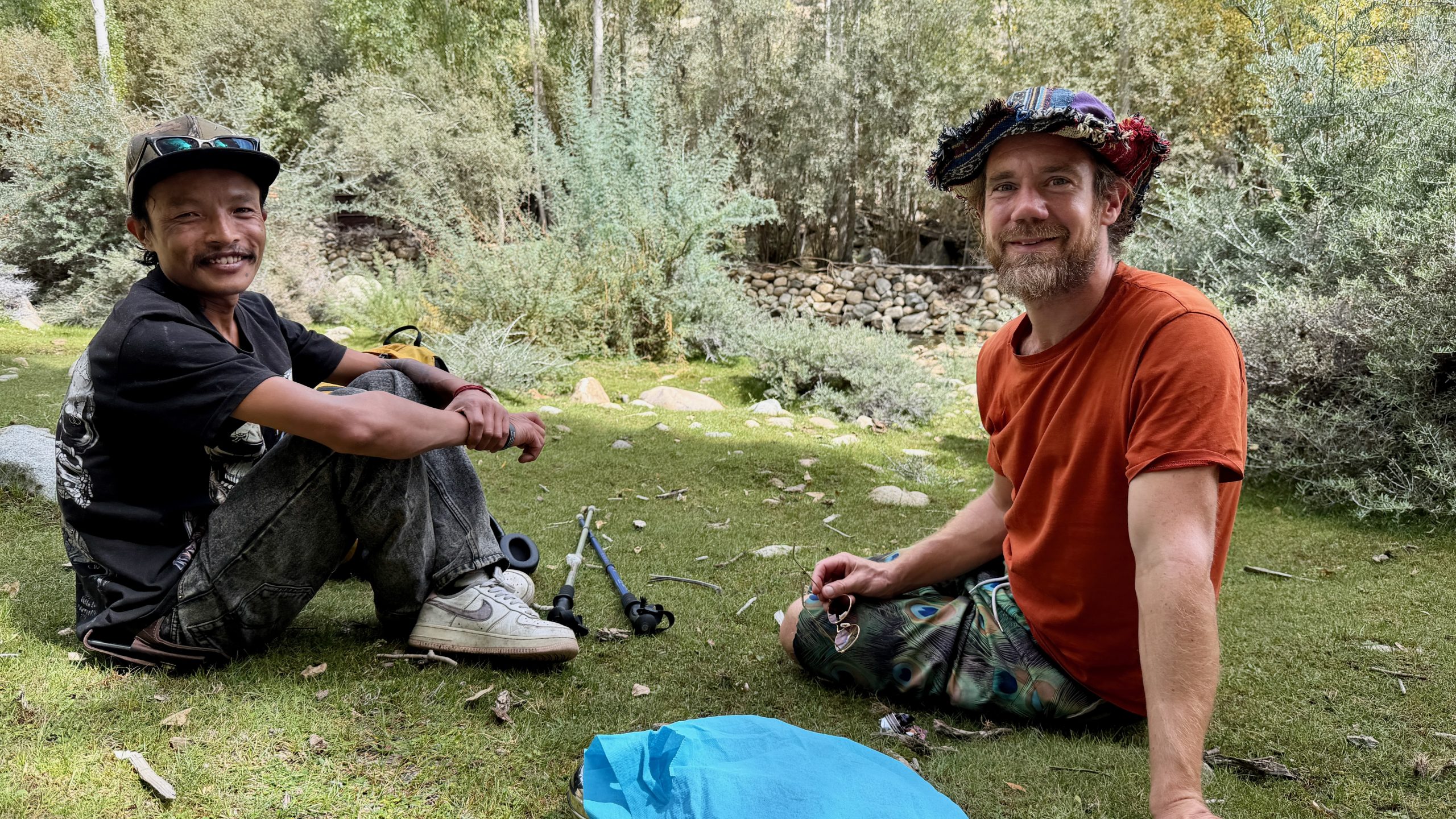
Then he hiked on, and we too pressed ahead toward our destination, which was reached in no time. There is only one homestay left in Tarutse, where very few people stay overnight. Overall, Likir has an oversupply of homestay options, but doesn’t really manage to encourage people to spend the night. Most visitors only come for a day trip or start their trek into the Sham region directly from there. More on the homestay later.
First, we wanted to explore two things: the trailhead for the next day’s trek (which was quickly found—it’s marked with blue arrows) and the path that leads to the monastery on this side of the valley. We found that one too. It isn’t marked on any maps at all, and I forgot to track it, but we hiked along it anyway.
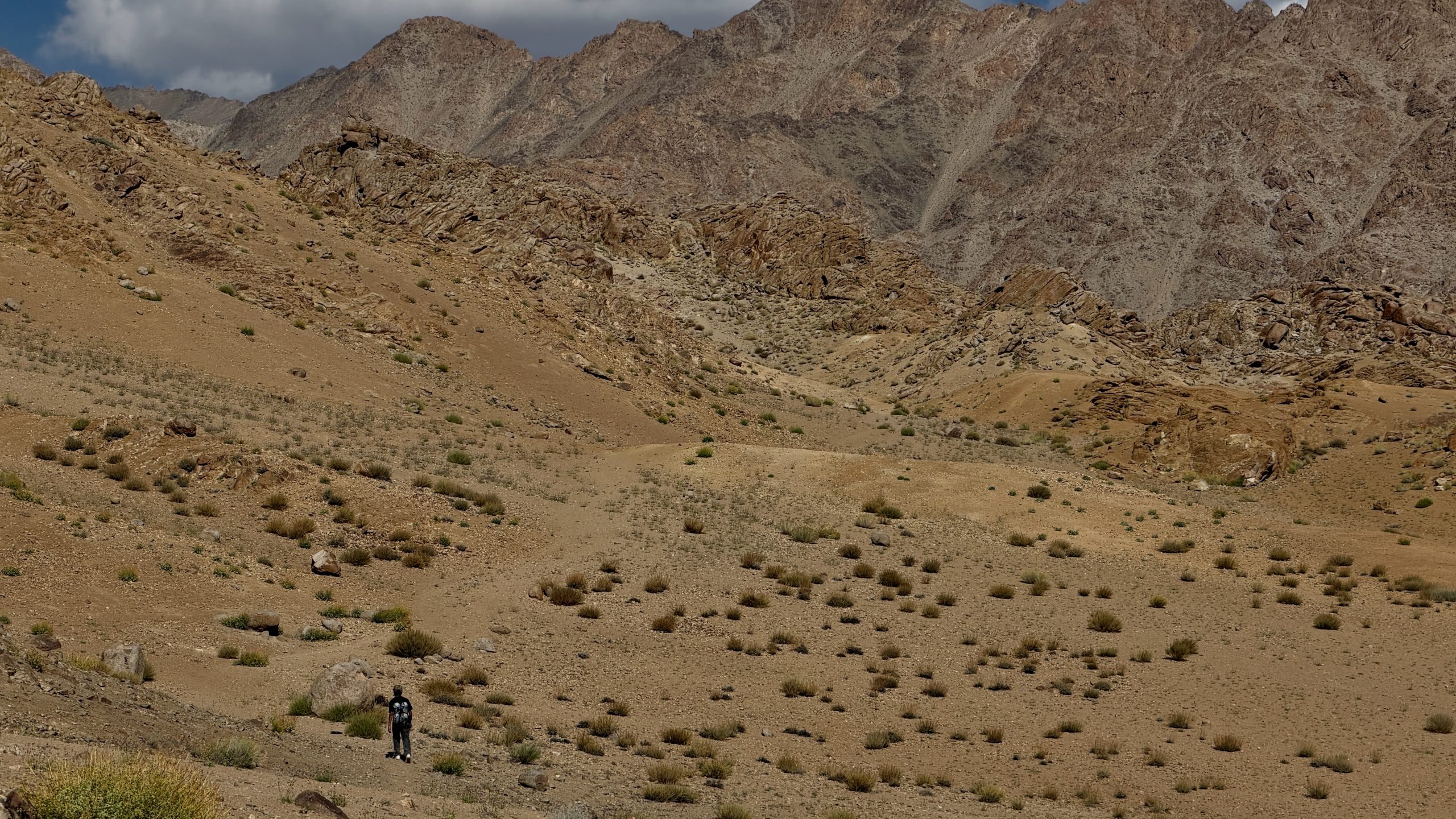
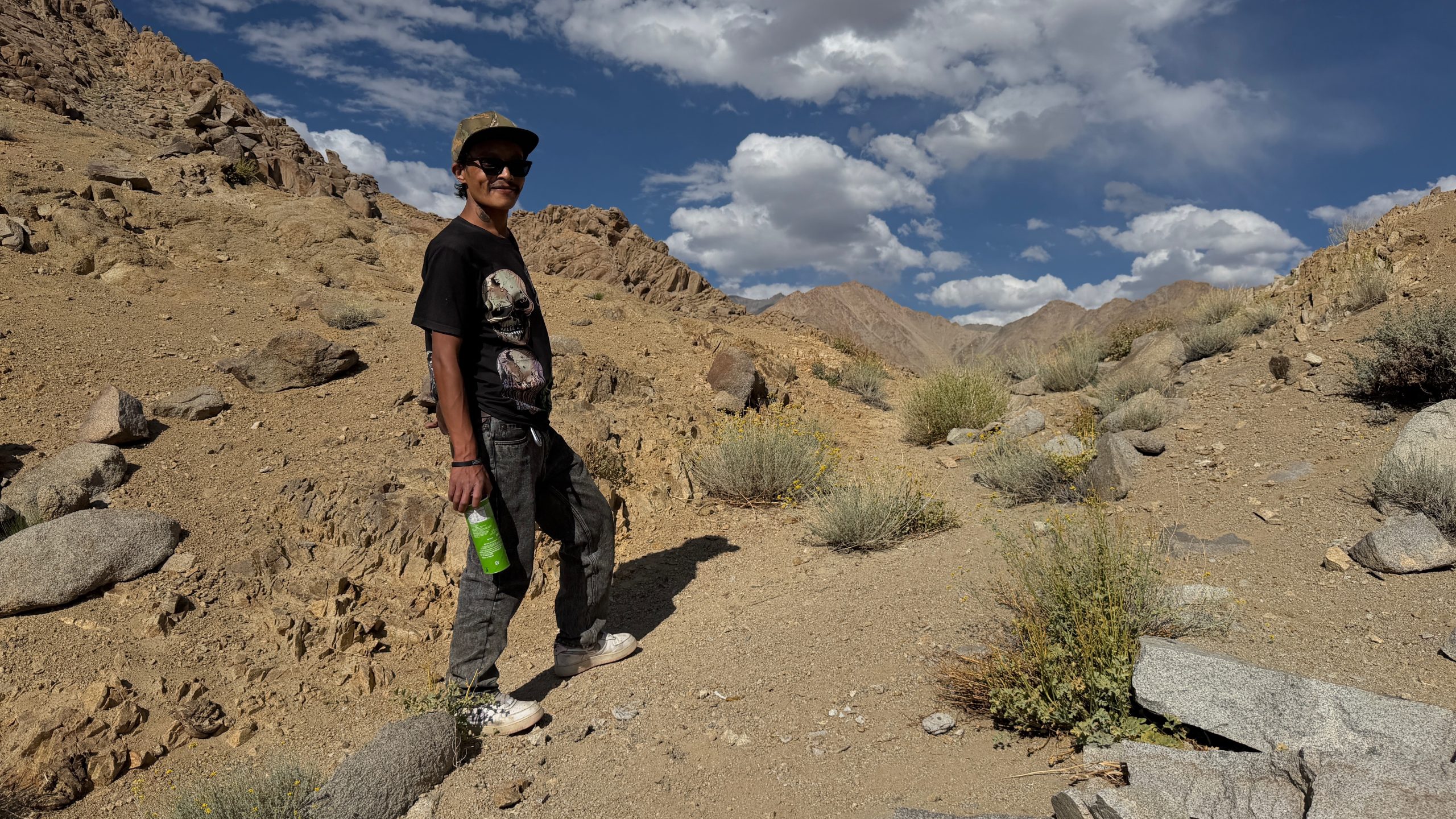
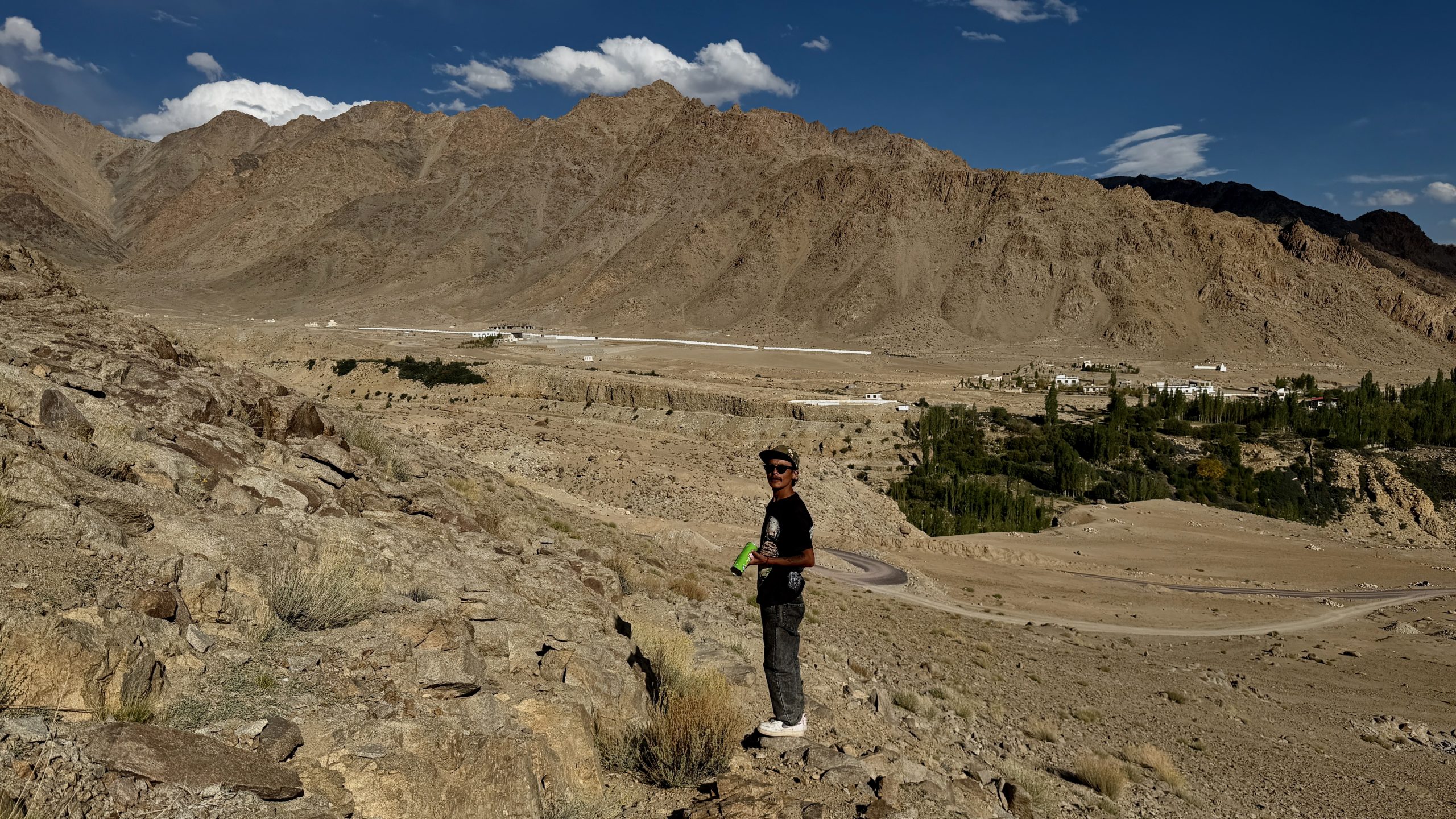
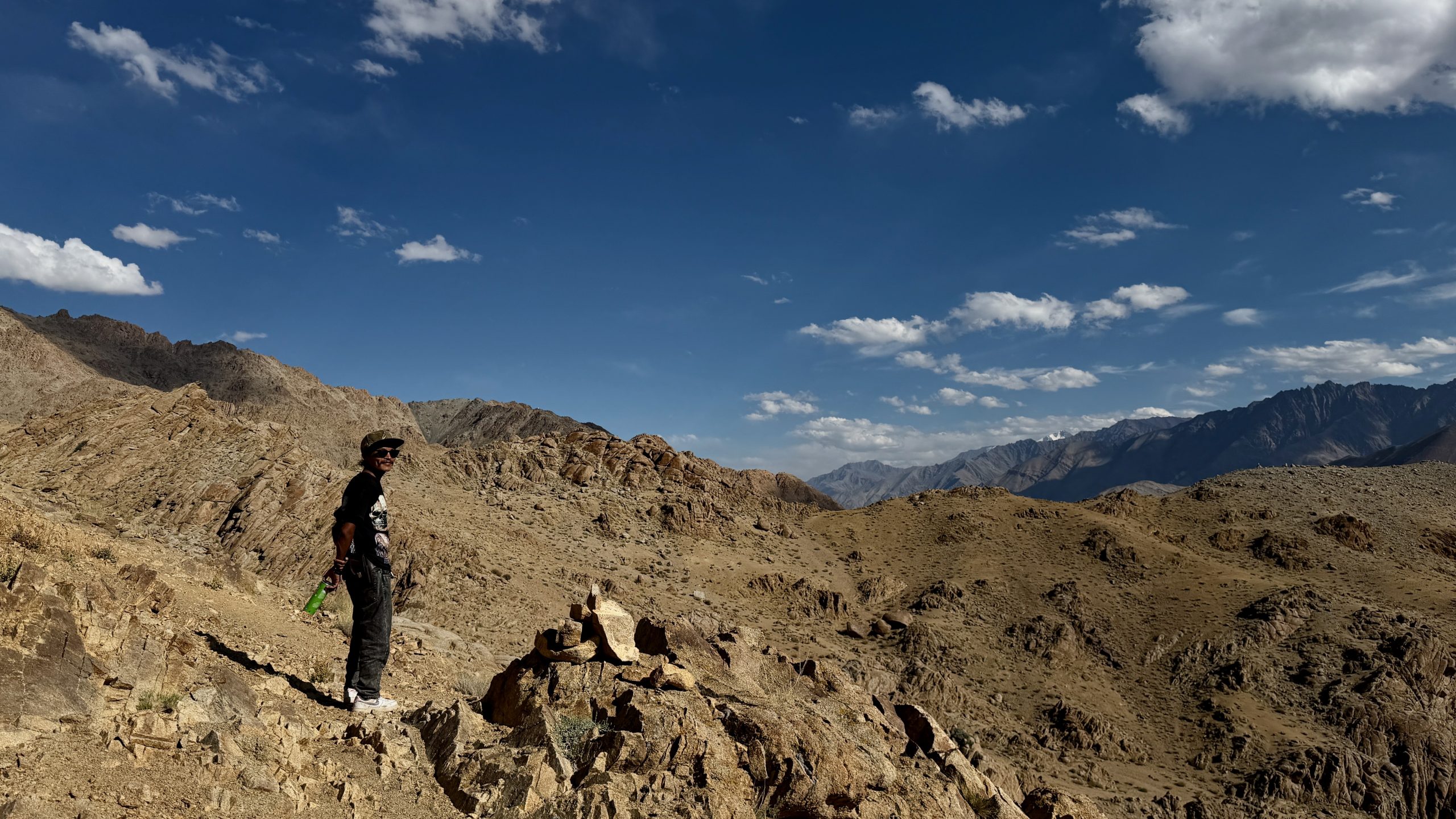
There was a great view of the monastery, but we didn’t walk all the way over to it. I had already visited it too many times before. Instead, we just sat around for a bit and enjoyed the scenery.
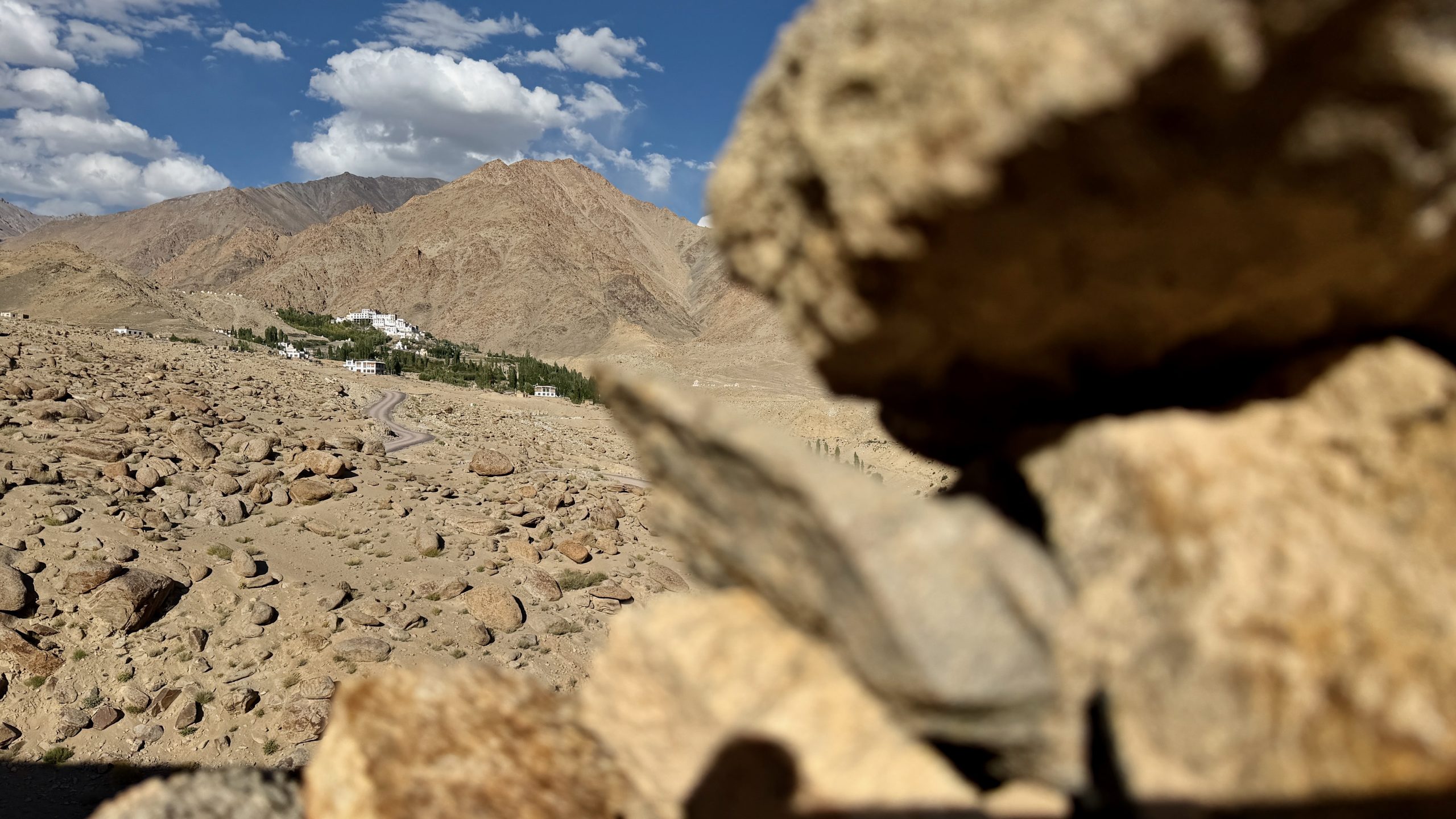
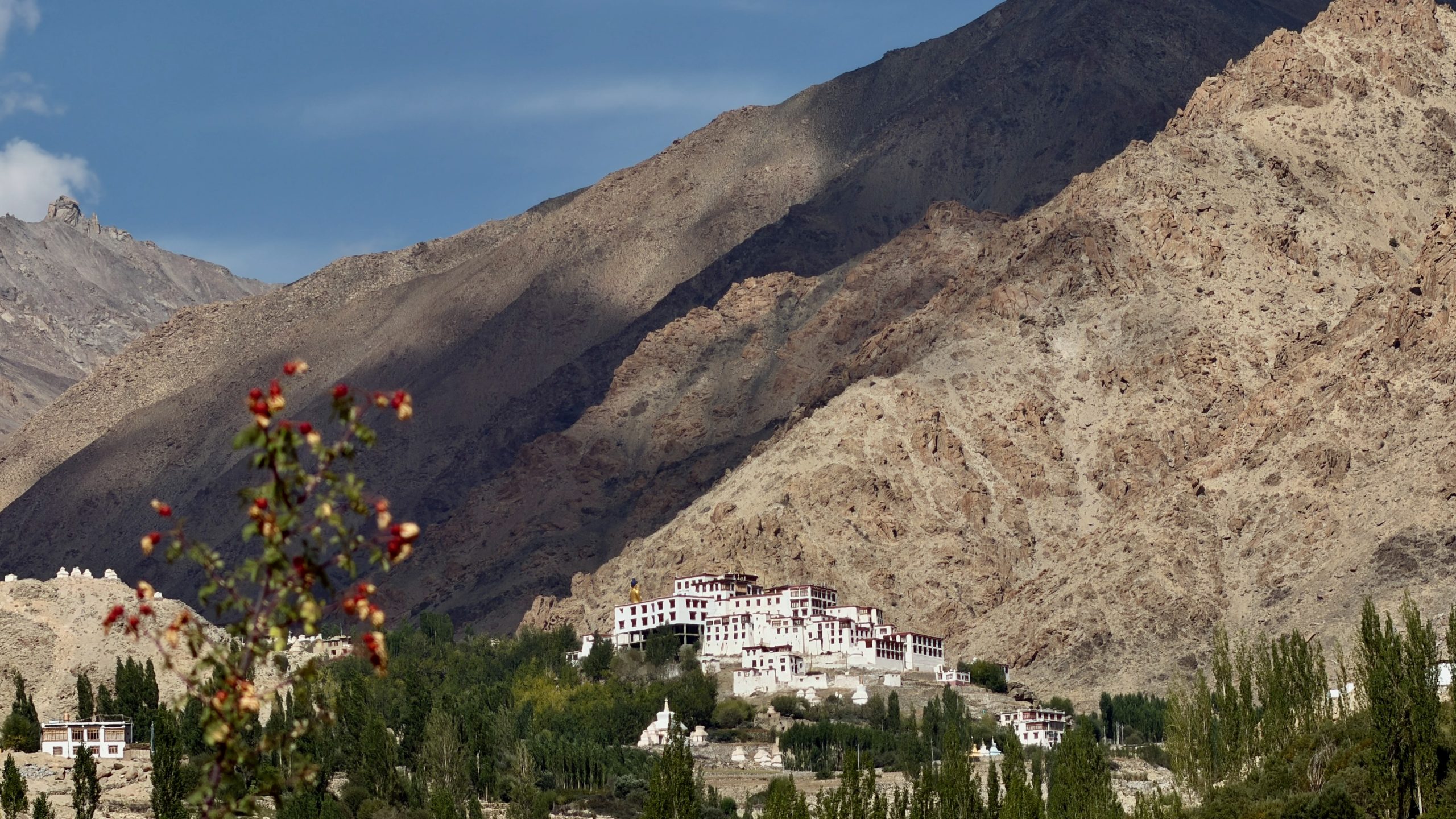
More and more fields are lying fallow, yet there is also a tremendous amount of construction going on. You hardly see that many of those old traditional houses anymore.
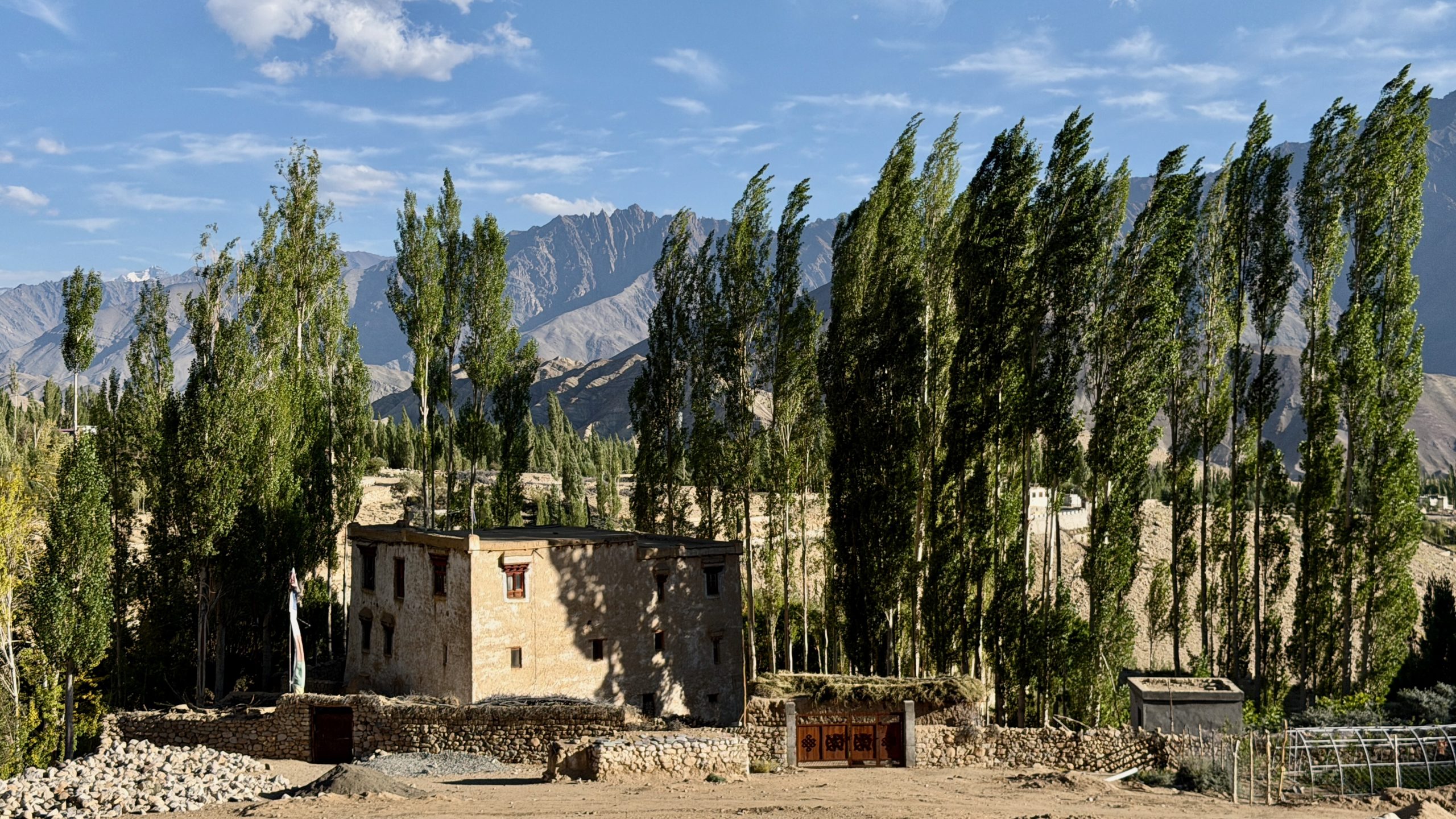
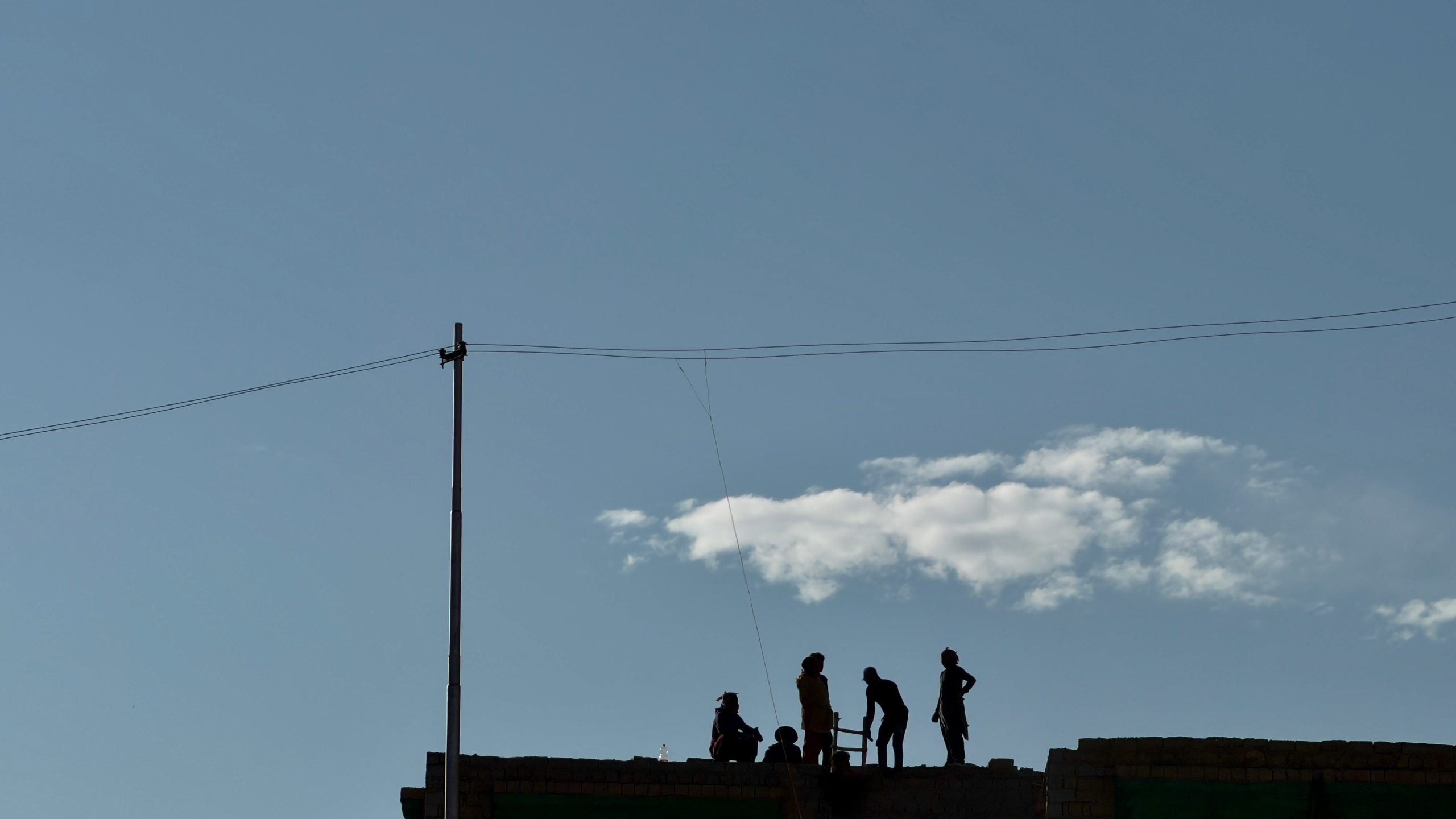
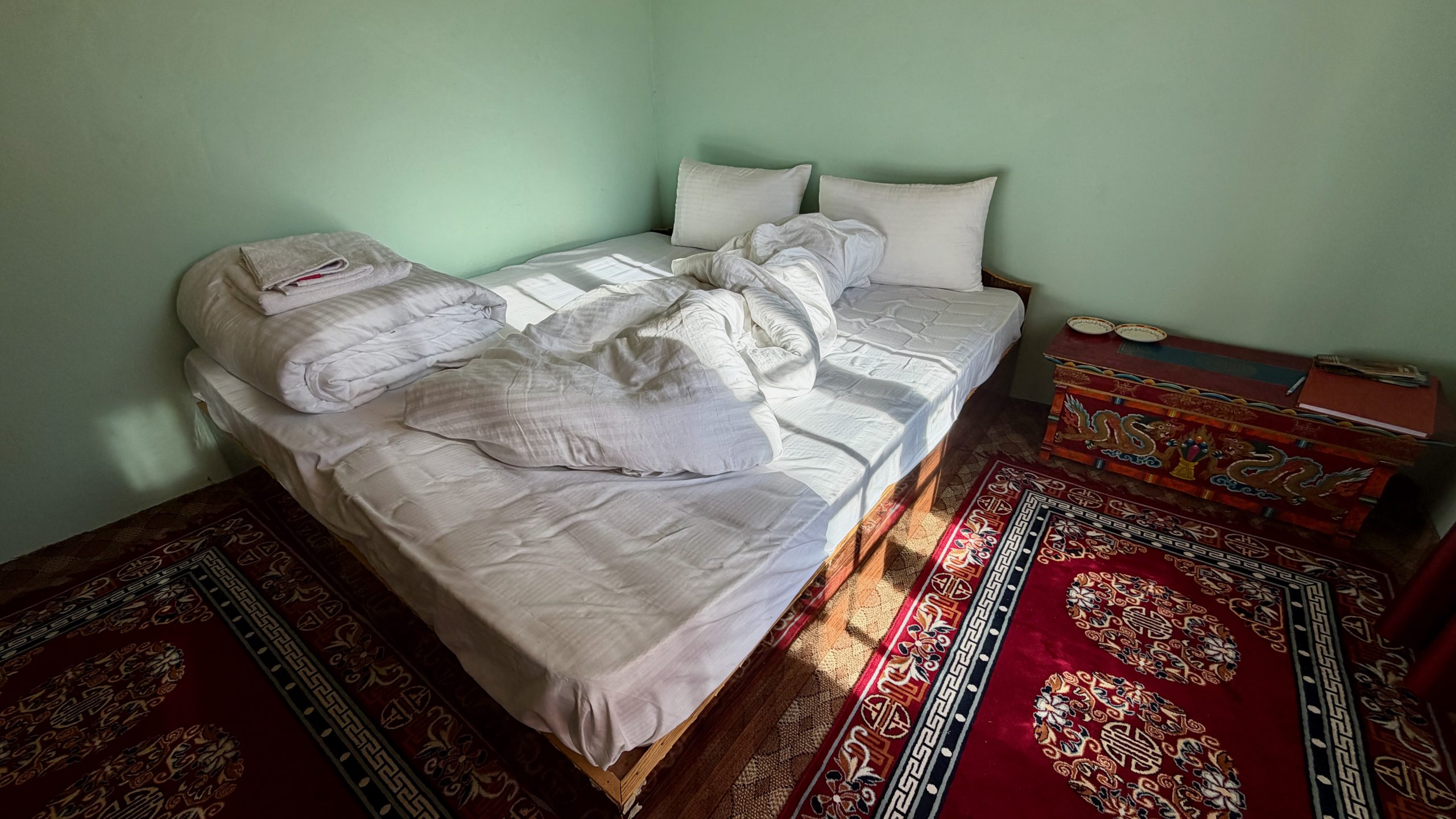
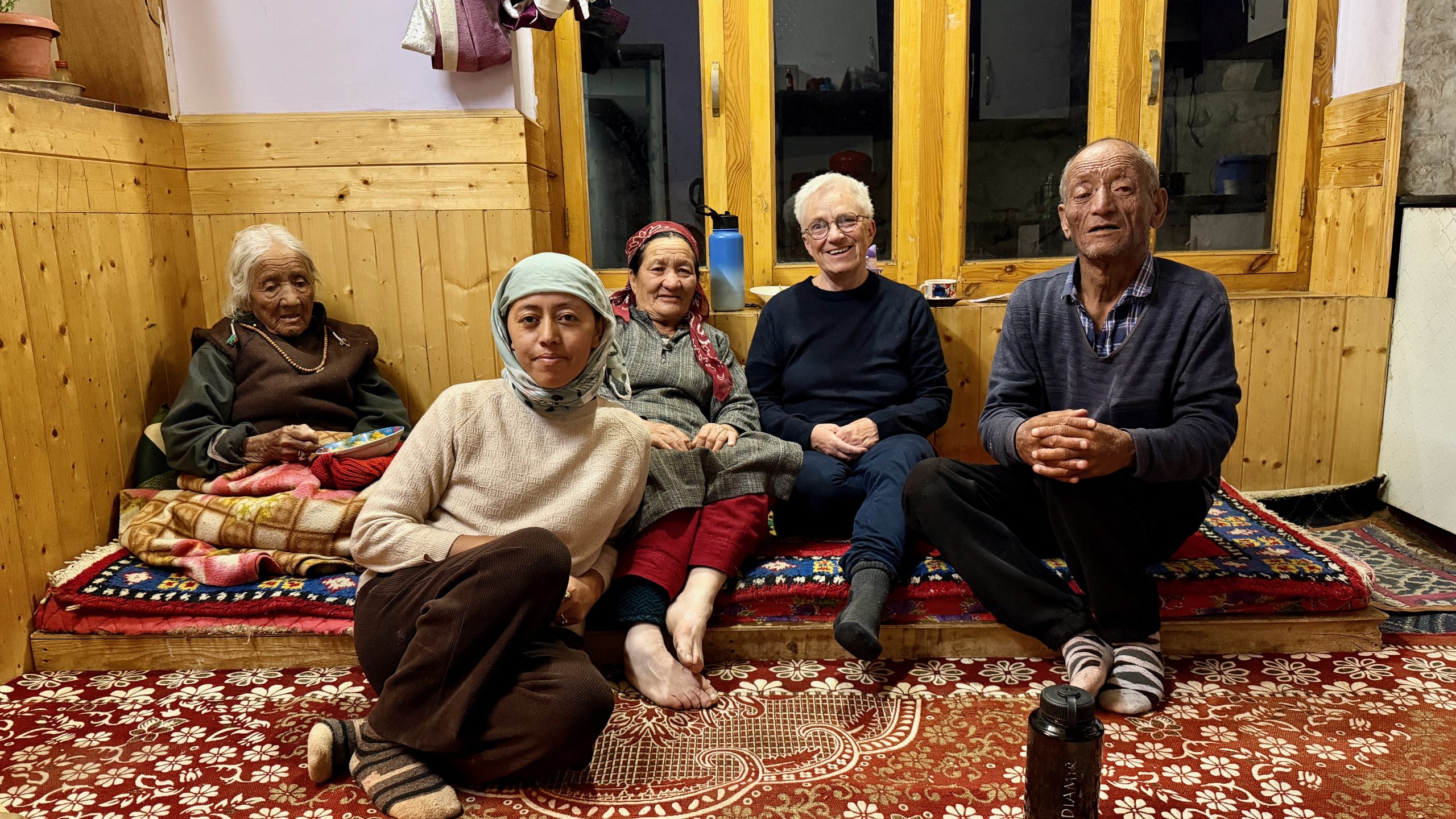
The homestay was in a brand-new house as well, and I was amazed by how comfortable everything was. Crisp, clean bedding, plush towels, and a warm shower. A young woman managed the entire place—she was taking care of her parents and grandmother, alongside her young son. Her husband serves in the army.
When we set off in the morning, I never expected the day to turn out so interesting, and I was genuinely thrilled. Everything went smoothly with Rinchen too, and I felt completely comfortable around him—which is no small thing when you’re planning to spend several days together. So, off to a great start! I was a bit apprehensive about the next day, though, since we’d finally be tackling some real climbs. I couldn’t help but wonder if my secondary asthma inhaler would hold up well enough.