


Nepal – Mustang – After the trip
21. August 2026
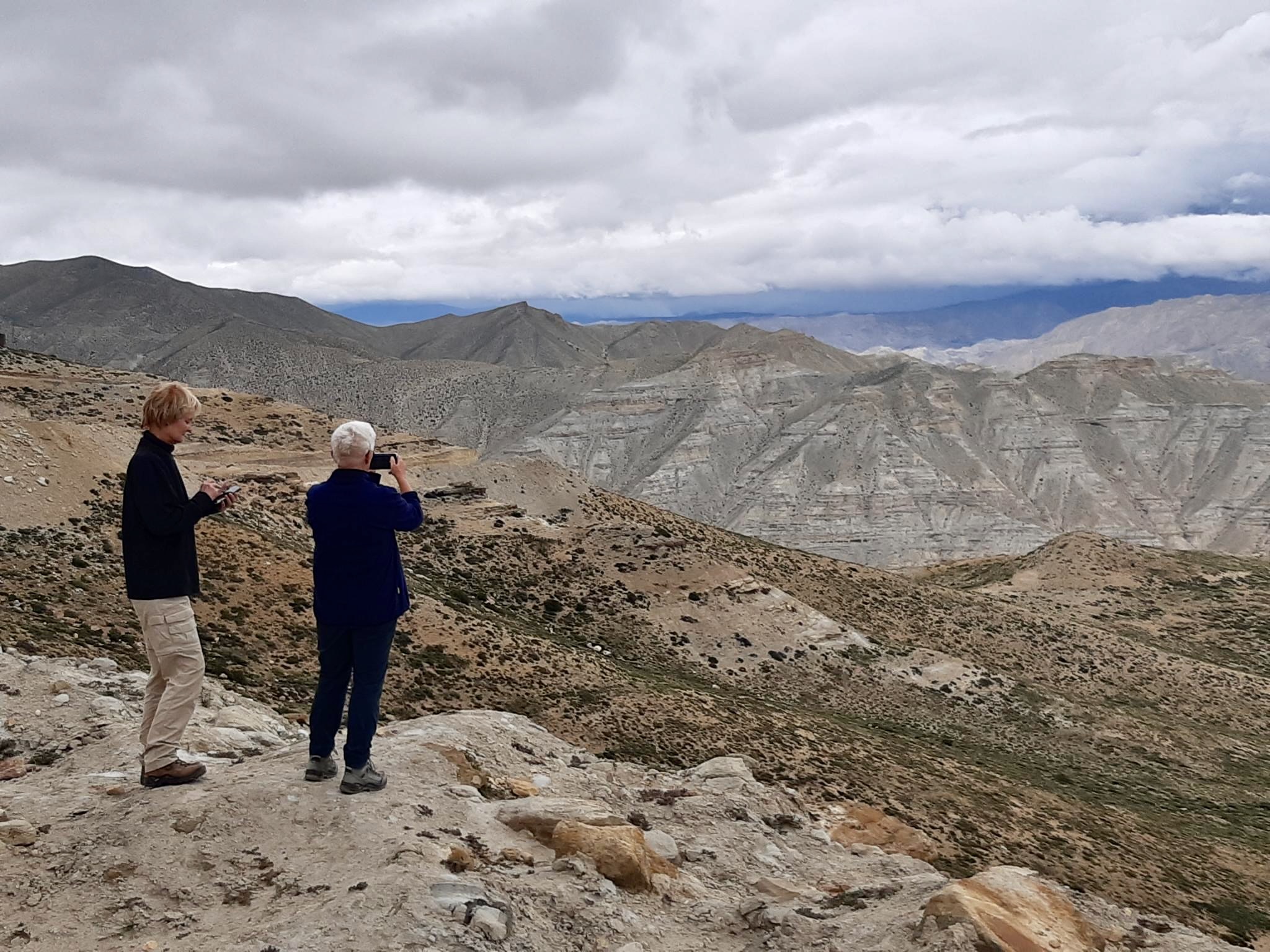
It feels a bit strange when you head somewhere else and keep traveling right after a self-contained specialty trip. You end up piling on even more travel impressions instead of properly digesting the previous ones. At least, that’s how it feels to me. Looking at my photos, an acquaintance from Ladakh remarked, “Same same but different.” And that pretty much summed up my own experience, too. As barren high-altitude deserts shaped predominantly by Tibetan Buddhism, Ladakh, Zanskar, Spiti, and Upper Mustang are very similar. To me, it felt like a natural extension of places I had already explored. The biggest difference: Upper Mustang is in Nepal. Like Zanskar and Ladakh, it is a former kingdom, but while the rulers of the latter two lost their power ages ago, the last king of Upper Mustang only had to abdicate in 2008.
At times, I genuinely forgot that I was in Nepal and not India, because so much felt identical. Due to its remote isolation, Upper Mustang is often marketed today as one of the best-preserved enclaves of traditional Tibetan-Buddhist life. It’s quite likely that this romanticized image drew me in as well. Once there, however, you quickly realize that—having served for centuries as a vital trade hub for salt and other goods, alongside its ties to Nepal—it isn’t, and never was, as pristinely isolated as it might seem. Looking back, what fascinates me most is observing how the region now navigates the influx of Chinese goods on one hand and rapidly expanding tourism on the other. That brings me straight back to the big regret of the trip: having such an unhelpful guide, combined with my own shortcomings in failing to forge deeper, more meaningful connections with the locals.
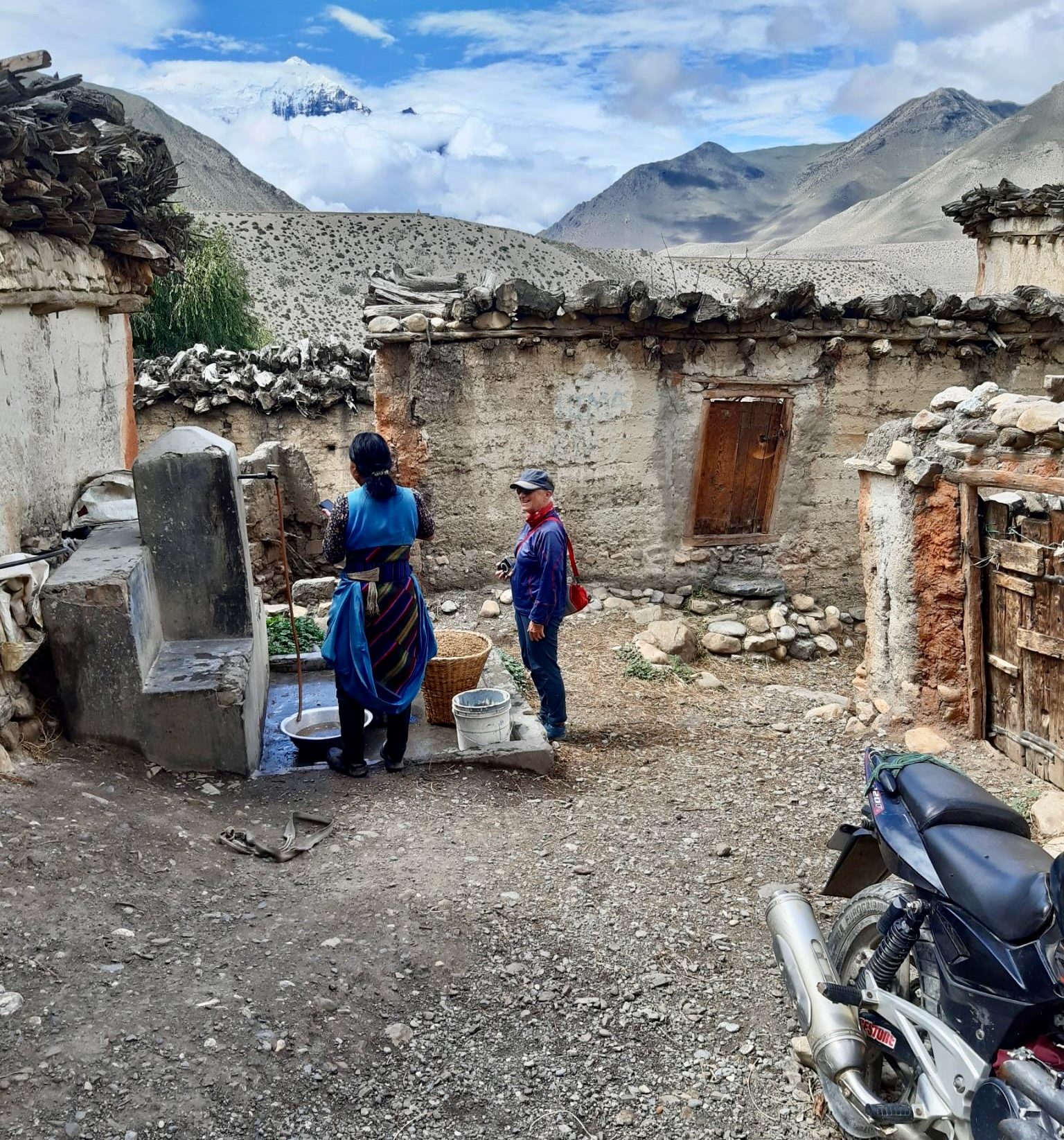
For me, this trip fundamentally felt more like a teaser rather than a “been there, done that.” Of course, you can never truly claim to “know” a place after just one visit, but here—even though it’s such a compact region—I feel like I missed out on quite a lot. Except for the landscape, where I genuinely feel I got a solid impression. What surprised me most was all the lush green in the west.
I felt a real urgency to travel to Mustang now, while tourism is still relatively low due to the expensive permit and the mandatory guide requirement. My guess is that this will change in the coming years (especially if permit fees drop), and with all the glowing travel reports and photos of the spectacular scenery, more and more travelers are bound to come. The infrastructure—with comfortable guesthouses, decent food options, and an ever-improving road—is already in place.
Even though the thick blanket of clouds dampened my mood at times, I was ultimately glad we chose to visit during the monsoon, as it made everything exceptionally quiet. We practically had Mustang all to ourselves, and that made for a truly great travel experience.

One slightly confusing point: people always simply refer to this permit zone as “Mustang,” but it would be more accurate to call it Upper Mustang. After all, there is also Lower Mustang—the stretch between Ghasa and Kagbeni. In my mind, that part was always just the “Annapurna region,” tied to the classic Annapurna Circuit and its long-established spot on the tourist map. At any rate, traveling to Upper Mustang always takes you right through Lower Mustang, so you really end up experiencing Mustang as a whole.
Overall, I find both Mustangs thoroughly intriguing. There is so much more left to discover, and one should definitely take the time to travel at an even slower pace than we did. If anyone were to invite me back to the region, I’m pretty sure I’d jump at the chance.
Having traveled with Ute in Kyrgyzstan, Slovenia, and previously in Ladakh, I already knew her quite well as a travel partner and genuinely love being on the road with her. While I had also met Beate back in Ladakh (though that dynamic was different, as they were visiting me in a region I knew inside out, whereas Upper Mustang was completely new terrain for all of us), it turned out that the three of us travel together remarkably well. It went so smoothly that I wouldn’t hesitate for a second to go on another trek with the two of them.
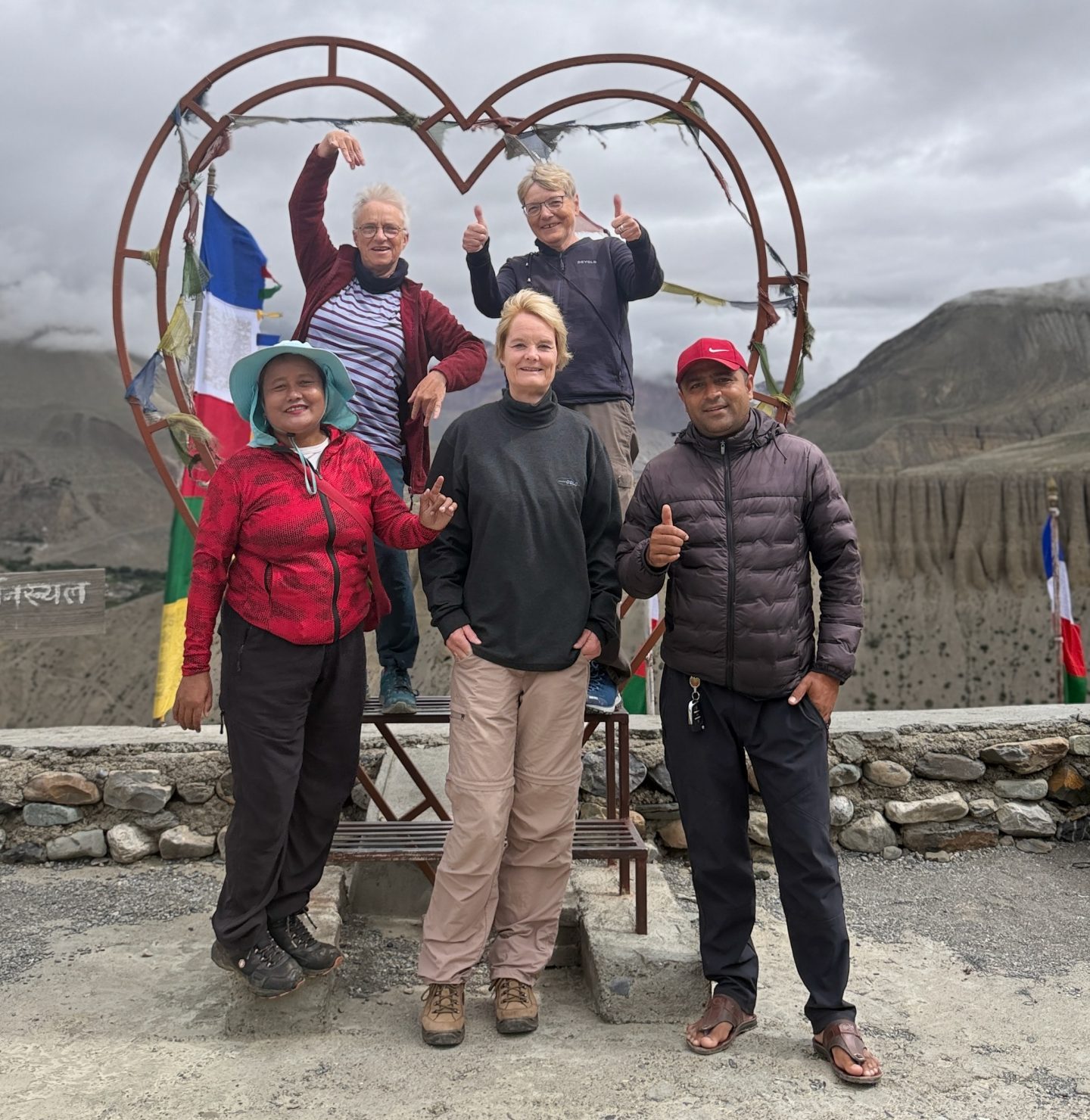
WAs for my partner agency: they are genuinely well-equipped for “standard” itineraries; past client feedback and our experience with the driver they frequently assign certainly back that up. However, whenever special requests come up—such as asking for a female guide—I clearly need to follow up more closely and double-check that everything will actually run smoothly.
At the very least, it gave us plenty to observe, ponder, and wonder at regarding just how different people can be.
A lot of this will undoubtedly keep spinning through my head, and I’ll want to let things settle and learn even more—though right now, it’s all being overshadowed by fresh travel impressions here in India. That makes me look forward to being back home and catching up with Ute and Beate over the winter to properly unpack it all. Regardless, I am truly glad to have tackled this journey precisely the way and at the time I did. In the past, I always found plenty to complain about regarding Nepal after every trip. Not this time. I’m certainly not without criticism, but Nepal is gradually climbing higher in my esteem and affection, which is a wonderful takeaway in itself. Perhaps partly because I felt far more genuinely welcomed there than in India.
