


Padum -> Leh – Between smooth Asphalt and hanging, sharp Rocks
31. May 2026
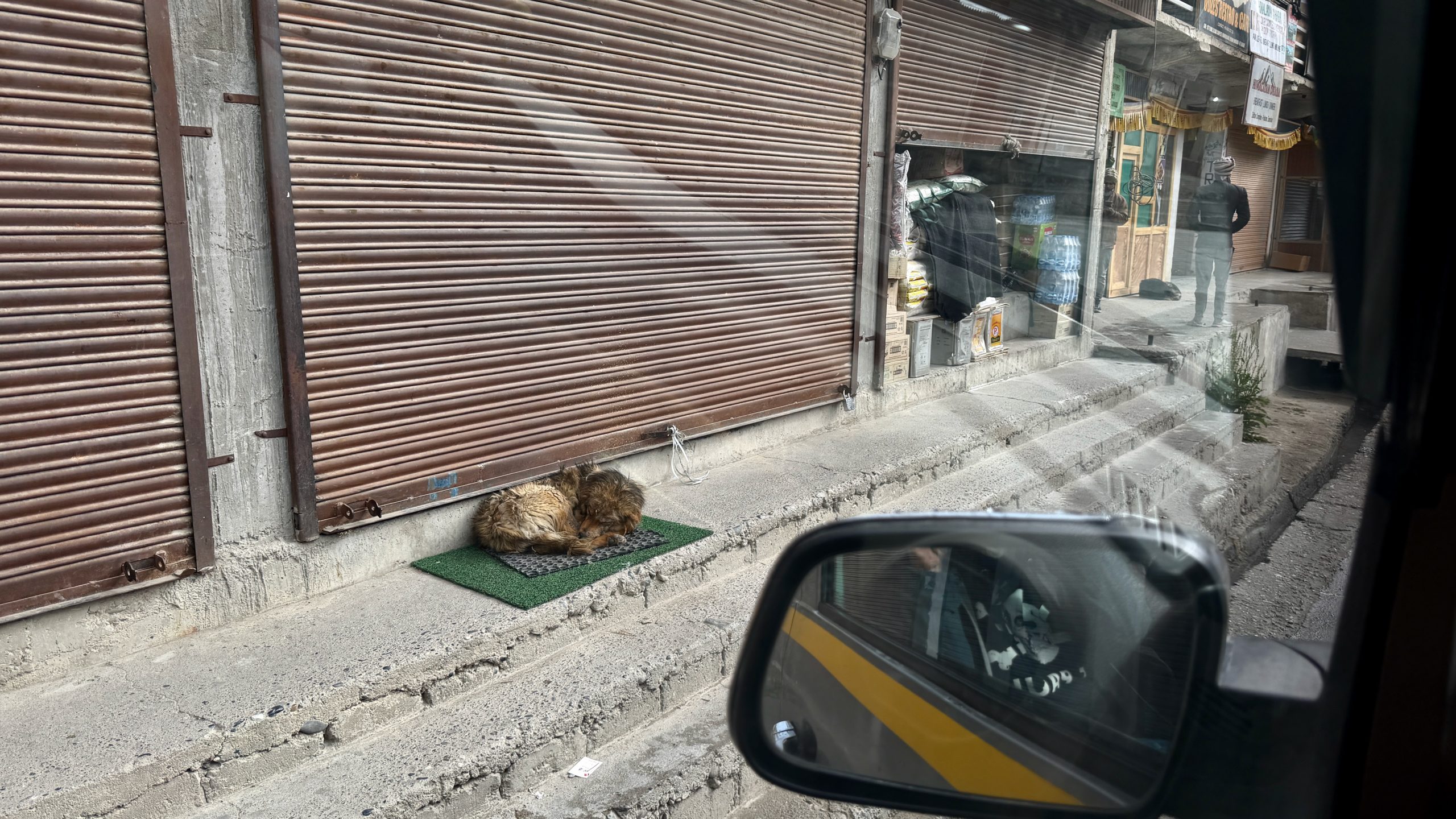
From Padum to Leh, I took a shared taxi and this time I even managed to snag the front seat. It always takes a while before you actually hit the road, as some people have to be picked up from other places. We picked up a rather elderly lady from the hospital. She still had her IV lines in her hand.
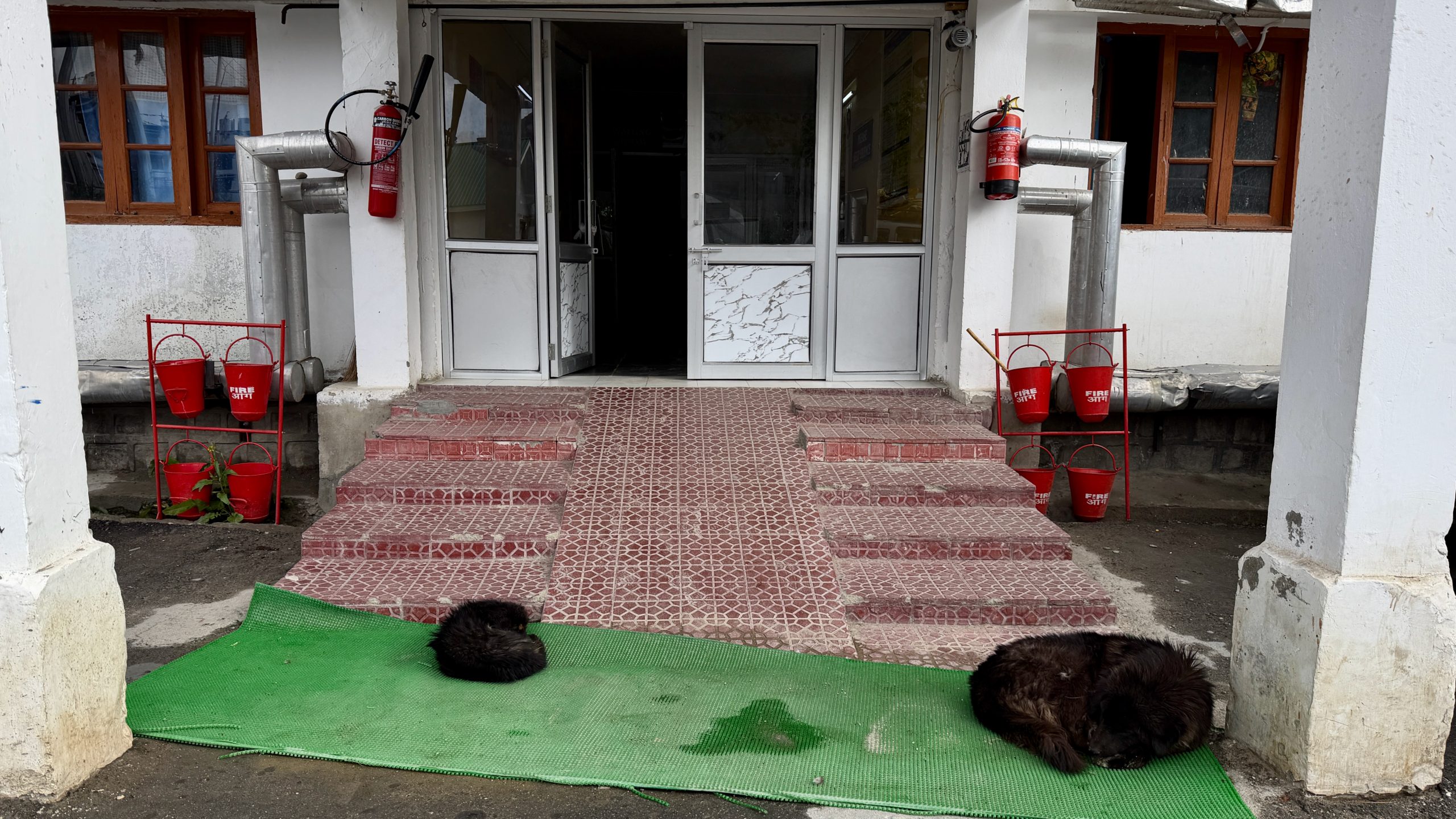
Unfortunately, she wasn’t doing well, and we had to stop frequently. I found it a bit intense to entrust her in that condition to a taxi driver and other people without any medical knowledge. To cut a long story short: once in Leh, the very first thing we did was drive her straight to the hospital, and we were relieved to have delivered her alive.
It had rained a bit during the night, and the morning was still overcast.
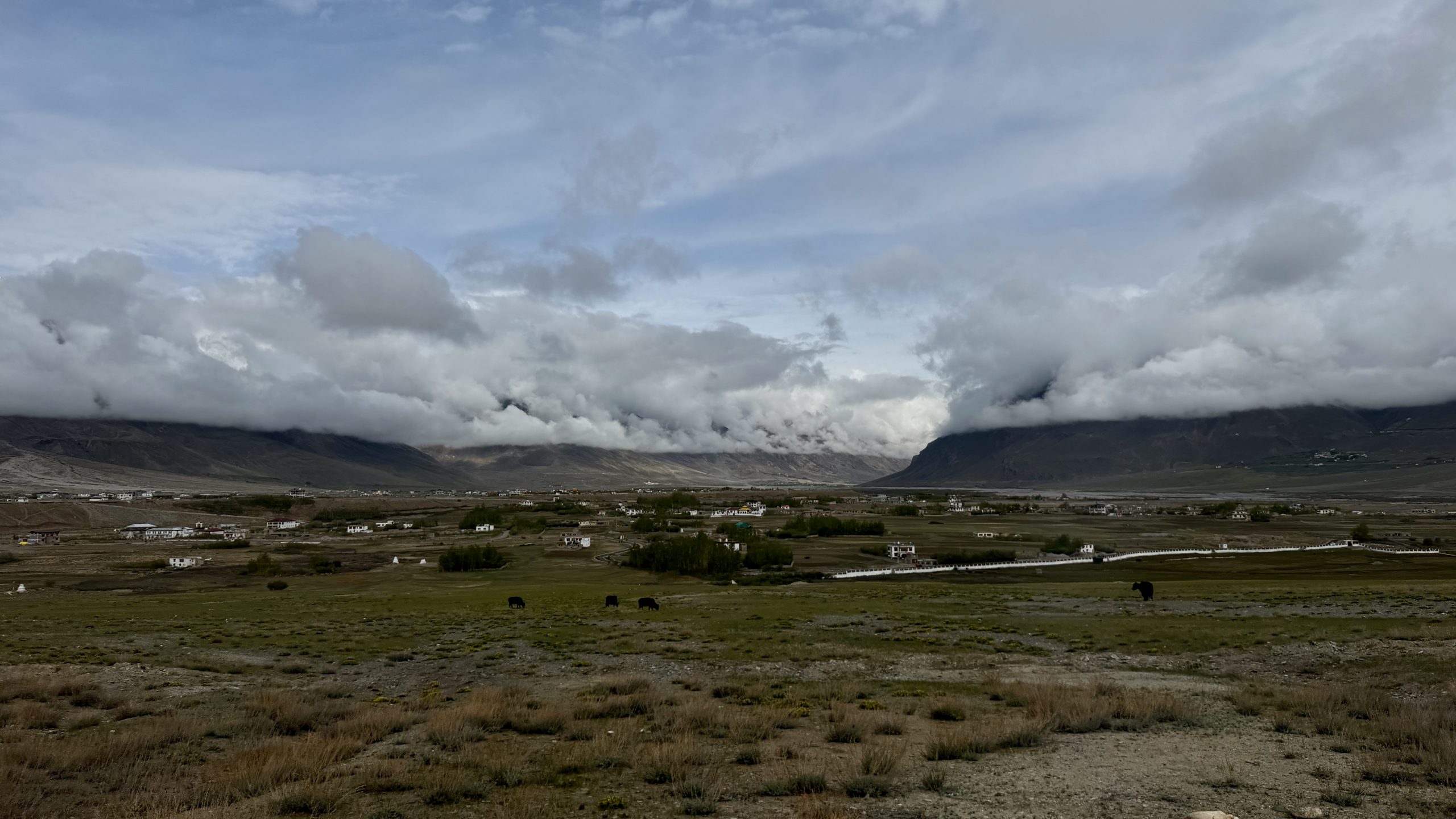
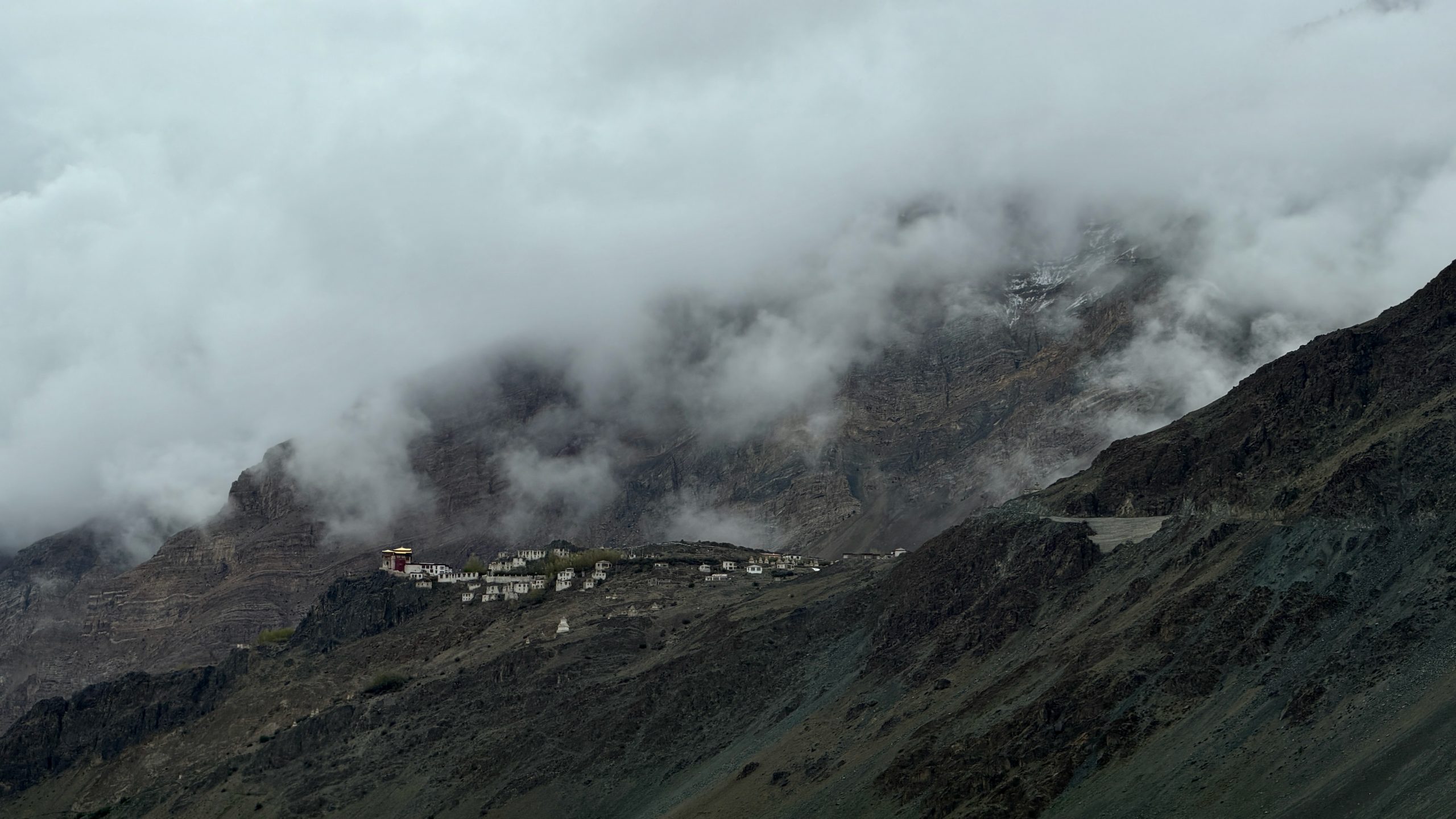
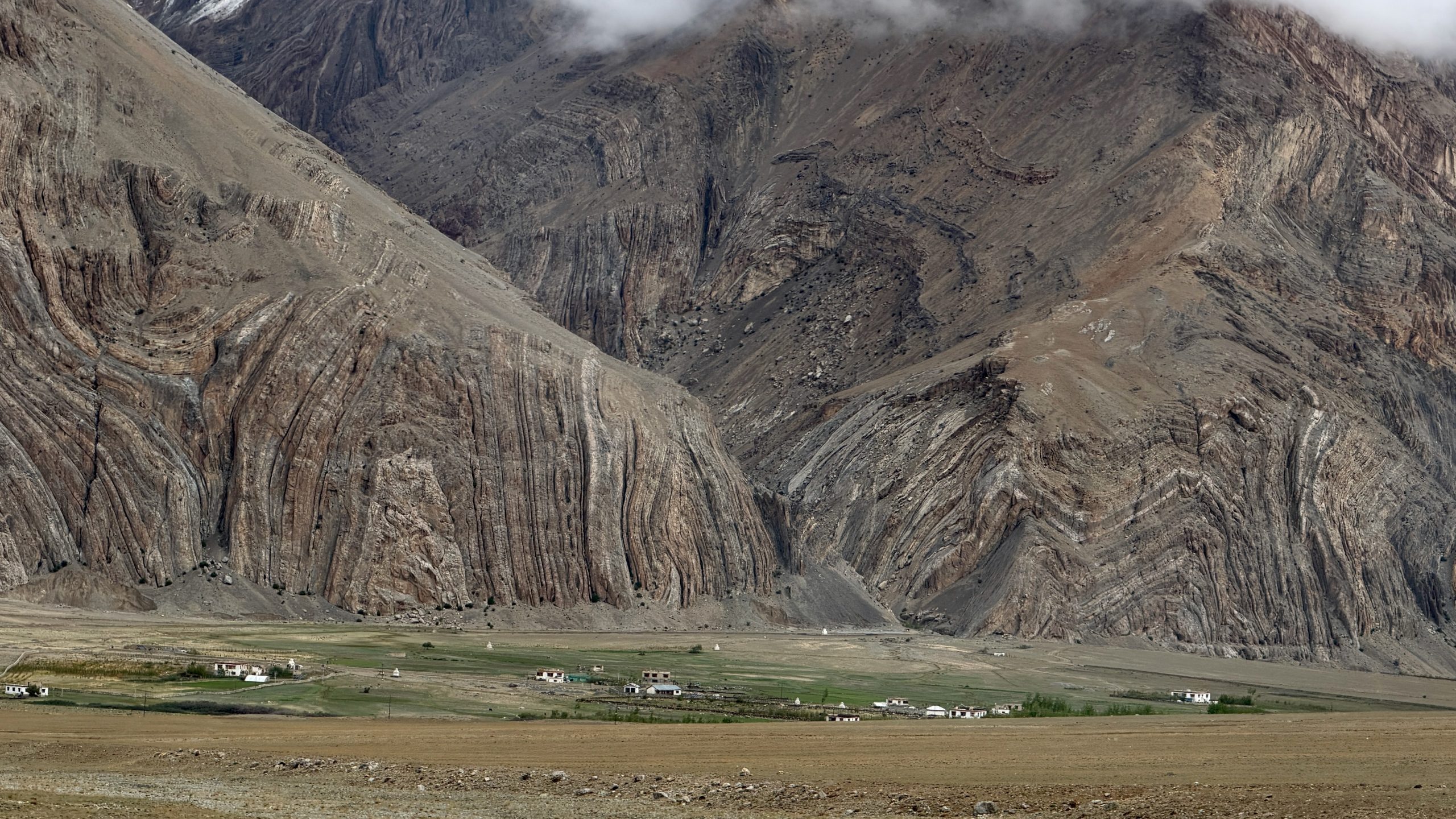
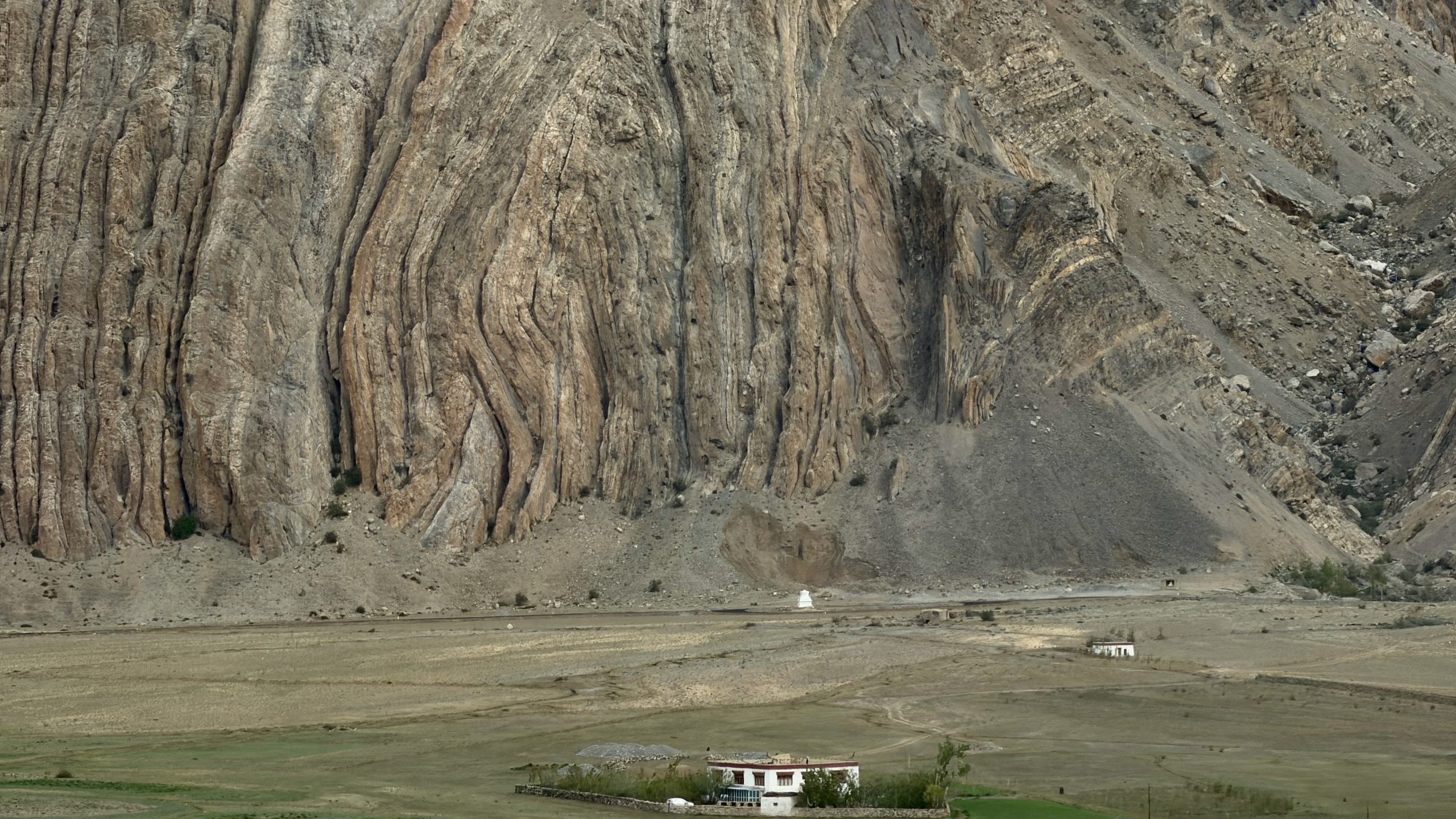
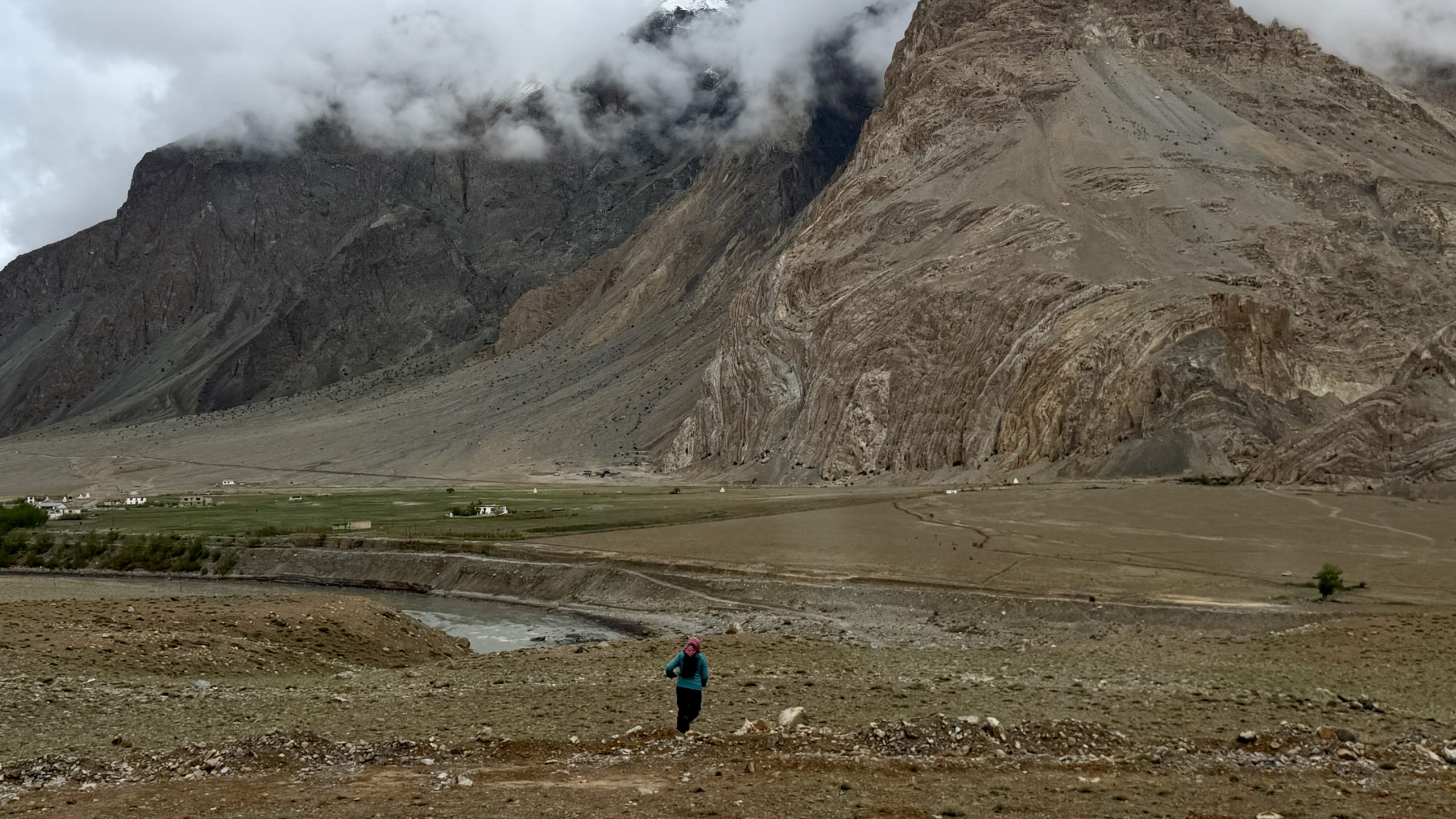
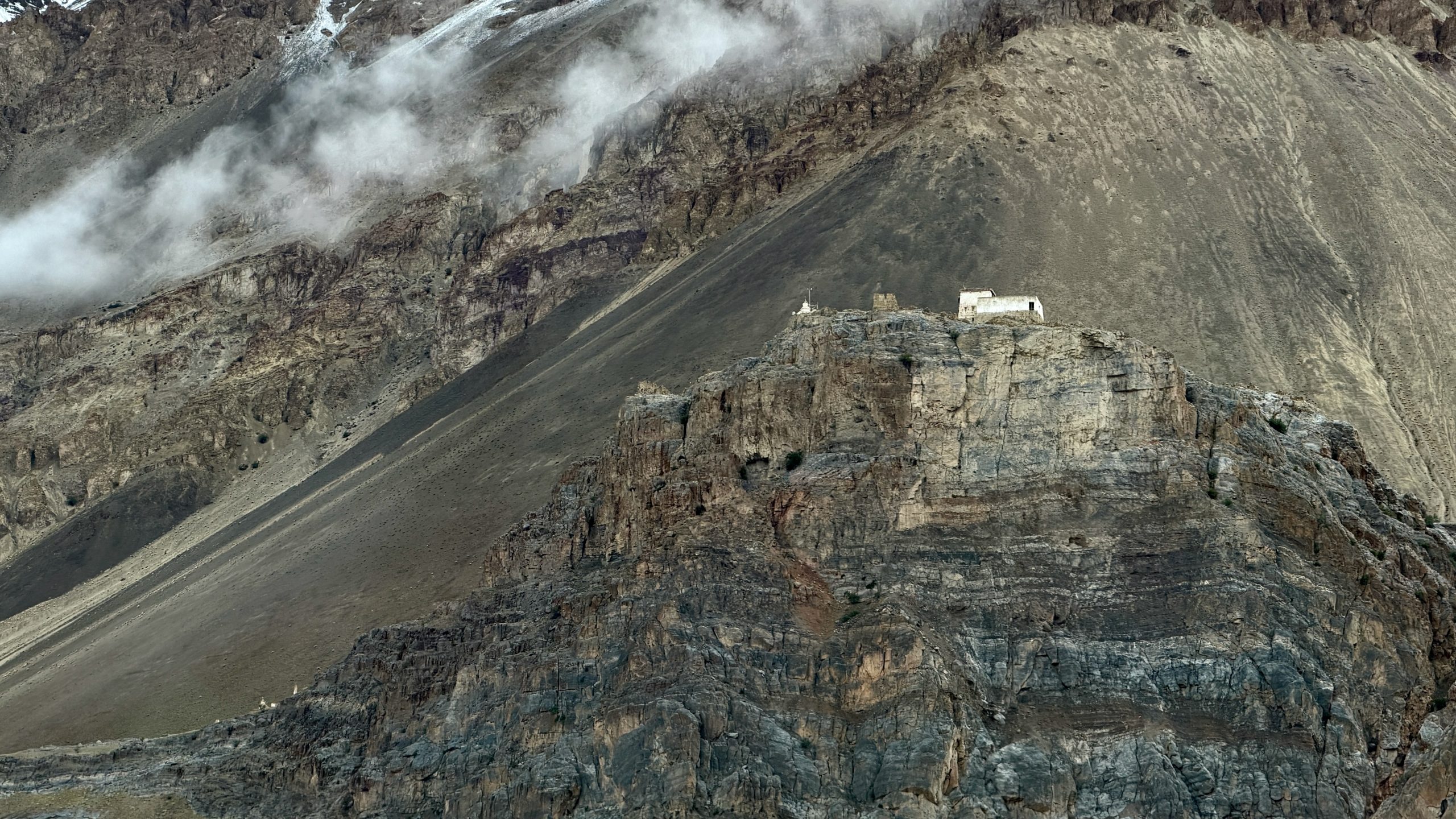
In Zangla, there was a checkpoint ensuring that people weren’t trying to travel on the wrong days.
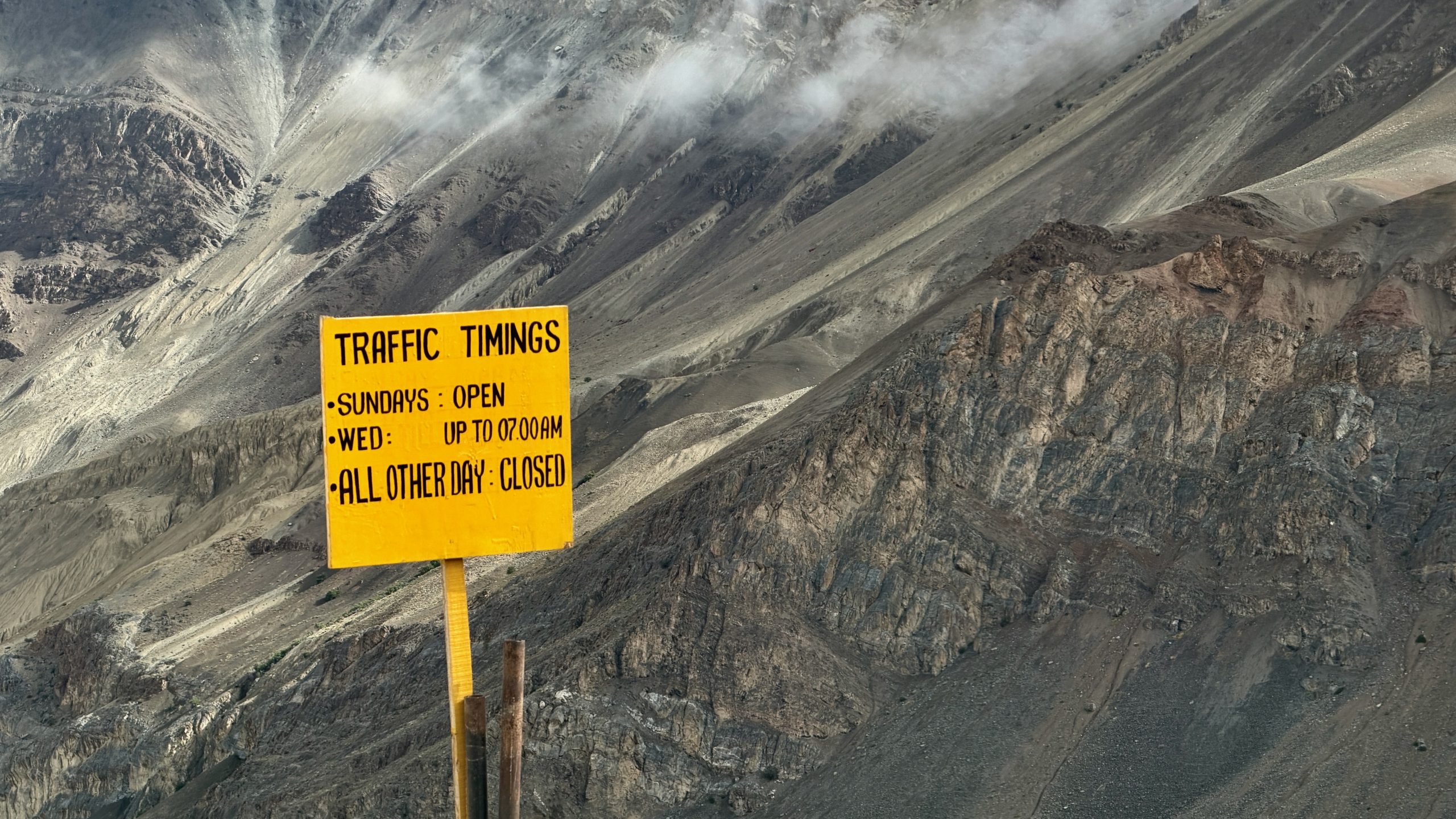
I actually thought it would be open on Sundays because that’s when roadworks usually pause. But no way—out here, they work straight through.
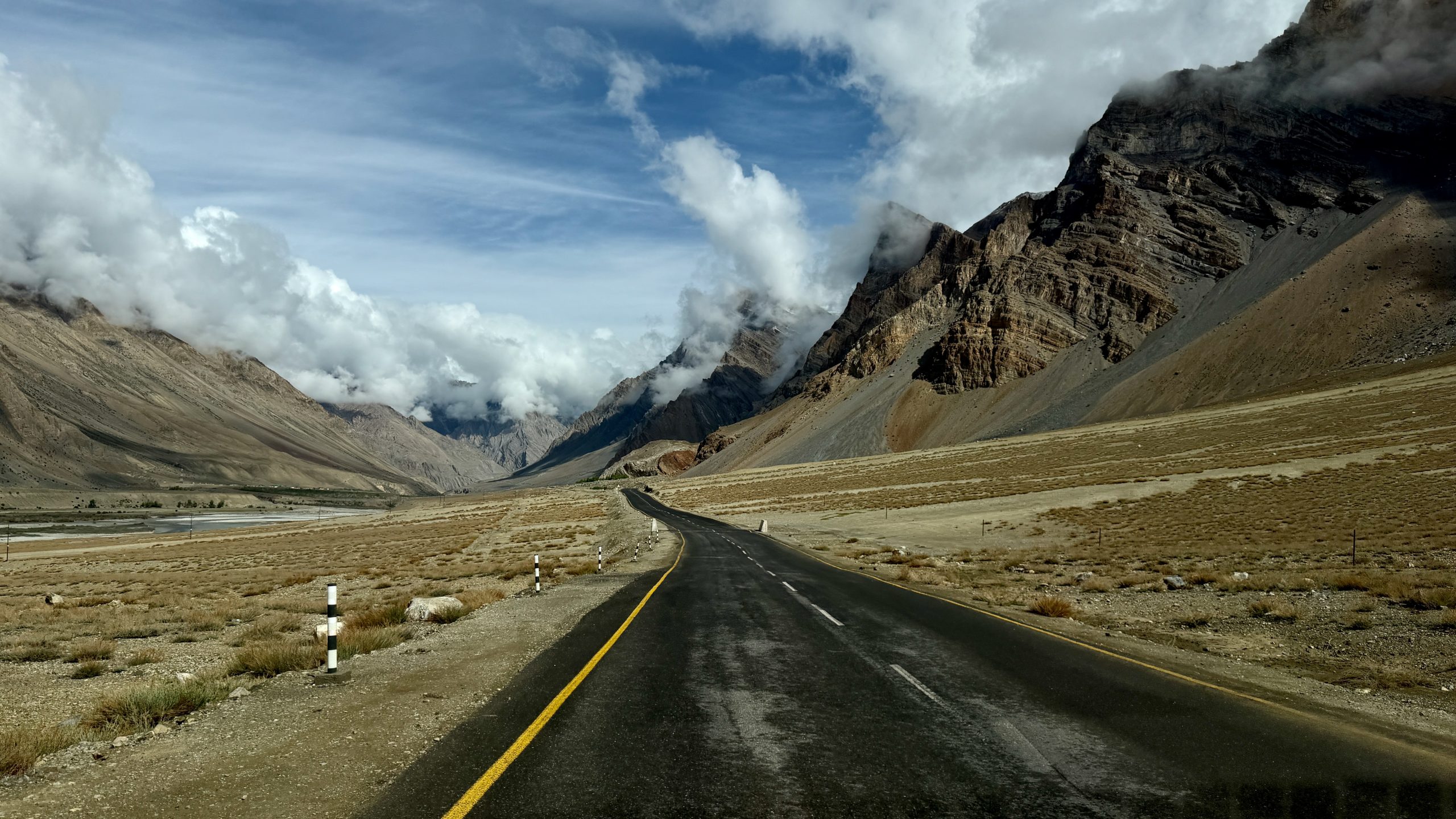
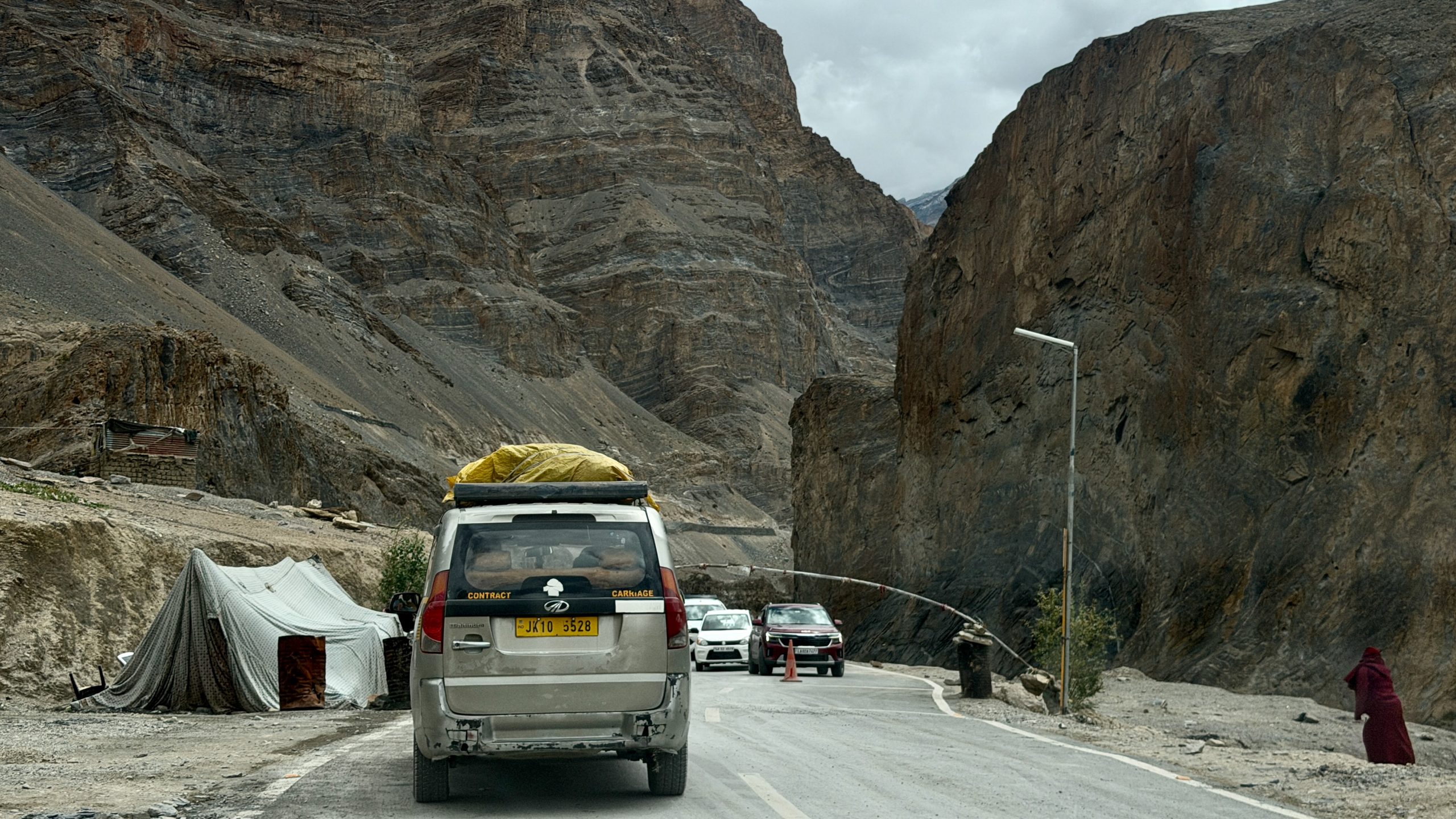
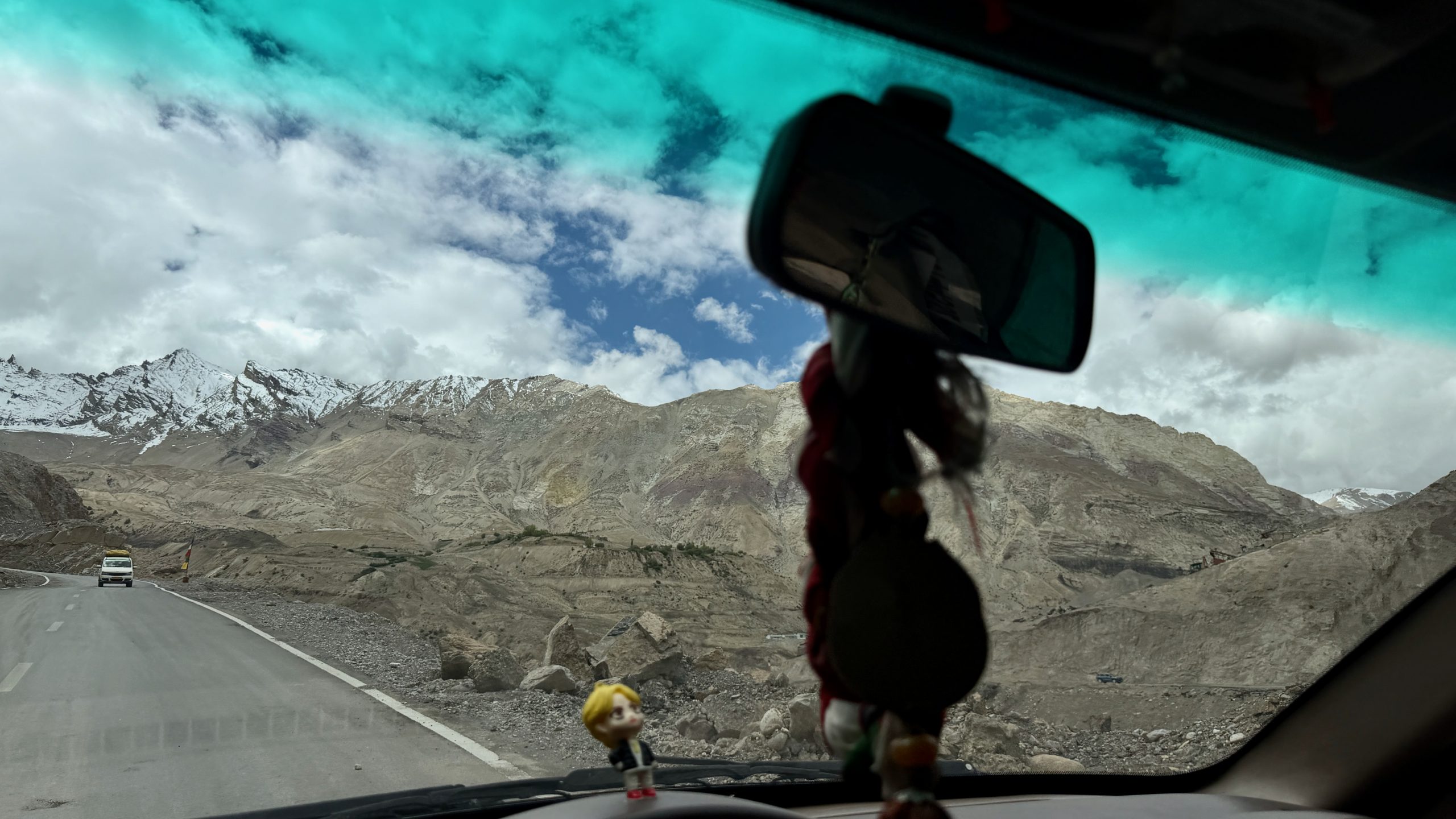
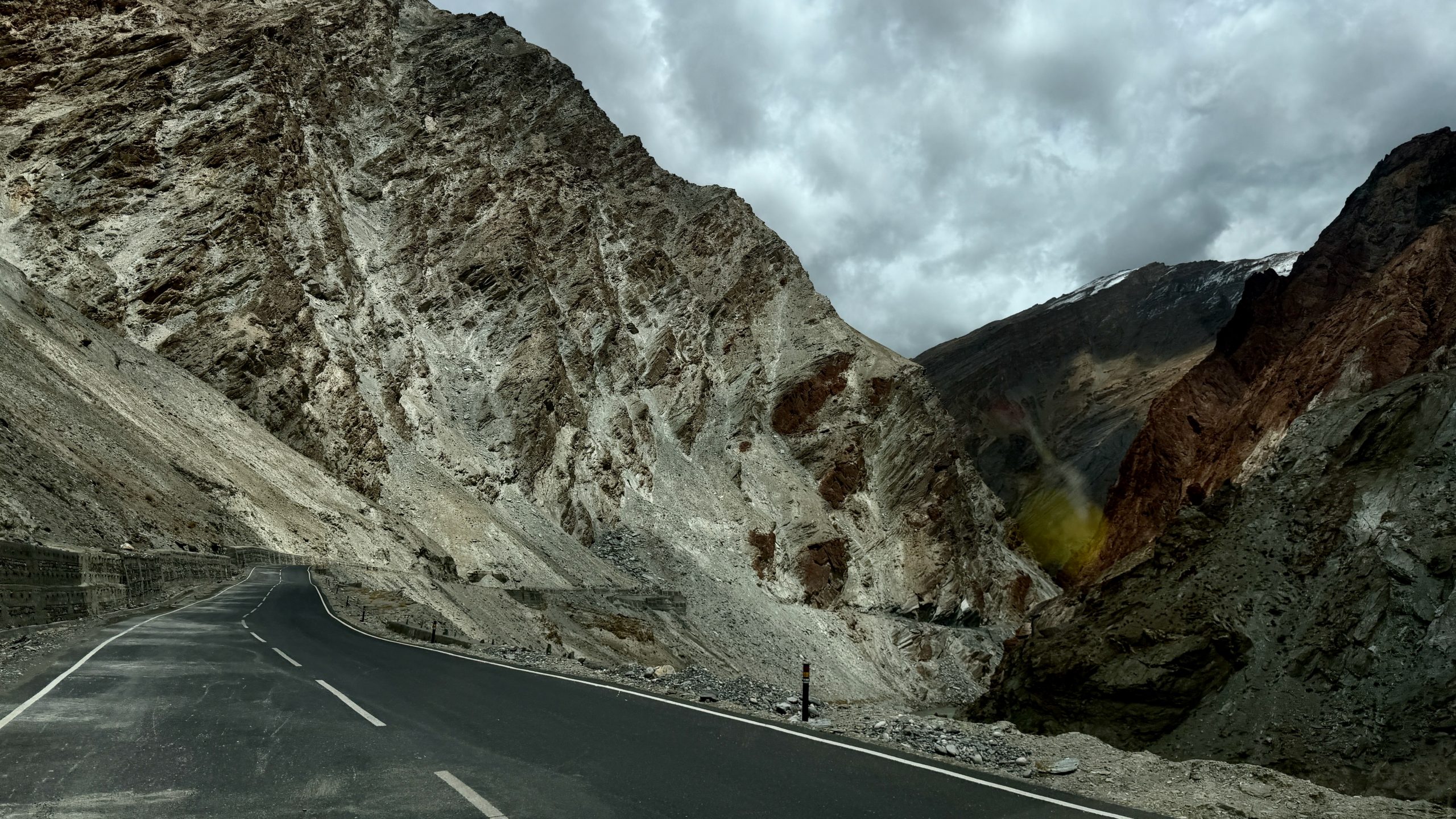
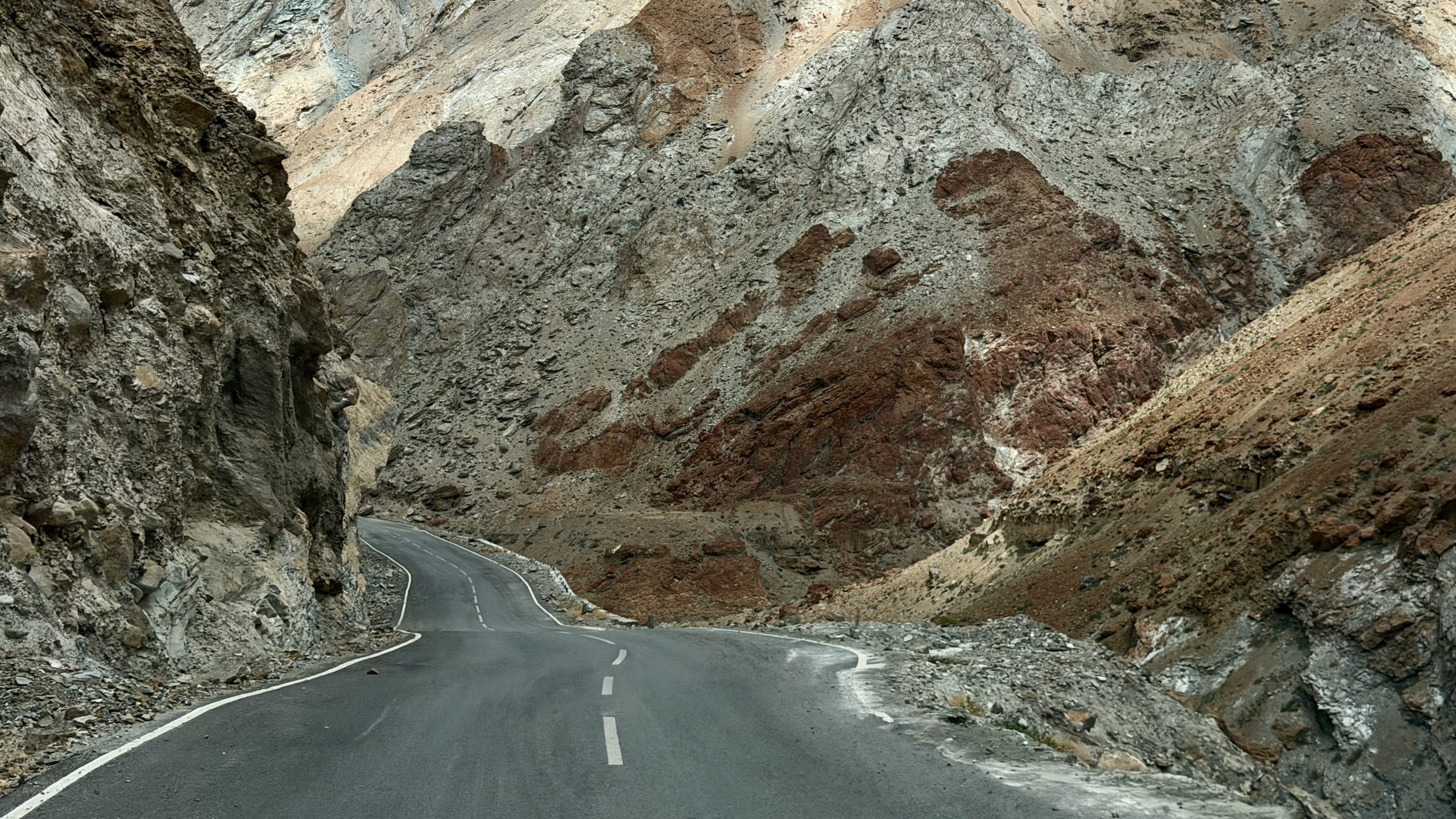
But first, past Zangla, the road continued quite nicely on asphalt. I found the side barriers rather interesting.
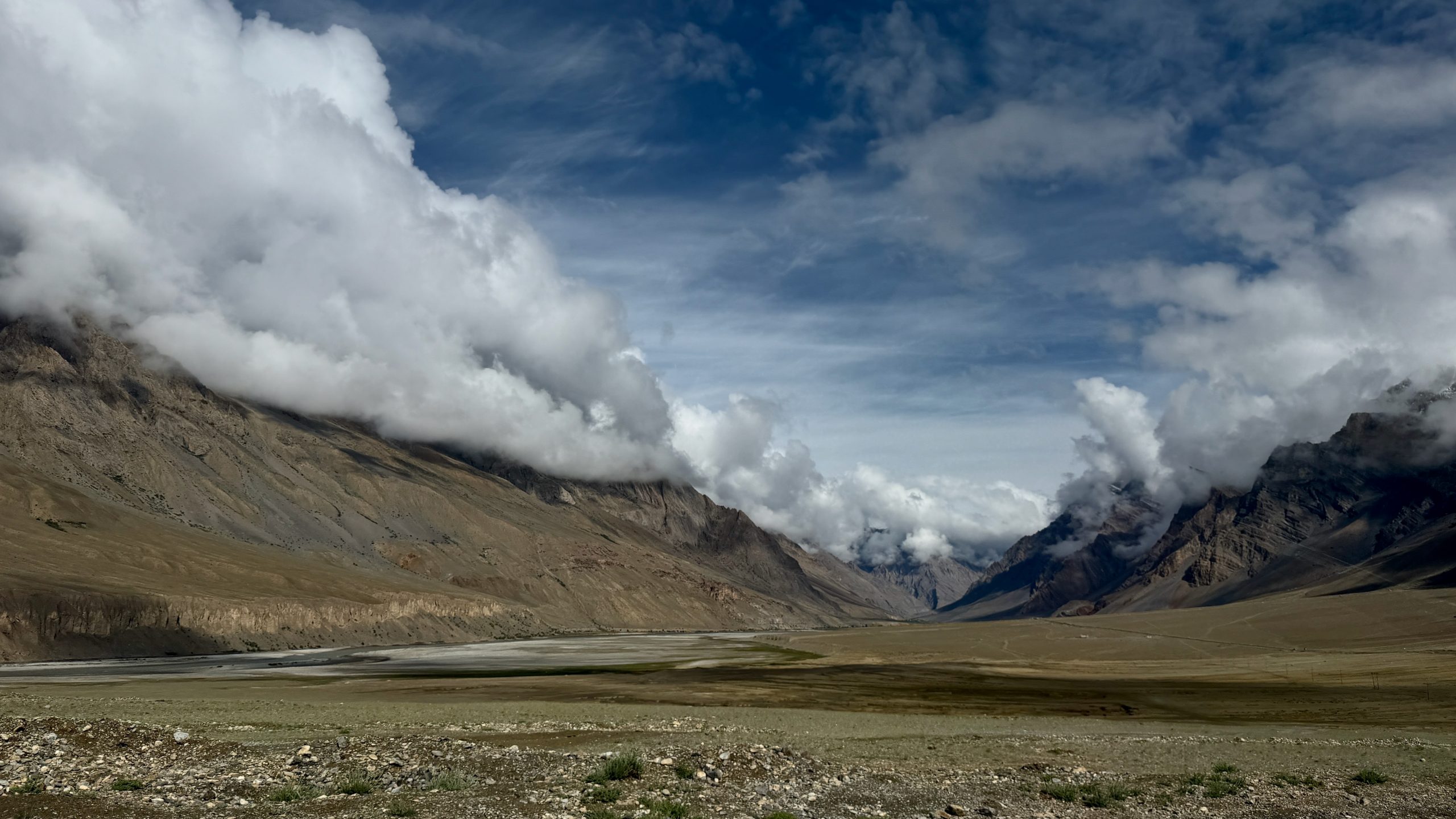
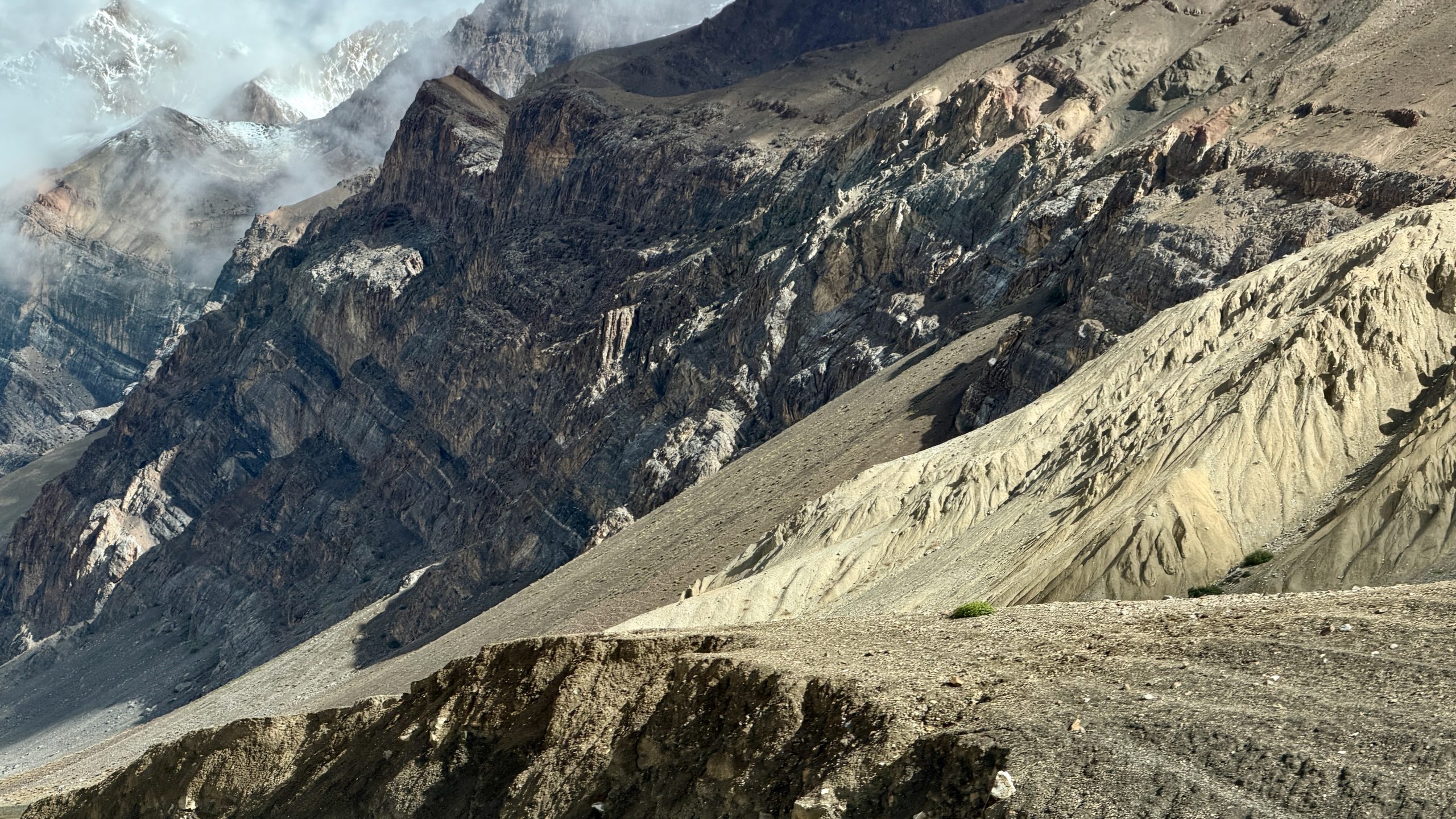
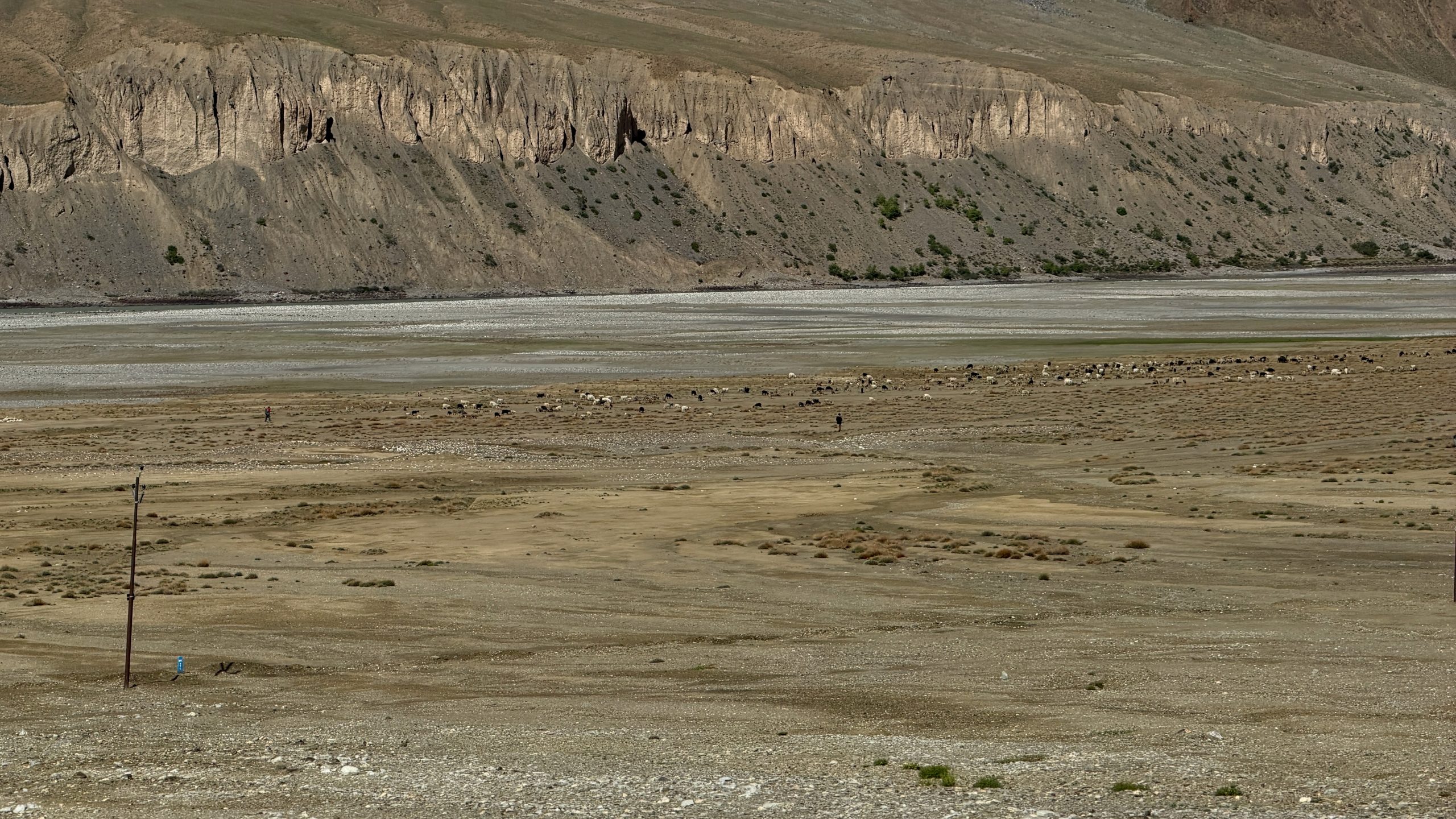
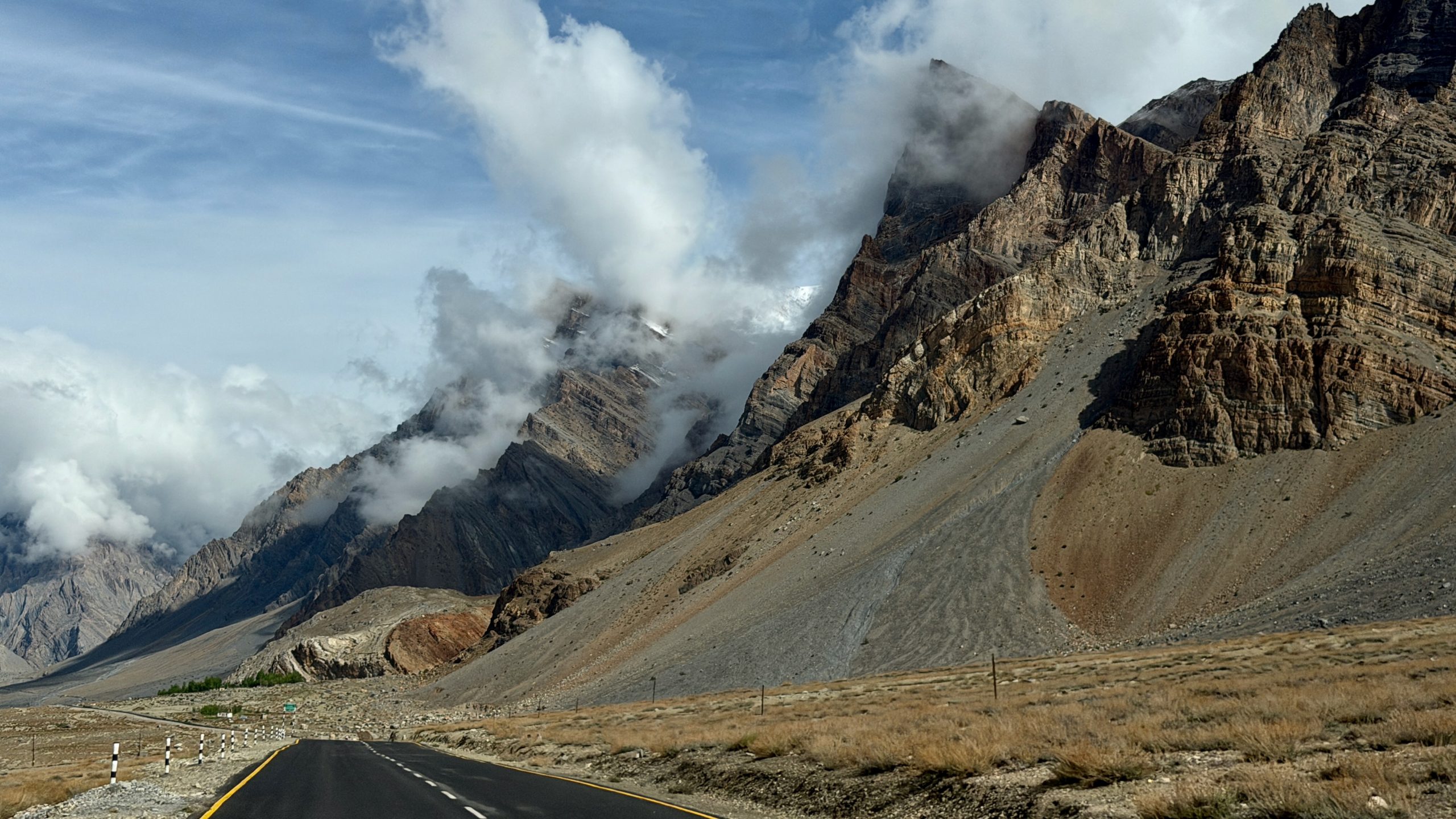
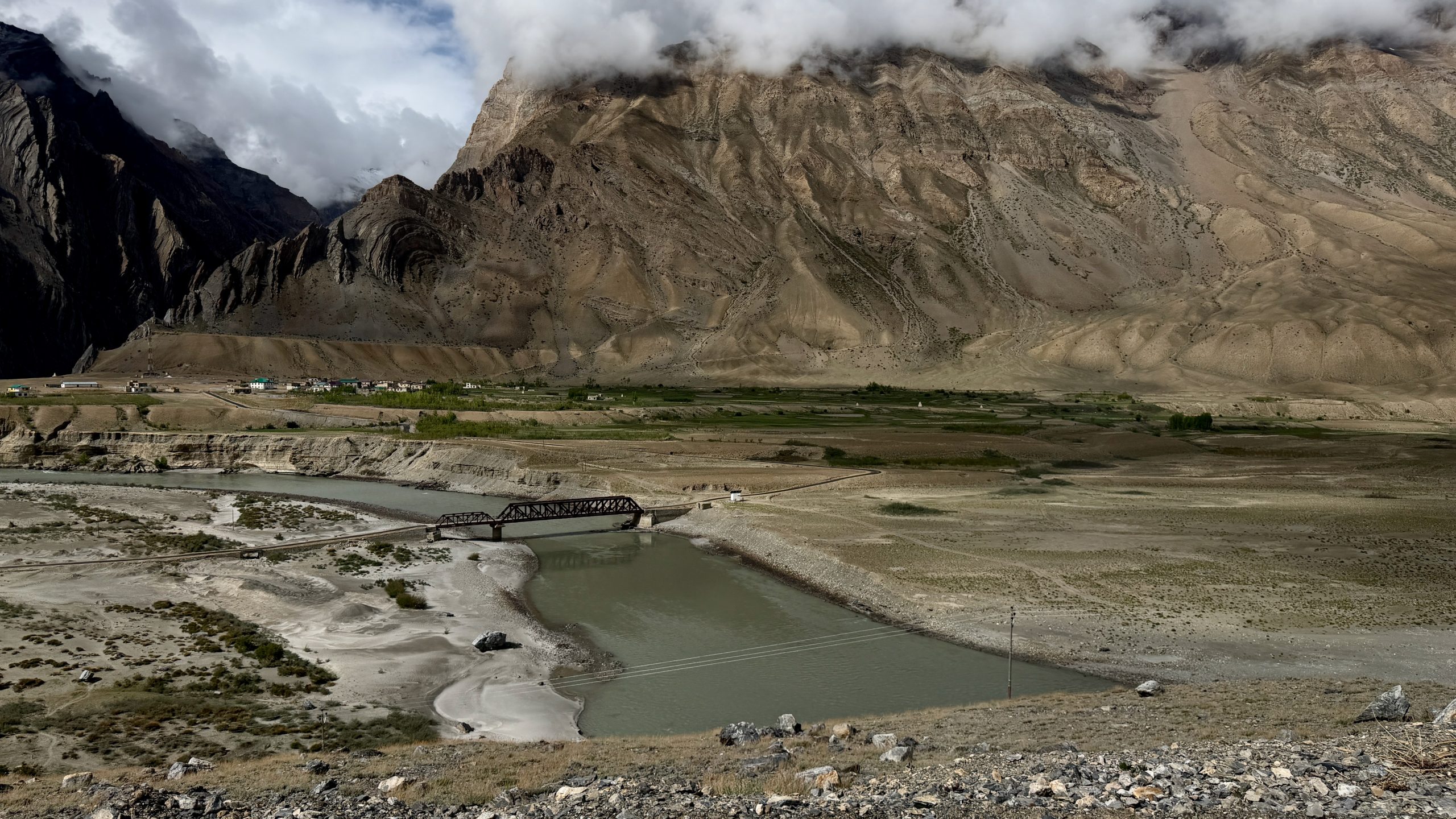
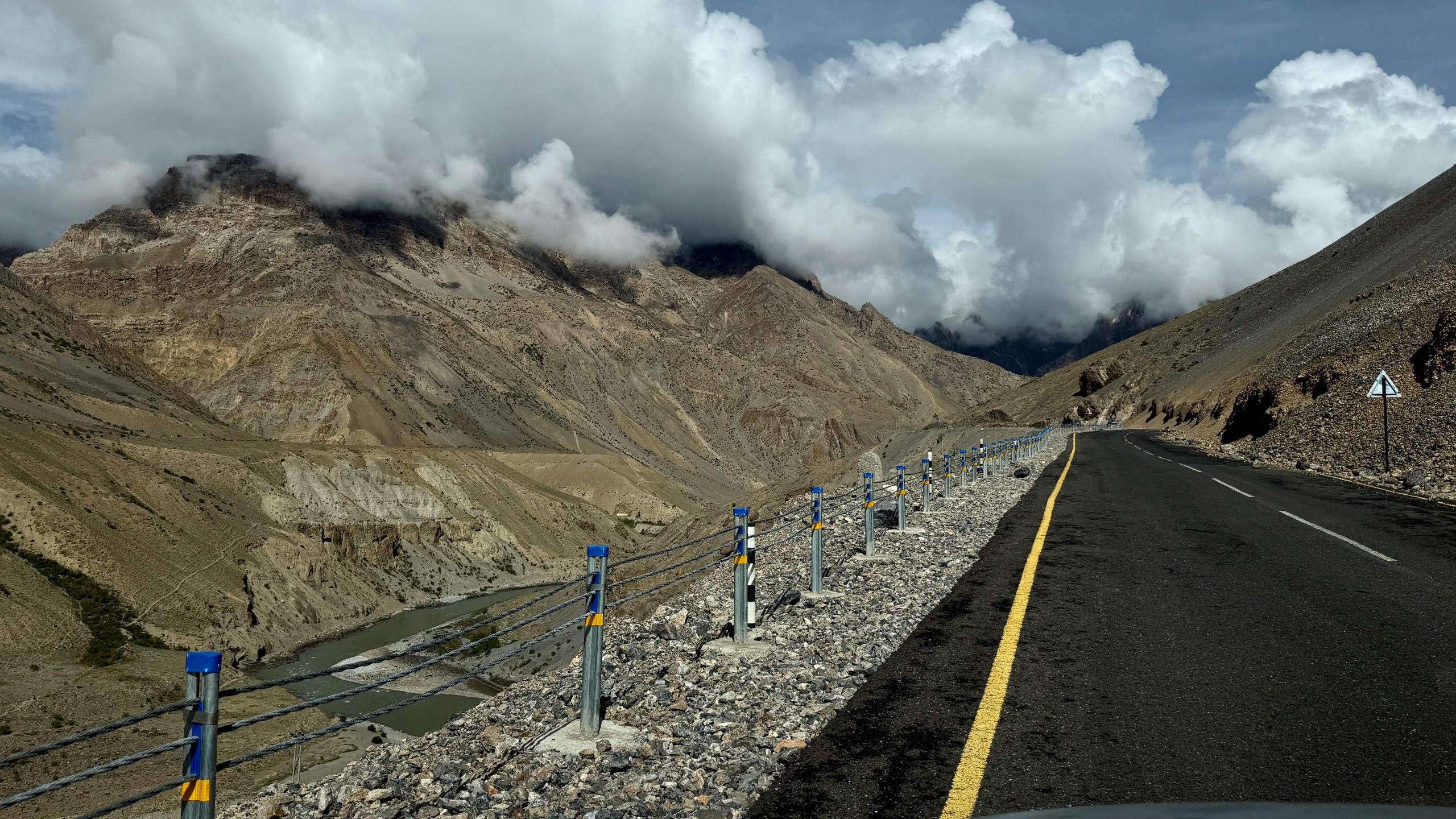
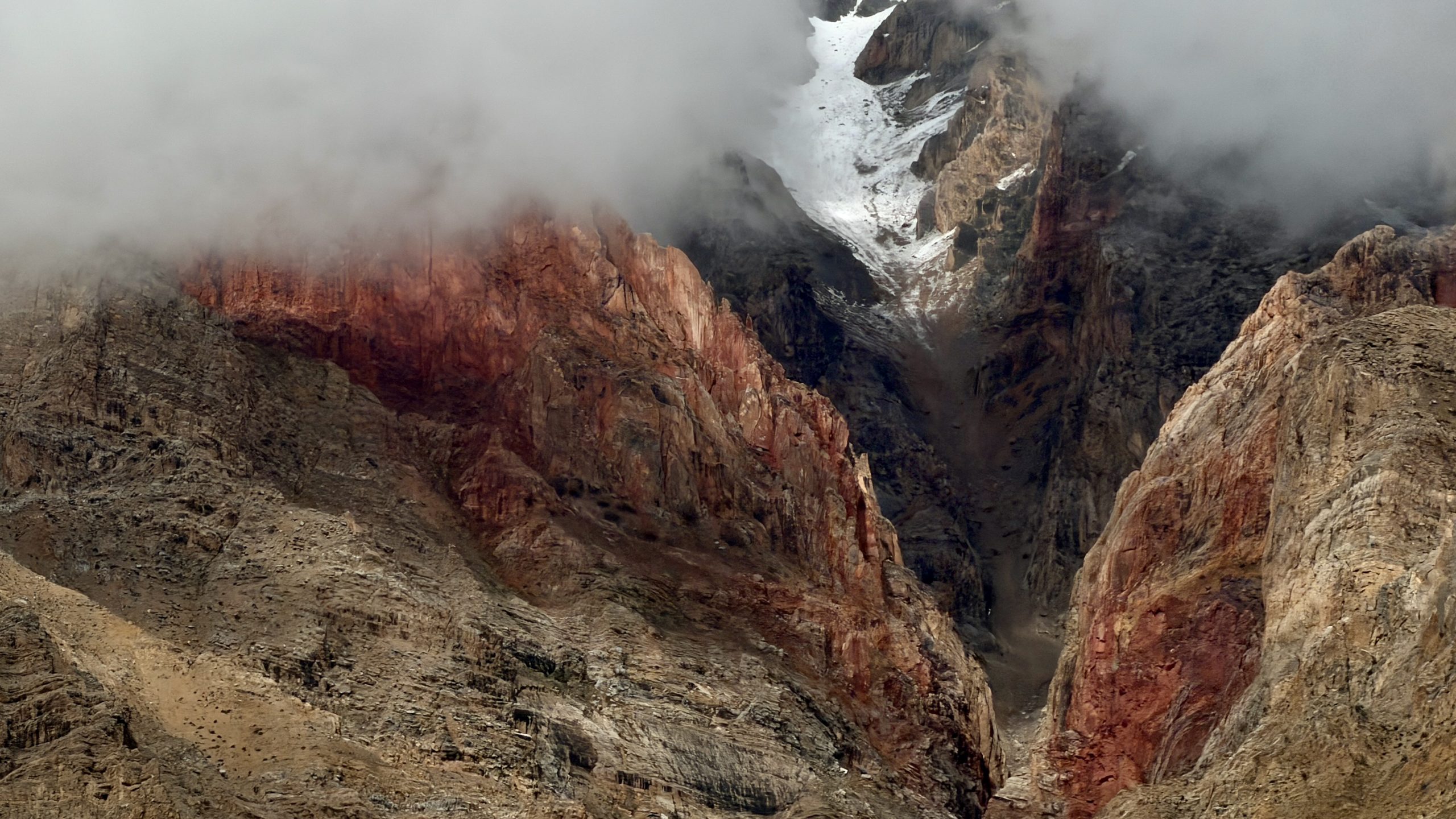
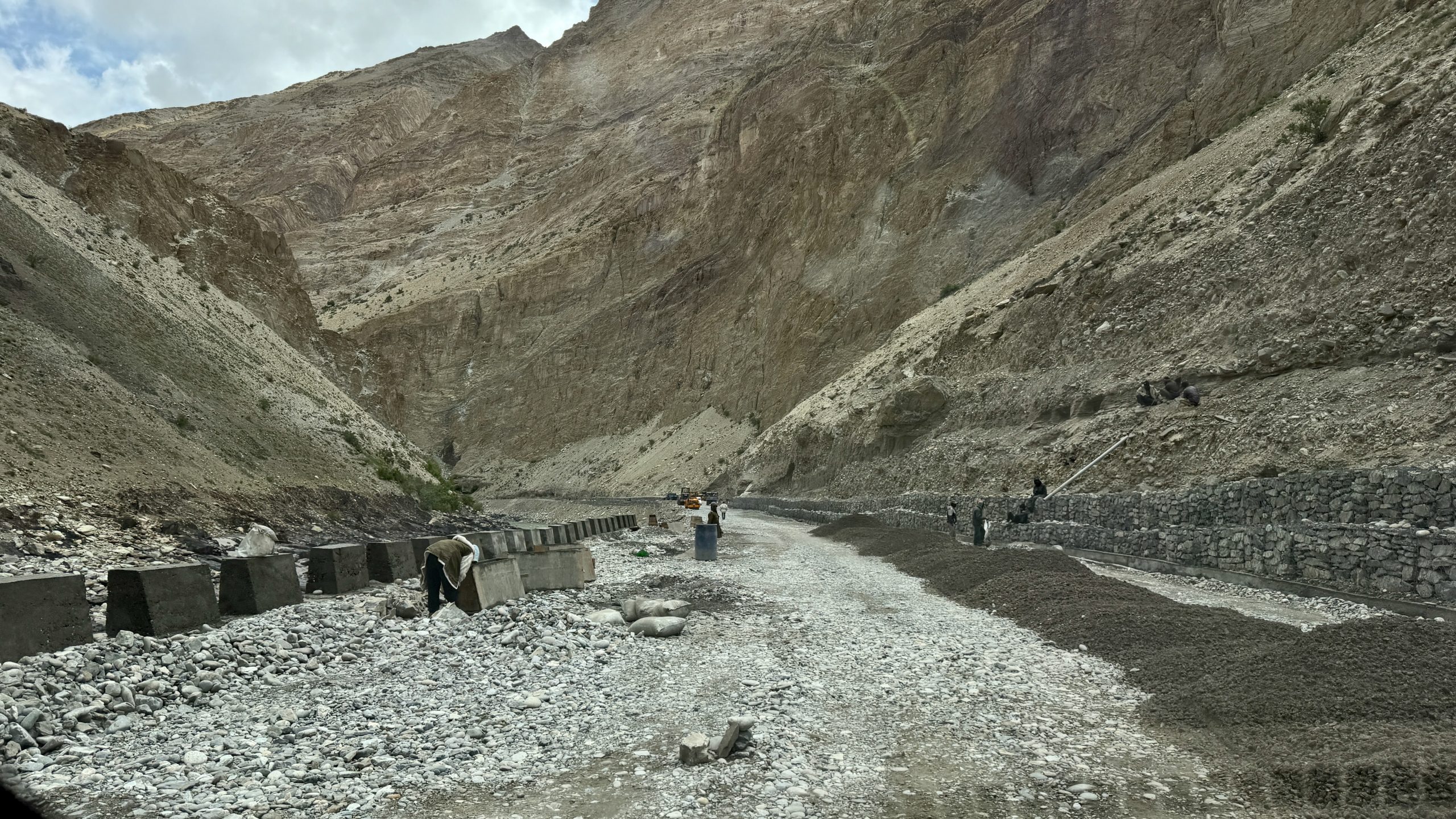
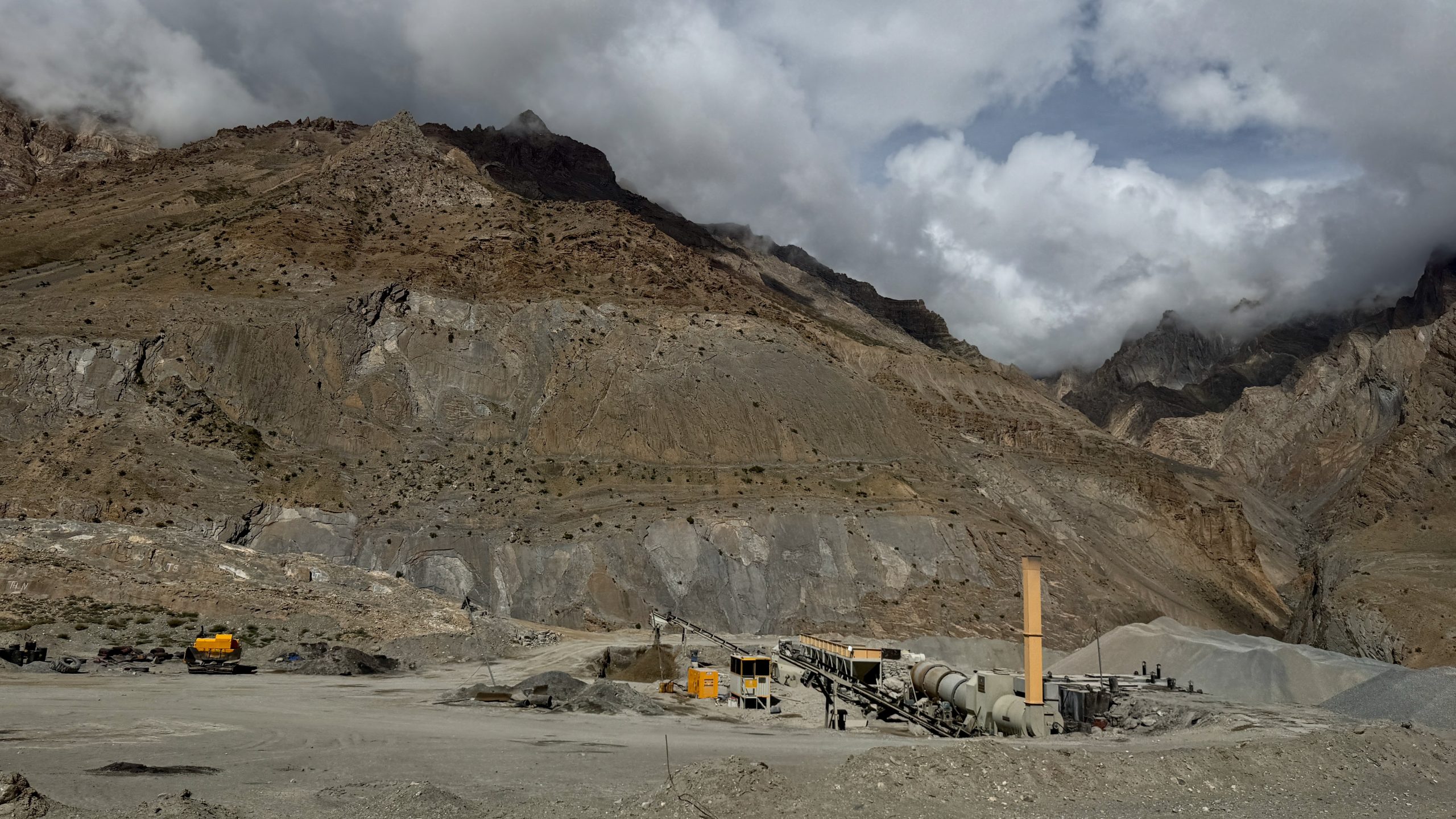
This ever-changing mountain world fascinates me immensely, and I just can’t stop capturing more and more perspectives. Eventually, the fancy road turned into a gravel track.
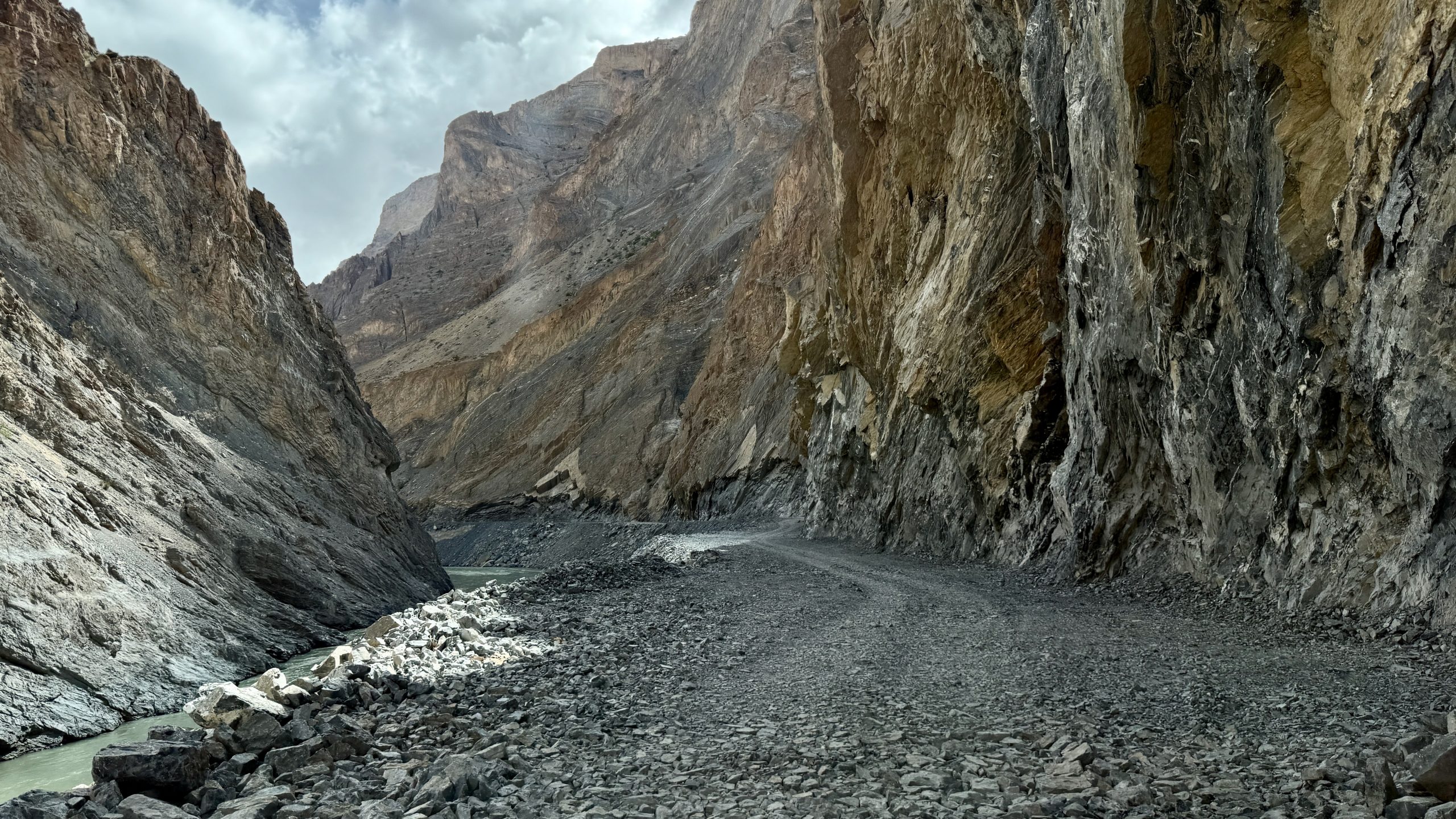
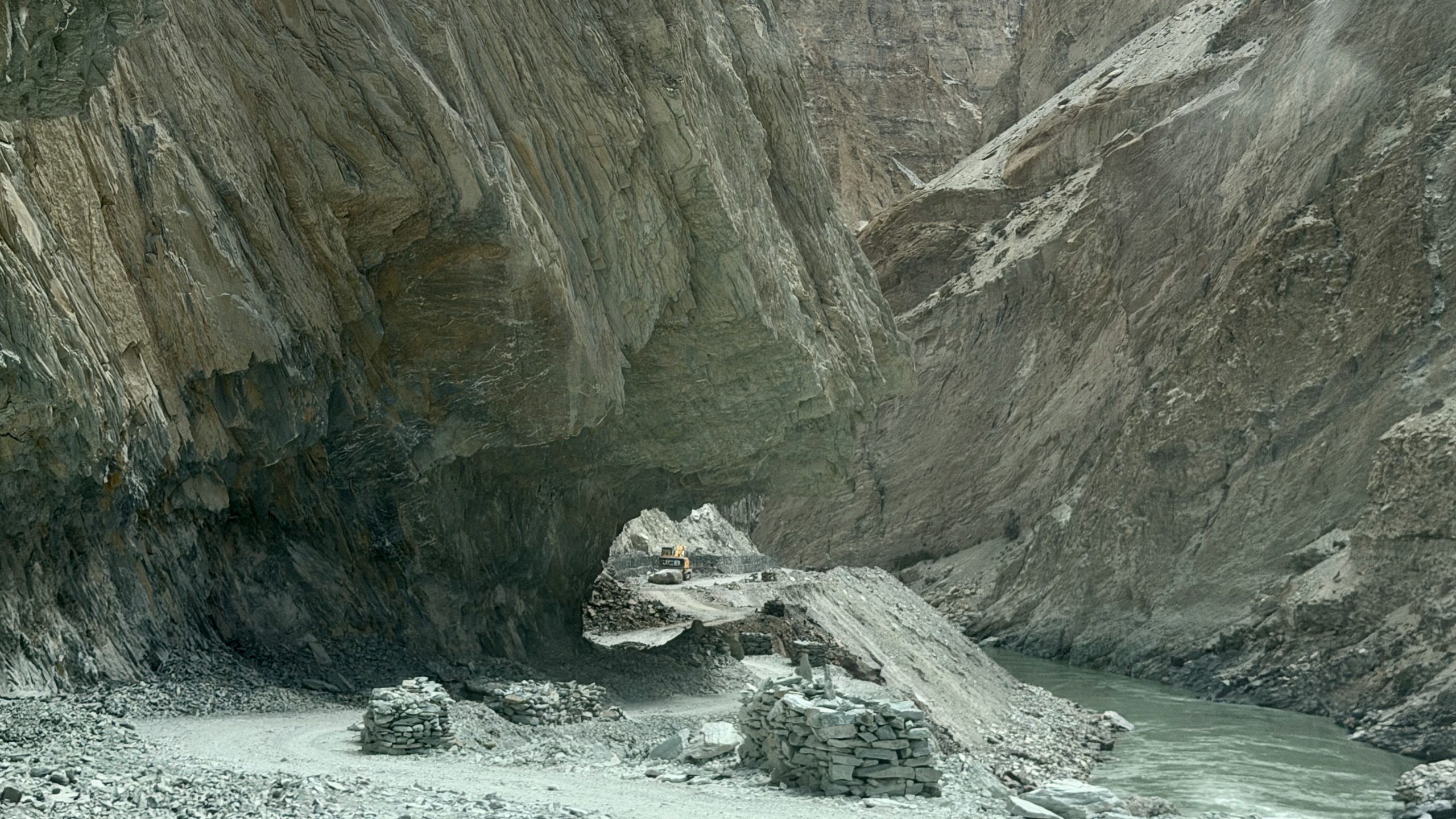
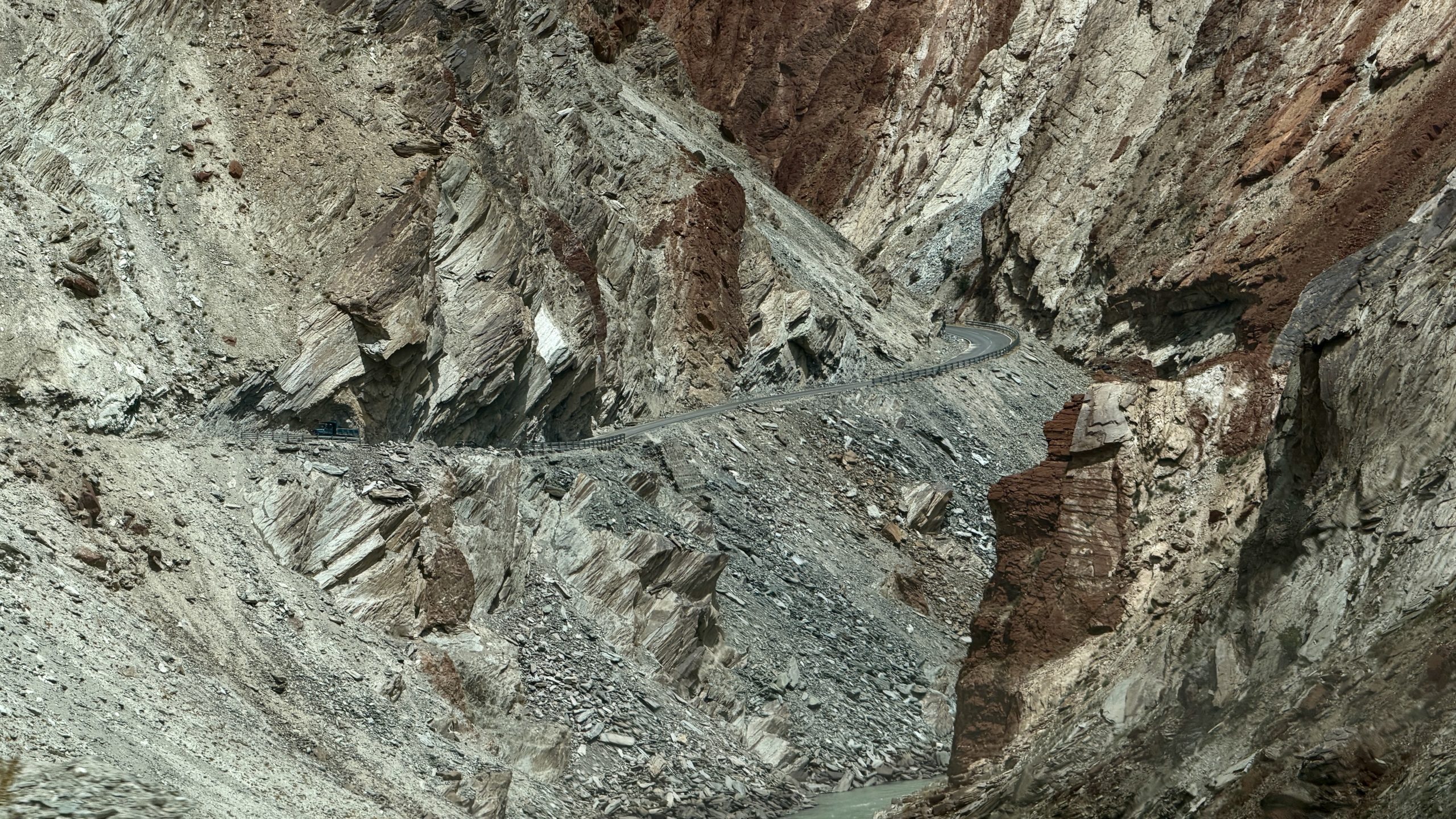
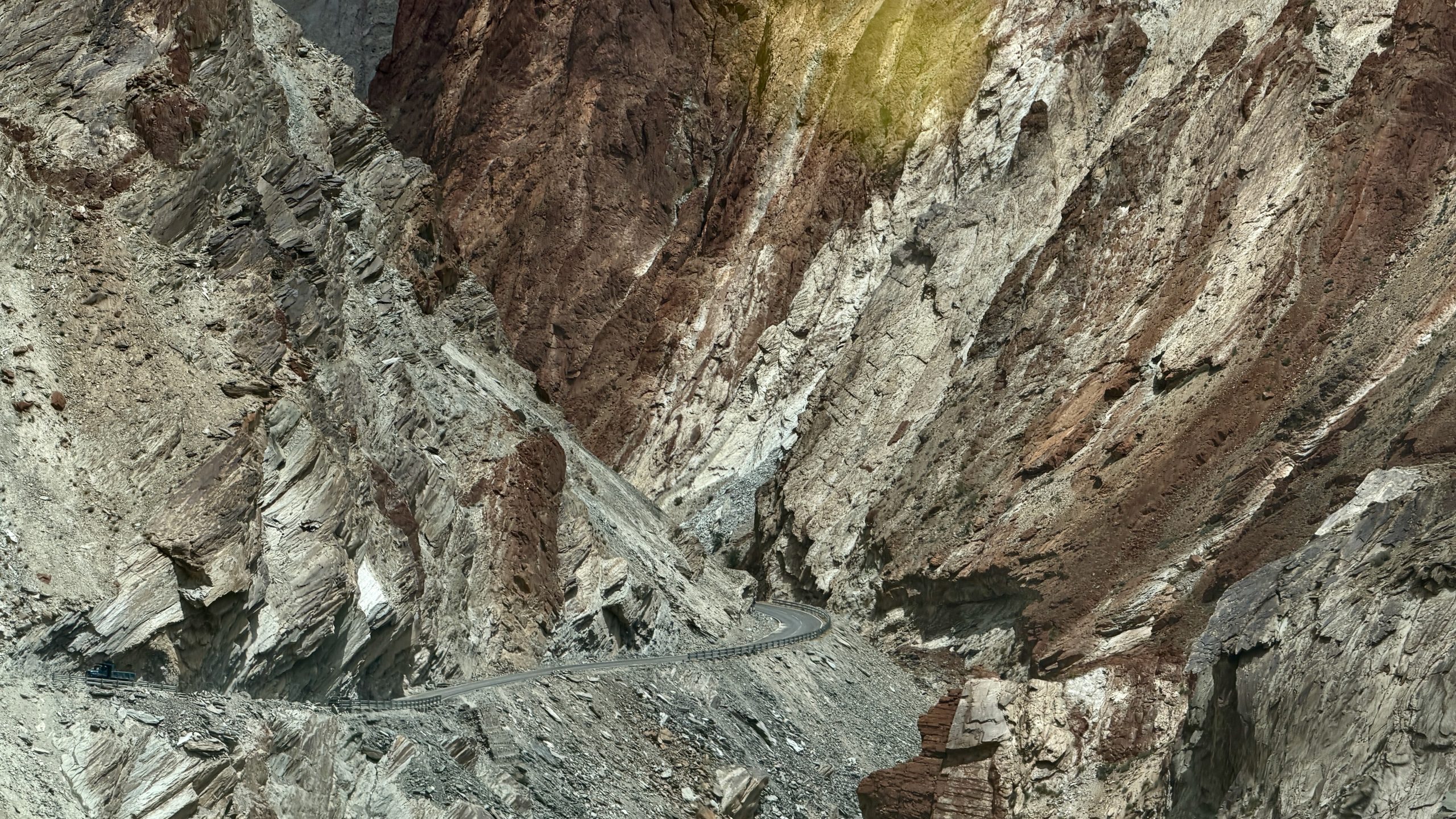
It’s already quite thrilling in this narrow gorge, where the rocks hang right over you and I really wonder how something like this is built, how they calculate that it will hold and nothing will fall down, etc.
Near Nyeraks, there are a few food stalls where people usually take a break. The road wasn’t even all that heavily trafficked. Shortly after, it forks (there is also another checkpoint) and you either continue directly along the Zanskar River to Chilling and Nimmu, which is the shortest route—or you go via the Singge-la Pass and past the villages of Lingshed and Photoksar. That takes longer, but it’s great for sightseeing. I had already driven that route 2.5 years ago and was curious about the short route this time.
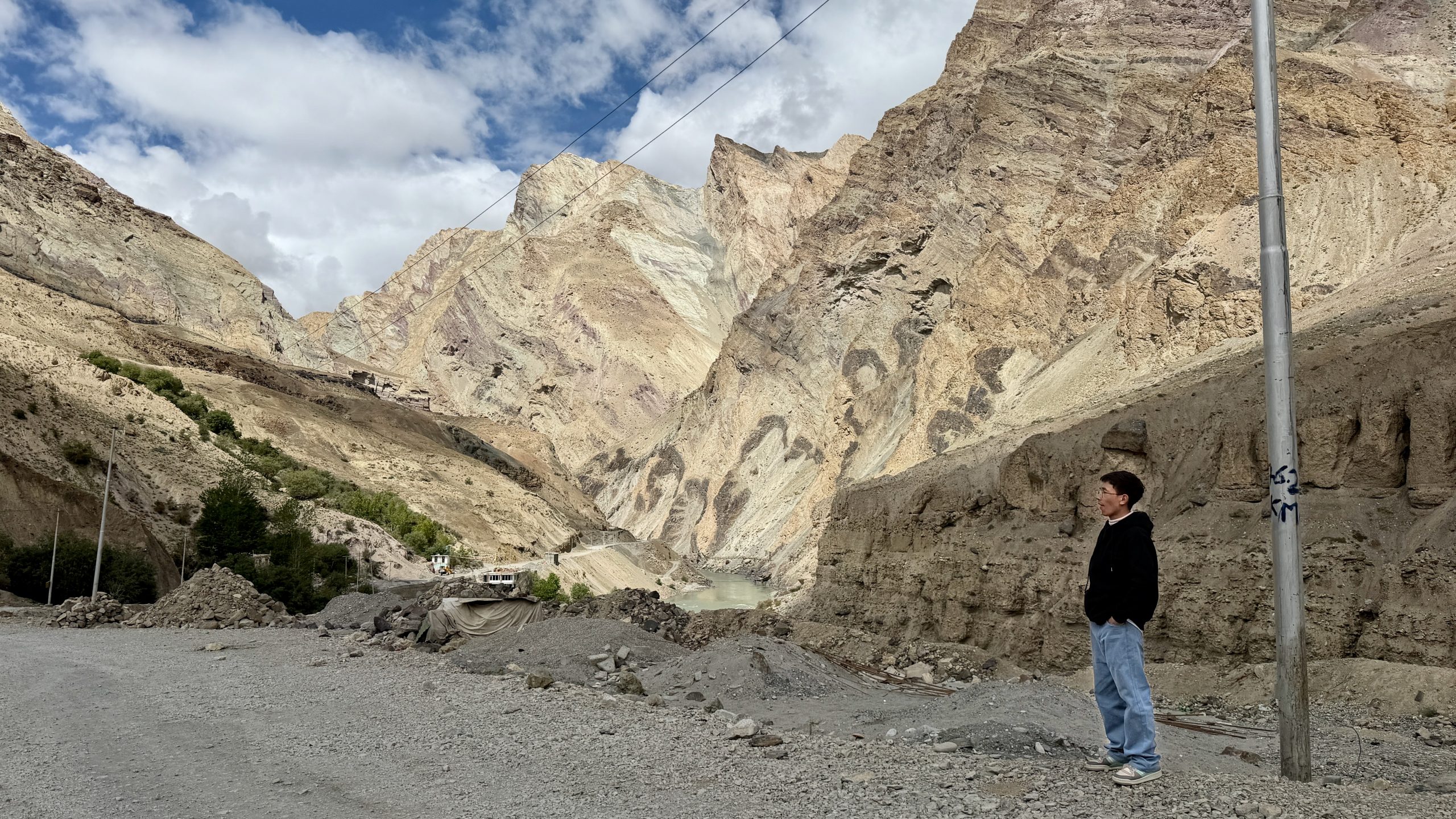
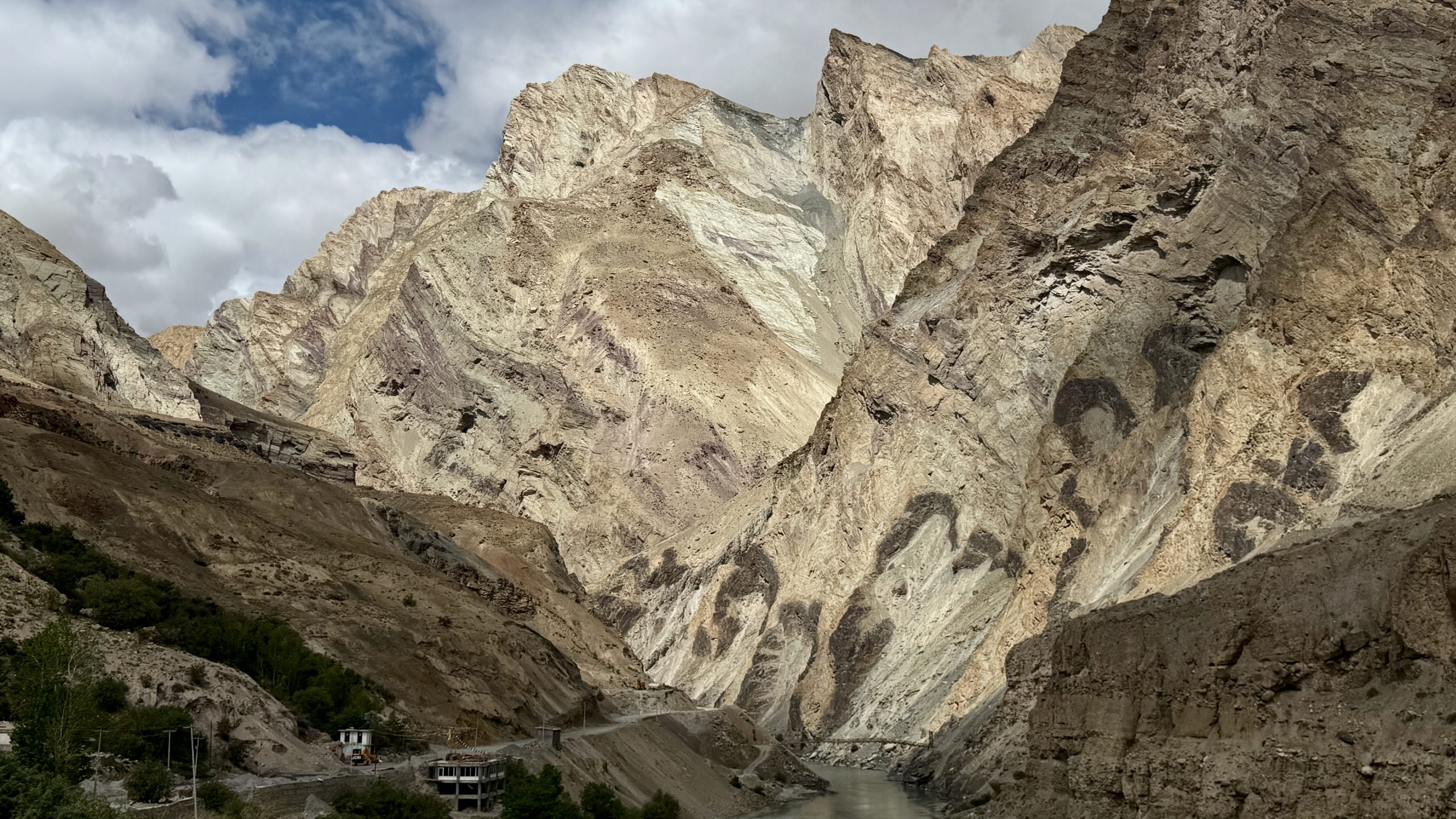
And then I was amazed—this part is mostly asphalted and also leads through a lot of narrow gorge with overhanging rocks.
And then it was over all too soon and we were right in the hustle and bustle of Ladakh! This part of the Zanskar River is perfect for rafting—and that is very popular with Indian tourists. You can also do bungee jumping, and near Magnetic Hill, there are various quad bike “playgrounds.” I can’t say that I’m a big fan of this kind of tourism…
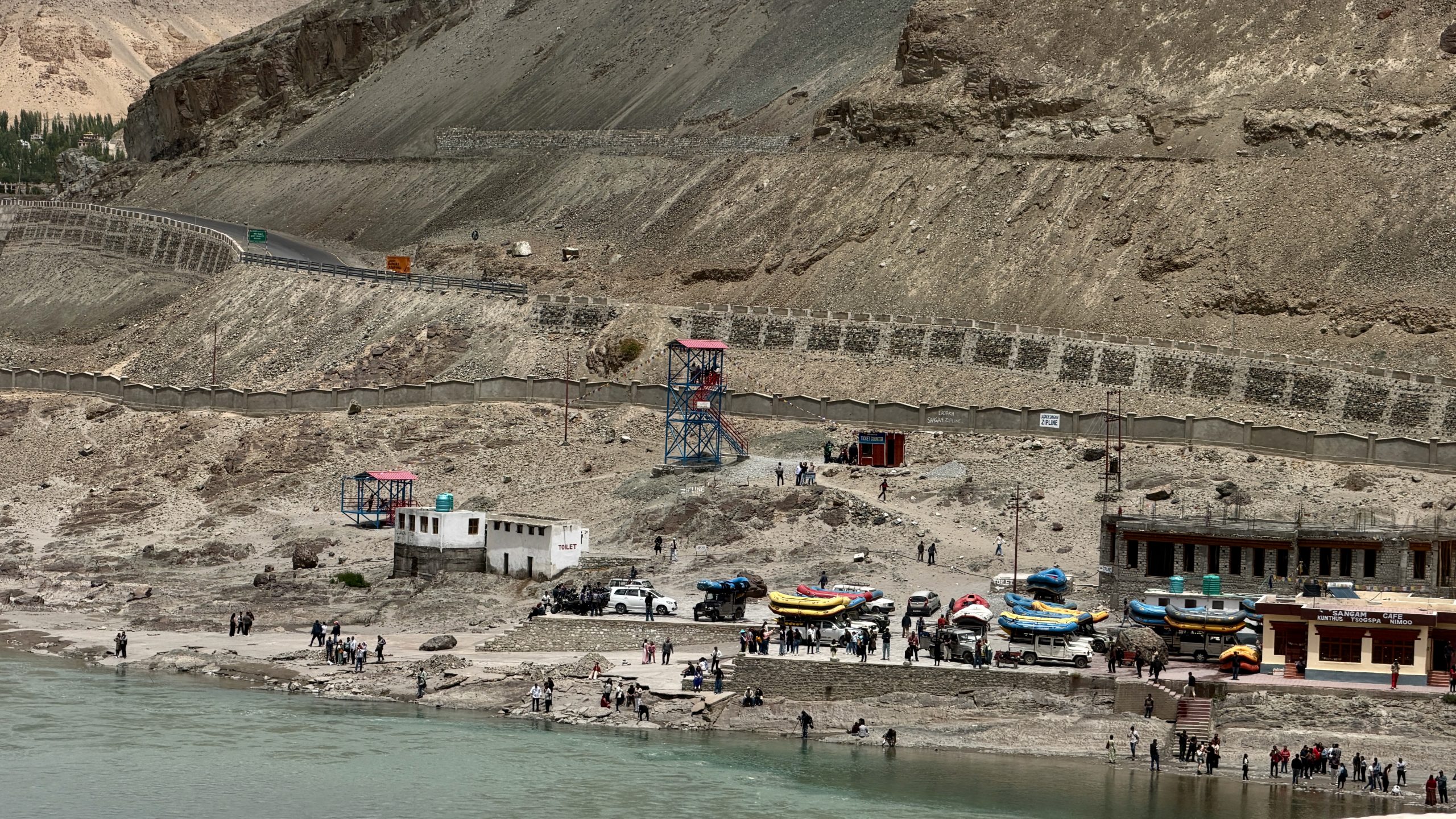
The drive had taken 4 to 5 hours at most! We were already in Leh by midday. Some people leave in the morning because they have errands to run, and then head back later that same day. What a massive life-changer for Zanskar!
But the route is definitely not without its risks either, which you can see very clearly in this Youtube Video. That is why they are still working on it—alongside the fantastic asphalt surface, which they naturally want to roll out everywhere.
And that’s it for this part of the blog! Next up, a whole new chapter begins, focusing on my time in Ladakh, Part 1. Beforehand, I didn’t really think I would see and experience so much new and amazing stuff. Only Manali—that somehow hit a painful chord with me because of the mass tourism. It really makes me hesitate to recommend this route to travelers, at least in May/June. The amazing spots are there, but you can’t avoid the crowds everywhere. It remains to be seen how development will continue to progress in Zanskar. And how the local people will keep pace with it.