


Stok – A place full of surprise and excitement
16. + 17. July 2026
had an interesting invitation to Stok, which is diagonally across the Indus River from Leh. It wasn’t entirely clear to me what exactly I was being invited to. Someone—a buddy of a staff member from Overland Escape—wanted to show me a place where you can also stay overnight. I said: OK, but if I go, I really want to spend the night there and see as much of Stok as possible.
It took a little while for us to find a date, partly because I wasn’t doing so well health-wise. But then the time had finally come! Tamchos showed up with his car, picked me up, and we first drove to a café-cum-shop that is mainly run by his wife. He was a bit muddled in his memories, but in principle, he knew who I was because he had worked at Overland Escape until 2006. And through that, he had dealt with my clients. His face didn’t look familiar to me, and he had mistaken me for someone who had once been bitten by a dog here. So, as it turned out, we didn’t really know each other after all—or rather, we were getting to know each other for the first time.
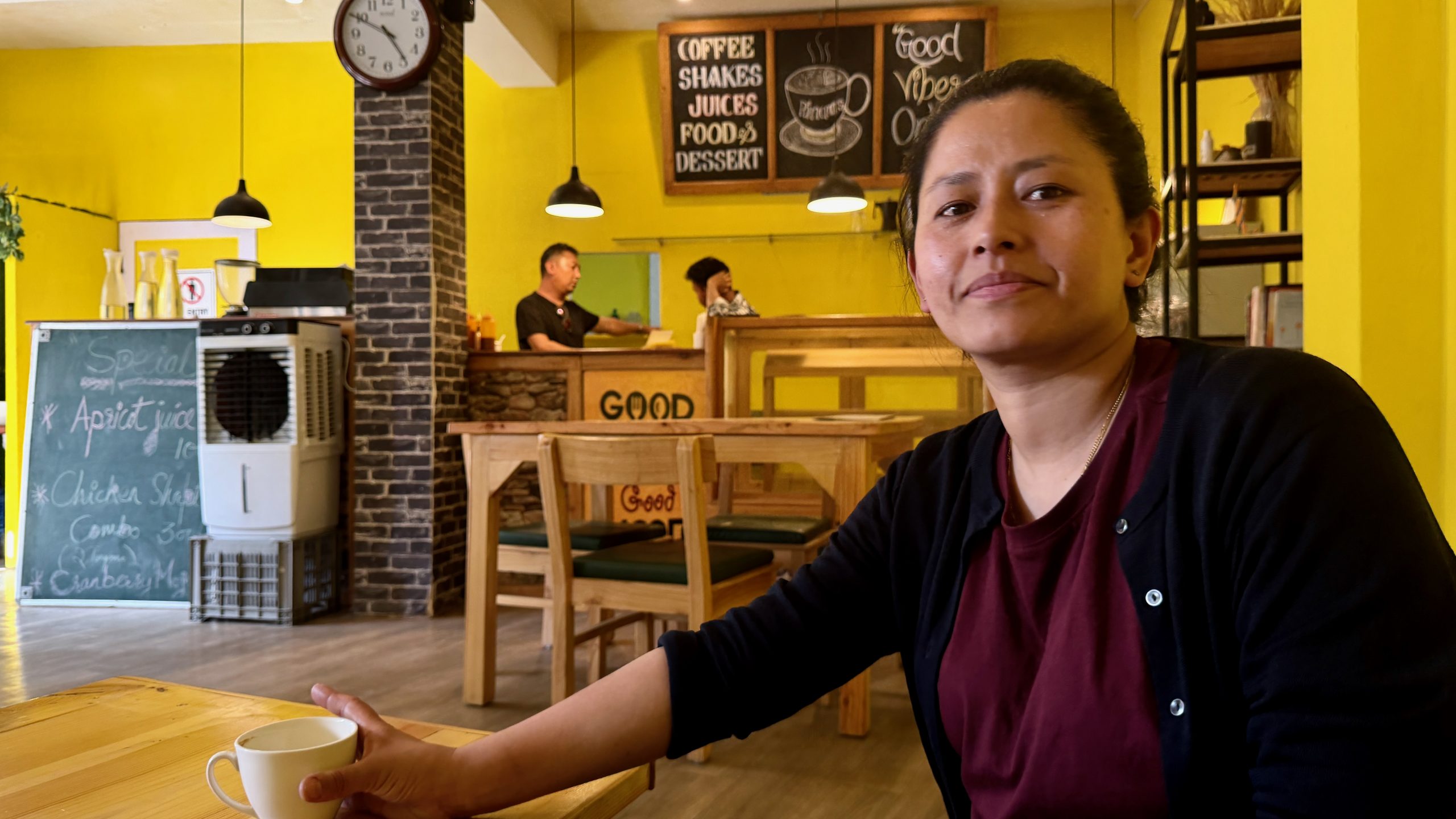
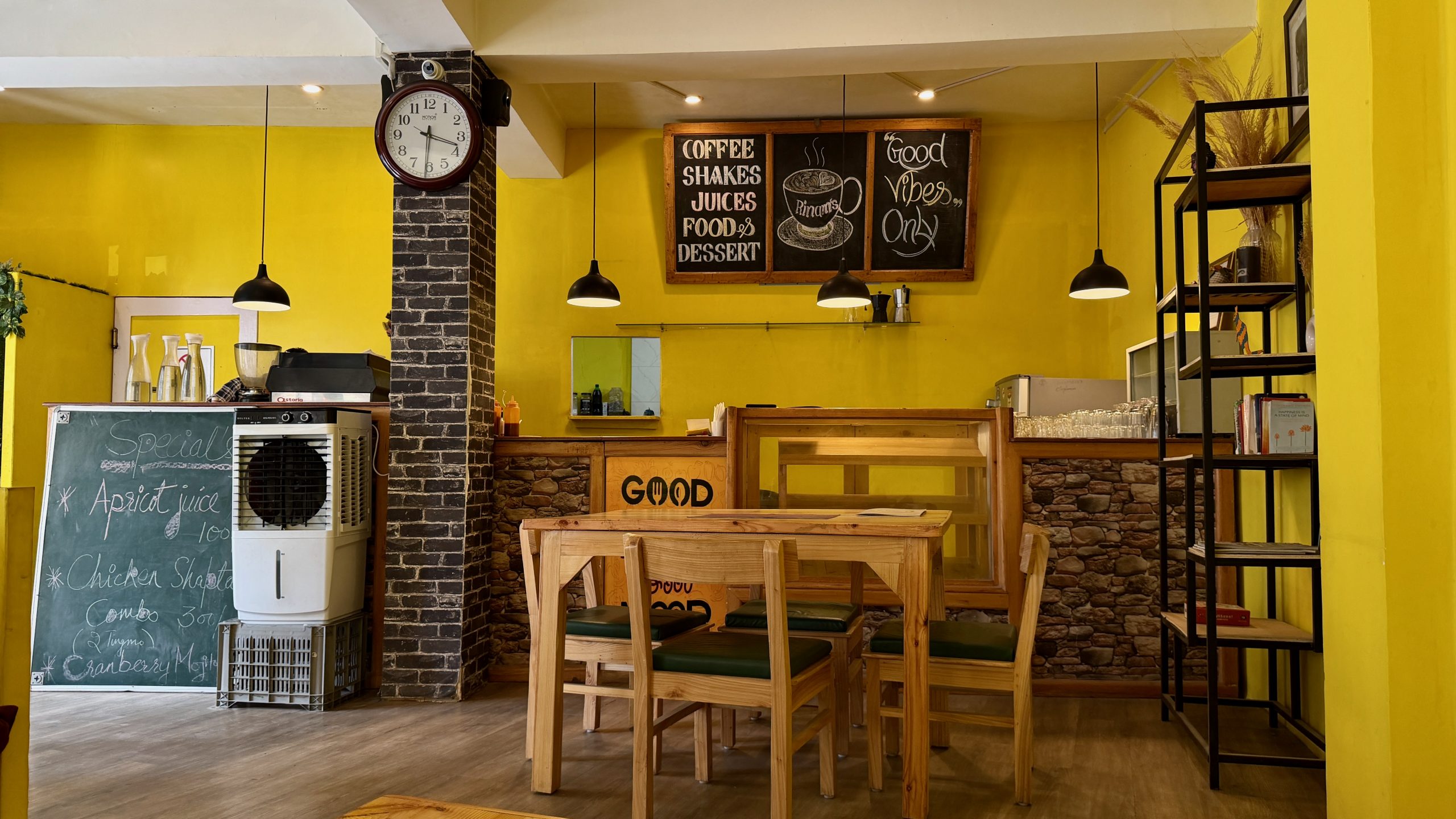
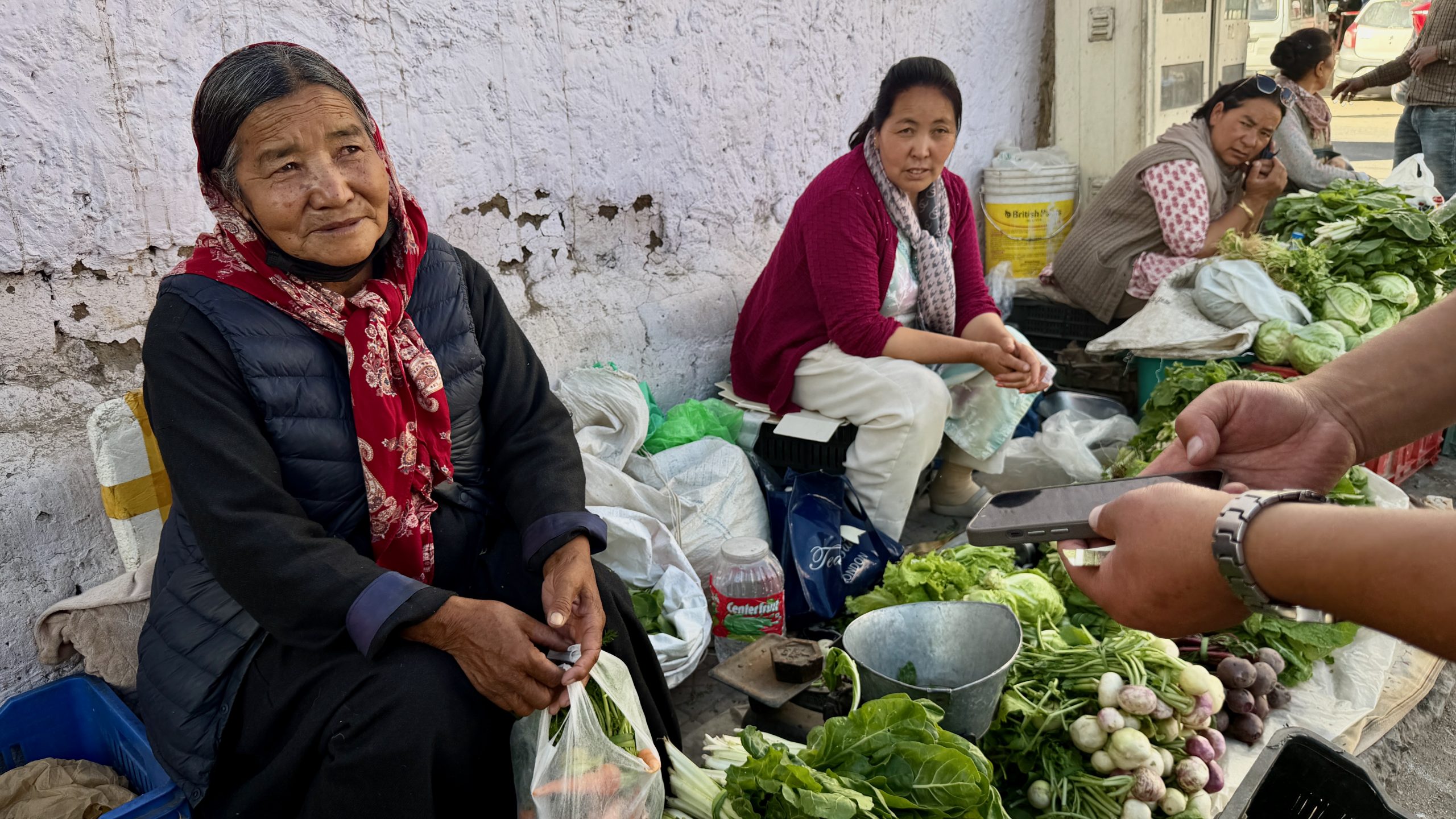
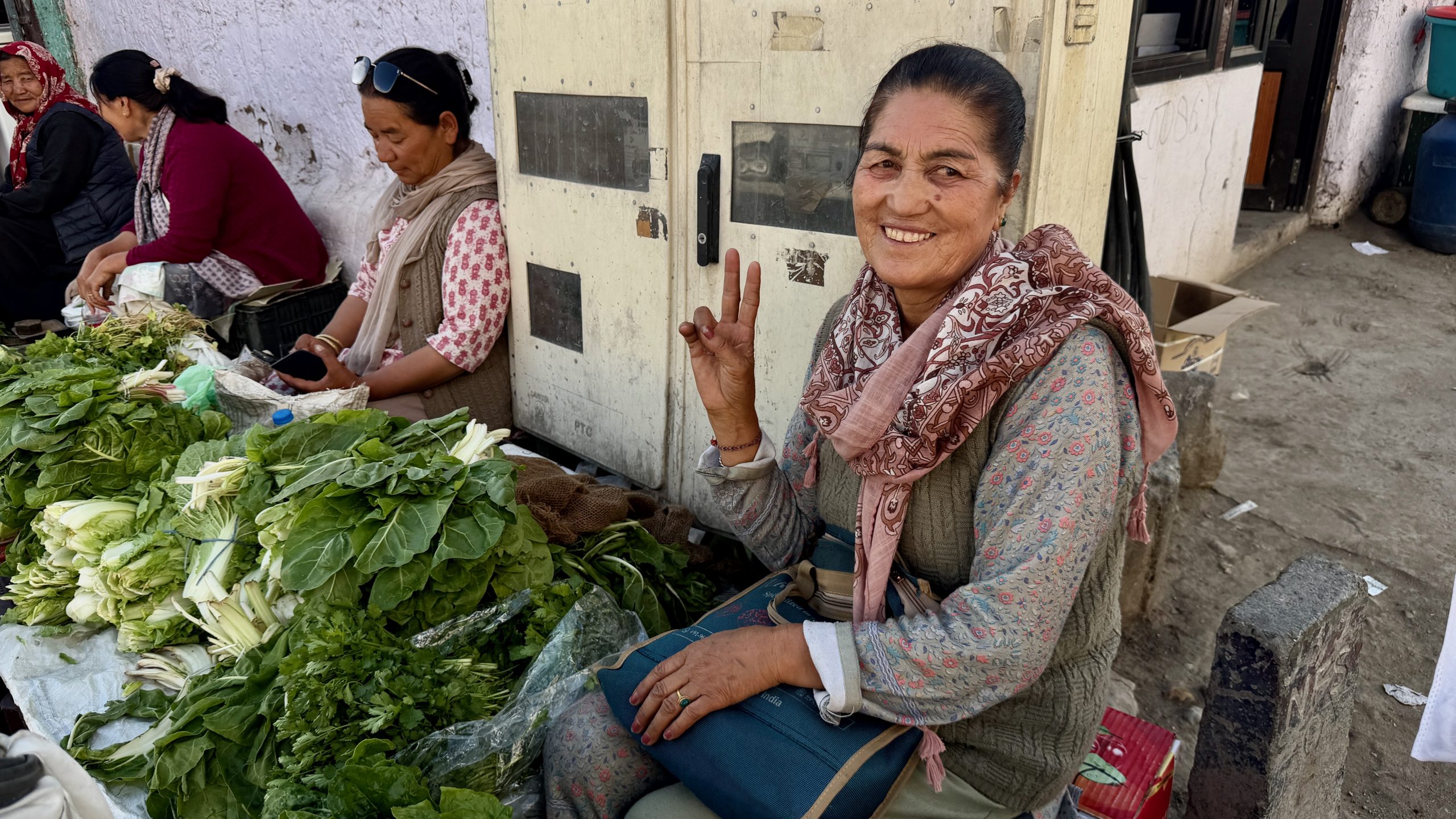
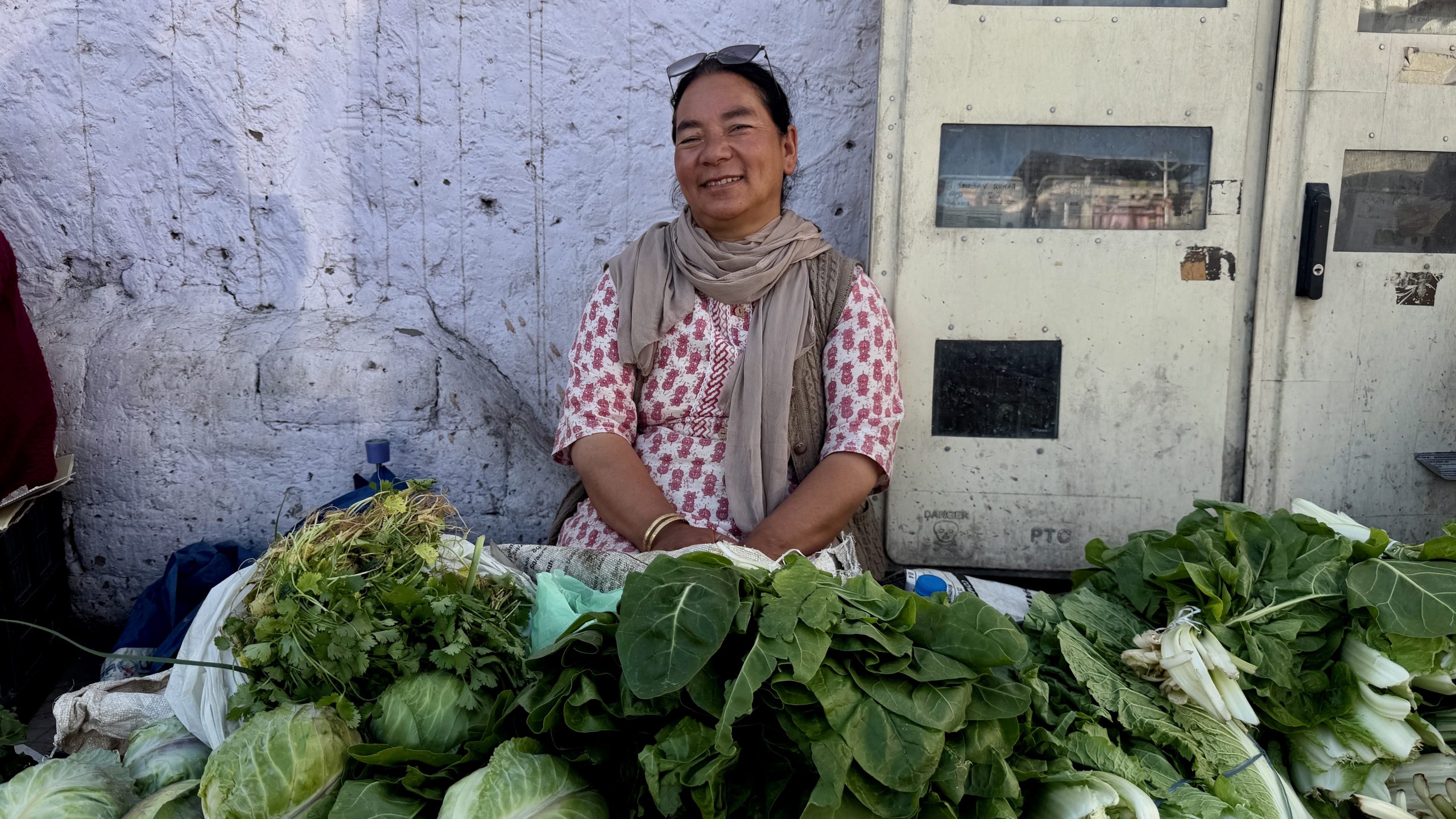
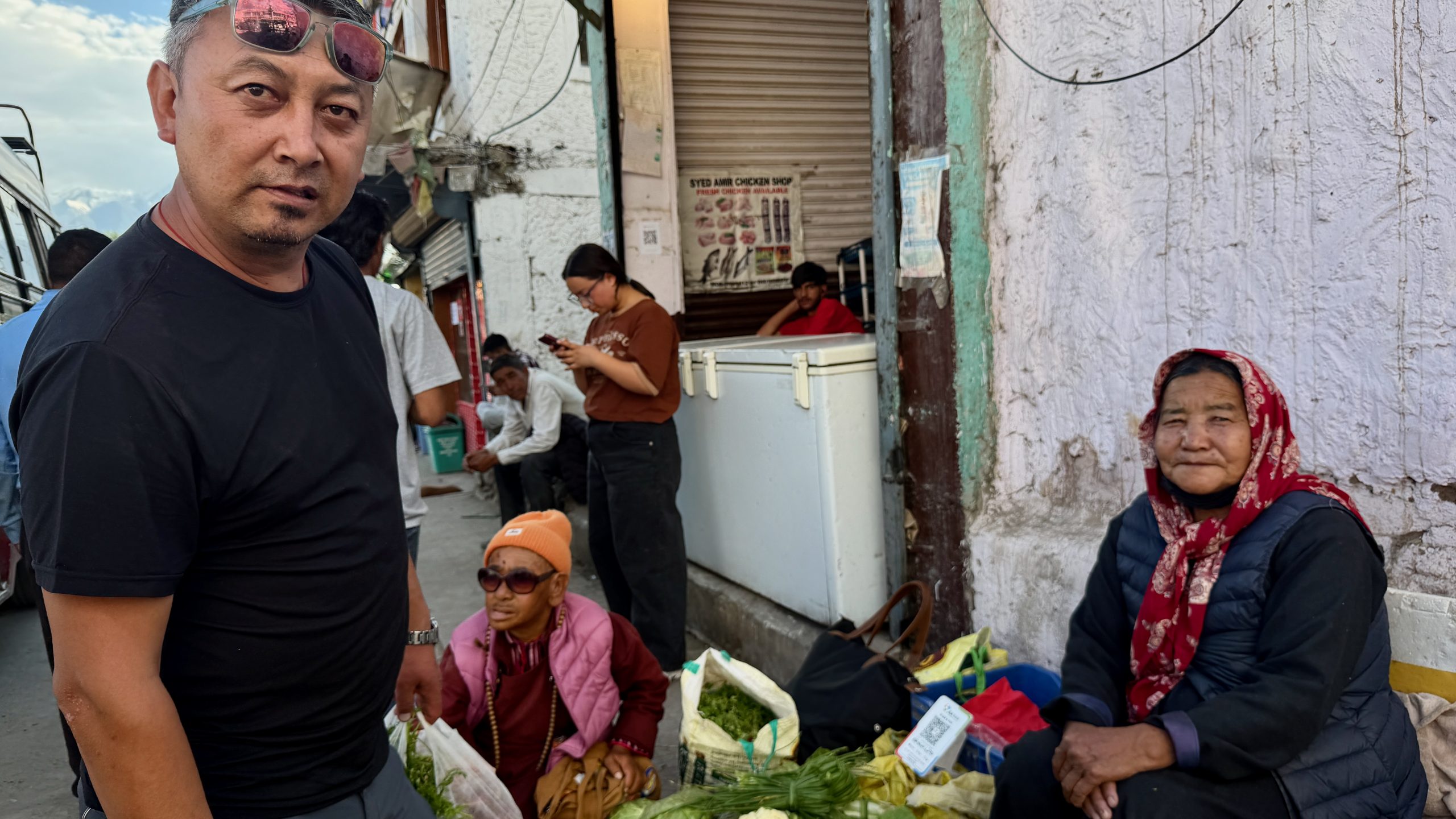
So, at the café, I first got to meet his wife: Karma, a Tibetan woman who had grown up in Sikkim. A totally lovely woman who is wonderful to chat with. And I got a delicious espresso! And then we had to do a bit of shopping. The ladies were incredibly nice and funny, and when I sent them the photos and video directly via WhatsApp, they were thrilled and even threw in a few extra beetroots for us.
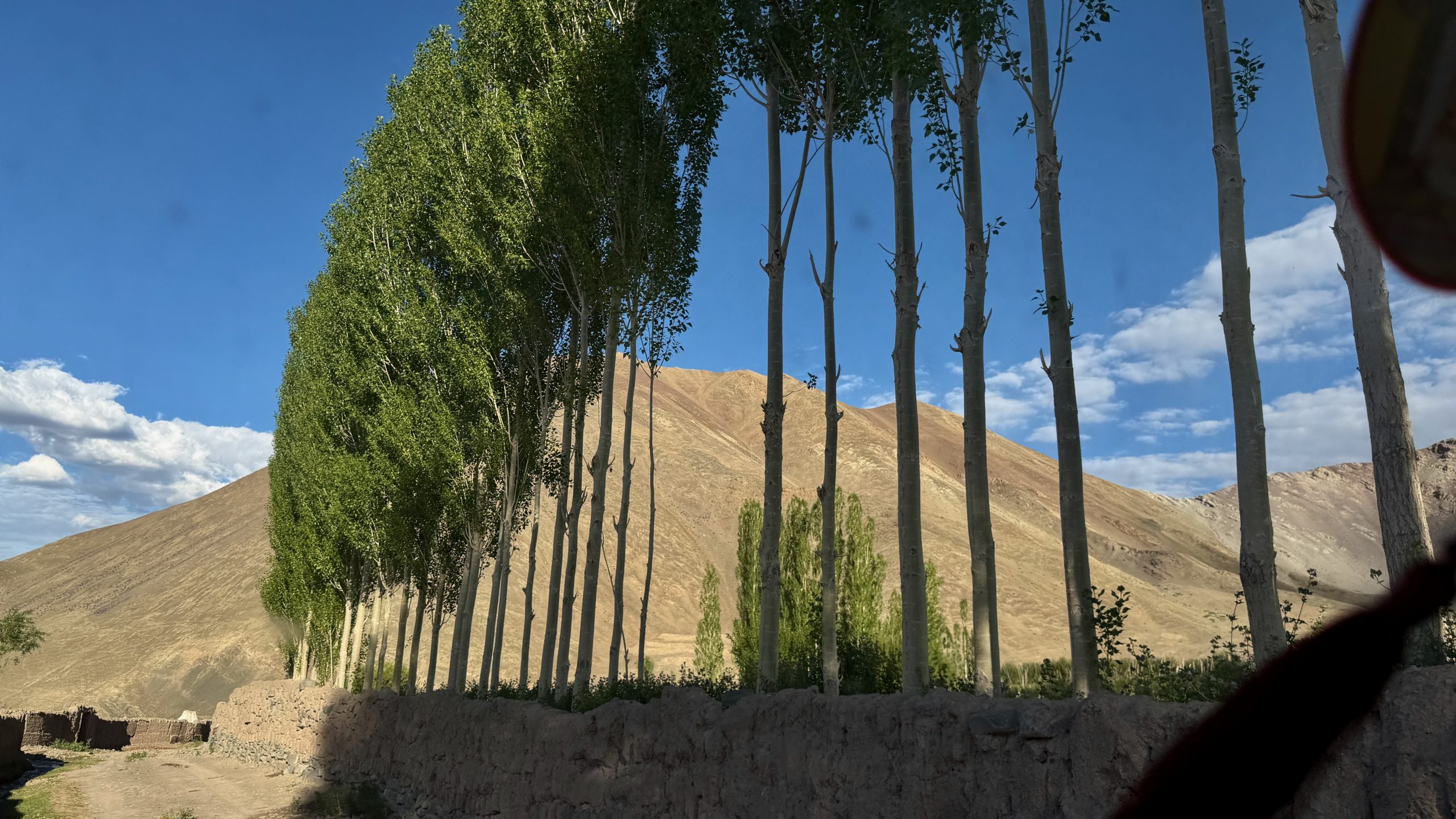
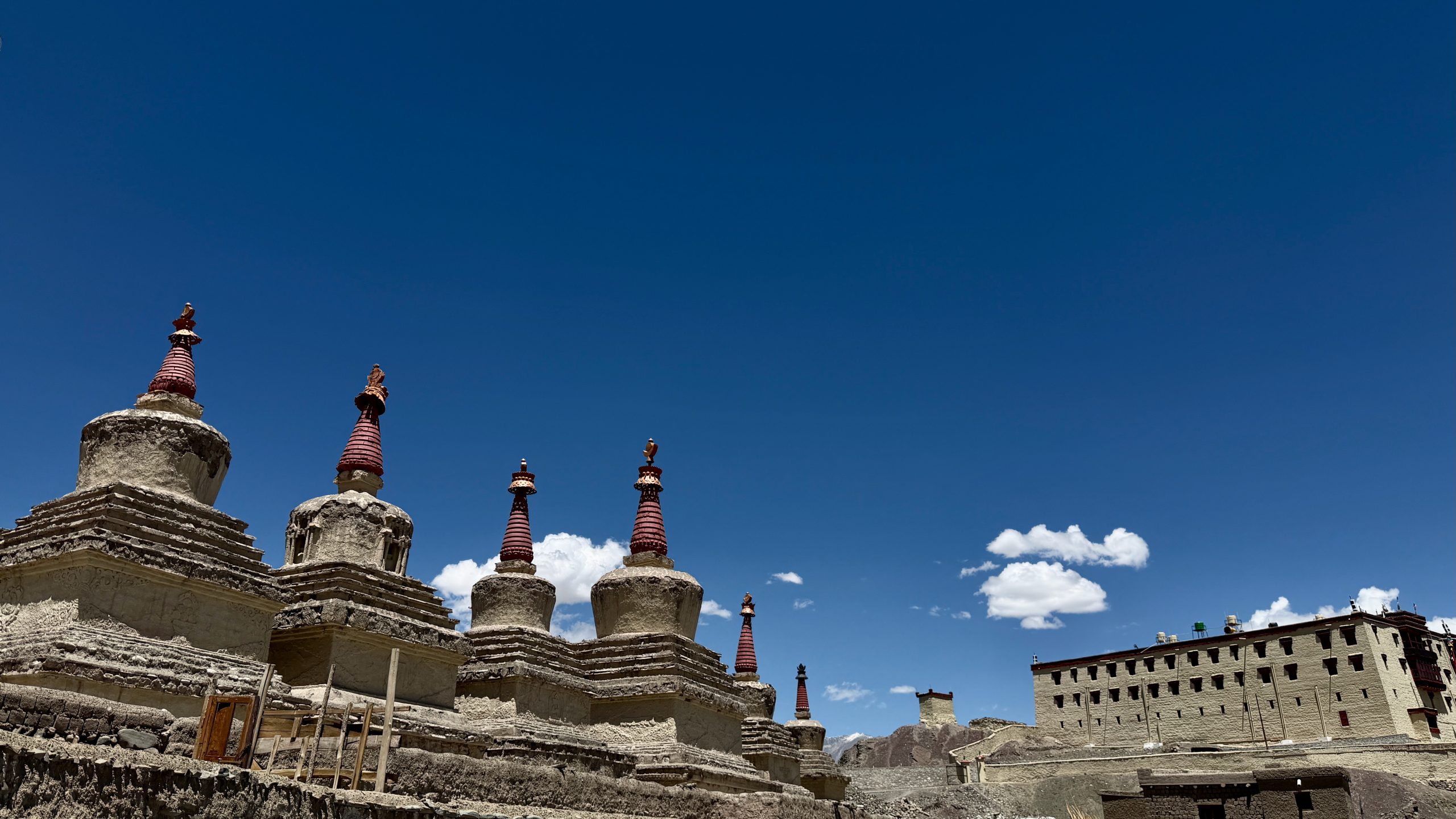
And then we headed on to Stok, all the way to the eastern edge of the village, past a row of chortens and a little way up.

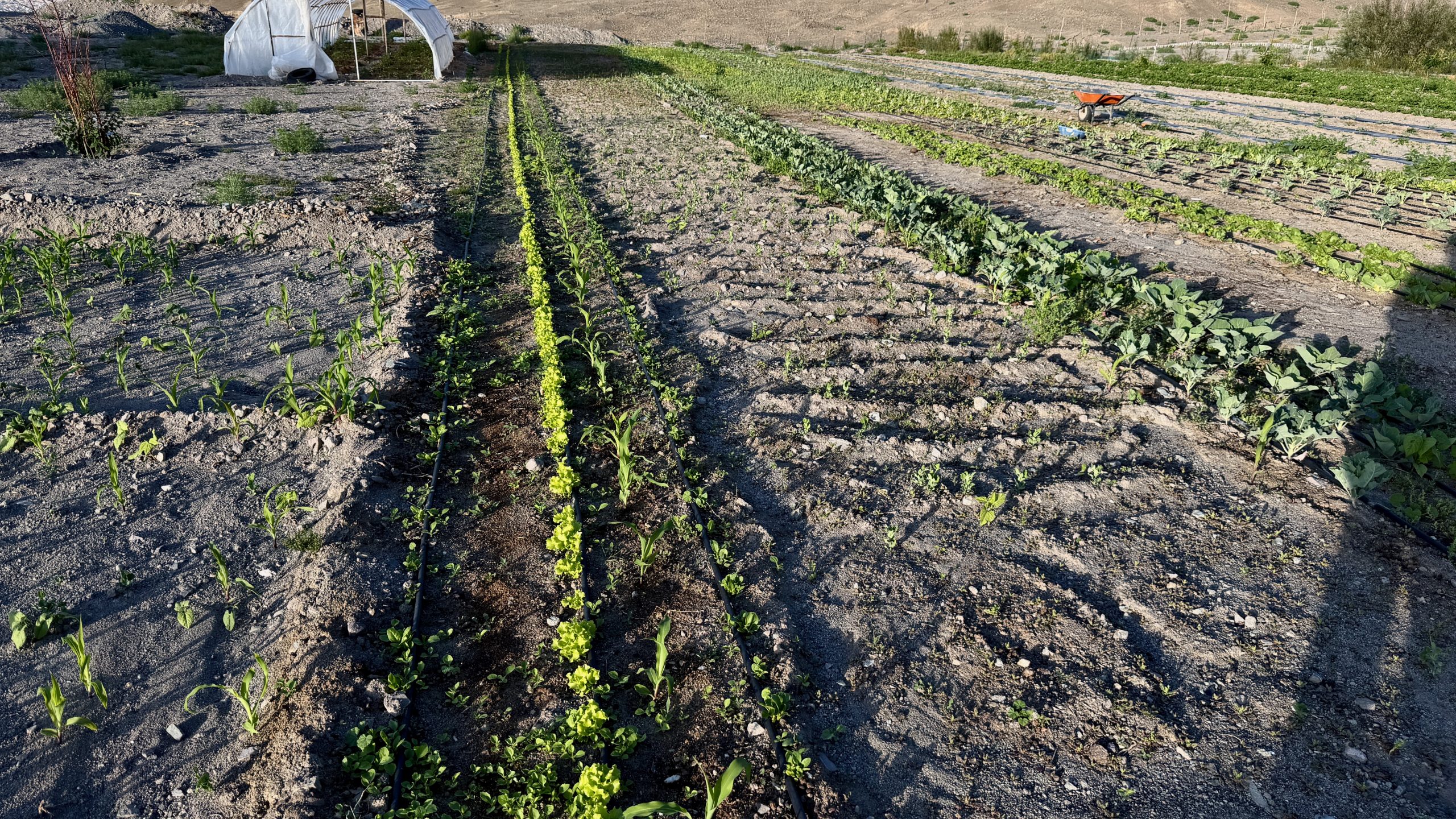
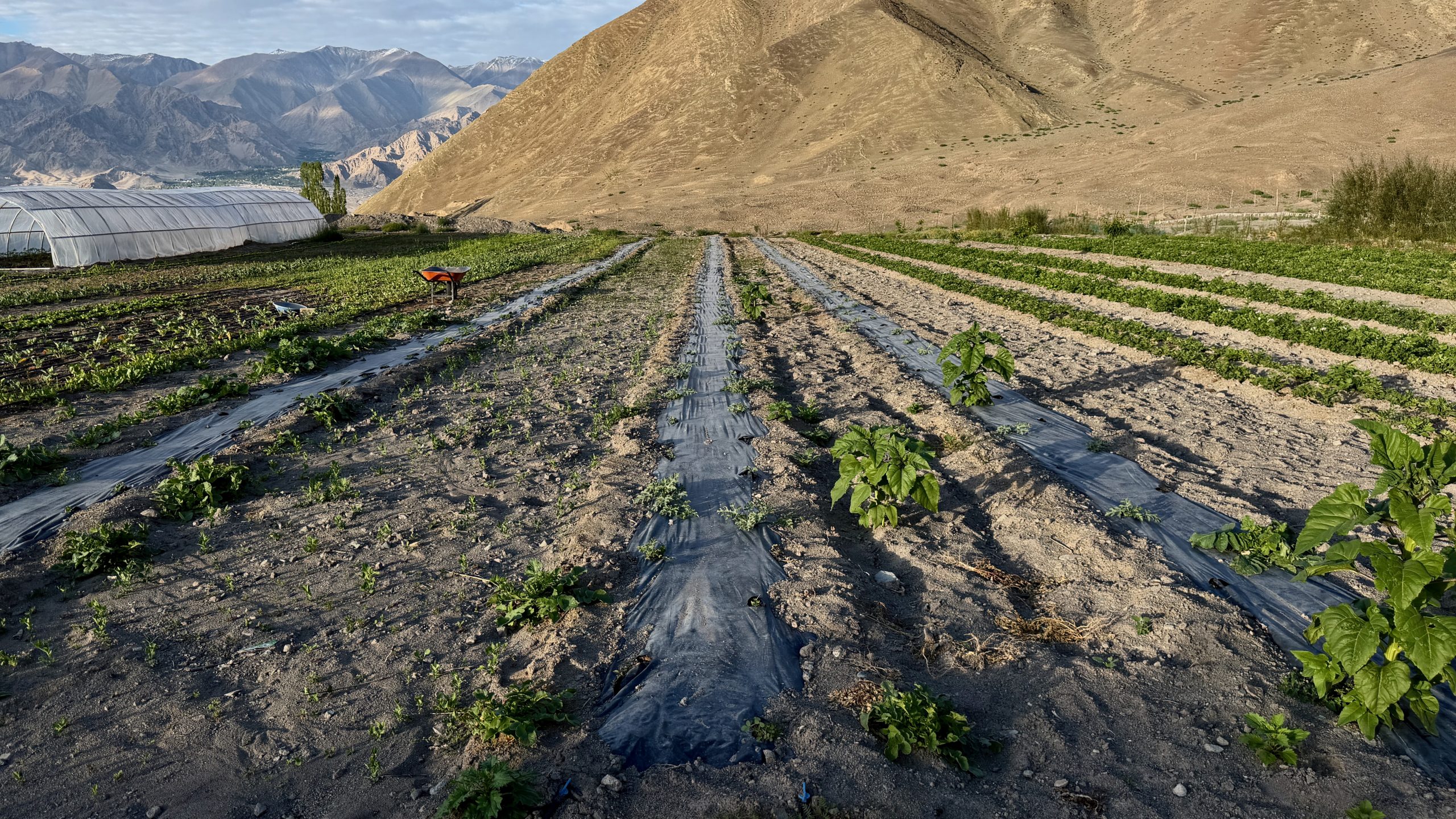
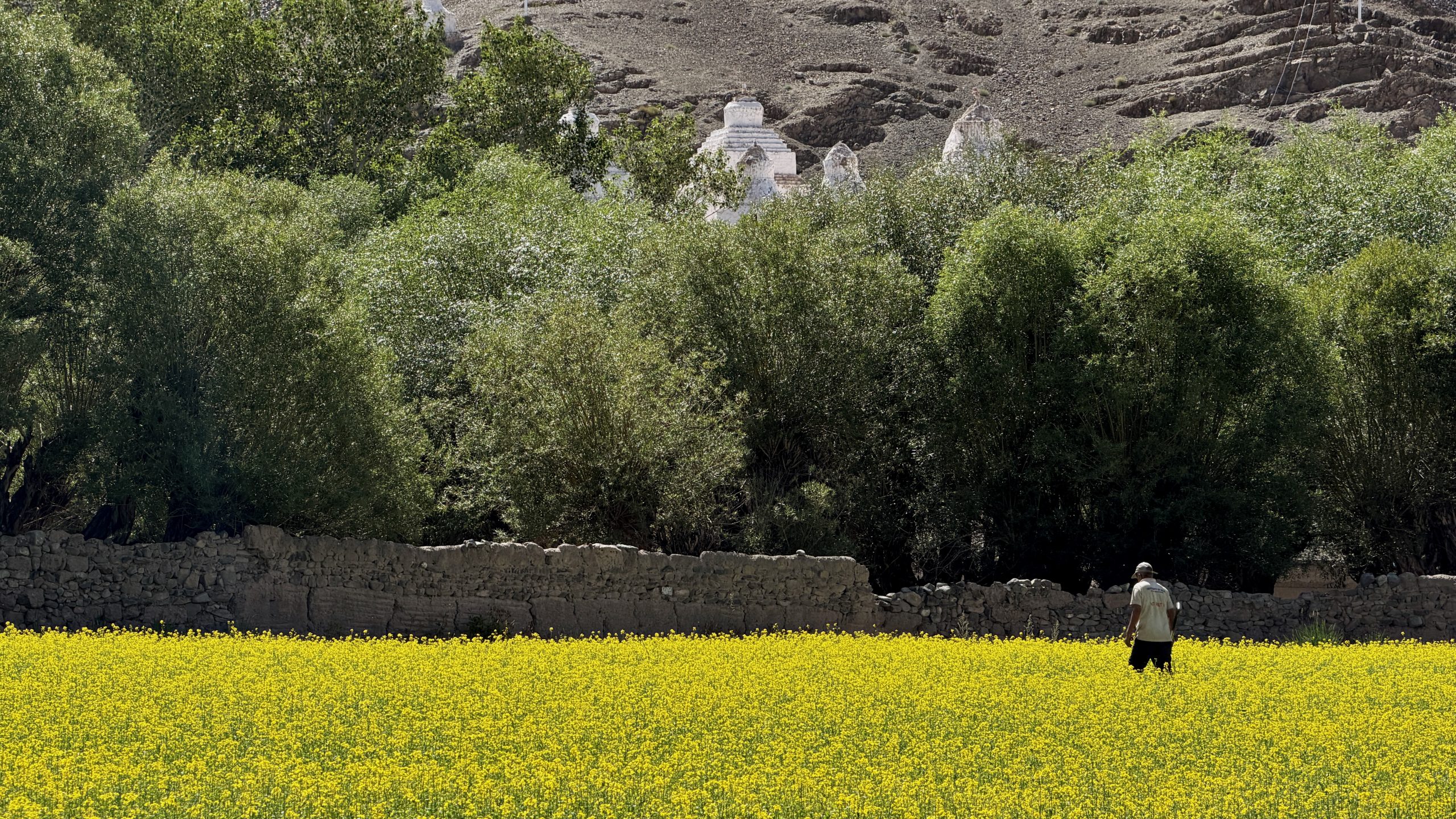
And then I was amazed! The story goes like this: It was during COVID, and the future of tourism in particular seemed extremely precarious. So Tamchos decided to reorient himself. He transformed a large area in his home village of Stok into a field and prepared a smaller area below it for fruit trees. Then he did a ton of research on how agriculture works and opted for a different water system than the usual one. The common practice is to channel the meltwater coming down from the mountains in a river into small, man-made canals, which are then used to irrigate the fields alternately—meaning you basically flood the entire fields. This consumes more water (and more evaporates and seeps away) than so-called drip irrigation.
Drip irrigation is based on a simple principle: water is guided through a network of pipes and flexible plastic hoses directly onto or just below the soil surface. Small openings, known as emitters, are located along the hoses at precise intervals. Instead of releasing the water in a big gush, these allow it to fall constantly and drop by drop directly onto the root zone of each plant. The advantages: water is used more purposefully, and you need much less of it. In addition, it prevents excessive weed growth, and if desired, you can easily enrich the water with nutrients. For this, they still use meltwater from the glaciers, but groundwater works as well.
And because of this, the field looks completely different from what you are typically used to in Ladakh.
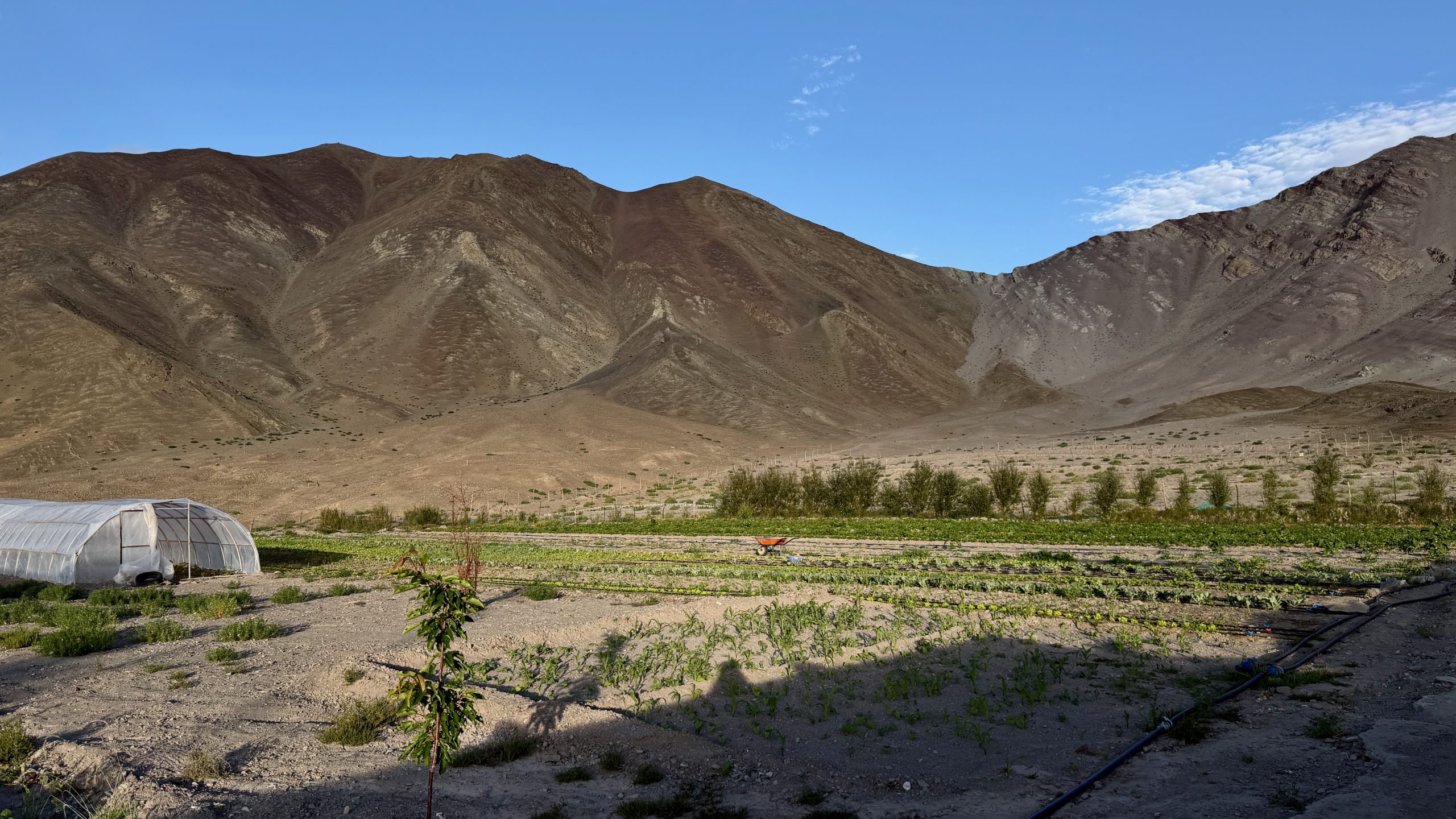
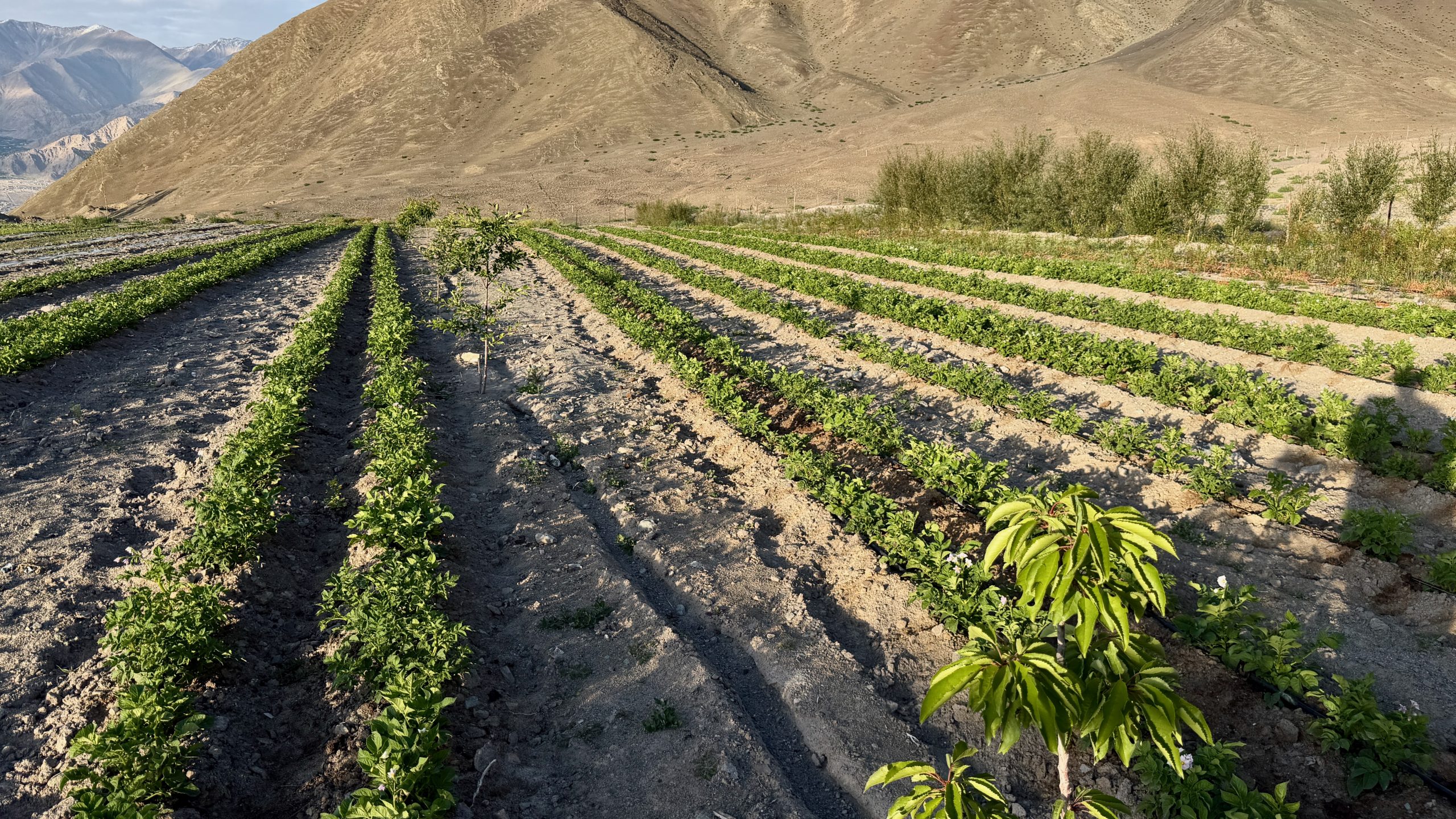
Here are the still small fruit trees:
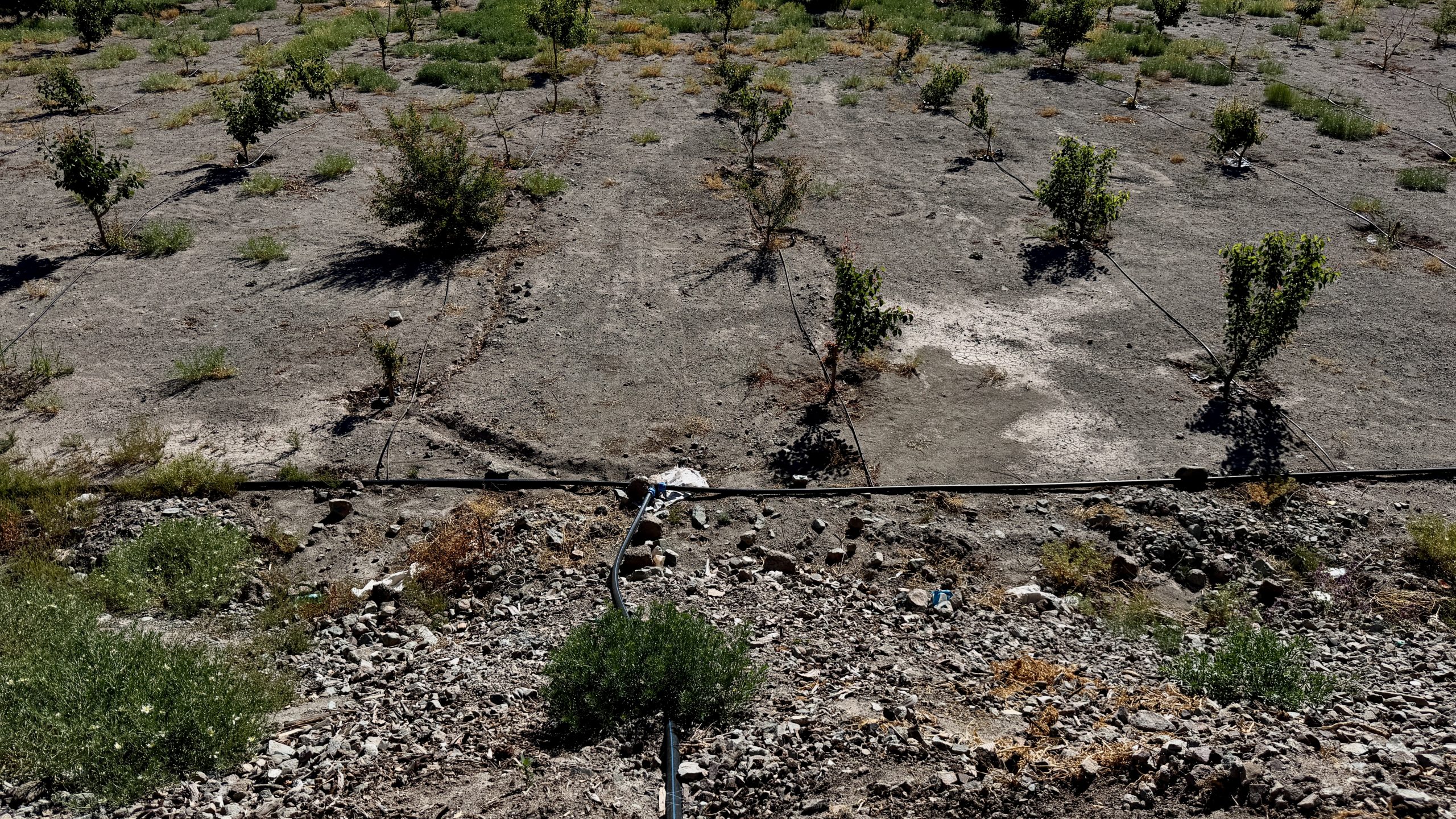
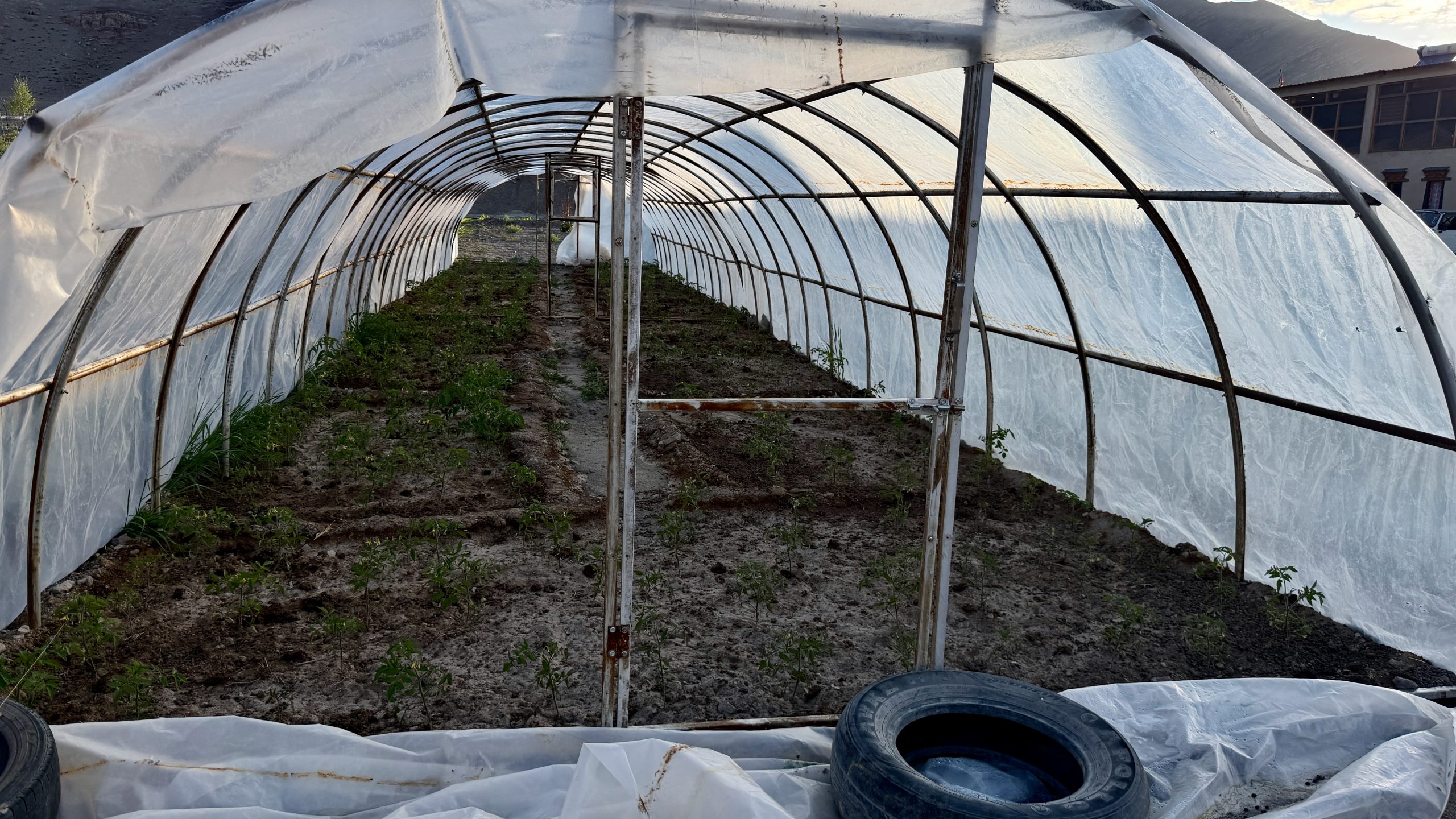
There are also two greenhouses. An active, open one for tomatoes and a huge, closed one that is only used in winter. In summer, it gets way too hot inside (I tested it myself and immediately backed out due to the sauna-like temperature).
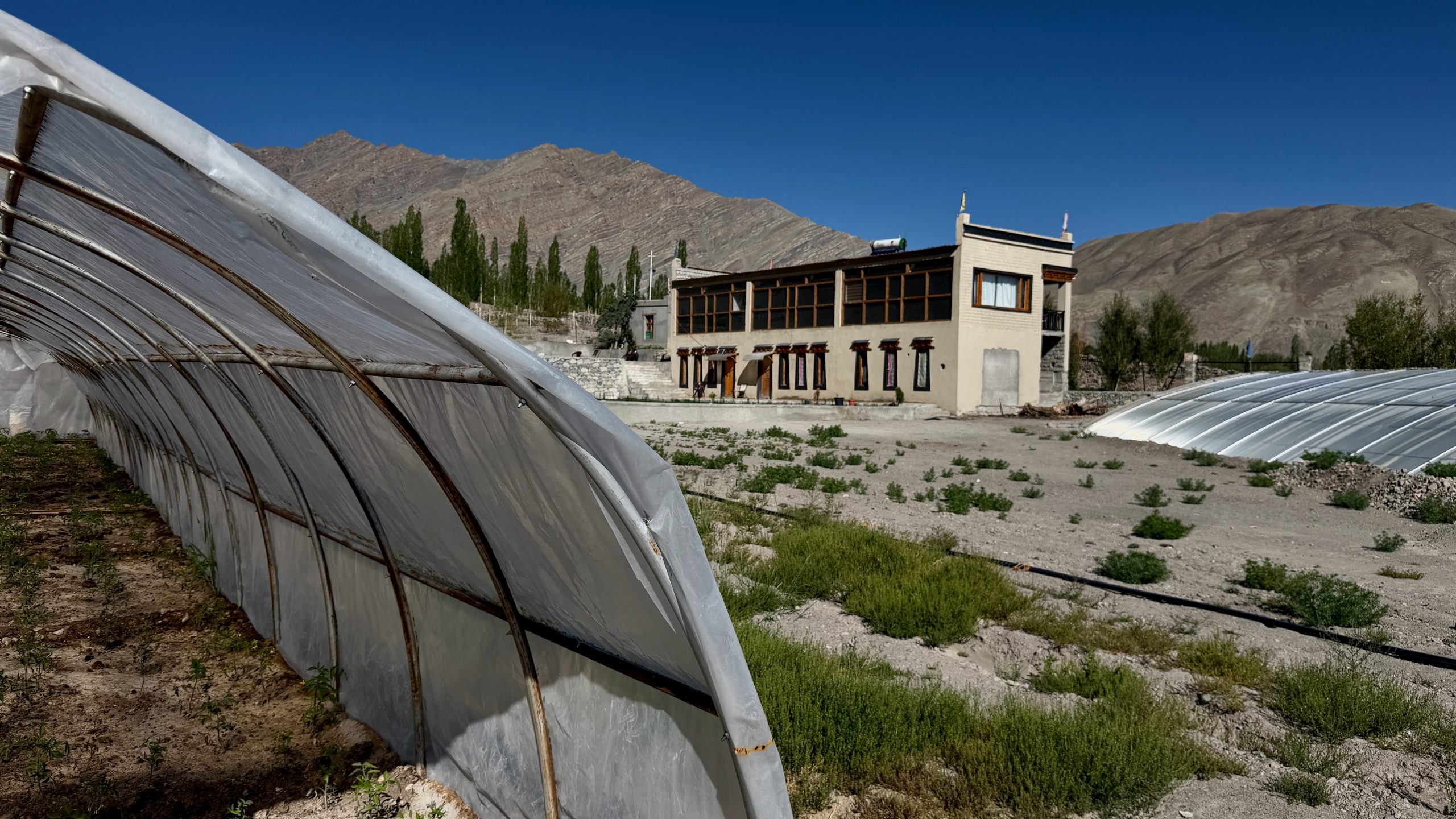
And here you can also see the house. Tamchos continues to live with his wife and child in Choglamsar, which is much more practical. A gardener/farmer from Jammu or somewhere around there lives in this house permanently. He is there all by himself every day, working away—or rather, everything is blossoming here right under his hands. And the upper floor consists of two rooms with a modern kitchen-diner in the middle. It’s perfect to rent as a whole unit (he is currently offering it via Airbnb). And if you’re lucky, you get to be an invited guest. I loved it right away. And then, over the following days, we brainstormed together on how else this could be offered, and so on.
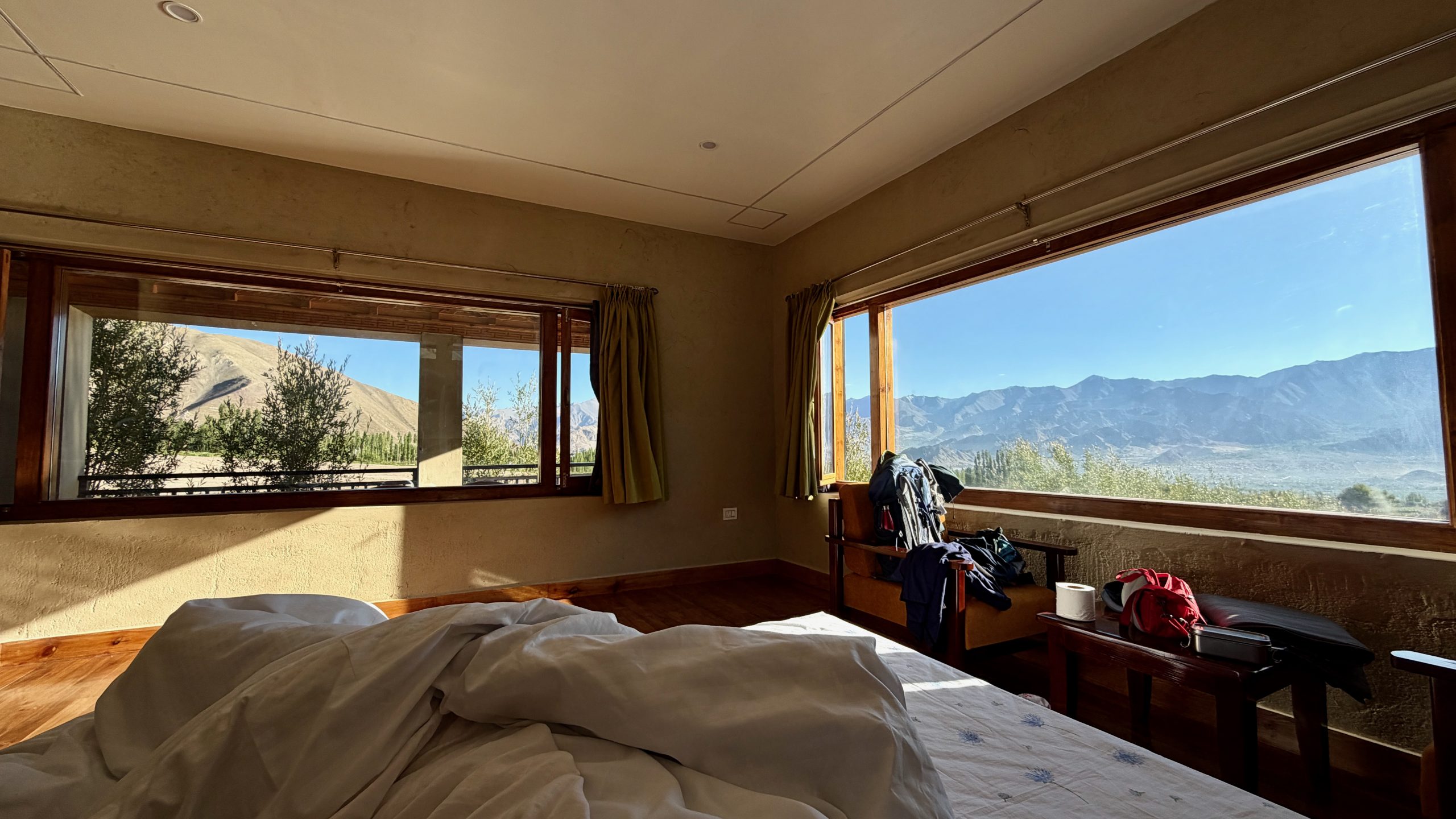
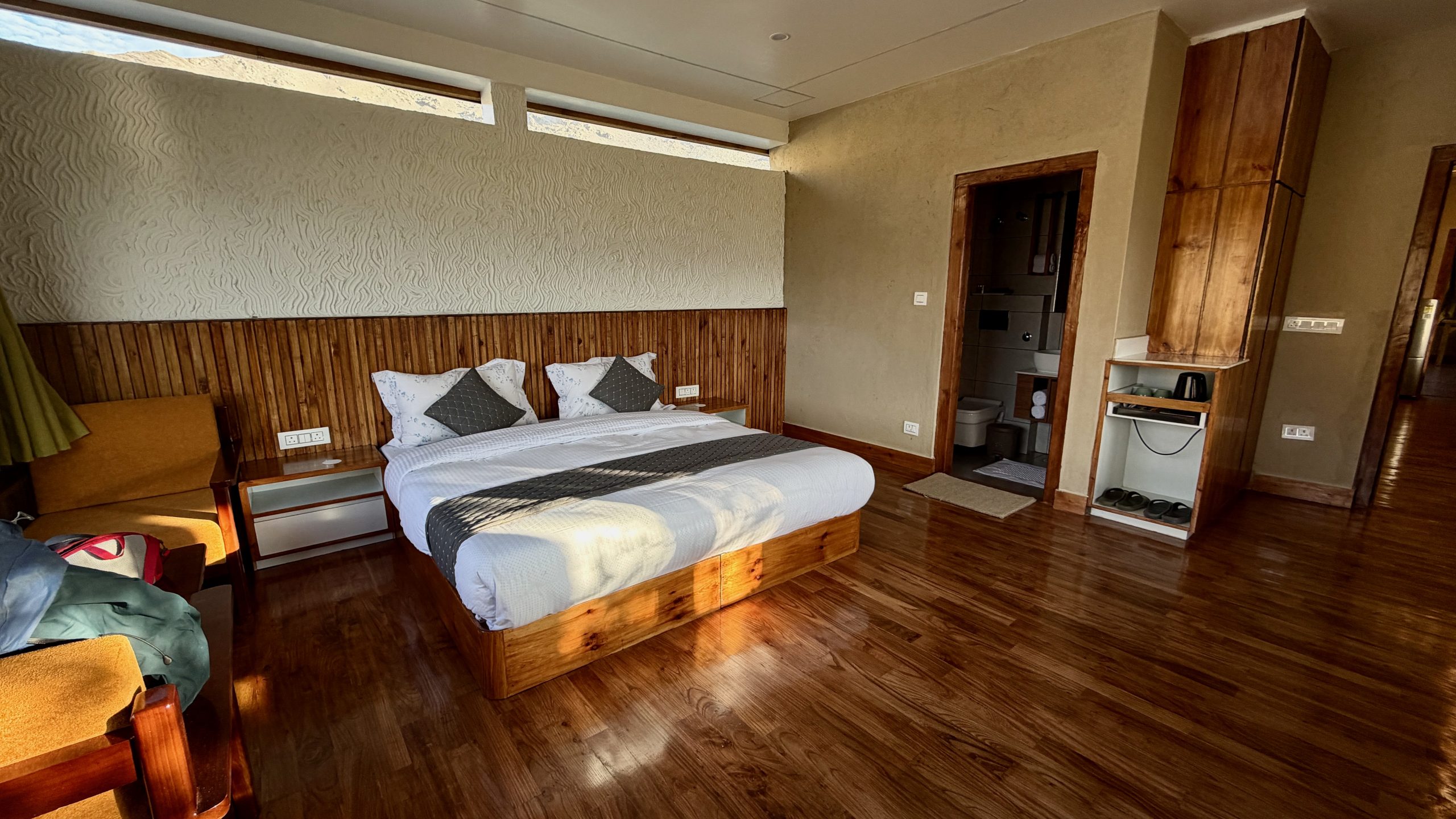
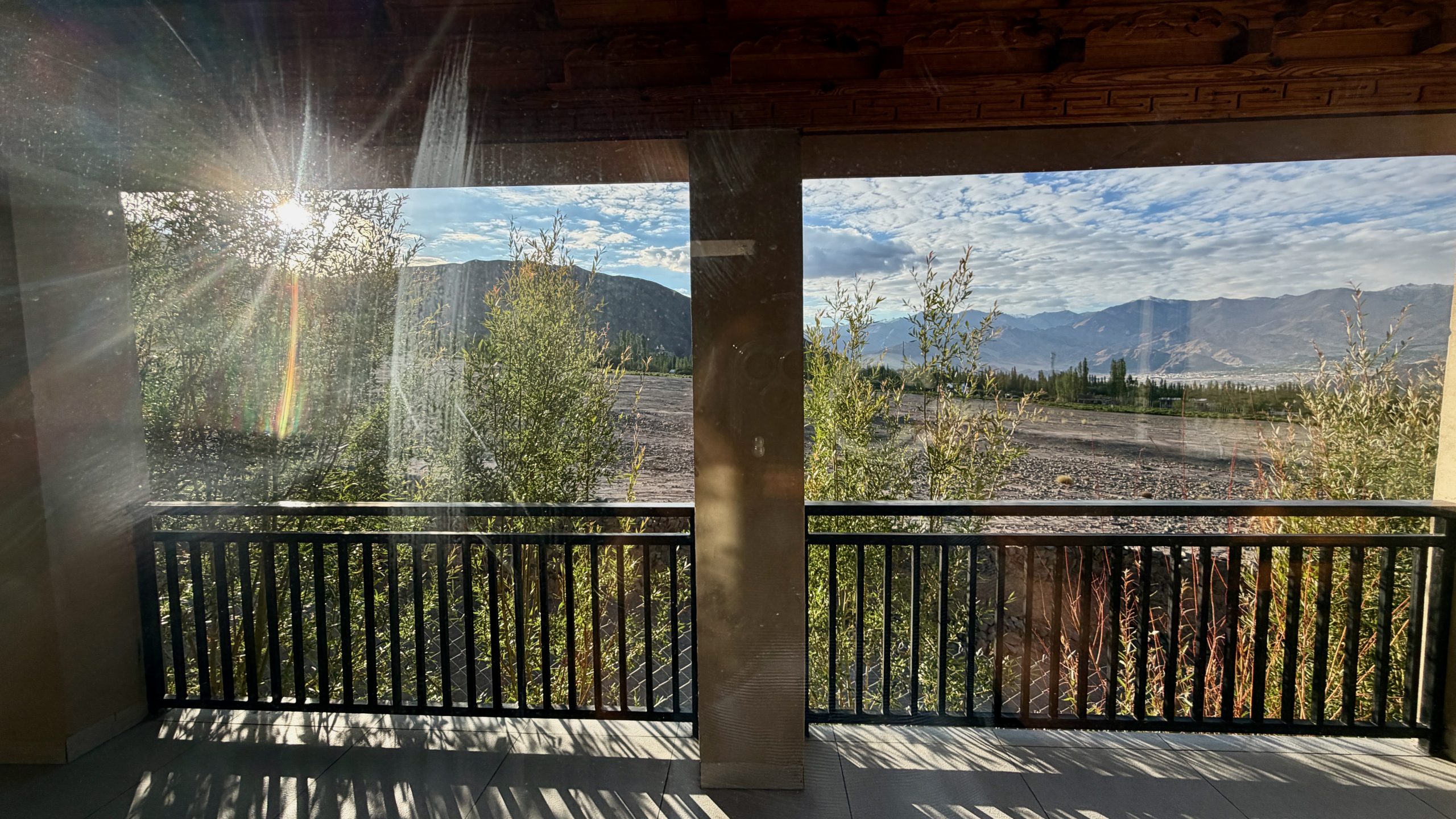
nfortunately, I only took a video of the kitchen-diner. Everything is very spacious, clean, and well thought out—among other things, it was built as a kind of passive house, meaning it has no heating but still stays quite warm in winter. I can’t really list all the specific details here because I lack a bit of the architectural understanding. But the enthusiasm for the whole project, and basically Tamchos’s new life since COVID, completely swept me away. And the entire place radiates that, too. Ideas within me that had long been dormant resurfaced, we had incredibly inspiring conversations and brainstorming sessions—in short: I am absolutely thrilled, too!
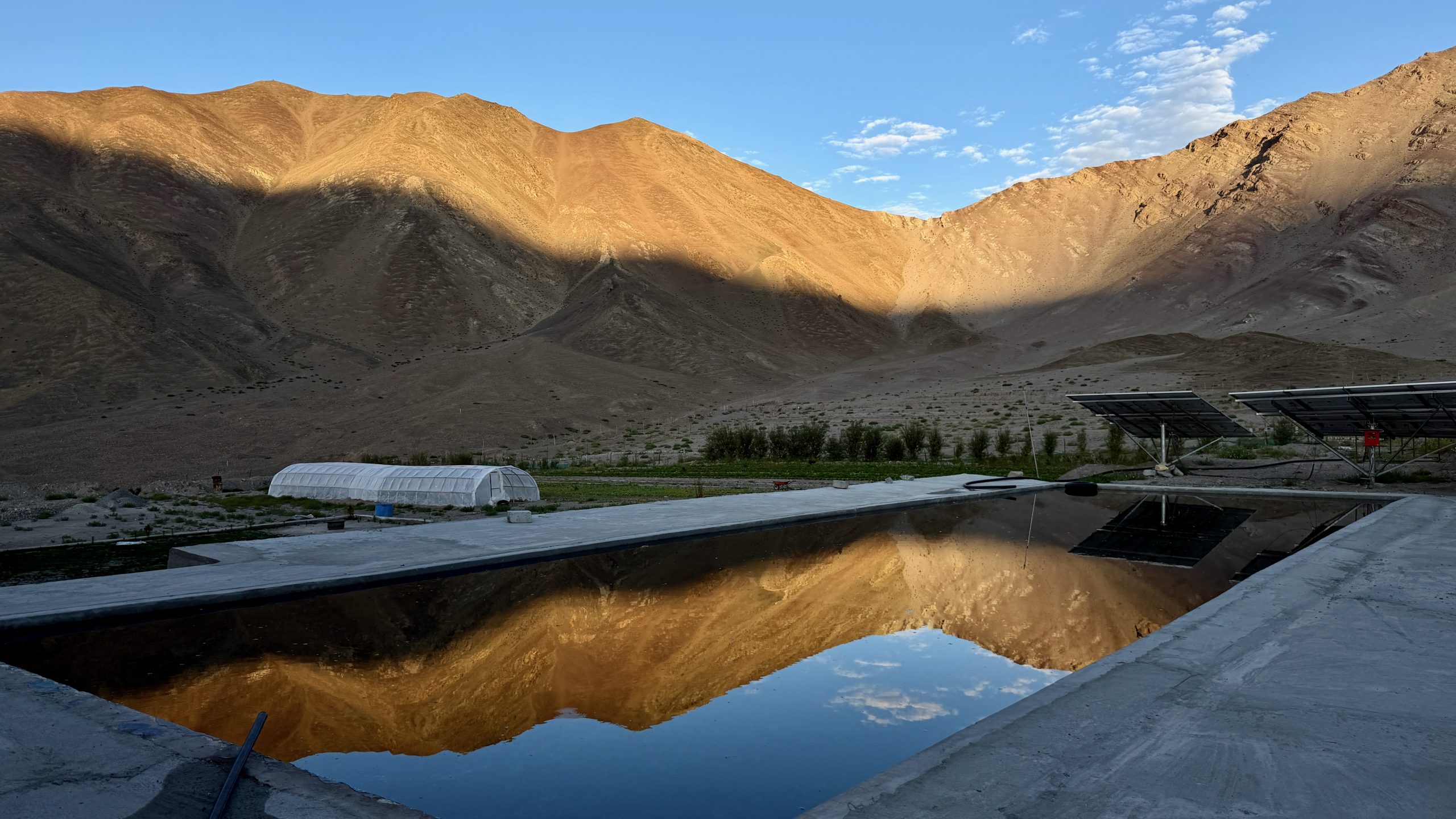
And what’s still missing from the whole picture is the swimming pool! It’s actually a water reservoir, but one that is also great for jumping into.
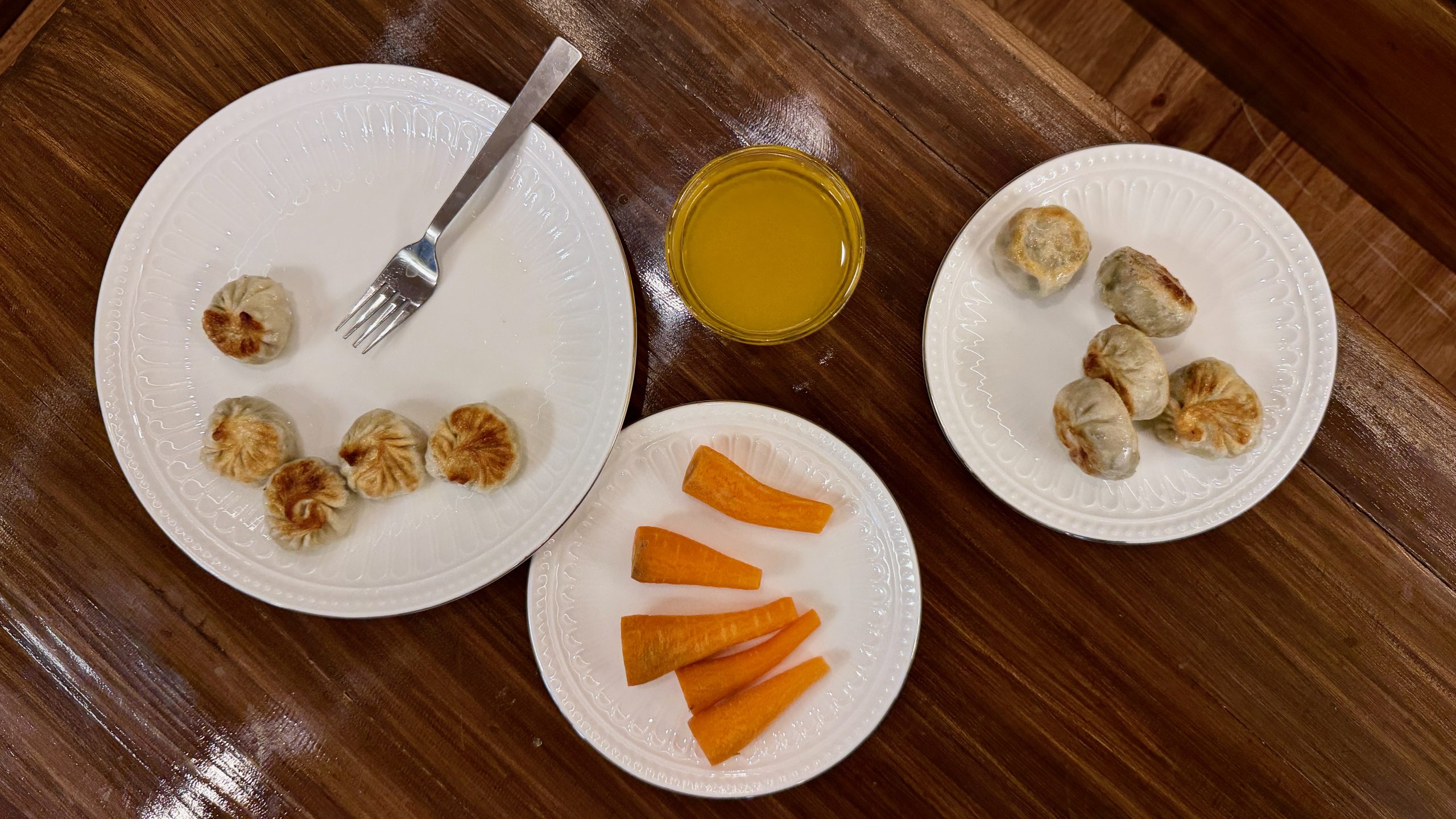
Since it was already a bit later in the day, besides the groceries, we also picked up some momos, which were quick to prepare by frying them—and they were served with delicious raw carrots and the best apricot juice I’ve tasted here so far.
UAnd then Tamchos drove home, and I drifted off to sleep in absolute peace and quiet. No dogs, no traffic.
In the morning, Tamchos came back and we spent a long day just the way I like it: we simply looked at one thing after another during a big walk around the village, letting ourselves drift on the one hand, but experiencing an incredible amount precisely because of that on the other—without getting completely exhausted (just a little bit, because I’m still a bit under the weather and plus, it was really hot). And because it was all so much, and there was still the following morning to come, I’m splitting this across two blog posts.
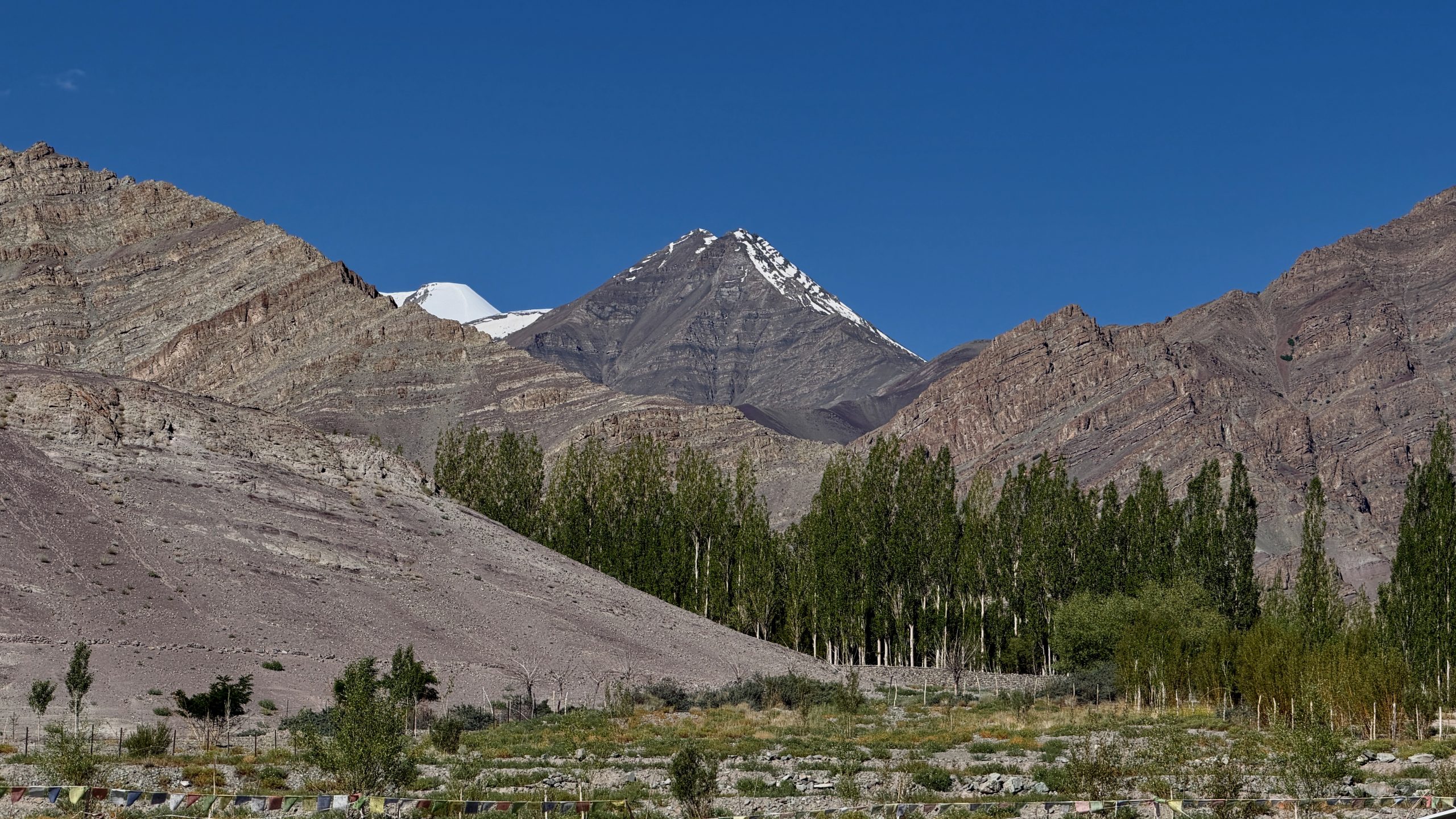
Stok is a fairly large village with the easily climbable 6,000-meter peak Stok Kangri towering above it. It used to be so incredibly popular that massive crowds flocked up there, causing too much trash, waste, etc., to get into the river and groundwater. So a few years ago, the locals put a stop to it; since then, no one is allowed on the mountain anymore, and there are no plans to ever reopen it. In the picture, Stok Kangri is still behind these mountains (or is it that white snow cap?)
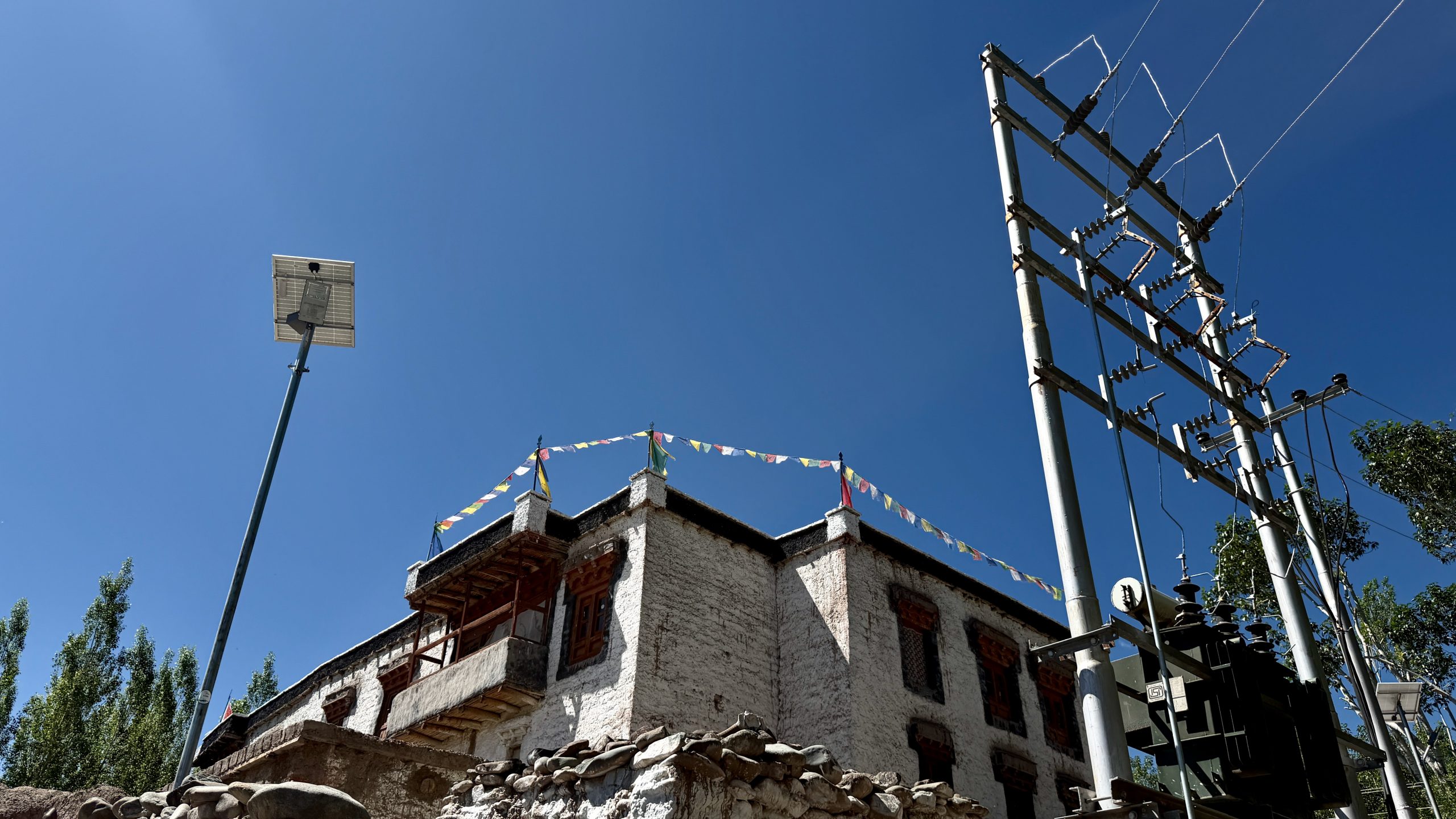
he village is a bit empty since many people have jobs in nearby Leh. But fields are still being farmed, there are cows and alfalfa for cattle feed, all of which looks lovely and smells good. However, people are building big new houses here, too. Even though families are getting smaller and smaller. But hey, you never know if you might need the space after all!
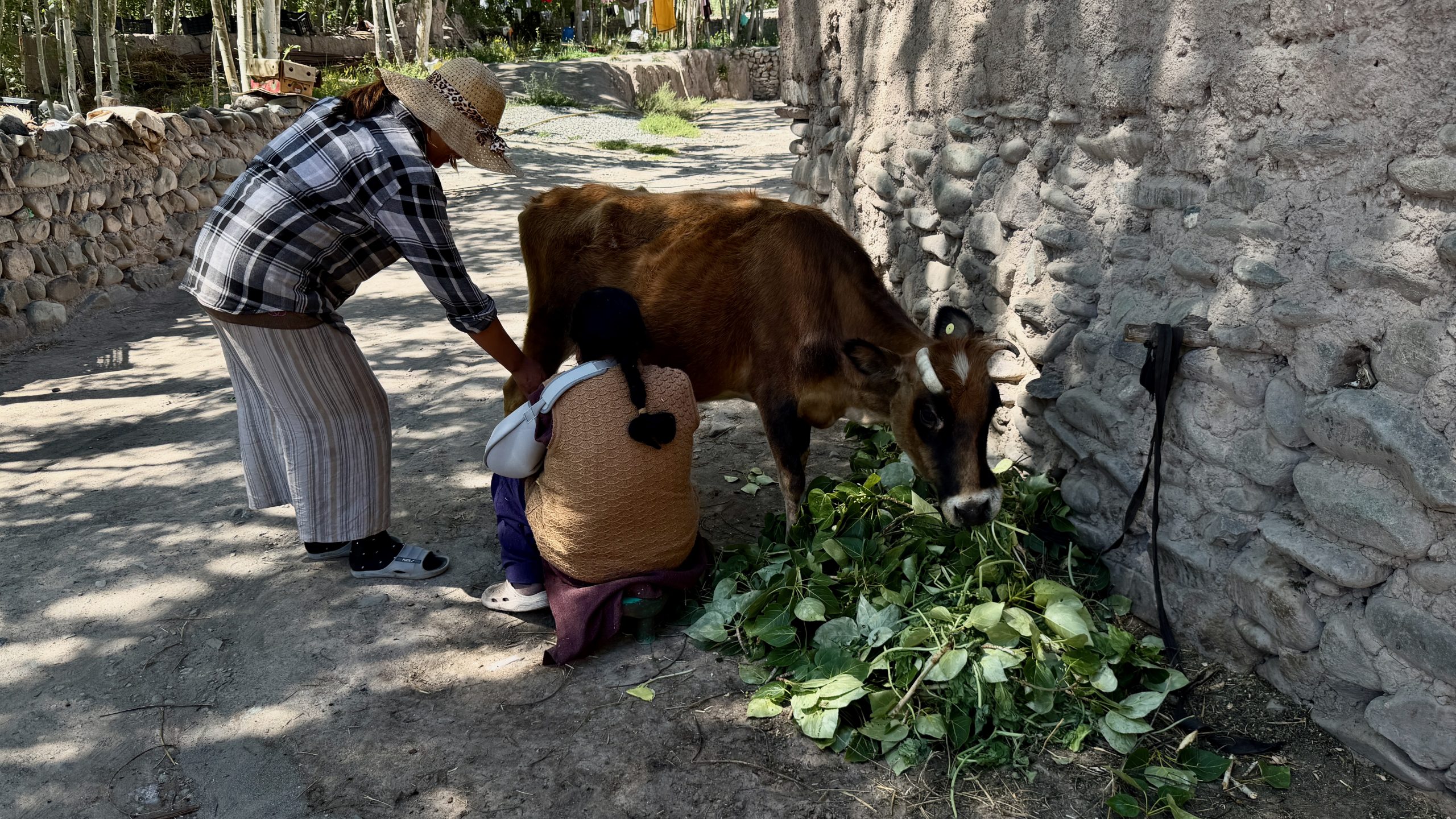
At one house, there were two women and a cow. The older woman used to always milk the cow, but she had broken her arm. And the stubborn cow just wouldn’t let any strange hands near her. So the young woman had to call the old lady back after all, who then did the milking one-handed. Together, they were trying to convince the cow that the other hands were perfectly fine, too. It takes patience.
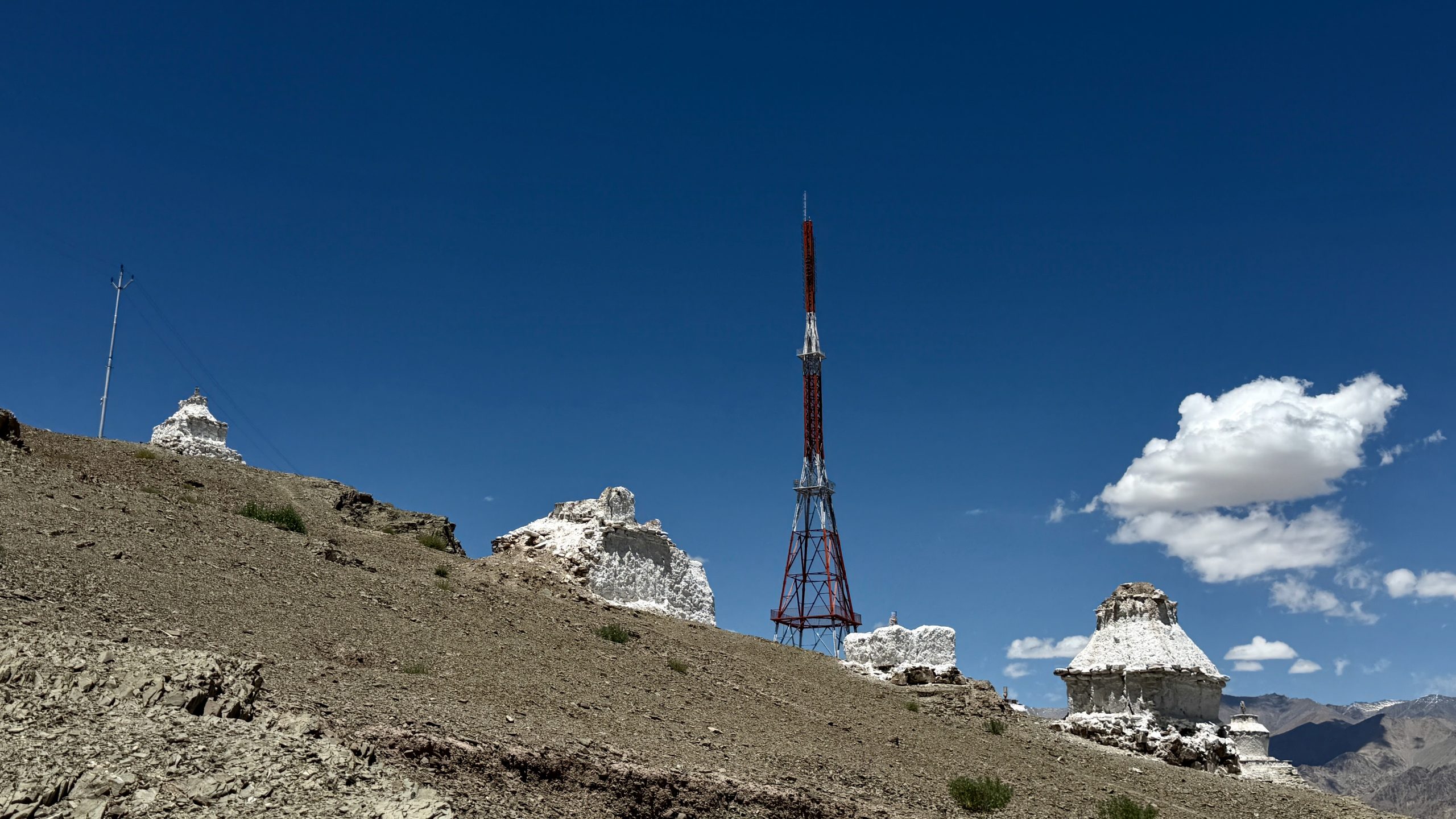
In addition, Stok has been home to the royal family’s palace for 200 years. They have turned a part of it into a museum, six rooms have been converted into a hotel, and the family lives in the rest. The palace used to be painted white, but now they have preferred to use natural colors. And next door are chortens and a radio tower.


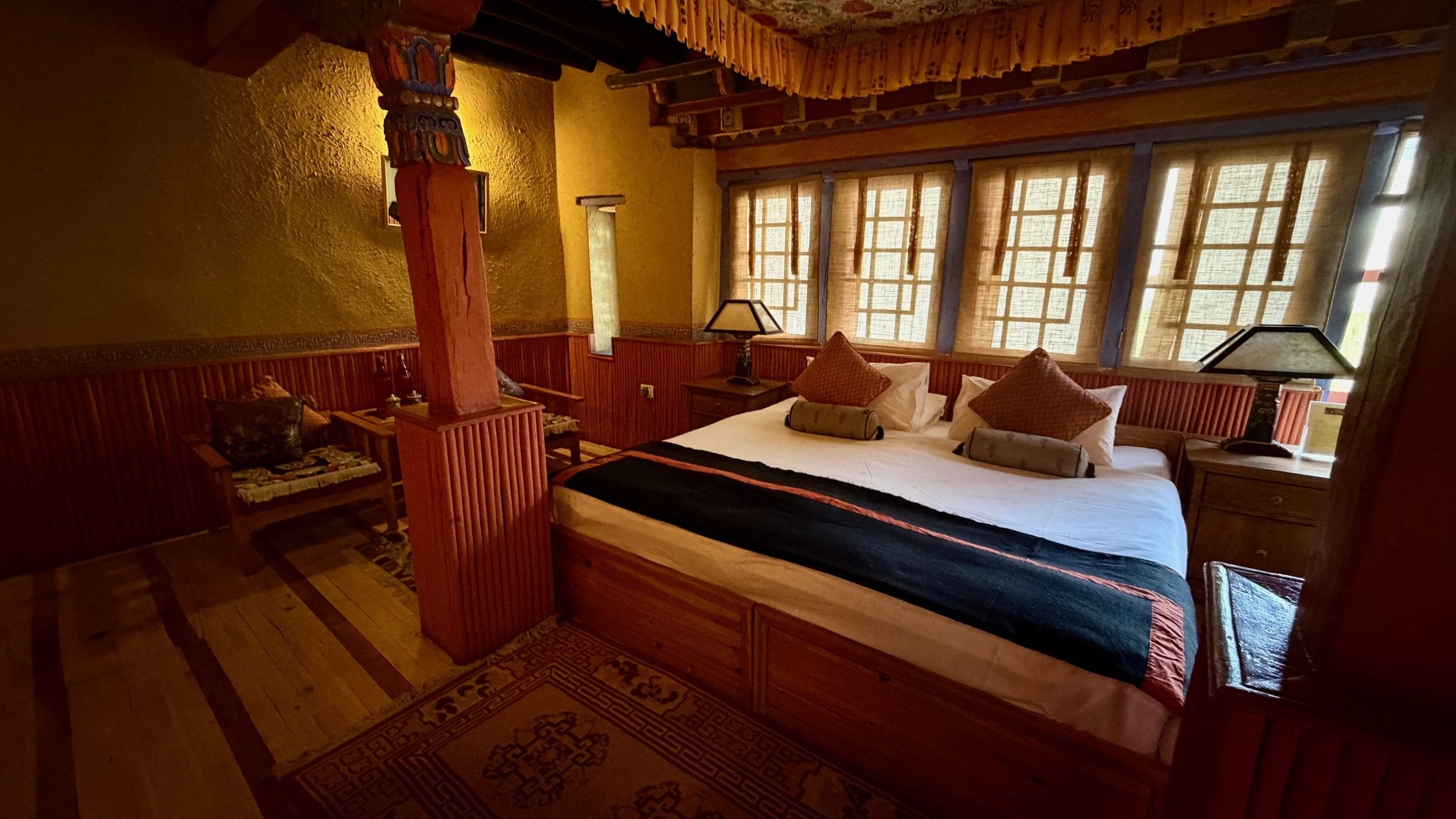
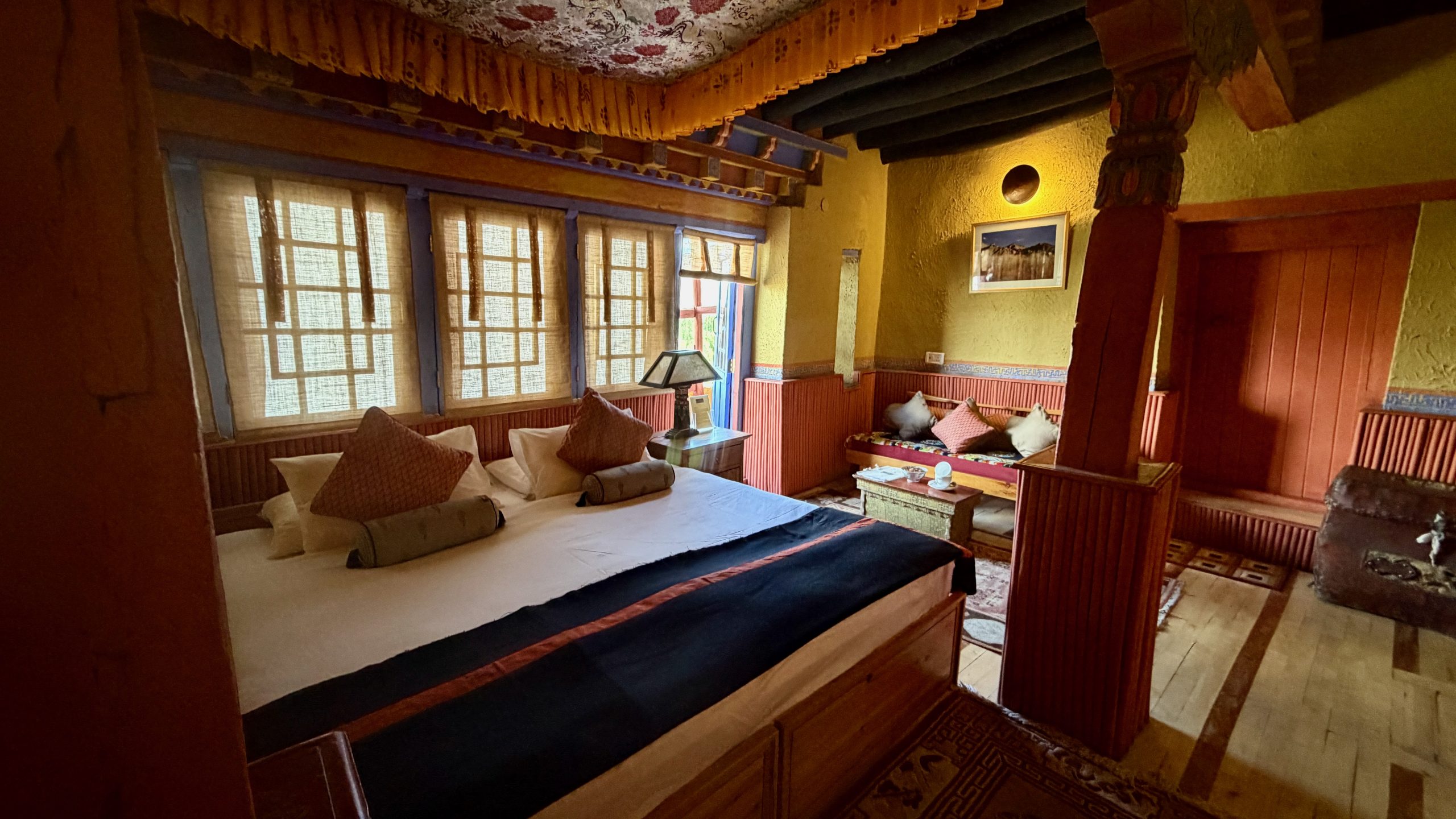
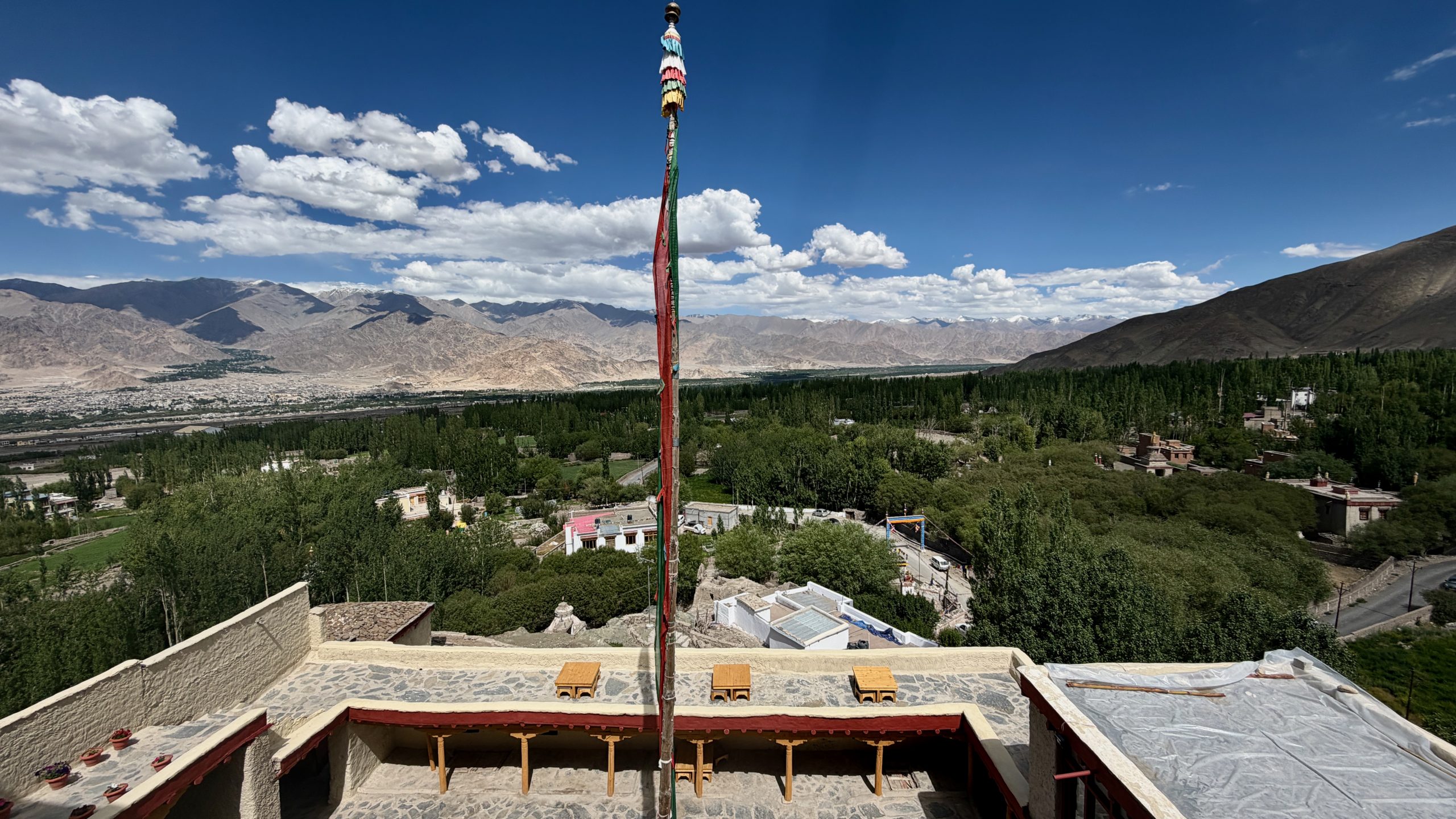
I didn’t just want to look at the hotel rooms, but also ask if it was possible to book the place for a photo shoot. Unfortunately, only a standard room was vacant. And I learned that the magnificent room photos I had found on the internet all belong solely to the Queen’s Room. The other rooms are great too, but this Queen’s Room absolutely stands out. Unfortunately, it was occupied. There was also no one around to ask about the terms and conditions for a photo shoot, but I was given a phone number for that. Here are a standard room, the dining room, and the view from the room:

In addition, the royal family has used another one of their properties to build beautiful cottages and a nice restaurant that serves more Western-style food, which is both delicious and not overpriced.

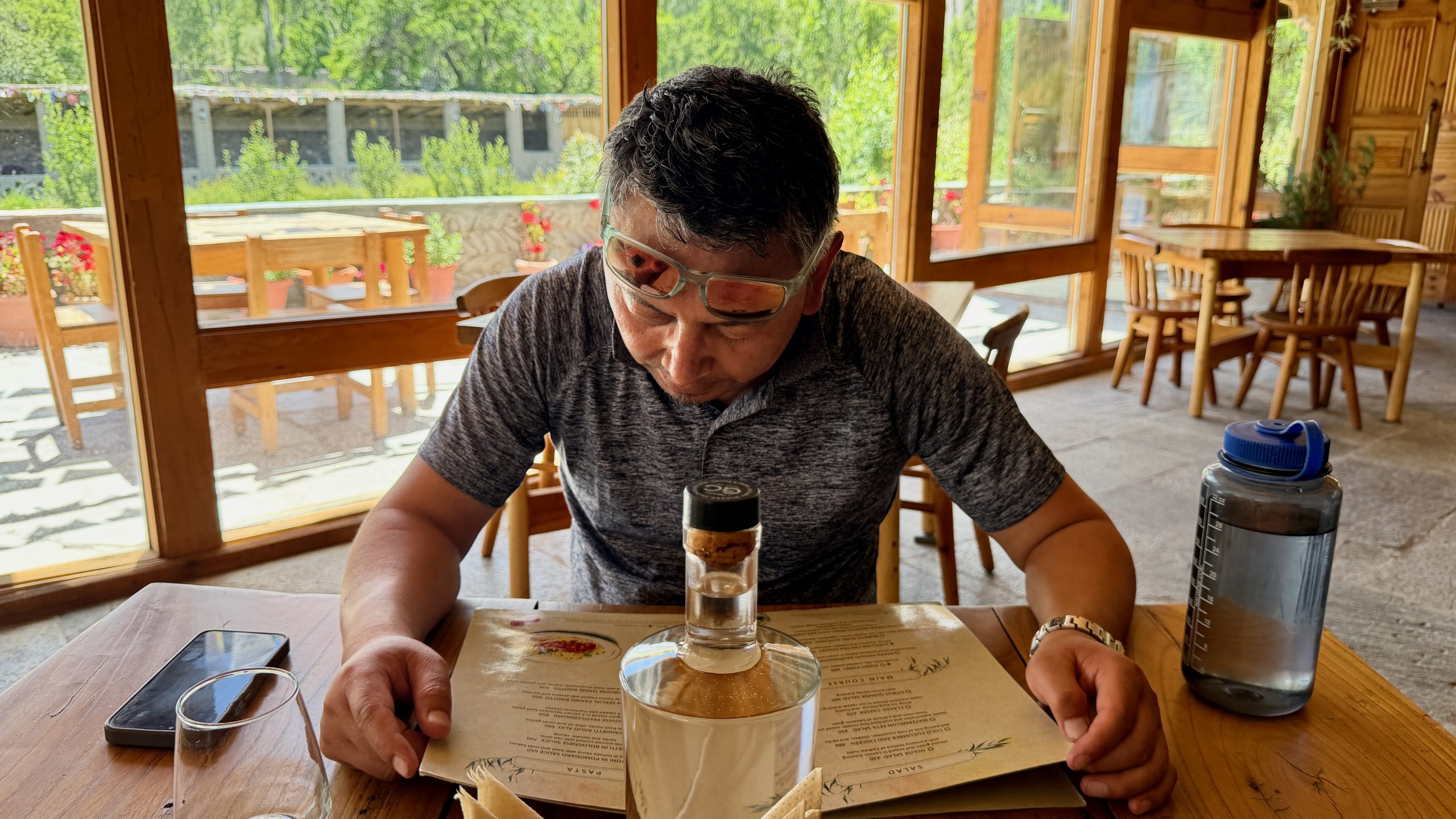
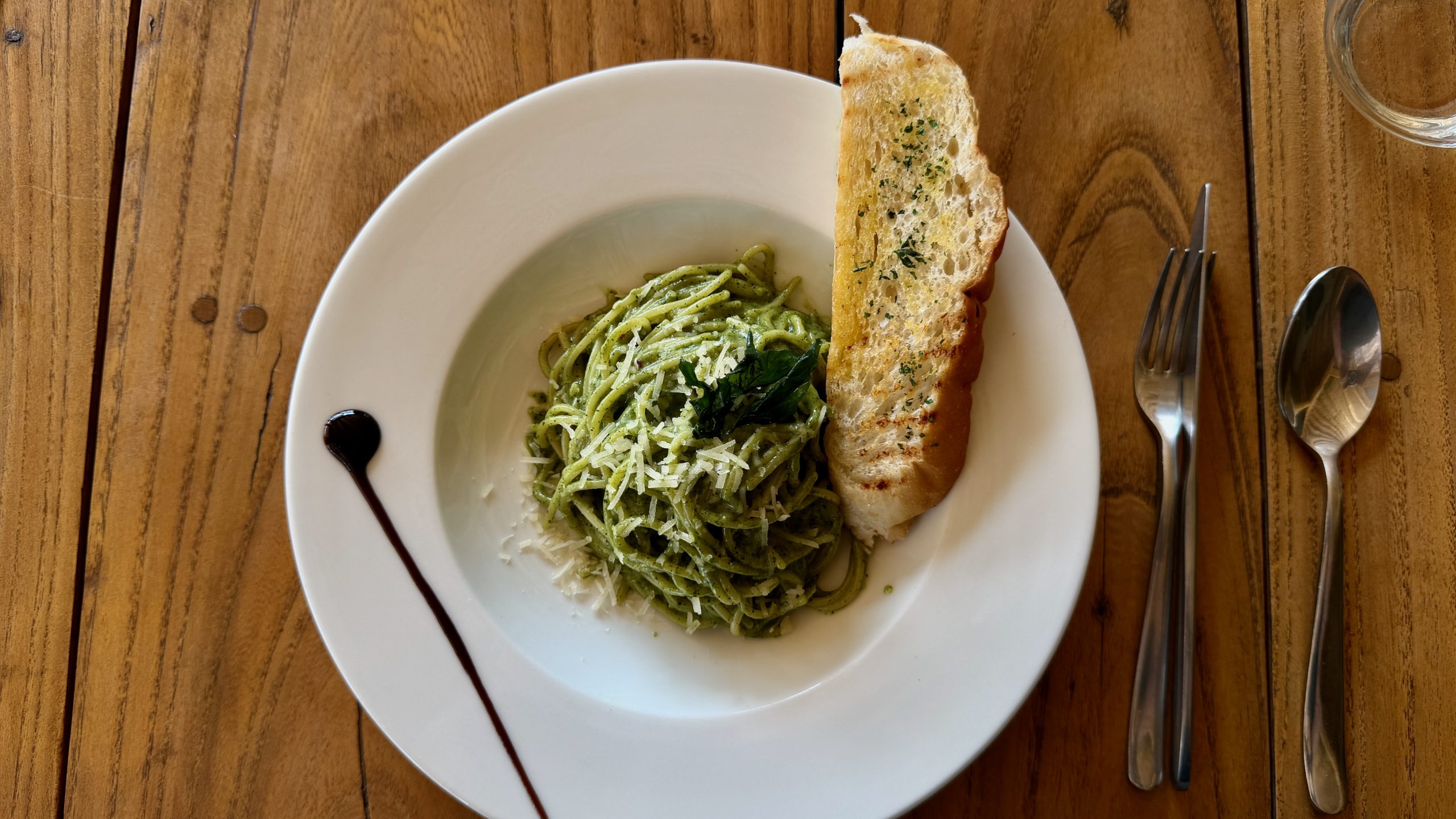
The staff, who are quite numerous and friendly, are all from various parts of India. In fact, a very, very large percentage of the employees in the hospitality and catering industry in Ladakh—I suspect over 80%, and Tamchos believes it’s even higher—are non-Ladakhis.
And with that, I’ll wrap up this blog post; in the next one, there will be many more experiences and aspects of Stok to share!