


Tahan – Kitchen, Cheese and Monasteries
30. May 2026
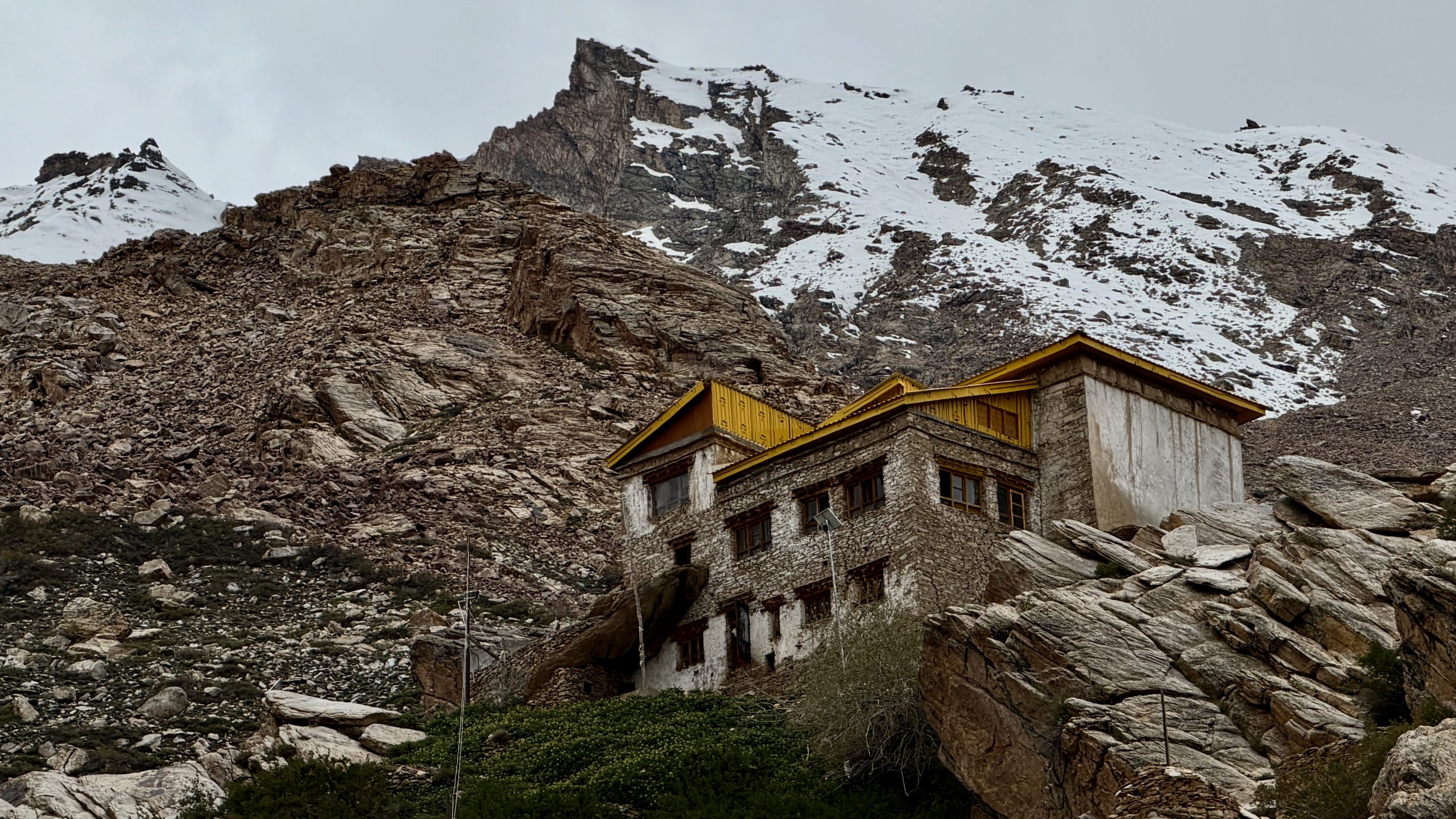
This time, the first thing on the agenda was to visit a small, not permanently inhabited monastery building on the opposite side of the mountain. A road led up to it, and people often used it for ceremonies. The exciting part was whether we would find the key. That’s how it is with some monastery rooms—people hide the key so you can always get in if you know you’re supposed to look for it, and if you don’t know, you’re not supposed to be in there anyway.
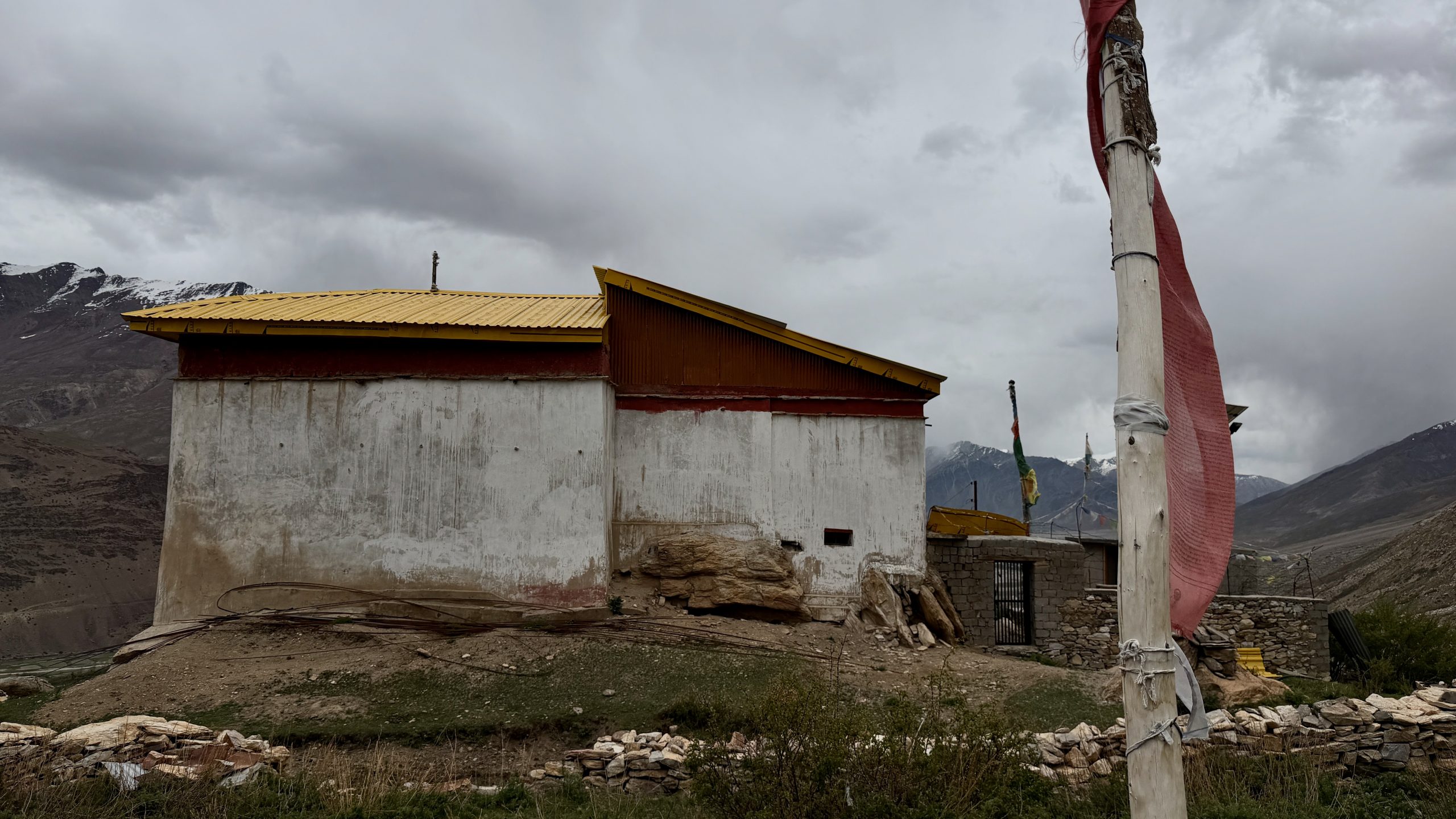
Inside, my eyes went wide: a well-equipped kitchen even stocked with tea, etc. (we would have only needed to fetch water), a stove, firewood, matches, and so on.
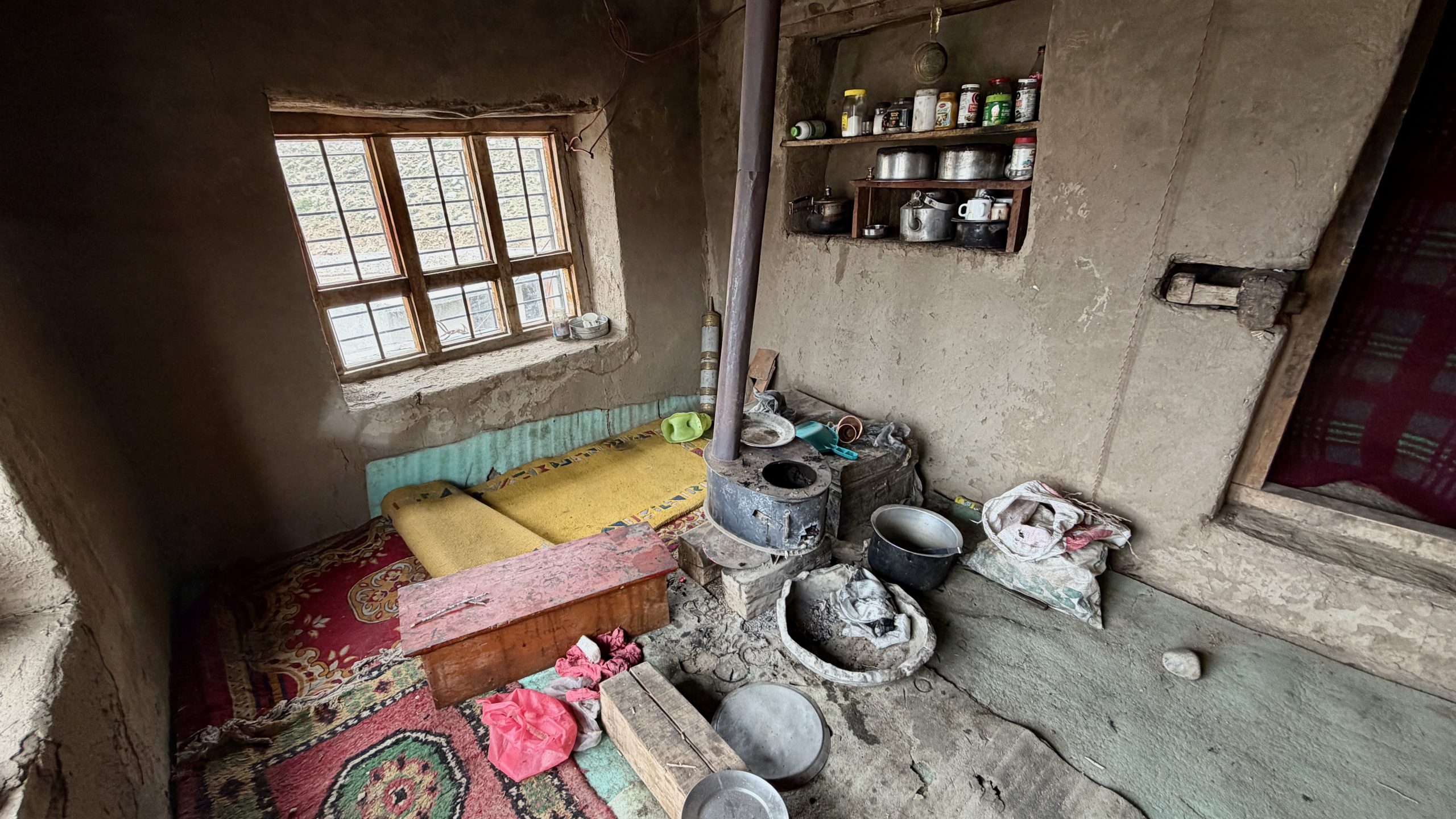
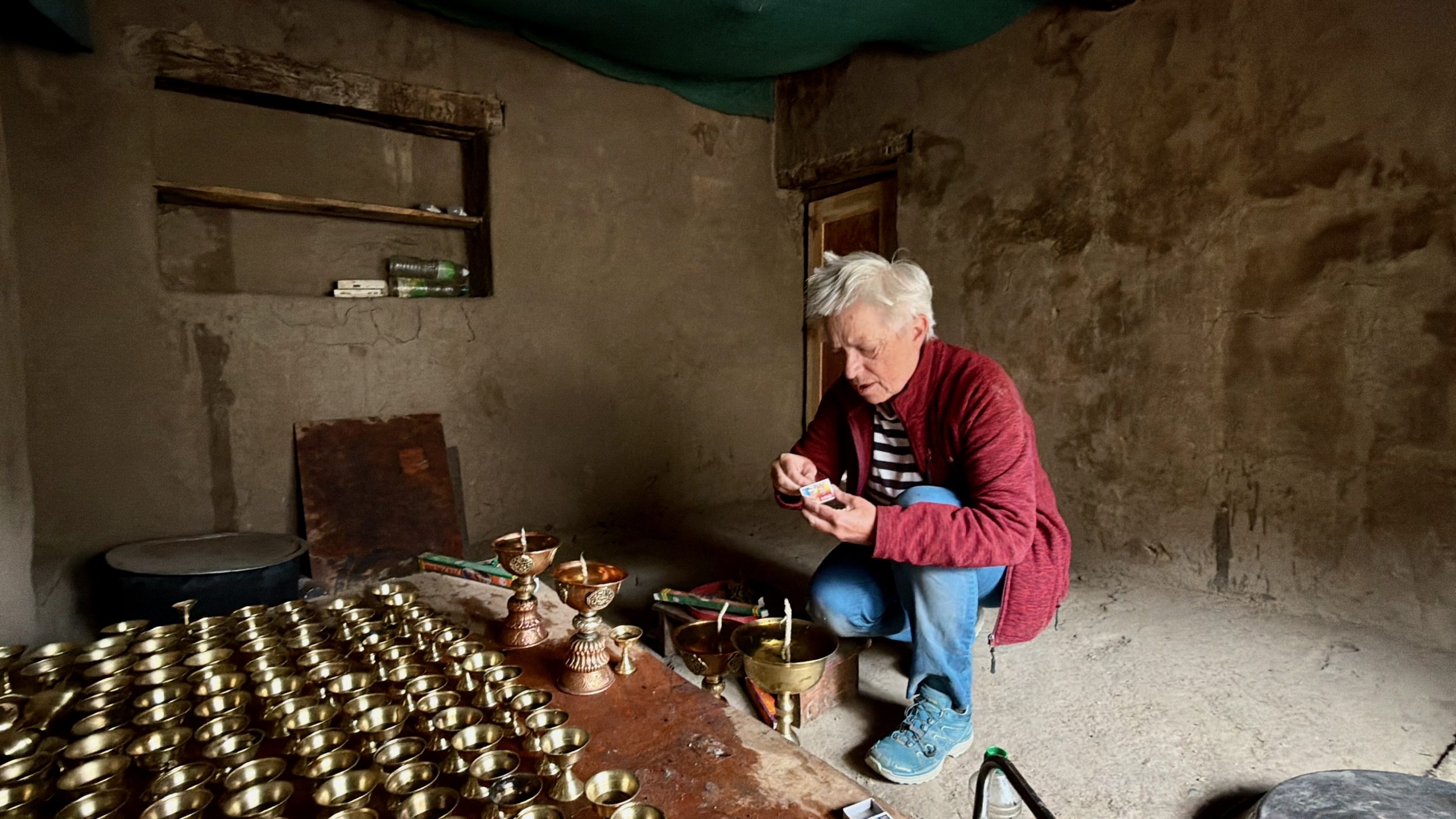
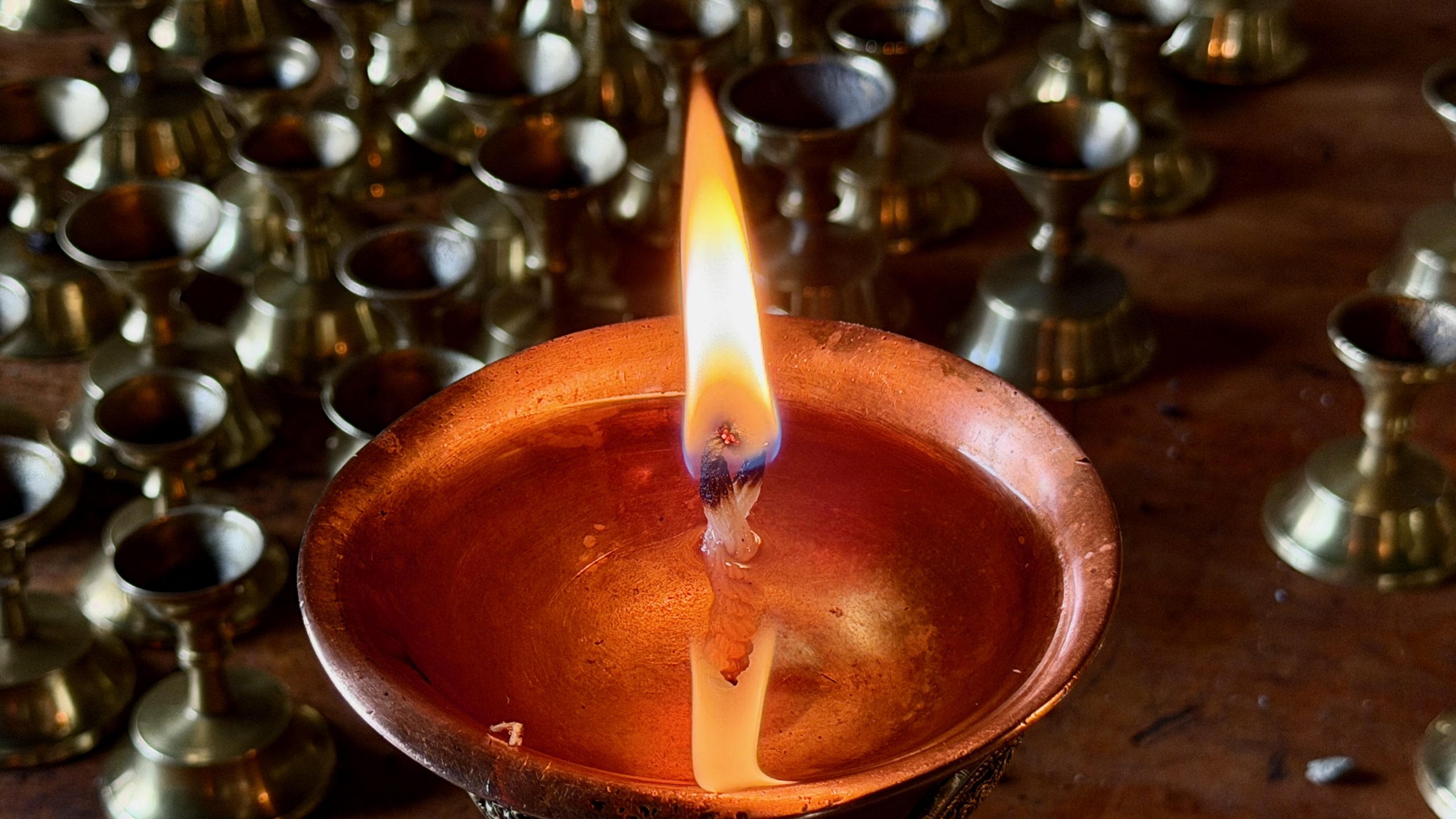
In the next room: butter lamps, oil, juniper. Perfect! Here was the opportunity to light butter lamps for a few friends of mine and send them good wishes. I actually filmed the whole process, though. Everything was done from scratch: cleaning the butter lamps, twisting the wicks, pouring the oil, and finally lighting them. On top of that, we burned juniper, and Stanzin chanted prayers over it.
Then we looked around some more. There was an altar room—and a chorten right inside the building! However, I couldn’t really manage to take a photo of it, as there was too much built up all around it. Inside the chorten, there was also another small room with Buddha statues, and wall paintings on its sides.
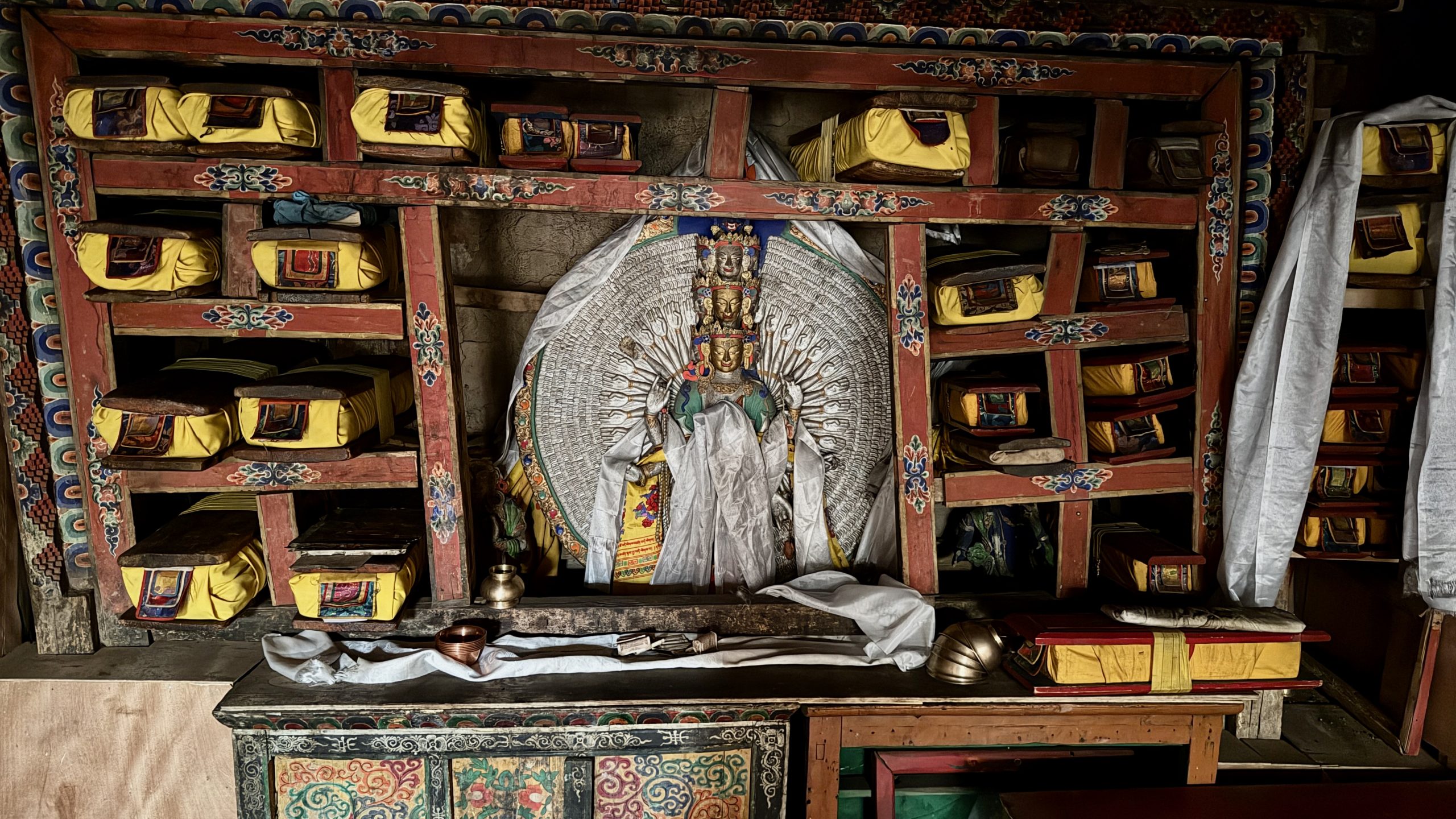
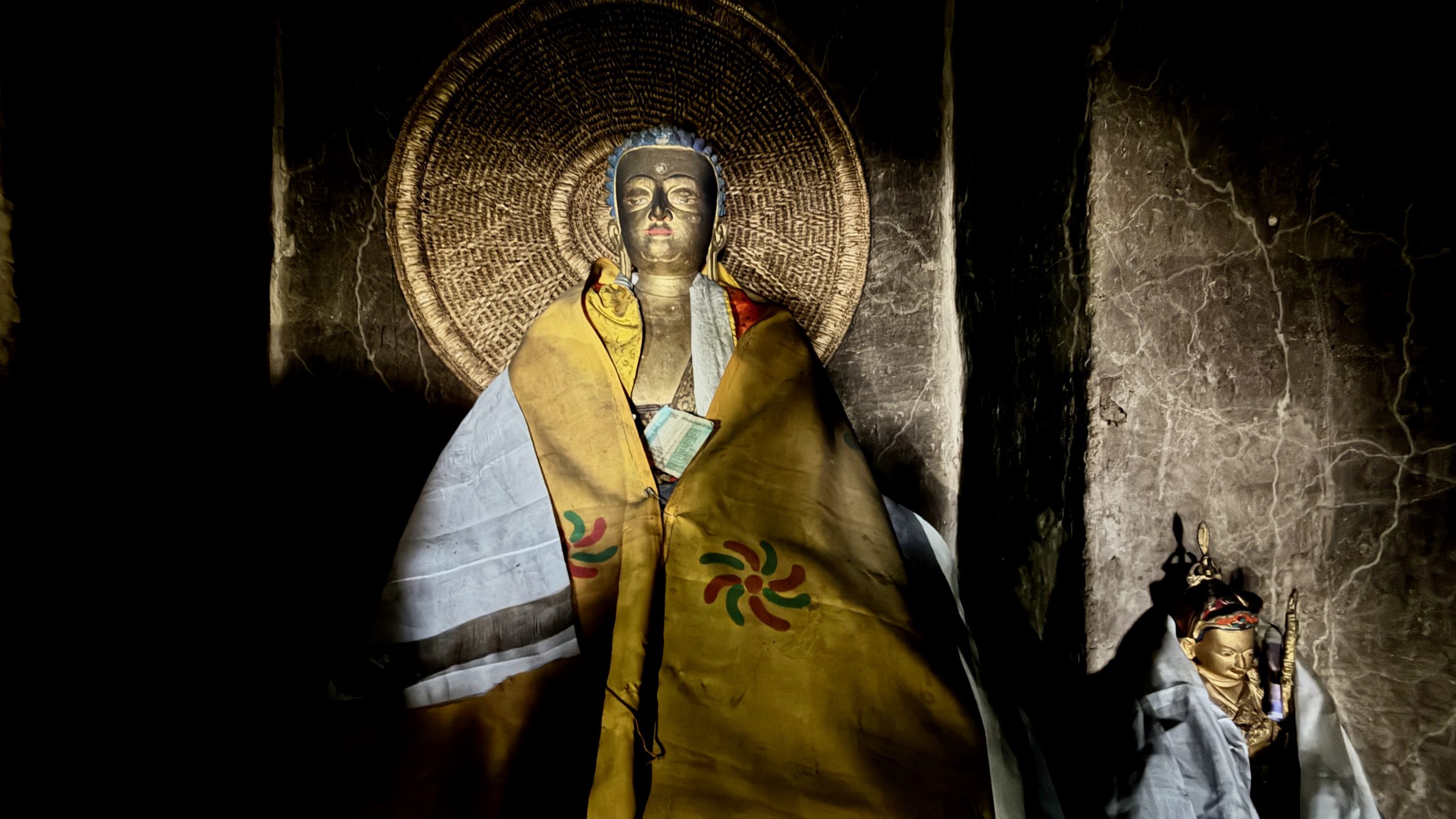
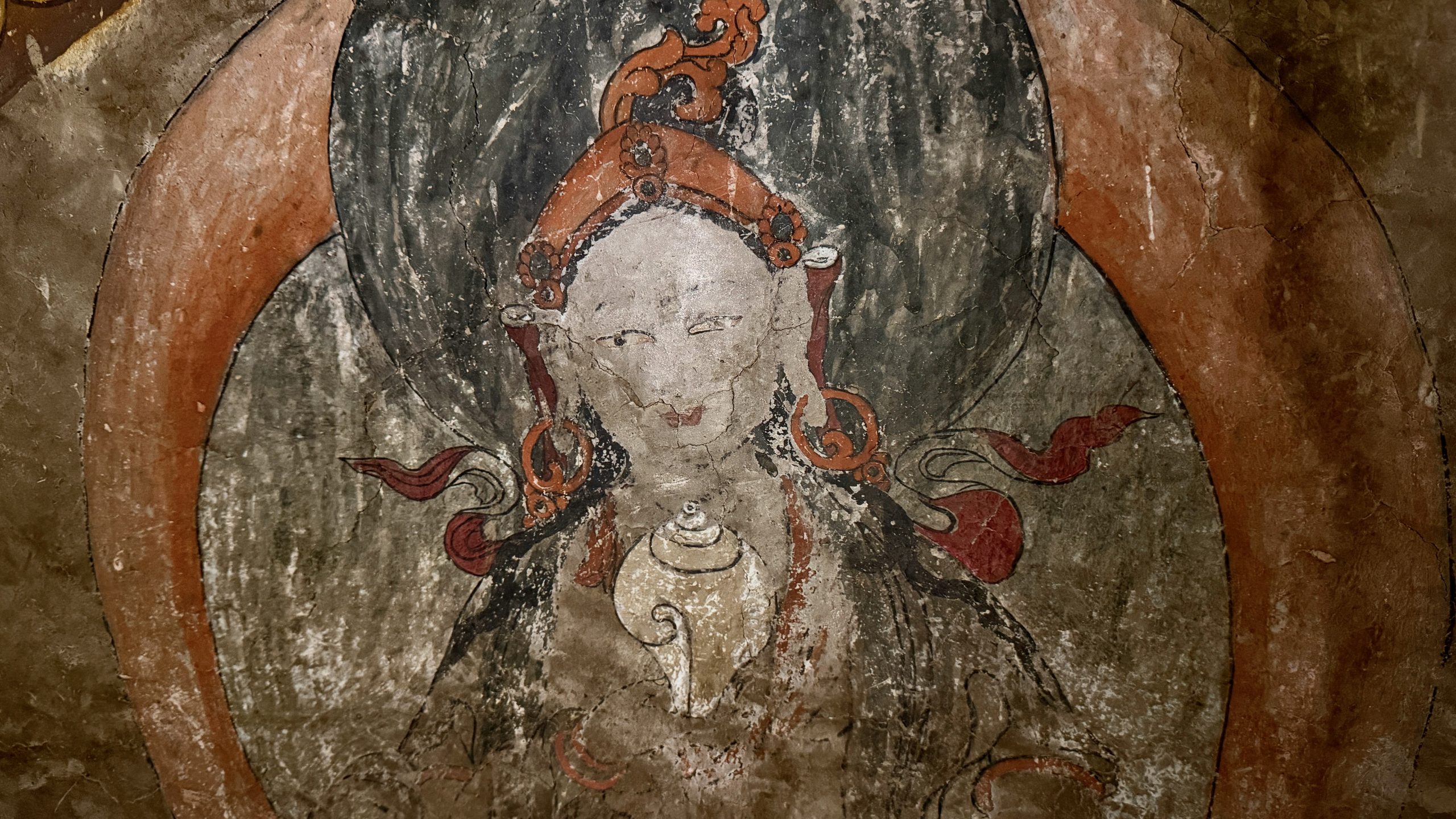
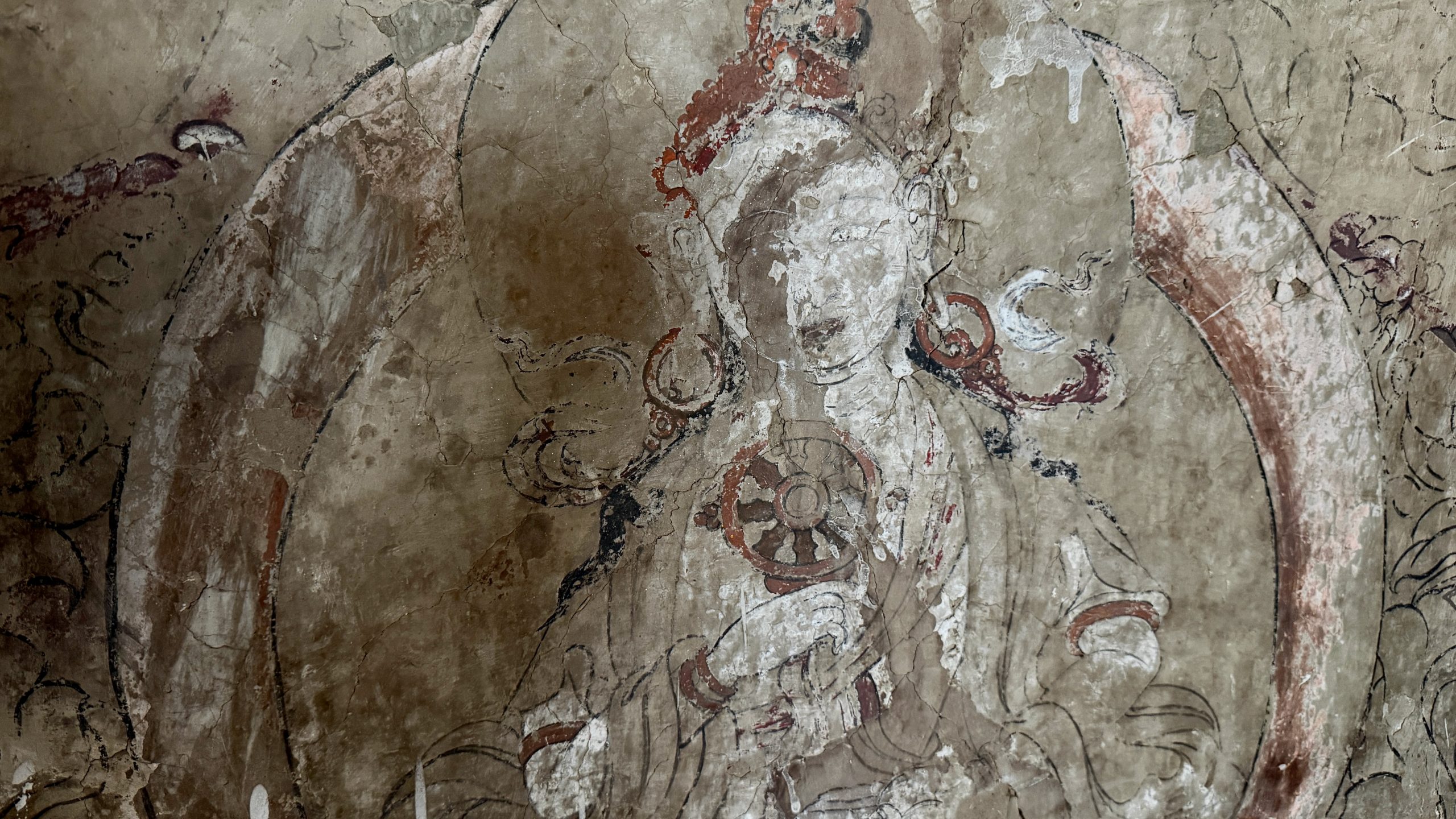
I absolutely loved all of it! Discovering a place and being able to fill it with meaning, too. Better than any bombastic monastery. I found it hard to tear myself away. The weather wasn’t great, but the view was fantastic nonetheless.
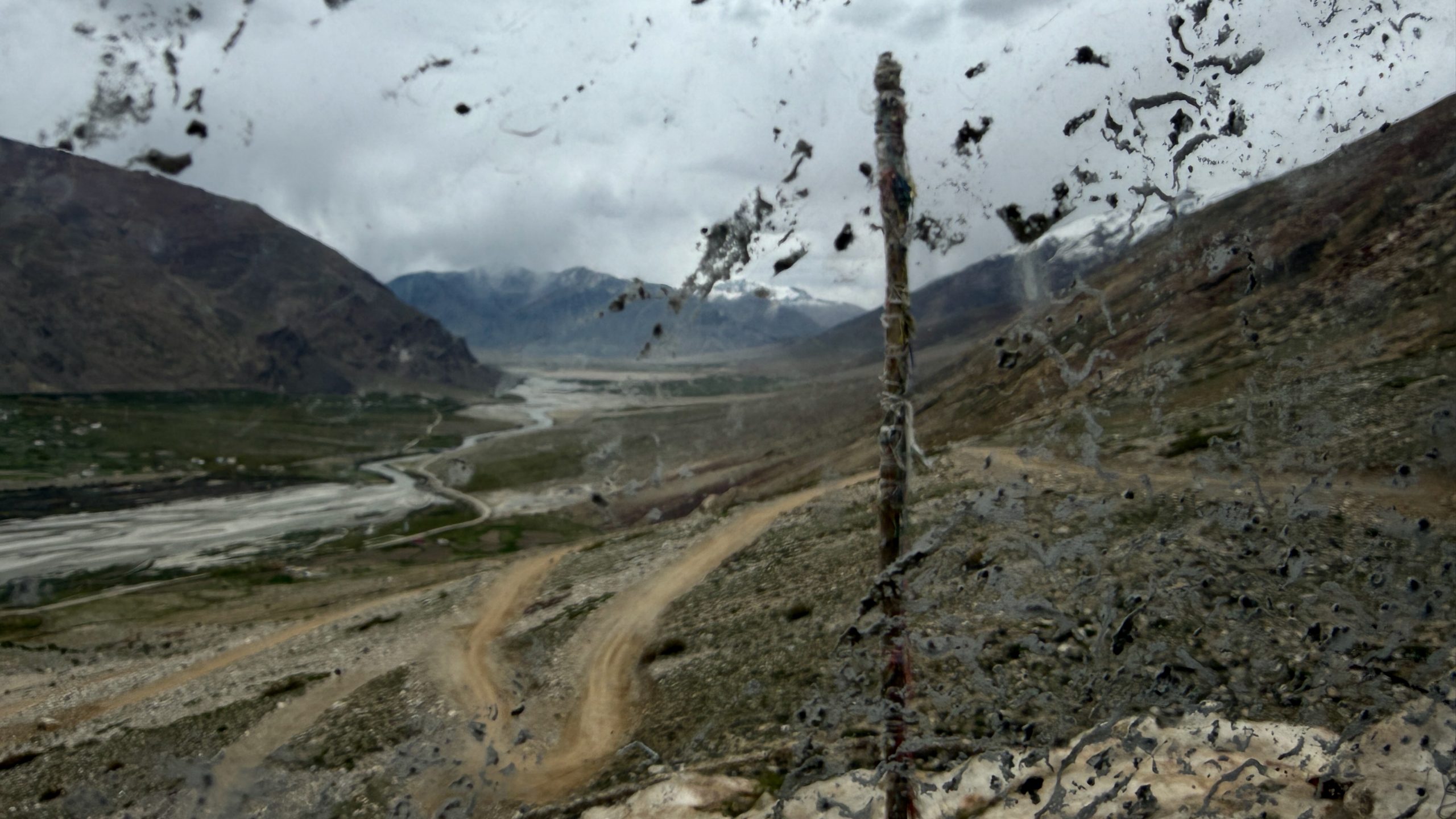
But there was still more that I wanted to see. Unfortunately, India isn’t really big on yellow hard cheese, but Western travelers are crazy about it. And so, for many years now, Nepalis have occasionally brought along so-called yak cheese. “So-called” because a yak is always male and therefore can’t produce any cheese at all. The milk actually comes from the dri—but who on earth knows that? And so, the name “yak cheese” became established. For a few years now, you could also buy vacuum-sealed yak cheese from Zanskar in Leh. Quite expensive, but sometimes the cravings are strong. And besides, it makes for a fun souvenir for Indian tourists to take home to their loved ones.
So I really wanted to know who was behind this great idea and production! And since pretty much everyone knows everyone in Zanskar, it didn’t take long to find out where the production facility was. Only the owner, unfortunately, wasn’t there. No matter, we headed over anyway!
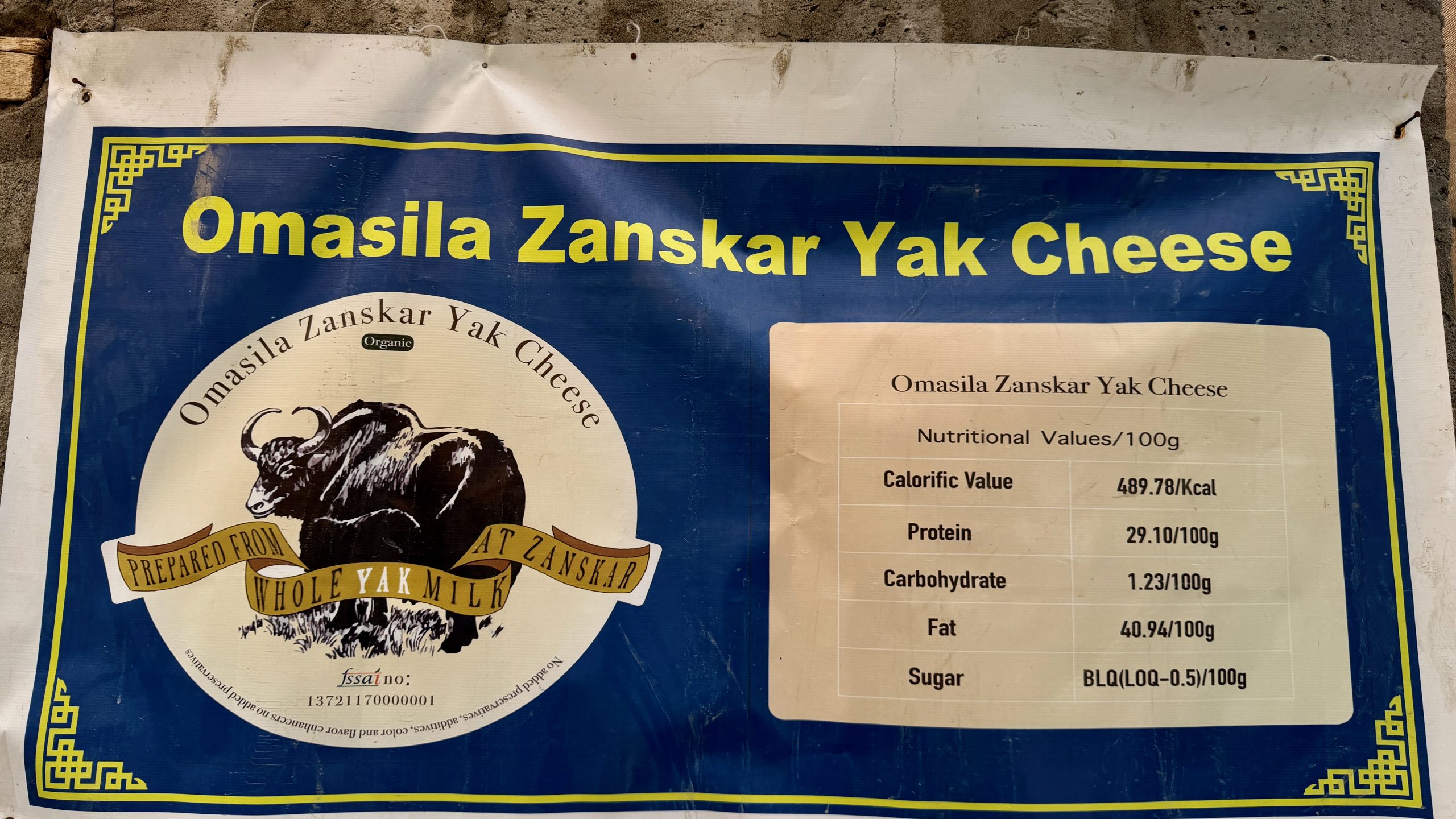
And there really was plenty to marvel at! A tiny little house with a tent pitched in front of it. Ramesh Lepcha and his assistant live in it throughout the season. Ramesh is from Sikkim, has been riding over on his motorcycle for a few years now, and runs a Youtube-Kanal. . He is from Yuksom, works as a trekking cook back home when he’s not here, and sings.
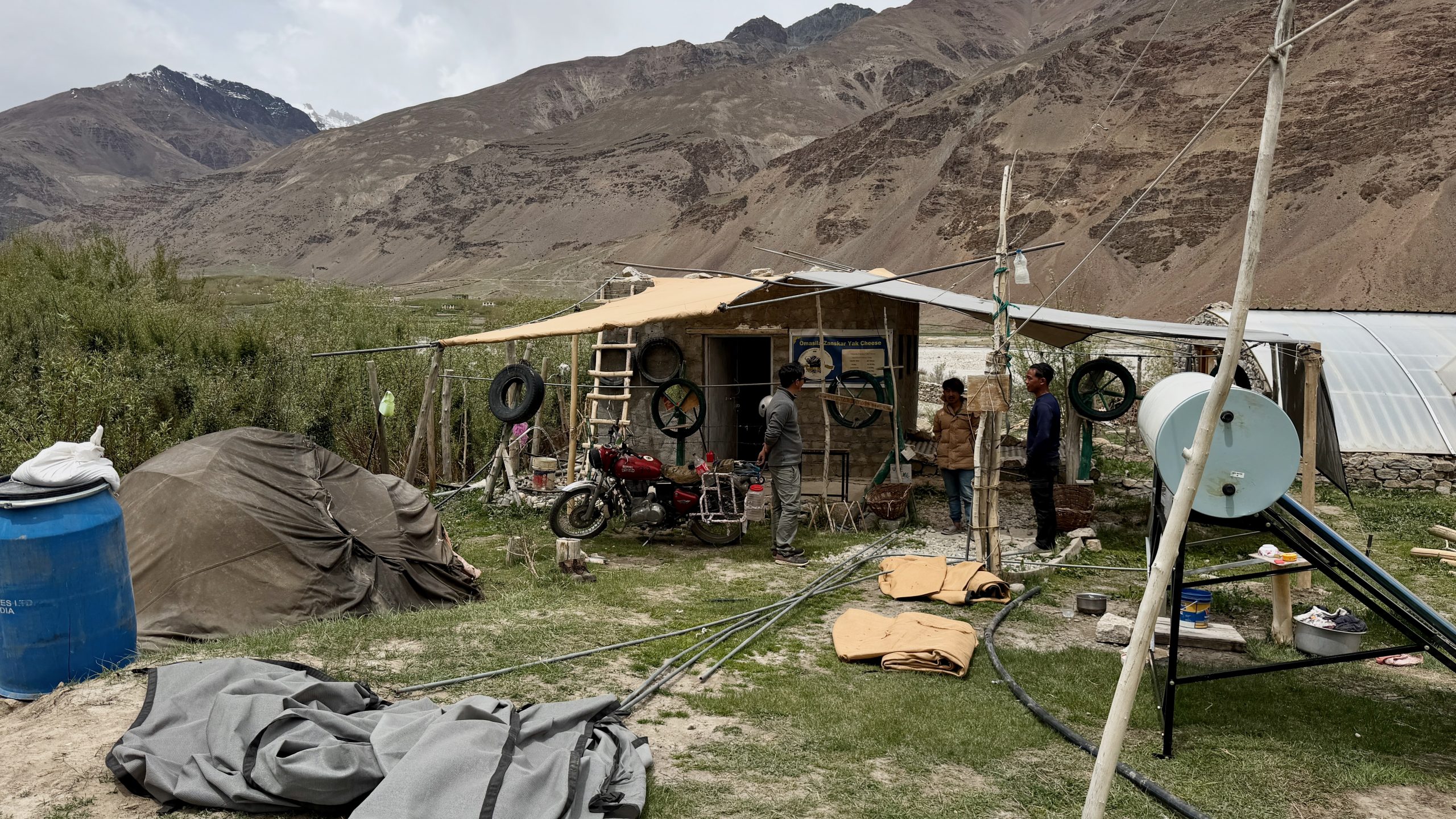
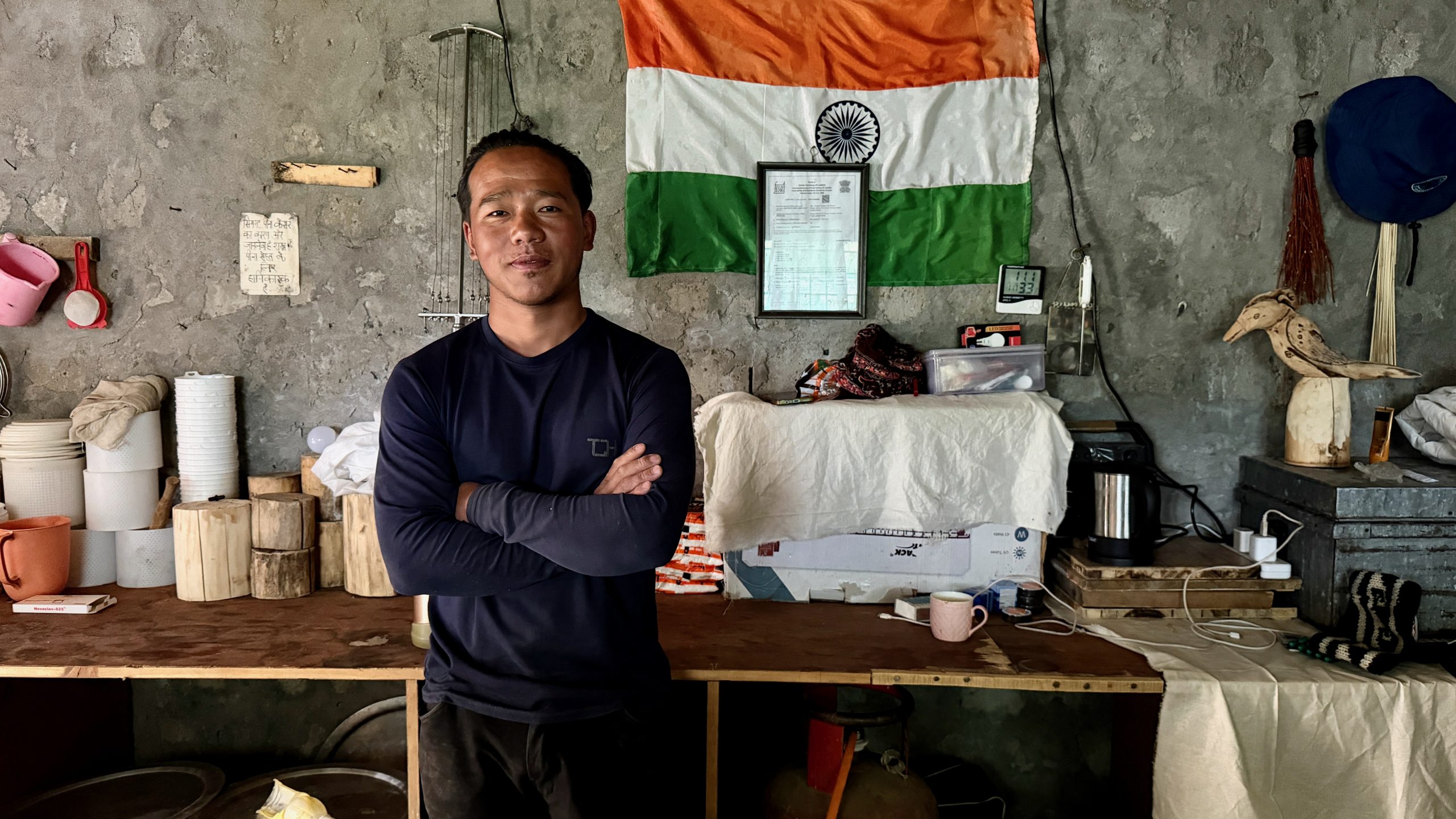
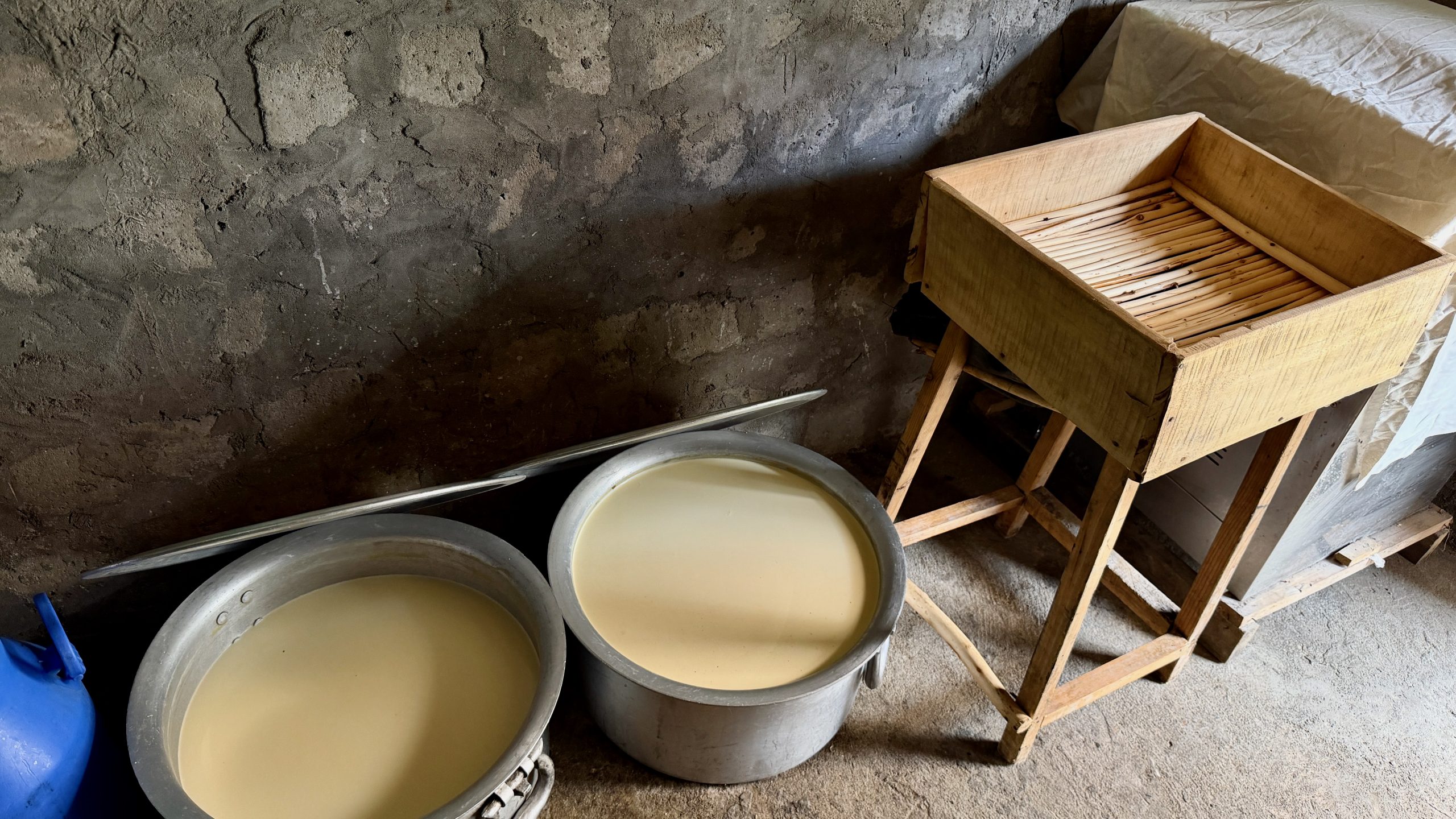
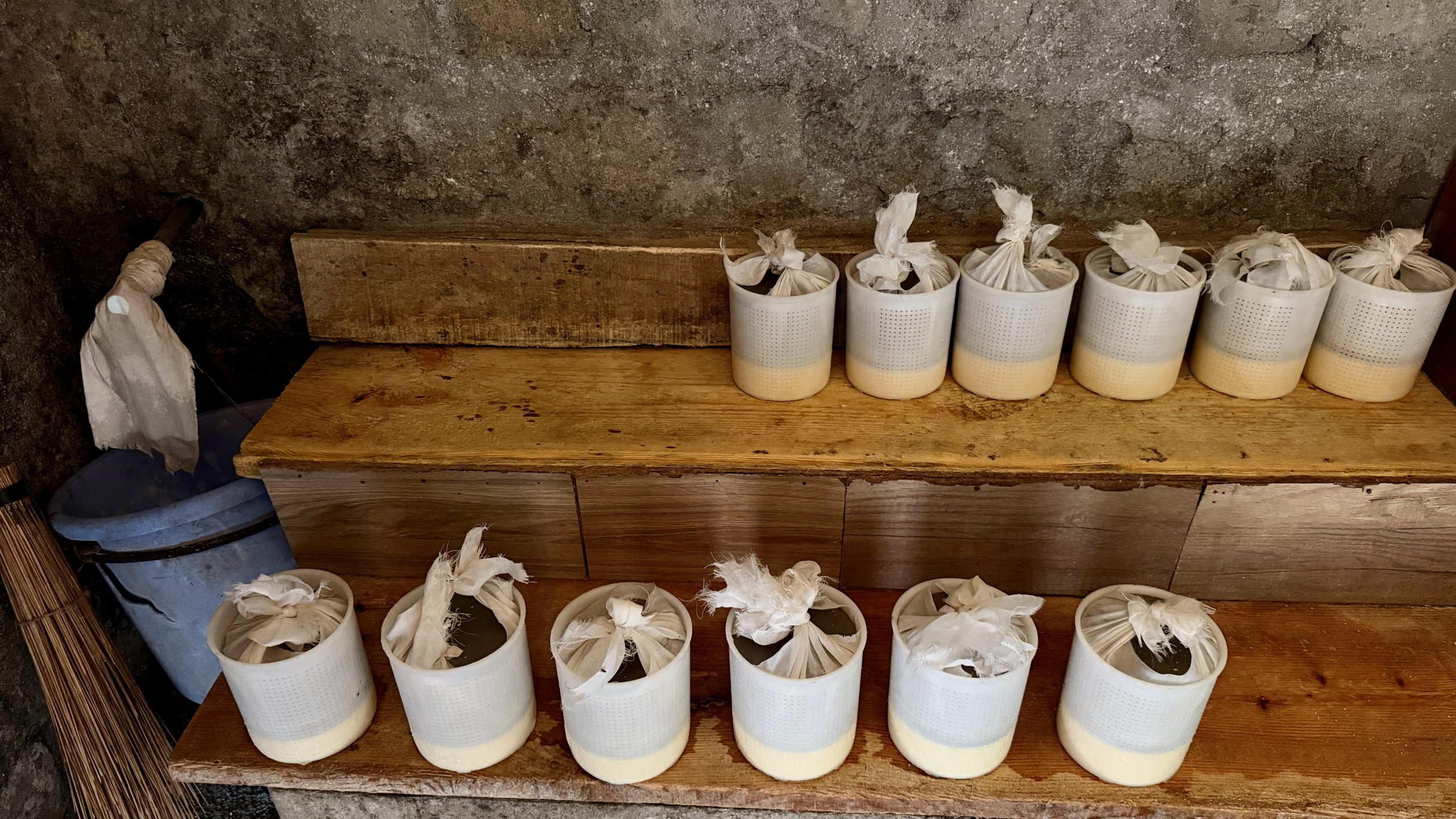
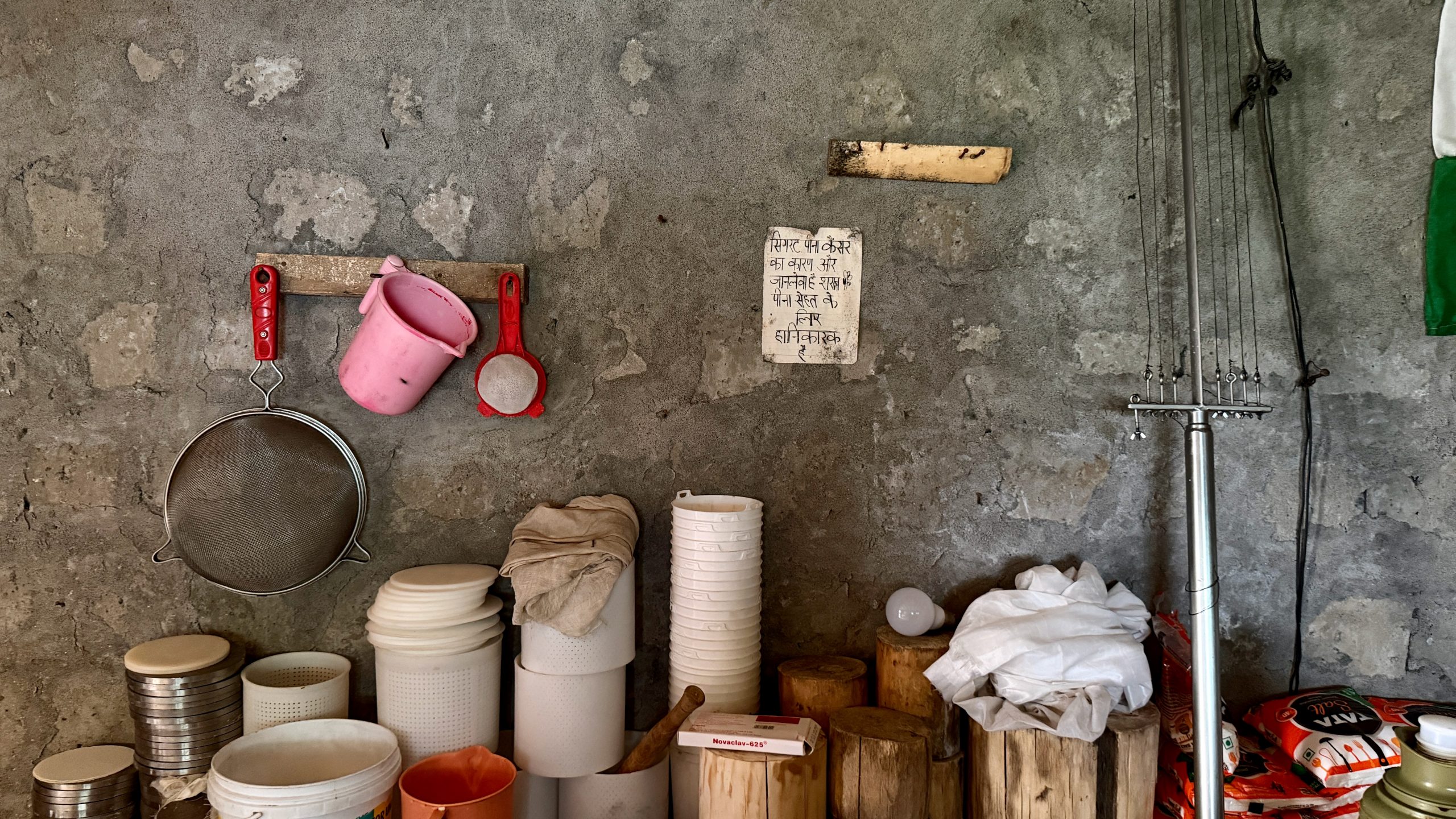
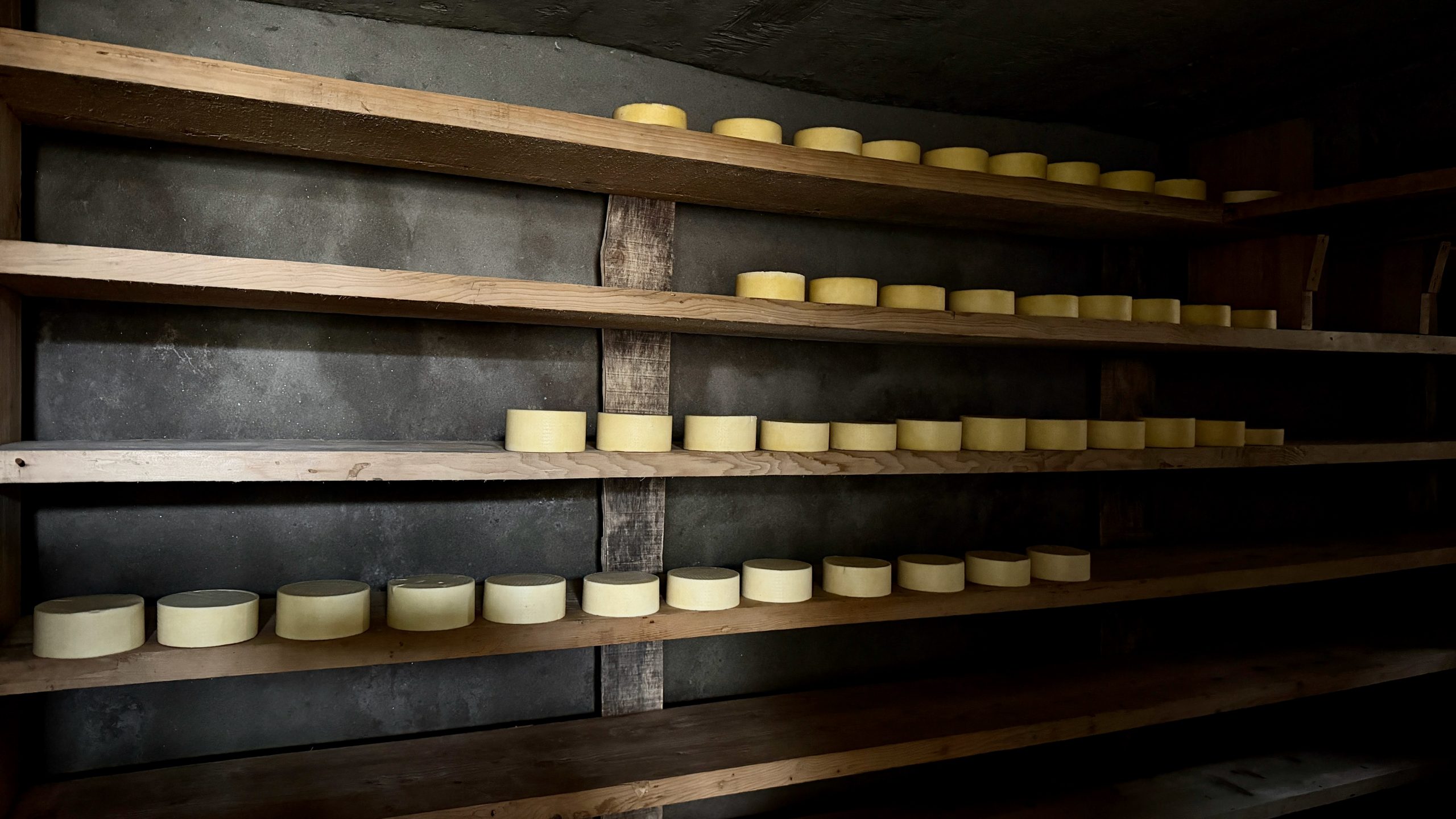
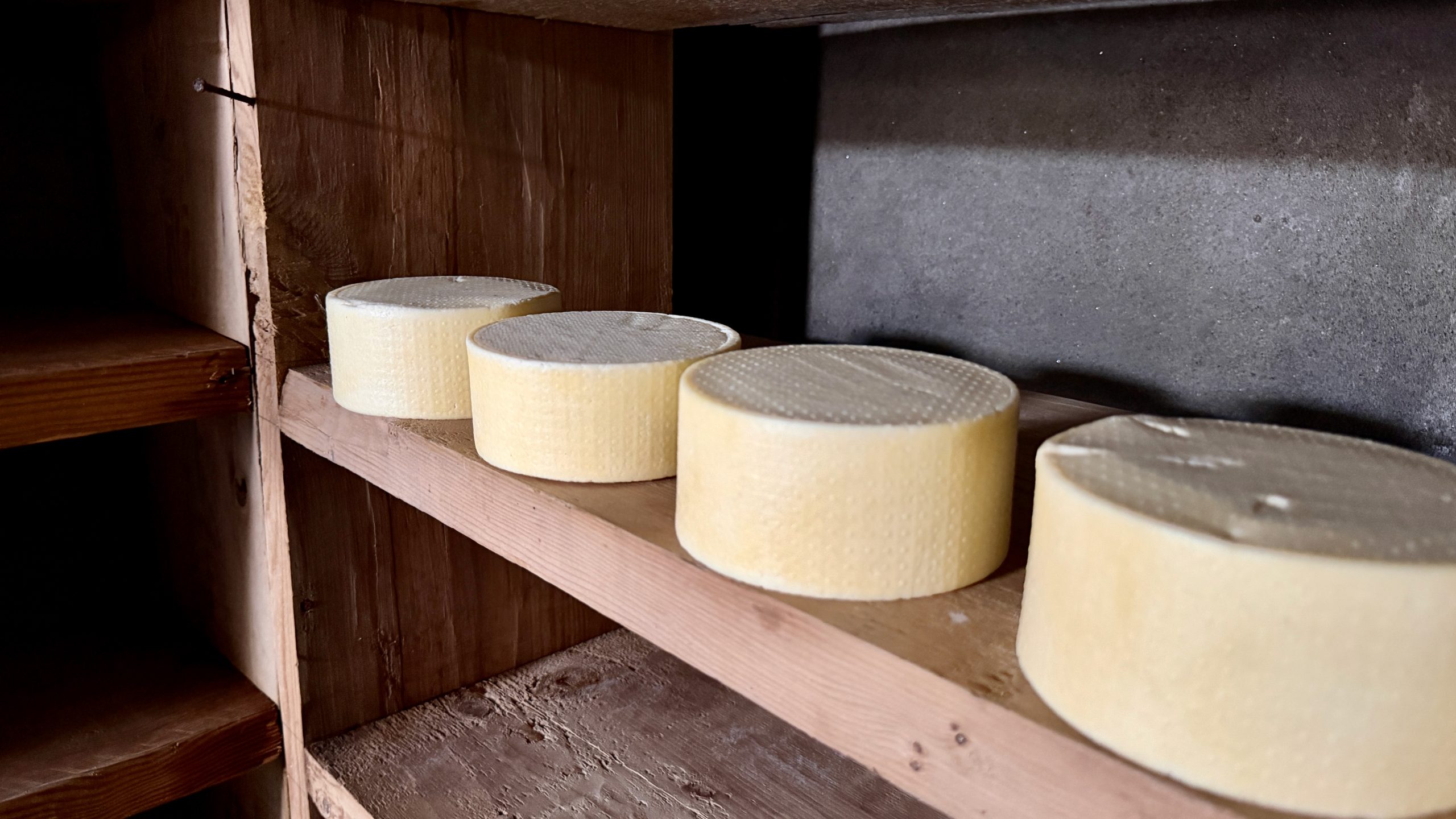
They had only just started this year’s cheese production, so I wasn’t able to buy a small wheel directly yet. The cheese matures in an underground room. Damn, I can’t remember anymore—were 1,500 kg or 1,500 wheels of cheese sold the previous year? Either way, it was an amount that got Stanzin doing the math. I actually met the owner later in the afternoon (but didn’t take a photo). He is truly a good businessman, with a travel agency in Leh and a high-end homestay alongside the cheese dairy. Since people in Zanskar usually tend to hope for a government job or some other comfortable employment, it always makes me genuinely happy to encounter an entrepreneurial spirit.
Here now are the pictures from the production and storage room:
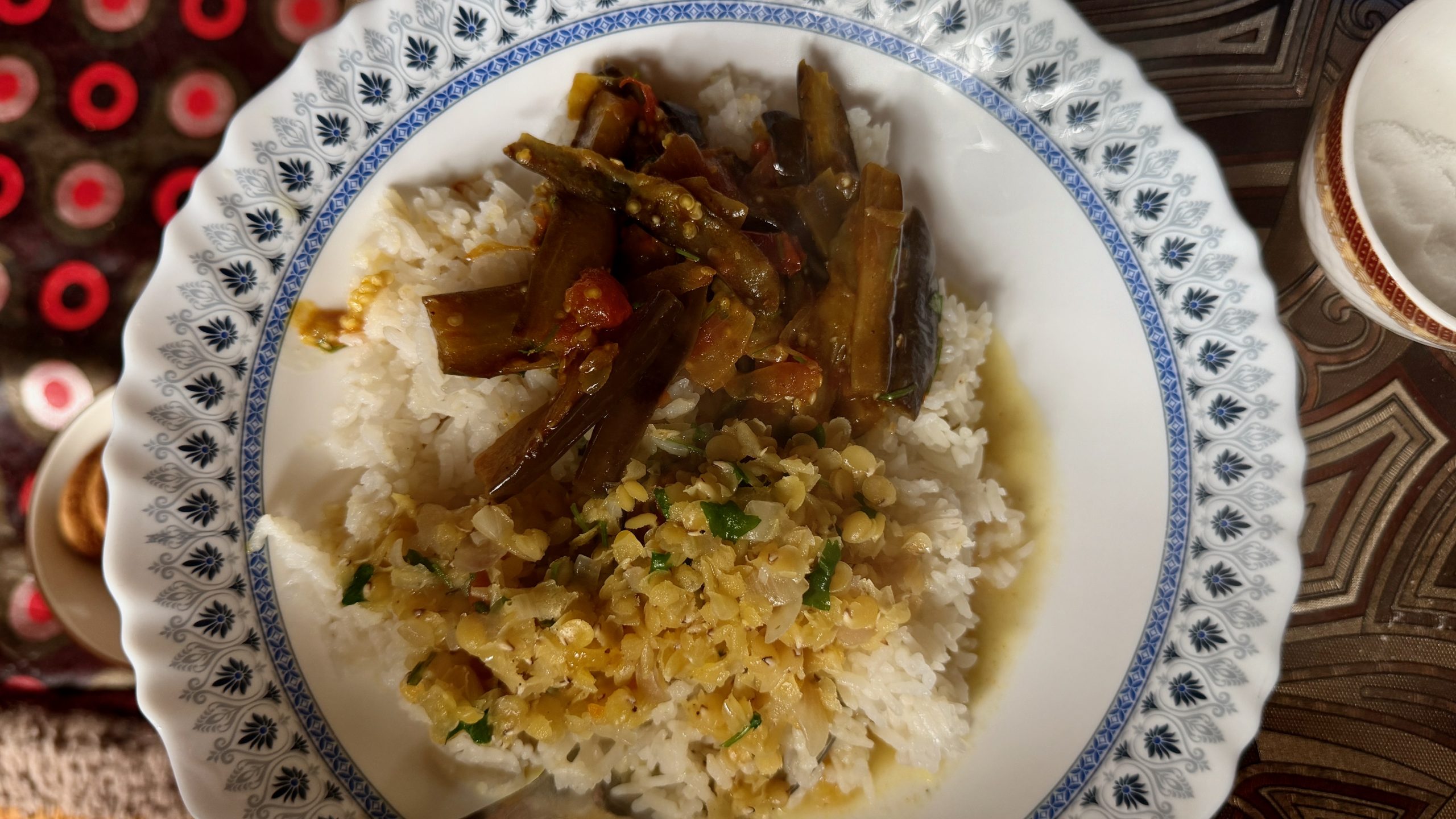
Instead of cheese, there was a delicious lunch cooked together by Stanzin and his daughter:
Honestly, the day had already brought me so much interesting stuff that I felt completely satisfied. But we managed to rally ourselves in the afternoon anyway and drove to the Dzongkhul Monastery. And there, even more special experiences were waiting for me!
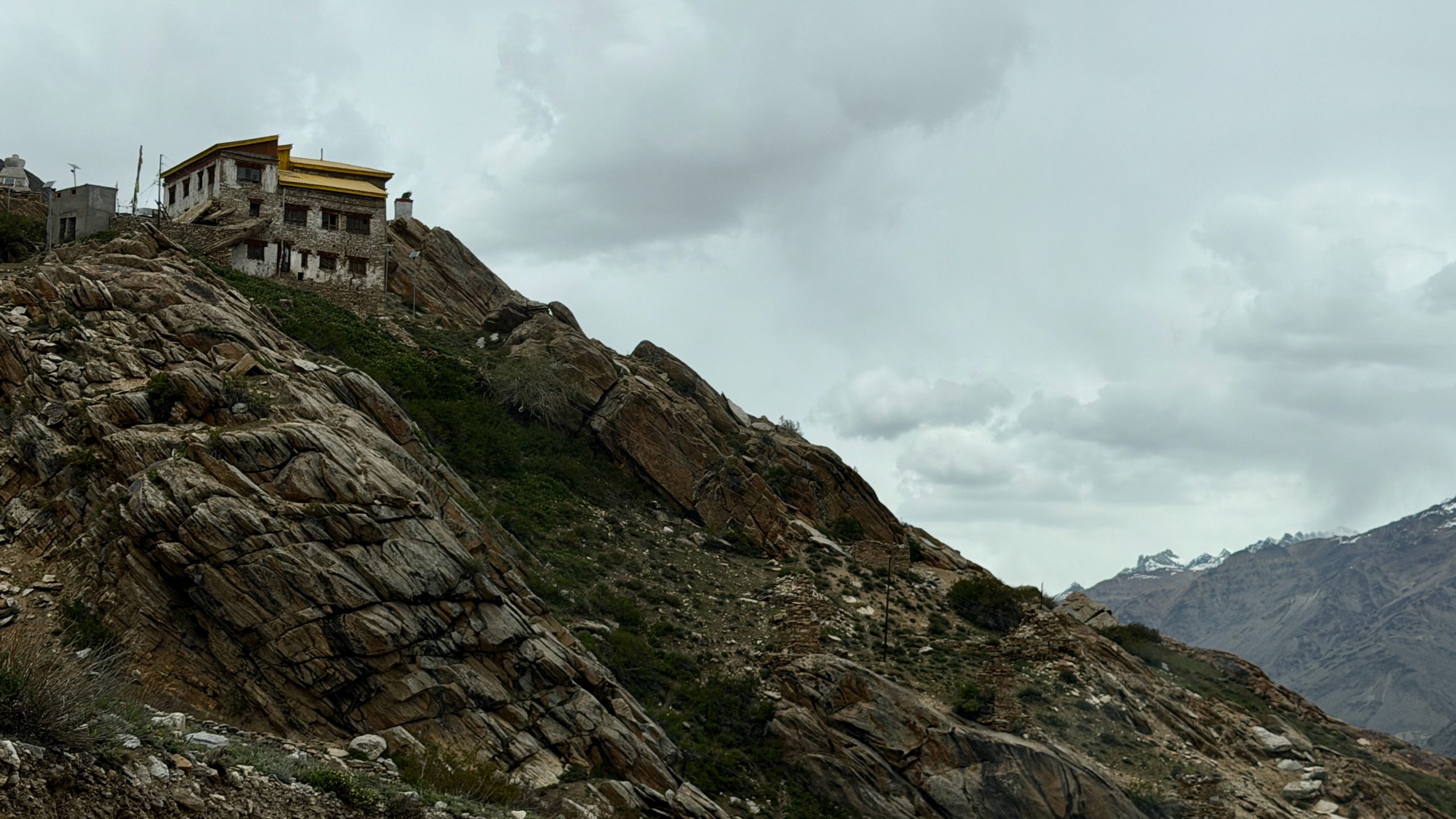
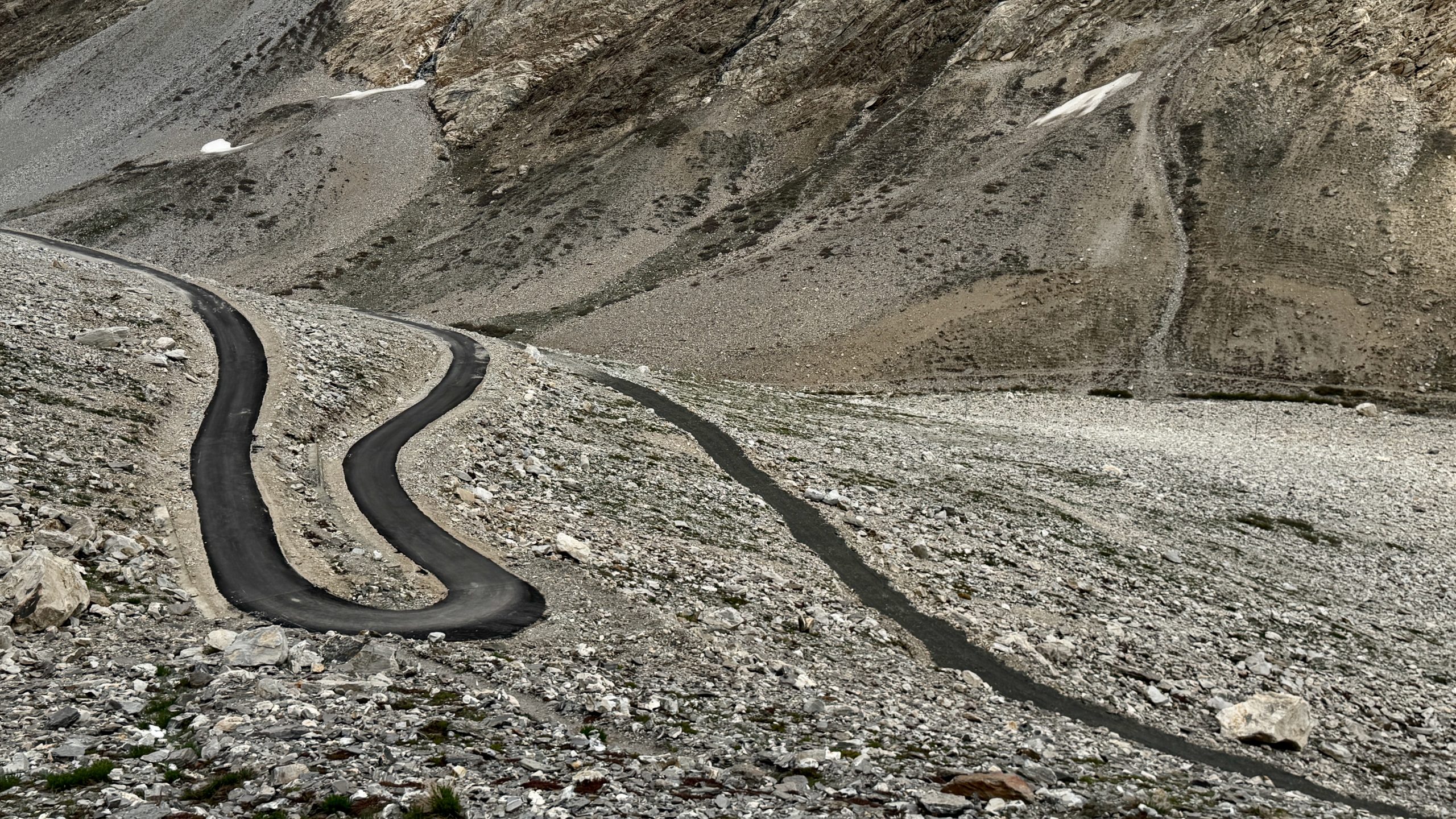
To get to the Dzongkhul Monastery, you head up a valley. That’s also where the trek over the Omasila to Kishtwar starts, which is generally considered rather difficult. In any case, the beginning of it already looks quite distinct and very rocky.
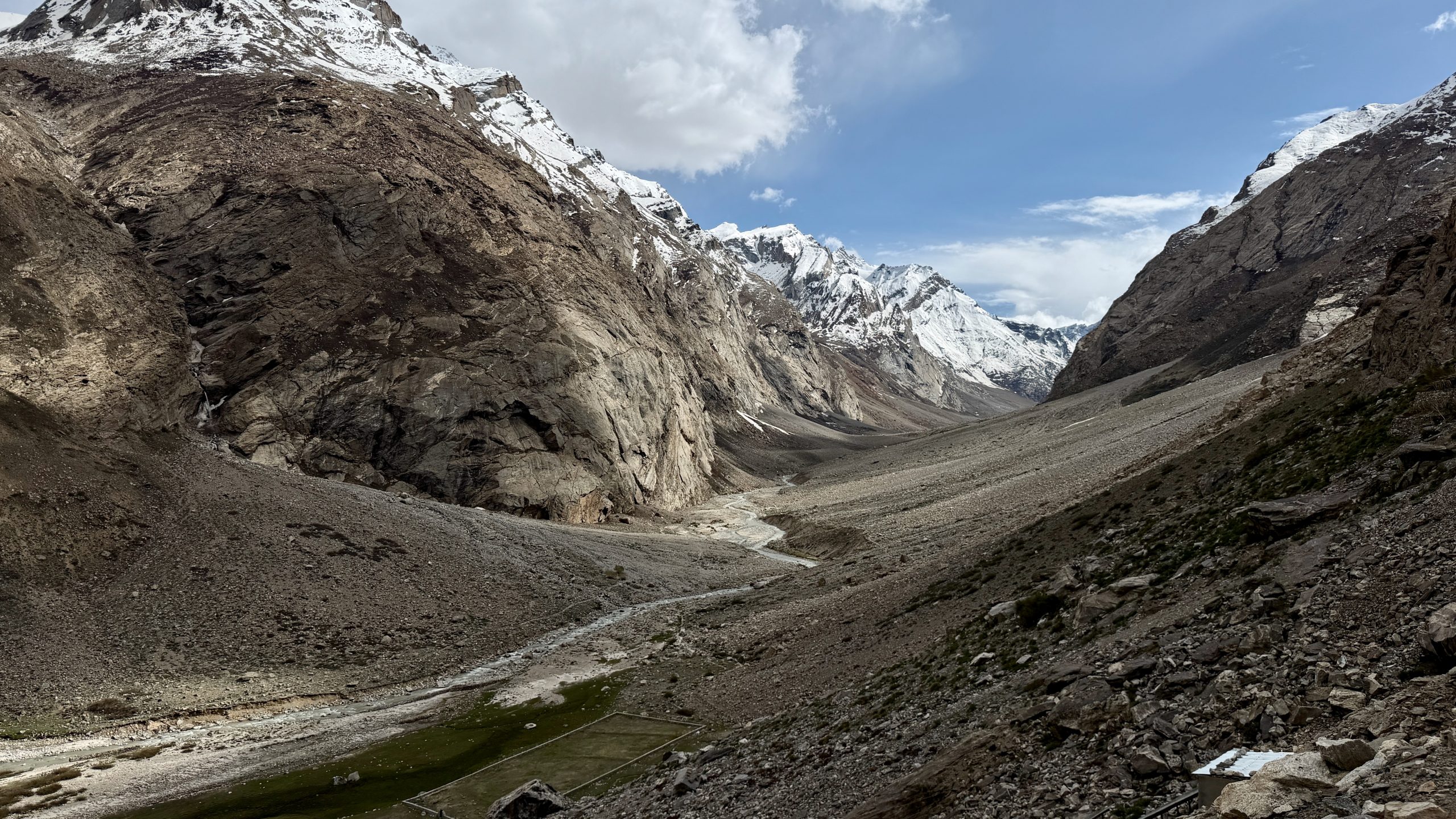
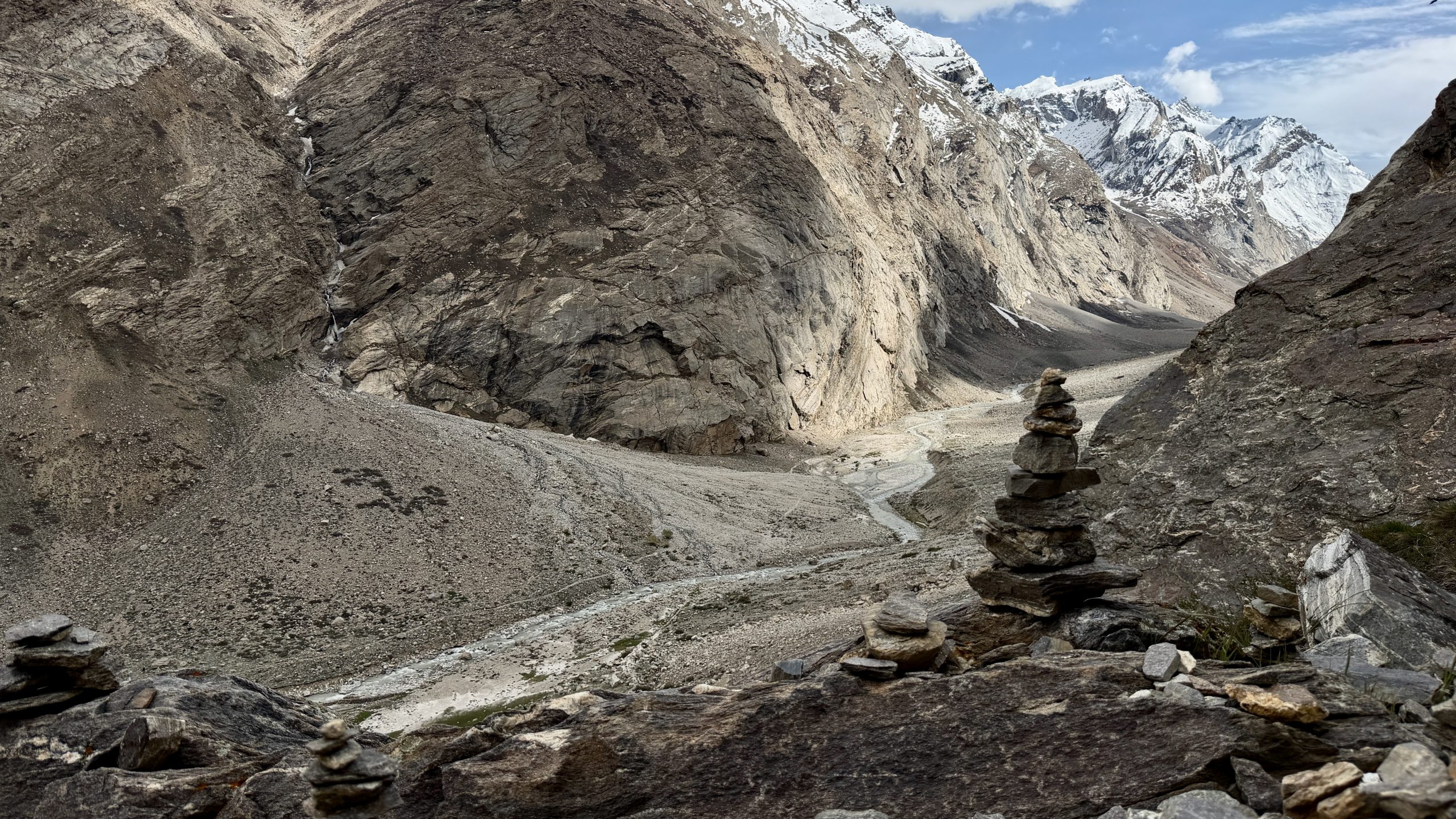
Right behind the monastery, you can climb steeply upward. It goes up stairs, but without handrails and with a precipitous drop below. Stanzin’s comment regarding my occasional fear of heights: “When your head is not normal, please tell me!” We both had a good laugh about that.
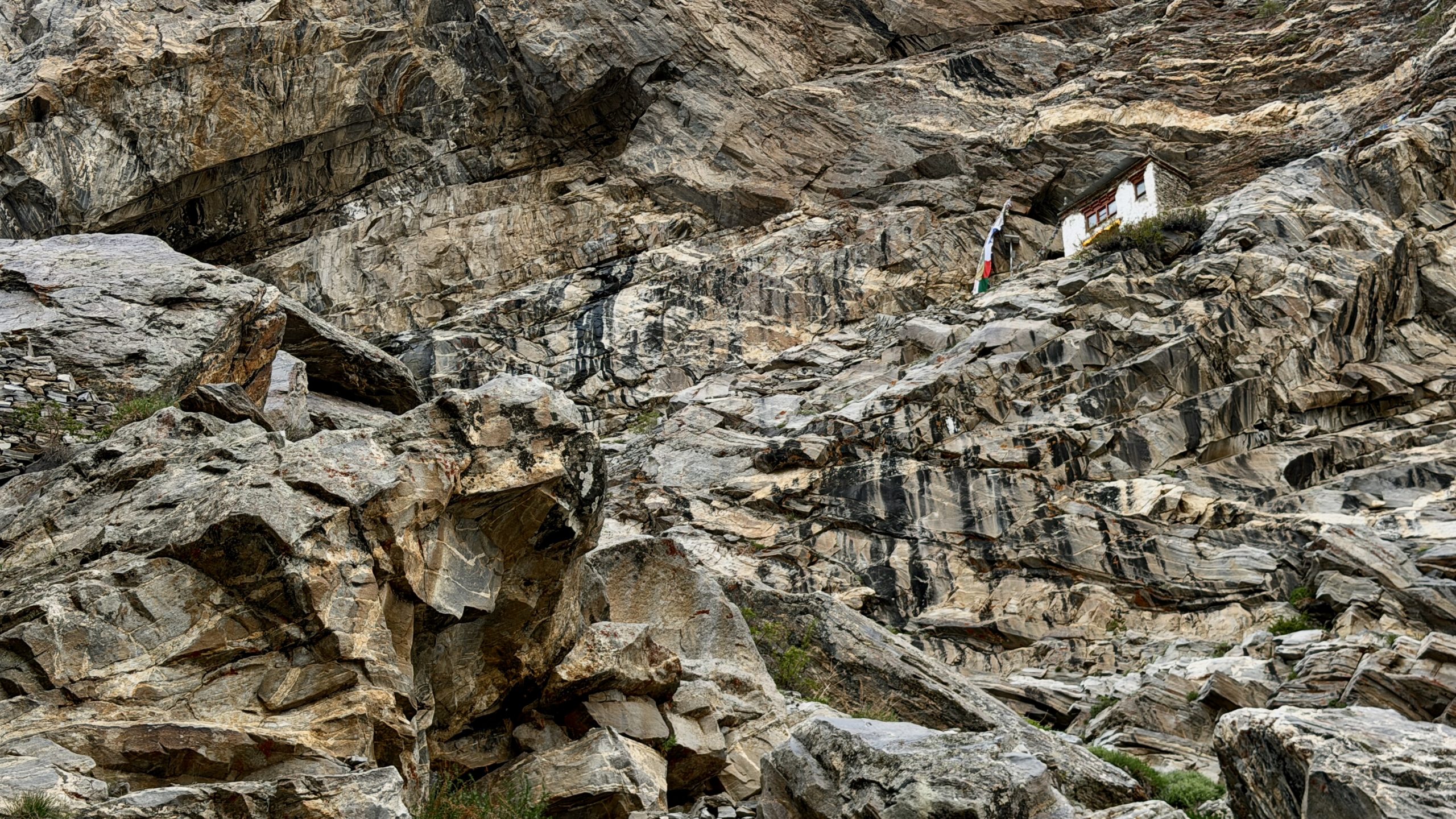
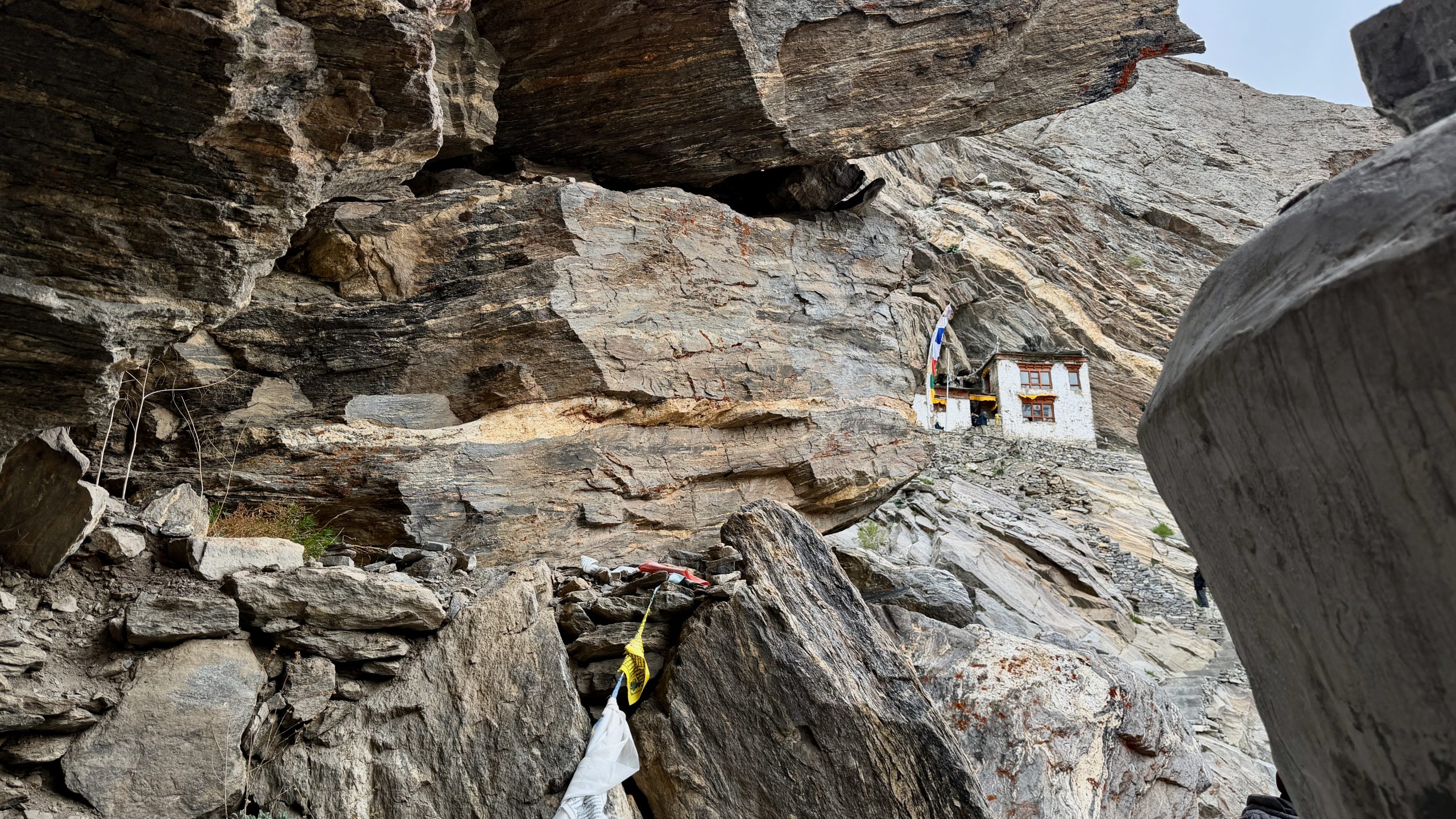
In any case, I made it to the top with my head intact. This is where Naropa is said to have meditated, and you can look around at everything.
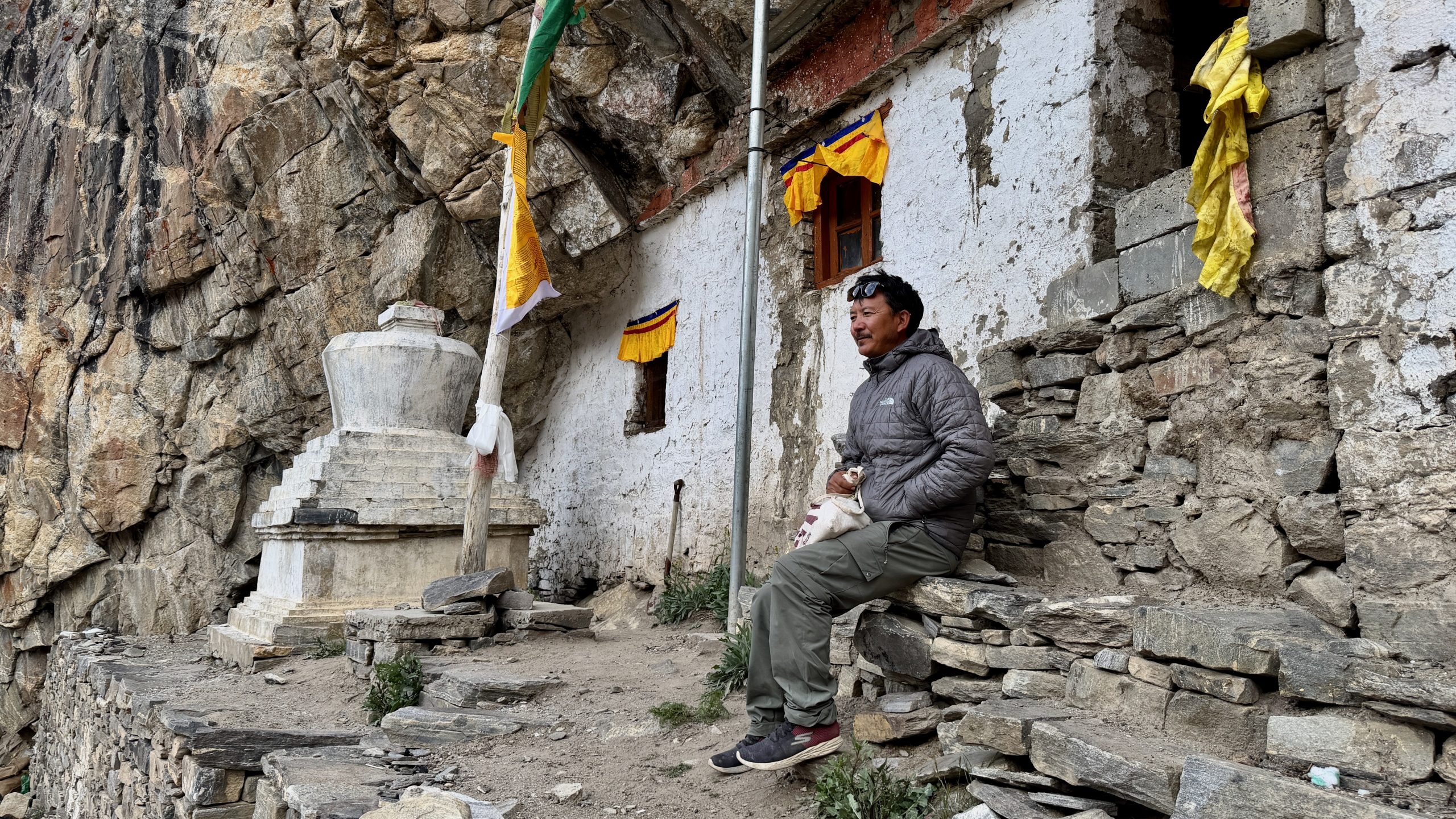
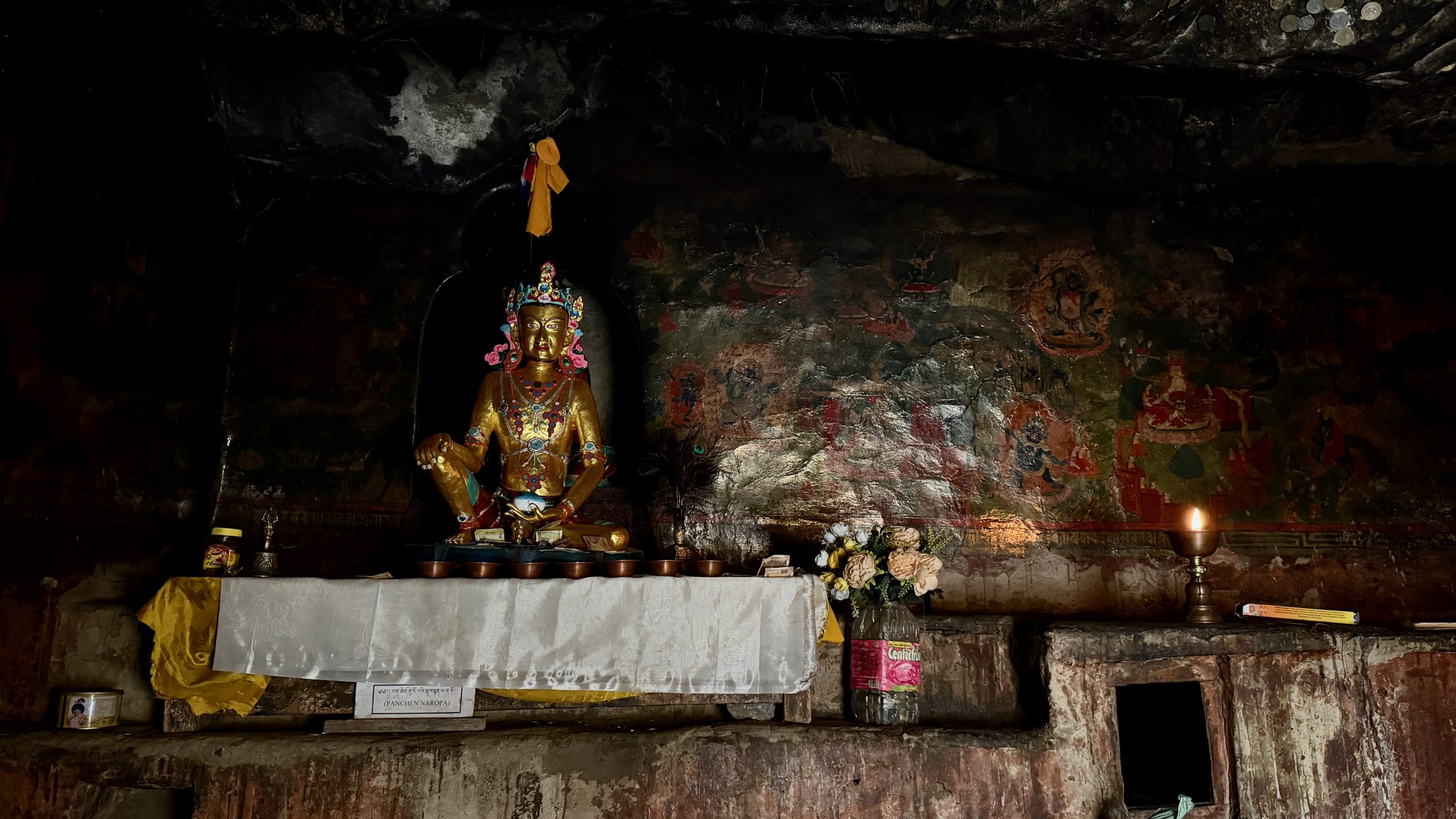
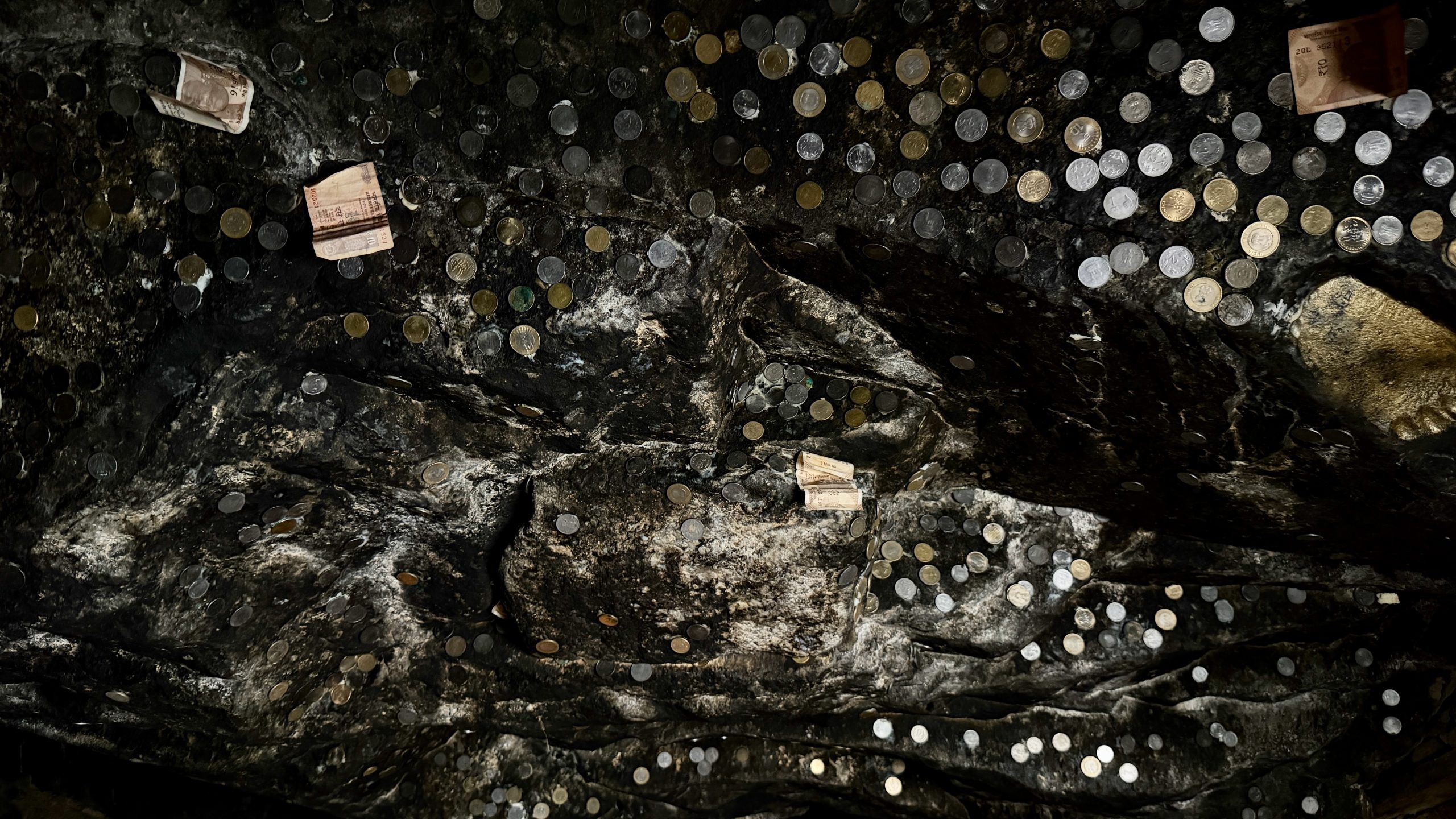
The view looking down was fantastic. On one side, the view up the valley, and on the other, lots of cars parked in front of the main monastery.
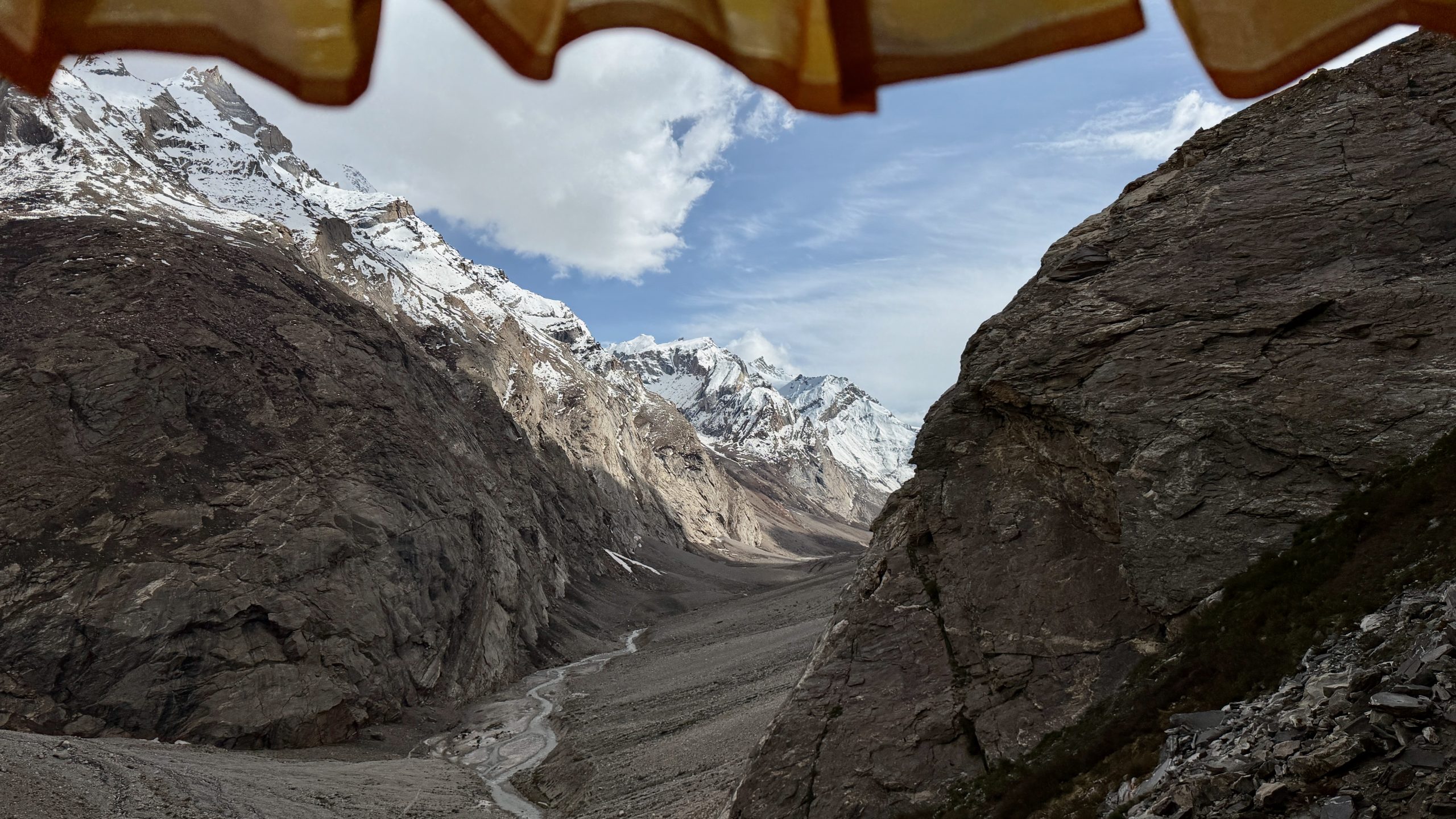
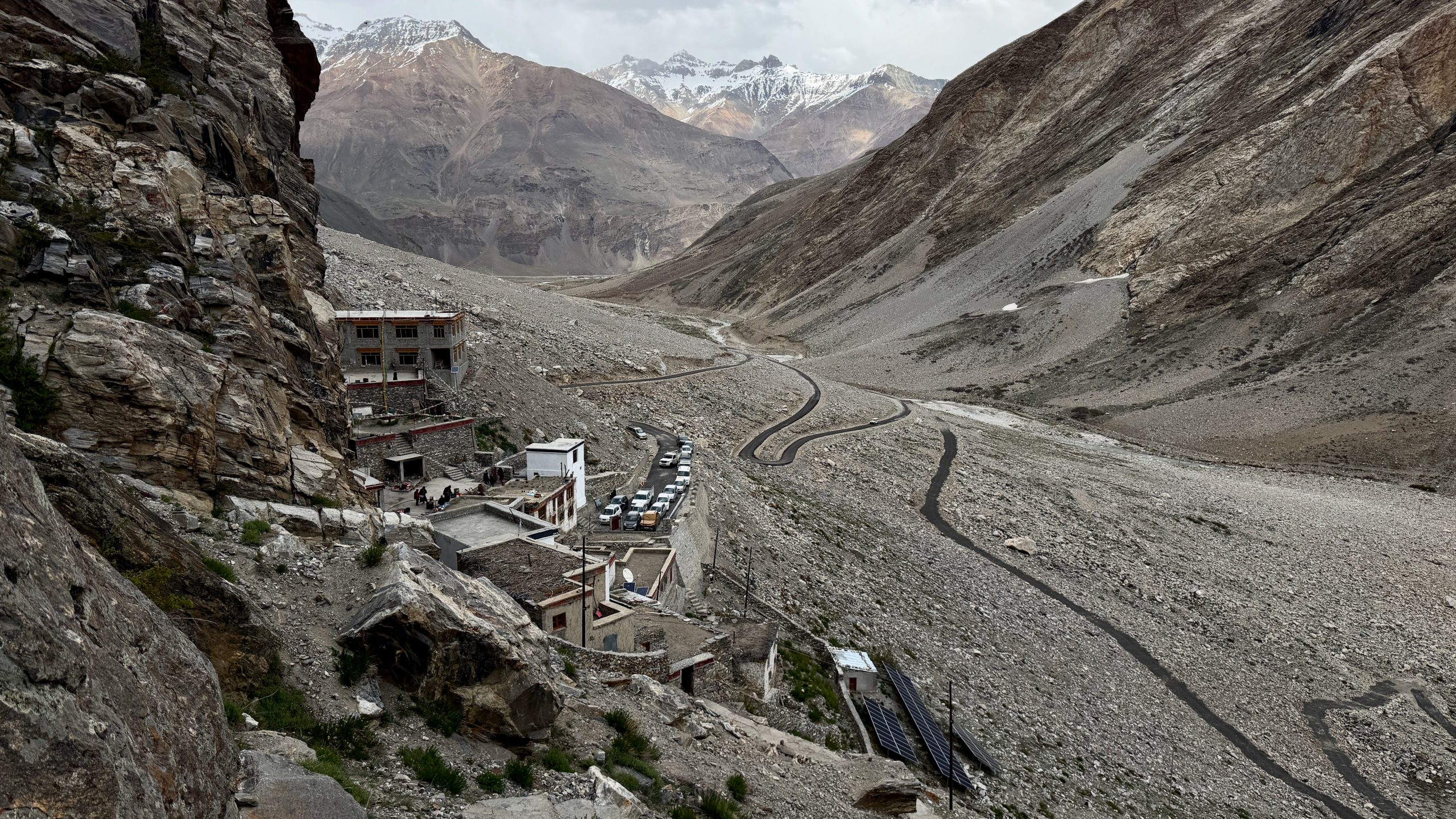
As it turned out, a three-day Buddhist festival was happening here. People feast and perform Puja—and then they are supposed to fast the following day. We were offered tea and all kinds of treats, but my stomach was still so full from lunch. Stanzin seemed to know absolutely everyone. Among others, Sonam Dawa, the “yak cheese” producer, was there too, and we chatted for a bit. I was really impressed by the food—especially the butter. Though out here, the butter is probably used more for the butter lamps than for the belly.
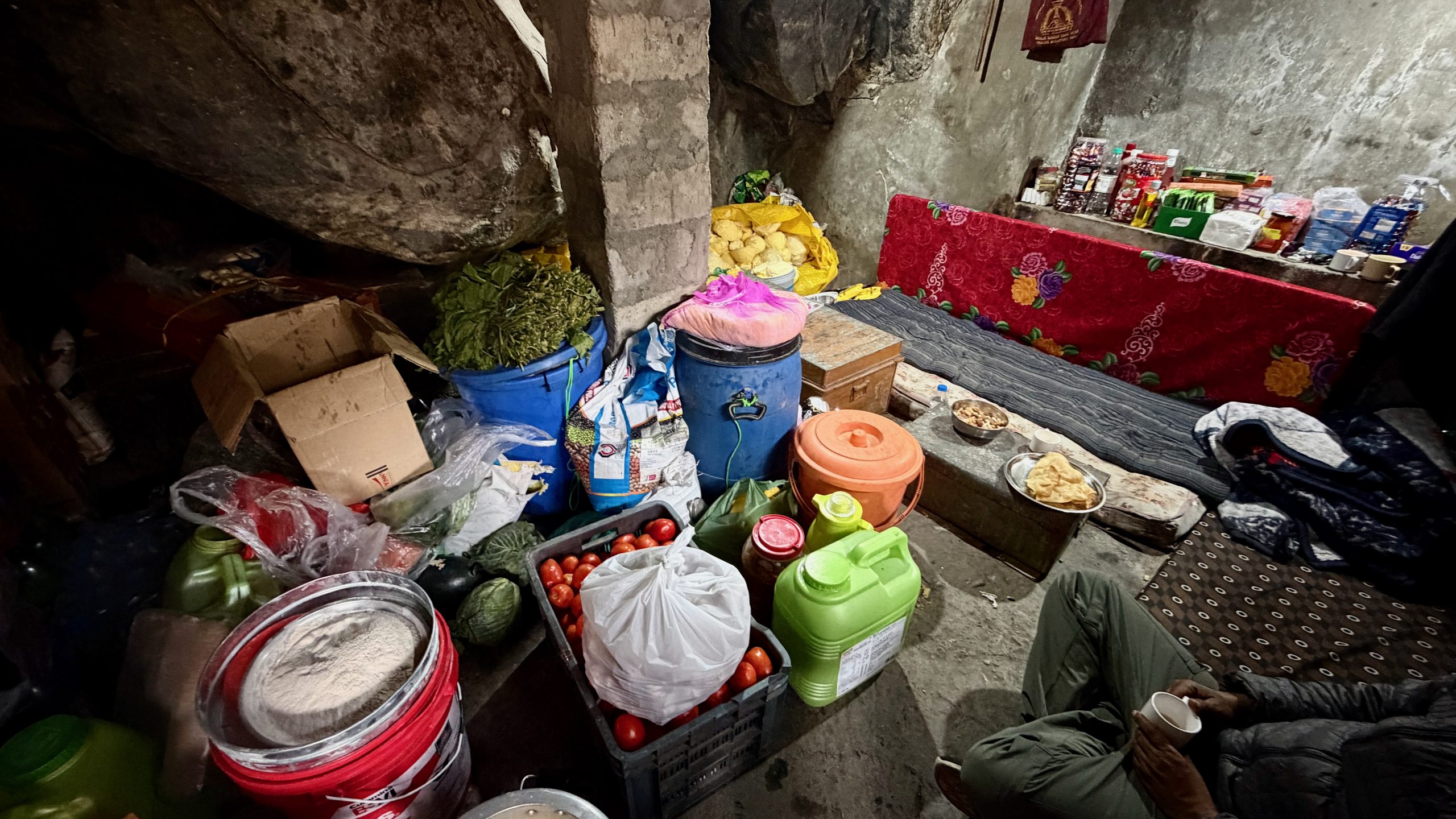
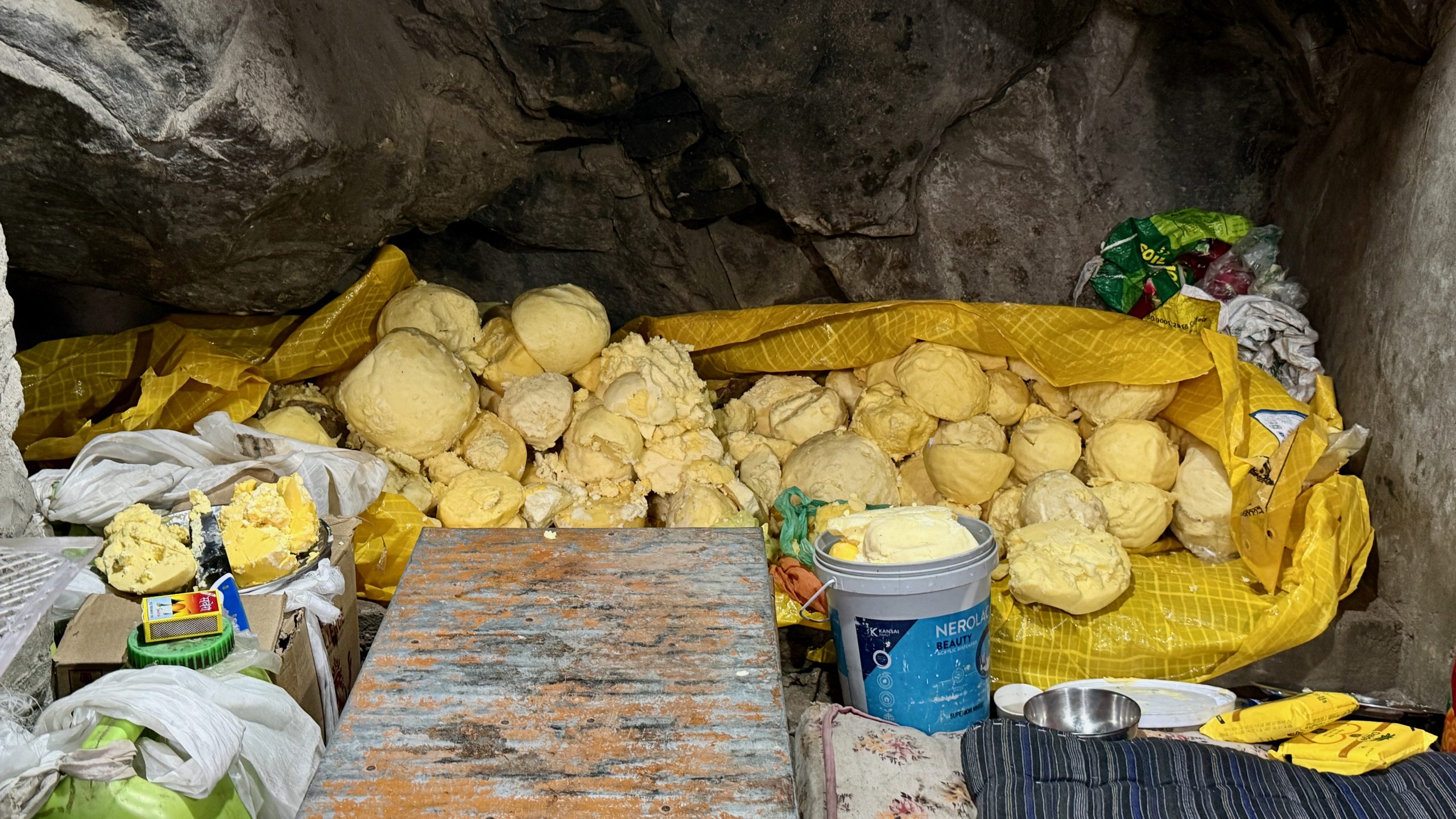
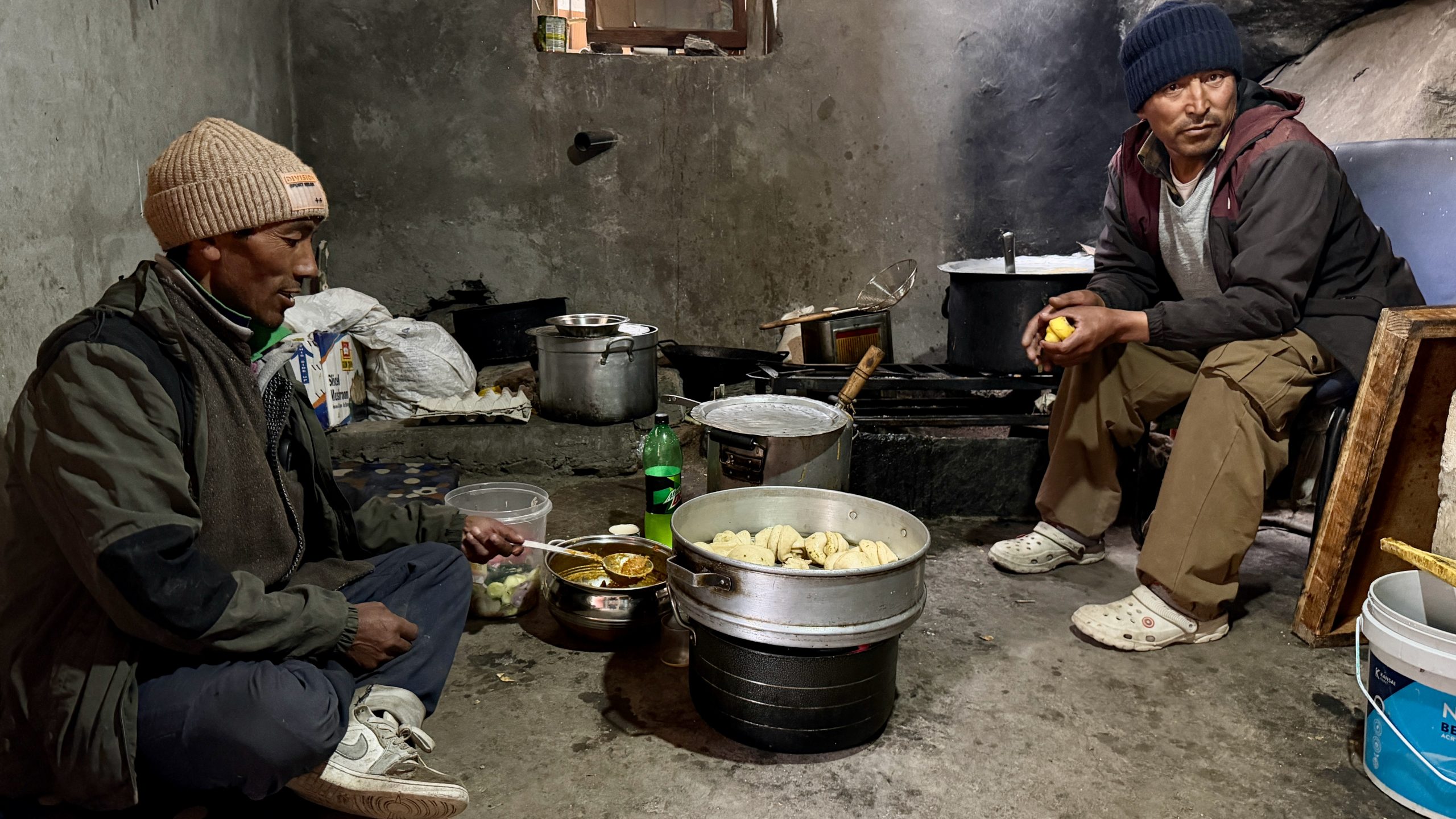
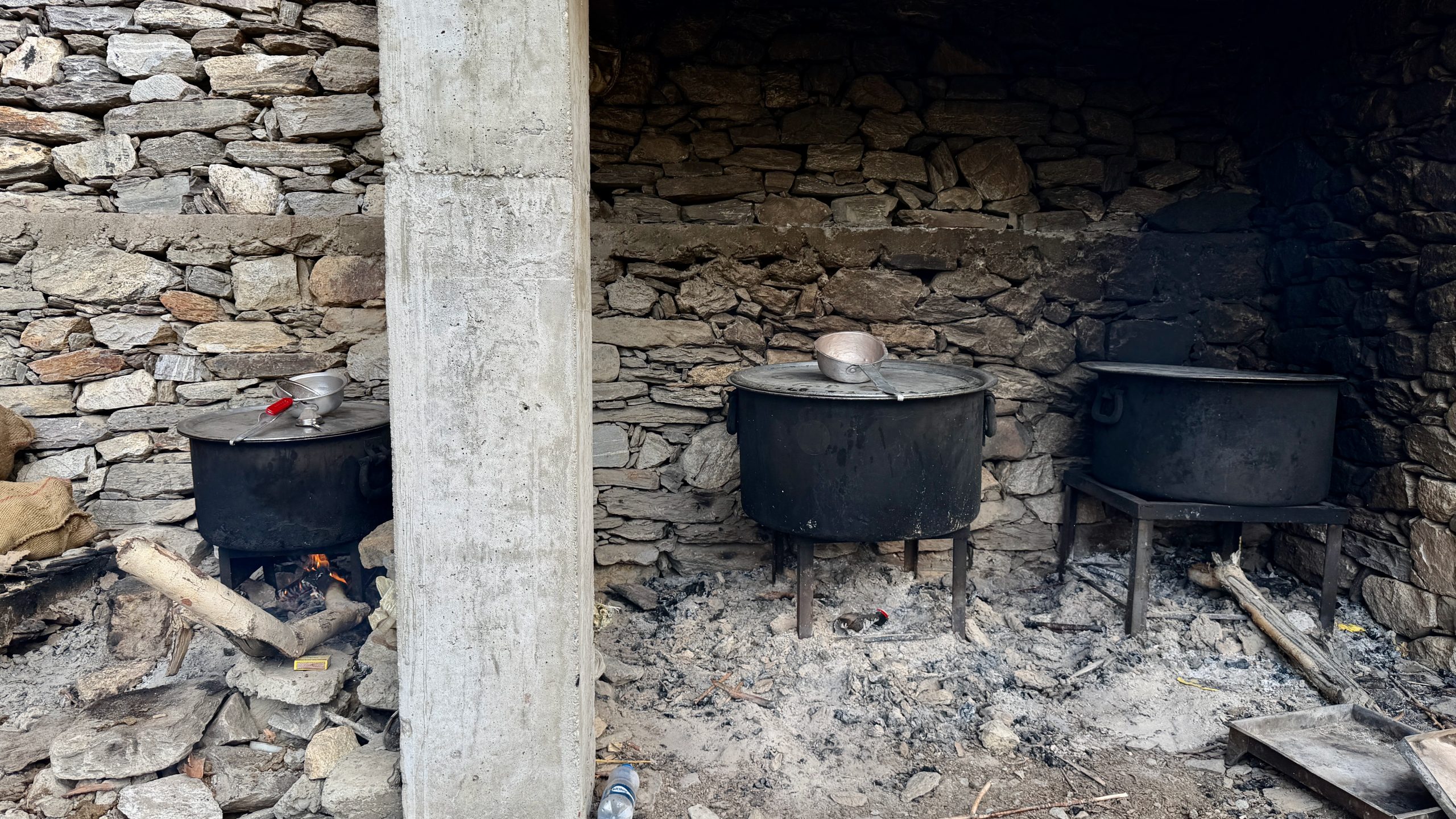
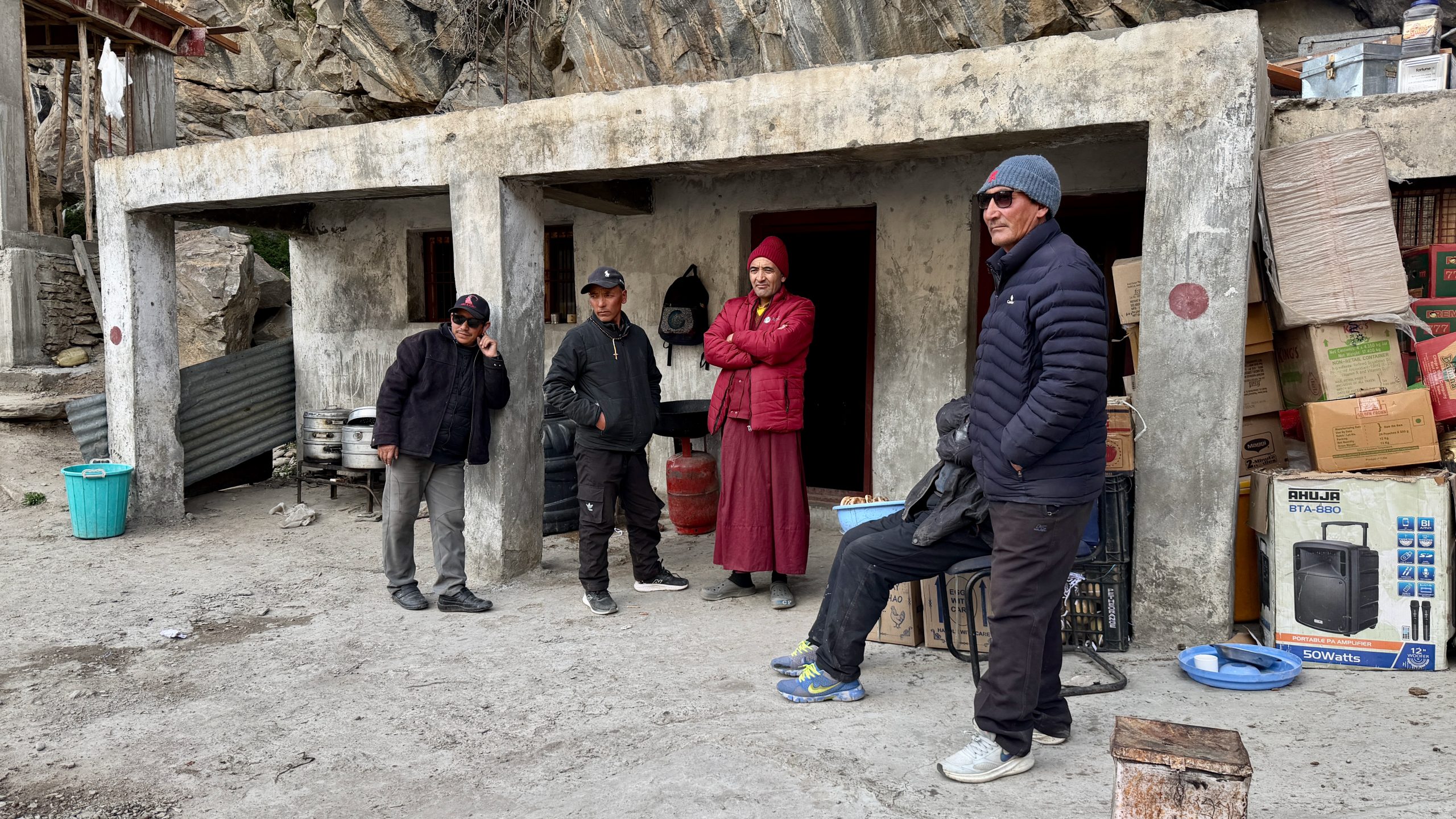
Then we went inside. And the first thing I was asked was how exactly I had gotten there. The Zanskari taxi “mafia” monitors everything incredibly closely! Just to make sure absolutely nothing unauthorized happens with the taxis and they don’t lose out on any money. Luckily, they do tolerate it after all if you are a “friend”.
Inside, photography was forbidden. The puja room was filled with well-dressed people—mostly women and old men—and three monks at the front reciting the texts. I sat there for a while, reflecting, among other things, on just how many special things I have experienced in Zanskar.
Because the next morning, we were set to head to Leh via the new Nimmu road. One week in Zanskar—so incredibly interesting!